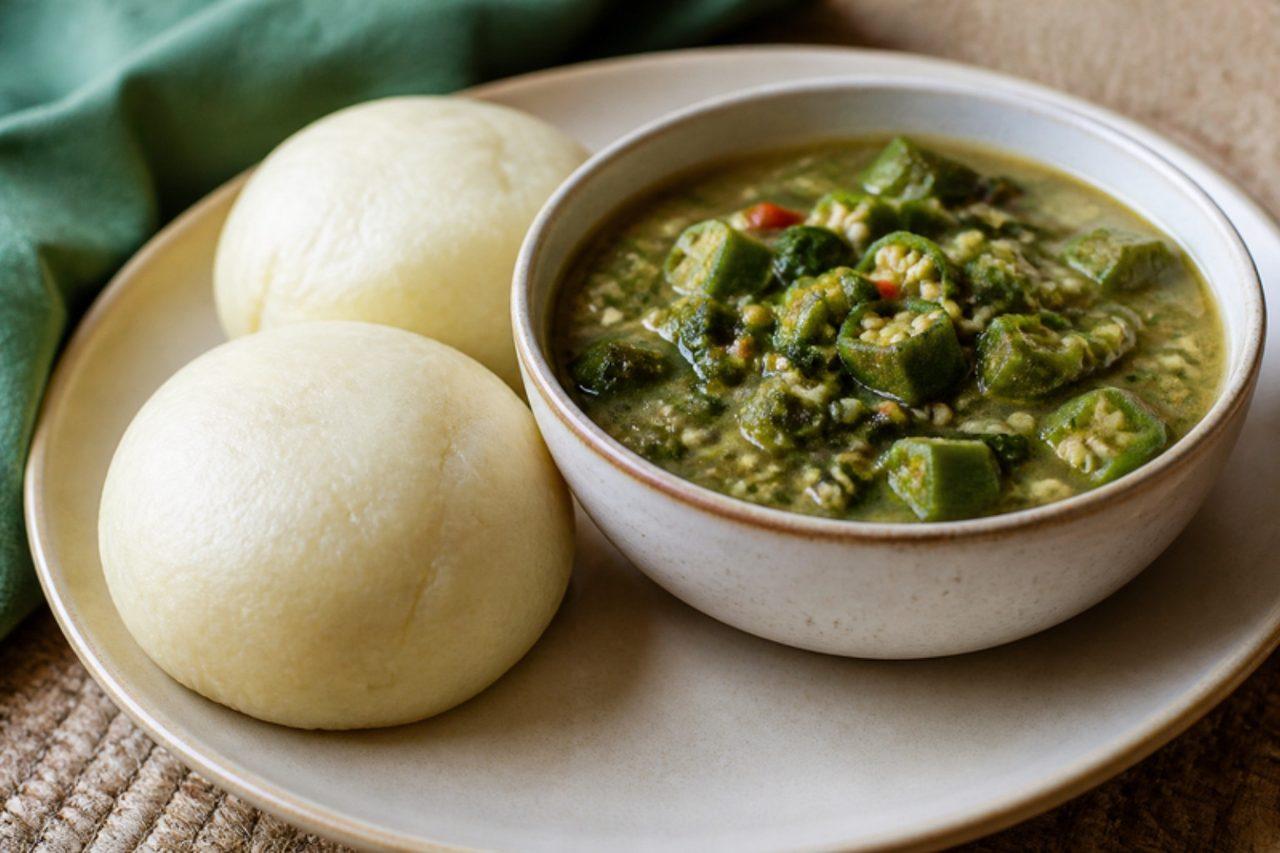
Skip to content
Recipes

All recipes

Vegetarian, or something you can't eat? Set your diet once and we'll hide recipes that don't fit.

Mandi'o chyryryFried cassava with onion and egg

Mandi'o chyryry means 'fried cassava' in Guaraní, and it is what rural Paraguayan families make from yesterday's boiled mandi'o: chunks crushed and fried in a big pan with onion until crisp in places, then scrambled with eggs. It comes out for breakfast with cocido or for a quick supper, and costs next to nothing. Use sweet cassava, the kind sold in supermarkets. The mistake is stirring constantly, which turns it to mush; let the cassava sit and brown. Chef's tip: the best chyryry starts with cold, day-old boiled cassava, which fries crisper than freshly boiled.

by KrazyBadal 0 views

Postre MassiniCustard sponge with burnt sugar top

Montevideo's birthday cake of choice since the early twentieth century, the Massini is two thin layers of sponge sandwiching a thick filling of whipped cream folded with egg-yolk custard, crowned with a thin glassy crust of torched yolk and sugar. Bakeries across Uruguay sell it on Sundays. Traditional versions sometimes add a sweet fortified wine to the custard; this one is alcohol-free. The custard is cooked to a safe 71 °C. The common mistake is assembling with warm custard, which melts the cream into a puddle. Chef's tip: if you don't have a blowtorch, put the sugared top under a very hot grill for a minute and watch it closely.

by KrazyBadal 0 views

BankuFermented corn and cassava dough

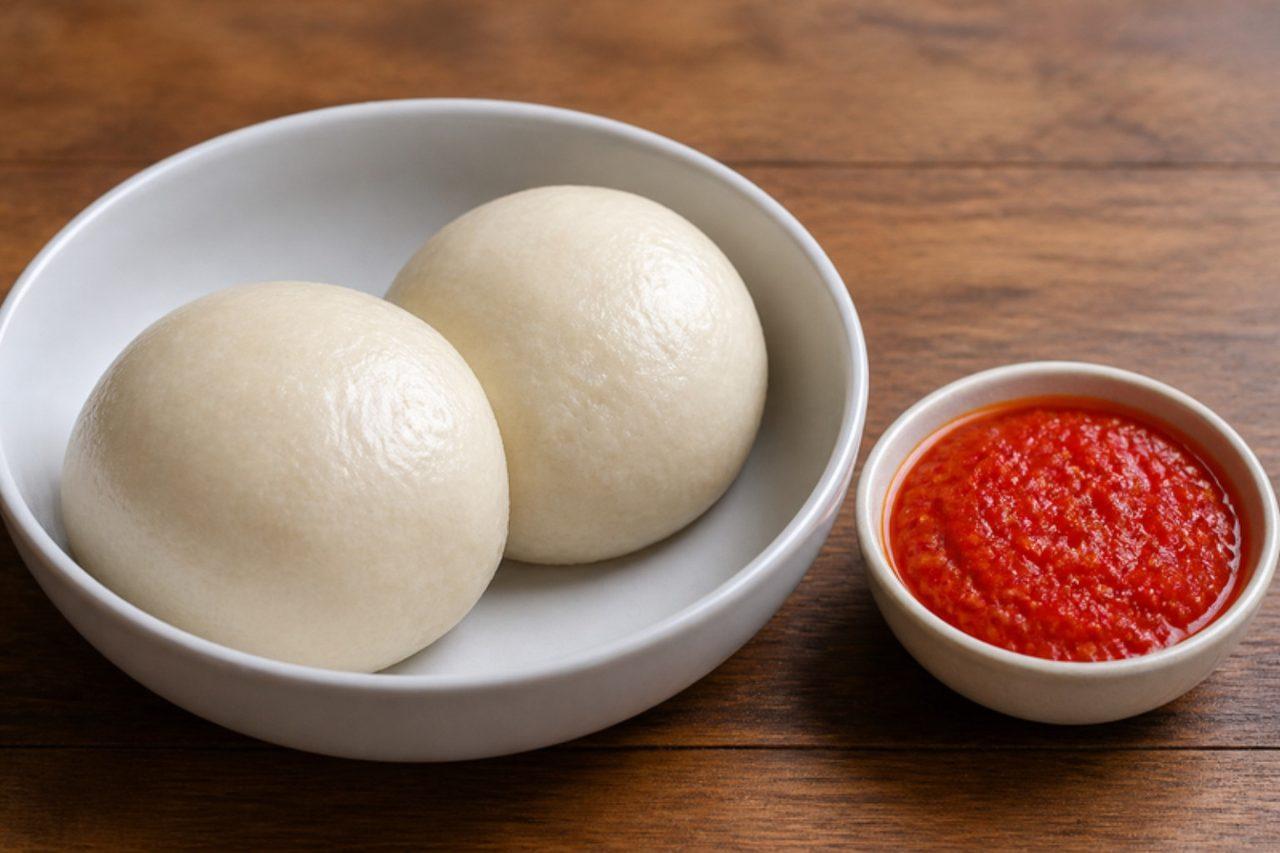
Chop bars from Jamestown to Teshie serve banku all day, usually beside grilled tilapia, okro stew and a fierce raw pepper sauce. Fermented corn dough and cassava dough are cooked together and turned hard with a wooden spatula until they become a smooth, stretchy, faintly sour ball that you pinch off with your fingers and dip into soup or stew. At home it is good with any Ghanaian soup, and a meat-free okro stew or pepper sauce keeps the whole meal vegan. Ready-made doughs are sold in African grocers. A lumpy banku comes from adding dough to hot water; always mix it with cold water first, then heat. The commonest mistake is stopping the stirring; banku needs constant turning with a wooden spoon or it goes lumpy and raw in patches. Chef's tip: keep a bowl of water next to the pot and wet the spatula and your hands as you shape the balls, so the banku comes out glossy and nothing sticks.

by KrazyBadal 0 views

Ghanaian fufuPounded cassava and plantain
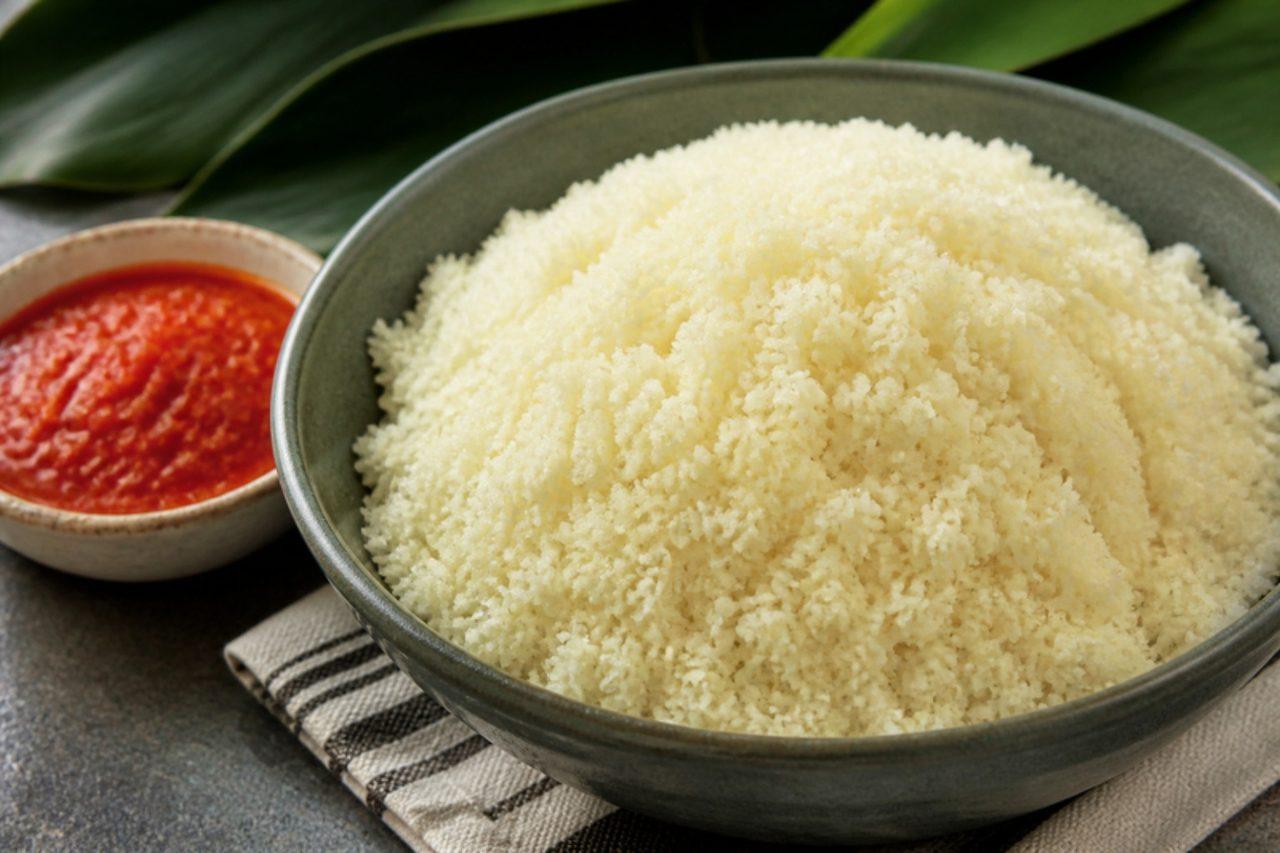
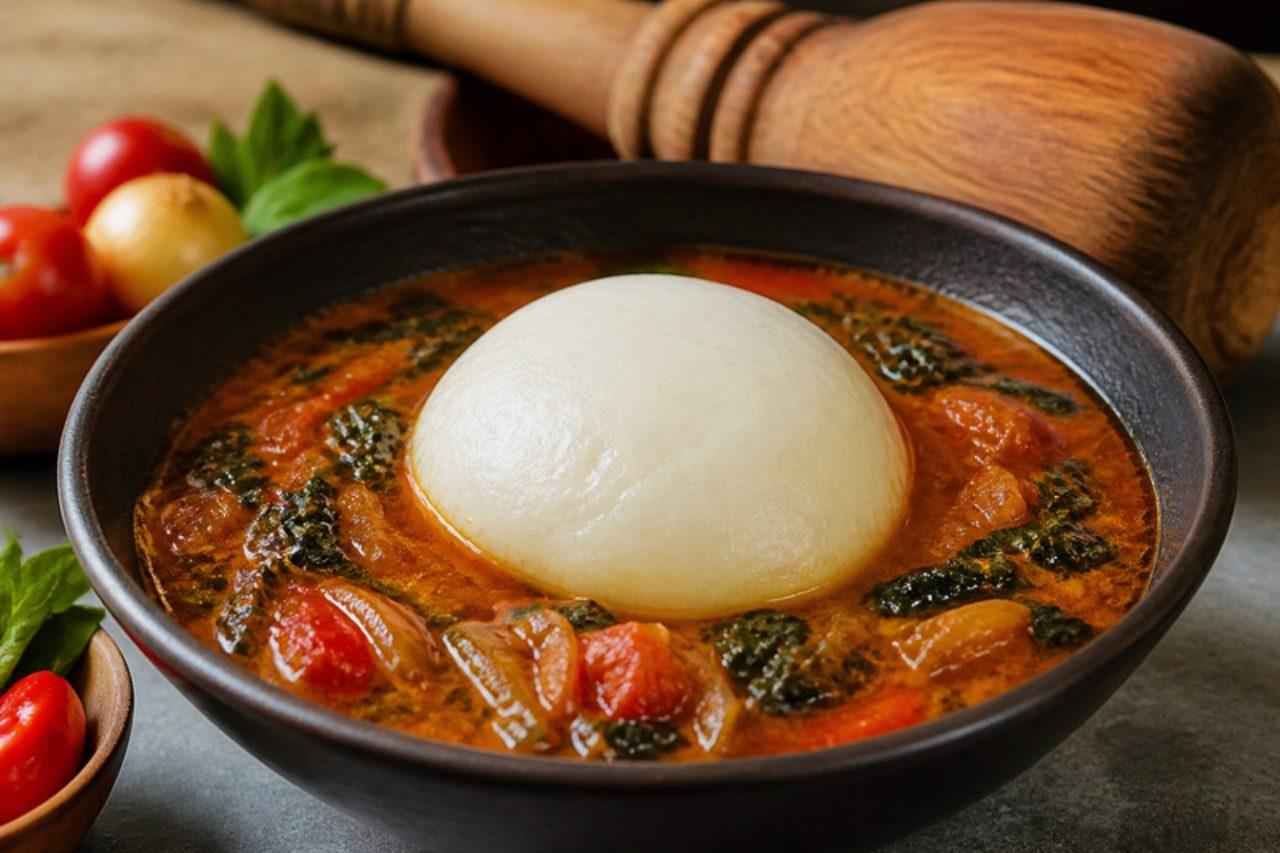
The rhythmic thud of a pestle in a wooden mortar is the sound of lunchtime in Kumasi, where fufuo is pounded by two people, one lifting the pestle and one turning the dough between strokes. Boiled cassava and unripe plantain are beaten together until they become a soft, stretchy, slightly springy ball, served in a bowl of light soup, palm nut soup or groundnut soup and eaten with the right hand. Those soups are usually made with meat or fish; serve it with a vegetable soup for a meat-free meal. Cassava must always be fully cooked, never eaten raw. A food processor makes a good version at home. Chef's tip: pound the plantain first, then add the cassava; adding too much water is the common mistake and leaves the fufu sticky instead of smooth and elastic.

by KrazyBadal 0 views

KokonteDried cassava swallow

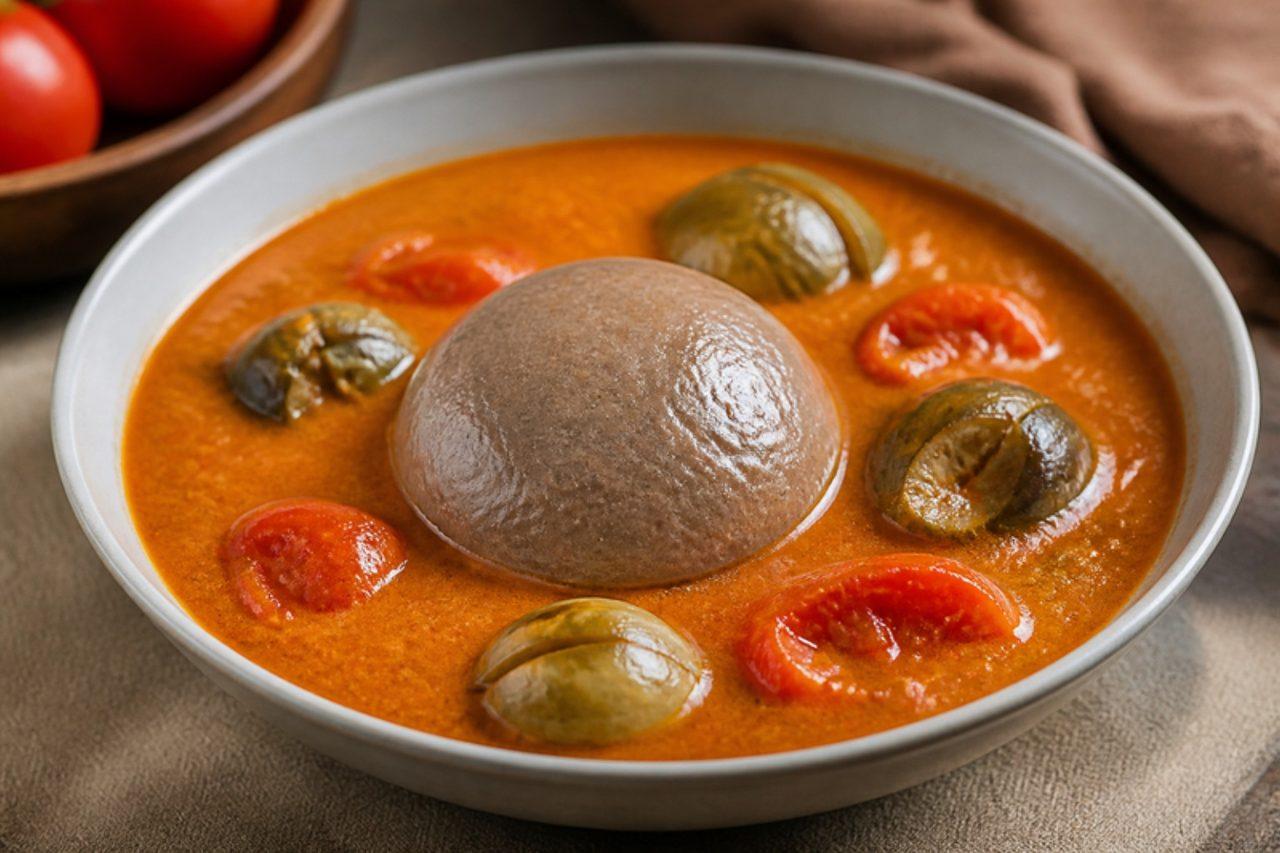
Dried in the sun and ground to a coarse brown powder, cassava keeps for months as kokonte, and in Ashanti villages it is the swallow of the dry season and of lean times. Cooked, it turns into a smooth, firm, earthy-tasting dough, darker than fufu and with a faint smokiness, that is classically eaten with groundnut soup or palm nut soup; its colour earned it the joking nickname 'face the wall'. It takes only minutes to make. Those soups usually carry meat or fish, so serve a vegetable soup for a meat-free meal. Chef's tip: mix a third of the powder with cold water to a paste before it goes into the boiling water; dumping dry powder into hot water is the common mistake and makes stubborn lumps.

by KrazyBadal 0 views

Ghanaian rock buns
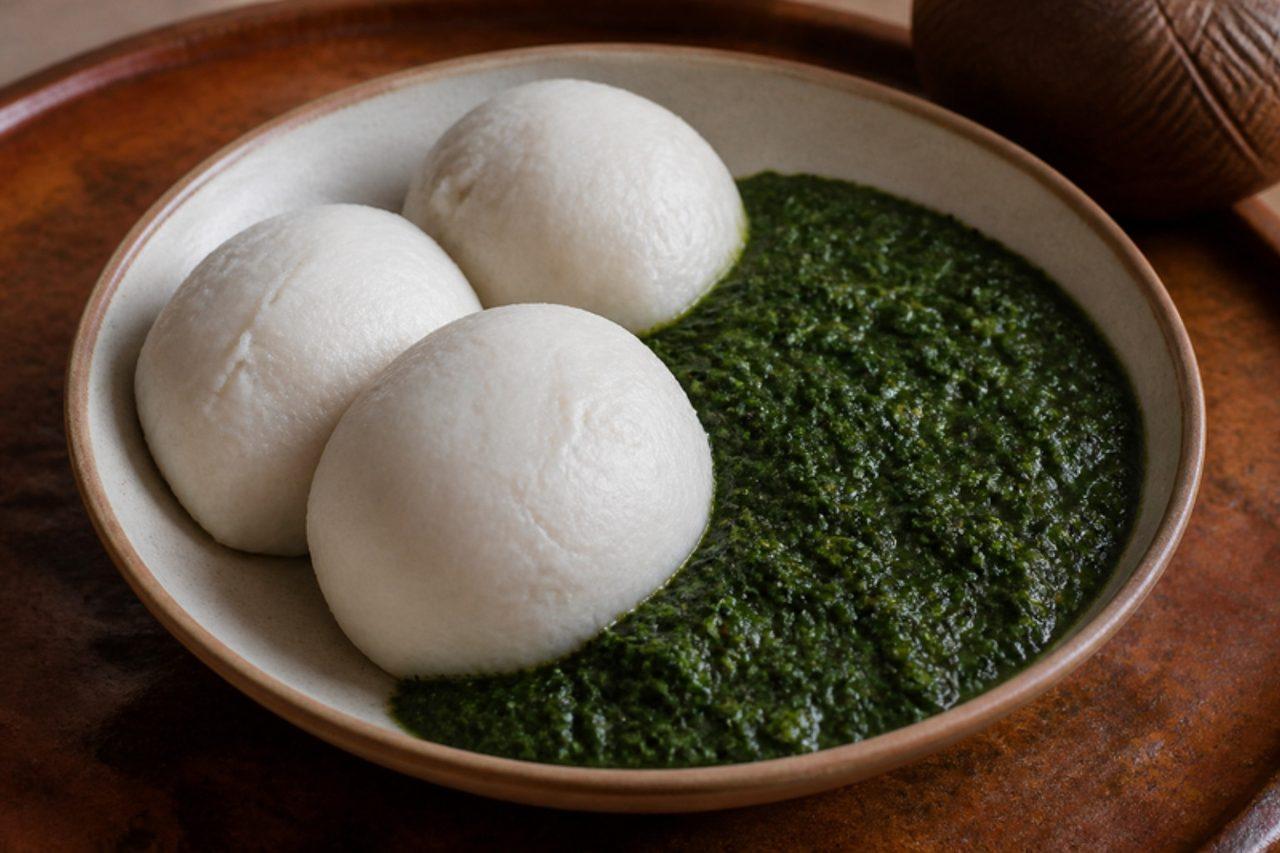
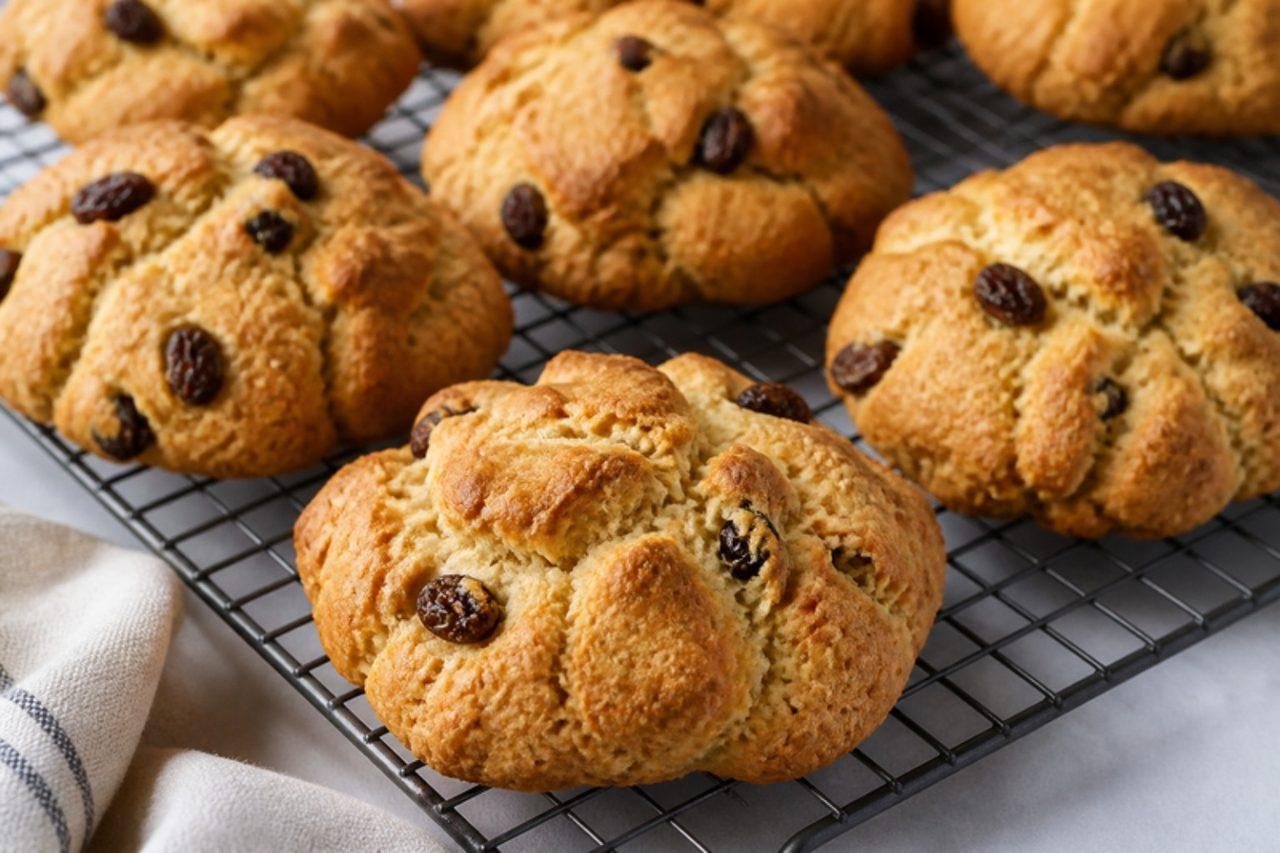
Rock buns came to Ghana with colonial-era baking and never left: every neighbourhood bakery and many school canteens sell these rough, golden mounds, eaten with tea in the morning or with a soft drink after school. They are crisp on the craggy outside, soft and cakey inside, scented with nutmeg and studded with raisins. They take minutes to mix and are a good first bake for children. Chef's tip: keep the dough stiff and drop it in rough heaps without smoothing; too much milk is the common mistake, and the buns spread into flat cookies instead of rising into 'rocks'.

by KrazyBadal 0 views

YakeyakeSteamed grated cassava

Yakeyake comes from the Volta Region, where grated cassava is pressed dry, broken into crumbs and steamed until it turns into a light, slightly chewy grain that looks like coarse couscous. It is pleasantly neutral, a little sweet, and in Ewe homes it is often eaten with fried fish and a hot tomato and pepper sauce; for a meat-free plate, serve it with that same pepper sauce, sliced avocado and fried ripe plantain. Fresh cassava must be cooked thoroughly and never eaten raw. Chef's tip: squeeze the grated cassava in a cloth until no more liquid comes out; wet cassava is the common mistake and steams into a gummy paste instead of separate crumbs.

by KrazyBadal 0 views

Tuo zaafi with ayoyo soupMaize swallow with jute leaf soup

In Tamale and across northern Ghana, TZ is the evening meal: a soft, smooth swallow of maize (sometimes millet) that wobbles in the bowl and is eaten with ayoyo, a bright green, slippery jute-leaf soup flavoured with dawadawa. The pair is often served with a meat or fish stew alongside; this version is fully vegan, with the ayoyo seasoned well enough to stand alone. Frozen jute leaves, sold as ewedu or molokhia, are a good substitute, and a teaspoon of miso can stand in for dawadawa. Chef's tip: make a thin porridge with part of the maize meal first and then thicken it; the usual mistake is adding all the meal at once, which makes a lumpy, stiff TZ.

by KrazyBadal 0 views

AkpleCorn and cassava swallow

Ewe homes in Ho, Keta and across the Volta Region eat akple at the main meal of the day, almost always with fetri detsi, the slippery okra soup that slides it down. It is firmer and less sour than banku, made by stirring fine maize meal into a hot base of fermented corn and cassava dough, and the finished balls are smooth, dense and mild. A vegetable okra soup makes it a meat-free meal. Chef's tip: add the dry maize meal in small handfuls and press every addition into the dough before the next; pouring it in all at once is the common mistake that leaves dry, floury pockets.

by KrazyBadal 0 views

ChajáSponge, peach and cream cake

Chajá was created in 1927 at a bakery in Paysandú, a city on the Uruguay River, and named after a local bird whose feathers look as fluffy as its crumbly meringue coat. Today it's Uruguay's birthday and celebration cake: layers of light sponge soaked in peach syrup, filled with whipped cream, peaches and dulce de leche, then covered in crushed meringue. It's sweet, soft and crunchy at once, best on the day it's assembled. Chef's tip: soak the sponge but not too much; it should feel moist, not wet, or the layers slide.

by KrazyBadal 0 views