Skip to content
Recipes

All recipes

Vegetarian, or something you can't eat? Set your diet once and we'll hide recipes that don't fit.

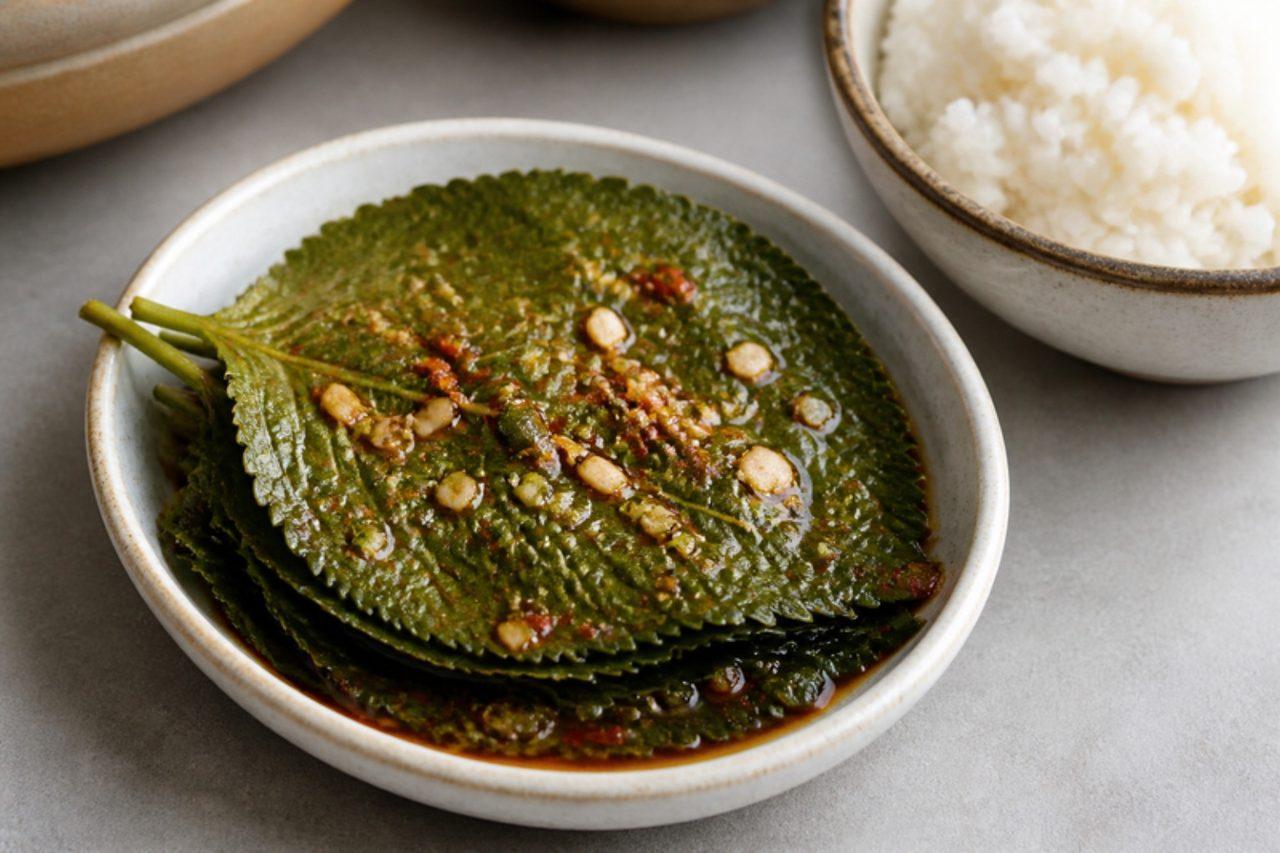
Kkaennip jjimSteamed seasoned perilla leaves

Kkaennip jjim is a homely banchan made in Korean kitchens through the summer, when perilla grows like a weed in back gardens, and it is eaten by wrapping a single soft leaf around a mouthful of rice. The leaves are stacked in pairs with a spoon of soy, garlic and chilli seasoning between each layer, then steamed until they soften and drink up the sauce. Many versions add anchovy stock; this one uses water, so it is vegan. Each portion has about 2 g of protein. The common mistake is steaming too long: the leaves should be tender but still green, about 5 minutes. Chef's tip: seasoning every second leaf rather than every one keeps the stack from getting soggy and salty.

by KrazyBadal 0 views

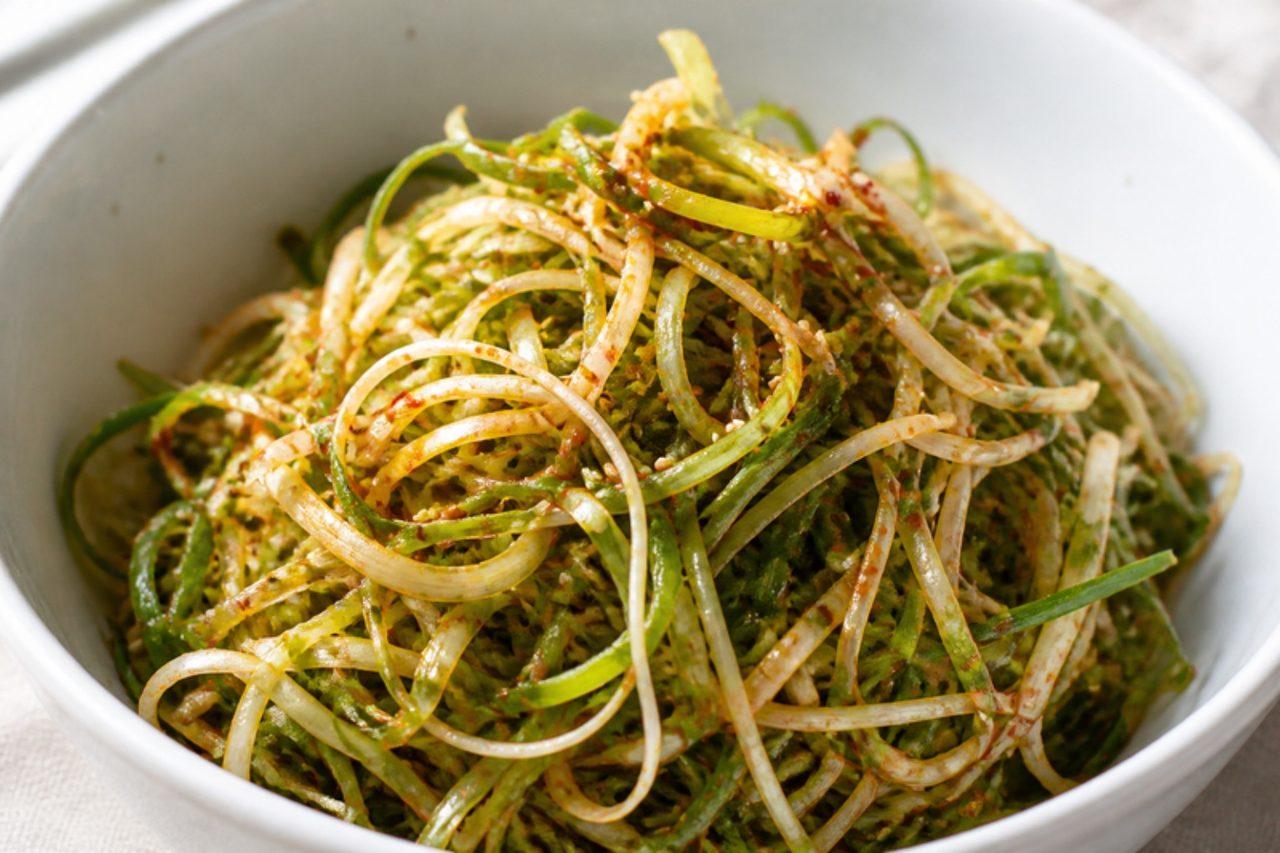
Pa muchimSpring onion salad

Pa muchim is the tangle of sharp, spicy spring onion that arrives with barbecue in restaurants all over Korea, from Seoul to Busan, and it is just as good at home beside grilled tofu, mushrooms or a rice bowl. Spring onion is shredded into long, thin threads, rinsed in cold water to tame its bite, then dressed at the last moment with chilli flakes, vinegar, soy, sugar and sesame. It is a light, vegan side with about 2 g of protein per portion. The common mistake is dressing it too early: after 10 minutes the onion wilts and weeps. Chef's tip: soak the shredded onion in iced water for 10 minutes before dressing; it curls, crisps and loses its harsh raw heat.

by KrazyBadal 0 views

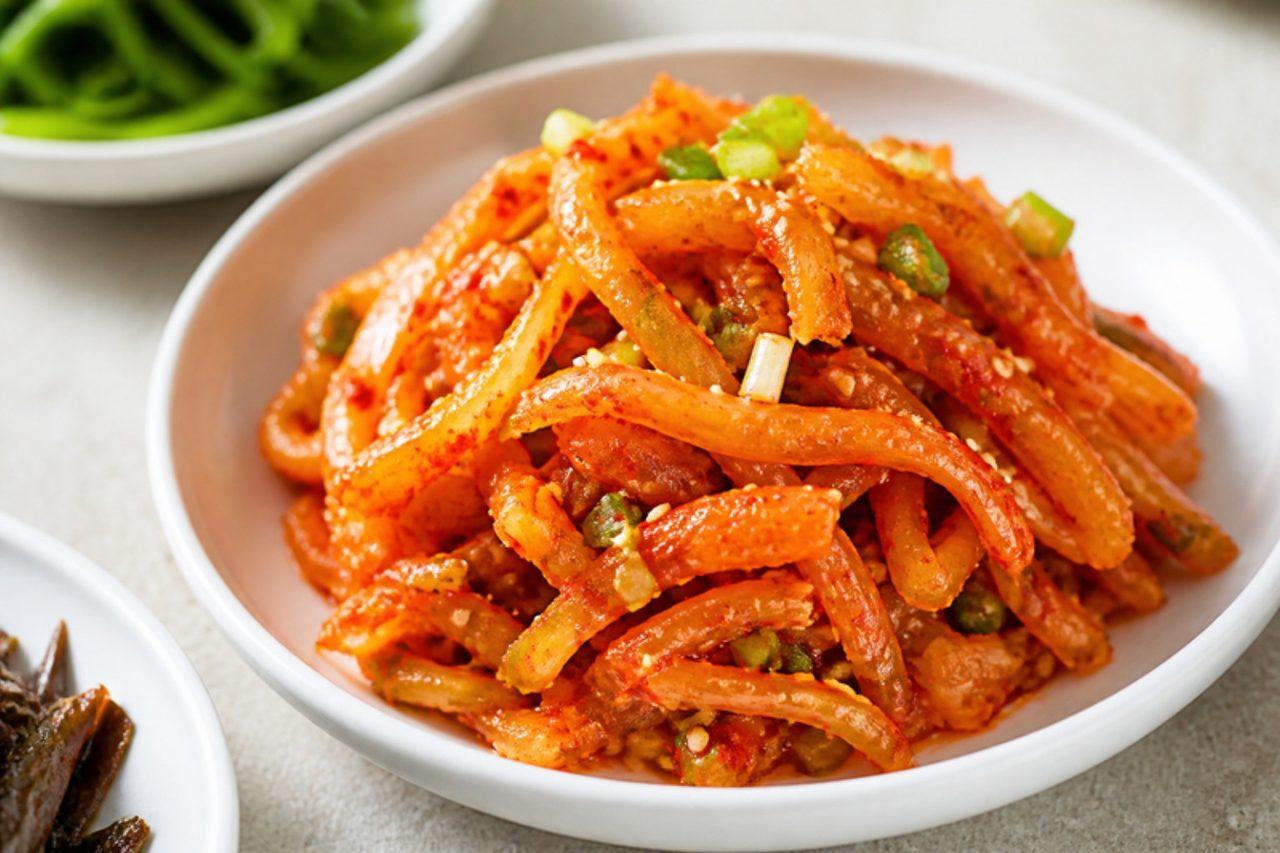
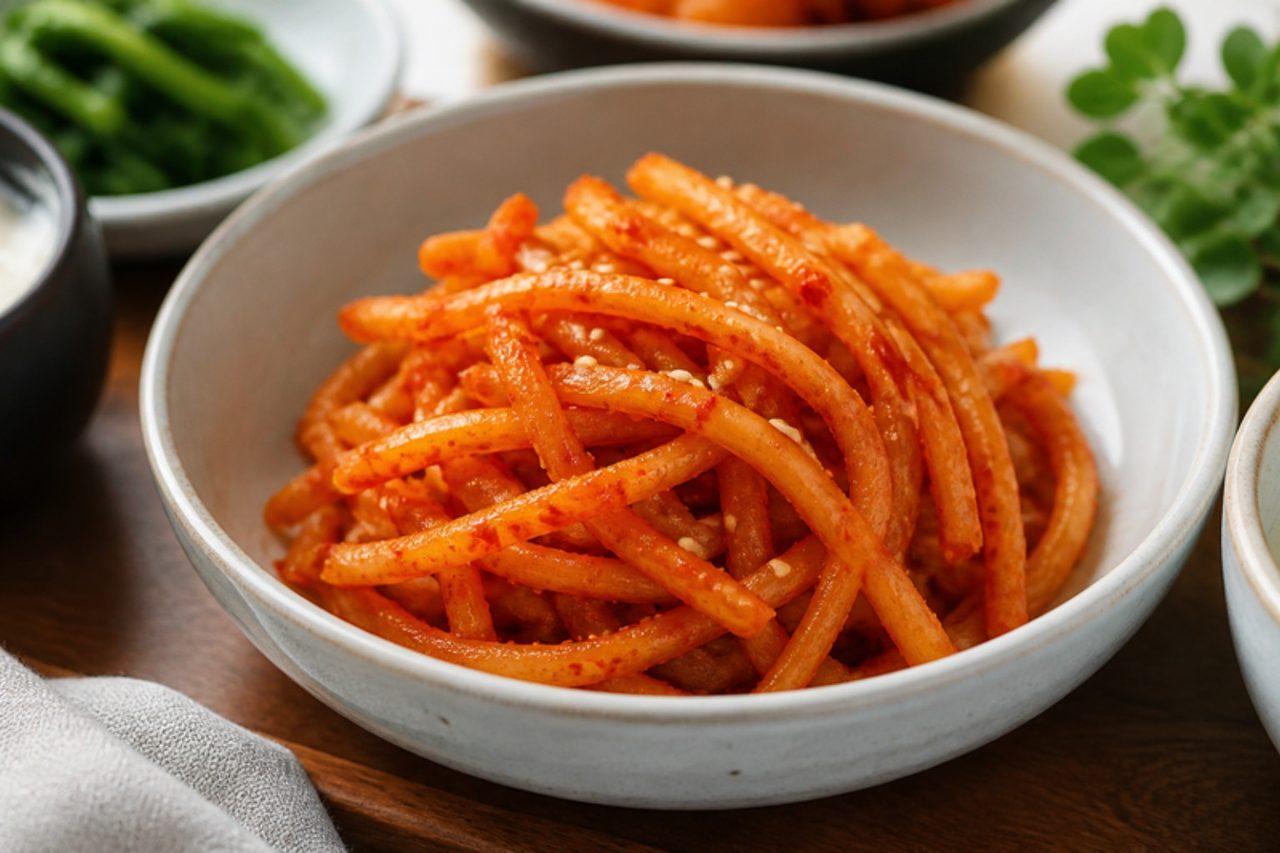
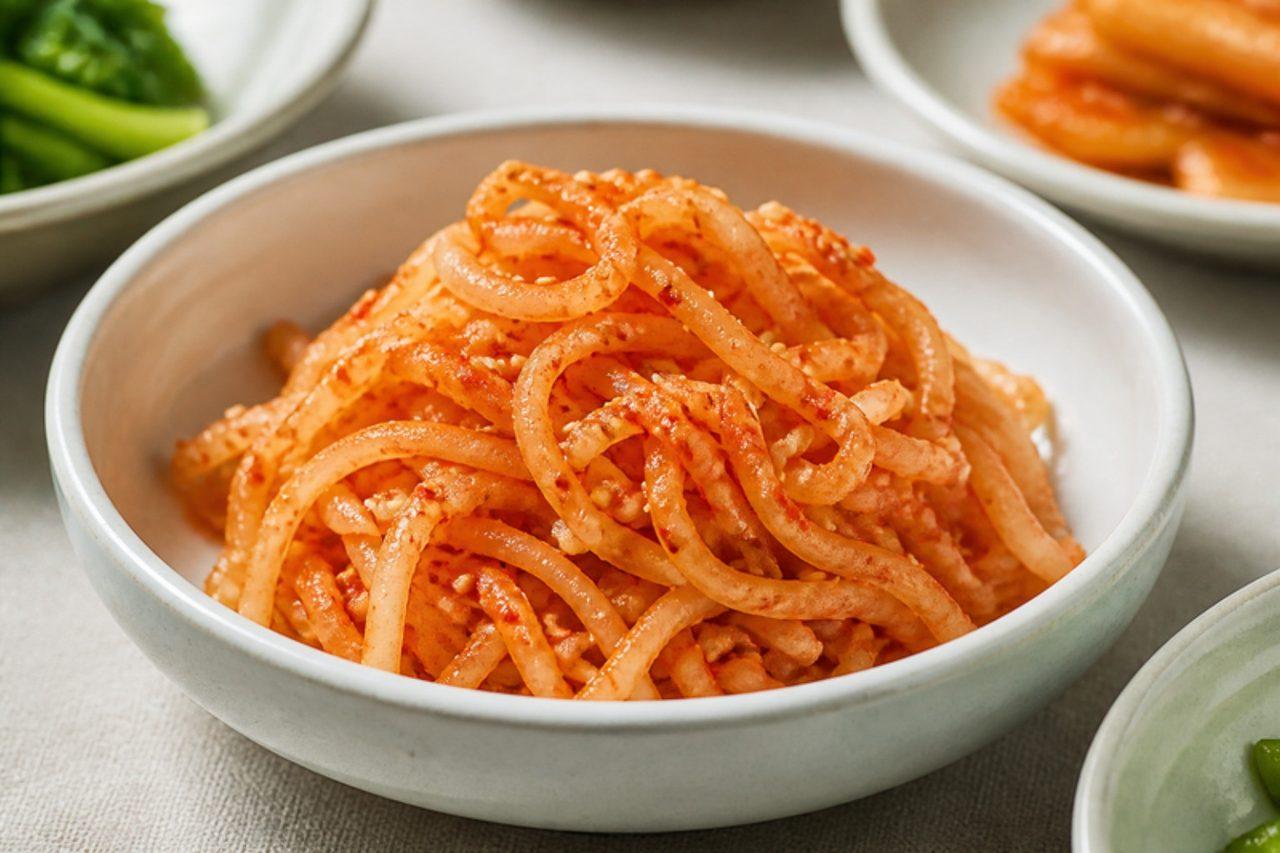
Mumallaengi muchimDried radish strip salad

Mumallaengi are strips of Korean radish dried in the autumn sun, and dressed this way they become a chewy, sweet-spicy banchan that families across Korea keep in the fridge all winter for lunchboxes and weeknight rice. The strips are soaked briefly, squeezed and massaged with chilli flakes, garlic, soy and syrup, often with dried chilli leaves. Many cooks add fish sauce; this version uses soy alone, so it is vegan. It is a side with about 2 g of protein per portion. The common mistake is soaking the radish too long: it loses its crunch and sweetness and turns watery. Chef's tip: make it a day ahead; after a night in the fridge the strips soak up the dressing and turn glossy red.

by KrazyBadal 0 views

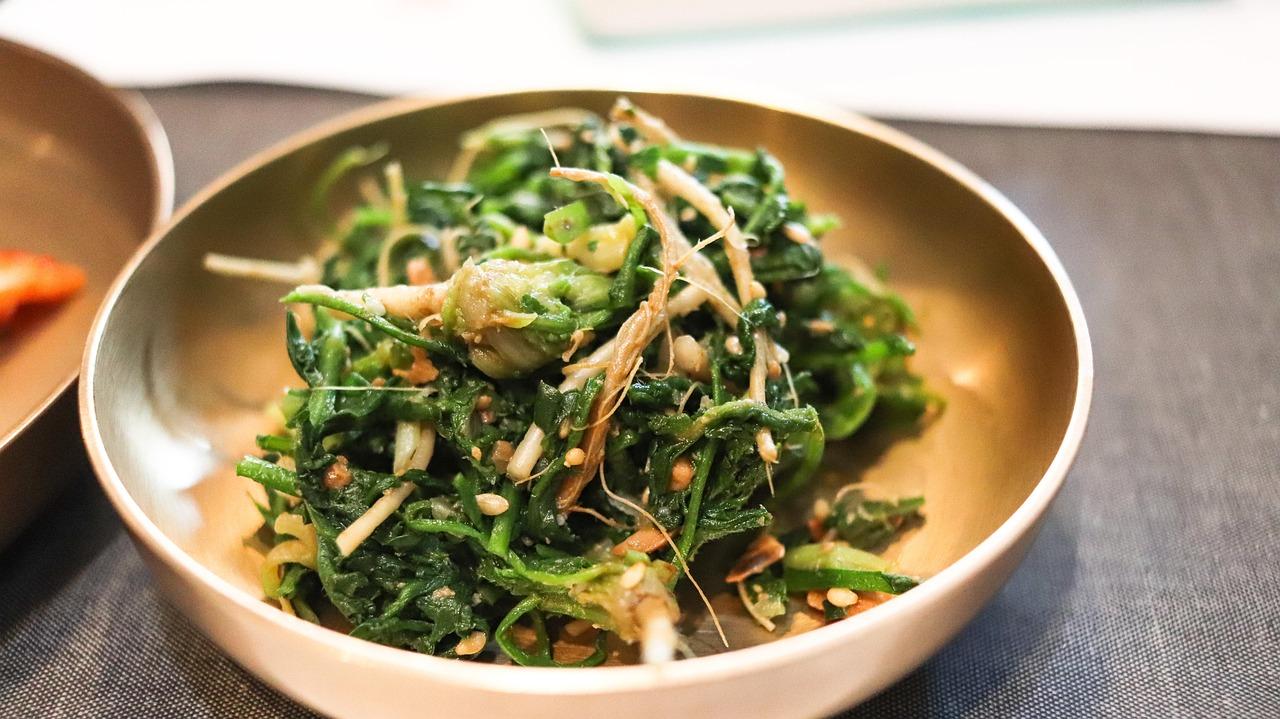
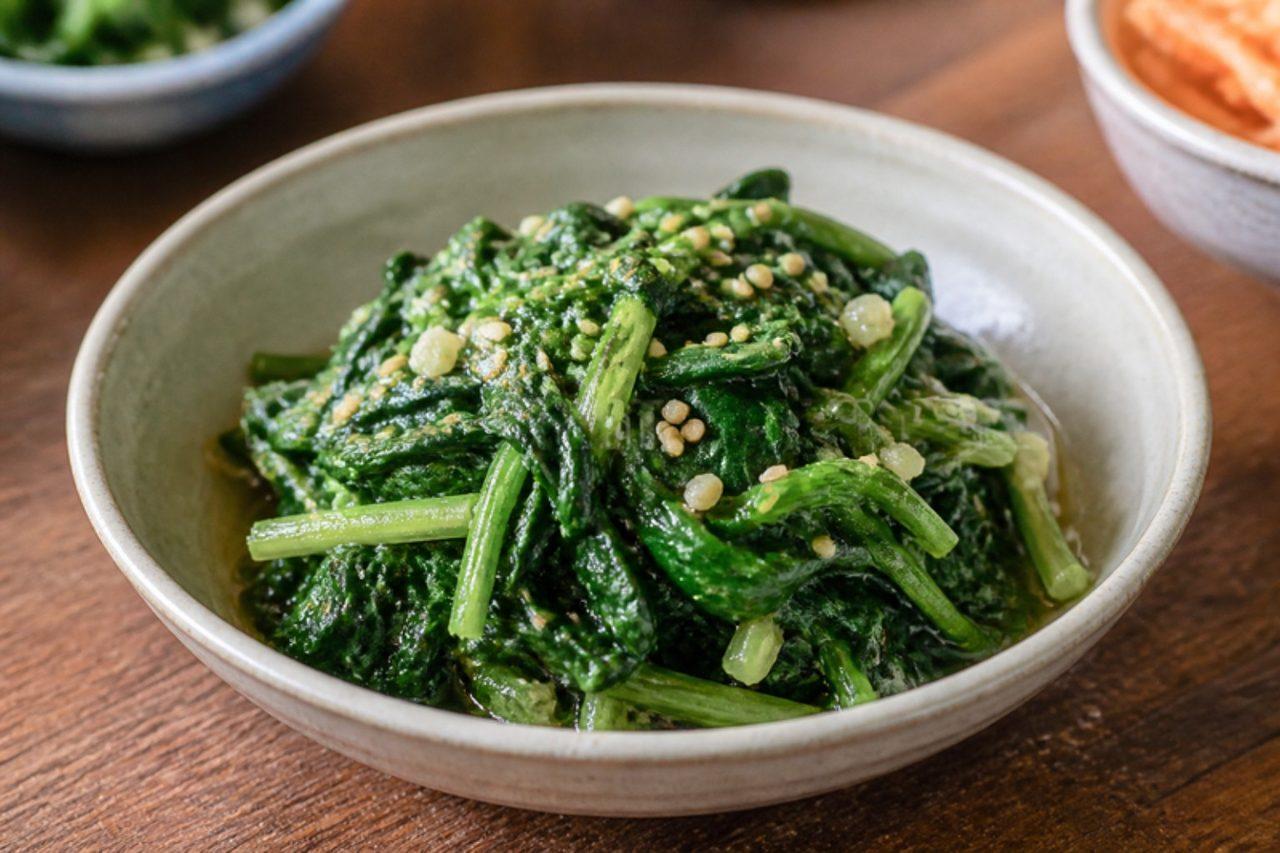
Chamnamul muchimDressed wild parsley

Chamnamul, a mild, celery-scented wild parsley, fills Korean markets in spring, and this simple namul is one of the banchan that turns up on home tables and in bibimbap bowls from March to May. The stems are blanched for seconds, then dressed by hand with garlic, sesame oil and toasted sesame so the herb stays bright and crunchy. It is a light side with about 3 g of protein per portion; pair it with tofu, eggs or a bean stew for a full meal. The common mistake is over-blanching: chamnamul goes limp and grey in under a minute. If you can't find it, use the tender tops of flat-leaf parsley mixed with pea shoots. Chef's tip: season with salt first and the sesame oil last, so the salt reaches the leaves instead of sliding off the oil.

by KrazyBadal 0 views

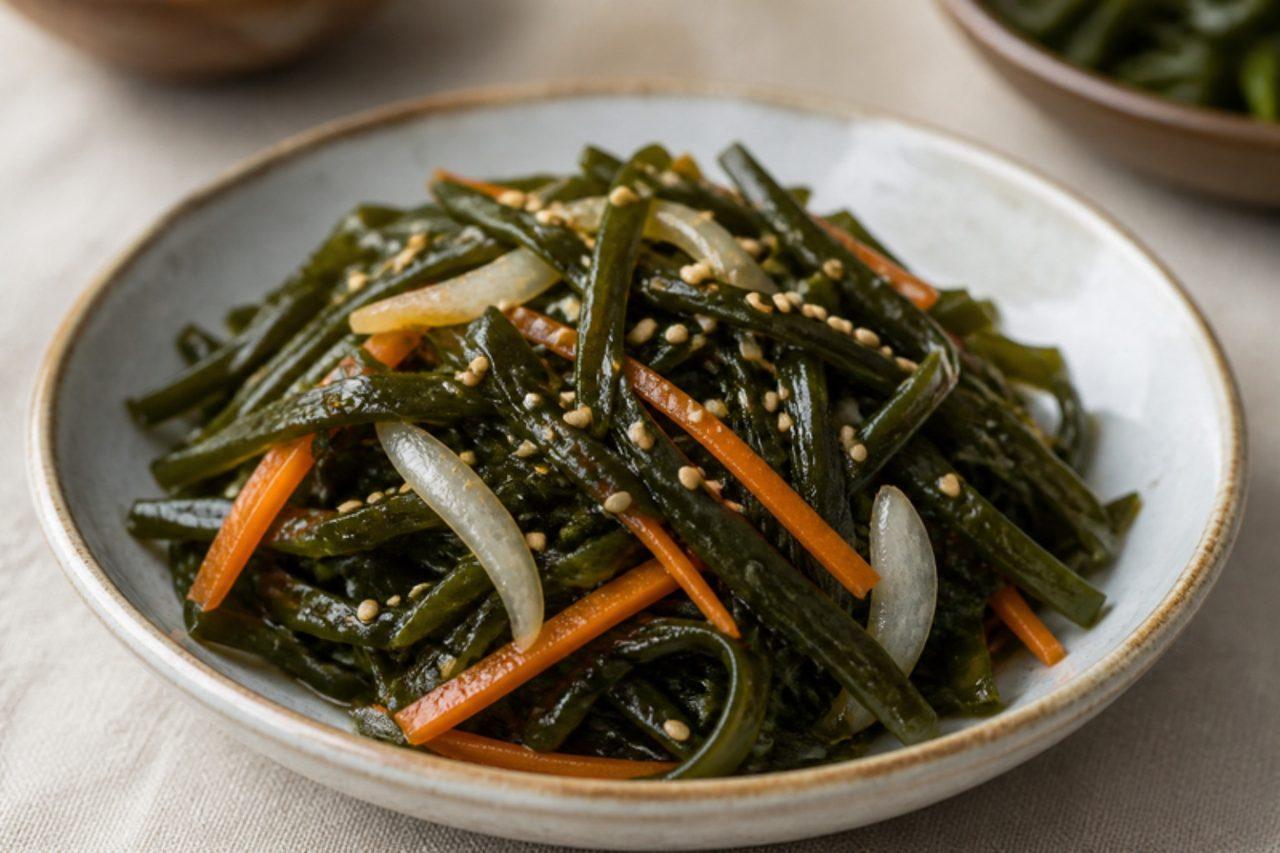
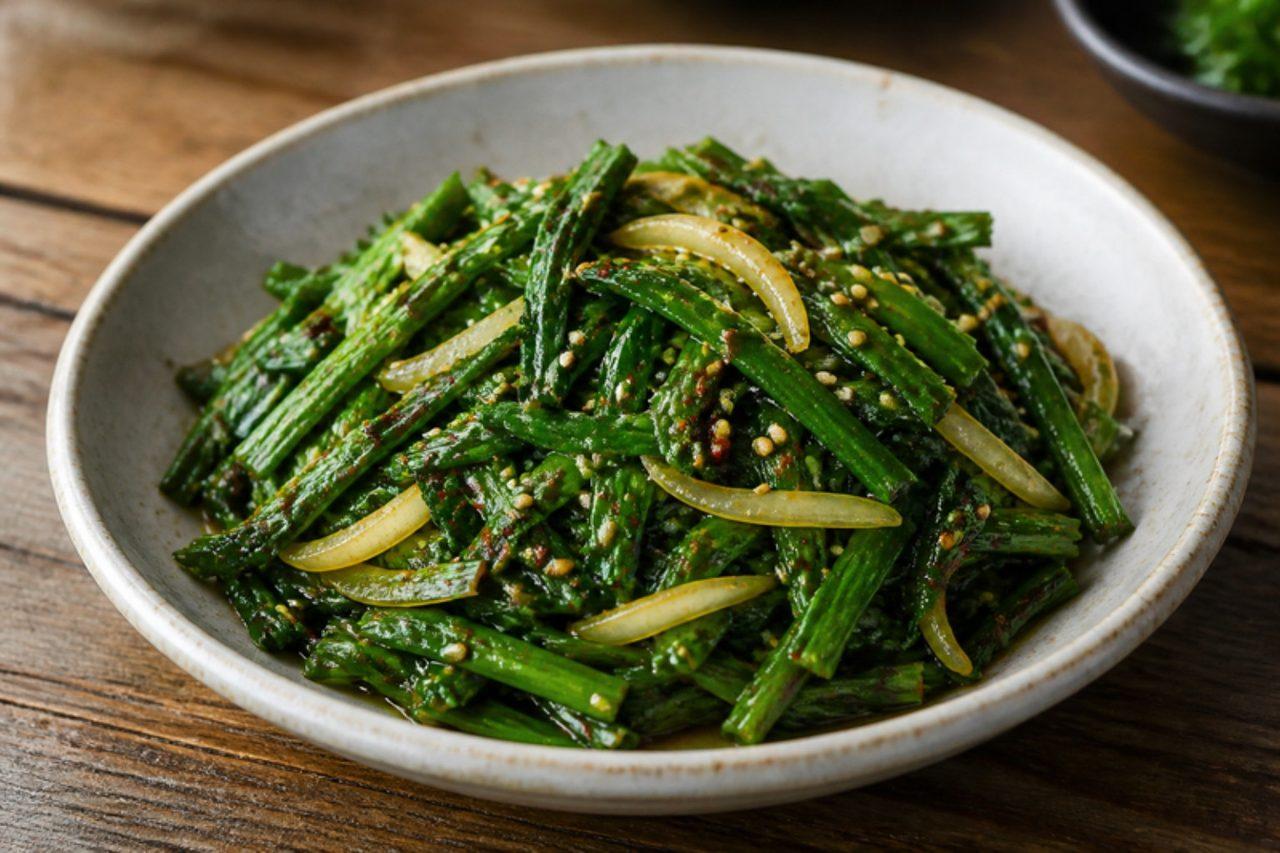
Miyeok julgi bokkeumStir-fried seaweed stems

Seaweed stems, sold salted in Korean grocers, are the crunchy, green-black banchan you find in school canteens and lunchboxes everywhere in Korea, eaten cold with rice. The stems are soaked to draw out the salt, then stir-fried quickly with garlic, onion and a few drops of soy, and finished with sesame. It is vegan and light, with about 2 g of protein per portion. The common mistake is under-soaking: too little and the dish is painfully salty, so taste a piece before you cook. Chef's tip: blanch the stems for 10 seconds after soaking; it sets their bright green colour and removes any fishy-sea smell.

by KrazyBadal 0 views

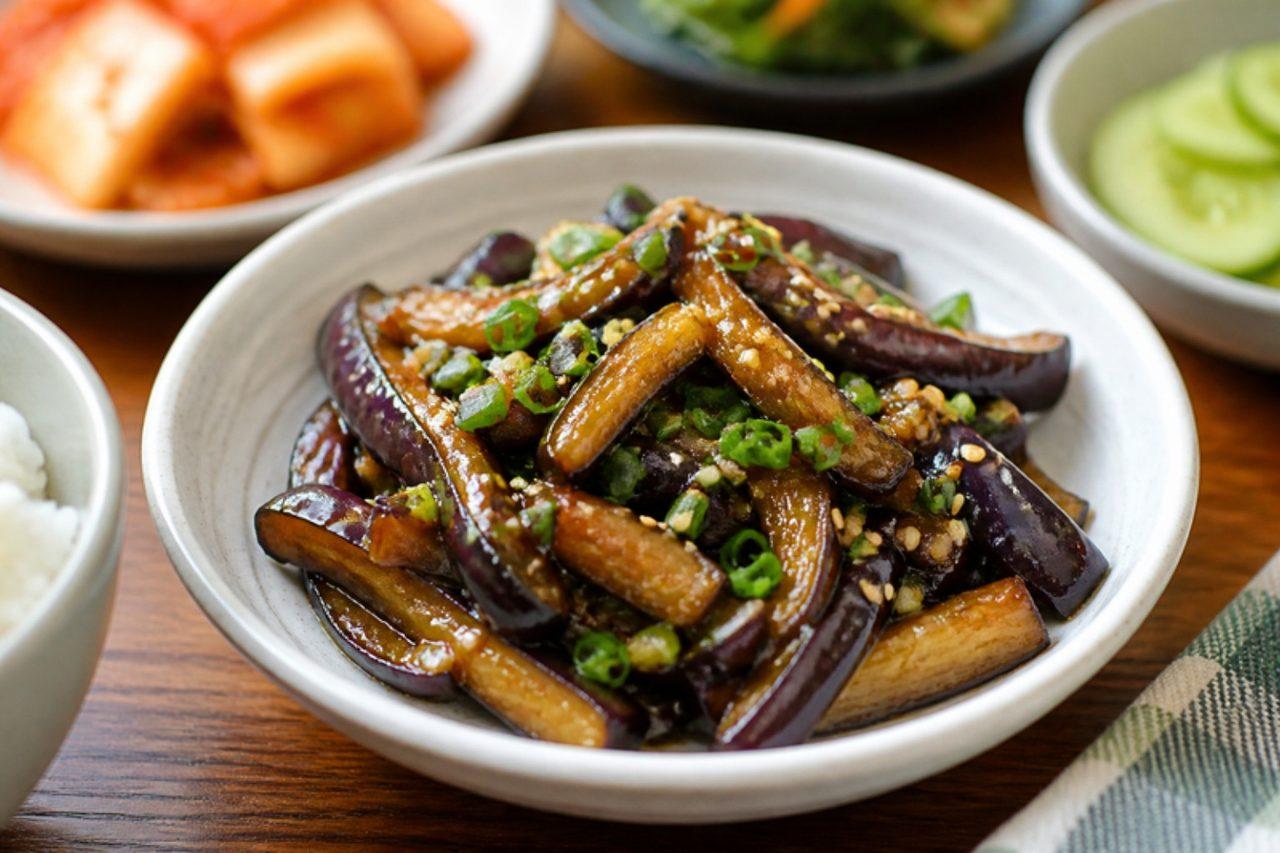
Gaji bokkeumStir-fried aubergine

Gaji bokkeum is a summer banchan in Korean homes, cooked in the weeks when long, thin Korean aubergines fill the markets. Strips of aubergine are seared until soft and caramelised, then tossed in garlic, spring onion, soy sauce and sesame so they turn glossy and savoury-sweet. It sits beside rice and soup at dinner and keeps well in the lunchbox. The mistake is pouring in lots of oil at the start: aubergine soaks it all up and turns greasy. Chef's tip: sear the strips in a moderate amount of oil and add a splash of water if the pan dries; the steam softens them without more oil.

by KrazyBadal 0 views

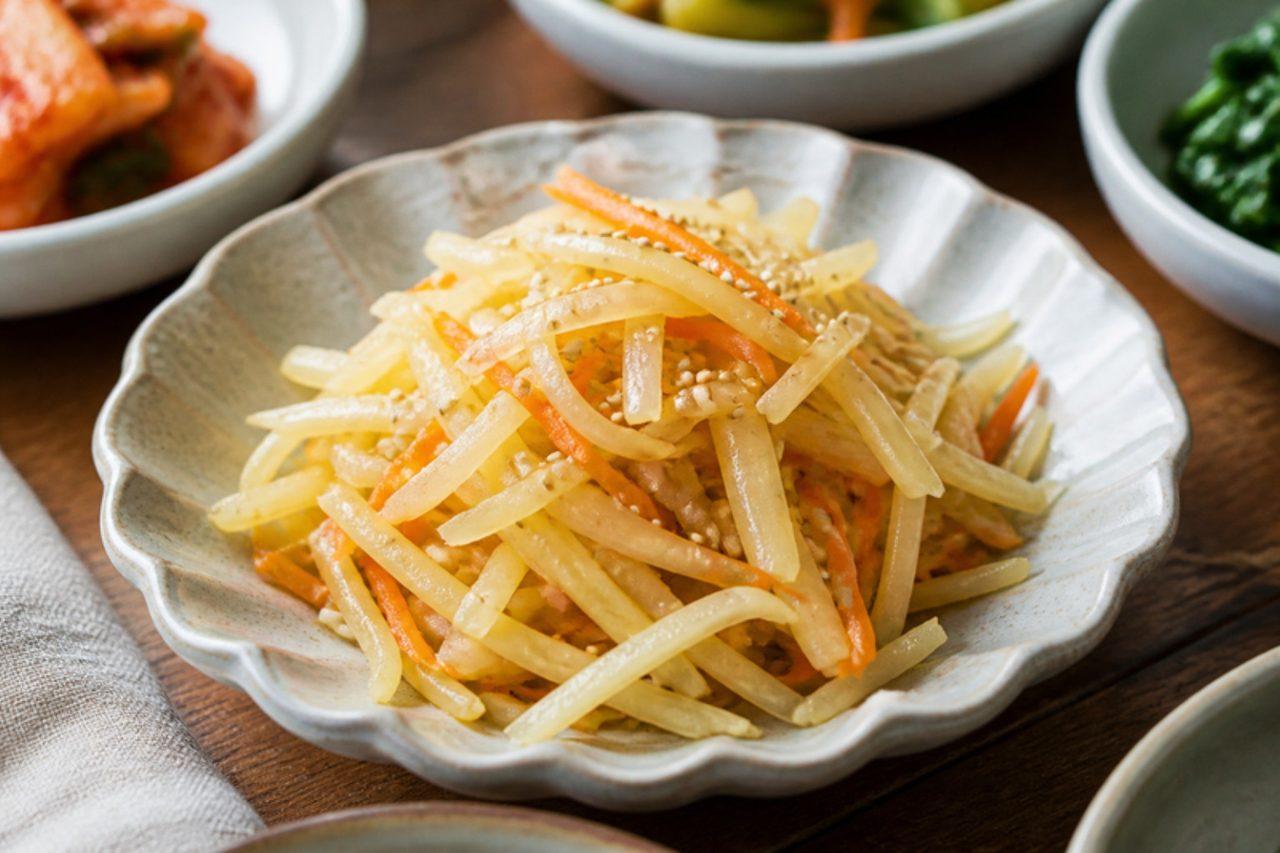
Gamja bokkeumStir-fried potato strips

Gamja bokkeum is one of the banchan Korean mothers pack into lunchboxes and set out at dinner in Seoul and Busan: thin potato strips stir-fried with onion and carrot, seasoned only with salt, a little sesame oil and toasted sesame seeds. The strips should be tender and separate, with a slight bite, not crisp like chips and not mushy. The mistake is skipping the soak, so the surface starch makes the strips stick to each other and the pan and break up. Chef's tip: a quick soak in salted water also seasons the potato through.

by KrazyBadal 0 views

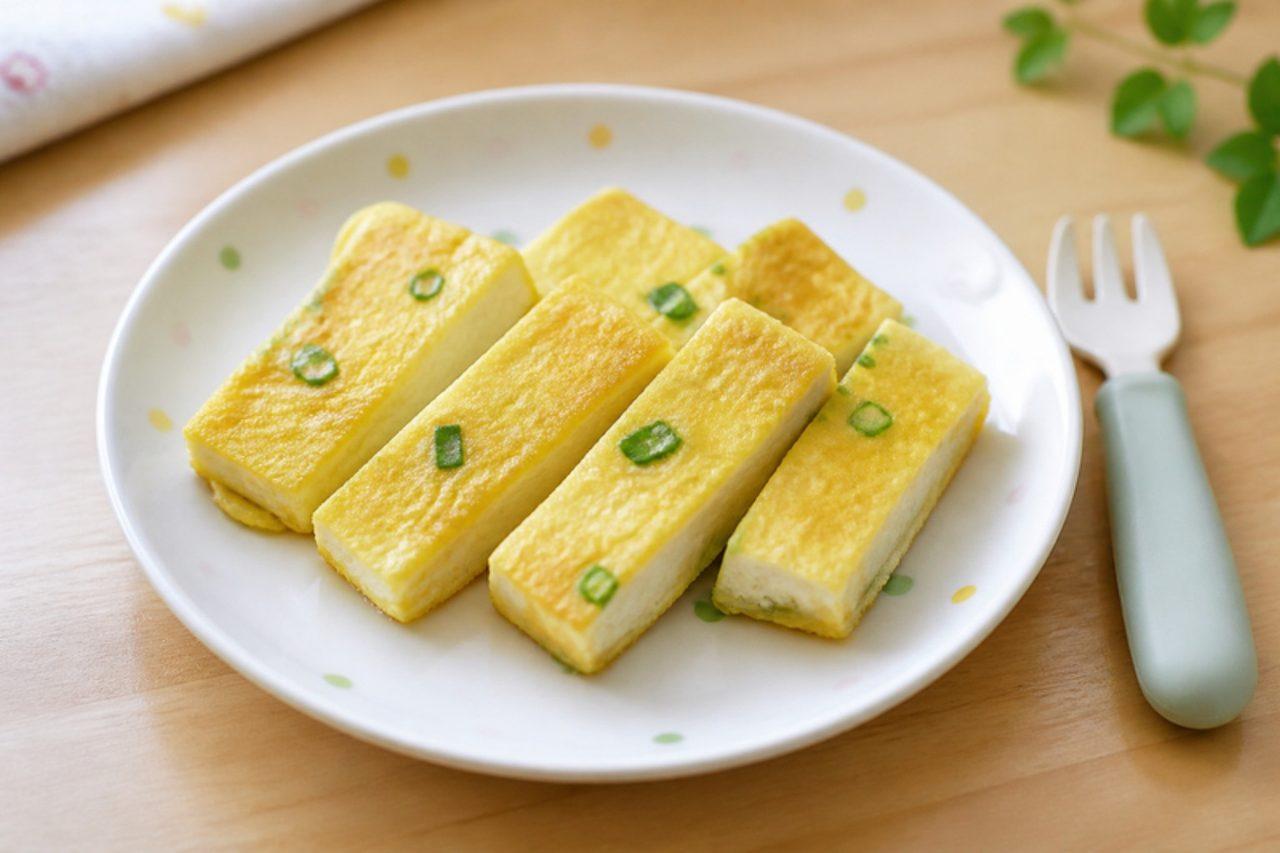
Dubu buchim tofu fingers

Dubu buchim, slices of tofu dipped in beaten egg and fried until golden, is an everyday Korean banchan, and families cut it into fingers for babies from about nine months to hold and gum. The outside is lightly crisp and the inside custard-soft, with a mild, nutty flavour. For babies it is made without salt, soy sauce or the usual sesame-soy dip; older children and adults can add the dip at the table. It contains soya and egg. Chef's tip: press the tofu well first, so it fries rather than steams and the egg coating sticks.

by KrazyBadal 0 views

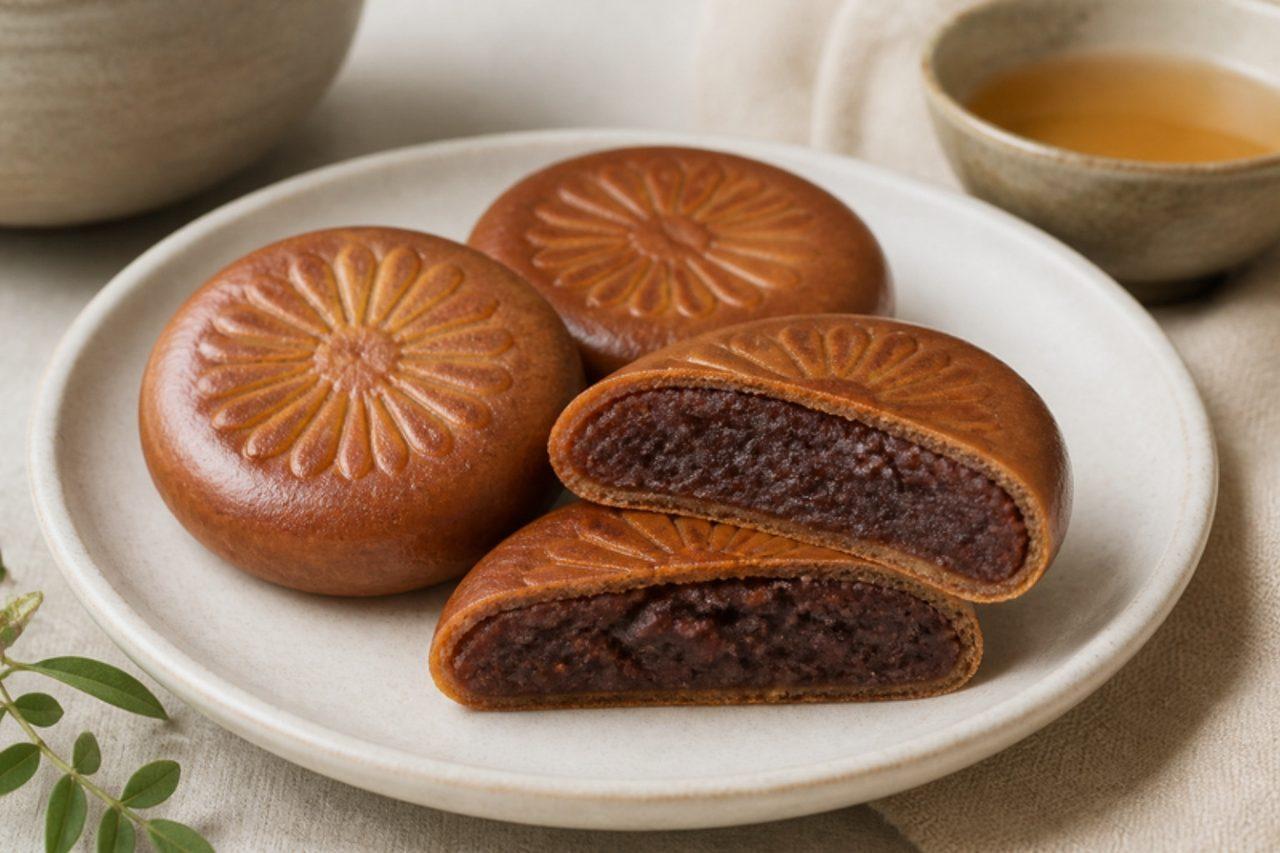
Gyeongju breadRed bean pastries

Near the grassy royal tombs of Gyeongju, the ancient Silla capital, a baker in Hwangnam-dong began making these small round pastries in 1939, and the city's shops have sold them by the boxful ever since. Gyeongju bread (황남빵, also called Gyeongju-ppang) is mostly filling: a generous ball of coarse red bean paste in a skin so thin it looks painted on, stamped with a flower pattern and glazed until shiny brown. It tastes gently sweet and nutty, soft and moist rather than bready, and it is the souvenir every visitor carries home, eaten with barley tea or green tea. The usual mistake is a dough shell that is too thick, which bakes into a cookie and hides the bean flavour; aim for roughly one part dough to two and a half parts filling. Chef's tip: press the pattern in with a small cookie stamp or the back of a citrus press dipped in flour, while the buns are cold and firm, so the design stays sharp.

by KrazyBadal 0 views

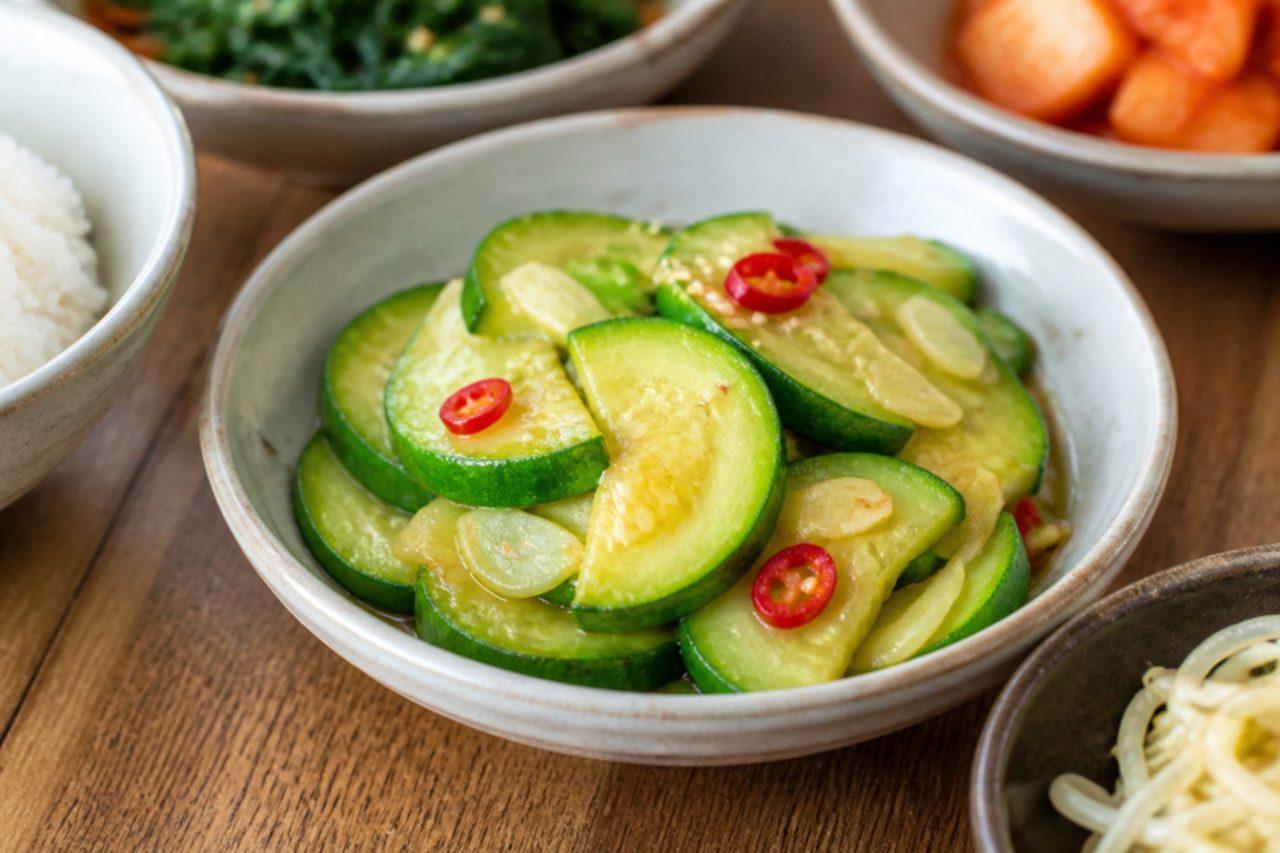
Aehobak bokkeumStir-fried courgette

Aehobak, the pale green Korean courgette, is in every market from Gwangjang in Seoul to Busan's Jagalchi all summer, and a quick stir-fry of it is one of the banchan most often on the family table and in school lunches. Half-moon slices are lightly salted, then stir-fried with garlic until just tender and glossy, and finished with sesame. Many homes season it with saeujeot, salted shrimp; this version uses salt and a little soy instead, so it is vegan. A portion is about 45 kcal. The common mistake is overcooking, which leaves limp, watery slices; cook it hot and fast and take it off while the slices still have a little bite. Chef's tip: salting the slices for 10 minutes and patting them dry keeps them firm and stops the pan filling with liquid.

by KrazyBadal 0 views

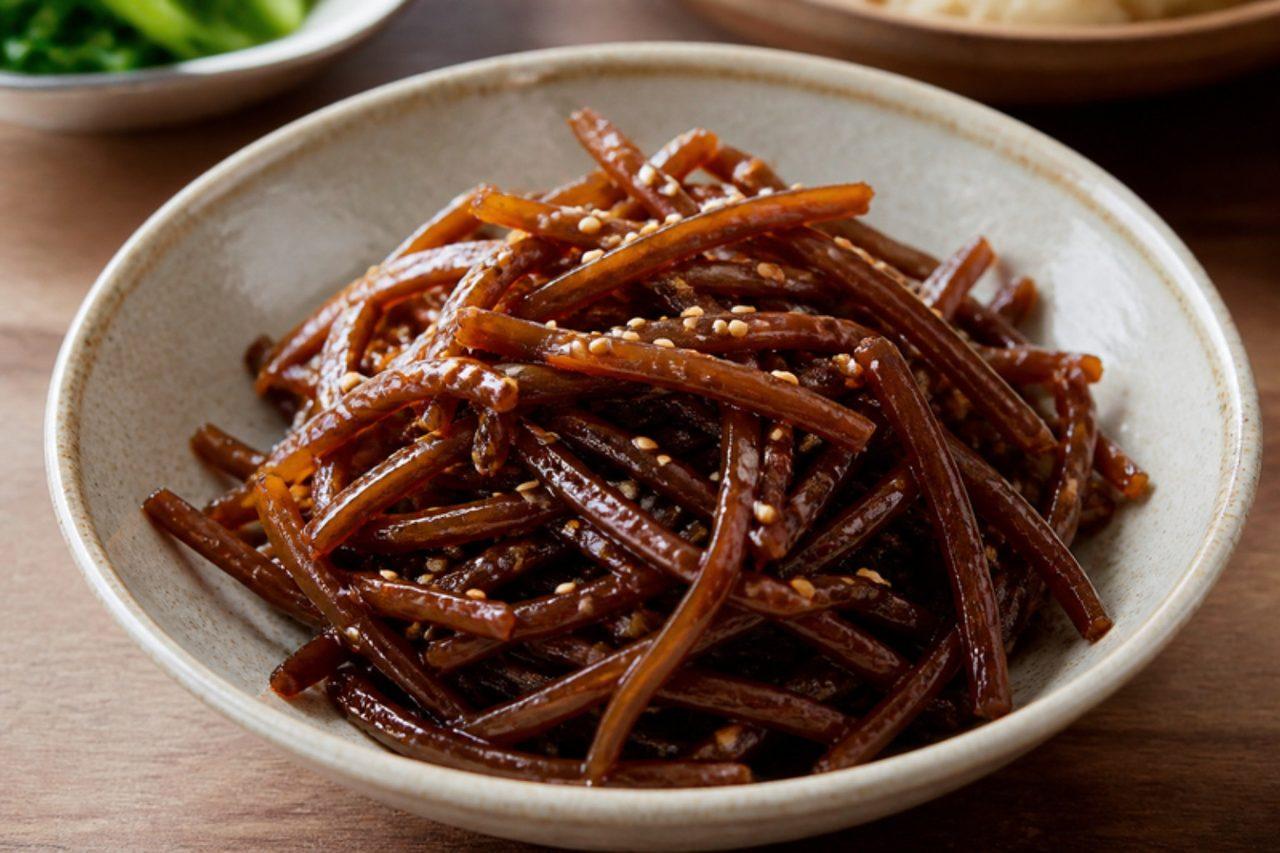
Ueong jorimBraised burdock root

Thin sticks of burdock root braised in soy and sugar until they are dark, glossy and chewy are one of the banchan Korean mothers make in a big batch on a weekend; they keep for a week and go into the lunch boxes of schoolchildren in Seoul and into gimbap rolls. The flavour is earthy, sweet and savoury, with a little stickiness from rice syrup. A portion is about 95 kcal. The common mistake is adding the sweetener too early, which makes the burdock hard; braise in the soy first, and add the syrup at the end for the shine. Chef's tip: soak the cut burdock in water with a splash of vinegar for 10 minutes; it stops it turning grey and takes away the bitter edge.

by KrazyBadal 0 views

Buchu muchimSeasoned garlic chives

In Korean barbecue restaurants from Mapo in Seoul to Busan's Haeundae, a little bowl of dressed garlic chives comes to the table with the grilled pork, and at home buchu muchim is the five-minute banchan made when there is a bunch of chives in the fridge. The flat chives are cut into lengths and tossed raw with gochugaru, soy, vinegar and sesame; they have a punchy garlic-onion bite that cuts through rich meat or a simple bowl of rice. A portion is about 40 kcal. The usual mistake is mixing it hard, which bruises the chives and makes them bitter and slimy; toss lightly with your fingertips. Chef's tip: dress the chives with the oil first, then the salty and sour parts; the oil coats them and keeps them crisp longer.

by KrazyBadal 0 views

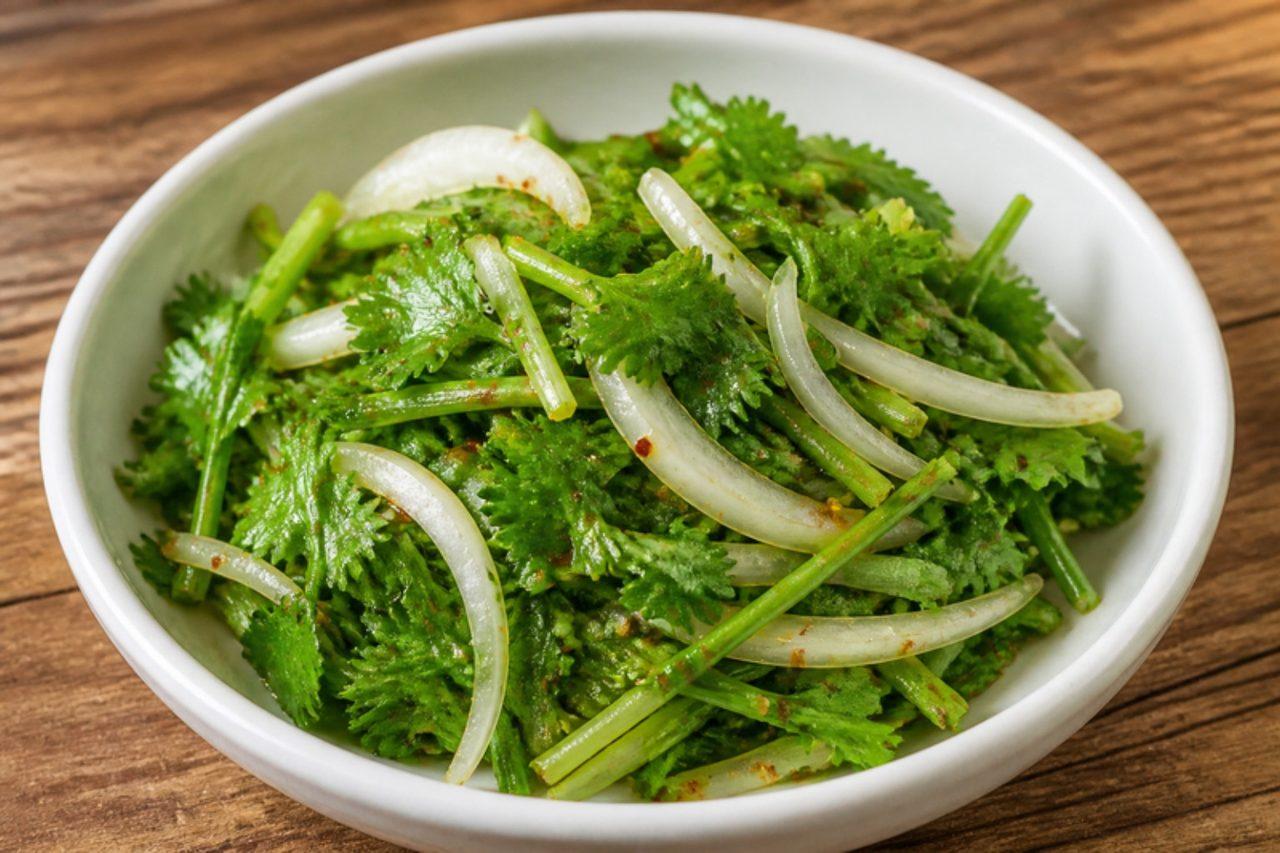
Minari muchimWater dropwort salad

Minari, Korean water dropwort, grows in the wet fields of Cheongdo and around Daegu, and in early spring Koreans eat it raw and crunchy as a sharp, peppery salad: the stems are tossed in a sweet-sour dressing of gochugaru, vinegar, garlic and a touch of sugar, with thinly sliced onion. It is served alongside grilled pork belly or a fish stew to freshen the palate. A portion is about 50 kcal. If minari is hard to find, use watercress or celery leaves with stems. The common mistake is dressing it too early: the leaves wilt and weep within half an hour, so toss it just before eating. Chef's tip: soak the cut minari in iced water for five minutes first; it turns very crisp.

by KrazyBadal 0 views

Chwinamul muchimSeasoned aster greens

Chwinamul, the wild aster that grows on the mountains of Gangwon and the slopes around Jirisan, is one of the most loved spring greens in Korea, sold by grandmothers at village markets in April and dried for the namul of Daeboreum, the first full moon of the lunar year. Blanched and squeezed, it is seasoned with soup soy sauce, garlic and sesame oil and has a deep, herbal, slightly bitter flavour that wakes up the rice. A portion is about 45 kcal. If you can't find chwinamul, use spinach or watercress, blanched for less time. The common mistake is not squeezing the greens well, so the seasoning slides off; press them firmly in your fist. Chef's tip: season with your fingertips, rubbing the dressing gently into the leaves; Korean cooks call it son-mat, the taste of the hands.

by KrazyBadal 0 views

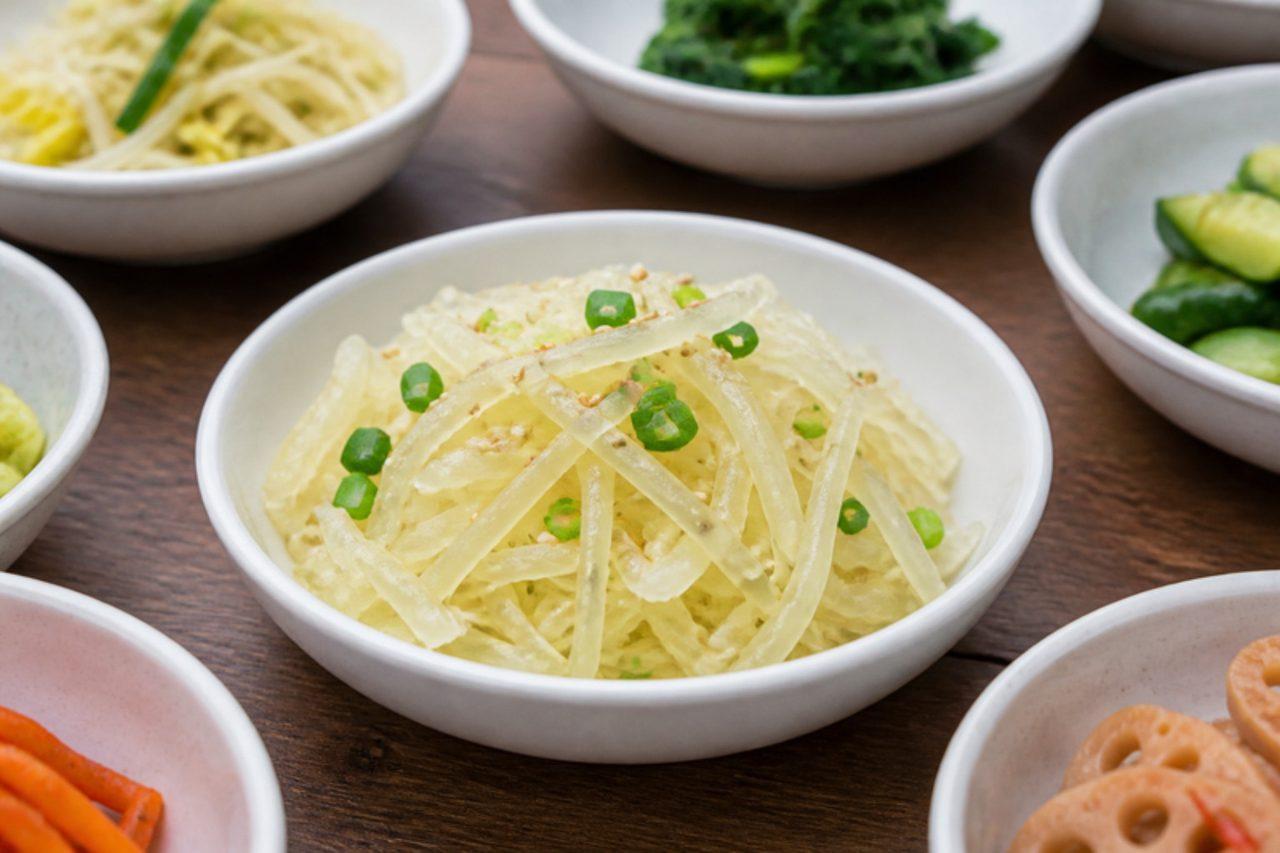
Mu namulStir-fried radish strips

Mu namul is the soft, white radish side dish that appears among the banchan of a Korean home table in autumn and winter, when the fat Korean radishes are at their sweetest, and it is always part of the namul set laid out for Chuseok and ancestral rites in Andong and Seoul. Thin matchsticks of radish are stir-fried with garlic and a pinch of salt, then steamed briefly in their own juice until tender and translucent, and finished with sesame. It is mild, sweet and very gentle on the stomach. A portion is about 50 kcal. The most common mistake is cutting the radish against the grain, so it breaks into short bits; cut lengthways, along the grain, so the strands stay long. Chef's tip: salt the radish first and let it sit for a few minutes; it releases water that it then cooks in, so you need almost no oil.

by KrazyBadal 0 views

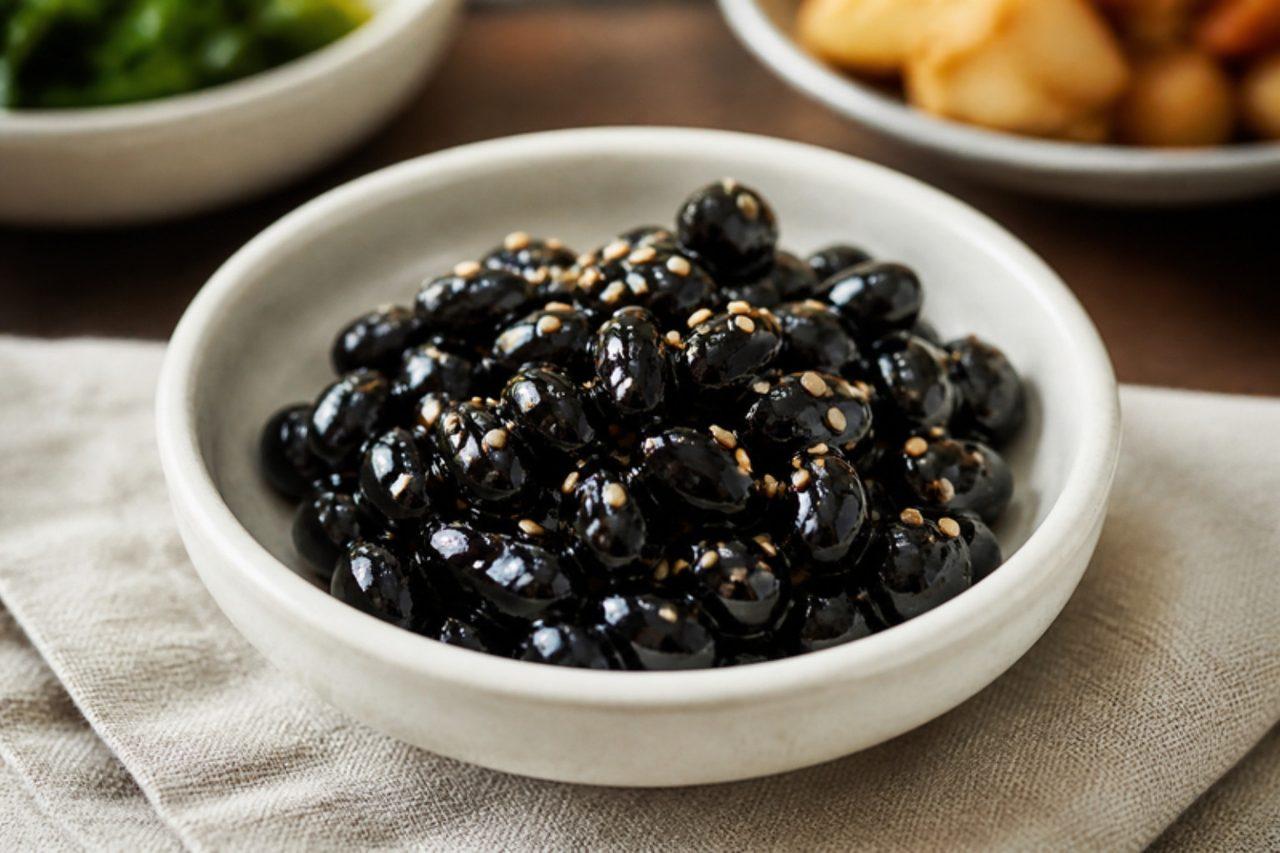
KongjabanSoy-braised black soybeans

Kongjaban is the shiny black bean banchan that sits in a small dish on Korean tables from Gwangju to Seoul and fills countless lunchboxes, because one batch keeps for a week. Dried black soybeans are soaked, simmered in soy and sugar and finished with rice syrup until each bean is chewy, sweet-salty and gleaming. It is a good source of plant protein and children usually love it. The common mistake is adding the syrup too early: it scorches before the beans are tender and makes them hard. Chef's tip: keep the lid off while the beans cook; the steam escaping helps the skins stay intact and wrinkled rather than bursting.

by KrazyBadal 0 views

MusaengchaeSpicy radish salad

Musaengchae is the quick radish salad Korean cooks make when the big autumn radishes from Gyeonggi farms come in, and it appears on the side of bibimbap bowls and pork platters all winter. Fine matchsticks of radish are reddened with gochugaru, then seasoned sweet, sour and salty, so every forkful is cold, crisp and lively. This version leaves out the fish sauce, so it is fully vegan. The common mistake is salting the radish before the chilli: the salt draws out water first and the colour ends up pale and patchy. Chef's tip: toss the radish with the chilli flakes on their own first and leave it for 5 minutes; it takes on a deep, even red before anything else goes in.

by KrazyBadal 0 views

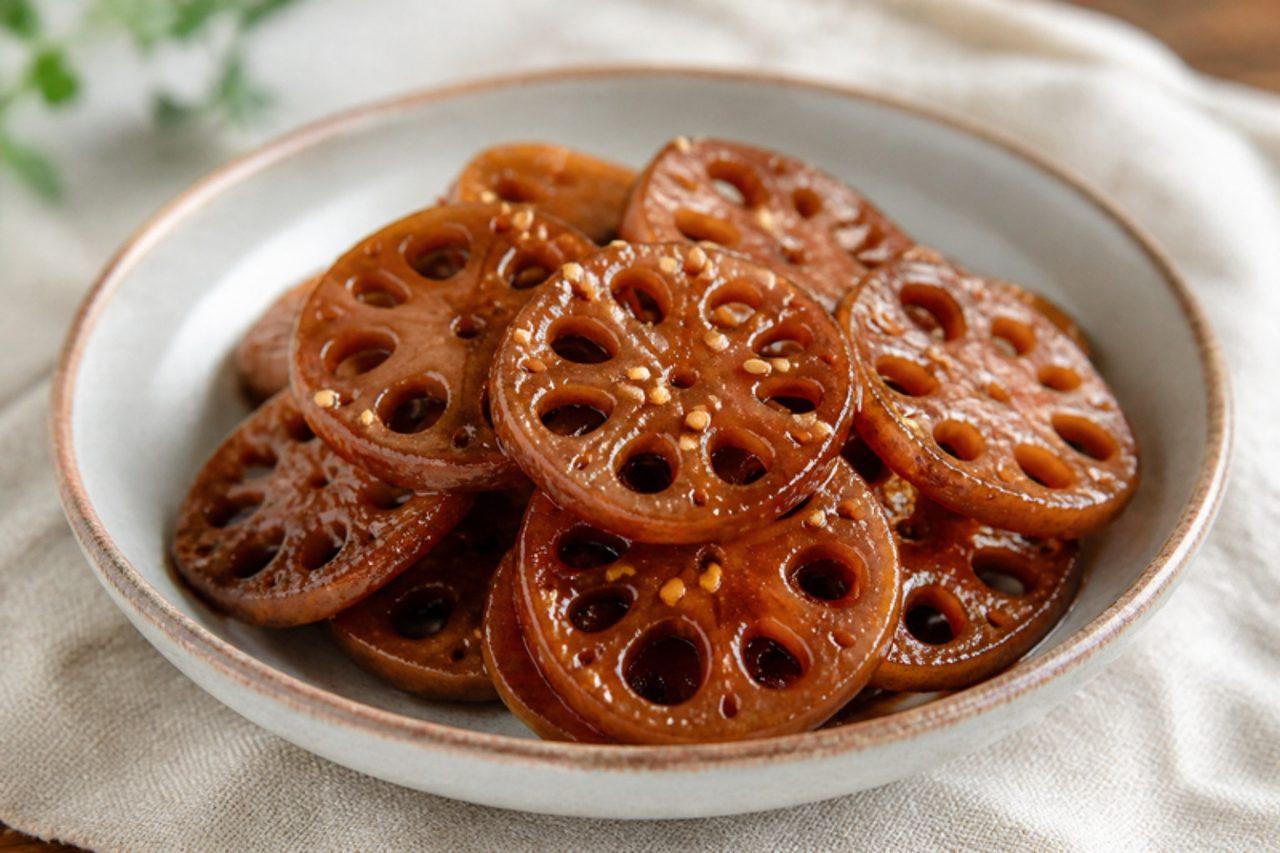
Yeongeun jorimSoy-braised lotus root

Yeongeun jorim is a winter banchan from the lotus ponds of South Jeolla, where Muan county is famous for its lotus fields, and it is now made in homes all over Korea for lunchboxes and holiday tables. Slices of lotus root are blanched in vinegared water, then simmered in soy and syrup until they turn dark, glossy and chewy with a lingering crunch. The holes make every slice look like lace. The common mistake is skipping the vinegar blanch, which leaves the slices grey and starchy. Chef's tip: stop cooking while there are still a couple of spoonfuls of sauce in the pan; the glaze thickens as it cools and turns sticky rather than hard.

by KrazyBadal 0 views

Doraji muchimBellflower root salad

Doraji muchim comes from Korea's mountain provinces, where bellflower root has been dug for centuries and sung about in the Gyeonggi folk song 'Doraji taryeong'. Today it is a festive banchan for Seollal and a spring side dish across the country: shredded roots, rubbed with salt to tame their bitterness, are dressed with gochujang, vinegar and sugar until crunchy, sweet, sour and gently hot. The common mistake is skipping the salt scrub, which leaves the roots harsh and bitter enough to put people off. Chef's tip: after scrubbing and rinsing, taste a strand; if it still bites, soak it in cold water for another 15 minutes.

by KrazyBadal 0 views

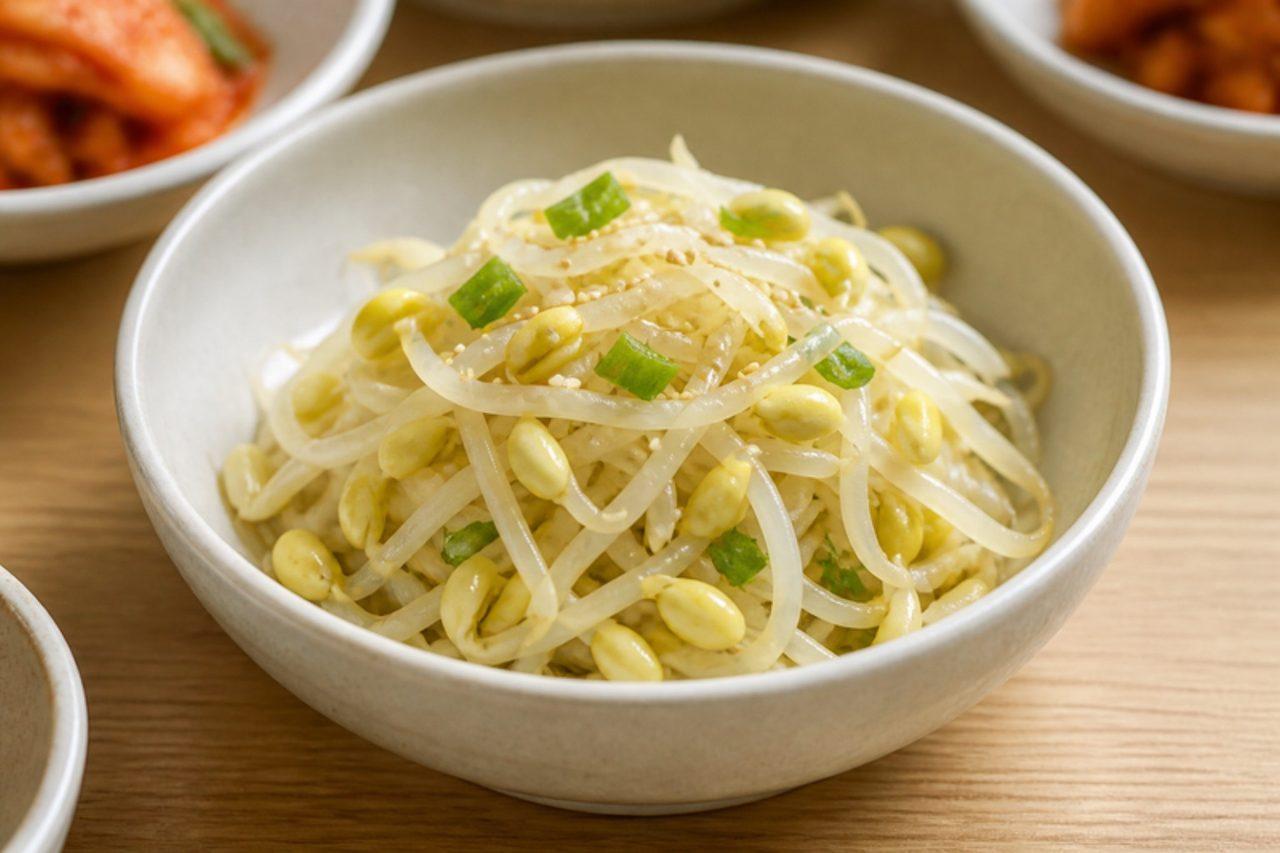
Sukju namulSeasoned bean sprouts

Sukju namul is the most delicate of Korea's sprout dishes, set out on every ancestral-rite table at Chuseok and on everyday trays in Seoul homes because it takes five minutes and costs very little. Mung bean sprouts are blanched for barely a minute, then dressed with salt, a little garlic and sesame oil, so they stay juicy and crunchy with a clean, nutty taste. It belongs in bibimbap too. The common mistake is overcooking: mung bean sprouts go limp and stringy within seconds of being done, so pull them while they still squeak. Chef's tip: plunge them straight into iced water after blanching and squeeze gently; they keep their snap for a whole day.

by KrazyBadal 0 views

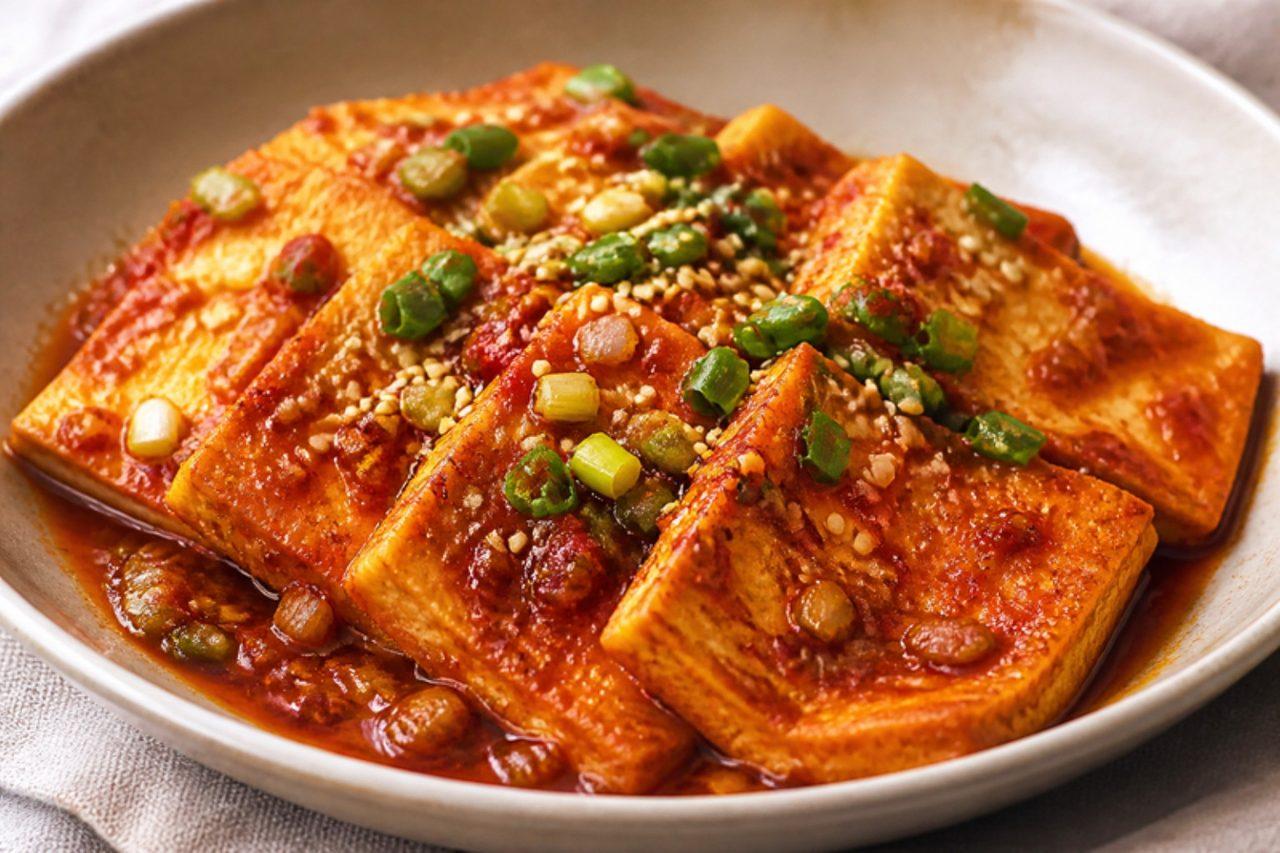
Dubu jorimBraised tofu in spicy soy

Dubu jorim is the tofu side dish Korean mothers pack into school lunchboxes and set out at home dinners from Busan to Seoul, because it is cheap, filling and even better the next day. Thick slices of firm tofu are fried golden, then simmered in a garlicky soy and chilli sauce until they soak it up and turn glossy. Eat it warm with rice or cold from the fridge. The common mistake is moving the tofu too soon in the pan: it tears and never forms the golden skin that holds the sauce. Chef's tip: salt the tofu slices lightly and leave them on kitchen paper for 10 minutes before frying; drier tofu browns faster and spits less.

by KrazyBadal 0 views

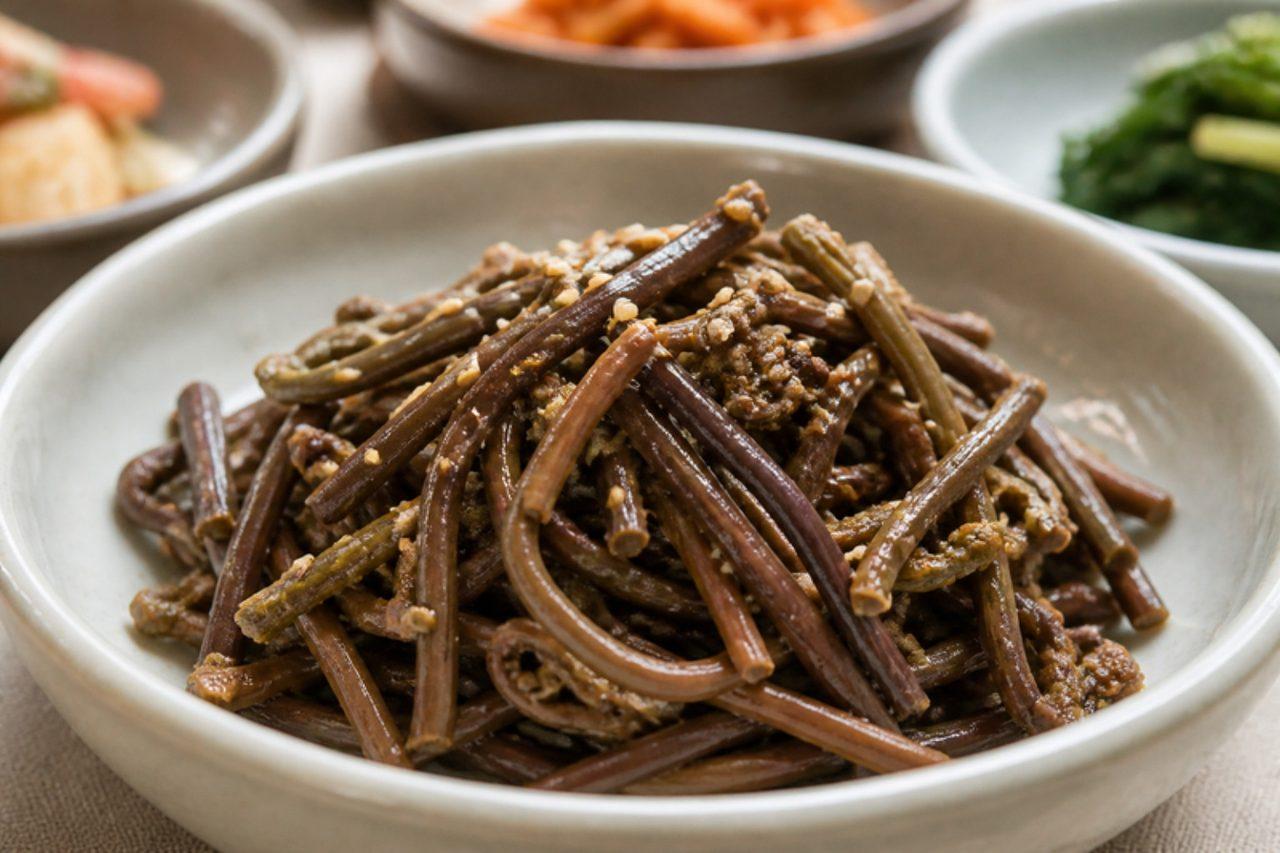
Gosari namulBraised bracken fern

Gosari namul is the earthy brown namul on every Korean holiday table, from Jeju, where families still pick young bracken on the island's hills in April, to Seoul, where it is bought dried for Seollal and Chuseok. Rehydrated fern stems are simmered soft, then stir-fried in perilla oil with soy and garlic until they are tender and meaty with a smoky, woodsy taste. It is also a core topping for bibimbap and yukgaejang. Always cook bracken thoroughly; never eat it raw. The common mistake is under-boiling the stems, which leaves them tough and slightly bitter. Chef's tip: after boiling, leave the stems soaking in fresh water for an hour, changing it once; it draws out the last bitterness and leaves a cleaner flavour.

105 minKoreanSidesVegan
by KrazyBadal 0 views
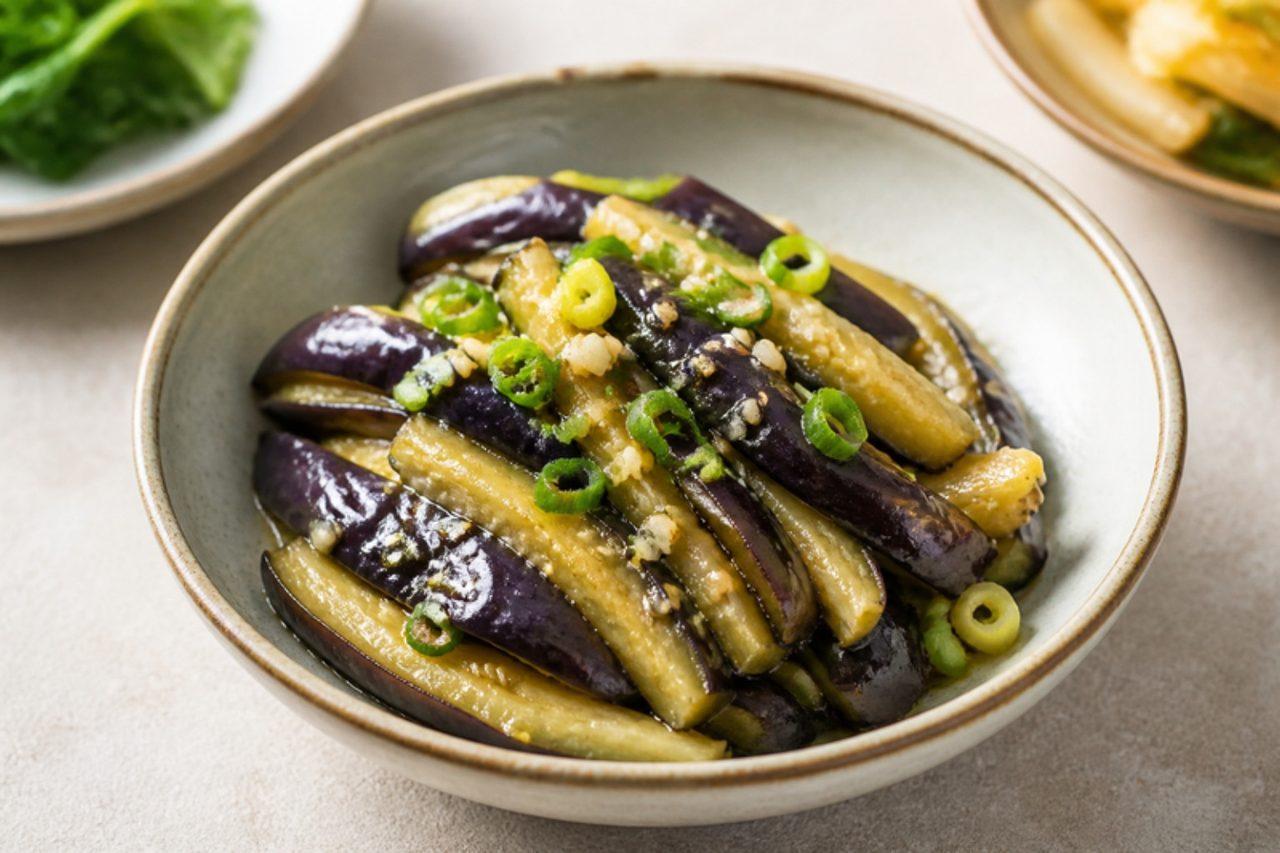
Gaji namulSeasoned steamed aubergine

In late summer, when aubergines pile up at Seoul's Gyeongdong market for next to nothing, gaji namul turns up beside the rice at almost every home dinner. Long strips of aubergine are steamed until silky, then torn and dressed with soy, garlic, spring onion and toasted sesame, so they taste mellow, savoury and faintly sweet. It is one of the gentlest banchan, good for anyone who finds kimchi too fierce. The usual mistake is dressing the aubergine while it is still hot and dripping: the seasoning slides off and the dish turns watery, so let it steam dry and cool first. Chef's tip: tear the strips by hand along the grain rather than slicing them; the rough edges hold far more dressing.

by KrazyBadal 0 views
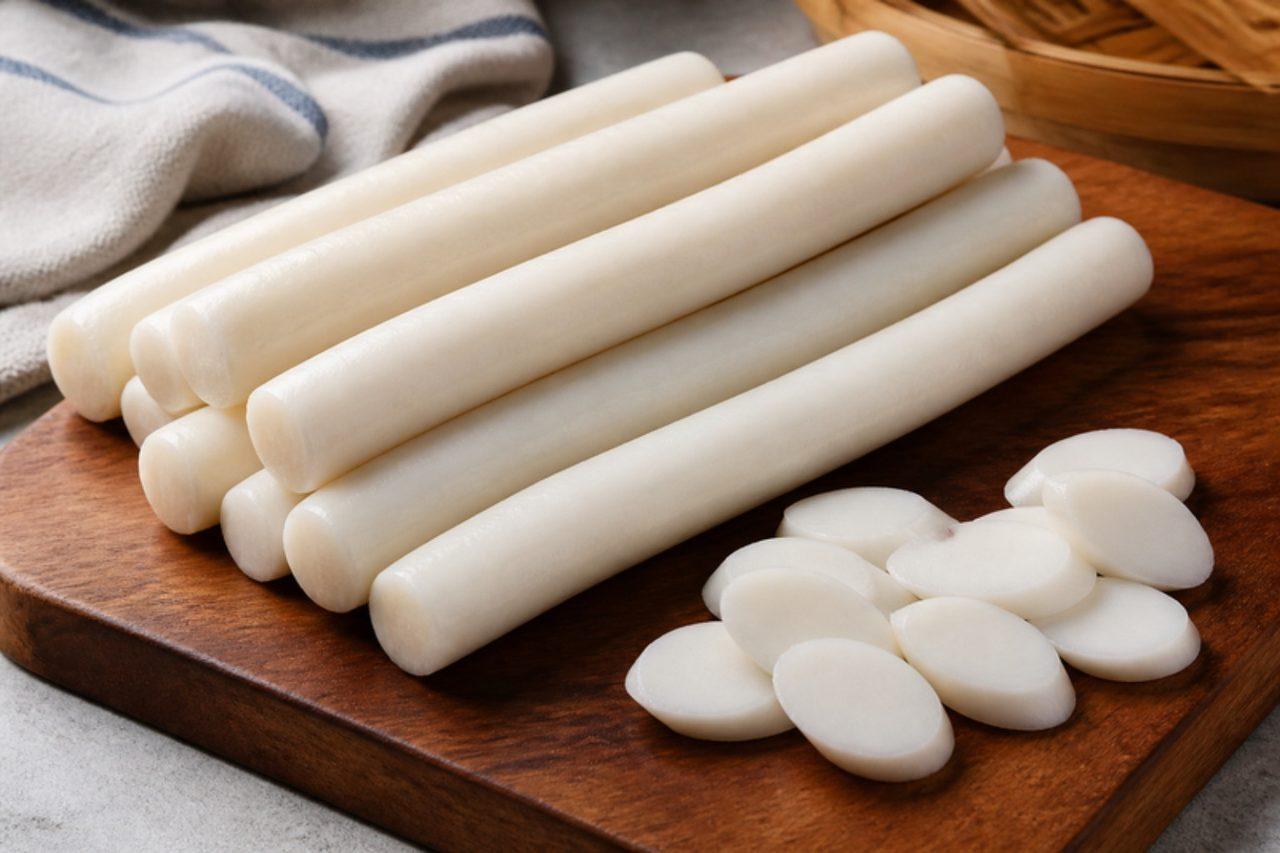
GaraetteokLong cylinder rice cakes

Garaetteok are the long white rice-cake logs that Korean mills churn out before Seollal, when families queue with their own rice to have them pressed and then slice them into ovals for tteokguk, the New Year soup. The length is meant to wish for a long life. Freshly made, they are soft and chewy and eaten warm, dipped in honey or toasted over a grill; once they firm up they are sliced for soup or cut into sticks for tteokbokki. Making them at home is simple, though the logs come out a little less glossy than machine-pressed ones. The usual mistake is rolling the dough when it has cooled: it must be hot to stay smooth. Rice cakes are chewy and sticky, a known choking risk: cut them into small pieces for young children and older people and eat them sitting down. Chef's tip: leave the logs to firm overnight before slicing on the diagonal; they cut cleanly instead of squashing.

by KrazyBadal 0 views
Showing 24 of 59 recipes

Show more recipes

Page 1 of 3