Skip to content
Recipes

All recipes

Vegetarian, or something you can't eat? Set your diet once and we'll hide recipes that don't fit.

Mandi'o chyryryFried cassava with onion and egg

Mandi'o chyryry means 'fried cassava' in Guaraní, and it is what rural Paraguayan families make from yesterday's boiled mandi'o: chunks crushed and fried in a big pan with onion until crisp in places, then scrambled with eggs. It comes out for breakfast with cocido or for a quick supper, and costs next to nothing. Use sweet cassava, the kind sold in supermarkets. The mistake is stirring constantly, which turns it to mush; let the cassava sit and brown. Chef's tip: the best chyryry starts with cold, day-old boiled cassava, which fries crisper than freshly boiled.

by KrazyBadal 0 views

TereréIced yerba mate

In Asunción the hottest part of the day stops for tereré: a horn or cup packed with yerba mate, topped up again and again with ice water infused with crushed herbs, and passed round the group through a metal straw. It was recognised by UNESCO as part of Paraguay's cultural heritage, and the herbs (yuyos) change with the season and the drinker's mood. Yerba mate contains caffeine, so it isn't one for small children. The common mistake is pouring water straight into loose yerba, which then clogs the straw; tilt the yerba to one side first. Chef's tip: for tereré ruso, swap the water for cold orange or grapefruit juice.

by KrazyBadal 0 views

Cocido quemadoBurnt sugar mate drink

Cocido is how Paraguay starts the day: in Asunción, in the villages of Guairá and Itapúa, and in school kitchens, a pot of burnt yerba is brewed and poured into cups with chipa, the cheesy cassava bread, or with a hard galleta. The old way is to drop a glowing piece of charcoal into a pot with yerba and sugar and stir until the sugar burns. On a home stove you caramelise them together in a dry pan instead, which is safer and gives the same smoky, toffee-like taste. The drink is clear amber-brown, with roasted, slightly bitter mate notes over burnt-sugar sweetness; with milk added it becomes cocido con leche, creamy and coffee-coloured. Yerba mate contains caffeine, so treat it like a cup of coffee. The common mistake is letting the sugar go black: it turns acrid and bitter. Pull it off the heat when the caramel is deep amber and the yerba smells toasted, not burnt. It is ready when the liquid is a clear dark amber and tastes of toffee and smoke. Chef's tip: the water will spit fiercely when it hits the hot caramel, so pour it in from the side, at arm's length.

by KrazyBadal 0 views

Pira caldoCreamy fish soup with cheese

Along the Paraguay River from Asunción to Concepción, pira caldo is the fishermen's soup, said to restore strength after a long night: chunks of firm river fish poached in a broth of onion, peppers and tomato fried in fat, then made creamy with milk and melted fresh cheese. Surubí or other catfish is traditional; any firm white fish such as hake or pollock works. The mistake most people make is boiling the soup after the milk and cheese go in, which splits it. Chef's tip: fry the vegetables until they are very soft and sweet before adding the water; that is where the flavour comes from.

by KrazyBadal 0 views

Postre MassiniCustard sponge with burnt sugar top

Montevideo's birthday cake of choice since the early twentieth century, the Massini is two thin layers of sponge sandwiching a thick filling of whipped cream folded with egg-yolk custard, crowned with a thin glassy crust of torched yolk and sugar. Bakeries across Uruguay sell it on Sundays. Traditional versions sometimes add a sweet fortified wine to the custard; this one is alcohol-free. The custard is cooked to a safe 71 °C. The common mistake is assembling with warm custard, which melts the cream into a puddle. Chef's tip: if you don't have a blowtorch, put the sugared top under a very hot grill for a minute and watch it closely.

by KrazyBadal 0 views

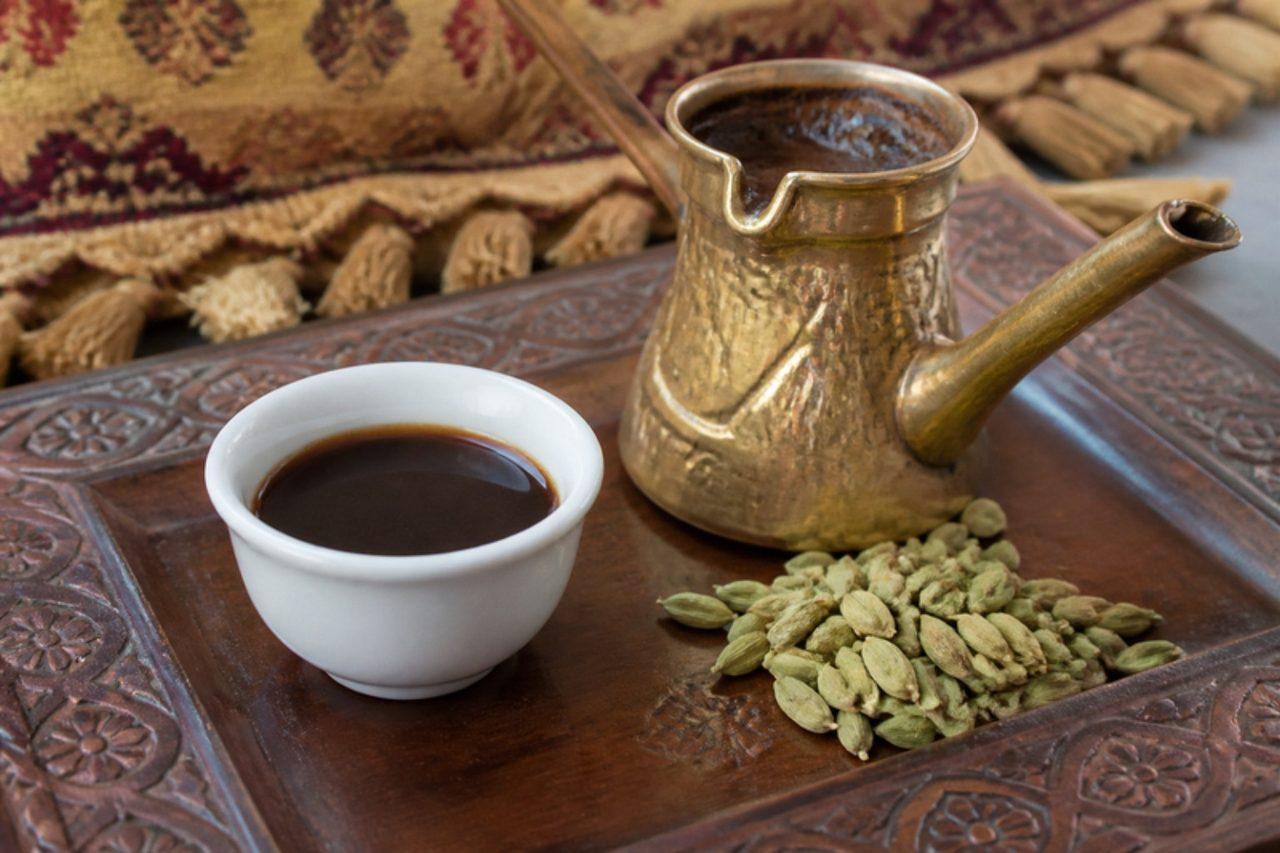
MırraBitter cardamom coffee

In the courtyard houses of Mardin and the guest rooms of Şanlıurfa, mırra is poured from a long-spouted pot into tiny handleless cups, just a mouthful each, as a sign of welcome. It is made by boiling dark-roasted coffee for a long time until it becomes thick, bitter and concentrated, then boiling it again and again. Tradition says you never put the cup down empty unless you mean to marry the host's family, so hand it back with a small shake. It is never sweetened: serve it with dates or a sweet. Common mistake: using finely ground Turkish coffee; it turns muddy, so use medium-ground dark roast. Chef's tip: the second boil is where the flavour comes from, so don't rush it.

by KrazyBadal 0 views

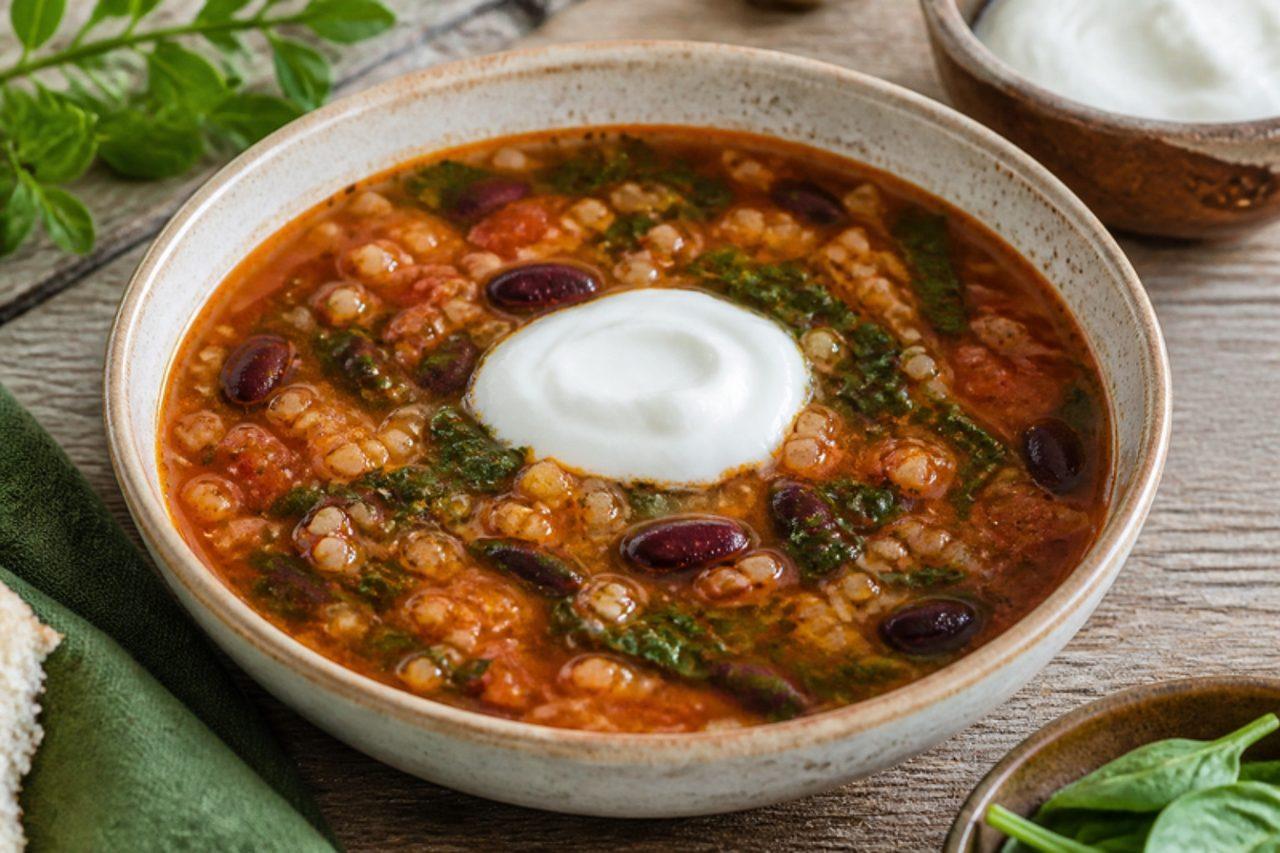
Pirpirim çorbasıPurslane, bean and bulgur soup

Purslane grows wild between the tea rows and maize fields of Giresun and Ordu, and in high summer it ends up in pirpirim çorbası, a lemony, slightly tangy soup thickened with cracked wheat and soft white beans. Families make it in big pots on hot days because it is just as good served lukewarm as piping hot. The fleshy leaves turn silky, the bulgur gives a gentle chew and a spoon of yoghurt on top makes it a full lunch. Common mistake: adding the purslane too early so it turns slimy and grey; it needs only 10 minutes. Chef's tip: keep a few raw sprigs back and stir them in at the end for crunch and a fresh green colour.

by KrazyBadal 0 views

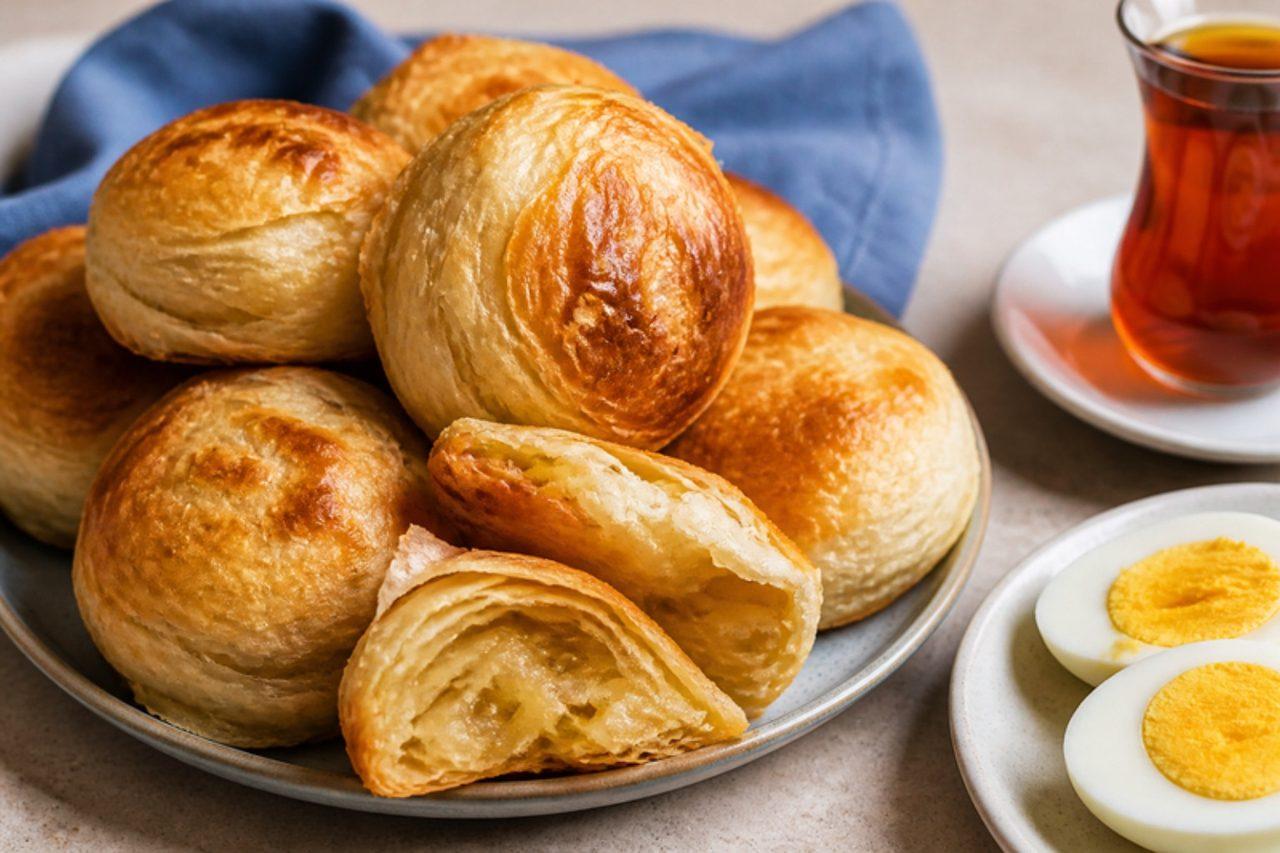
BoyozFlaky layered breakfast pastry

İzmir mornings begin at a boyoz stand in Alsancak or Kemeraltı: a small round pastry of paper-thin, oil-stretched dough, coiled into a snail and baked until the layers shatter, eaten beside a halved hard-boiled egg and a glass of tea. Sephardic Jews brought it to the city centuries ago, and İzmir has guarded it ever since. The dough itself is plain; the magic is in the long rest in oil and the stretching. Chef's tip: let the dough balls sit submerged in oil for a full two hours; they relax so completely that you can stretch them almost transparent without tearing.

by KrazyBadal 0 views

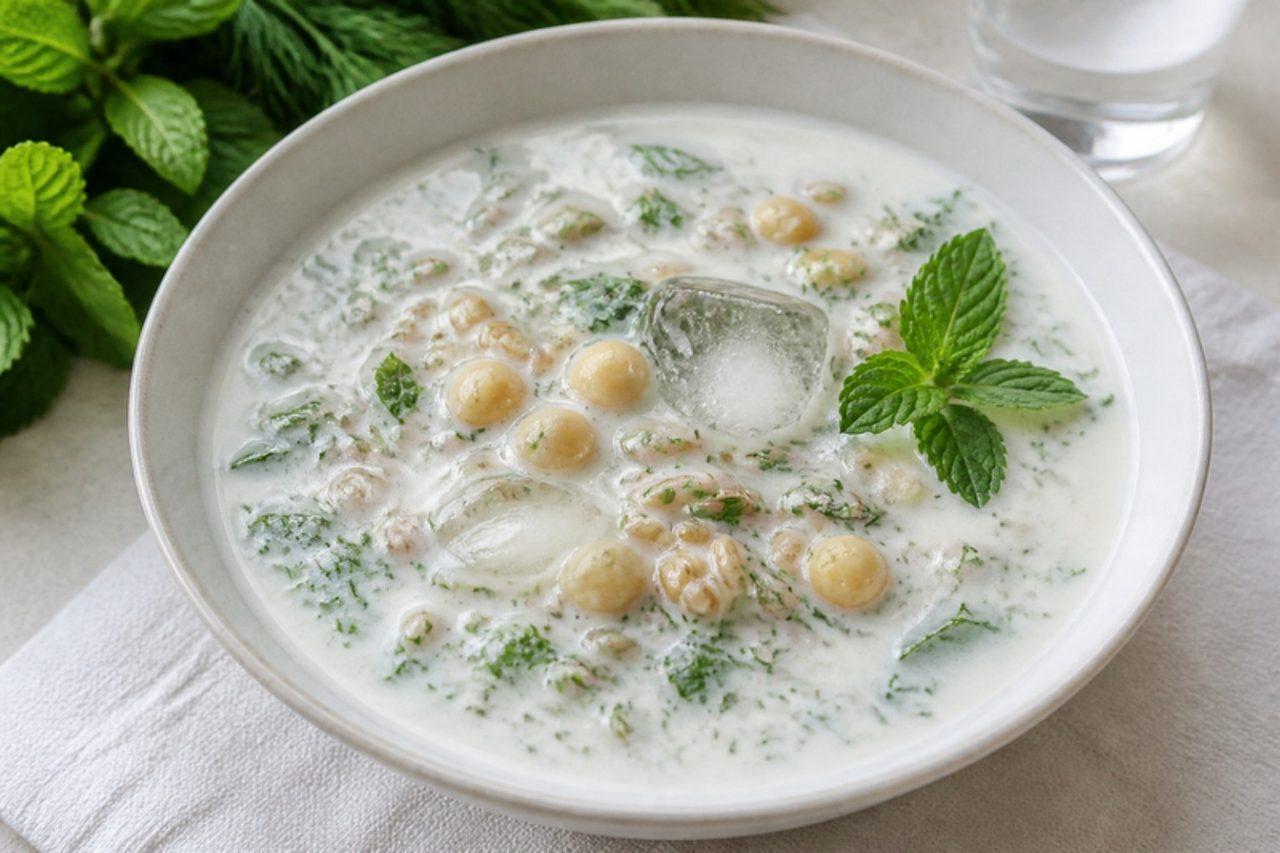
Ayran aşıChilled yoghurt and wheat soup

When the summer heat hits the eastern plateau around Erzurum, Erzincan and Sivas, families switch from hot soups to ayran aşı, a cold soup of thinned yoghurt with cooked whole wheat, chickpeas and handfuls of mint, dill and purslane or cucumber. It's ladled from a big bowl at lunch with flatbread, and it's as refreshing as a drink but filling as a meal. Common mistake: adding the grains while still hot, which makes the yoghurt split and turn sour-tasting; cool them completely first. Chef's tip: make it a few hours before serving and chill; the wheat soaks up the yoghurt and the herbs perfume the whole bowl.

by KrazyBadal 0 views

ŞambaliSemolina yoghurt cake in syrup

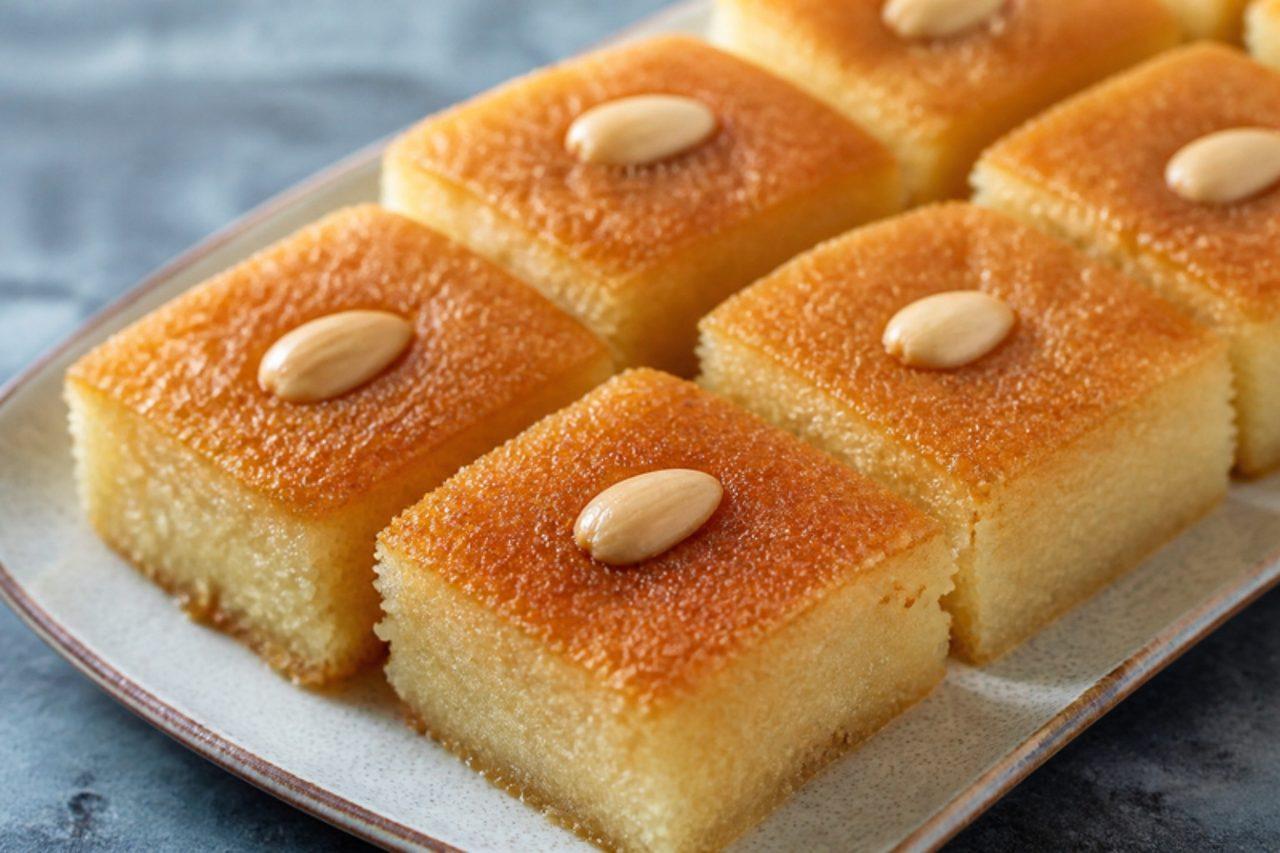
Walk through İzmir's Kemeraltı bazaar and you'll see huge copper trays of şambali, cut into diamonds, each topped with a blanched almond and glistening with syrup. It is a dense, moist semolina cake made with yoghurt, sold by street vendors and old pastry shops, sometimes with a spoon of kaymak on top. Plainer than it looks and dangerously easy to eat. Chef's tip: rest the batter for a few hours, or overnight, so the semolina softens fully; otherwise the cake is gritty.

by KrazyBadal 0 views

ŞekerpareSemolina almond cookies in syrup

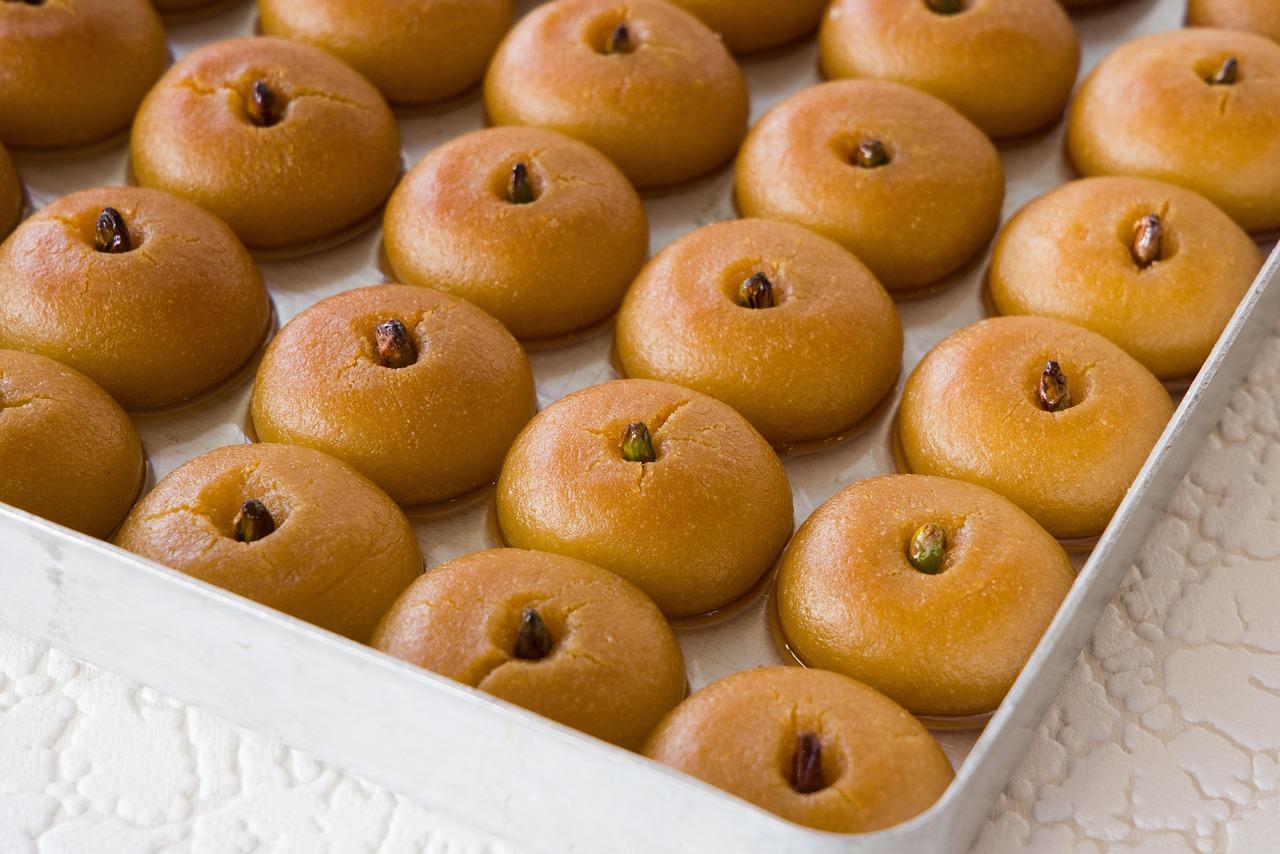
Şekerpare is the cookie that every Turkish household bakes for bayram visits, when trays are passed to relatives and neighbours along with coffee and cologne for the hands. Soft, buttery rounds of semolina dough are each topped with an almond, baked until golden and then soaked in syrup until they are tender all the way through but still hold their shape. They keep for days and taste better on the second. Common mistake: cold syrup on cold cookies, which never soaks in; one of them must be hot. Chef's tip: bake until the bases are properly golden; pale cookies turn mushy when they meet the syrup.

by KrazyBadal 0 views

Biber salçasıRed pepper paste

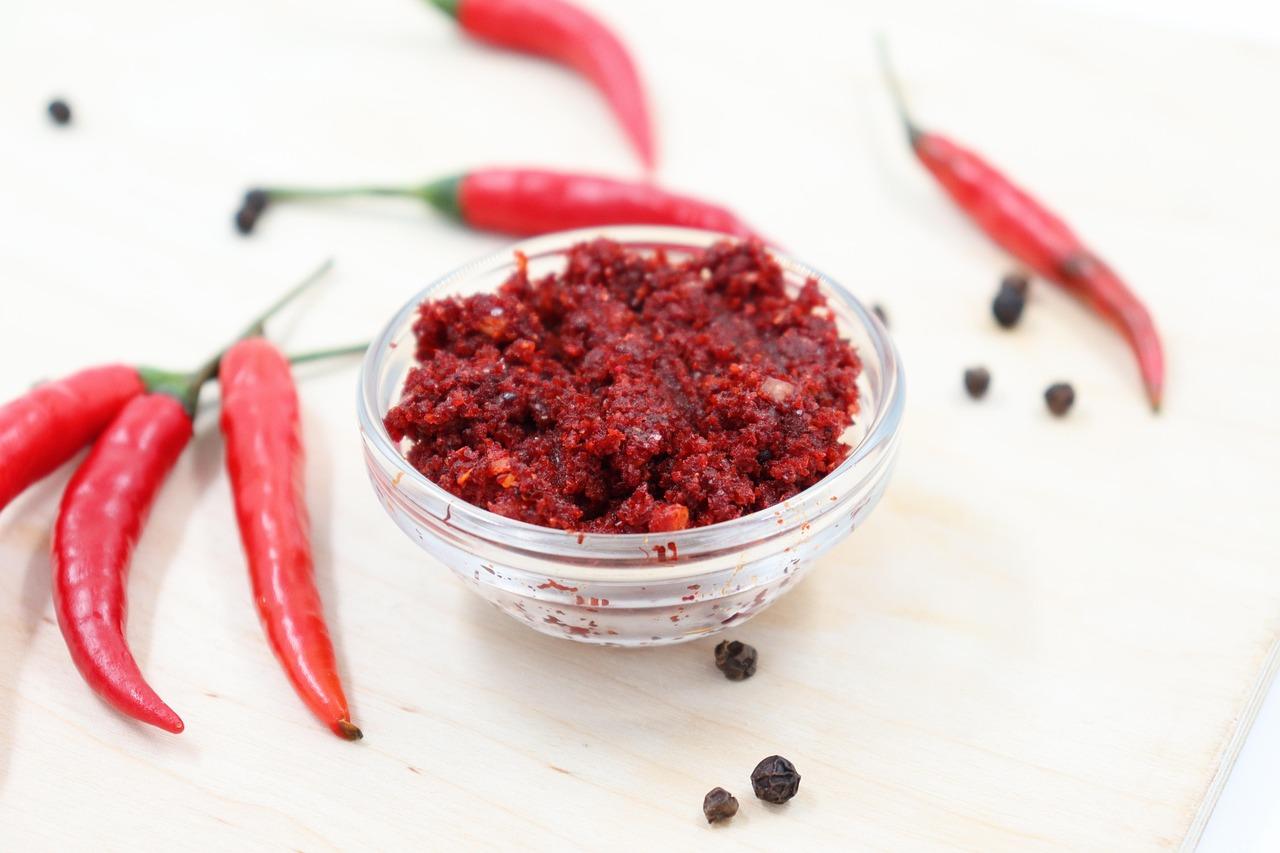
Late every summer, rooftops in Gaziantep, Kilis and Hatay turn red with trays of puréed peppers drying in the sun, and families fill jars that will season soups, köfte, bulgur and lahmacun through the winter. This oven method makes a smaller batch with the same deep, sweet and slightly smoky flavour; use some hot peppers if you like it acı (spicy). Store it under a film of oil in the fridge. The common mistake is a too-hot oven: the edges scorch and turn bitter before the middle thickens. Chef's tip: stir every 20 minutes and scrape the dried rim back in; the paste is ready when a spoon drawn through it leaves a clean trench.

by KrazyBadal 0 views

Arabaşı çorbasıSpicy chicken soup with dough cubes

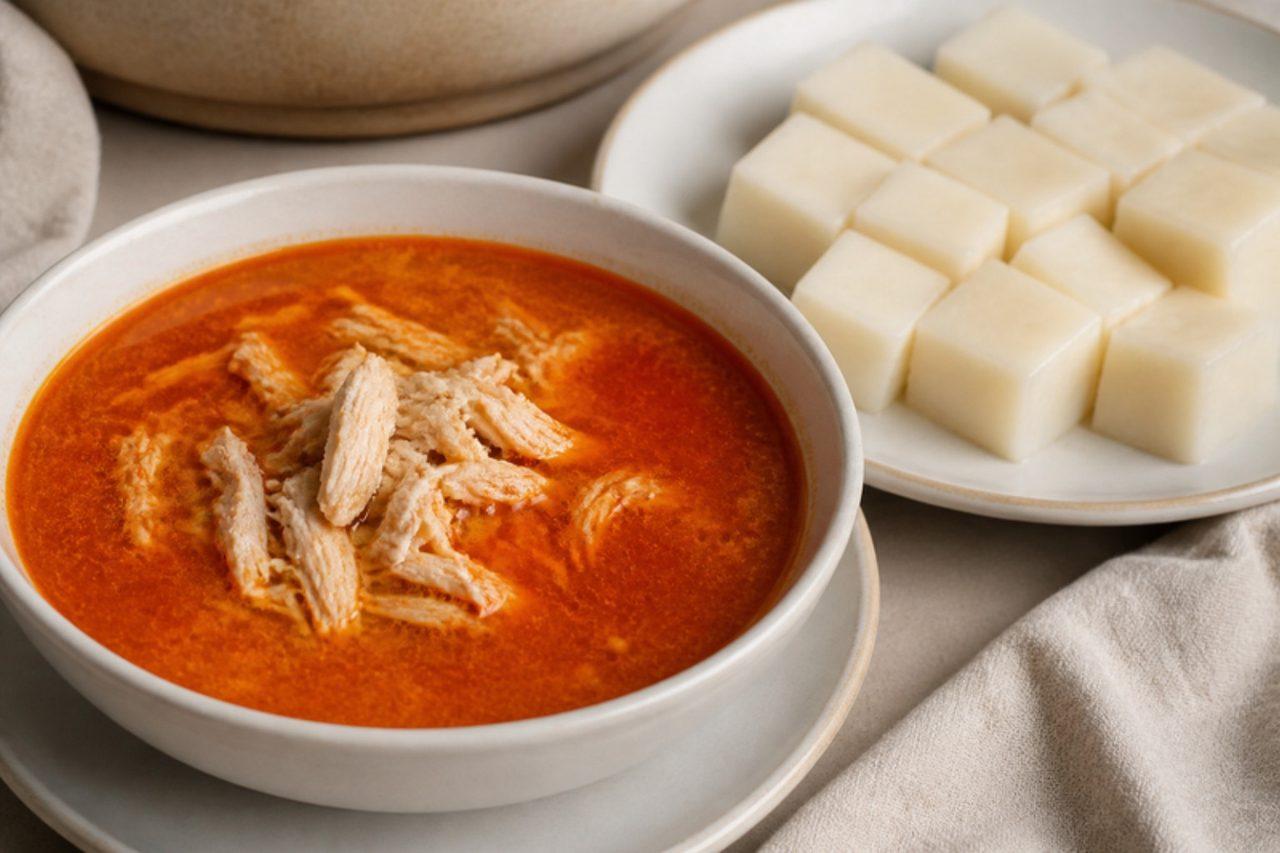
On winter evenings in Kayseri, Konya and Yozgat, friends gather for arabaşı nights: a big pot of fiery, tomatoey chicken soup and a tray of plain set dough cut into cubes. Each person drops a cube of cold dough into a spoonful of hot soup and swallows it whole, without chewing, and the hot-cold contrast is the whole fun. Common mistake: making the dough too soft; it should set firm enough to slice cleanly once chilled. Cook the chicken until its juices run clear and it reaches 74 °C before shredding. Chef's tip: make the dough the morning before, or even the day before, so it is properly cold and firm.

by KrazyBadal 0 views

Tarhana çorbasıFermented yoghurt and vegetable soup

Late every summer, women across Central Anatolia, from Uşak to Konya and Sivas, ferment a dough of yoghurt, flour, tomatoes, peppers and onion, dry it on cloths in the sun and rub it into crumbs. All winter that tarhana becomes a quick, warming soup with a gentle sourness and the sweetness of sun-dried pepper. It is breakfast in villages, a cure for colds in cities, and is eaten with bread and a squeeze of lemon. Common mistake: tipping dry tarhana straight into hot liquid, which forms stubborn lumps; soak it in cold water first. Chef's tip: finish with a spoon of butter sizzled with dried mint and chilli flakes drizzled over each bowl; it lifts the whole soup.

by KrazyBadal 0 views

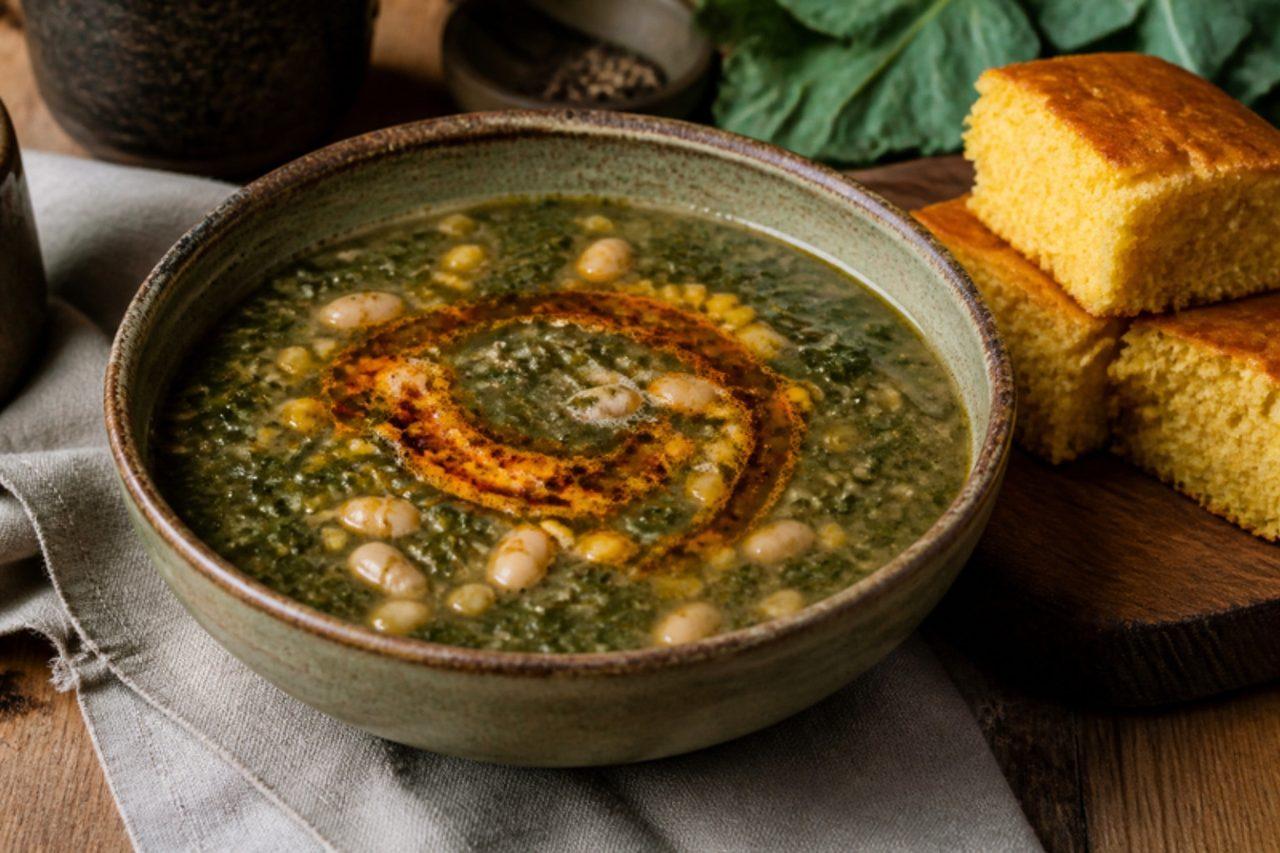
Karalahana çorbasıCollard greens and bean soup

Dark, ribbed karalahana is the cabbage of the eastern Black Sea, and in Trabzon and Rize winter kitchens it goes into a thick soup that is somewhere between a broth and a stew. Shredded leaves simmer with borlotti beans, onion and a spoon of pepper paste, then a handful of cornmeal is whisked in at the end to give the soup body and a gentle sweetness. It is served with cornbread, a wedge of onion and a few chilli pickles. Common mistake: leaving the tough central ribs in; they never soften and make the soup stringy. Chef's tip: the soup is noticeably better the next day, so make it ahead and loosen it with a little hot water when you reheat.

by KrazyBadal 0 views

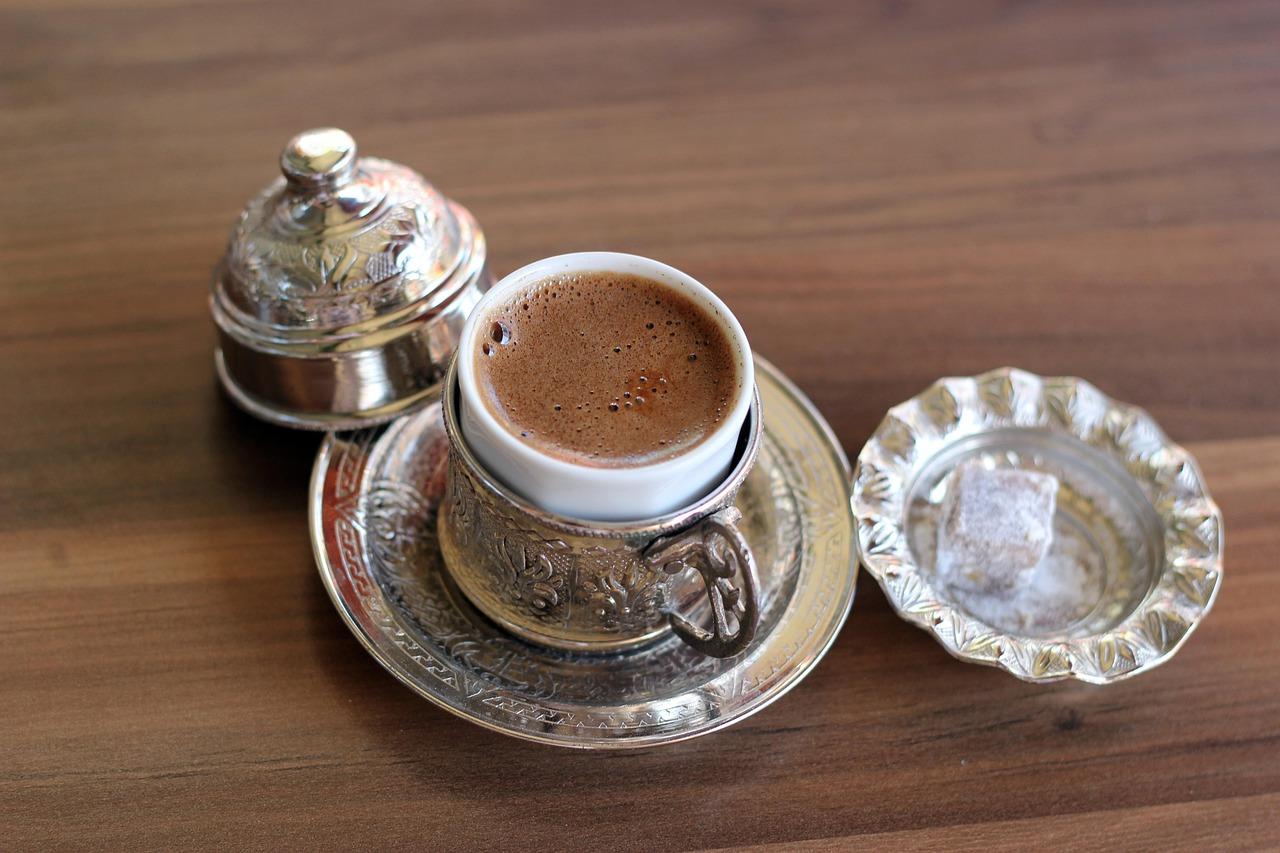
Türk kahvesiTurkish coffee

A cup of Türk kahvesi is how Turks welcome guests, end a long meal and, in the old custom, test a suitor: the prospective bride makes his cup and may slip salt into it. Powder-fine coffee is brewed slowly with cold water and sugar to taste in a small long-handled pot (cezve), until a thick foam rises, then poured unfiltered so the grounds settle in the cup. Serve with a glass of water first and a piece of lokum. Order it sade (plain), orta (medium) or şekerli (sweet) and add the sugar before brewing, never after. The usual mistake is letting it boil, which collapses the foam and makes it bitter. Chef's tip: use cold water and a low heat; the slower it rises, the thicker the foam.

by KrazyBadal 0 views

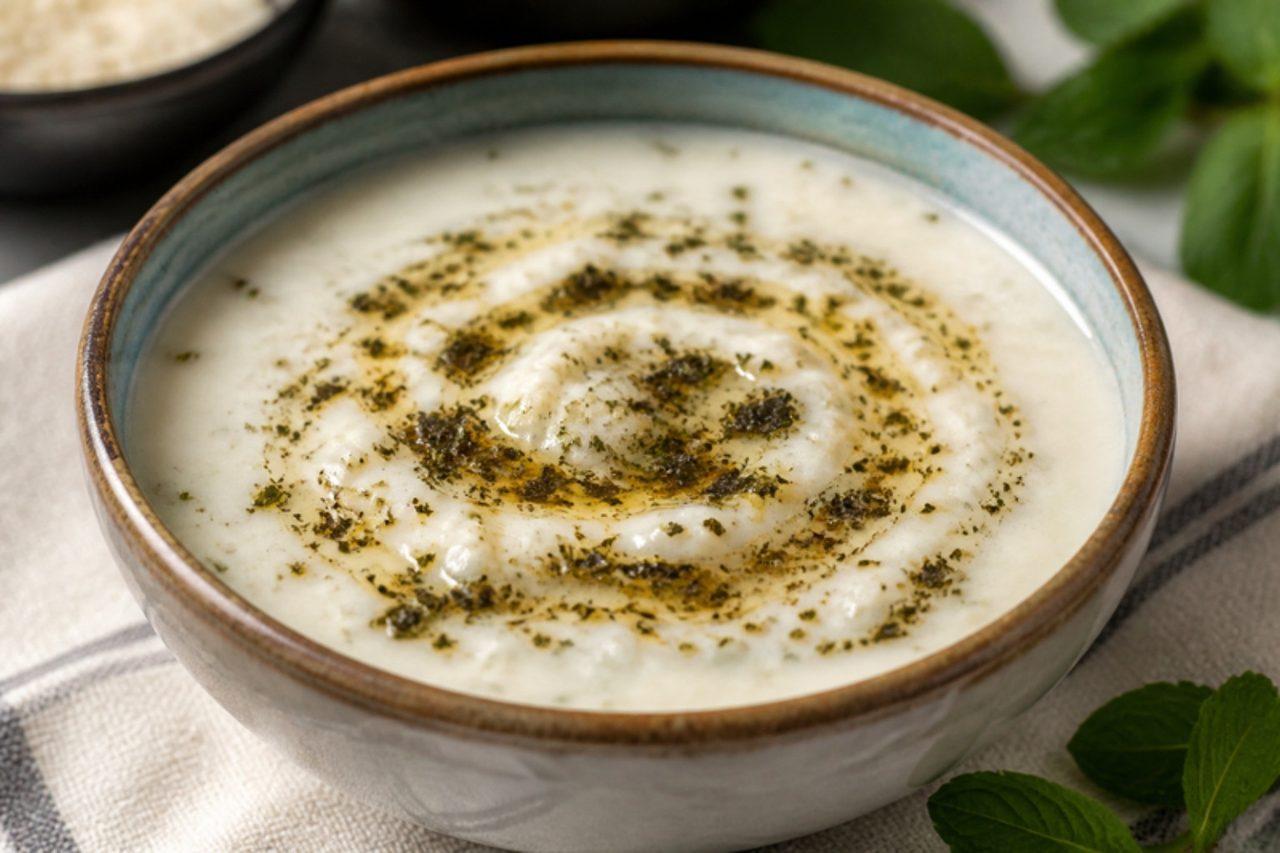
Yayla çorbasıYoghurt, rice and mint soup

Named for the high summer pastures of Anatolia, yayla çorbası is the soup that tradesmen's restaurants in Ankara and Kayseri ladle out from morning onwards: soft rice in a silky, gently sour yoghurt broth, finished with a slick of mint butter. It is light enough for breakfast yet filling with bread, and many families make it when someone is unwell. Common mistake: pouring cold yoghurt straight into the boiling pot, which splits it into grainy curds; temper it first with hot liquid and keep the soup below a boil afterwards. Chef's tip: whisk an egg yolk and a spoon of flour into the yoghurt; they stabilise it and give a velvety body.

by KrazyBadal 0 views

Karışık turşuMixed vegetable pickle

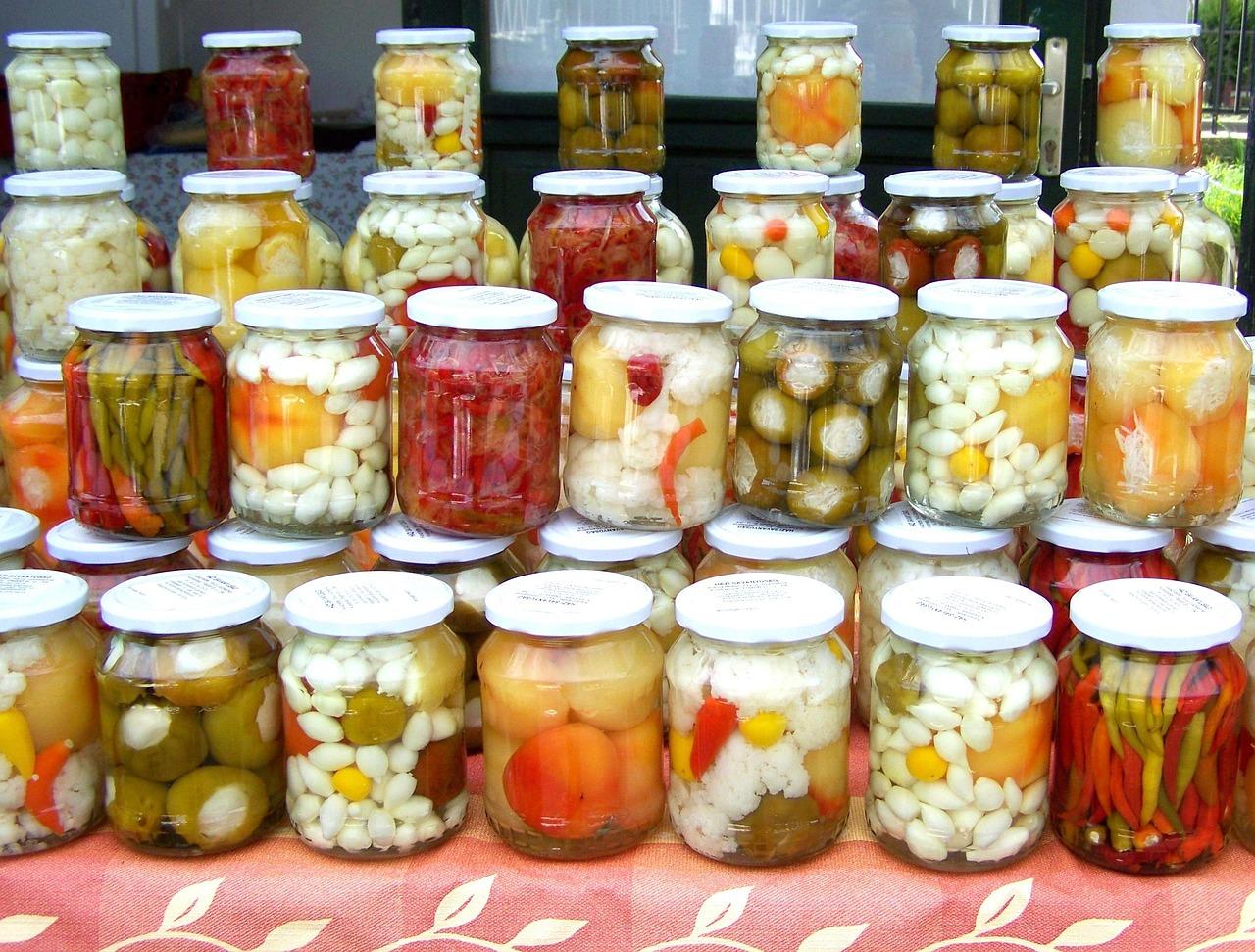
Every autumn Turkish kitchens line up jars of karışık turşu, and in Istanbul pickle shops (turşucu) sell it by the glass with its sour juice to drink. Crunchy cabbage, carrots, cucumbers, green peppers and cauliflower are packed with garlic and chickpeas in a salted, vinegar-spiked brine and left to sour for a couple of weeks. It sits beside bean stews, pilaf and kebab at almost every home meal. Common mistake: iodised table salt, which clouds the brine and softens the vegetables; use rock or pickling salt. Chef's tip: a few dried chickpeas in the jar help the fermentation get going, as Turkish grandmothers swear.

by KrazyBadal 0 views

KeteToasted flour butter rolls

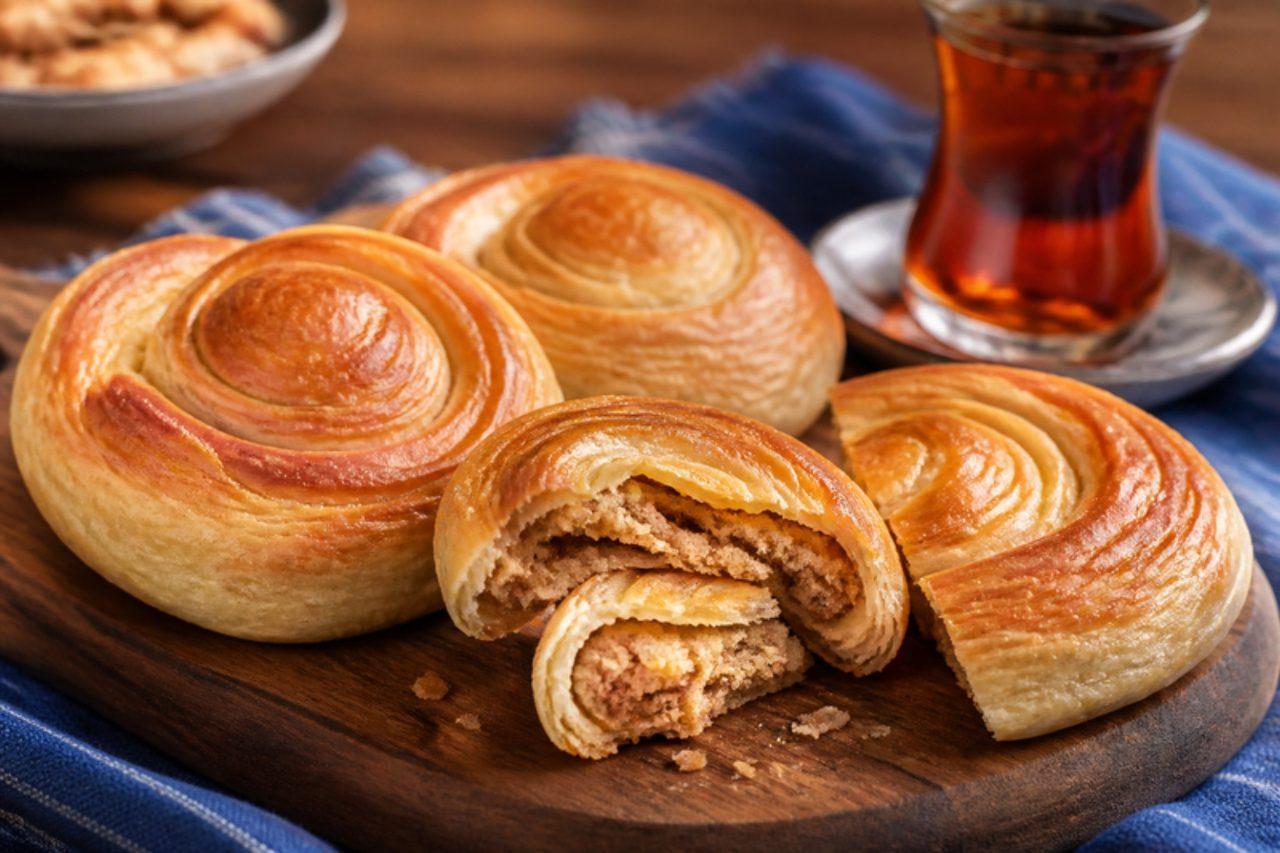
Bakeries in Erzurum and Kars sell kete by the dozen for breakfast and long bus journeys: soft yeasted rolls coiled around a filling of flour toasted in butter until it smells of biscuits. Inside, the layers turn flaky and tender, and the crust is glazed with egg and sesame. They are eaten with strong tea, white cheese and olives, and keep well for a few days. Common mistake: under-toasting the flour for the filling; it should go a pale sandy gold and smell nutty, or the centre tastes raw. Chef's tip: roll the dough thin before spreading the filling and coiling it; thin layers bake into the flaky swirl that makes kete special.

by KrazyBadal 0 views

ŞalgamFermented purple carrot drink

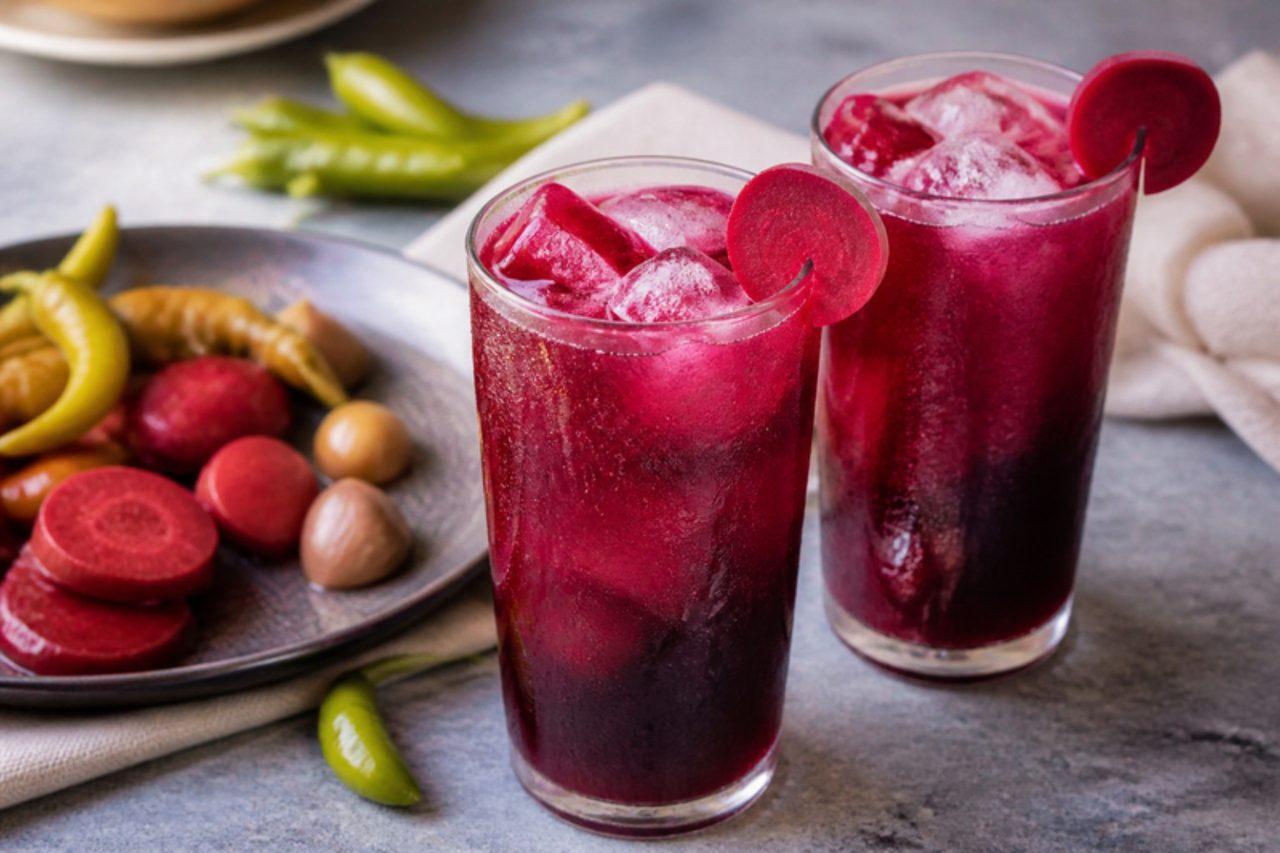
Order an Adana kebab in its home city and a tall glass of şalgam arrives with it, deep purple, salty, sour and often fiery. It is made by fermenting black carrots with a little bulgur and salt for a week or more, and the sharpness clears the palate between bites of lamb and grilled onion. Street carts in Adana sell it by the glass in summer. This home version skips the separate bulgur-sour-dough stage the big producers use. Use non-iodised salt: iodised salt can stall the ferment. Chef's tip: taste from day 5; when it is sour enough to make you blink, strain and chill it, because it keeps fermenting at room temperature.

by KrazyBadal 1 views

Vegetarian vori voriCornmeal dumpling and vegetable soup

Vori vori is the soup Paraguayan grandmothers make on cold June and July evenings: a golden broth full of bori, small balls of cornmeal and cheese that swell soft as they simmer. The name is a Guaraní take on the Spanish 'bolita' (little ball). It's usually made with hen; this version gets its colour and body from pumpkin, carrot and a sofrito with saffron or turmeric. Chef's tip: shape the balls no bigger than a hazelnut; they double in size and larger ones stay raw inside.

by KrazyBadal 0 views

AyranSalted yogurt drink

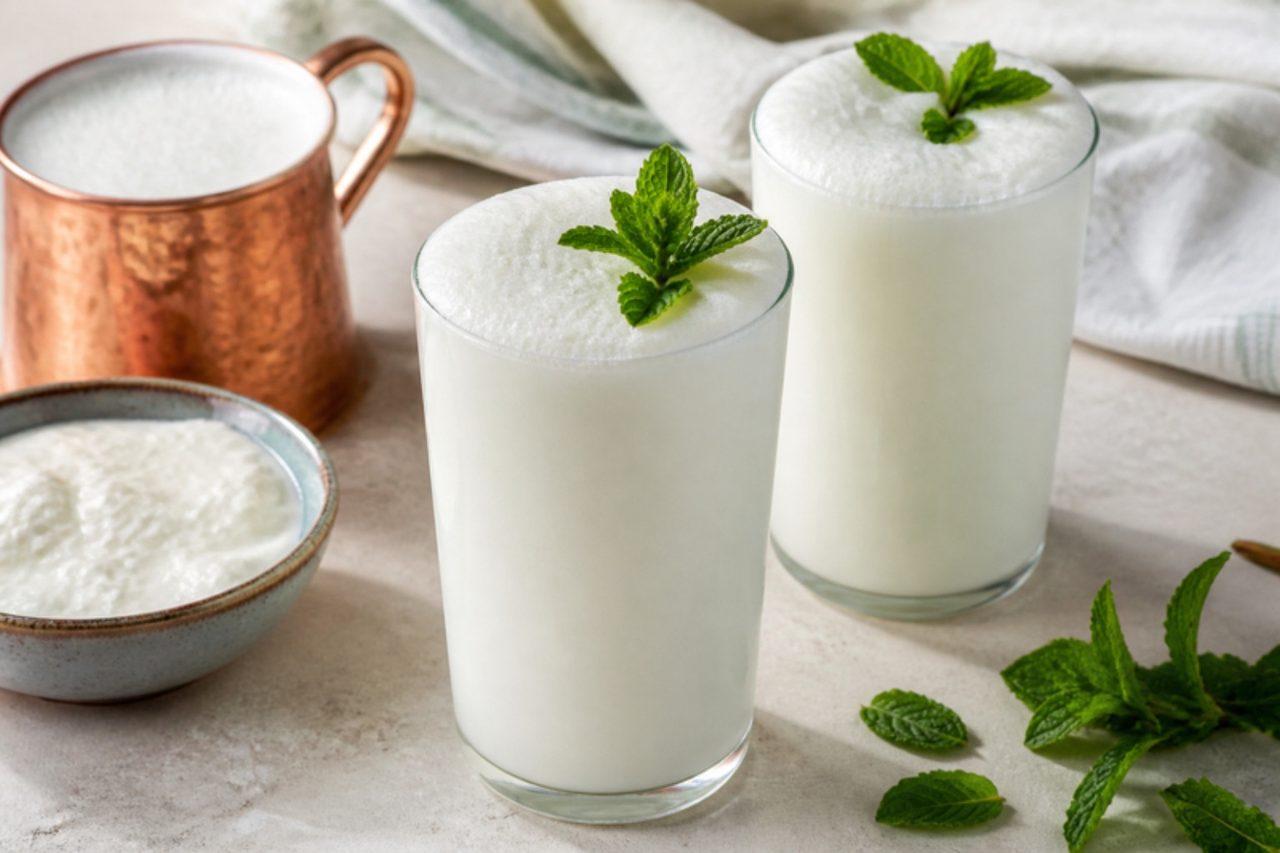
Ayran is what Turks drink with lunch: a chilled, foamy blend of yogurt, water and a pinch of salt, poured from copper jugs alongside cheese pide, börek, lentil soup and bean stews. In the Susurluk area of Balıkesir it is whisked so hard that it arrives under a thick head of foam, and roadside cafés all over Anatolia serve it in tin cups on hot summer days. It is tangy, refreshing and cooling with spicy food. Make it just before you sit down and drink it ice-cold. Chef's tip: whisk the yogurt alone with the salt until smooth before adding any water, and you'll get a silky drink with no lumps.

by KrazyBadal 0 views

Ezogelin çorbasıRed lentil and bulgur soup

Gaziantep gave Turkey this hearty soup, named after Ezo, a bride from a village near the city whose sad story is still told in folk songs. Unlike the smooth mercimek soup, ezogelin keeps some texture: red lentils, bulgur and a little rice simmer together with tomato and red pepper paste until thick and soft, and plenty of dried mint goes in at the end. In southeast Turkey it is a winter staple, eaten in the morning and as a light supper with bread and a squeeze of lemon. It thickens as it stands, so add a splash of water when you reheat it. Chef's tip: rub the dried mint between your palms over the pot to release its oils just before you serve.

by KrazyBadal 0 views

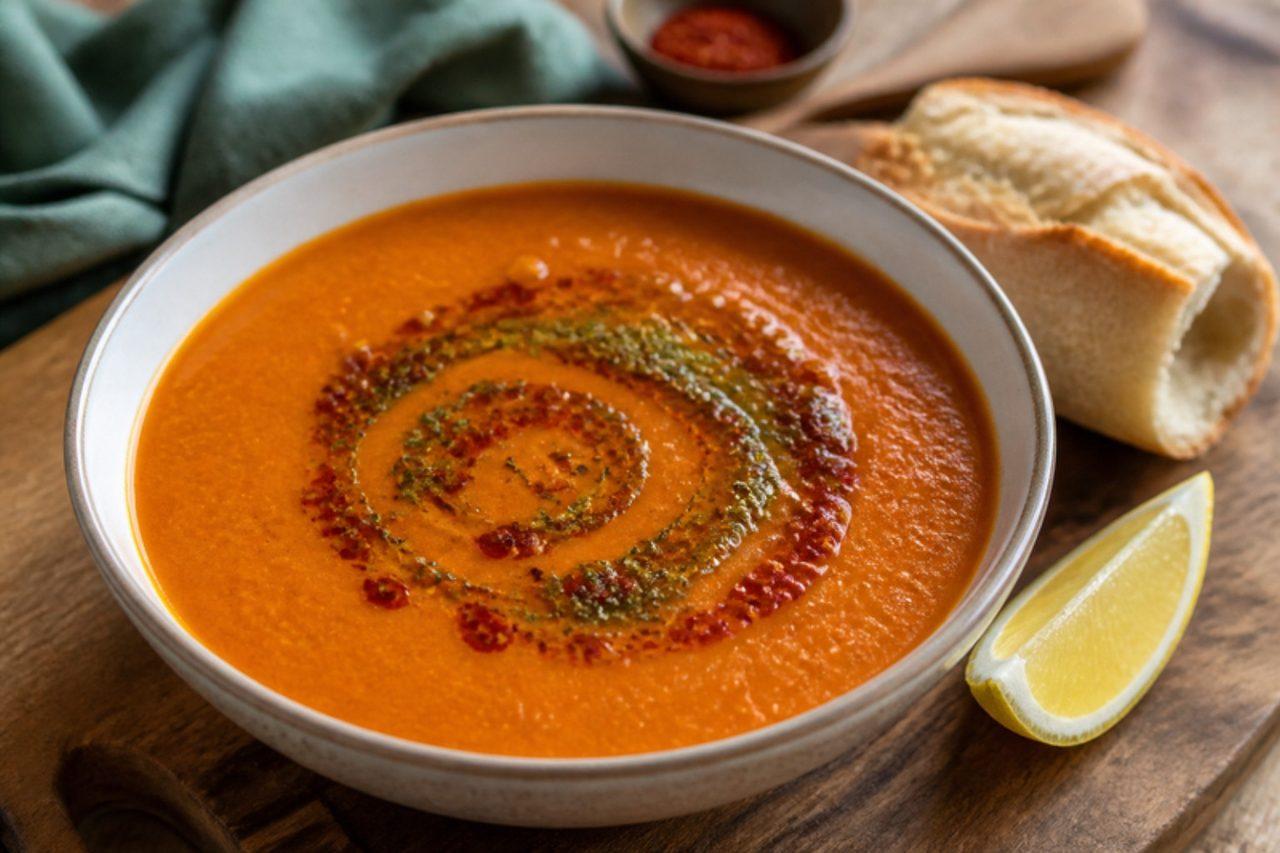
Mercimek çorbasıRed lentil soup

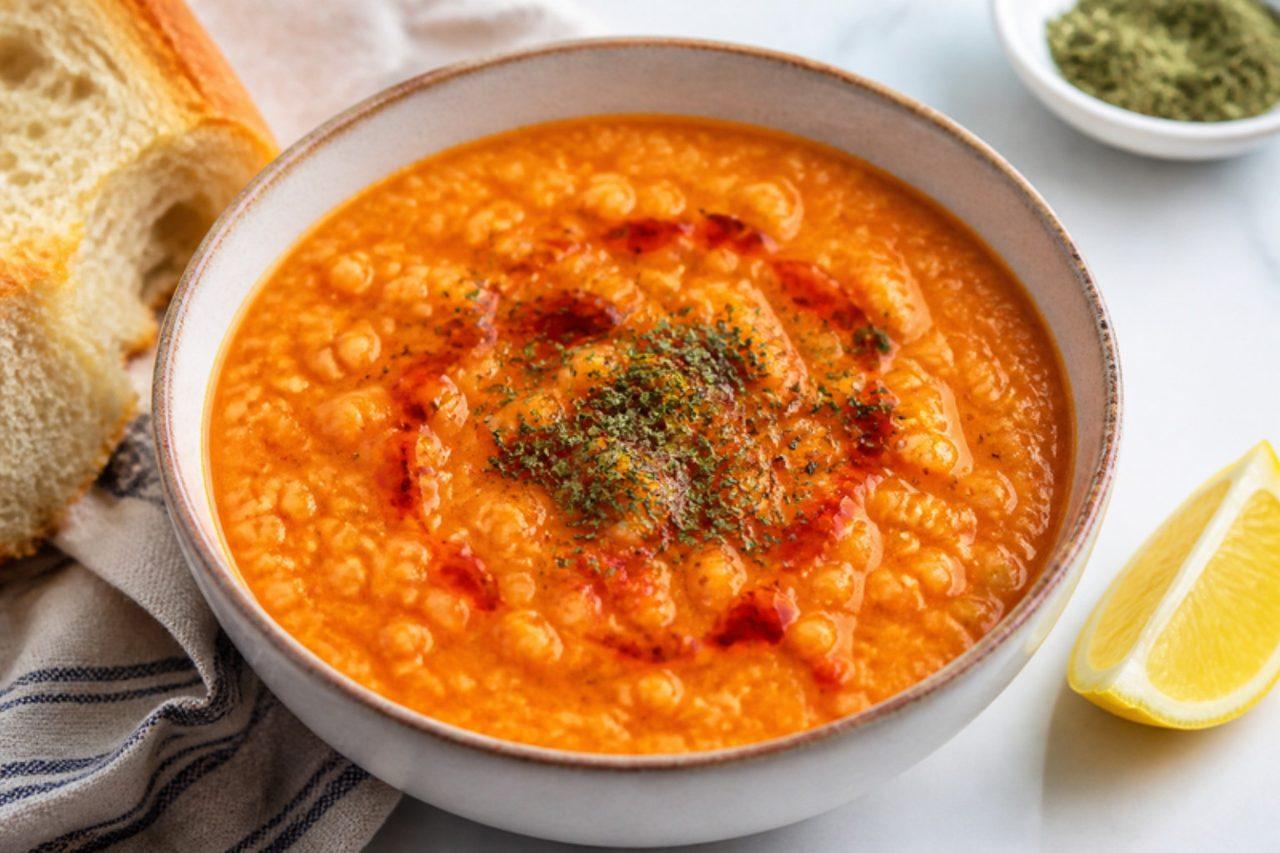
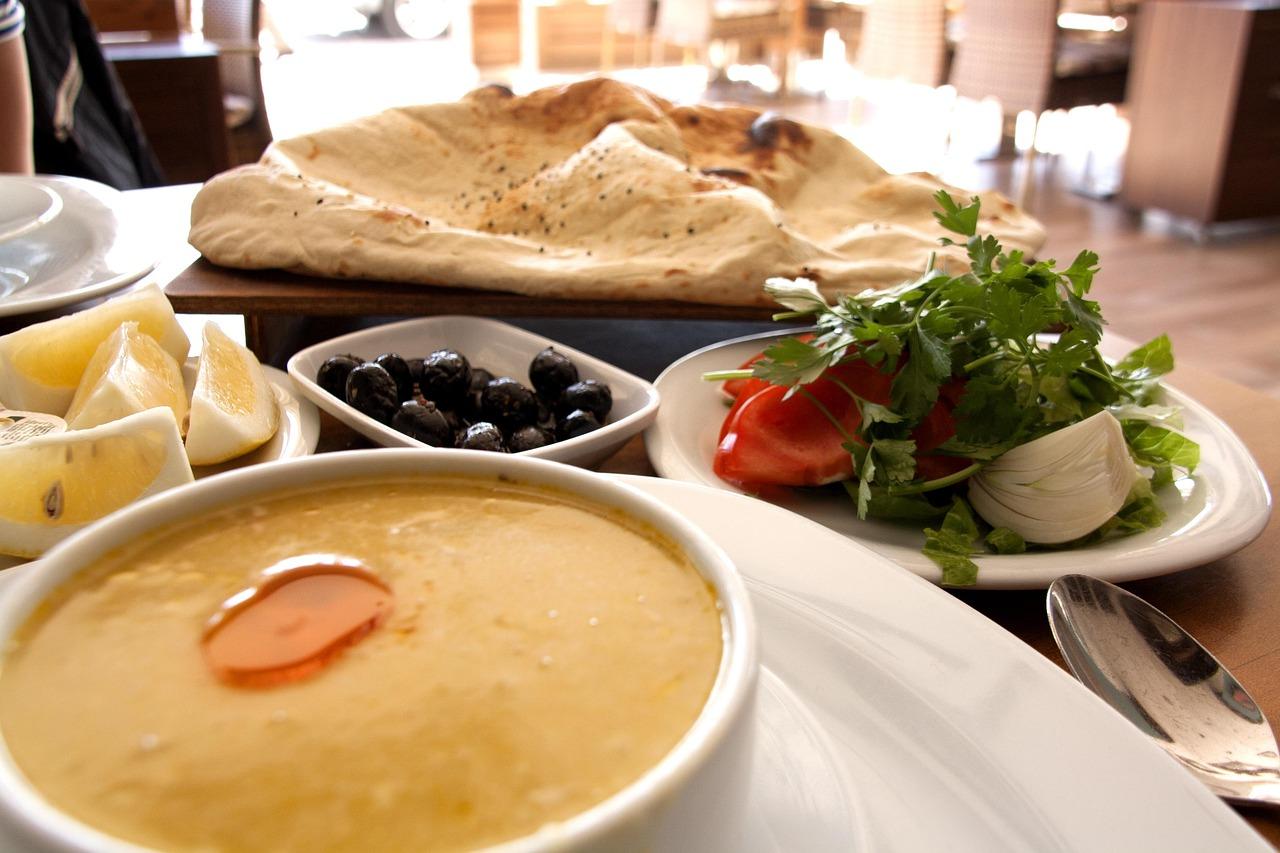
If one soup feeds Turkey, it is this. Mercimek çorbası is on the counter of every lokanta (tradesmen's restaurant), in factory and hospital canteens, and it is often what Turks eat for breakfast on a cold morning or to break the fast in Ramadan. Red lentils simmered with onion, carrot and potato are blended until velvety, then each bowl gets a squeeze of lemon and a swirl of butter sizzled with Aleppo pepper and dried mint. It is warming, cheap and filling. Chef's tip: rinse the lentils in several changes of water until it runs clear; it washes off the starch that makes the soup foam and taste dusty.

by KrazyBadal 0 views

Showing 24 of 33 recipes

Show more recipes

Page 1 of 2