Skip to content
Recipes

All recipes

Vegetarian, or something you can't eat? Set your diet once and we'll hide recipes that don't fit.

Postre MassiniCustard sponge with burnt sugar top

Montevideo's birthday cake of choice since the early twentieth century, the Massini is two thin layers of sponge sandwiching a thick filling of whipped cream folded with egg-yolk custard, crowned with a thin glassy crust of torched yolk and sugar. Bakeries across Uruguay sell it on Sundays. Traditional versions sometimes add a sweet fortified wine to the custard; this one is alcohol-free. The custard is cooked to a safe 71 °C. The common mistake is assembling with warm custard, which melts the cream into a puddle. Chef's tip: if you don't have a blowtorch, put the sugared top under a very hot grill for a minute and watch it closely.

by KrazyBadal 0 views

MerkénSmoked chilli seasoning

Merkén comes from the Mapuche kitchens of Araucanía: cacho de cabra chillies are dried, smoked over a wood fire, then ground with toasted coriander seed and salt into a brick-red powder that is smoky, warm and lightly hot. In Temuco and across the south it is shaken over potatoes, eggs, sopaipillas, grilled fish and soups. Outside Chile, use dried smoked red chillies, or plain dried red chillies plus smoked paprika. The mistake to avoid is scorching the chillies in the pan: if they blacken, the whole jar is bitter. Chef's tip: grind it a little coarse, as it is sold in Temuco's market, so the coriander seeds stay noticeable.

by KrazyBadal 0 views

Arrope de chañarChañar fruit syrup

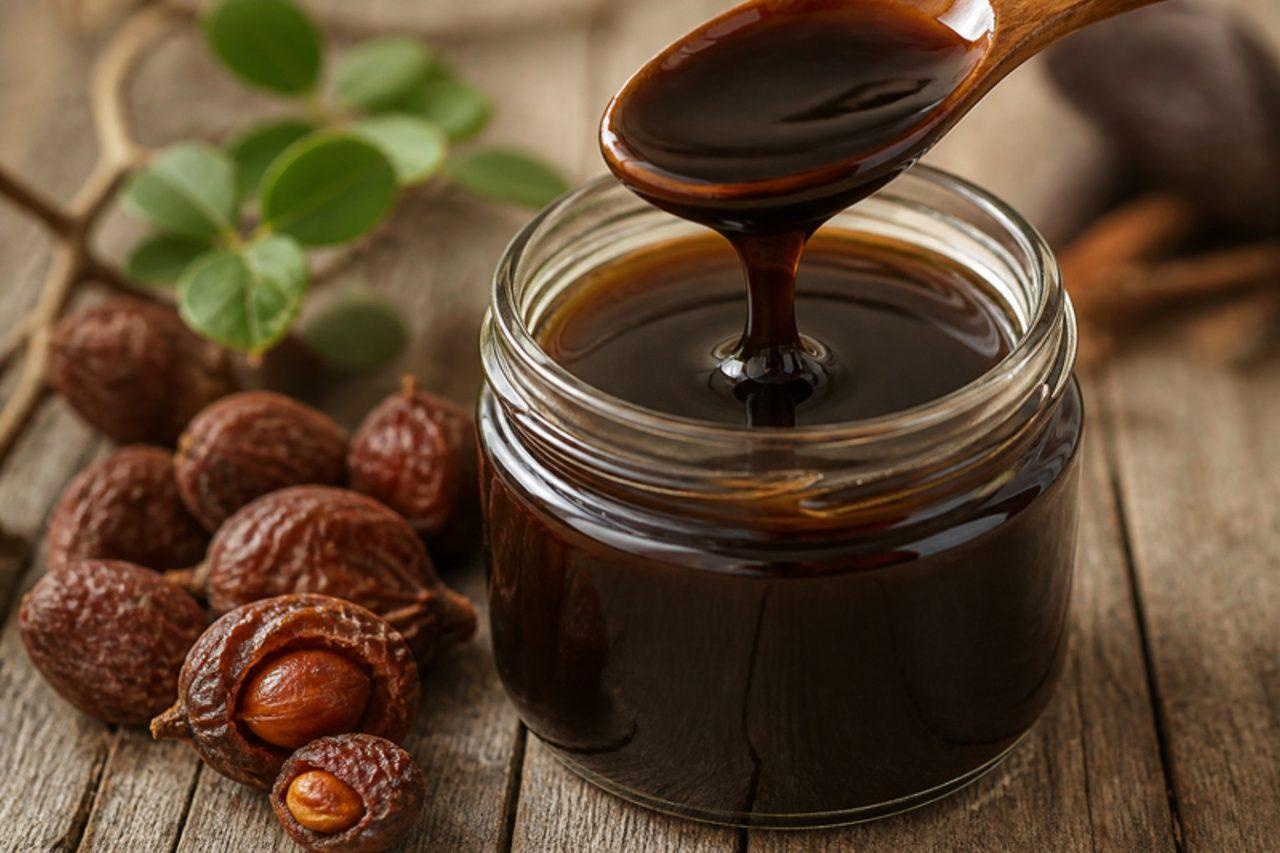
In the oases of the Atacama, from San Pedro to Toconao, the small brown fruit of the chañar tree is gathered in late summer, dried in the sun and boiled for hours into arrope, a molasses-like syrup with notes of dates and caramel. Grandmothers keep a bottle for winter coughs, but most of it ends up on toast, stirred into hot water or over mote (cooked wheat) and fresh cheese. Dried chañar is sold in northern markets and online; it needs no sugar at all. The classic mistake is walking away at the end, when the syrup thickens fast and scorches, turning bitter. Chef's tip: stop reducing when the syrup coats a spoon thinly; it sets much thicker as it cools.

by KrazyBadal 0 views

ChilenitosDulce de leche biscuit sandwiches

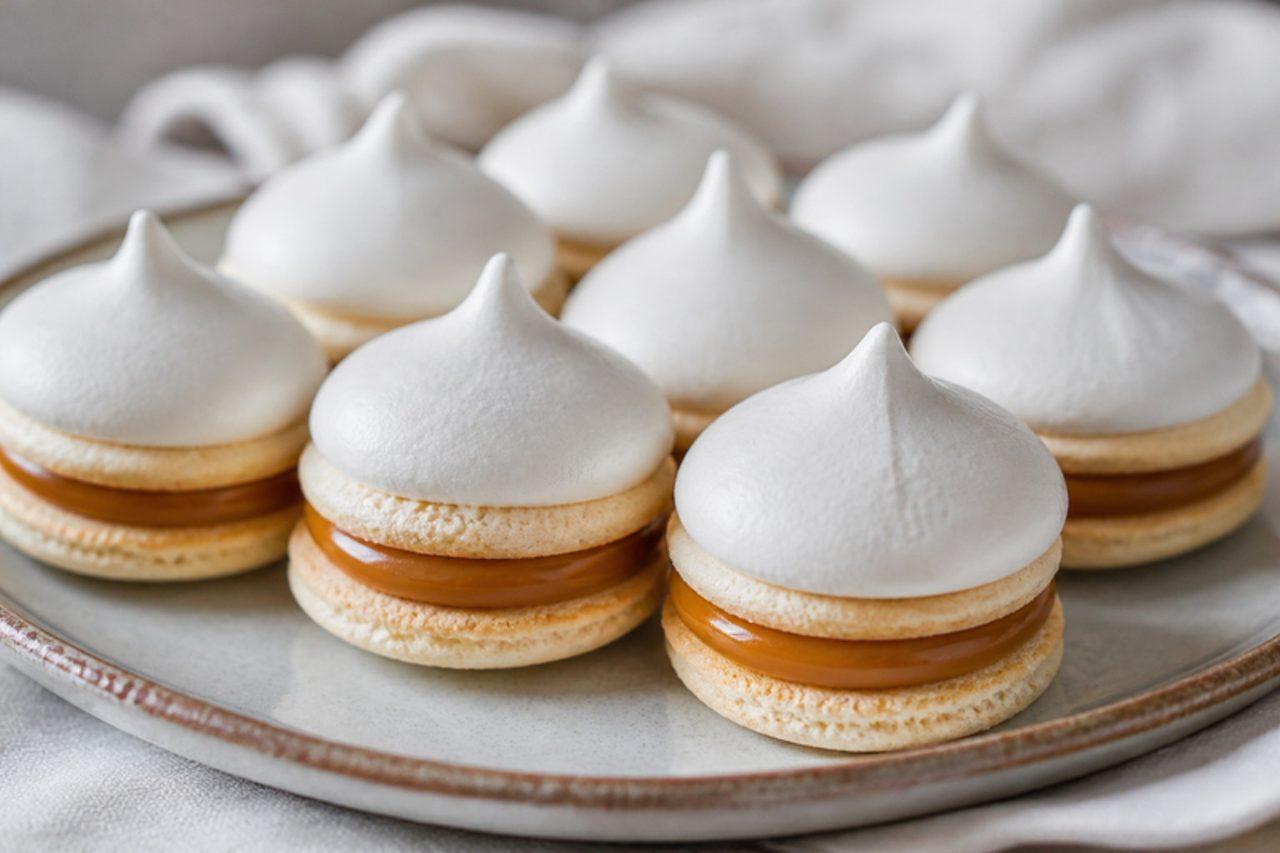
Chilenitos are small, fragile sweets from the bakeries and convent traditions of Chile's countryside: two paper-thin, crisp biscuits sandwiched with manjar and coated on top with a glossy white meringue. They are a fixture of once, christenings and the sweets table at weddings. The biscuits must be rolled almost transparent; thick dough gives a hard, dry chilenito. Chef's tip: use an Italian meringue (whites whisked with hot sugar syrup); it sets smooth and shiny and the eggs are cooked by the syrup, so it is safe to serve to everyone.

by KrazyBadal 0 views

ChumbequeLayered honey biscuit

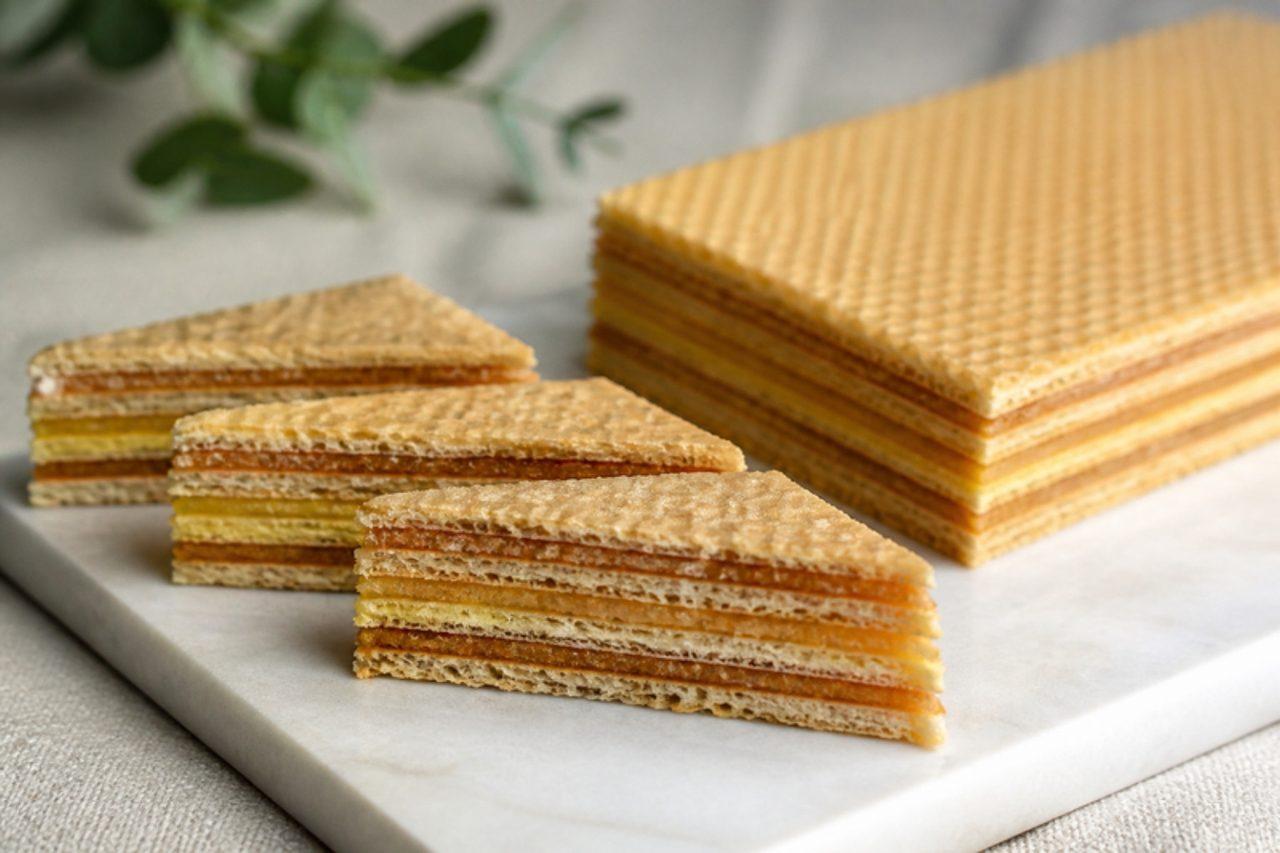
Iquique's Chinese community began baking chumbeque in the port's corner shops more than a century ago, and today it is the city's edible souvenir: crisp, honey-sweet pastry stacked in thin layers with a sharp lemon filling and a sticky guava one, cut into small bricks. People take it home from the Zofri market or nibble it with tea at once. At home, bake it as one slab and slice it when cold. Many people roll the dough too thick, which gives a cakey, dry bar instead of fine layers; aim for 3 mm. Chef's tip: chill the rolled sheets for 10 minutes before you stack them so they don't stretch out of shape.

by KrazyBadal 0 views

Torta de mil hojasThousand-layer cake

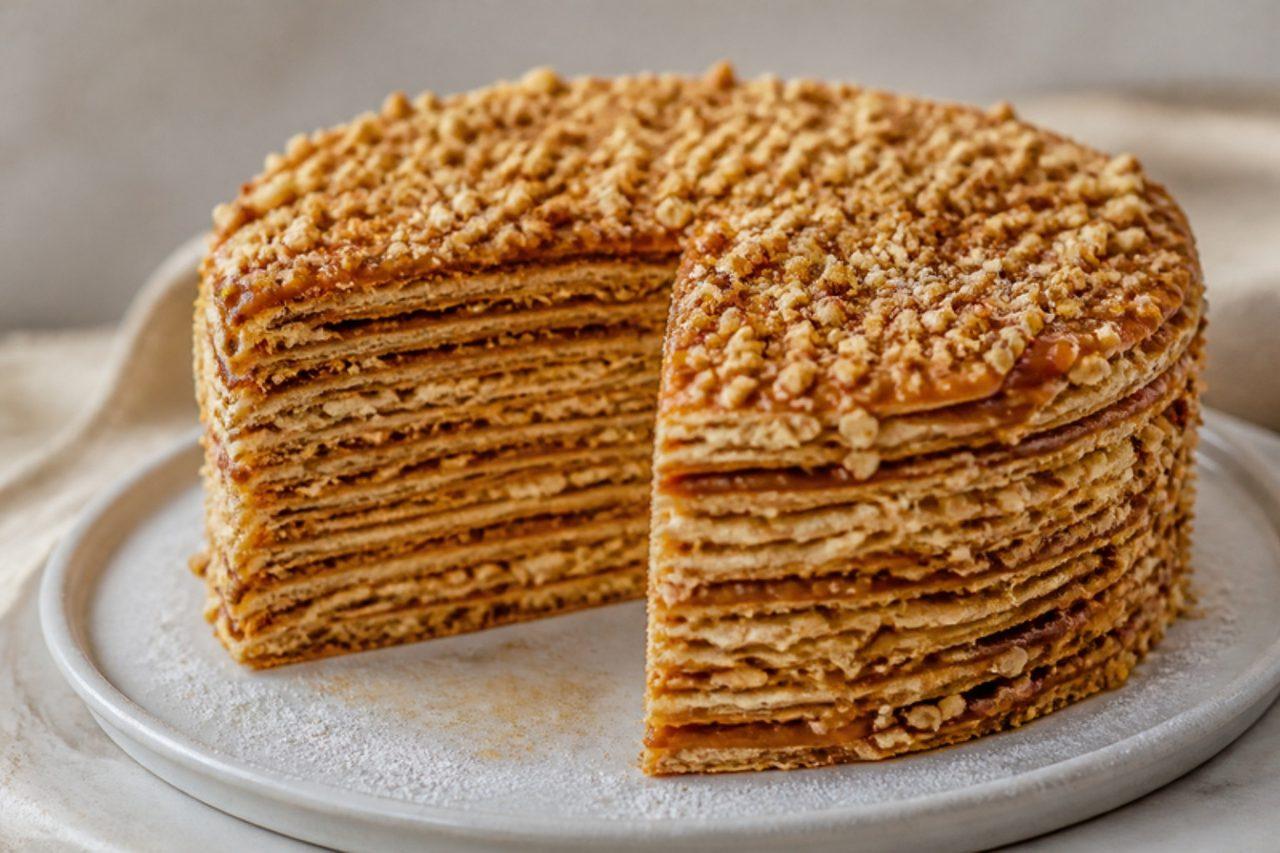
Torta de mil hojas is the cake that turns up at Chilean birthdays, christenings and New Year: ten or more crisp, paper-thin pastry rounds stacked with manjar and chopped walnuts, which soften overnight into a cake that cuts cleanly yet still crunches. It is a labour of love, so families make it a day ahead and keep it cold. The common mistake is assembling and cutting it straight away: it shatters. Let it rest overnight in the fridge. Chef's tip: roll each sheet on its own piece of baking paper and bake it on that paper, so the thin rounds never have to be lifted raw. Walnuts are a tree nut: leave them out for anyone with an allergy.

by KrazyBadal 0 views

Brazo de reinaSponge roll with dulce de leche

The 'queen's arm' sits in the glass cabinet of every Chilean bakery: a light sponge rolled around a thick layer of manjar (Chilean dulce de leche) and dusted with icing sugar. At home it is the cake for a birthday tea or an unexpected visitor, because it bakes in 10 minutes. The common mistake is overbaking: a dry sponge cracks as you roll it. Take it out the moment it springs back. Chef's tip: roll the sponge up in a sugared tea towel while it is still hot and let it cool that way; it remembers the shape and won't crack when you fill it.

by KrazyBadal 0 views

Irish apple cake

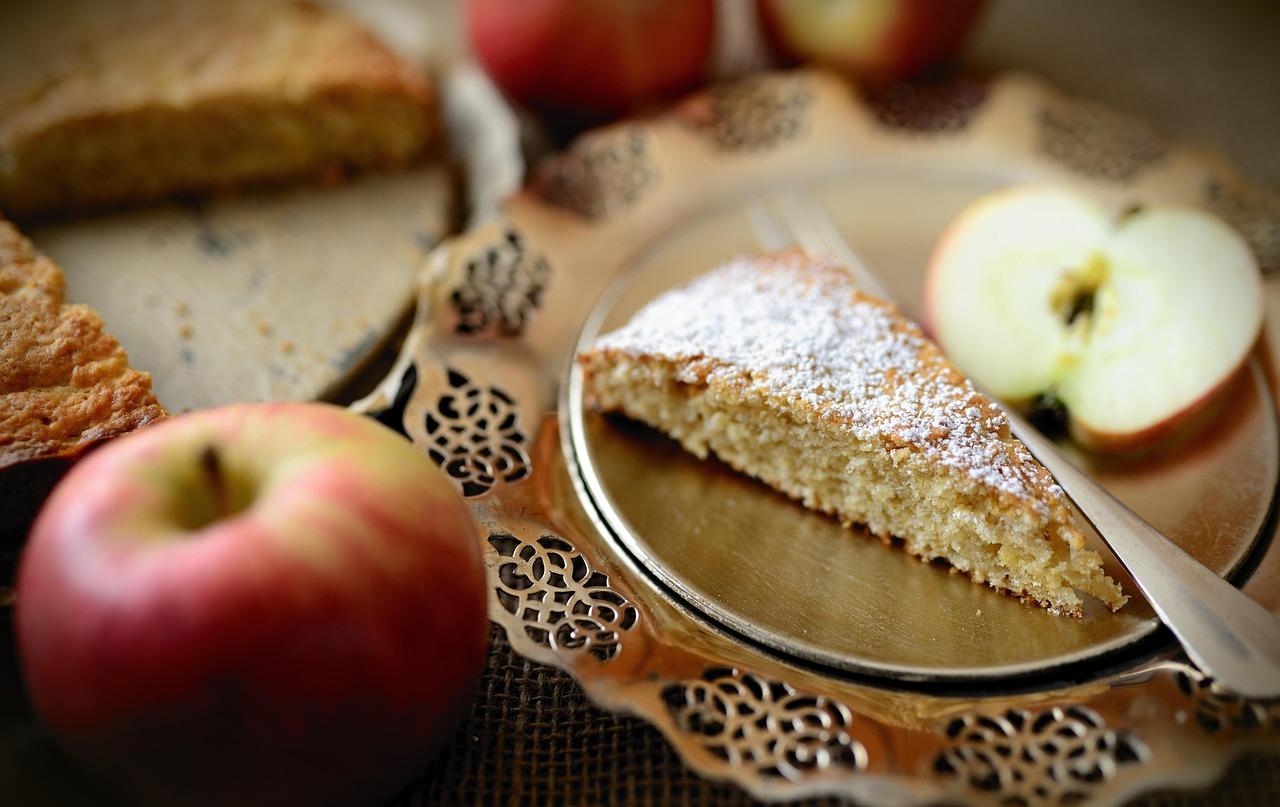
Every Irish county has its apple cake, but it is especially loved in Armagh's orchard country and in Kerry, baked in late September when the Bramleys come in. Sharp cooking apples bake into soft, tart pockets in a buttery sponge, under a crunchy sugar and cinnamon crumb. Serve warm with custard or softly whipped cream. Chef's tip: toss the apple slices in lemon juice and sugar only at the last minute, or they release water into the batter.

by KrazyBadal 0 views

BarmbrackTea-soaked fruit loaf

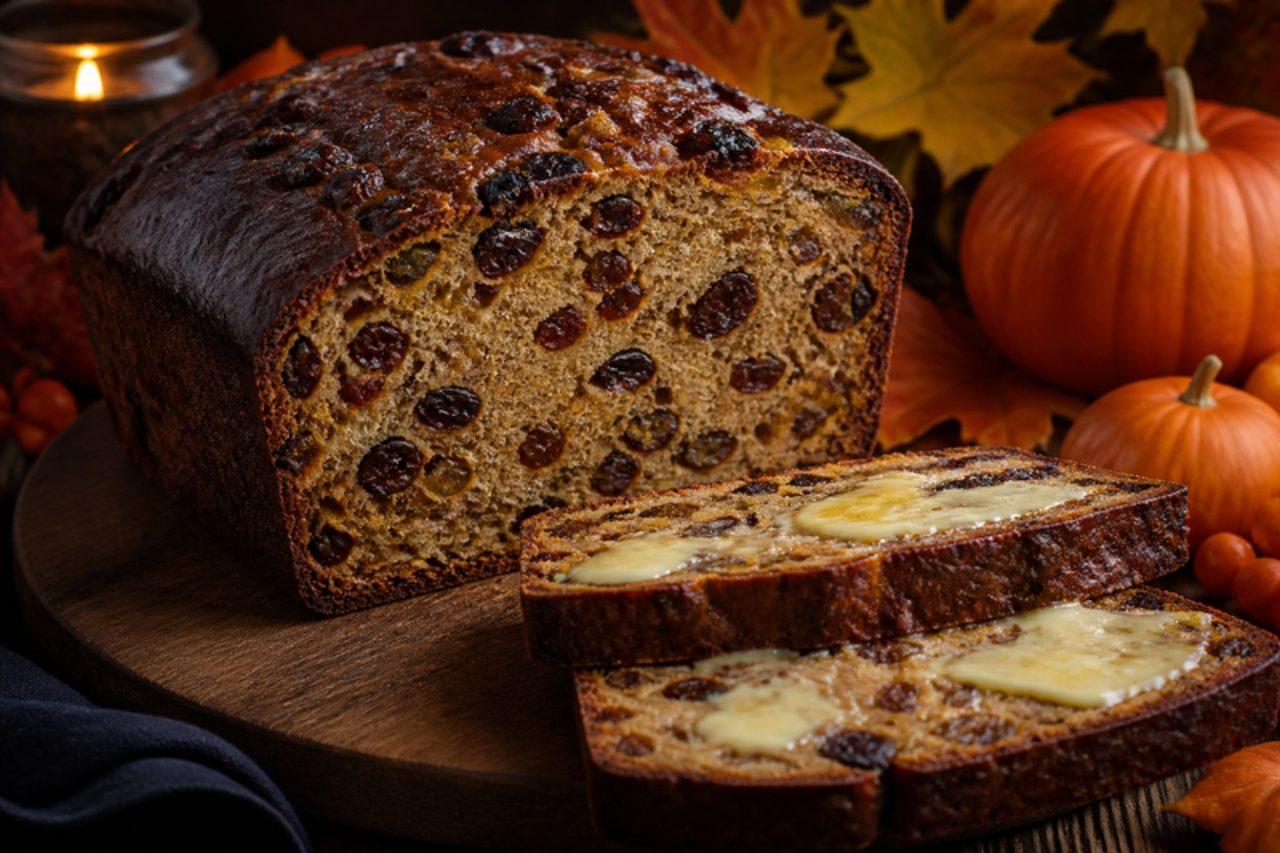
Barmbrack is the speckled fruit loaf eaten in Ireland at Halloween, when a ring wrapped in baking paper is baked inside, and whoever finds it is said to marry within the year. This is the quick tea brack version made all over Connacht and Munster, with the dried fruit soaked overnight in strong tea so the loaf is dark, moist and fragrant with mixed spice. Serve sliced and buttered with a cup of tea. Chef's tip: soak the fruit for a full night; short soaking gives dry, chewy fruit.

by KrazyBadal 0 views

Irish buttermilk scones

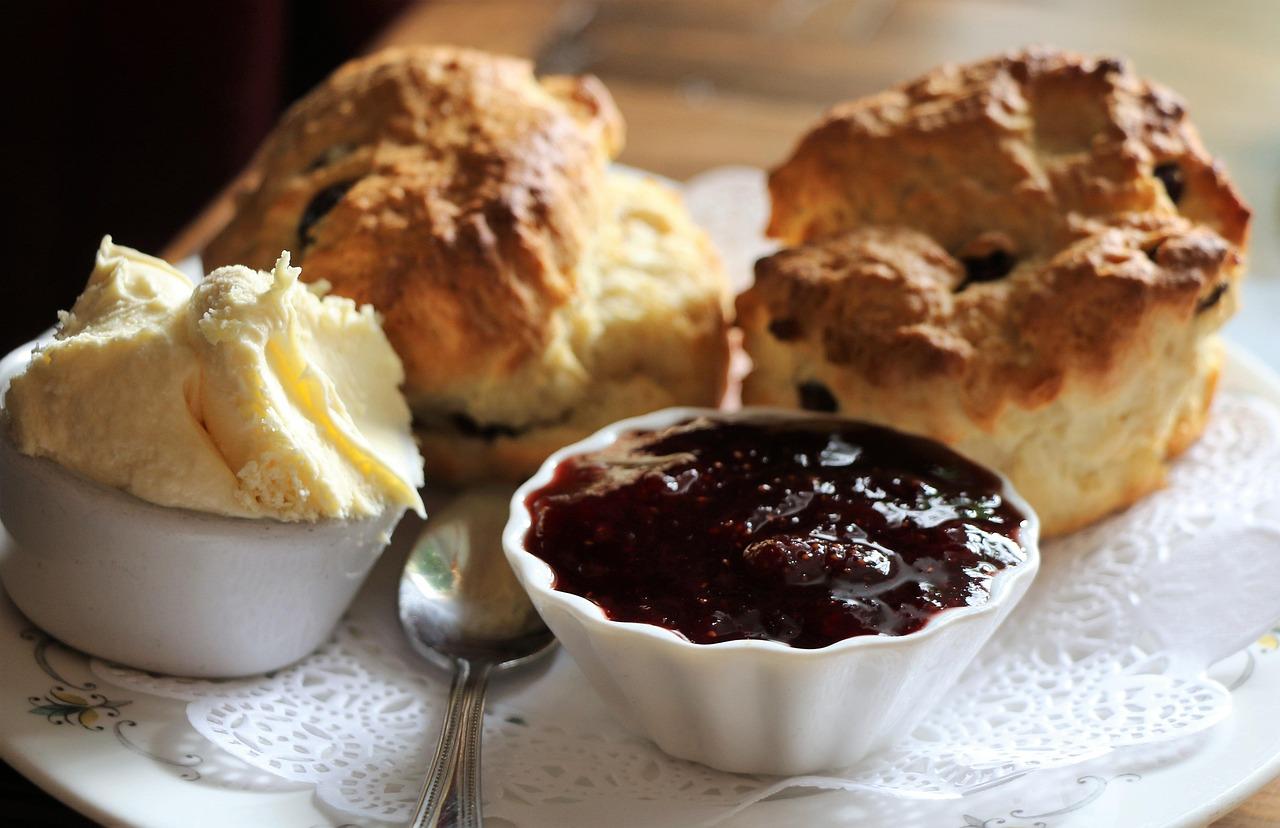
Irish scones are the centre of afternoon tea in hotels and country houses from Galway to Wicklow, and the bake that every Irish cook makes from memory. Buttermilk makes them light and tender with a faint tang, and an egg wash gives the glossy golden top. Serve warm, split, with butter, raspberry jam and whipped cream. Chef's tip: press the cutter straight down without twisting; twisting seals the edges and stops them rising tall.

by KrazyBadal 0 views

Dublin gur cakeSpiced fruit and pastry slice

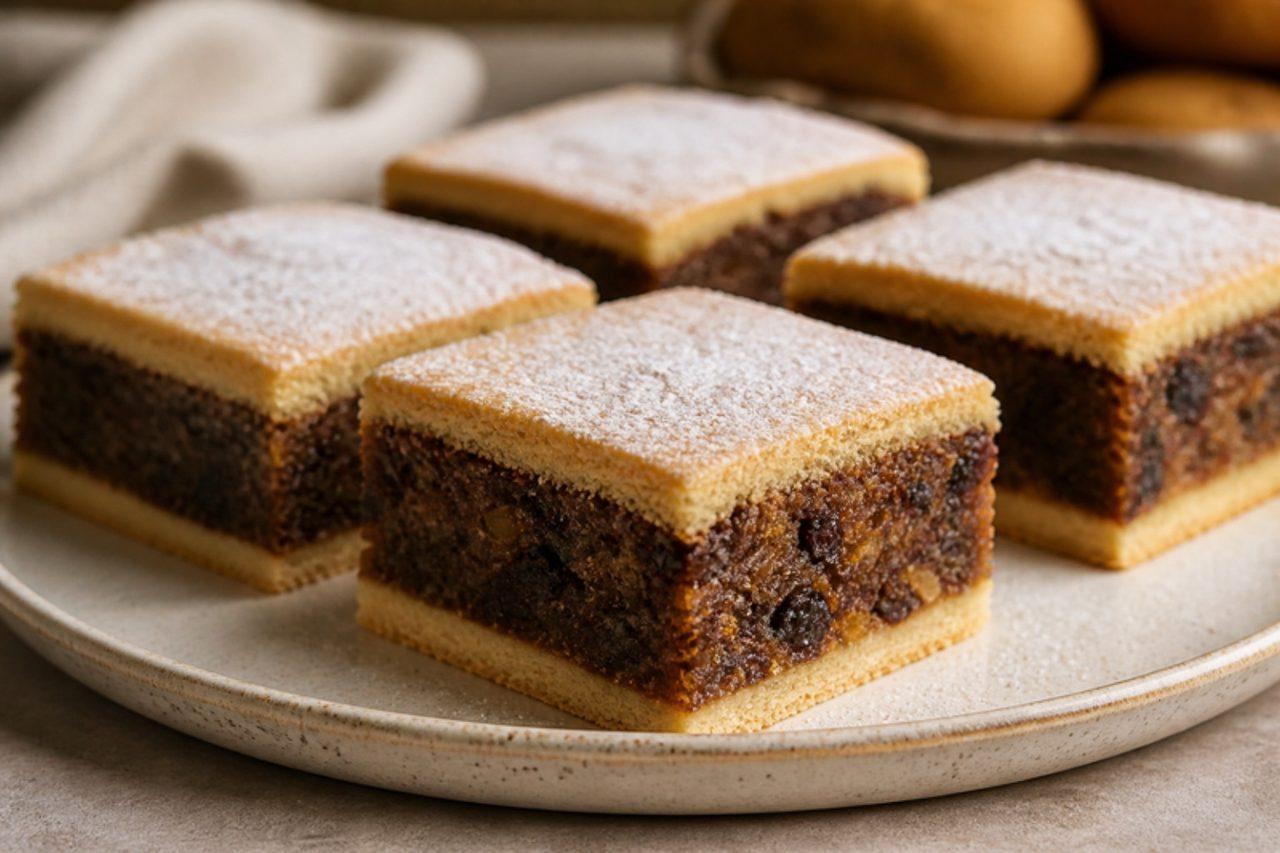
Gur cake was the cheapest treat in Dublin bakeries, made from the day's leftover bread and cake soaked with tea, dried fruit and spice and baked between two sheets of pastry. It gave its name to the 'gurriers', the kids who mitched school and bought slices for a ha'penny, and you still find it in the bakeries of the inner city, where it is also called Chester cake. It is dense, sticky and spiced. Chef's tip: let the filling soak for a good half hour so the bread breaks down completely into a smooth paste.

by KrazyBadal 0 views

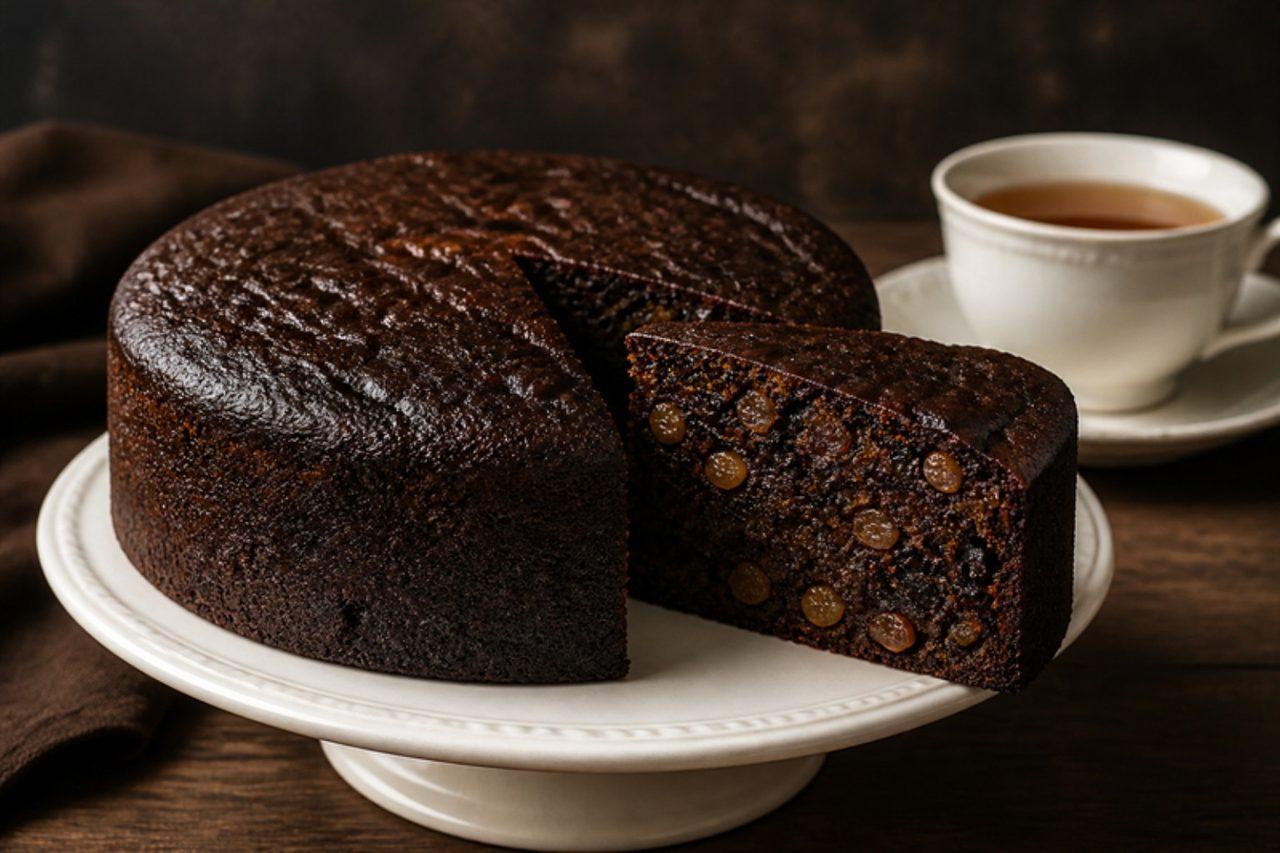
Irish porter cake

Porter cake is the Dublin fruit cake made with stout, the dark beer once drunk by the porters of Dublin's markets and docks; it is baked for Christmas, christenings and wakes across Leinster. The fruit is simmered in the stout, which gives the crumb a deep, malty, slightly bitter flavour and keeps it moist for weeks. This recipe contains alcohol: most of it cooks off, but for an alcohol-free version use strong black tea or alcohol-free stout. Chef's tip: wrap the cooled cake and leave it for 2–3 days before cutting; it slices better and tastes richer.

140 minIrishBaking
by KrazyBadal 0 views

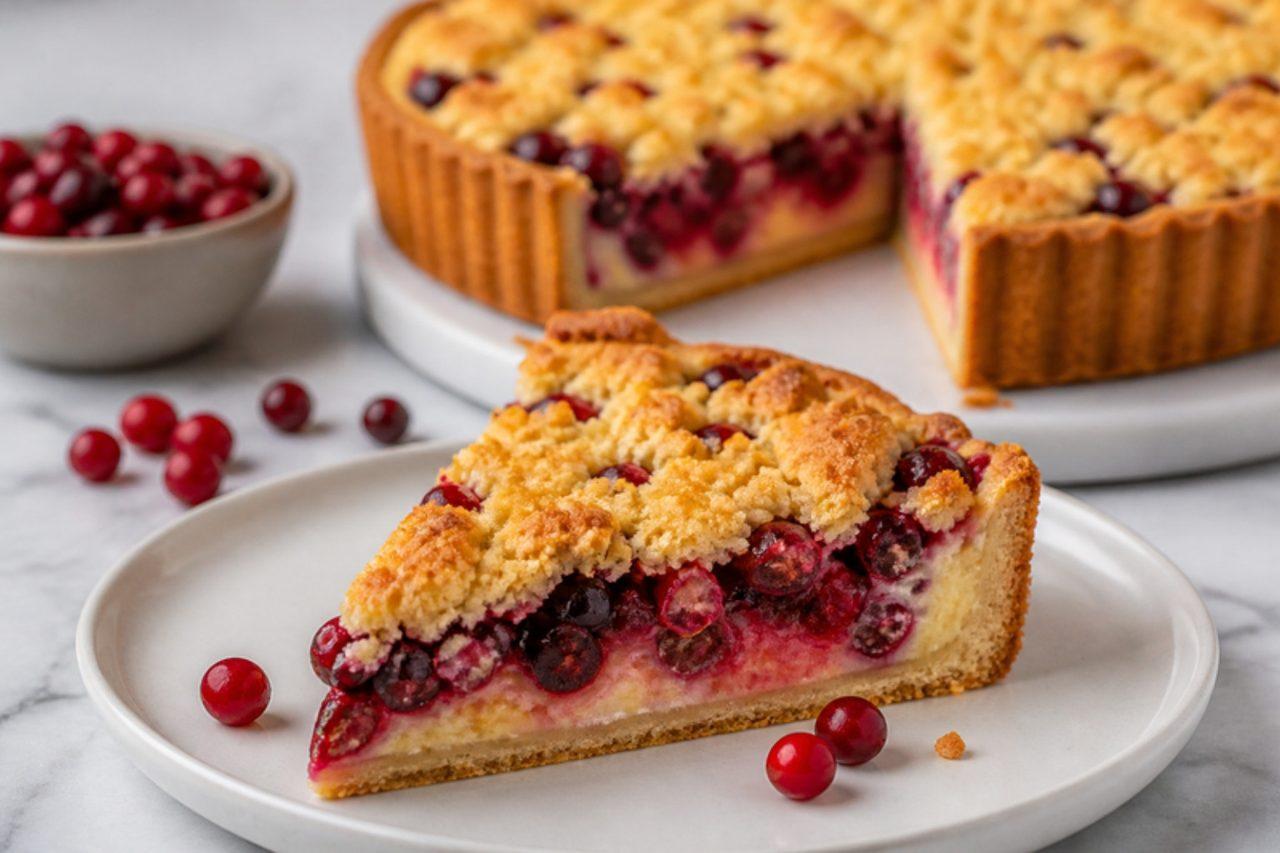
Kuchen de murtaBerry custard tart

Around Lake Llanquihue, in Frutillar and Puerto Varas, German settlers of the 1850s left Chile a love of kuchen, now served with coffee in every café of the south. The Chilean twist is the fruit: murta (Chilean guava), a small, red, perfumed berry that grows wild there in autumn. A buttery base holds the berries in a light custard under a crumble of butter and sugar. Outside Chile, cranberries with a few blueberries give a similar sharp-sweet balance. Chef's tip: blind-bake the base for 10 minutes first; a pre-set base stays crisp under the wet custard.

by KrazyBadal 0 views

ChajáSponge, peach and cream cake

Chajá was created in 1927 at a bakery in Paysandú, a city on the Uruguay River, and named after a local bird whose feathers look as fluffy as its crumbly meringue coat. Today it's Uruguay's birthday and celebration cake: layers of light sponge soaked in peach syrup, filled with whipped cream, peaches and dulce de leche, then covered in crushed meringue. It's sweet, soft and crunchy at once, best on the day it's assembled. Chef's tip: soak the sponge but not too much; it should feel moist, not wet, or the layers slide.

by KrazyBadal 0 views

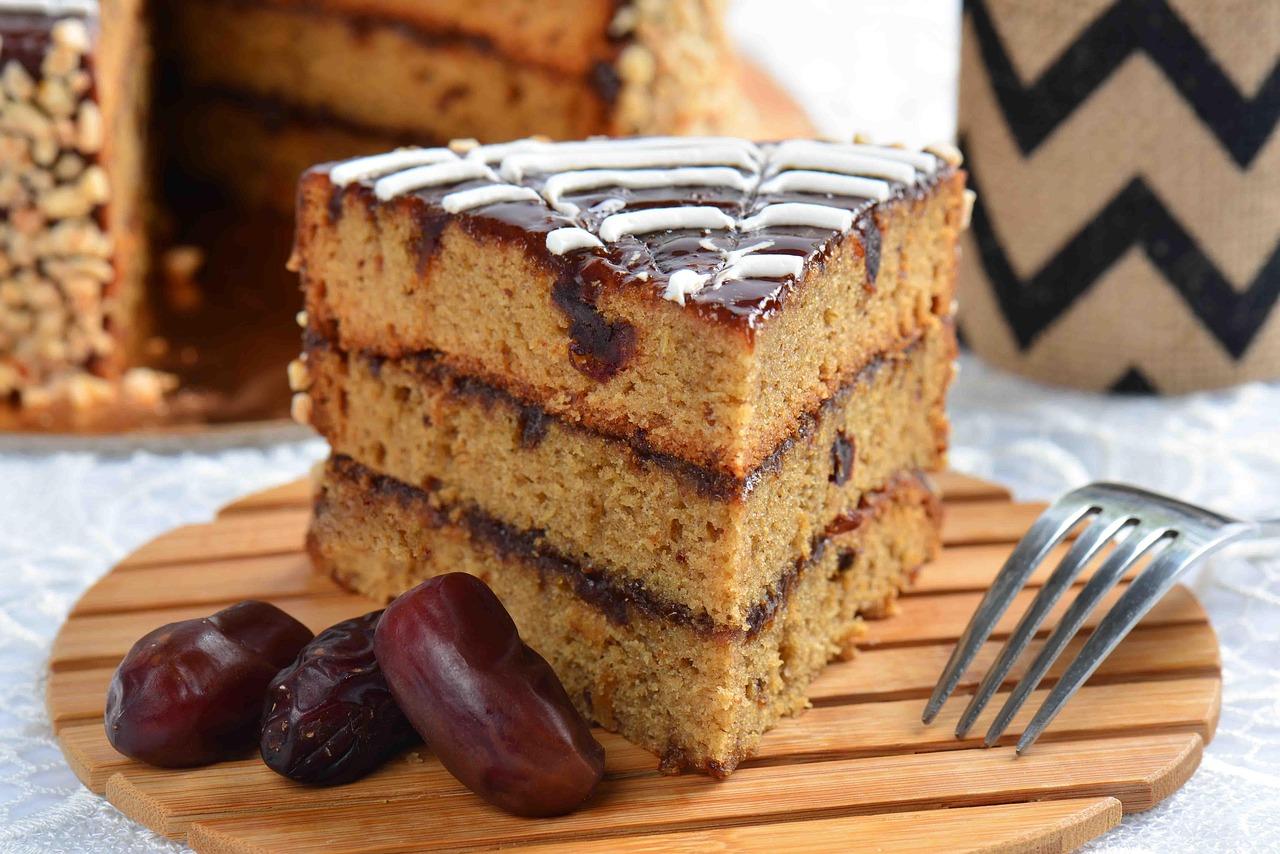
Lebanese date cake

A soft, moist cake made without eggs: self-raising flour and brown sugar are rubbed with butter, then mixed with milk and sour cream and studded with chopped dates, raisins and pistachios, with a warm hint of nutmeg and vanilla. Lovely with tea or served warm with cream.

by KrazyBadal 0 views

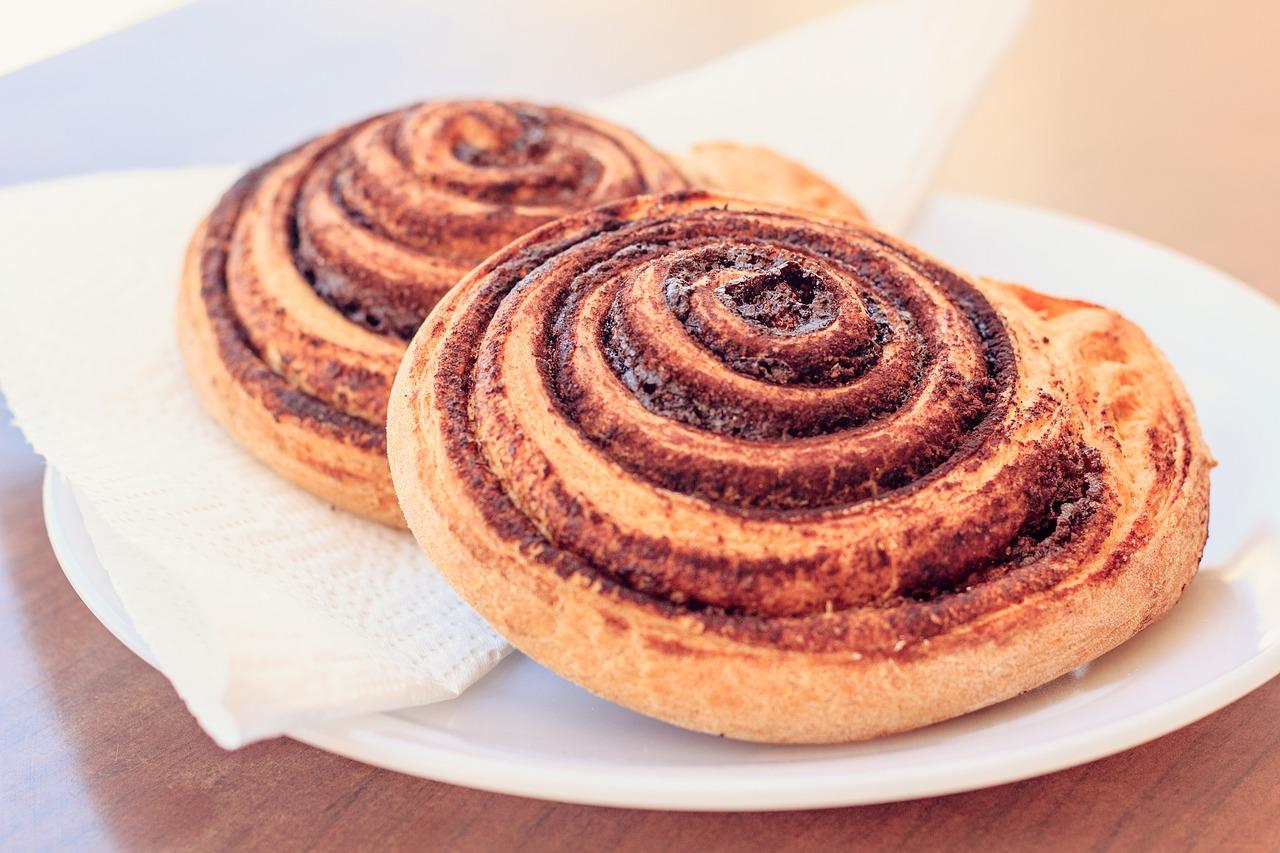
Arabian date pinwheels

Crumbly, buttery biscuit dough is rolled out, spread with a soft date filling flavoured with cinnamon and lemon, rolled into logs, sliced and baked into pretty pinwheels. They make a big batch of 50 and keep well in an airtight tin. Serve with tea, or with ice cream as a dessert.

by KrazyBadal 0 views

Ma'amoulDate and walnut butter pastries

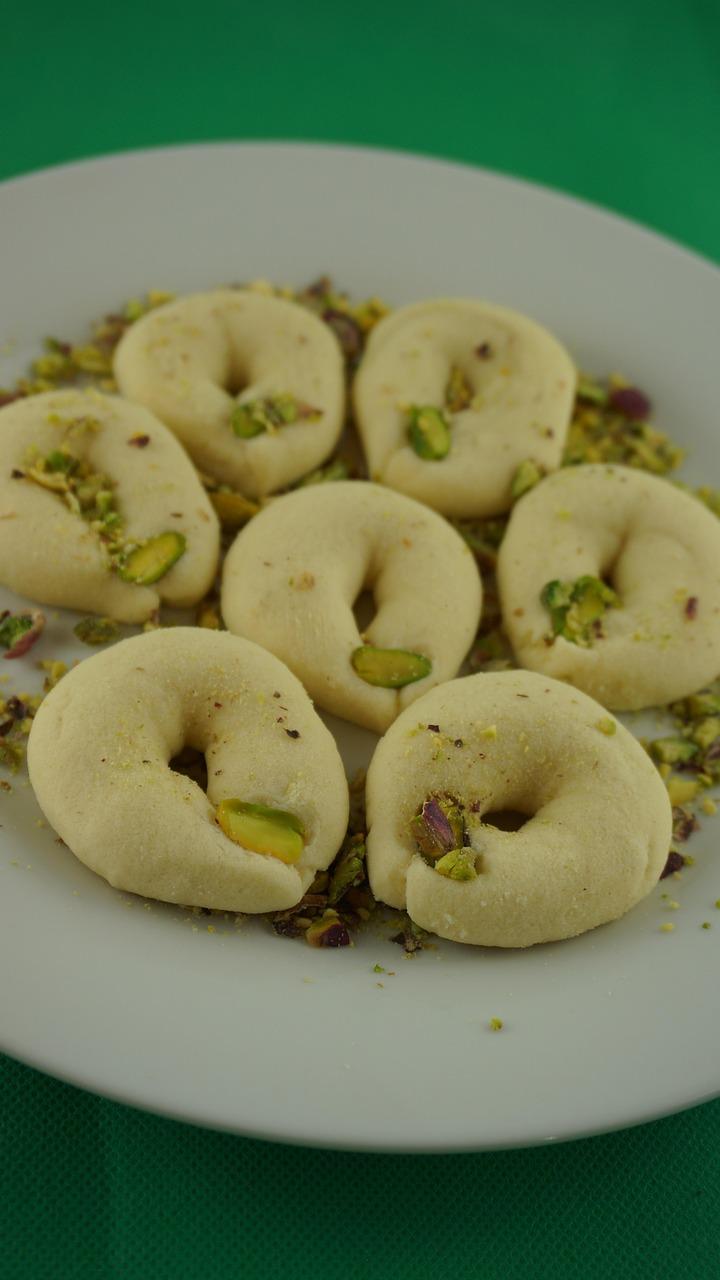
Ma'amoul are delicate shortbread-like pastries made for Eid and Easter across the Middle East. A soft, rose-scented butter dough is wrapped around a filling of dates, walnuts, almonds and pistachios cooked with cinnamon, marked with a fork, baked pale and dusted with icing sugar. Makes 35; they keep well in a tin.

by KrazyBadal 1 views

Semolina cake

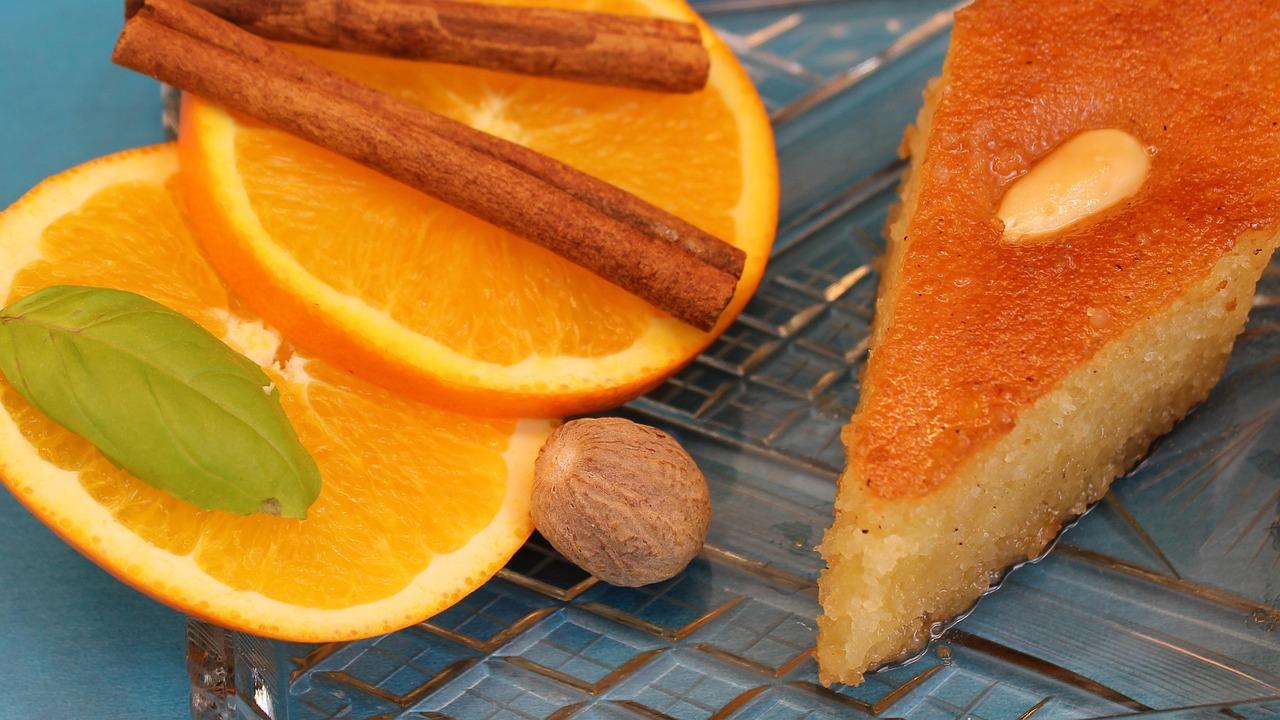
A moist eggless cake made with semolina, coconut and yogurt, baked with slivered almonds on the bottom and top and moistened with orange juice. Serve with coconut ice cream or custard sauce.

by KrazyBadal 0 views