Skip to content
Recipes

All recipes

Vegetarian, or something you can't eat? Set your diet once and we'll hide recipes that don't fit.

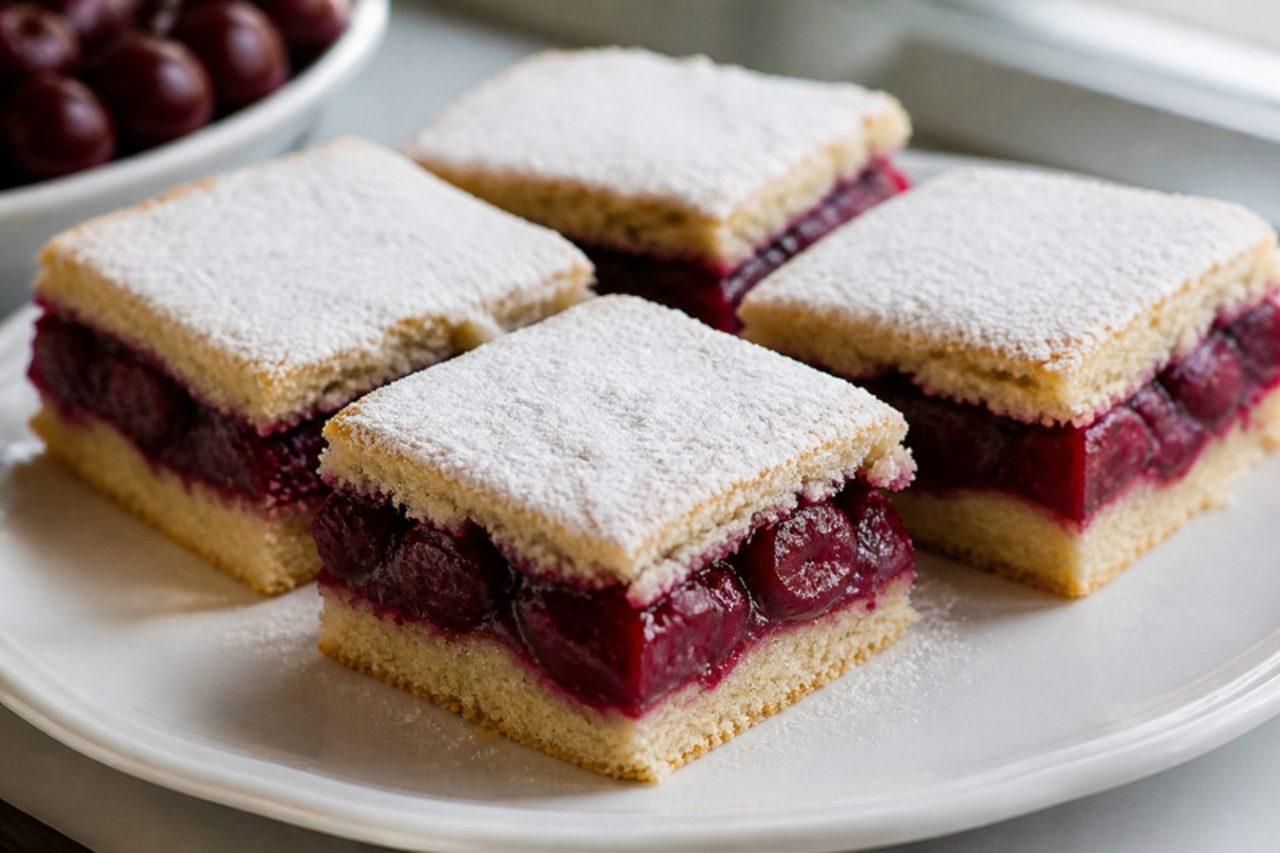
Meggyes piteSour cherry slice

Hungarian grandmothers bake meggyes pite in a big rectangular tin in June, when sour cherries hang from every garden tree, and the rest of the year with jarred ones from the pantry. Two layers of soft, almost cakey pastry made with sour cream hold a tart, juicy cherry layer, and the top disappears under a snowfall of icing sugar. Squares of it turn up at Sunday lunch, in school lunch boxes and on the plate next to an afternoon coffee. Skipping the semolina is the mistake that gives a soggy middle: it soaks up the cherry juice as it bakes. Chef's tip: drain jarred or thawed cherries in a sieve for a good 30 minutes and keep the juice for a drink or a sauce.

by KrazyBadal 0 views

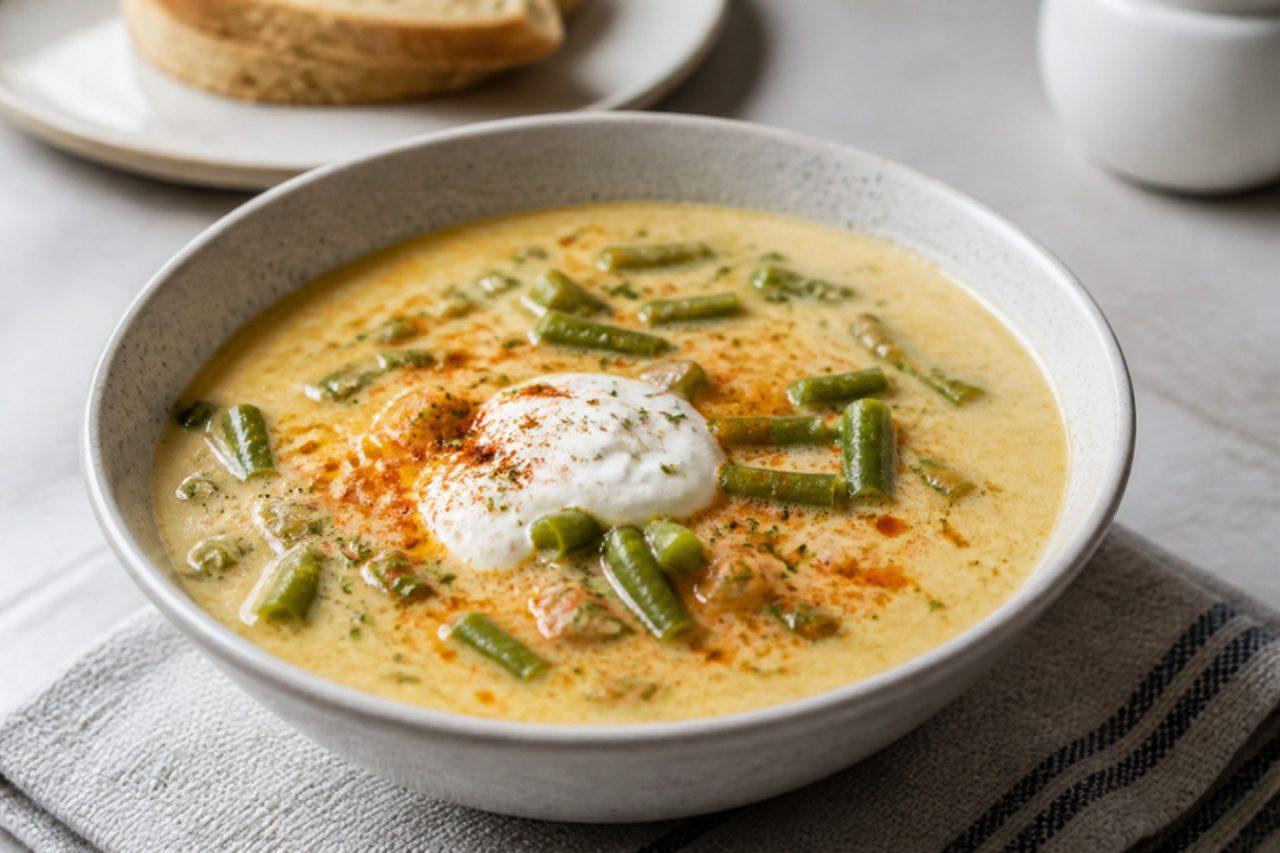
Zöldbableves (Hungarian green bean soup)

Zöldbableves is a summer soup from Hungarian home kitchens, made when green beans are cheap at every market: tender beans in a light broth, soured with a little vinegar and thickened with a paprika roux and sour cream, so it is creamy, gently tart and bright red-orange. It is served as the first course of a weekday lunch or as a light supper with bread. The classic mistake is pouring cold sour cream straight into the hot soup, where it splits into flecks; temper it first. Chef's tip: let the roux turn just golden before adding the paprika off the heat, because paprika burns in seconds and turns bitter.

by KrazyBadal 0 views

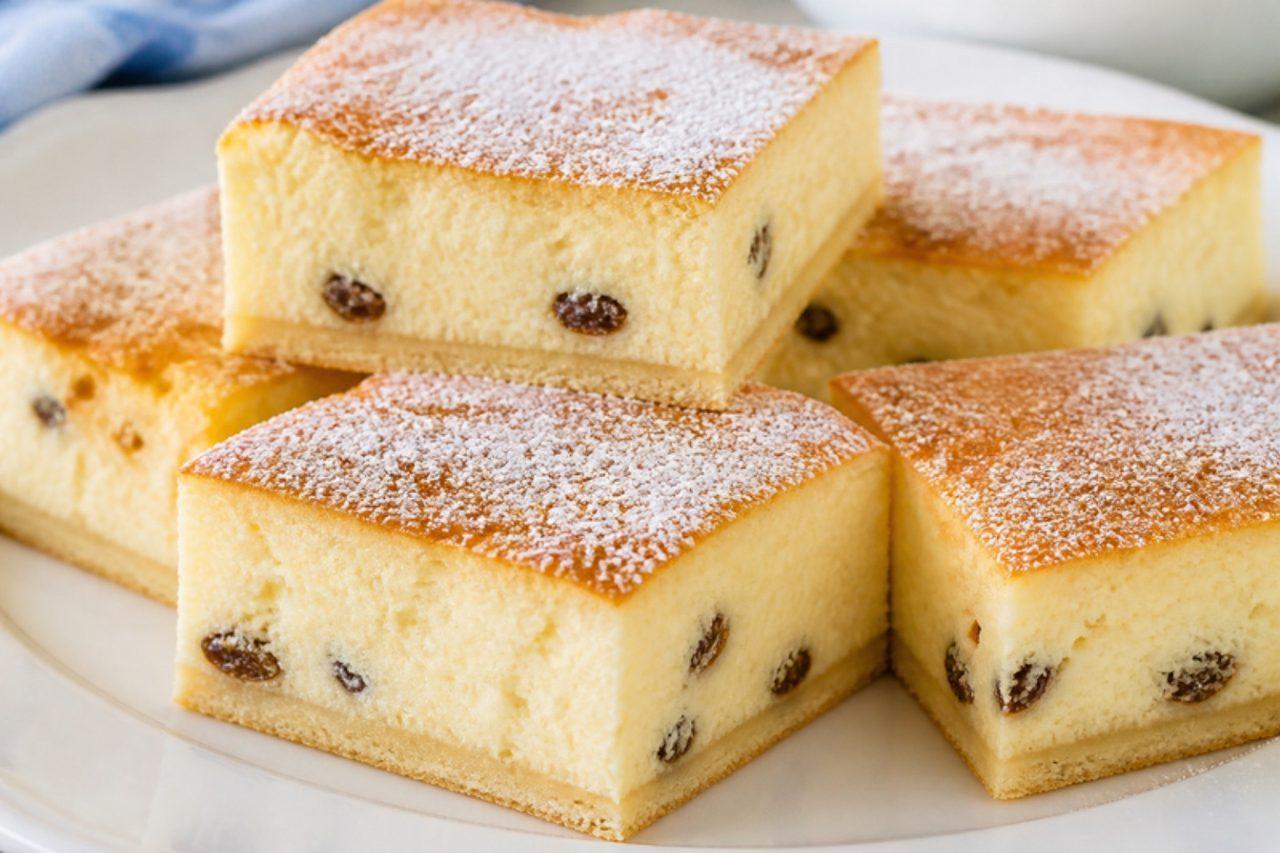
Túrós lepénySweet curd cheese sheet cake

Hungarians use túró, a dry, crumbly fresh curd cheese, the way other cooks use cream, and túrós lepény is one of its homeliest outings: a thin short pastry base, a deep layer of lemony sweetened curd with raisins, baked in a tray and cut into squares for afternoon coffee, a picnic at Lake Balaton or the school lunch box. The filling is light and tangy rather than dense like a cheesecake, because the egg whites are whipped and folded in. Wet curd is the classic mistake; it weeps and the base goes soggy, so press the cheese through a sieve and use farmer's cheese or well-drained quark if you can't find túró. Chef's tip: take the lepény out while the very centre still has a slight wobble; it sets as it cools and stays creamy instead of cracking.

by KrazyBadal 0 views

Postre MassiniCustard sponge with burnt sugar top

Montevideo's birthday cake of choice since the early twentieth century, the Massini is two thin layers of sponge sandwiching a thick filling of whipped cream folded with egg-yolk custard, crowned with a thin glassy crust of torched yolk and sugar. Bakeries across Uruguay sell it on Sundays. Traditional versions sometimes add a sweet fortified wine to the custard; this one is alcohol-free. The custard is cooked to a safe 71 °C. The common mistake is assembling with warm custard, which melts the cream into a puddle. Chef's tip: if you don't have a blowtorch, put the sugared top under a very hot grill for a minute and watch it closely.

by KrazyBadal 0 views

Pira caldoCreamy fish soup with cheese

Along the Paraguay River from Asunción to Concepción, pira caldo is the fishermen's soup, said to restore strength after a long night: chunks of firm river fish poached in a broth of onion, peppers and tomato fried in fat, then made creamy with milk and melted fresh cheese. Surubí or other catfish is traditional; any firm white fish such as hake or pollock works. The mistake most people make is boiling the soup after the milk and cheese go in, which splits it. Chef's tip: fry the vegetables until they are very soft and sweet before adding the water; that is where the flavour comes from.

by KrazyBadal 0 views

Cocido quemadoBurnt sugar mate drink

Cocido is how Paraguay starts the day: in Asunción, in the villages of Guairá and Itapúa, and in school kitchens, a pot of burnt yerba is brewed and poured into cups with chipa, the cheesy cassava bread, or with a hard galleta. The old way is to drop a glowing piece of charcoal into a pot with yerba and sugar and stir until the sugar burns. On a home stove you caramelise them together in a dry pan instead, which is safer and gives the same smoky, toffee-like taste. The drink is clear amber-brown, with roasted, slightly bitter mate notes over burnt-sugar sweetness; with milk added it becomes cocido con leche, creamy and coffee-coloured. Yerba mate contains caffeine, so treat it like a cup of coffee. The common mistake is letting the sugar go black: it turns acrid and bitter. Pull it off the heat when the caramel is deep amber and the yerba smells toasted, not burnt. It is ready when the liquid is a clear dark amber and tastes of toffee and smoke. Chef's tip: the water will spit fiercely when it hits the hot caramel, so pour it in from the side, at arm's length.

by KrazyBadal 0 views

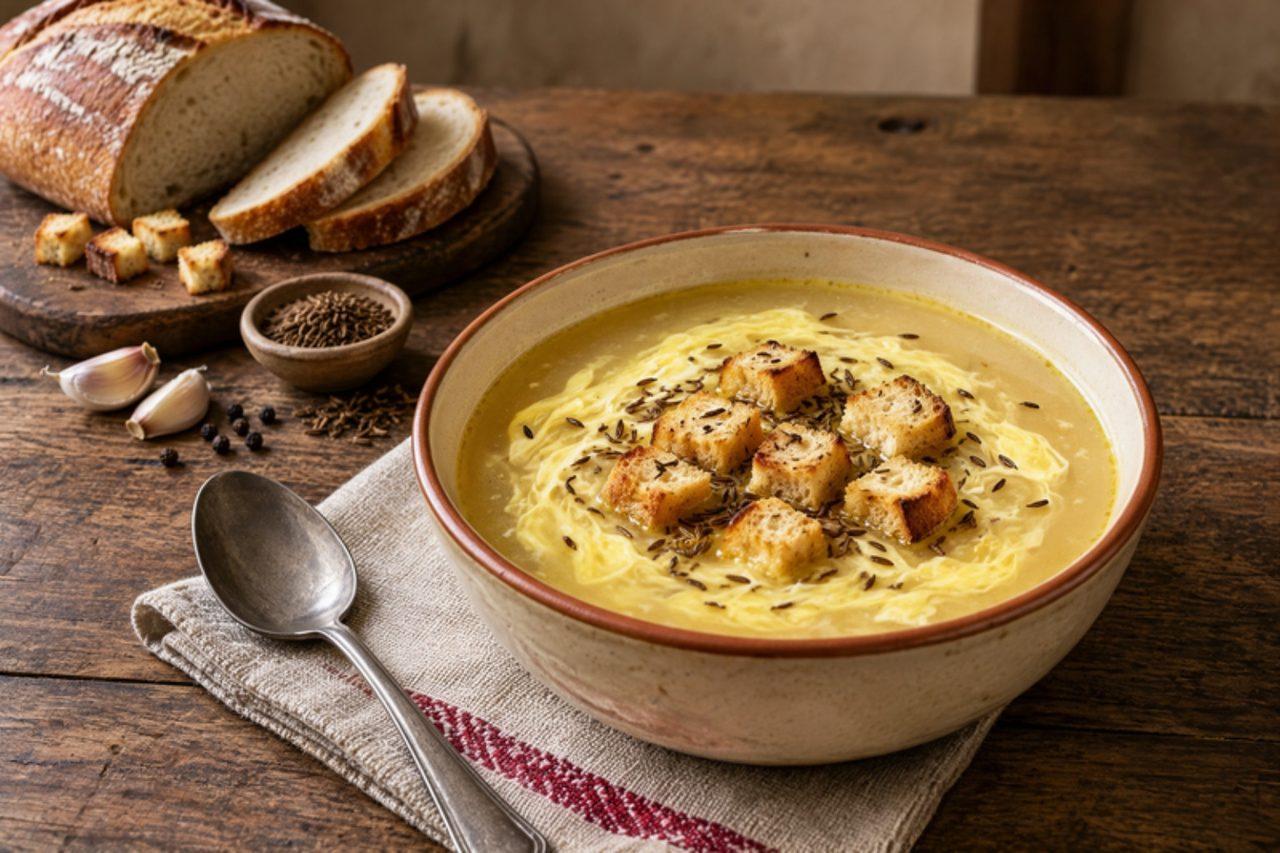
Köménymagos levesCaraway soup with bread cubes

Köménymagos leves was the breakfast of Hungarian peasants and soldiers long before coffee arrived, and it is still made in villages on cold mornings and as a soothing soup after a big night. A dark roux of flour and fat is cooked with plenty of caraway and a touch of paprika, thinned with water and finished with beaten egg and crisp bread cubes. The common mistake is not browning the roux enough: pale roux gives a floury, grey soup, so keep stirring until it is the colour of hazelnuts. Chef's tip: add the paprika off the heat, just before the water, because paprika burns in seconds in hot fat and turns bitter.

by KrazyBadal 0 views

TereréIced yerba mate

In Asunción the hottest part of the day stops for tereré: a horn or cup packed with yerba mate, topped up again and again with ice water infused with crushed herbs, and passed round the group through a metal straw. It was recognised by UNESCO as part of Paraguay's cultural heritage, and the herbs (yuyos) change with the season and the drinker's mood. Yerba mate contains caffeine, so it isn't one for small children. The common mistake is pouring water straight into loose yerba, which then clogs the straw; tilt the yerba to one side first. Chef's tip: for tereré ruso, swap the water for cold orange or grapefruit juice.

by KrazyBadal 0 views

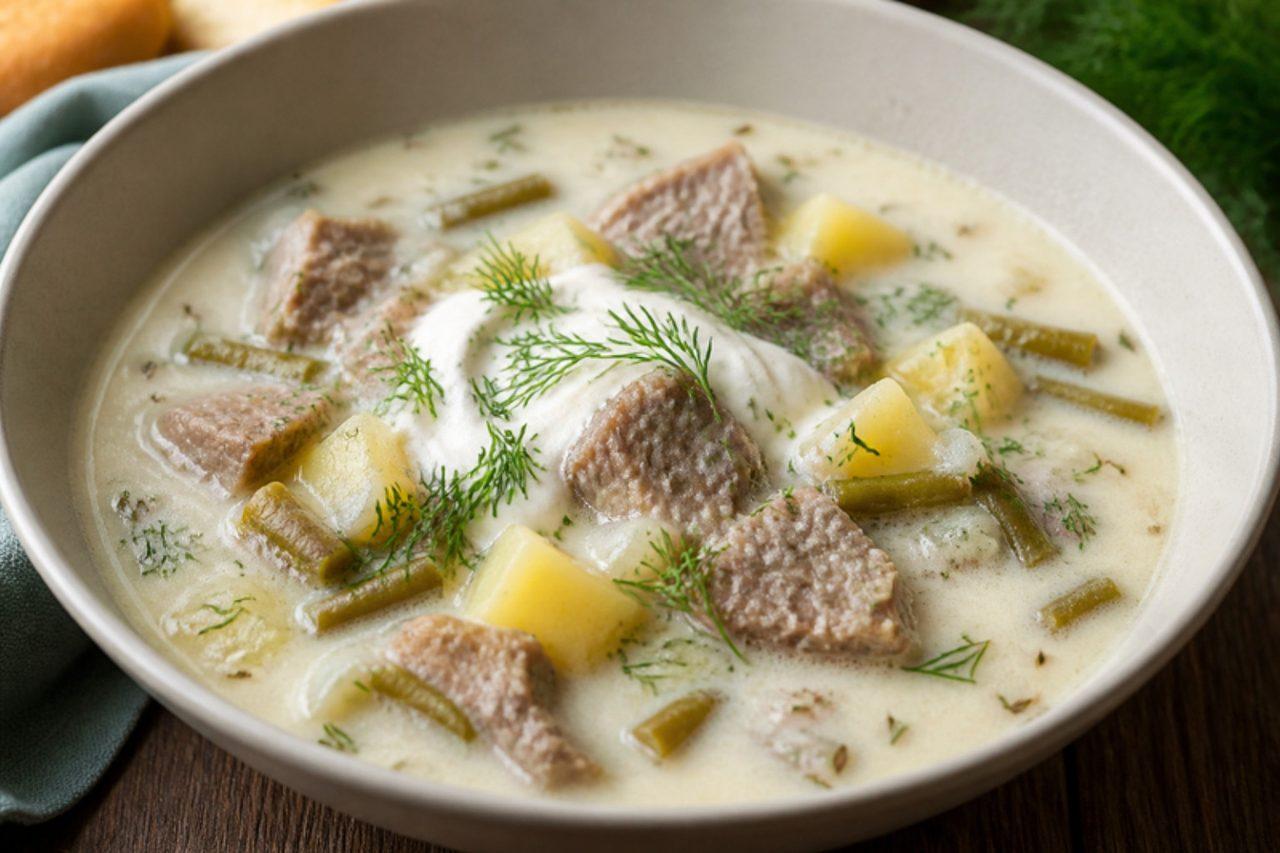
Palóc levesLamb and green bean soup

In the 1890s a famous Budapest restaurateur created this soup in honour of the novelist Kálmán Mikszáth, who wrote about the Palóc people of the northern hills of Nógrád, and it became a classic of Hungarian menus. It sits halfway between soup and stew: tender lamb (or mutton) cooked with onion, paprika and caraway, then green beans and diced potato, all finished with sour cream and a handful of dill, so it is creamy, fresh and gently sour. Serve it as a full lunch with crusty bread. The usual slip is adding the beans and potatoes at the start, so they go to mush while the lamb is still tough; give the meat a head start. Chef's tip: a teaspoon of vinegar stirred in at the end lifts the sour cream and brightens the whole bowl.

by KrazyBadal 0 views

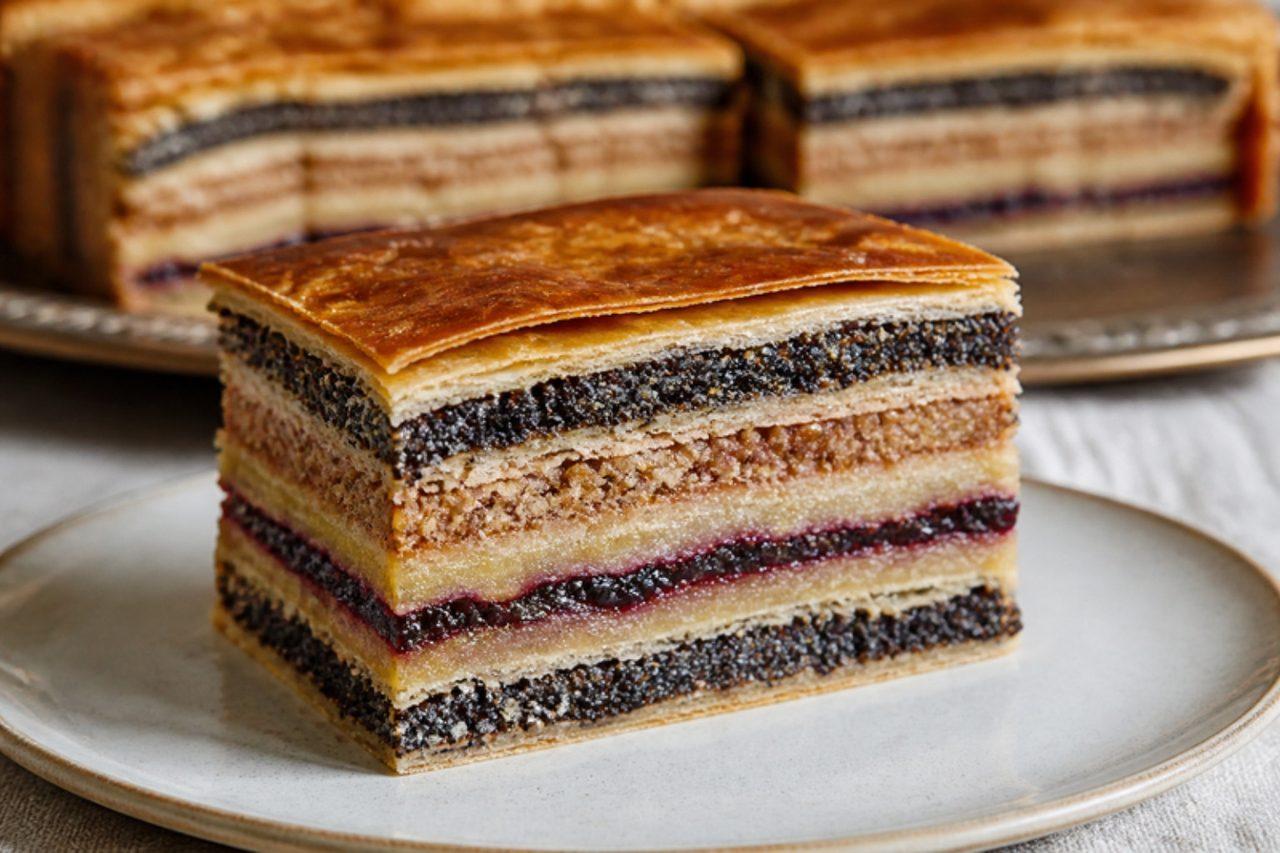
FlódniFour-layer poppy seed and fruit pastry

Four stripes of filling, black poppy seed, golden apple, nutty walnut and dark plum jam, stacked between thin sheets of shortcrust: that is flódni, the Hungarian-Jewish pastry of Budapest's old Jewish quarter around Kazinczy and Dob streets. Jewish families bake it for Purim and Hanukkah, and the bakeries of the seventh district sell it by the slab all year. Each cut slice should be moist, dense and not too sweet, best with a glass of tea or black coffee. Many families make the dough with a little sweet white wine and use margarine so it can follow a meat meal; this version keeps it alcohol-free with grape juice, and you can swap the butter for a firm baking margarine to make it dairy-free. The usual slip is rolling the sheets too thick, so the pastry swamps the fillings; each one should be barely 3 mm. Chef's tip: bake it a day ahead and slice it cold with a hot, wet knife, because the layers settle overnight and cut cleanly.

by KrazyBadal 0 views

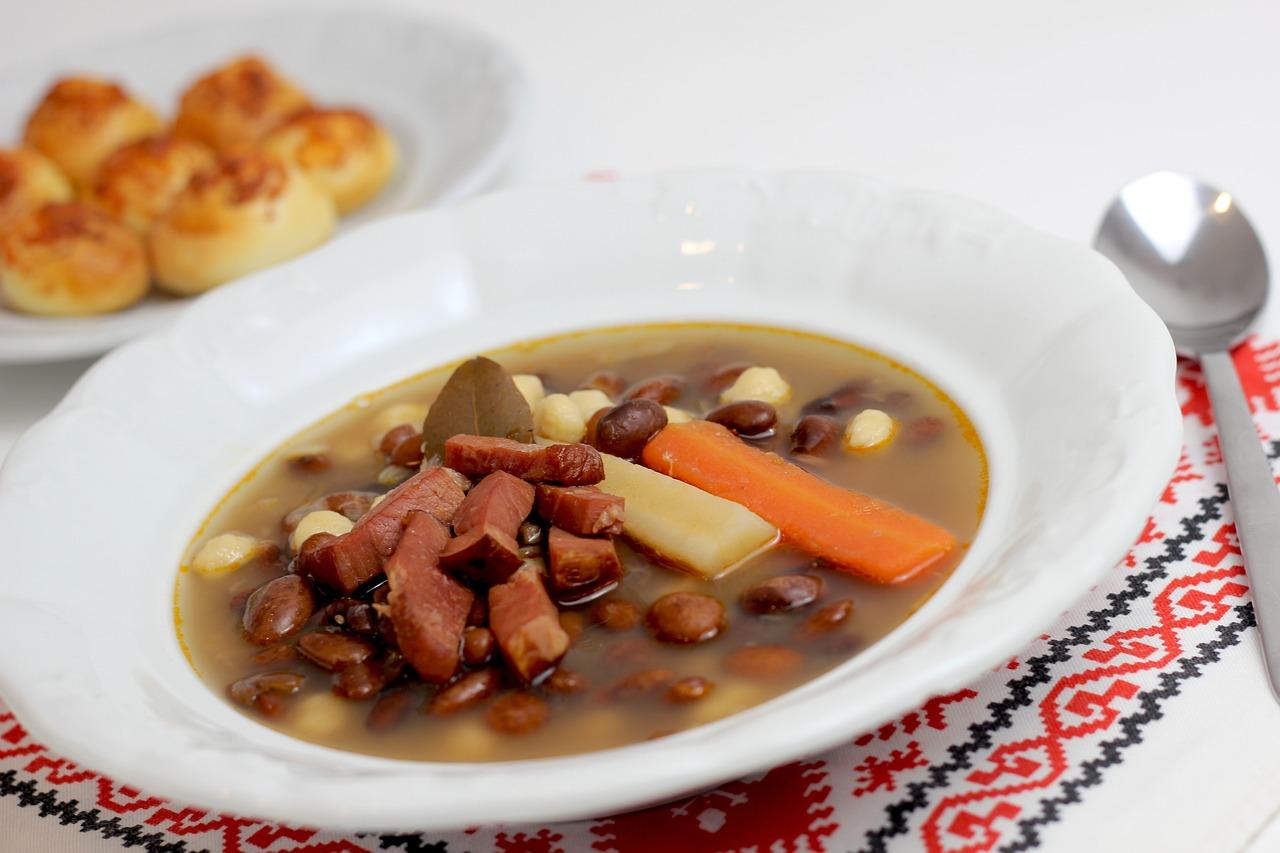
Jókai bablevesSmoky bean soup with pork

Mór Jókai, the nineteenth-century novelist, is said to have ordered this bean soup so often in his favourite Balatonfüred restaurant that it was named after him, and it is now a fixture of Budapest lunch menus and workers' canteens. This is a pork soup through and through: a smoked pork knuckle simmers with dried beans and roots until the meat falls apart, and slices of smoked pork sausage go in at the end. A paprika roux gives colour, a swirl of sour cream and a dash of vinegar add tang, and tiny pinched csipetke noodles make it a full meal with a slice of bread. Soak the beans overnight first. A common mistake is salting early; the smoked knuckle is salty, so taste only at the end. Chef's tip: simmer the knuckle for 30 minutes on its own first and taste the water; if it is very salty, throw it away and start again with fresh water.

by KrazyBadal 0 views

Kakaós csigaCocoa yeast snails

Walk into any Hungarian bakery at seven in the morning and the window will hold trays of kakaós csiga, cocoa snails, glossy on top and dark-striped inside. Children eat them on the way to school with a carton of chocolate milk, and office workers grab one with a coffee. The dough is soft and milky, rolled up with butter, cocoa and sugar so the swirl turns fudgy and slightly sticky; a brush of syrup after baking keeps them shiny and moist for a day. Where most people go wrong is spreading the filling on too-warm dough, which tears; let the risen dough rest for a few minutes after rolling. Chef's tip: roll the dough up from the long side quite tightly and cut with dental floss or a very sharp knife, so the snails keep their round shape.

by KrazyBadal 0 views

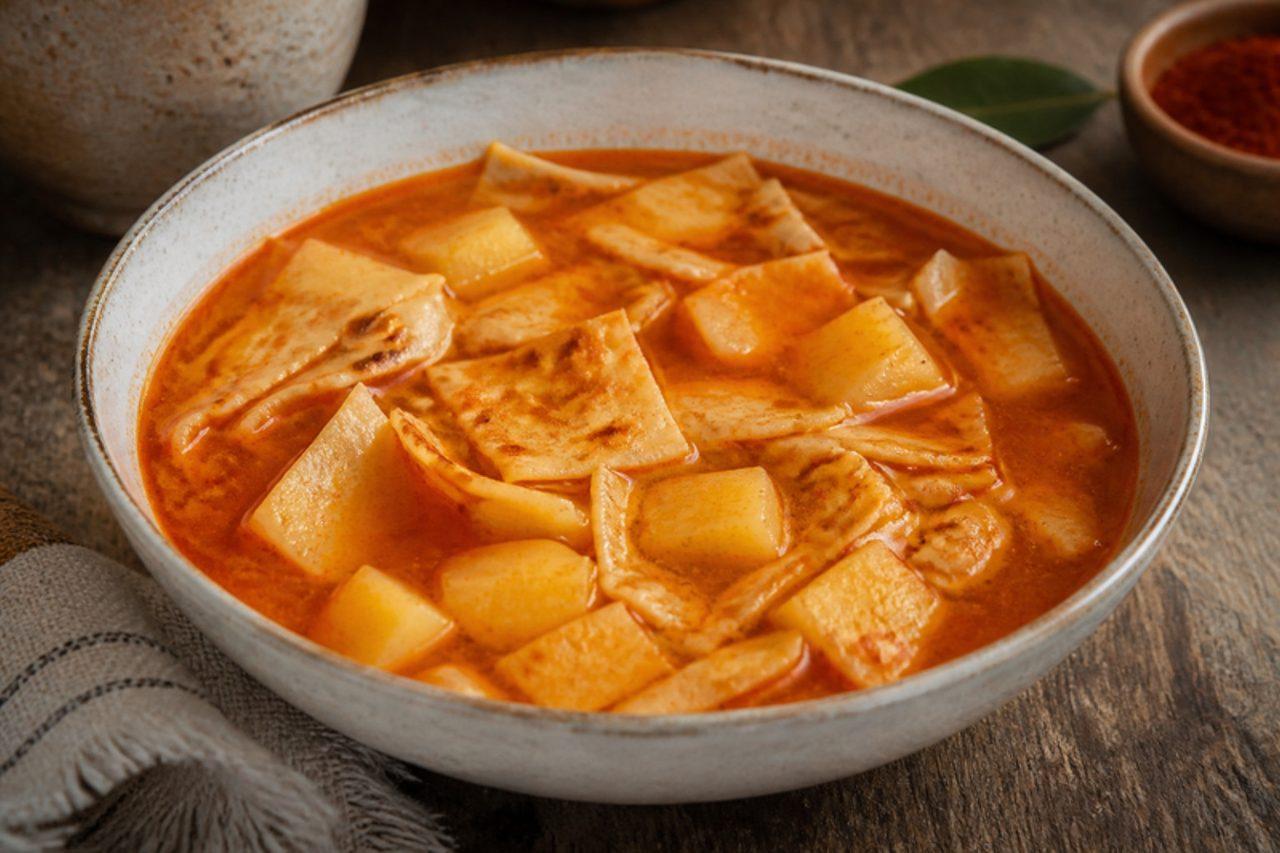
LebbencslevesPotato and pasta sheet soup

Shepherds on the Hungarian Great Plain carried dry sheets of pasta in their packs, broke them into a cauldron over the fire with potatoes and paprika, and called it lebbencsleves. In villages and family kitchens it is still the soup for a cold weekday. Usually the onion is fried in smoked bacon; this meat-free version fries the onion and paprika in oil, so it is vegan, and toasts the pasta in the same pot first for a nutty depth. The broth turns brick red and is thickened a little by the potatoes, with chewy shards of pasta in every spoonful. Buy egg-free dried pasta sheets (or broken lasagne sheets) to keep it vegan. Where it goes wrong is adding the pasta too early: it swells, goes slimy and drinks up the soup. Chef's tip: a little green pepper and a fresh tomato added with the potatoes give the soup a summery sweetness.

by KrazyBadal 0 views

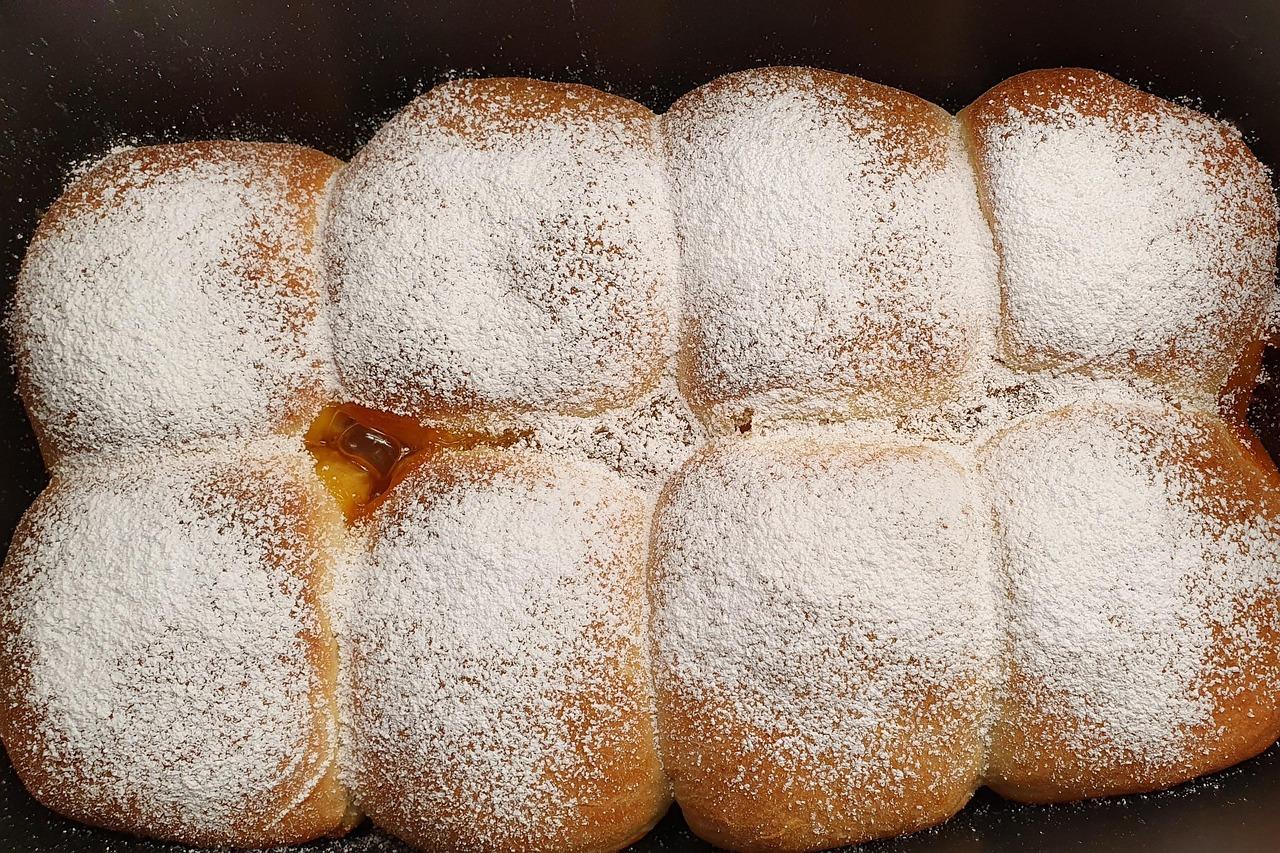
Lekváros buktaPlum jam yeast buns

Grandmothers across Hungary bake a tray of bukta on a Sunday afternoon, and school bakeries sell them for the walk home: soft, milky yeast buns, each folded around a spoon of thick plum butter and baked so close together that they rise into one another. Pulled apart, the sides stay tender and pale while the tops shine golden, and the dark, tart plum filling balances the sweet dough. Serve them warm with a glass of cold milk or cocoa. The usual slip is using runny jam, which bubbles out and burns on the tray; it must be a thick lekvár that holds its shape on a spoon. Chef's tip: brush each bun with melted butter before it goes into the tin, so the buns rise together but still pull apart neatly.

by KrazyBadal 0 views

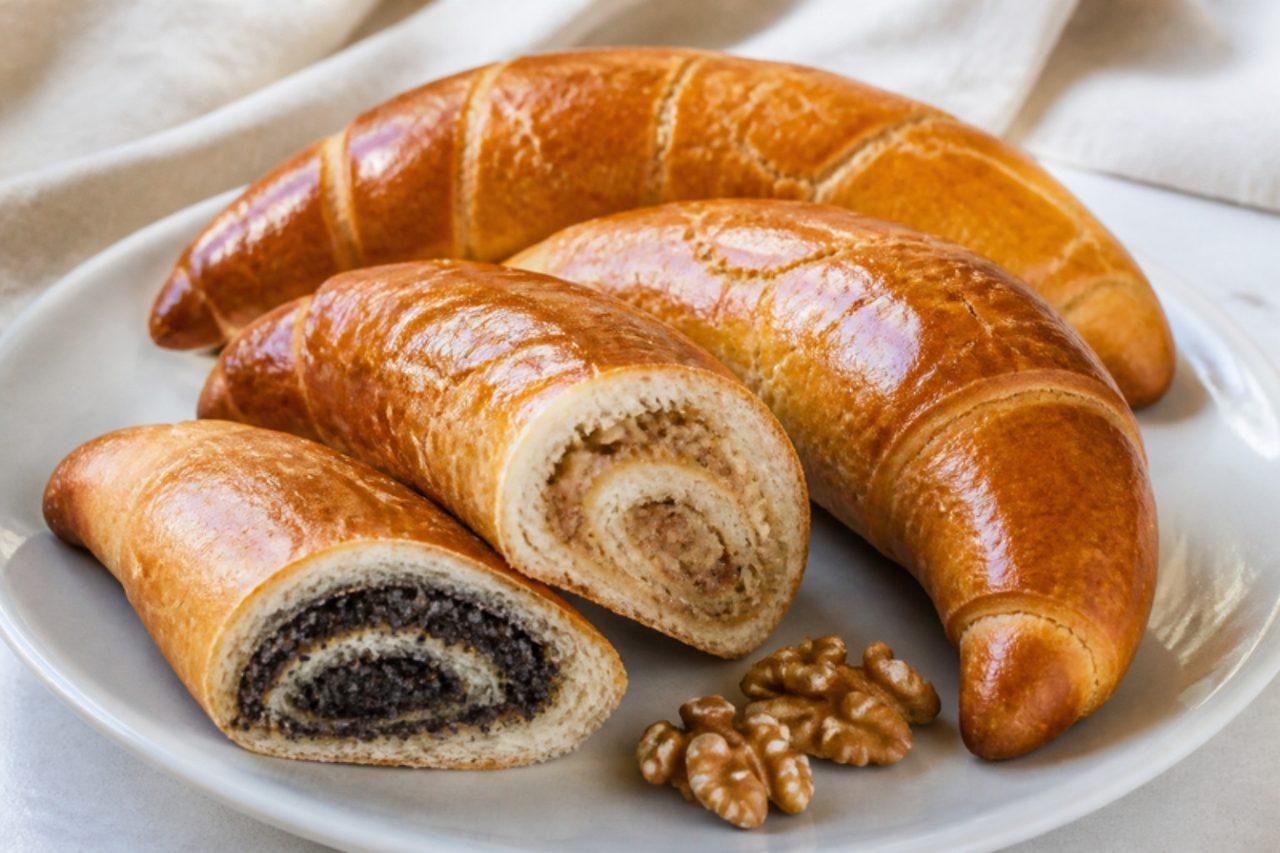
Pozsonyi kifliWalnut or poppy seed crescents

These little crescents take their name from Pozsony, the Hungarian name for Bratislava, where bakers made them famous in the nineteenth century, and today they fill Christmas cookie tins across Hungary alongside bejgli. A short, buttery yeast dough is wrapped around a walnut or poppy seed filling, then glazed first with yolk and then with white, which gives the shiny, crackled, marbled top that marks a good batch. They are rich but not too sweet: eat them with coffee or tea through the holidays. Where most people go wrong is letting the dough rise in a warm spot; this is a cold dough, and if it gets warm the butter melts and the kifli split open. Chef's tip: let the yolk glaze dry fully before the white goes on, or you will not get the crackle.

by KrazyBadal 0 views

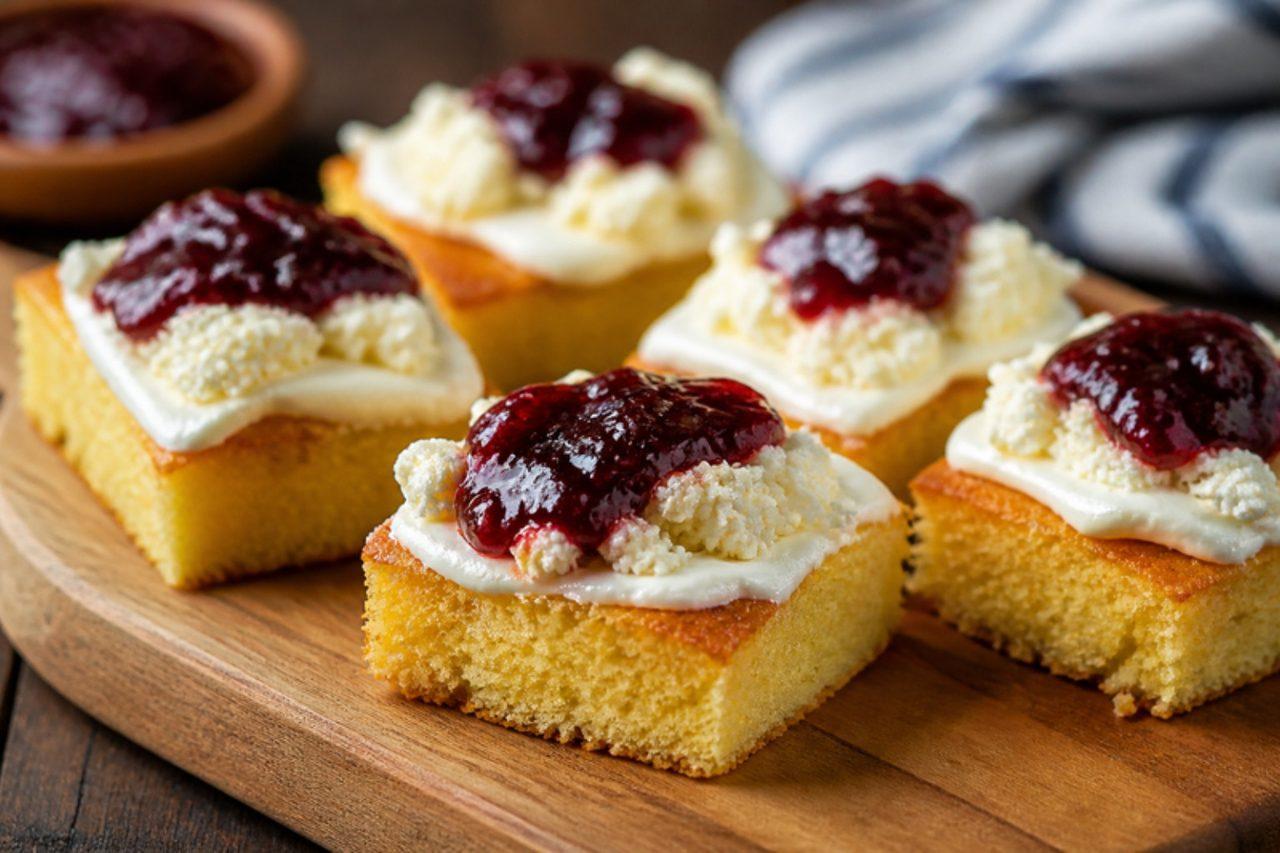
PrószaCornmeal cake with sour cream

Before wheat was common in the Őrség and Göcsej, the wooded border country of western Hungary, cornmeal was the everyday flour, and prósza was what came out of the bread oven on baking day. It is a moist, golden cornbread cake, made rich and tender with sour cream, sweet but not sugary, with a crumbly crust. Families in the region eat it warm for breakfast or afternoon coffee, either plain, spread with plum jam, or baked with a layer of sweet túró and sour cream on top, as here. Túró is normally made without rennet, but check the label. The usual slip is using coarse polenta, which stays gritty; choose fine cornmeal, and let the batter rest so it softens. Chef's tip: scald the cornmeal with the hot milk first; it swells and gives a much softer crumb.

by KrazyBadal 0 views

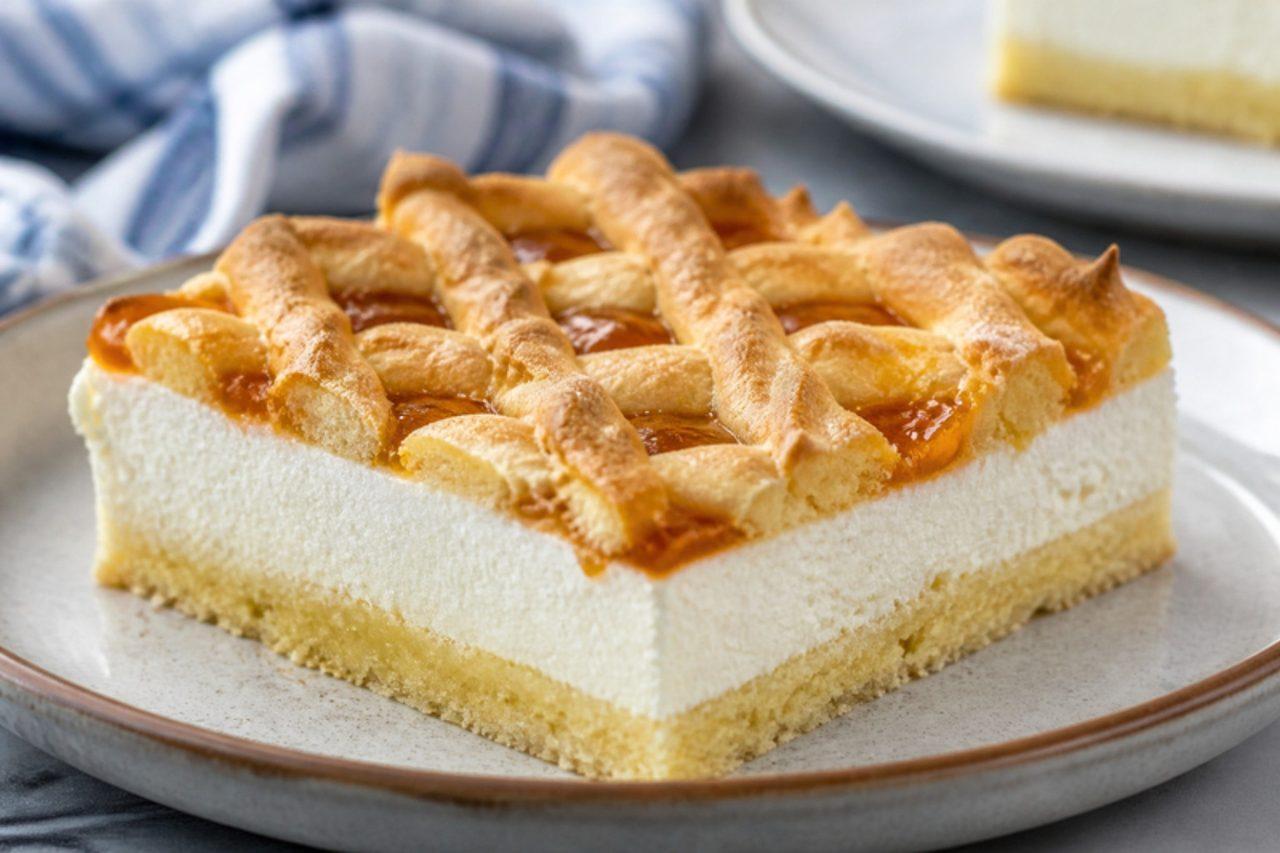
Rákóczi túrósCheesecake with meringue lattice

Look along the counter of any Budapest cukrászda and you will see Rákóczi túrós: a slab of shortcrust under a creamy, lemony túró filling, crossed with a lattice of golden meringue and dotted with apricot jam in the gaps. It was invented by the pastry chef János Rákóczi in the 1930s and won a prize at the Paris World Fair, and it has been a Hungarian favourite ever since. The textures make it: crisp pastry, soft cheese, and meringue that is crunchy on top and marshmallowy underneath. Túró is usually set without rennet, but check the label. The usual slip is piping the meringue onto a filling that is still wobbly, so the lattice sinks; bake the filling until just set first. Chef's tip: press the túró through a sieve for a silky filling with no grainy bits.

by KrazyBadal 0 views

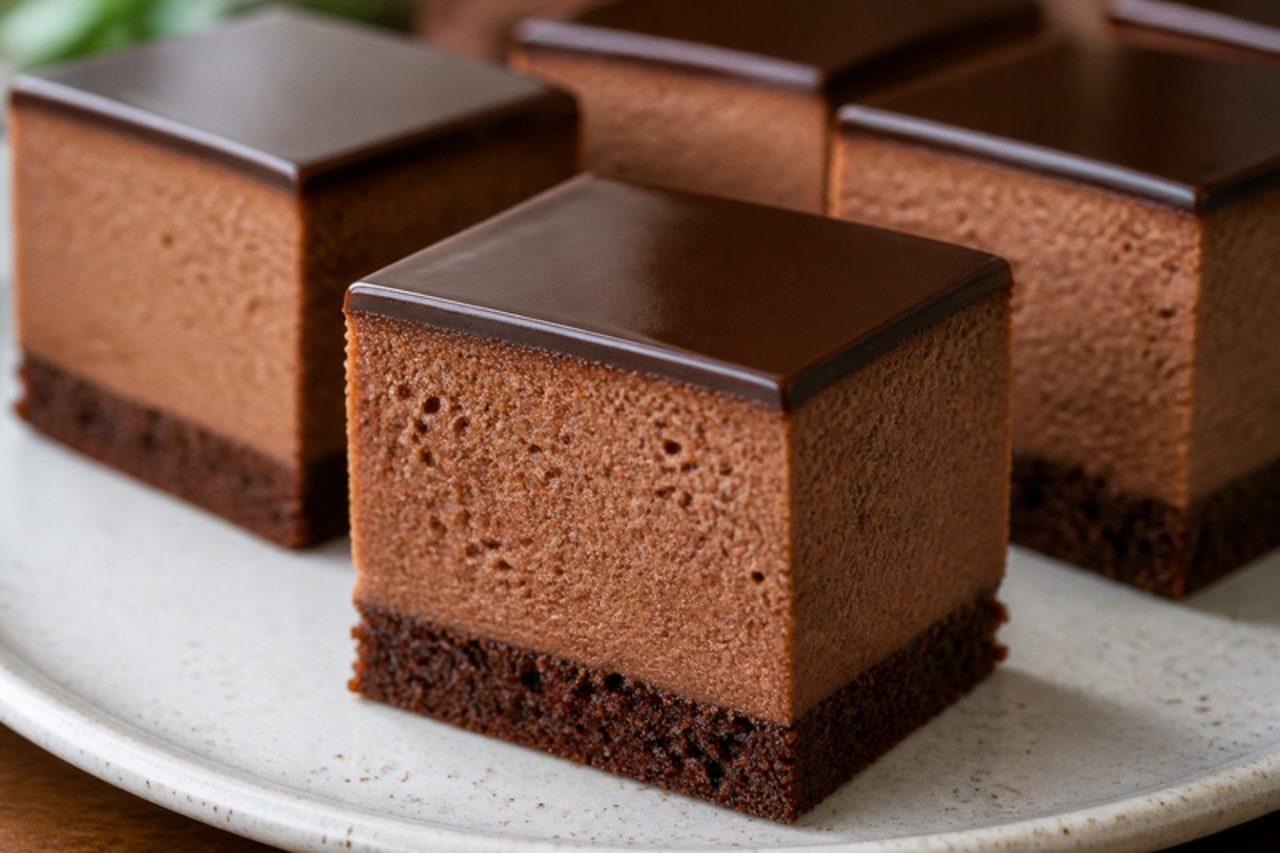
Rigó JancsiChocolate mousse cake

This tall cube of chocolate sponge, thick chocolate cream and a glossy dark top carries the name of a Hungarian Roma violinist whose scandalous romance with a Belgian princess made headlines around 1900; Budapest confectioners named a cake after him and it has stayed in every cukrászda since. The cream is the star: a ganache whipped with cream until it is like a dense, cool mousse, with no setting agent needed. A thin layer of apricot jam on the base adds a sharp note. Some bakers add a splash of rum to the cream; this version is alcohol-free. A common mistake is whipping the chocolate cream before it is fully cold, so it never thickens; chill it for at least 2 hours, better overnight. Chef's tip: cut the glazed top layer into squares before you set it on the cream, and the finished cake slices cleanly.

by KrazyBadal 0 views

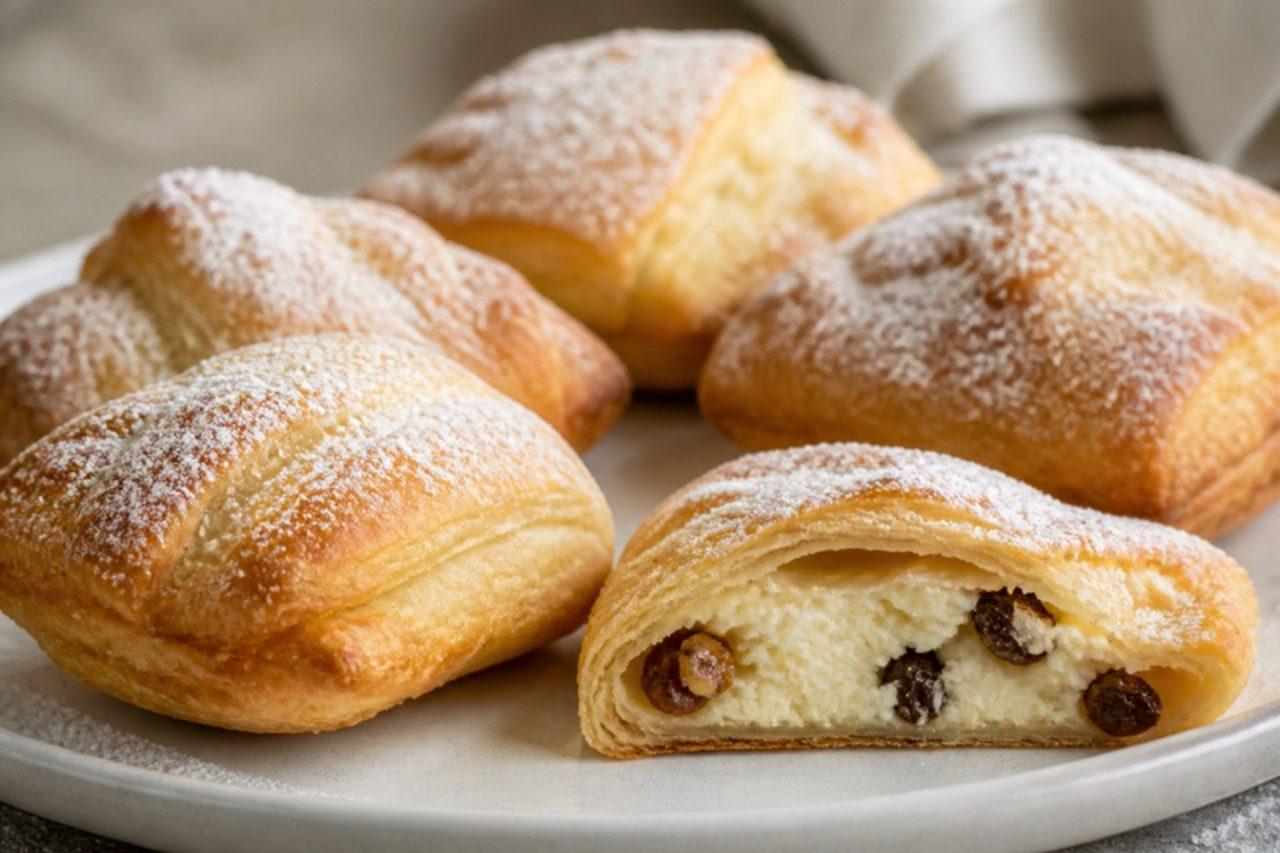
Túrós táskaSweet cheese puff pastry pockets

Every Hungarian bakery chain and village shop has a túrós táska in the case, a flaky square folded corner to corner over a fat cushion of sweet curd cheese. The filling is fresh túró beaten with egg yolk, vanilla, lemon zest and raisins, and it bakes soft and slightly tangy inside crisp, buttery puff pastry. It is a mid-morning snack with coffee, or breakfast on the go. Túró is usually made without animal rennet, but check the label if that matters to you. The usual slip is a runny filling that leaks onto the tray, so press the túró through a sieve and add a spoon of semolina to bind it. Chef's tip: chill the filled pockets for 10 minutes before baking; the cold pastry puffs higher and the corners stay folded.

by KrazyBadal 0 views

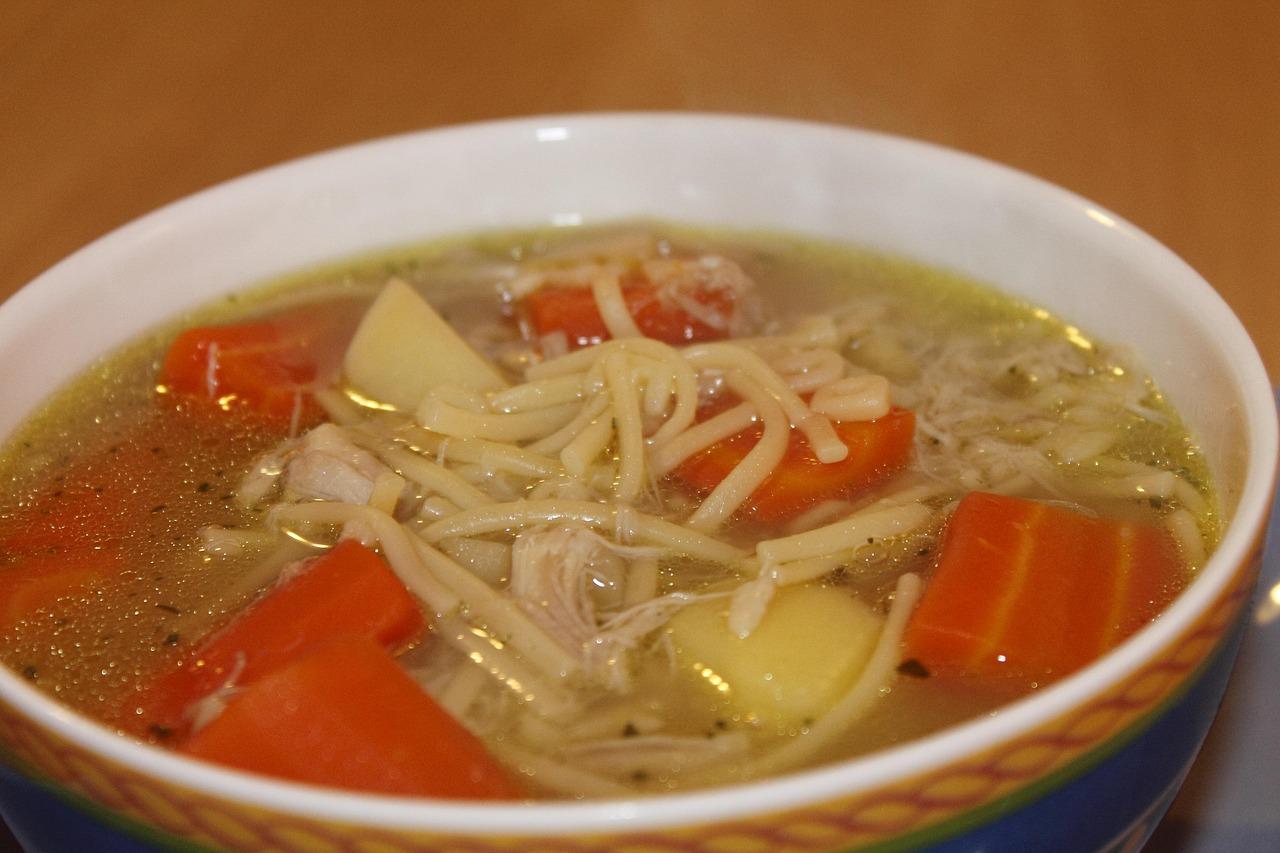
Újházi tyúkhúslevesHen soup with vermicelli

Ede Újházi, a much-loved actor of the Budapest National Theatre at the turn of the last century, was so fussy about his Sunday hen soup that a city restaurant named its version after him, and the name stuck. Today Újházi soup is the standard first course at Hungarian weddings and Sunday lunches: a clear, golden broth simmered for hours from a boiling hen, full of carrot, parsley root and celeriac, with mushrooms, green peas and a tangle of thin vermicelli added at the end. The meat is pulled off the bone and served in the bowl, or eaten separately with the vegetables and a little horseradish. The usual slip is letting the pot boil hard, which clouds the broth; it should only tremble. Chef's tip: cook the vermicelli separately and put it straight into the bowls, so the broth stays clear and the noodles don't swell overnight.

by KrazyBadal 0 views

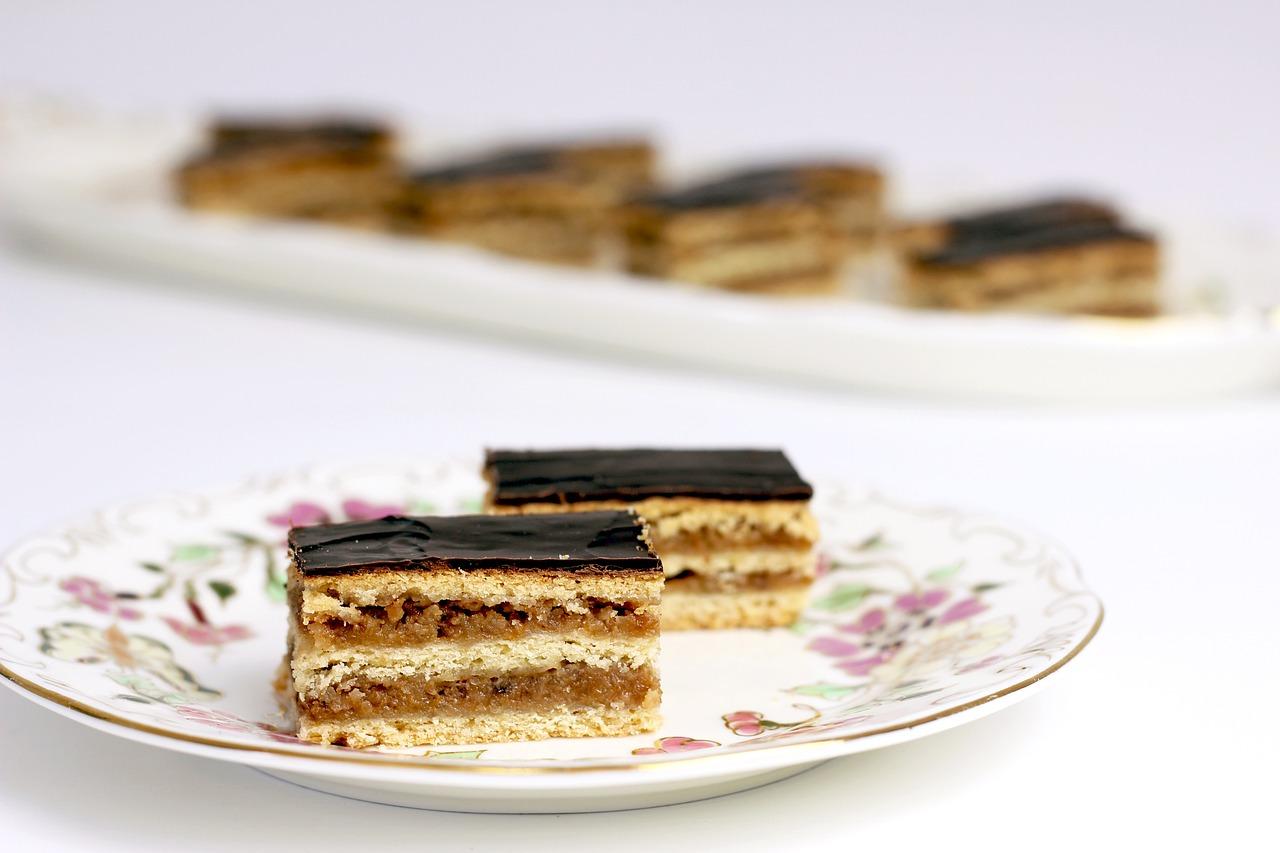
ZserbóWalnut and apricot layered pastry

At Christmas and at every family name day, a Hungarian grandmother cuts zserbó into neat diamonds: three layers of walnut and apricot jam between four thin sheets of rich yeast pastry, crowned with dark chocolate. It was created at the Gerbeaud café on Vörösmarty tér in Budapest, and the name is simply the café's French name spelled the Hungarian way. The pastry bakes short and tender, the jam stays sharp and fruity, and the chocolate adds a firm, glossy snap. A common mistake is rolling the sheets unevenly, so the slices come out lopsided; weigh the dough into four equal parts and roll each to the size of the tin on baking paper. It tastes even better the next day, once the jam has soaked in. Chef's tip: use a tart apricot jam and stir a squeeze of lemon into it if it seems very sweet.

by KrazyBadal 0 views

So'o yosopyGround beef and rice soup

So'o yosopy, "pounded meat" in Guaraní, is a soup Paraguayans make for anyone who is tired or recovering, and on cold days in Asunción's winter: beef is ground very finely and stirred into cold water so it breaks into soft, delicate threads, then simmered with onion, tomato, pepper and a little rice and oregano. The texture is smooth and the broth light. The mistake is adding the beef to boiling water, which makes it clump into meatballs; mix it into cold water first and stir as it heats. Chef's tip: ask the butcher to mince lean beef twice, or pulse it very fine in a food processor.

by KrazyBadal 0 views

Hortobágyi palacsintaPaprika chicken pancakes

Named after the Hortobágy puszta, Hungary's great grassland in the east, these savoury pancakes are a favourite starter in Hungarian restaurants and a clever family meal. Thin palacsinta are filled with finely chopped paprika chicken, folded into parcels, and baked in the paprika-soured cream sauce until bubbling. Chef's tip: chop the cooked chicken very finely or pulse it briefly; a fine filling makes neat, tight parcels.

by KrazyBadal 0 views

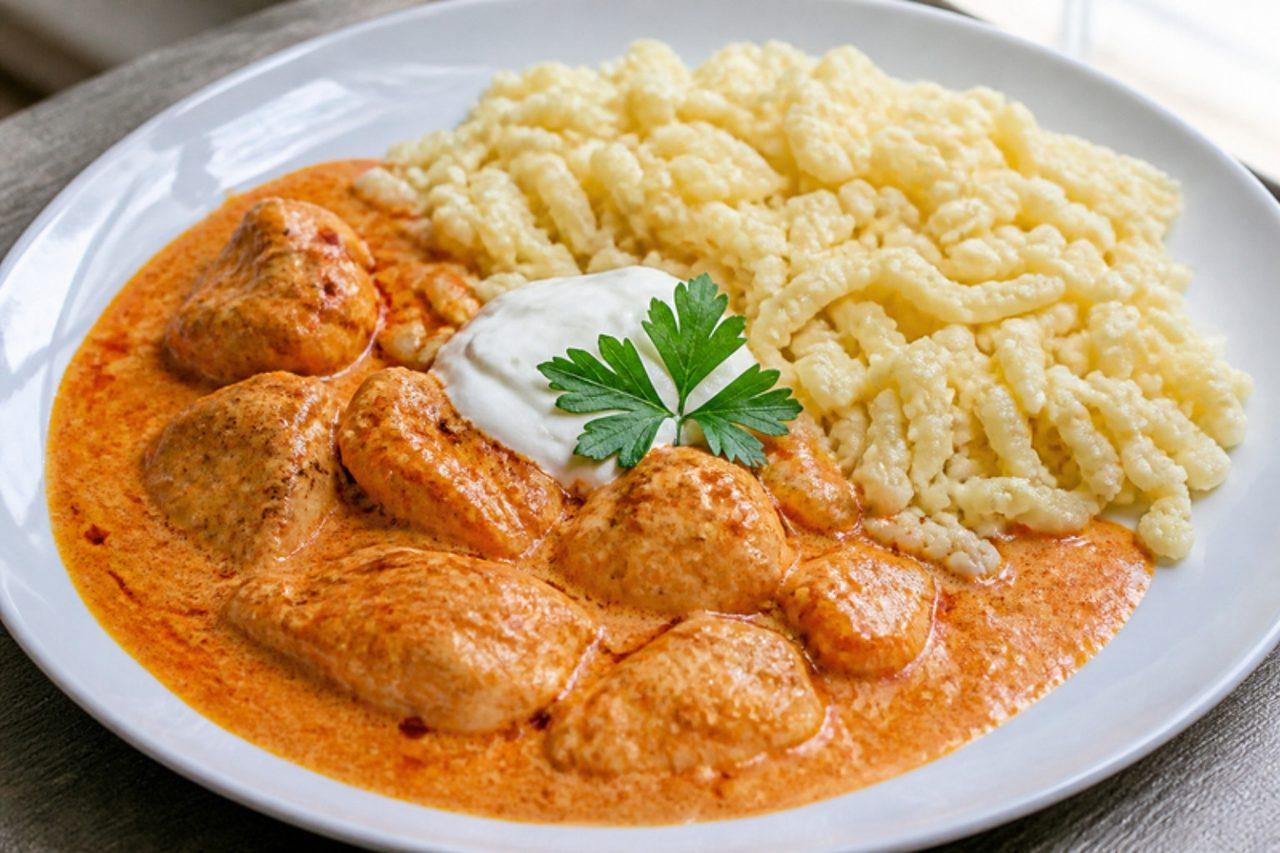
CsirkepaprikásPaprika chicken in sour cream sauce

Csirkepaprikás is the Sunday chicken of Hungarian homes, cooked by grandmothers in villages and in Budapest flats alike and always served with nokedli, the little egg dumplings. Chicken thighs braise gently with onion, plenty of sweet paprika, tomato and pepper, then soured cream is stirred in to make a velvety, brick-orange sauce. Chef's tip: mix the soured cream with a spoonful of flour and some hot sauce before adding it; this stops it from splitting.

by KrazyBadal 0 views

Showing 24 of 31 recipes

Show more recipes

Page 1 of 2