Skip to content
Recipes

All recipes

Vegetarian, or something you can't eat? Set your diet once and we'll hide recipes that don't fit.

Biscotti di San MartinoRicotta-filled fennel biscuits

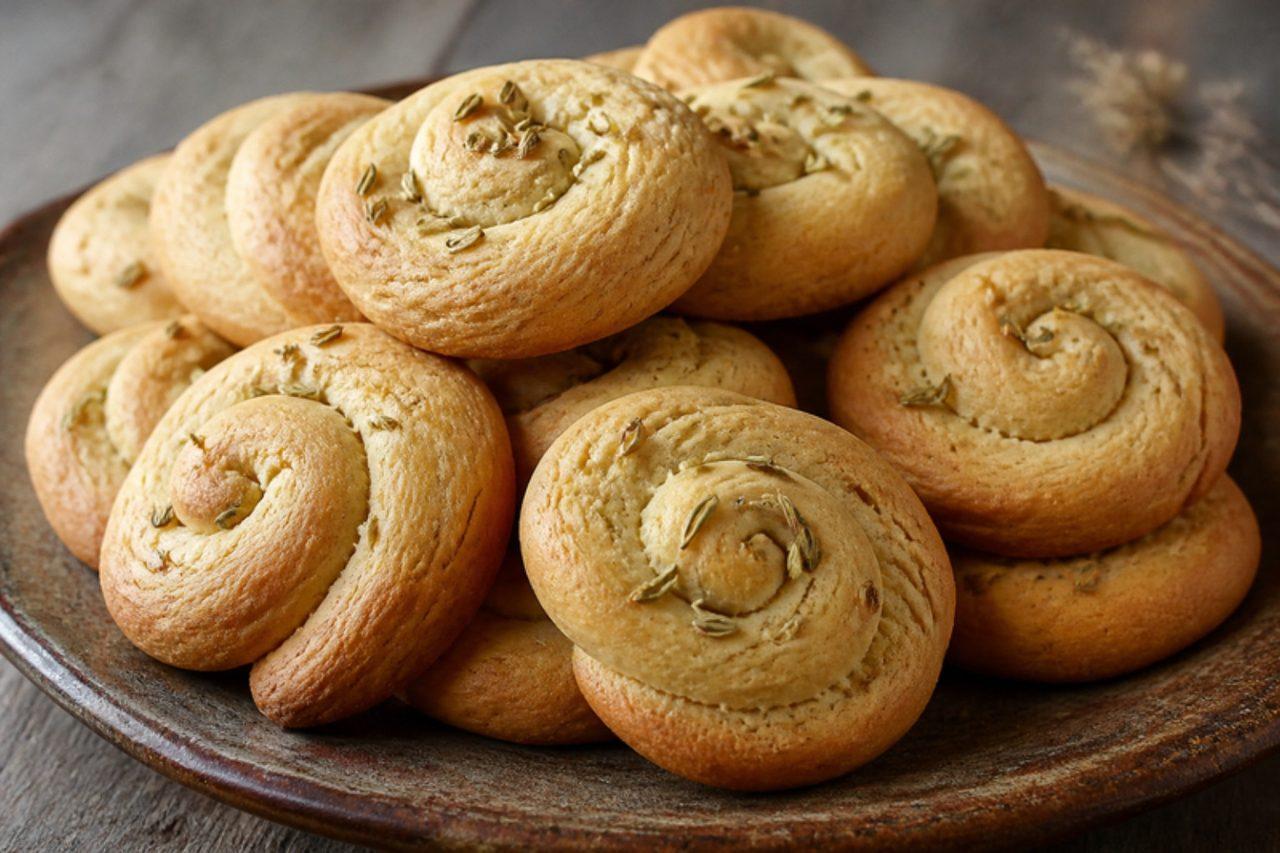
St Martin's Day, 11 November, is when Sicilians traditionally open the new wine, and in Palermo it is marked with biscotti di San Martino: round, hard, fennel-scented yeast biscuits shaped like little turbans. Eaten plain, they are dunked in sweet Moscato; the pastry-shop version is split, soaked in a sweet syrup and filled with ricotta cream and candied fruit. This recipe soaks them in an orange syrup, so it is alcohol-free; adults can use Moscato or Marsala. Choose a vegetarian ricotta if needed. Chef's tip: bake them twice, the second time low, so they dry right through and keep for weeks.

by KrazyBadal 0 views

Cuddura cu l'ovaEaster bread with baked eggs

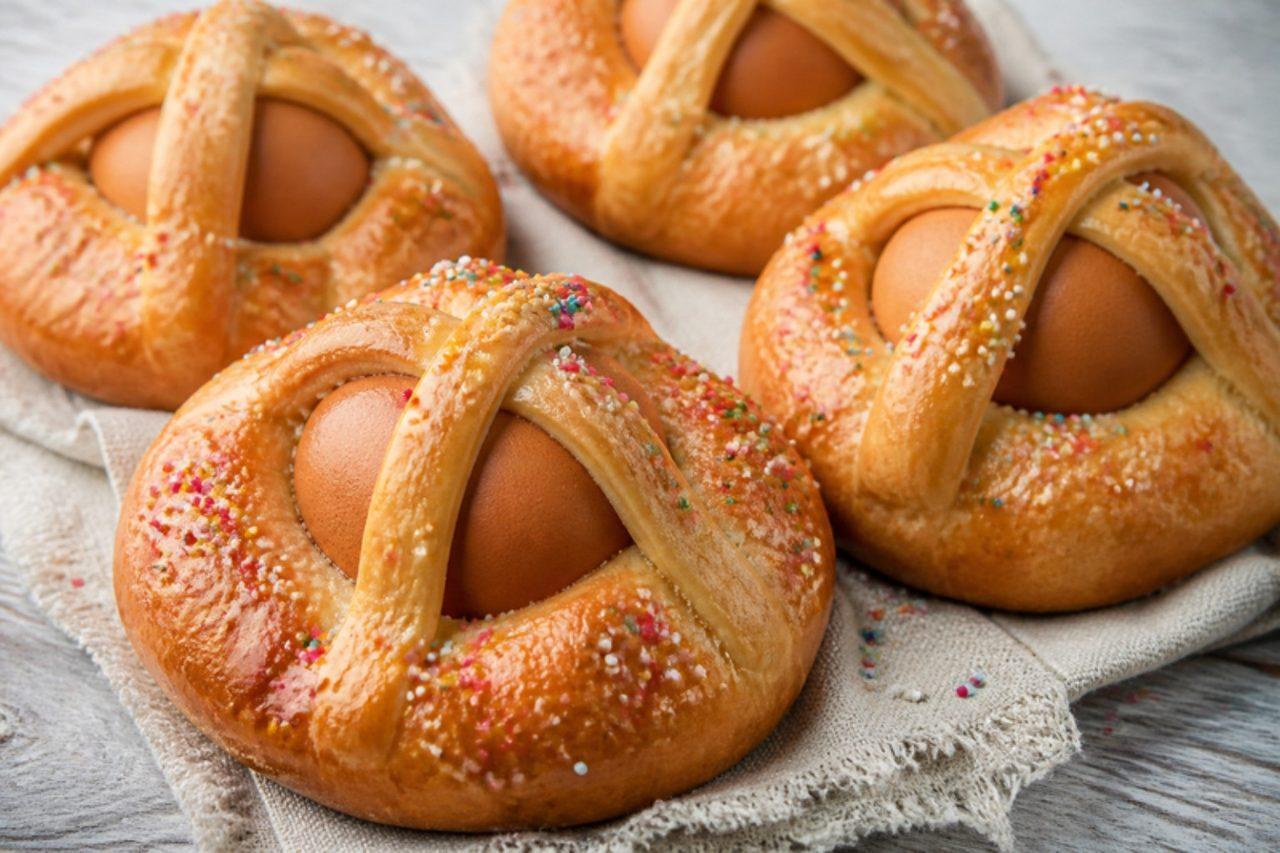
In Sicily, children are given a cuddura cu l'ova at Easter: a sweet, biscuit-like bread shaped into a ring, a basket, a dove or a heart, with one or more whole eggs in their shells held in place by crossed strips of dough. They are baked on Holy Saturday and eaten on Easter Monday, Pasquetta, at picnics in the countryside. The eggs are hard-cooked in the oven, and sprinkles make them festive. Chef's tip: use eggs at room temperature and wash them gently; cold eggs crack in the oven.

by KrazyBadal 0 views

CiaramicolaRed Easter ring cake

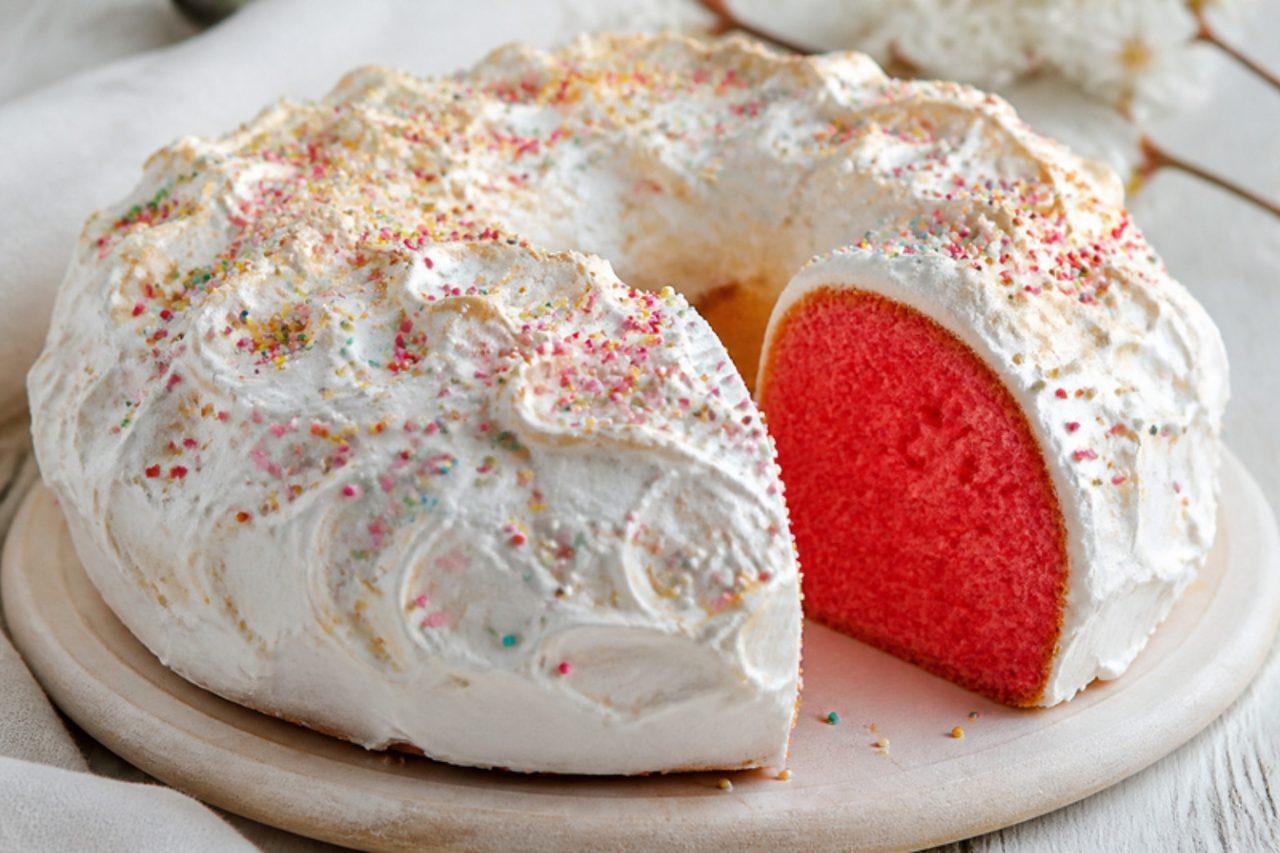
Ciaramicola is Perugia's Easter cake, a ring tinted red under a cloud of white meringue and coloured sprinkles, the red and white of the city's flag. It was traditionally baked by girls on Holy Saturday for their sweethearts, and it is eaten at Easter breakfast. The red colour usually comes from alchermes, a spiced liqueur; this version uses beetroot juice and a pinch of cinnamon and clove, so it is alcohol-free. The meringue is baked until set. Chef's tip: spread the meringue right down to the base all round, so it seals in the cake and stays glossy.

by KrazyBadal 0 views

PincaEaster sweet bread

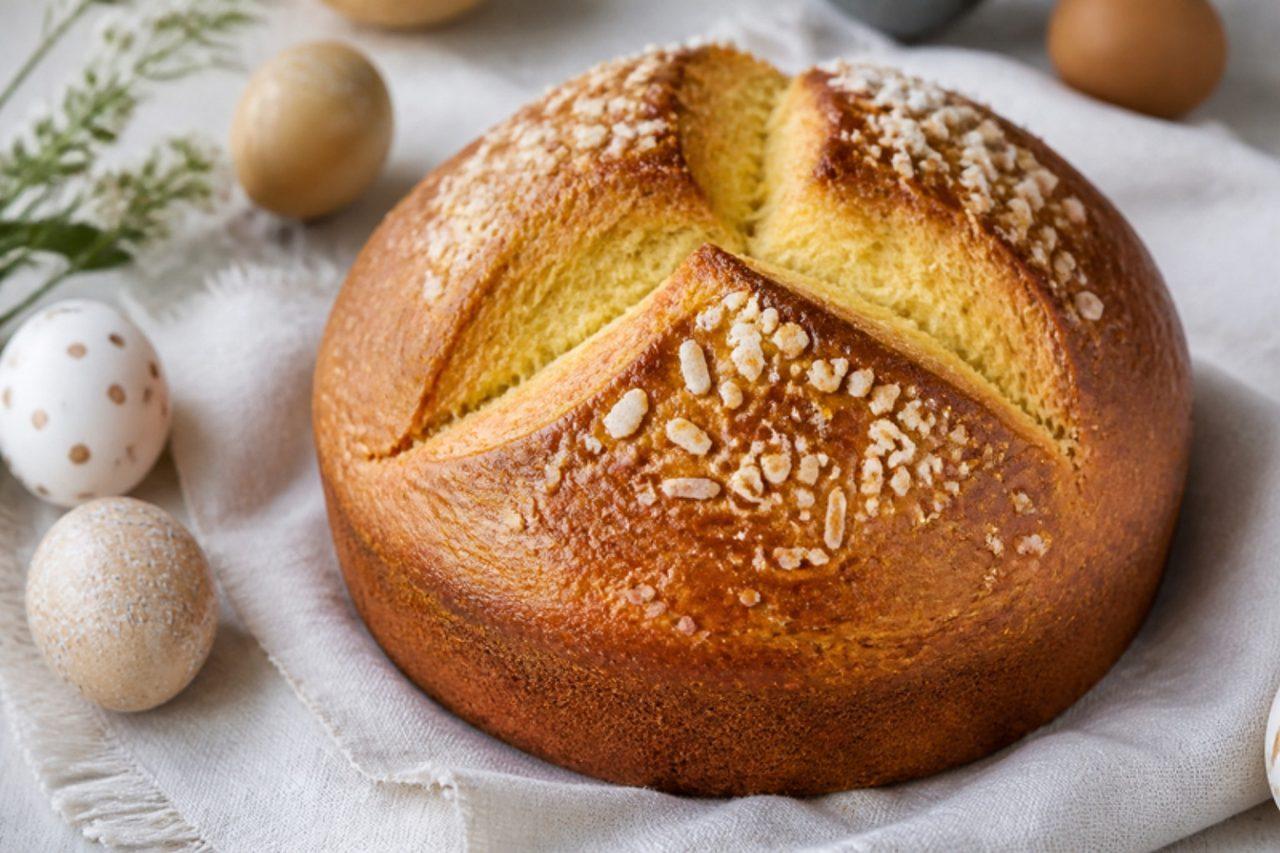
Pinca (or sirnica in Dubrovnik) is the Easter bread of Dalmatia and Istria in Croatia. It is a tall, golden round of rich yeast dough with egg yolks, butter, lemon and orange zest and vanilla, cut with three slashes on top before baking so it opens into a three-pointed cross. It is blessed at church on Holy Saturday with the Easter eggs and ham, and eaten at Easter breakfast. Old recipes add a spoon of rum or prošek wine; this one doesn't. Chef's tip: let the dough rise slowly, even overnight in the fridge, as pinca gets its tender, fragrant crumb from a long rise.

by KrazyBadal 0 views

PardulasSaffron ricotta pastries

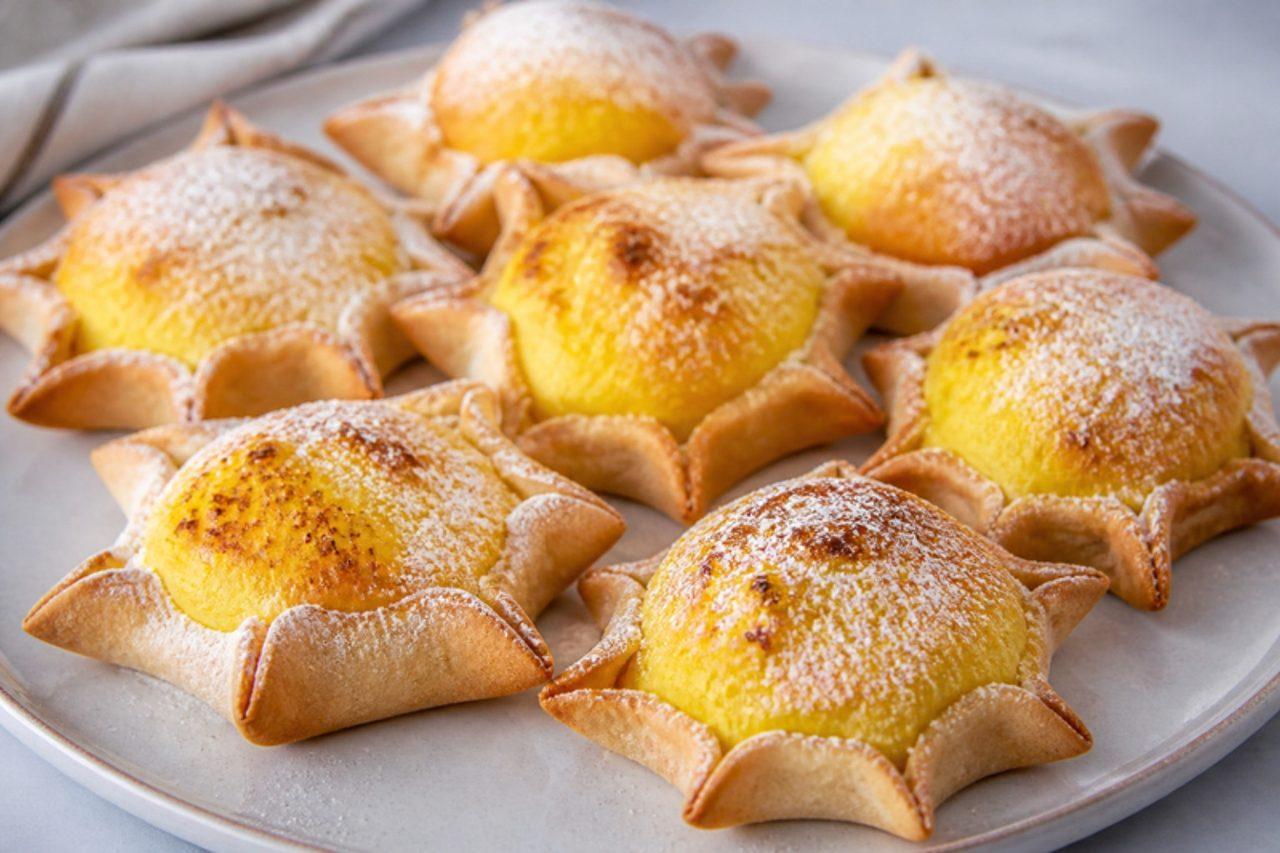
Pardulas (called casadinas in some villages) are the sweet of Easter in Sardinia, baked in quantity on Holy Saturday and offered to visitors through the week. Thin, crisp pastry is pinched into little star-shaped cups and filled with fresh ricotta or soft sheep's cheese mixed with saffron, orange and lemon zest and a little semolina, then baked until the filling puffs and turns golden. They are often finished with honey. Most ricotta is made without animal rennet, but check the label for a vegetarian table. Chef's tip: drain the ricotta overnight, as wet cheese makes the filling run and the cups collapse.

by KrazyBadal 0 views

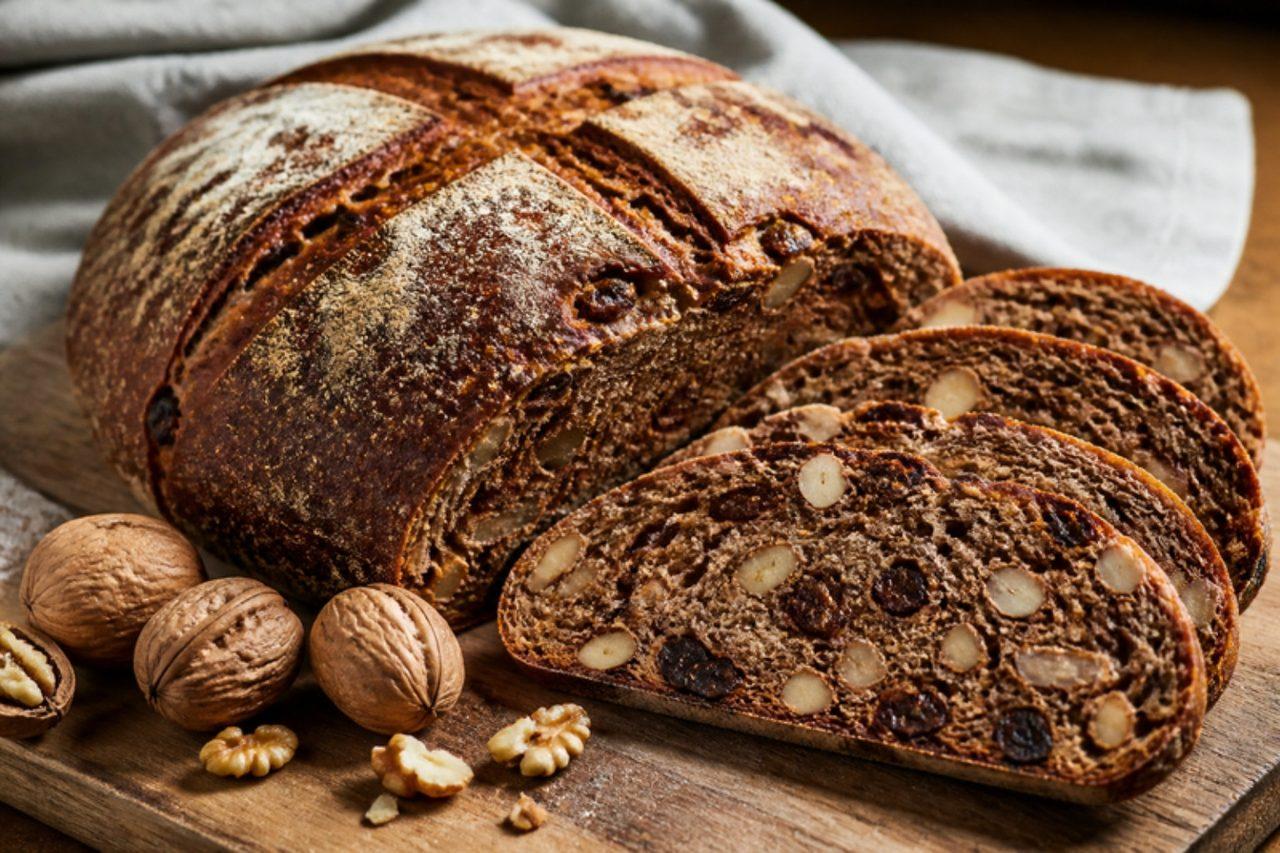
Pan co' santiWalnut and raisin loaf

In Siena and the Tuscan countryside, pan co' santi ('bread with the saints') is baked for All Saints' Day on 1 November, when the new walnuts and the late grapes come in. It is a dark, lightly sweet bread dough rich with olive oil, walnuts, raisins and a surprising amount of black pepper, which gives a warm bite. It is eaten with the new wine by adults, or with roasted chestnuts. It is vegan. Chef's tip: fry the raisins and walnuts briefly in the olive oil before adding them, as Sienese bakers do; it brings out their flavour.

by KrazyBadal 0 views

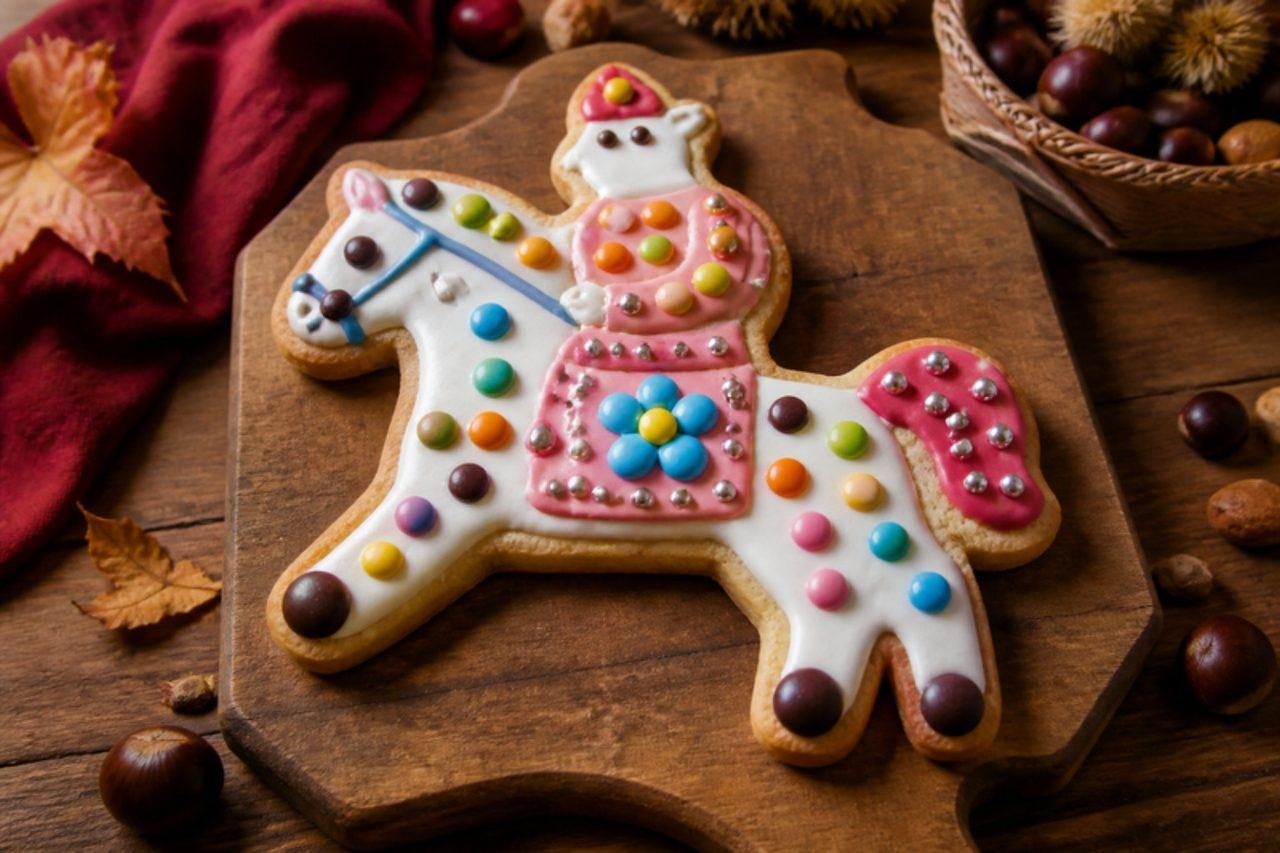
Cavallo di San MartinoShortbread horse and rider

On 11 November in Venice, children go from shop to shop banging pots and singing for San Martino, and every pastry window fills with big shortbread horses carrying the saint on horseback, cut out, iced and studded with sweets and chocolates. The biscuit is a plain, buttery pasta frolla that holds its shape well, and the fun is all in the decoration, so it's a perfect baking afternoon with children. Chef's tip: chill the cut shapes for 15 minutes before baking so the horse's legs and sword keep sharp edges.

by KrazyBadal 0 views

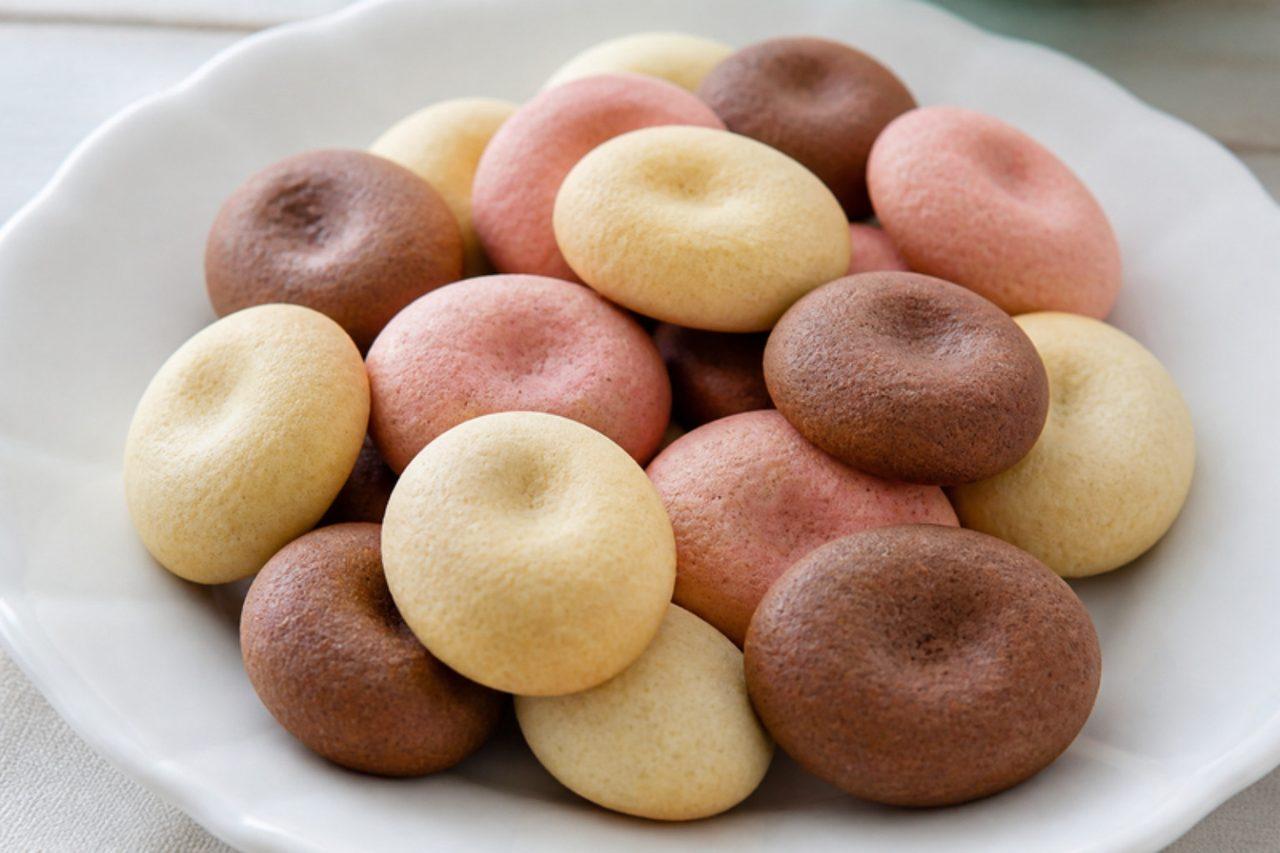
Fave dei mortiBean-shaped almond biscuits

On 2 November, All Souls' Day (il Giorno dei Morti), many Italian regions, especially Lombardy, Veneto and Rome, make fave dei morti: small, pale almond biscuits shaped like broad beans. Beans were once linked with the dead and given as alms at funerals, and these sweet 'beans' replaced them; in Venice they come in pink, white and brown. They are crisp outside and chewy within. Chef's tip: press a thumb lightly into each one to make the bean's dimple; it also helps them bake evenly.

by KrazyBadal 0 views

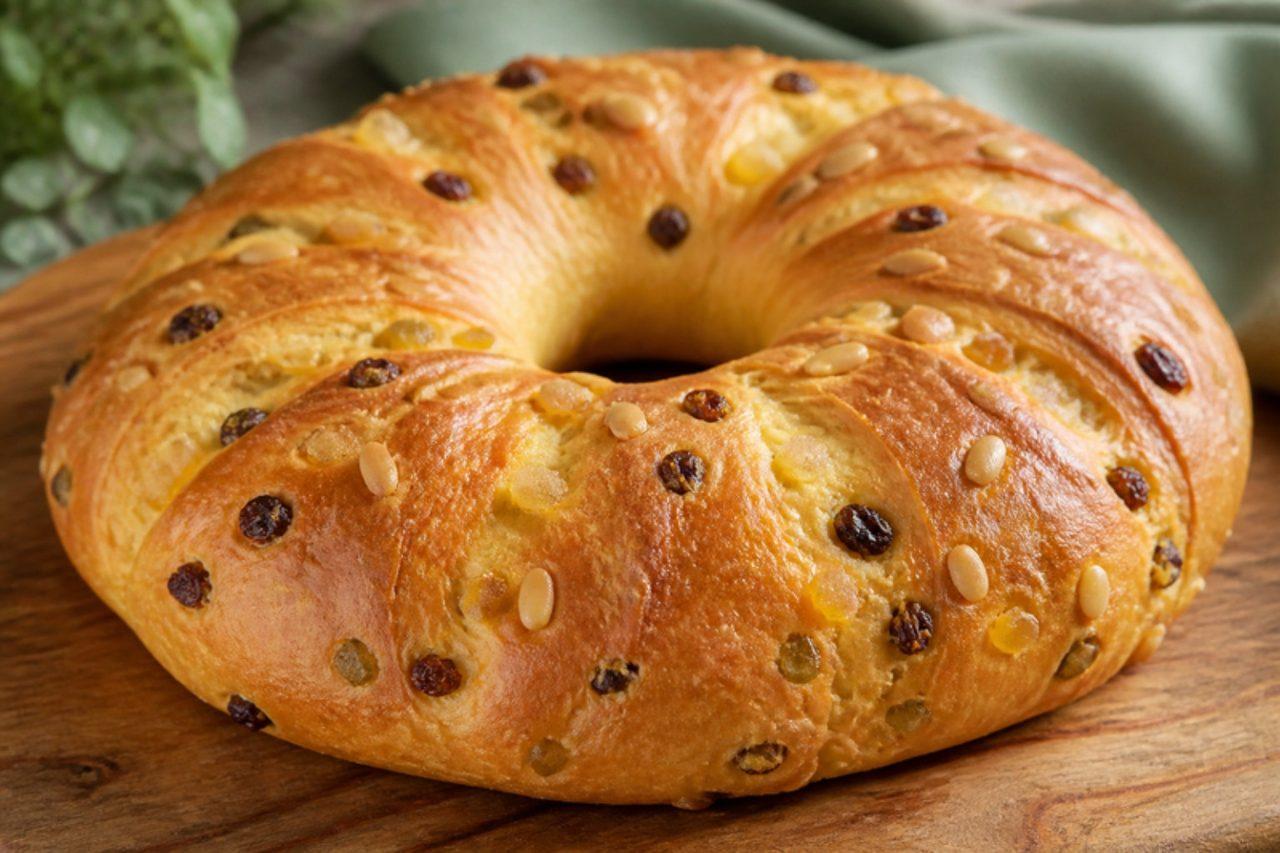
Torcolo di San CostanzoRaisin and pine nut ring bread

Perugia celebrates its patron saint, Costanzo, on 29 January with the torcolo: a big ring of soft, lightly sweet bread with candied citron, raisins, pine nuts and aniseed, its top cut five times for the gates of the old city. Young women in Perugia once used the torcolo to test their sweethearts, and it is still eaten everywhere in town that week, often dunked in vin santo by adults. This recipe has no alcohol. Chef's tip: dust the raisins and peel with a little flour before kneading them in, so they stay evenly spread.

by KrazyBadal 0 views

Slavski kolačDecorated ceremonial bread

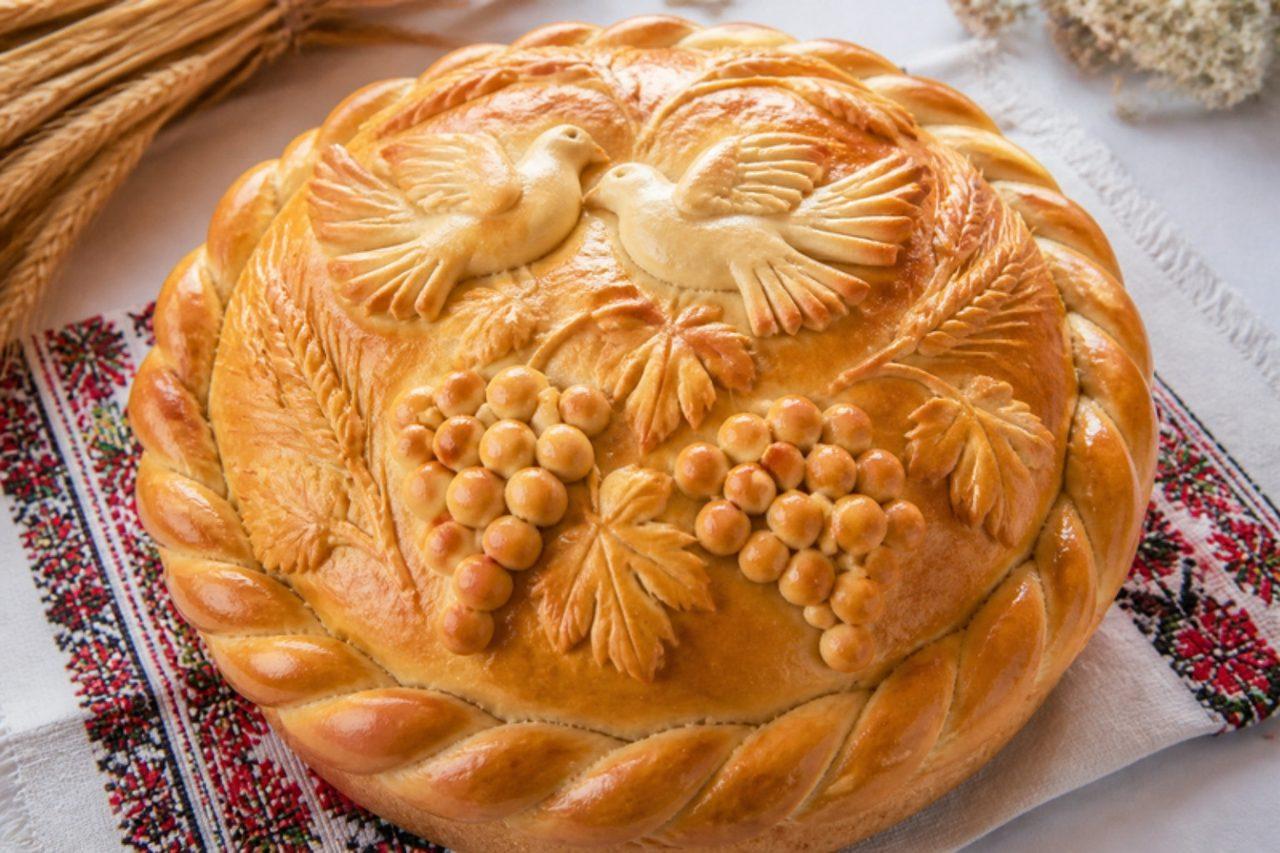
The slava is a uniquely Serbian Orthodox custom: each family honours its own patron saint on that saint's feast day, passed from father to son, with a lit candle, boiled wheat (žito) and the slavski kolač, a round, decorated bread. The priest blesses it; the family turns it, cuts a cross into its base, pours a little wine into the cuts, and breaks it together. It is decorated with dough crosses, the seal 'IC XC NI KA', doves, wheat ears and grapes. It is a plain, vegan bread. Chef's tip: keep the decorations' dough a little stiffer than the loaf, so they hold their shape.

110 minBalkanBakingVegan
by KrazyBadal 0 views
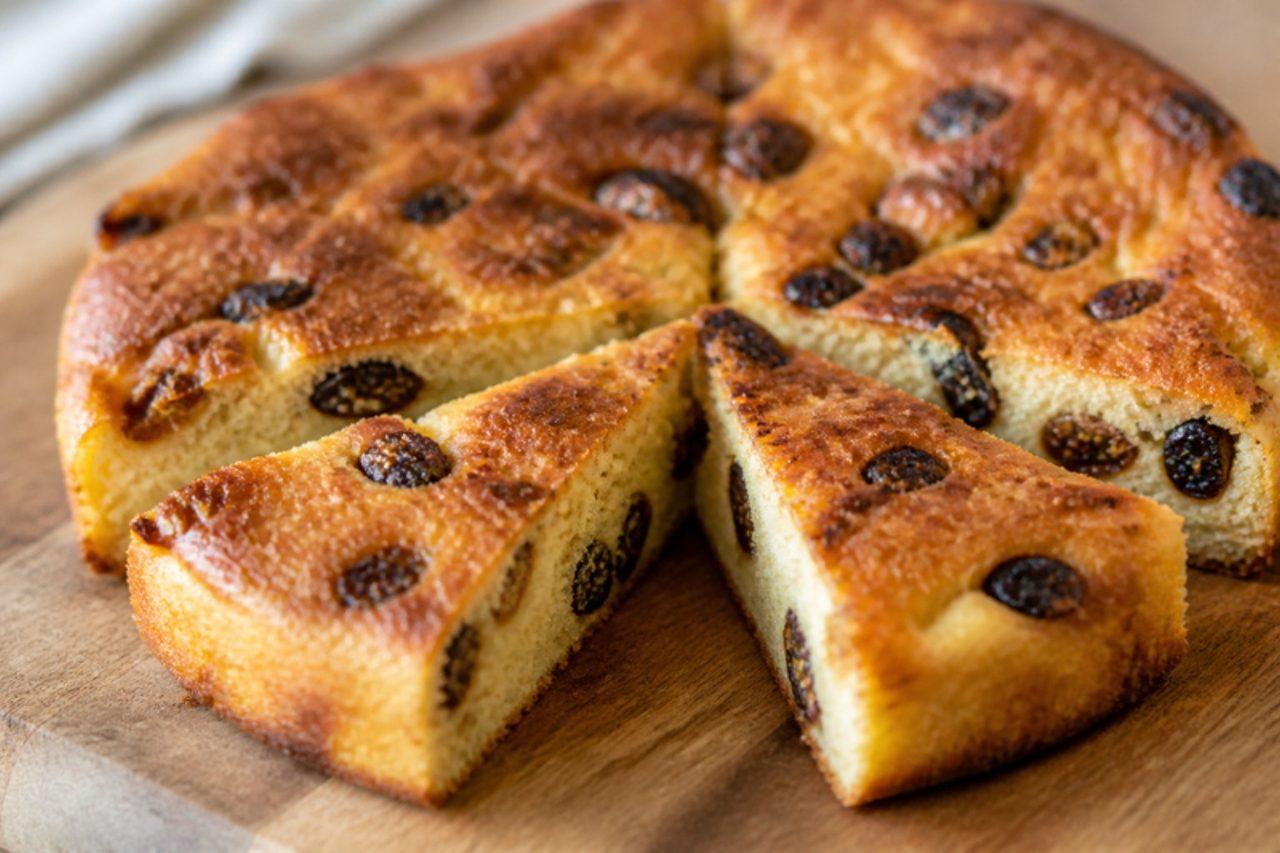
Pane di San GiuseppeSculpted festival breads

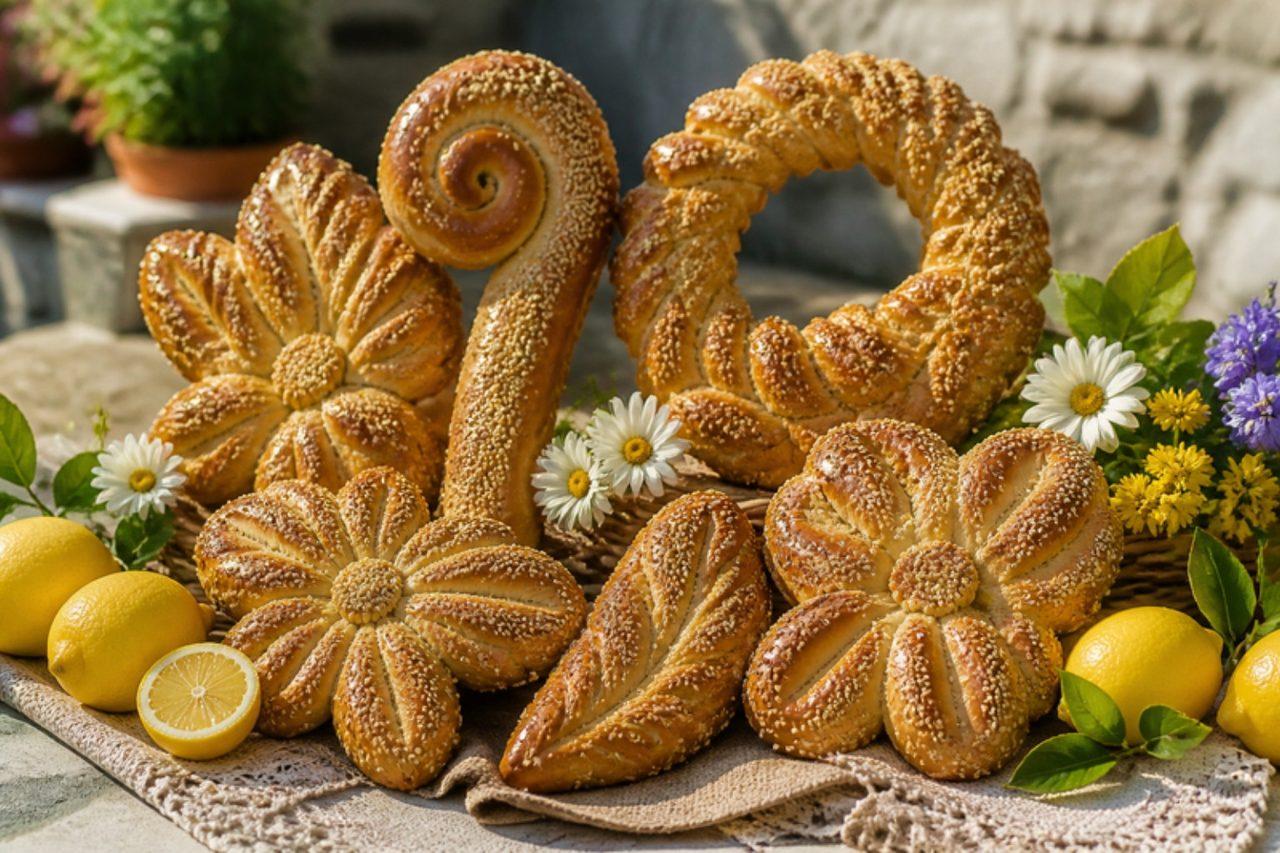
For St Joseph's Day on 19 March, families in western Sicily (Salemi, Trapani, Marsala) build 'tavolate' or altars to the saint, laden with ornate, sculpted breads: beards for Joseph, a staff, flowers, birds, fish and the hand of God. The breads are later given to the poor and to guests. The dough is a firm, plain semolina bread, so it holds fine detail, brushed with egg and scattered with sesame. Shape a few simple ones first; they are as much decoration as food. It is vegan, glazed with water rather than the egg some bakers use. Chef's tip: keep the dough firm and rest it so it doesn't spring back; soft dough loses its shapes in the oven.

by KrazyBadal 0 views
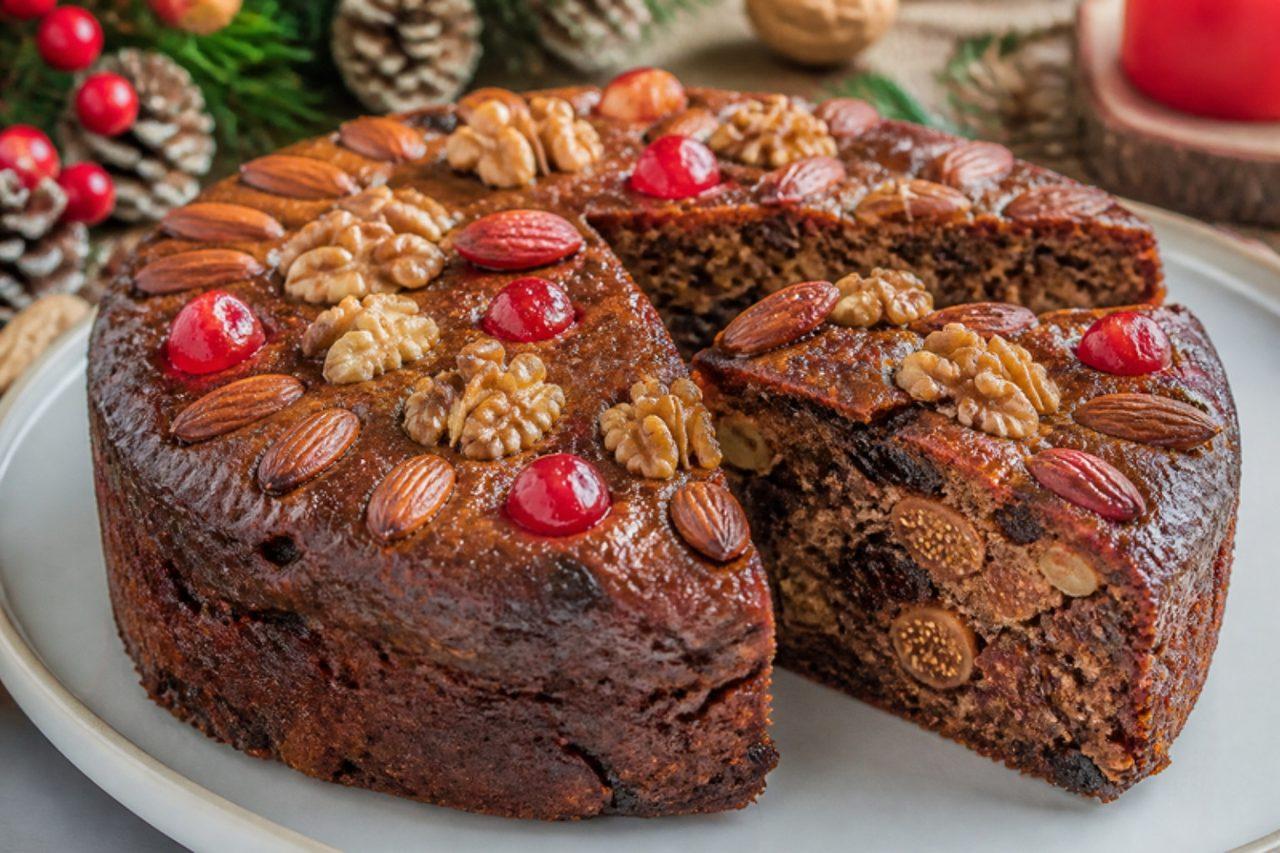
QuaresimaliLenten almond biscuits

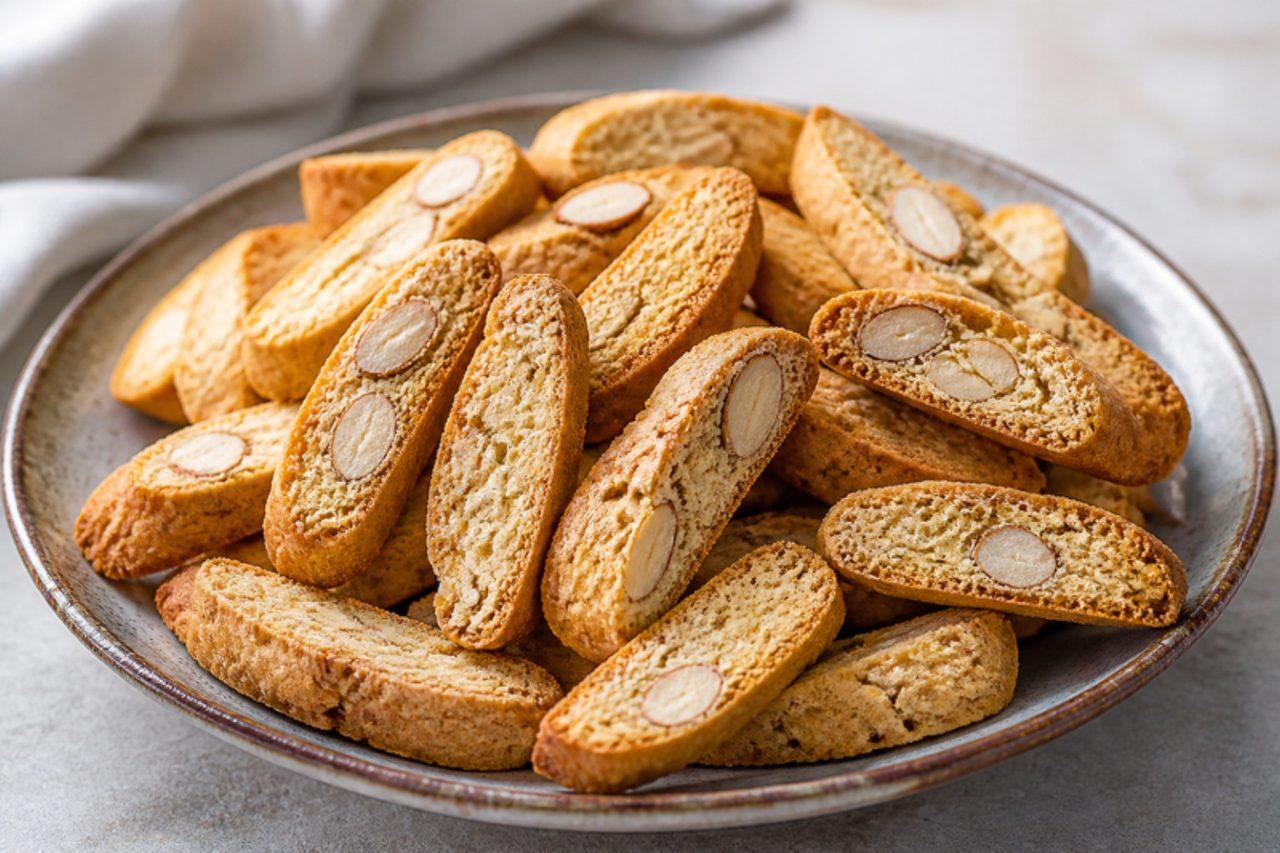
Quaresimali are biscuits for Quaresima, the forty days of Lent, when Catholic Italy once gave up butter, egg yolks and rich foods. In Florence they are crisp cocoa biscuits shaped like letters of the alphabet; in Palermo they are long, crunchy almond and honey biscotti, sliced like cantucci. This is the Palermo-style version: whole almonds in a light dough of egg white, sugar and flour, scented with orange and cinnamon, baked twice. They are dairy free and keep for weeks. Chef's tip: slice the logs while still warm with a serrated knife; once cold they shatter.

by KrazyBadal 0 views
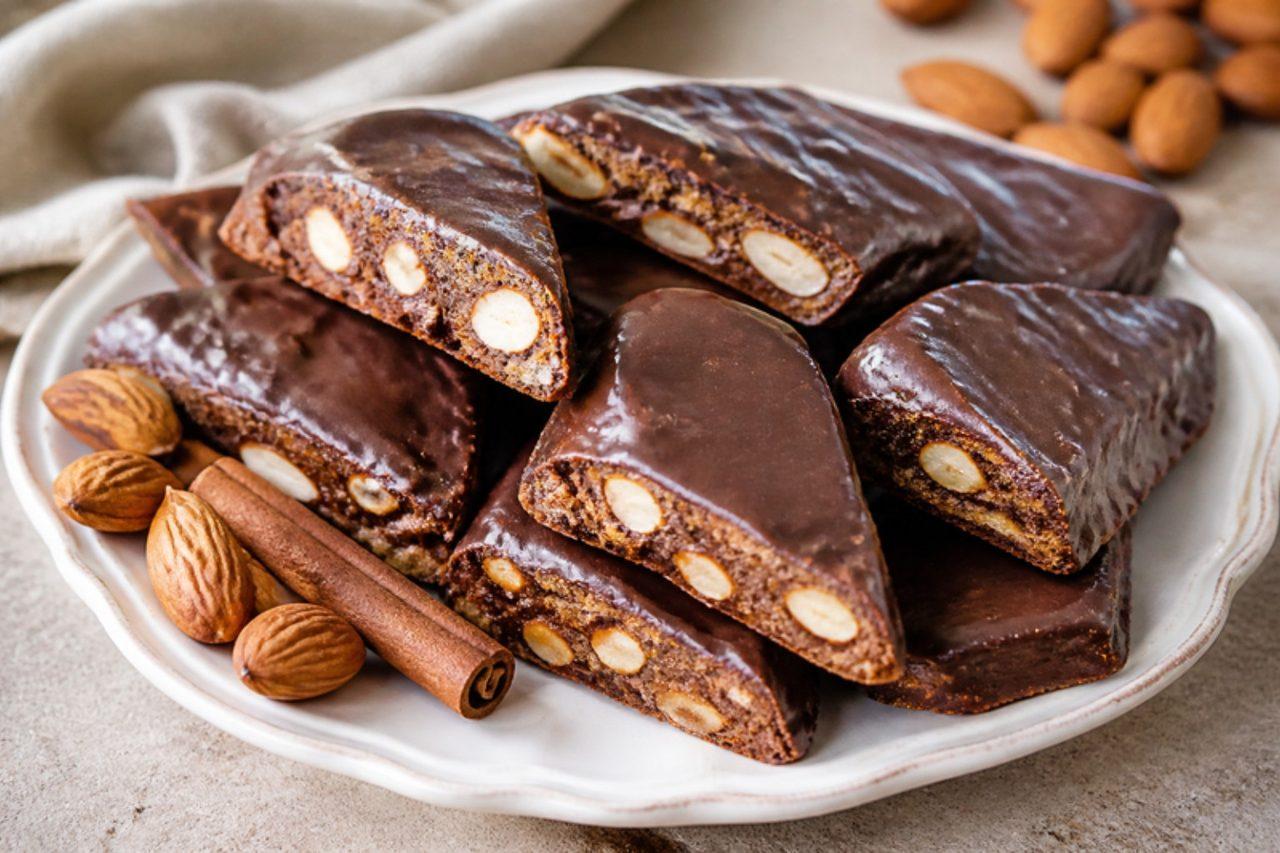
Pane dei mortiFig, cocoa and almond biscuits

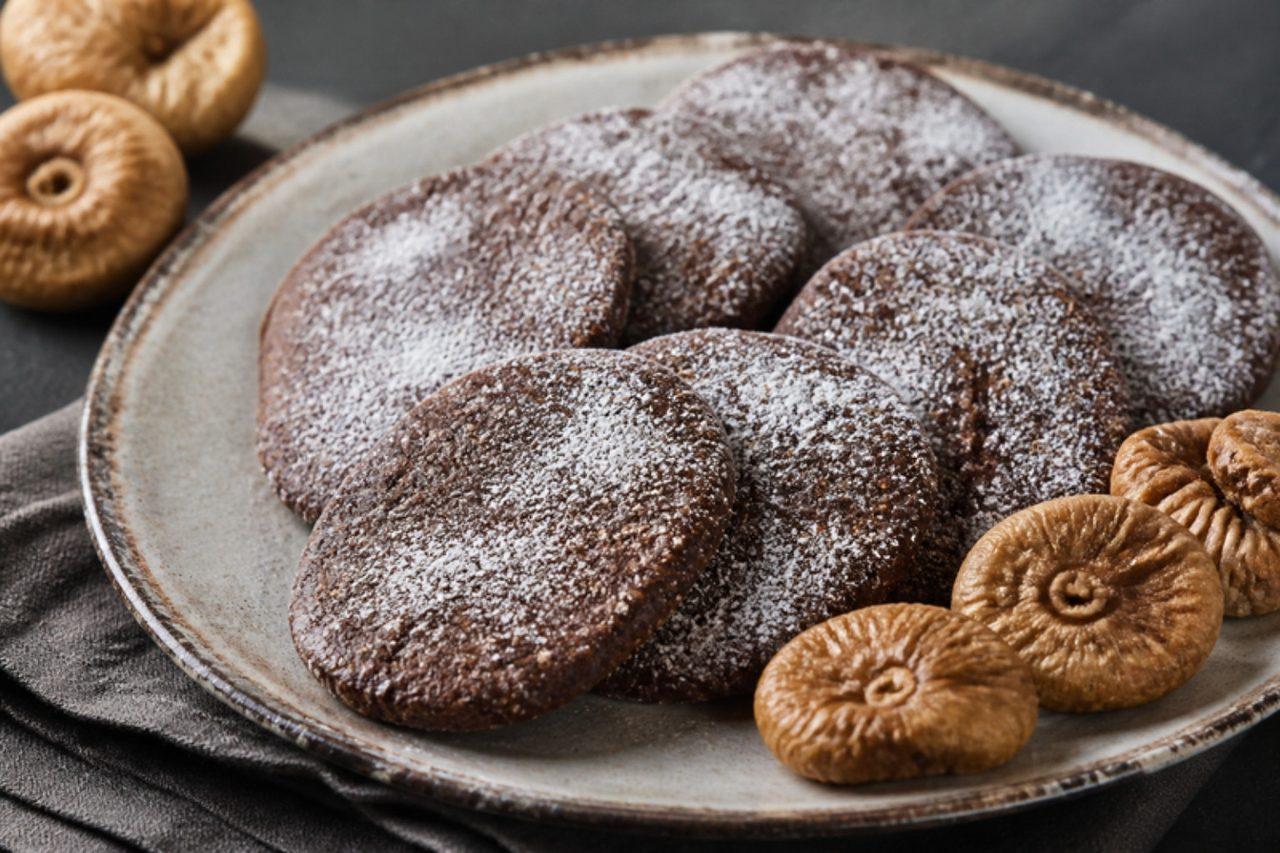
Pane dei morti ('bread of the dead') is baked in Milan and across Lombardy for All Souls' Day on 2 November. Bakers once made them to use up leftover biscuits, crumbling them with dried figs, raisins, almonds, cocoa and spices into a dark, chewy dough, shaped into long ovals and dusted with icing sugar. Older recipes add a glass of vin santo or white wine; this one uses orange juice. They taste of fig and spice and keep for weeks. Chef's tip: let the mixture rest overnight, which softens the crumbs and deepens the flavour.

by KrazyBadal 0 views
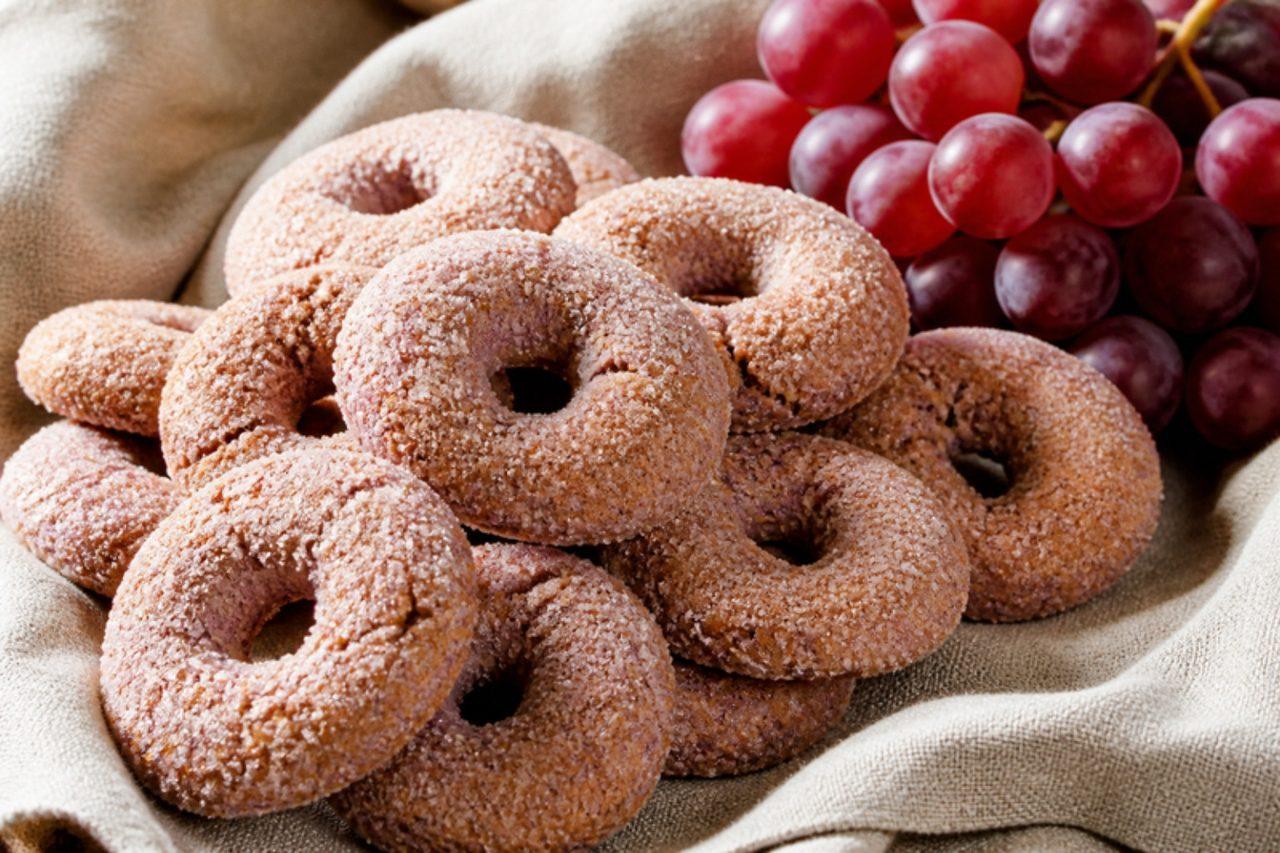
SpongataHoney and nut Christmas pie

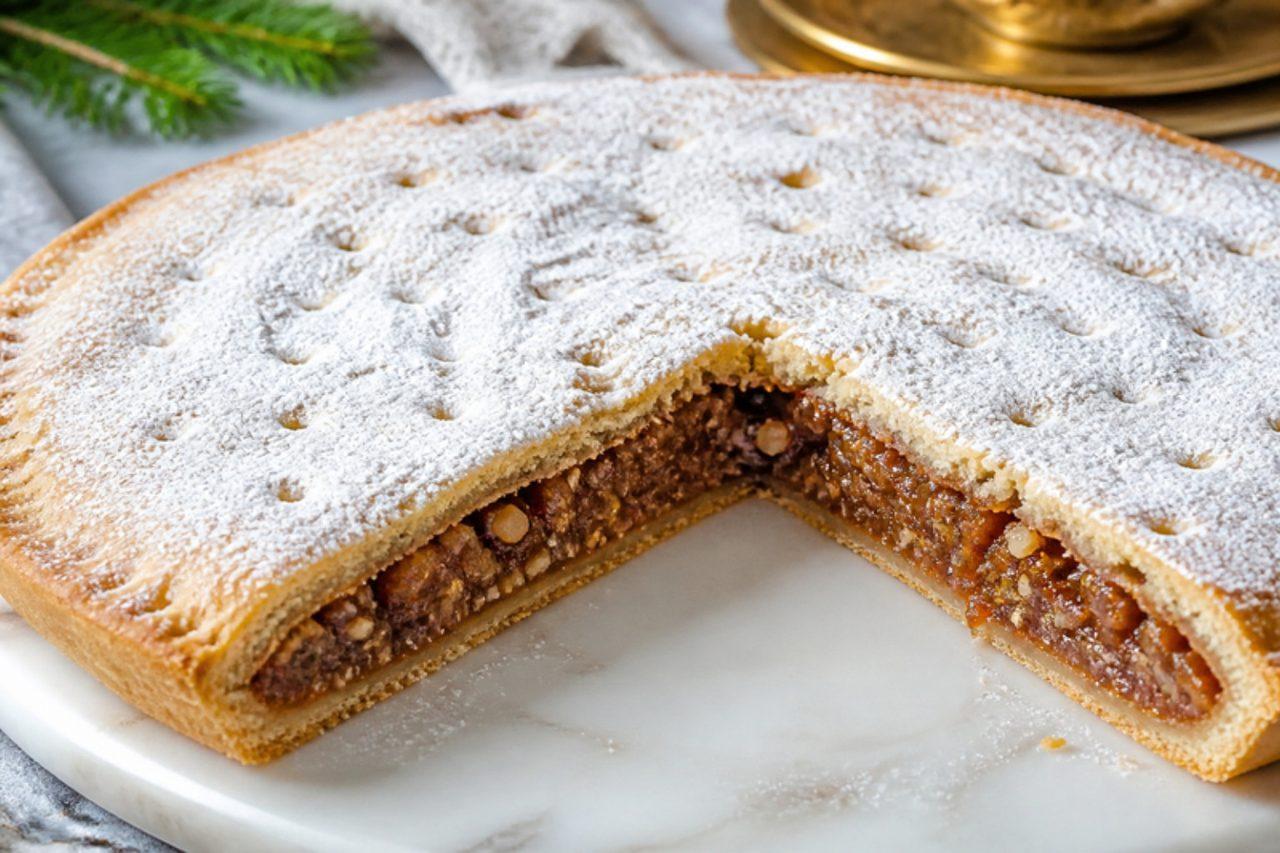
Spongata is a Christmas speciality of the hills between Parma, Reggio Emilia and the Lunigiana, a thin, flat round of crisp pastry hiding a dark filling of honey, walnuts, almonds, pine nuts, raisins, candied fruit and spices, all bound with a few breadcrumbs. Families exchange it at Christmas and slice it into thin wedges with coffee. Traditional recipes add white wine to the pastry and a splash of liqueur to the filling; this version uses milk and orange juice, so it is alcohol-free. The filling is best made two days ahead. Chef's tip: prick the top many times with a fork, as the pattern is traditional and it stops the lid ballooning.

by KrazyBadal 0 views
CavallucciHoney walnut aniseed biscuits

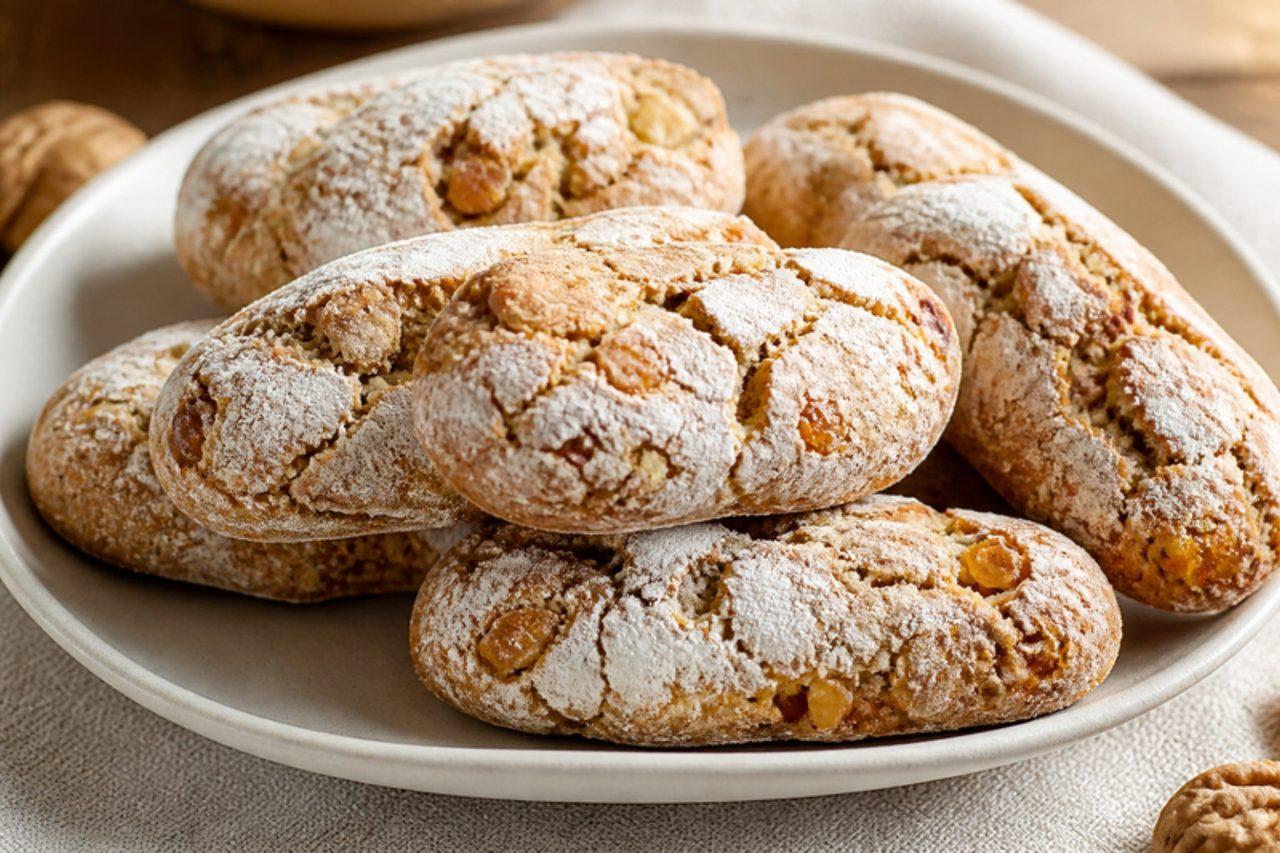
Cavallucci are Siena's humbler Christmas biscuit, sold beside ricciarelli and panforte in every pastry shop from Advent onward. They are pale, chewy and craggy, made from honey, sugar, flour, walnuts, candied orange and aniseed, with no butter or eggs, so they are dairy free and keep for weeks. Sienese families dunk them in vin santo after dinner, but they are just as good with coffee or hot milk. Chef's tip: cook the honey and sugar syrup only until it threads, then mix fast; if it goes further it sets the dough rock hard.

by KrazyBadal 0 views

Pinza venetaPolenta and fig Epiphany cake

Pinza belongs to the eve of Epiphany in the Veneto and Friuli, when bonfires called panevin are lit in the fields and the smoke is read for the coming harvest; slices of pinza and mulled wine are handed round beside them. It is a dense, moist country cake of polenta and wheat flour, sweetened with dried figs, raisins and a little sugar, and scented with fennel seed and orange. Old recipes soak the raisins in grappa; here they are soaked in warm milk, keeping it alcohol-free. Serve it warm or cold in fat wedges. Chef's tip: cook the polenta into a soft porridge first, as dry cornmeal stirred straight into the batter stays gritty.

by KrazyBadal 0 views
BisciolaBuckwheat fruit and nut bread

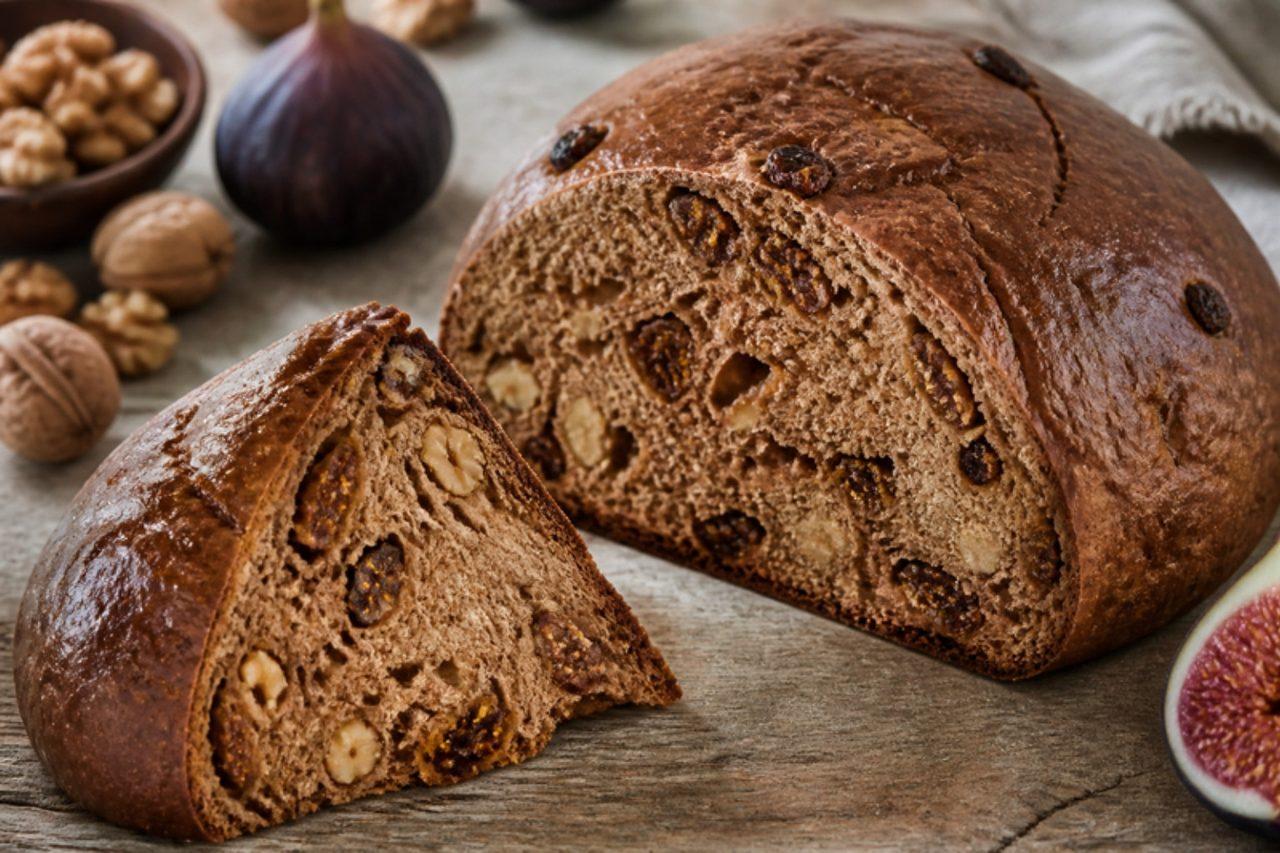
Bisciola is the Christmas bread of the Valtellina, the Alpine valley in northern Lombardy known for buckwheat. It is a soft, dome-shaped loaf of rye or buckwheat and wheat, enriched with butter, egg and honey and crammed with dried figs, raisins and walnuts, eaten from St Lucy's Day to Epiphany, often toasted with butter. Some bakers splash grappa on the fruit; this recipe uses warm water and is alcohol-free. It keeps for a week. Chef's tip: buckwheat has no gluten, so keep it to a third of the flour, or the loaf will be heavy and crumbly.

by KrazyBadal 0 views

ZeltenFig, walnut and raisin Christmas loaf

Zelten comes from the Alpine valleys of Trentino and South Tyrol, where it is baked around St Lucy's Day and eaten slowly until Epiphany, a slice at a time after Christmas dinner. The Trentino version is a dark, dense cake packed with dried figs, raisins, walnuts and pine nuts in just enough soft yeasted dough, topped with a pattern of whole nuts and cherries. Grappa or rum is usually poured over the fruit; here it is soaked in warm orange juice, and adults can add 2 tbsp rum to the soak. It keeps for 3 weeks wrapped. Chef's tip: press the decorative nuts in firmly before baking, or they pop off as the loaf rises.

by KrazyBadal 0 views

Mustazzoli (Salento almond, cocoa and spice biscuits)Spiced almond biscuits

In Lecce and the towns of the Salento, mustazzoli are baked for Christmas and for the summer saints' feasts, when stalls at the fairs stack them in glossy dark piles. They are diamond-shaped biscuits of toasted almonds, flour, sugar and cocoa, spiced with cinnamon and cloves and brightened with orange zest, then coated in dark chocolate. Inside they are firm and dense, a bit like a soft gingerbread, with a crisp chocolate shell. Eat them with an espresso after lunch or pack them as a gift; they keep for weeks. The dough was always egg-free: water and the sugar bind it, the ground almonds give fat and body, and a little baking powder keeps them from being leaden. Use a dark chocolate with no milk solids and the whole batch is vegan. Chef's tip: let the biscuits cool completely before glazing; the common mistake is dipping them warm, which melts the chocolate into a thin streaky coat that never sets glossy.

by KrazyBadal 0 views

Ciambelline al mosto (alcohol-free ring biscuits)Grape juice ring biscuits

All over Lazio, from the Castelli Romani to the countryside around Rome, these sugar-crusted ring biscuits are put out at the end of a meal and at the autumn grape harvest, when they are dunked into a glass to soften. The classic dough is made with equal measures of liquid, olive oil and sugar; here the liquid is red grape juice, which is close to the fresh mosto of harvest time and gives the same pinkish crumb and fruity edge with no alcohol at all. The rings are crunchy and light, a little crumbly, with a crackly sugar coat and a hint of aniseed. Serve them with grape juice, coffee or a pot of tea for dunking. They are naturally egg-free: the olive oil and juice bind the flour into a smooth dough, and baking powder does the lifting that eggs might do elsewhere. Chef's tip: roll the ropes no thicker than a pencil and a half, about 1 cm; the common mistake is chunky ropes, which brown outside before the middle dries and leave the biscuits hard instead of crisp.

by KrazyBadal 0 views

Paste di mandorlaSoft almond paste cookies

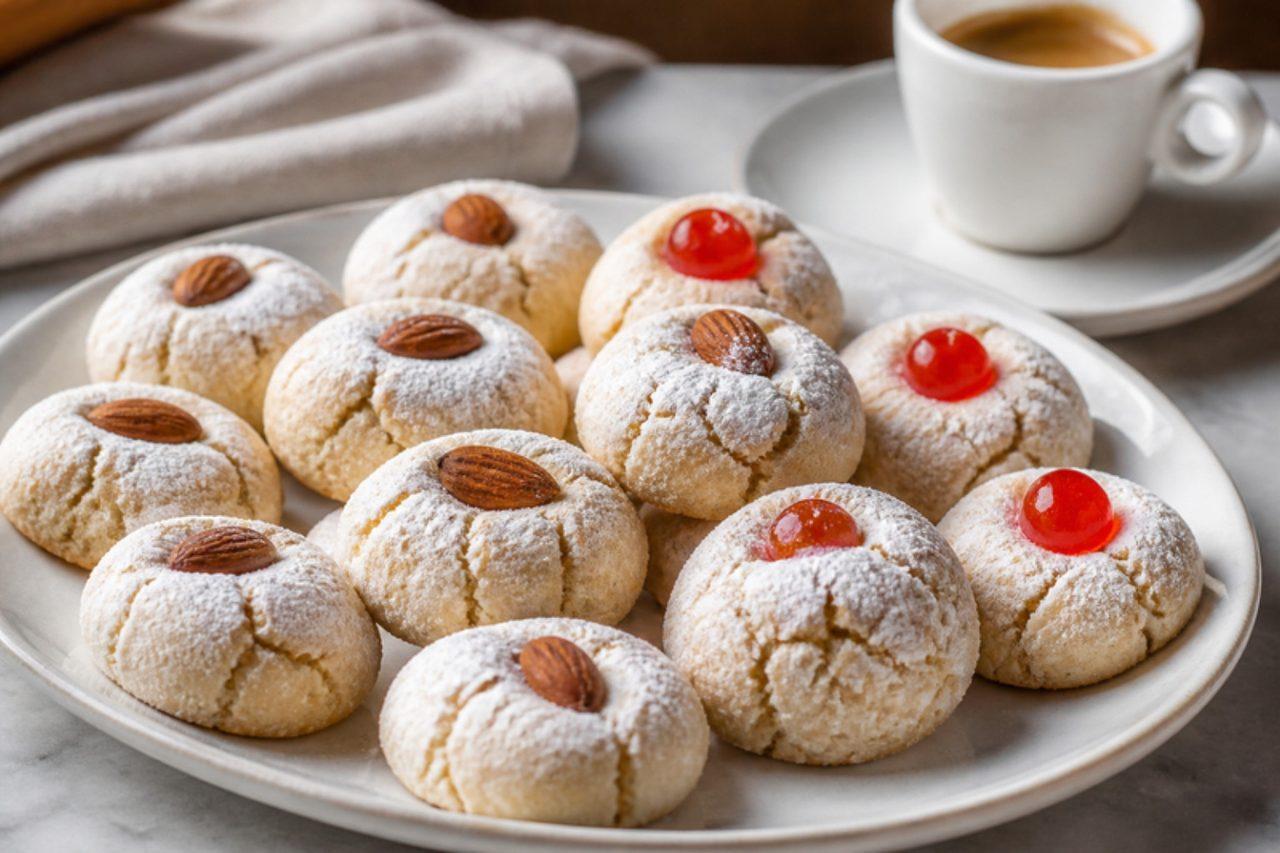
Every Sicilian pasticceria keeps a tray of these by the till: small, pale, crackled mounds of almond paste, crisp on the outside and soft and chewy within, each crowned with a whole almond or half a candied cherry. They appear at weddings, christenings and on Sunday trays bought after Mass, and they are wonderful with an espresso or a glass of chilled almond milk. Made from ground almonds, sugar and egg white, they are naturally gluten free and dairy free. A strip of lemon zest and a little honey keep them moist for days. Chef's tip: rest the shaped cookies uncovered for an hour, or overnight in the fridge, so a thin skin forms and they crack attractively in the oven; baking them too long is the classic error, and they turn hard right through.

by KrazyBadal 0 views

Ossi dei mortiBone-shaped almond biscuits

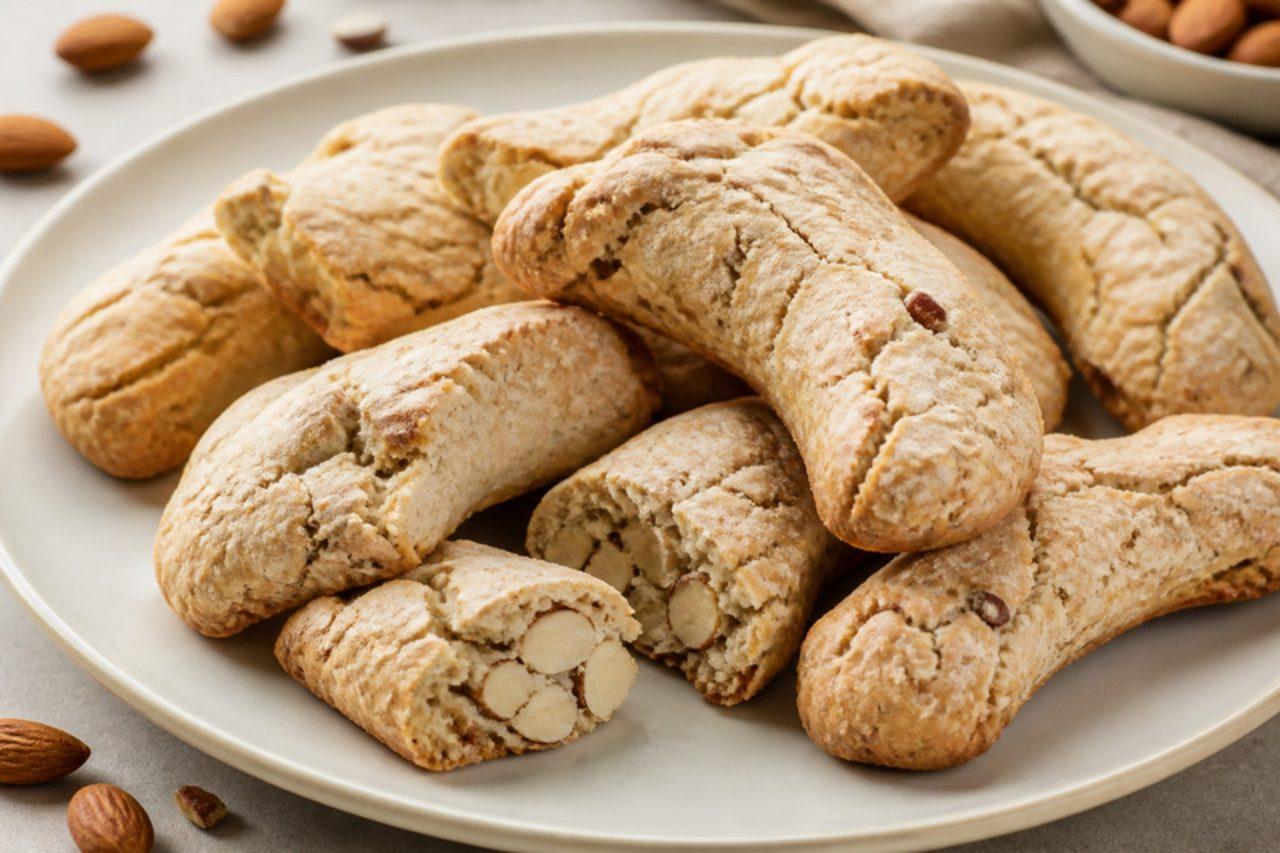
Italian families remember their dead on 2 November, and in Lombardy, Sicily and much of the country in between, the pastry shops fill with 'bones of the dead'. Shapes and recipes vary from town to town; this is the northern style, a lean dough of egg white, sugar, flour and toasted chopped almonds, scented with cinnamon, clove and lemon and rolled into knobbly bone shapes. They bake very hard and crunchy, made for dunking in coffee, milk or a sweet vin santo-style wine, and they keep for weeks. Sicilian children traditionally find them in a basket left by the departed, together with fruit made of marzipan. Chef's tip: let the shaped bones dry for half an hour before baking, which gives them their pale crust; skipping the rest is the common slip, and the bones spread into flat blobs.

by KrazyBadal 0 views

Moroccan bachkoutouOrange and sesame dunking biscuits
Moroccan grandmothers bake bachkoutou by the trayful and keep them in big tins for the afternoon glass of sweet mint tea, and neighbourhood ovens in Fes and Casablanca bake them for families who bring their dough. These are dry, crunchy little biscuits, not rich at all, made with eggs, sugar and oil rather than butter, with orange zest and a coating of toasted sesame; they are meant to be dunked until they soften slightly. Shapes vary from town to town: fingers, rings and rope twists are all common, and some cooks add aniseed. Too much flour is the easy mistake: the dough should stay soft and slightly sticky, or the biscuits bake heavy and hard rather than crisp and light. Chef's tip: once they are cold, put them back in a warm, switched-off oven for 20 minutes; that extra drying is what makes them keep their snap for weeks.

by KrazyBadal 0 views

ZaletiCornmeal raisin biscuits

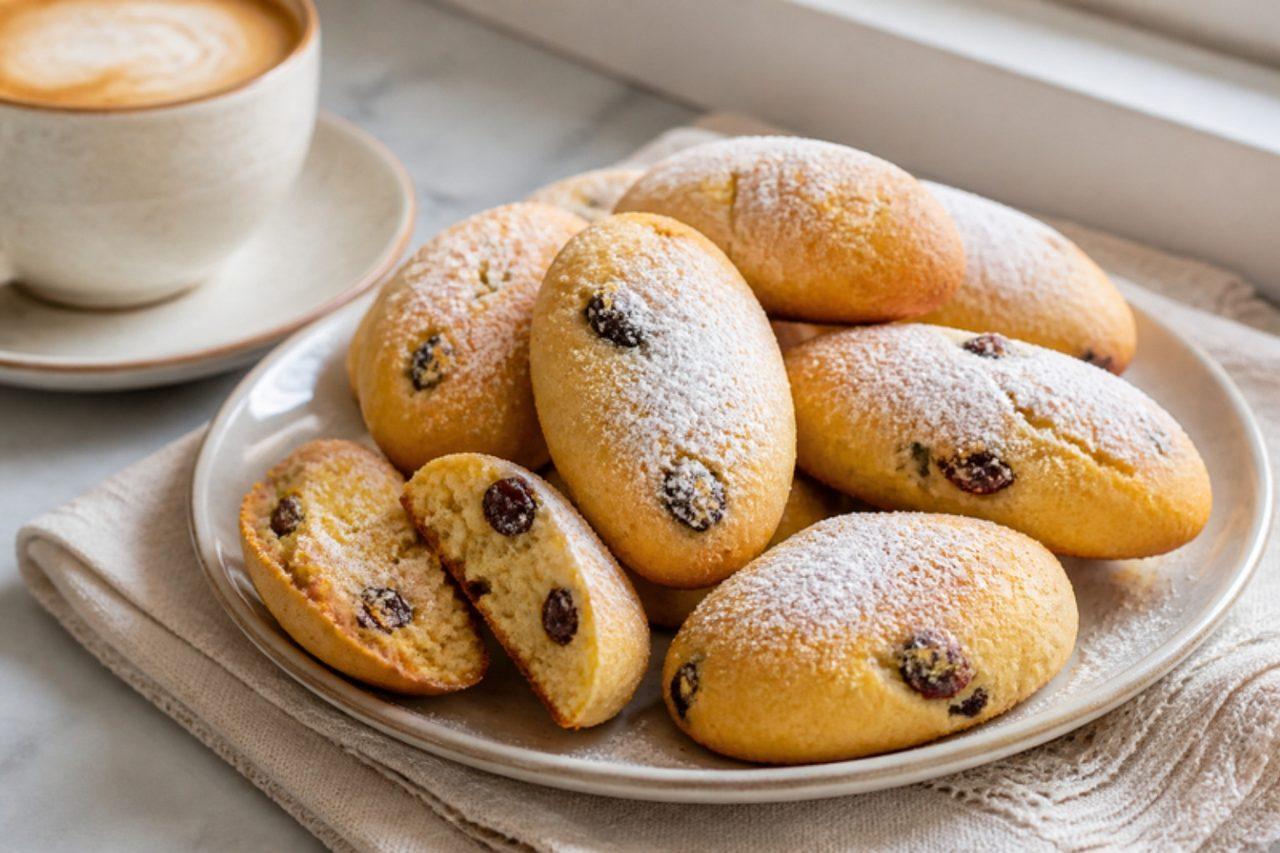
Their name comes from the Venetian word for 'little yellow ones', after the polenta flour that gives them their colour and slightly gritty bite. Bakers in Venice and the Veneto make them all year, though they are especially popular at Carnival, dipped in a glass of sweet wine or eaten with a morning cappuccino. The dough is buttery and lemony, studded with plump raisins. Traditionally the raisins are soaked in grappa or rum; here they are soaked in warm water with a little lemon juice, and the spirit is an option for adults. Chef's tip: use fine cornmeal, not coarse polenta, or the biscuits crumble; and stop mixing as soon as the flour disappears, because overworking makes them dense rather than short.

by KrazyBadal 0 views

Showing 24 of 130 recipes

Show more recipes

Page 1 of 6