Skip to content
WhatToEat.Today

All recipes

5

Vegetarian, or something you can't eat? Set your diet once and we'll hide recipes that don't fit.

Lagmi (fresh palm sap)

In the oases of the Tunisian south, in Gabès, Tozeur, Nefta, Kebili and on Djerba, palm climbers cut a small wound at the crown of an ageing date palm and hang a clay pot under it overnight. By sunrise it holds lagmi: cloudy, ivory-white sap, cool and sweet, with notes of coconut water and fresh dates. It is sold in recycled bottles at the roadside and drunk the same morning, because the wild yeasts in it begin to ferment almost at once. By afternoon it is fizzy and sour, and by the next day it has become an alcoholic palm wine, also called lagmi, which is a different drink altogether. The common mistake is buying more than you can drink by lunchtime or leaving it in the sun: keep it on ice from the moment you get it. Fresh lagmi is ready to drink when it is sweet, smells clean and milky, and only a few tiny bubbles rise; once it tastes sour or prickles on the tongue, it has started to turn. It is raw and unpasteurised, so pregnant people, babies, older people and anyone unwell should skip it. Outside the oases, fresh coconut water is the closest stand-in. Chef's tip: chill the glasses too; lagmi is at its best ice-cold.

by KrazyBadal 0 views

Pine nut tea

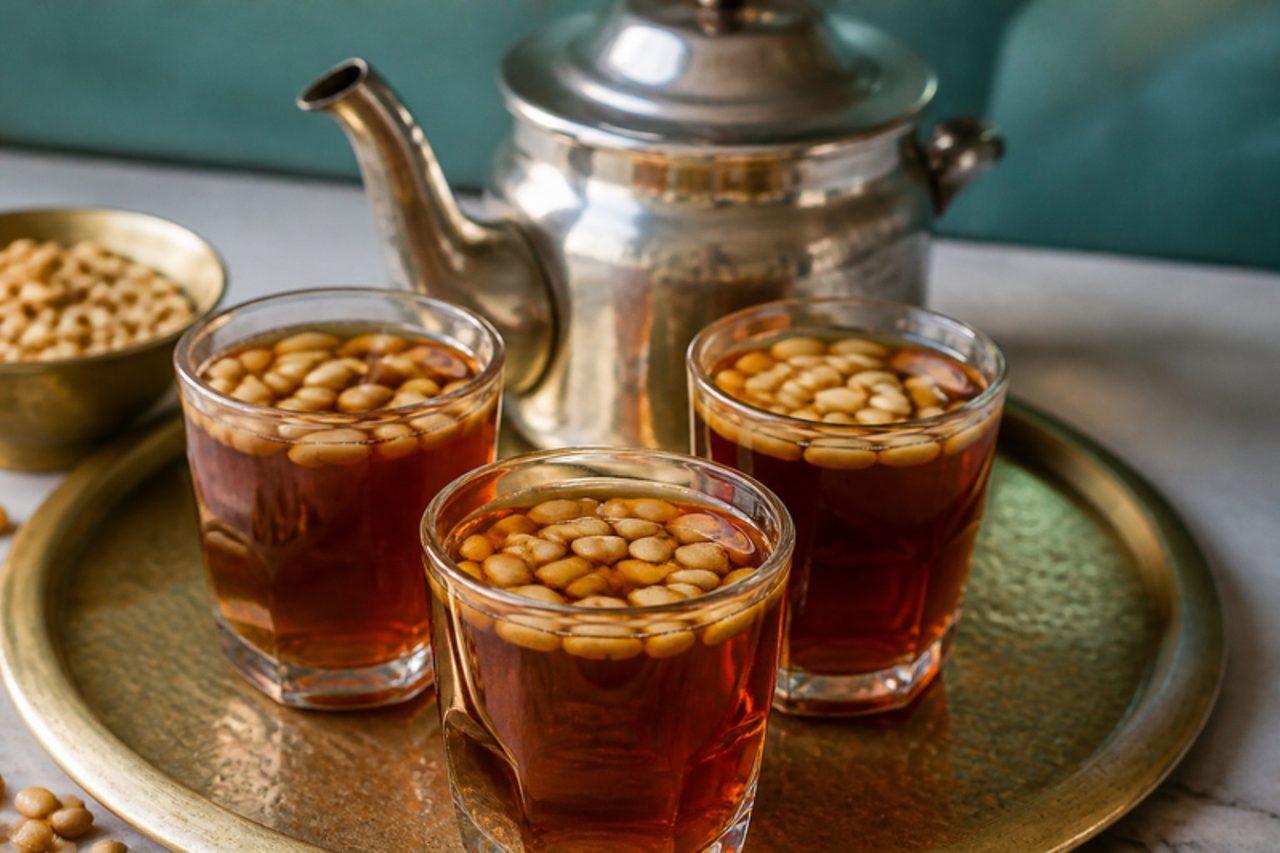
Order tea in a Tunis café, especially in the cafés of Sidi Bou Said overlooking the bay, and it often arrives with a spoonful of pale pine nuts bobbing on top. The tea itself is brewed strong and very sweet, green with mint or dark black tea boiled until syrupy, and poured from a height into small glasses so it froths. The nuts soften slightly in the heat and you eat them at the bottom of the glass, buttery against the bitter-sweet tea. It is drunk after meals and through the evening. Chef's tip: toast the pine nuts lightly in a dry pan; just a hint of colour brings out their butteriness without making them sink.

by KrazyBadal 0 views

Kaak warkaAlmond-filled pastry rings

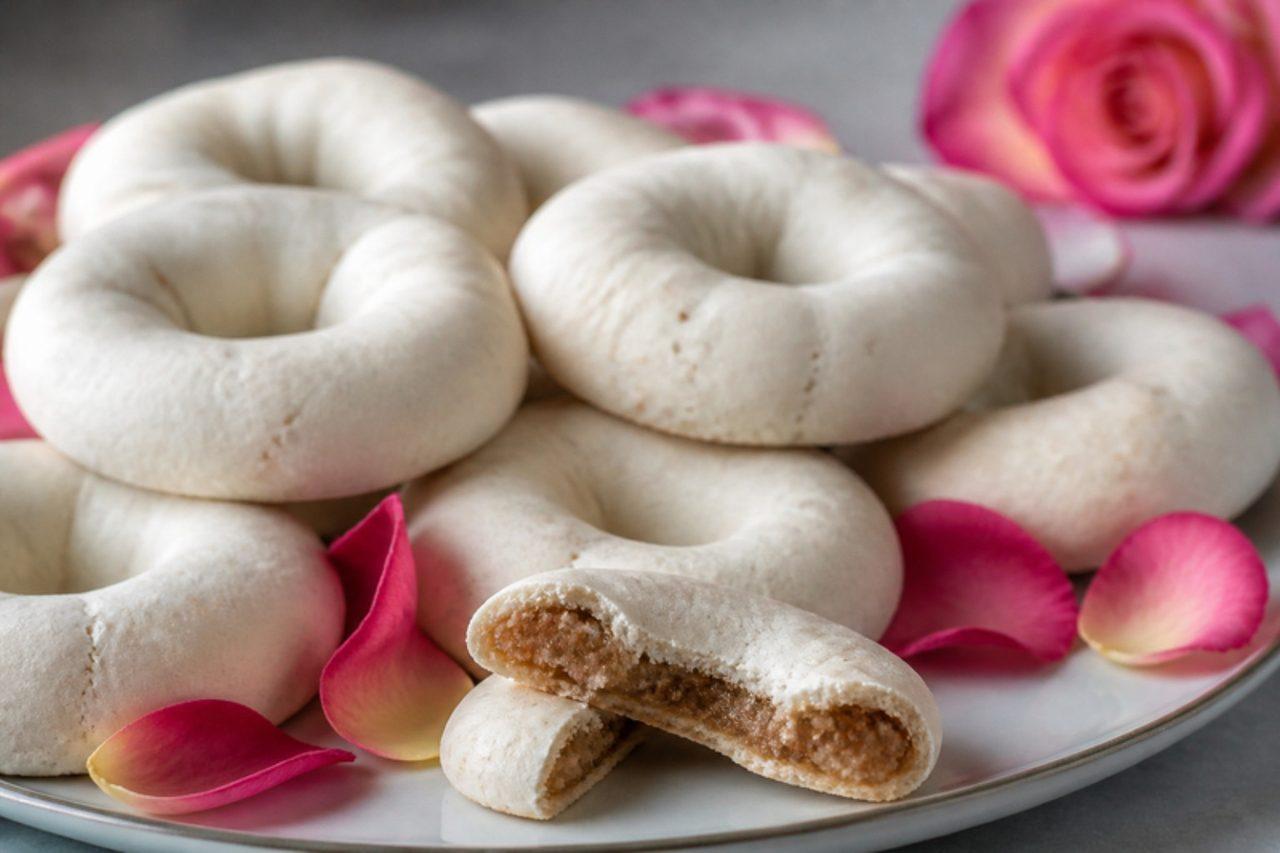
The hill town of Zaghouan, south of Tunis, is famous for two things: its Roman water temple and kaak warka, delicate rings of very thin, crumbly pastry wrapped around almond paste perfumed with rose geranium or rose water. They are a celebration sweet, bought in boxes for weddings, circumcisions and Eid, and should stay white when baked, with a fine sugary crumb and a soft, fragrant centre. Making them takes patience: the dough is rolled thin, wrapped around ropes of almond paste and shaped into rings. Chef's tip: bake low and short; the moment the bases colour, they are done, as any browning on top ruins their famous pale look.

by KrazyBadal 0 views

CitronnadeWhole lemon cooler

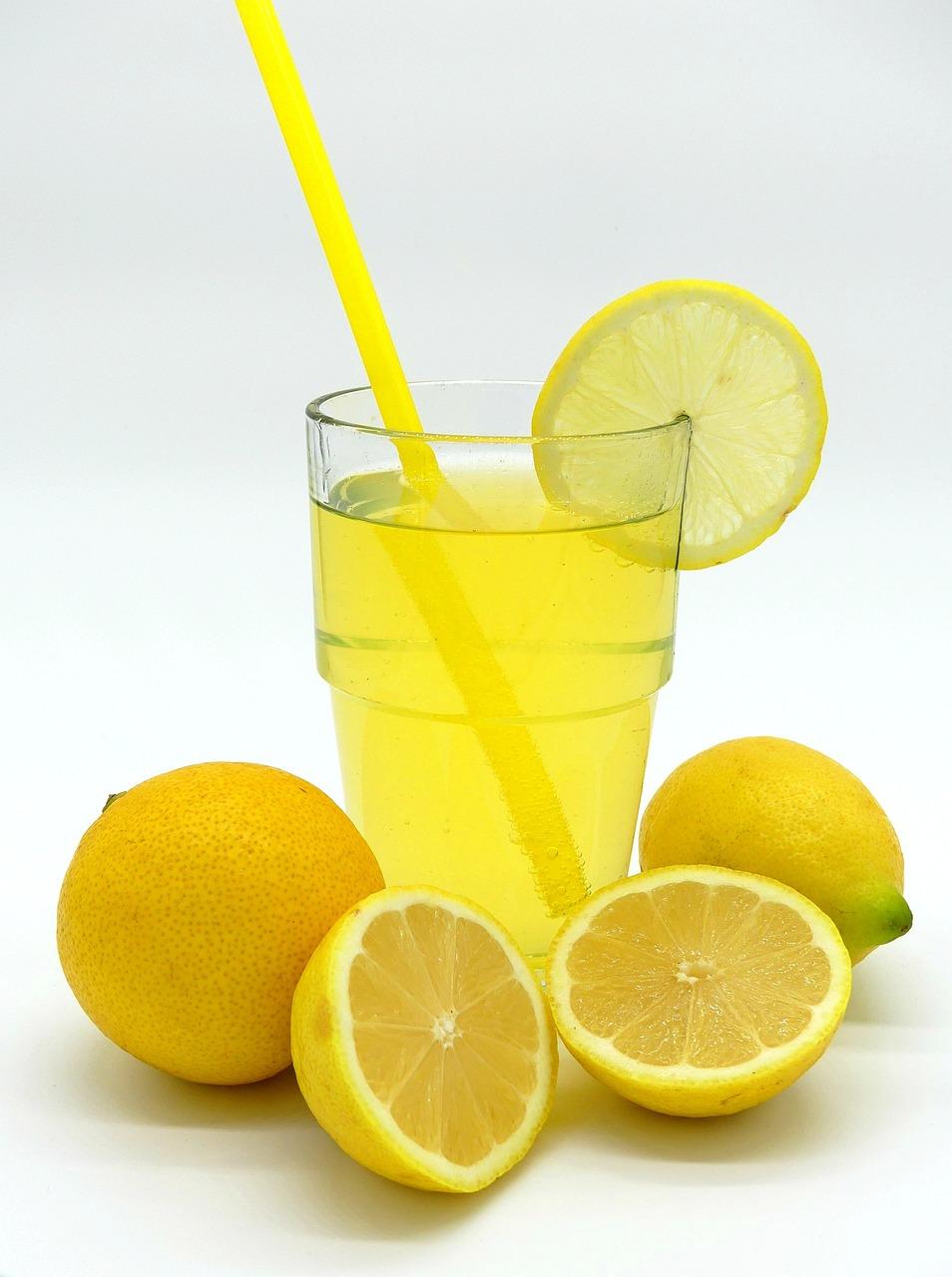
Café terraces in Tunis serve citronnade in tall glasses on hot afternoons and through Ramadan evenings, and it is nothing like clear lemonade: whole lemons, peel and all, are blended with sugar and water, then strained, giving a cloudy, pale-yellow drink that tastes of the zest as much as the juice. A drop of orange-flower water rounds it off. It should be sharp, sweet and very cold. Use unwaxed lemons with thin skins. Chef's tip: let the cut lemons sit with the sugar for 10 minutes before blending; the sugar draws out the fragrant oils from the peel.

by KrazyBadal 0 views

BambalouniSugared fried dough rings

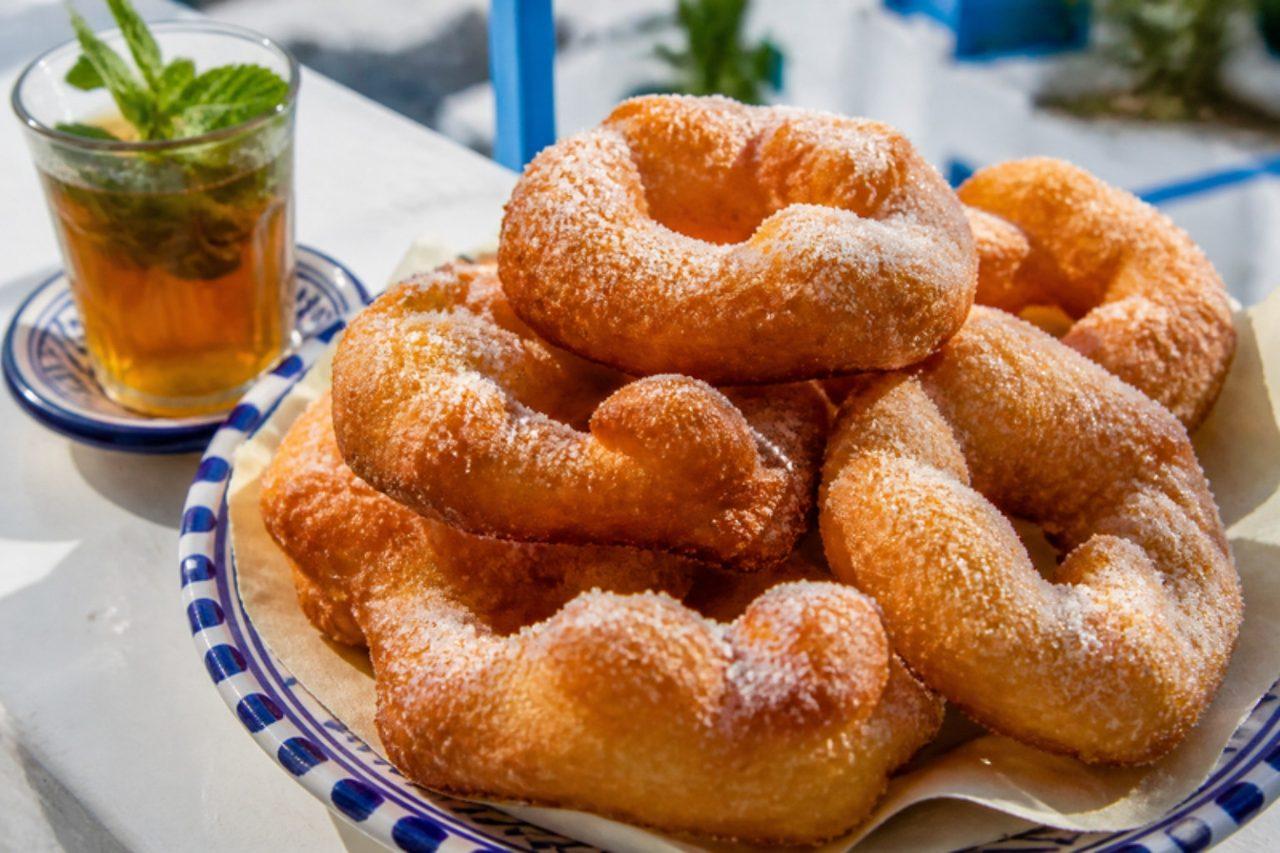
Bambalouni are the big, flat, chewy doughnuts sold hot and wrapped in paper at the top of the blue-and-white village of Sidi Bou Said, outside Tunis, and on beaches all along the coast in summer. The dough is very soft and yeasty; it is stretched by hand into a ring and fried until puffed and blistered, then rolled in sugar. They are best eaten warm with a mint tea. Chef's tip: oil your hands, not the bench, to shape them; floured dough browns too fast and loses its blistered look.

by KrazyBadal 0 views