Skip to content
Recipes

All recipes

Vegetarian, or something you can't eat? Set your diet once and we'll hide recipes that don't fit.

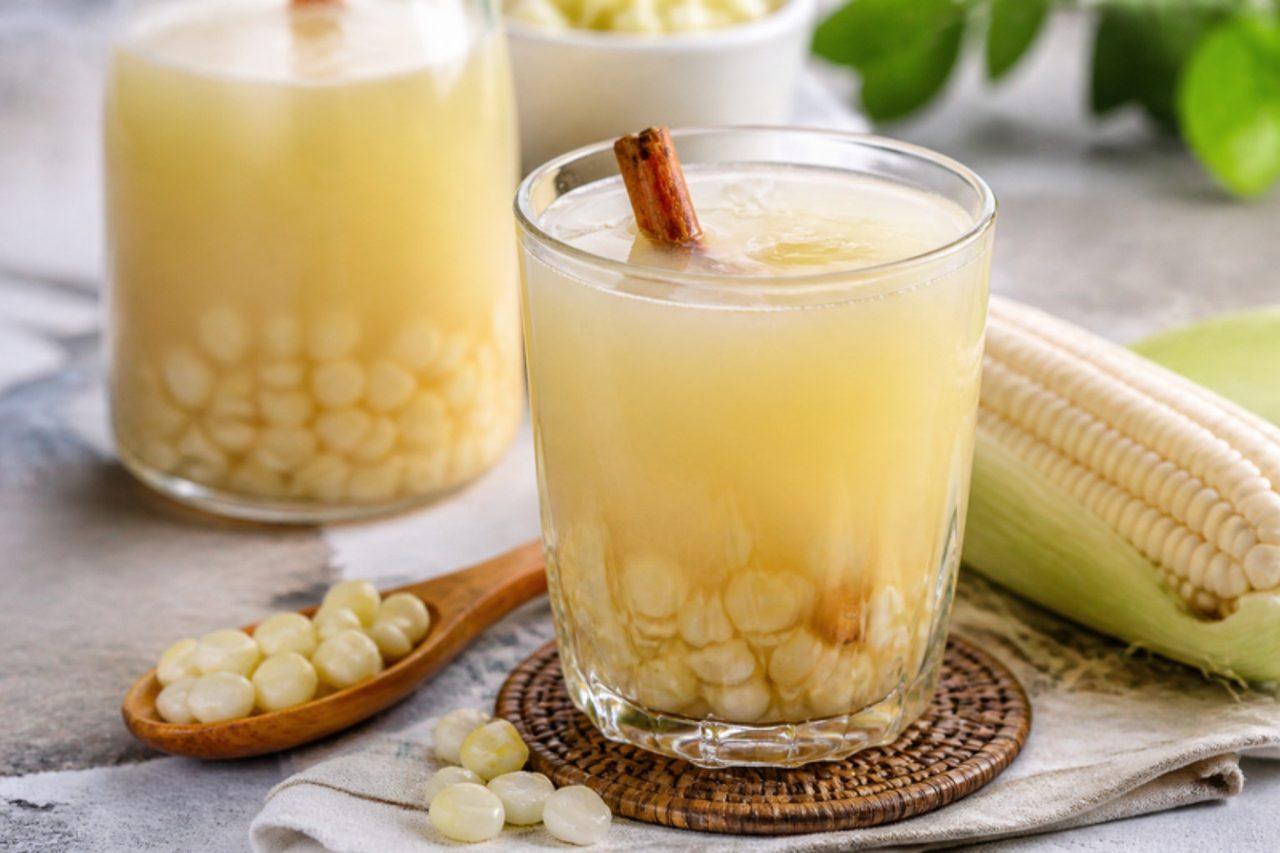
SomóCold spiced corn drink

Somó is how Santa Cruz cools down: big tubs of chilled, sweet, cinnamon-scented corn water sold in markets and at the door of lowland homes, with soft kernels of white corn floating in every glass to be eaten with a spoon. It is a simple drink, but it needs time, because the dried corn must soak and then simmer until each kernel bursts open. People often serve it before the kernels have fully opened, and then they are hard and chalky. Chef's tip: add a strip of orange peel with the spices for a fresher note, as some cruceño grandmothers do.

100 minAndeanDrinksVeganGluten free
by KrazyBadal 0 views

Chuño

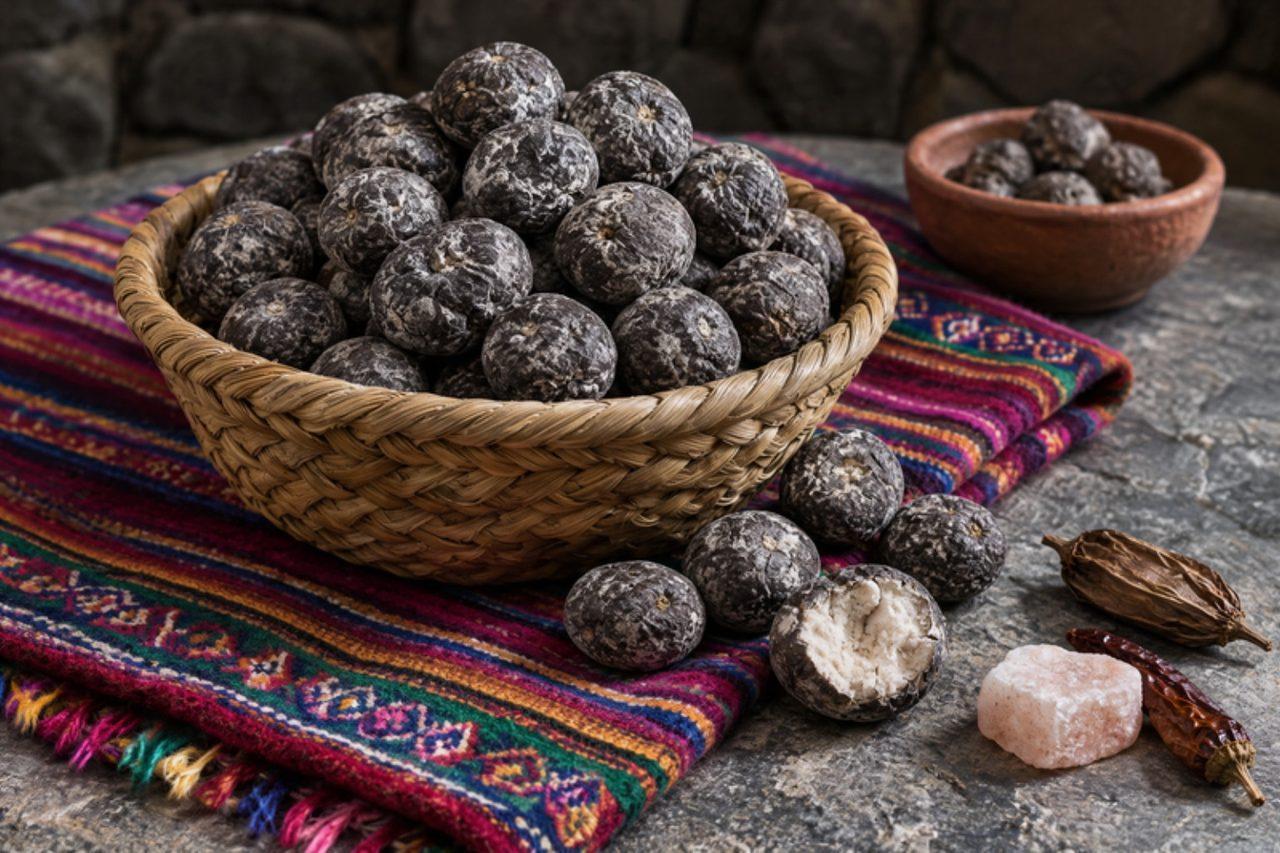
On the Altiplano around Lake Titicaca, in June and July when the nights drop to -10 °C and the days are bright and dry, Aymara and Quechua families spread small, bitter potatoes on the grass to make chuño, a technique far older than the Inca. The potatoes freeze at night and thaw in the sun for several days, then are trodden barefoot to squeeze out the water and rub off the skins, and dried for a couple of weeks more. The result is light, wrinkled, grey-black chuño negro that keeps for years; soaked in running stream water instead, the same potatoes become white tunta. Rehydrated and boiled, chuño is firm, slightly chewy and spongy, with an earthy, faintly mineral, almost fermented taste; it goes into chairo soup, into chuño phuti, or beside grilled meat with spicy llajwa. Skipping the long soak is the big mistake: it stays bitter and gritty, so soak it for at least 12 hours, changing the water. Dried chuño is ready when it is rock hard, very light and rattles in a bag. Chef's tip: without Andean frosts, a freezer and a low oven make a fair version; the method is below.

by KrazyBadal 0 views

Caldo de bolas de verdeBeef broth with plantain dumplings

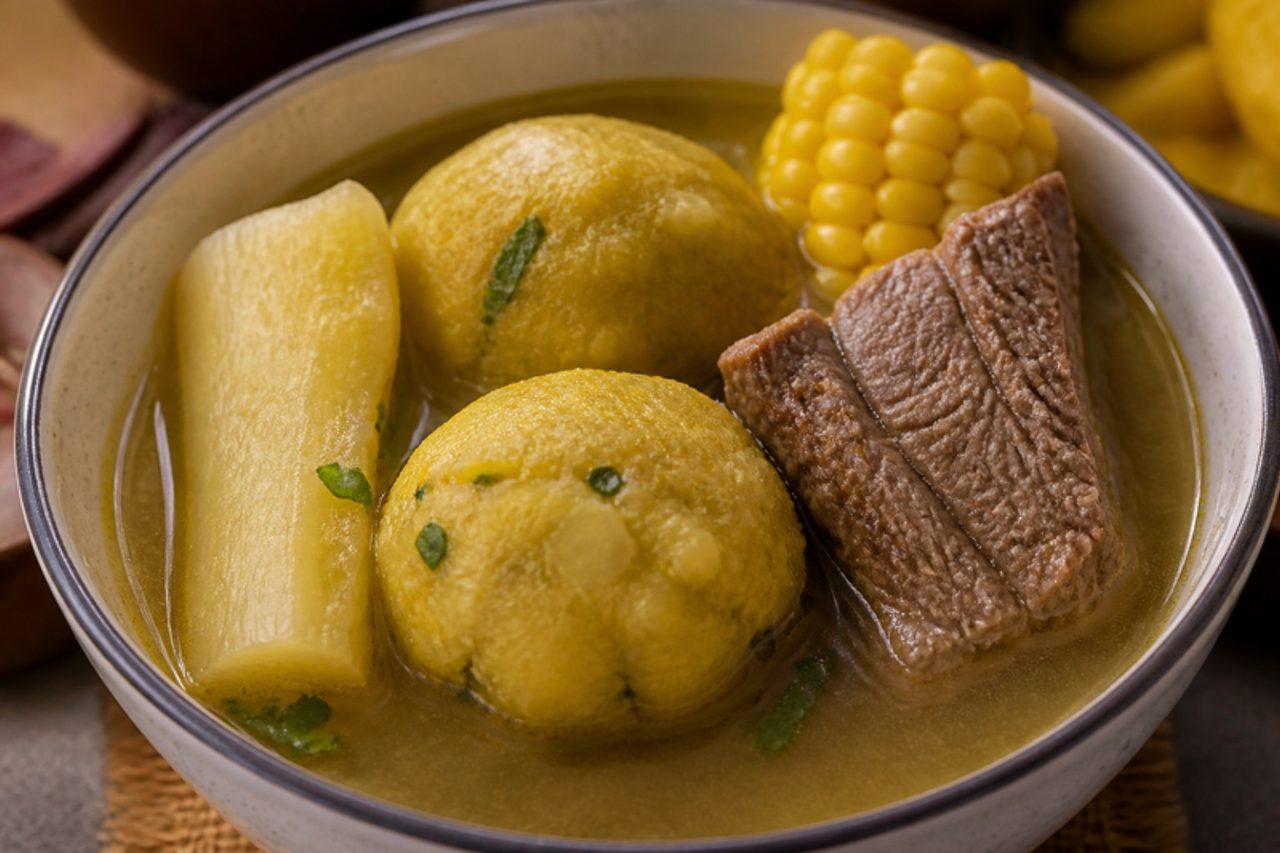
Caldo de bolas is the big Sunday soup of Guayaquil and the Guayas coast: a clear beef broth with corn and cassava in which float fist-sized dumplings of green plantain, each stuffed with a savoury filling of beef mince, egg, peas and peanuts. It takes time, so families make it for gatherings and serve it with lime, chilli and rice. Peanuts are an allergen and optional here. The usual mistake is a plantain dough that is too dry, which cracks and falls apart in the broth; it should feel like soft play dough. Cook the mince filling until no pink remains. Chef's tip: mix boiled and raw grated plantain; the raw starch is the glue that holds the bolas together.

160 minAndeanSoupsGluten free
by KrazyBadal 0 views

Chanka de polloChicken soup with broad beans

Every Cochabamba market has a corner where chanka de pollo bubbles in huge pots: a clear, herby chicken broth full of broad beans, potatoes and spring onion, with a whole joint of chicken in each bowl and chuño or a boiled potato on the side. It is fresh and grassy rather than rich, sharpened with a little locoto. Many people let it boil hard, which clouds the broth. Chef's tip: add the herbs and spring onion right at the end so they stay bright green.

by KrazyBadal 0 views

Colada moradaPurple corn and berry drink

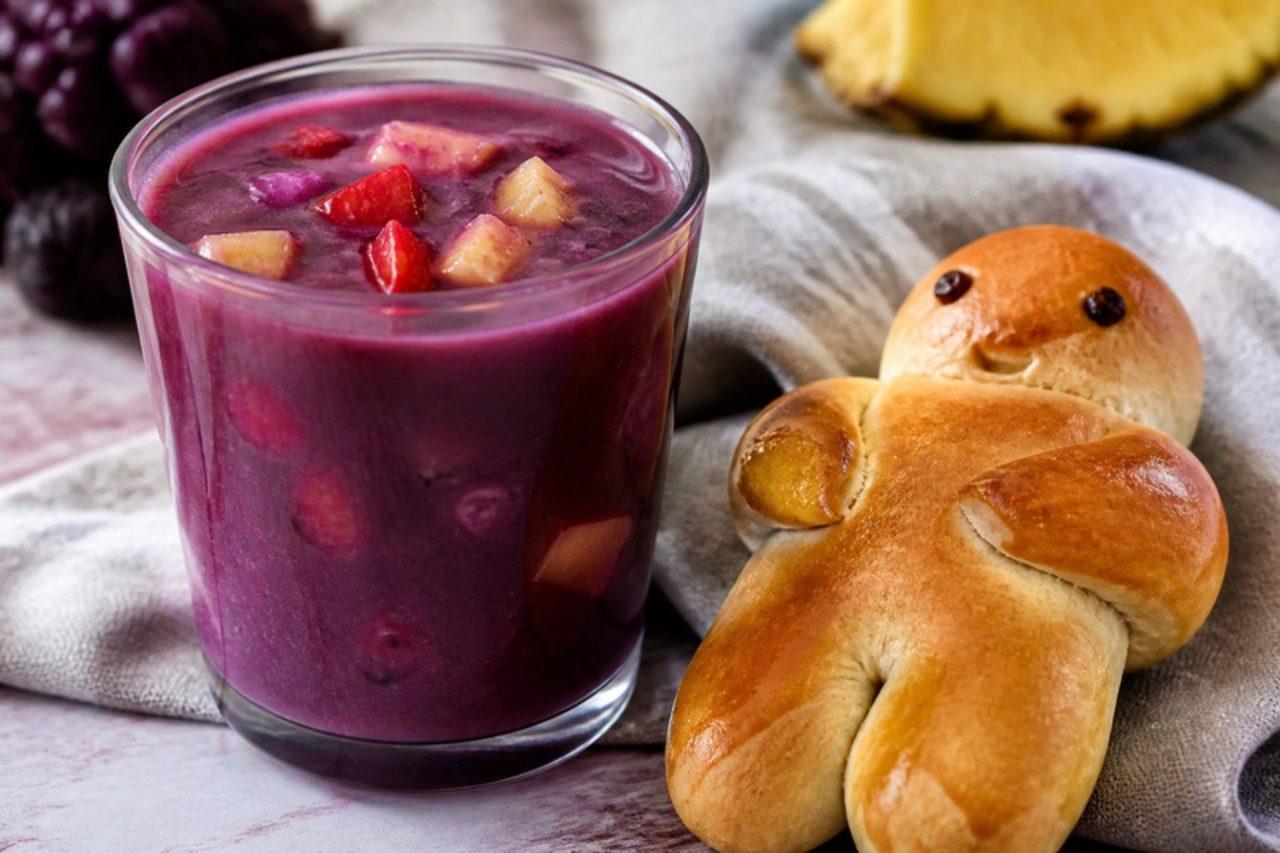
Every year in the days before 2 November, the Día de los Difuntos, Quito's kitchens and bakeries fill with the smell of colada morada: a warm, spoon-thick drink of purple corn flour cooked with blackberries, blueberries, pineapple and a bundle of fragrant herbs and spices. It is deep violet, sweet-tart and full of chopped fruit, and it is always served with guaguas de pan, the bread babies, often shared with family at the cemetery. The most common mistake is stirring the corn flour straight into hot liquid, which makes lumps: whisk it into cold water first. Chef's tip: lemon verbena and lemongrass give the authentic perfume; if you can find naranjilla or a few orange leaves, add them to the spice pot too.

100 minAndeanDrinksVeganGluten free
by KrazyBadal 0 views

Guaguas de panSweet bread babies

Guagua means baby in Kichwa, and in late October Quito's bakeries line their windows with these swaddled bread figures, each with a sugar-iced face and blanket, made to eat with colada morada for the Day of the Dead on 2 November. The bread is soft, buttery and lightly sweet, often hiding a strip of guava paste, and children love decorating them. The common mistake is shaping thin heads and arms, which brown and dry long before the body is baked; keep the shapes plump. Chef's tip: let the shaped figures rise fully before baking, so they puff into round, friendly babies rather than cracking at the seams.

by KrazyBadal 0 views

GuayusaHolly leaf infusion

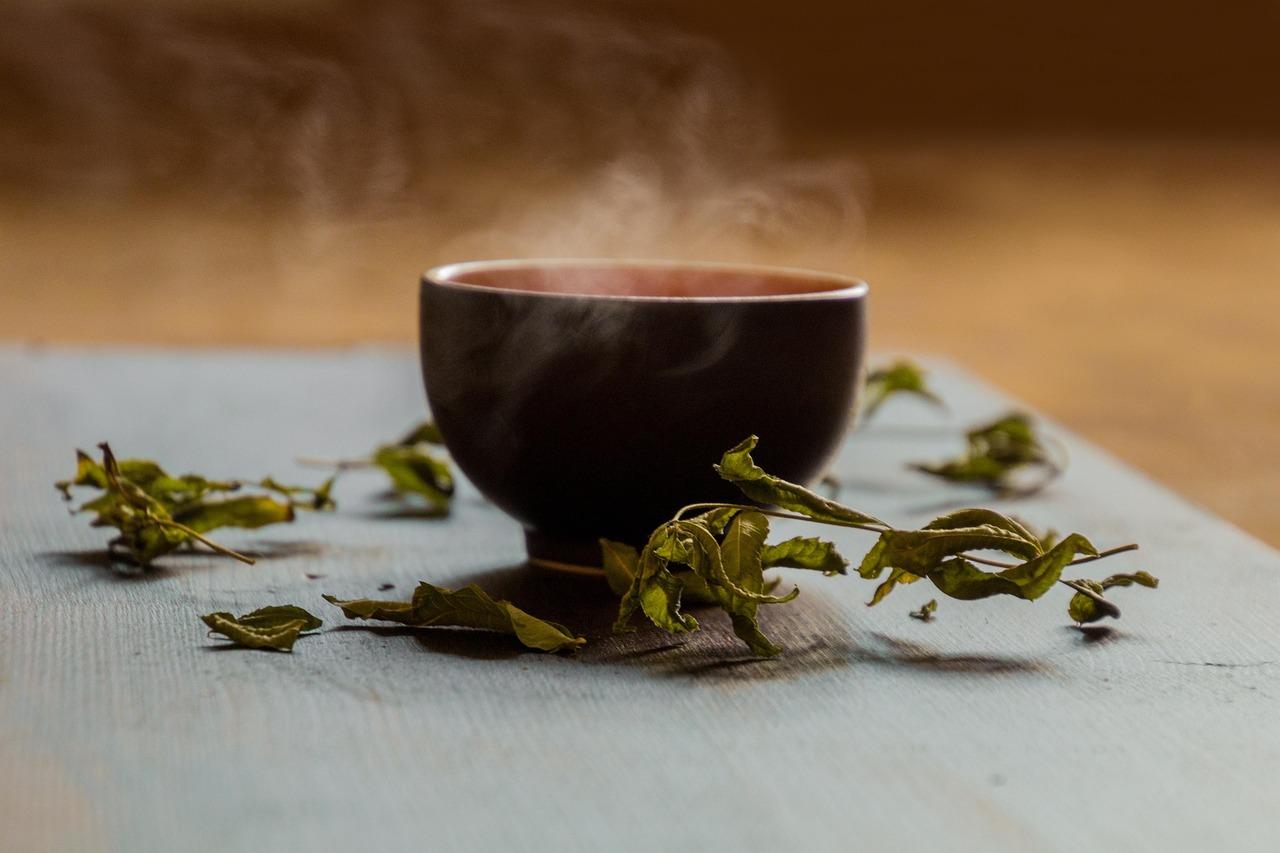
In Kichwa villages along the Napo river around Tena, families rise before dawn, gather around the fire and share a pot of guayusa: an infusion of the large leaves of an Amazon holly tree, passed round while people talk over dreams and plan the day. It tastes smooth, grassy and faintly sweet, with none of the bitterness of black tea, and it carries a steady lift of caffeine, so it is not one for young children or late evenings. Dried guayusa is sold loose in health-food and tea shops. A common mistake is treating it like delicate green tea and steeping it for just a minute; it needs a gentle simmer to draw out its flavour. Chef's tip: add a strip of lemongrass or a slice of ginger for a fragrant twist, and sweeten, if at all, with a little panela.

by KrazyBadal 0 views

Horchata lojanaHerbal flower infusion

In Loja and the valleys of Vilcabamba and Malacatos, horchata has nothing to do with rice: it is a pink herbal infusion of anything up to twenty garden plants, drunk hot at breakfast and after lunch, or cold from the fridge on warm afternoons. Markets sell the herbs in bundles: cedrón, hierbaluisa, toronjil, mint, chamomile, mallow, and the red-leaved escancel and ataco (red amaranth) that give the colour. It tastes lemony, floral and faintly silky, and turns from ruby to bright pink the moment lemon juice goes in. The common mistake is boiling all the herbs hard, which makes it bitter and grassy; only the tough flaxseed and lemongrass simmer, and the soft leaves steep off the heat. It is ready when the liquid is deep red-pink and smells of lemon and flowers. Abroad, Latin shops sell dried mixes; dried hibiscus gives the colour if you lack amaranth. It is traditionally drunk to settle the stomach; if you are pregnant or on medication, check with a doctor before drinking it daily. Chef's tip: add lemon at the table, glass by glass, to watch the colour change.

by KrazyBadal 0 views

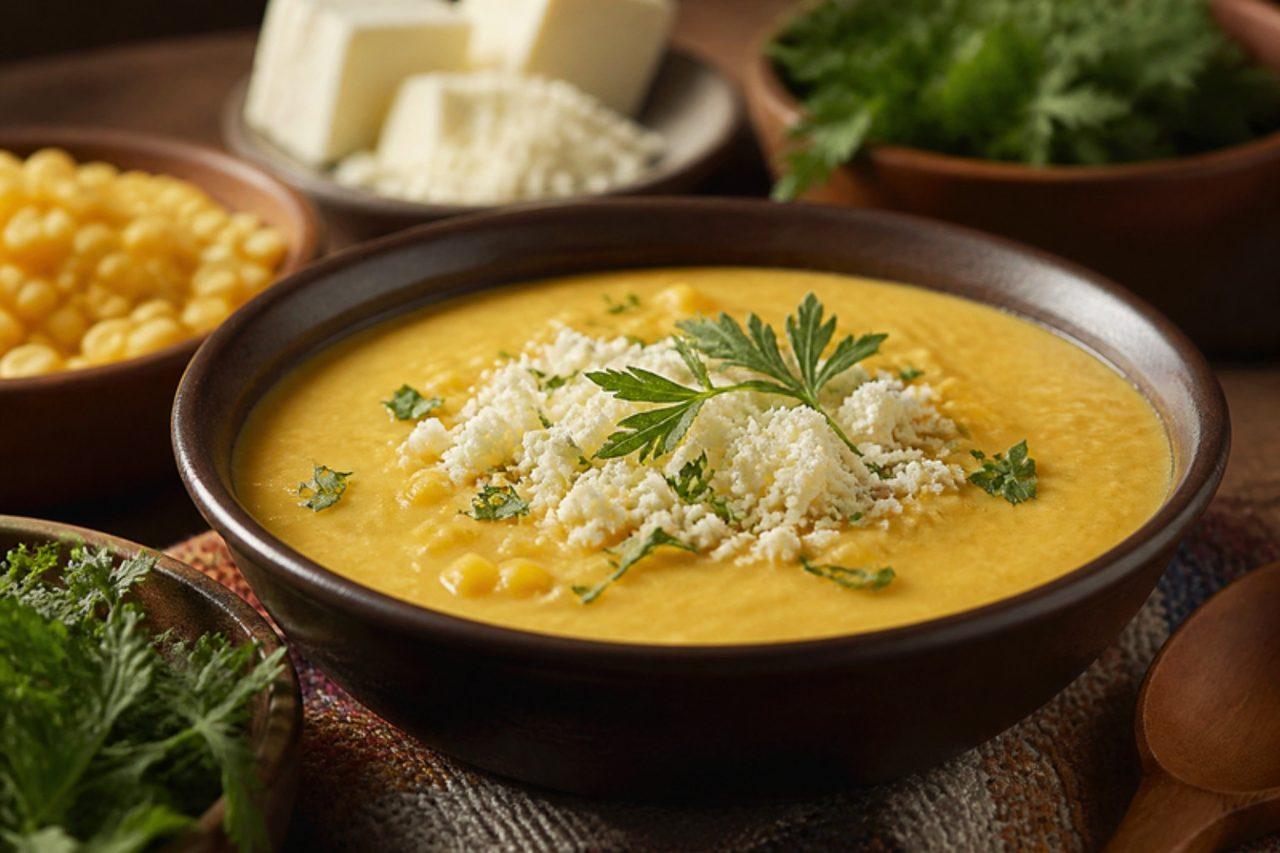
Lawa de chocloFresh corn soup

In the valley markets of Cochabamba and up into the cold highland towns, lawa de choclo is the soup that greets early risers: grated fresh corn simmered into a velvety, naturally sweet porridge-like broth with potato, melting cheese and a handful of herbs. Bolivian cooks use huacataya (black mint); mint and parsley together come close. Traditional queso fresco uses animal rennet, so pick a vegetarian fresh cheese if you need one. Most failed lawas are lumpy because the blended corn went into boiling liquid without stirring. Chef's tip: grate the kernels straight off the cob rather than cutting them; the milky pulp is what thickens the soup.

by KrazyBadal 0 views

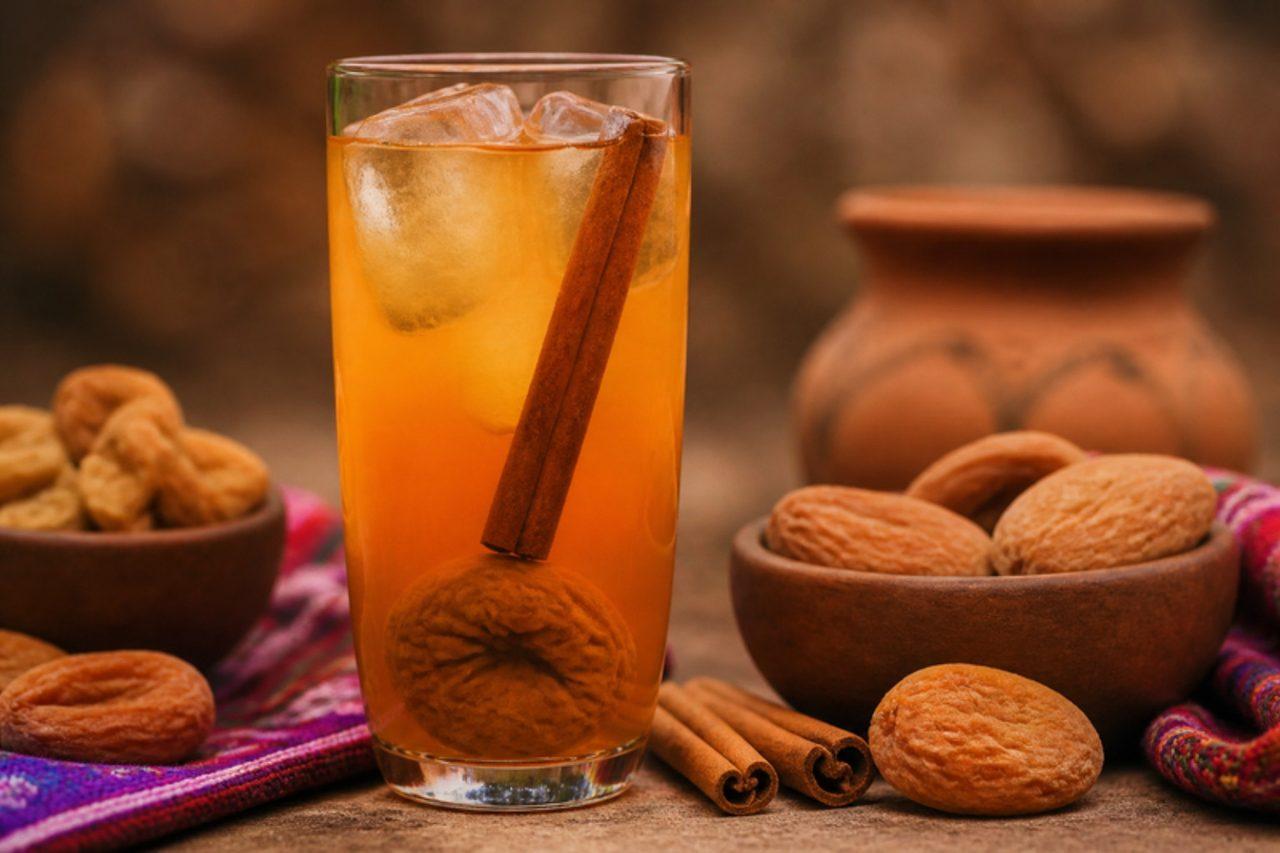
MocochinchiDried peach and cinnamon drink

Walk through any Bolivian plaza on a warm afternoon and someone will be selling mocochinchi from a big glass jar: a cool, amber drink of sun-dried peaches simmered with cinnamon and cloves, served with a whole wrinkled peach at the bottom of the glass to eat at the end. It is the classic drink with lunch from Cochabamba to Tarija. People often skip the overnight soak, and then the peaches stay leathery and the drink tastes thin. Chef's tip: rub the soaked peaches between your hands under water to clean off dust and loosen the skins, which also releases more flavour.

by KrazyBadal 0 views

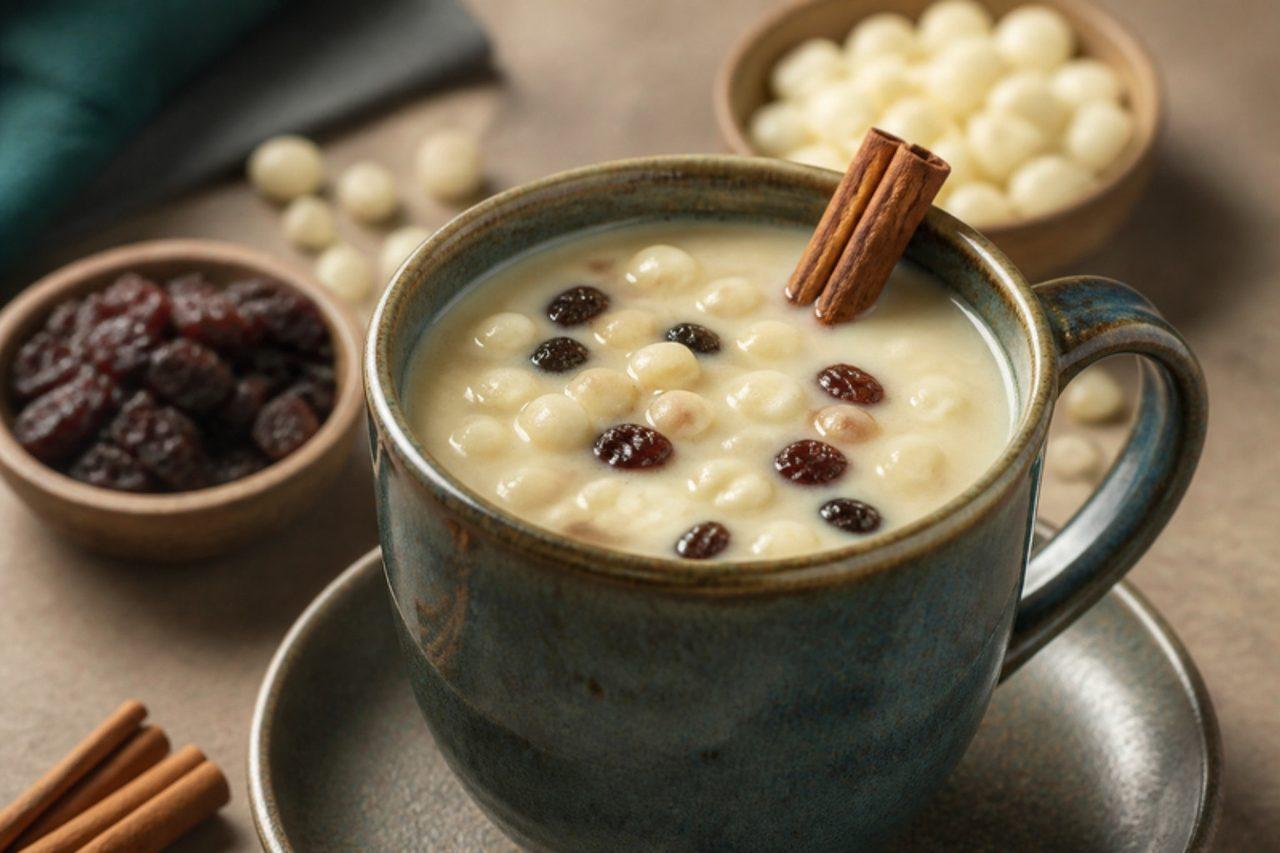
MorochoCracked white corn drink

Morocho is what Quiteños drink on a chilly evening at a market stall, often with a crisp empanada de morocho alongside: cracked white corn simmered for an hour with milk, cinnamon and cloves until it turns into a thick, creamy drink you half sip, half spoon, studded with plump raisins. It tastes like a gently spiced rice pudding made with corn. The usual mistake is adding the milk too early and not stirring, so it catches and scorches on the bottom of the pan. Chef's tip: soak the corn overnight; it cooks faster and more evenly and turns properly creamy.

by KrazyBadal 0 views

Refresco de linazaFlaxseed and pineapple drink

In La Paz, Cochabamba and Sucre the refresqueras at the market stalls ladle linaza from big glass jars alongside mocochinchi and somó, and at home it is a standard jug in the fridge for the midday almuerzo. Flaxseed is simmered with pineapple peel, cinnamon and cloves until the water turns faintly silky, then strained, sweetened and chilled. It is pale gold, smooth and almost slippery on the tongue, tasting of pineapple and spice, with lime to wake it up. It is traditionally drunk to cool down and to settle the stomach. The common mistake is simmering too long or leaving the seeds in as it cools: the liquid turns into a thick, slimy gel. Strain it while still hot, as soon as a spoon dipped in comes out lightly coated, like thin syrup. It is ready when it pours freely but feels smooth, and tastes sweet, spiced and fresh. Using the peel and core of a pineapple is the thrifty Bolivian way and gives more flavour than the flesh. Chef's tip: if it thickens too much in the fridge, whisk in cold water a little at a time until it pours easily again.

by KrazyBadal 0 views

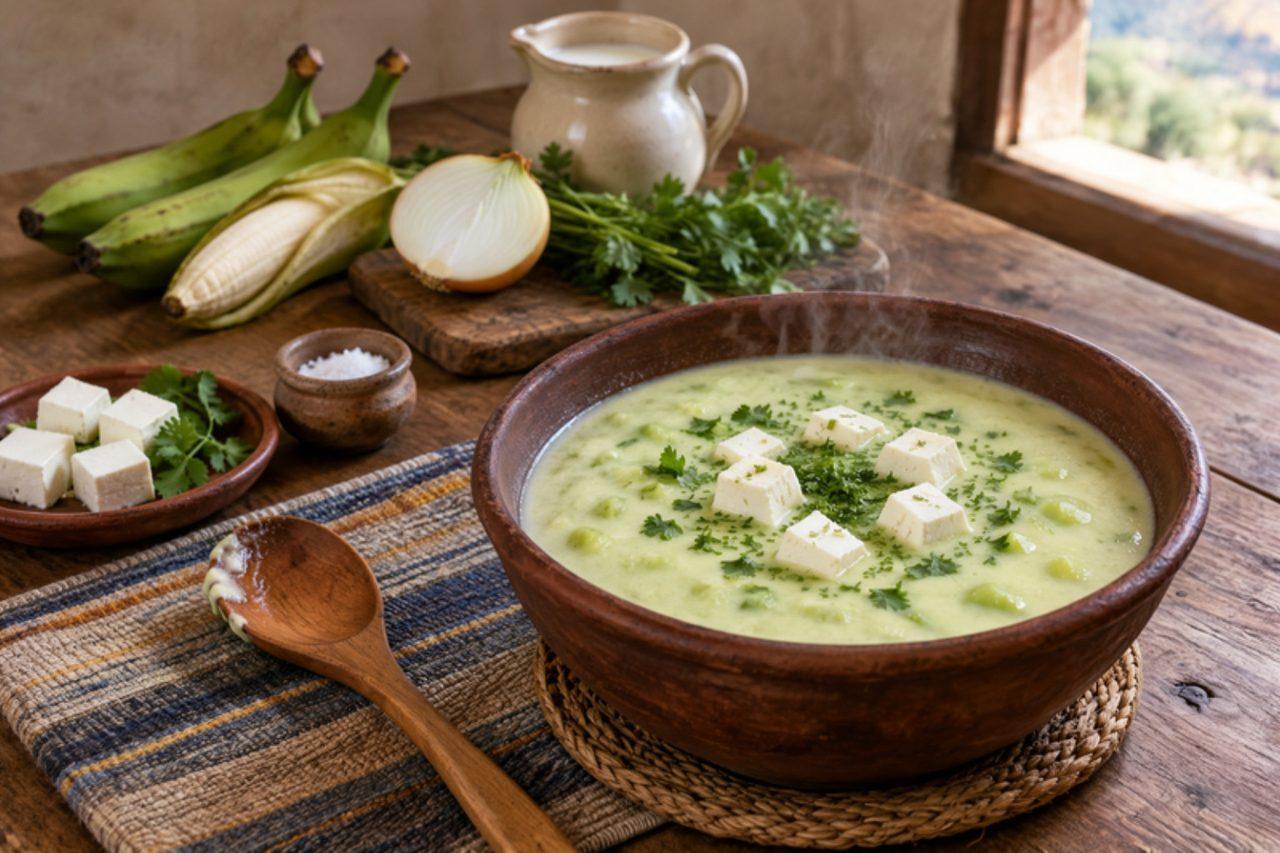
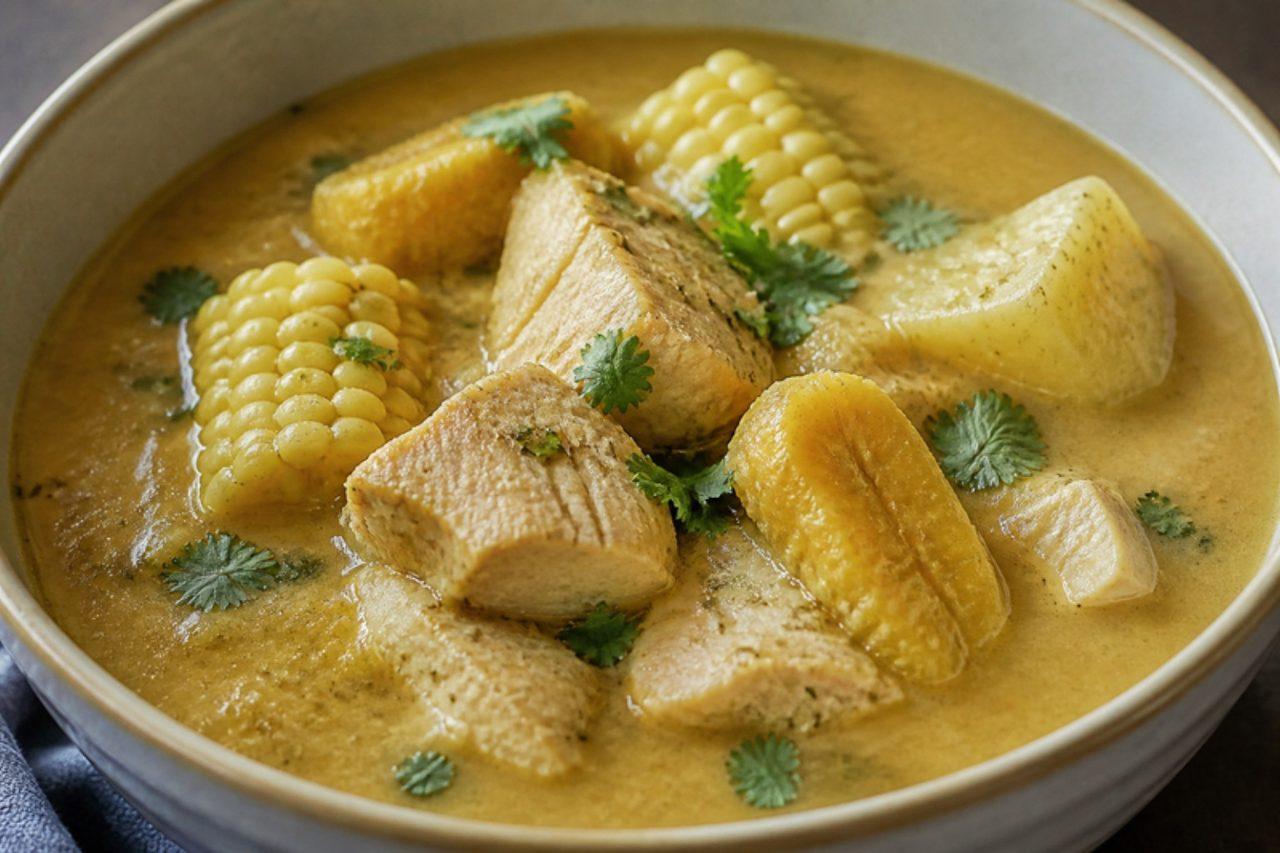
Repe lojanoGreen banana and milk soup

Repe is the comfort soup of Loja in southern Ecuador, eaten at lunch on chilly Andean days and often as the first course of the main midday meal. Green bananas are cooked in a light onion and achiote broth until they break down, then milk and crumbled fresh cheese turn it creamy and gently savoury, with coriander on top and avocado on the side. Lojano quesillo is usually made with animal rennet; use a fresh cheese labelled vegetarian or paneer instead. The usual mistake is cutting the bananas with a knife: break them into rough pieces by hand, as the rough edges dissolve and thicken the soup. Chef's tip: once the milk is in, keep the soup just below a simmer so it doesn't catch or curdle.

by KrazyBadal 0 views

Viche de pescadoFish and peanut soup

Viche is the Sunday soup of Manabí's coast, cooked in Portoviejo kitchens and beach shacks at Crucita: a golden broth thickened with ground peanuts and grated green plantain, loaded with corn, cassava, squash and chunks of white fish. It is nutty, earthy and gently sweet, a meal in a bowl, served with lime and chilli. Peanuts are a major allergen. The common mistake is adding the fish too early, so it breaks into threads; it goes in last and needs only 8 minutes, until opaque and flaking. Chef's tip: toast the peanuts until golden before grinding; it gives the broth its deep, roasted flavour.

by KrazyBadal 0 views

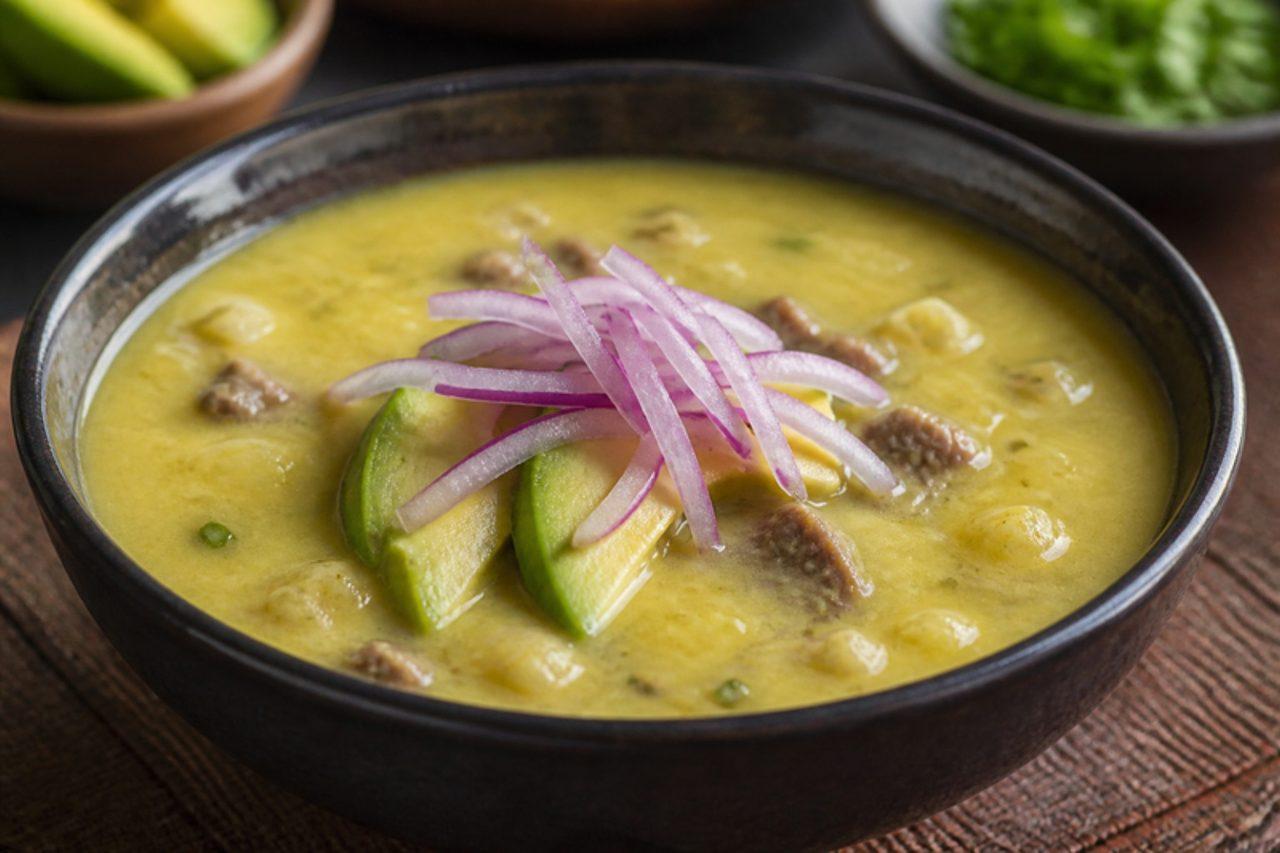
YaguarlocroPotato and lamb offal soup

Yaguar is blood in Kichwa, and yaguarlocro is the Saturday soup of the markets of Ambato, Latacunga and Riobamba: a creamy potato broth cooked with lamb offal, cumin and achiote, crowned with avocado, sharp pickled red onion and, traditionally, crisp fried blood. Here the blood topping is optional; the soup is rich and complete without it. It is served at midday as a full meal. The usual mistake is blending the potatoes, which turns the soup gluey; let some break down by themselves and mash the rest lightly. Cook the offal until tender and the liver until no pink remains. Chef's tip: use half floury and half waxy potatoes, so the soup thickens yet keeps some soft chunks.

150 minAndeanSoupsGluten free
by KrazyBadal 0 views

Cocido quemadoBurnt sugar mate drink

Cocido is how Paraguay starts the day: in Asunción, in the villages of Guairá and Itapúa, and in school kitchens, a pot of burnt yerba is brewed and poured into cups with chipa, the cheesy cassava bread, or with a hard galleta. The old way is to drop a glowing piece of charcoal into a pot with yerba and sugar and stir until the sugar burns. On a home stove you caramelise them together in a dry pan instead, which is safer and gives the same smoky, toffee-like taste. The drink is clear amber-brown, with roasted, slightly bitter mate notes over burnt-sugar sweetness; with milk added it becomes cocido con leche, creamy and coffee-coloured. Yerba mate contains caffeine, so treat it like a cup of coffee. The common mistake is letting the sugar go black: it turns acrid and bitter. Pull it off the heat when the caramel is deep amber and the yerba smells toasted, not burnt. It is ready when the liquid is a clear dark amber and tastes of toffee and smoke. Chef's tip: the water will spit fiercely when it hits the hot caramel, so pour it in from the side, at arm's length.

by KrazyBadal 0 views

Pira caldoCreamy fish soup with cheese

Along the Paraguay River from Asunción to Concepción, pira caldo is the fishermen's soup, said to restore strength after a long night: chunks of firm river fish poached in a broth of onion, peppers and tomato fried in fat, then made creamy with milk and melted fresh cheese. Surubí or other catfish is traditional; any firm white fish such as hake or pollock works. The mistake most people make is boiling the soup after the milk and cheese go in, which splits it. Chef's tip: fry the vegetables until they are very soft and sweet before adding the water; that is where the flavour comes from.

by KrazyBadal 0 views

Postre MassiniCustard sponge with burnt sugar top

Montevideo's birthday cake of choice since the early twentieth century, the Massini is two thin layers of sponge sandwiching a thick filling of whipped cream folded with egg-yolk custard, crowned with a thin glassy crust of torched yolk and sugar. Bakeries across Uruguay sell it on Sundays. Traditional versions sometimes add a sweet fortified wine to the custard; this one is alcohol-free. The custard is cooked to a safe 71 °C. The common mistake is assembling with warm custard, which melts the cream into a puddle. Chef's tip: if you don't have a blowtorch, put the sugared top under a very hot grill for a minute and watch it closely.

by KrazyBadal 0 views

TereréIced yerba mate

In Asunción the hottest part of the day stops for tereré: a horn or cup packed with yerba mate, topped up again and again with ice water infused with crushed herbs, and passed round the group through a metal straw. It was recognised by UNESCO as part of Paraguay's cultural heritage, and the herbs (yuyos) change with the season and the drinker's mood. Yerba mate contains caffeine, so it isn't one for small children. The common mistake is pouring water straight into loose yerba, which then clogs the straw; tilt the yerba to one side first. Chef's tip: for tereré ruso, swap the water for cold orange or grapefruit juice.

by KrazyBadal 0 views

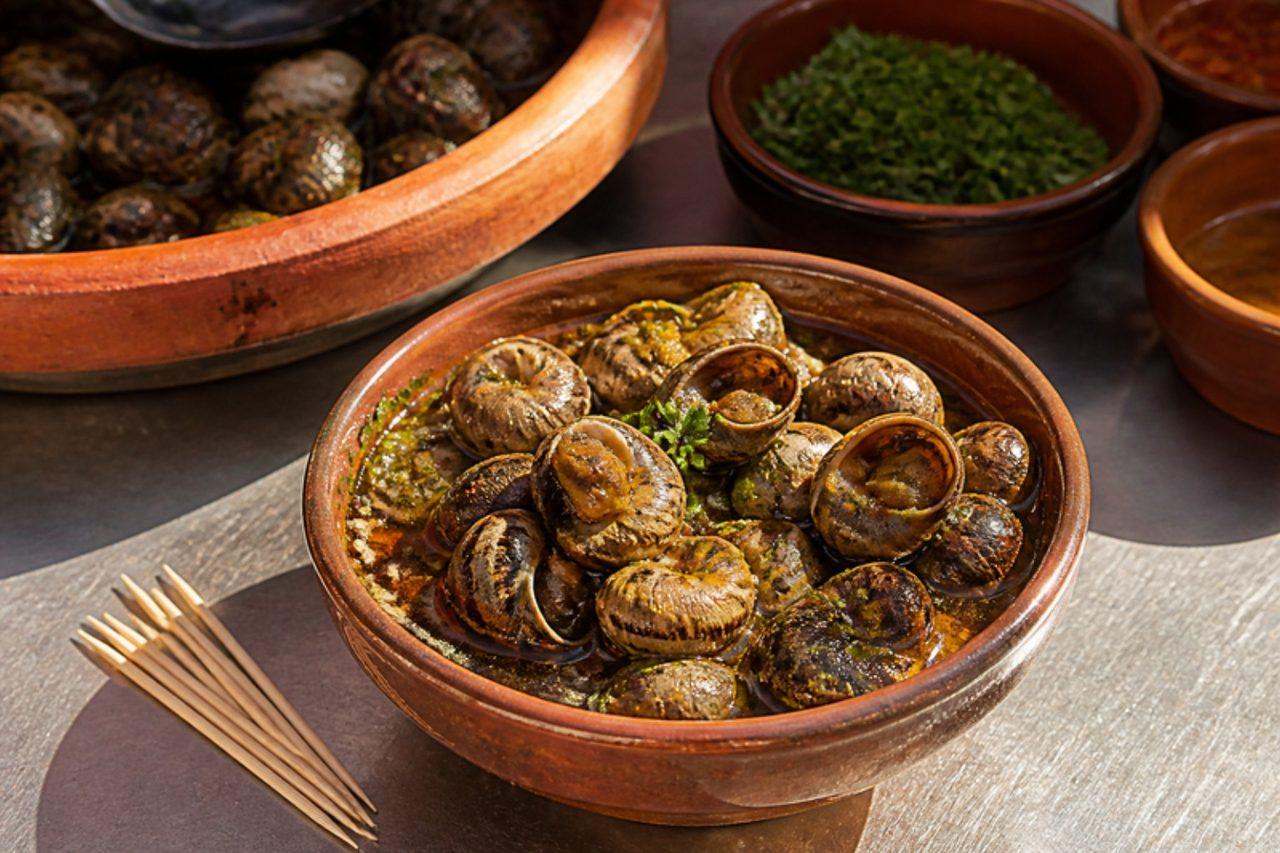
BabboucheSpiced snail broth

After dark in Marrakech's great square, the babbouche stalls are recognisable by their steaming cauldrons and the toothpicks laid out by every bowl. Small land snails simmer in a dark broth of liquorice root, aniseed, thyme, caraway, bitter orange peel, chilli and a bundle of herbs that sellers say has fifteen ingredients, believed to soothe the stomach and warm you on a cold night. You pick the snails out with a toothpick, then drink the peppery, herbal, faintly sweet broth. At home, buy live snails sold for cooking, already purged by a reputable seller, discard any with broken shells or that do not move or retract when touched, and cook them through for at least 45 minutes. Chef's tip: keep the spices in a muslin bag; the broth stays clear and you avoid crunching on seeds.

by KrazyBadal 2 views

Lemon verbena tea (louiza)

After a big dinner or before bed, many Moroccan households swap green mint tea for a pot of louiza, lemon verbena, whose long, narrow leaves give a pale golden infusion that smells of lemon sherbet and has no caffeine. The fresh herb is sold in bunches alongside mint and absinthe at market herb stalls, and dried leaves keep all year. Drink it plain, lightly sweetened, or brewed with a few mint sprigs. It is soothing, clean-tasting and fragrant. Chef's tip: pour boiling water over the leaves and let them steep off the heat for 5 minutes; boiling the leaves in the pot, a common mistake, turns the tea grassy and bitter.

by KrazyBadal 0 views

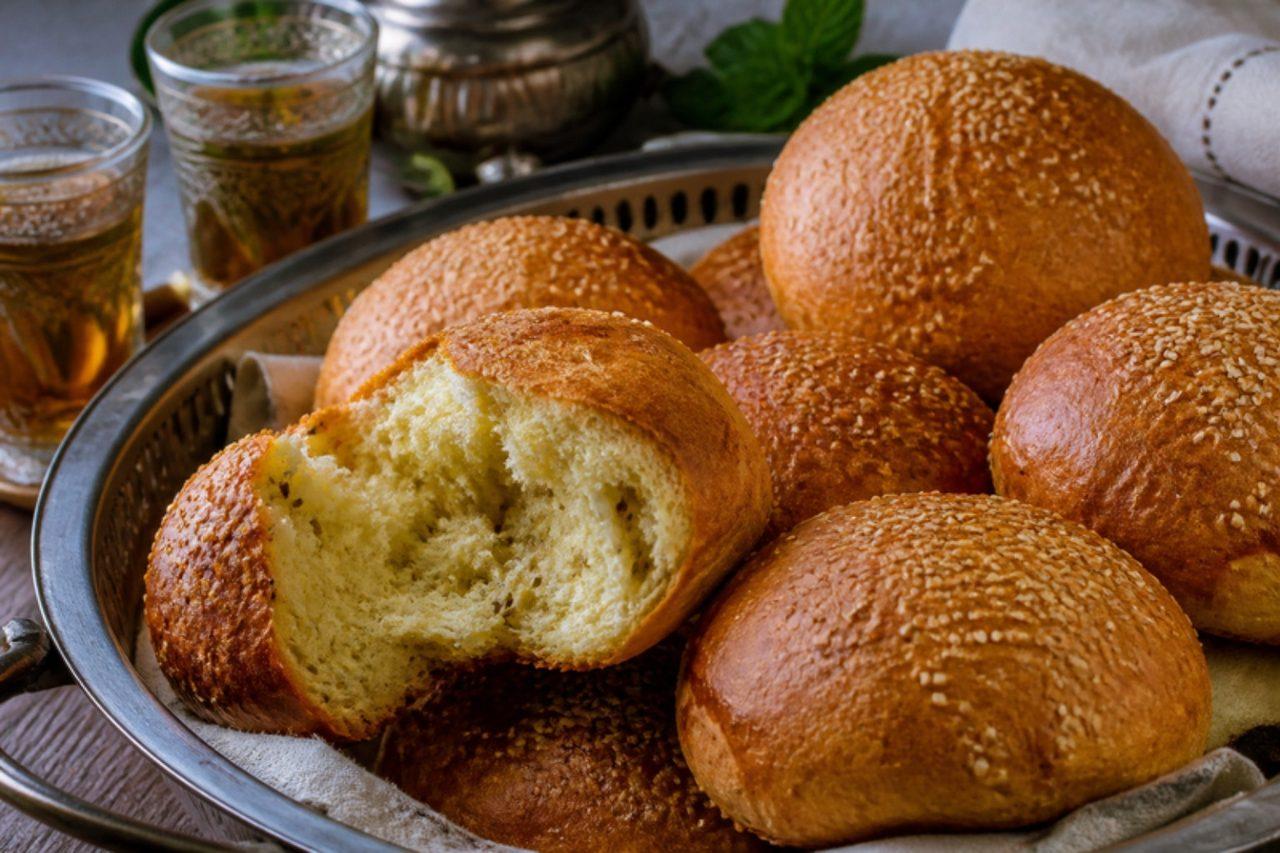
Krachel (aniseed and sesame brioche buns)

Moroccan bakeries pile their windows with krachel, round, glossy buns of enriched dough perfumed with aniseed, toasted sesame and orange-flower water, and families bake them at home for breakfast, for guests and for feast days. They are soft and pillowy, lightly sweet, with a distinctive liquorice-like scent from the anise and a nutty crunch of sesame on top. Eat them warm with butter and jam, dipped into milky coffee, or with mint tea in the afternoon. The dough needs two rises, about 1 1/2 hours in all. Don't rush the rise: under-proved krachel bake dense and tight instead of soft and fluffy. Chef's tip: lightly toast the aniseed and sesame in a dry pan before adding them to the dough; it doubles their fragrance.

by KrazyBadal 0 views

Meskouta (Moroccan orange cake)

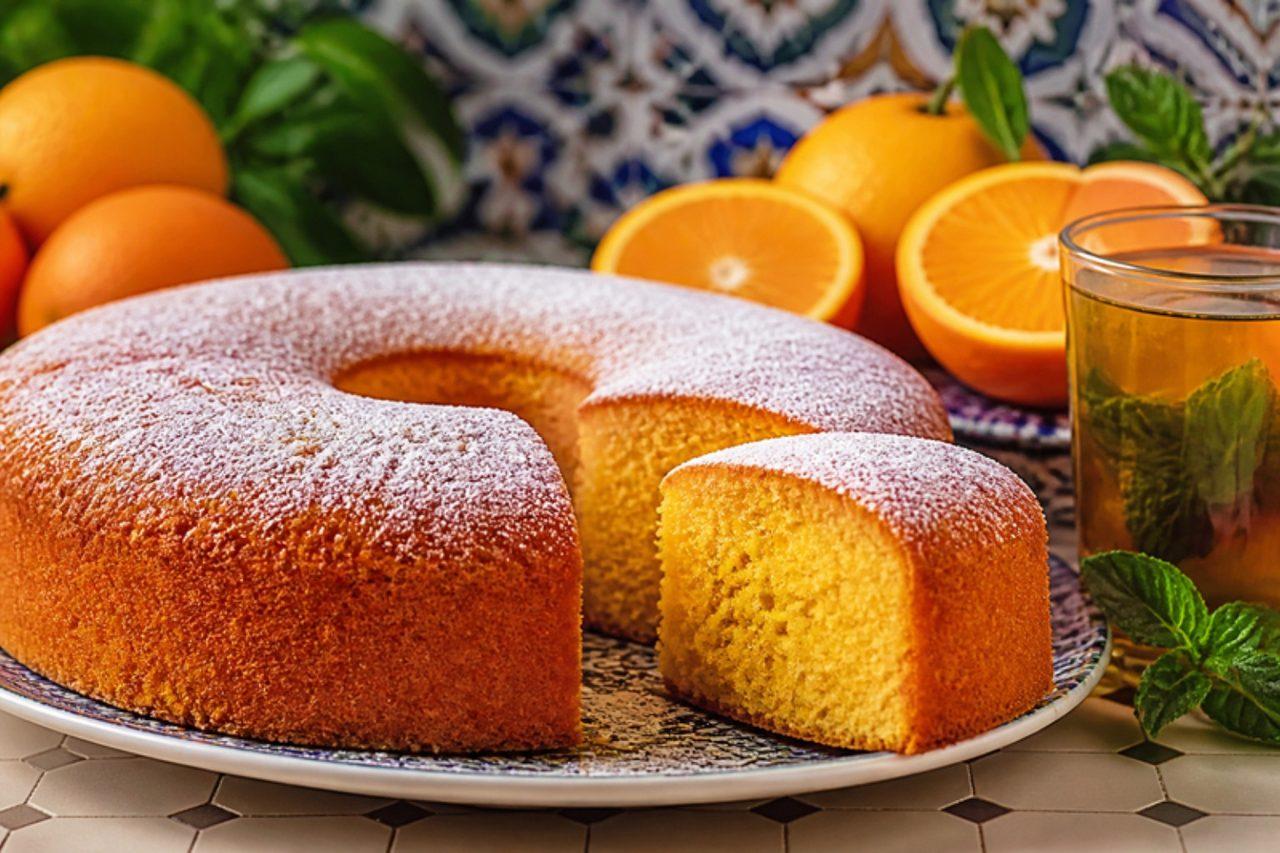
Every Moroccan home cook seems to have a meskouta recipe, the light, fluffy sponge that is baked in a ring tin and set out for afternoon tea, unexpected guests or a children's snack. This one is flavoured with fresh orange juice and zest; many families make a yogurt version instead, using the yogurt pot to measure everything, and that variation is in the steps. The crumb is airy and moist, not too sweet, and it pairs perfectly with mint tea or a glass of milk. No mixer is strictly needed, but it helps. Chef's tip: beat the eggs and sugar for a full 5 minutes until pale and tripled in volume; under-whipped eggs, the usual mistake, make a dense, flat meskouta.

by KrazyBadal 0 views

Moroccan almond milk (sharbat louz)

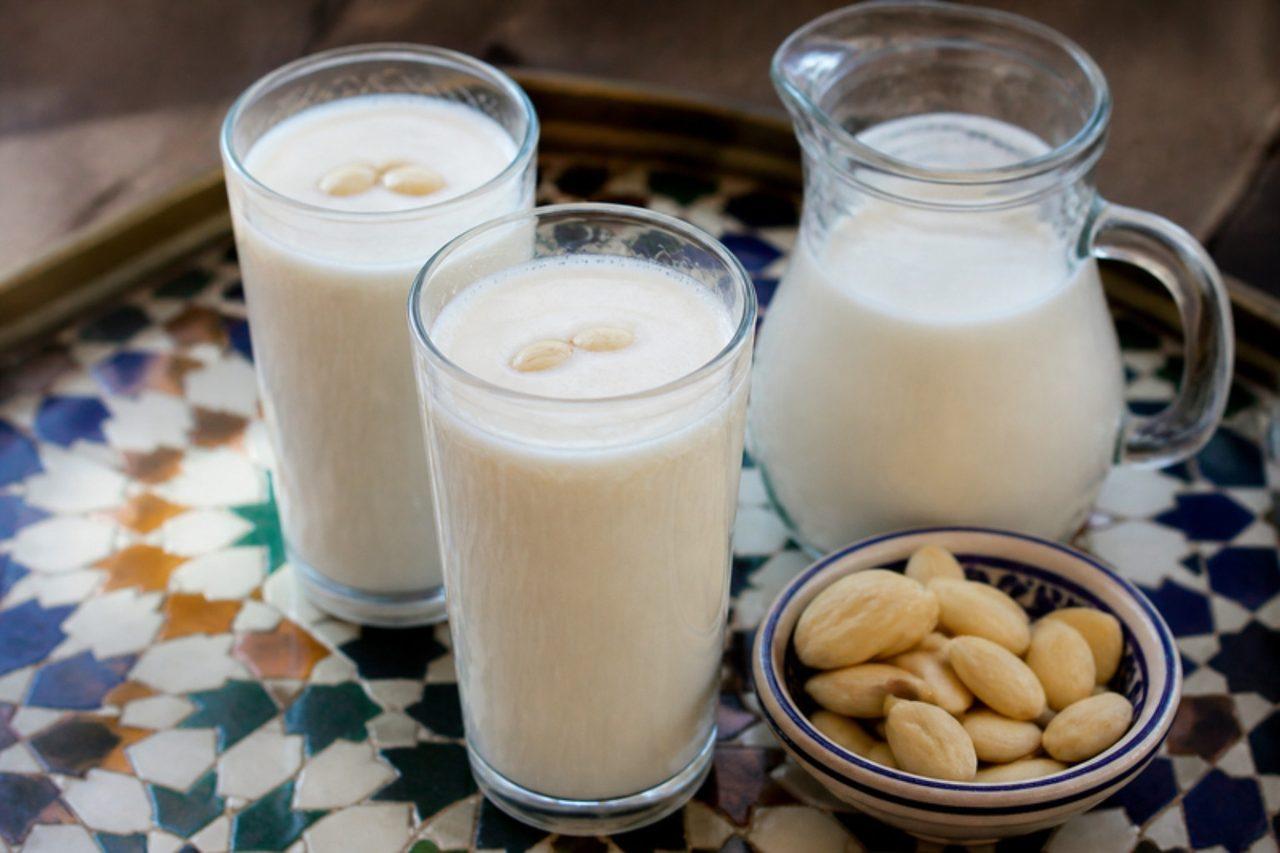
At Moroccan weddings and engagement parties, silver trays of tall glasses filled with sharbat louz are passed among the guests: chilled milk blended smooth with blanched almonds, sugar and a perfume of orange-flower water. It is also a favourite summer drink at home and is often offered to break the fast in Ramadan. The taste is creamy, delicate and nutty, a world away from carton almond milk, since it is real dairy milk enriched with almonds. Serve it very cold, on its own or with sweets. A common mistake is skipping the straining, which leaves a gritty drink instead of a smooth, silky one. Chef's tip: blend the almonds with the sugar and a little milk first, into a fine paste, before adding the rest; that way it ends up silky rather than gritty. Not for anyone with a nut allergy.

by KrazyBadal 0 views

Showing 24 of 45 recipes

Show more recipes

Page 1 of 2