Skip to content
Recipes

All recipes

Vegetarian, or something you can't eat? Set your diet once and we'll hide recipes that don't fit.

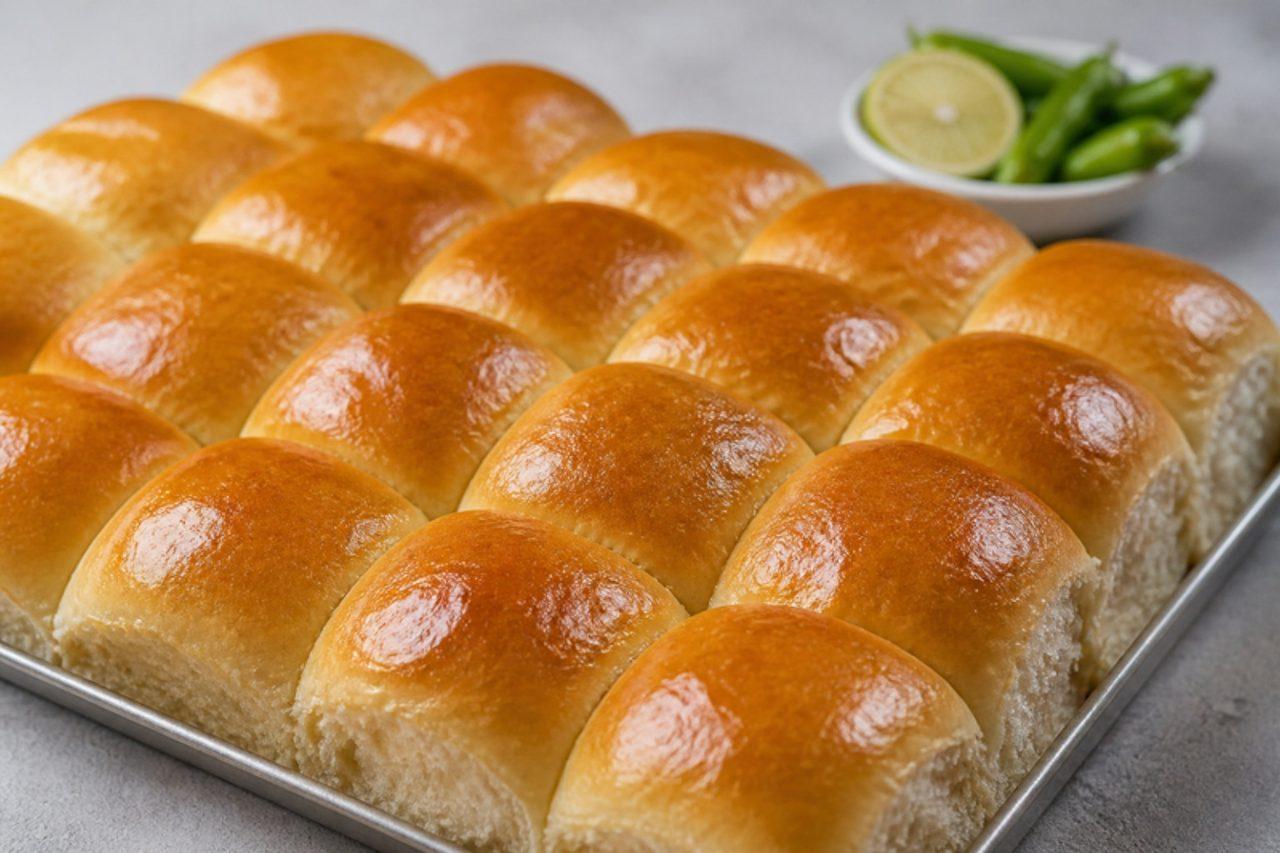
Ladi pavSoft pull-apart bread rolls

Pav came to Mumbai with the Portuguese and was taken up by the city's Goan and Irani bakeries, and today it is the bread every street snack depends on: vada pav, misal pav, bhurji pav, dabeli and pav bhaji. A ladi is a slab of rolls baked touching each other, so their sides stay pale and fluffy and they tear apart with soft white edges and a thin golden top. This home version uses milk and a little butter for a tender, slightly sweet crumb that holds up to a buttery tawa toast. It bakes in an ordinary oven at 190 °C (170 °C fan). Common mistake: baking the pav too long or too hot, so the crust turns hard and brown; take it out the moment the tops are golden and brush with butter at once. Chef's tip: cover the hot ladi with a clean cloth as it cools; the trapped steam is what gives that typical bakery softness.

by KrazyBadal 0 views

Dum ka roatBaked semolina and khoya cake

Dum ka roat is baked in Hyderabadi homes and bakeries in the first ten days of Muharram, and boxes of it are shared with neighbours and at majlis gatherings in the Old City. It is closer to a dense shortbread than a sponge: coarse semolina soaked overnight in ghee and milk, mixed with khoya, sugar, eggs, cardamom and nutmeg, then baked slowly until golden and crumbly with a crunchy almond top. It contains egg, so it is vegetarian with egg, not vegan. Each piece tastes of browned butter, milk and spice, and it keeps for a week in a tin. Eat it with Irani chai. The common mistake is skipping the overnight rest: the semolina stays gritty and the roat falls apart. Chef's tip: bake low and slow, at 160 °C, until the top is deep golden and a skewer comes out with moist crumbs; at higher heat the edges burn before the khoya centre has set.

by KrazyBadal 0 views

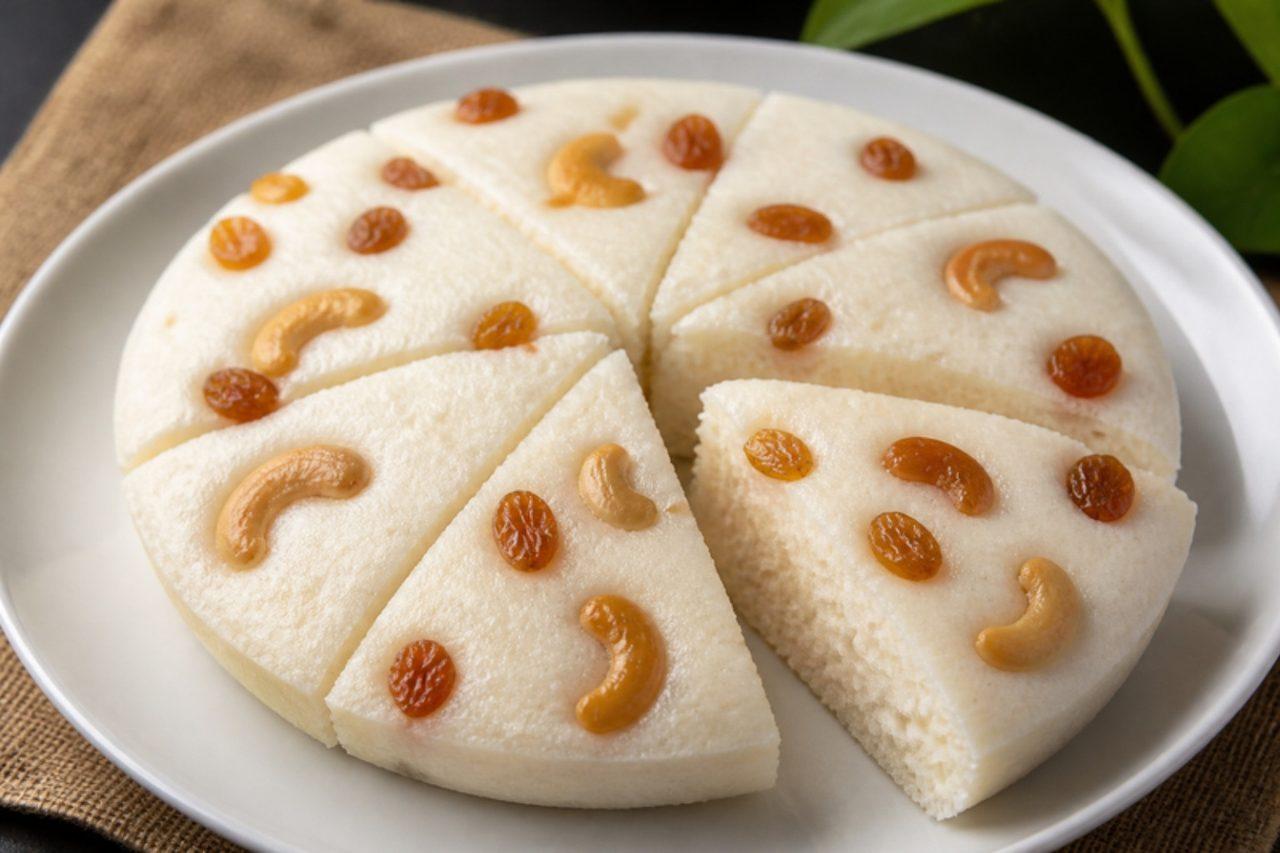
VattayappamSteamed rice and coconut cake

In Syrian Christian homes in Kottayam and Thiruvalla, vattayappam is the sweet that appears on Christmas and Easter mornings and goes in boxes to every neighbour. A batter of raw rice and coconut is fermented until airy, sweetened, flavoured with cardamom and steamed in a round plate until it rises into a fluffy, honeycombed cake. It is light, moist and gently sweet, with a faint tang from the ferment. Grandmothers used kallu (coconut toddy) to ferment it; this recipe uses dried yeast instead and contains no alcohol at all. Eat it warm with tea, or alongside chicken stew for breakfast. The common mistake is a batter that is too thick: it steams heavy and dense. It should pour like thick pancake batter. Rice and coconut only, so it is naturally gluten-free and vegan. Chef's tip: cook a spoon of the soaked rice into a soft porridge (kurukku) and grind it in; that is what gives vattayappam its fine, silky crumb.

by KrazyBadal 0 views

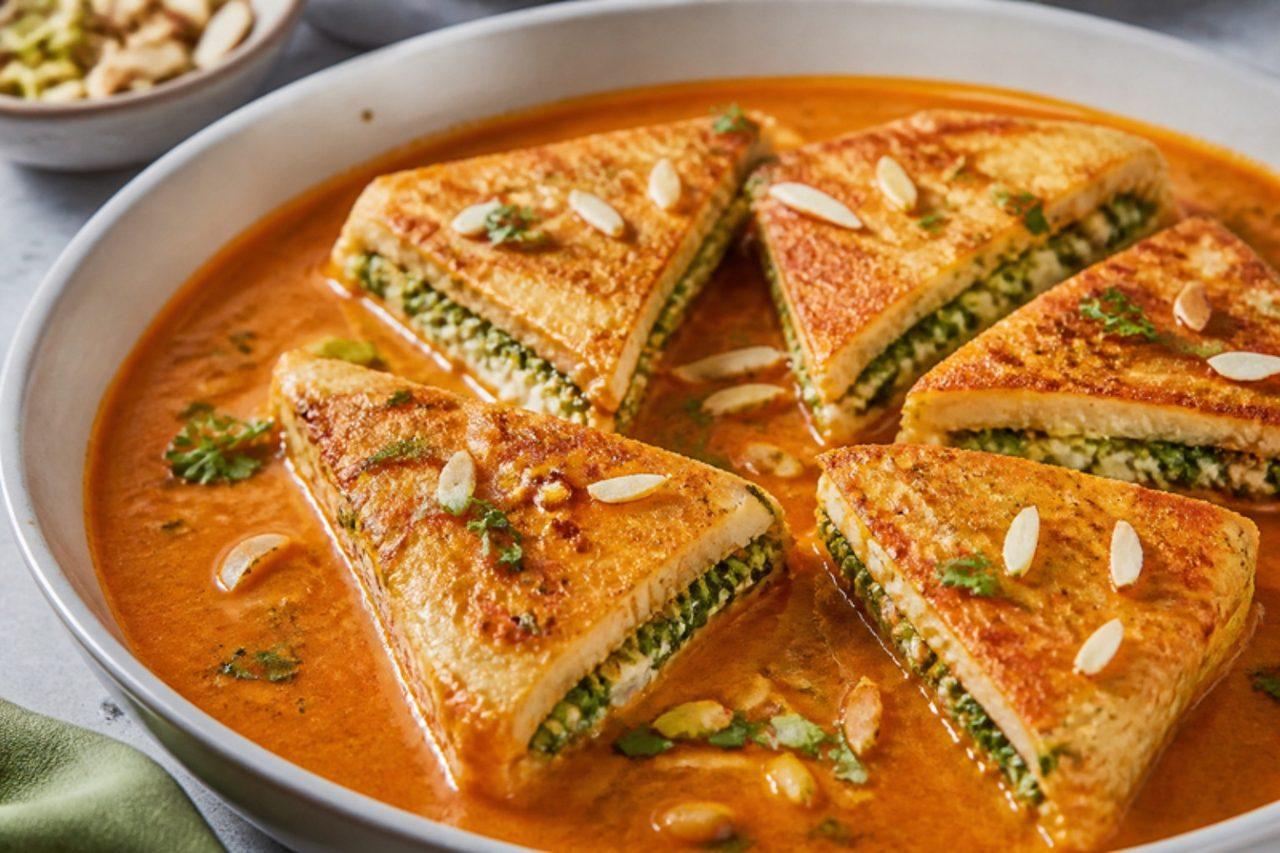
Paneer pasandaStuffed paneer in cashew gravy

Pasanda once meant flattened slices of the best meat, cooked for the Mughal court; the vegetarian version swaps the meat for paneer, cut into thin squares and sandwiched with a filling of grated paneer, cashews, pistachios, raisins and coriander. The sandwiches are dipped in a light batter and shallow-fried until crisp, then served on a smooth, gently spiced tomato and cashew gravy that is orange-red from Kashmiri chilli rather than hot. Across Delhi, Punjab and Uttar Pradesh it is a wedding and anniversary dish, the one that makes a vegetarian menu look special, and it goes best with butter naan, kulcha or saffron pulao. The paneer is made with lemon or vinegar, so it is fine for vegetarians. Common mistake: simmering the stuffed paneer in the gravy; the batter turns soggy and the sandwiches open up. Pour the gravy onto the plate and set the pasanda on top just before serving. Chef's tip: chill the block of paneer for an hour before cutting, so the thin slices do not crack.

by KrazyBadal 0 views

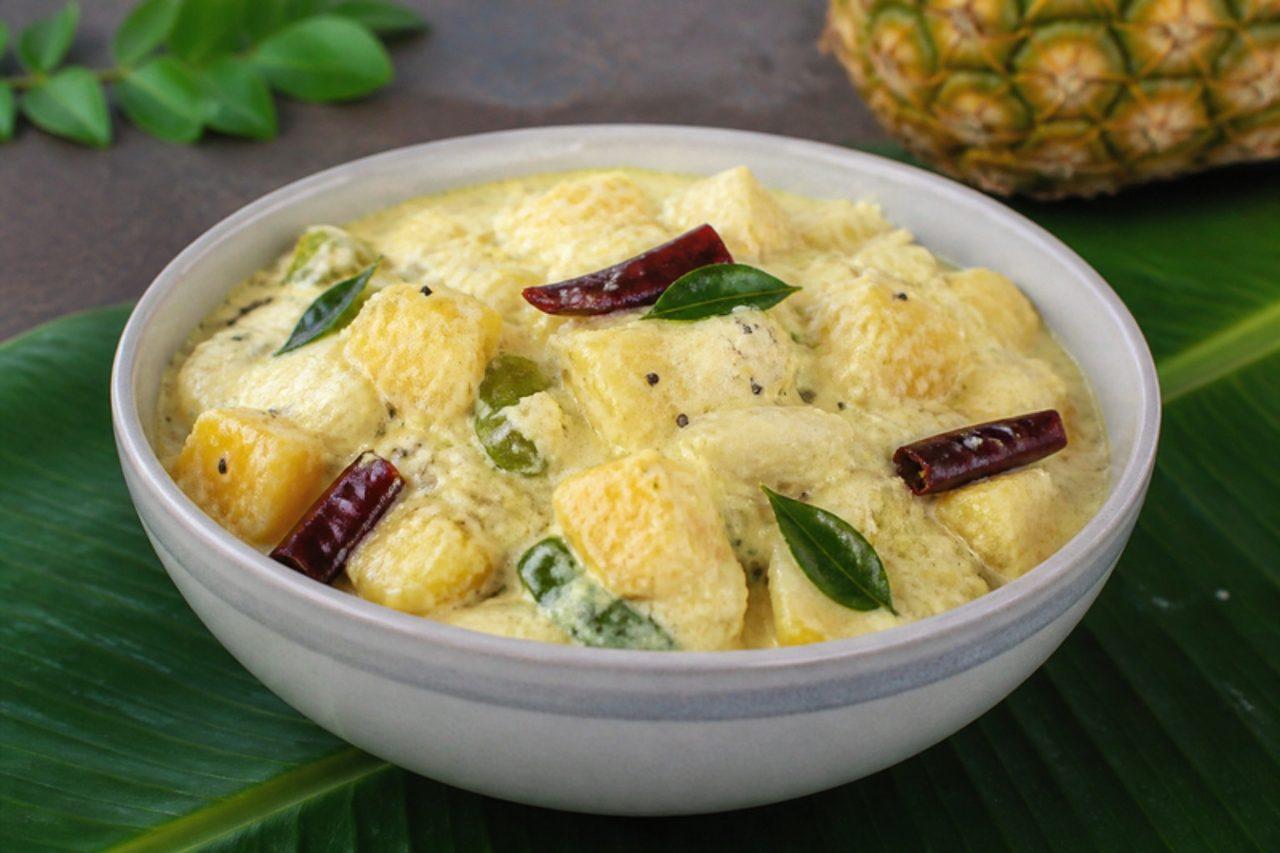
Pineapple pachadiPineapple in yogurt and coconut

Sadya etiquette puts pachadi next to the kichadi, and pineapple is the festive favourite, especially in central Kerala around Kottayam and Thrissur, where it appears at Onam, weddings and Vishu. Ripe pineapple is simmered briefly with turmeric, chilli and a little sugar, then folded into a paste of coconut, green chilli and raw mustard seed and loosened with whisked curd. The result is sweet, tangy and gently pungent from the ground mustard, with a crackling coconut-oil tadka on top. Serve it cool alongside rice, sambar and thoran, or as a side with appam. The mistake to avoid is adding the yogurt to a hot pan: it splits into grainy curds, so take the pineapple off the heat and let it cool first. Chef's tip: grind the mustard seeds raw with the coconut, but only briefly; over-ground mustard turns bitter.

by KrazyBadal 1 views

SannasSteamed rice cakes

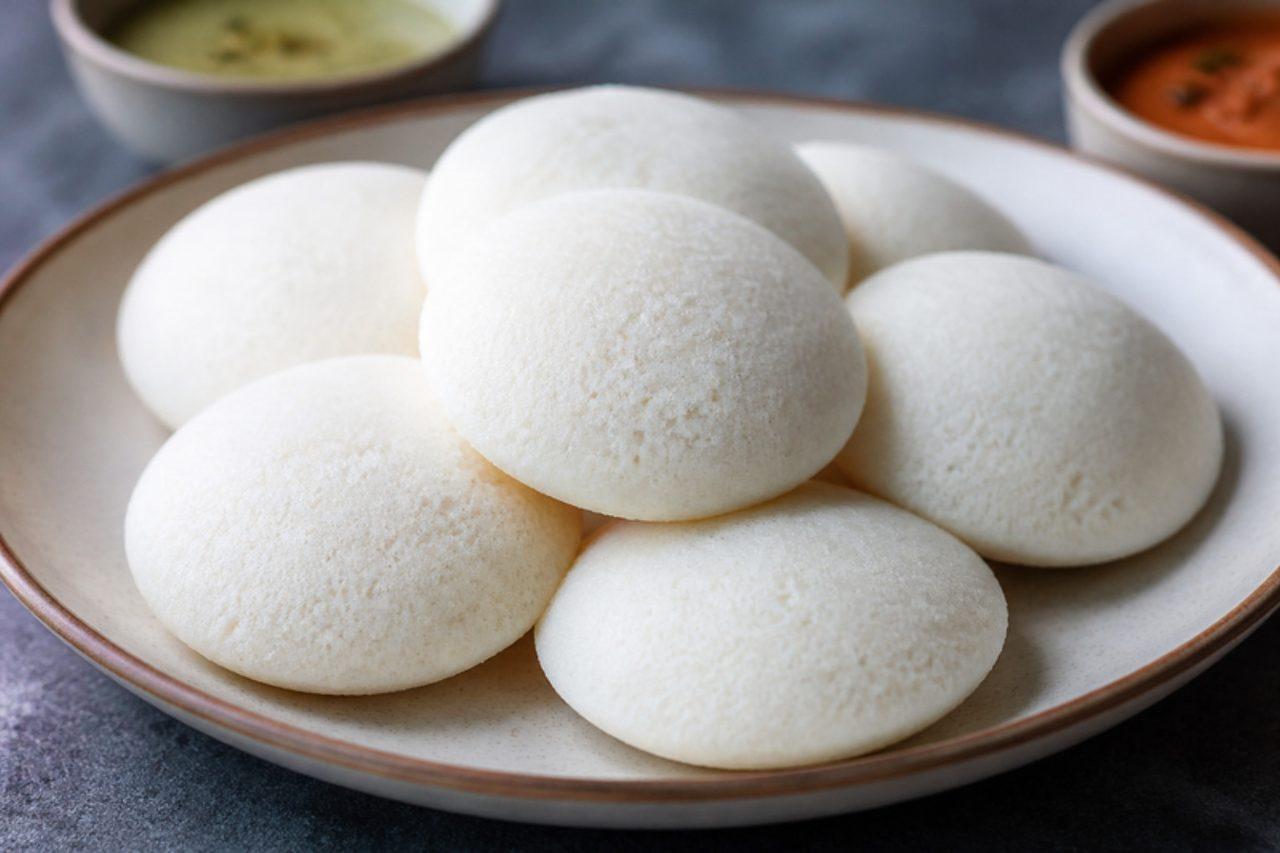
Sannas are to a Goan Catholic feast what idli is to a Chennai breakfast: soft, pillowy steamed rice cakes, made for Christmas, weddings and village feast days to mop up sorpotel, xacuti or a coconut curry. They are fluffier and slightly sweeter than idli, because ground coconut and a little sugar go into the rice batter, and they are traditionally risen with fresh coconut toddy (sur). This version uses dried yeast in place of toddy, so it contains no alcohol, and the long overnight ferment still gives the faint sour note that makes them taste right. Serve them warm with any Goan curry (vegetable xacuti or chana ross keep it vegetarian) or with jaggery and coconut milk for tea. The common mistake is overfilling the moulds; sannas rise a lot and spill over. Fill each two-thirds full. Chef's tip: grind a handful of cooked rice or soaked poha into the batter; it gives that cotton-soft, spongy texture that plain rice batter lacks.

by KrazyBadal 0 views

Upvasachi batata bhajiFasting potato stir-fry with peanuts

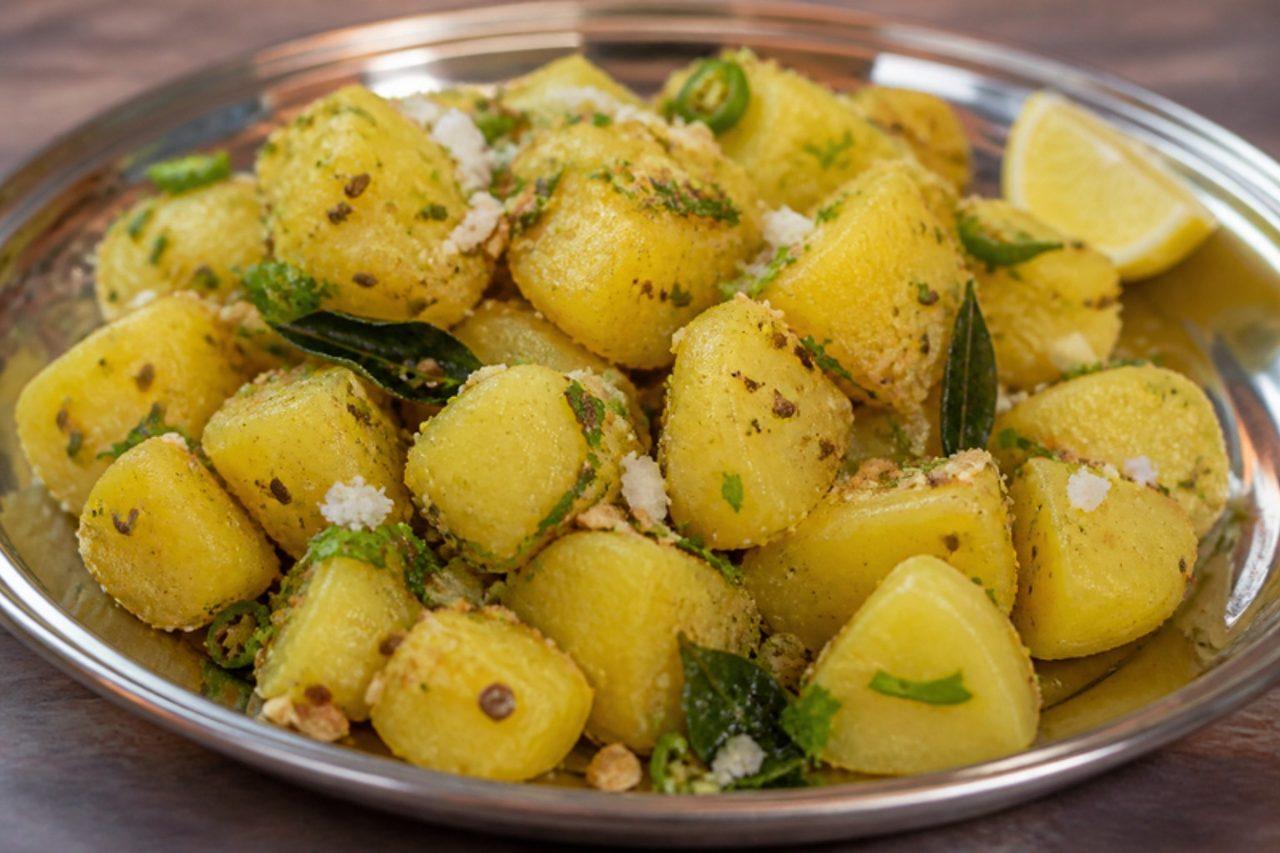
Ask anyone from Pune or Nashik what they eat on Ekadashi or a Navratri upvas, and this dry potato bhaji will be on the plate, usually next to sabudana khichdi or bhagar and a bowl of danyachi amti. Unlike North Indian vrat ke aloo, there is no tomato and no gravy: cubes of boiled potato are tossed in ghee or oil with cumin and crushed green chilli, then coated in coarsely ground roasted peanuts that cling to every piece. A little sugar and lemon give it the gentle sweet-sour lift that Maharashtrian cooking loves, and coriander and fresh coconut finish it. It is quick, filling and good cold in a tiffin too. Some families add curry leaves; others leave them out on strict fasts. Chef's tip: cool the potatoes completely before cubing; warm potatoes break into mash when you toss them.

by KrazyBadal 0 views

Choddo shaakFourteen leafy greens stir-fry

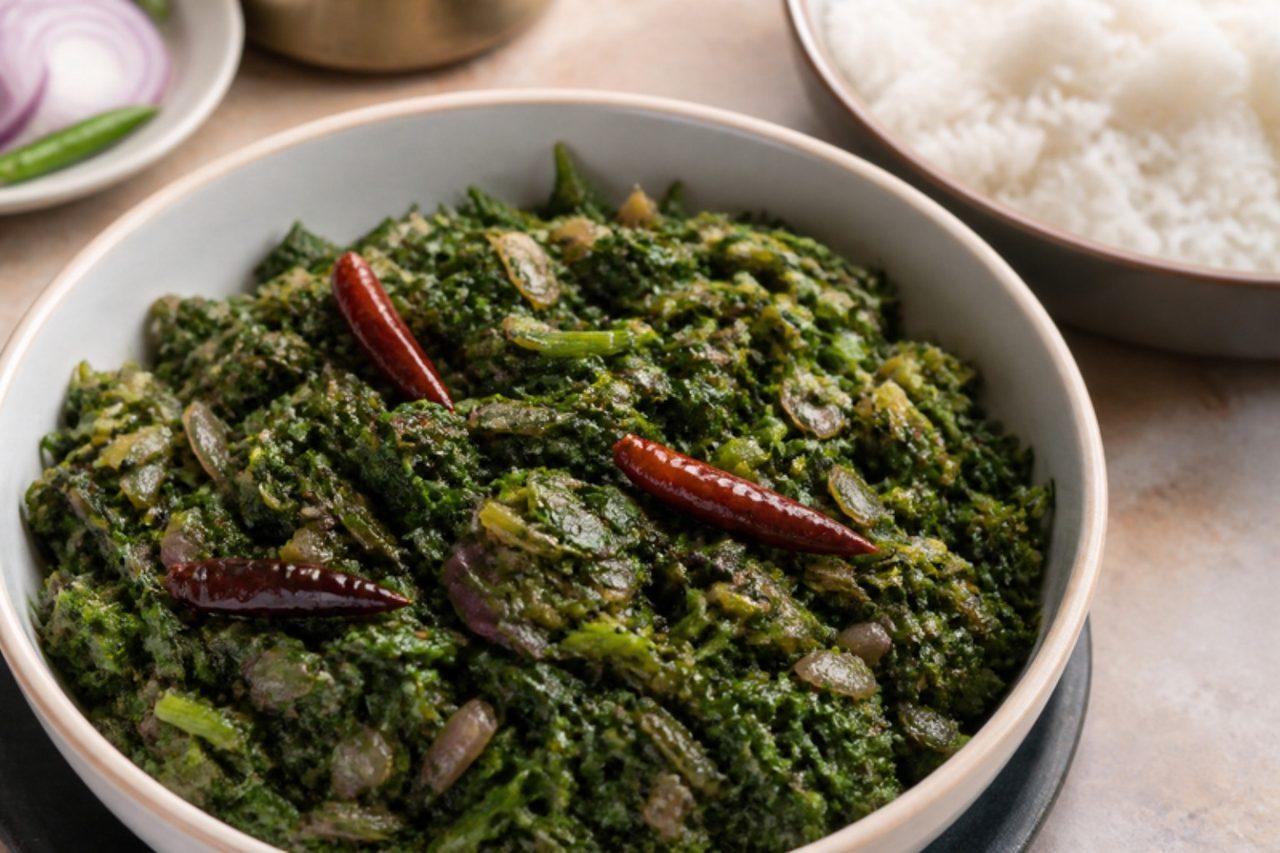
On Bhoot Chaturdashi, the night before Kali Puja and Diwali, Bengali homes light fourteen lamps for their ancestors and eat a dish of fourteen greens at lunch to keep illness and restless spirits away. Markets in Kolkata sell bundles already mixed for the day: spinach, red and green amaranth, Malabar spinach, water spinach, fenugreek, mustard and radish greens, bathua, jute leaves, pumpkin leaves, helencha and a few neem leaves for bitterness. Fried briefly in mustard oil with nigella and dried chilli, they cook down to an earthy, slightly bitter, faintly sweet tangle. It is eaten as the first course with hot rice and a drizzle of ghee for those who want it. If you can't find all fourteen, use what your grocer has; the mix matters more than the exact list. Chef's tip: cook it uncovered after the first wilt so the water evaporates; choddo shaak should be dry and glossy, not stewed.

by KrazyBadal 0 views

Bourzwa grilléGrilled red snapper

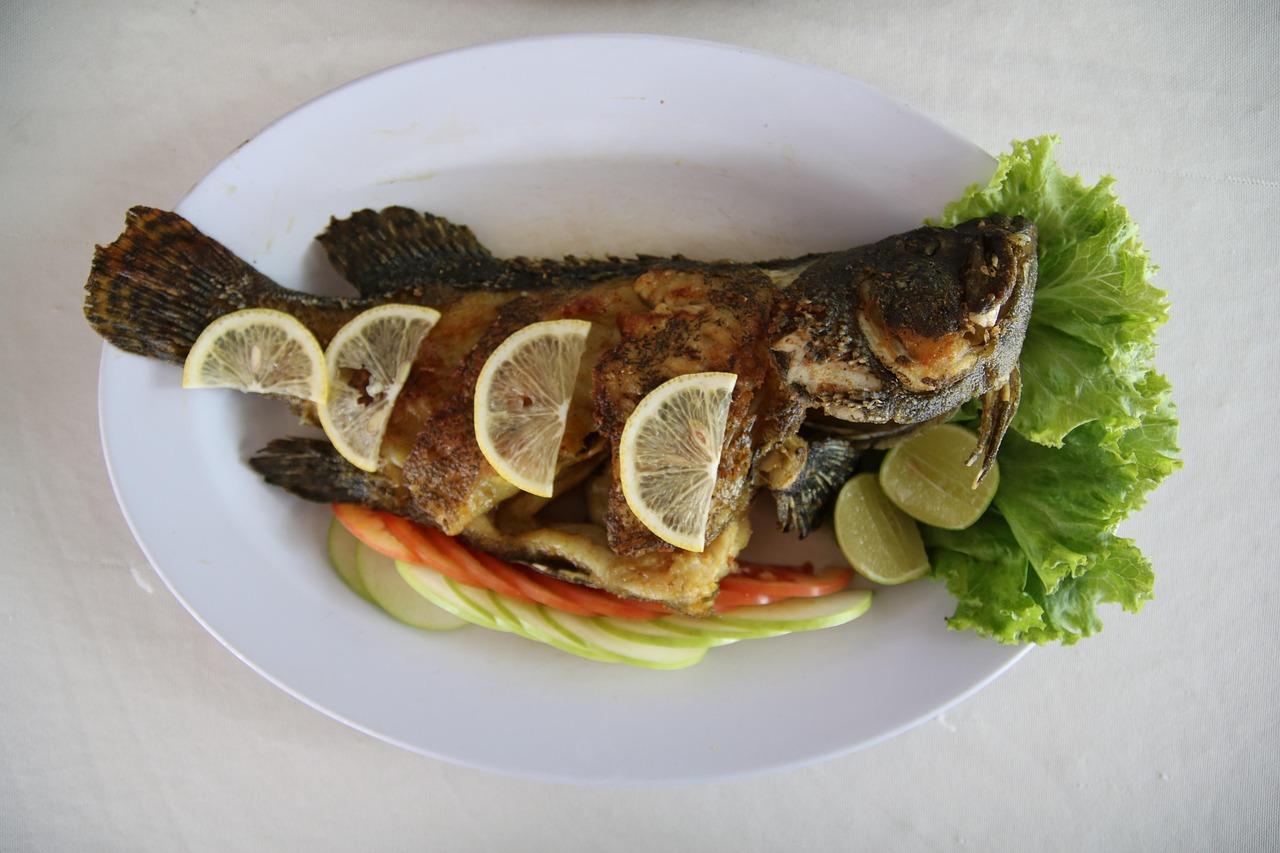
Bourzwa, the red snapper pulled from the reefs off Mahé, is the fish Seychellois choose for a beach barbecue or a Saturday family grill at Anse Royale. It goes on the coals whole, slashed and rubbed with a rough Creole paste of garlic, ginger, chilli, thyme and lime, and comes off with crackling, smoky skin and sweet, moist white flesh. Serve it with Creole rice, lentils, a tomato satini and a dish of breadfruit or green banana, with extra lime and chilli at the table. The usual mistake is moving the fish too soon: if it sticks, wait another minute and it will release once the skin has crisped. Chef's tip: oil the fish, not just the grill, and cook it in a hinged fish basket if you have one, so turning it is easy.

by KrazyBadal 0 views

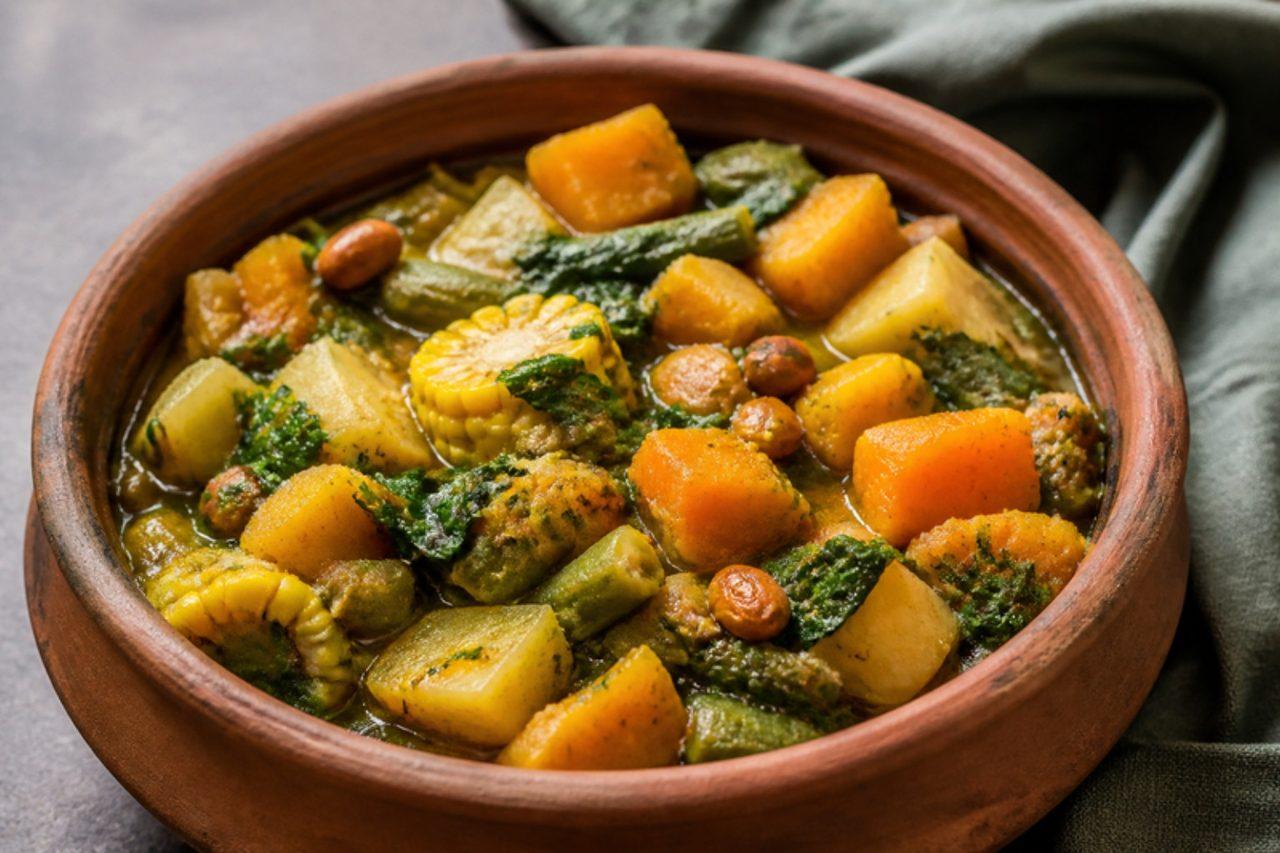
Rishi panchami bhajiPumpkin, taro and corn stew

The day after Ganesh Chaturthi, many Maharashtrian women fast for Rishi Panchami and eat only what has grown without the labour of a bullock. That rule turns into one of the most unusual dishes of the year: a stew of whatever the backyard and the monsoon give, such as red pumpkin, colocasia (alu) leaves and roots, sweet corn, ridge gourd, snake gourd, lal math (red amaranth), okra and raw banana, simmered with crushed peanuts, coconut and green chilli. It is thick, mildly sweet and fresh-tasting, with no onion, garlic or tomato. Some families also skip the tadka entirely; others use a little ghee or oil with cumin. Eat it hot on its own as the main meal of the day, with nothing else alongside. A common mistake is putting colocasia in without enough sourness, which can leave the throat itchy: always add the tamarind with the colocasia. Chef's tip: add the vegetables in order of how long they need, roots first and leaves last, so nothing turns to mush.

by KrazyBadal 0 views

MacatiaSweet breakfast buns

Bakeries in Saint-Denis and Saint-Paul fill their shelves with macatias before dawn, and they go fast: plump, shiny buns with a close, cotton-soft crumb and just enough sugar to taste sweet with black coffee. Children take them to school, workers tear one open on the bus, and people split them and fill them with butter, cheese or even a spoon of cari for a quick lunch. Some bakers add grated coconut and call them macatia coco. The commonest mistake is using milk that is too hot, which kills the yeast; it should feel just warm on your wrist. Chef's tip: brush the buns with a little milk as soon as they come out of the oven and cover them with a cloth, which keeps the crust soft rather than crisp.

by KrazyBadal 0 views

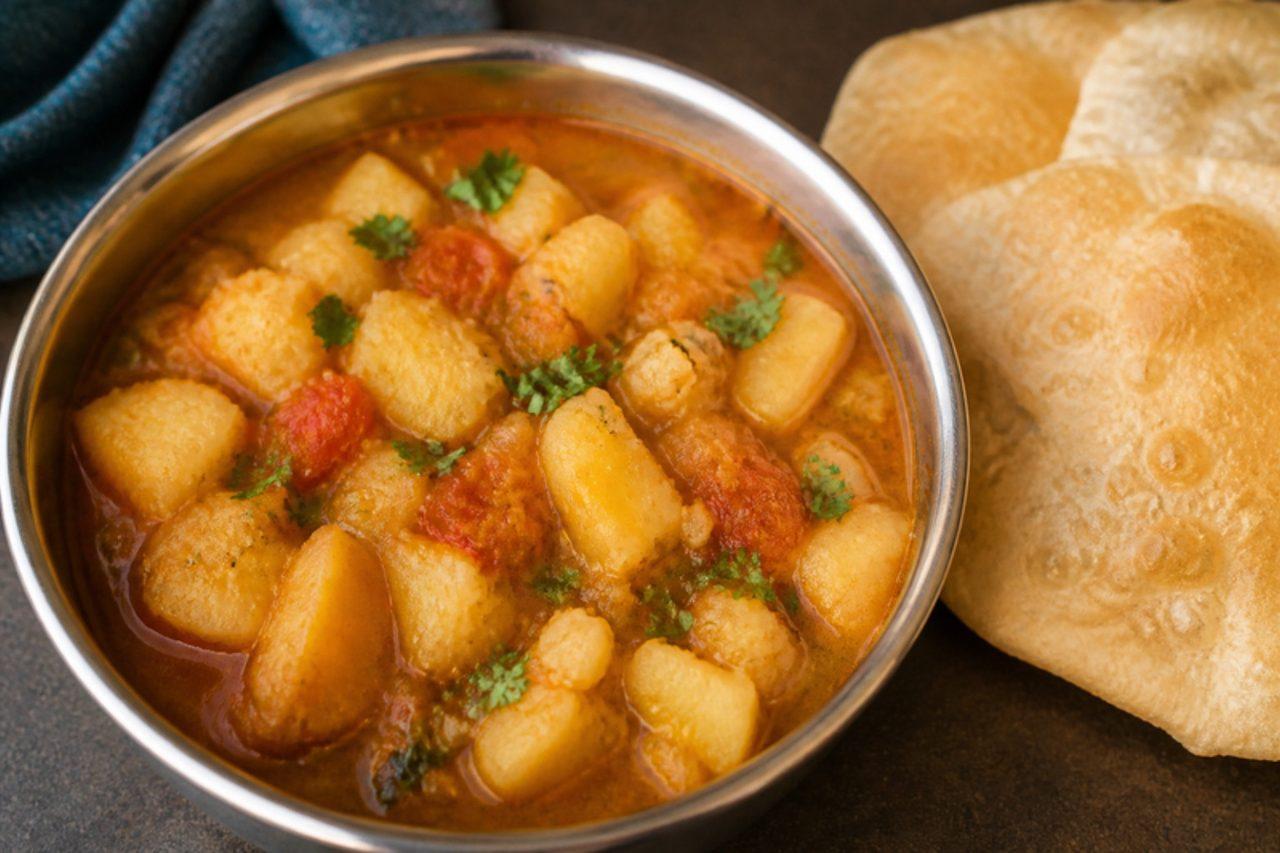
Vrat ke alooFasting potato curry

On Navratri mornings in Delhi, Lucknow and Punjabi homes everywhere, this is what fills the kadhai next to the kuttu puri. Boiled potatoes are broken by hand, not cut, so their rough edges melt into a loose, brothy gravy of tomato, cumin, fresh ginger and green chilli, seasoned only with sendha namak and a little pepper. It is soupy enough to dunk puri into, tangy from the tomato and gently hot, and comforting after a morning of fasting. Very strict homes skip red chilli powder and coriander as well as turmeric and asafoetida; this recipe uses neither turmeric nor hing. Ghee is traditional; oil keeps it vegan. Chef's tip: mash two or three pieces of potato into the gravy as it simmers; the starch thickens it naturally, since no flour or onion is allowed.

by KrazyBadal 0 views

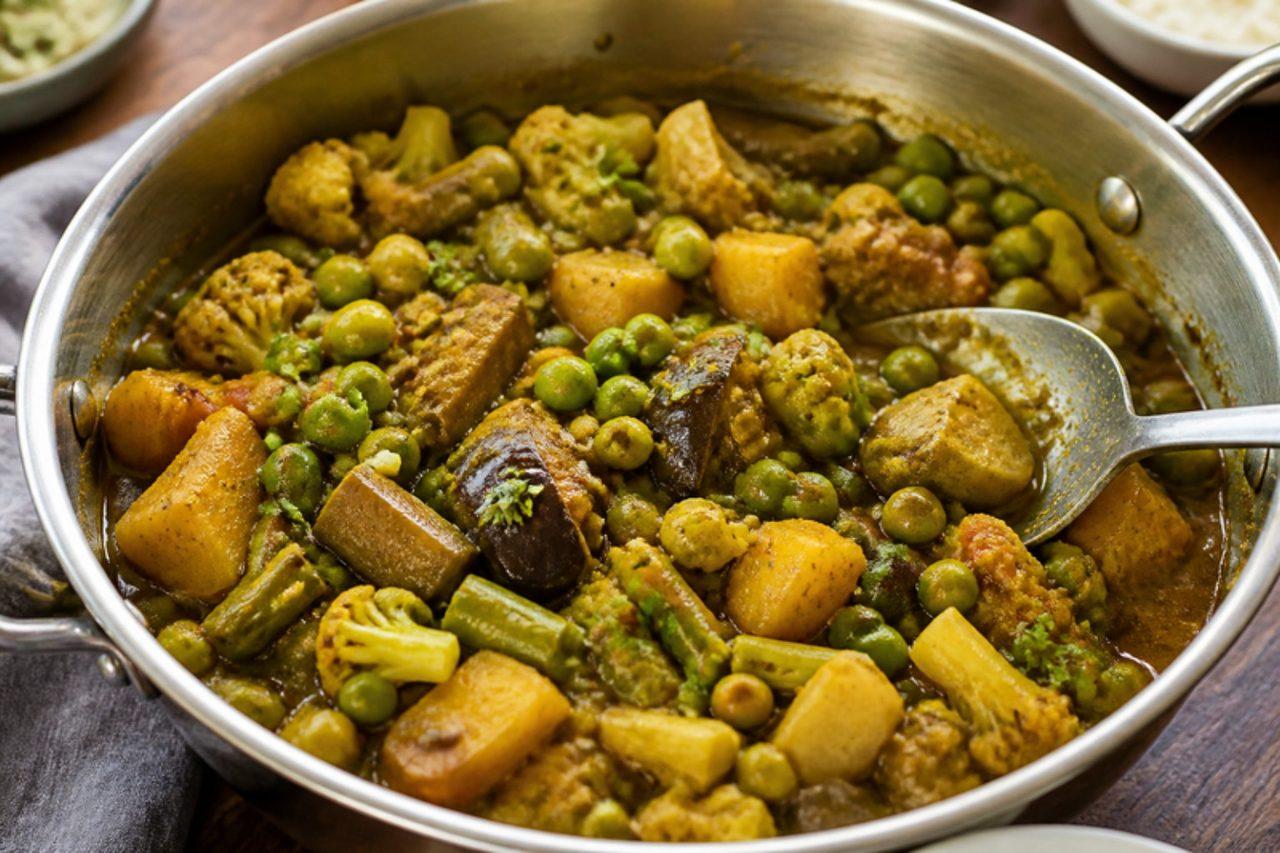
AnnakutWinter vegetable shaak

The day after Diwali, Pushtimarg havelis from Nathdwara to Ahmedabad build the annakut, literally a mountain of food, piled before Shrinathji to remember Krishna lifting Govardhan hill. Among dozens of sweets and farsan, there is always a shaak cooked from every vegetable of the new season, and many Gujarati and Rajasthani homes make their own version for the New Year meal. In the haveli tradition there is no onion or garlic, and many families leave out tomato too; the flavour comes from ajwain, ginger, green chilli, a little jaggery and lemon. It is lightly spiced, sweet-sour and full of different textures, from creamy raw banana to crunchy beans. Serve with puri, kadhi and rice. This version uses groundnut oil, so it is vegan; havelis cook it in ghee. Chef's tip: cut every vegetable to roughly the same size and add them in order of how long they take, so the shaak ends up tender, not mushy.

by KrazyBadal 0 views

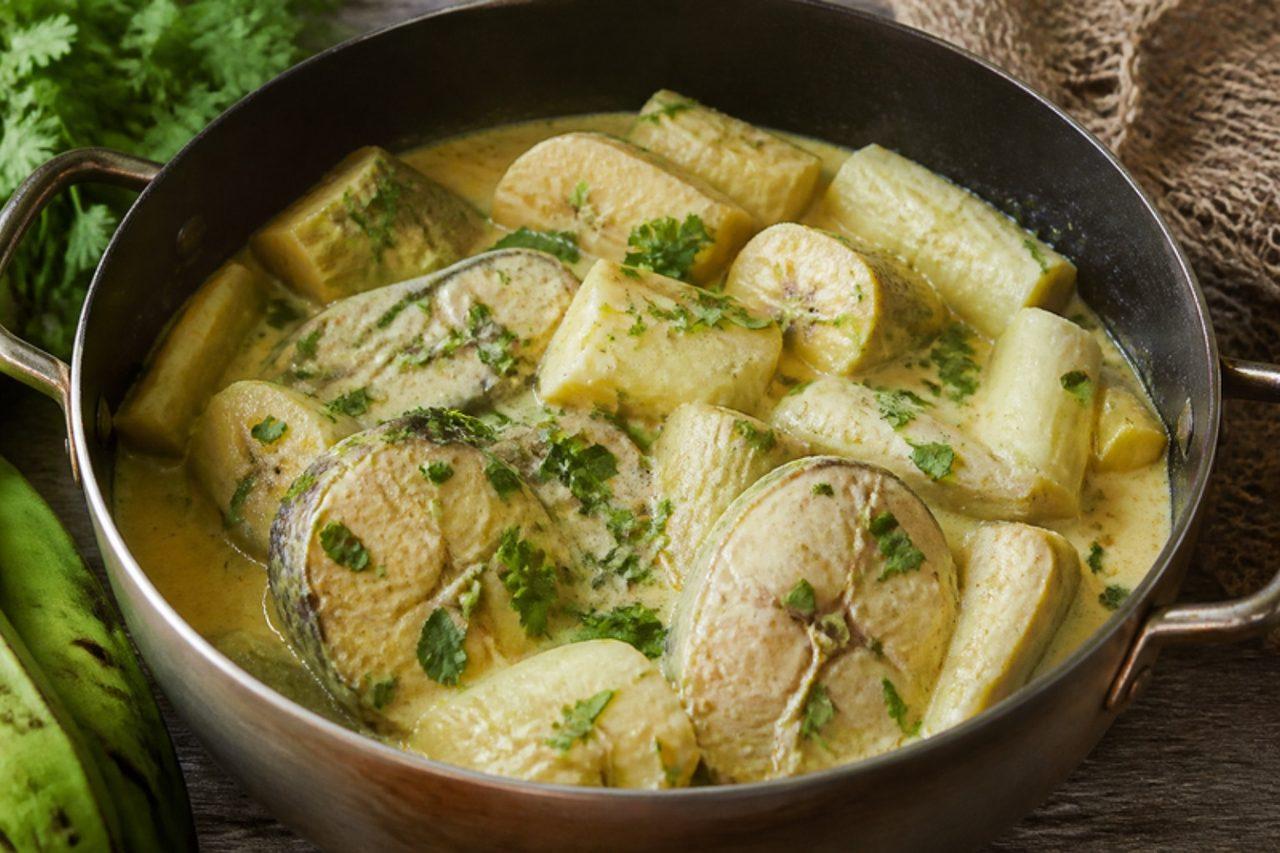
MtsololaFish with green banana and cassava

Mtsolola is the dish Comorians on Grande Comore and Anjouan miss most when they live abroad: chunks of green banana and cassava simmered in coconut milk with steaks of firm fish laid on top, cooked in one big pot for family meals and big gatherings. The vegetables turn soft and creamy at the edges and soak up the coconut, while the fish stays in moist pieces seasoned with garlic, lime and a little chilli. Eat it on its own from deep plates, with a fresh chilli and lime relish on the side, and mkatra foutra to mop up the sauce. Cassava must always be peeled and boiled thoroughly before eating; buy sweet cassava, fresh or frozen, and discard its first cooking water. Chef's tip: add the fish only once the banana is nearly tender, because fish put in at the start breaks into shreds.

by KrazyBadal 0 views

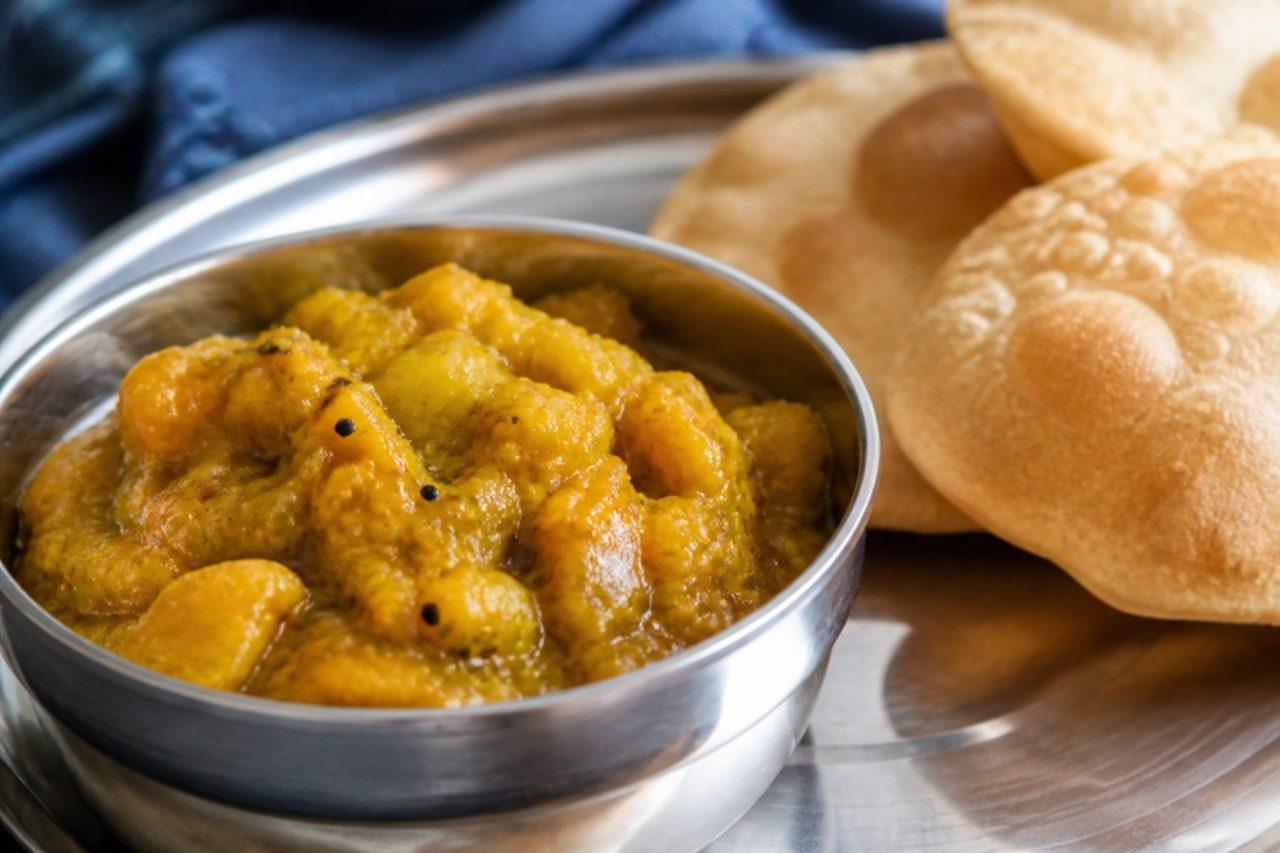
Khatta meetha kadduSweet-sour pumpkin

Kaddu ki sabzi with puri is the meal served at countless bhandaras, the free community feasts outside temples in Uttar Pradesh and Punjab, and at home it is a fasting favourite for Navratri. Chunks of yellow pumpkin are cooked until soft with sizzling fenugreek seeds and cumin, then half-mashed and finished with jaggery and dry mango powder, so the dish swings between sweet and sour with gentle heat from ginger and chilli. The fenugreek gives it a faintly bitter, maple-like depth. This fasting version uses rock salt and leaves out the turmeric, asafoetida and fennel that bhandara cooks add. Serve with kuttu puri or regular puri, and a bowl of raita. Chef's tip: keep the skin on part of the pumpkin; it holds the pieces together while the peeled pieces melt into the sauce, giving a better texture.

by KrazyBadal 0 views

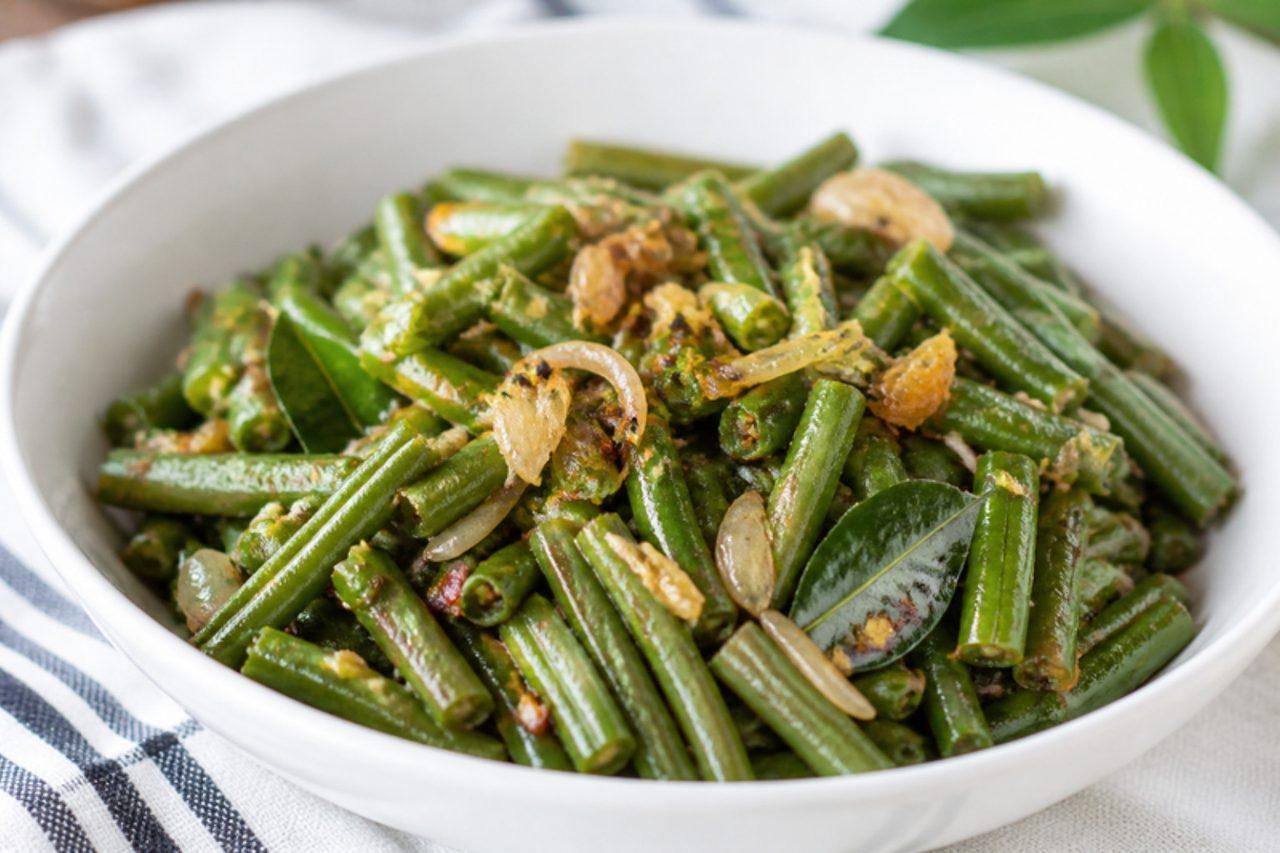
Payar mezhukkupurattiStir-fried long beans

The name says it all: mezhukku means oil and puratti means smeared, so this is a dry stir-fry that leaves every bean slick and shiny with coconut oil. Vanpayar, the yard-long beans that climb over every Kerala garden fence, are cut short and cooked with crushed shallots, garlic and dried chilli flakes until tender and blistered in places. It is weekday food in Kottayam and Alappuzha homes, packed into tiffin with rice and moru curry, and it turns up on festive spreads too. The taste is simple, smoky and savoury, with crunch from the shallots. Serve with matta rice and a thin curry. The common mistake is covering the pan for too long, which steams the beans grey and soft; cover briefly, then finish uncovered so they roast. Chef's tip: crush the shallots, garlic and chilli together in a mortar rather than slicing them; the rough paste clings to the beans much better.

by KrazyBadal 0 views

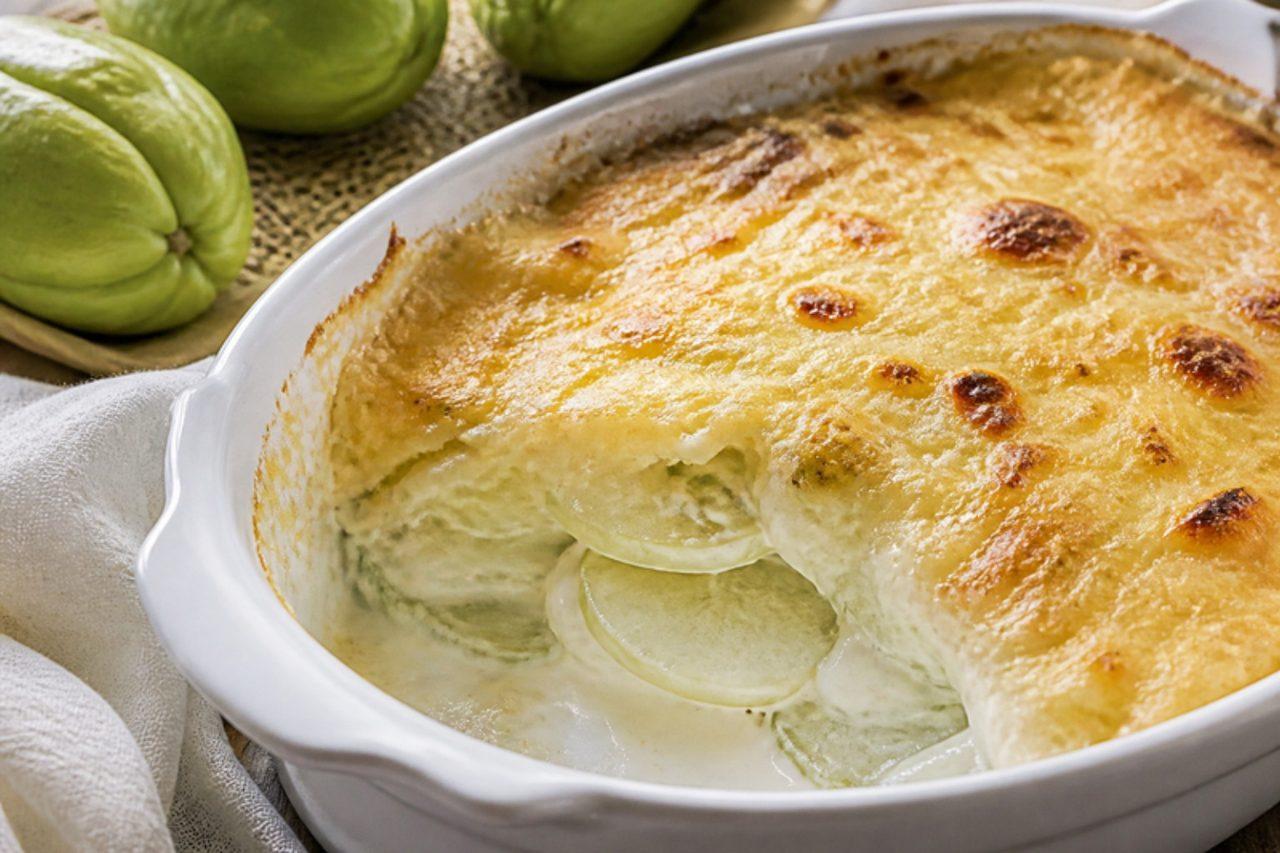
Gratin chouchouChayote cheese gratin

Chouchou vines scramble over fences all over Réunion's highlands, especially around Salazie, so the island has plenty of ways with the pale green squash, and the gratin is the one that comes out for Sunday lunch beside a cari or a roast. Cooked chayote is soft and mild, a bit like courgette crossed with pear, and under a nutmeg béchamel and a browned cheese top it becomes rich and comforting. The great danger is a watery gratin, because chayote gives off a lot of liquid; boil it first and leave it to drain properly before it meets the sauce. The cheese is traditionally an Emmental-style one, often made with animal rennet, so choose a vegetarian hard cheese if that matters to you. Chef's tip: make the béchamel a little thicker than you think, as the chayote will still loosen it slightly in the oven.

by KrazyBadal 0 views

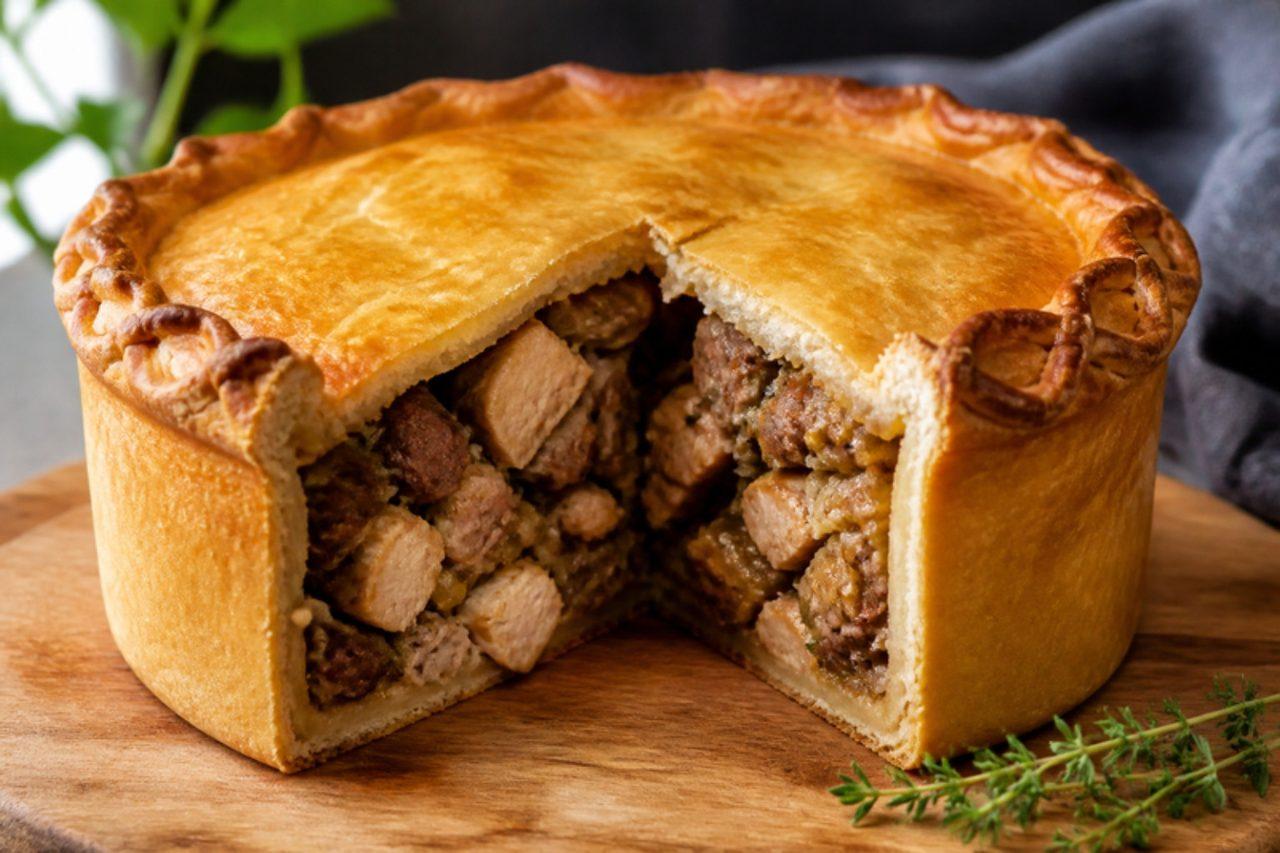
Pâté créolePork and chicken pie

Christmas Eve, New Year and big christenings in Réunion are not complete without a pâté créole, a deep, golden shortcrust pie filled with pork and chicken that have spent a night soaking up garlic, ginger, thyme, parsley and four-spice. It bakes slowly so the meat cooks in its own juices into a tender, fragrant filling that slices neatly, and it is served warm or at room temperature with a green salad. Families often order one from the local baker or traiteur, but it is a satisfying weekend project at home. Because the filling goes in raw, the usual mistake is cutting the meat too large and taking the pie out too early; dice it small and check the centre with a thermometer. Chef's tip: keep a little hole in the middle of the lid; it lets steam escape so the crust stays crisp, and it is exactly where the thermometer goes.

by KrazyBadal 0 views

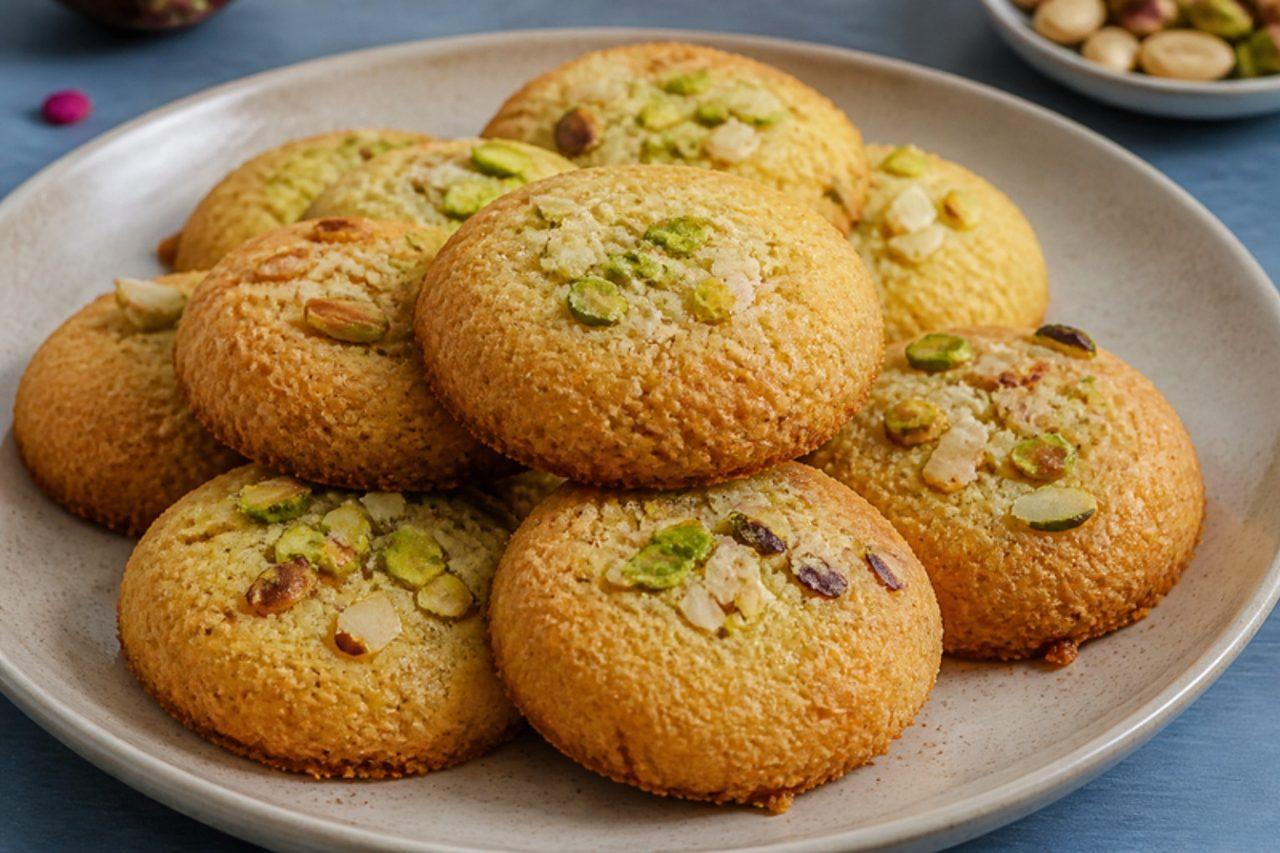
BolinhasSemolina and coconut cookies

Bolinhas (small balls in Portuguese) are the cookies Goan Catholic families bake in batches for the Christmas kuswar, the tins of sweets sent to friends and neighbours in Panjim and Salcete in mid-December. Fresh coconut is cooked briefly in a sugar syrup, mixed with semolina and left overnight so the grains soften, then bound with butter and egg yolks, shaped into small balls, marked with a fork or a cross and baked until golden. The texture is sandy and crumbly outside with a chewy coconut centre, and they smell of cardamom and browned butter. They contain egg yolk, so they are vegetarian with egg, not vegan. The common mistake is baking them the same day: unsoaked semolina stays gritty and the cookies spread. Chef's tip: shape with slightly damp hands and keep them small, about 3 cm; they puff a little and need room on the tray.

by KrazyBadal 0 views

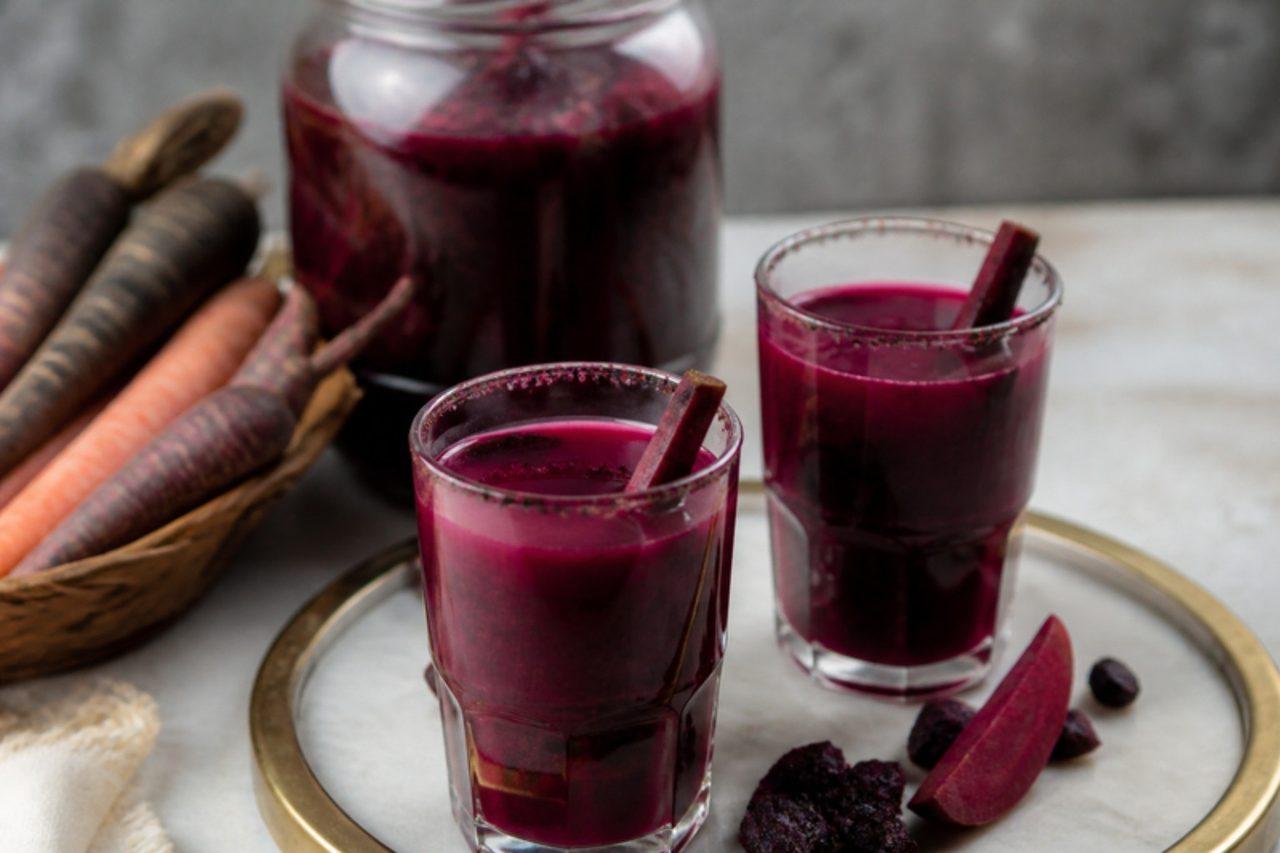
Kali gajar ki kanjiFermented black carrot drink

When the last black carrots of winter reach Punjabi and UP markets in February and March, kitchens start a jar of kanji. The carrots are cut into fingers, steeped in water with crushed mustard seed, salt and chilli, and left in the sun for a few days until the liquid turns deep purple, sour and sharp enough to tickle your nose. It is drunk by the glass before meals around Holi as a digestive and a spring tonic, and the soft, tangy carrot sticks are eaten too. The flavour is like a lively pickle brine, earthy from the carrots and peppery from mustard. Use a glass or ceramic jar that you have washed and dried completely, keep the vegetables under the water, stir with a clean dry spoon, and discard if mould or an unpleasant smell appears. Chef's tip: a small beetroot deepens the colour if your carrots are more red than black, but don't overdo it or the kanji tastes earthy and sweet.

by KrazyBadal 0 views

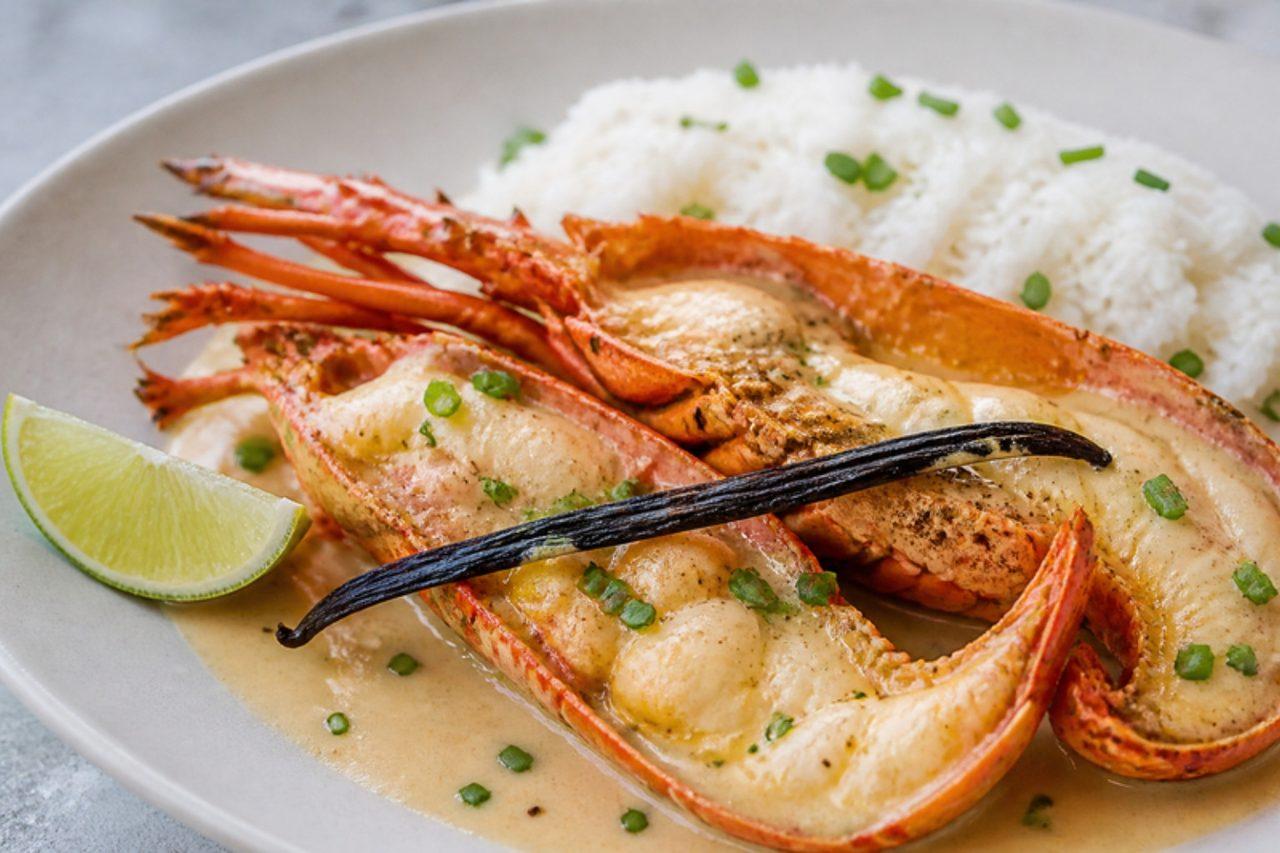
Langouste à la vanilleLobster in vanilla cream

Anjouan and Grande Comore grow some of the world's most fragrant vanilla, and the islands' grandest dish pairs it with spiny lobster from the surrounding reefs. Served at weddings and in seafront restaurants in Moroni, it brings sweet, firm lobster to the table in a pale cream sauce where the vanilla tastes warm and floral rather than sugary, sharpened with lime and a touch of chilli. Frozen raw spiny lobster tails, thawed overnight in the fridge, work beautifully; a ready-cooked lobster just needs warming through. Serve it with plain white rice or fried green banana. Chef's tip: the classic mistake is overcooking, which turns lobster rubbery, so take it from the pan the moment the flesh turns opaque and let the sauce finish the job.

by KrazyBadal 0 views

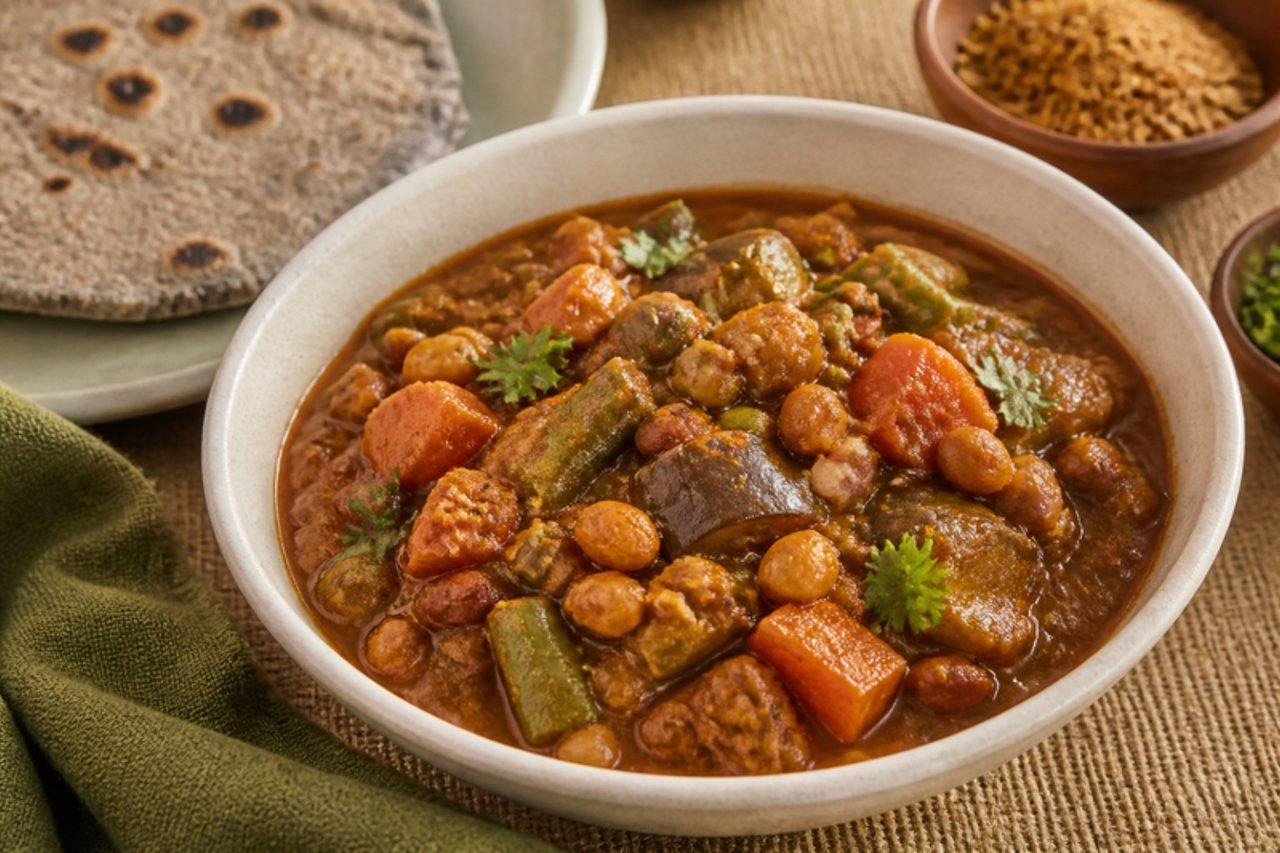
Bhogichi bhajiWinter vegetable and peanut stew

Bhogi, the day before Makar Sankranti, is a day of plenty in Maharashtra, and the lunch to match is this thick mixed bhaji made from everything the winter market offers: green chickpeas (harbhara), fresh field beans (pavta and ghevda), carrots, small brinjals, green peas, ber and sugarcane pieces in some homes. Peanuts and sesame are crushed into it for richness, and the spice is goda masala, the sweet-smoky Maharashtrian blend. It is served with bajra bhakri spread with white butter or sesame, a lump of jaggery and a piece of radish. The taste is earthy, slightly sweet and warming. The mistake is using too much water: it should be a thick, almost dry curry that coats the vegetables. Gluten-free if your goda masala has no wheat-cut asafoetida in it; check the label. Chef's tip: add a spoon of jaggery and a little tamarind at the end; that sweet-sour finish is what makes it taste like Bhogi.

by KrazyBadal 0 views

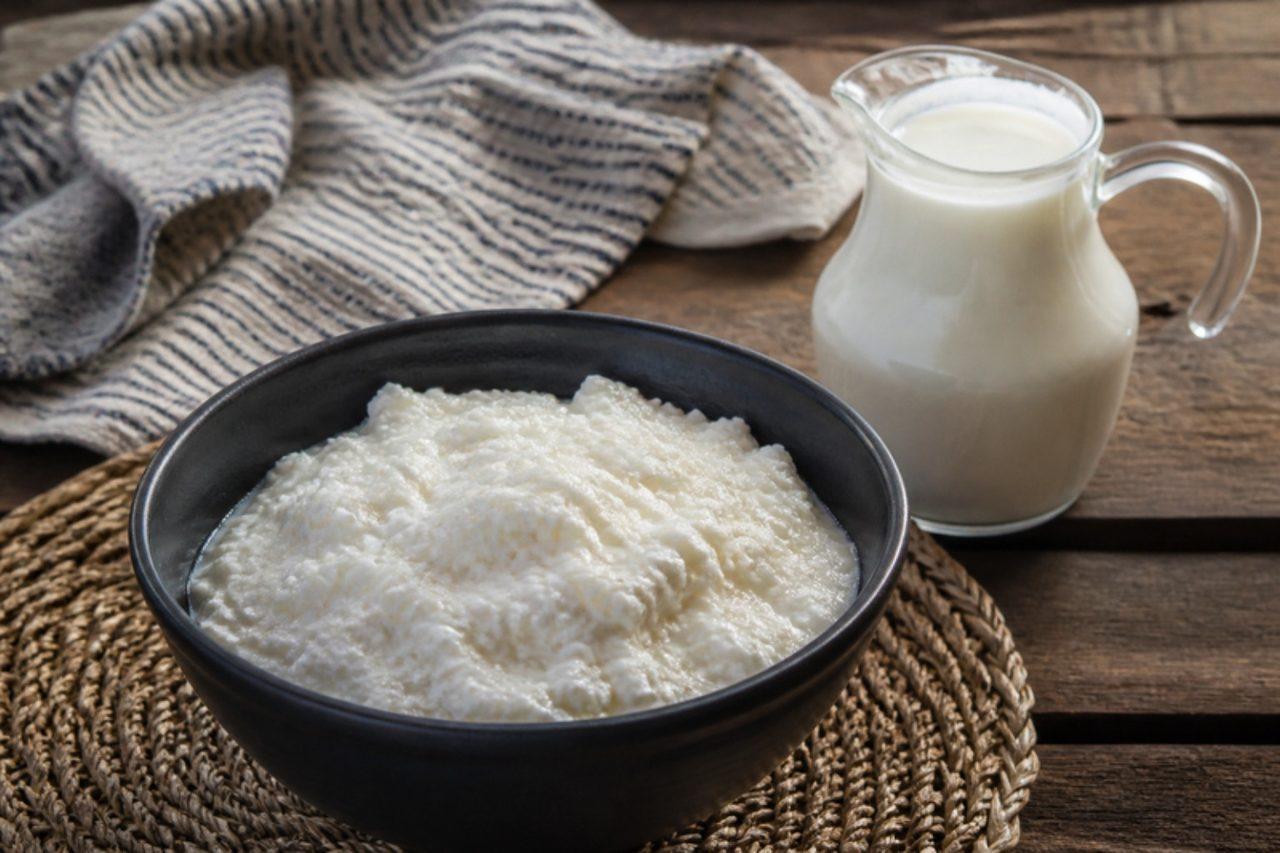
AmasiFermented milk with crumbly pap

Thick, tangy amasi was once soured in calabashes in Zulu and Xhosa homesteads, and it is still the drink-cum-meal that many South Africans crave on a hot afternoon, poured over crumbly pap as umvubo. At home it is easy and safe with pasteurised full-fat milk and a spoon of live cultured buttermilk as the starter; never use raw milk. Expect something like a pourable, sharper yoghurt with soft curds, cooling against the dry, crumbly maize. The common mistake is fermenting somewhere too warm, which makes the milk separate into watery whey and rubbery lumps. Chef's tip: once it has set, chill it for a few hours before eating; the cold firms the curd and rounds out the sourness.

by KrazyBadal 1 views

Moreton Bay bugsSlipper lobster with garlic butter

Moreton Bay bugs are the flat, shovel-nosed slipper lobsters caught off the Queensland coast around Brisbane and the Sunshine Coast, and for Queenslanders they are a summer treat, split and grilled at the beach house. The tail meat is sweet and rich, somewhere between lobster and prawn. Buy them raw, frozen or fresh, from a fishmonger and ask them to halve them if you like. A common mistake is overcooking, which makes the meat rubbery; it is ready the moment it turns white. Chef's tip: grill flesh side down first to mark it, then turn and baste in the shell.

by KrazyBadal 2 views

Showing 24 of 2,217 recipes

Show more recipes

Page 1 of 93