Skip to content
Recipes

All recipes

Vegetarian, or something you can't eat? Set your diet once and we'll hide recipes that don't fit.

Postre MassiniCustard sponge with burnt sugar top

Montevideo's birthday cake of choice since the early twentieth century, the Massini is two thin layers of sponge sandwiching a thick filling of whipped cream folded with egg-yolk custard, crowned with a thin glassy crust of torched yolk and sugar. Bakeries across Uruguay sell it on Sundays. Traditional versions sometimes add a sweet fortified wine to the custard; this one is alcohol-free. The custard is cooked to a safe 71 °C. The common mistake is assembling with warm custard, which melts the cream into a puddle. Chef's tip: if you don't have a blowtorch, put the sugared top under a very hot grill for a minute and watch it closely.

by KrazyBadal 0 views

Tarta de zapallitosCourgette and cheese tart

In Buenos Aires every rotisería sells tartas by the slice, and at home a tarta de zapallitos is baked on Sunday evening so that a wedge can go into the vianda (packed lunch) for school and work all week. Zapallitos are round green courgettes; ordinary courgettes work just as well. The common mistake is adding the courgette raw, which floods the pastry; sauté it until the liquid has cooked away. Argentine queso rallado and many hard cheeses are made with animal rennet, so use a vegetarian hard cheese. Chef's tip: bake the tart on a preheated baking tray so the base crisps before the filling soaks in.

by KrazyBadal 0 views

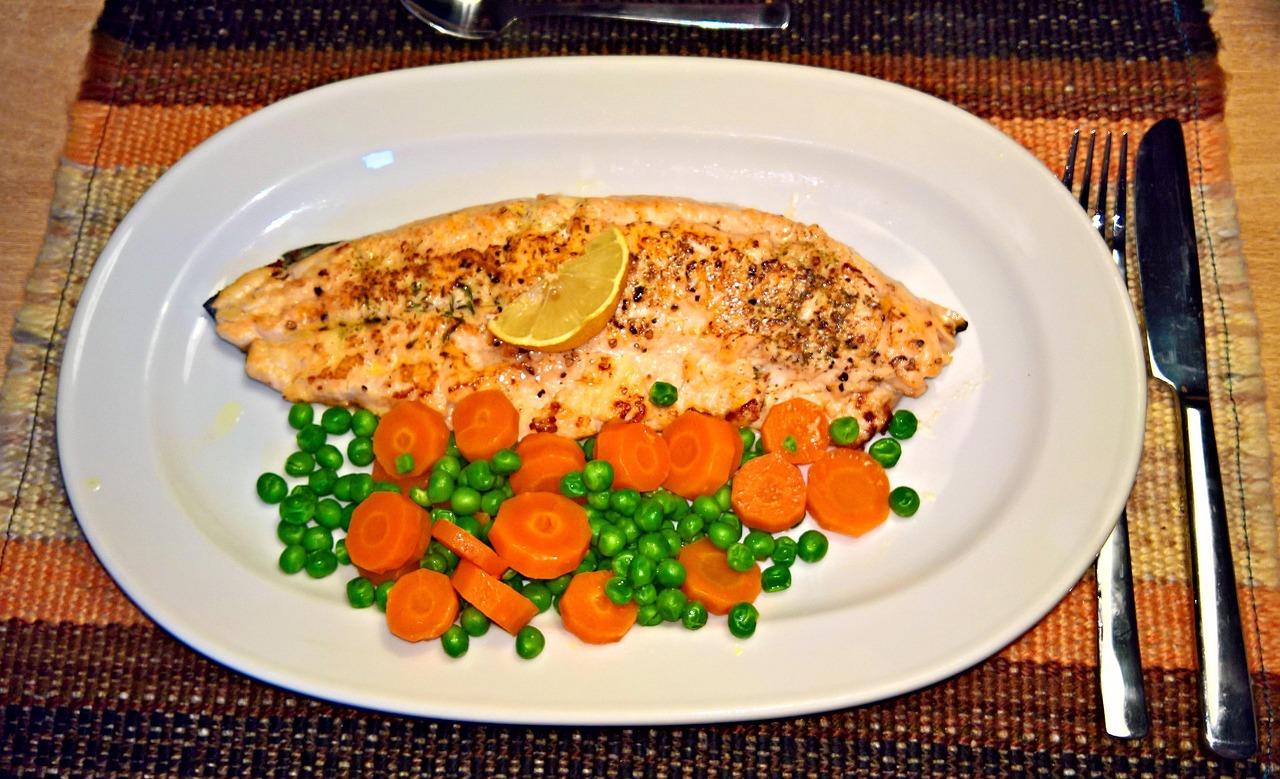
Highland grilled trout

Trout farms fed by cold Tatra streams supply the roadside grills and mountain inns of Podhale, and pstrąg po góralsku is what hikers order on the terrace with a view of Giewont: a whole fish, stuffed with garlic and fresh herbs, crisped in butter until the skin crackles. The flesh is sweet and delicate, scented by dill and parsley from the inside out. Serve it with boiled new potatoes, lemon and a cucumber salad with sour cream. The classic error is flipping too early, so the skin tears and sticks; leave it until it releases on its own. If you have a grill basket, the same fish is excellent over charcoal. Chef's tip: score the thickest part of each side twice, right down to the bone, so the head end cooks as fast as the tail.

28 minPolishFishGluten free
by KrazyBadal 0 views

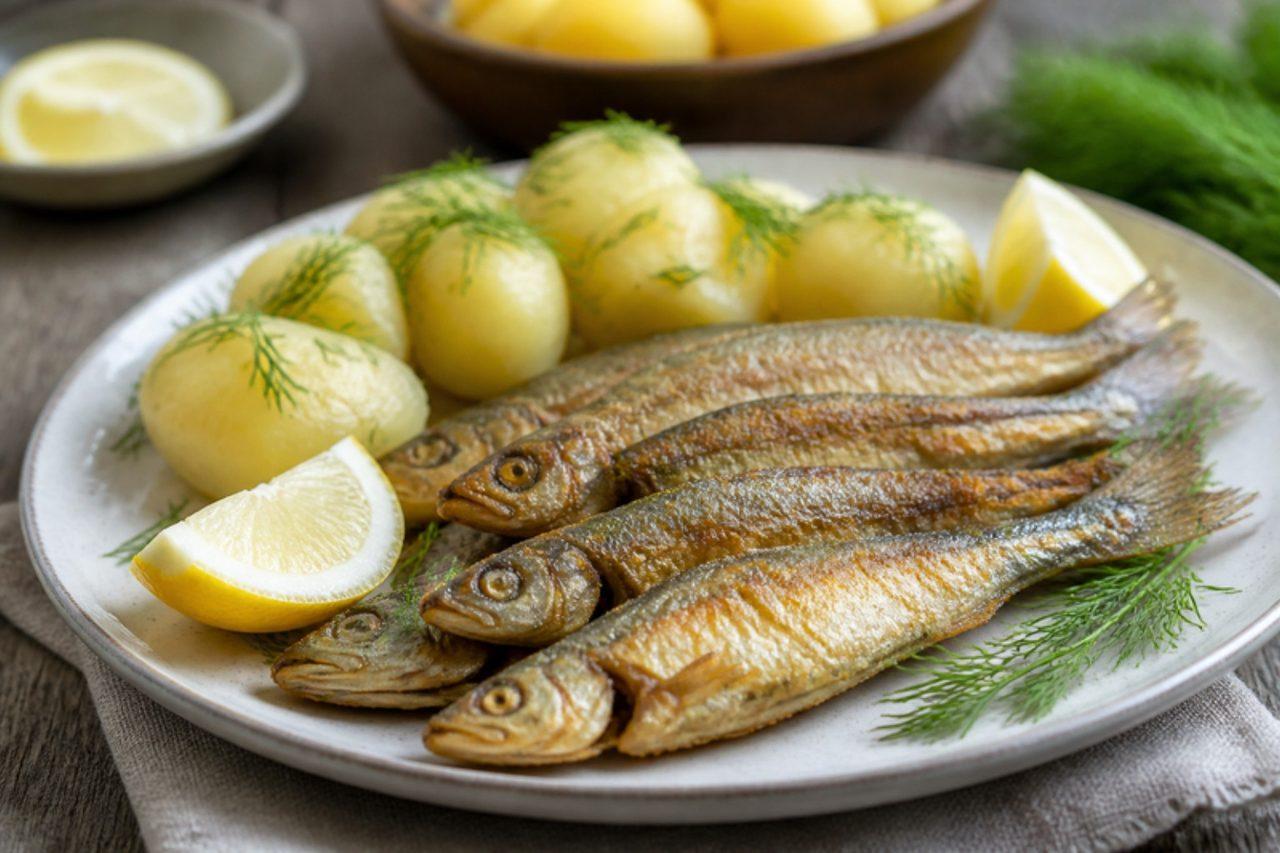
Fried vendace

Sielawa, the small silvery whitefish of the deep Masurian lakes, is a holiday treat in Mikołajki, Giżycko and the lakeside fish huts, sold freshly fried on paper plates with a lemon wedge and a slice of bread. The fish are so slender that, once floured and fried in butter, the fine bones become soft enough to eat and the skin turns golden and crunchy around sweet, delicate flesh. A cold cucumber salad or chips are the usual companions. Overcrowding the pan is the chief error: the fish steam instead of frying and the coating goes pale and soggy. If vendace is hard to find, smelt, small whiting or sprats work the same way. Chef's tip: dry the fish properly before flouring and fry in two batches, adding a little fresh butter and oil each time so it never burns.

25 minPolishFish
by KrazyBadal 0 views

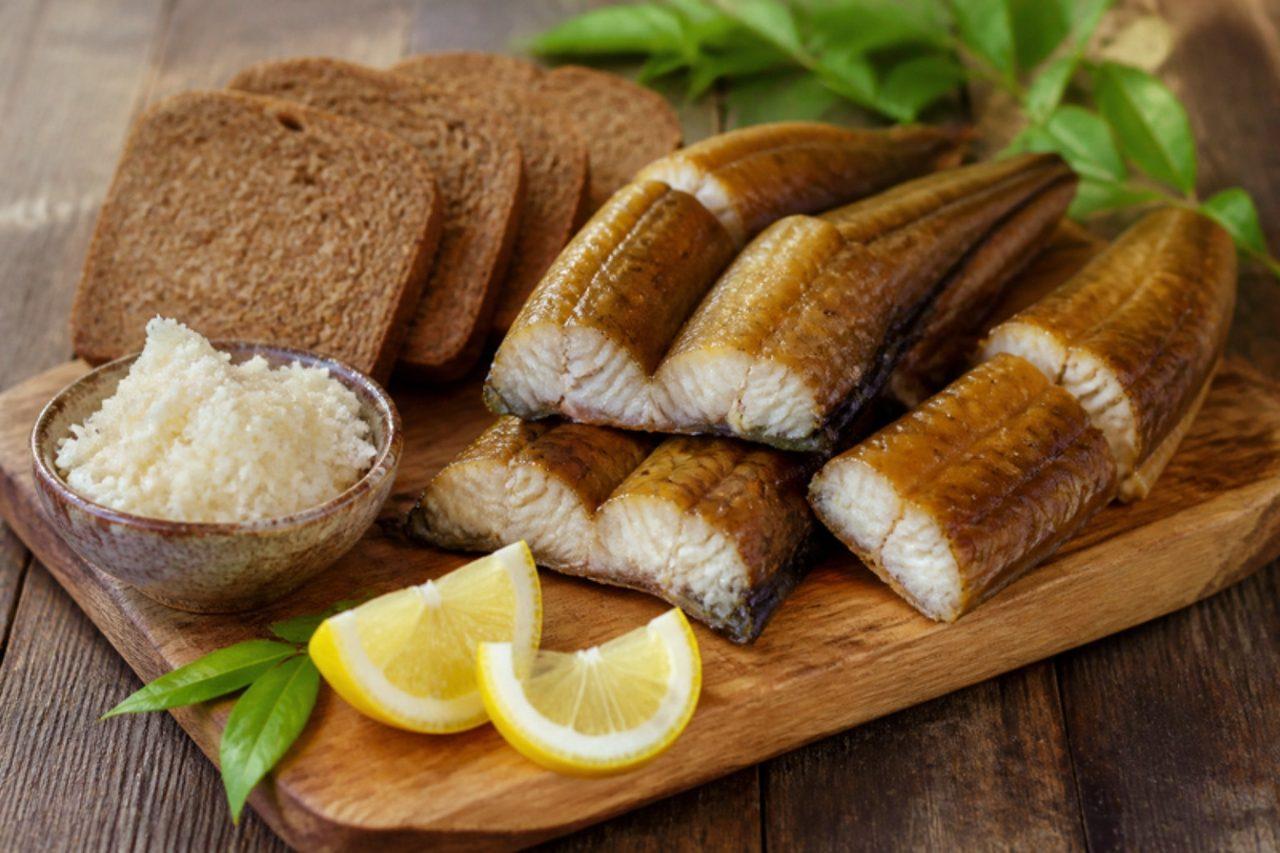
Smoked eel

Fish smokehouses dot the shores of the Great Masurian Lakes, and an eel hot-smoked over alder, golden-skinned and glistening, is the prize of any summer trip to Węgorzewo or Ruciane-Nida. The flesh is rich, soft and smoky-sweet, and it is eaten cold on rye bread with grated horseradish and a squeeze of lemon. European wild eel is endangered, so buy farmed eel from a responsible fishmonger, ready gutted. This is a fully hot-smoked version: the fish is brined in the fridge and cooked through in the smoker. Smoked fish can carry listeria if it is not cooked through or kept cold, so it is not for pregnant women, young children or anyone with a weakened immune system unless reheated until steaming. Many home smokers run the heat too low throughout, which leaves the eel smoky but undercooked. Chef's tip: ready hot-smoked eel from a lakeside smokehouse is the easy route; just serve it well chilled with the same garnishes.

240 minPolishFishGluten free
by KrazyBadal 0 views

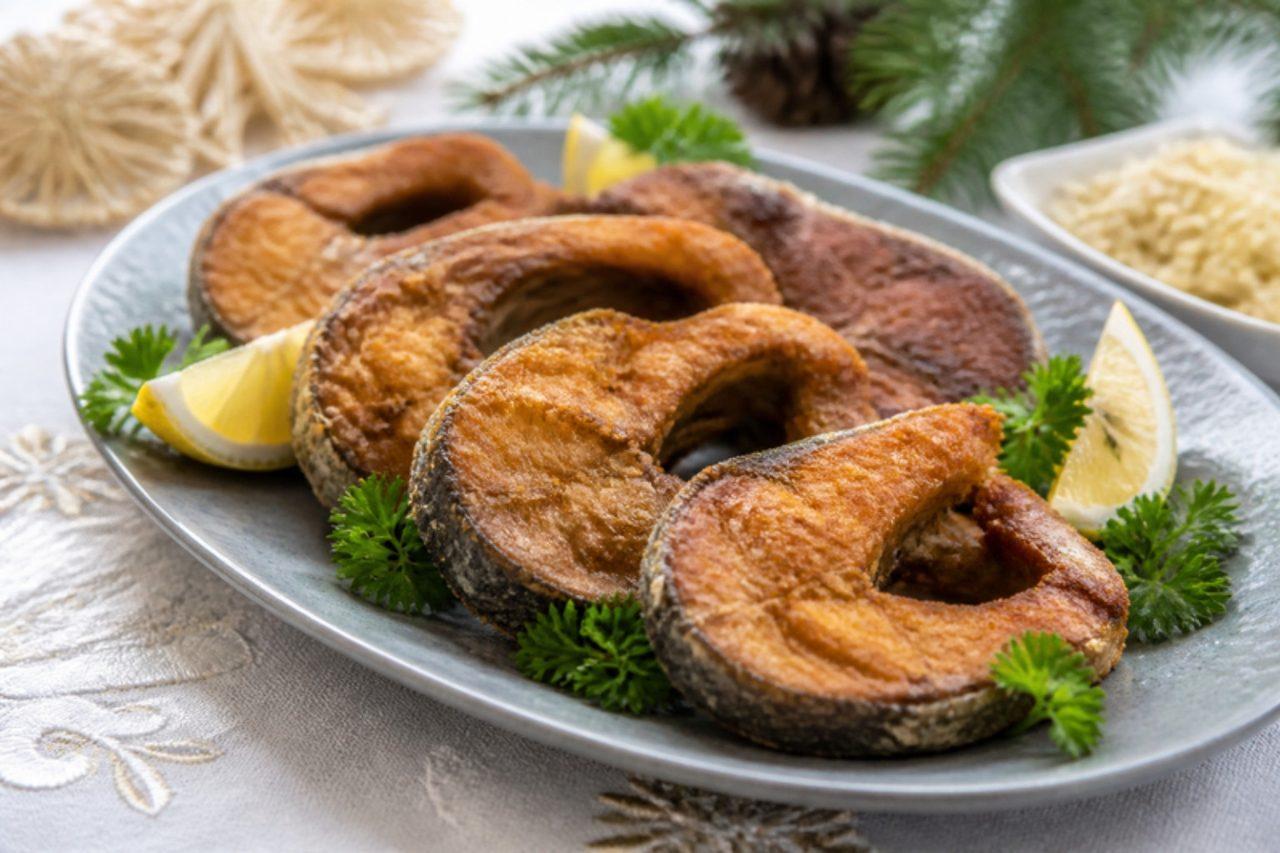
Fried Christmas carp

For many Polish families, Wigilia, the meatless Christmas Eve supper, is not complete without fried carp, bought live from market tanks in mid-December or, more often today, cleaned and cut into steaks at the fishmonger. The steaks are salted, floured and fried until the skin crisps and the white flesh turns sweet and juicy. Serve with boiled potatoes, sauerkraut with peas, or simply bread and a lemon wedge, after the beetroot barszcz. Keeping a scale from the Christmas carp in your wallet is said to bring money all year. Carp has a reputation for tasting muddy, and the usual culprit is skipping the salting and resting time. Ask the fishmonger to score the steaks finely so the small Y-shaped bones soften as they fry. Chef's tip: salt the steaks and leave them in the fridge for 20 minutes, then pat completely dry; the flesh firms up and the flour clings in a thin, even crust.

40 minPolishFish
by KrazyBadal 0 views

Babka wielkanocnaEaster yeast cake

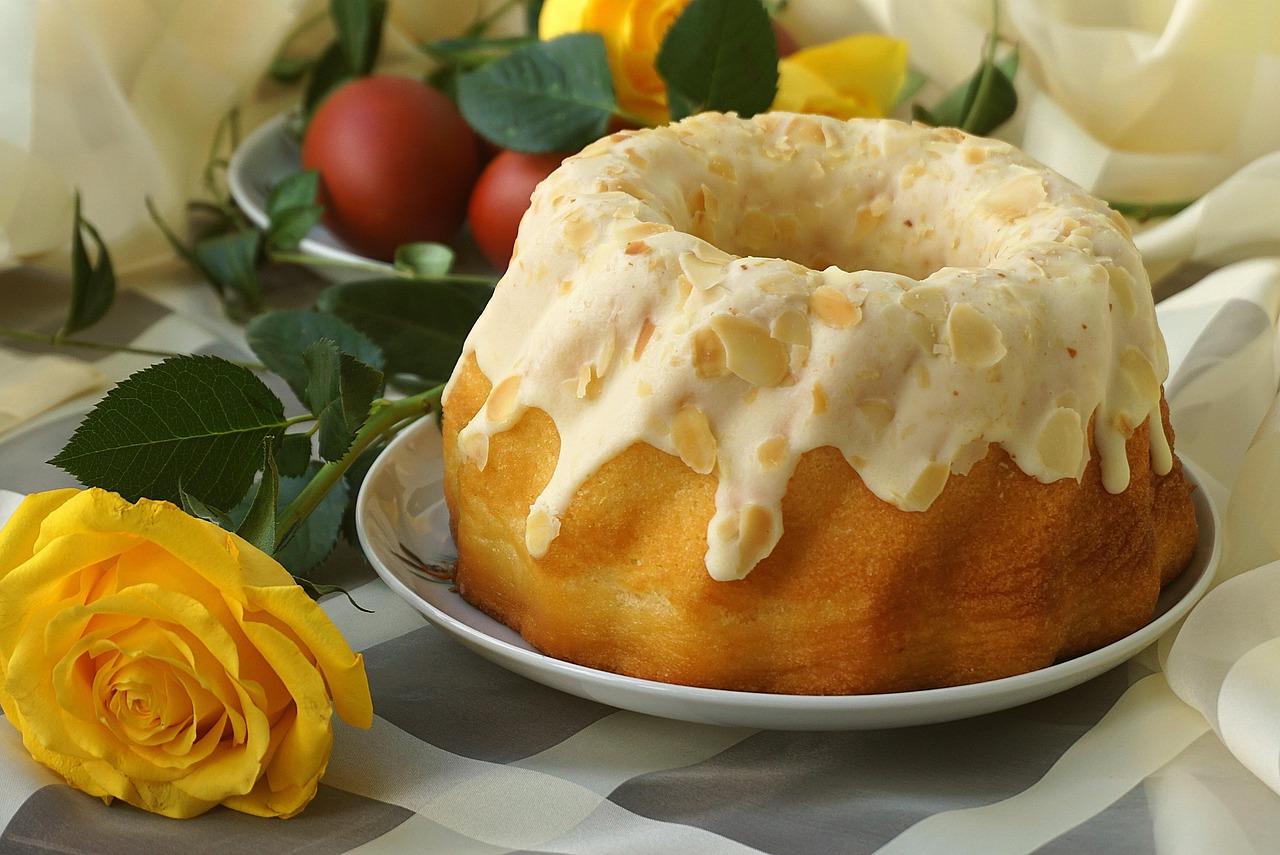
A golden babka standing tall in the Easter basket used to be a matter of family pride, and old cooks whispered while it baked, convinced a slammed door would make it sink. The dough is soft and rich with egg yolks and butter, beaten until it is elastic, then baked in a fluted ring tin into a cake with a fine, feathery, saffron-yellow crumb. Raisins are often soaked in rum; this version uses orange juice, but a couple of spoons of rum work if you prefer. The usual slip is adding too much flour to a sticky dough, which makes the babka dry; it should stay soft and almost batter-like. Chef's tip: cool the babka on its side, turning it now and then, so the delicate crumb doesn't collapse.

185 minPolishBaking
by KrazyBadal 0 views

Drożdżówka z kruszonkąSweet yeast bun with crumble

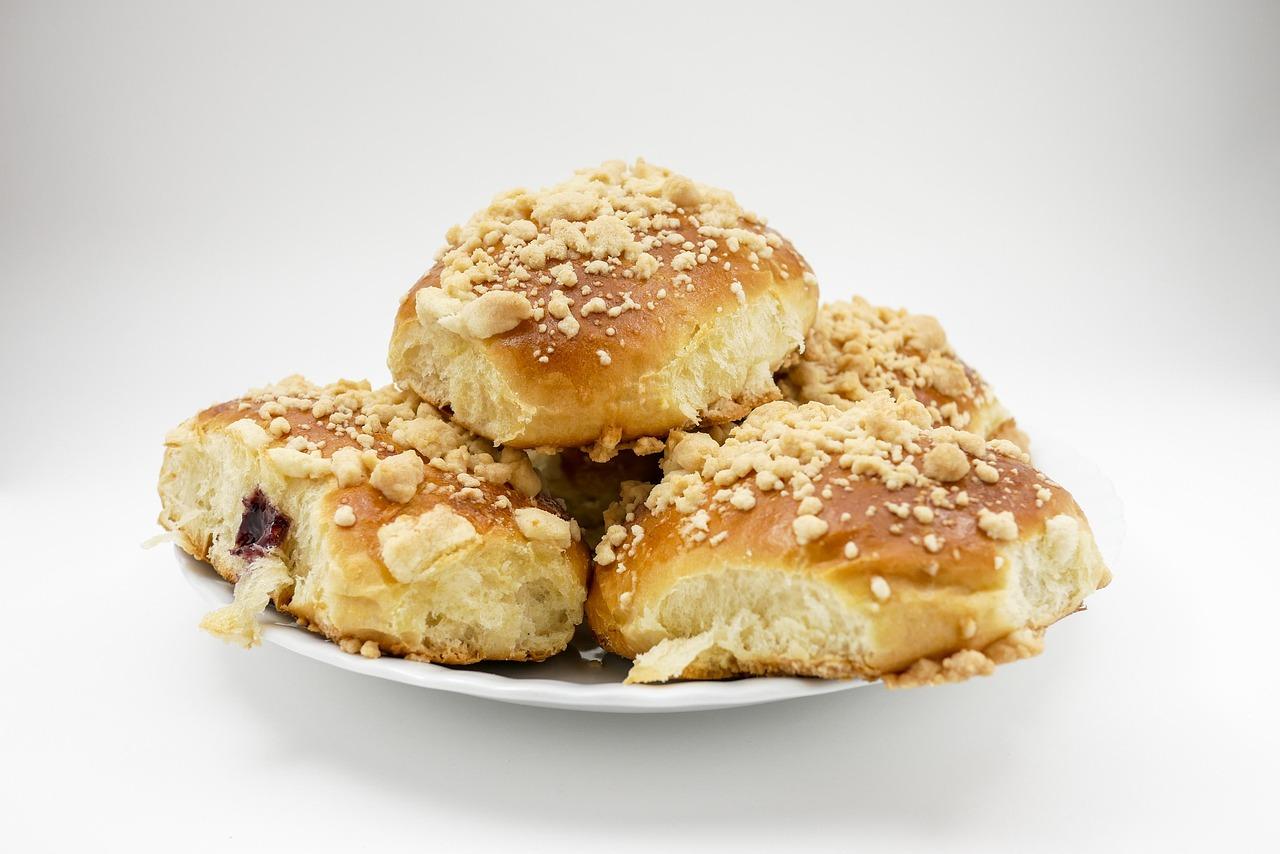
Every Polish bakery window has a row of drożdżówki, and the bun with sweet cheese under a sandy butter crumble is the one schoolchildren buy on the way to class. The dough is soft, milky and lightly sweet, the vanilla twaróg filling is thick and tangy, and the crumble bakes into crisp, sugary nuggets that scatter everywhere when you bite in. Fruit versions use plums, blueberries or apple. A common mistake is overfilling, so the cheese bursts out and the buns lose their round shape. Twaróg is usually rennet-free, but check the label. Chef's tip: brush the dough with egg before adding the crumble; it glues it on and gives a shiny edge.

110 minPolishBaking
by KrazyBadal 0 views

FafernuchyHoney and carrot Christmas cookies

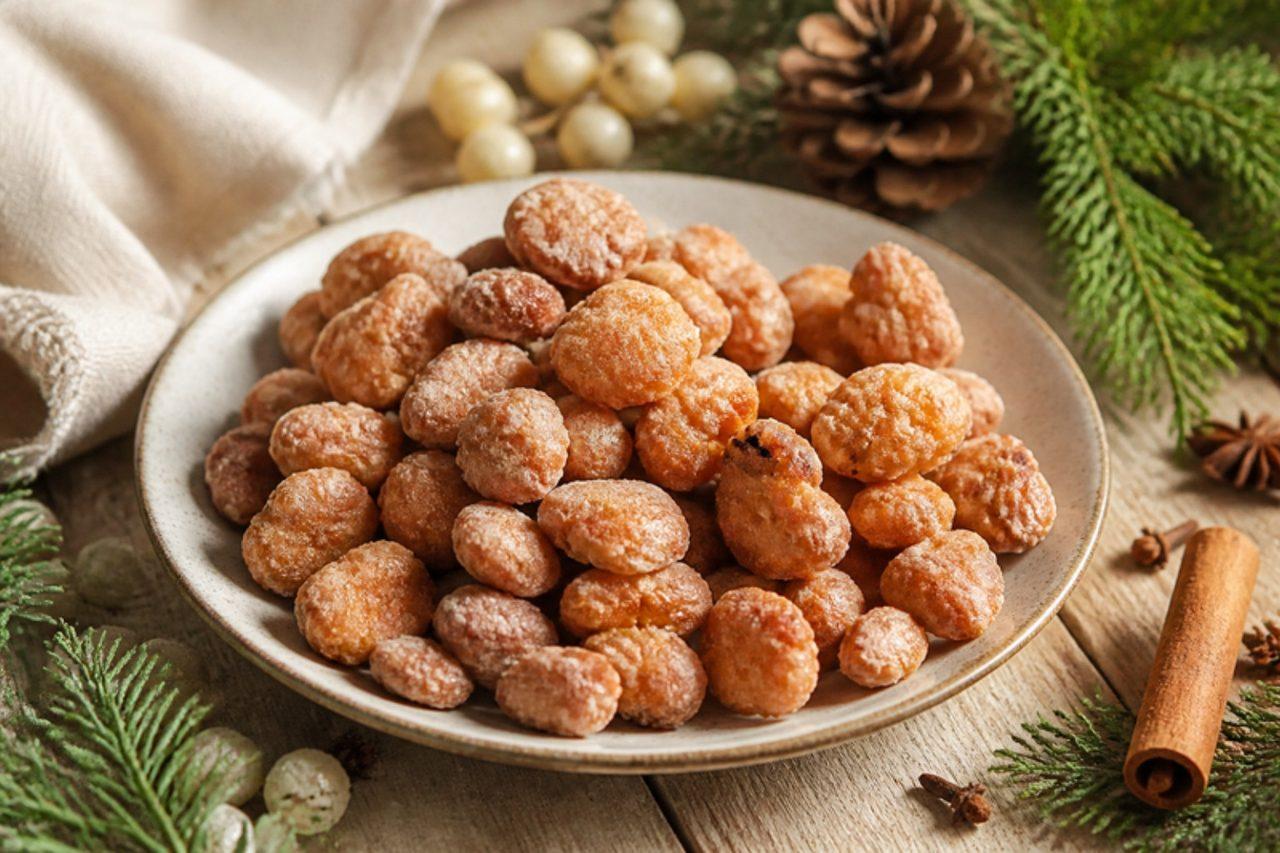
Old Masurian and Warmian households baked fafernuchy weeks before Christmas and kept them in tins, where they slowly mellowed; children found them in their stockings and on the Christmas plate. They are small, hard, pebble-like biscuits, sweetened with honey and given a gentle colour and moisture from finely grated carrot, with a little spice in some homes. Expect a proper crunch, made for dunking in tea. A common mistake is expecting them to be soft straight from the oven; they are meant to be firm and soften only a little in the tin. Chef's tip: grate the carrot on the finest side of the grater so the dough stays smooth and holds its shape.

by KrazyBadal 0 views

Kołocz śląskiSilesian cheese yeast cake

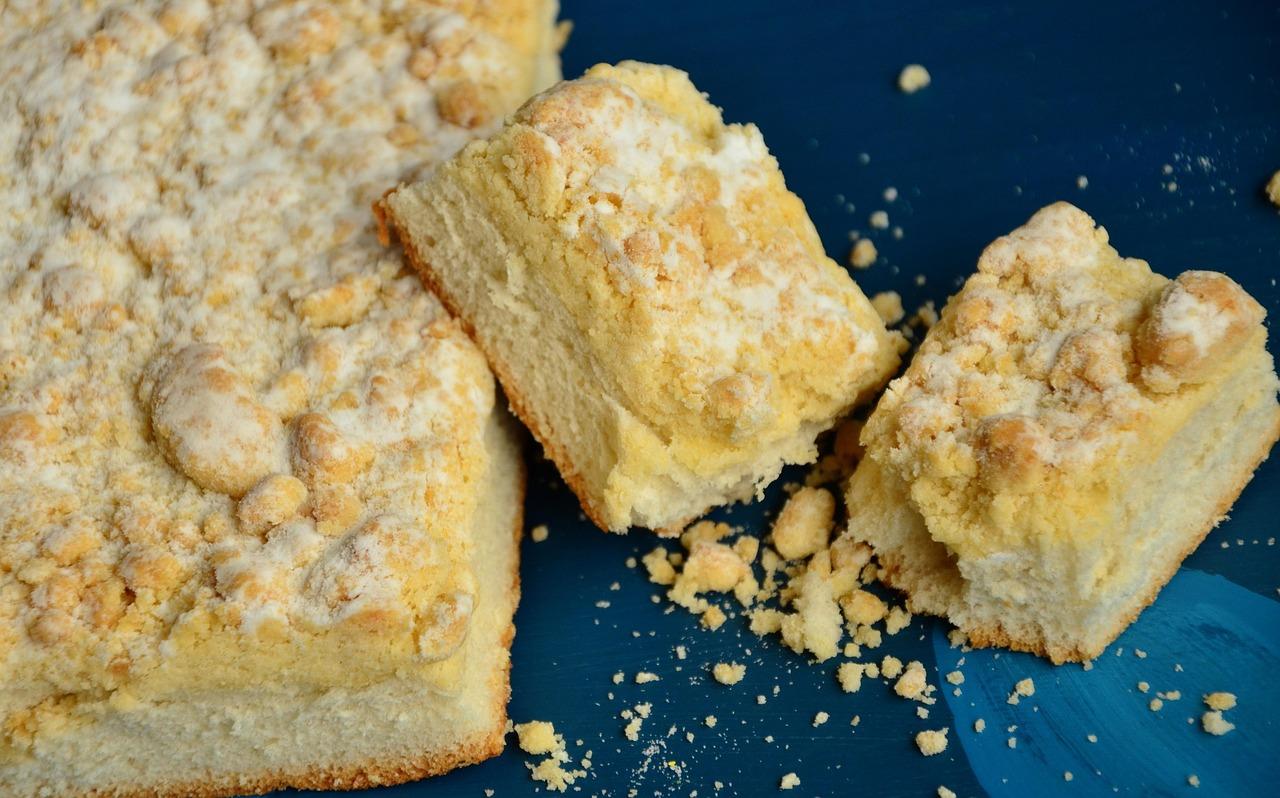
Silesian weddings once had kołocz delivered to every neighbour as a thank-you, and the wide trays still appear at christenings, harvest festivals and church fairs in Opole and around Katowice. The base is a soft, lightly sweet yeast dough, spread with a thick layer of vanilla twaróg and covered with a buttery crumble that bakes into craggy golden lumps. It keeps well for two days and cuts into neat squares for coffee. A common mistake is baking it before the dough has had its second rise under the topping, which gives a dense, bready base. Twaróg is usually rennet-free, but check the label. Chef's tip: keep the crumble in the fridge until the last moment so it stays in distinct lumps in the oven.

150 minPolishBaking
by KrazyBadal 0 views

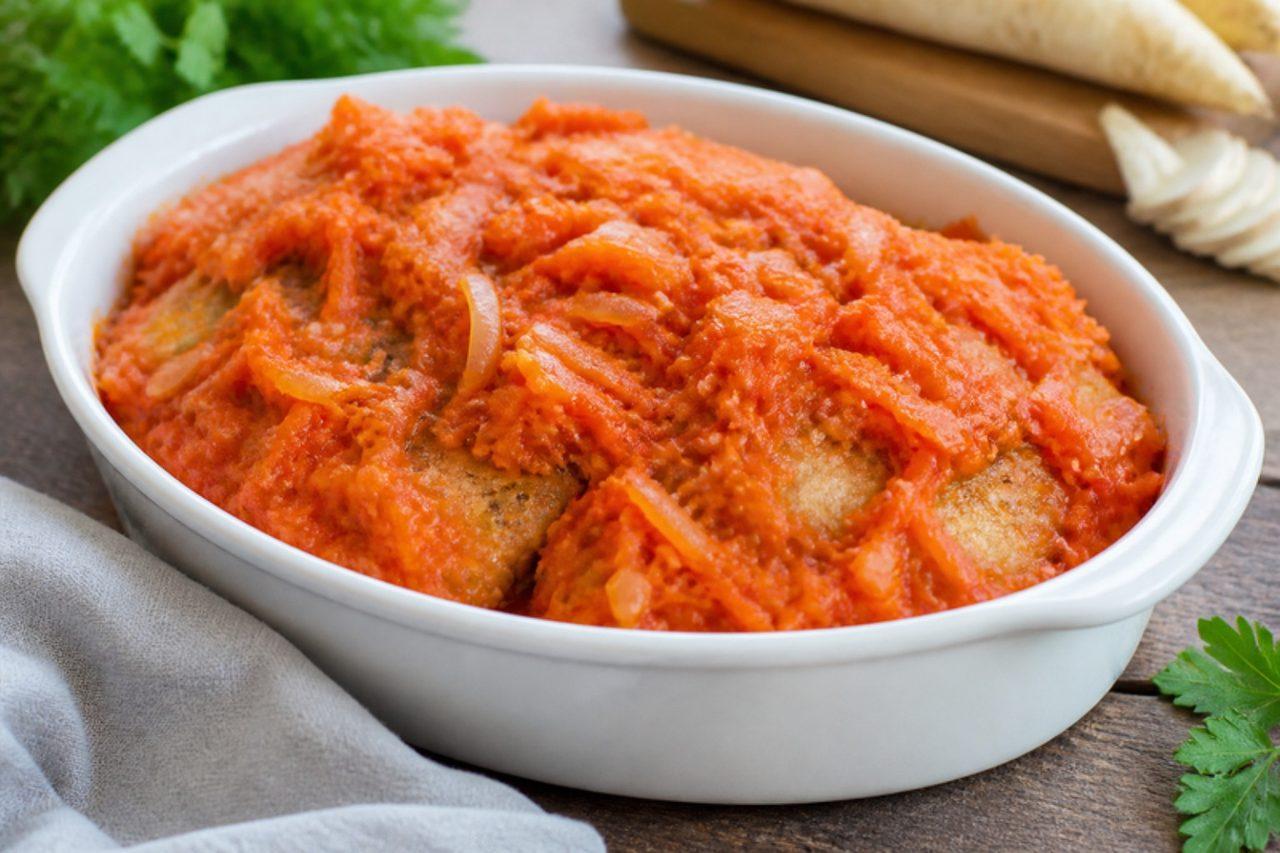
Ryba po greckuFish under sweet-sour vegetables

Ryba po grecku, 'Greek-style fish', has no Greek roots at all; it is a Polish invention from the communist years, when cheap frozen cod and pollock met carrot, parsley root and tomato purée to make a festive dish out of very little. Today it sits on almost every Christmas Eve table and at name-day buffets, served cold. Pieces of fried white fish disappear under a thick, orange layer of soft vegetables stewed in tomato with allspice and bay, sweet and tangy at once. It needs a night in the fridge for the vegetable sauce to soak into the fish. The usual slip is grating the vegetables too fine, which turns them to mush; use the coarse side of the grater or cut thin matchsticks. Chef's tip: let the fish and the vegetables cool before layering, then chill; it tastes better on day two and keeps for three days.

60 minPolishFish
by KrazyBadal 0 views

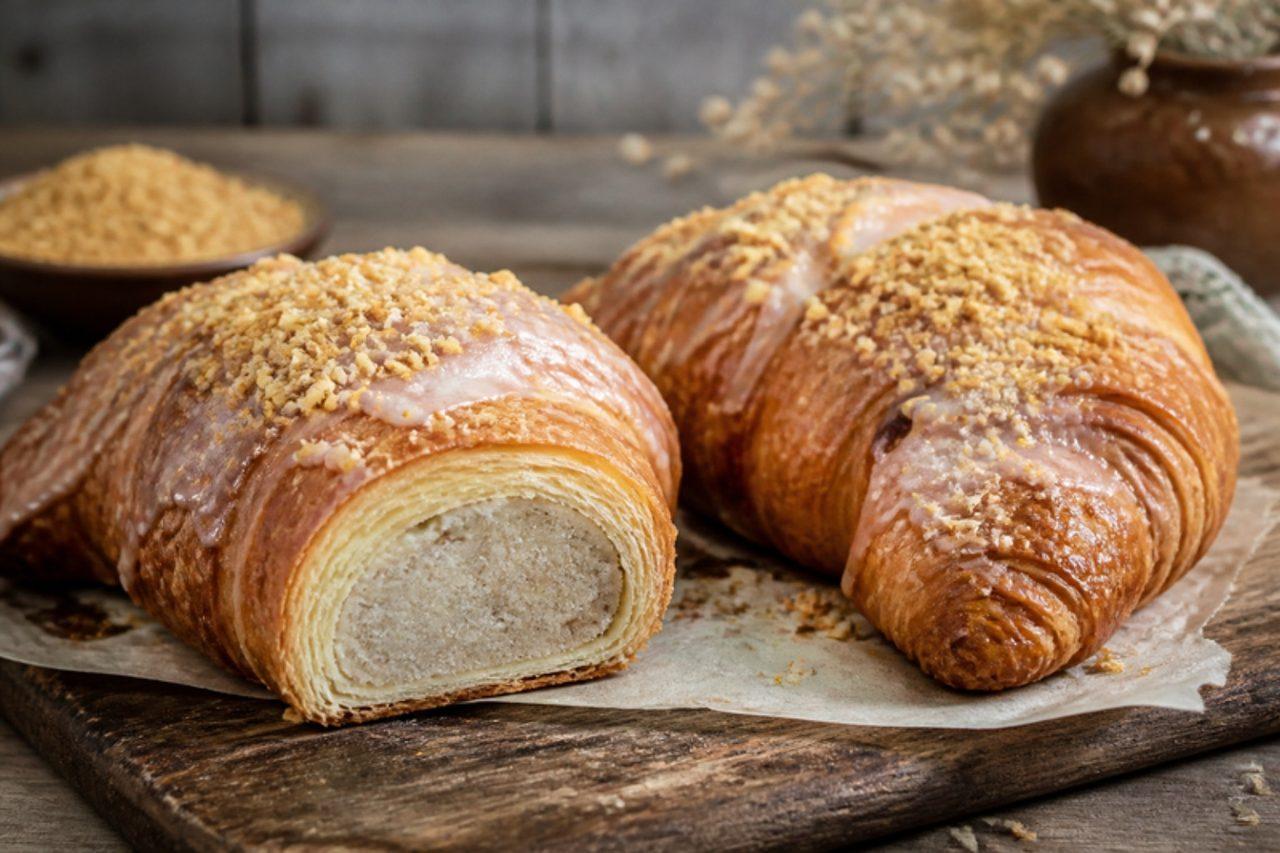
Rogal świętomarcińskiPoppy seed crescent pastry

Every 11 November, St Martin's Day, Poznań eats well over a million of these heavy crescents, and only certified local bakeries may sell them under the protected name. Our home version follows the same idea: a flaky laminated yeast dough wrapped around a rich filling of white poppy seed, nuts, dried fruit and cream, glazed with icing and scattered with chopped nuts. Each rogal is large, sweet and almond-scented, best shared with coffee. A common mistake is letting the butter get warm during folding; it then melts into the dough and the layers disappear. Chef's tip: white poppy seed is milder than blue; ask for it at Polish shops or online, and grind it fine.

175 minPolishBaking
by KrazyBadal 0 views

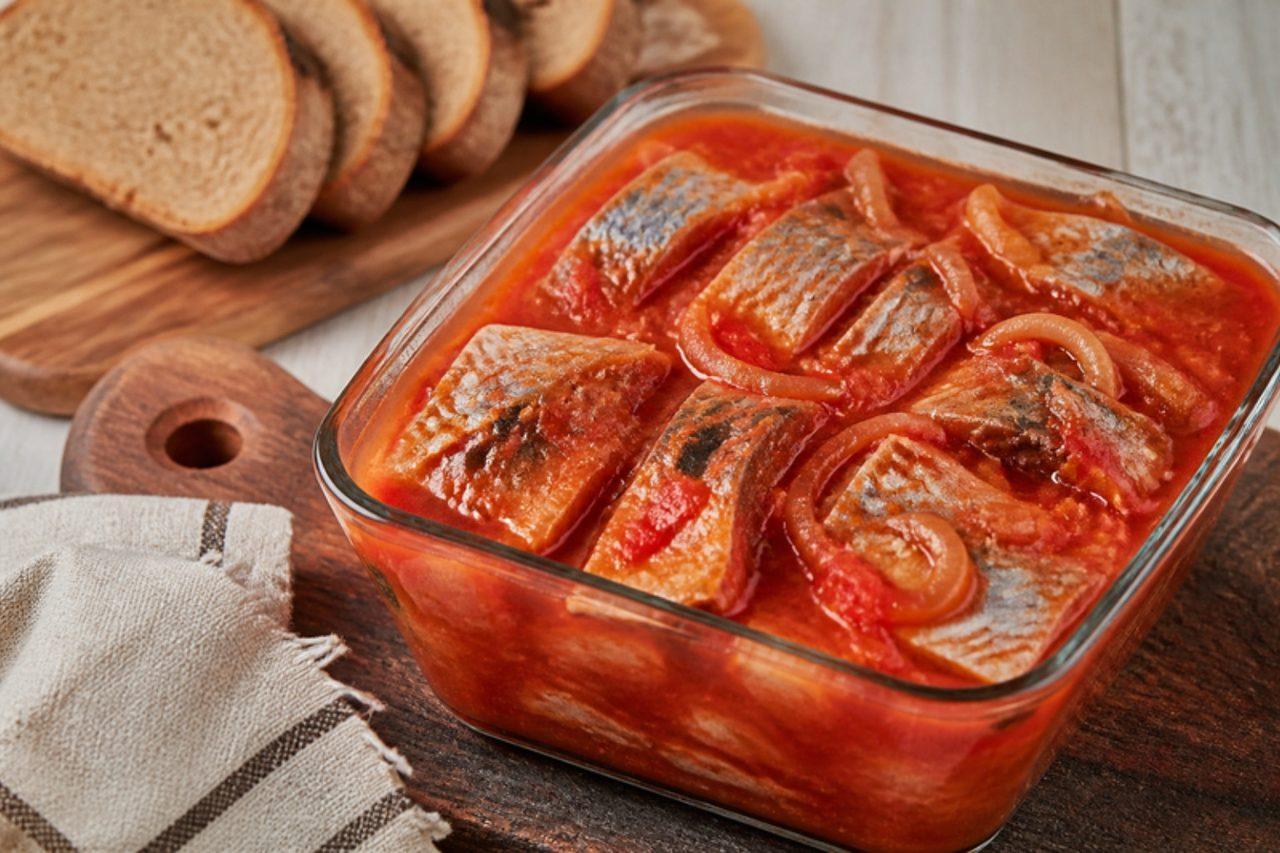
Śledź po kaszubskuHerring in sweet-sour tomato sauce

Kashubian fishing families along the Baltic coast and the lakes near Kartuzy always kept a crock of herring in the cellar, and this layered version, with a thick sweet-and-sour sauce of slow-fried onion and tomato, is now a fixture of the Christmas Eve table across Pomerania. Mild salted fillets sit between spoonfuls of the soft, glossy sauce, and after a night in the fridge the two flavours merge into something savoury, tangy and gently spiced. Eat it cold with boiled potatoes or rye bread. Herring like this is cured but never cooked, so buy ready-salted or matjes fillets from a good fishmonger, keep them chilled, and note it is not for pregnant women, young children or anyone with a weakened immune system. Pouring the sauce on while hot is a mistake: it partly cooks the fish and turns it grey and soft. Chef's tip: taste a corner of a fillet before soaking; mild matjes need only a short rinse, while barrel-salted herring needs hours.

40 minPolishFishGluten free
by KrazyBadal 0 views

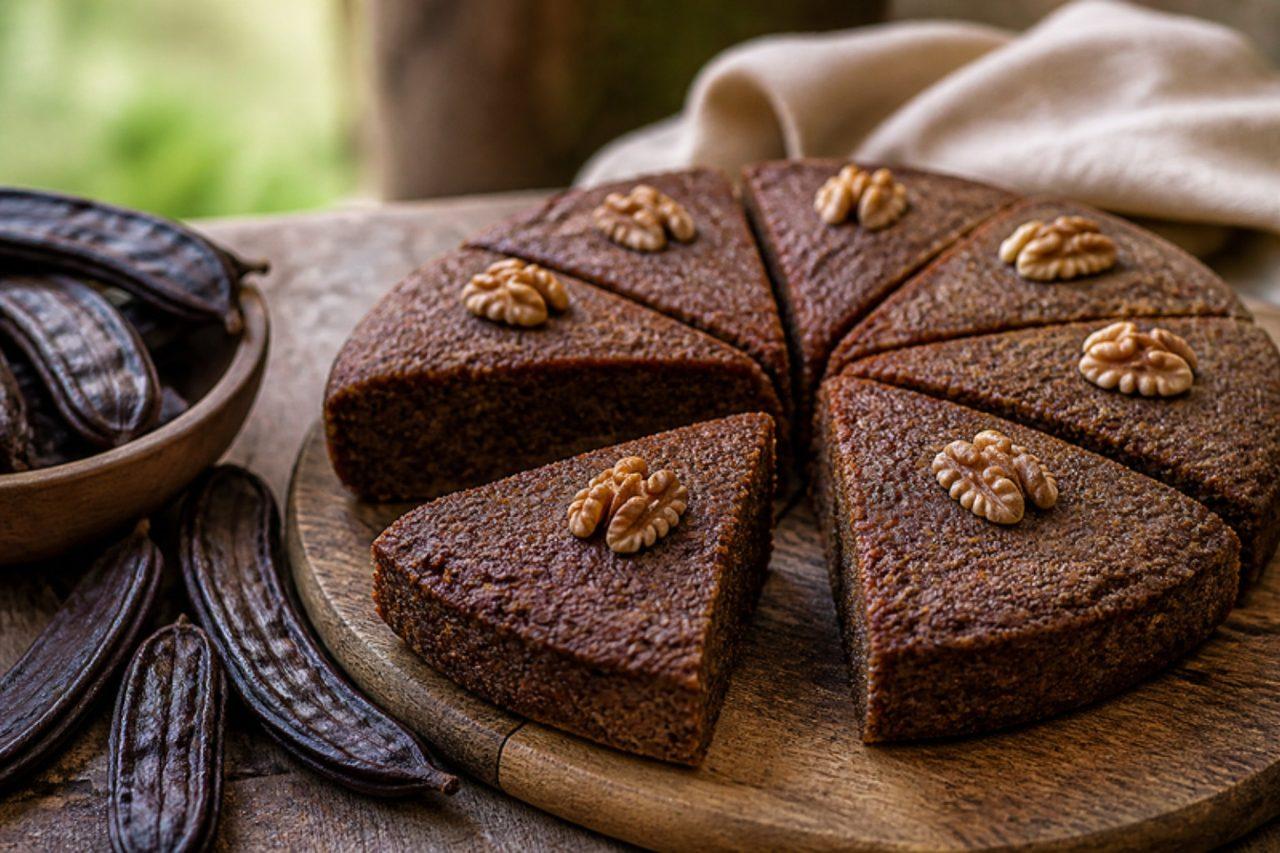
PatayAlgarroba pod cake

Long before sugar reached the dry northwest, the pods of the algarrobo tree were the region's sweetness, and patay is the oldest way of keeping them: the pods are ground, the flour is moistened and pressed into a cake that dries into something dense, fudgy and naturally sweet, with notes of cocoa, coffee and caramel. In Santiago del Estero you still buy it in round slabs at markets and roadside stalls, to eat with mate or to crumble into milk. Harina de algarroba comes from the South American Prosopis tree; look for it in health-food shops or online, and mesquite flour is the same family and works well. Mediterranean carob flour is different and tastes more bitter. Too much water is the way most first attempts go wrong: the cake should be pressed from a damp, crumbly mix, not a batter, or it bakes up gummy. Chef's tip: sieve the flour twice; algarroba flour clumps, and lumps stay as hard grains.

by KrazyBadal 0 views

Pepas de membrilloQuince jam cookies

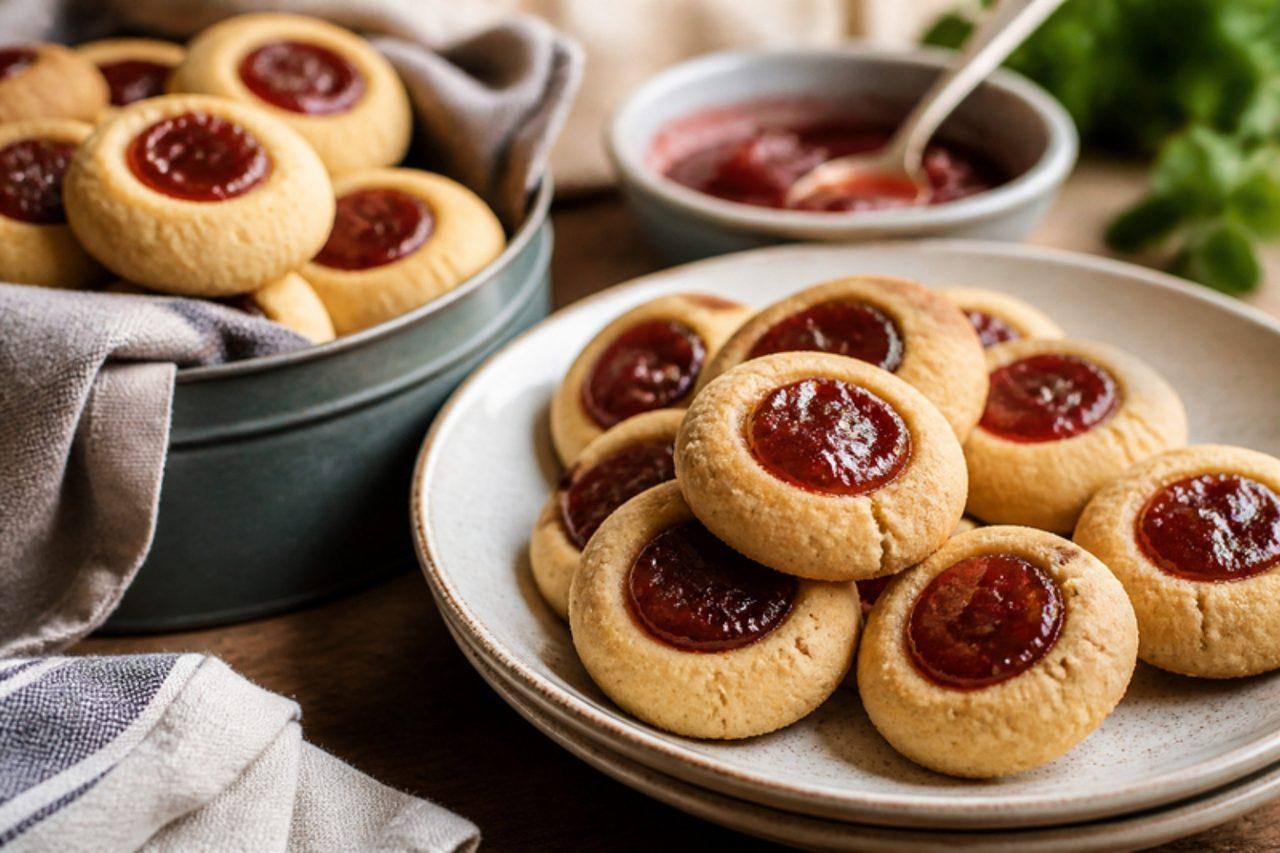
Pepas are the little round cookies with a jewel of quince jam in the middle that Argentine kiosks sell by the bag and grandmothers keep in a tin for the mate round. They are tender and crumbly, not crisp, with just enough sugar that the tart, dark membrillo stands out. Children love pressing the thumbprint and filling it, which makes them a good first baking job, and they keep for a week in an airtight jar. Kiosk versions are often made with margarine; butter tastes far better. Overbaking is the usual problem: take them out while the tops are still pale and only the bottoms are golden, because they firm up as they cool. Chef's tip: use quince paste softened with a spoonful of hot water and pipe it from a small bag; a spoon leaves smears on the dough that burn.

by KrazyBadal 0 views

Rosca de PascuaEaster ring bread

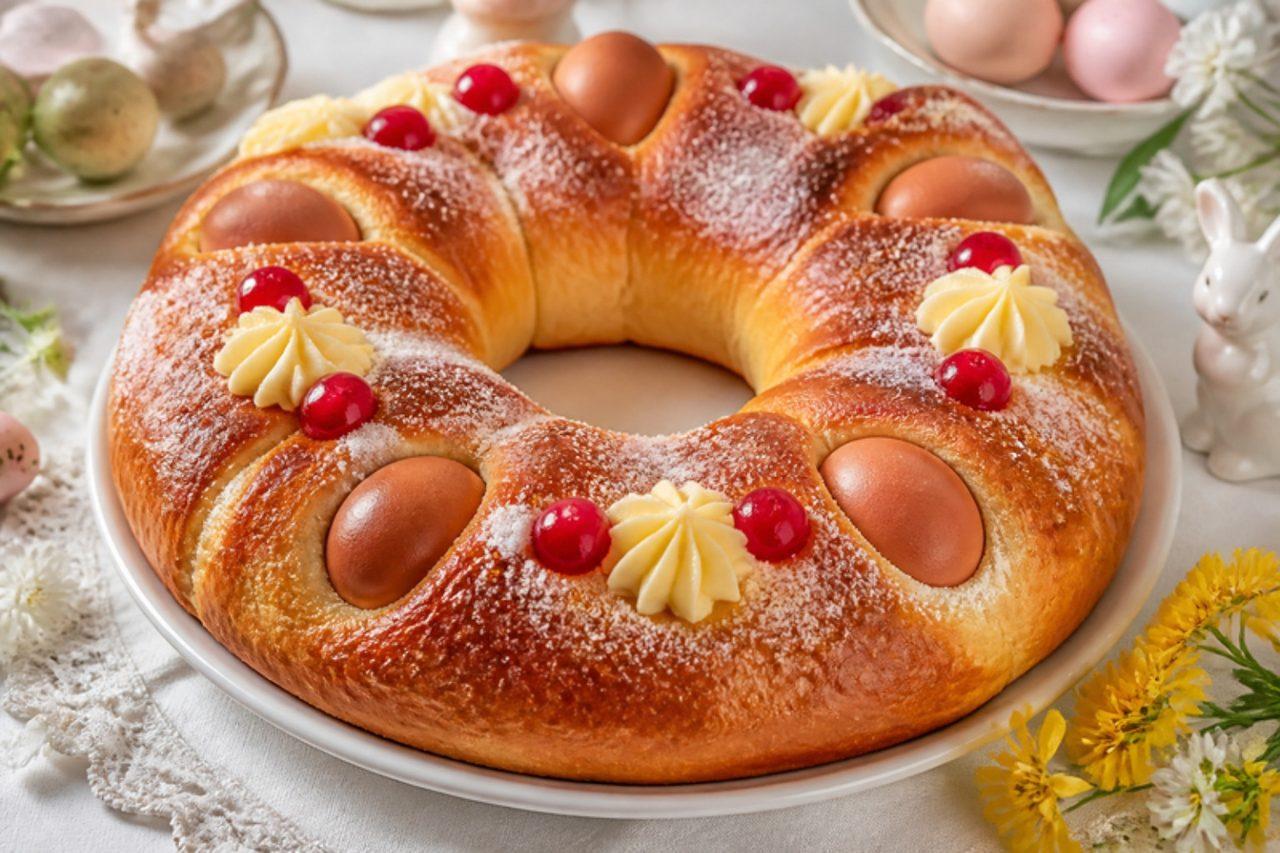
Argentine Easter Sunday breakfast centres on the rosca de Pascua, a ring of soft, orange-scented brioche-like dough laid with stripes of pastry cream, candied cherries and pearl sugar, with whole boiled eggs pressed into the dough as a symbol of new life. Bakeries in every barrio stack them in the window from Holy Thursday, and families share it with coffee or mate after the Easter egg hunt. The crumb is fluffy and pale yellow, and the custard bakes into soft, golden ridges. Because the eggs bake for 30 minutes on top of their boiling, they are fully cooked; many people keep them for decoration and peel them later. The mistake to avoid is piping the pastry cream too thick, which slides off as the ring rises; thin lines give neat ridges. Chef's tip: cook the custard until it is very thick and chill it before piping, and brush the ring with egg before (not after) the cream goes on.

by KrazyBadal 0 views

Surubí a la parrillaGrilled catfish steaks

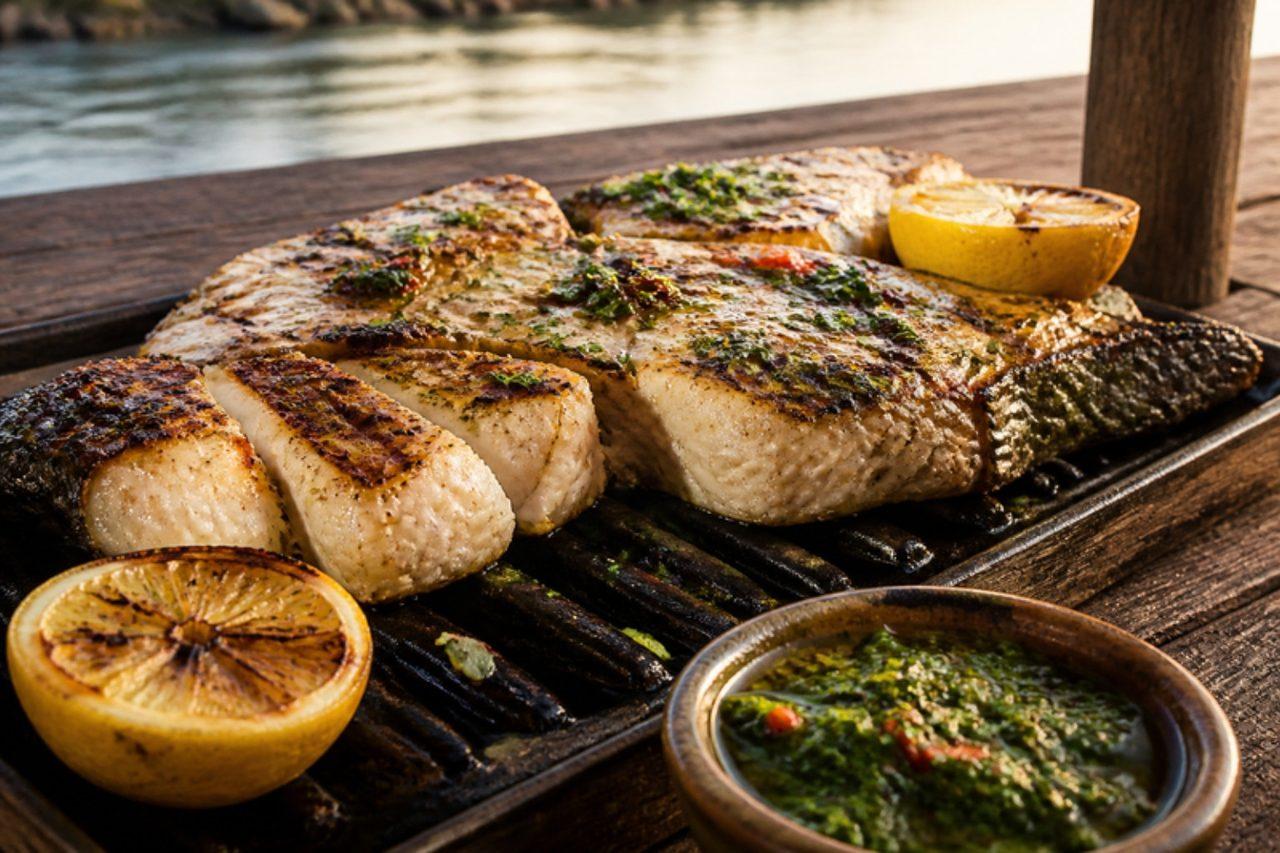
The surubí, a big spotted catfish of the Paraná, has firm, almost meaty white flesh with no fine bones, which is why riverside parrillas in Corrientes, Goya and Esquina cut it into thick steaks and throw it on the grill like beef. A short soak in lemon, garlic and oil, plenty of salt, and live coals are all it asks. Serve with boiled cassava or potatoes, salsa criolla and a cold lemonade. Outside Argentina, buy thick steaks of another firm catfish, or of monkfish or swordfish. The usual mistake is trying to flip the fish too soon: it tears and sticks until a crust has formed and it lets go of the grate by itself. Chef's tip: oil the fish rather than the grill, and rub the hot bars with half a lemon just before the steaks go on.

by KrazyBadal 0 views

Torta galesaDark fruit and walnut cake

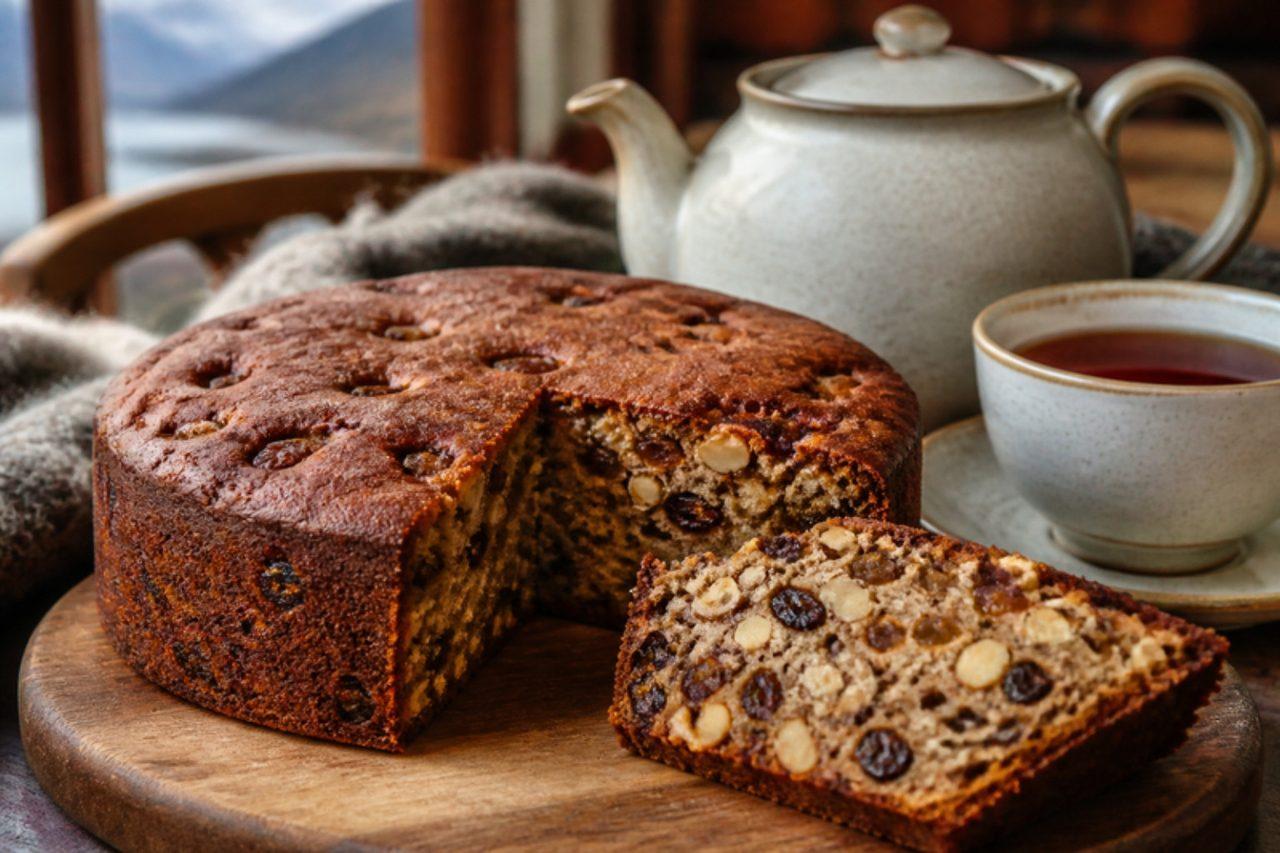
Welsh settlers arrived in the Chubut valley in 1865 and their descendants still serve afternoon tea in Gaiman and Trelew, where the casas de té bring out pots of tea, scones, cream cakes and, always, a slice of torta galesa. It is a dense, almost black fruit cake made with brown sugar and black treacle, studded with raisins, candied peel and walnuts, and it was built to last through long Patagonian winters and journeys across the steppe. The crumb is moist and sticky, rich with spice and caramel. An oven that is too hot is the classic error: the outside chars before the middle is set, so it bakes low and slow under a sheet of paper. There's no alcohol in this version; many cooks brush it with rum after baking, so leave that out or use strong tea. Chef's tip: wrap the cooled cake tightly and wait two or three days before cutting; it turns moister and the flavours deepen.

by KrazyBadal 0 views

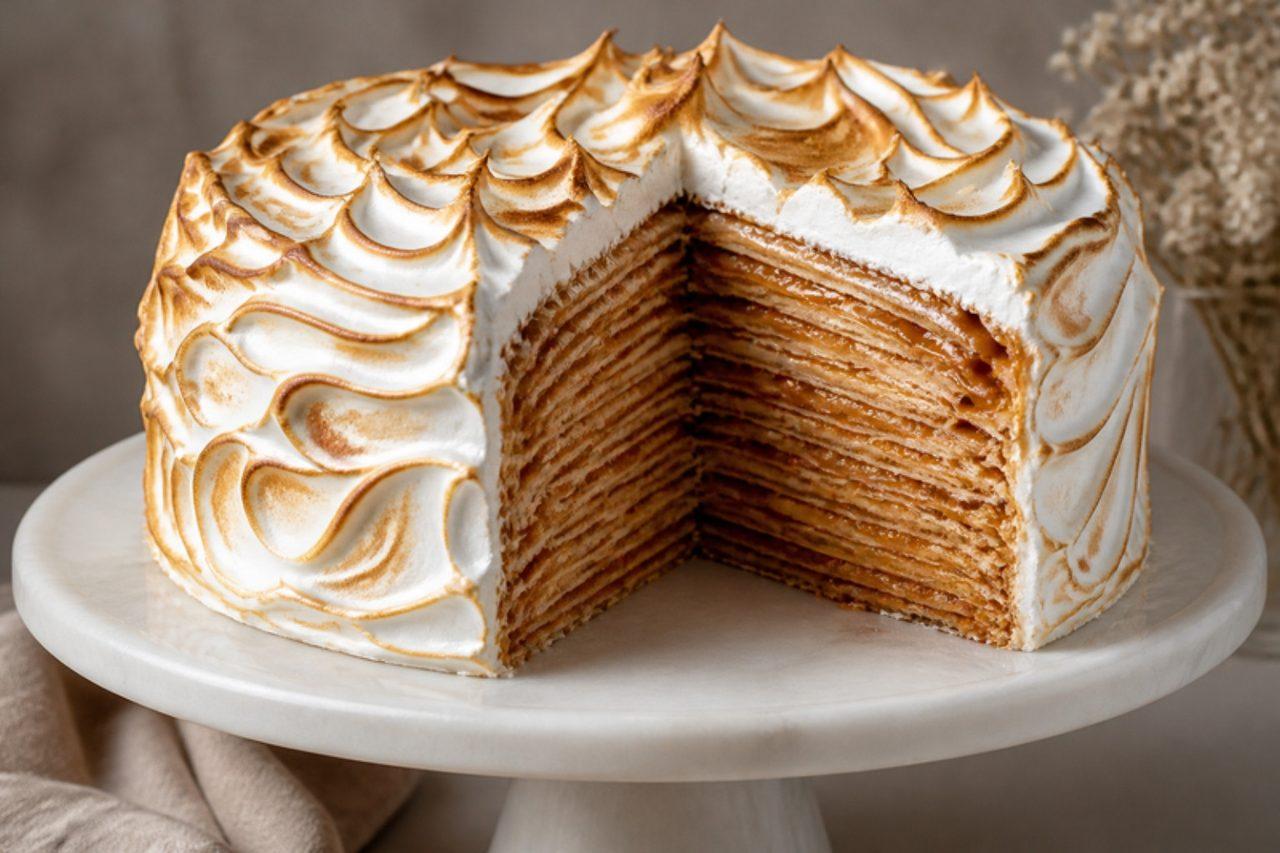
Torta rogelLayered pastry dulce de leche cake

Birthdays in Buenos Aires are where the rogel shows off: eight or more wafer-thin, crackling discs of egg-yolk pastry, each spread with thick dulce de leche, stacked high and finished with a cloud of glossy Italian meringue browned with a blowtorch. Confiterías sell it by the slice, and it is a cake of contrasts, crisp and chewy, very sweet against the faintly salty pastry. It is laborious rather than difficult, and it slices best after a few hours' rest, when the dulce de leche has softened the layers just slightly. Use thick dulce de leche repostero (bakers' style); the runny kind for spreading on toast makes the tower slide. Rolling the discs too thick is the classic mistake: they should be so thin you can almost see the worktop through them, or the cake becomes heavy and hard to cut. Chef's tip: prick every disc all over with a fork before baking, or it puffs into a dome and won't stack flat.

by KrazyBadal 0 views

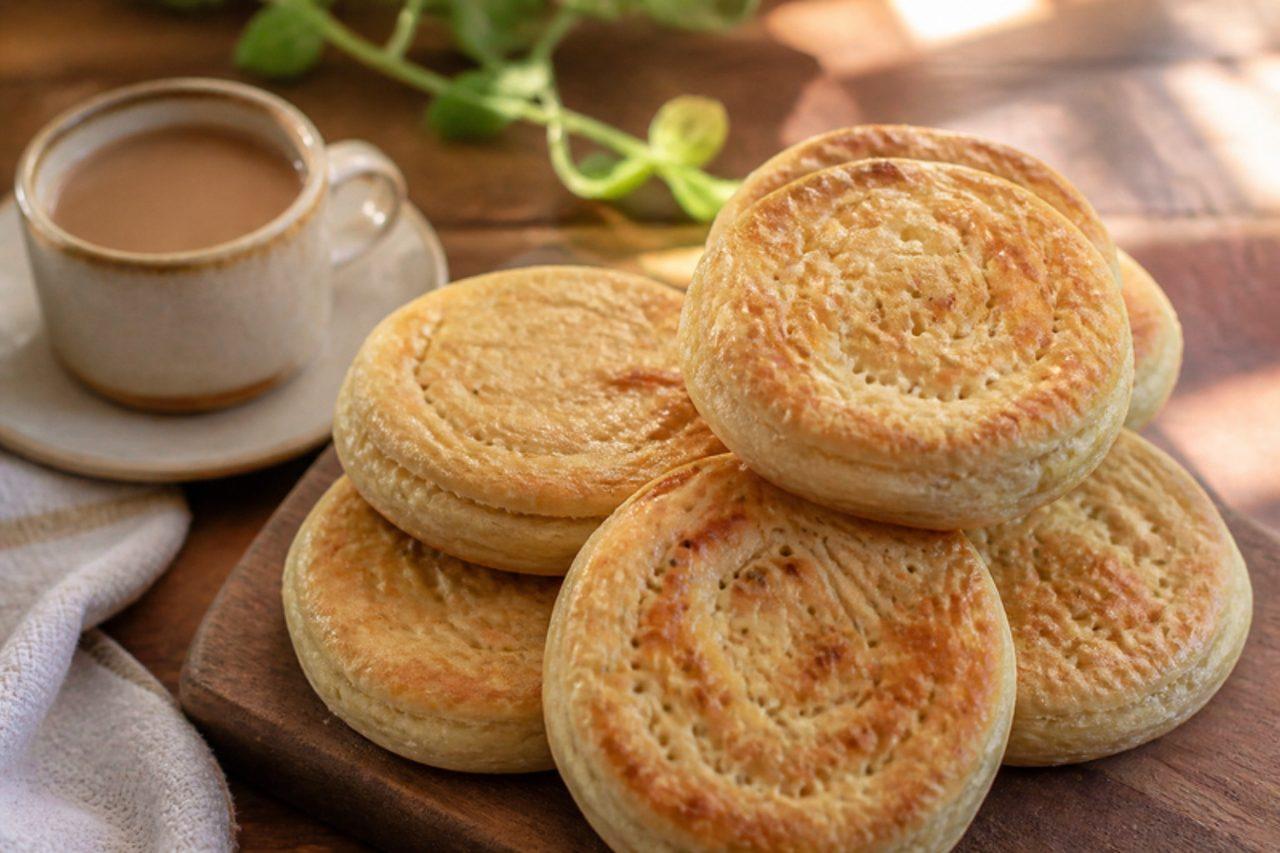
Tortitas mendocinasFlaky round breakfast breads

Every panadería in Mendoza fills a tray with tortitas in the early morning, and they go out in paper bags to be eaten warm with mate, split and spread with butter, quince paste or a slice of cheese. They are flat, round, slightly salty breads, soft and layered in the middle and crisp at the edges, with the fork marks that give them away. The traditional fat is beef lard (grasa), which makes them very short; here butter or vegetable shortening takes its place to keep them vegetarian, and both give a good flaky result. The mistake to avoid is rolling them thin like crackers: they should be a generous centimetre thick, or they bake hard and dry. Chef's tip: fold the dough in three twice before the final roll, like a quick puff pastry; those folds give tortitas their layers.

by KrazyBadal 0 views

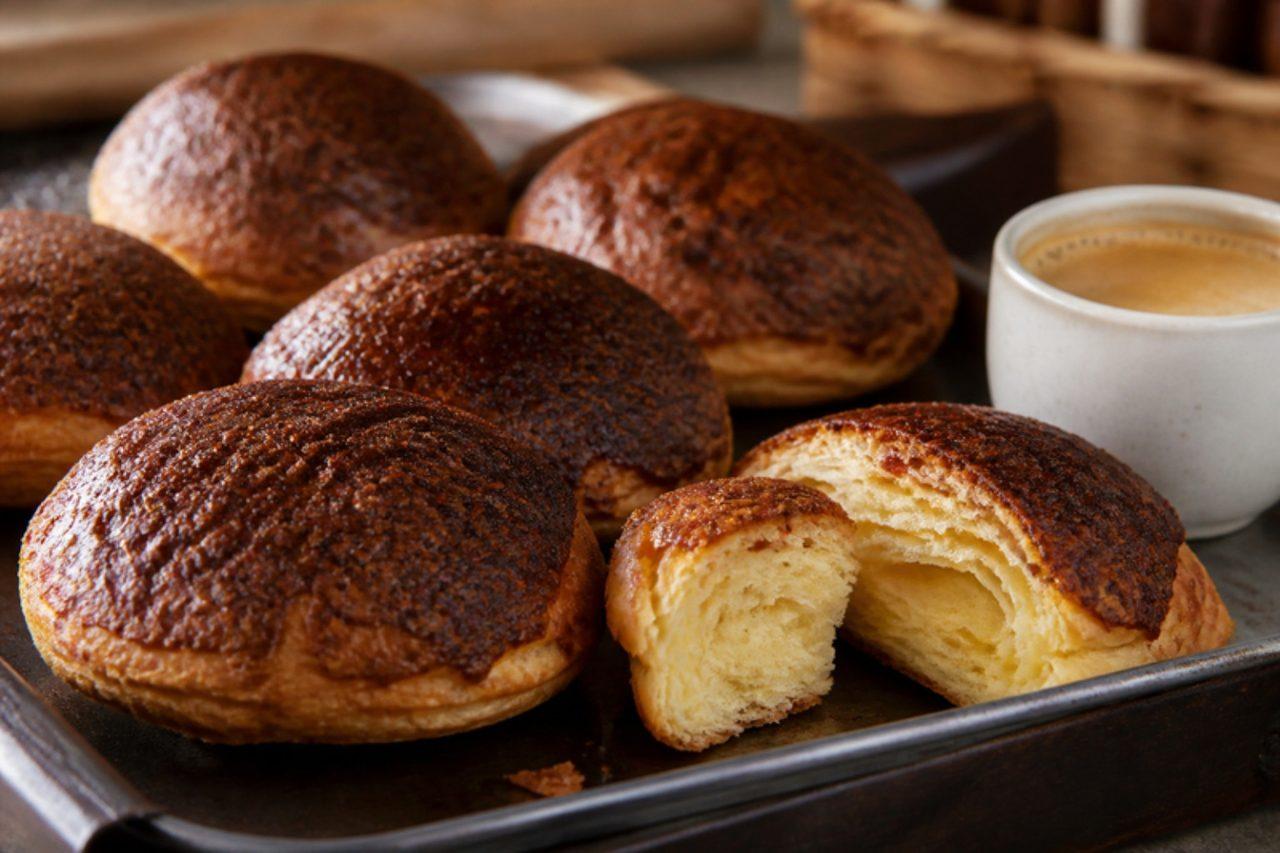
Tortitas negrasBrown sugar-topped buns

Black cakes, the name means, though only their tops are dark: tortitas negras are flat, round, flaky buns covered with a thick crust of dark brown sugar that melts in the oven and sets crunchy and toffee-like. They are among the cheapest and most popular facturas in Buenos Aires bakeries, eaten from a paper bag at breakfast or as a merienda with mate, and everyone fights over the sugary edges. The dough is a lightly laminated yeast dough, between bread and puff pastry. Bakeries often use lard or margarine; this version uses butter and stays vegetarian. Being stingy with the sugar is the classic misstep: a thin layer just melts into the dough and disappears, so pile it on thickly and press it down. Chef's tip: brush the rounds with water, not egg, before adding the sugar; the water melts the sugar into a crisp, crackling shell.

by KrazyBadal 0 views

Viennese GugelhupfLemon and raisin ring cake

In Vienna the Gugelhupf is the Sunday cake of home bakers, set out on the table for afternoon Jause with coffee, and every family has its own fluted copper or ceramic mould. Unlike the yeasted ring cakes of Alsace and southern Germany, the everyday Viennese one is a Rührgugelhupf, a buttery sponge lifted with whisked egg whites, scented with lemon and studded with plump raisins. It is tender, light and keeps moist for several days under a cake dome. A common mistake is a badly greased mould; every ridge needs butter and flour or the cake tears as it comes out. Chef's tip: soak the raisins in hot water for 15 minutes, dry them and toss them in a spoon of flour so they don't sink.

by KrazyBadal 0 views

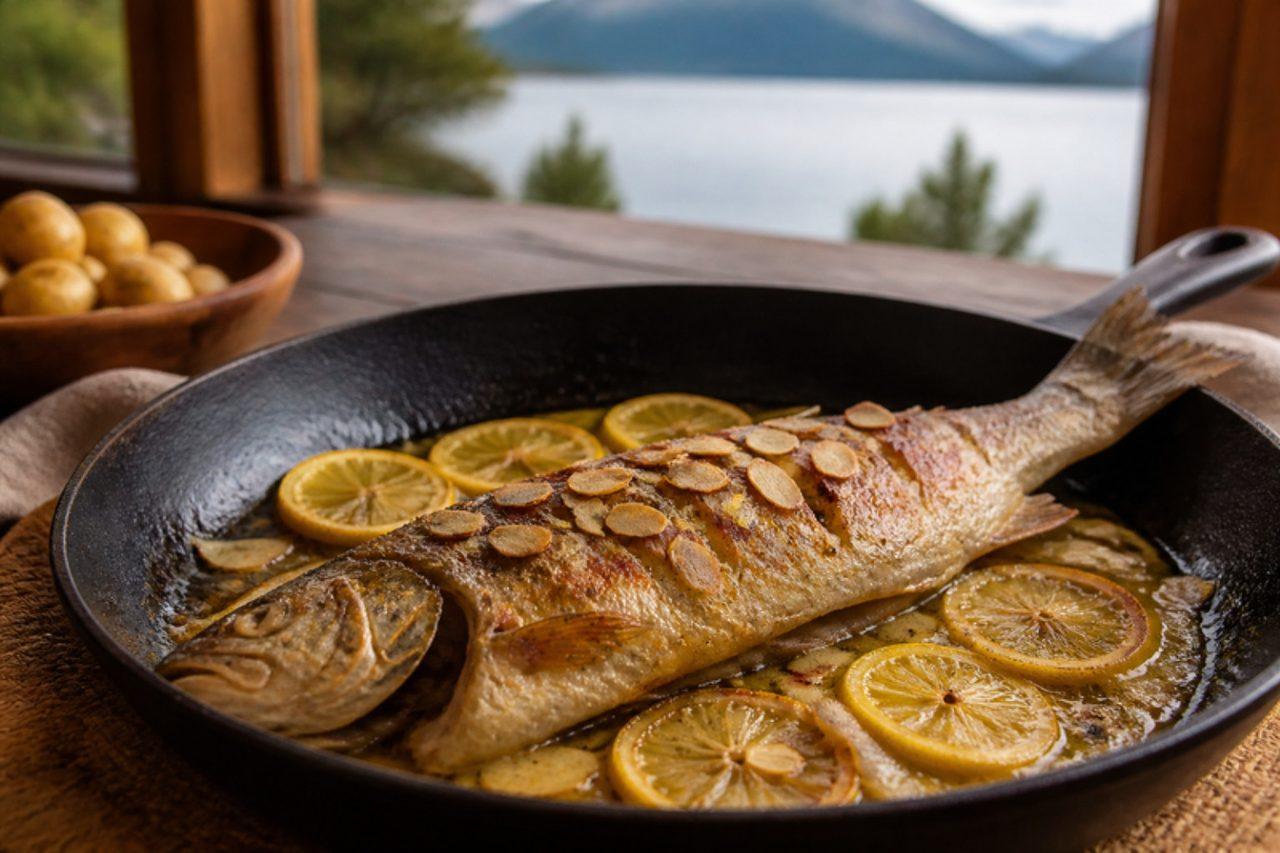
Trucha a la mantecaTrout with brown butter

Restaurants on the shores of Nahuel Huapi, in Bariloche and Villa La Angostura, put rainbow trout from the cold Andean lakes on almost every menu, and this butter version is the one locals order most. Fillets are fried with crisp skin, then drenched in butter browned with flaked almonds and sharpened with lemon. Serve with boiled new potatoes and a green salad. Any trout or char works. People commonly start the fish in butter, which burns before the skin crisps; fry it in a film of oil and make the brown butter after. Chef's tip: dry the skin really well and dust it with rice flour; it gives a thin, glassy crust without any gluten.

by KrazyBadal 0 views

Alfajor cordobésJam sandwich cakes with sugar glaze

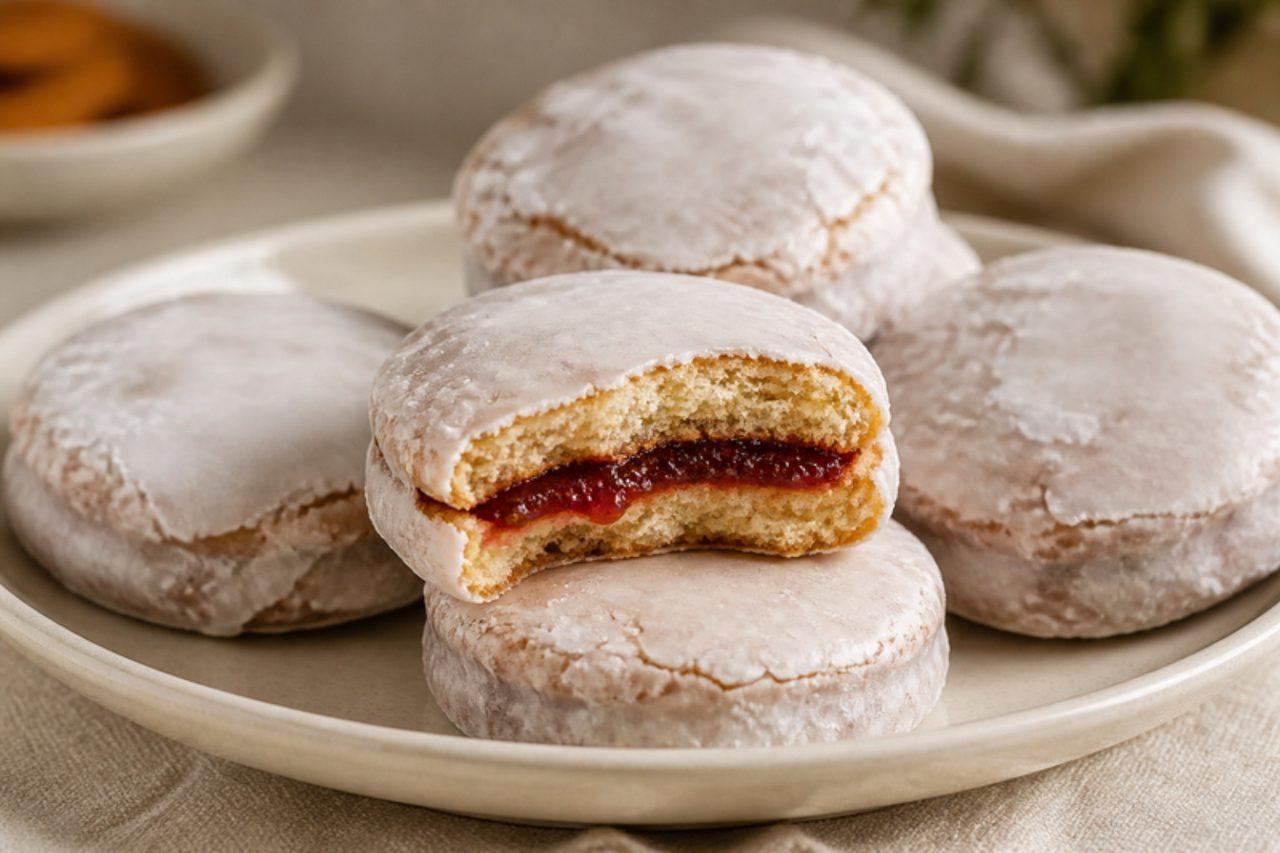
Córdoba's version of the alfajor is the soft one: two tender, slightly spongy honey-scented rounds sandwiched with fruit jam, usually quince or mixed fruit, and coated in a thin sugar glaze that dries to a crackly white shell. They are sold by the dozen in the sierras towns of Villa General Belgrano, La Falda and Capilla del Monte, where tourists buy boxes on the way home from holidays. Expect a gentle crunch, a cakey bite and a tart-sweet centre, best with a cup of coffee or mate. Overworking the dough is where they usually go wrong: knead it like bread and the rounds bake tough and flat, so mix only until it comes together. Quince paste (dulce de membrillo) loosened with water works well if you can't find a soft quince jam. Chef's tip: dry the glazed alfajores for 5 minutes in a barely warm oven; the glaze sets glassy and crackles when you bite.

by KrazyBadal 0 views

Showing 24 of 47 recipes

Show more recipes

Page 1 of 2