Skip to content
Recipes

All recipes

Vegetarian, or something you can't eat? Set your diet once and we'll hide recipes that don't fit.

Postre MassiniCustard sponge with burnt sugar top

Montevideo's birthday cake of choice since the early twentieth century, the Massini is two thin layers of sponge sandwiching a thick filling of whipped cream folded with egg-yolk custard, crowned with a thin glassy crust of torched yolk and sugar. Bakeries across Uruguay sell it on Sundays. Traditional versions sometimes add a sweet fortified wine to the custard; this one is alcohol-free. The custard is cooked to a safe 71 °C. The common mistake is assembling with warm custard, which melts the cream into a puddle. Chef's tip: if you don't have a blowtorch, put the sugared top under a very hot grill for a minute and watch it closely.

by KrazyBadal 0 views

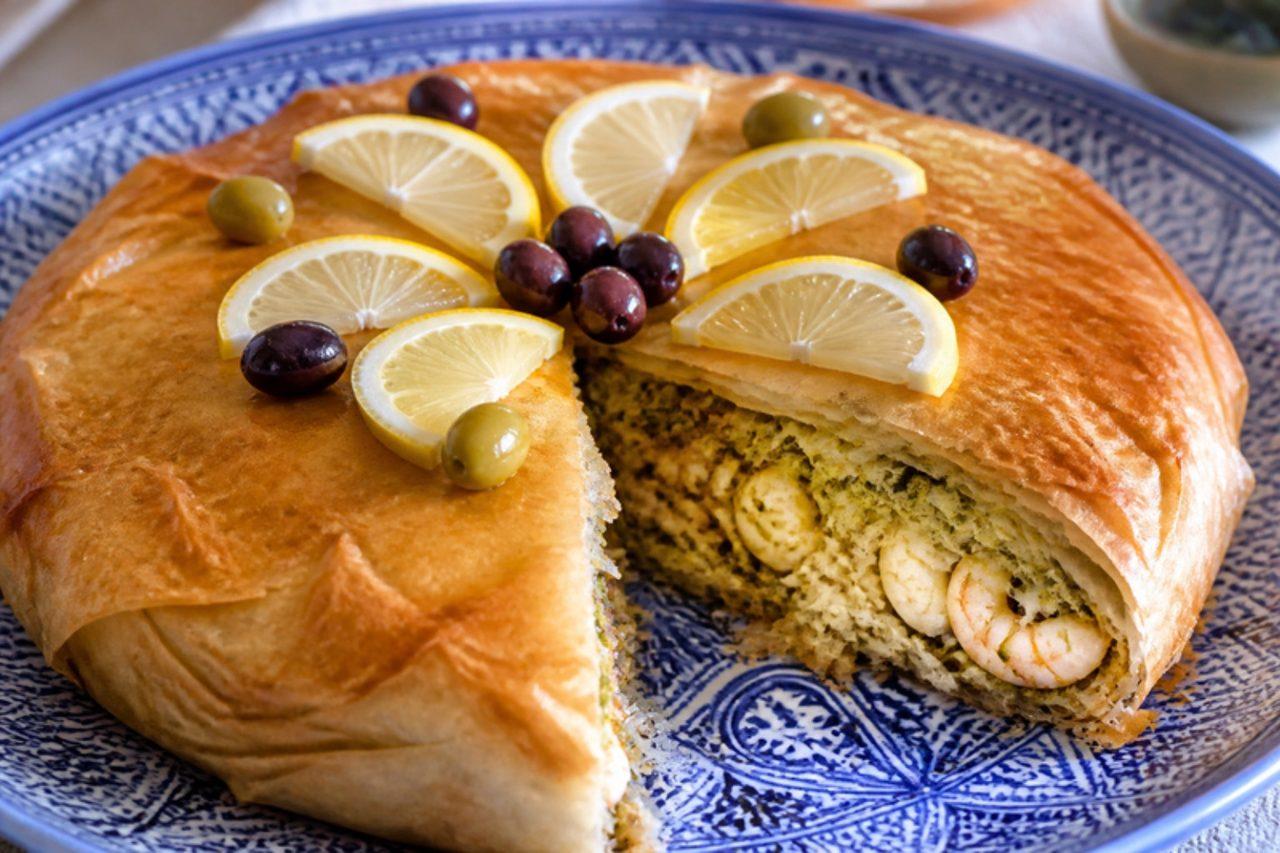
Seafood pastilla

The sweet pigeon pastilla belongs to Fez; along the northern coast, from Tetouan to Tangier and down to the Atlantic towns, the savoury seafood version is what turns up at weddings and Ramadan dinners. Thin warqa pastry wraps a filling of prawns, white fish and squid, rice vermicelli and plenty of chermoula, the lemony herb, garlic, cumin and paprika marinade, and the pie is baked until it shatters at the touch. Inside it is juicy, tangy and a little spicy. Serve it hot, cut into wedges, with a green salad. Filo works if you cannot find warqa or brick pastry. Chef's tip: drain the cooked filling in a sieve for 10 minutes before you fill the pie; wet filling is what makes a soggy base.

120 minMoroccanFish
by KrazyBadal 0 views

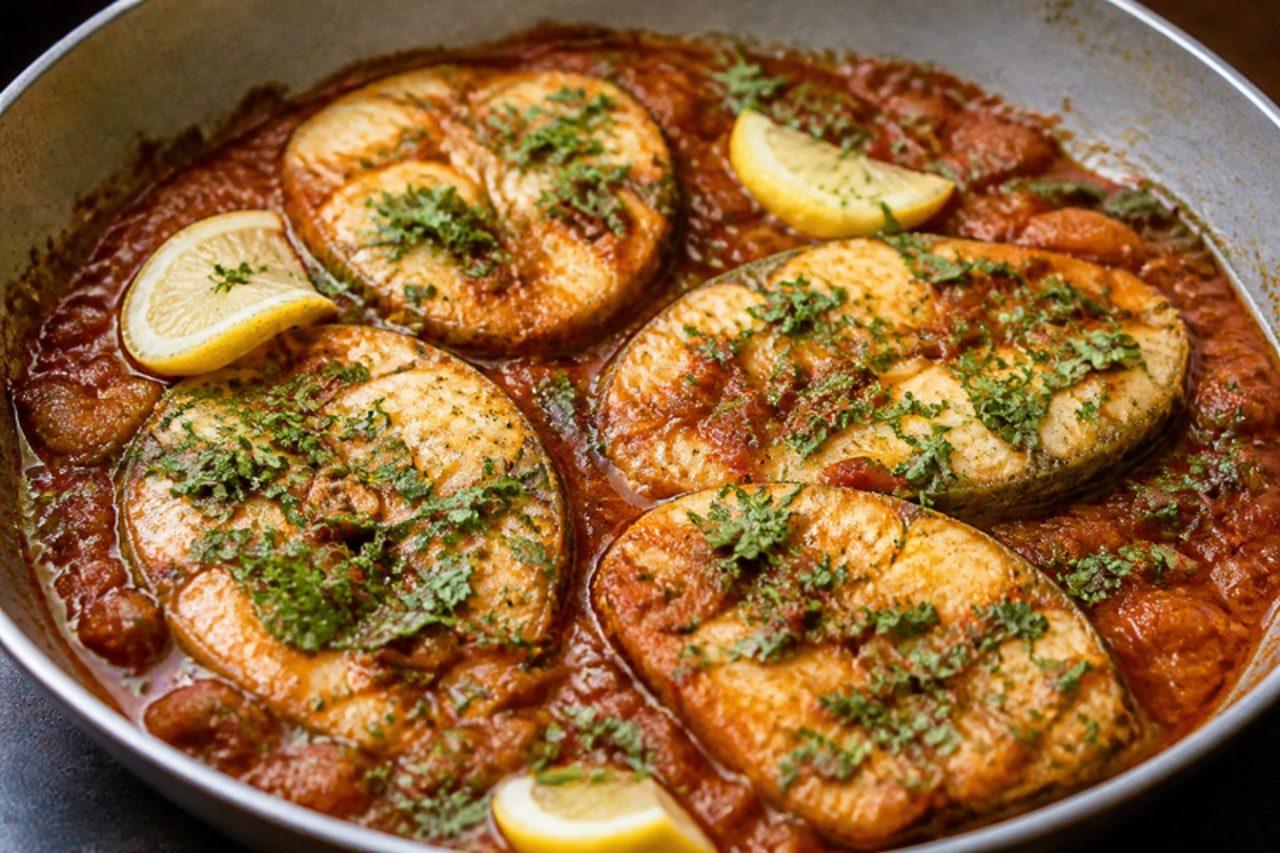
ChraimeFish in spicy garlic paprika sauce

Friday night in Moroccan and Libyan Jewish homes, from Casablanca to Tripoli and now Paris and Tel Aviv, often begins with a plate of chraime before the main course. Thick fish steaks simmer in a brick-red sauce built from a frightening amount of garlic, sweet and hot paprika, chilli, caraway and cumin, loosened with oil and a squeeze of lemon. It is spicy, garlicky and very savoury, and the oily sauce begs to be mopped up with challah or other good bread. It is also eaten cold the next day. Chef's tip: cook the spices in the oil over a low heat until they smell toasty but not dark; burnt paprika tastes acrid and you cannot rescue it.

by KrazyBadal 1 views

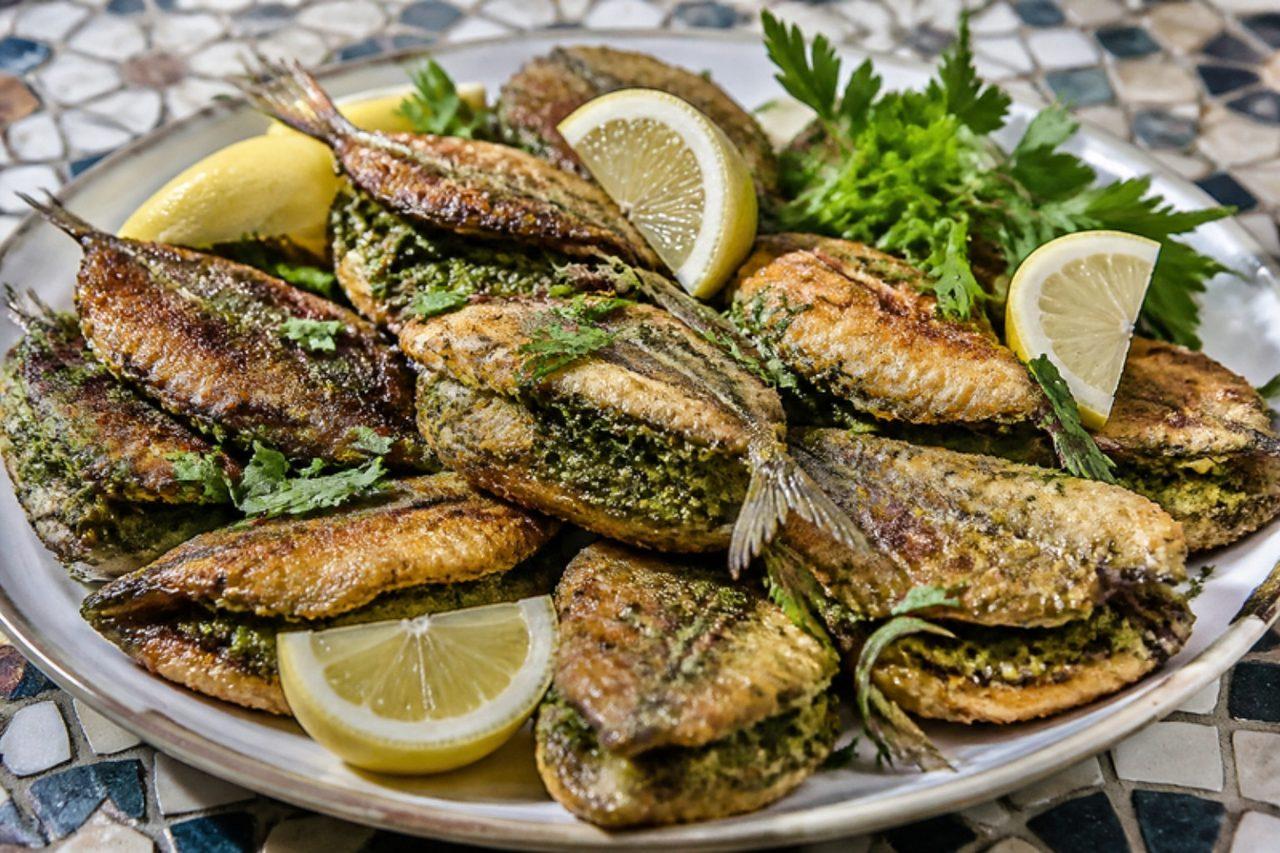
Sardines stuffed with chermoula

Walk past the fish stalls by Essaouira's harbour and you smell this before you see it: sardines opened flat, smeared with a green-red paste of herbs, garlic, cumin and paprika, pressed together in pairs, dusted with flour and fried until the edges crunch. The fish stays moist and rich inside, sharpened by lemon and a little chilli. In Safi and Agadir homes they appear at lunch with a tomato and onion salad and bread, or tucked into sandwiches from street carts. Chef's tip: ask the fishmonger to butterfly the sardines and remove the backbone; it saves a fiddly 20 minutes and they lie flat.

by KrazyBadal 0 views

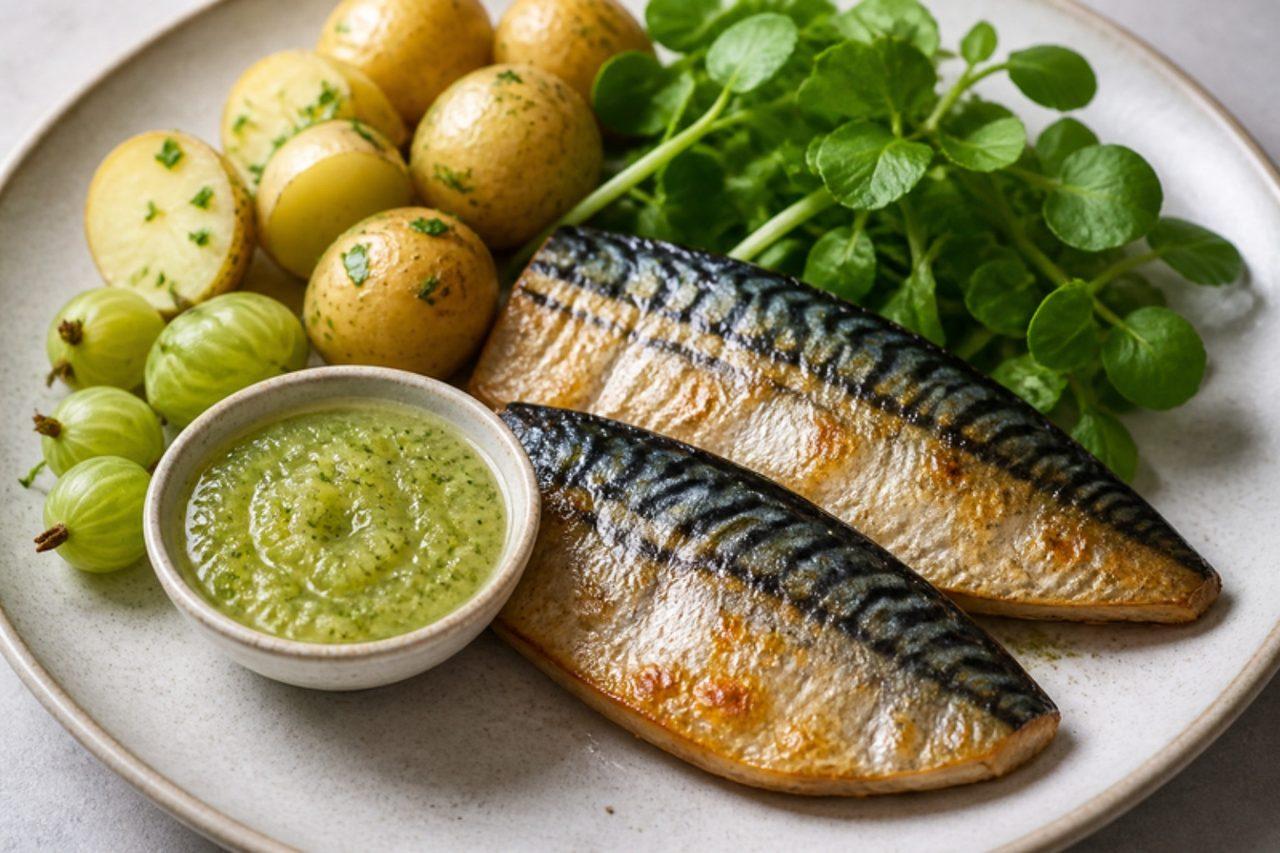
Mackerel with gooseberry sauce

In July and August shoals of mackerel come close to the piers from Kilmore Quay to Killybegs, and children catch them on hand lines for the evening pan. The old Irish partner for the oily fish is a sharp sauce of the gooseberries ripening in the garden at the same time, which cuts through the richness. Serve with new potatoes. Chef's tip: cook the fillets skin-side down almost all the way, so the skin crisps and the delicate flesh stays moist.

25 minIrishFishGluten free
by KrazyBadal 0 views

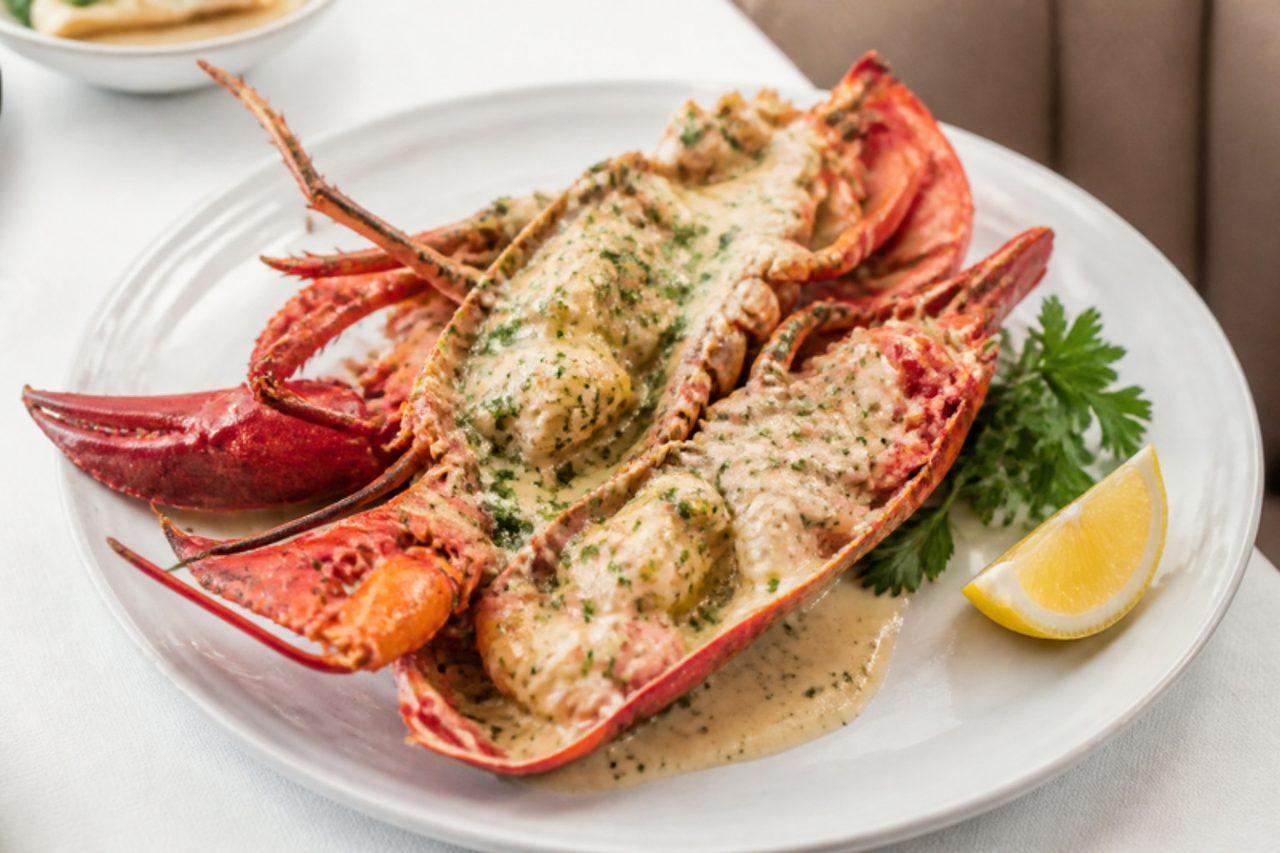
Dublin lawyerLobster in whiskey cream

Dublin lawyer is an old Dublin restaurant dish, said to be named because lawyers were rich and fond of drink: lobster meat is cooked in butter, flamed with Irish whiskey and finished with cream, then served back in the shell. It is a special-occasion dish for anniversaries and birthdays. This recipe contains alcohol; for an alcohol-free version replace the whiskey with 2 tablespoons of apple juice and a squeeze of lemon. Chef's tip: buy cooked lobster from a fishmonger if you are unsure about preparing a live one, and add it to the sauce only to heat through.

50 minIrishFishGluten free
by KrazyBadal 0 views

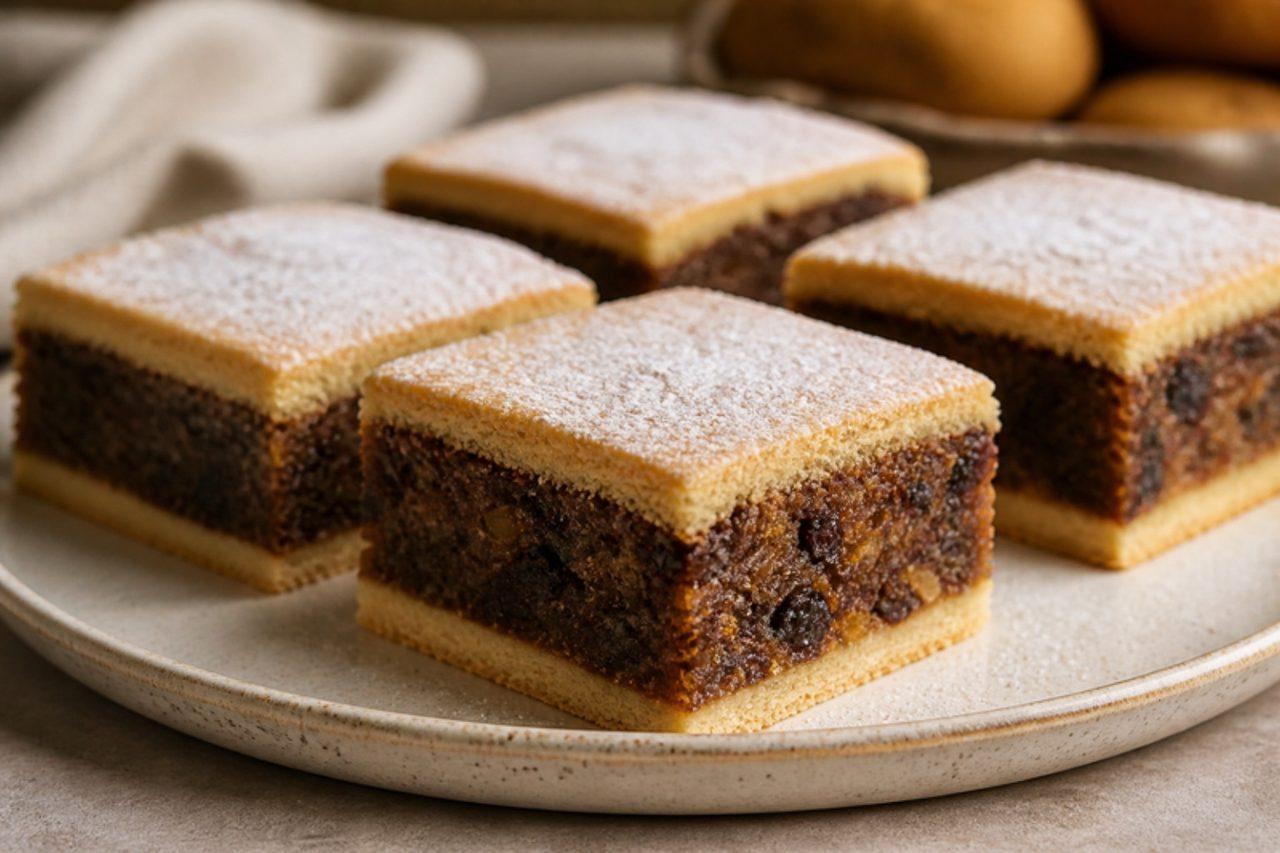
Dublin gur cakeSpiced fruit and pastry slice

Gur cake was the cheapest treat in Dublin bakeries, made from the day's leftover bread and cake soaked with tea, dried fruit and spice and baked between two sheets of pastry. It gave its name to the 'gurriers', the kids who mitched school and bought slices for a ha'penny, and you still find it in the bakeries of the inner city, where it is also called Chester cake. It is dense, sticky and spiced. Chef's tip: let the filling soak for a good half hour so the bread breaks down completely into a smooth paste.

by KrazyBadal 0 views

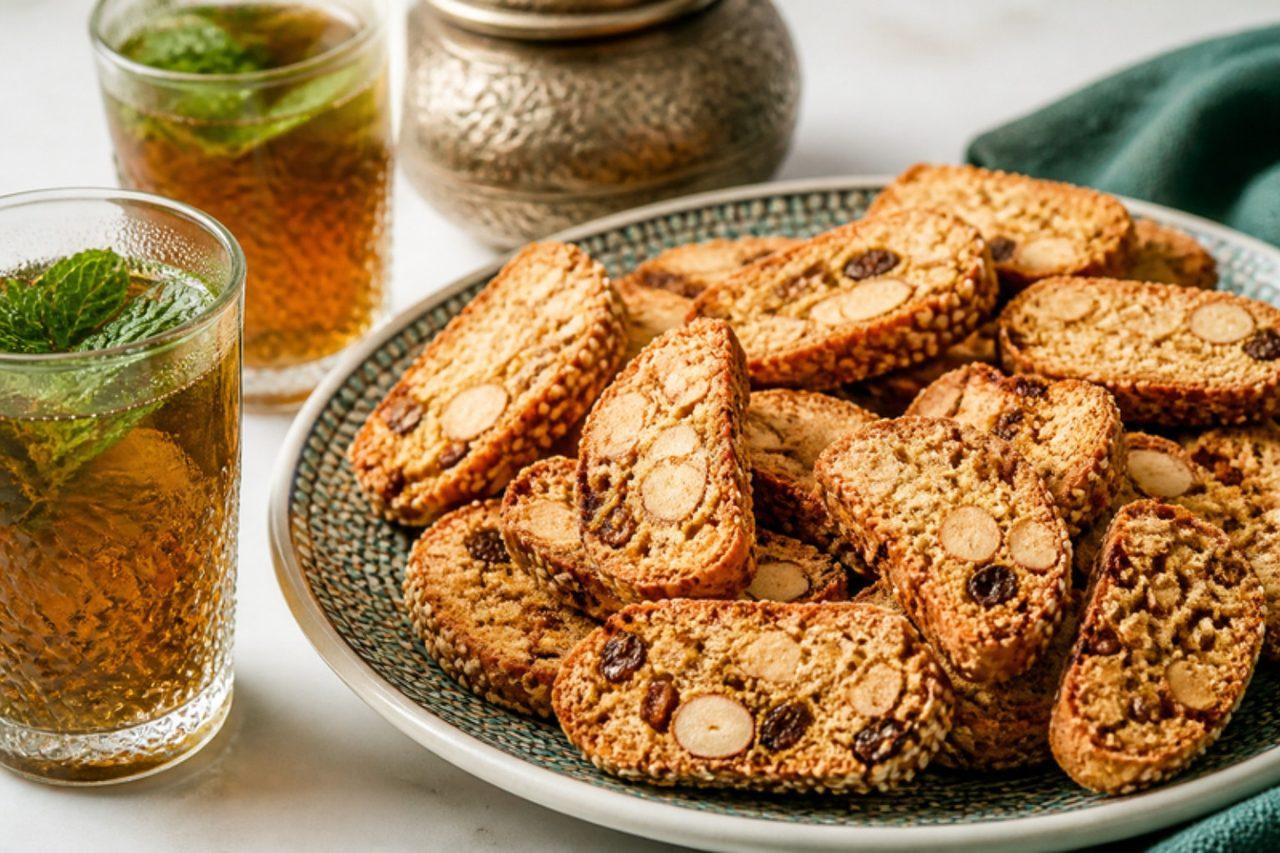
Fekkas (twice-baked almond biscuits)

Before Eid and during Ramadan, Moroccan kitchens fill with the scent of fekkas: logs of a soft, eggy dough studded with almonds, raisins, aniseed and sesame are baked, cooled, sliced thin and baked again until dry, golden and very crunchy. They are offered to guests on trays with ghriba and other biscuits and dunked into mint tea or milky coffee, and they keep for weeks in a tin, so they are perfect to make ahead. The flavour is gently sweet, with liquorice notes from the anise and a little lemon. Avoid slicing the logs while they are still hot from the first bake; they crumble. Let them firm up first. Chef's tip: let the baked logs cool completely, ideally overnight, before slicing; warm logs crumble under the knife.

by KrazyBadal 0 views

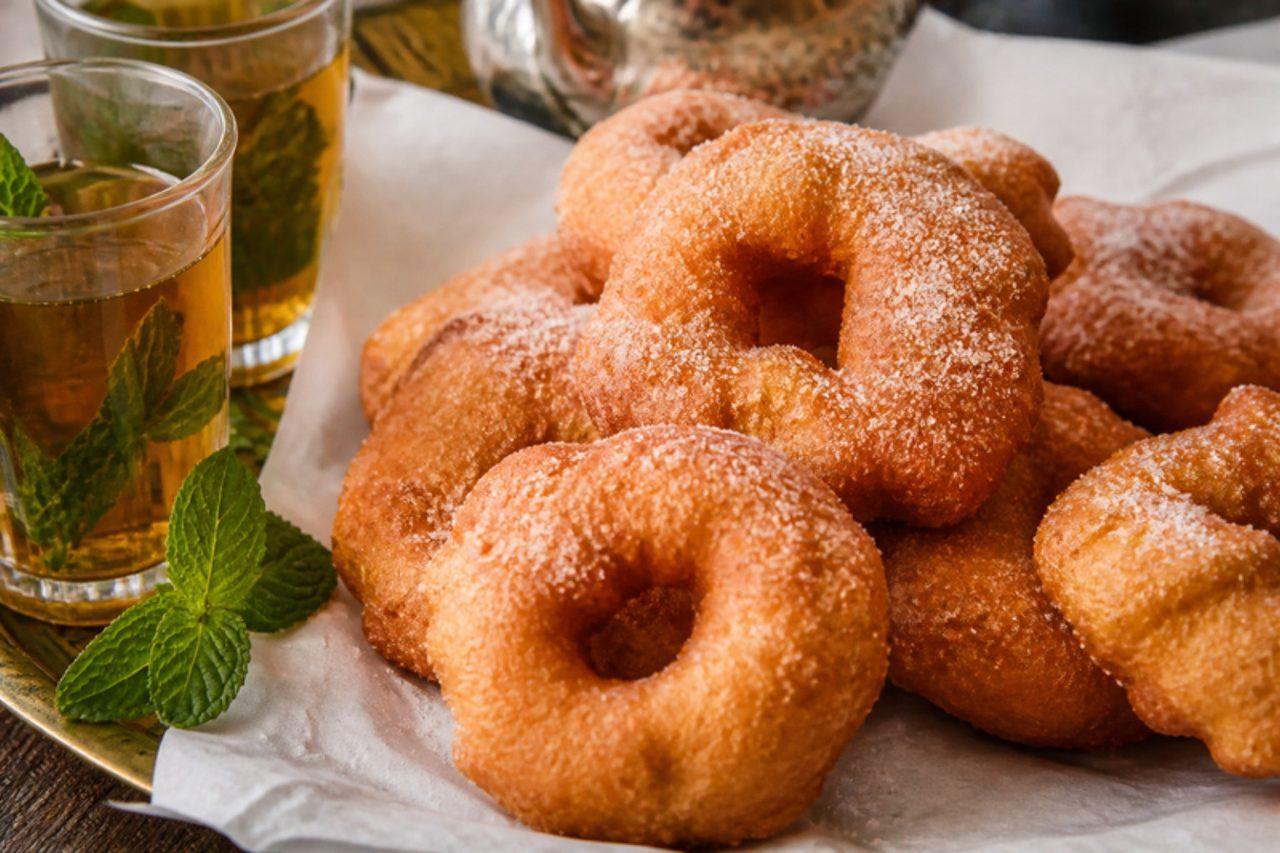
Sfenj (Moroccan doughnut rings)

Early in the morning, in medina lanes from Fez to Casablanca, the sfenji pulls handfuls of sticky dough from a bowl, pokes a hole through each with his thumb and drops the rings into a big pan of oil, where they puff into crisp, golden, irregular doughnuts with a chewy, airy inside. Customers carry them away threaded on a strip of palm leaf, to eat hot with mint tea or coffee, plain, dusted with sugar or dipped in honey. The dough is just flour, yeast, salt and water, and deliberately very wet; that is what gives the open, holey crumb. Allow about 1 1/2 hours for it to rise. Where sfenj go wrong is a dough that is too stiff; it should be sticky and slack, or the rings come out bready instead of open and chewy. Chef's tip: keep a bowl of water beside you and wet your hands before every piece, so the sticky dough slides off your fingers instead of clinging to them.

by KrazyBadal 0 views

Krachel (aniseed and sesame brioche buns)

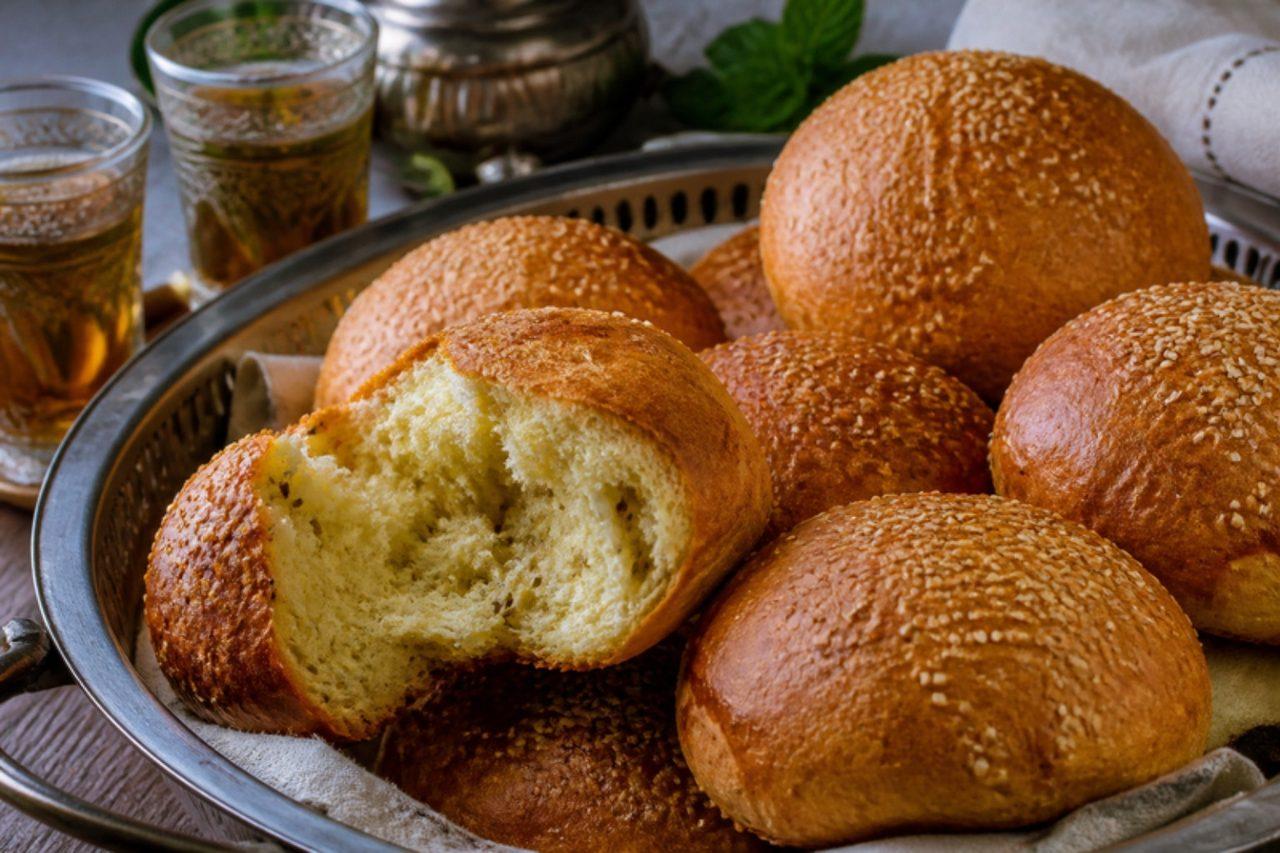
Moroccan bakeries pile their windows with krachel, round, glossy buns of enriched dough perfumed with aniseed, toasted sesame and orange-flower water, and families bake them at home for breakfast, for guests and for feast days. They are soft and pillowy, lightly sweet, with a distinctive liquorice-like scent from the anise and a nutty crunch of sesame on top. Eat them warm with butter and jam, dipped into milky coffee, or with mint tea in the afternoon. The dough needs two rises, about 1 1/2 hours in all. Don't rush the rise: under-proved krachel bake dense and tight instead of soft and fluffy. Chef's tip: lightly toast the aniseed and sesame in a dry pan before adding them to the dough; it doubles their fragrance.

by KrazyBadal 0 views

Meskouta (Moroccan orange cake)

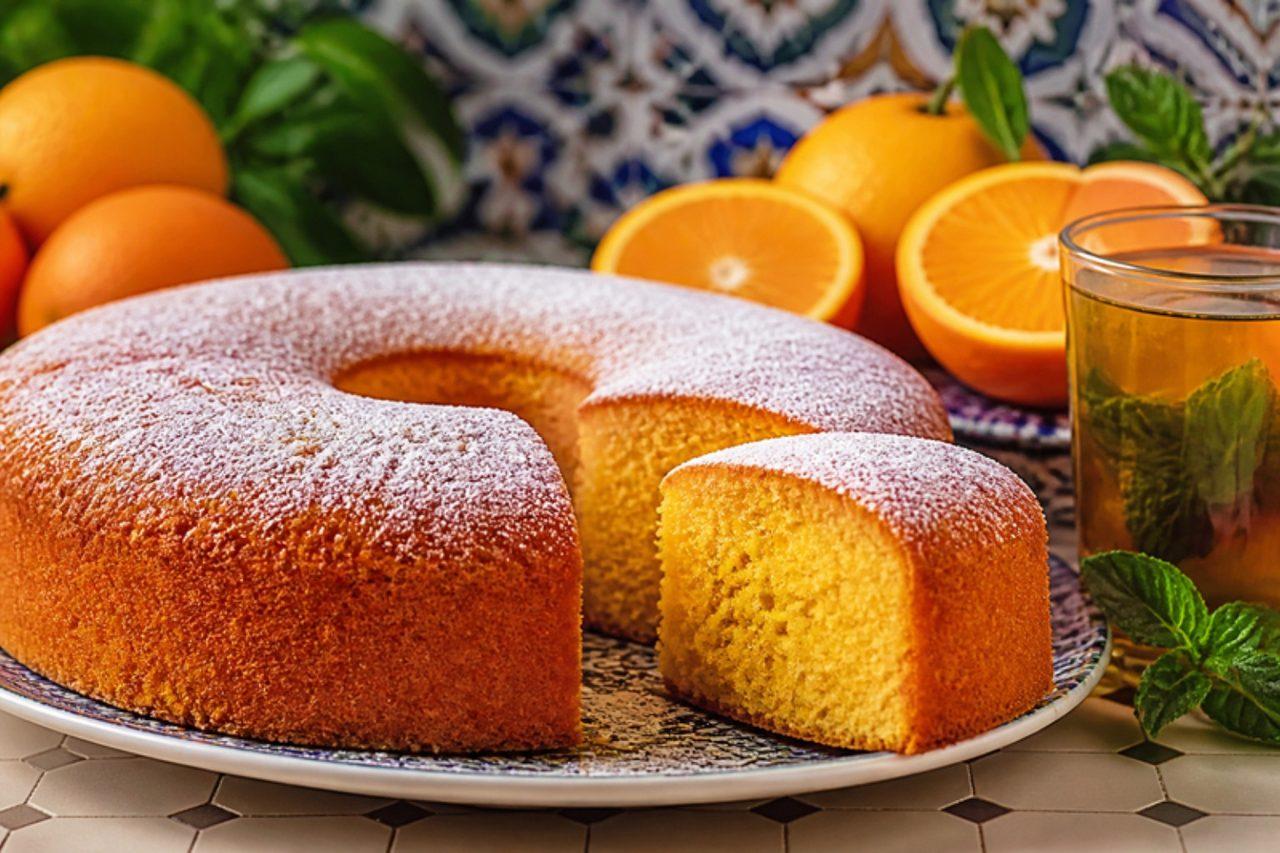
Every Moroccan home cook seems to have a meskouta recipe, the light, fluffy sponge that is baked in a ring tin and set out for afternoon tea, unexpected guests or a children's snack. This one is flavoured with fresh orange juice and zest; many families make a yogurt version instead, using the yogurt pot to measure everything, and that variation is in the steps. The crumb is airy and moist, not too sweet, and it pairs perfectly with mint tea or a glass of milk. No mixer is strictly needed, but it helps. Chef's tip: beat the eggs and sugar for a full 5 minutes until pale and tripled in volume; under-whipped eggs, the usual mistake, make a dense, flat meskouta.

by KrazyBadal 0 views

BarmbrackTea-soaked fruit loaf

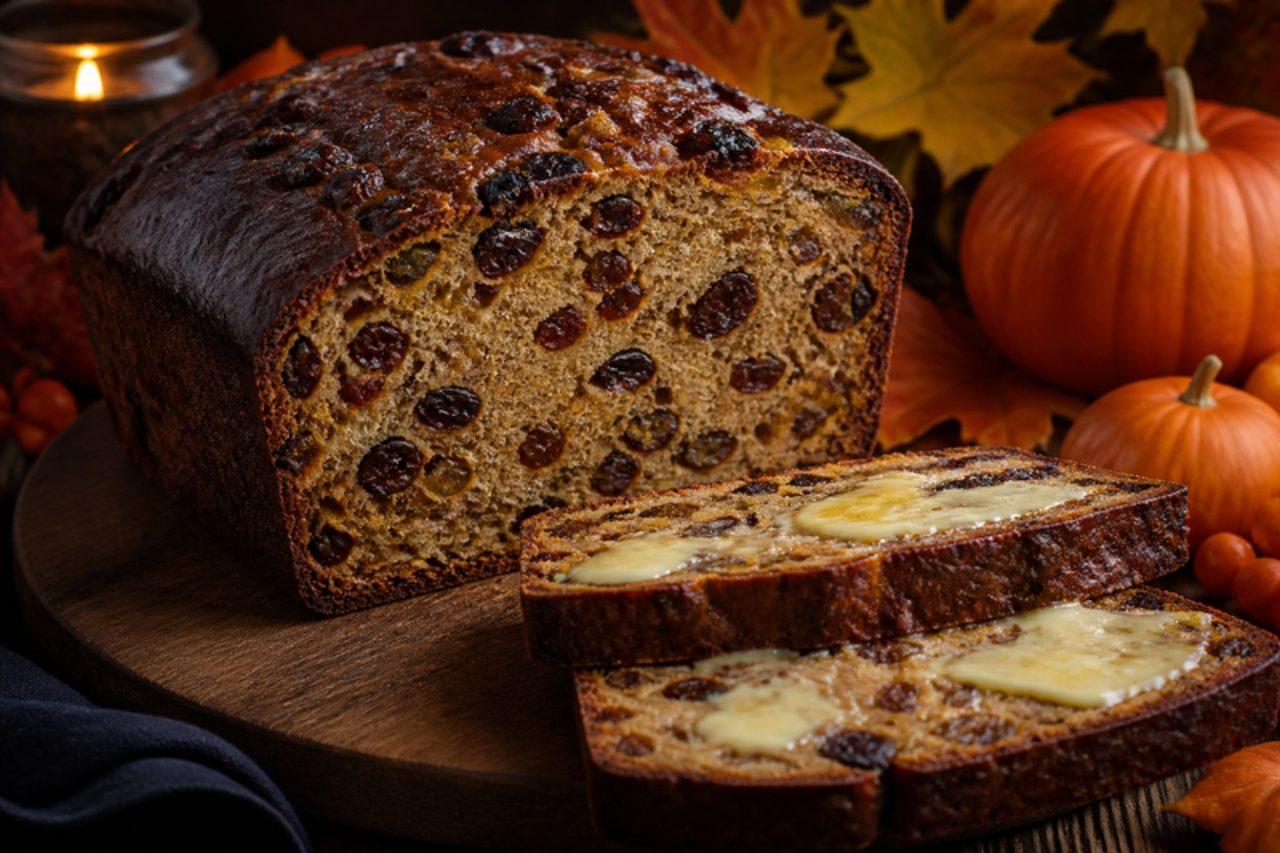
Barmbrack is the speckled fruit loaf eaten in Ireland at Halloween, when a ring wrapped in baking paper is baked inside, and whoever finds it is said to marry within the year. This is the quick tea brack version made all over Connacht and Munster, with the dried fruit soaked overnight in strong tea so the loaf is dark, moist and fragrant with mixed spice. Serve sliced and buttered with a cup of tea. Chef's tip: soak the fruit for a full night; short soaking gives dry, chewy fruit.

by KrazyBadal 0 views

Poached Irish salmon with herb butter

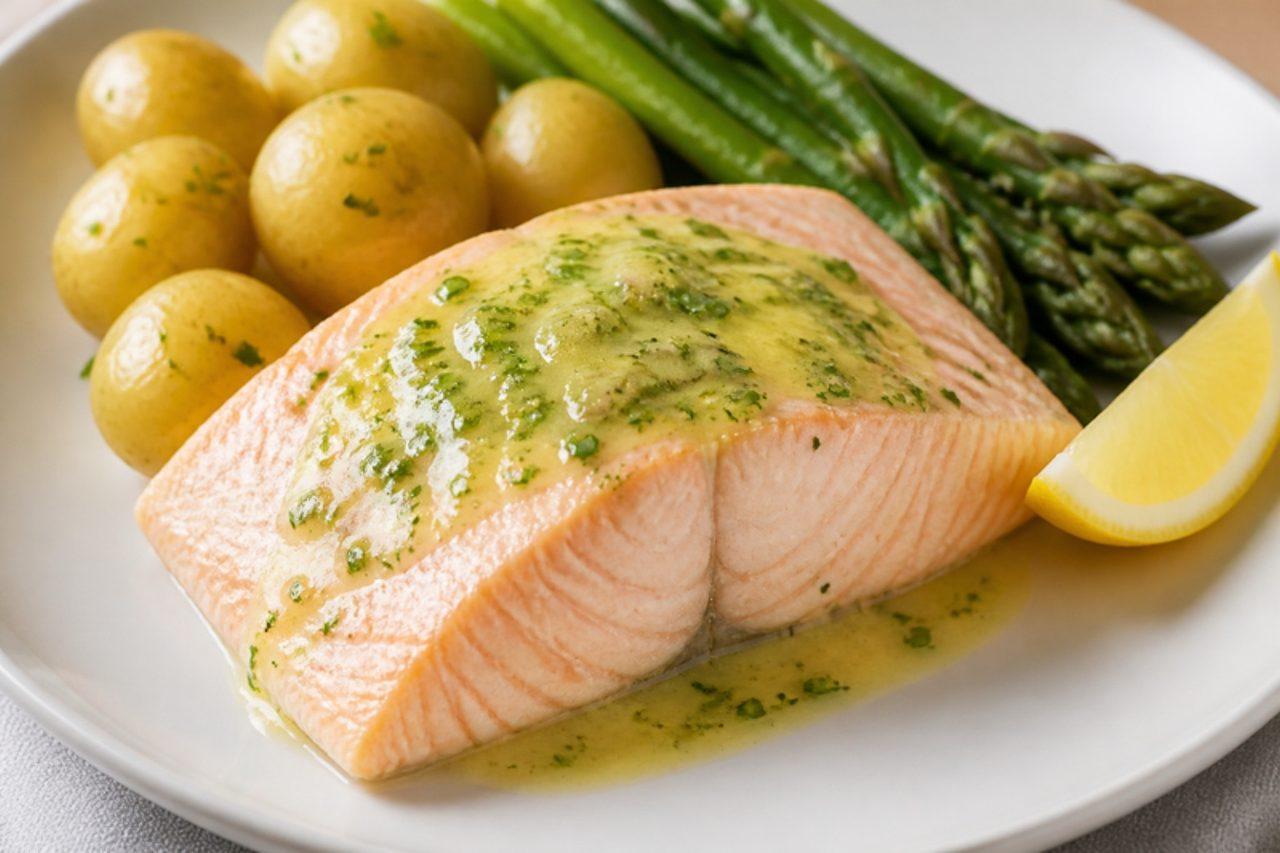
A side of poached salmon is the centrepiece of Irish wedding buffets, First Communion lunches and summer gatherings along the Moy and the Blackwater, where wild salmon once ran thick. Poached gently in a court bouillon, it stays silky and moist, and here it is served warm with a simple chive and lemon butter sauce, new potatoes and peas. Chef's tip: never let the poaching liquid boil; it should barely shiver, or the salmon tightens and leaks white curds.

30 minIrishFishGluten free
by KrazyBadal 0 views

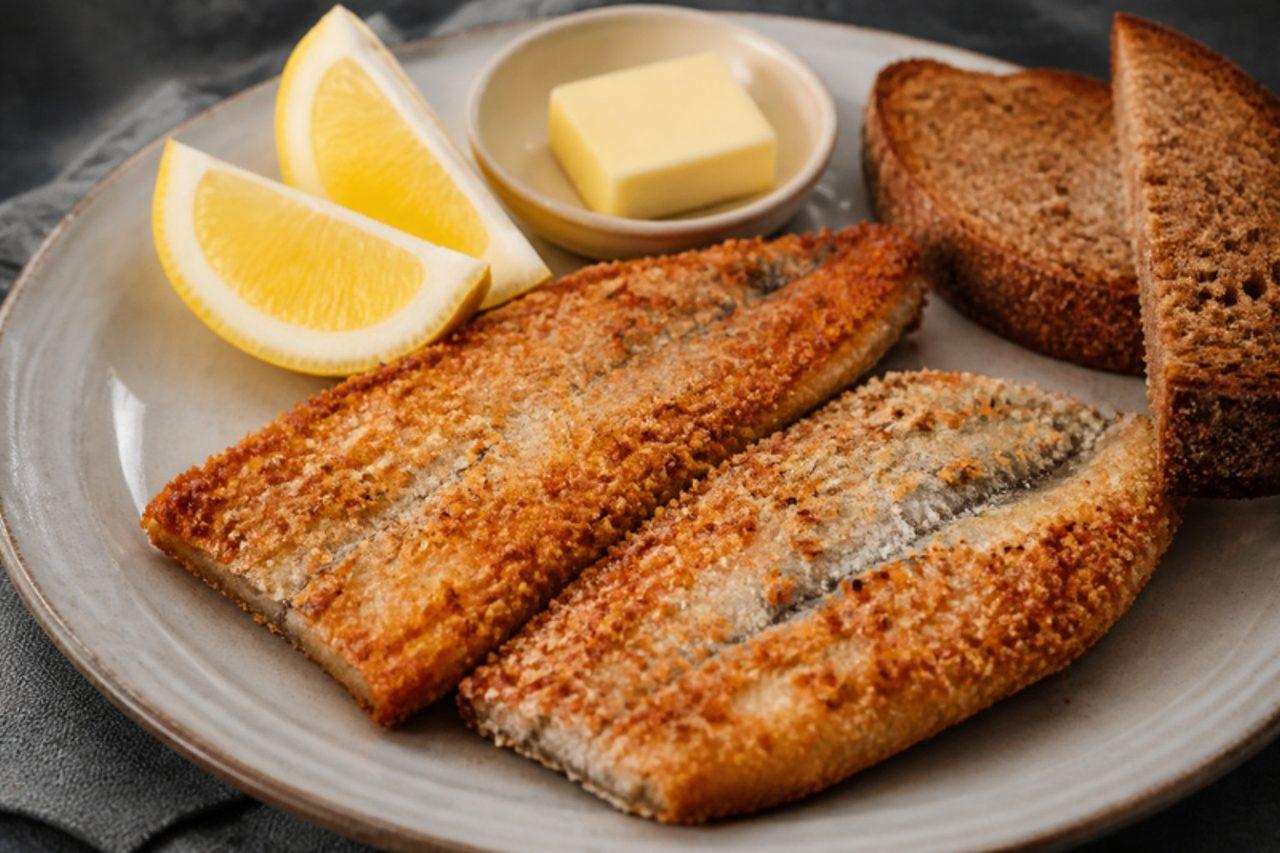
Donegal herring in oatmeal

Herring was the silver fortune of Killybegs and the Donegal coast, when the boats came in loaded through the autumn, and the cheapest supper in every fishing village was fresh herring rolled in oatmeal and fried. The oats make a nutty, crunchy crust around the rich, soft fish. Serve with boiled potatoes and a wedge of lemon or a spoonful of mustard. Chef's tip: press the oats on firmly and let the fish sit for 5 minutes before frying, so the coating sticks.

25 minIrishFish
by KrazyBadal 0 views

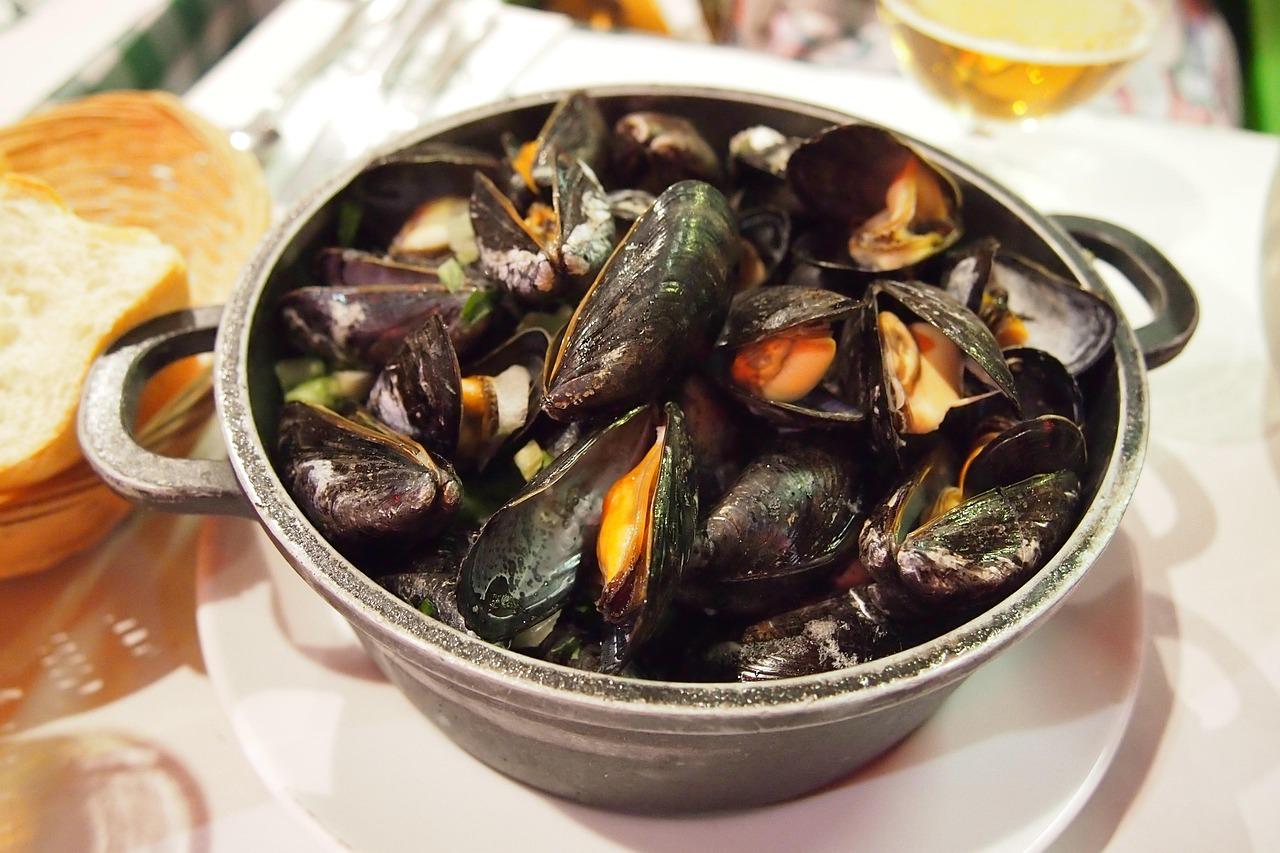
Bantry Bay mussels in cider

The sheltered waters of Bantry Bay in West Cork grow rope mussels that end up in pots in every harbour pub from Glengarriff to Kinsale. Here they are steamed in Irish dry cider with leek, garlic and thyme, then finished with a spoonful of cream, giving a sweet-sour, apple-scented broth for dipping brown bread. The cider contains alcohol, which mostly cooks off; for an alcohol-free version use cloudy apple juice with a teaspoon of cider vinegar. Chef's tip: the mussels must be alive when cooked, so check every one before they go in.

30 minIrishFishGluten free
by KrazyBadal 0 views

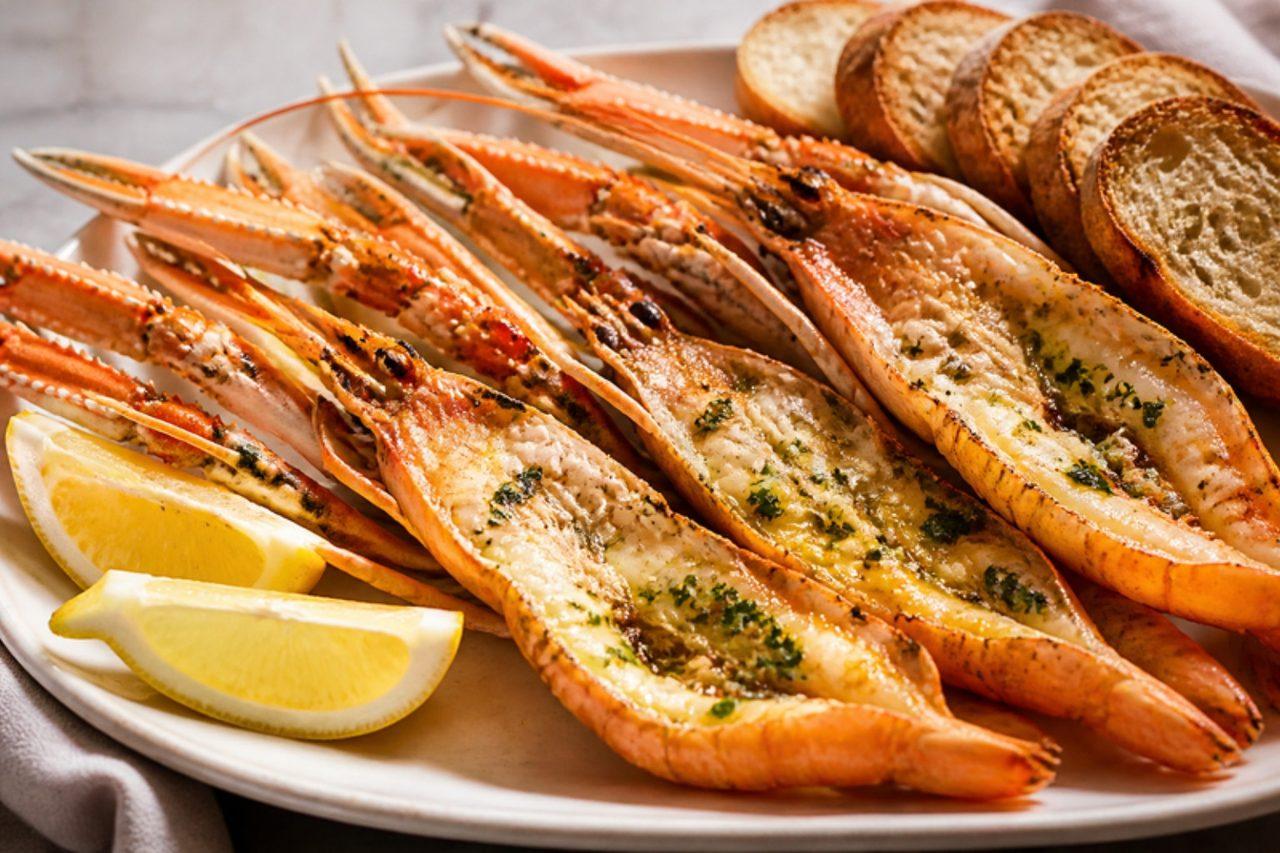
Dublin Bay prawns in garlic butter

Dublin Bay prawns are not prawns at all but langoustines, the small orange lobsters landed at Howth and Clogherhead and once sold off the boats along the north Dublin coast. Seafood bars in Howth serve them split and grilled under a sizzling garlic, lemon and parsley butter, with brown bread to mop the plate. Chef's tip: they cook in minutes, so take them out as soon as the flesh turns from translucent to white.

25 minIrishFishGluten free
by KrazyBadal 0 views

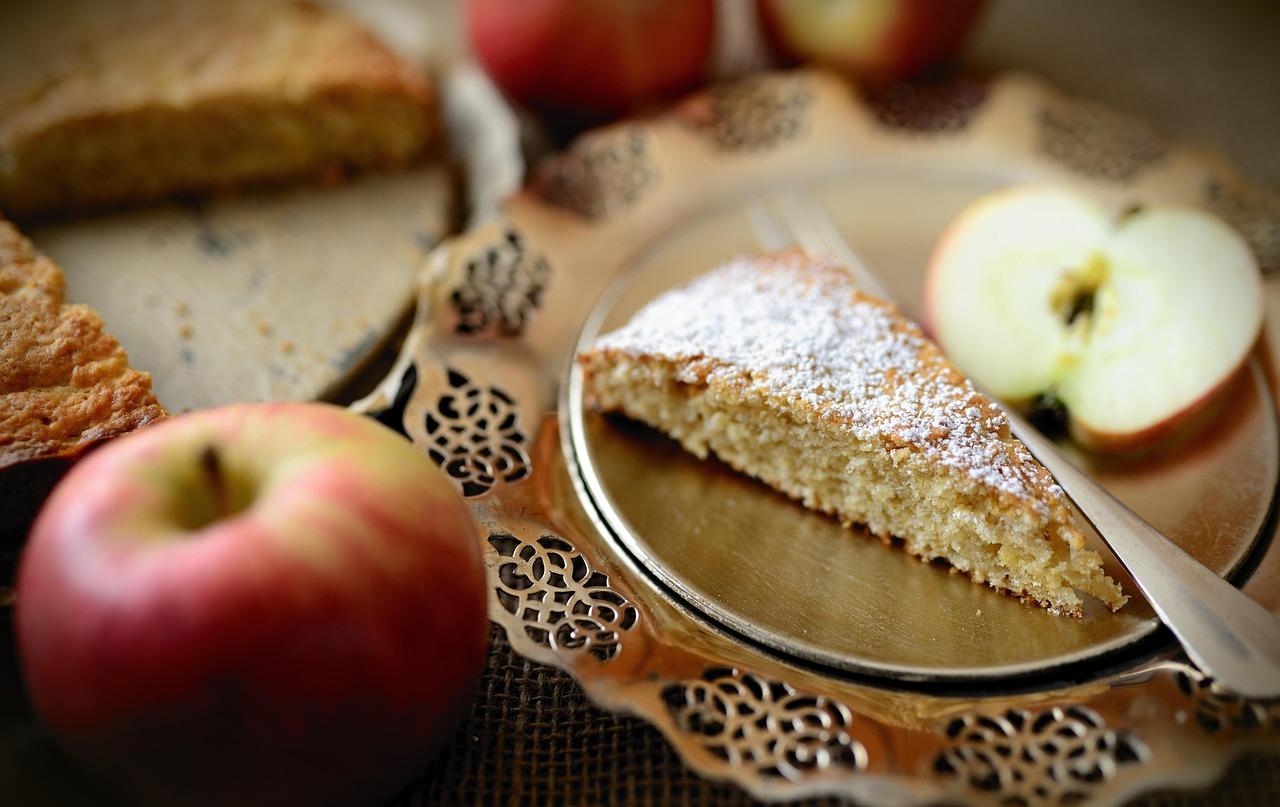
Irish apple cake

Every Irish county has its apple cake, but it is especially loved in Armagh's orchard country and in Kerry, baked in late September when the Bramleys come in. Sharp cooking apples bake into soft, tart pockets in a buttery sponge, under a crunchy sugar and cinnamon crumb. Serve warm with custard or softly whipped cream. Chef's tip: toss the apple slices in lemon juice and sugar only at the last minute, or they release water into the batter.

by KrazyBadal 0 views

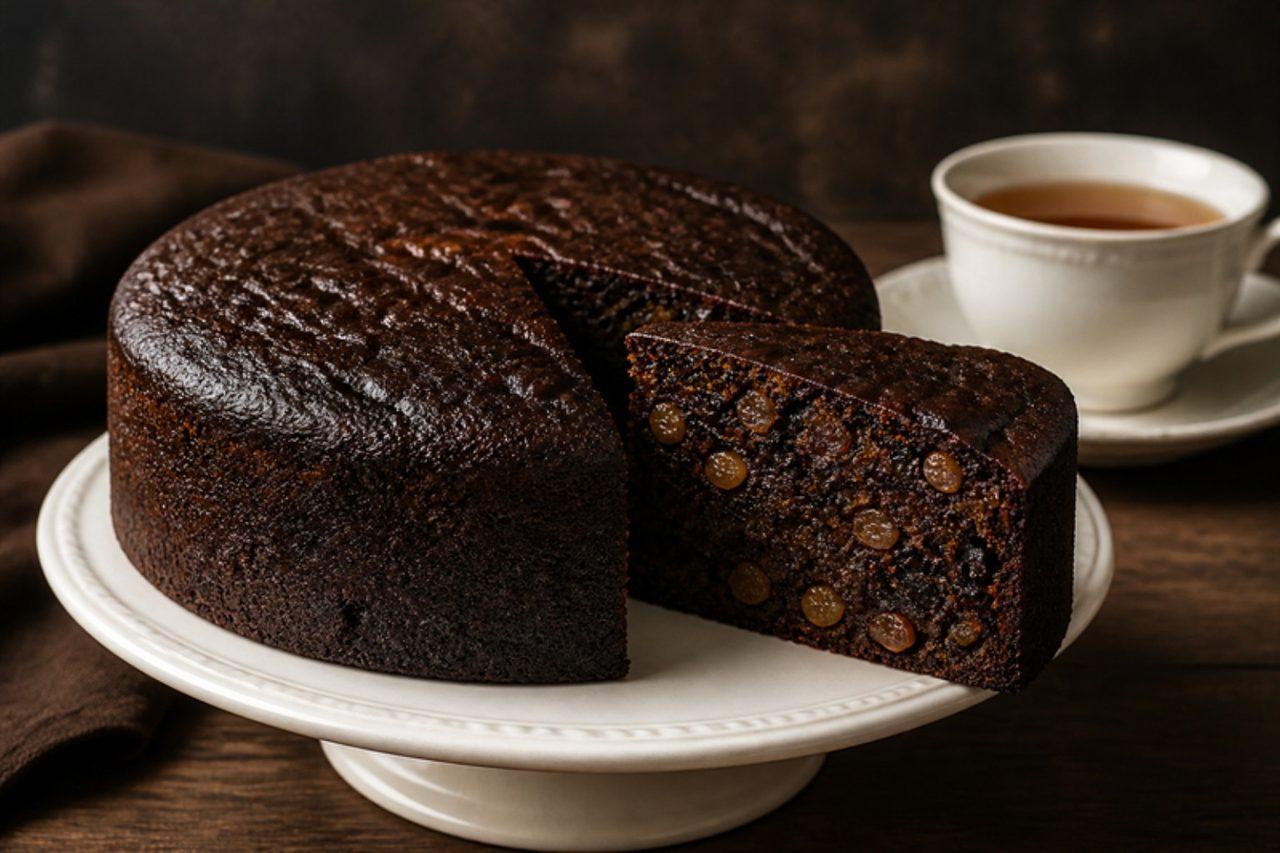
Irish porter cake

Porter cake is the Dublin fruit cake made with stout, the dark beer once drunk by the porters of Dublin's markets and docks; it is baked for Christmas, christenings and wakes across Leinster. The fruit is simmered in the stout, which gives the crumb a deep, malty, slightly bitter flavour and keeps it moist for weeks. This recipe contains alcohol: most of it cooks off, but for an alcohol-free version use strong black tea or alcohol-free stout. Chef's tip: wrap the cooled cake and leave it for 2–3 days before cutting; it slices better and tastes richer.

140 minIrishBaking
by KrazyBadal 0 views

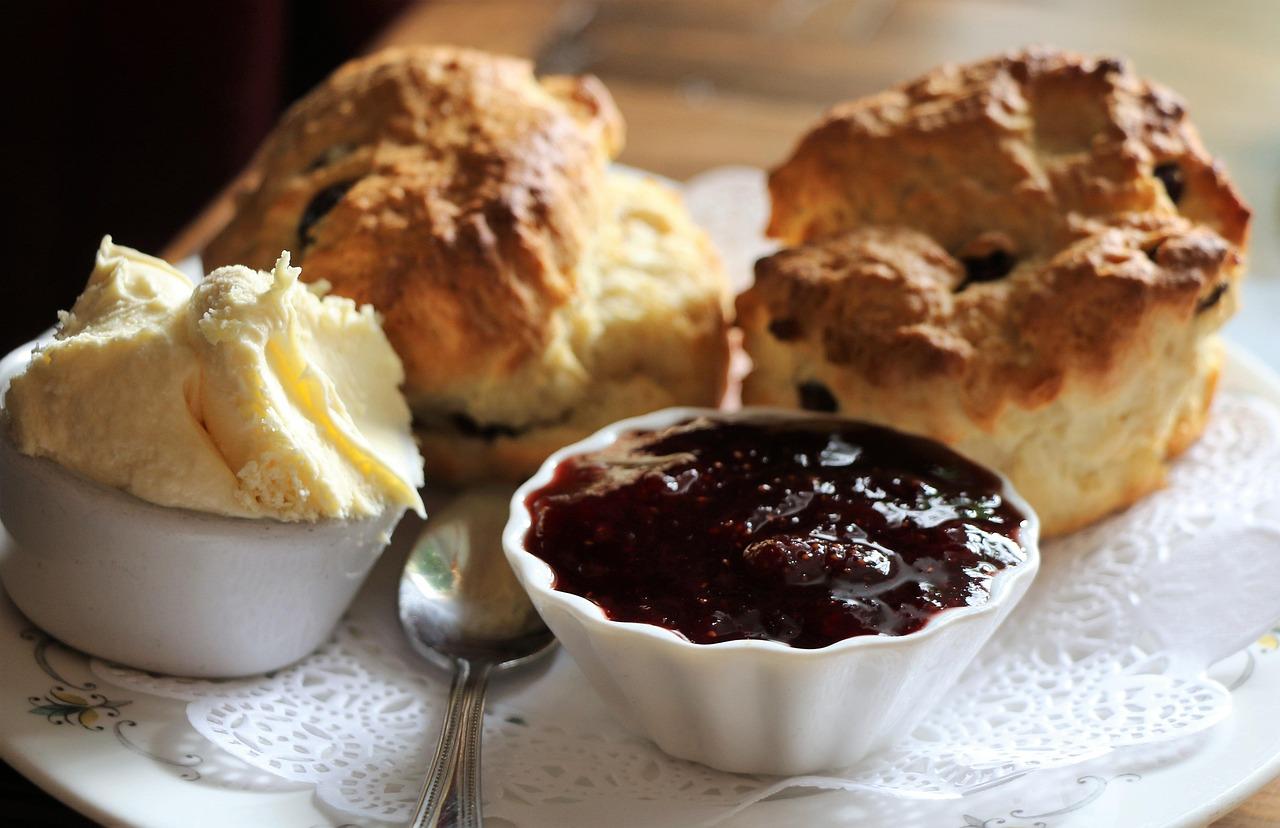
Irish buttermilk scones

Irish scones are the centre of afternoon tea in hotels and country houses from Galway to Wicklow, and the bake that every Irish cook makes from memory. Buttermilk makes them light and tender with a faint tang, and an egg wash gives the glossy golden top. Serve warm, split, with butter, raspberry jam and whipped cream. Chef's tip: press the cutter straight down without twisting; twisting seals the edges and stops them rising tall.

by KrazyBadal 0 views

ChajáSponge, peach and cream cake

Chajá was created in 1927 at a bakery in Paysandú, a city on the Uruguay River, and named after a local bird whose feathers look as fluffy as its crumbly meringue coat. Today it's Uruguay's birthday and celebration cake: layers of light sponge soaked in peach syrup, filled with whipped cream, peaches and dulce de leche, then covered in crushed meringue. It's sweet, soft and crunchy at once, best on the day it's assembled. Chef's tip: soak the sponge but not too much; it should feel moist, not wet, or the layers slide.

by KrazyBadal 0 views

Fish tagine with chermoula

Down at the harbour in Essaouira the fishermen's catch goes straight from the blue boats to the grills and the clay pots, and tagine hout is how home cooks there turn it into a meal. Firm white fish is coated in chermoula, the fresh green paste of coriander, garlic, cumin and lemon, then laid over slices of potato, tomato and pepper that soak up all its juices. The result is light and aromatic, with tender potatoes at the bottom and fish that flakes at a touch. A tomato and cucumber salad and some bread are all it needs. Chef's tip: lay the potatoes in a single tight layer so they lift the fish off the base and nothing catches.

by KrazyBadal 0 views

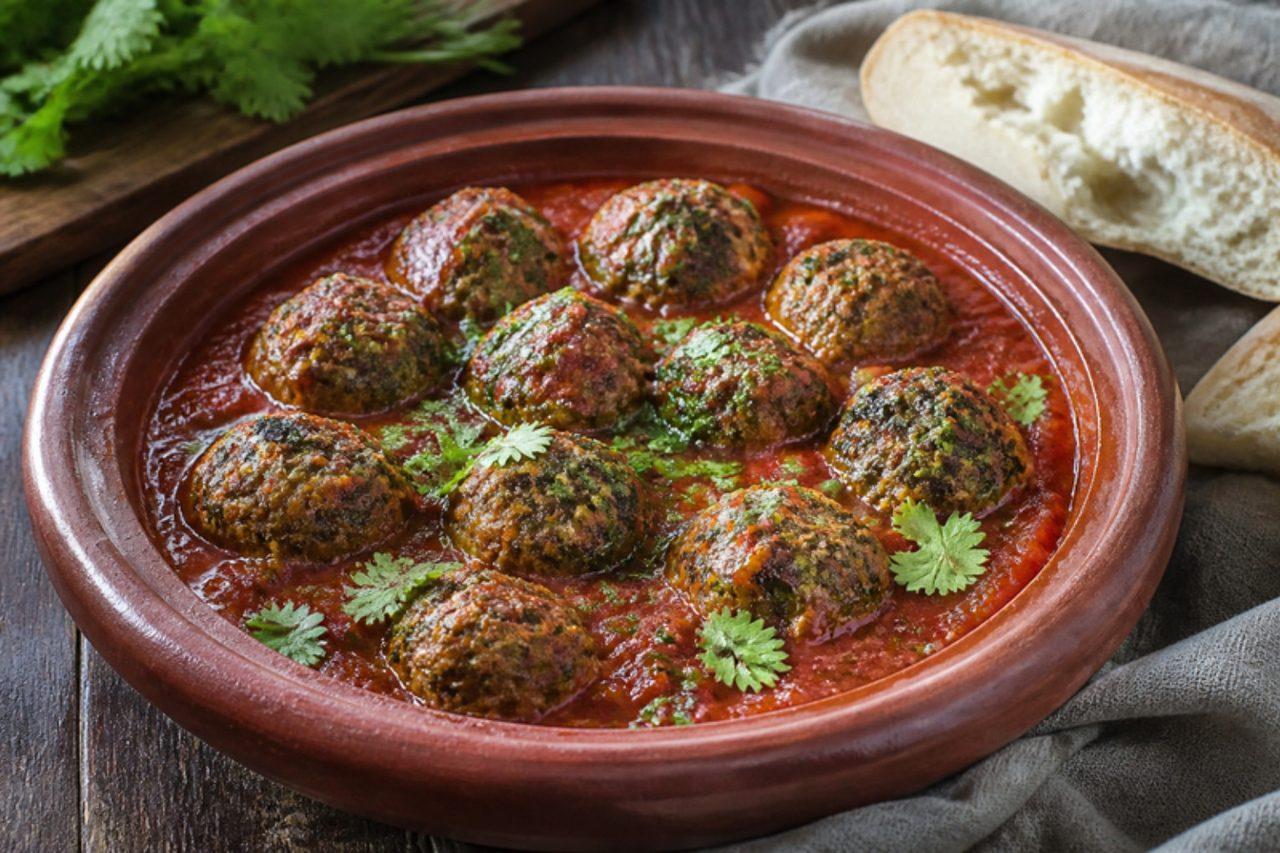
Moroccan sardine balls

Safi and Essaouira are sardine country, and cooks along that Atlantic coast have always made the most of the cheap, silvery catch by turning it into kefta. Fresh fillets are chopped with chermoula herbs and spices into tender, rich fish balls, then simmered in a peppery tomato sauce until they soak up its flavour. They taste nothing like tinned fish: soft, savoury, a little lemony. Eat them from the pan with bread, or as part of a Friday spread of salads. Chef's tip: chill the mixture for 15 minutes before rolling; oily sardines firm up in the cold and the balls hold together in the sauce.

by KrazyBadal 0 views

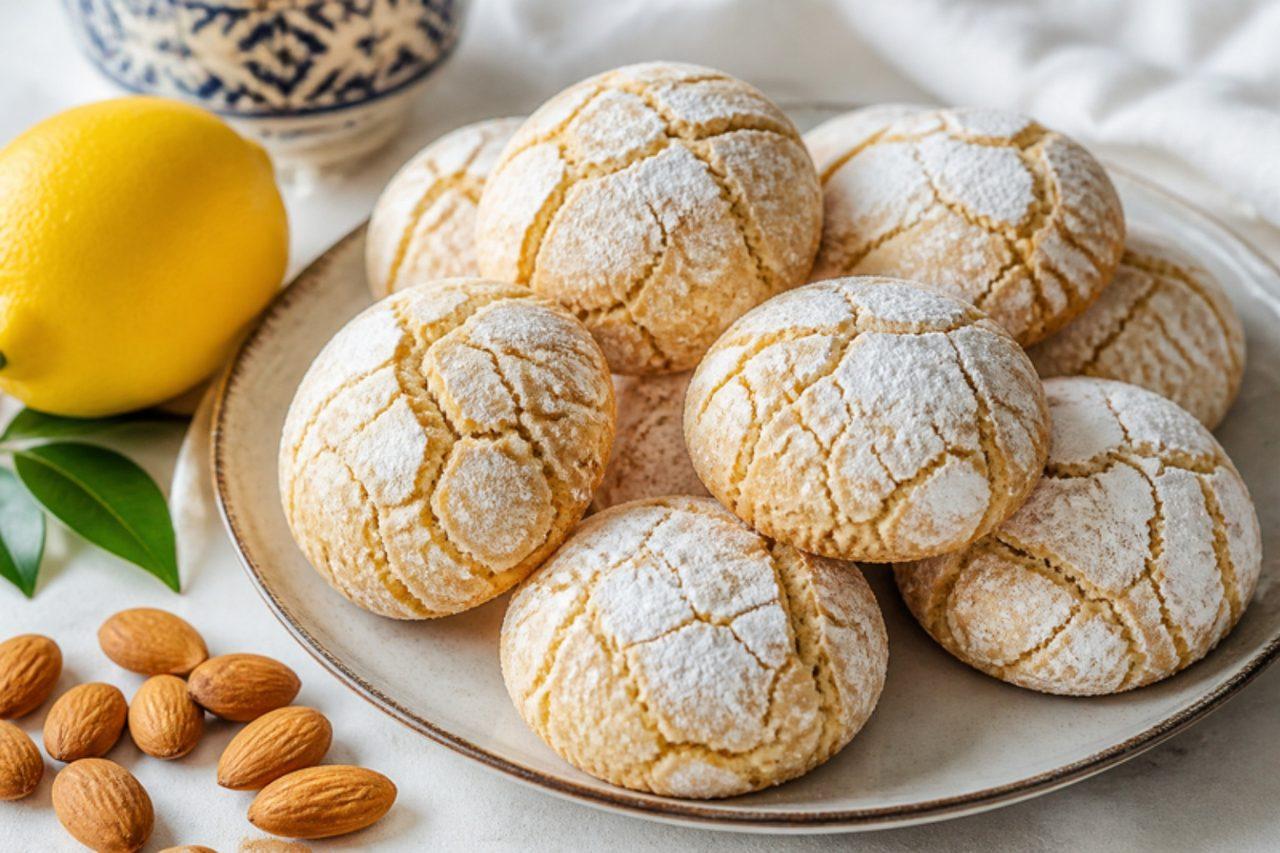
Almond ghribaChewy almond cookies

Ghriba are the crinkle-topped cookies that fill Moroccan biscuit trays for Eid, weddings and guests dropping by for tea; the almond version, ghriba bel louz, is especially loved in Fez and Tétouan. The dough is just ground almonds, sugar, egg and lemon zest, rolled in icing sugar so the top cracks into white rivers as it bakes. They are naturally gluten free, crisp at the edge and soft and chewy inside. Chef's tip: take them out when the cracks have formed but the centres still feel soft; they firm up as they cool, and overbaked ghriba turn hard.

by KrazyBadal 0 views

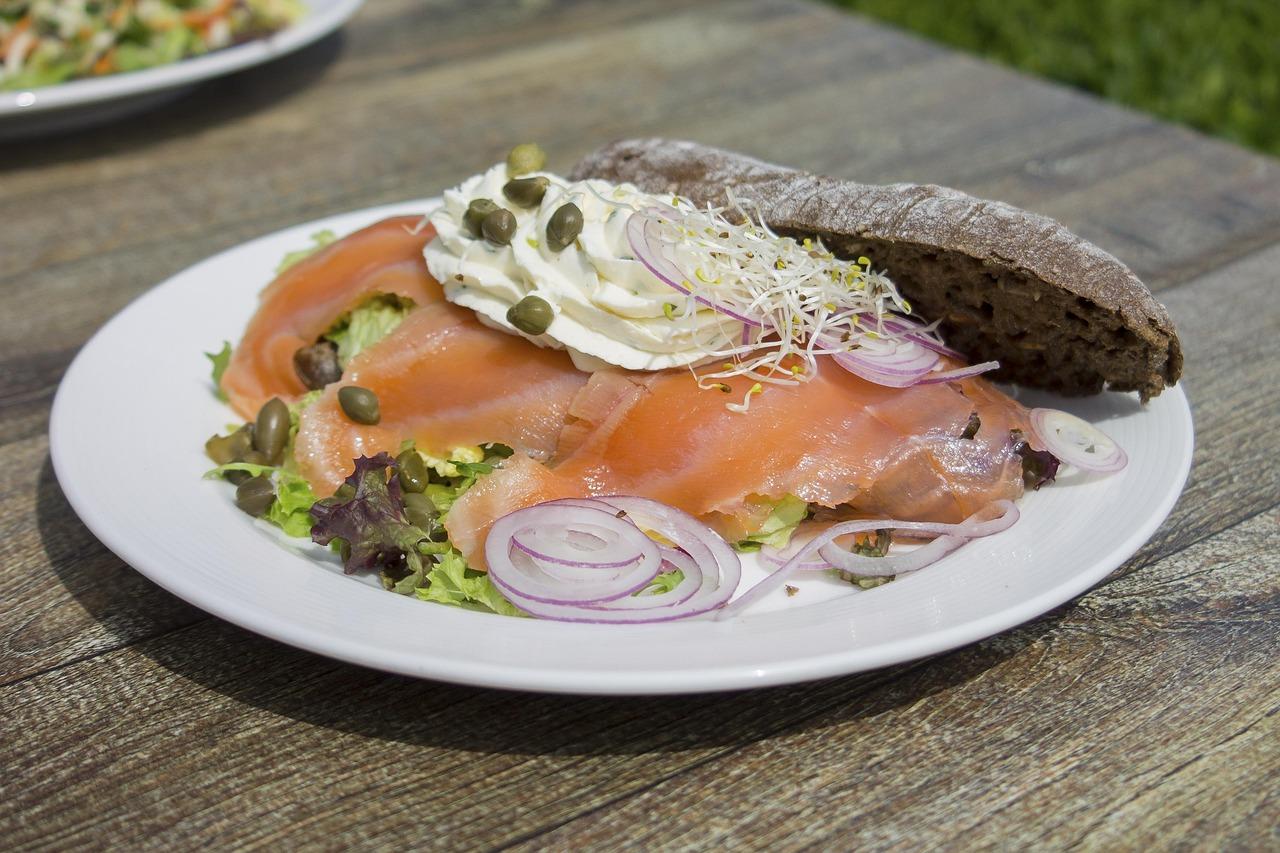
Smoked salmon on brown wheaten bread

Irish smoked salmon, bradán deataithe, comes from smokehouses along the west coast in Connemara and Cork, and a plate of it on buttered brown wheaten bread is a classic starter at weddings and Christmas, and a light lunch in country hotels. The bread is a quick wholemeal soda bread made with buttermilk and no yeast, nutty and slightly sweet. Serve with lemon, capers and red onion. Cold-smoked salmon is not cooked, so pregnant people and anyone with low immunity should avoid it or use hot-smoked salmon instead. Chef's tip: cut the bread only when it has cooled completely; warm soda bread squashes and turns gummy.

60 minIrishFish
by KrazyBadal 0 views

Showing 24 of 28 recipes

Show more recipes

Page 1 of 2