Skip to content
WhatToEat.Today

All recipes

6

Vegetarian, or something you can't eat? Set your diet once and we'll hide recipes that don't fit.

KitozaSmoked dried beef strips

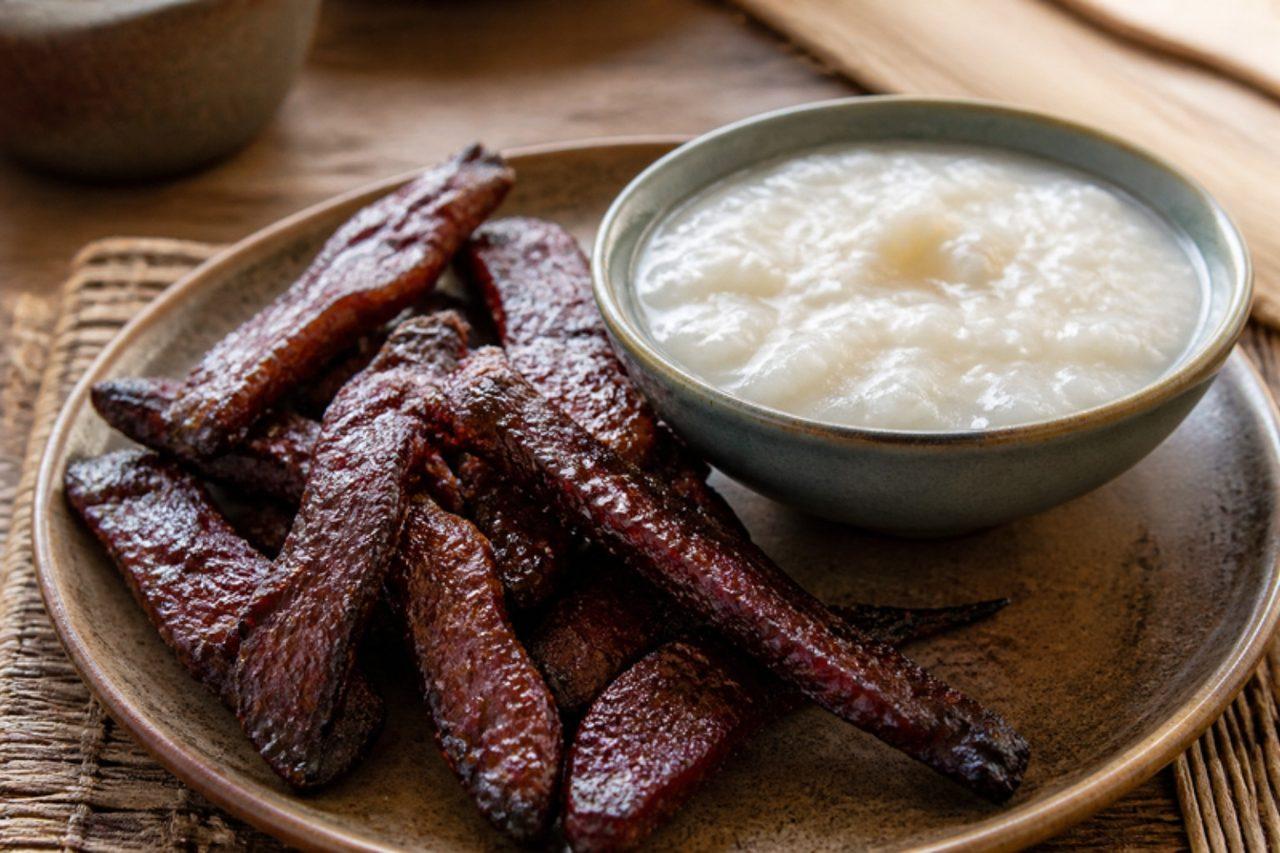
Butchers in the Highland markets of Antananarivo and Ambositra hang long, dark strips of kitoza above smoky fires, and households grill a few pieces each morning to eat with a bowl of soft rice. The meat is lean, cut with the grain, seasoned with salt, garlic, ginger and pepper, then dried until it is chewy and concentrated; a quick grill before serving gives it a smoky, salty crust. This home version uses beef in place of zebu and, for safety, cooks the strips to 71 °C in the oven before drying them slowly at a low heat. It is not for pregnant women, young children or anyone with a weakened immune system. The common mistake is cutting the strips too thick, which leaves them leathery outside and damp inside. Chef's tip: half-freeze the beef for an hour so you can slice it in even 5 mm strips.

175 minMalagasyMeatGluten free
by KrazyBadal 0 views

MasikitaGrilled beef skewers

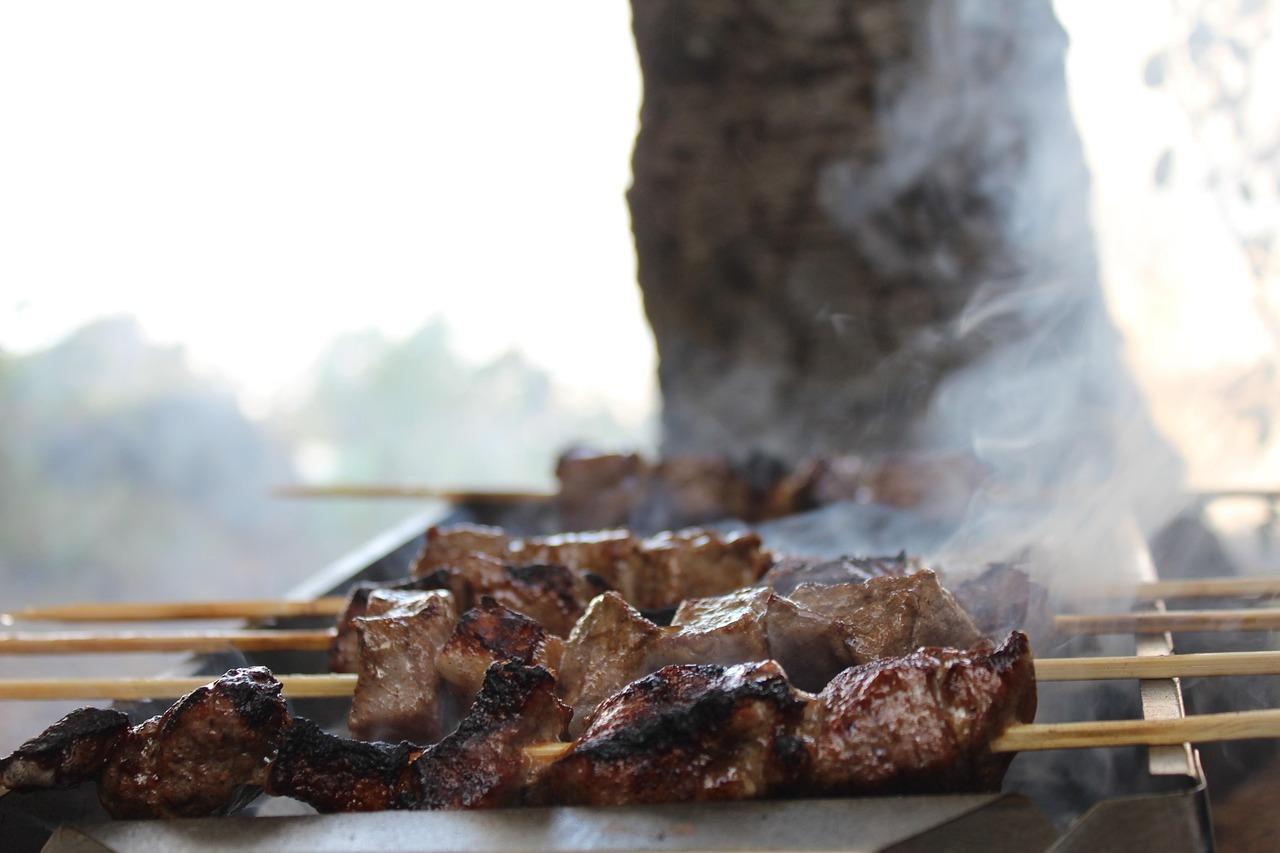
As the light fades in Mahajanga, Toliara and Antananarivo, the smoke from masikita grills drifts along the pavements, with vendors fanning glowing charcoal under rows of tiny skewers. In Madagascar they are made with zebu, the humped cattle that are central to life on the island; good beef rump or sirloin is the closest match at home. Small cubes are marinated with garlic, ginger, pepper and a little oil, threaded tightly and grilled fast, so the outside chars and the inside stays juicy. Eat them straight off the stick with sakay, a squeeze of lime and a cold drink, or with rice for dinner. Cutting the cubes too big is the common mistake: masikita should be bite-sized so they cook through in minutes. Chef's tip: soak wooden skewers for 30 minutes first so they don't burn before the beef is done.

by KrazyBadal 0 views

VarangaCrisp shredded beef

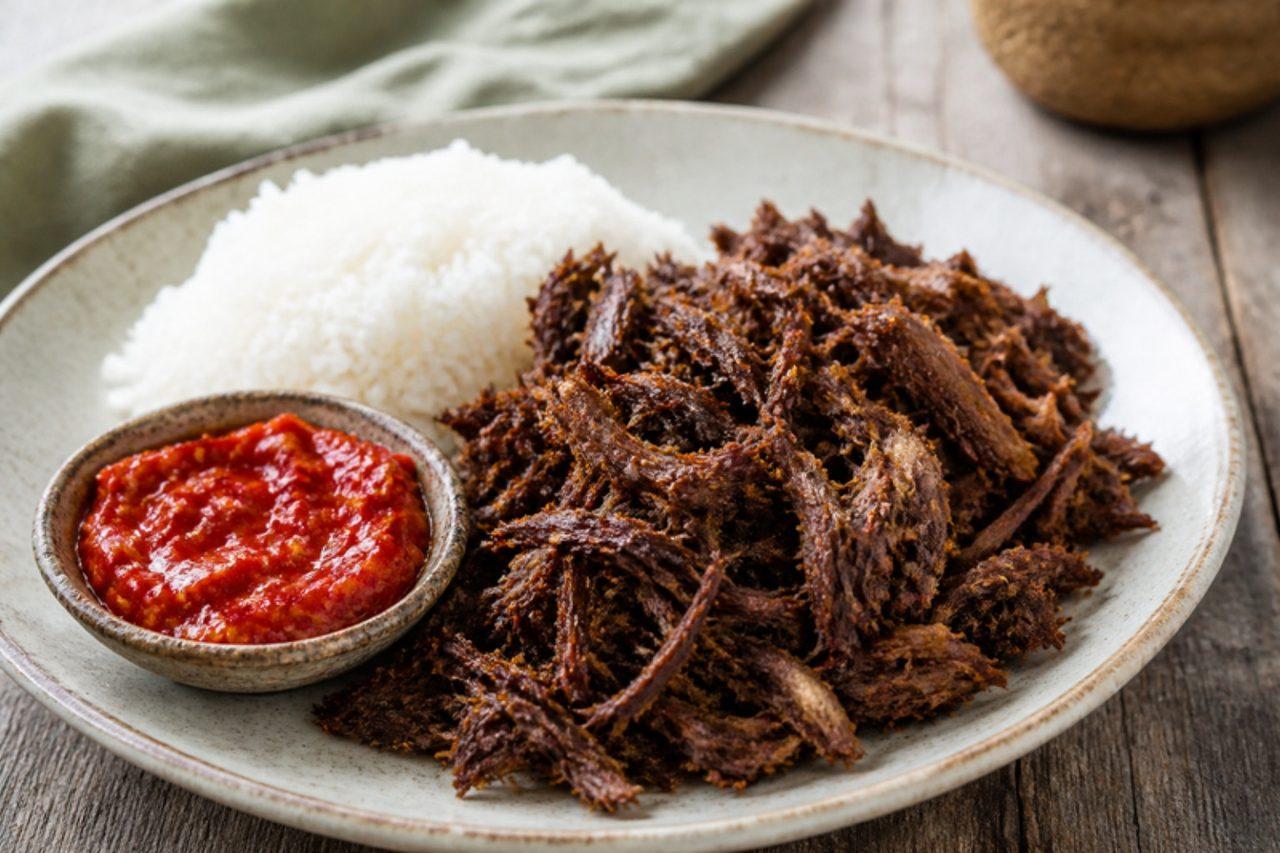
Varanga belongs to the big occasions of the Merina Highlands: family reunions, famadihana gatherings and long lunches outside Antananarivo, where a mound of it sits beside rice and a bowl of greens. Beef, traditionally zebu, is simmered with garlic, ginger and onion until it can be pulled apart with two forks, then the strands are fried in the fat and juices left in the pot until crisp and mahogany at the edges but still tender inside. The flavour is deeply beefy and salty-sweet, a little like the best bits stuck to a roasting tin. Cooks in a hurry shred the meat before it is truly tender, and the strands then fry up tough and stringy instead of crisp. Chef's tip: choose a cut with some fat and connective tissue, like chuck or brisket; lean steak gives dry, hard varanga.

150 minMalagasyMeatGluten free
by KrazyBadal 0 views

Henakisoa sy voanjoboryPork with groundnuts

Henakisoa sy voanjobory is a highland dish from the countryside around Antsirabe and Fianarantsoa, cooked for family gatherings: pork simmered for a long time with Bambara groundnuts, a hard, round pulse that turns creamy and nutty, until the meat is tender and the beans have thickened the sauce. This dish contains pork. It is eaten with rice and a fresh tomato salad. The mistake is not soaking the dried pulses, which then never soften; soak them overnight. Chef's tip: if you can't find Bambara groundnuts, black-eyed beans or borlotti give a similar result in less time.

150 minMalagasyMeatGluten free
by KrazyBadal 0 views

Ranon'apangoToasted rice water

Ranon'apango is the everyday drink of Madagascar: after rice is cooked, the crust at the bottom of the pot is left to toast until golden, then water is boiled with it to make a pale amber, nutty, slightly smoky drink. It is served warm or cold in jugs alongside meals in homes and hotelys, and is a safe way to drink boiled water. Chef's tip: toast the crust until golden-brown, not black; burnt rice makes the drink bitter.

by KrazyBadal 0 views

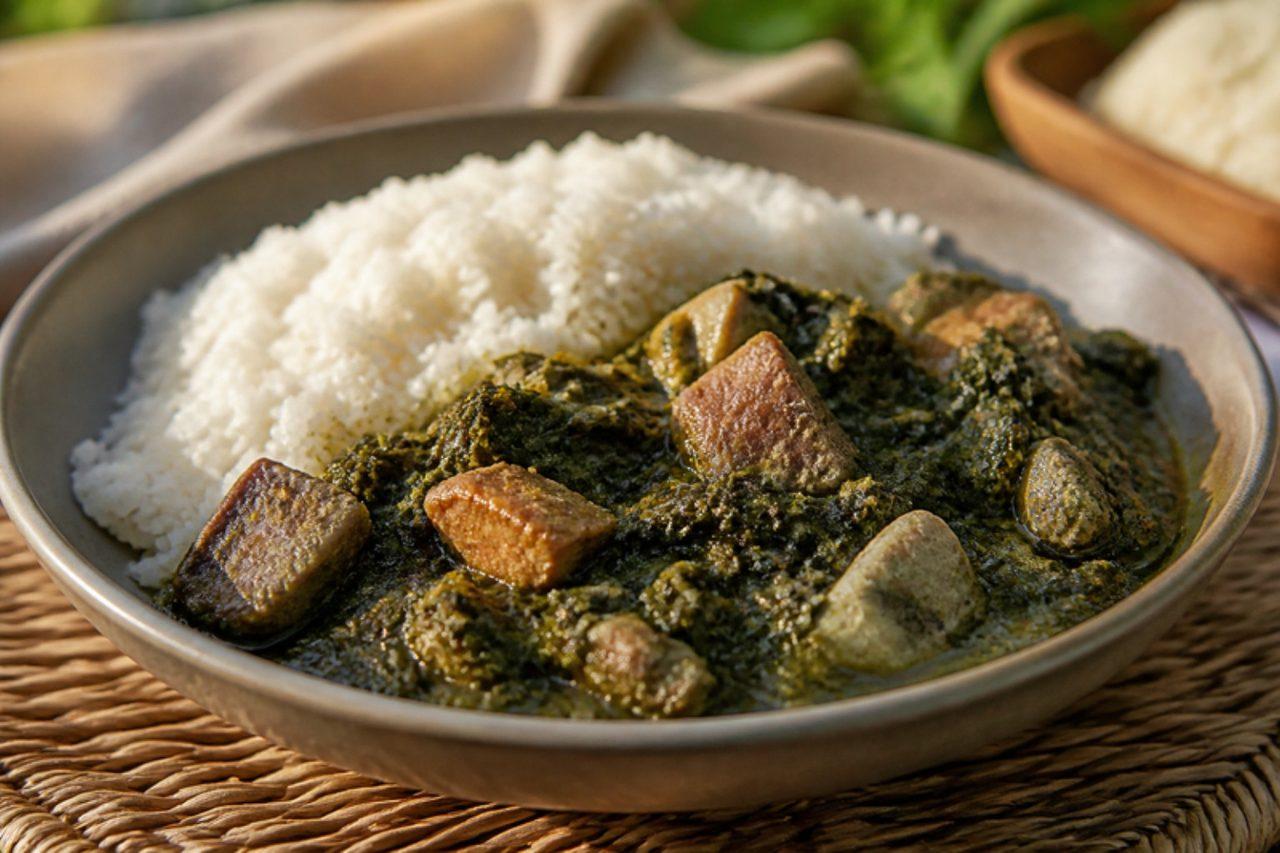
Ravitoto with porkPounded cassava leaves with pork

Ravitoto sy henakisoa, cassava leaves with pork, is a favourite of the Malagasy highlands around Antananarivo and is served at family Sunday lunches with a mound of white rice. This dish contains pork. The cassava leaves are pounded to a dark green paste and simmered for a long time with fatty pork, garlic and ginger until rich and soft, often finished with coconut milk. The mistake is undercooking the cassava leaves: they must cook for at least an hour to be safe and lose their bitterness, so don't cut it short. Chef's tip: frozen pounded cassava leaves (sold as ravitoto, pondu or saka saka) save a lot of work.

120 minMalagasyMeatGluten free
by KrazyBadal 0 views