Skip to content
Recipes

All recipes

Vegetarian, or something you can't eat? Set your diet once and we'll hide recipes that don't fit.

Uuts-style roast lamb saddle

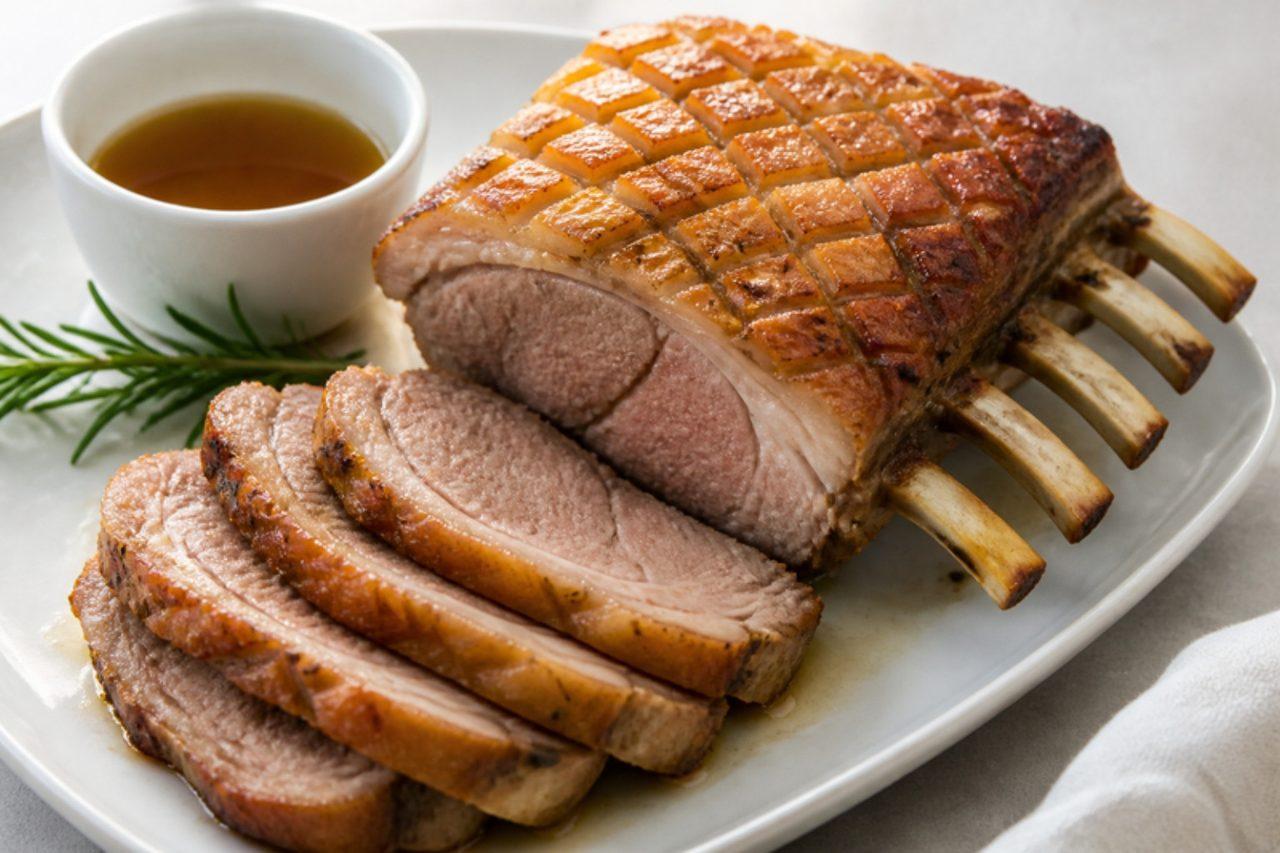
Uuts, the whole back and fat tail of a sheep, is the grandest dish of Tsagaan Sar, the Mongolian Lunar New Year: boiled, then set in the centre of the table in every Ulaanbaatar and countryside home and carved for each visitor during the days of family visits. The real thing weighs many kilos and needs a huge pot, so this home version uses a bone-in saddle of lamb with its fat, simmered first and then roasted until the fat is crisp, keeping the uuts idea of a whole, impressive cut to carve at the table. A common mistake is trimming away all the fat; in Mongolia it is the most prized part. Chef's tip: score the fat in a criss-cross so it renders and crisps evenly.

by KrazyBadal 0 views

Tarta de zapallitosCourgette and cheese tart

In Buenos Aires every rotisería sells tartas by the slice, and at home a tarta de zapallitos is baked on Sunday evening so that a wedge can go into the vianda (packed lunch) for school and work all week. Zapallitos are round green courgettes; ordinary courgettes work just as well. The common mistake is adding the courgette raw, which floods the pastry; sauté it until the liquid has cooked away. Argentine queso rallado and many hard cheeses are made with animal rennet, so use a vegetarian hard cheese. Chef's tip: bake the tart on a preheated baking tray so the base crisps before the filling soaks in.

by KrazyBadal 0 views

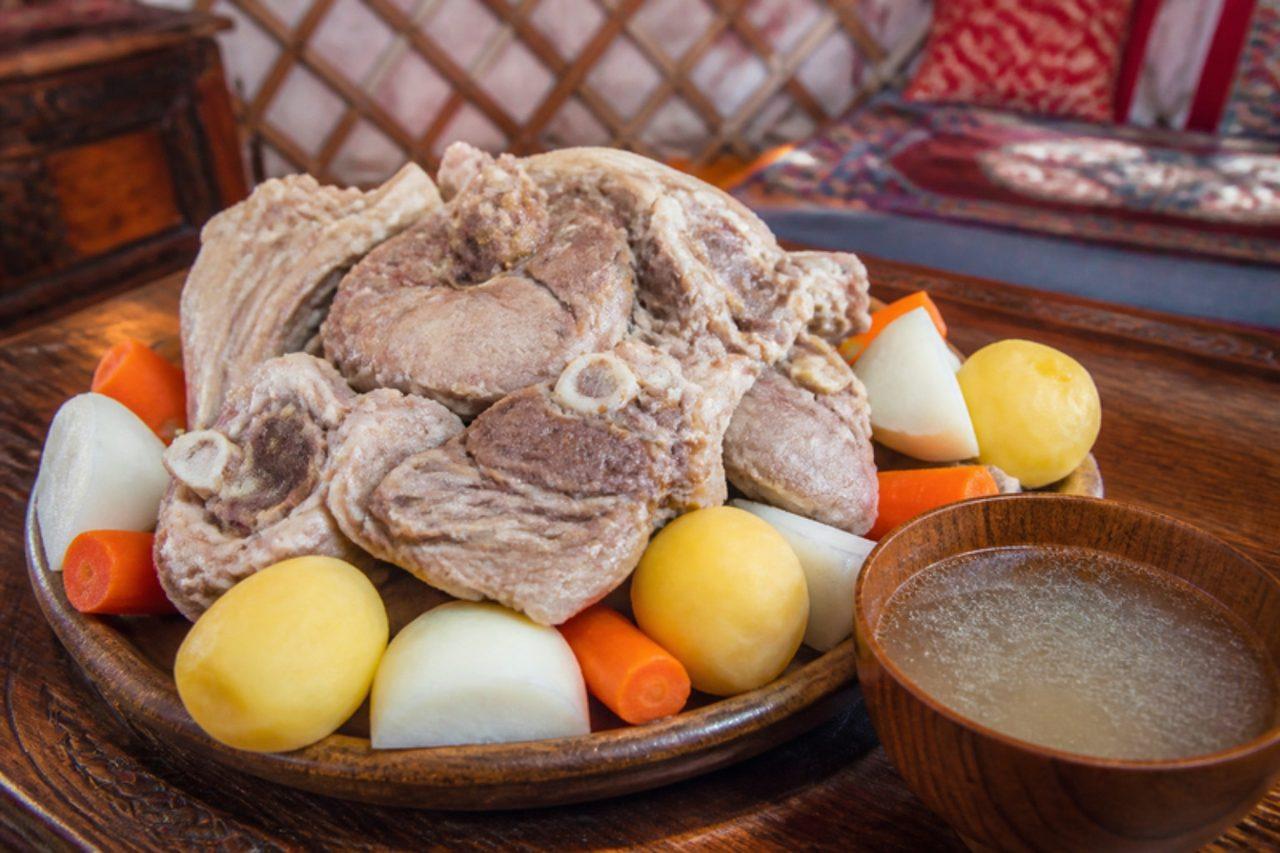
Boiled mutton

Chanasan makh is the simplest and most loved meal of the Mongolian countryside, boiled in a big pot on the ger stove in Övörkhangai or Khentii whenever guests arrive or a holiday comes round. Large bone-in pieces of mutton are simmered with nothing but salt and a little onion, then served steaming on a platter to be cut with a knife and eaten by hand, with the rich broth drunk from bowls alongside. Potato, carrot and turnip are often cooked in the same pot. A common mistake is boiling hard, which makes the meat tough and the broth cloudy; keep it at a lazy simmer and skim. Chef's tip: mutton or older lamb with some fat on it gives the deepest flavour.

by KrazyBadal 0 views

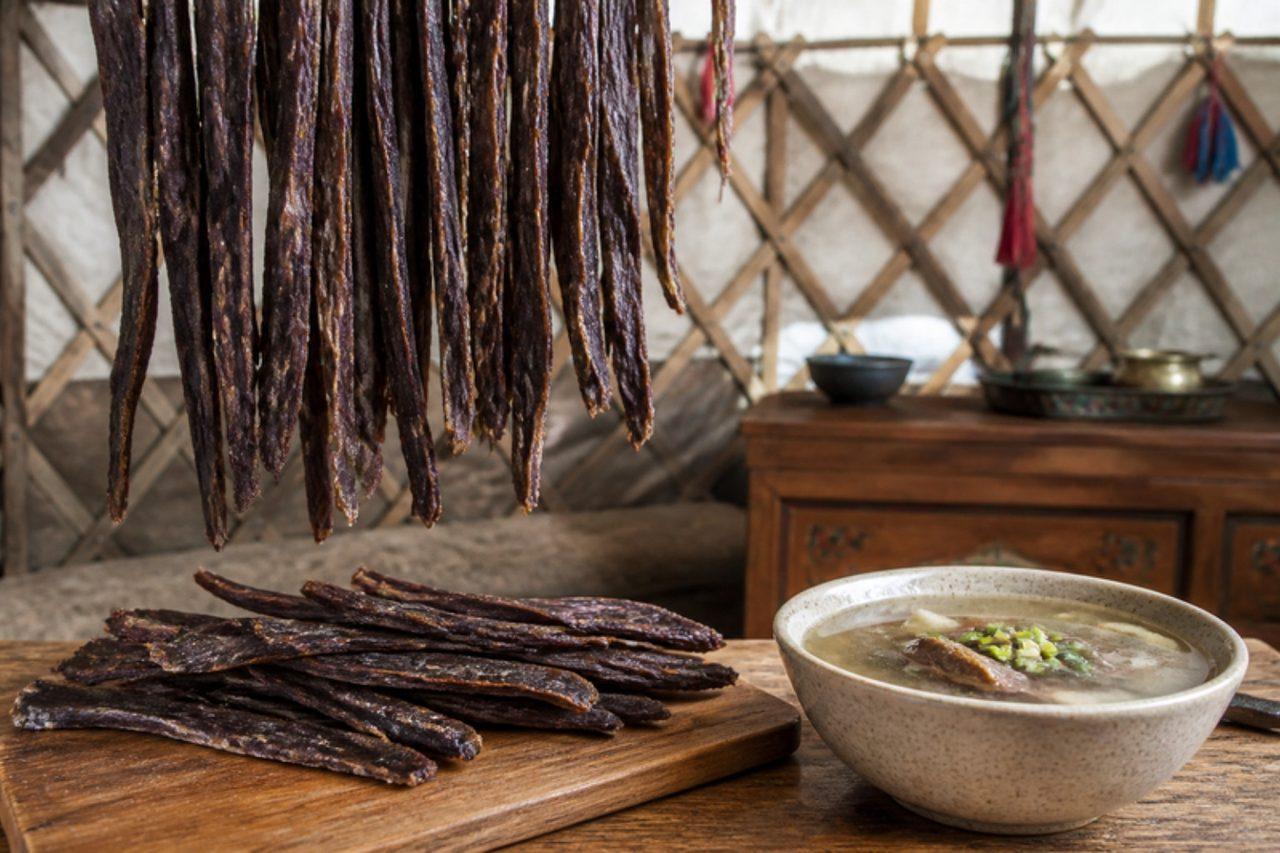
BortsAir-dried beef strips

Borts is the winter-dried meat of Mongolian herding families: in the cold, dry air of late autumn, strips of beef are hung inside the ger until they shrink to hard, dark sticks, then pounded and stored in a bag to last until spring. A handful of borts dropped into hot water makes an instant soup, and nomads carry it on long journeys. In Mongolia it is also made from horse or camel meat; this recipe uses beef. Home kitchens don't have the steppe's freezing dry air, so here the meat is heated to a safe temperature first and dried in a low oven. A common mistake is leaving fat on the strips; fat turns rancid, so trim it all. Chef's tip: slice the meat while half-frozen to get thin, even strips.

by KrazyBadal 0 views

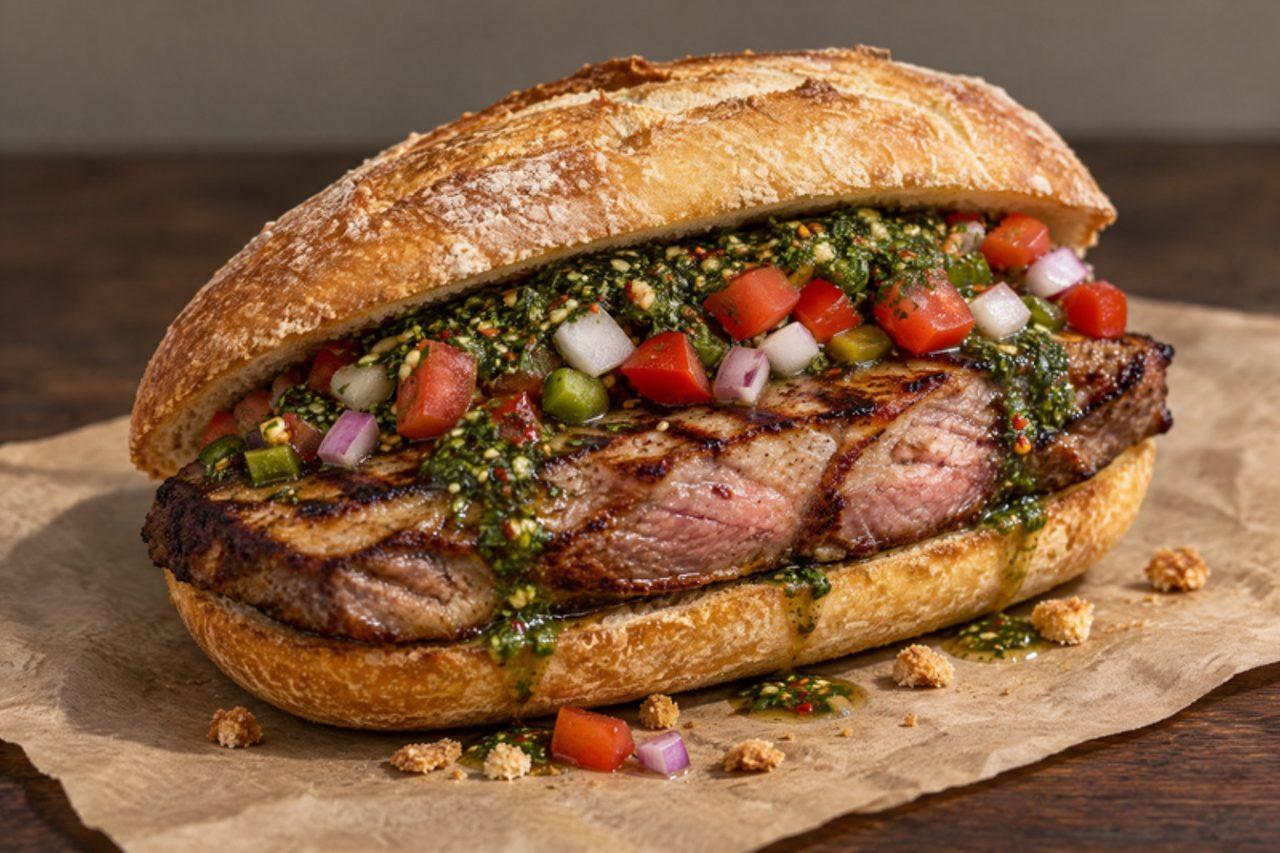
Sándwich de bondiolaGrilled pork shoulder sandwich

Along the Costanera Sur riverside in Buenos Aires, beside the Reserva Ecológica, the carritos have grilled for cyclists, walkers and taxi drivers for generations, and the bondiola sandwich is their pride: a thick pork shoulder steak, marbled and juicy, grilled until charred and laid in a crusty roll with chimichurri and salsa criolla. Weekend afternoons are the busiest. Chef's tip: leave the fat on the steak and turn it only once; the fat bastes the meat and the crust is the best part.

by KrazyBadal 0 views

Guiso de fideosBeef and pasta stew

Guiso de fideos is the winter weeknight stew of Argentina, cooked in Buenos Aires flats and on estancias alike, and as loved by children as by grandparents. Beef, potatoes and vegetables simmer in a light tomato and sweet-paprika broth, then short pasta cooks straight in the pot and thickens it into something between a soup and a stew. Serve it in deep plates with crusty bread and grated cheese for those who want it. The usual mistake is adding the pasta too early, so it swells and turns mushy; it goes in only for the last 10–12 minutes. Chef's tip: cut the beef into small cubes, about 2 cm, so it is tender in under an hour.

by KrazyBadal 0 views

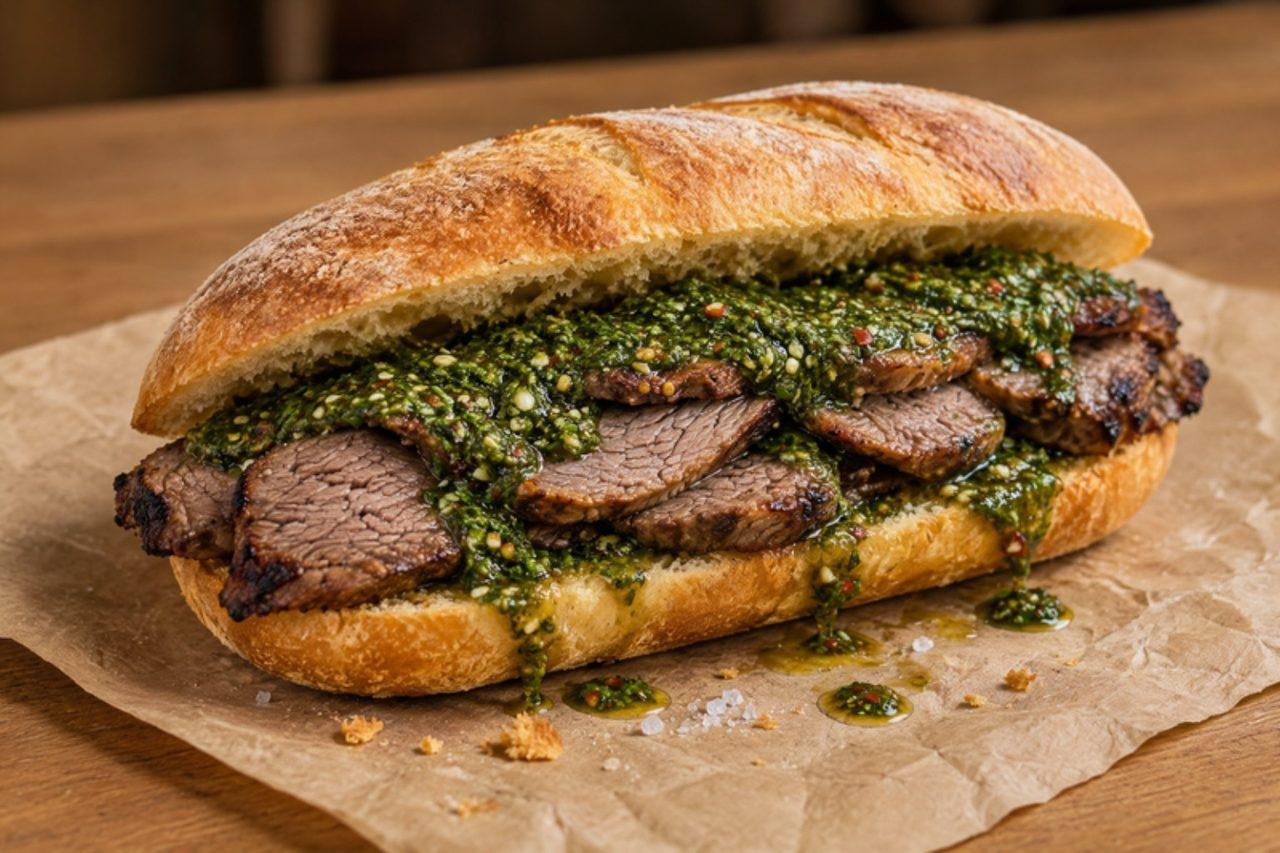
Sándwich de vacíoGrilled flank steak sandwich

Vacío, the flank cut with its layer of fat and membrane, is grilled slowly for a long time at Buenos Aires parrillas, and at the street grills near football grounds and the weekend fairs of Mataderos it ends up sliced into crusty bread for a hearty midday sandwich. Cooked gently, it turns tender and very juicy, with a crisp, salty layer of fat. Chef's tip: grill it membrane side down first for most of the time and do not trim that membrane off; it protects the meat and turns crisp.

by KrazyBadal 0 views

Postre MassiniCustard sponge with burnt sugar top

Montevideo's birthday cake of choice since the early twentieth century, the Massini is two thin layers of sponge sandwiching a thick filling of whipped cream folded with egg-yolk custard, crowned with a thin glassy crust of torched yolk and sugar. Bakeries across Uruguay sell it on Sundays. Traditional versions sometimes add a sweet fortified wine to the custard; this one is alcohol-free. The custard is cooked to a safe 71 °C. The common mistake is assembling with warm custard, which melts the cream into a puddle. Chef's tip: if you don't have a blowtorch, put the sugared top under a very hot grill for a minute and watch it closely.

by KrazyBadal 0 views

Ul boovNew Year shoe-sole pastries

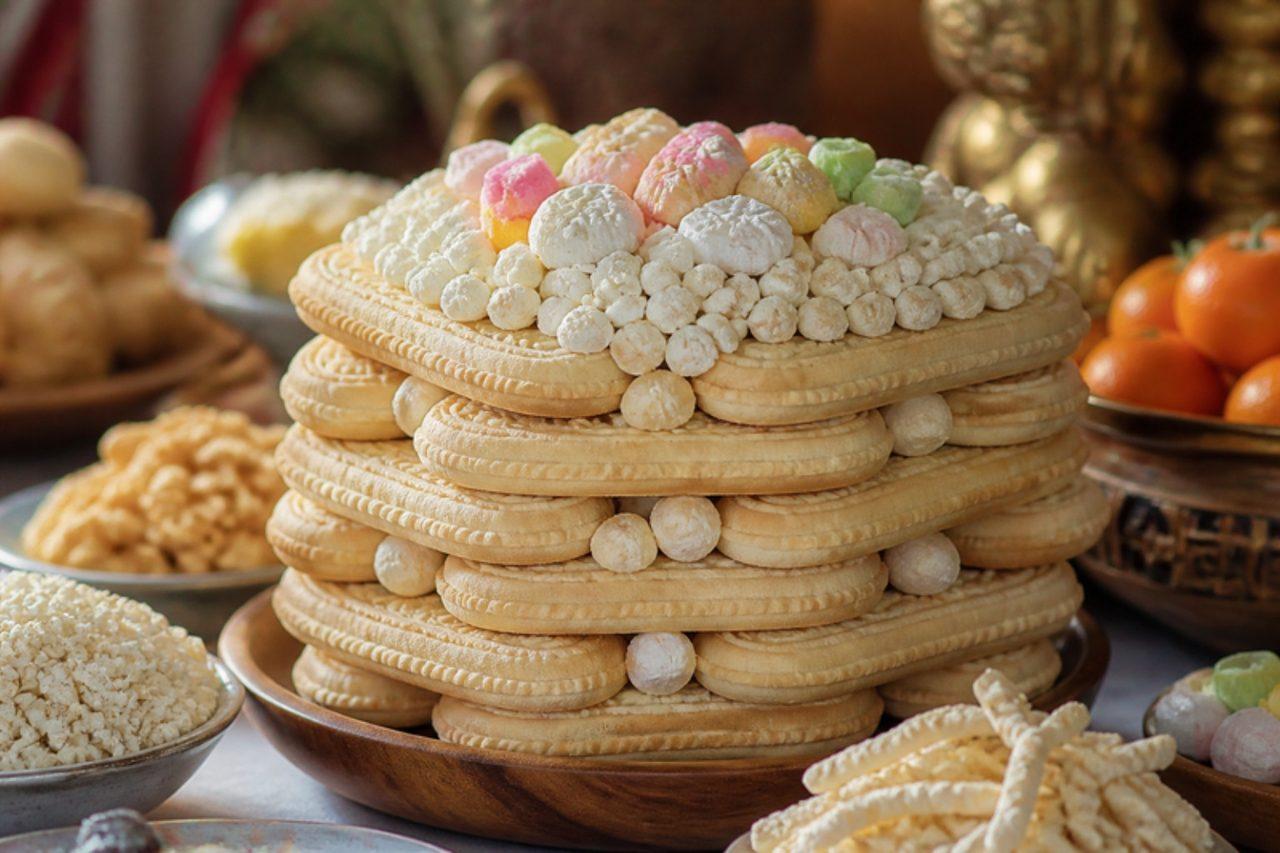
Ul boov, "shoe-sole pastries", are the centrepiece of the Tsagaan Sar (Lunar New Year) table in every Mongolian home, stacked in an odd number of layers on a platter and crowned with aaruul, sugar cubes and sweets. Each oblong pastry is pressed with a carved wooden stamp and fried or baked. Families traditionally use rendered sheep's tail fat in the dough; this version uses butter. The stack is admired for the holiday, then broken up and eaten with milk tea. A common mistake is a soft dough that loses the stamped pattern; it should be firm and smooth. Chef's tip: if you don't have a stamp, press patterns with a fork or the end of a spoon.

by KrazyBadal 0 views

SchnitzelsemmelSchnitzel in a bread roll

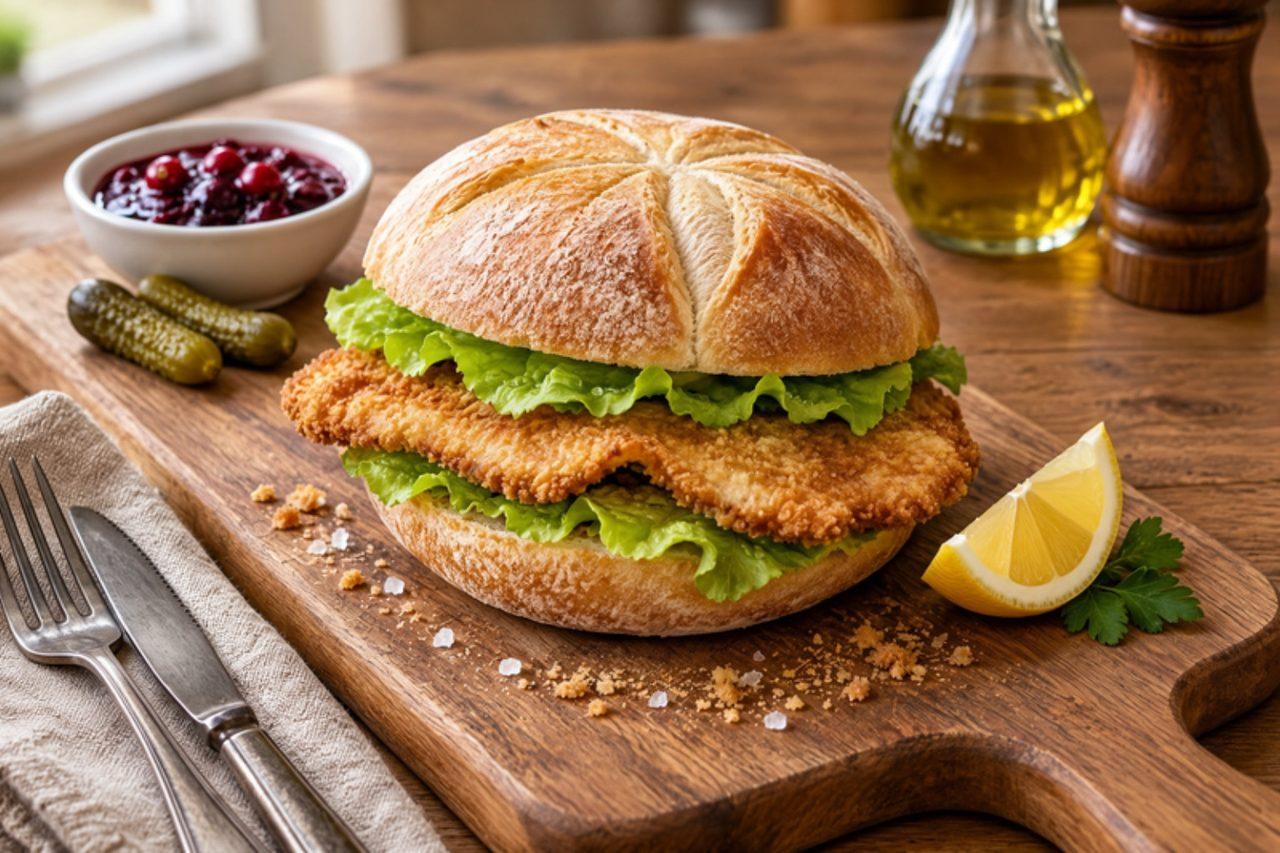
Austrians setting off on a train journey, a ski day or a building-site shift pack a Schnitzelsemmel: a crisp Kaisersemmel roll holding a cold, golden pork schnitzel (veal for special days), a leaf of lettuce and a squeeze of lemon, sometimes with a smear of mustard or a gherkin. Leftover Sunday schnitzels are made for it. The common mistake is pressing the breadcrumbs on hard; they should sit loosely so they puff up and ripple away from the meat as it fries. Chef's tip: shake the pan constantly while frying so hot fat washes over the top, and the crust soufflés into those famous waves.

by KrazyBadal 0 views

Morcilla dulceSweet blood sausage with walnuts

No Uruguayan parrilla is complete without morcilla dulce: a soft pork blood sausage sweetened with sugar and scented with orange peel, studded with walnuts and raisins, grilled until the skin crisps and served first, as part of the achuras, while the beef is still cooking. It is pork throughout: pork blood, pork back fat and natural pork casings. Making it at home is a project. Buy fresh pork blood with an anticoagulant added from a butcher who supplies it for sausage making, keep it chilled below 4 °C and use it within a day. The common mistake is poaching at a rolling boil, which bursts the casings. Chef's tip: keep the water at 80–85 °C, just shivering, and prick a sausage after 25 minutes: it is done when brown, not red, juice comes out.

by KrazyBadal 0 views

BusecaTripe and white bean stew

Buseca arrived in Montevideo with Italian immigrants from Lombardy and became a classic winter dish of Uruguayan bodegones and family kitchens, eaten on cold June and July days. Honeycomb tripe is simmered until tender, then stewed with white beans, pork chorizo, bacon, peppers, tomato and paprika into a thick, warming stew served with crusty bread. Buy tripe that is already cleaned and blanched (dressed). The usual mistake is undercooking the tripe: it needs a full 2 hours, until it's soft enough to cut with a spoon. Slow-cooker option: after step 4, cook on low for 8 hours. Chef's tip: a little grated lemon zest and parsley stirred in at the end lifts the rich, gelatinous sauce.

by KrazyBadal 0 views

Bizcochitos de grasaSavoury beef fat biscuits

A paper bag of bizcochitos de grasa sits next to the mate gourd in kitchens, offices and roadside service stations across Argentina, from Buenos Aires to the Andes. These little rounds, a couple of bites each, are layered with beef fat, so they flake and crumble, salty and plain enough to eat by the dozen with bitter mate in the afternoon. The fat is rendered beef fat (grasa vacuna), so they are not vegetarian; ask your butcher for dripping or render suet yourself. A dough worked too warm is the mistake that robs them of their layers; the fat melts into it instead of staying in sheets. Chef's tip: chill the dough for 10 minutes between folds whenever it starts to feel greasy, and prick each round right through so it puffs in flakes rather than domes.

by KrazyBadal 0 views

Bife a caballoSteak with fried eggs

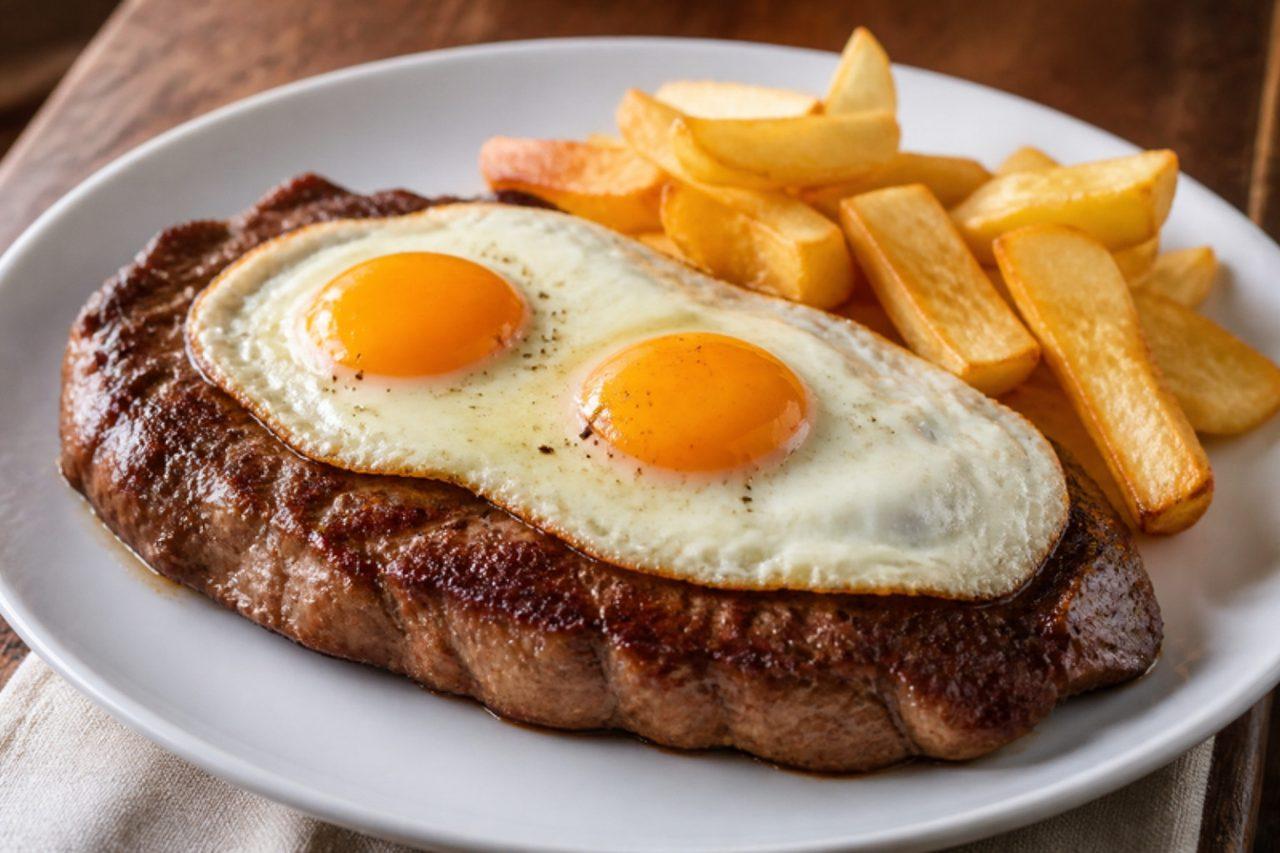
On the chalkboard of any neighbourhood bodegón in Buenos Aires you will find bife a caballo, steak "on horseback": a thick bife de chorizo (sirloin) or rump seared hard in a hot pan, crowned with two fried eggs whose yolks run into the meat juices, and served with a pile of chips. It is the plate for hungry taxi drivers at lunch and for anyone recovering from a long night. Cook the steak to your taste; Argentines usually ask for it jugoso (medium rare, about 55 °C in the centre) or a punto (medium, about 60 °C). Use eggs fried until the whites are fully set, and cook the yolks firm for anyone vulnerable. Crowding a pan that isn't hot enough is the classic mistake, which stews the steak grey, so let the pan smoke first. Chef's tip: rest the steak while you fry the eggs in the same pan; the beef juices in the fat give the whites crisp, savoury edges.

by KrazyBadal 0 views

KispiñoSteamed quinoa cakes

Pressed in a fist so each one carries the marks of the cook's fingers, kispiño are small, dense quinoa cakes from the Puno highlands, steamed and then left to dry so they keep for weeks on journeys, herding trips and pilgrimages. Traditional ones are bound with a little lime water (from cal, the mineral) and fat; this home version uses oil and a pinch of aniseed and sugar, so they're vegan and pleasantly savoury-sweet. They're firm and chewy, a little like a grain cake, and good with hot tea, coca tea or a soup on a cold day. The common mistake is making the dough too wet, so the cakes slump in the steamer; it should feel like damp sand that holds its shape when squeezed. Ground quinoa is quinoa flour; grind your own from rinsed, dried and toasted grain, or buy it ready ground. Chef's tip: toast the ground quinoa in a dry pan first until it smells nutty, which takes away any bitterness.

by KrazyBadal 0 views

Turrón de Doña PepaAnise biscuit sticks in spiced syrup

Every October, the month of the Señor de los Milagros processions in Lima, bakeries and street sellers pile their trays with turrón de Doña Pepa: layers of crumbly anise-flavoured sticks drenched in a dark syrup of chancaca cooked with fruit and spices, topped with a storm of coloured sprinkles. Popular lore credits it to Josefa Marmanillo, a woman from the Cañete valley who is said to have made it in thanks after the procession. It is sticky, crunchy and soft at once, with orange and clove in the syrup. Its downfall is usually runny syrup that soaks the sticks into mush; it needs to reach a thick, threading stage before it goes on. Chancaca is sold as cones or blocks in Latin shops; panela or dark muscovado also work. Some coloured sprinkles contain gelatin, so check the label. Chef's tip: make it a day ahead; the syrup sets and the sticks soften just enough to slice neatly.

by KrazyBadal 0 views

Pan dulceChristmas fruit bread

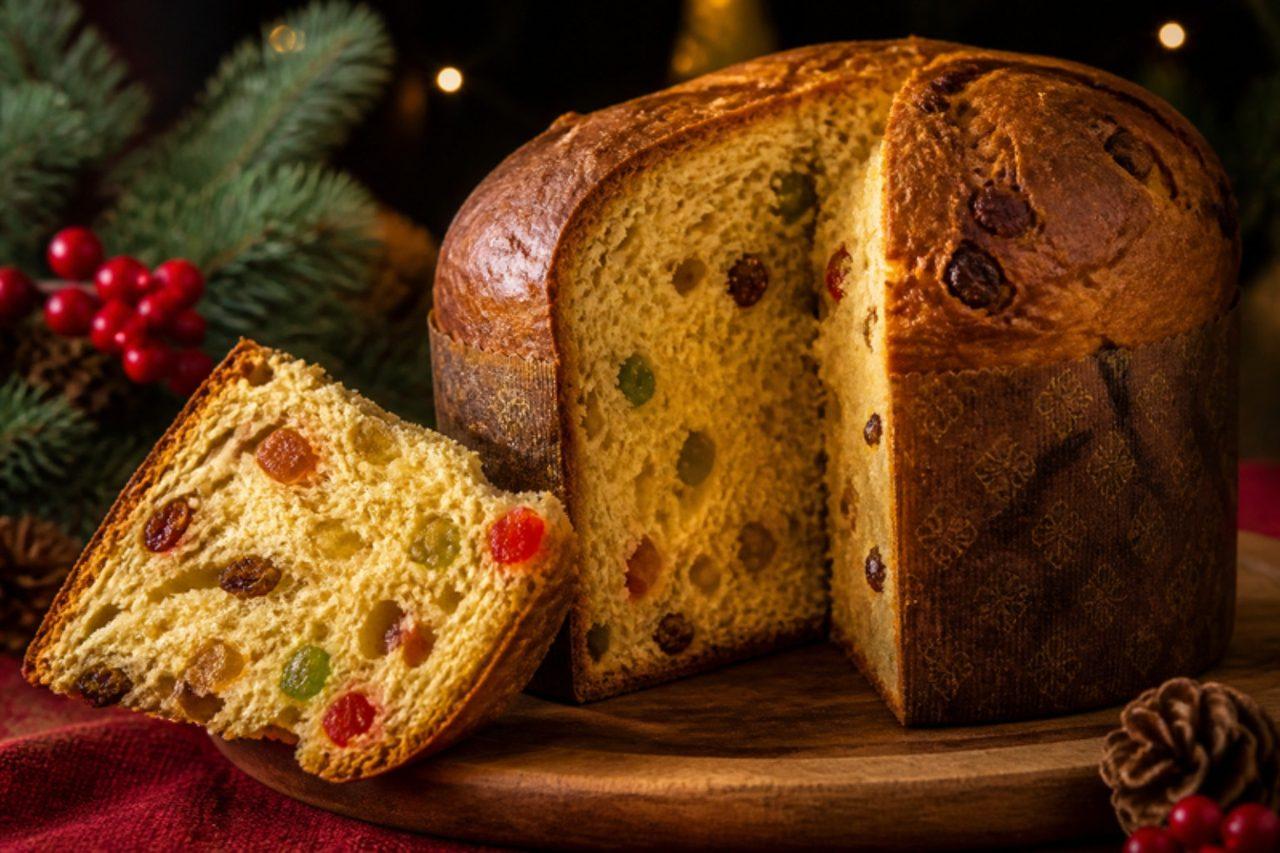
No Argentine Christmas Eve table is complete without a pan dulce, set out at midnight with turrón, nuts and a cold cider for the adults. The bread is the River Plate take on Genoese pandolce and Milanese panettone: a tall, buttery yeast dough scented with orange blossom and lemon, packed with candied fruit, raisins and walnuts. The crumb is closer and moister than panettone, and it keeps for a week wrapped in a cloth. Allow a long day, as the dough has a sponge and two rises. Some bakers soak the fruit in rum or sweet wine; here it is soaked in orange juice, so the bread is alcohol-free. People often add the fruit at the start of kneading, which shreds the gluten and gives a heavy, sunken loaf; work it in only once the dough is silky. Chef's tip: bake it in a tall paper mould or a 16 cm tin lined with a collar of baking paper, and turn it upside down onto a rack for the first 20 minutes of cooling so the top does not sink.

by KrazyBadal 0 views

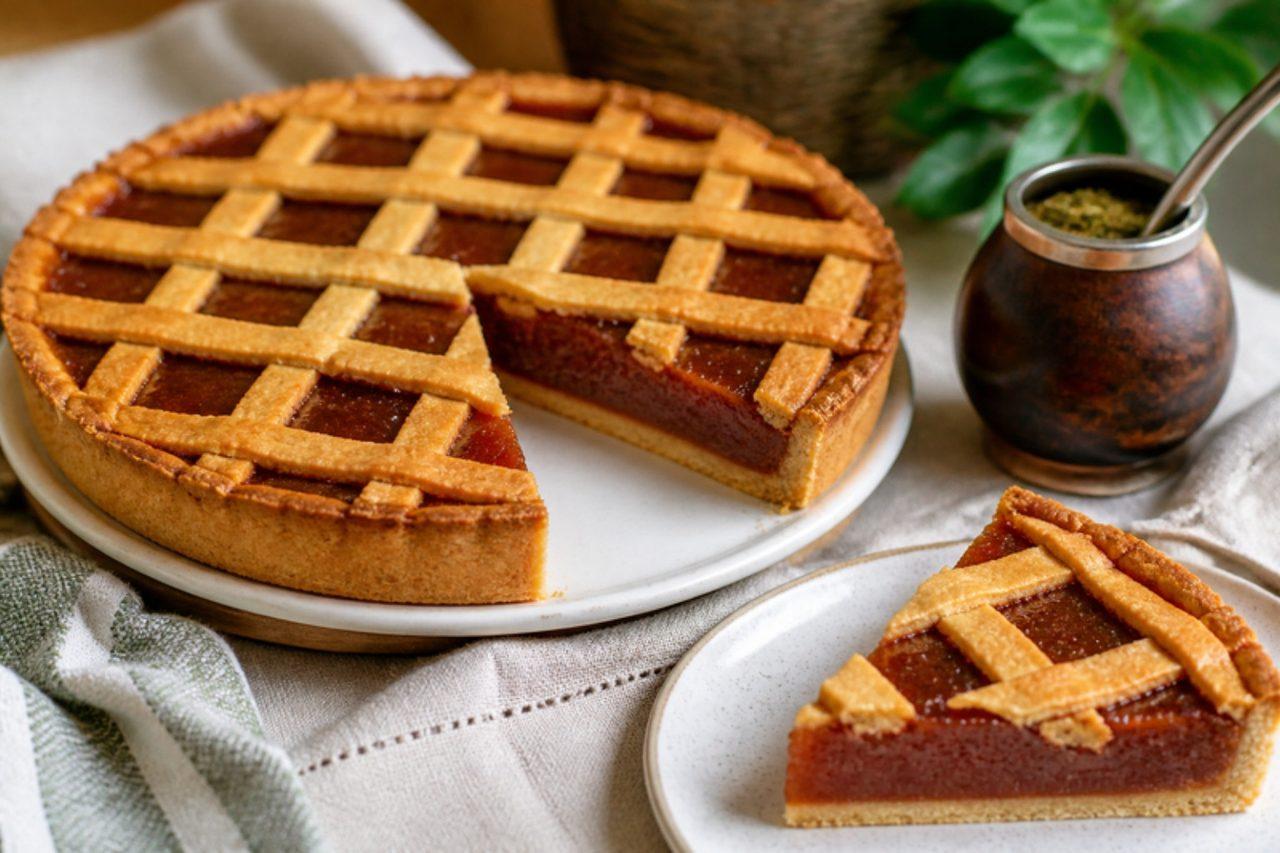
Pasta frolaQuince tart

Pasta frola came to the River Plate with Italian immigrants (it is a cousin of the crostata), and it is now the tart every Argentine kitchen keeps on the counter for afternoon mate. The crust is short and cakey rather than crisp, scented with lemon zest and vanilla, and the filling is dulce de membrillo melted down into a spreadable jam; dulce de batata is the other classic. Bakeries in Buenos Aires sell it by the square and it keeps for days in a tin, getting better on the second day. The lattice strips should be thin and slightly wider apart than you think, so the dark filling shows through. A common slip is to spread the quince paste straight from the block: it will not spread, it tears the base and it turns leathery in the oven, so loosen it first with a little hot water. Chef's tip: chill the lined tin and the cut strips for 15 minutes before baking, so the lattice keeps its shape instead of slumping into the filling.

by KrazyBadal 0 views

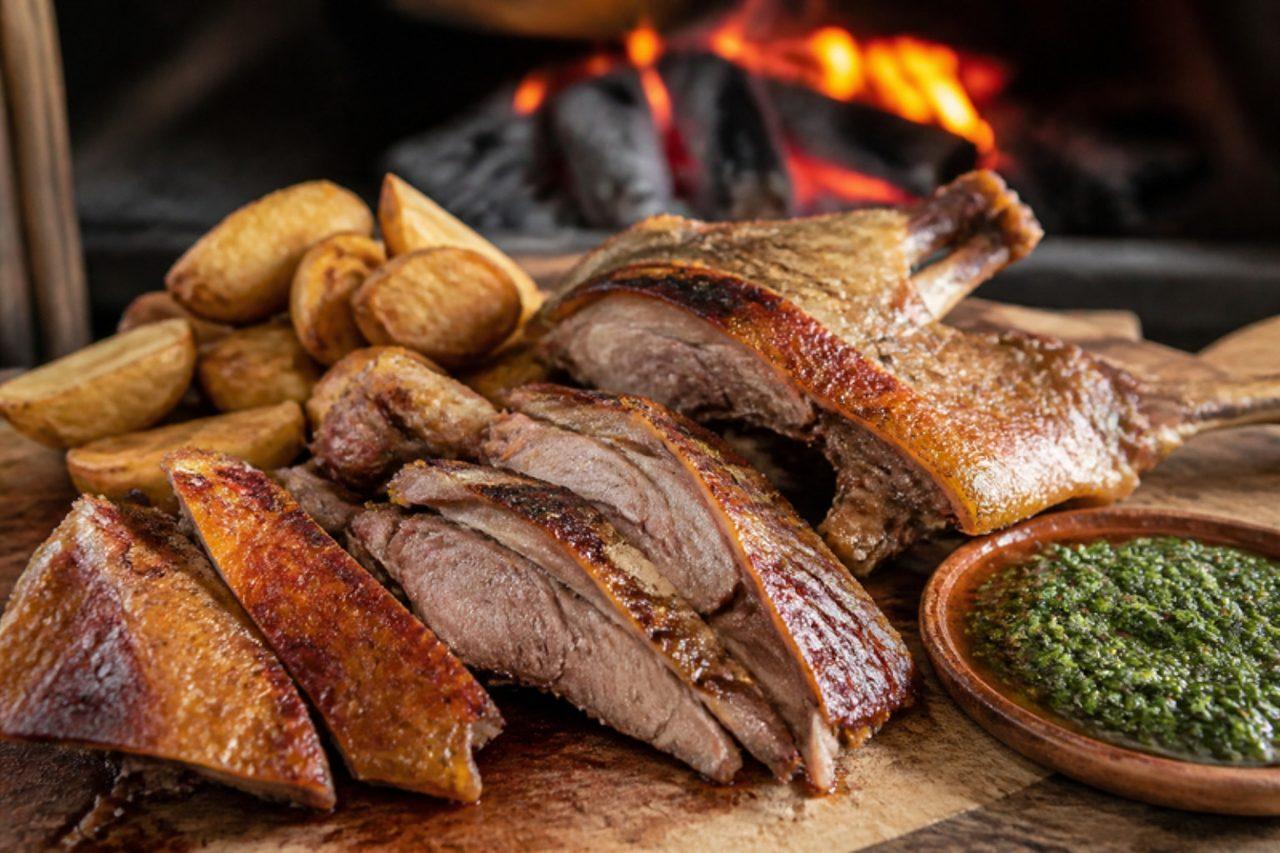
Cordero al asadorSpit-roasted lamb

Southern Patagonia raises sheep on vast estancias, and when the shearing ends or a fiesta comes round in Santa Cruz or Chubut, a whole lamb goes on the asador: an iron cross pushed into the ground beside a fire of lenga or ñire wood. Lambs fed on wild steppe grasses taste clean and faintly herbal, so the seasoning is only salt and a brine to baste, and the result is crackling skin over meat that falls into juicy strands. Serve with chimichurri, a simple salad and bread. Order a whole lamb of 10–12 kg dressed weight from a butcher. Rushing it with a big flame near the meat is the commonest error; the heat must be steady and gentle. Chef's tip: give it about three hours with the ribs to the fire and only the last hour or so skin side, then check the thickest part of the leg reads at least 63 °C (Patagonian cooks take it to about 70 °C, cooked through).

by KrazyBadal 0 views

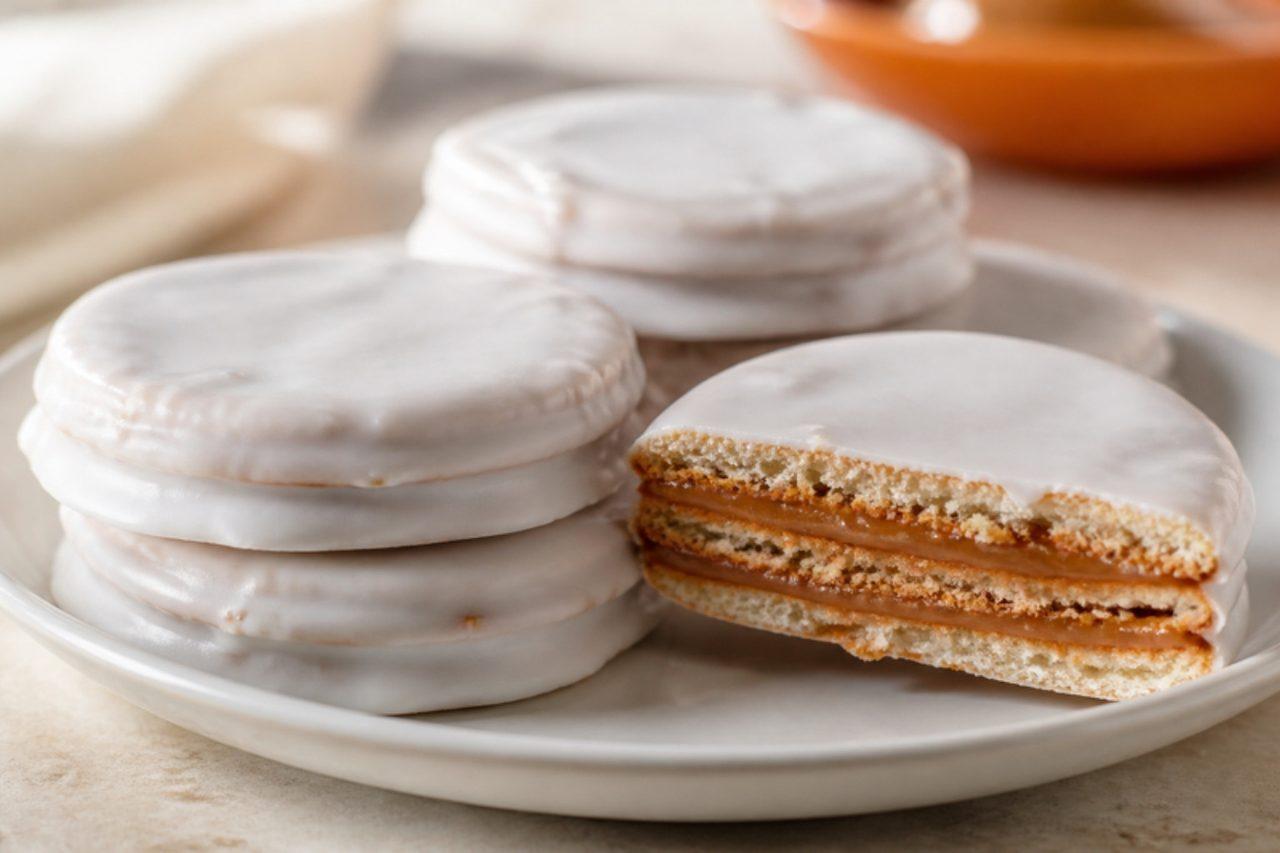
Alfajor santafesinoPastry discs with dulce de leche

Santa Fe's alfajor is a different animal from the soft cornflour kind sold everywhere else: three wafer-thin, crackly discs of yolk-rich pastry, stacked with dulce de leche, then dipped in a cooked sugar glaze that sets hard, white and shiny. Bakeries in Santa Fe city and along the Paraná river ship them all over the country in boxes, and travellers bring them home as the regional present. Bite through and the glaze shatters, the pastry flakes and the dulce de leche holds it all together. Thick pastry is the mistake that ruins the texture; it has to be rolled until you can almost see the worktop through it, or the alfajor turns bready. Some old recipes add a splash of cane spirit to the dough; this version uses only water and is alcohol-free. Use a thick, pastry-chef's dulce de leche (repostero) so it doesn't ooze. Chef's tip: bake the discs in batches and keep the rest of the dough covered; it dries out fast and then cracks when rolled.

by KrazyBadal 0 views

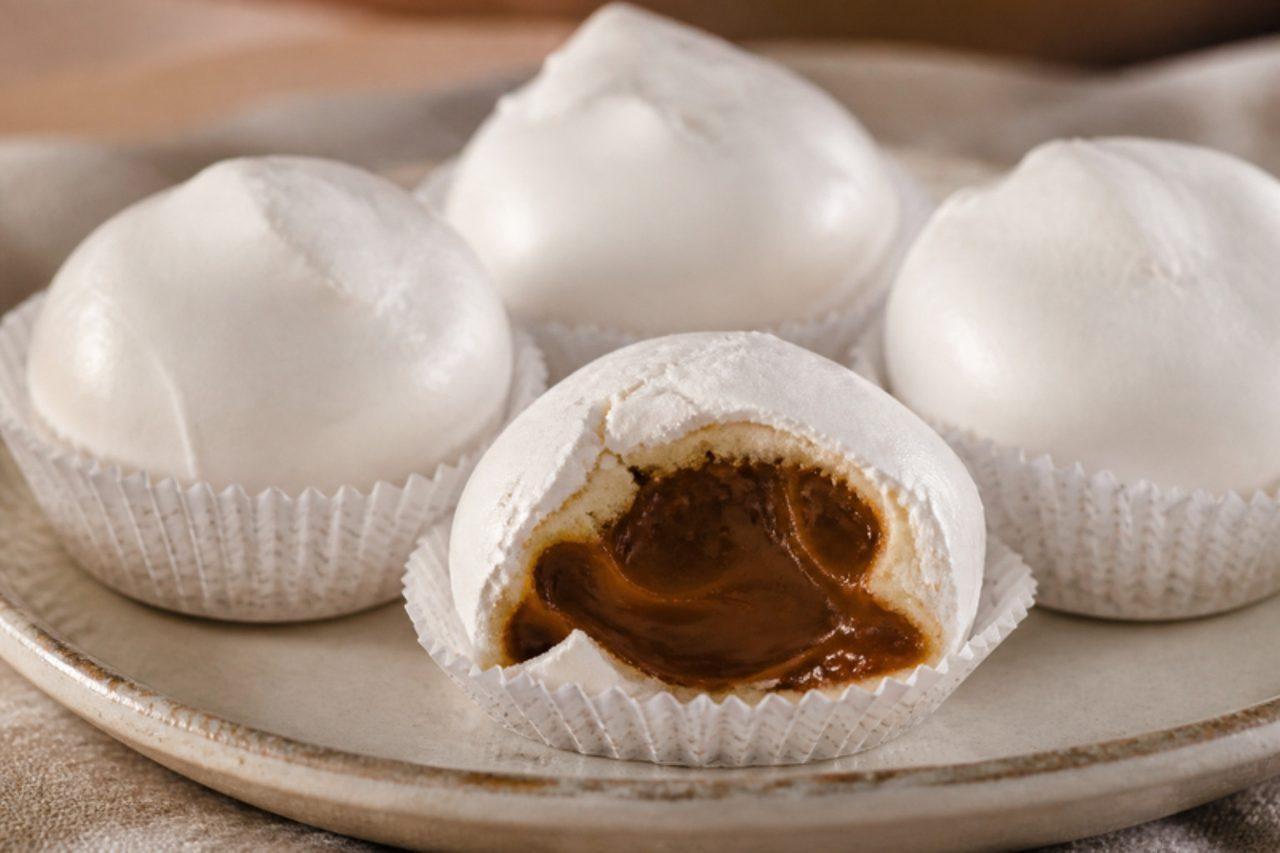
ColacionesDulce de leche meringue pastries

Small enough to eat in two bites, colaciones have been Córdoba's sweet gift since colonial times, when they were made in the city's convents; today confiterías in the old centre still sell them stacked in paper trays, and visitors carry them home with the alfajores. A crumbly short pastry encloses a spoon of dulce de leche, shaped into a little dome, baked pale and then dipped in a glossy white glaze that hardens into a crisp sugary shell. They are lovely with coffee or mate after lunch. The usual problem is leaking: too much filling, or edges that aren't sealed, and the dulce de leche boils out in the oven, so use a level teaspoon and press the rims firmly. The glaze is a light Italian meringue, where hot syrup cooks the egg white. Chef's tip: chill the filled colaciones for 15 minutes before baking; cold pastry keeps its shape and seals better.

by KrazyBadal 0 views

Estofado de llamaBraised llama stew

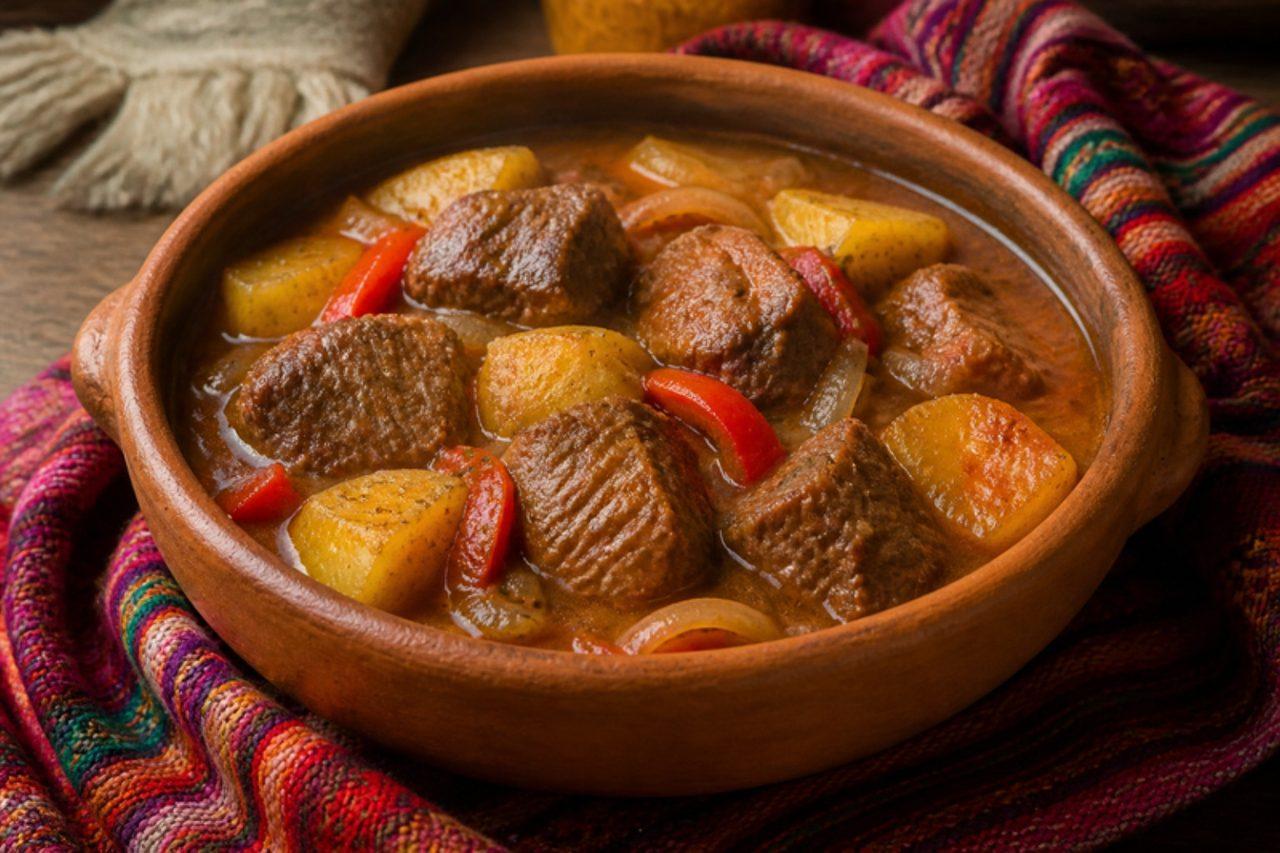
Llama herds have grazed the Puna of Jujuy for thousands of years, and in Purmamarca, Tilcara and Humahuaca restaurants now proudly serve their meat to visitors, most often as a slow estofado. The meat is very lean, dark red and mild, a little like venison, and it is braised with onion, red pepper, tomato, cumin, ají molido and a sprig of muña or oregano until tender, then served with Andean potatoes, quinoa or rice. Outside the Andes, llama is sold by a few specialist game and alpaca farms; lean venison or beef topside are the closest substitutes. Treat it like beef and braise it until fork-tender. Because the meat has almost no fat, the common mistake is cooking it at a rolling boil, which makes it dry and stringy: keep the heat low and the lid on. Chef's tip: dust the meat lightly with a little cornflour before browning; it protects the lean pieces and thickens the sauce without making it heavy.

by KrazyBadal 0 views

Matambre a la pizzaFlank steak with tomato and mozzarella

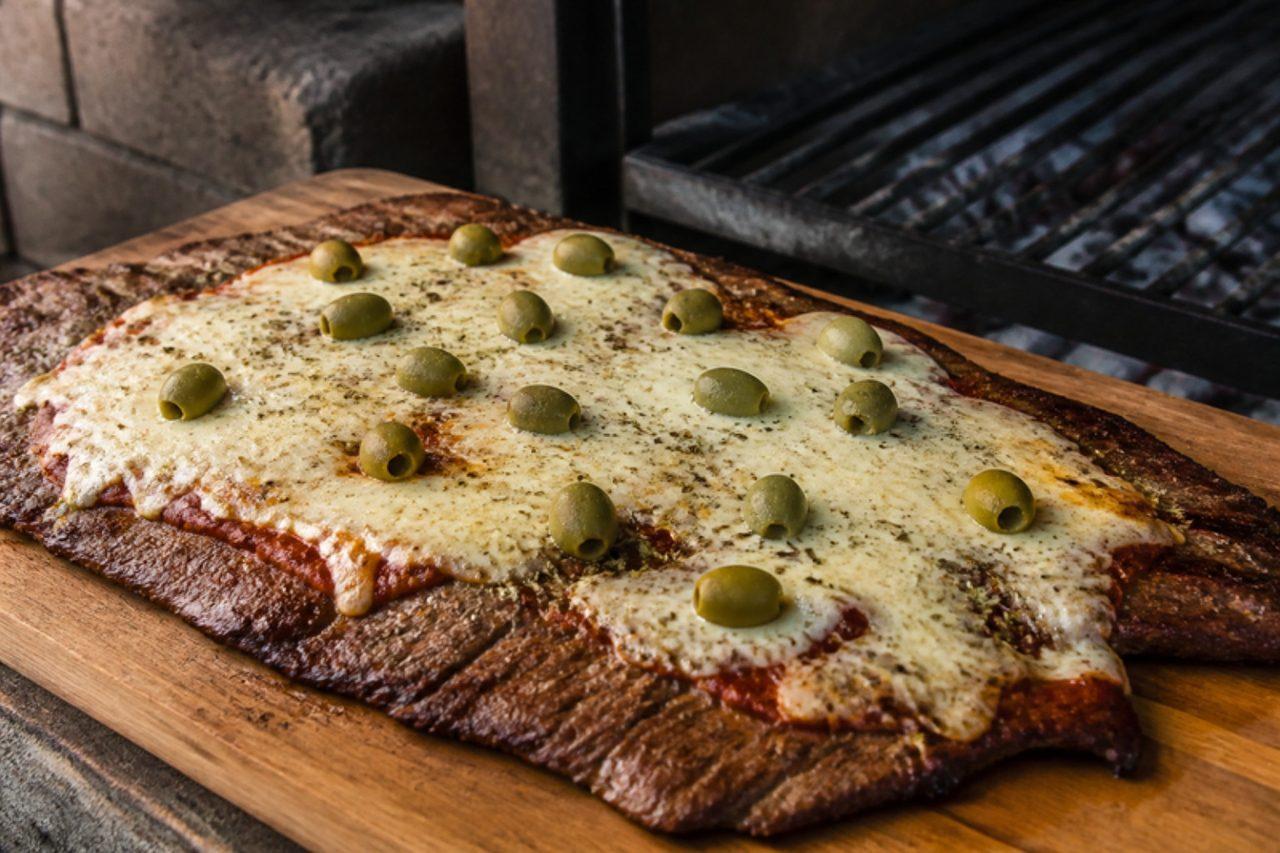
Weekend asados around Buenos Aires usually end with a show-off dish from the grill, and matambre a la pizza is the one that makes children cheer: a whole sheet of matambre (the thin flank cut that sits under the skin) cooked slowly until tender, flipped, then spread with tomato sauce, oregano and mozzarella and left on the grill until the cheese bubbles. Parrillas in the suburbs sell it cut into squares. Many cooks first simmer the meat in milk, which keeps the lean cut juicy and soft; that is the method here, finished under a hot grill or in the oven if you have no barbecue. Matambre is eaten well done and tender rather than pink. The usual mistake is grilling it straight away like a steak, which leaves it leathery: slow cooking first is what makes it tender. Chef's tip: score the membrane on the fatty side in a criss-cross before cooking, so the sheet stays flat instead of curling up when it hits the heat.

by KrazyBadal 0 views

Chivito al asadorSpit-roasted whole goat

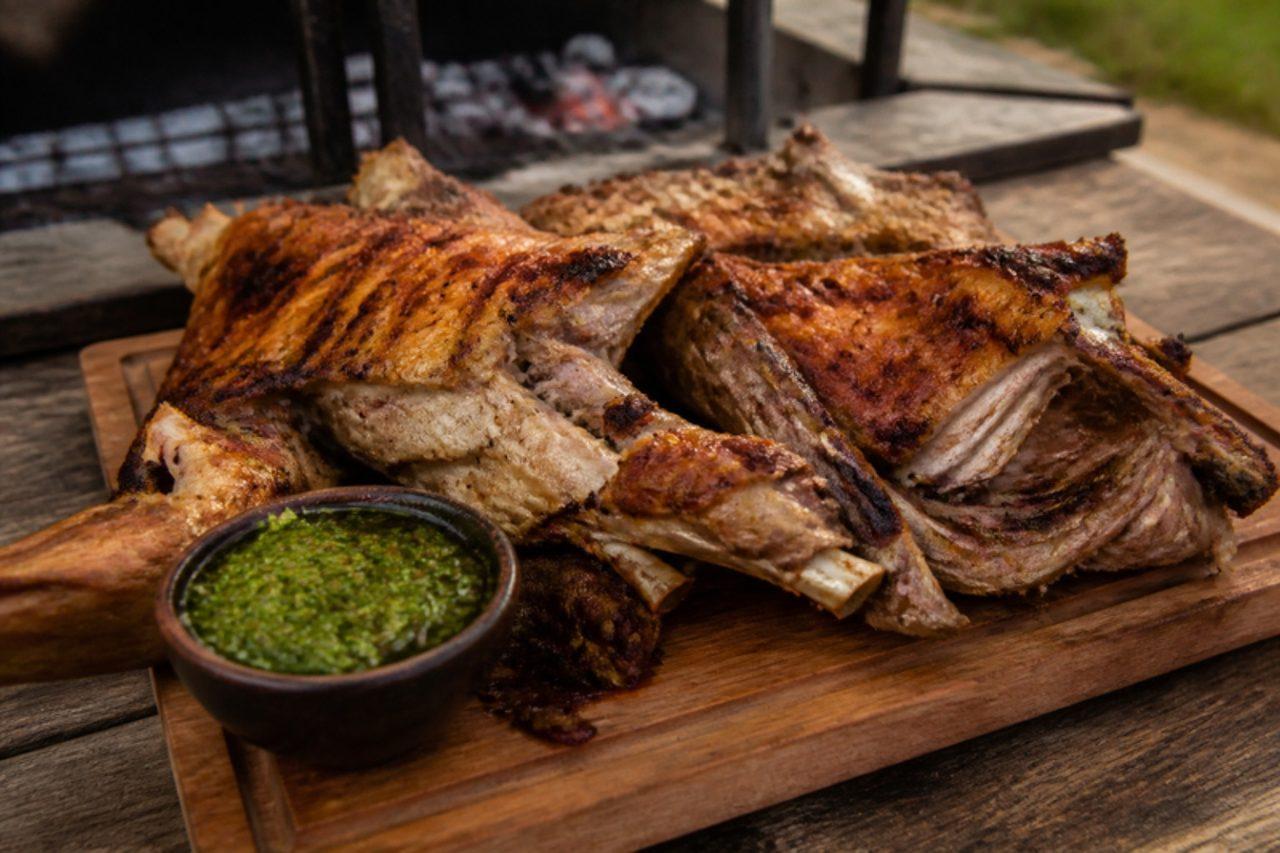
Malargüe, in the dry south of Mendoza, holds a goat festival every summer, and the star is the chivito: a milk-fed kid opened flat, wired to an iron cross and planted at an angle beside a fire of jarilla or other hardwood. It cooks from the side, never over the flames, basted with a garlicky salmuera until the skin turns glassy and crackling and the meat pulls apart. Serve it straight from the cross with salad, bread and chimichurri. Order a whole kid of 5–7 kg dressed weight from a specialist or halal butcher, and check the cross fits it before the day. Most failures come from setting it too close to the fire, which burns the outside while the thick legs stay raw. Kid is lean, so cook it right through, as in Mendoza: the thickest part of the leg should reach at least 70 °C. Chef's tip: cook bone side to the fire for two-thirds of the time; the ribs protect the meat, and the skin goes on last so it crisps instead of scorching.

by KrazyBadal 0 views

Showing 24 of 64 recipes

Show more recipes

Page 1 of 3