Skip to content
Recipes

All recipes

Vegetarian, or something you can't eat? Set your diet once and we'll hide recipes that don't fit.

BisciolaBuckwheat fruit and nut bread

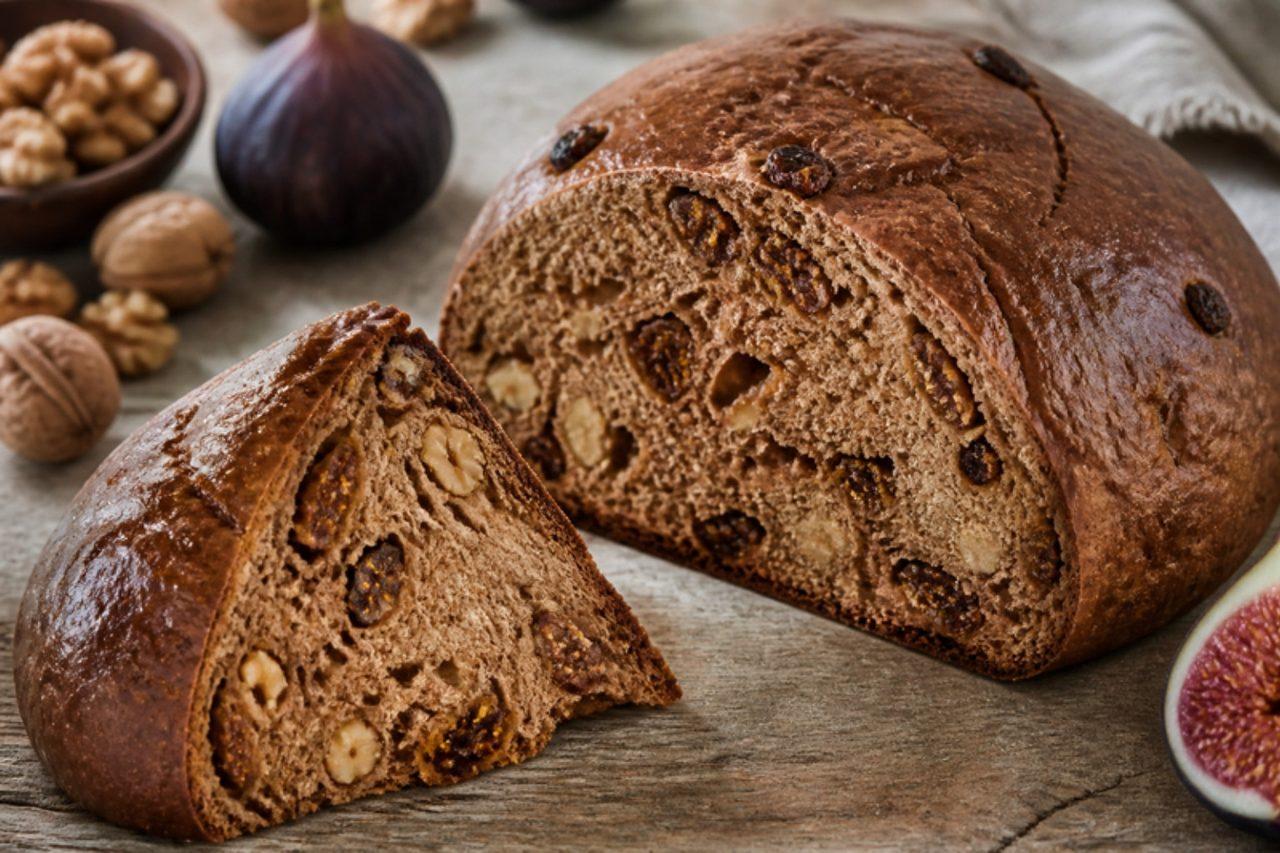
Bisciola is the Christmas bread of the Valtellina, the Alpine valley in northern Lombardy known for buckwheat. It is a soft, dome-shaped loaf of rye or buckwheat and wheat, enriched with butter, egg and honey and crammed with dried figs, raisins and walnuts, eaten from St Lucy's Day to Epiphany, often toasted with butter. Some bakers splash grappa on the fruit; this recipe uses warm water and is alcohol-free. It keeps for a week. Chef's tip: buckwheat has no gluten, so keep it to a third of the flour, or the loaf will be heavy and crumbly.

by KrazyBadal 0 views

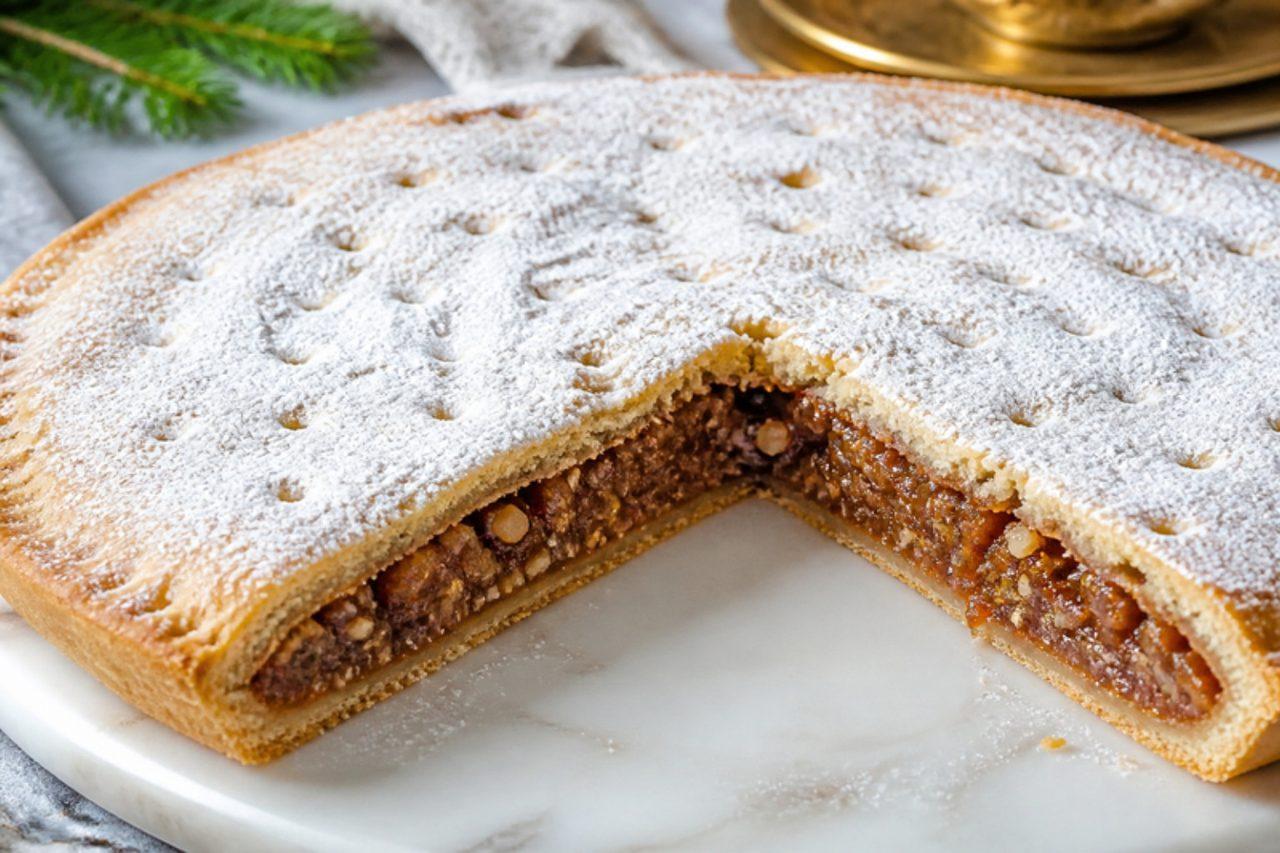
SpongataHoney and nut Christmas pie

Spongata is a Christmas speciality of the hills between Parma, Reggio Emilia and the Lunigiana, a thin, flat round of crisp pastry hiding a dark filling of honey, walnuts, almonds, pine nuts, raisins, candied fruit and spices, all bound with a few breadcrumbs. Families exchange it at Christmas and slice it into thin wedges with coffee. Traditional recipes add white wine to the pastry and a splash of liqueur to the filling; this version uses milk and orange juice, so it is alcohol-free. The filling is best made two days ahead. Chef's tip: prick the top many times with a fork, as the pattern is traditional and it stops the lid ballooning.

by KrazyBadal 0 views

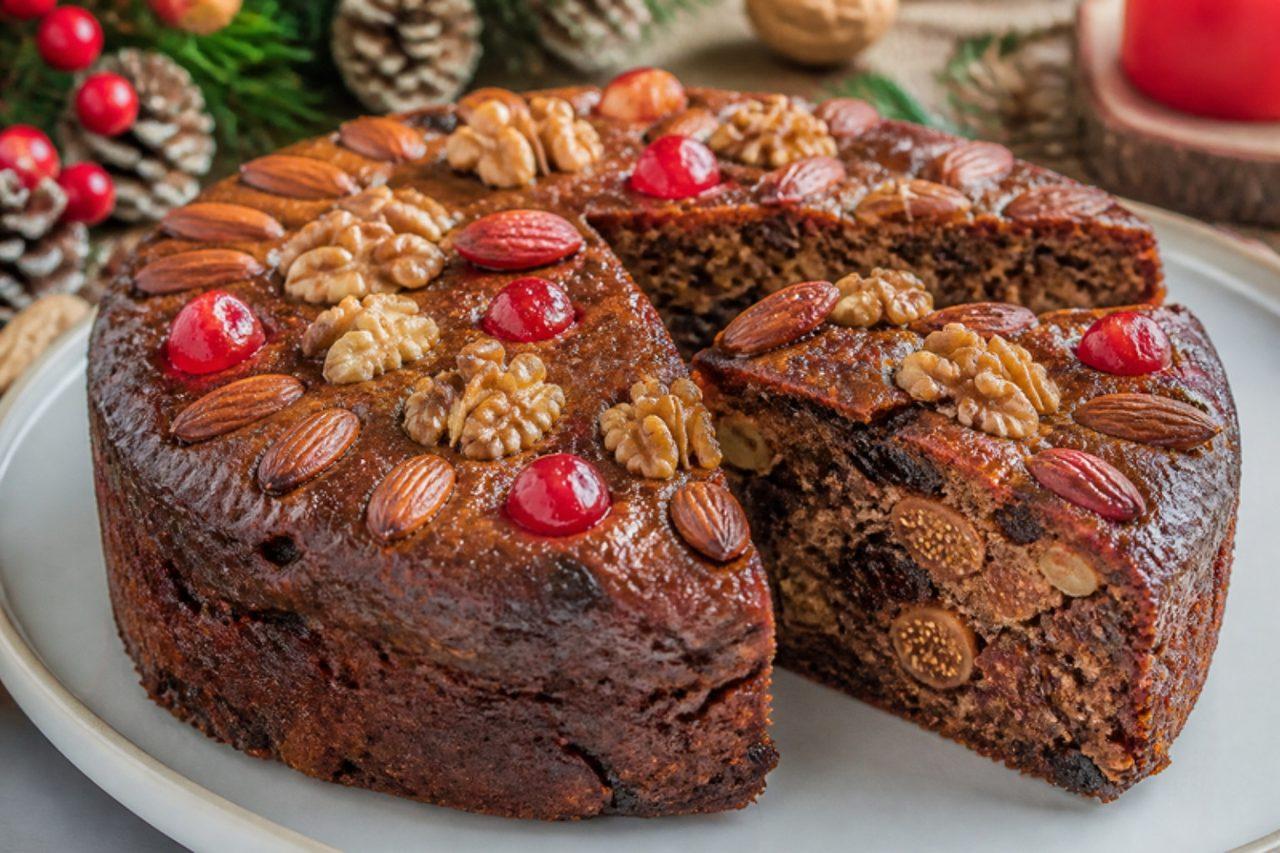
ZeltenFig, walnut and raisin Christmas loaf

Zelten comes from the Alpine valleys of Trentino and South Tyrol, where it is baked around St Lucy's Day and eaten slowly until Epiphany, a slice at a time after Christmas dinner. The Trentino version is a dark, dense cake packed with dried figs, raisins, walnuts and pine nuts in just enough soft yeasted dough, topped with a pattern of whole nuts and cherries. Grappa or rum is usually poured over the fruit; here it is soaked in warm orange juice, and adults can add 2 tbsp rum to the soak. It keeps for 3 weeks wrapped. Chef's tip: press the decorative nuts in firmly before baking, or they pop off as the loaf rises.

by KrazyBadal 0 views

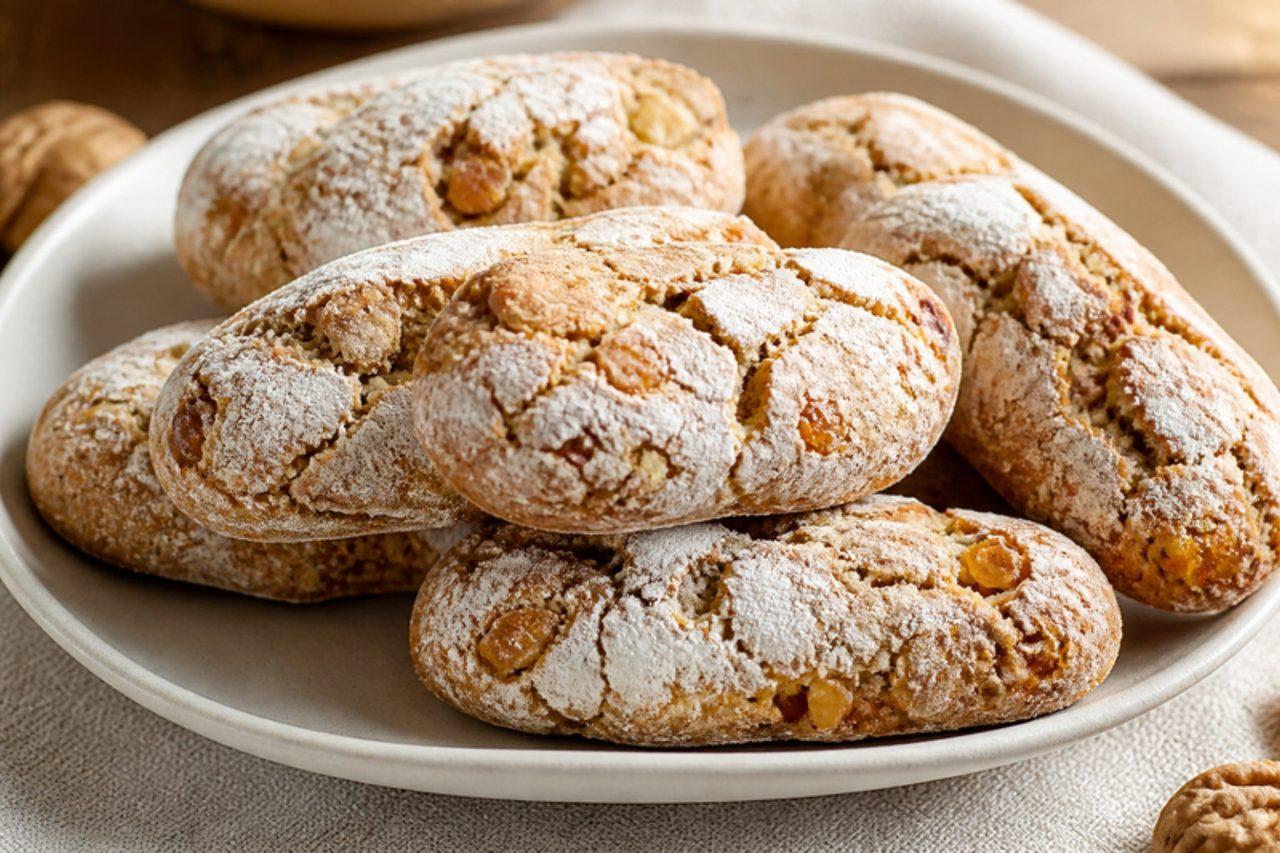
CavallucciHoney walnut aniseed biscuits

Cavallucci are Siena's humbler Christmas biscuit, sold beside ricciarelli and panforte in every pastry shop from Advent onward. They are pale, chewy and craggy, made from honey, sugar, flour, walnuts, candied orange and aniseed, with no butter or eggs, so they are dairy free and keep for weeks. Sienese families dunk them in vin santo after dinner, but they are just as good with coffee or hot milk. Chef's tip: cook the honey and sugar syrup only until it threads, then mix fast; if it goes further it sets the dough rock hard.

by KrazyBadal 0 views

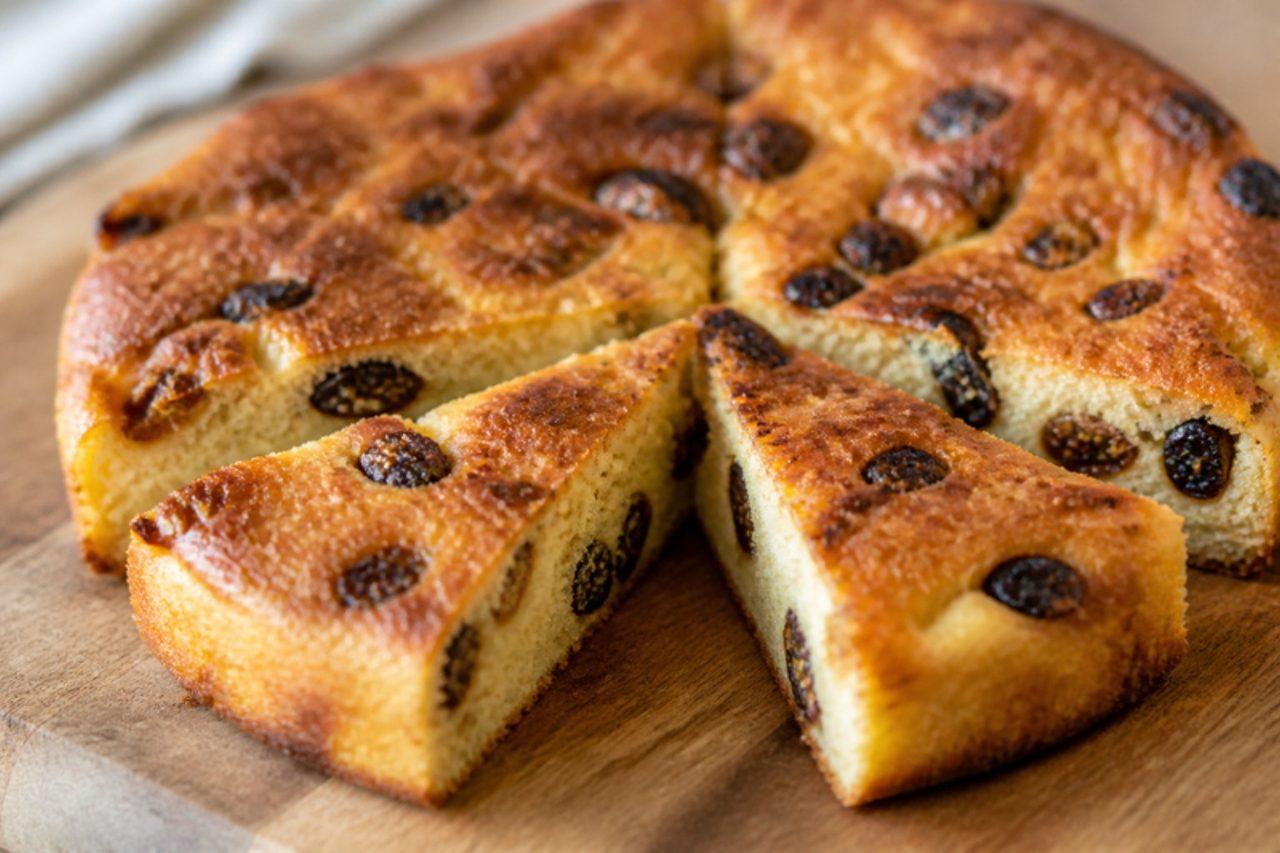
Pinza venetaPolenta and fig Epiphany cake

Pinza belongs to the eve of Epiphany in the Veneto and Friuli, when bonfires called panevin are lit in the fields and the smoke is read for the coming harvest; slices of pinza and mulled wine are handed round beside them. It is a dense, moist country cake of polenta and wheat flour, sweetened with dried figs, raisins and a little sugar, and scented with fennel seed and orange. Old recipes soak the raisins in grappa; here they are soaked in warm milk, keeping it alcohol-free. Serve it warm or cold in fat wedges. Chef's tip: cook the polenta into a soft porridge first, as dry cornmeal stirred straight into the batter stays gritty.

by KrazyBadal 0 views

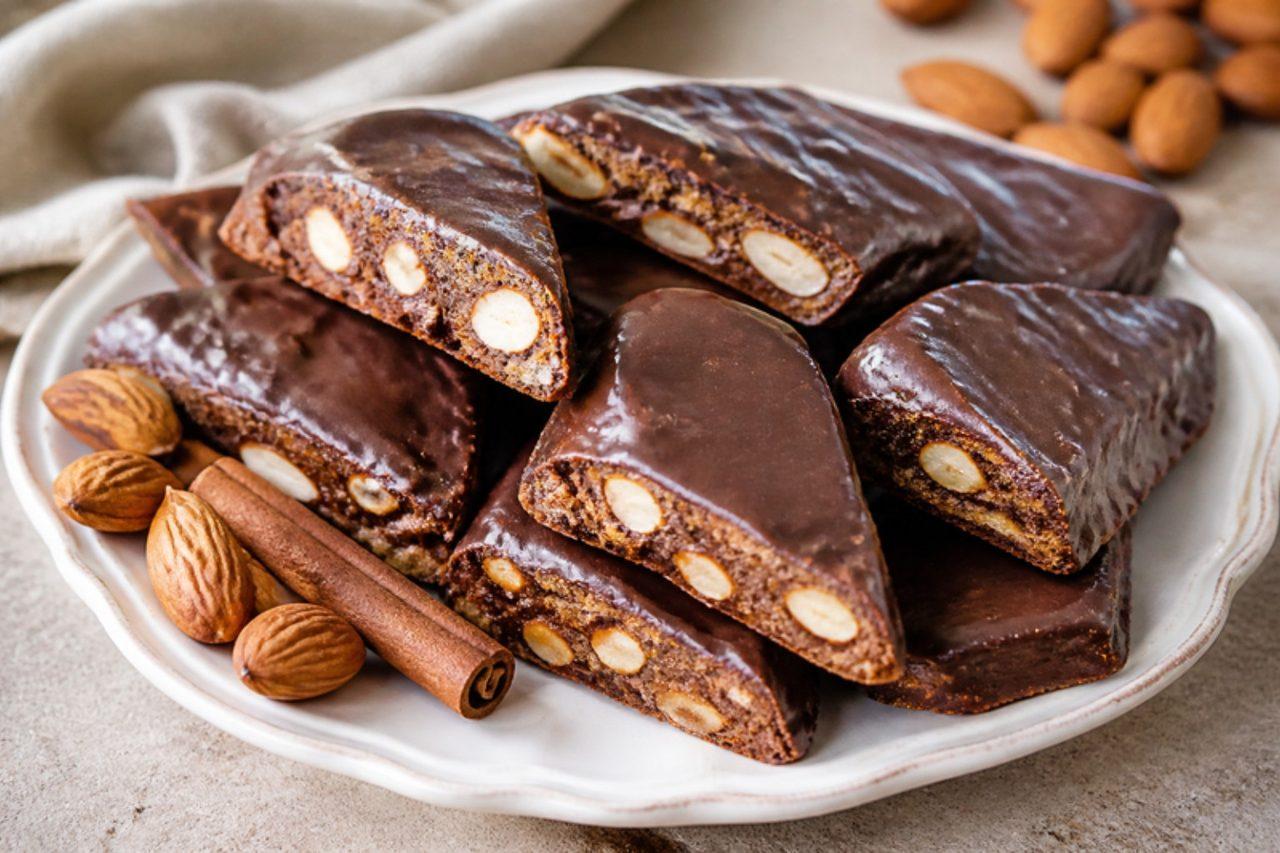
Mustazzoli (Salento almond, cocoa and spice biscuits)Spiced almond biscuits

In Lecce and the towns of the Salento, mustazzoli are baked for Christmas and for the summer saints' feasts, when stalls at the fairs stack them in glossy dark piles. They are diamond-shaped biscuits of toasted almonds, flour, sugar and cocoa, spiced with cinnamon and cloves and brightened with orange zest, then coated in dark chocolate. Inside they are firm and dense, a bit like a soft gingerbread, with a crisp chocolate shell. Eat them with an espresso after lunch or pack them as a gift; they keep for weeks. The dough was always egg-free: water and the sugar bind it, the ground almonds give fat and body, and a little baking powder keeps them from being leaden. Use a dark chocolate with no milk solids and the whole batch is vegan. Chef's tip: let the biscuits cool completely before glazing; the common mistake is dipping them warm, which melts the chocolate into a thin streaky coat that never sets glossy.

by KrazyBadal 0 views

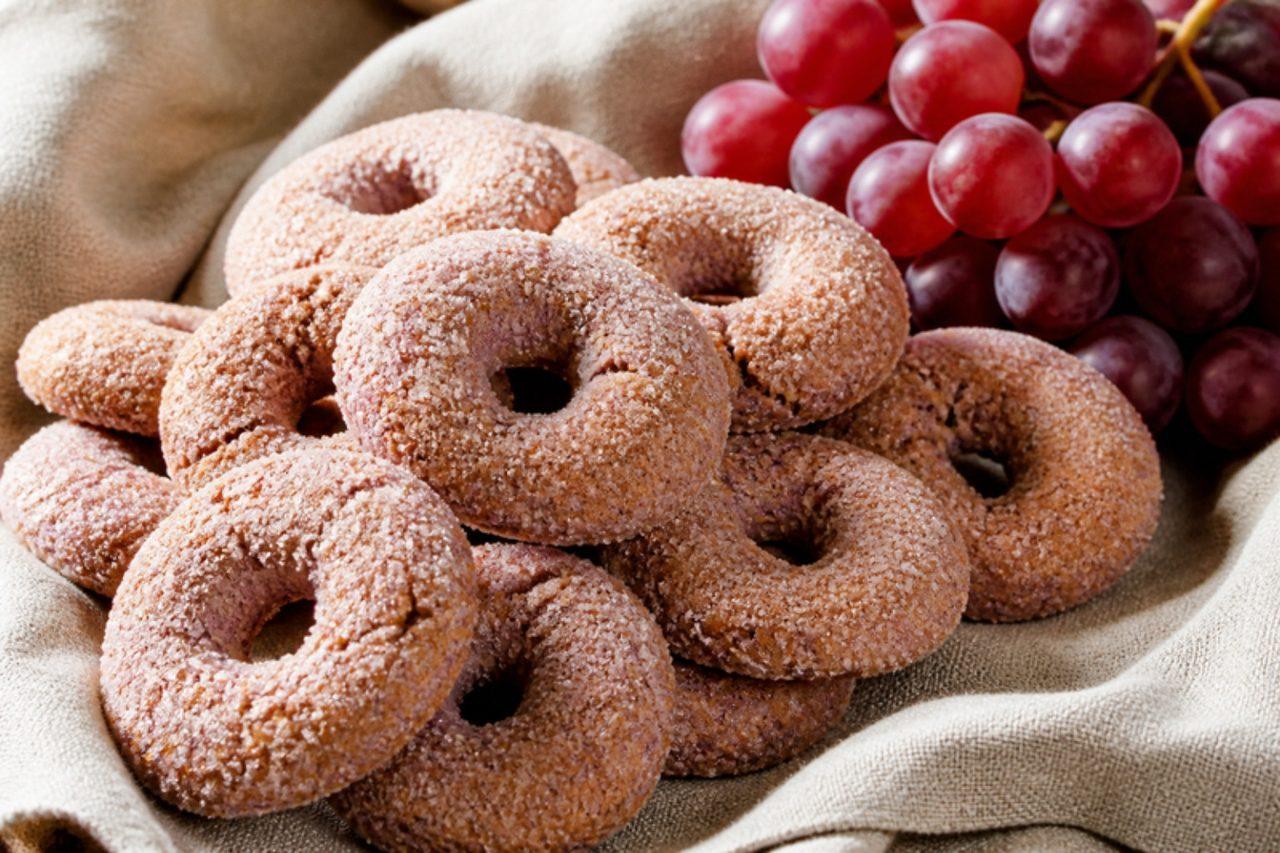
Ciambelline al mosto (alcohol-free ring biscuits)Grape juice ring biscuits

All over Lazio, from the Castelli Romani to the countryside around Rome, these sugar-crusted ring biscuits are put out at the end of a meal and at the autumn grape harvest, when they are dunked into a glass to soften. The classic dough is made with equal measures of liquid, olive oil and sugar; here the liquid is red grape juice, which is close to the fresh mosto of harvest time and gives the same pinkish crumb and fruity edge with no alcohol at all. The rings are crunchy and light, a little crumbly, with a crackly sugar coat and a hint of aniseed. Serve them with grape juice, coffee or a pot of tea for dunking. They are naturally egg-free: the olive oil and juice bind the flour into a smooth dough, and baking powder does the lifting that eggs might do elsewhere. Chef's tip: roll the ropes no thicker than a pencil and a half, about 1 cm; the common mistake is chunky ropes, which brown outside before the middle dries and leave the biscuits hard instead of crisp.

by KrazyBadal 0 views

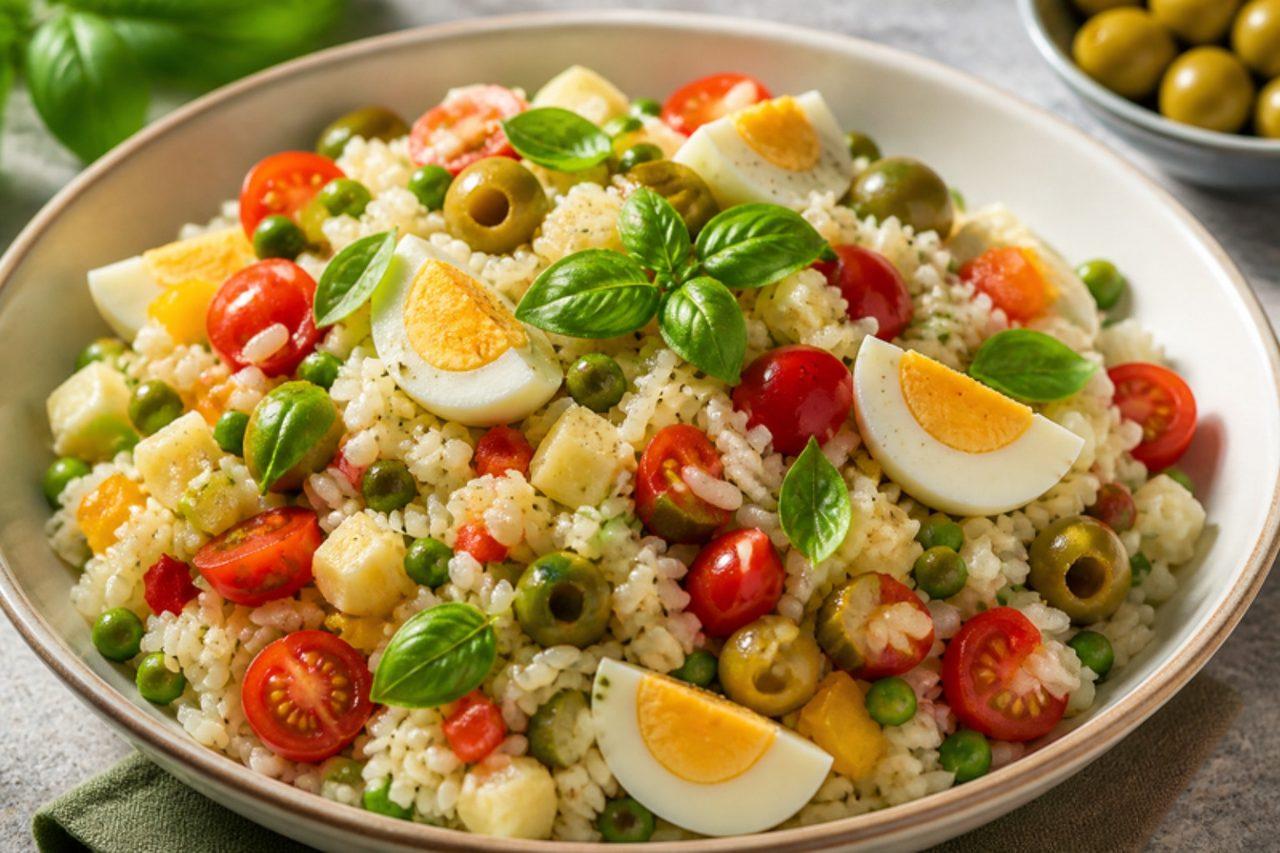
Insalata di risoRice salad

From July to the end of August, a big bowl of insalata di riso sits in Italian fridges ready for beach days, Ferragosto picnics and lazy suppers on the balcony. Firm, separate grains of rice are tossed with diced Emmental, hard-boiled egg, peas, sweet pepper, olives and the tangy chopped pickled vegetables called giardiniera, dressed only with olive oil. Many versions add ham, tuna or frankfurters; this one is vegetarian and gets its protein, about 23 g per portion, from the cheese, eggs, peas and rice. Emmental is usually made with animal rennet, so pick a vegetarian Swiss-style cheese if that matters. The classic mistake is overcooking the rice, which goes mushy and claggy as it cools; cook it just al dente and rinse it cold. Chef's tip: dress the rice with half the oil while it is still slightly warm so the grains stay separate, then add the rest when you mix in everything else.

by KrazyBadal 0 views

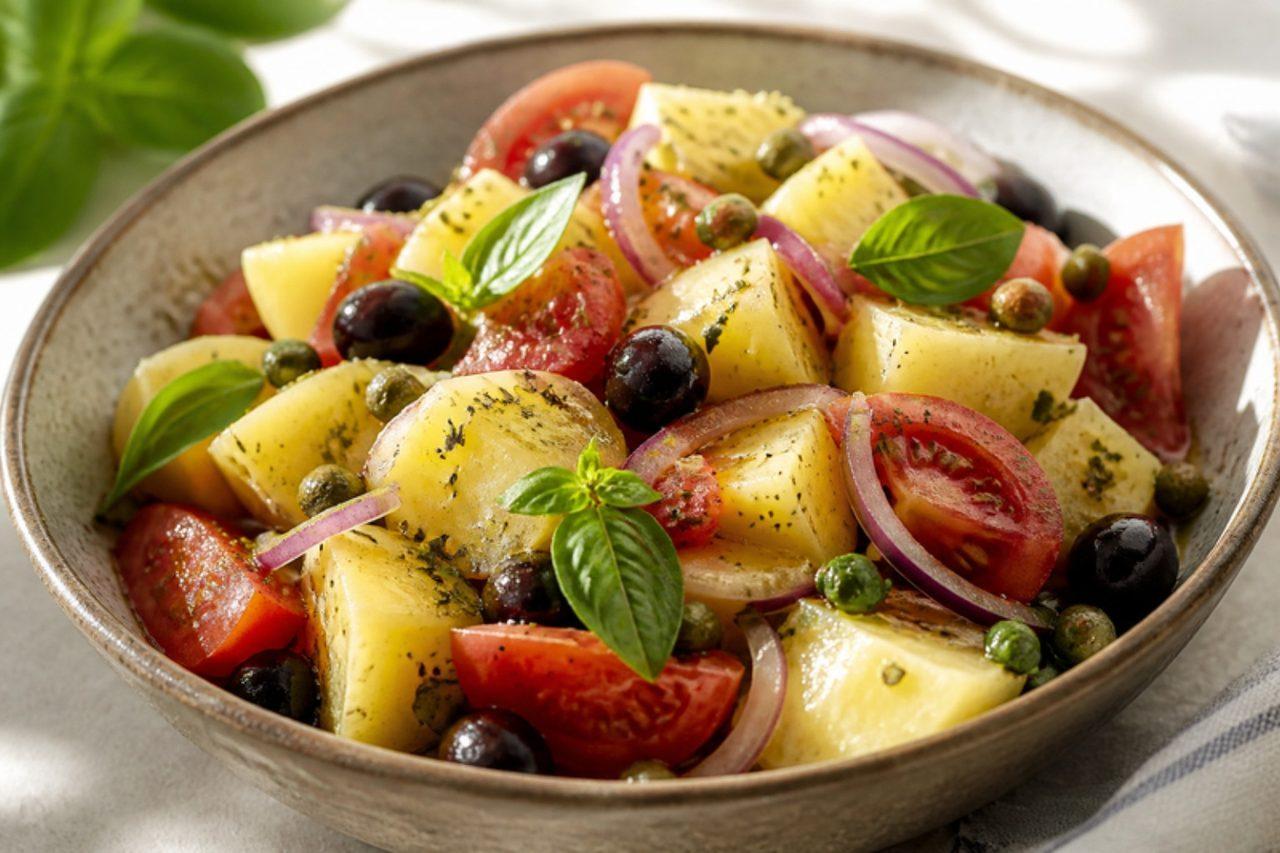
Insalata pantescaPotato, tomato and caper salad

Insalata pantesca comes from Pantelleria, the volcanic island between Sicily and Tunisia famous for its capers, and is eaten all over Sicily on hot summer days, at lunch or as a side to a frittata. Waxy potatoes are boiled and dressed while warm with ripe tomatoes, sliced red onion, the island's capers, black olives, oregano and plenty of olive oil, so the potatoes soak up all the juices. Island cooks sometimes add tuna; this version stays vegan. It gives about 5 g of protein a portion, so for a fuller meal serve it with hard-boiled eggs or a bean dish. The most common mistake is using floury potatoes, which crumble into mash; choose a waxy variety and cut it after cooking. Chef's tip: rinse salted capers well and soak the sliced onion in cold water for 10 minutes; both lose their harshness and the salad tastes sweeter.

by KrazyBadal 0 views

TopfengolatschenSweet quark puff pastry squares

A Topfengolatsche is what Viennese office workers grab from the bakery on the way in, and what grandparents order with a Melange in a coffee house on a Sunday afternoon. The corners of a puff pastry square are folded over a lemony, vanilla-scented filling of Topfen (Austrian quark) with plump raisins, and the top gets a thin white glaze. It is flaky, light and not too sweet. Raisins are sometimes soaked in rum; warm water or orange juice works just as well, and the recipe below is alcohol-free. Wet quark is the classic problem, because it turns the filling runny and it leaks out in the oven. Chef's tip: hang the quark in a sieve lined with a clean cloth for an hour, or squeeze it, until it is as thick as soft cream cheese.

by KrazyBadal 0 views

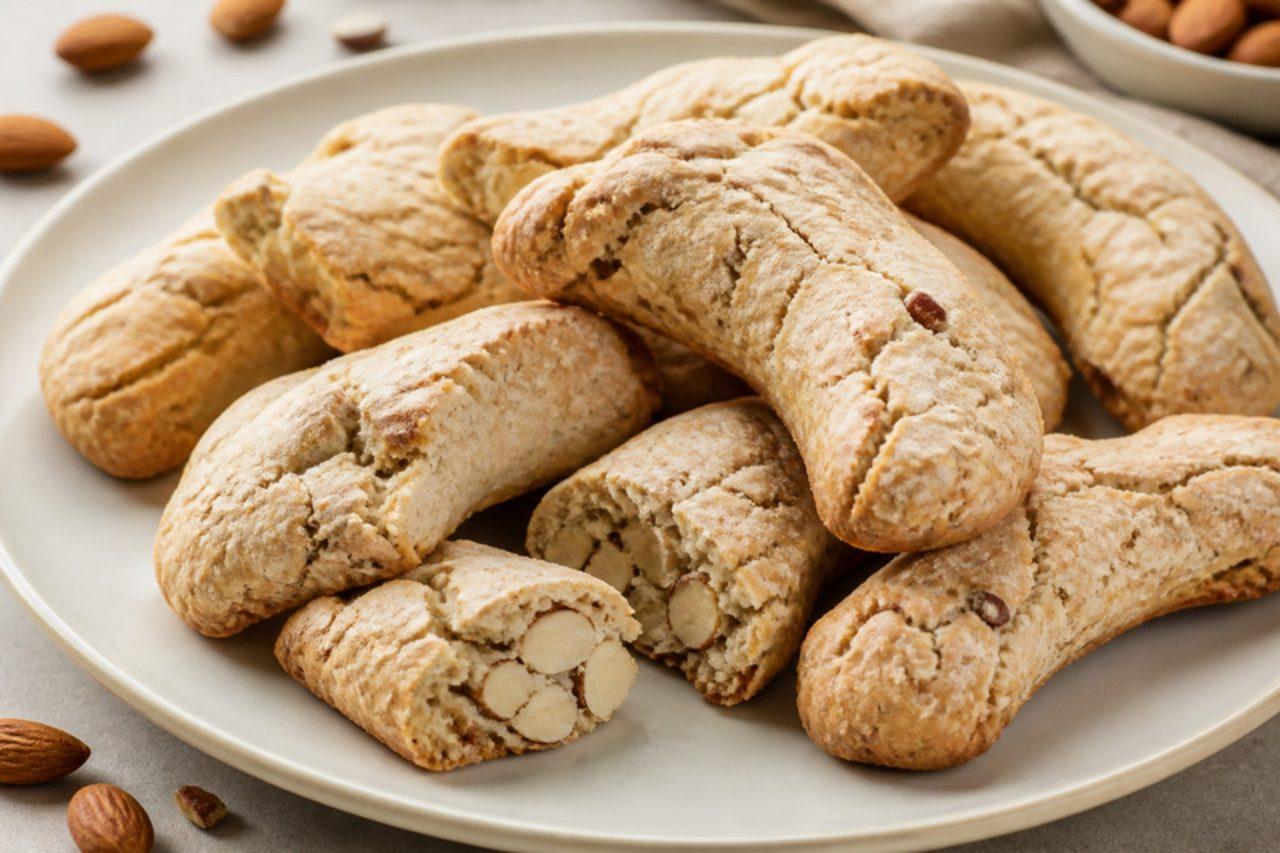
Ossi dei mortiBone-shaped almond biscuits

Italian families remember their dead on 2 November, and in Lombardy, Sicily and much of the country in between, the pastry shops fill with 'bones of the dead'. Shapes and recipes vary from town to town; this is the northern style, a lean dough of egg white, sugar, flour and toasted chopped almonds, scented with cinnamon, clove and lemon and rolled into knobbly bone shapes. They bake very hard and crunchy, made for dunking in coffee, milk or a sweet vin santo-style wine, and they keep for weeks. Sicilian children traditionally find them in a basket left by the departed, together with fruit made of marzipan. Chef's tip: let the shaped bones dry for half an hour before baking, which gives them their pale crust; skipping the rest is the common slip, and the bones spread into flat blobs.

by KrazyBadal 0 views

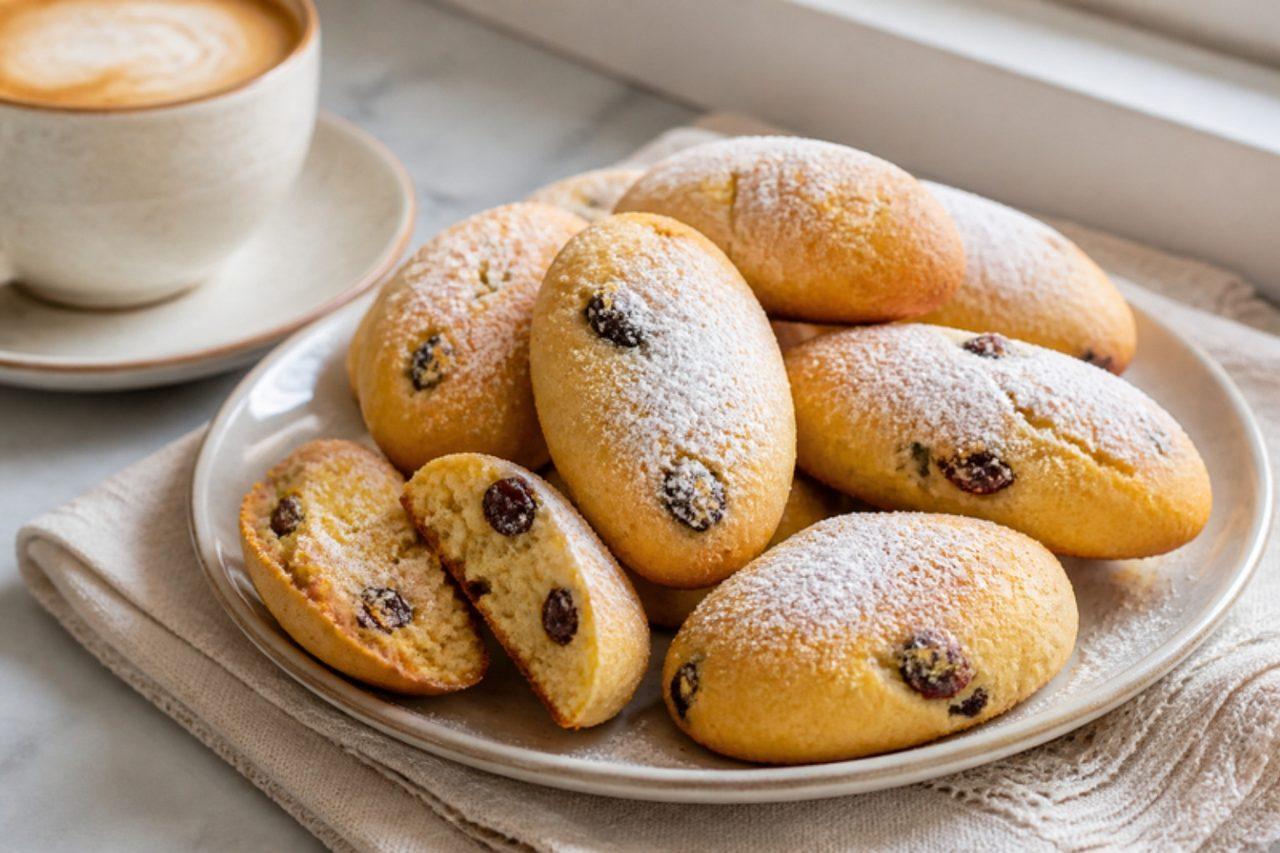
ZaletiCornmeal raisin biscuits

Their name comes from the Venetian word for 'little yellow ones', after the polenta flour that gives them their colour and slightly gritty bite. Bakers in Venice and the Veneto make them all year, though they are especially popular at Carnival, dipped in a glass of sweet wine or eaten with a morning cappuccino. The dough is buttery and lemony, studded with plump raisins. Traditionally the raisins are soaked in grappa or rum; here they are soaked in warm water with a little lemon juice, and the spirit is an option for adults. Chef's tip: use fine cornmeal, not coarse polenta, or the biscuits crumble; and stop mixing as soon as the flour disappears, because overworking makes them dense rather than short.

by KrazyBadal 0 views

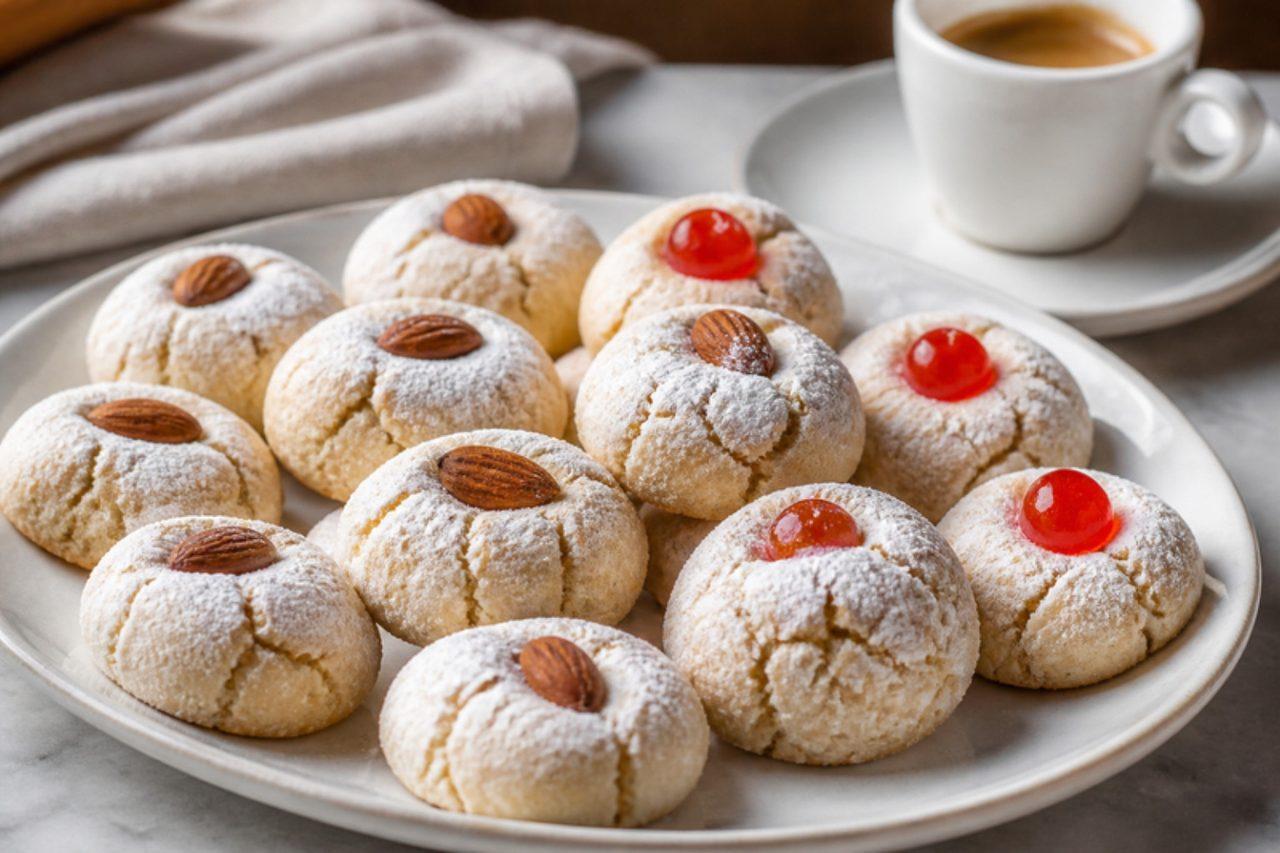
Paste di mandorlaSoft almond paste cookies

Every Sicilian pasticceria keeps a tray of these by the till: small, pale, crackled mounds of almond paste, crisp on the outside and soft and chewy within, each crowned with a whole almond or half a candied cherry. They appear at weddings, christenings and on Sunday trays bought after Mass, and they are wonderful with an espresso or a glass of chilled almond milk. Made from ground almonds, sugar and egg white, they are naturally gluten free and dairy free. A strip of lemon zest and a little honey keep them moist for days. Chef's tip: rest the shaped cookies uncovered for an hour, or overnight in the fridge, so a thin skin forms and they crack attractively in the oven; baking them too long is the classic error, and they turn hard right through.

by KrazyBadal 0 views

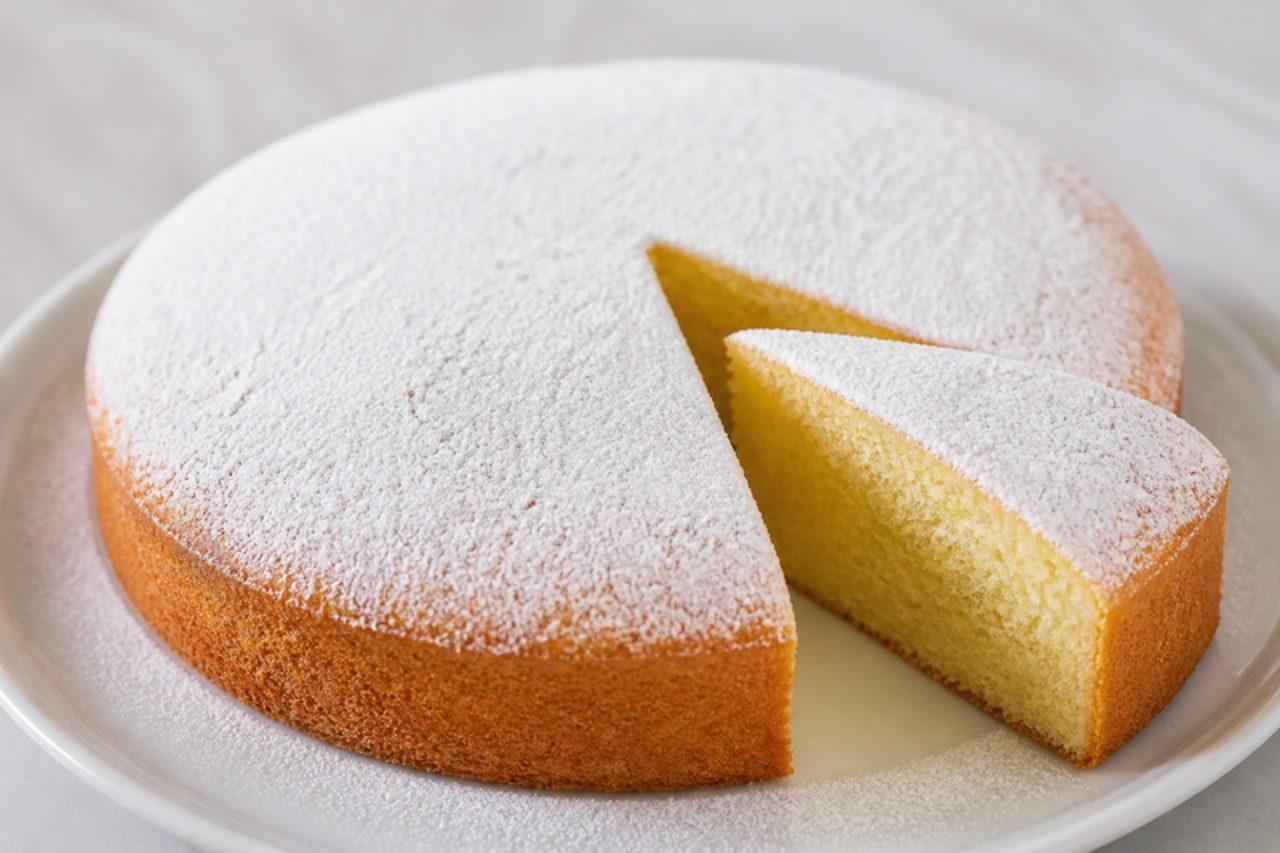
Torta MargheritaPotato starch sponge cake

Torta Margherita has been baked around Pavia in Lombardy for centuries and is still the plain, yellow cake Italian grandmothers make for a child's birthday merenda or a Sunday breakfast. Potato starch gives it a fine, melting crumb, and a thick snowfall of icing sugar is all it needs, though children like it split and spread with jam. It contains egg, milk and gluten. Chef's tip: cream the butter and sugar for a full five minutes until almost white; that air is what makes the cake rise.

by KrazyBadal 0 views

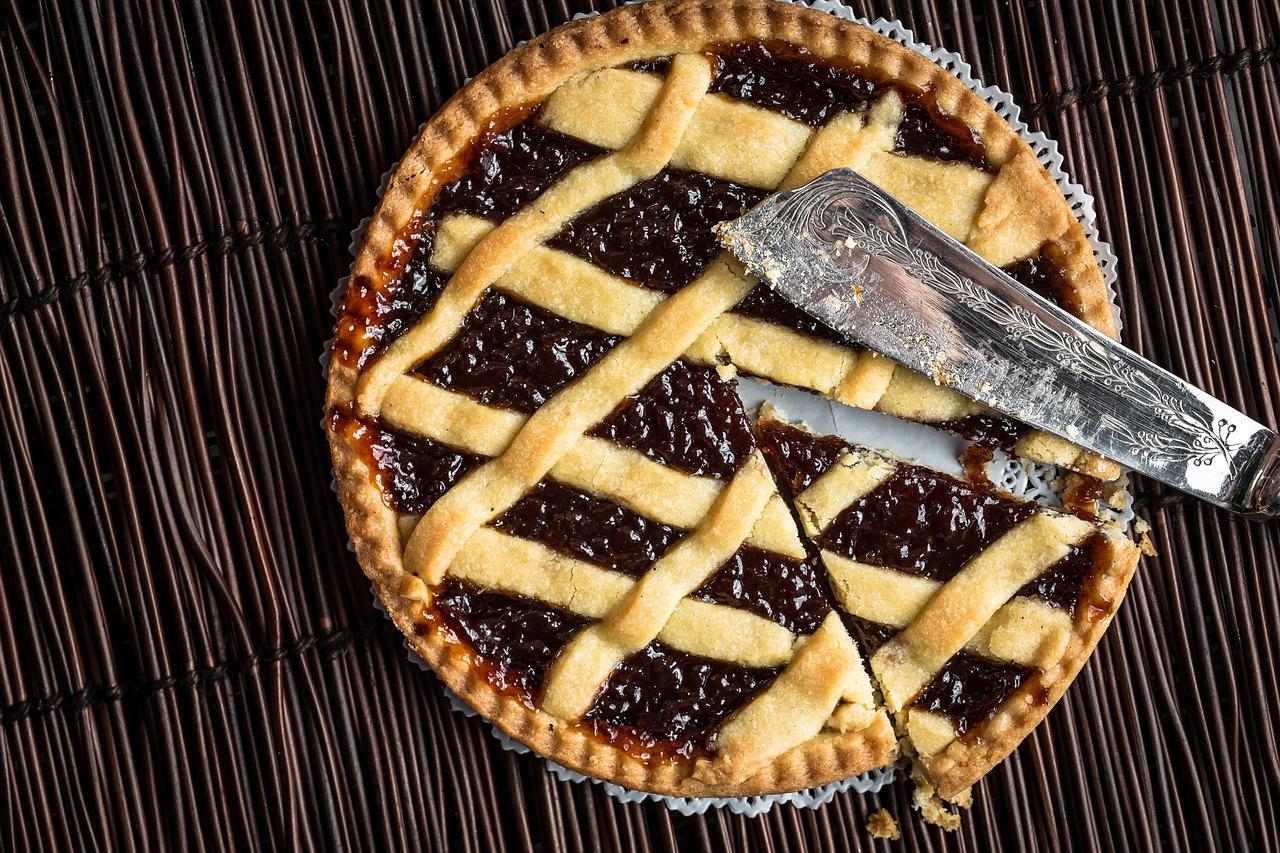
Crostata di marmellata (Italian jam tart)

Crostata di marmellata is the tart that Italian grandmothers bake on Sunday and cut into slices for the week's merenda, the after-school snack eaten from Turin to Palermo with a glass of milk. A tender, lemon-scented pasta frolla holds a layer of apricot or cherry jam under a simple lattice. Choose a high-fruit jam to keep the sugar down. It contains gluten, milk and egg. Chef's tip: chill the pastry well and keep it cold; warm pasta frolla tears and shrinks in the oven.

by KrazyBadal 0 views

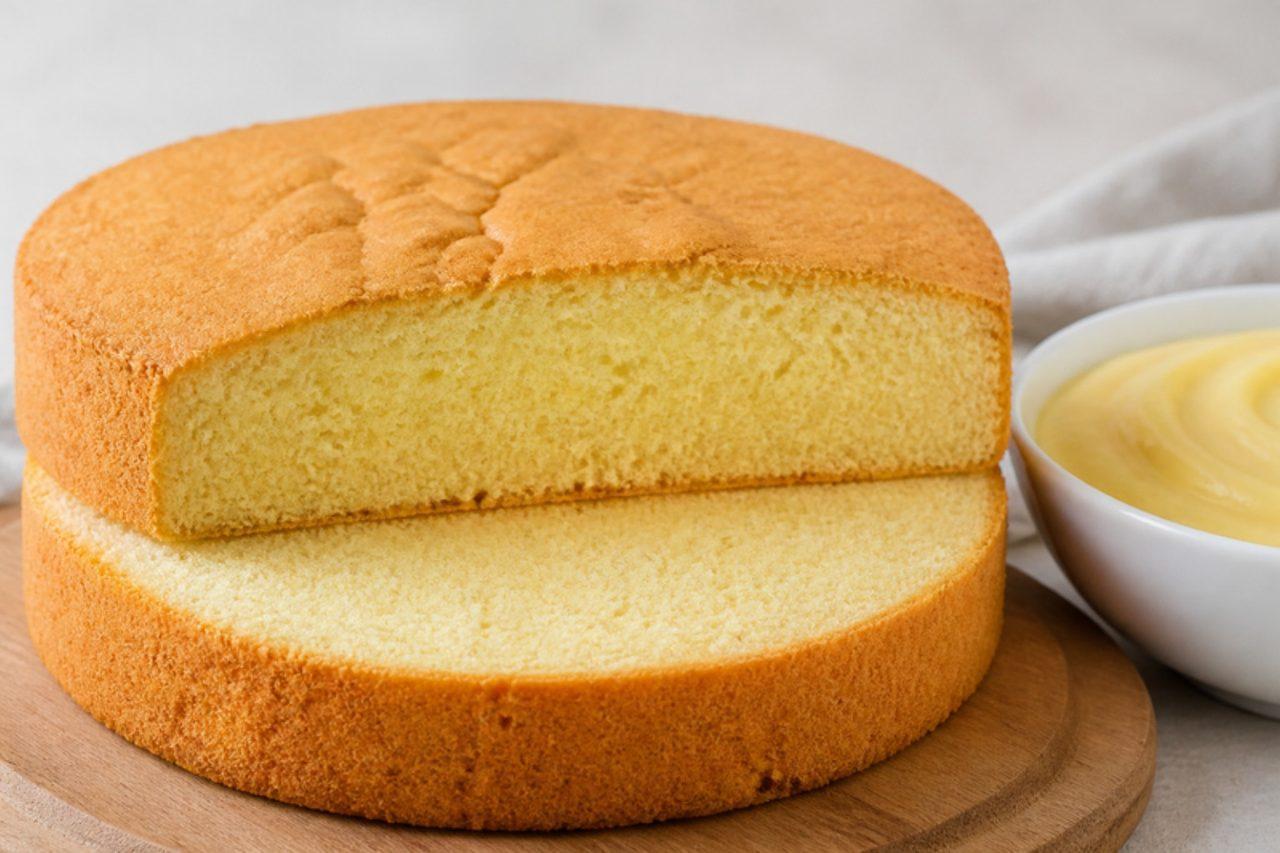
Pan di Spagna (Italian sponge)

Almost every Italian birthday cake, from a child's party in Naples to a name-day torta in Turin, starts with pan di Spagna: a golden, springy sponge made only of eggs, sugar and flour, beaten until it holds its own air. It is split into layers, moistened with a little syrup and filled with crema pasticcera, whipped cream or chocolate. Without butter or milk it is dairy free. It contains egg and gluten. Chef's tip: soak the layers with orange-juice syrup rather than plain sugar syrup, and children will love it even more.

by KrazyBadal 0 views

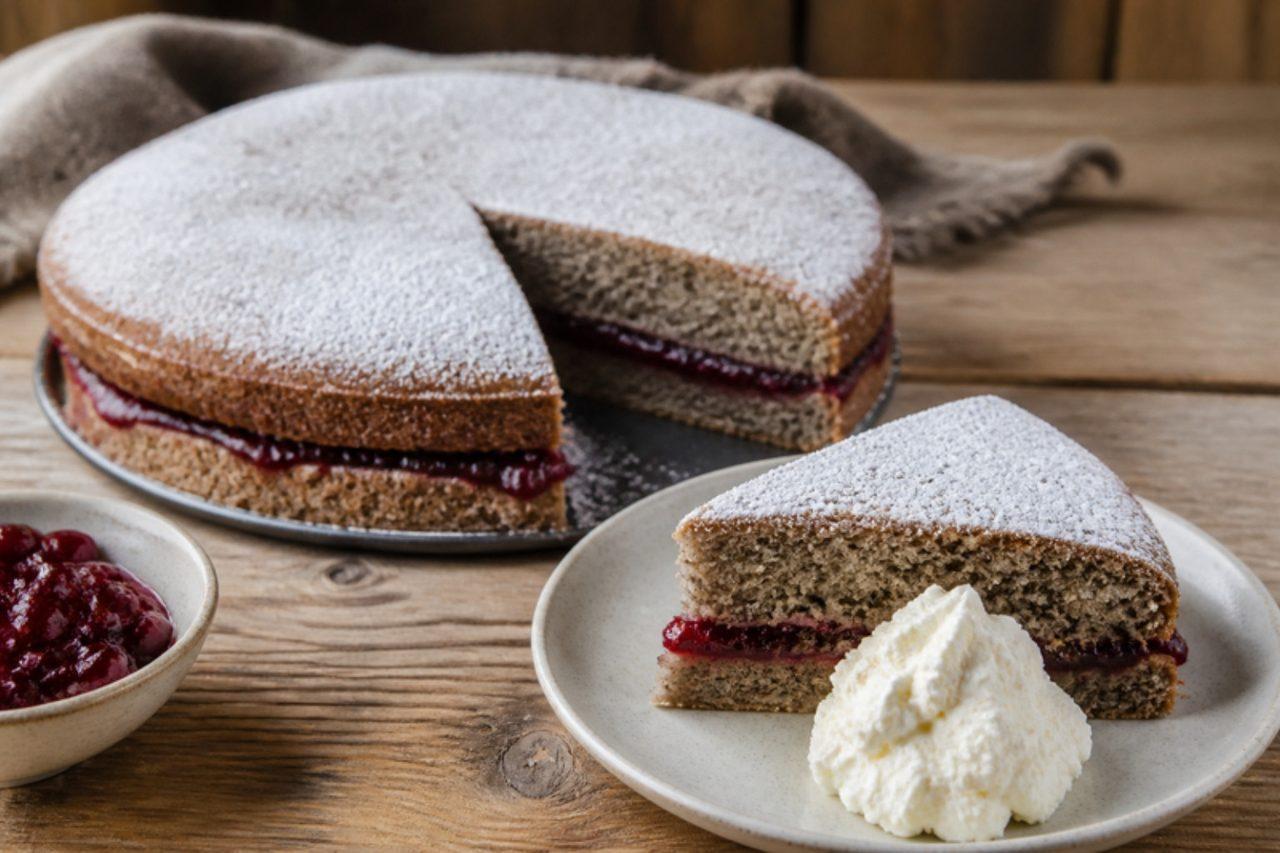
South Tyrolean buckwheat torte

Buckwheat once grew on the terraces of the Vinschgau and Pustertal valleys, and Buchweizentorte, also called torta di grano saraceno, is what South Tyrolean farmhouse kitchens made of it: an earthy grey-brown almond sponge, split and filled with sharp red lingonberry jam. Mountain huts above Merano and Bolzano still serve wedges of it with a cloud of whipped cream after a hike, and it is naturally free of wheat flour. The crumb is tender and nutty, the jam cutting the richness. Overbeating after the flour goes in is the common mistake, as it knocks the air out of the whites and the cake stays flat and dense; fold lightly. Chef's tip: leave the torte a day before splitting it; the crumb firms up, it cuts cleanly and the jam soaks in evenly.

by KrazyBadal 0 views

Kärntner ReindlingCinnamon raisin yeast cake

Carinthia's Easter loaf takes its name from the Reindl, the round, deep pan it is baked in, and in southern Austria no Easter basket goes to church without one. Inside the golden yeast crust is a spiral of butter, cinnamon sugar and plump raisins, so every slice shows a dark swirl. Locals eat it two ways: sweet with coffee on Easter morning, or alongside the savoury Easter platter with horseradish. Many bakers soak the raisins in rum overnight; warm water or tea works just as well and keeps it alcohol-free. A dry, crumbly Reindling usually means too much flour went in during kneading, so keep the dough soft and only lightly floured. Chef's tip: butter the pan well and dust it with sugar, which caramelises into a thin crunchy shell.

by KrazyBadal 0 views

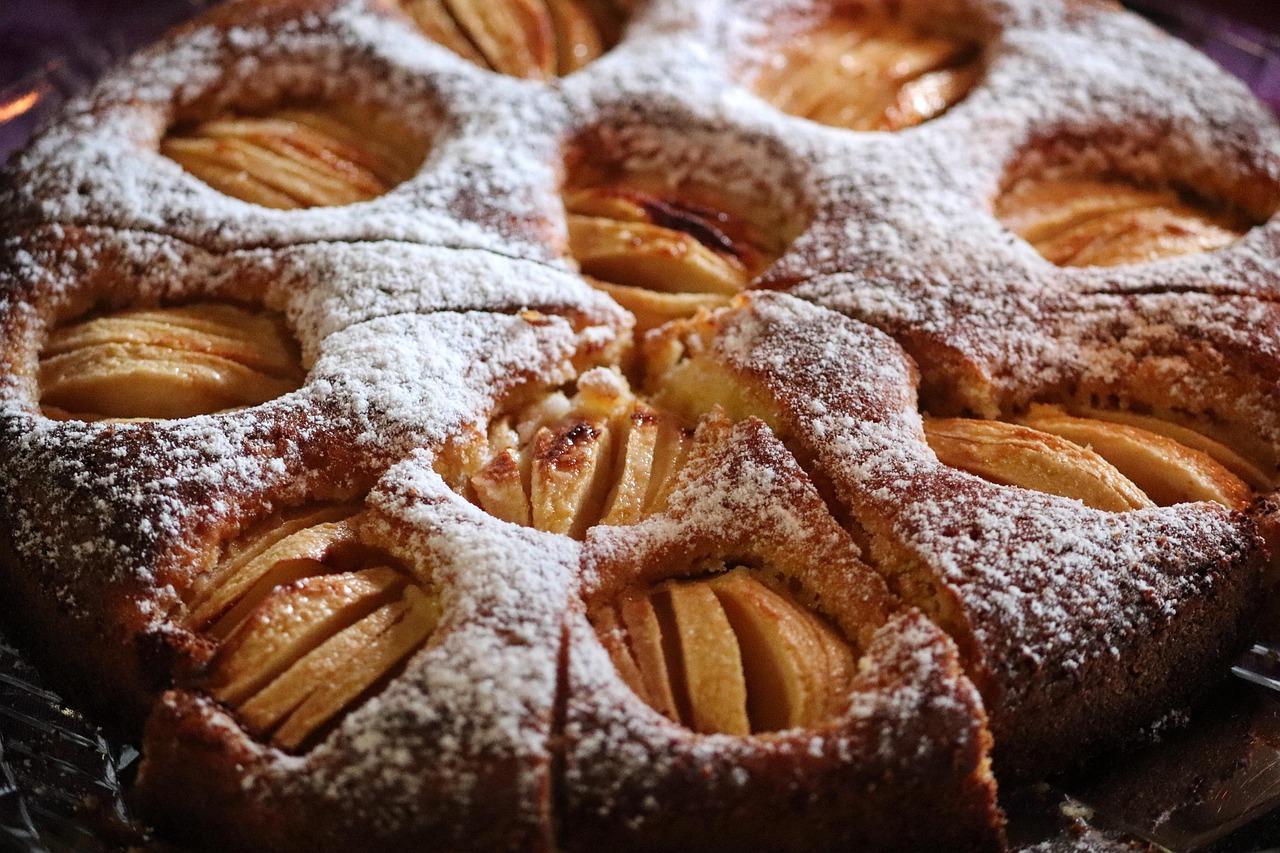
Torta di meleApple cake

Ask anyone in Trentino, Emilia or Piedmont for their nonna's torta di mele and they will describe much the same thing: a plain, lemon-scented batter with thin apple slices sunk all through it and fanned over the top, baked in a round tin on a Sunday and finished at breakfast the next morning with caffè latte. It is soft, moist and only lightly sweet, the apples almost melting into custardy pockets. A slice also makes a good after-school snack. Thick wedges of apple are the usual mistake: they stay hard while the batter overcooks, so slice them 3–4 mm thin. Chef's tip: hold back the prettiest slices for the top and brush them with a little melted butter and sugar, so they caramelise at the edges.

by KrazyBadal 0 views

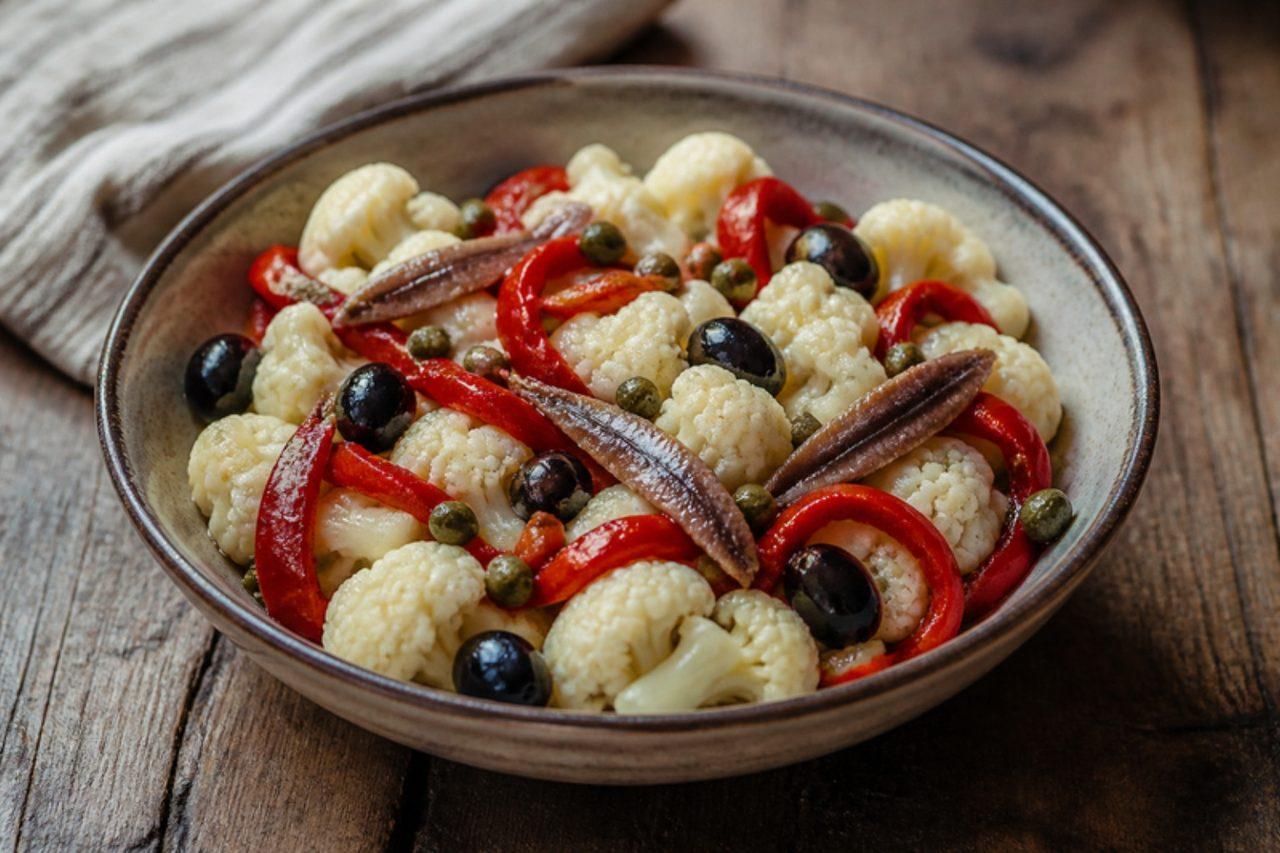
Insalata di rinforzoCauliflower and pickle salad

Insalata di rinforzo, the "reinforcement salad", is on every Neapolitan table from Christmas Eve to New Year. It is made in a big bowl and "reinforced" each day with more vegetables and pickles as it is eaten: boiled cauliflower, pickled peppers (papaccelle), giardiniera, black olives, capers and anchovies, dressed with olive oil and vinegar. It is served alongside the fried fish of the Vigilia. Chef's tip: boil the cauliflower until just tender, still with a little crunch; it soaks up the dressing better and won't fall apart over the days.

by KrazyBadal 0 views

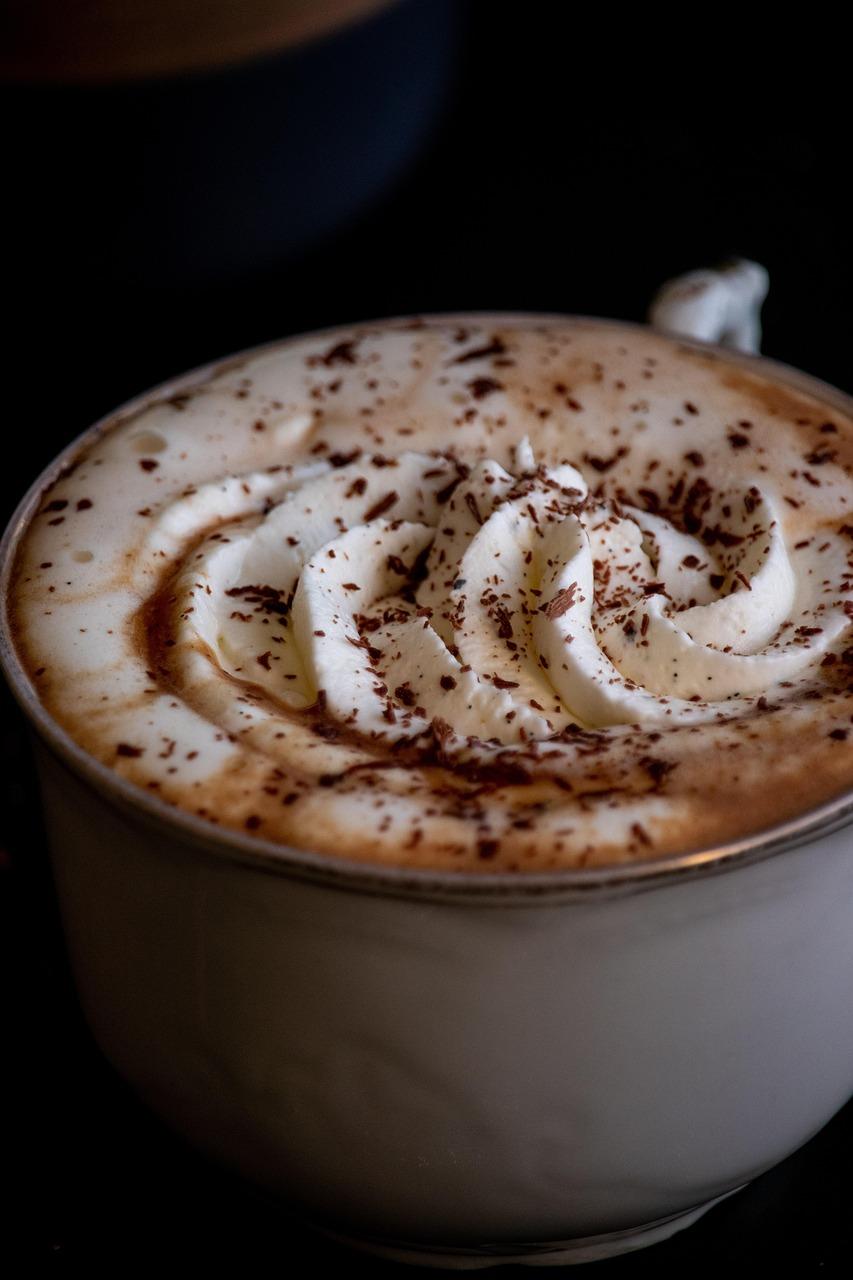
Cioccolata caldaThick hot chocolate

Italian hot chocolate is not a milky drink but almost a pudding: thick enough to coat a spoon, made with real dark chocolate and cocoa thickened with a little starch. On cold winter afternoons in Turin, Florence and Perugia, families sit in historic cafés with a cup topped with whipped cream (con panna), dipping biscuits into it. Children love it. Chef's tip: mix the cornflour and cocoa with a little cold milk to a smooth paste first; dropped straight into hot milk, they form lumps.

by KrazyBadal 0 views

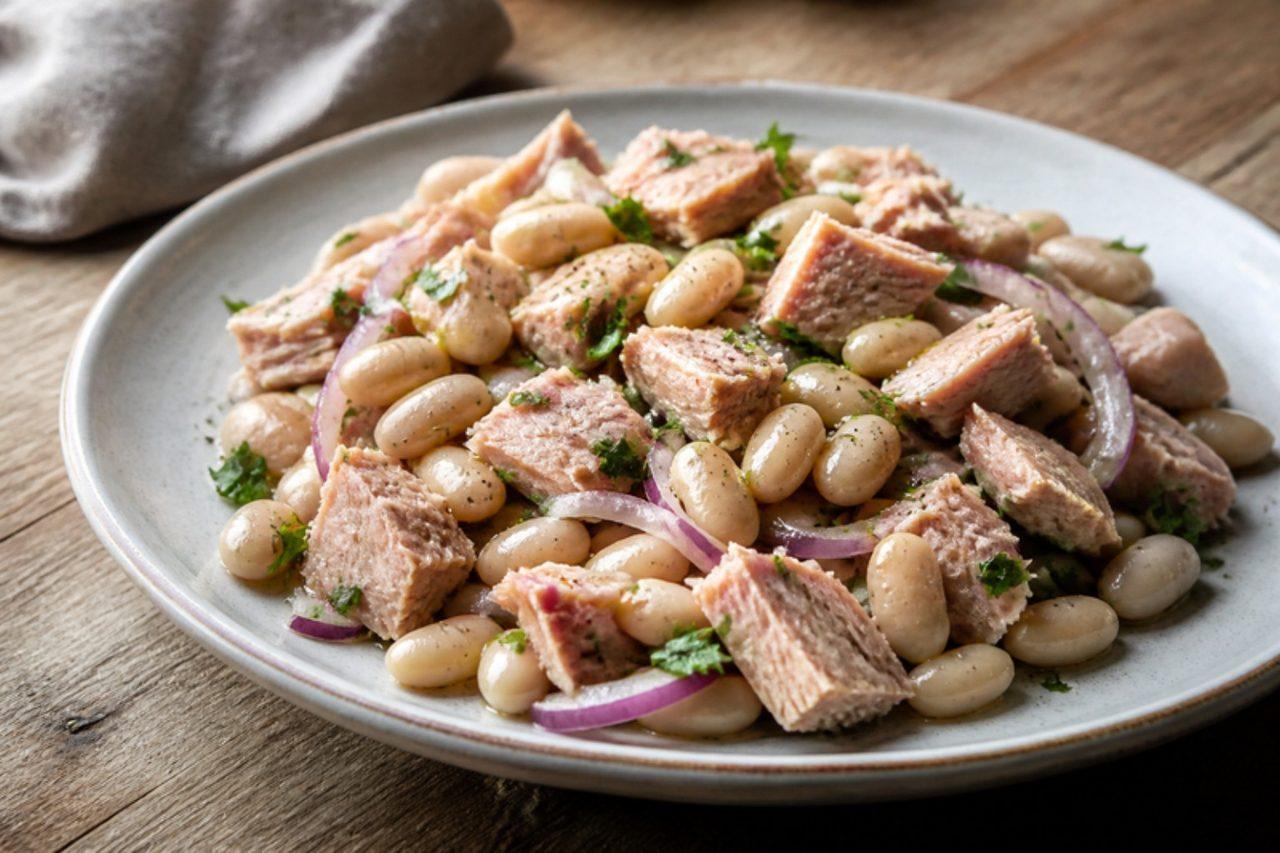
Tonno e fagioliTuna and bean salad

Tonno e fagioli is one of the most loved quick dishes of Tuscany, served in Florentine trattorie as an antipasto or a light lunch: creamy cannellini beans, the Tuscans' favourite, tossed with good tuna in olive oil, thin slices of sweet red onion and plenty of extra virgin olive oil and black pepper. It takes ten minutes and needs only bread to wipe the plate. Chef's tip: soak the sliced onion in cold water for 10 minutes; it loses its harsh bite and stays crisp.

by KrazyBadal 0 views

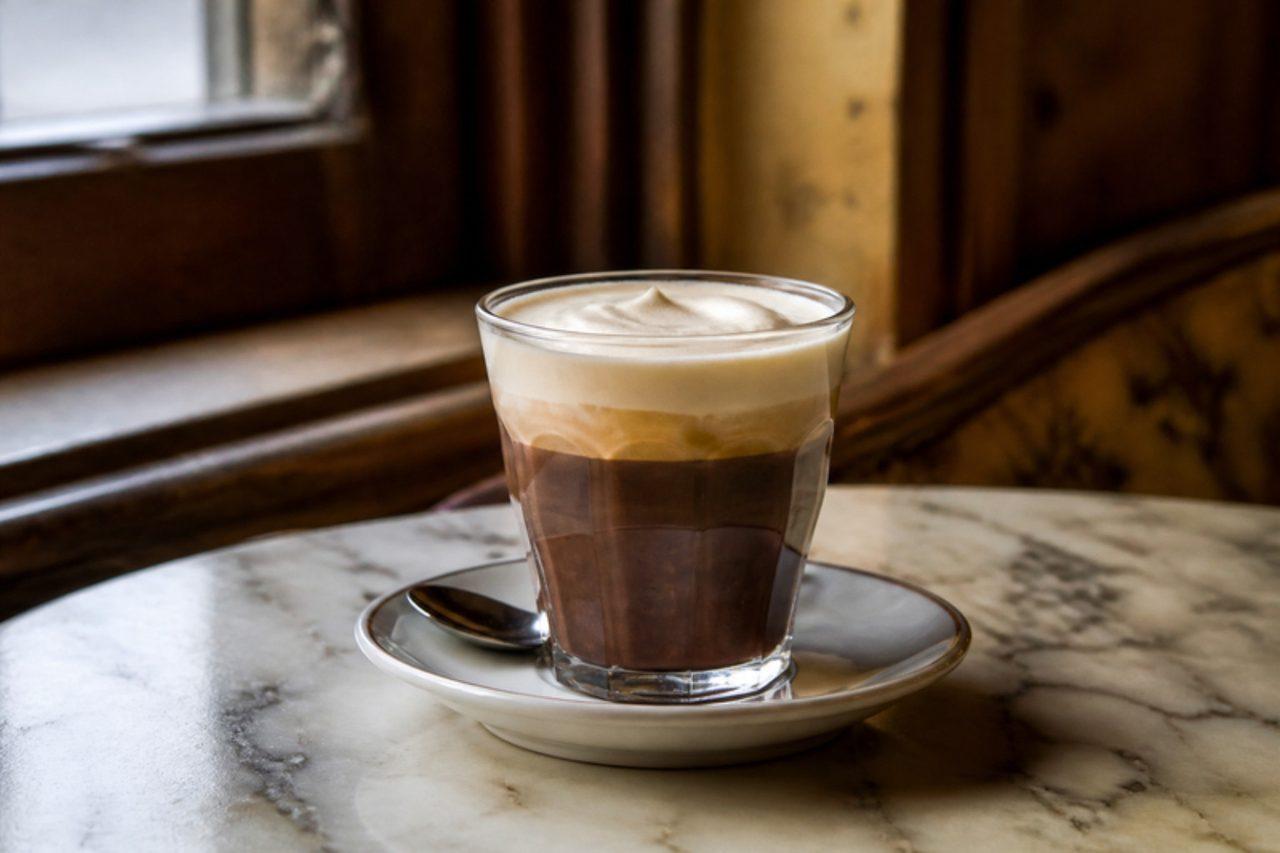
BicerinLayered chocolate and coffee drink

The bicerin ("little glass" in Piedmontese dialect) has been served since 1763 at the tiny Caffè al Bicerin opposite the Consolata church in Turin, where it was the drink that churchgoers had after fasting before Mass. It is three layers in a small glass: thick hot chocolate at the bottom, espresso in the middle and cold, lightly whipped cream on top, not stirred, so you taste each layer in turn. Contains caffeine. Chef's tip: pour the coffee and then the cream slowly over the back of a spoon so the layers sit on top of each other instead of mixing.

by KrazyBadal 0 views

Cappuccino

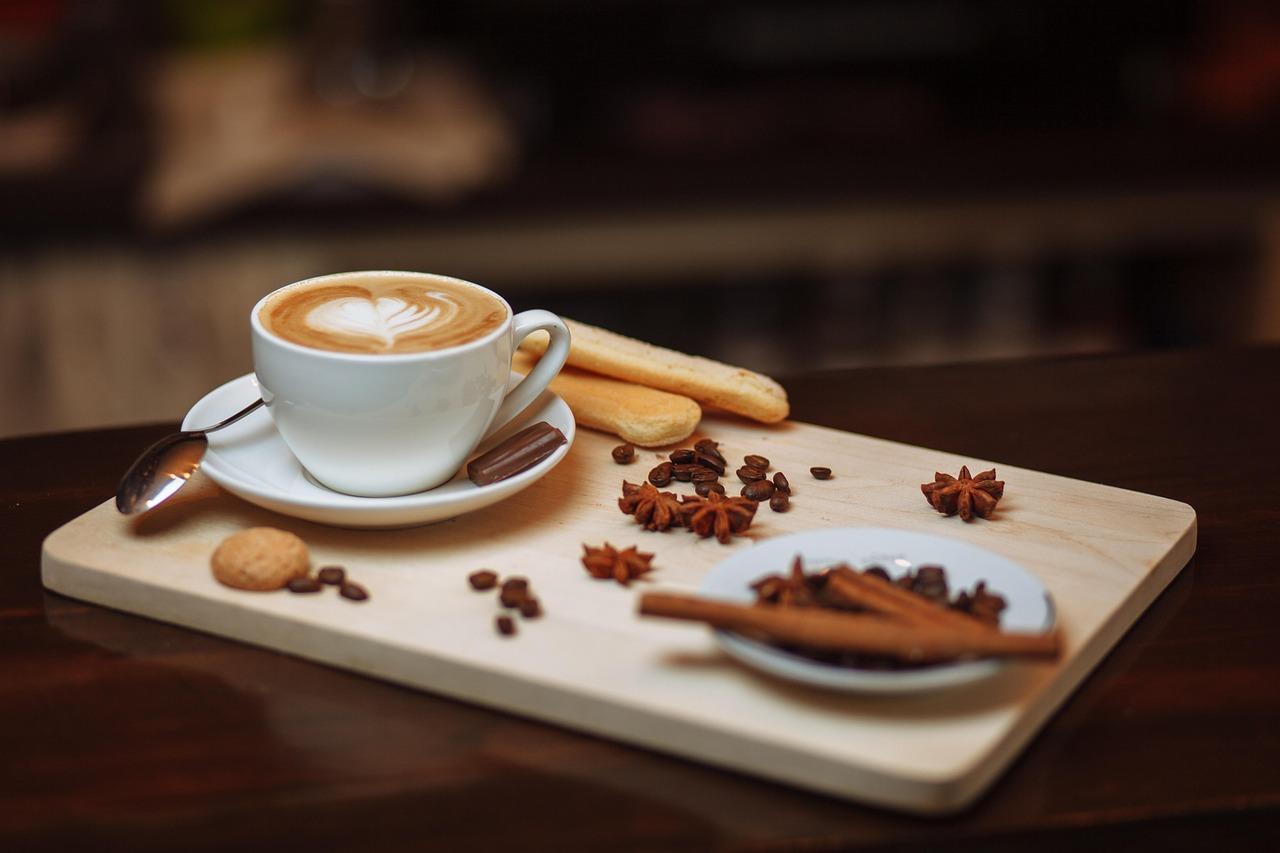
In Italy the cappuccino is strictly a breakfast drink, ordered at the bar counter with a cornetto before 11 in the morning, never after a meal. It is a single espresso topped with an equal amount of hot milk and a thick cap of velvety foam, named after the brown habits of Capuchin friars. Baristas in Turin and Trieste are famous for their thick, glossy microfoam. Contains caffeine, so it's not for children. Chef's tip: heat the milk only to about 65 °C, when the jug is too hot to hold for more than a second; hotter milk tastes cooked and the foam collapses.

by KrazyBadal 0 views

Showing 24 of 127 recipes

Show more recipes

Page 1 of 6