Skip to content
Recipes

All recipes

Vegetarian, or something you can't eat? Set your diet once and we'll hide recipes that don't fit.

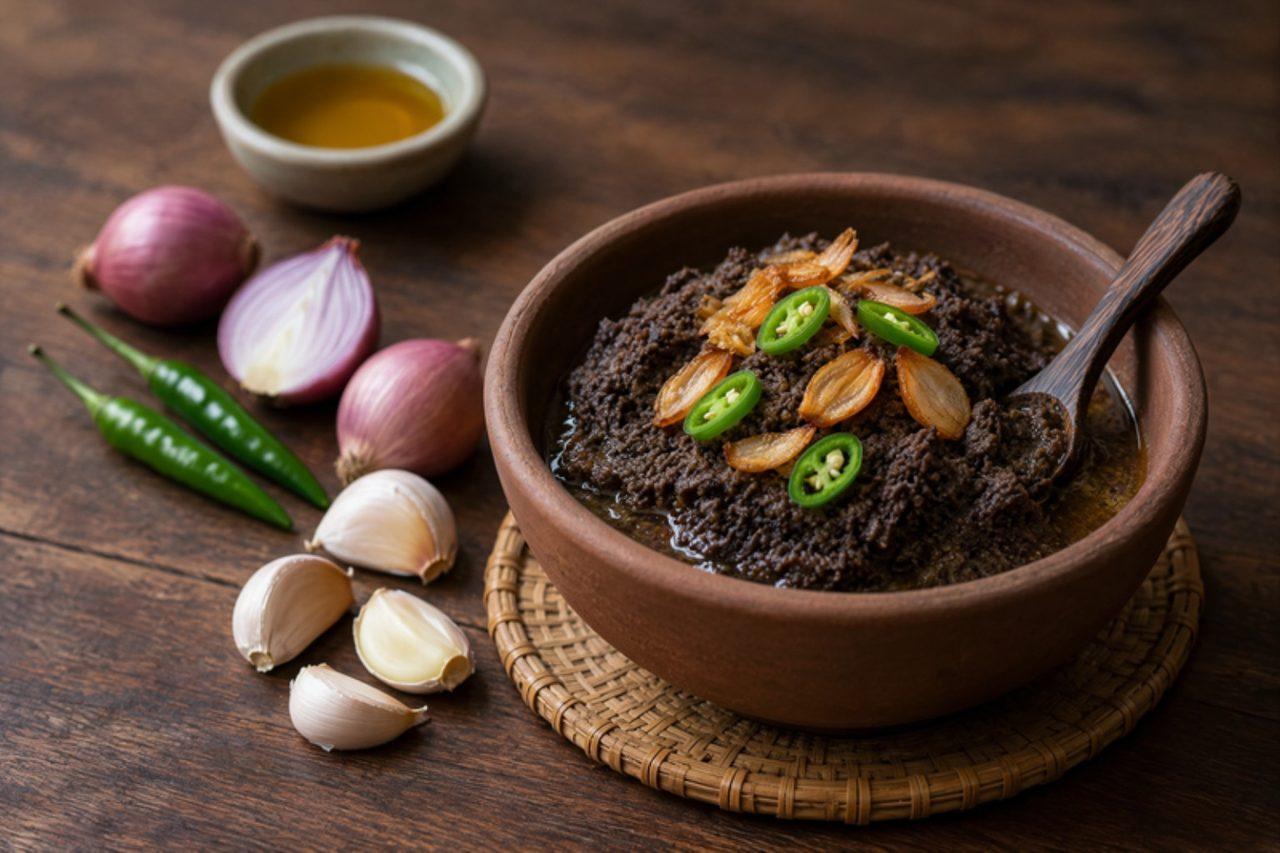
Pon ye gyiFermented bean sauce

Bagan, among its thousands of temples, is just as known in Myanmar for pon ye gyi, the thick, glossy black bean paste sold in clay pots at Nyaung-U market. Workshops there boil beans, ferment them under cloth, steep them in brine and boil the dark liquid down for hours. At home it is a seasoning rather than a dip: fried with garlic, onion and chilli as pon ye gyi kyaw, it becomes the savoury base for pork or chicken curries and for stir-fried greens, and is eaten with rice and raw vegetables through the hot dry season. The taste is deeply salty, savoury and slightly sweet-bitter, with a soft funk like miso and black bean sauce combined, and a texture like thick molasses. Common mistake: stopping the reduction too soon; a thin brown sauce will not keep and lacks depth, so cook it until it is black, glossy and falls from the spoon in ribbons. Bagan makers use different beans; this home method uses soybeans with a Bacillus-style ferment like thua nao. It is ready when a spoonful sets into a thick gloss on a cold plate. Chef's tip: stir more often near the end, when it can catch.

by KrazyBadal 0 views

Mandi'o chyryryFried cassava with onion and egg

Mandi'o chyryry means 'fried cassava' in Guaraní, and it is what rural Paraguayan families make from yesterday's boiled mandi'o: chunks crushed and fried in a big pan with onion until crisp in places, then scrambled with eggs. It comes out for breakfast with cocido or for a quick supper, and costs next to nothing. Use sweet cassava, the kind sold in supermarkets. The mistake is stirring constantly, which turns it to mush; let the cassava sit and brown. Chef's tip: the best chyryry starts with cold, day-old boiled cassava, which fries crisper than freshly boiled.

by KrazyBadal 0 views

Postre MassiniCustard sponge with burnt sugar top

Montevideo's birthday cake of choice since the early twentieth century, the Massini is two thin layers of sponge sandwiching a thick filling of whipped cream folded with egg-yolk custard, crowned with a thin glassy crust of torched yolk and sugar. Bakeries across Uruguay sell it on Sundays. Traditional versions sometimes add a sweet fortified wine to the custard; this one is alcohol-free. The custard is cooked to a safe 71 °C. The common mistake is assembling with warm custard, which melts the cream into a puddle. Chef's tip: if you don't have a blowtorch, put the sugared top under a very hot grill for a minute and watch it closely.

by KrazyBadal 0 views

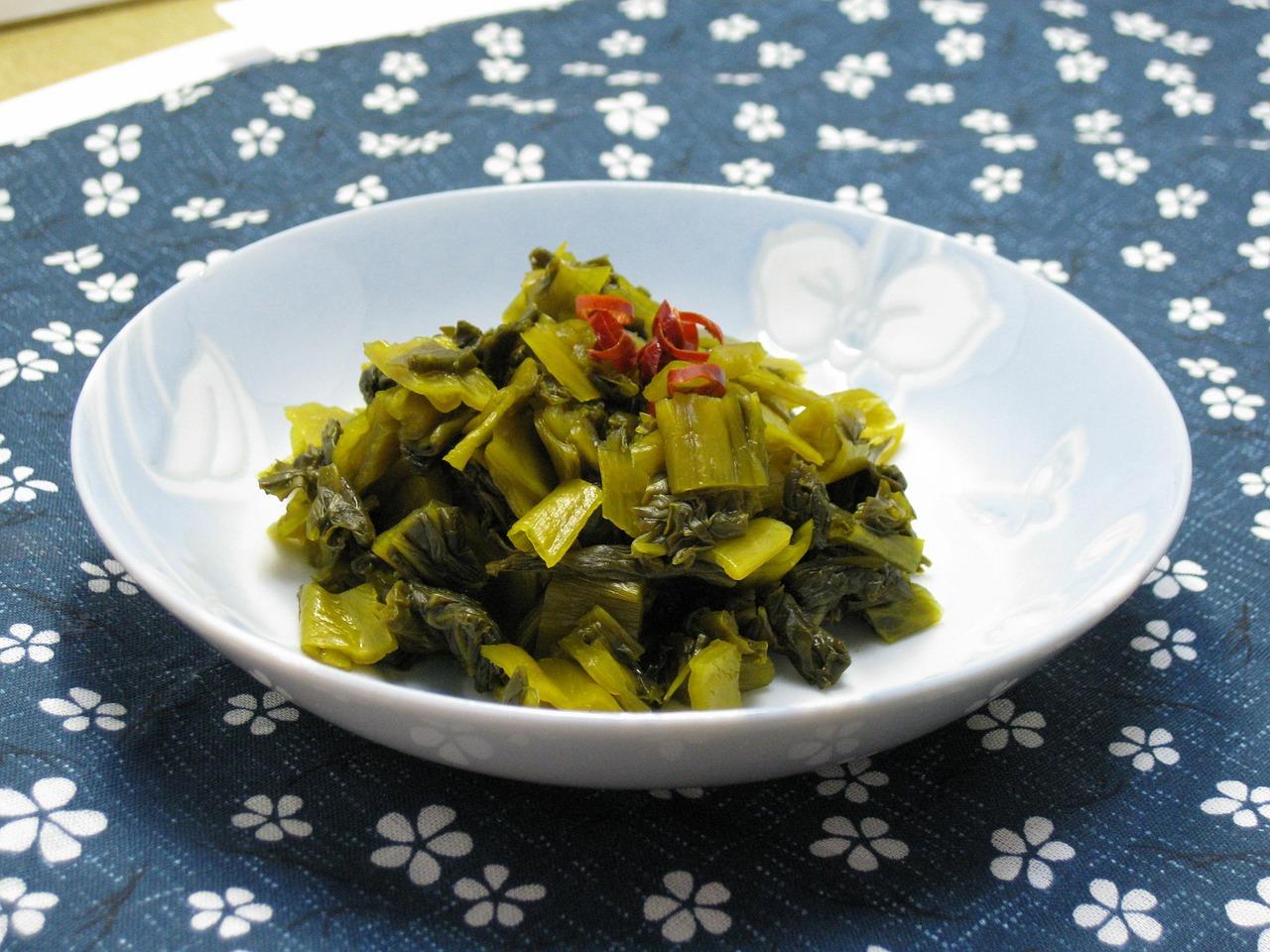
Shan pickled mustard greens

Jars of sour, olive-gold mustard greens sit on every noodle stall in Shan State, from Kengtung to the five-day markets around Inle Lake, and families keep a crock going through the cool season. The greens are wilted, rubbed with salt and packed under cloudy water saved from rinsing rice; its starch feeds the natural fermentation, and after a few days the leaves turn crunchy, tangy and pleasantly funky. A spoonful goes on top of Shan noodles, beside sticky rice, into soups, or stir-fried with garlic and chilli as a side dish. Leaves poking above the brine are the main thing that goes wrong, since that is where mould starts; keep everything pressed under the liquid. Chef's tip: use the cloudiest rice water from the first rinse, and add a spoon of cooked rice to get the souring going faster.

by KrazyBadal 0 views

ChajáSponge, peach and cream cake

Chajá was created in 1927 at a bakery in Paysandú, a city on the Uruguay River, and named after a local bird whose feathers look as fluffy as its crumbly meringue coat. Today it's Uruguay's birthday and celebration cake: layers of light sponge soaked in peach syrup, filled with whipped cream, peaches and dulce de leche, then covered in crushed meringue. It's sweet, soft and crunchy at once, best on the day it's assembled. Chef's tip: soak the sponge but not too much; it should feel moist, not wet, or the layers slide.

by KrazyBadal 0 views