Skip to content
Recipes

All recipes

Vegetarian, or something you can't eat? Set your diet once and we'll hide recipes that don't fit.

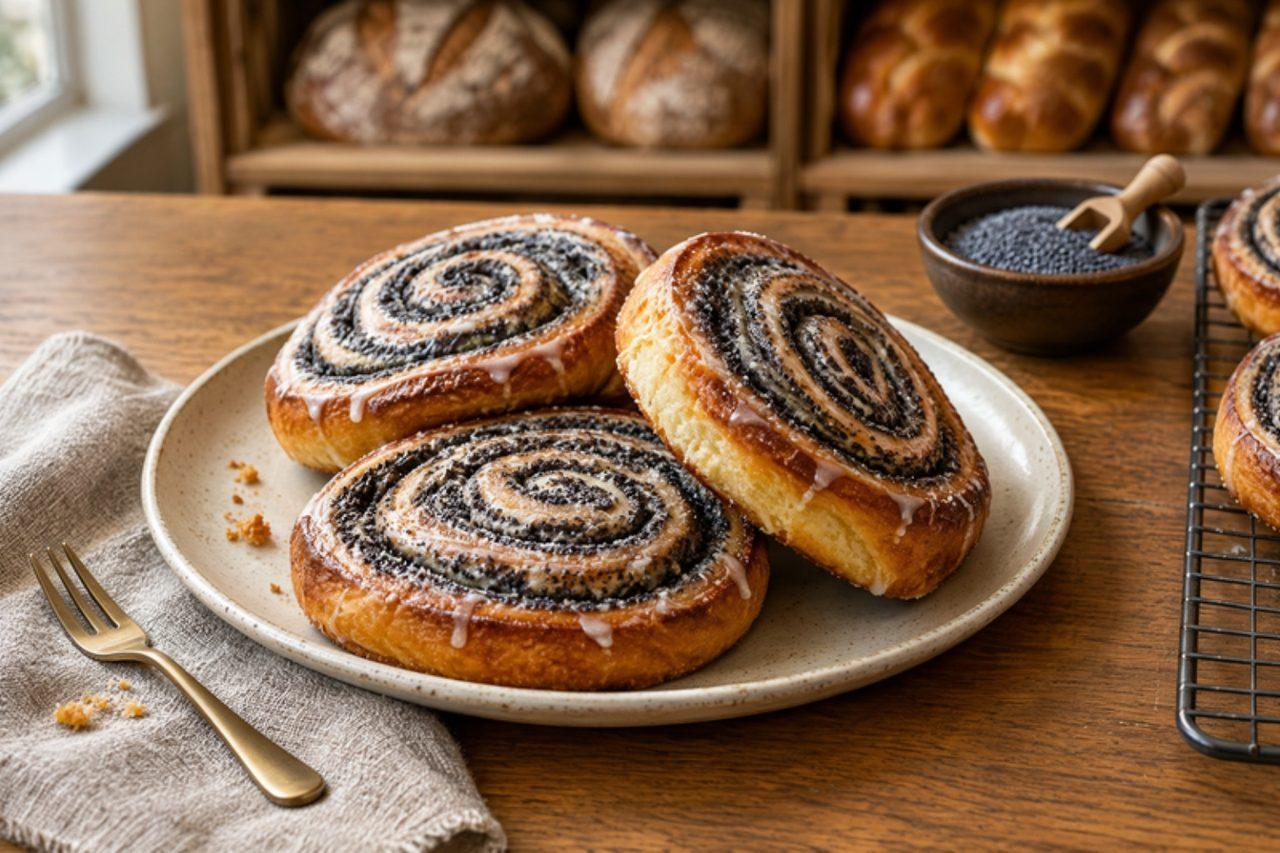
MohnschneckePoppy seed rolls

Every German bakery counter has a tray of Mohnschnecken next to the cinnamon and nut snails, and they are bought by the bag for Saturday breakfast and afternoon coffee. A soft, buttery yeast dough is spread with a thick filling of ground poppy seeds cooked in milk with sugar and lemon, rolled up, sliced and baked, then brushed with a thin lemon glaze. The usual mistake is using whole poppy seeds straight from the jar: they must be ground (or bought ground, as "Mohn gemahlen") or the filling stays gritty and bland. Chef's tip: cool the poppy filling completely before spreading it, because a warm filling melts the butter in the dough and the spirals unroll in the oven.

by KrazyBadal 0 views

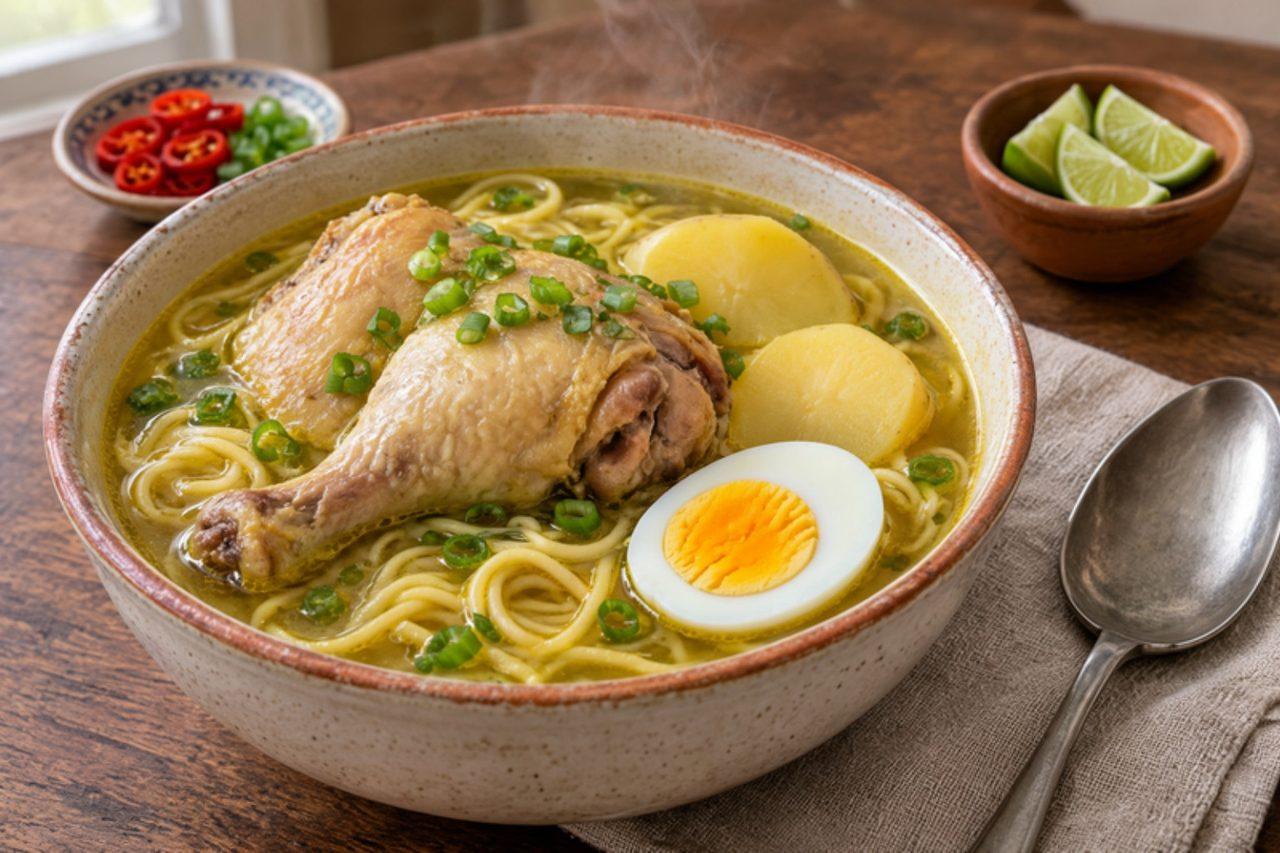
Caldo de gallinaHen broth with noodles

In Lima's markets and the all-night caldo stalls of districts like La Victoria, a bowl of caldo de gallina is the dawn breakfast for market porters, taxi drivers and anyone coming home late: a deep, golden broth from a slow-simmered hen (a boiling fowl) with ginger and spring onion, ladled over thick noodles and yellow potato, with a boiled egg, lime and ají chilli on the side. The common mistake is boiling the broth hard, which clouds it and toughens the meat; keep it to a lazy simmer. The chicken must reach 74 °C, though after this long simmer it will be well past that. Chef's tip: cook the noodles separately, then put them in the bowls; cooked in the pot they drink the broth and turn it starchy.

by KrazyBadal 0 views

Pira caldoCreamy fish soup with cheese

Along the Paraguay River from Asunción to Concepción, pira caldo is the fishermen's soup, said to restore strength after a long night: chunks of firm river fish poached in a broth of onion, peppers and tomato fried in fat, then made creamy with milk and melted fresh cheese. Surubí or other catfish is traditional; any firm white fish such as hake or pollock works. The mistake most people make is boiling the soup after the milk and cheese go in, which splits it. Chef's tip: fry the vegetables until they are very soft and sweet before adding the water; that is where the flavour comes from.

by KrazyBadal 0 views

Ají amarillo pasteYellow chilli paste

In Lima's markets ají amarillo is sold fresh all year, and most Peruvian cooks keep a tub of this paste in the fridge the way others keep tomato purée: it is the golden base of causa limeña, ají de gallina, papa a la huancaína, chupe and the sauce for tiraditos. The chillies are seeded, de-veined and blanched in three changes of water, which tames the heat and the raw grassiness, then peeled and blended with oil into a thick, silky, saffron-orange paste. It tastes fruity and sunny, almost like apricot and passion fruit, with a rounded, medium heat. Abroad, buy whole frozen ají amarillo from Latin grocers; dried ají mirasol, soaked, gives a darker, earthier paste. Common mistake: skipping the peeling; the thin skins leave papery flecks and a bitter edge. It is ready when it is completely smooth and holds a soft peak like thick hummus. This is a low-acid paste: keep it in the fridge for a week or freeze it, never on the shelf. Chef's tip: freeze it in an ice-cube tray; one cube is about a tablespoon, just right for a pot of ají de gallina.

by KrazyBadal 0 views

Postre MassiniCustard sponge with burnt sugar top

Montevideo's birthday cake of choice since the early twentieth century, the Massini is two thin layers of sponge sandwiching a thick filling of whipped cream folded with egg-yolk custard, crowned with a thin glassy crust of torched yolk and sugar. Bakeries across Uruguay sell it on Sundays. Traditional versions sometimes add a sweet fortified wine to the custard; this one is alcohol-free. The custard is cooked to a safe 71 °C. The common mistake is assembling with warm custard, which melts the cream into a puddle. Chef's tip: if you don't have a blowtorch, put the sugared top under a very hot grill for a minute and watch it closely.

by KrazyBadal 0 views

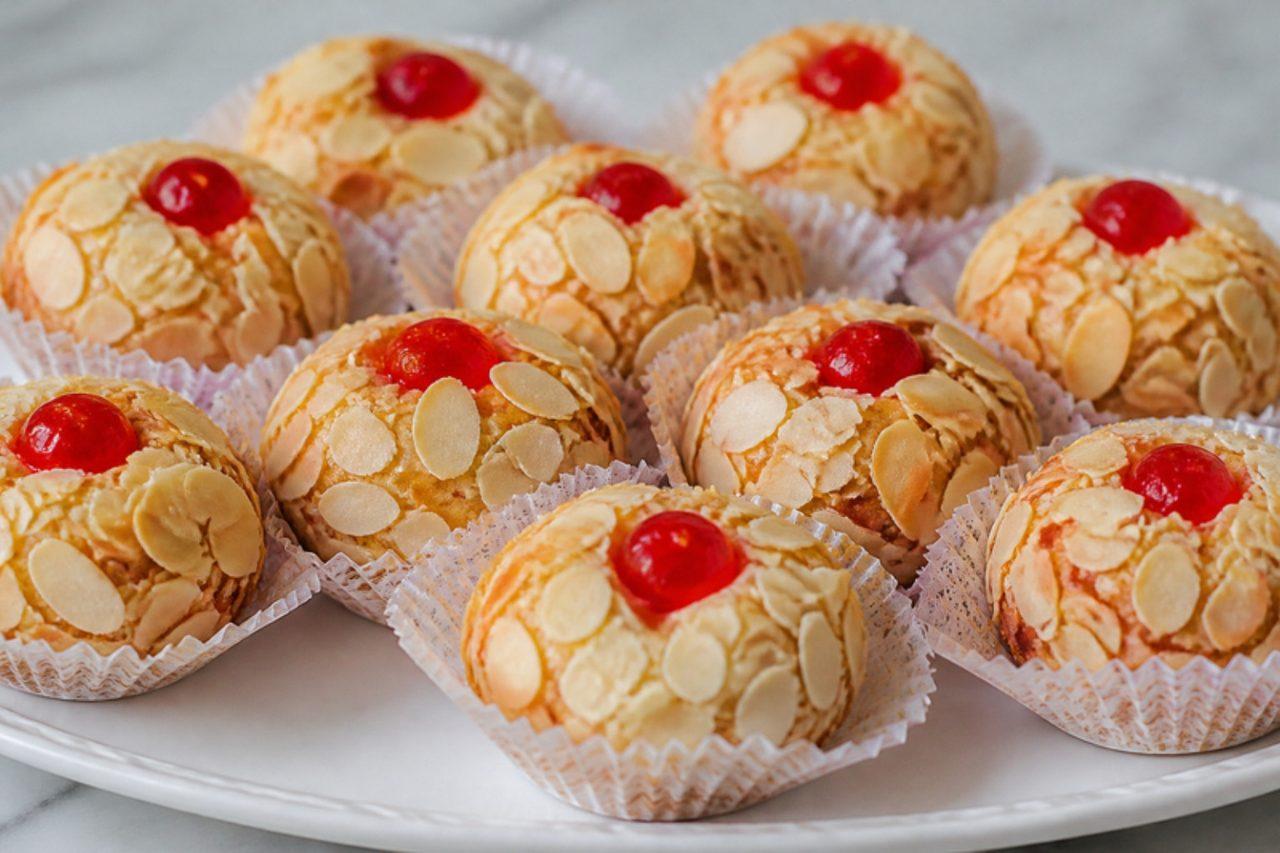
Mchewek (almond cookies)

Mchewek means something like 'prickly', which is exactly how these cookies look: balls of almond paste rolled in flaked almonds so the flakes stick out like spines, each topped with half a candied cherry and baked only until the tips turn gold. Inside they stay soft and chewy, like a rustic macaroon. Being made with no flour, they suit anyone avoiding gluten, and they appear on Eid and wedding trays all over Algeria, often brushed with a little honey syrup for shine. Chef's tip: take them out when the edges are just golden and the centres still feel soft; overbaking is the classic mistake and leaves them dry and crumbly once cool.

by KrazyBadal 0 views

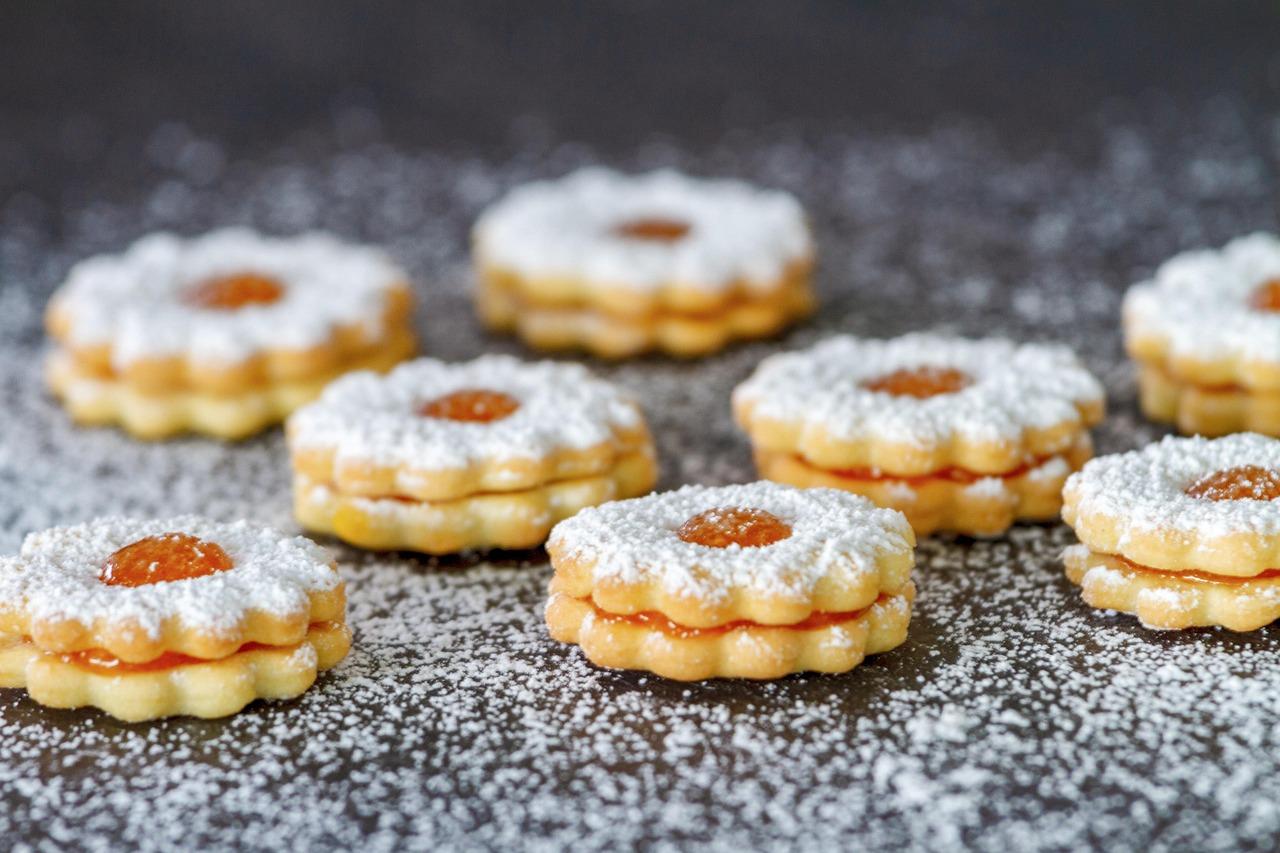
Halwat tabaa (stamped jam biscuits)

Ask anyone who grew up in Algeria about the night before Eid and they will mention the smell of halwat tabaa baking: buttery shortbread cut and printed with a patterned metal stamp, then sandwiched in pairs with apricot jam. Children love helping to press the patterns, and the biscuits fill the tins offered to neighbours on the morning of the feast. They are tender and short, with a clean vanilla flavour against the tangy jam, and keep well for a week. A fluted round cutter and the tines of a fork will do if you have no stamp. Avoid working the dough too much or letting it get warm, as the stamped pattern then spreads and blurs in the oven. Chef's tip: dip the stamp in flour and tap off the excess before every press; a sticky stamp blurs the pattern, which is the most common disappointment.

by KrazyBadal 0 views

MounaOrange-flower brioche

Oran's mouna came over with Spanish settlers as the Easter mona, and it is still baked for spring outings, recalling the Easter Monday picnics once held at the Santa Cruz chapel above the city. It is a tall, light, golden brioche with a crackly sugar crust, softly flavoured with orange-flower water and lemon zest rather than butter-heavy, and it tears into long, feathery strands. Eat it with coffee or hot chocolate, plain or with jam. The dough is slow and sticky, so give it time. Chef's tip: let the dough rise slowly overnight in the fridge after the first knead; it becomes easier to shape and the flavour deepens.

by KrazyBadal 1 views

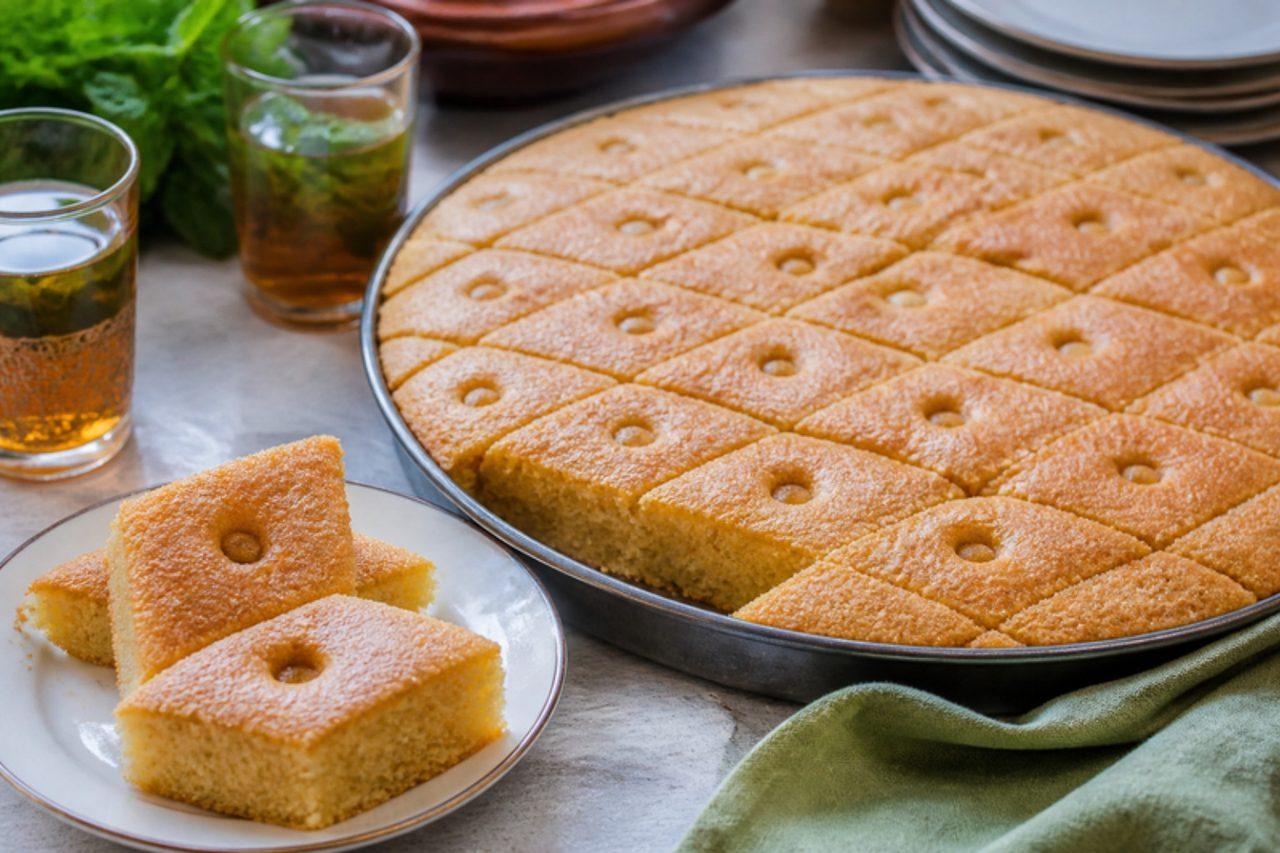
Mbesses (Kabyle semolina cake)

Somewhere between shortbread and cornbread, mbesses is the plain cake of Kabyle kitchens, a shallow tray of semolina rich with melted butter, lightly sweetened and baked until golden on top. The texture is sandy and tender, breaking into crumbs that taste of toasted grain and butter, with a hint of orange blossom. It is cut into diamonds and served with milky coffee in the afternoon, or offered to guests who drop by during Ramadan evenings. Some households scatter sesame or nigella seeds over the top before baking. Chef's tip: spread the mixture into the tray with a light hand; pressing it down hard is the most common mistake and gives a dense, heavy cake.

by KrazyBadal 0 views

Dziriettes (almond flower pastries)

Named after the women of Algiers, dziriettes are the jewels on any wedding or Eid tray: thin, crisp pastry pinched into a flower or crown, filled with a dome of almond paste scented with orange blossom, then baked and soaked in warm honey. They take patience, but the result is delicate and fragrant, with a shatter of pastry giving way to a soft, moist almond centre. Families often make a few hundred over several evenings, together, before a celebration, and serve them with mint tea or coffee. Chef's tip: roll the dough so thin you can almost see the worktop through it; thick pastry is the commonest mistake and turns dziriettes stodgy instead of crisp.

by KrazyBadal 0 views

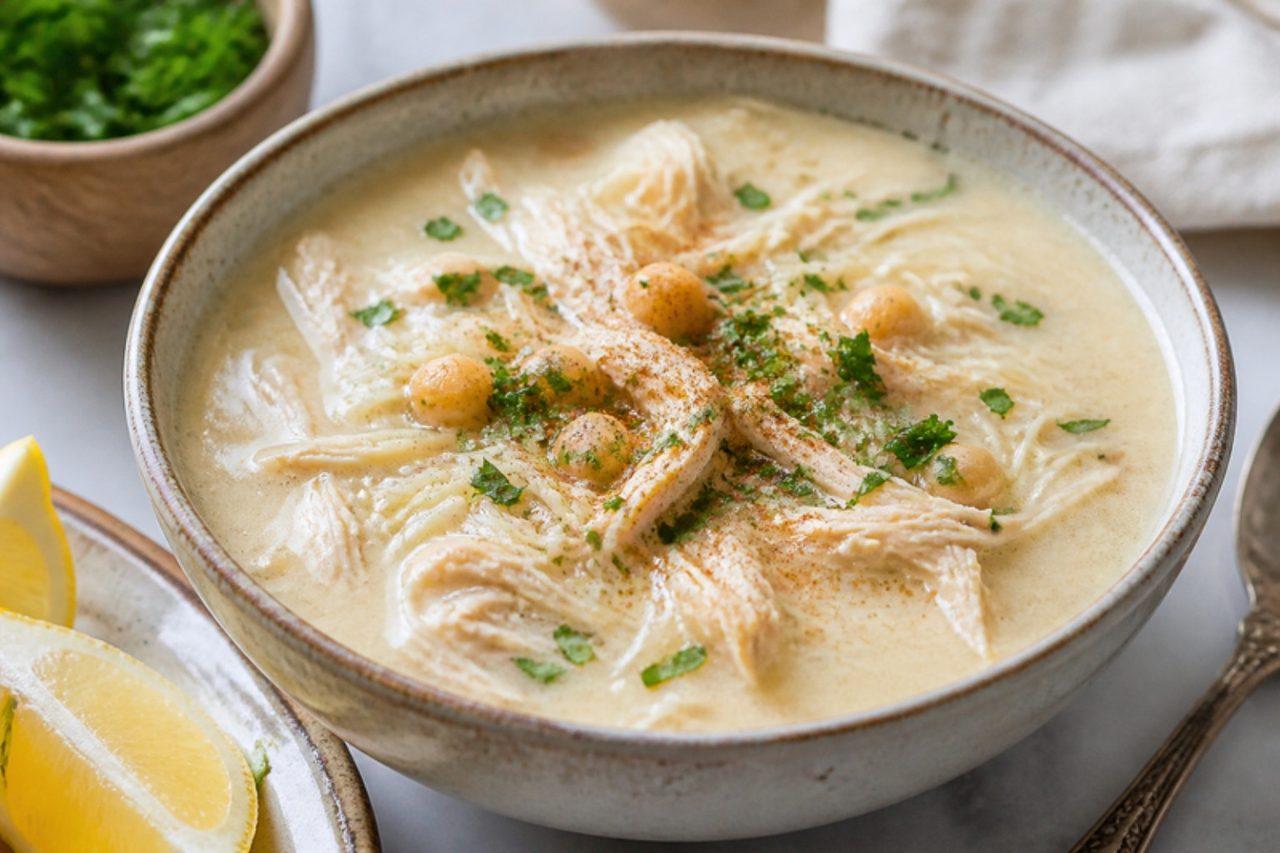
Chorba beida (Algerian white chicken soup)

Unlike the red chorba of the rest of the country, the 'white' chorba of Algiers has no tomato at all: chicken, onion and a cinnamon stick are cooked gently in butter, simmered with chickpeas and fine vermicelli, then thickened at the end with egg yolks and lemon. It is a classic of Ramadan tables in the capital, and is also cooked for guests at weddings and family gatherings. The soup is silky and pale gold, mild and comforting, with a soft lemony tang. Serve it with bread and a squeeze of extra lemon. Chef's tip: once the egg yolks are in, never let the soup boil; boiling is the common mistake that curdles it into scrambled threads.

by KrazyBadal 0 views

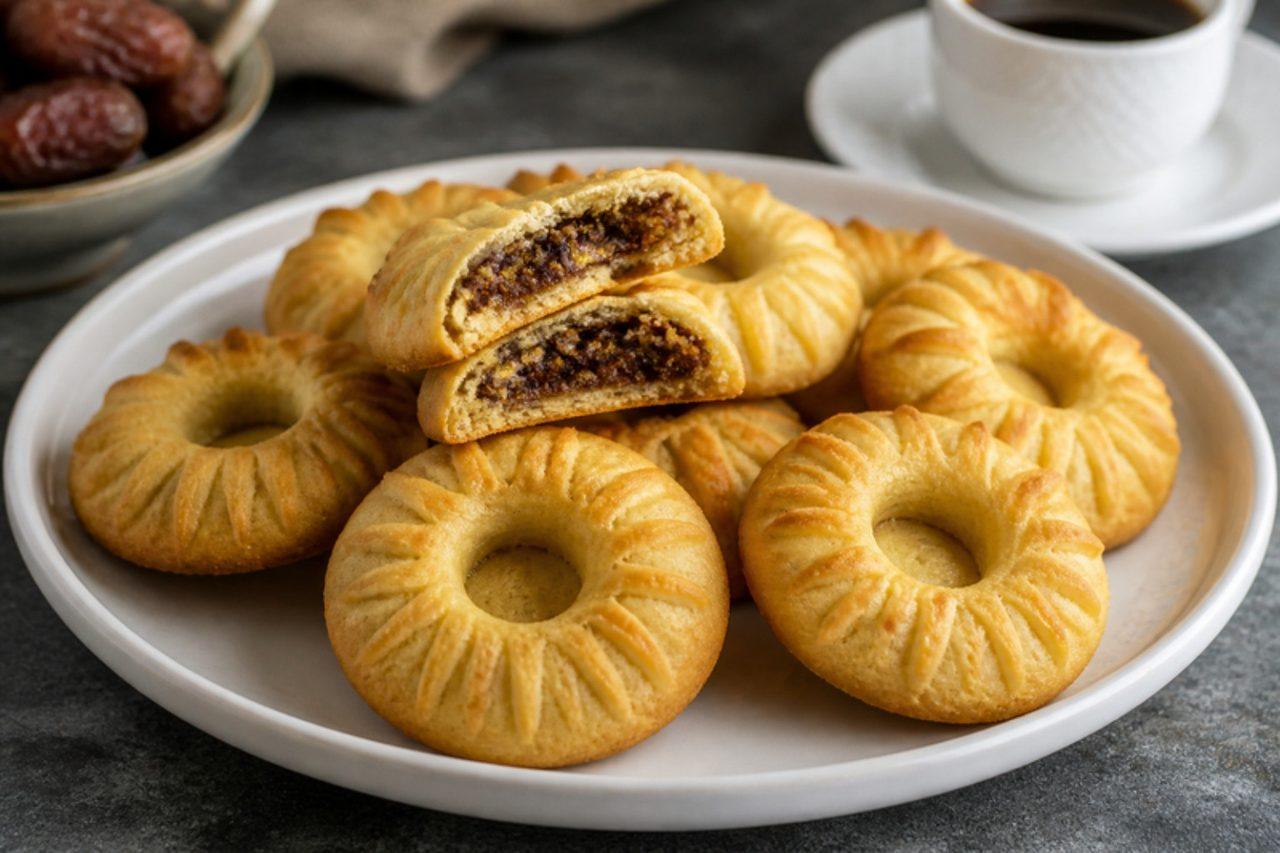
Ka'ak nakache (date-filled semolina rings)

Constantine bakers own a special brass tweezer, the nakache, just for decorating these rings: a rope of buttery semolina dough is wrapped round spiced date paste, joined into a circle and pinched along the top into chevrons and leaves. Baked pale, ka'ak nakache is crisp and short outside with a soft, cinnamon and clove scented filling, a classic of Eid trays and of the coffee served to guests in the old city. Without the tweezer, a fork or the back of a small knife makes a good pattern. Chef's tip: let the buttered semolina rest for at least 30 minutes before adding water; skipping the rest is the usual mistake, and the rings crack as you shape them.

by KrazyBadal 0 views

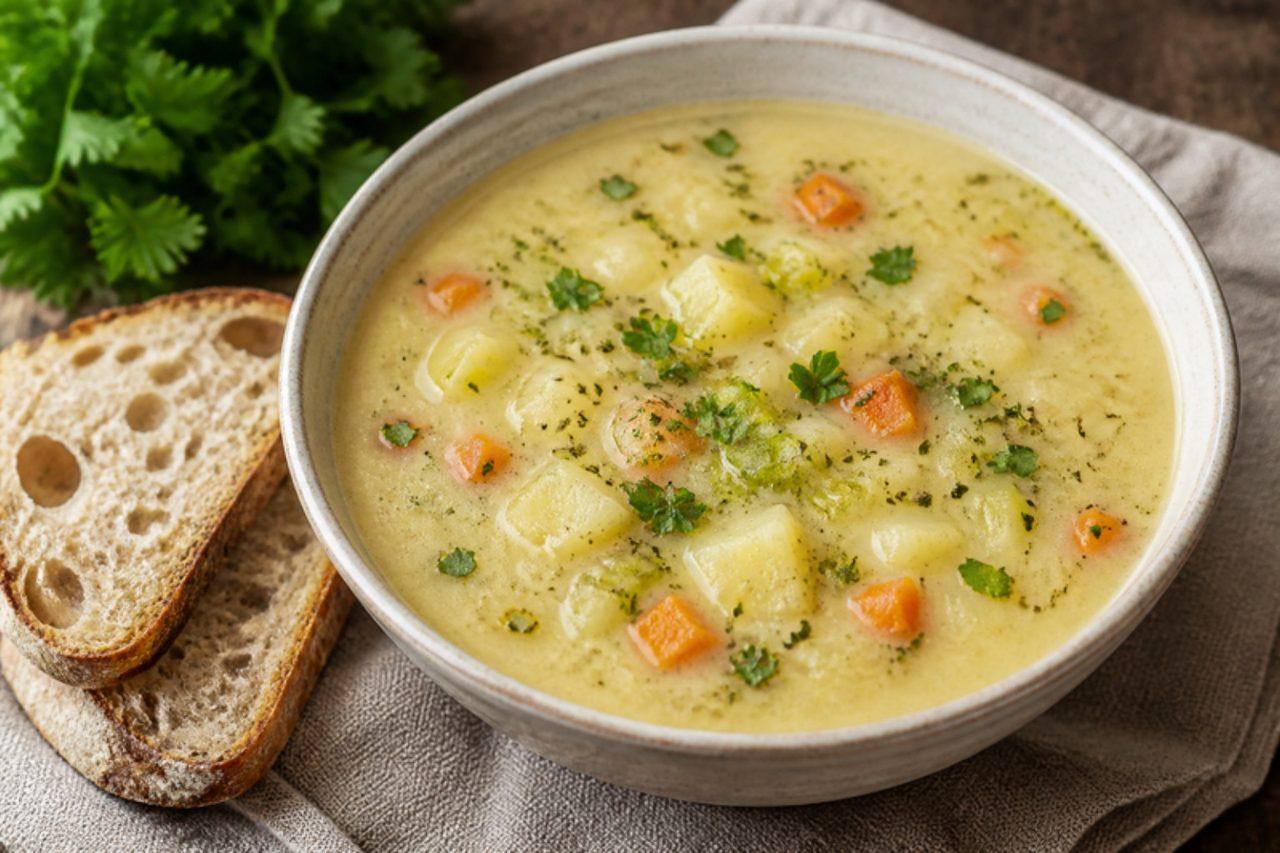
Berliner KartoffelsuppePotato and root vegetable soup

This is the soup of Berlin's cheap lunch counters and winter kitchens: potatoes and the 'Suppengrün' bundle of carrot, celeriac, leek and parsley root, simmered thick and seasoned with plenty of marjoram. In Berlin it usually comes with a sliced Wiener sausage floating on top; this vegetarian version is finished instead with crisp fried onions and croutons, which give the same savoury contrast. A common mistake is using waxy potatoes, which never thicken the soup; you want floury ones that collapse. Chef's tip: rub the dried marjoram between your palms as it goes in, which wakes up its sweet, piney scent.

by KrazyBadal 0 views

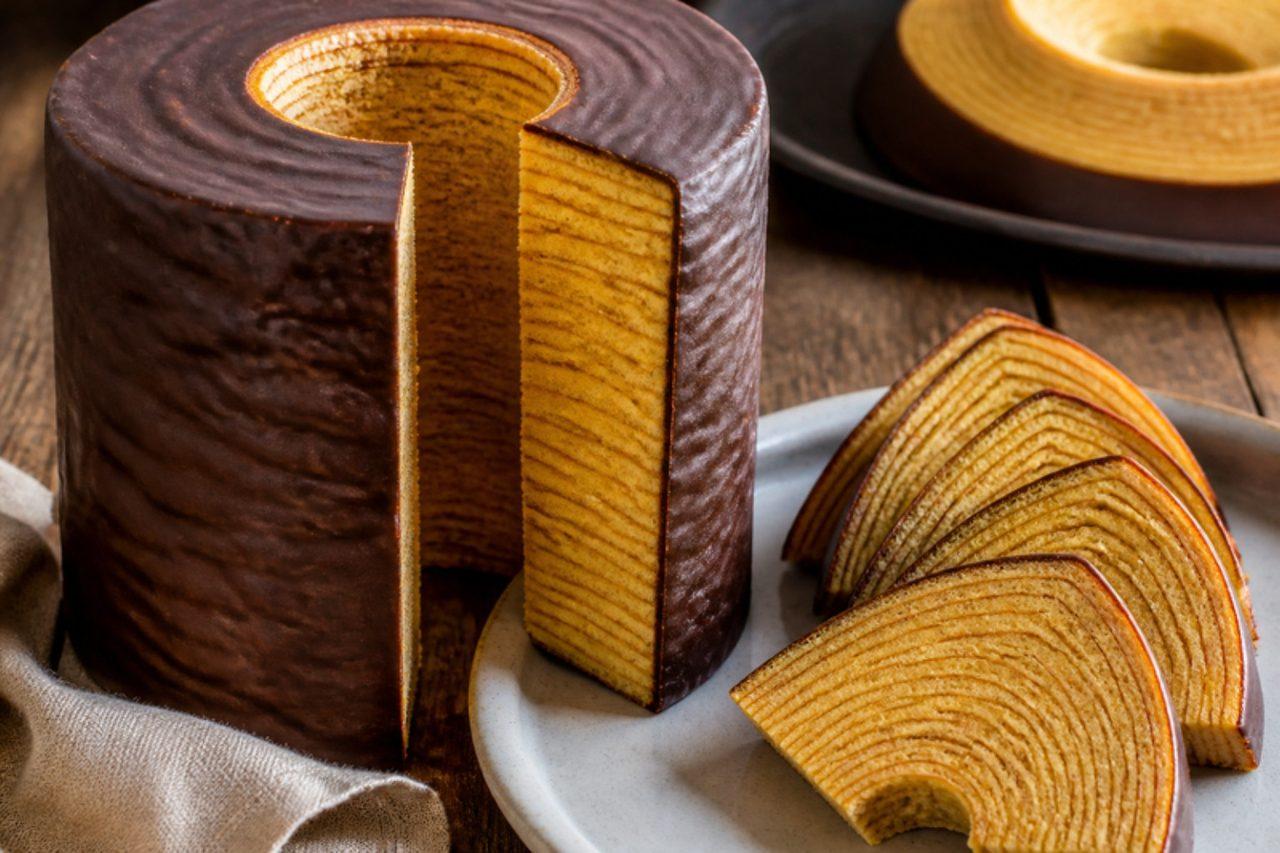
BaumkuchenLayered tree cake

Baumkuchen is the king of German cakes, and the little town of Salzwedel in Saxony-Anhalt has baked it on a turning spit over an open flame for two centuries; in December, Baumkuchenspitzen, chocolate-dipped triangles of it, fill the shelves before Christmas. Without a spit you can build it at home in a tin under the grill, one thin layer at a time, and each slice shows the golden rings of a tree. The mistake people make is spreading the batter too thickly, which gives fewer, stodgy layers that cook unevenly; aim for 2 tablespoons at a time. Chef's tip: stand by the oven; each layer turns from pale to burnt within a minute once it browns.

110 minGermanBaking
by KrazyBadal 0 views

KispiñoSteamed quinoa cakes

Pressed in a fist so each one carries the marks of the cook's fingers, kispiño are small, dense quinoa cakes from the Puno highlands, steamed and then left to dry so they keep for weeks on journeys, herding trips and pilgrimages. Traditional ones are bound with a little lime water (from cal, the mineral) and fat; this home version uses oil and a pinch of aniseed and sugar, so they're vegan and pleasantly savoury-sweet. They're firm and chewy, a little like a grain cake, and good with hot tea, coca tea or a soup on a cold day. The common mistake is making the dough too wet, so the cakes slump in the steamer; it should feel like damp sand that holds its shape when squeezed. Ground quinoa is quinoa flour; grind your own from rinsed, dried and toasted grain, or buy it ready ground. Chef's tip: toast the ground quinoa in a dry pan first until it smells nutty, which takes away any bitterness.

by KrazyBadal 0 views

Turrón de Doña PepaAnise biscuit sticks in spiced syrup

Every October, the month of the Señor de los Milagros processions in Lima, bakeries and street sellers pile their trays with turrón de Doña Pepa: layers of crumbly anise-flavoured sticks drenched in a dark syrup of chancaca cooked with fruit and spices, topped with a storm of coloured sprinkles. Popular lore credits it to Josefa Marmanillo, a woman from the Cañete valley who is said to have made it in thanks after the procession. It is sticky, crunchy and soft at once, with orange and clove in the syrup. Its downfall is usually runny syrup that soaks the sticks into mush; it needs to reach a thick, threading stage before it goes on. Chancaca is sold as cones or blocks in Latin shops; panela or dark muscovado also work. Some coloured sprinkles contain gelatin, so check the label. Chef's tip: make it a day ahead; the syrup sets and the sticks soften just enough to slice neatly.

by KrazyBadal 0 views

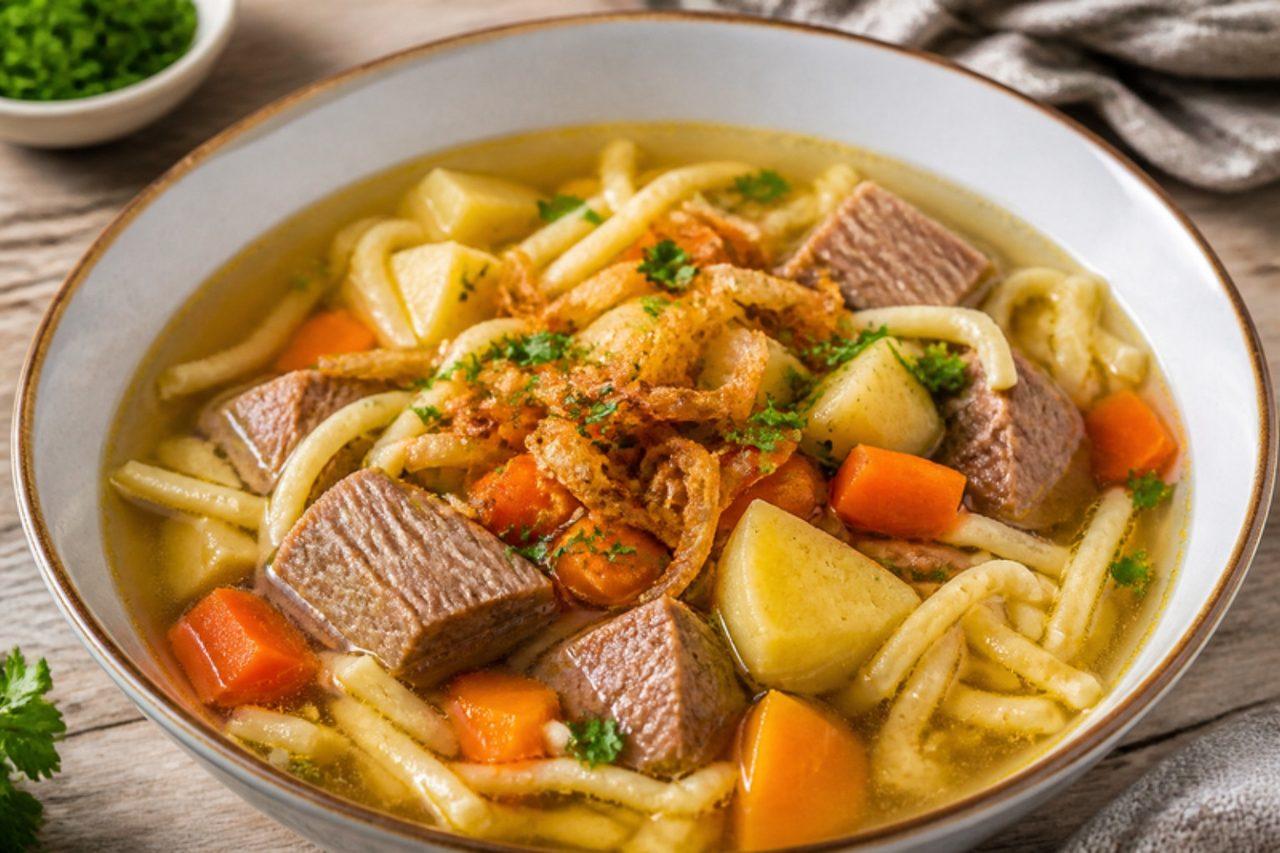
Gaisburger MarschBeef stew with potatoes and spätzle

Gaisburger Marsch is named after Gaisburg, a district of Stuttgart, and the story goes that officer cadets marched there from barracks for it. It is a hearty Swabian one-pot of beef broth, cubes of boiled beef, potatoes and spätzle, crowned with onions fried in butter until sweet and brown, and it is still a weekday lunch in Stuttgart pubs and canteens. Chef's tip: cook the potatoes in the strained broth rather than in water, so they soak up the beef flavour.

180 minGermanSoups
by KrazyBadal 0 views

King kongLayered biscuit with manjar blanco

Named, the story goes, after the giant ape because of its size when the film reached Peru, the king kong is Lambayeque's proudest sweet: thick, crumbly biscuit layers stacked with manjar blanco, a sticky pineapple jam and a peanut fudge, then cut into heavy slabs. Shops in Lambayeque and Chiclayo sell them by the kilo in boxes, and travellers carry them home as gifts. It is very sweet, buttery and dense, so a slice goes a long way with black coffee. This home version makes the manjar blanco from condensed and evaporated milk to save hours, then turns half of it into the peanut layer. The usual mistake is overbaking the biscuit until it is hard; take it out as soon as the edges are pale gold, as it firms up while it cools. It is a project, so make the fillings first and let them cool. Chef's tip: wrap the finished king kong and leave it overnight before cutting; the layers settle and soften into each other.

by KrazyBadal 0 views

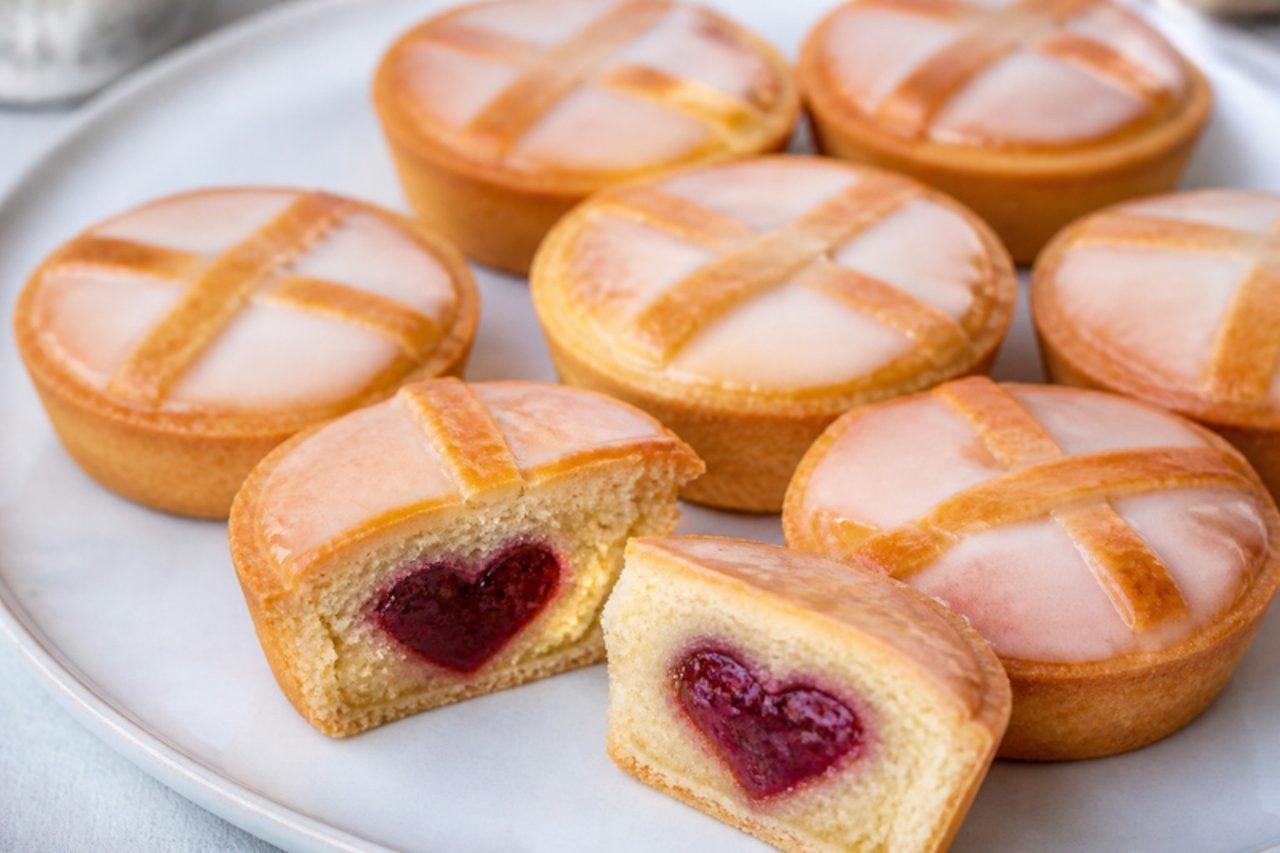
Leipziger LercheAlmond marzipan tartlets

Leipziger Lerchen began as real roast larks stuffed with herbs, sold in Leipzig until the King of Saxony banned songbird hunting in 1876. The city's bakers answered with a pastry that kept the name: a shortcrust tartlet filled with almond-marzipan cream, a cherry or jam hidden in the middle like the bird's heart, and two crossed strips of pastry on top like the string that tied it. Today you find them in every Leipzig café, especially at the Christmas market. A common mistake is overfilling the cases, so the filling bubbles over and the cross sinks. Chef's tip: chill the lined tins for 15 minutes before filling so the pastry keeps sharp edges.

by KrazyBadal 0 views

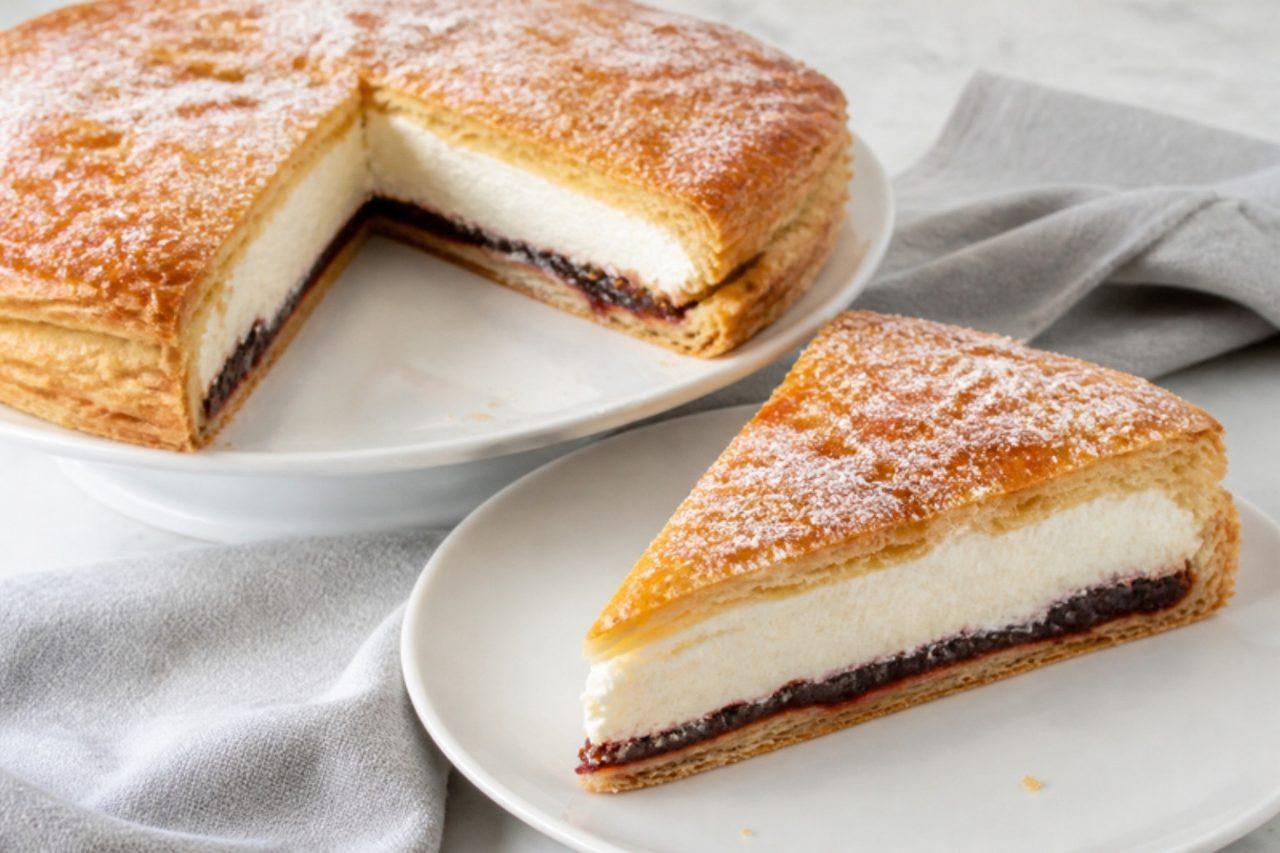
FriesentortePuff pastry torte with plum butter

On the coasts of East and North Frisia, from Norden to the island of Föhr, Friesentorte is what the tea room serves after a windy walk on the dykes, usually with a pot of strong black tea taken with rock sugar and cream. Three crisp rounds of puff pastry are layered with dark plum butter (Pflaumenmus) and a thick band of whipped cream; the top layer is cut into wedges before baking and glazed with sugar, so every slice gets its own shiny lid. Some versions add rum to the plums; this one is alcohol-free. A common mistake is assembling it hours ahead, which turns the pastry soft. Chef's tip: assemble no more than an hour before serving and keep it cold; the contrast of crackly pastry and cream is the whole point.

by KrazyBadal 0 views

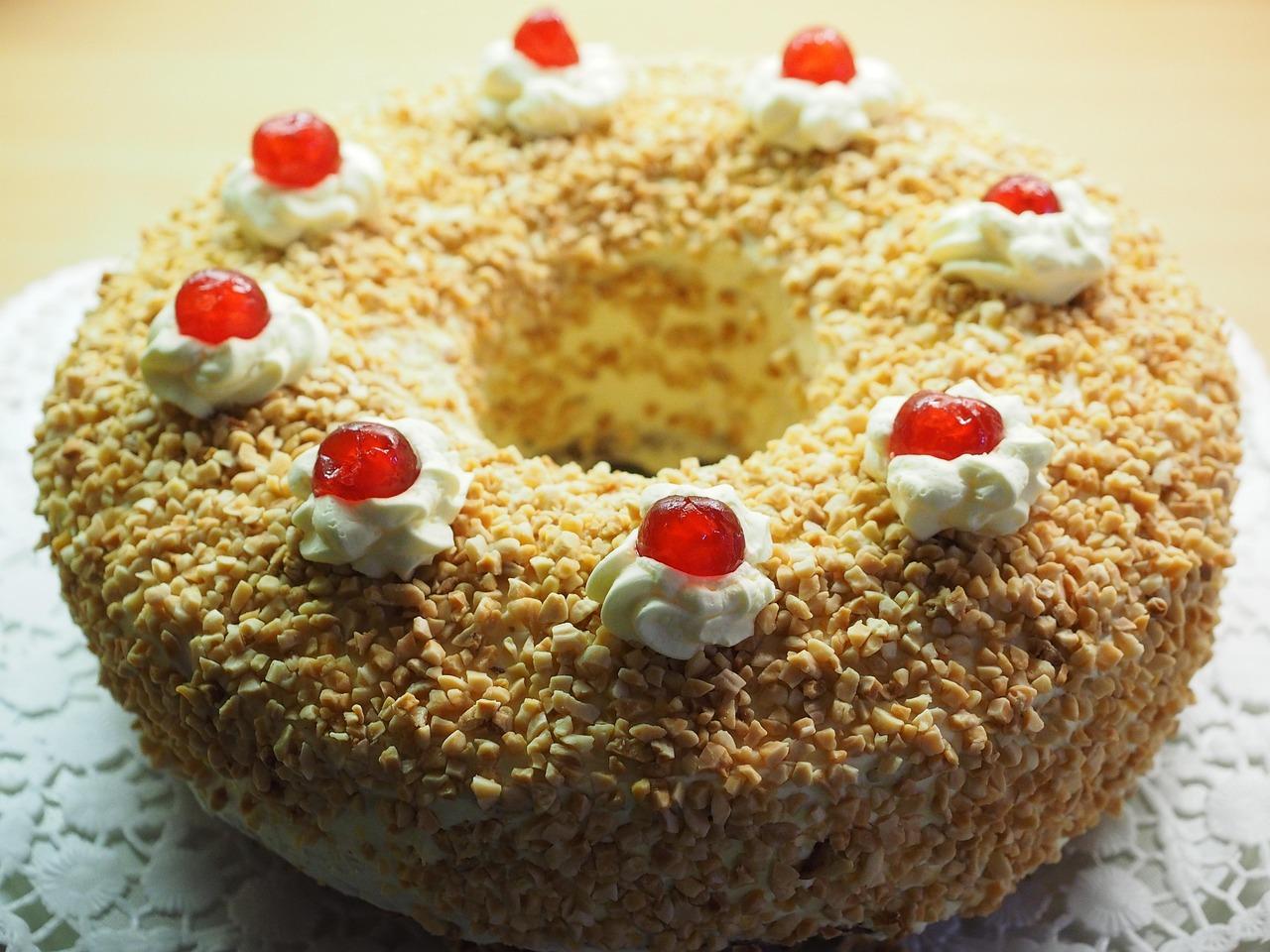
Frankfurter KranzButtercream ring cake with nut brittle

Frankfurter Kranz is the crown of Frankfurt's coffee tables, shaped like the crowns of the emperors once crowned in the city's cathedral and still made for birthdays and Sunday visits all over Hesse. A buttery ring cake is cut into three layers, filled with redcurrant jam and vanilla buttercream, then coated all over with golden almond brittle, the jewels being little rosettes topped with red cherries. Older recipes splash the layers with kirsch; this one is made without alcohol. A common mistake is spreading the buttercream when the custard and butter are at different temperatures, which makes it curdle; both must be at room temperature. Chef's tip: bake the cake a day ahead and chill it; cold layers cut cleanly and don't crumble into the cream.

150 minGermanBaking
by KrazyBadal 0 views

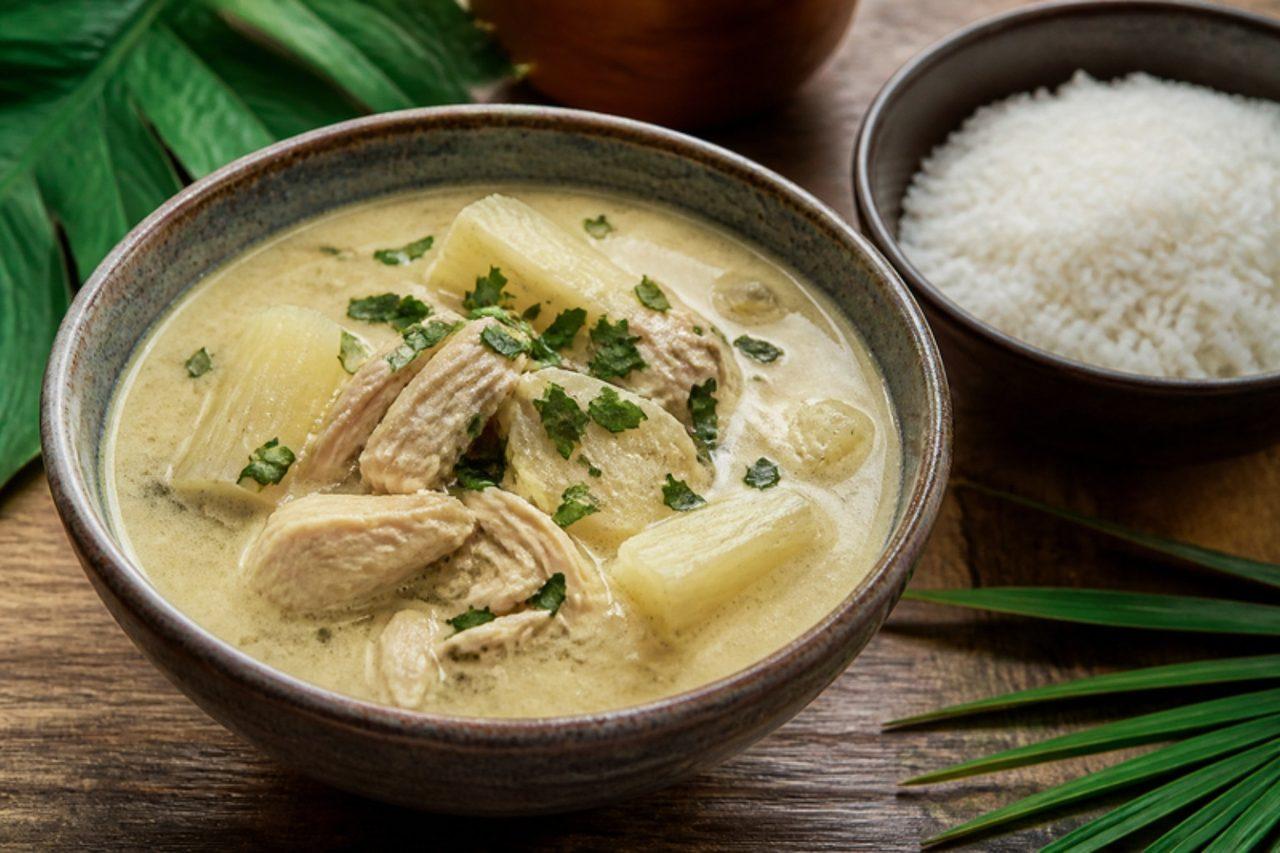
InchicapiPeanut chicken soup

From the riverside kitchens of Iquitos and the Peruvian Amazon comes inchicapi, a festive chicken soup traditionally made with a free-range hen for birthdays and fiestas. Raw peanuts and a little maize flour are ground and stirred into the broth, which turns it creamy, pale and nutty, and pieces of cassava, garlic, ají dulce and sacha culantro (a long, serrated, strongly flavoured coriander) finish it. It is served with rice, boiled plantain or cassava. If you can't find sacha culantro in Asian or Latin shops (sold as culantro or ngo gai), use a big handful of coriander. The pitfall is adding the peanut paste dry: it clumps and catches on the bottom, so loosen it with broth first and stir often. Chef's tip: use raw, not roasted, peanuts; they keep the soup pale and give it the right fresh, milky taste.

by KrazyBadal 0 views

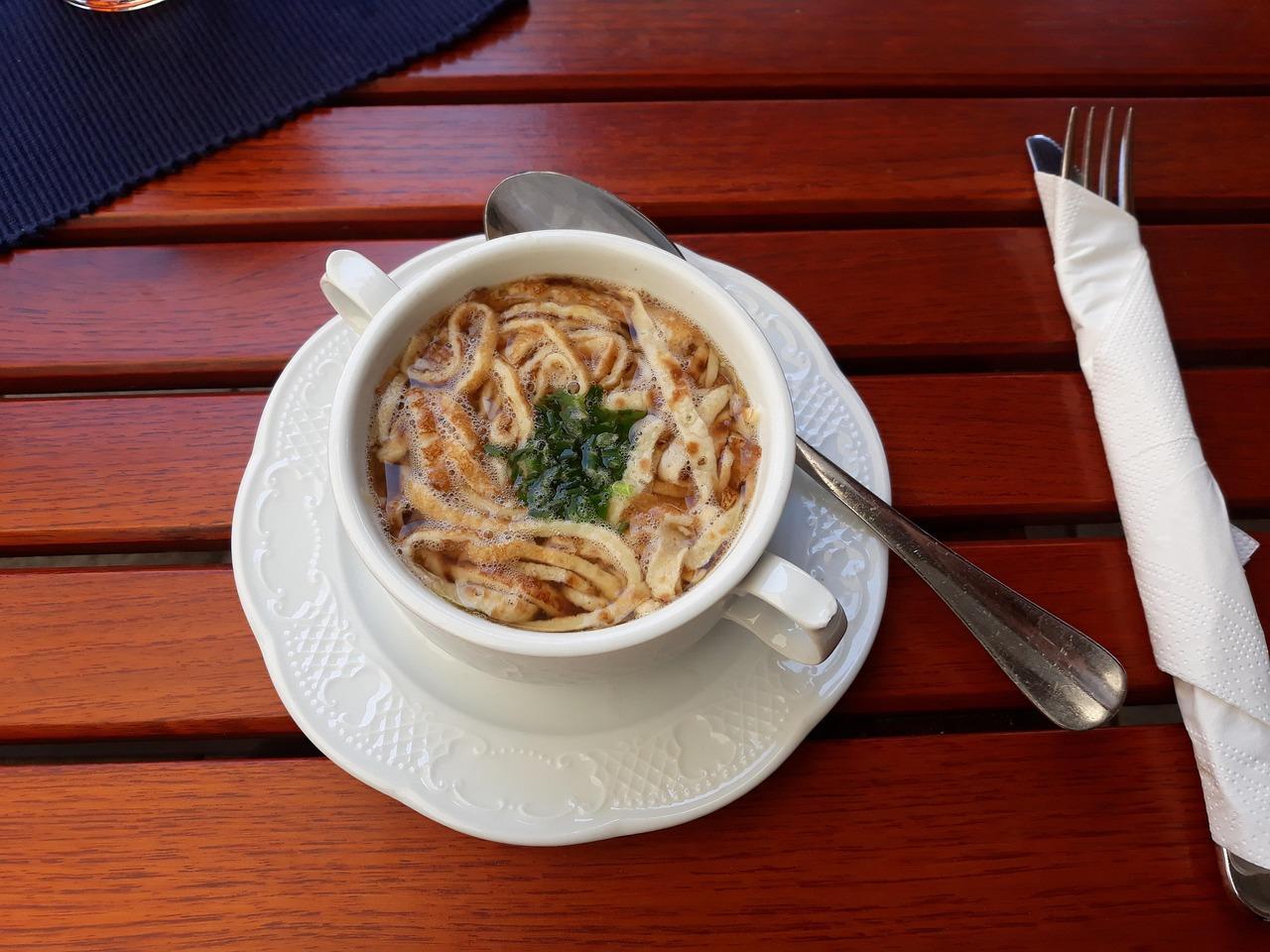
FlädlesuppeBeef broth with pancake strips

In Swabia, Flädlesuppe opens Sunday lunch, wedding dinners and many a Stuttgart inn meal: a clear, golden beef broth with thin ribbons of pancake, the Flädle, and a scatter of chives. The broth is simmered slowly from beef shin and a bone, and the pancakes are cooked, rolled up and sliced like noodles. For a vegetarian version, make the same pancakes and serve them in a strong vegetable broth with browned onion. Chef's tip: never let the broth boil hard; a lazy simmer keeps it clear instead of cloudy.

170 minGermanSoups
by KrazyBadal 0 views

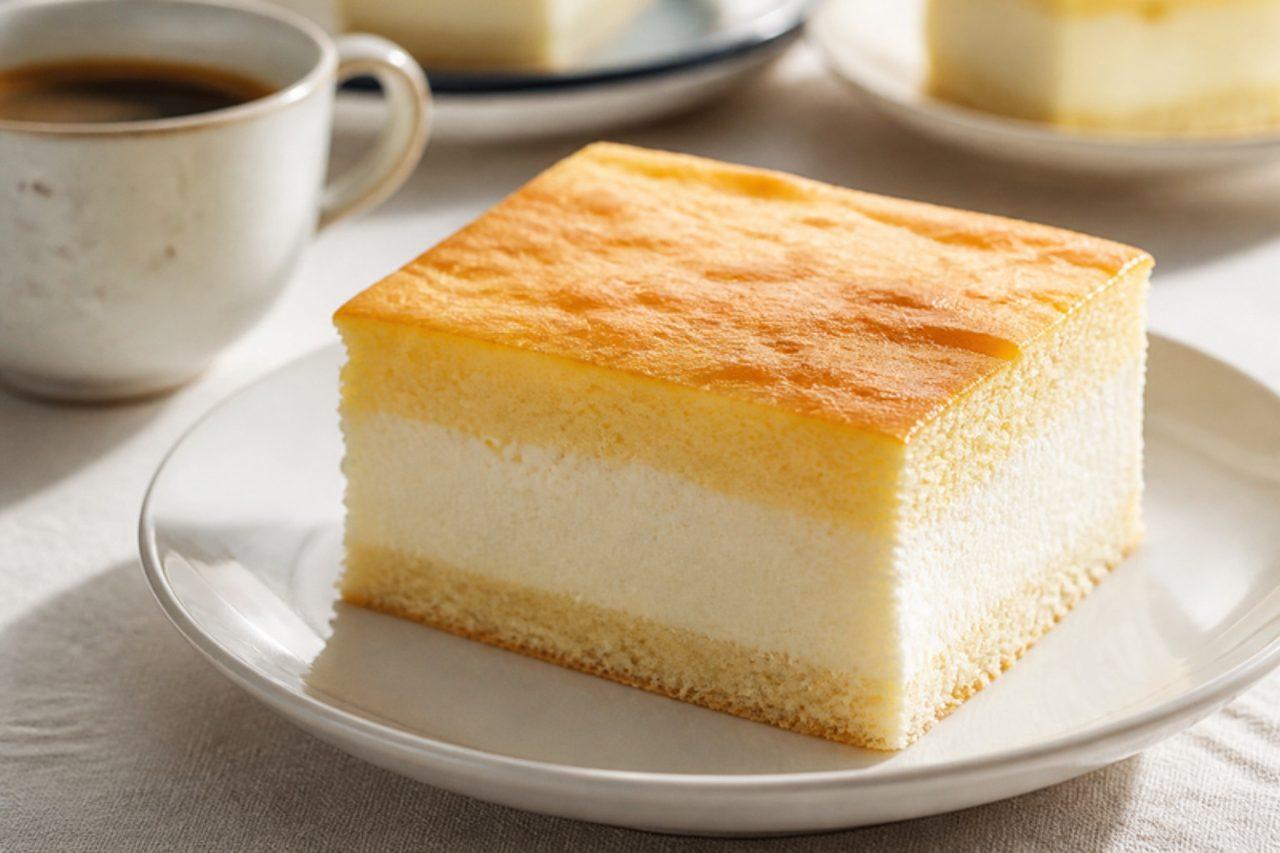
EierscheckeThree-layer quark custard cake

Eierschecke is Dresden's café cake, cut in squares from a big tray in every Saxon bakery: a thin yeasted base, a thick layer of vanilla quark, and on top the 'Schecke', a wobbly, golden egg-and-butter custard that bakes into a soft, almost soufflé-like crust. It is eaten on Sunday afternoons with strong filter coffee, and Saxons argue about whether raisins belong in the quark. A common mistake is pouring the custard on too thickly or baking too hot, so it puffs and cracks; bake it low and slow. Chef's tip: the cake cuts neatly only when completely cold, so make it the day before.

105 minGermanBaking
by KrazyBadal 0 views

Showing 24 of 56 recipes

Show more recipes

Page 1 of 3