Skip to content
Recipes

All recipes

Vegetarian, or something you can't eat? Set your diet once and we'll hide recipes that don't fit.

Caldo de gallinaHen broth with noodles

In Lima's markets and the all-night caldo stalls of districts like La Victoria, a bowl of caldo de gallina is the dawn breakfast for market porters, taxi drivers and anyone coming home late: a deep, golden broth from a slow-simmered hen (a boiling fowl) with ginger and spring onion, ladled over thick noodles and yellow potato, with a boiled egg, lime and ají chilli on the side. The common mistake is boiling the broth hard, which clouds it and toughens the meat; keep it to a lazy simmer. The chicken must reach 74 °C, though after this long simmer it will be well past that. Chef's tip: cook the noodles separately, then put them in the bowls; cooked in the pot they drink the broth and turn it starchy.

by KrazyBadal 0 views

Pira caldoCreamy fish soup with cheese

Along the Paraguay River from Asunción to Concepción, pira caldo is the fishermen's soup, said to restore strength after a long night: chunks of firm river fish poached in a broth of onion, peppers and tomato fried in fat, then made creamy with milk and melted fresh cheese. Surubí or other catfish is traditional; any firm white fish such as hake or pollock works. The mistake most people make is boiling the soup after the milk and cheese go in, which splits it. Chef's tip: fry the vegetables until they are very soft and sweet before adding the water; that is where the flavour comes from.

by KrazyBadal 0 views

Postre MassiniCustard sponge with burnt sugar top

Montevideo's birthday cake of choice since the early twentieth century, the Massini is two thin layers of sponge sandwiching a thick filling of whipped cream folded with egg-yolk custard, crowned with a thin glassy crust of torched yolk and sugar. Bakeries across Uruguay sell it on Sundays. Traditional versions sometimes add a sweet fortified wine to the custard; this one is alcohol-free. The custard is cooked to a safe 71 °C. The common mistake is assembling with warm custard, which melts the cream into a puddle. Chef's tip: if you don't have a blowtorch, put the sugared top under a very hot grill for a minute and watch it closely.

by KrazyBadal 0 views

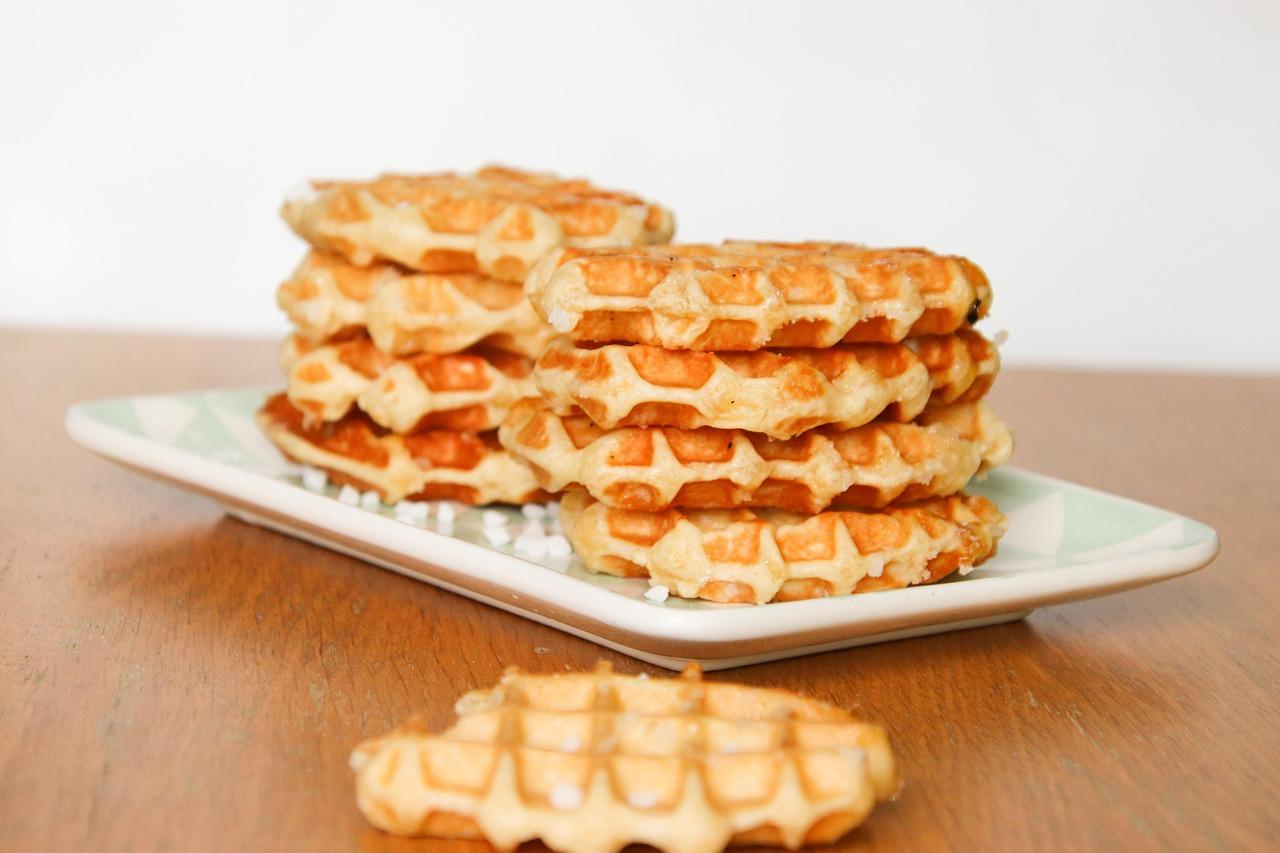
LukkenThin crisp waffle biscuits

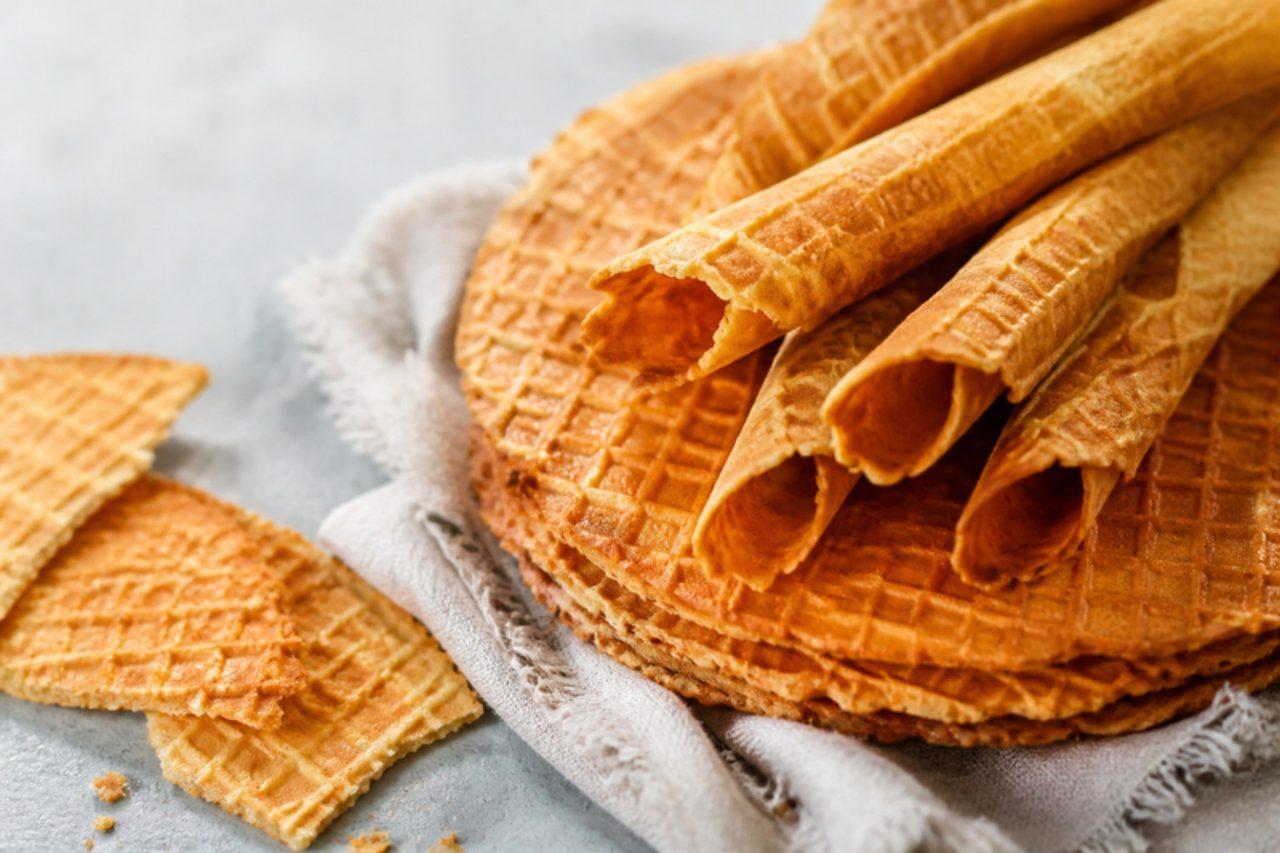
Lukken are paper-thin, crisp waffle biscuits baked in West Flanders, around Kortrijk and Roeselare, in the days before New Year, when children go from house to house wishing neighbours a happy new year and are rewarded with them. They are made in a special iron that presses a fine pattern; a pizzelle iron or a thin-waffle (gaufrette) iron works. A common mistake is using too much batter, which makes them thick and soft. Chef's tip: use only a teaspoon of dough per biscuit and roll them while warm if you like, for 'rolled lukken'.

by KrazyBadal 0 views

CougnouChristmas brioche

Cougnou, also called cougnolle or bommetje, is the Christmas bread of Wallonia, given to children on Christmas morning: a soft brioche shaped like the infant Jesus in swaddling clothes, with a little clay or sugar medallion pressed into the middle, eaten with hot chocolate. Bakeries in Namur and Charleroi make them from early December. A common mistake is shaping them too small, which dries them in the oven. Chef's tip: make three balls, one large for the body and two small for the head and feet, pressed together tightly so they bake as one.

by KrazyBadal 0 views

Couque de DinantHard honey biscuit

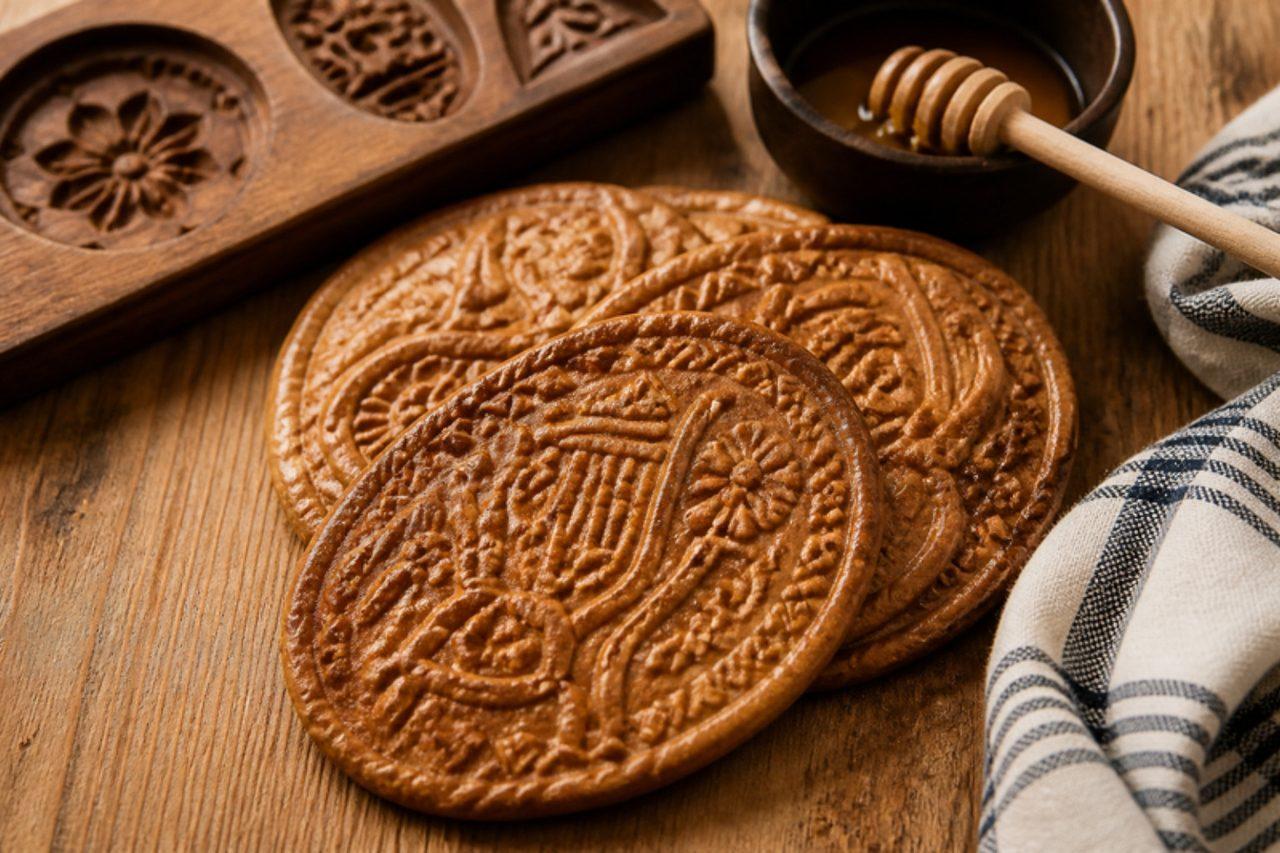
Couques de Dinant are the famously hard honey biscuits of Dinant on the Meuse, made only of flour and honey, pressed into carved wooden moulds showing castles, animals and the town's skyline, and baked so hot that the honey caramelises into a very hard, glossy biscuit. Dinant bakers say they keep for years; locals let a piece melt slowly in the mouth rather than biting. Honey is traditional; golden syrup makes a vegan version. A common mistake is a soft dough; it must be stiff enough to hold the mould's detail. Chef's tip: dust the mould with flour, press hard and tap the dough out sharply.

by KrazyBadal 0 views

CramiqueRaisin brioche

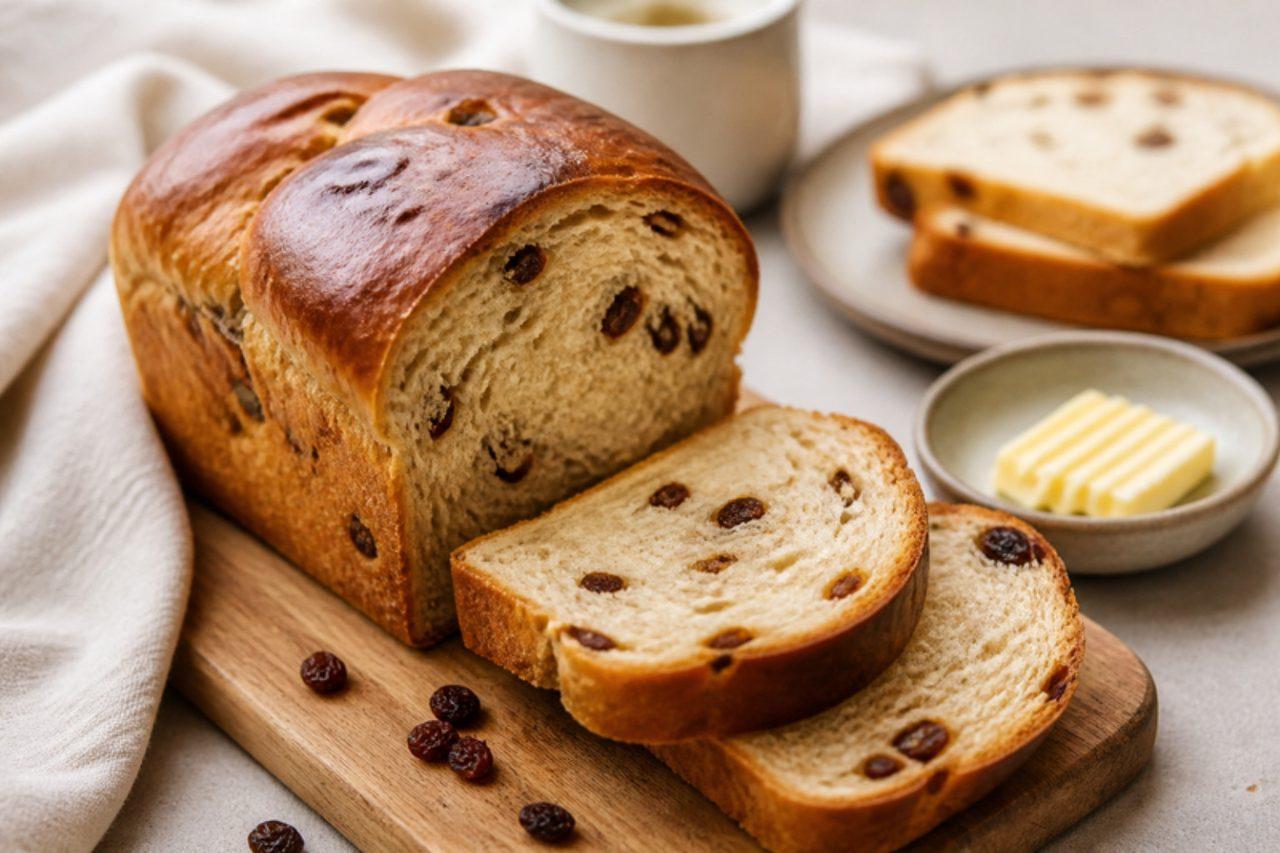
Cramique is the Sunday breakfast loaf of Brussels and Wallonia: a soft, golden brioche packed with raisins, bought from the bakery on Sunday morning and sliced thickly with salted butter. Its sister, craquelin, swaps the raisins for pearl sugar. A common mistake is adding the raisins at the start of kneading, which tears the gluten and turns the dough grey. Chef's tip: soak the raisins in warm tea for 20 minutes, then knead them in only at the end, gently.

by KrazyBadal 0 views

KletskoppenLacy almond biscuits

Kletskoppen are the lacy, crackly biscuits of Bruges, sold in the old city's bakeries and served with coffee in the cafés around the Markt: brown sugar, butter and chopped almonds with very little flour (this version uses none), baked until they spread into thin, see-through, toffee-flavoured lace. A common mistake is putting them too close on the tray; they spread enormously and join up. Chef's tip: let them cool for a minute on the tray before lifting, and drape them over a rolling pin while still warm if you want curved tuiles.

by KrazyBadal 0 views

King kongLayered biscuit with manjar blanco

Named, the story goes, after the giant ape because of its size when the film reached Peru, the king kong is Lambayeque's proudest sweet: thick, crumbly biscuit layers stacked with manjar blanco, a sticky pineapple jam and a peanut fudge, then cut into heavy slabs. Shops in Lambayeque and Chiclayo sell them by the kilo in boxes, and travellers carry them home as gifts. It is very sweet, buttery and dense, so a slice goes a long way with black coffee. This home version makes the manjar blanco from condensed and evaporated milk to save hours, then turns half of it into the peanut layer. The usual mistake is overbaking the biscuit until it is hard; take it out as soon as the edges are pale gold, as it firms up while it cools. It is a project, so make the fillings first and let them cool. Chef's tip: wrap the finished king kong and leave it overnight before cutting; the layers settle and soften into each other.

by KrazyBadal 0 views

KispiñoSteamed quinoa cakes

Pressed in a fist so each one carries the marks of the cook's fingers, kispiño are small, dense quinoa cakes from the Puno highlands, steamed and then left to dry so they keep for weeks on journeys, herding trips and pilgrimages. Traditional ones are bound with a little lime water (from cal, the mineral) and fat; this home version uses oil and a pinch of aniseed and sugar, so they're vegan and pleasantly savoury-sweet. They're firm and chewy, a little like a grain cake, and good with hot tea, coca tea or a soup on a cold day. The common mistake is making the dough too wet, so the cakes slump in the steamer; it should feel like damp sand that holds its shape when squeezed. Ground quinoa is quinoa flour; grind your own from rinsed, dried and toasted grain, or buy it ready ground. Chef's tip: toast the ground quinoa in a dry pan first until it smells nutty, which takes away any bitterness.

by KrazyBadal 0 views

MenestrónBeef, bean and pasta soup

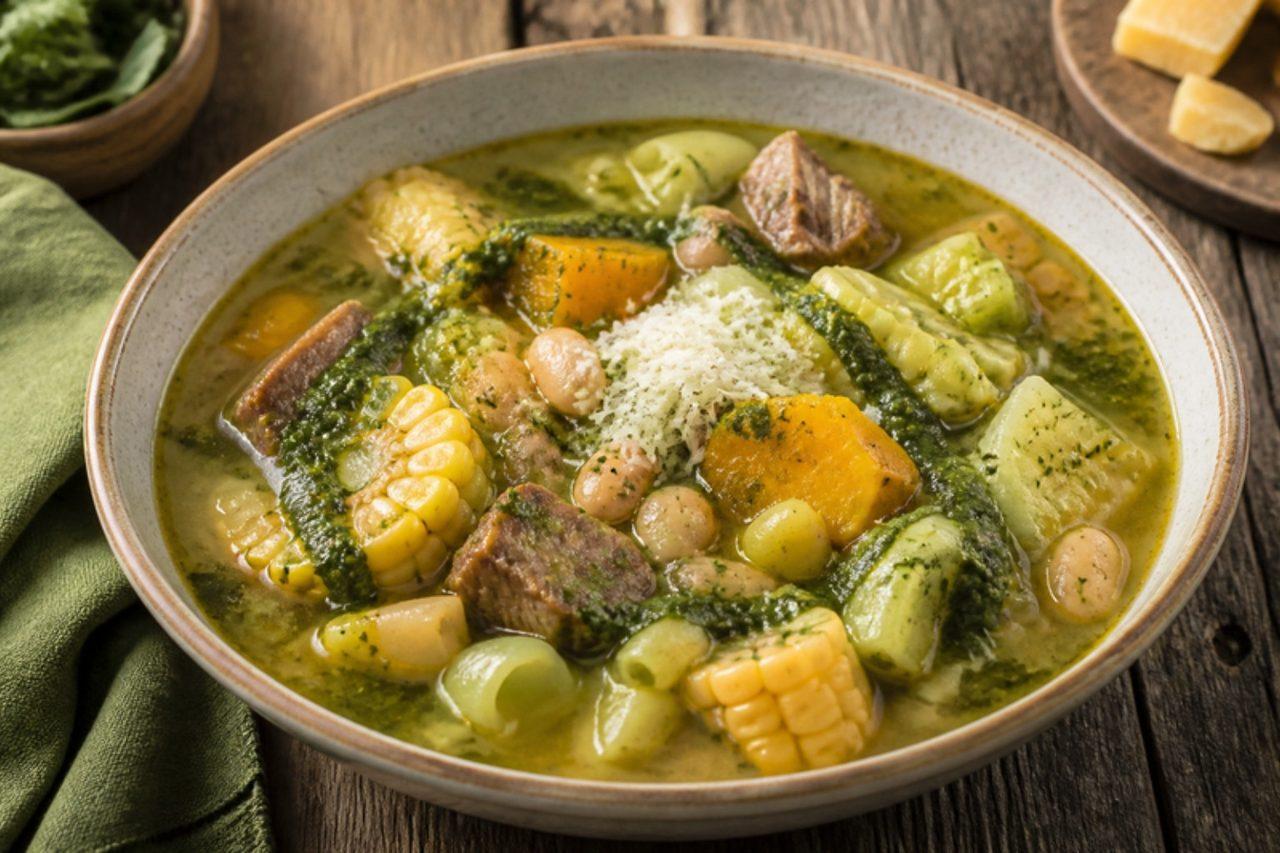
Think of the Italian minestrone after a century of Lima kitchens: menestrón is thicker, heartier and greener, a weekday soup that families and menú restaurants make in huge pots. Beef shin simmers into a rich broth with potatoes, squash, corn, cabbage, green beans and white beans, then short pasta goes in, and finally a purée of basil, spinach, garlic and fresh cheese turns the whole pot pale green and fragrant. It is a meal in a bowl, best with bread and a squeeze of lime or a spoon of ají. People tend to add the basil purée too early; boiled, it loses its colour and its scent, so stir it in off the heat. Chef's tip: for a vegetarian menestrón, skip the beef and use vegetable stock, with a cheese made with microbial (vegetarian) rennet.

by KrazyBadal 0 views

PatascaHominy and tripe soup

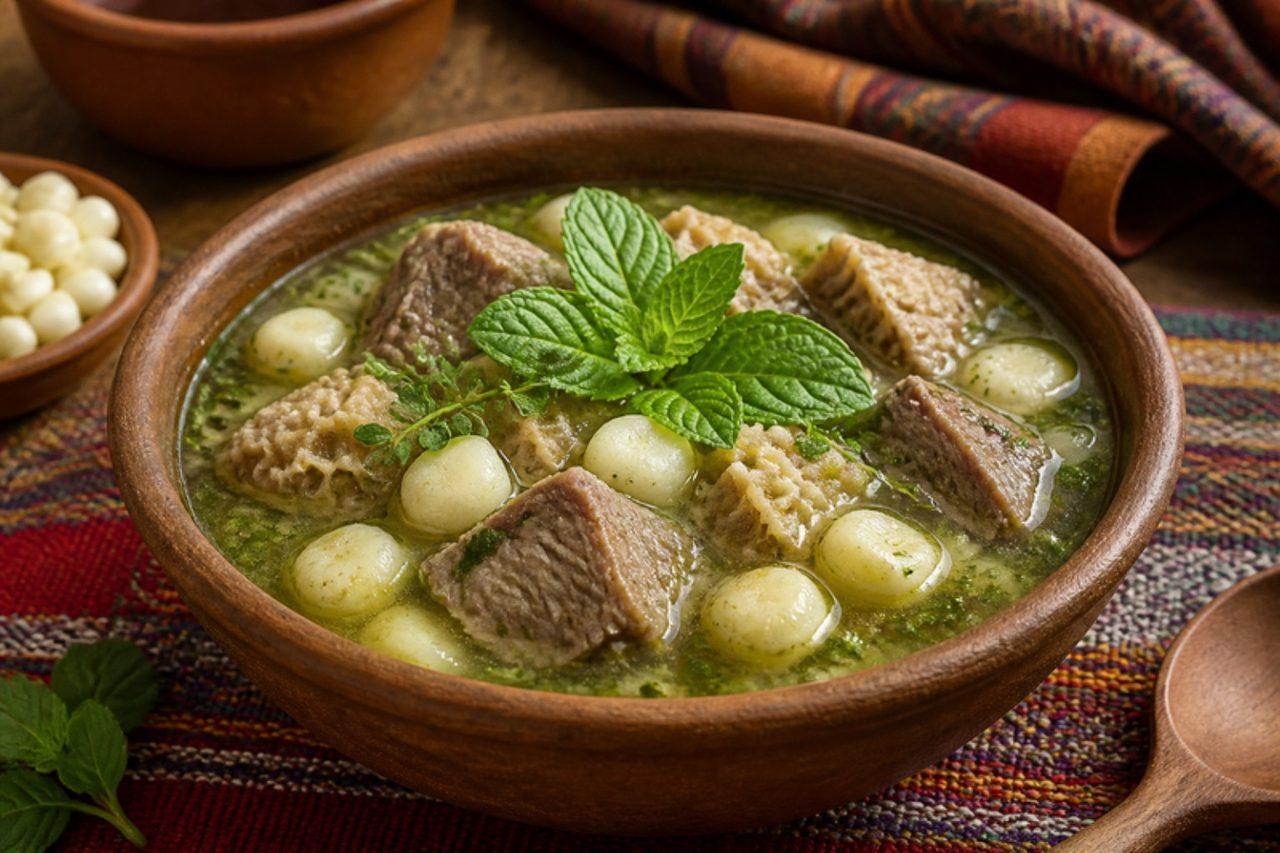
Through the highlands of Ayacucho, Huancavelica and Apurímac, patasca (also called mondongo) is the soup for cold mornings, carnivals and the day after a fiesta: plump white mote, dried maize kernels that burst open like flowers after long boiling, in a clear, rich broth with honeycomb tripe and beef shin, perfumed with mint and oregano. It is filling and gentle, and gets its fire at the table from a spoon of rocoto sauce. Plan ahead: the maize needs an overnight soak and several hours of simmering. Buy tripe cleaned and blanched from a butcher or Latin or halal shop; it must be simmered until soft and fully cooked. The typical mistake is salting the mote early, which keeps the kernels hard. Chef's tip: cook the maize and the tripe in separate pots, then combine; each needs a different time and the broth stays cleaner.

by KrazyBadal 0 views

ShámbarWheat, bean and smoked pork soup

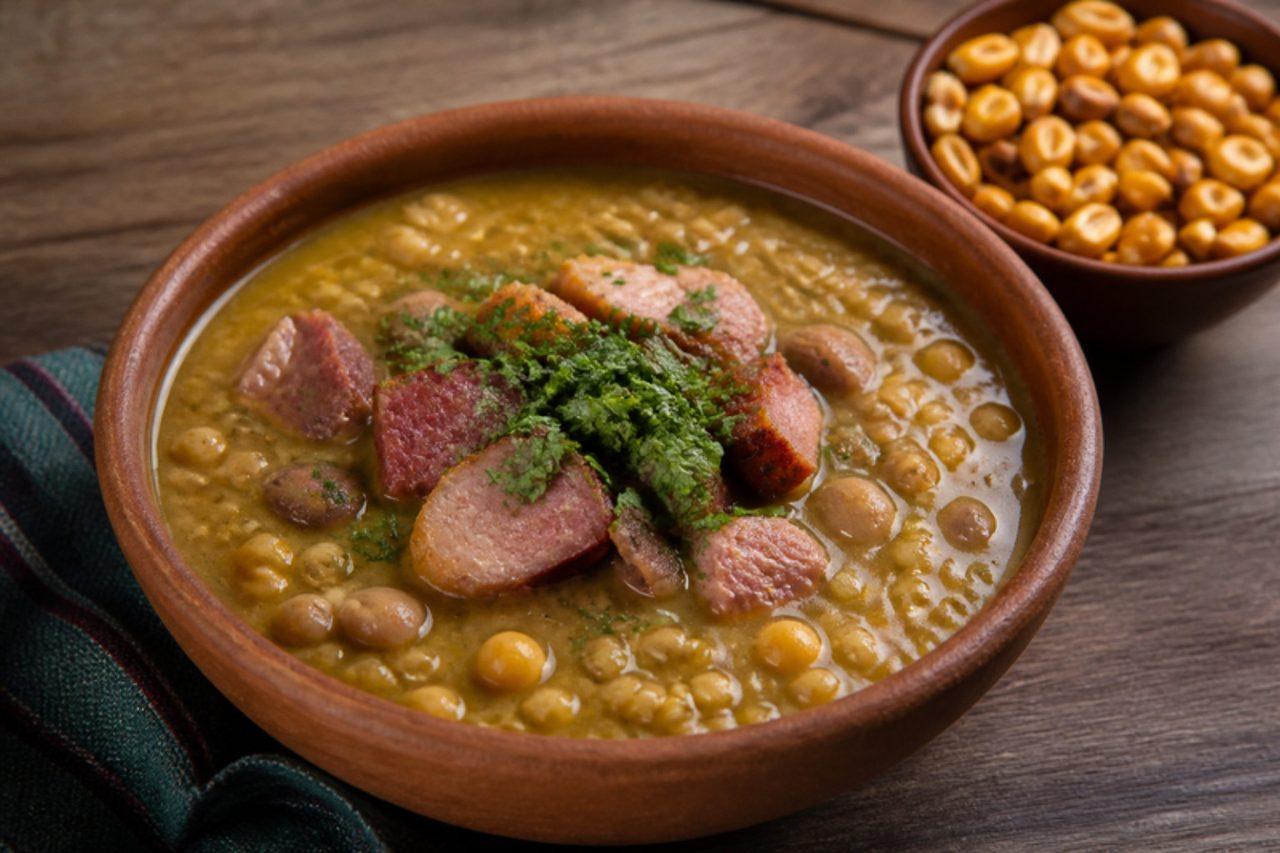
Mondays in Trujillo mean shámbar: market stalls and huariques across the city put out pots of this thick, smoky soup of cracked wheat, chickpeas, broad beans, peas and canary beans, cooked with smoked ham hock, pork ribs and pork skin, then stirred through with a fried paste of ají panca and garlic and a handful of mint. It is earthy, porky and rib-sticking, and each bowl gets a scoop of crunchy cancha just before eating. Soak the beans and the wheat overnight. People often cook everything together from the start, and the peas turn to mush before the chickpeas soften; cook the hardest pulses first. Chef's tip: toast the wheat in a dry pan before soaking it; it gives the soup a nutty depth the locals look for.

by KrazyBadal 0 views

Chupe de camaronesPrawn chowder

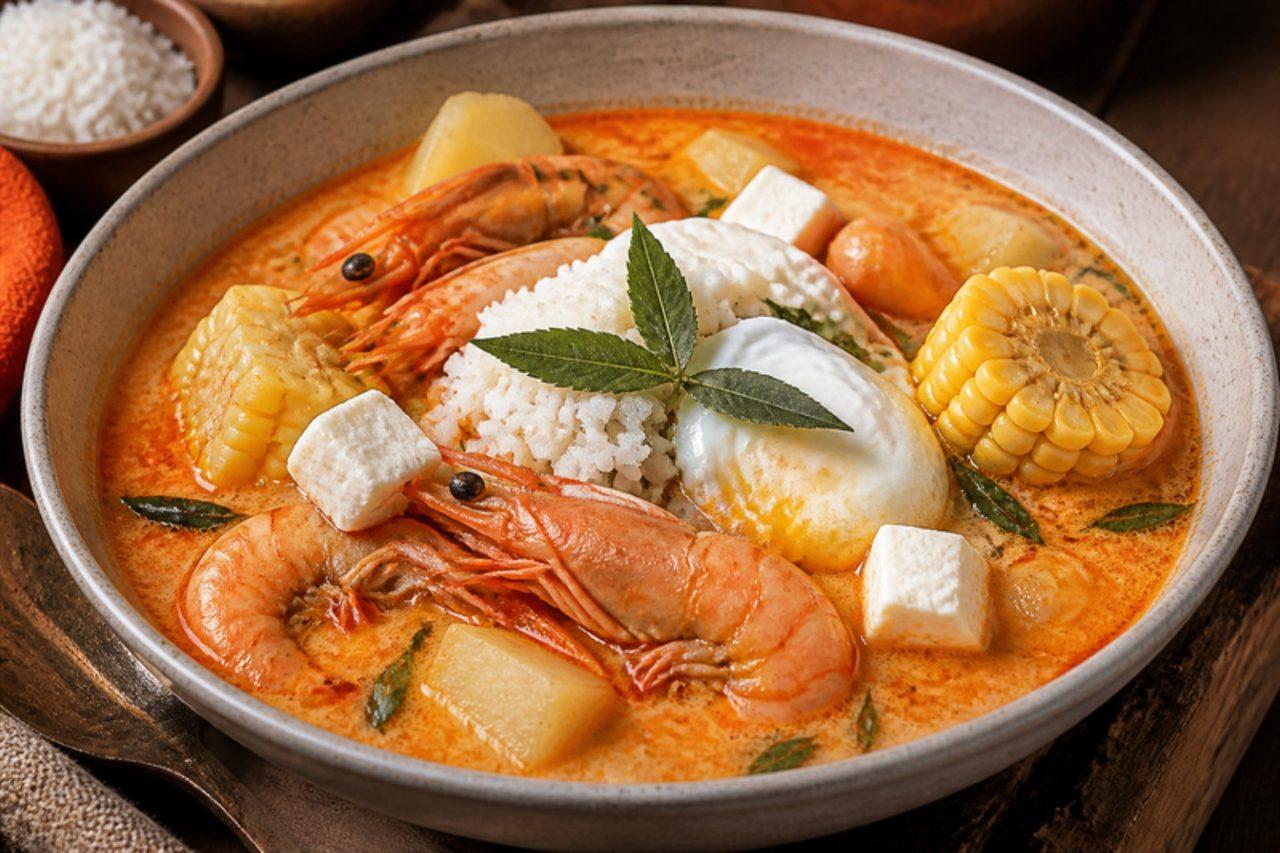
Arequipa's picanterías serve one chupe on each day of the week, and the prawn one, made with crayfish-like camarones from the Majes and Ocoña rivers, is the grandest, especially on Fridays in Lent. It is a big orange chowder: a broth made from the prawn shells and heads, coloured with ají panca, filled with potatoes, corn, broad beans and a little rice, then softened with evaporated milk and fresh cheese, with an egg poached in each bowl. Rich, sweet and gently spicy, it needs nothing but bread. Large shell-on prawns stand in well for river prawns. Many cooks boil the prawns from the start and they turn to rubber; add them at the end and cook only until pink and opaque. Chef's tip: fry the heads and shells in the oil first and press them hard; the orange fat that comes out is what gives chupe its colour and depth.

by KrazyBadal 0 views

Turrón de Doña PepaAnise biscuit sticks in spiced syrup

Every October, the month of the Señor de los Milagros processions in Lima, bakeries and street sellers pile their trays with turrón de Doña Pepa: layers of crumbly anise-flavoured sticks drenched in a dark syrup of chancaca cooked with fruit and spices, topped with a storm of coloured sprinkles. Popular lore credits it to Josefa Marmanillo, a woman from the Cañete valley who is said to have made it in thanks after the procession. It is sticky, crunchy and soft at once, with orange and clove in the syrup. Its downfall is usually runny syrup that soaks the sticks into mush; it needs to reach a thick, threading stage before it goes on. Chancaca is sold as cones or blocks in Latin shops; panela or dark muscovado also work. Some coloured sprinkles contain gelatin, so check the label. Chef's tip: make it a day ahead; the syrup sets and the sticks soften just enough to slice neatly.

by KrazyBadal 0 views

Chairo puneñoLamb, chuño and wheat soup

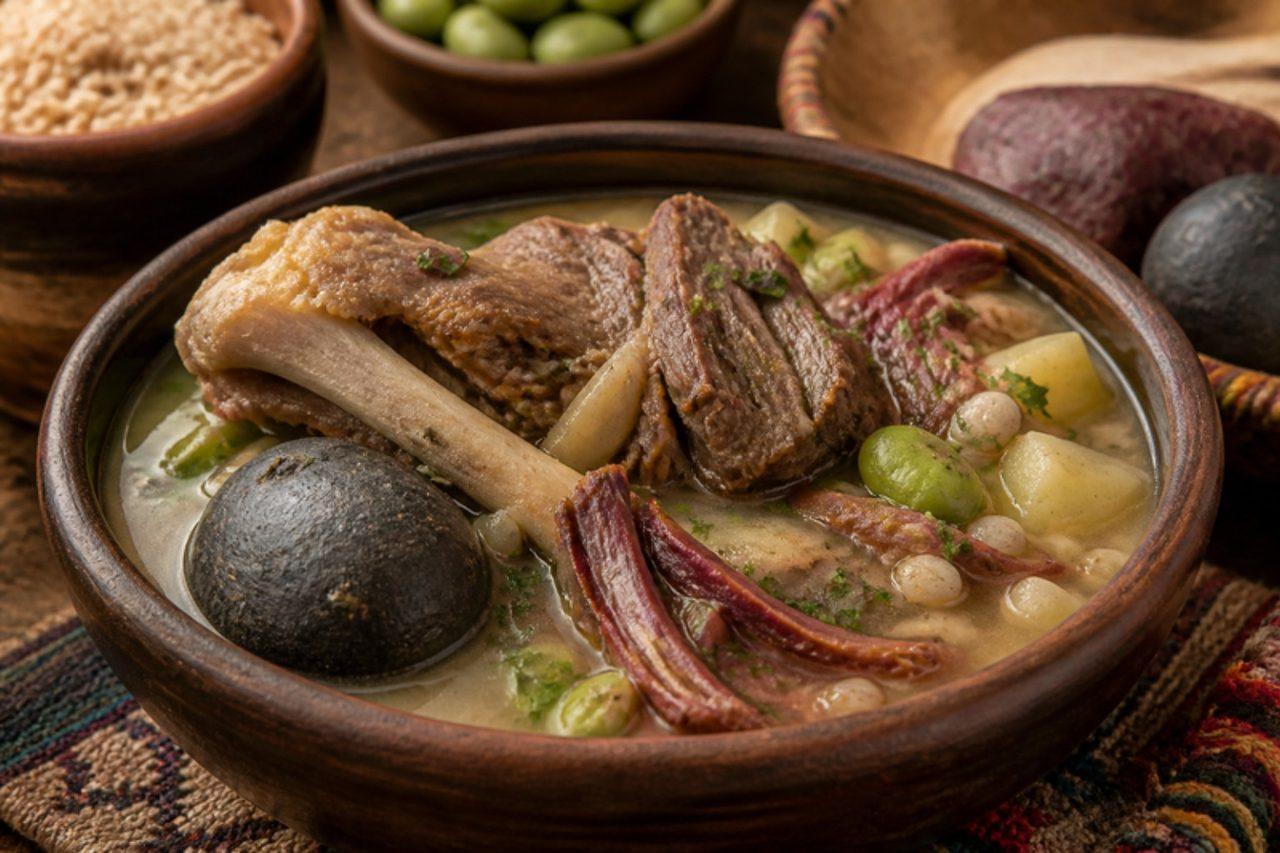
High on the Altiplano, where nights freeze even in summer, chairo is the soup that gets Puno's market workers and farmers through the day. It is thick and brothy at once: lamb on the bone and a little charqui (dried meat) simmered with crushed chuño, peeled wheat, broad beans, potatoes and squash, scented with cumin, oregano and huacatay or mint. Expect a deep, meaty, slightly smoky bowl with lots of chew. Soak the chuño and the wheat overnight. A common error is adding the potatoes with the meat, so they dissolve before the lamb is tender; they go in for the last 25 minutes. Chef's tip: crush the soaked chuño into small pieces by hand; they thicken the broth as it cooks.

by KrazyBadal 0 views

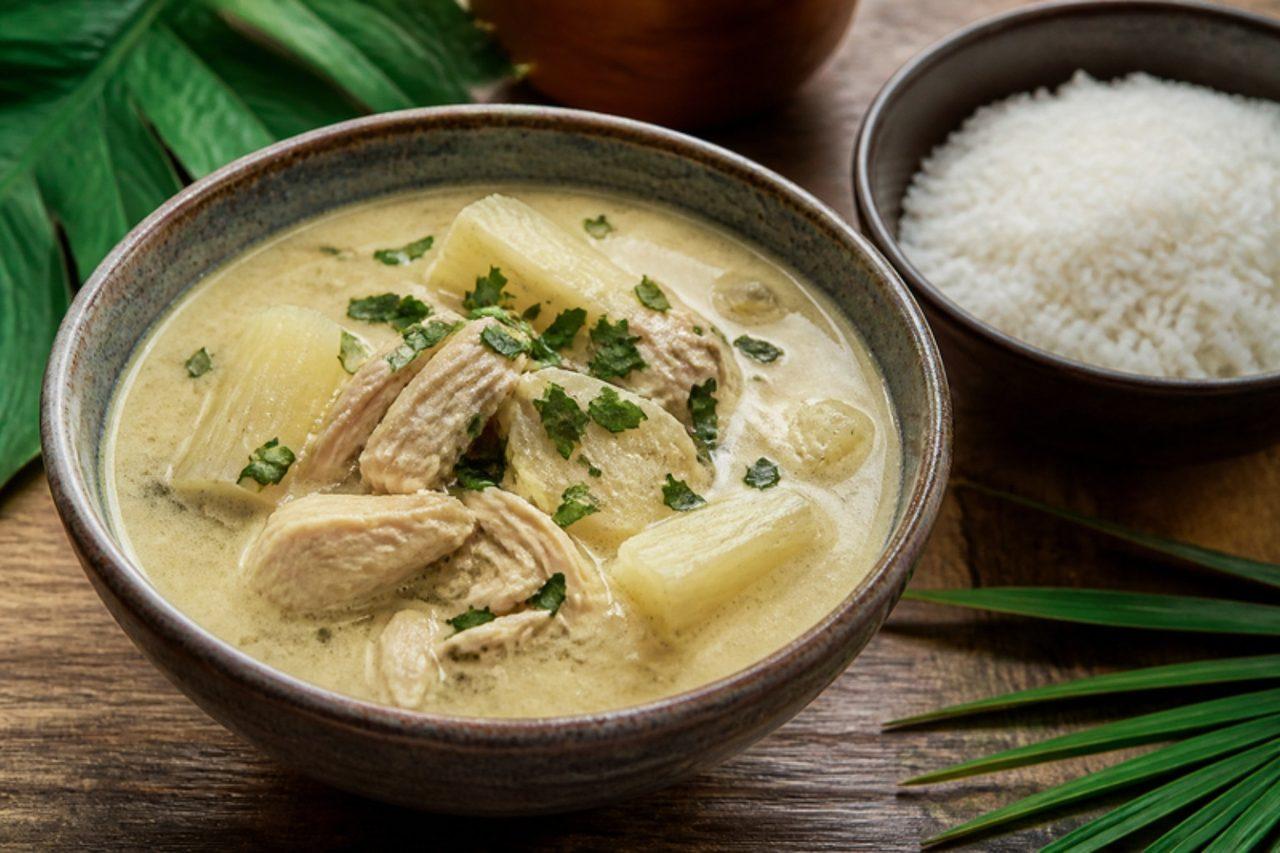
InchicapiPeanut chicken soup

From the riverside kitchens of Iquitos and the Peruvian Amazon comes inchicapi, a festive chicken soup traditionally made with a free-range hen for birthdays and fiestas. Raw peanuts and a little maize flour are ground and stirred into the broth, which turns it creamy, pale and nutty, and pieces of cassava, garlic, ají dulce and sacha culantro (a long, serrated, strongly flavoured coriander) finish it. It is served with rice, boiled plantain or cassava. If you can't find sacha culantro in Asian or Latin shops (sold as culantro or ngo gai), use a big handful of coriander. The pitfall is adding the peanut paste dry: it clumps and catches on the bottom, so loosen it with broth first and stir often. Chef's tip: use raw, not roasted, peanuts; they keep the soup pale and give it the right fresh, milky taste.

by KrazyBadal 0 views

Vegetarian vori voriCornmeal dumpling and vegetable soup

Vori vori is the soup Paraguayan grandmothers make on cold June and July evenings: a golden broth full of bori, small balls of cornmeal and cheese that swell soft as they simmer. The name is a Guaraní take on the Spanish 'bolita' (little ball). It's usually made with hen; this version gets its colour and body from pumpkin, carrot and a sofrito with saffron or turmeric. Chef's tip: shape the balls no bigger than a hazelnut; they double in size and larger ones stay raw inside.

by KrazyBadal 0 views

Sopa de quinuaQuinoa and vegetable soup

Sopa de quinua is everyday food in the Andes, from Puno on Lake Titicaca to Cusco and Huancayo, where quinoa has been grown for thousands of years. Quinoa, potato, carrot and corn simmer in a light broth seasoned with garlic, cumin, oregano and a little ají amarillo, and the potato breaks down slightly to give body. It is light yet filling, the soup families eat at midday to warm up in cold mountain air. In Peru it is finished with huacatay, the black mint of the Andes; a mix of mint and coriander stands in well. Chef's tip: rinse the quinoa in a sieve under running water, rubbing it, until the water stops foaming; the natural saponin coating tastes bitter and soapy.

by KrazyBadal 0 views

Liège waffles

In Liège, in French-speaking Wallonia, the waffle is not a light batter but a rich yeasted dough studded with pearl sugar, eaten warm from a paper sleeve as you walk down the street. As it cooks in a deep-grid iron, the sugar nuggets melt and caramelise into a crackling, toffee-like crust, while the inside stays soft and chewy like brioche. Belgians eat them plain, any time of day, not loaded with cream (that is the lighter Brussels waffle). Chef's tip: knead the pearl sugar in only at the very end, after the dough has risen; if it goes in earlier, it dissolves and the waffles lose their crunch.

by KrazyBadal 0 views

Geraardsbergse mattentaartCurd tartlets

The small town of Geraardsbergen in East Flanders is so proud of its mattentaart that the little round puff-pastry tart has protected (PGI) status in the EU, and only bakers in the area may sell it under that name. It is filled with matten, a fresh curd made by curdling hot milk with buttermilk, mixed with eggs, sugar and a hint of almond, and baked until puffed and golden. Locals eat it with coffee, especially in late February when the town holds its Krakelingen festival. You make the curd yourself the day before. Chef's tip: hang the curd for a full night; too much whey left in it makes the filling weep and the pastry soggy.

by KrazyBadal 0 views

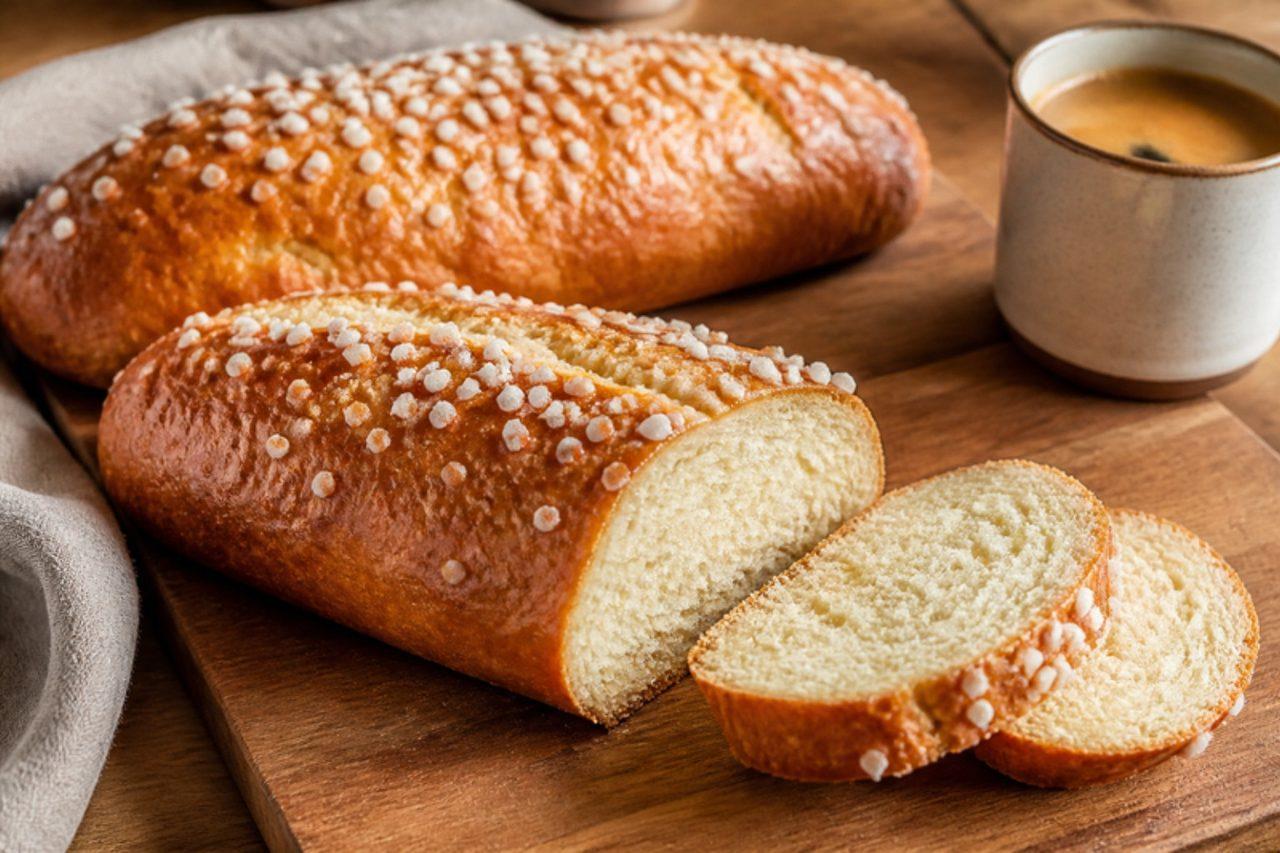
Pain à la grecquePearl sugar bread

Despite the name, pain à la grecque is pure Brussels: the 'Greek' is thought to come from the Flemish gracht, the canal next to the old abbey on the Wolvengracht whose monks handed out bread to the poor. Today it is a long, flat stick of cinnamon-spiced bread pressed into pearl sugar and baked until the sugar melts into a crunchy, glassy crust. Brussels bakeries such as those around the Sablon sell it by the slab, and it is eaten with coffee in the afternoon or dunked at breakfast. Chef's tip: press the dough hard into the pearl sugar on both sides; loosely scattered sugar just falls off in the oven.

by KrazyBadal 0 views

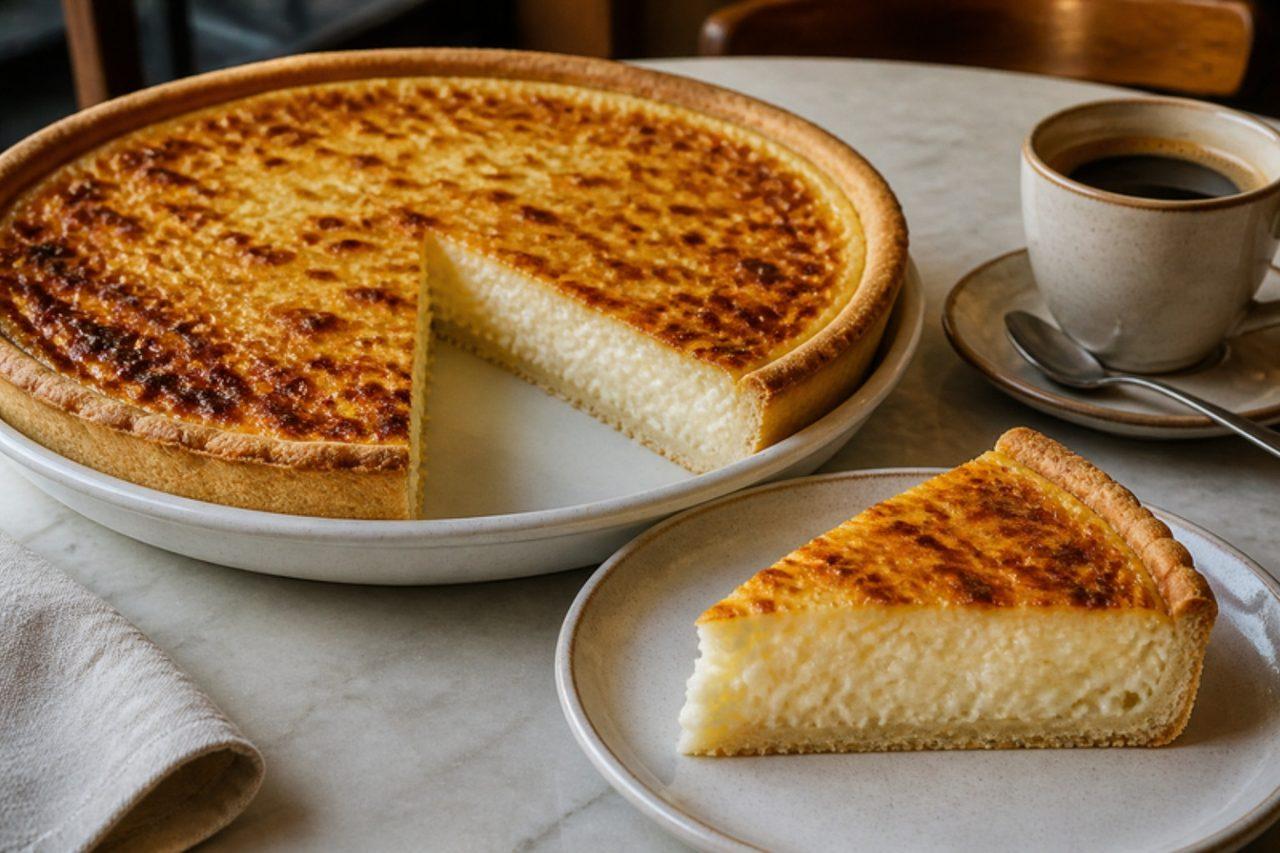
Tarte au rizRice pudding tart

In the province of Liège, and above all in the town of Verviers, no village fair (ducasse) or family celebration happens without tarte au riz, called rijsttaart in Flanders. A thin, soft yeast-dough crust holds a thick layer of rice cooked slowly in milk with vanilla and sugar, enriched with egg yolks and baked until the top is speckled brown. People buy whole tarts from the bakery for a birthday and eat them cold with coffee. Chef's tip: cook the rice until a spoon drawn through it leaves a clear path that closes slowly; a runny filling never sets in the oven, and the crust turns soggy.

by KrazyBadal 0 views

ChajáSponge, peach and cream cake

Chajá was created in 1927 at a bakery in Paysandú, a city on the Uruguay River, and named after a local bird whose feathers look as fluffy as its crumbly meringue coat. Today it's Uruguay's birthday and celebration cake: layers of light sponge soaked in peach syrup, filled with whipped cream, peaches and dulce de leche, then covered in crushed meringue. It's sweet, soft and crunchy at once, best on the day it's assembled. Chef's tip: soak the sponge but not too much; it should feel moist, not wet, or the layers slide.

by KrazyBadal 0 views

Showing 24 of 29 recipes

Show more recipes

Page 1 of 2