Skip to content
Recipes

All recipes

Vegetarian, or something you can't eat? Set your diet once and we'll hide recipes that don't fit.

LakrorLeek and cheese pie

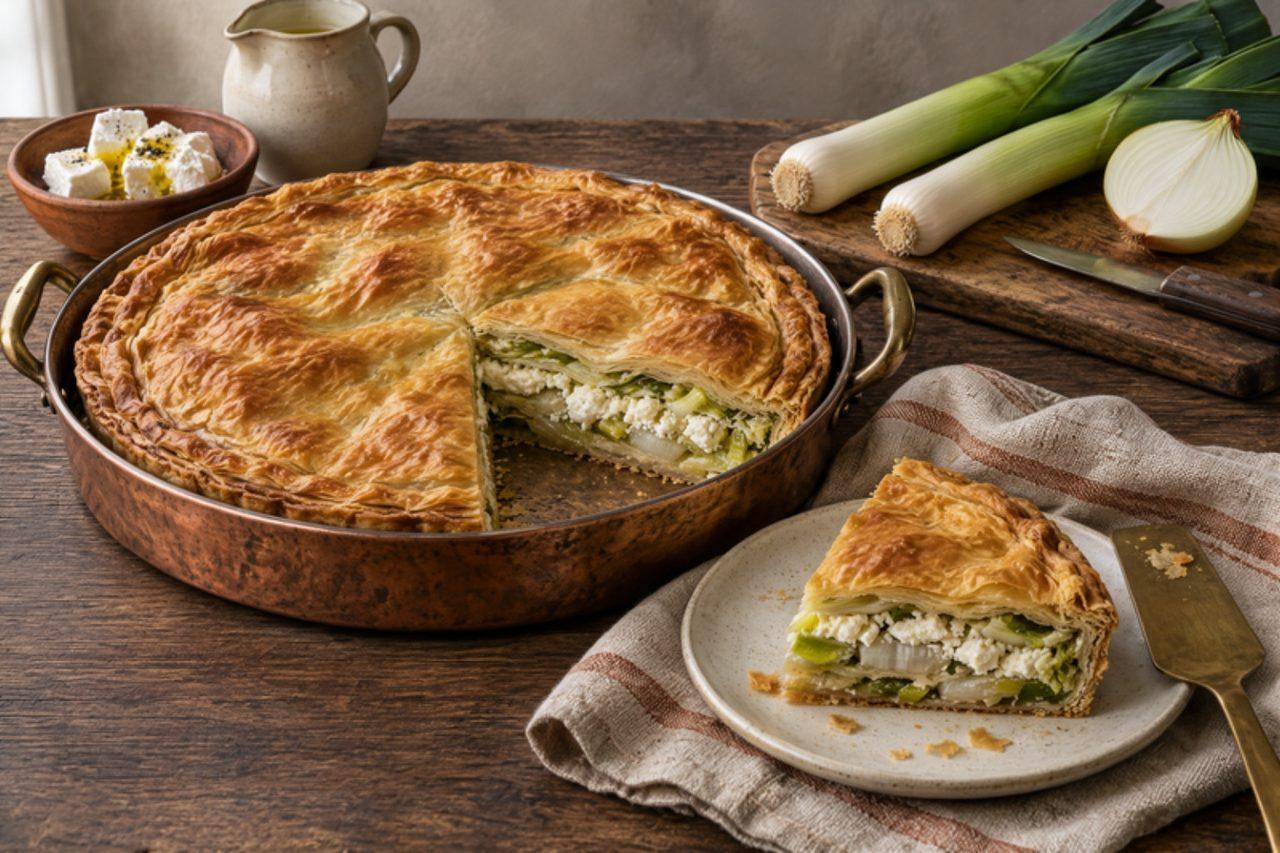
Lakror comes from the south of Albania, around Korçë, where it was baked in a round copper tray under a saç, a domed iron lid heaped with embers, and eaten for breakfast or carried to the fields. Thin rounds of homemade dough are layered with oil, then filled with leeks, onions and cheese, giving a pie that is crisp at the top and soft inside. At home, a very hot oven stands in for the saç. The common mistake is rolling the dough too thick: each round should be thin enough to see your hand through, or the layers stay doughy. Chef's tip: rest the dough balls for 30 minutes after kneading; relaxed dough rolls out thin without shrinking back.

100 minBalkanBaking
by KrazyBadal 0 views

ZlevankaBaked cornmeal and buttermilk cake

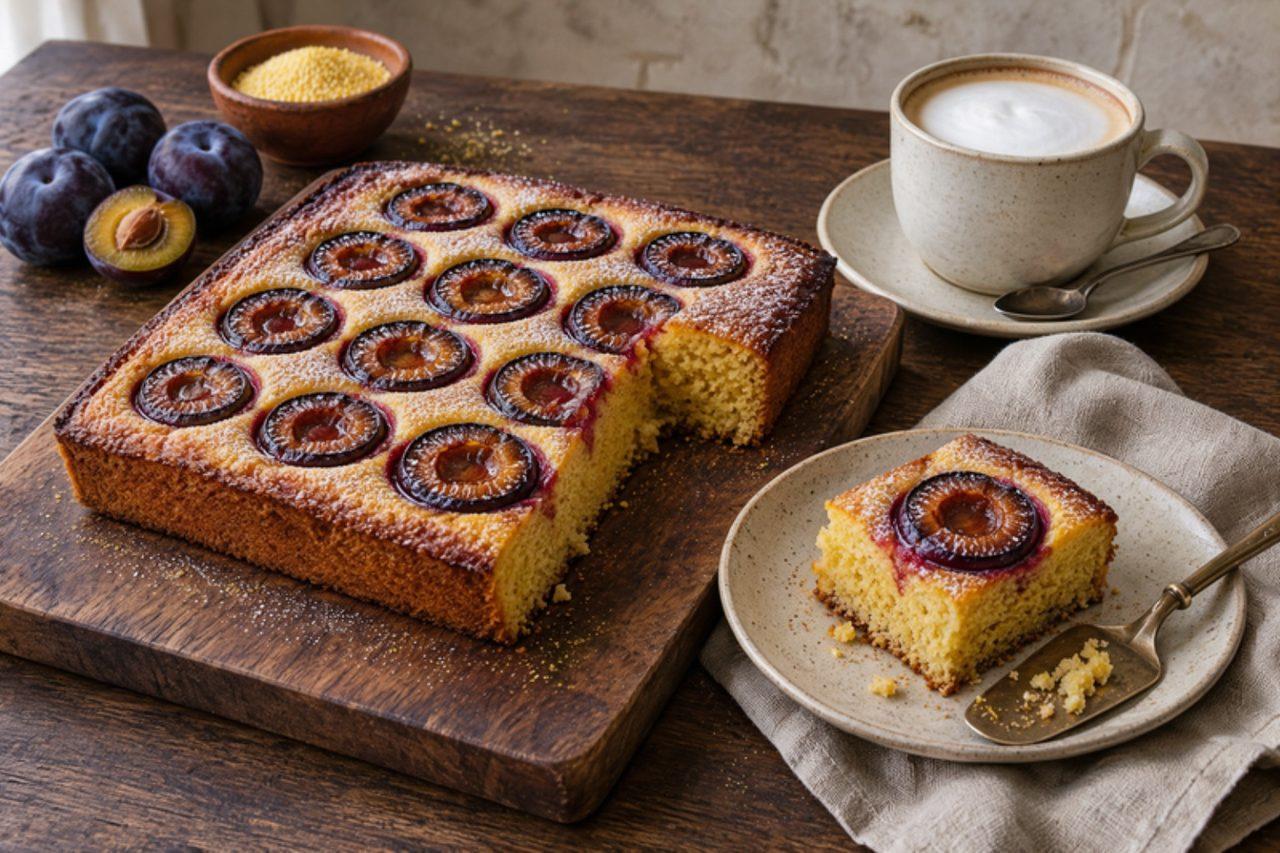
Zlevanka, from the Slovenian for 'poured', is a farmhouse batter cake from the Prekmurje and Štajerska regions, poured into a tin and baked for breakfast, then cut into squares and eaten with a big cup of milky white coffee. This sweet version is made with cornmeal and buttermilk, which give it a soft, moist, slightly crumbly crumb with a golden crust; some families add fruit on top. The common mistake is overmixing the batter once the flour goes in, which makes it tough; stir only until combined. Chef's tip: soak the cornmeal in the buttermilk for 15 minutes before mixing, so it softens and the cake isn't gritty.

by KrazyBadal 0 views

Postre MassiniCustard sponge with burnt sugar top

Montevideo's birthday cake of choice since the early twentieth century, the Massini is two thin layers of sponge sandwiching a thick filling of whipped cream folded with egg-yolk custard, crowned with a thin glassy crust of torched yolk and sugar. Bakeries across Uruguay sell it on Sundays. Traditional versions sometimes add a sweet fortified wine to the custard; this one is alcohol-free. The custard is cooked to a safe 71 °C. The common mistake is assembling with warm custard, which melts the cream into a puddle. Chef's tip: if you don't have a blowtorch, put the sugared top under a very hot grill for a minute and watch it closely.

by KrazyBadal 0 views

Drożdżówka z kruszonkąSweet yeast bun with crumble

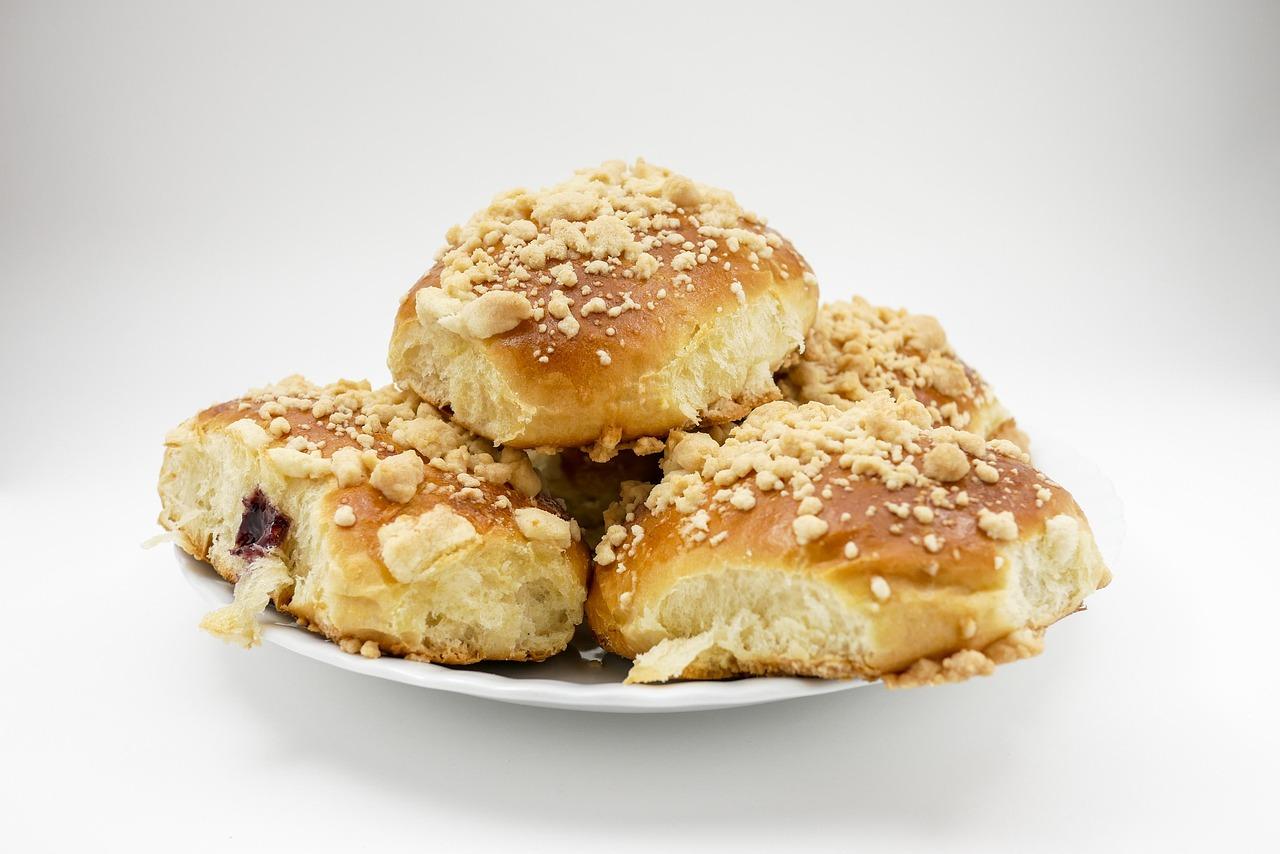
Every Polish bakery window has a row of drożdżówki, and the bun with sweet cheese under a sandy butter crumble is the one schoolchildren buy on the way to class. The dough is soft, milky and lightly sweet, the vanilla twaróg filling is thick and tangy, and the crumble bakes into crisp, sugary nuggets that scatter everywhere when you bite in. Fruit versions use plums, blueberries or apple. A common mistake is overfilling, so the cheese bursts out and the buns lose their round shape. Twaróg is usually rennet-free, but check the label. Chef's tip: brush the dough with egg before adding the crumble; it glues it on and gives a shiny edge.

110 minPolishBaking
by KrazyBadal 0 views

FafernuchyHoney and carrot Christmas cookies

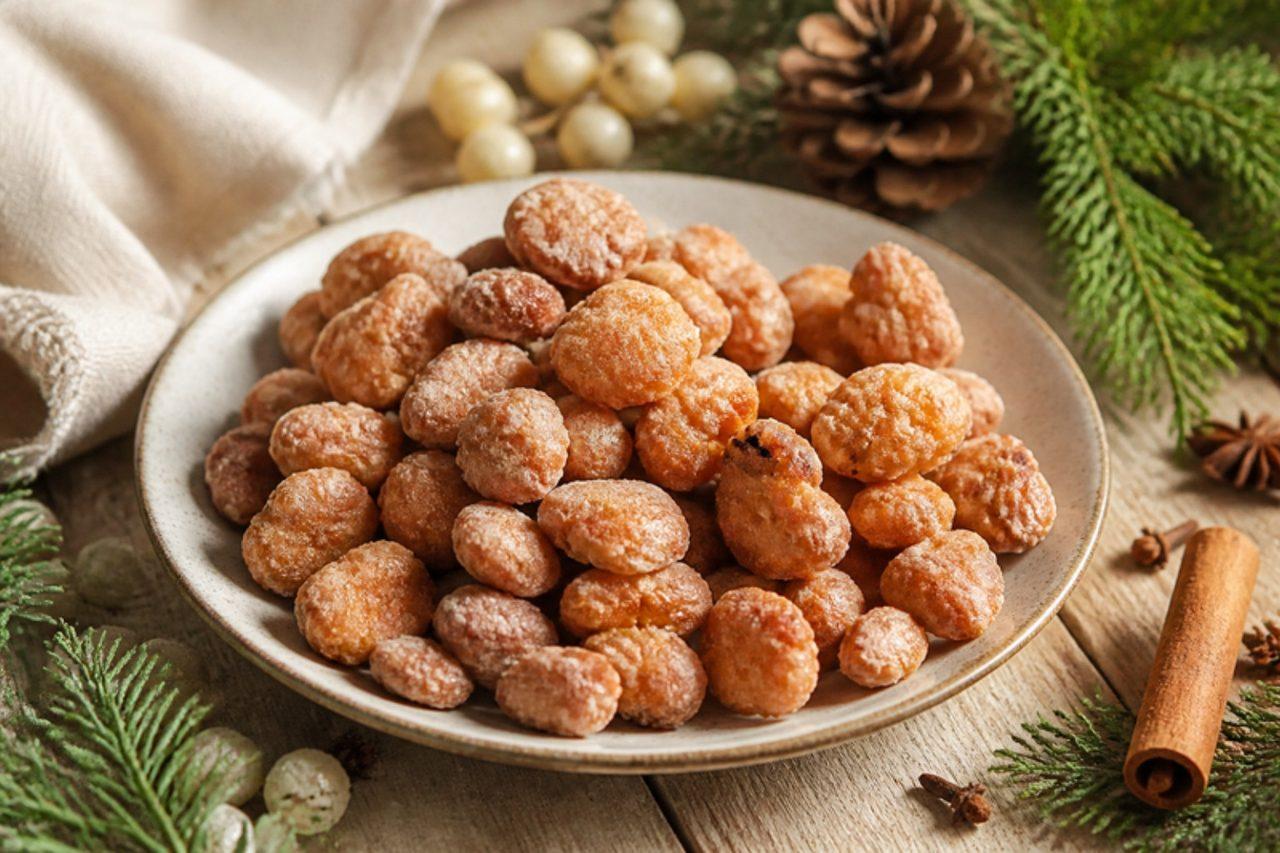
Old Masurian and Warmian households baked fafernuchy weeks before Christmas and kept them in tins, where they slowly mellowed; children found them in their stockings and on the Christmas plate. They are small, hard, pebble-like biscuits, sweetened with honey and given a gentle colour and moisture from finely grated carrot, with a little spice in some homes. Expect a proper crunch, made for dunking in tea. A common mistake is expecting them to be soft straight from the oven; they are meant to be firm and soften only a little in the tin. Chef's tip: grate the carrot on the finest side of the grater so the dough stays smooth and holds its shape.

by KrazyBadal 0 views

FlijaLayered batter pie

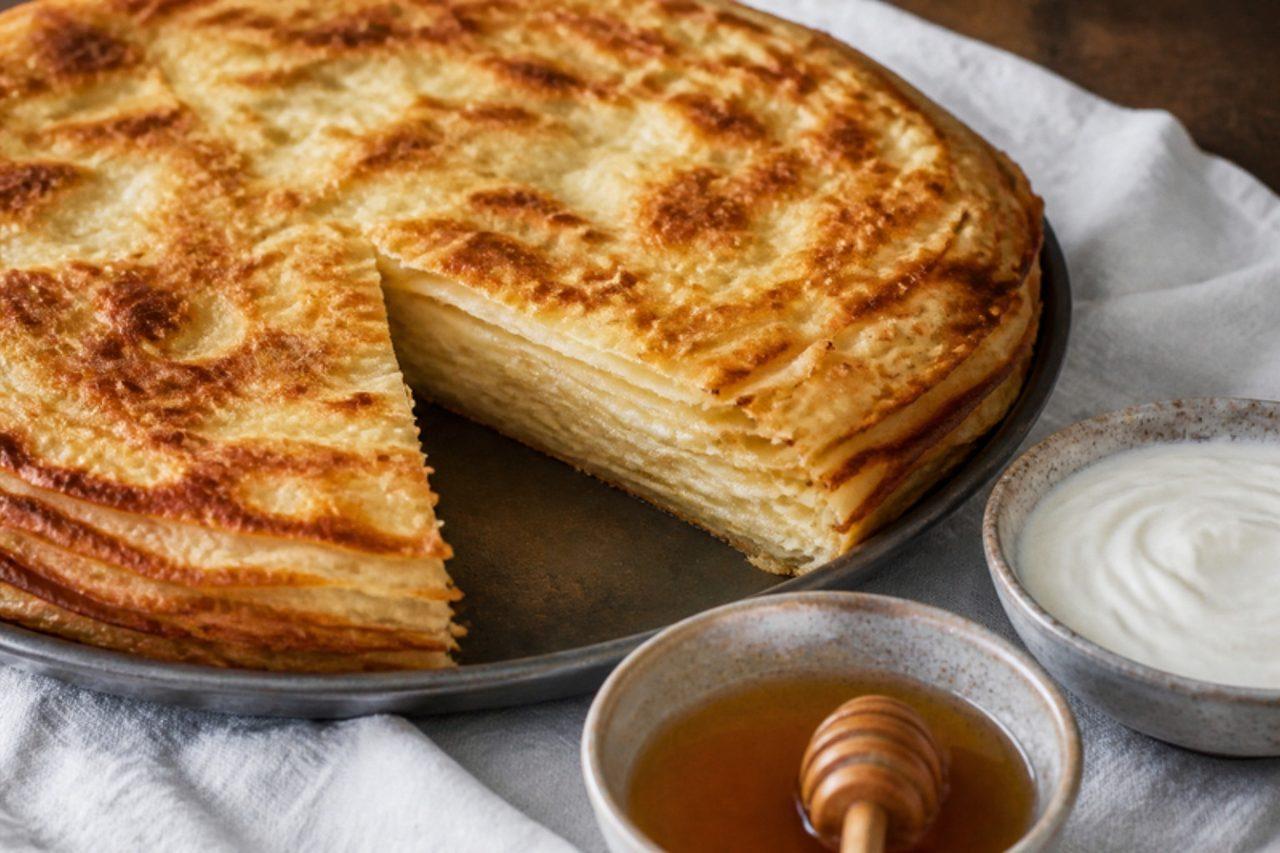
Flija is the dish of long summer afternoons in Kosovo, from the Rugova valley to the villages around Prizren, when friends gather and take turns tending the saç, a domed iron lid heaped with embers. Thin batter is painted onto a round tray in spokes, cooked under the heat, brushed with a mix of sour cream and yogurt, then painted again, until 15 or more layers have built up over a couple of hours. Cut into wedges, it is chewy, buttery and lightly scorched, served with honey, white cheese, pickled peppers or a bowl of yogurt. At home, a very hot oven grill stands in for the saç. The most frequent mistake is crowding the batter: each spoke must leave a finger-wide gap for the next layer to fill, or the pie becomes a thick, gummy pancake. Chef's tip: keep the batter as thin as single cream, and whisk in a spoonful of water whenever it thickens as it stands.

240 minBalkanBaking
by KrazyBadal 0 views

Kołocz śląskiSilesian cheese yeast cake

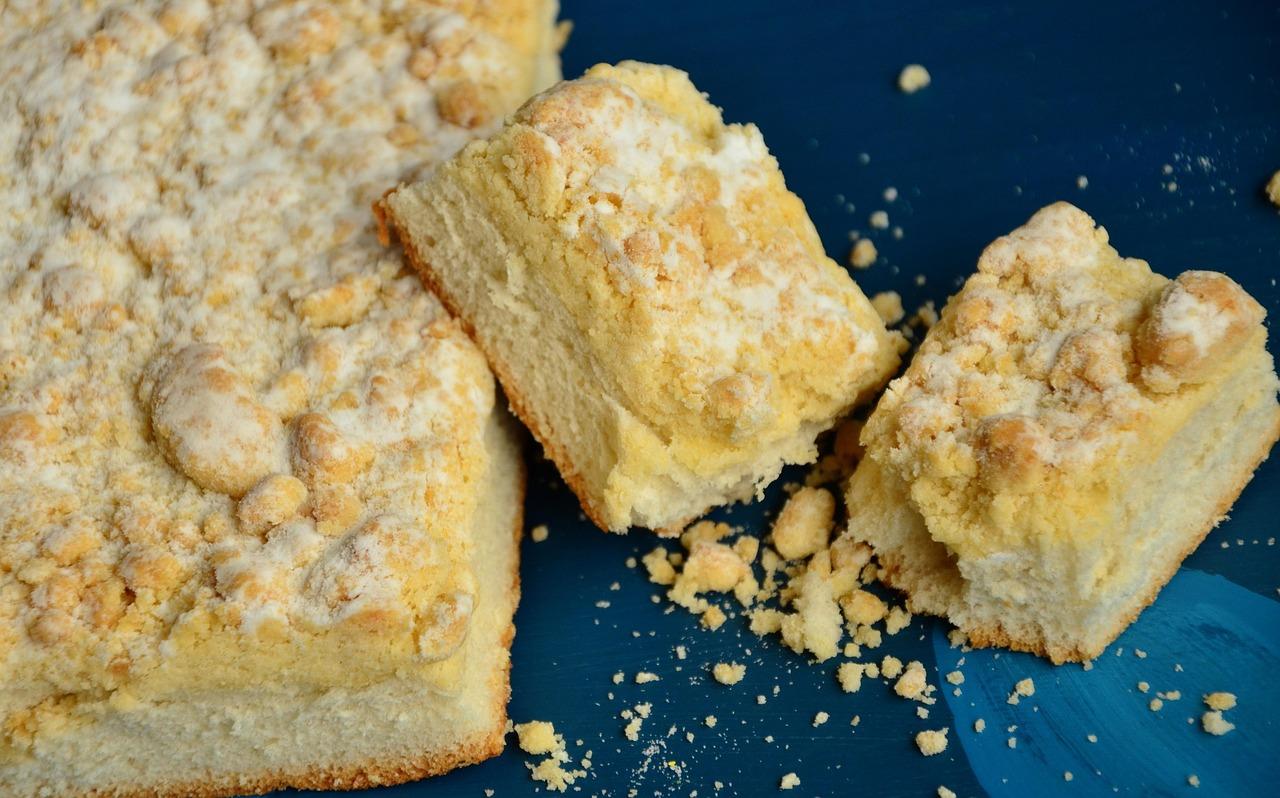
Silesian weddings once had kołocz delivered to every neighbour as a thank-you, and the wide trays still appear at christenings, harvest festivals and church fairs in Opole and around Katowice. The base is a soft, lightly sweet yeast dough, spread with a thick layer of vanilla twaróg and covered with a buttery crumble that bakes into craggy golden lumps. It keeps well for two days and cuts into neat squares for coffee. A common mistake is baking it before the dough has had its second rise under the topping, which gives a dense, bready base. Twaróg is usually rennet-free, but check the label. Chef's tip: keep the crumble in the fridge until the last moment so it stays in distinct lumps in the oven.

150 minPolishBaking
by KrazyBadal 0 views

KrompirušaPotato filo pie

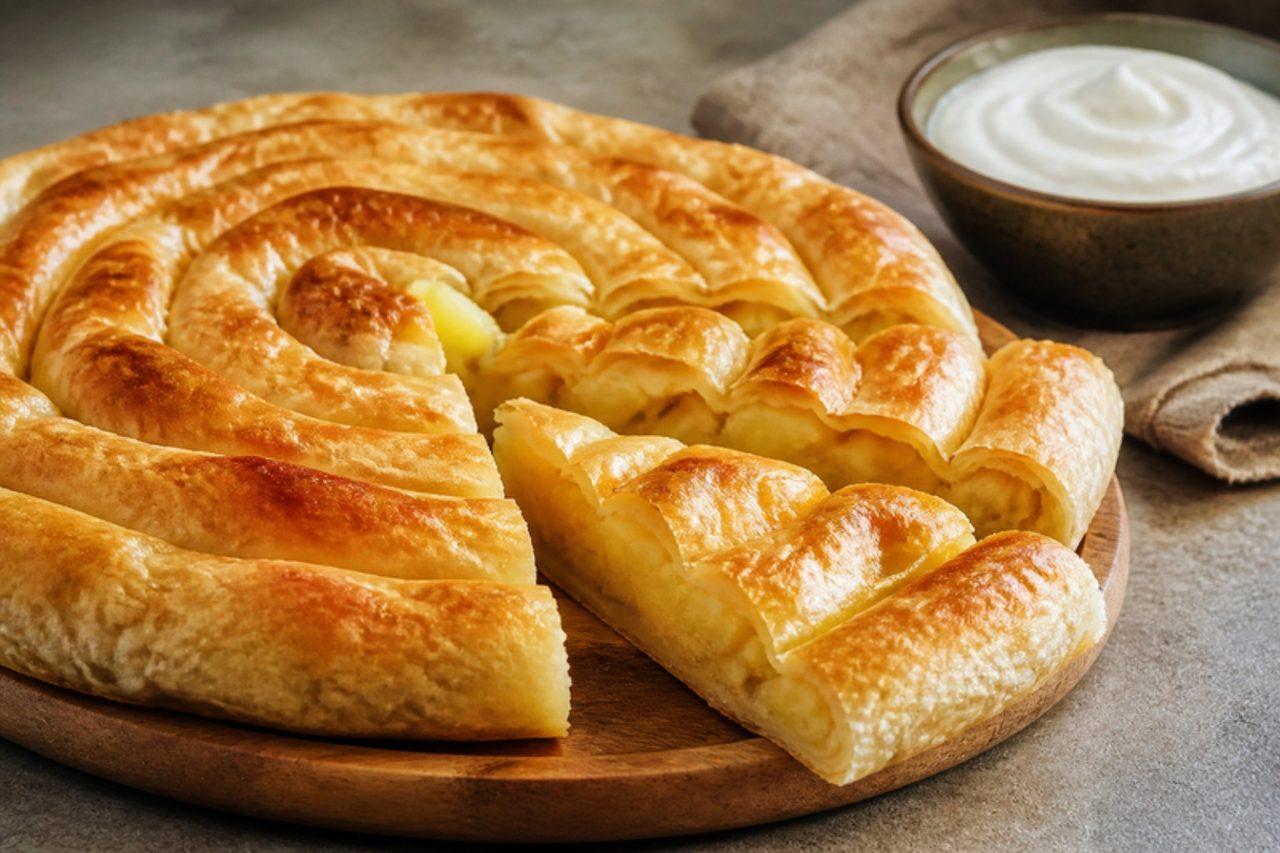
In Bosnia only the meat pie is called burek; the potato version is krompiruša, and Sarajevo's buregdžinice bake it in great round copper trays, coiled like a snail. Thin pastry is wrapped around raw diced potato and onion seasoned with pepper, rolled into long ropes and coiled into the tin, then baked until the outside shatters and the potato inside turns soft and peppery. It is entirely plant-based when made with oil and shop-bought filo, which usually contains only flour, water and oil. Eat it hot with a glass of cold plain yogurt, or soya yogurt to keep it vegan. Where most people go wrong is cutting the potatoes too early, so they turn grey and watery; prepare them just before rolling. Chef's tip: when it comes out of the oven, sprinkle with a little hot water and cover with a clean tea towel for 10 minutes, which softens the top layers just as Bosnian bakers do.

by KrazyBadal 0 views

PaprenjaciHoney, walnut and pepper biscuits

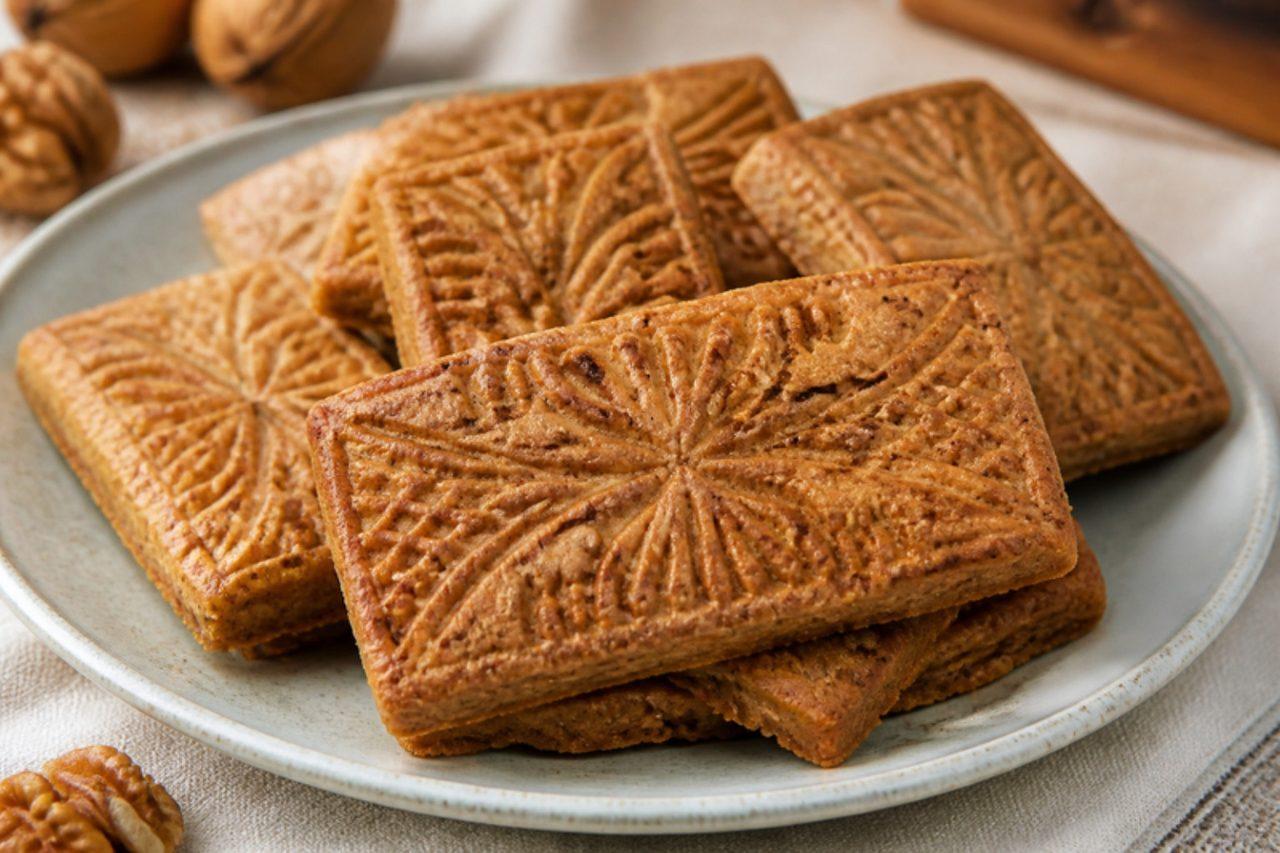
Paprenjaci have been baked in Zagreb and the villages of northern Croatia for centuries, and today they are on the list of Croatian heritage foods, sold at Christmas fairs and as gifts in pretty tins. The dough is sweetened with honey and spiced with cinnamon, cloves and a surprising amount of black pepper, then pressed into carved wooden moulds so each biscuit carries a flower, bird or heart. They are firm at first, with a slow peppery heat behind the honey, and soften after a few days. Serve them with tea, mulled apple juice or coffee. The usual slip is forgetting to flour the mould, so the dough sticks and the pattern tears; dust it every time. Chef's tip: grind the pepper as finely as you can, almost to a powder, so you get warmth in every bite rather than hard specks.

by KrazyBadal 0 views

Babka wielkanocnaEaster yeast cake

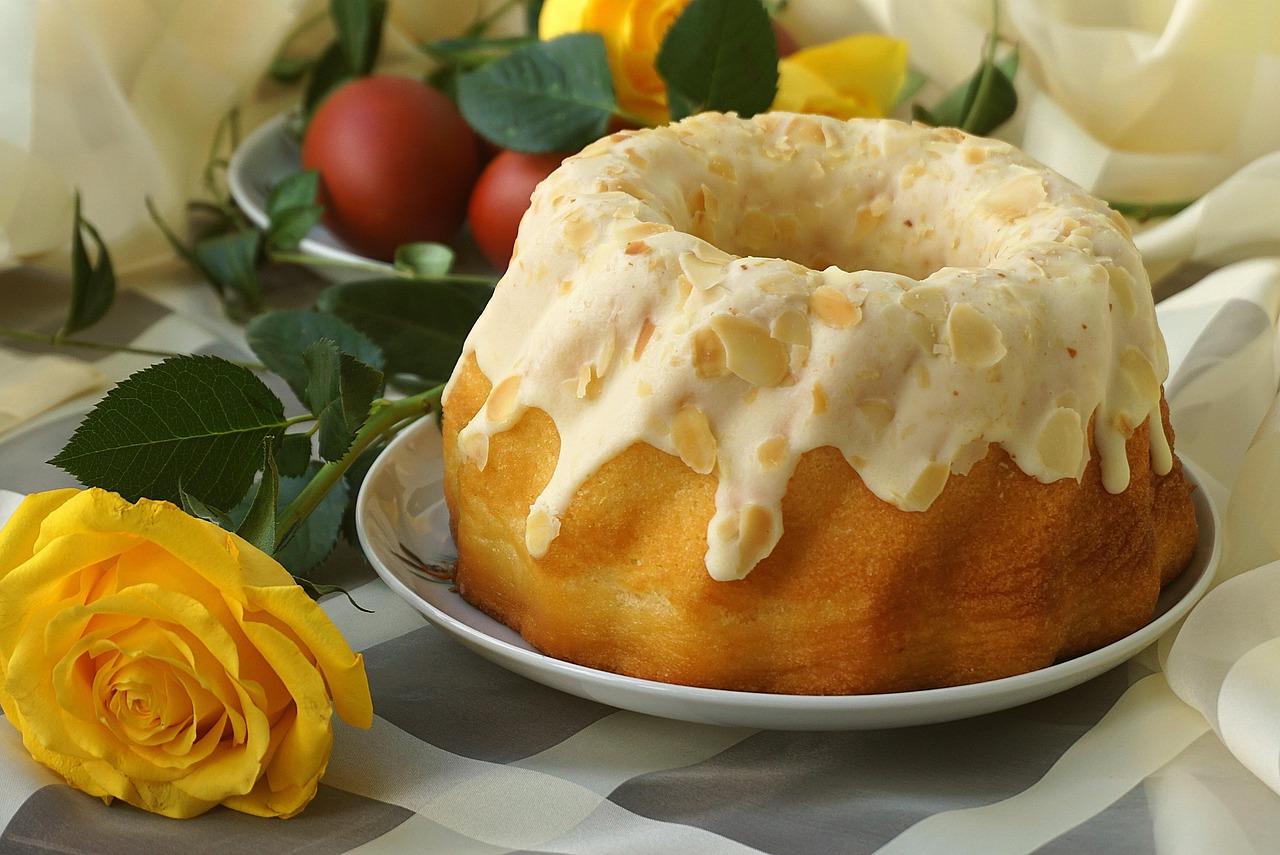
A golden babka standing tall in the Easter basket used to be a matter of family pride, and old cooks whispered while it baked, convinced a slammed door would make it sink. The dough is soft and rich with egg yolks and butter, beaten until it is elastic, then baked in a fluted ring tin into a cake with a fine, feathery, saffron-yellow crumb. Raisins are often soaked in rum; this version uses orange juice, but a couple of spoons of rum work if you prefer. The usual slip is adding too much flour to a sticky dough, which makes the babka dry; it should stay soft and almost batter-like. Chef's tip: cool the babka on its side, turning it now and then, so the delicate crumb doesn't collapse.

185 minPolishBaking
by KrazyBadal 0 views

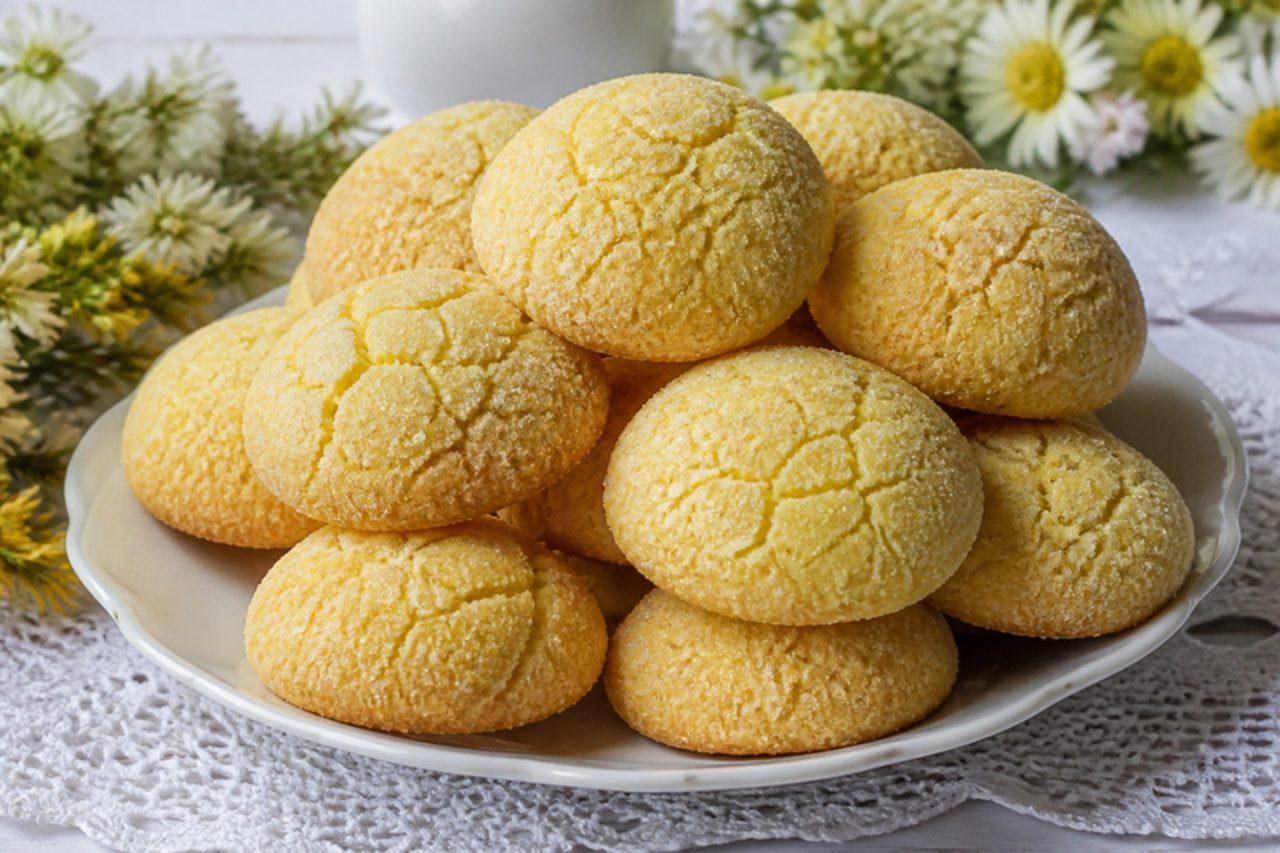
BallokumeCornmeal butter cookies

Every 14 March, Elbasan in central Albania celebrates Dita e Verës, Summer Day, an old spring festival that is now a national holiday, and the whole town smells of ballokume. These pale golden cookies are made from cornmeal, lots of butter, sugar and eggs, beaten until almost fluffy, then baked into little domes that crack on top and melt into sandy, buttery crumbs. Families give plates of them to neighbours and children nibble them alongside the red-and-white spring bracelets called verore; they are lovely with tea or Turkish-style coffee. This version is gluten free, made with fine cornmeal and cornflour, so check both packets carry a gluten-free label. Under-beating is the classic error: the butter and sugar need a full ten minutes until almost white, or the cookies bake dense and greasy. Chef's tip: chill the shaped cookies for 15 minutes before baking so they keep their dome.

by KrazyBadal 0 views

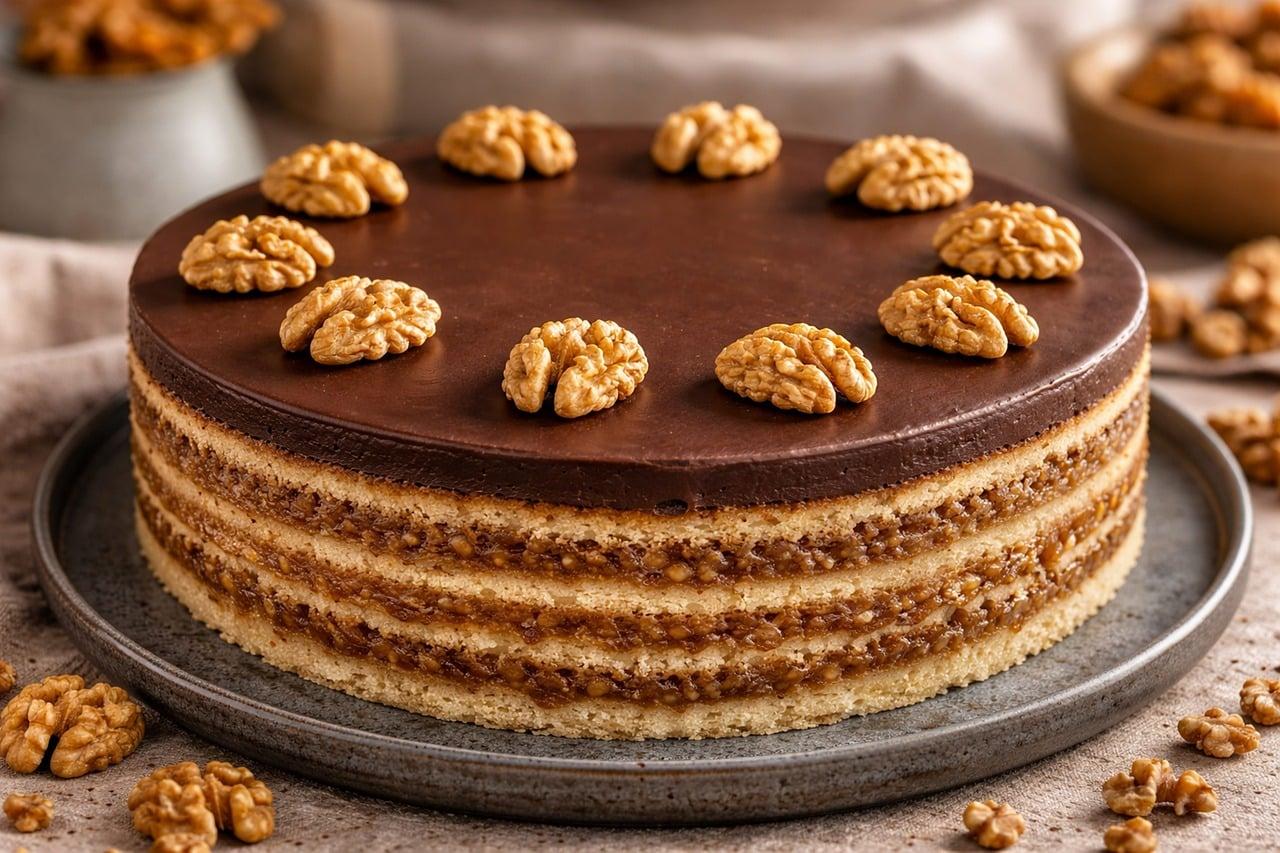
Reform tortaWalnut meringue chocolate cake

Belgrade pastry shops have sold reform torta since the early twentieth century, and it is still the cake Serbian families bring out for birthdays, weddings and the slava. Three thin layers of walnut meringue, crisp at the edge and chewy inside, are stacked with a dense chocolate butter cream made with egg yolks cooked over steam until thick. It is very rich, so cut thin slices and serve with strong coffee. The usual slip is beating the butter into a chocolate mixture that is still warm, which melts it and splits the cream; let it cool to room temperature first. Chef's tip: assemble the cake the day before; overnight in the fridge the meringue softens a little and the cake slices cleanly with a hot knife.

150 minBalkanBaking
by KrazyBadal 1 views

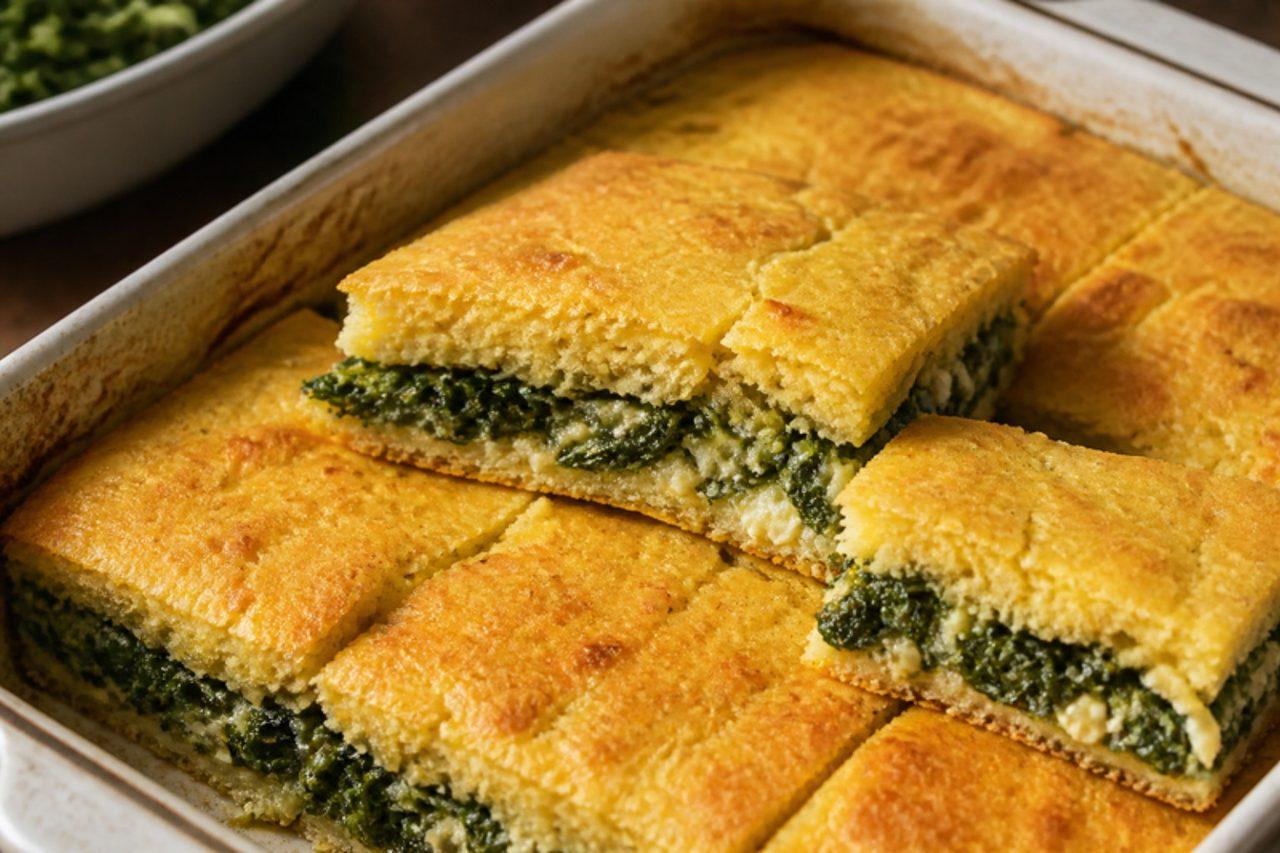
PispiliCornbread with spinach and cheese

When the spring greens come up in southern Albania, around Korçë and down towards Gjirokastër, households bake pispili in a round tray: a coarse cornmeal batter spread over a thick bed of spinach, leeks, dill and crumbled white cheese, then baked until the top is cracked and golden. Neither bread nor quite a pie, it is cut into diamonds and eaten warm or at room temperature, often with a bowl of yogurt, olives and spring onions for a simple lunch. Albanian white cheese and most feta are made with animal rennet, so check the label or use a vegetarian feta-style cheese. The usual slip is leaving the greens wet: squeeze them hard, or the bottom layer steams into a soggy paste under the cornmeal. Chef's tip: drag a fork across the batter before it goes in the oven and drizzle oil into the grooves; that gives the rough, crackly crust pispili is loved for.

by KrazyBadal 0 views

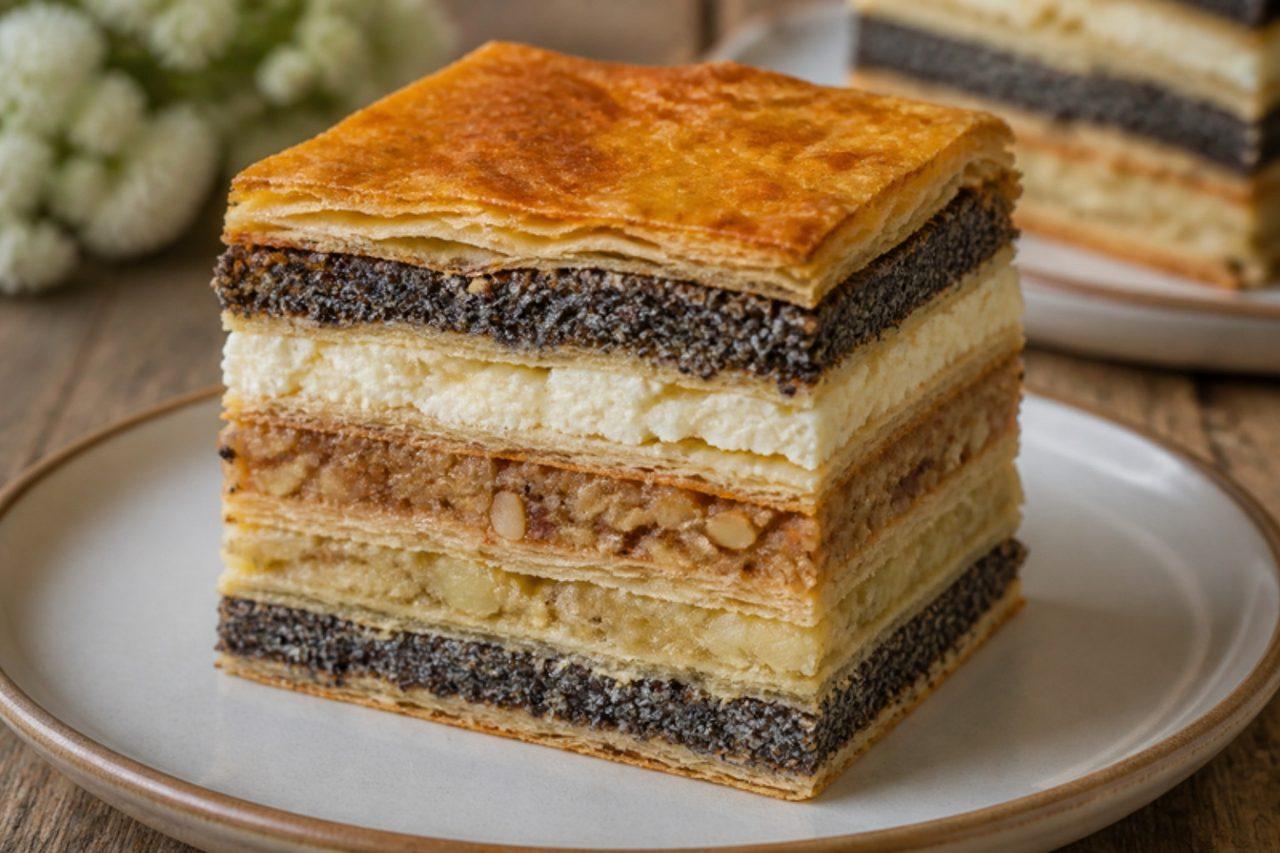
Prekmurska gibanicaLayered poppy seed and apple cake

Prekmurje, the flat north-eastern corner of Slovenia on the Mura river near the Hungarian border, built this towering cake for weddings and harvest feasts, and it is now protected as a traditional speciality. On a shortcrust base sit eight thin layers, four fillings repeated twice: poppy seed, curd cheese, walnut and apple, each separated by thin pastry and soaked with sour cream and melted butter, so every slice shows neat stripes of grey, white, brown and gold. Serve it warm or the next day with coffee; it keeps for 3 days in the fridge and freezes well. Curd cheese (skuta or quark) is usually rennet-free, but check the label. Going heavy on the fillings is the classic trap: each layer should be about 1 cm, or the cake won't bake through and the stripes blur. Chef's tip: make all four fillings the evening before, and assembly the next day takes just 20 minutes.

180 minBalkanBaking
by KrazyBadal 0 views

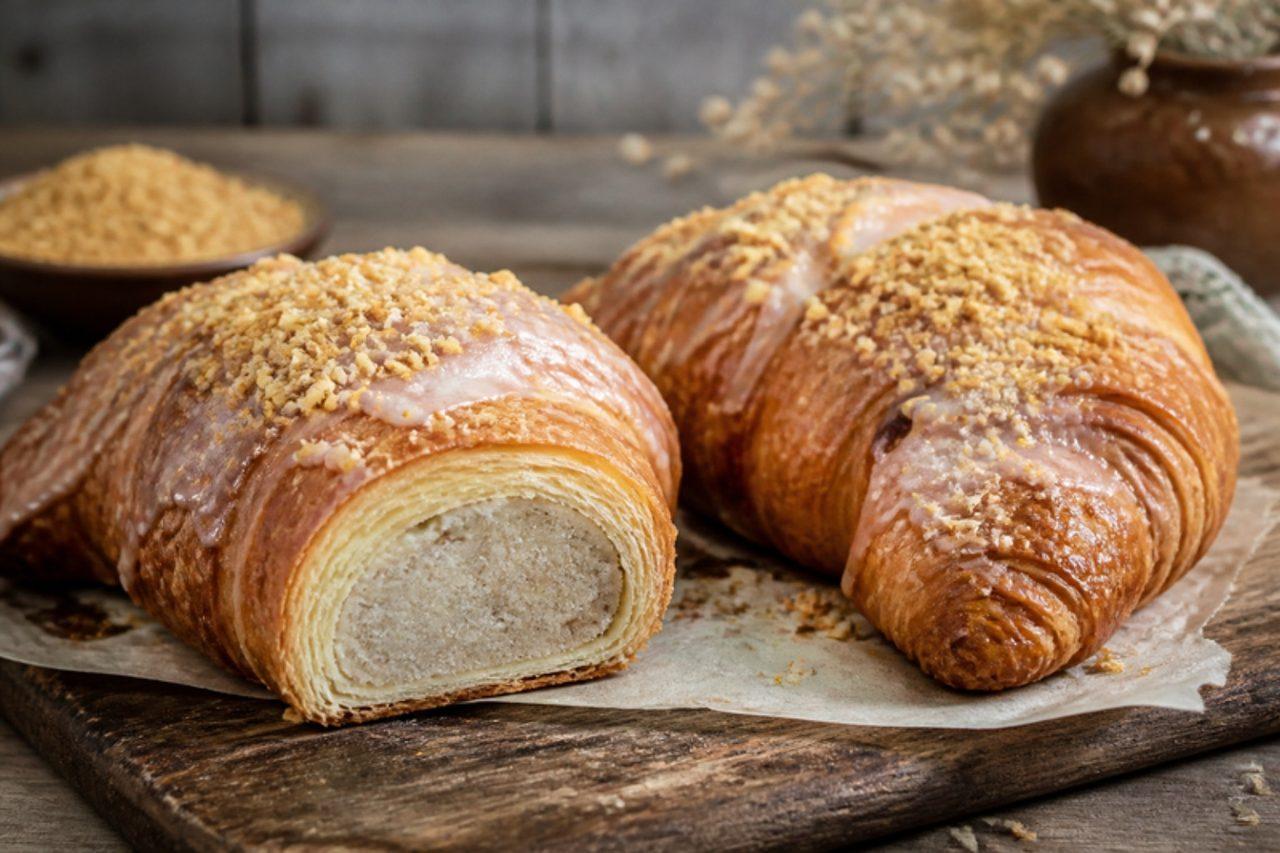
Rogal świętomarcińskiPoppy seed crescent pastry

Every 11 November, St Martin's Day, Poznań eats well over a million of these heavy crescents, and only certified local bakeries may sell them under the protected name. Our home version follows the same idea: a flaky laminated yeast dough wrapped around a rich filling of white poppy seed, nuts, dried fruit and cream, glazed with icing and scattered with chopped nuts. Each rogal is large, sweet and almond-scented, best shared with coffee. A common mistake is letting the butter get warm during folding; it then melts into the dough and the layers disappear. Chef's tip: white poppy seed is milder than blue; ask for it at Polish shops or online, and grind it fine.

175 minPolishBaking
by KrazyBadal 0 views

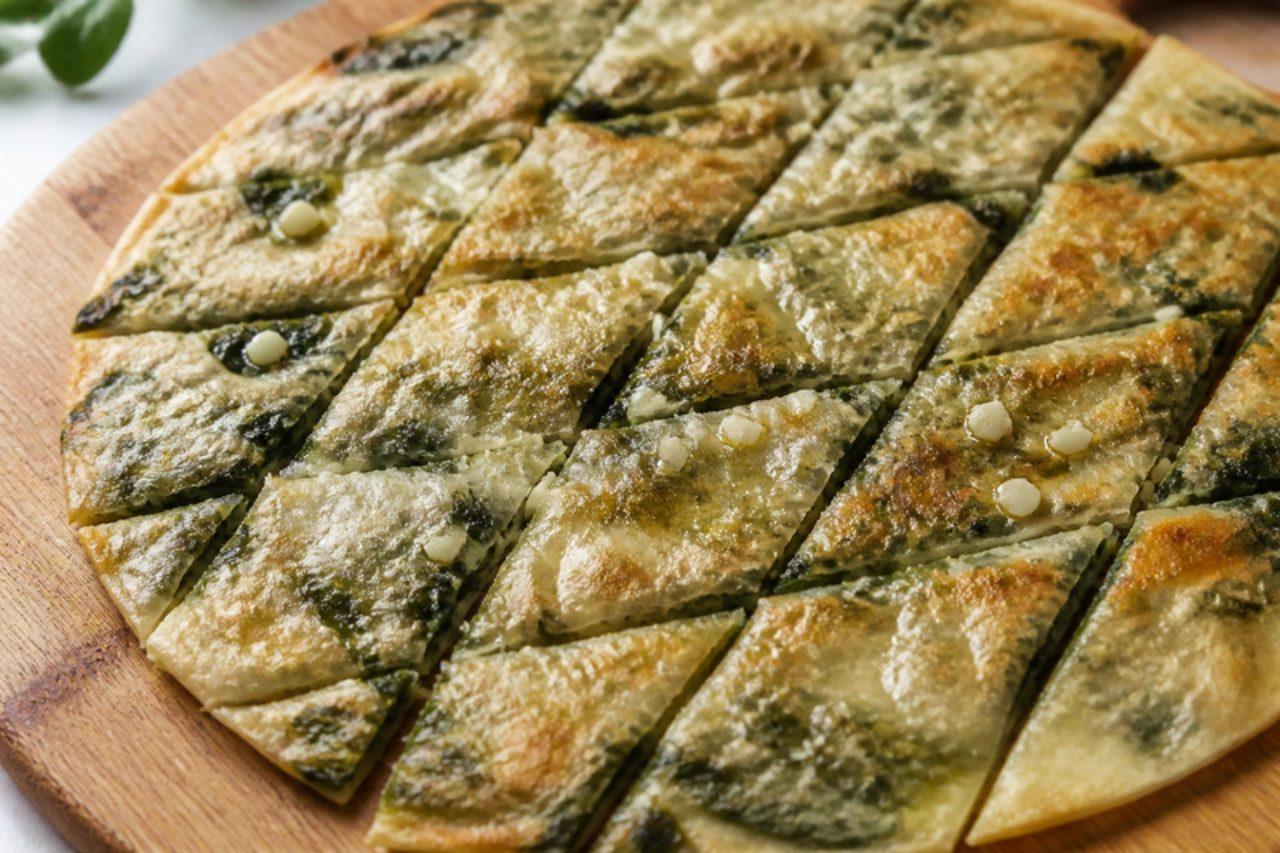
SoparnikSwiss chard pie

Between Split and Omiš, in the stony villages of Poljica in Dalmatia, women once baked soparnik on the open hearth, sliding a huge round of thin dough under hot embers and ash. Its filling is nothing but raw Swiss chard, onion and parsley with olive oil, and the finished pie is brushed with garlic and more oil while it is still steaming. It is crisp at the edges, soft and green inside, and was traditionally eaten on fasting days such as Good Friday and Christmas Eve, cut into diamonds and served lukewarm with a glass of water or a plate of olives. A common mistake is salting the chard too early: it weeps water and the bottom turns soggy, so salt only as you spread it. Chef's tip: heat a large baking tray or pizza stone in the hottest possible oven so the base cooks fast, as it would on the hearthstone.

by KrazyBadal 0 views

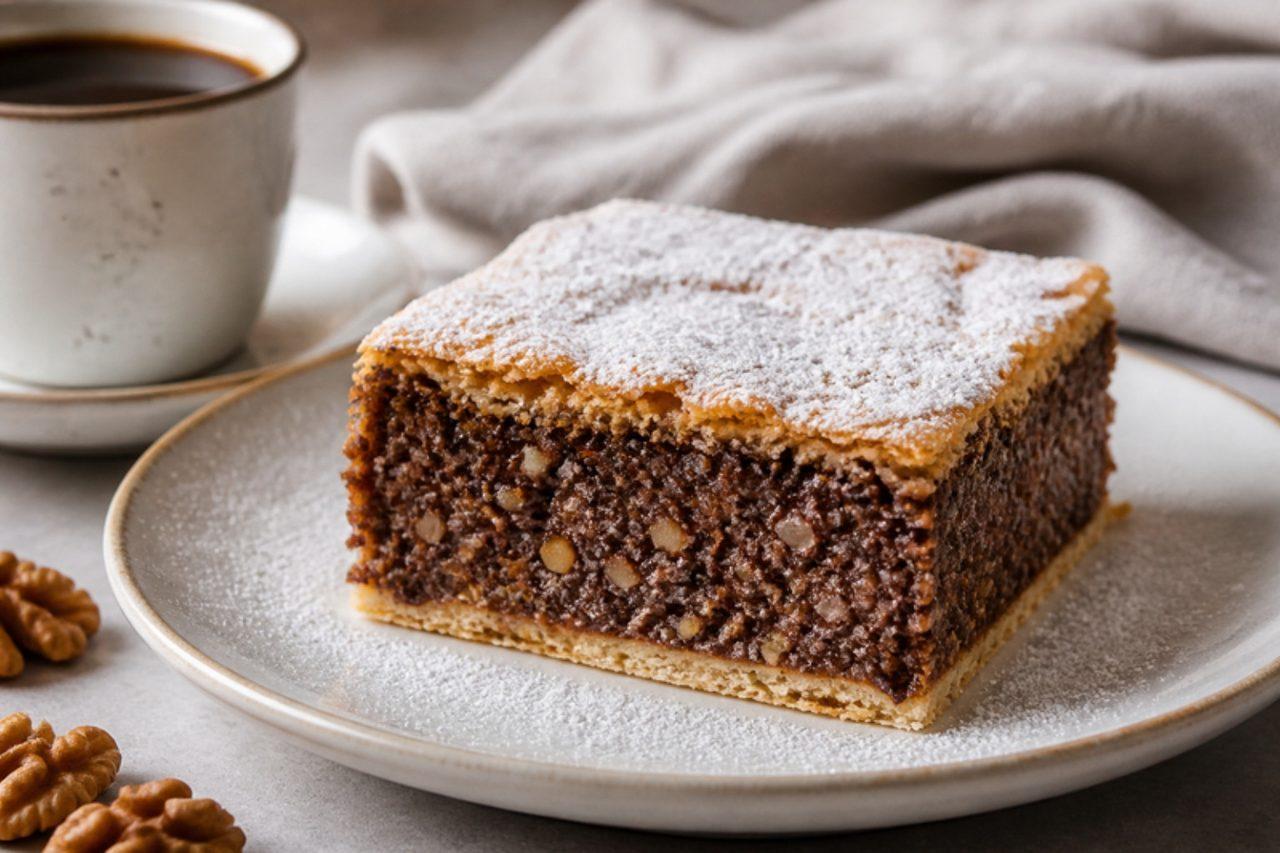
Stonski kolačPasta, walnut and chocolate cake

Behind the long stone walls of Ston, on the Pelješac peninsula near Dubrovnik in Croatia, bakers make one of the strangest cakes on the Adriatic: a pastry case filled with short pieces of cooked pasta, ground walnuts, chocolate, cinnamon and citrus zest, all bound with eggs and sugar. It is served on feast days and at weddings, cut into dense, fragrant slices where the pasta gives a soft, chewy bite against the nutty filling. Many families add a splash of rum to the filling; this recipe is alcohol-free, and adults can add 2 tbsp of rum with the zest if they like. A common mistake is cutting the cake while warm, when the filling is still too soft to hold; leave it to cool completely. Chef's tip: undercook the pasta by a minute, because it keeps softening in the oven.

120 minBalkanBaking
by KrazyBadal 0 views

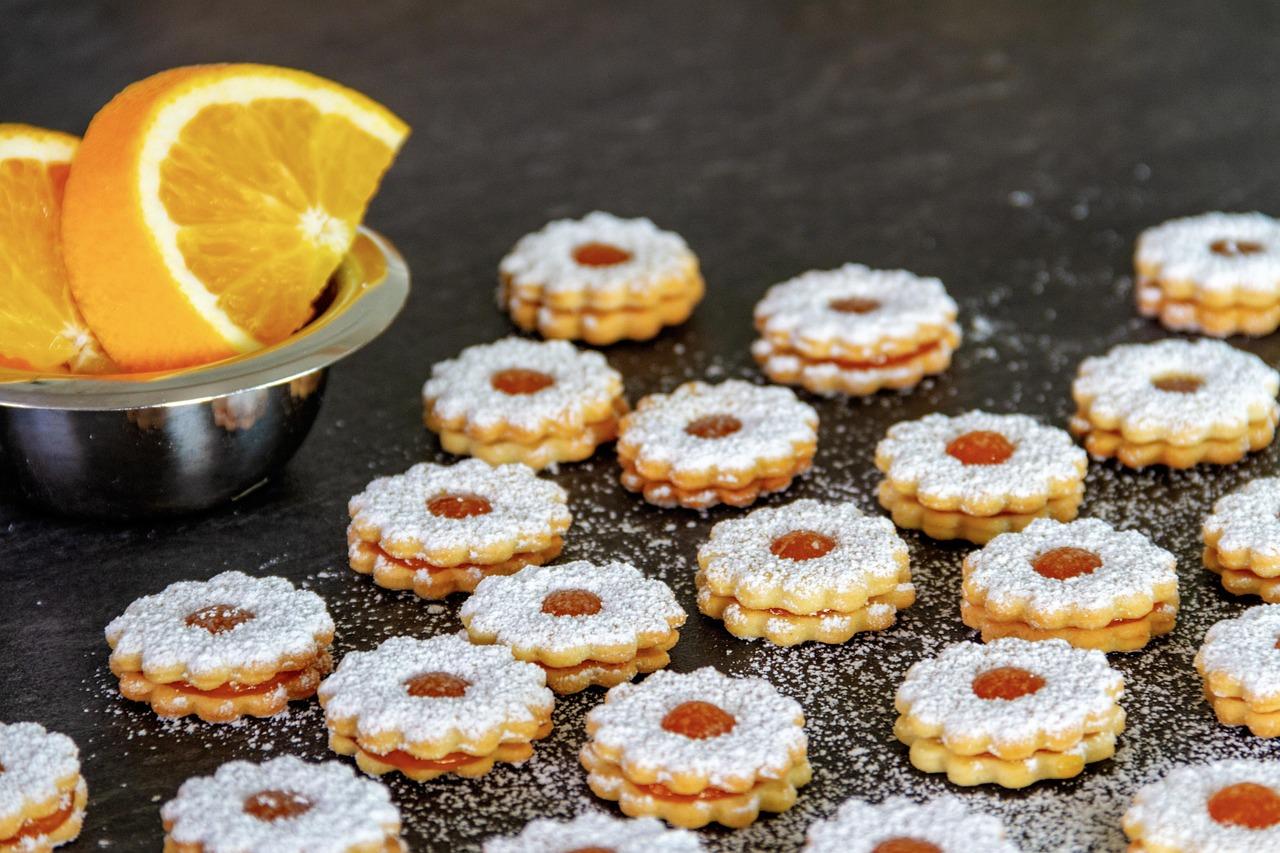
VaniliceVanilla jam shortbread cookies

No slava, the family saint's day feast in Serbia, goes by without a plate of vanilice, and every grandmother's tin holds a few hundred at Christmas. Two tiny fluted rounds of tender walnut shortbread are glued together with tart jam, usually apricot or rosehip, then rolled in vanilla sugar until snowy. They crumble at the first bite and turn soft and melting after a day or two in the tin. Many old recipes use lard; this one uses butter, so the biscuits are vegetarian. Where most people go wrong is baking them until golden: vanilice should stay pale, with only the faintest colour on the base, or they turn hard and lose their vanilla scent. Chef's tip: roll them in the sugar while they are still slightly warm from sandwiching, so the coating clings.

by KrazyBadal 0 views

King kongLayered biscuit with manjar blanco

Named, the story goes, after the giant ape because of its size when the film reached Peru, the king kong is Lambayeque's proudest sweet: thick, crumbly biscuit layers stacked with manjar blanco, a sticky pineapple jam and a peanut fudge, then cut into heavy slabs. Shops in Lambayeque and Chiclayo sell them by the kilo in boxes, and travellers carry them home as gifts. It is very sweet, buttery and dense, so a slice goes a long way with black coffee. This home version makes the manjar blanco from condensed and evaporated milk to save hours, then turns half of it into the peanut layer. The usual mistake is overbaking the biscuit until it is hard; take it out as soon as the edges are pale gold, as it firms up while it cools. It is a project, so make the fillings first and let them cool. Chef's tip: wrap the finished king kong and leave it overnight before cutting; the layers settle and soften into each other.

by KrazyBadal 0 views

KispiñoSteamed quinoa cakes

Pressed in a fist so each one carries the marks of the cook's fingers, kispiño are small, dense quinoa cakes from the Puno highlands, steamed and then left to dry so they keep for weeks on journeys, herding trips and pilgrimages. Traditional ones are bound with a little lime water (from cal, the mineral) and fat; this home version uses oil and a pinch of aniseed and sugar, so they're vegan and pleasantly savoury-sweet. They're firm and chewy, a little like a grain cake, and good with hot tea, coca tea or a soup on a cold day. The common mistake is making the dough too wet, so the cakes slump in the steamer; it should feel like damp sand that holds its shape when squeezed. Ground quinoa is quinoa flour; grind your own from rinsed, dried and toasted grain, or buy it ready ground. Chef's tip: toast the ground quinoa in a dry pan first until it smells nutty, which takes away any bitterness.

by KrazyBadal 0 views

Turrón de Doña PepaAnise biscuit sticks in spiced syrup

Every October, the month of the Señor de los Milagros processions in Lima, bakeries and street sellers pile their trays with turrón de Doña Pepa: layers of crumbly anise-flavoured sticks drenched in a dark syrup of chancaca cooked with fruit and spices, topped with a storm of coloured sprinkles. Popular lore credits it to Josefa Marmanillo, a woman from the Cañete valley who is said to have made it in thanks after the procession. It is sticky, crunchy and soft at once, with orange and clove in the syrup. Its downfall is usually runny syrup that soaks the sticks into mush; it needs to reach a thick, threading stage before it goes on. Chancaca is sold as cones or blocks in Latin shops; panela or dark muscovado also work. Some coloured sprinkles contain gelatin, so check the label. Chef's tip: make it a day ahead; the syrup sets and the sticks soften just enough to slice neatly.

by KrazyBadal 0 views

PoticaWalnut and honey spiral cake

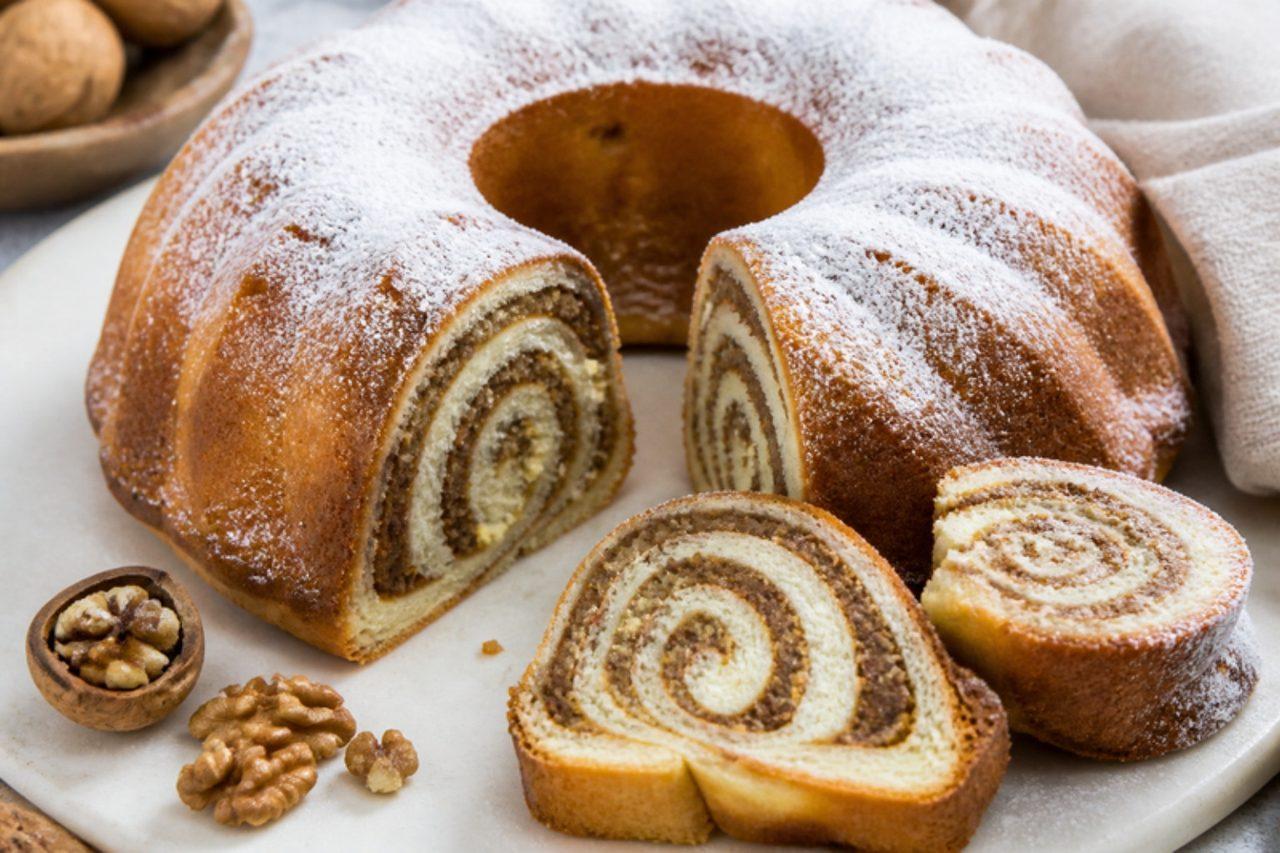
No Slovenian Easter or Christmas table is complete without potica, a yeasted dough rolled thin around a honeyed walnut filling and baked in a fluted ring mould called a potičnik. When sliced, each piece shows a tight spiral of pale dough and dark nuts. Families in Ljubljana and across Carniola argue about the best filling, but walnut with honey is the classic one, eaten with coffee from Christmas morning until the tin is empty. Unlike a braided Romanian cozonac, the beauty is all in the thin, even swirl. Chef's tip: spread the filling no thicker than the dough and roll it up tightly; a loose roll or a thick layer leaves a gap between dough and filling once baked, the most common potica fault.

210 minBalkanBaking
by KrazyBadal 0 views

SzarlotkaApple cake

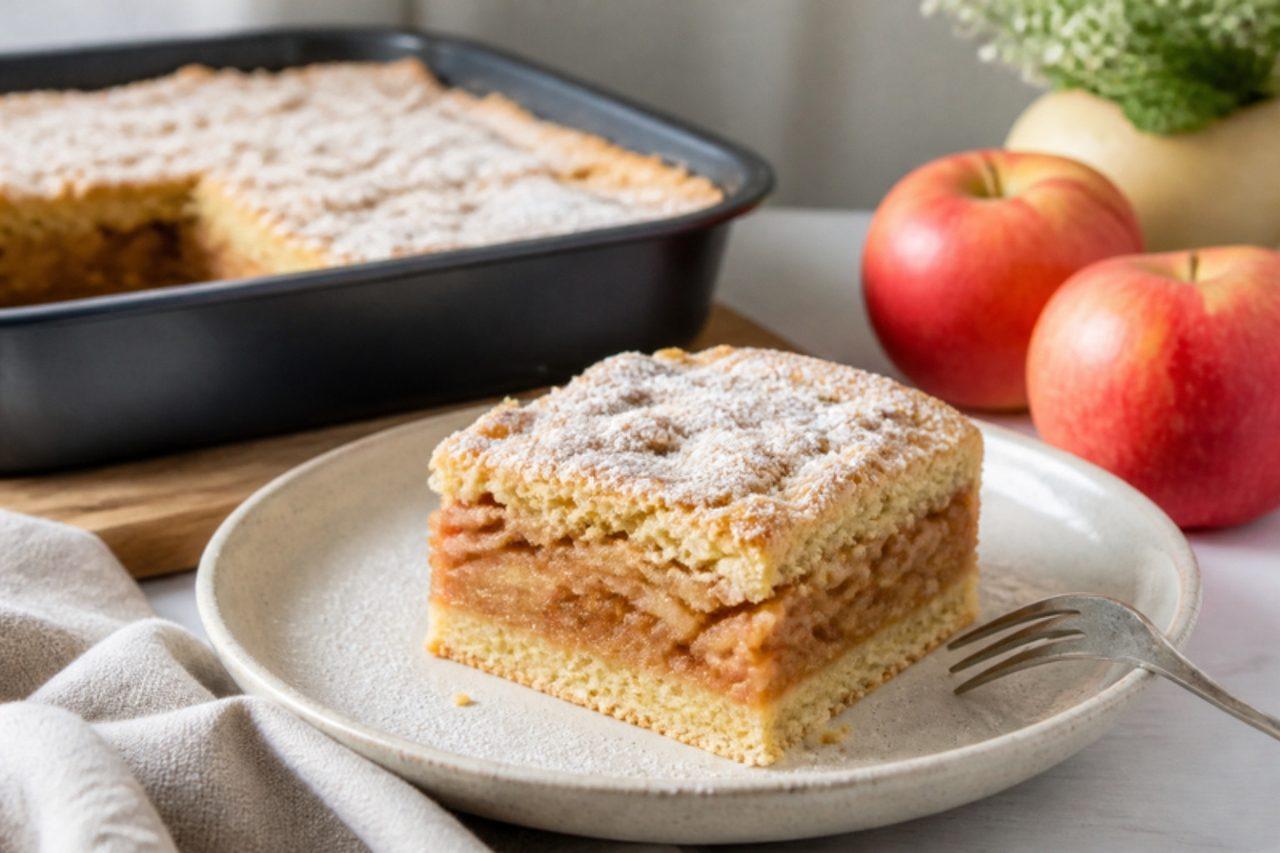
Szarlotka is the apple cake every Polish café and grandmother has a version of, from Zakopane mountain inns to the cake counters of Poznań. In the classic home style, a sweet, crumbly shortcrust (kruche ciasto) is pressed into a tray, filled with a thick layer of tart apples cooked briefly with cinnamon, and topped with the rest of the pastry grated over like crumble. It is served in squares, dusted with icing sugar, often warm with a scoop of vanilla ice cream or whipped cream. Sharp autumn apples such as Szara Reneta or Bramley give the right sour-sweet balance. Chef's tip: grate the frozen top layer of dough straight onto the apples; it bakes into a light, sandy crust instead of a heavy lid.

by KrazyBadal 0 views

ChajáSponge, peach and cream cake

Chajá was created in 1927 at a bakery in Paysandú, a city on the Uruguay River, and named after a local bird whose feathers look as fluffy as its crumbly meringue coat. Today it's Uruguay's birthday and celebration cake: layers of light sponge soaked in peach syrup, filled with whipped cream, peaches and dulce de leche, then covered in crushed meringue. It's sweet, soft and crunchy at once, best on the day it's assembled. Chef's tip: soak the sponge but not too much; it should feel moist, not wet, or the layers slide.

by KrazyBadal 0 views

Showing 24 of 26 recipes

Show more recipes

Page 1 of 2