Skip to content
Recipes

All recipes

Vegetarian, or something you can't eat? Set your diet once and we'll hide recipes that don't fit.

Chajá

Chajá was created in 1927 at a bakery in Paysandú, a city on the Uruguay River, and named after a local bird whose feathers look as fluffy as its crumbly meringue coat. Today it's Uruguay's birthday and celebration cake: layers of light sponge soaked in peach syrup, filled with whipped cream, peaches and dulce de leche, then covered in crushed meringue. It's sweet, soft and crunchy at once, best on the day it's assembled. Chef's tip: soak the sponge but not too much; it should feel moist, not wet, or the layers slide.

by KrazyBadal 0 views

Anzac biscuits

Anzac biscuits are baked in kitchens all over Australia and New Zealand in the days before 25 April, Anzac Day, when both countries remember the soldiers of the Australian and New Zealand Army Corps who landed at Gallipoli in 1915. Recipes appeared in fundraising cookbooks soon after the war, and they keep well because they contain no eggs: just oats, flour, coconut, sugar, butter and golden syrup, raised with bicarbonate of soda. Bake them short for chewy, longer for crunchy; every family has its side. Chef's tip: add the bicarbonate to the hot butter and syrup and wait for it to foam up before mixing; that froth is what makes them light and lacy.

by KrazyBadal 0 views

Afghan biscuits

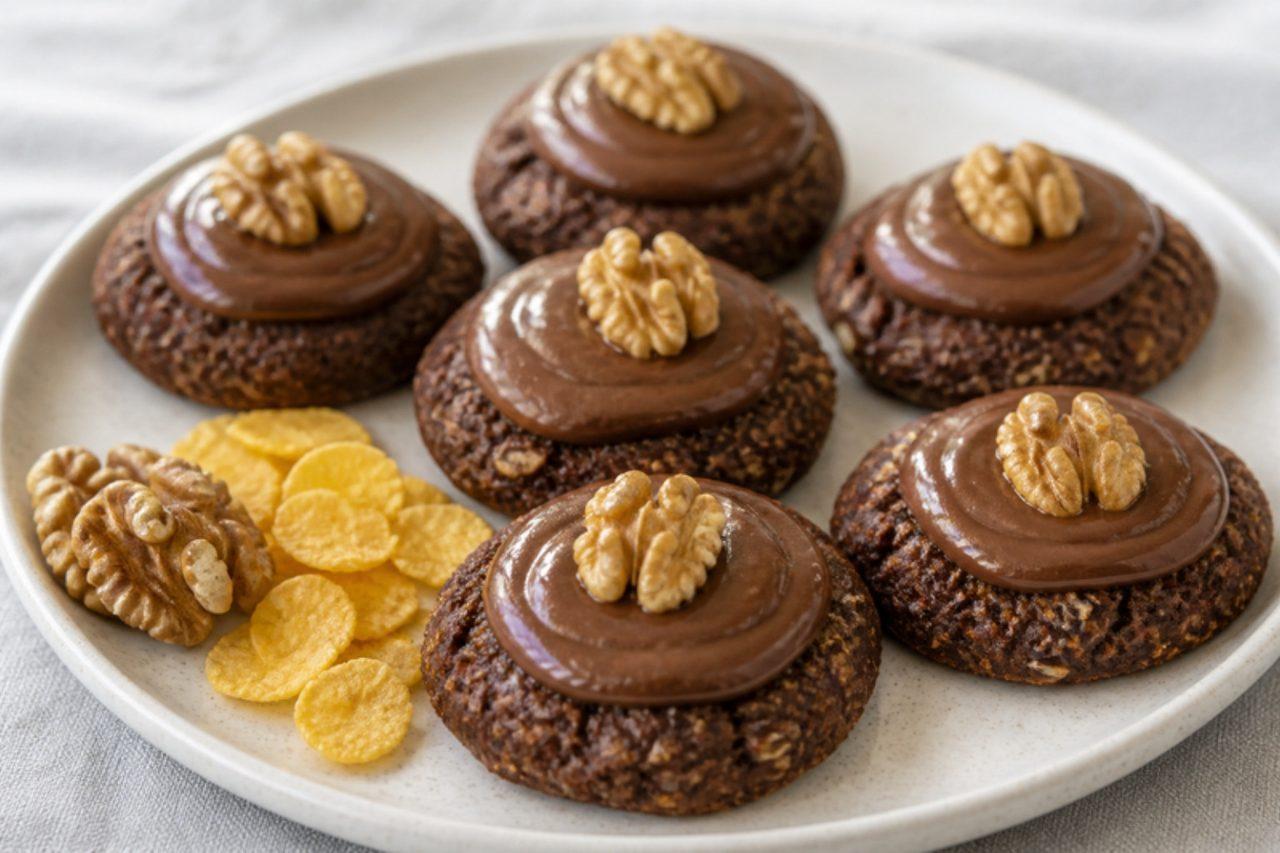
Afghans are a New Zealand classic, found in the old home baking books passed down in Kiwi kitchens and in the glass cabinets of cafés and bakeries from Christchurch to Whangārei. Nobody is quite sure where the name came from. The dough is rich with butter and cocoa, and lightly crushed cornflakes give each biscuit a crunchy, slightly rugged texture. A swirl of soft chocolate icing and a walnut half finish them off. They're not too sweet underneath, which is why the icing works so well. Chef's tip: crush the cornflakes only lightly with your hand; fine crumbs disappear, but big flakes give the crunch an afghan is known for.

by KrazyBadal 0 views

Neenish tarts

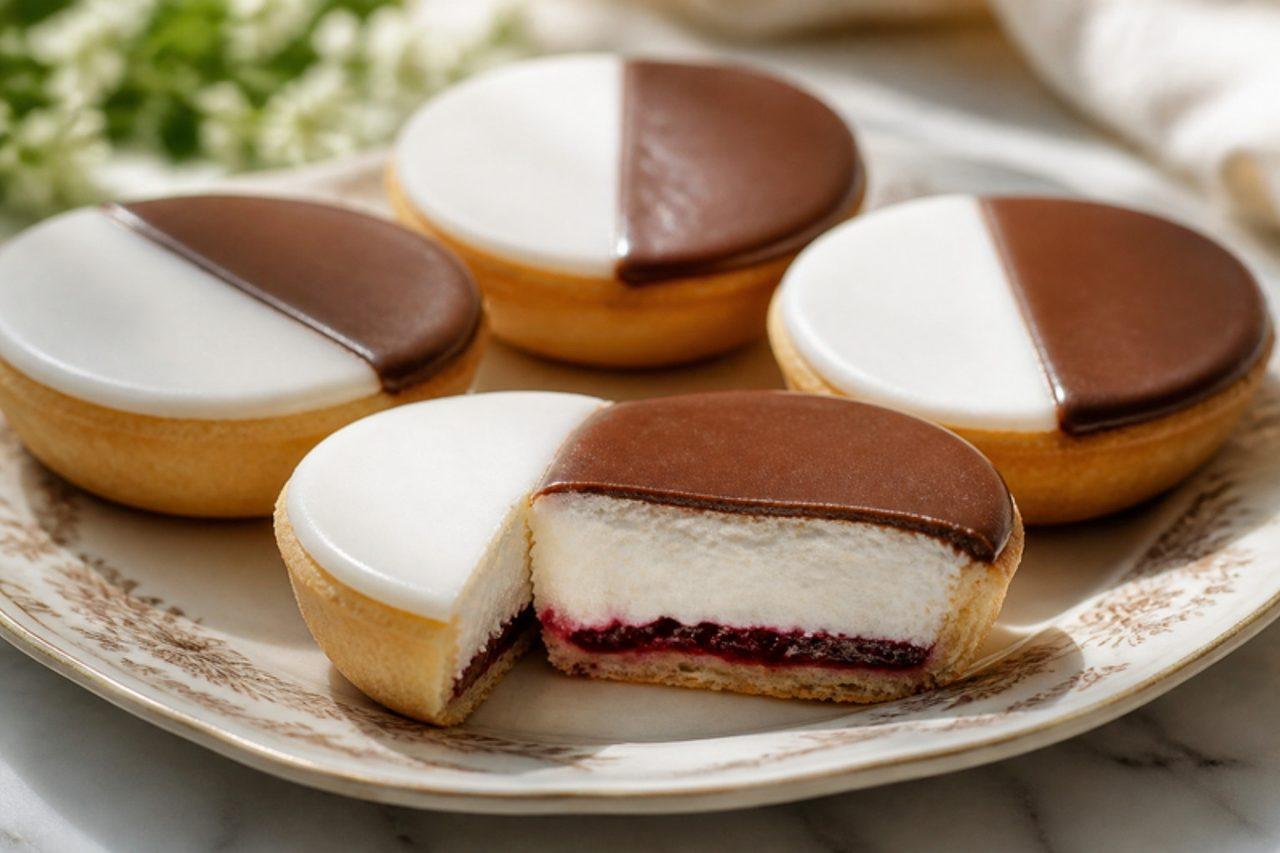
Neenish tarts have sat in the windows of Australian country bakeries for more than a century, and they're also found across the Tasman in New Zealand. Where the name comes from is still argued over, with one story placing it in the small town of Grong Grong in New South Wales. A crisp sweet pastry case holds a thin layer of raspberry jam and a fluffy mock cream, a beaten mixture of butter, sugar and milk, and the top is iced in two halves: one white, one chocolate. Many bakery mock creams use gelatine; this one doesn't. Chef's tip: beat the mock cream for a long time, a full 8–10 minutes, until the sugar has dissolved and it is white and fluffy, not gritty.

by KrazyBadal 0 views

Aussie meat pie

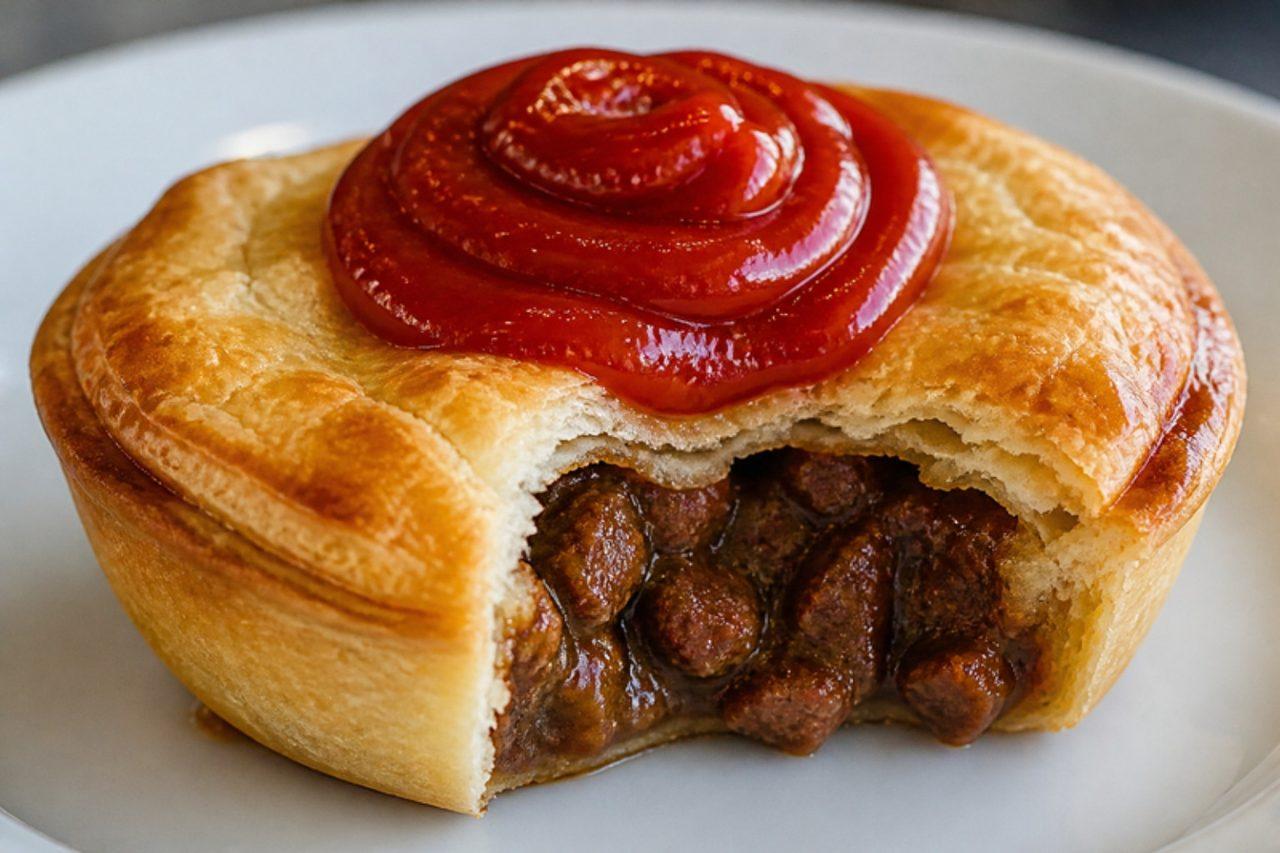
Half-time at the MCG, a country-town bakery at 7 am, a servo on a long drive: the meat pie is Australia's everyday hand-held meal, eaten straight from its paper bag with a squirt of tomato sauce. A sturdy shortcrust base holds minced beef in thick, peppery gravy, and a flaky puff pastry lid shatters on the first bite. Making them at home takes a little time, but the filling can be cooked a day ahead. The mistake behind a soggy base is filling the pastry with hot mince; let the filling cool completely in the fridge first. Chef's tip: cook the filling until it is thicker than you think it needs to be; a loose gravy boils over and leaks through the base.

by KrazyBadal 0 views

Lamingtons

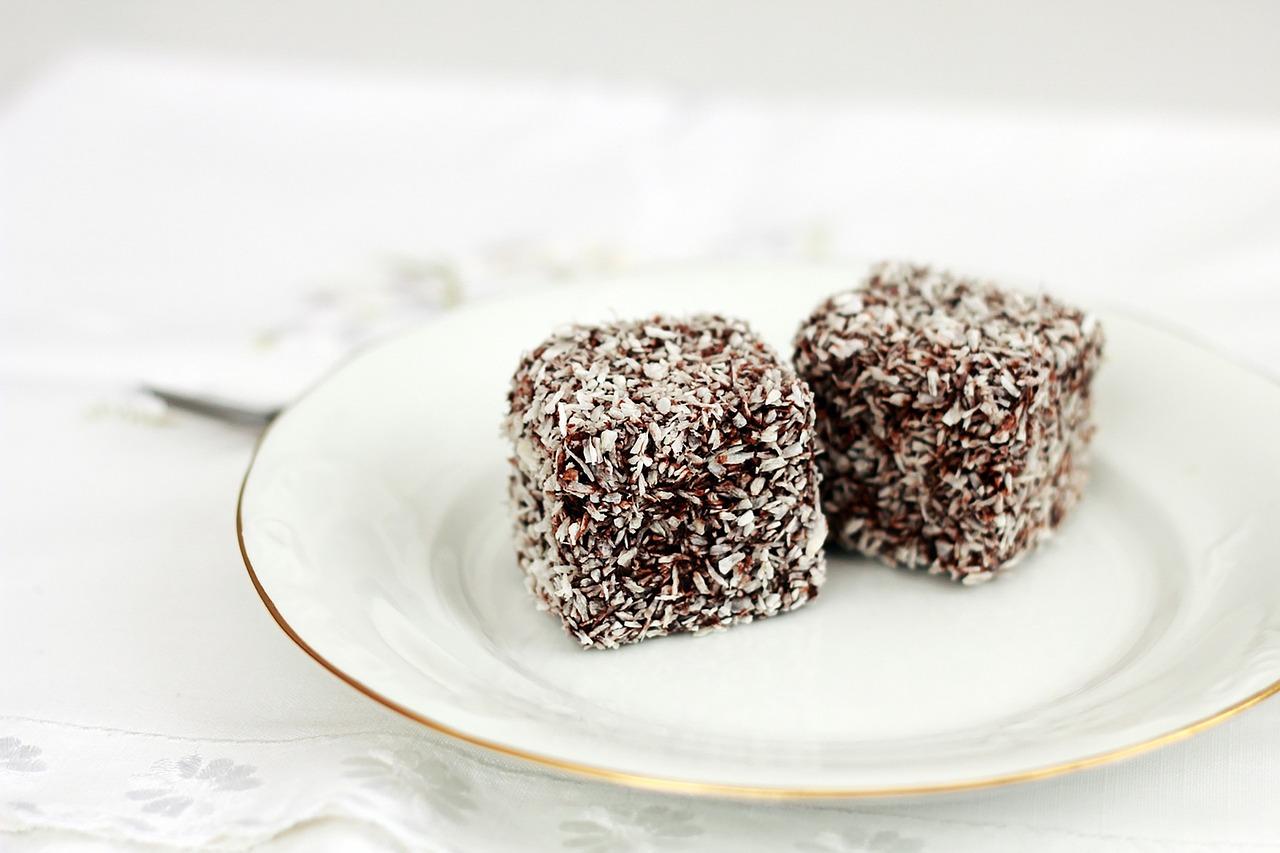
Lamingtons are said to be named after Lord Lamington, Governor of Queensland at the turn of the twentieth century, and they're the cake of Australian school fundraisers, Country Women's Association stalls and morning tea at work; there's even a National Lamington Day on 21 July. Cubes of light butter sponge are dunked in a thin, glossy chocolate icing and rolled in desiccated coconut, so each one has a soft, chocolate-soaked outside and a fluffy middle. Some bakeries split them and fill them with jam and cream. Chef's tip: bake the sponge a day ahead, or freeze the cut squares for an hour; fresh sponge crumbles in the icing, firm sponge dips cleanly.

by KrazyBadal 0 views

Lebanese date cake

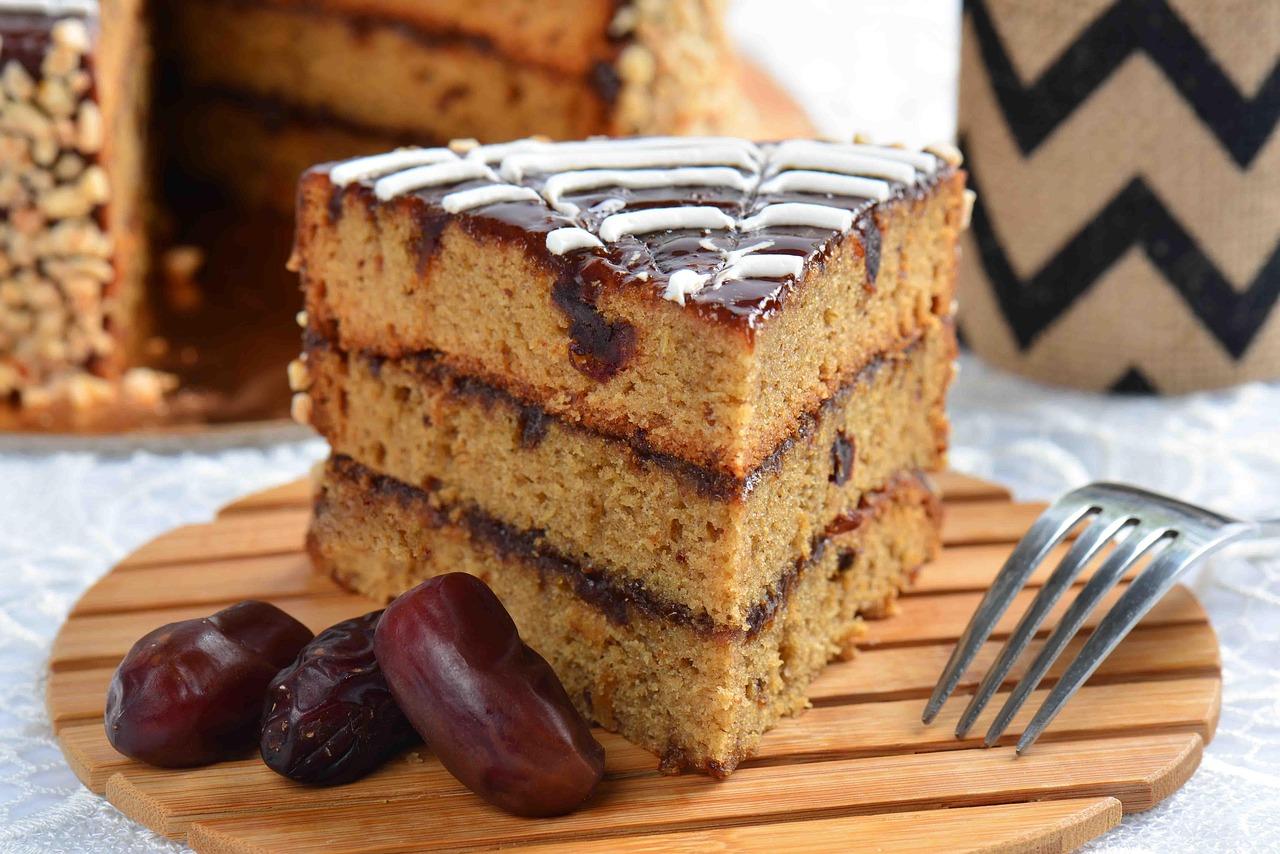
A soft, moist cake made without eggs: self-raising flour and brown sugar are rubbed with butter, then mixed with milk and sour cream and studded with chopped dates, raisins and pistachios, with a warm hint of nutmeg and vanilla. Lovely with tea or served warm with cream.

by KrazyBadal 0 views

Arabian date pinwheels

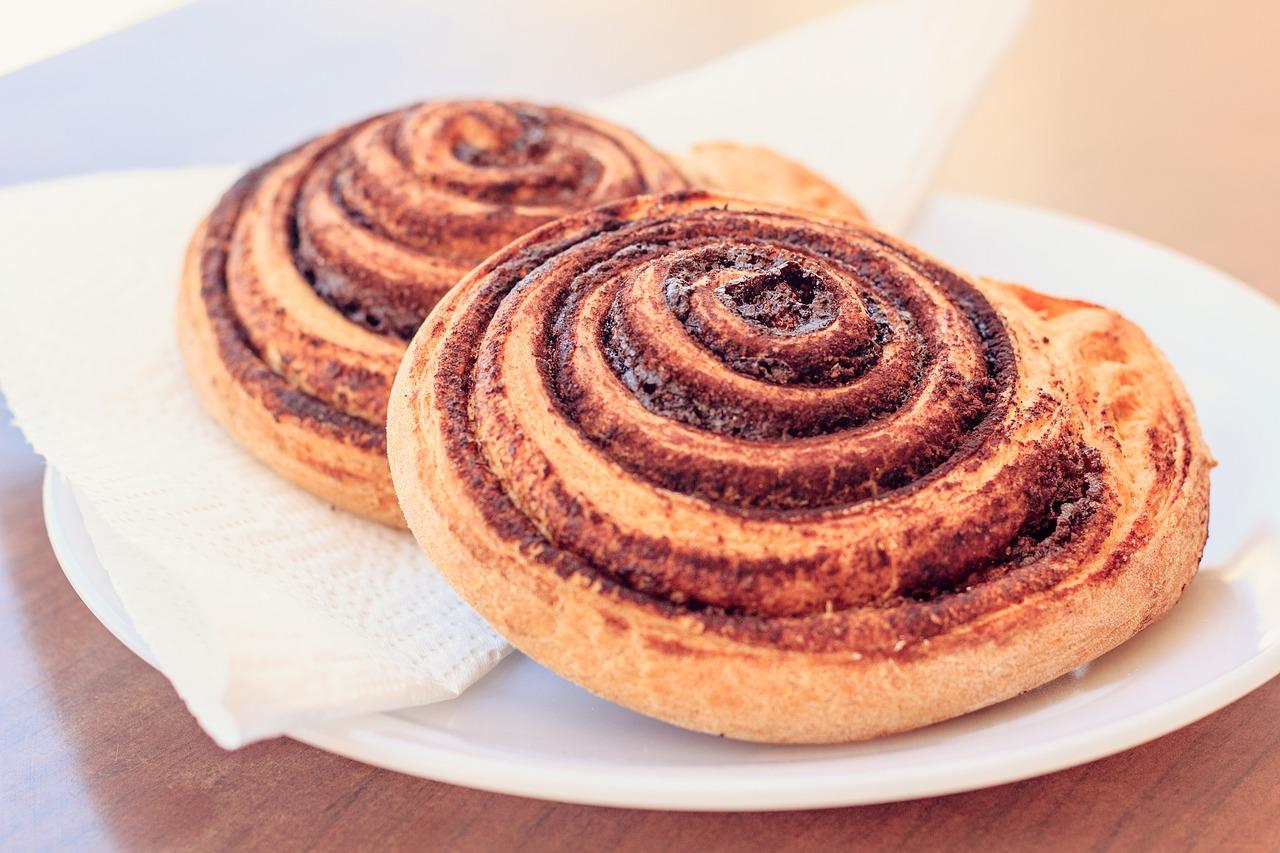
Crumbly, buttery biscuit dough is rolled out, spread with a soft date filling flavoured with cinnamon and lemon, rolled into logs, sliced and baked into pretty pinwheels. They make a big batch of 50 and keep well in an airtight tin. Serve with tea, or with ice cream as a dessert.

by KrazyBadal 0 views

Ma'amoul

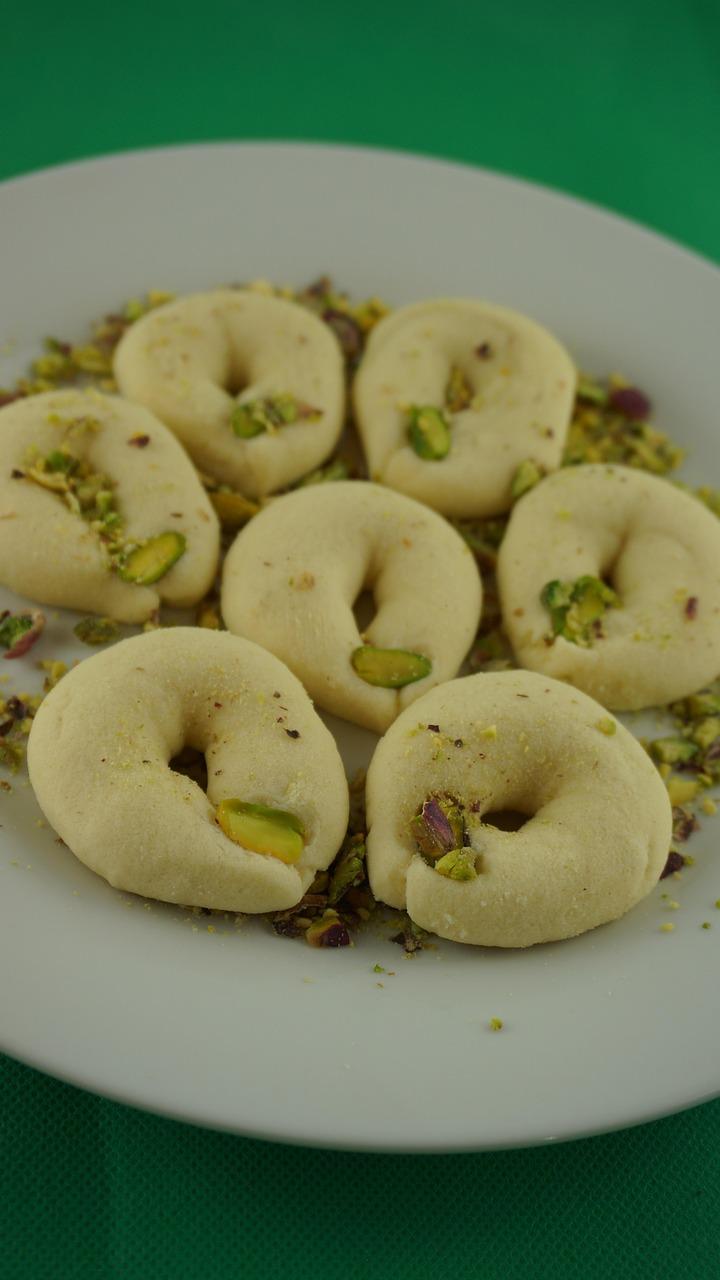
Ma'amoul are delicate shortbread-like pastries made for Eid and Easter across the Middle East. A soft, rose-scented butter dough is wrapped around a filling of dates, walnuts, almonds and pistachios cooked with cinnamon, marked with a fork, baked pale and dusted with icing sugar. Makes 35; they keep well in a tin.

by KrazyBadal 0 views

Semolina cake

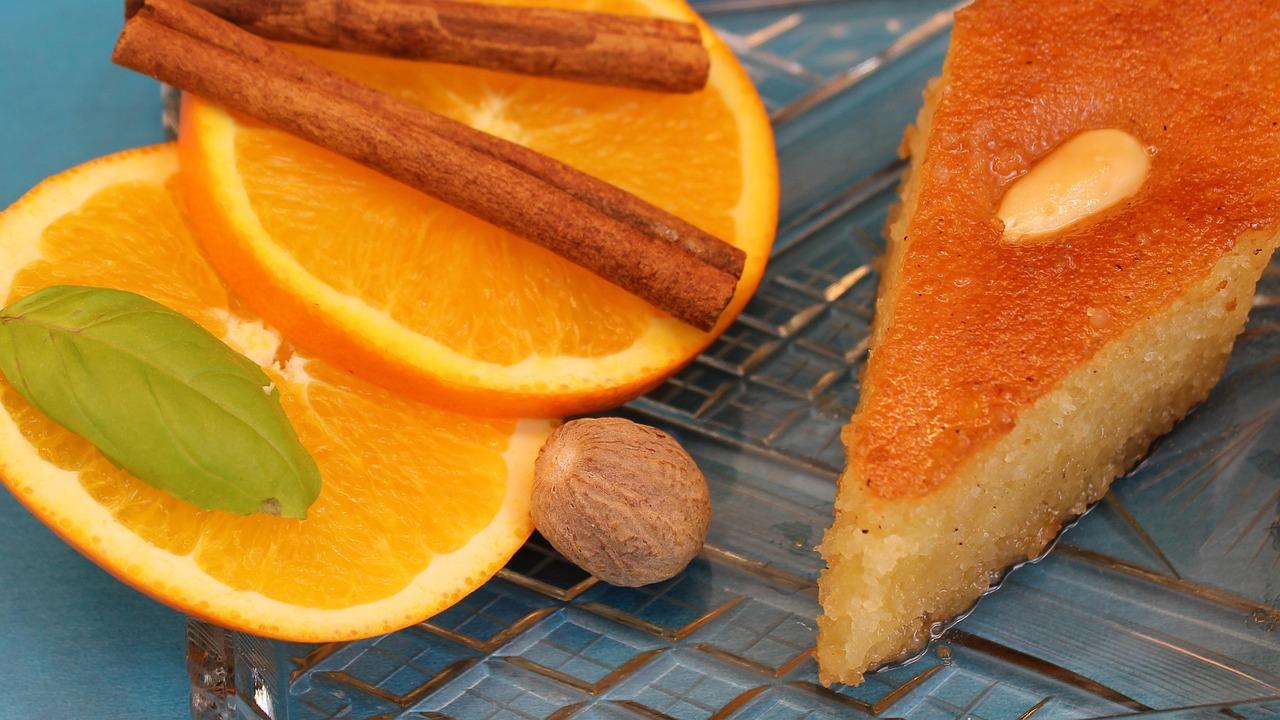
A moist eggless cake made with semolina, coconut and yogurt, baked with slivered almonds on the bottom and top and moistened with orange juice. Serve with coconut ice cream or custard sauce.

by KrazyBadal 0 views