Skip to content
Recipes

All recipes

Vegetarian, or something you can't eat? Set your diet once and we'll hide recipes that don't fit.

MohnschneckePoppy seed rolls

Every German bakery counter has a tray of Mohnschnecken next to the cinnamon and nut snails, and they are bought by the bag for Saturday breakfast and afternoon coffee. A soft, buttery yeast dough is spread with a thick filling of ground poppy seeds cooked in milk with sugar and lemon, rolled up, sliced and baked, then brushed with a thin lemon glaze. The usual mistake is using whole poppy seeds straight from the jar: they must be ground (or bought ground, as "Mohn gemahlen") or the filling stays gritty and bland. Chef's tip: cool the poppy filling completely before spreading it, because a warm filling melts the butter in the dough and the spirals unroll in the oven.

by KrazyBadal 0 views

Ají amarillo pasteYellow chilli paste

In Lima's markets ají amarillo is sold fresh all year, and most Peruvian cooks keep a tub of this paste in the fridge the way others keep tomato purée: it is the golden base of causa limeña, ají de gallina, papa a la huancaína, chupe and the sauce for tiraditos. The chillies are seeded, de-veined and blanched in three changes of water, which tames the heat and the raw grassiness, then peeled and blended with oil into a thick, silky, saffron-orange paste. It tastes fruity and sunny, almost like apricot and passion fruit, with a rounded, medium heat. Abroad, buy whole frozen ají amarillo from Latin grocers; dried ají mirasol, soaked, gives a darker, earthier paste. Common mistake: skipping the peeling; the thin skins leave papery flecks and a bitter edge. It is ready when it is completely smooth and holds a soft peak like thick hummus. This is a low-acid paste: keep it in the fridge for a week or freeze it, never on the shelf. Chef's tip: freeze it in an ice-cube tray; one cube is about a tablespoon, just right for a pot of ají de gallina.

by KrazyBadal 0 views

Postre MassiniCustard sponge with burnt sugar top

Montevideo's birthday cake of choice since the early twentieth century, the Massini is two thin layers of sponge sandwiching a thick filling of whipped cream folded with egg-yolk custard, crowned with a thin glassy crust of torched yolk and sugar. Bakeries across Uruguay sell it on Sundays. Traditional versions sometimes add a sweet fortified wine to the custard; this one is alcohol-free. The custard is cooked to a safe 71 °C. The common mistake is assembling with warm custard, which melts the cream into a puddle. Chef's tip: if you don't have a blowtorch, put the sugared top under a very hot grill for a minute and watch it closely.

by KrazyBadal 0 views

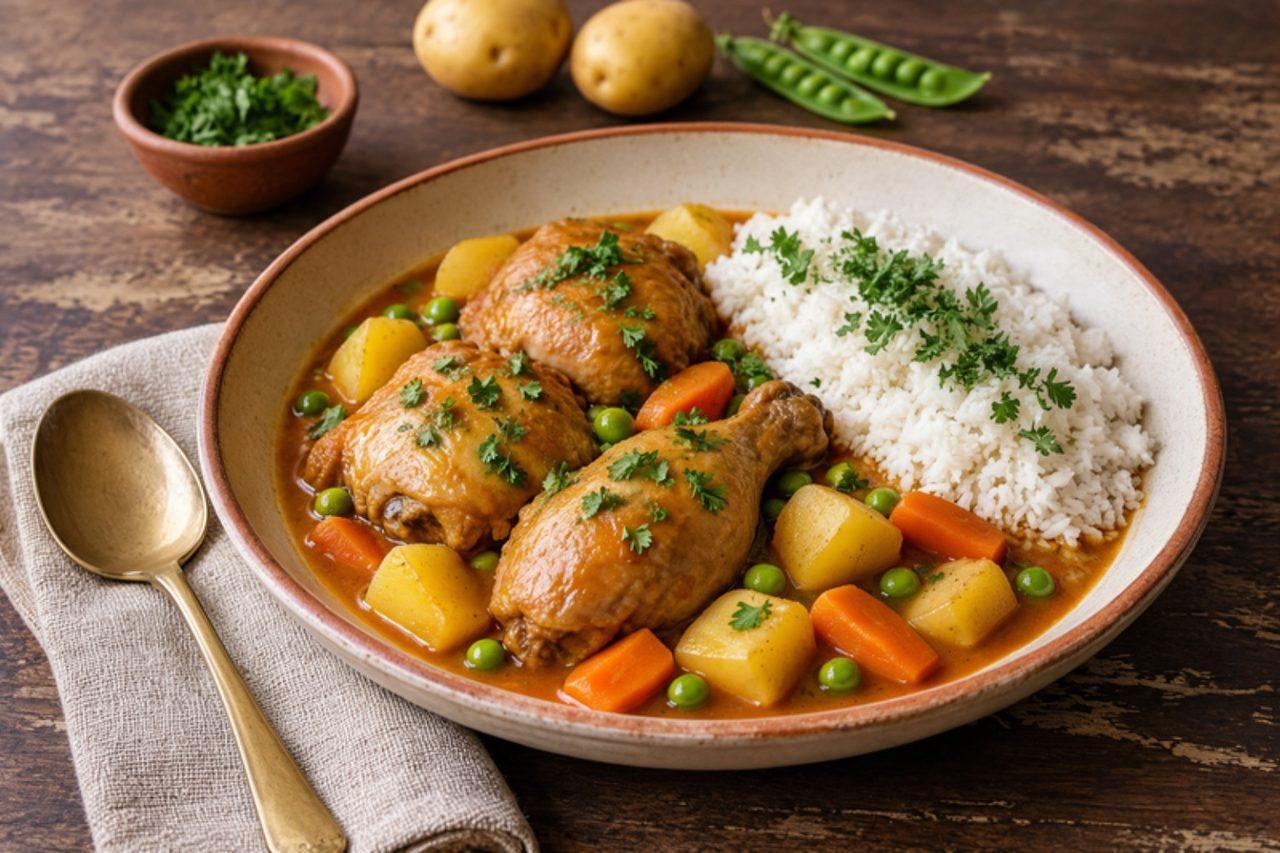
Estofado de polloChicken stew

Estofado de pollo is the mild, homely chicken stew of Lima's family kitchens and school lunches, usually on the table on a weekday or a quiet Sunday with white rice. Chicken pieces are browned, then braised in a sauce of onion, garlic, tomato, a little ají panca paste and bay, with carrots, peas and yellow potatoes cooked right in the pot until the sauce is thick and orange. It is comforting rather than hot. The usual mistake is boiling it hard, which shreds the potatoes and dries the chicken; keep it at a lazy bubble. Chef's tip: use a few yellow potatoes along with waxy ones; they collapse slightly and thicken the sauce naturally.

by KrazyBadal 0 views

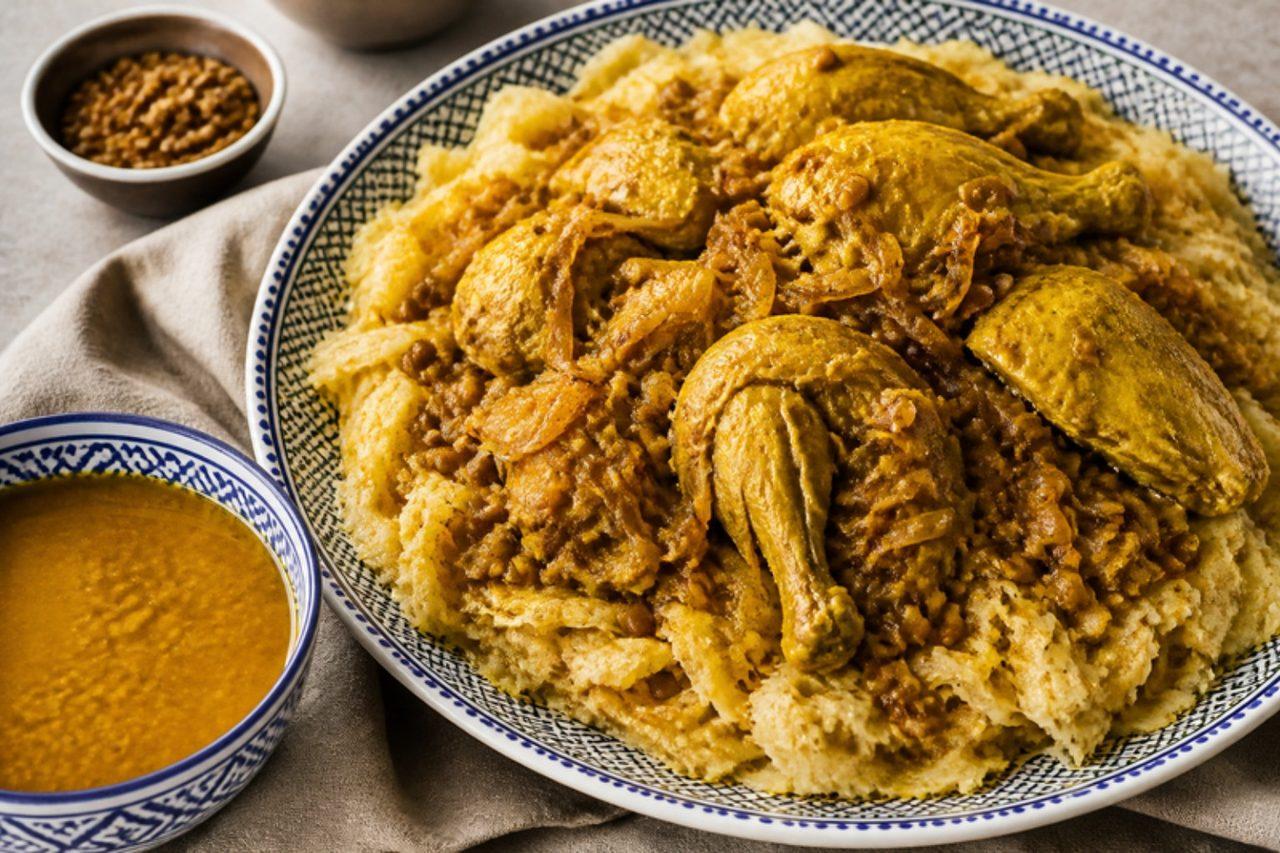
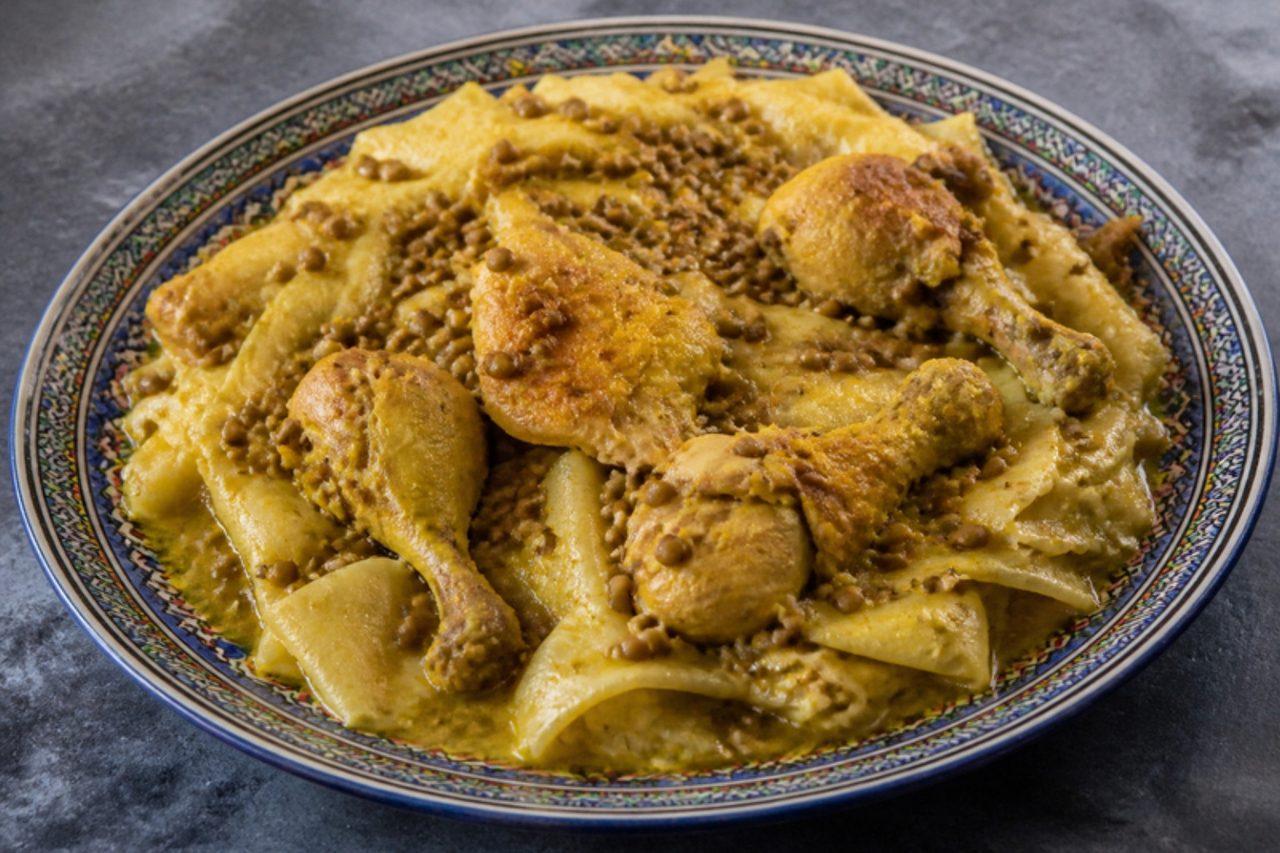
RfissaChicken with shredded flatbread and lentils

Ask anyone in Rabat or Salé when they last ate rfissa and the answer is often a birth, a naming day or a big family Friday: it is the dish brought to new mothers, because fenugreek and lentils are believed to restore strength. Torn strips of msemen, the flaky square pancake, are steamed until soft and piled high, then drenched in a broth of chicken, onion, ras el hanout and fenugreek that is warming, earthy and a little bitter-sweet. The chicken crowns the mound and everyone eats from the shared platter. Use homemade or bought msemen; day-old is best. Chef's tip: steam the shredded msemen over the simmering broth before saucing it, so it swells and softens instead of turning claggy.

by KrazyBadal 0 views

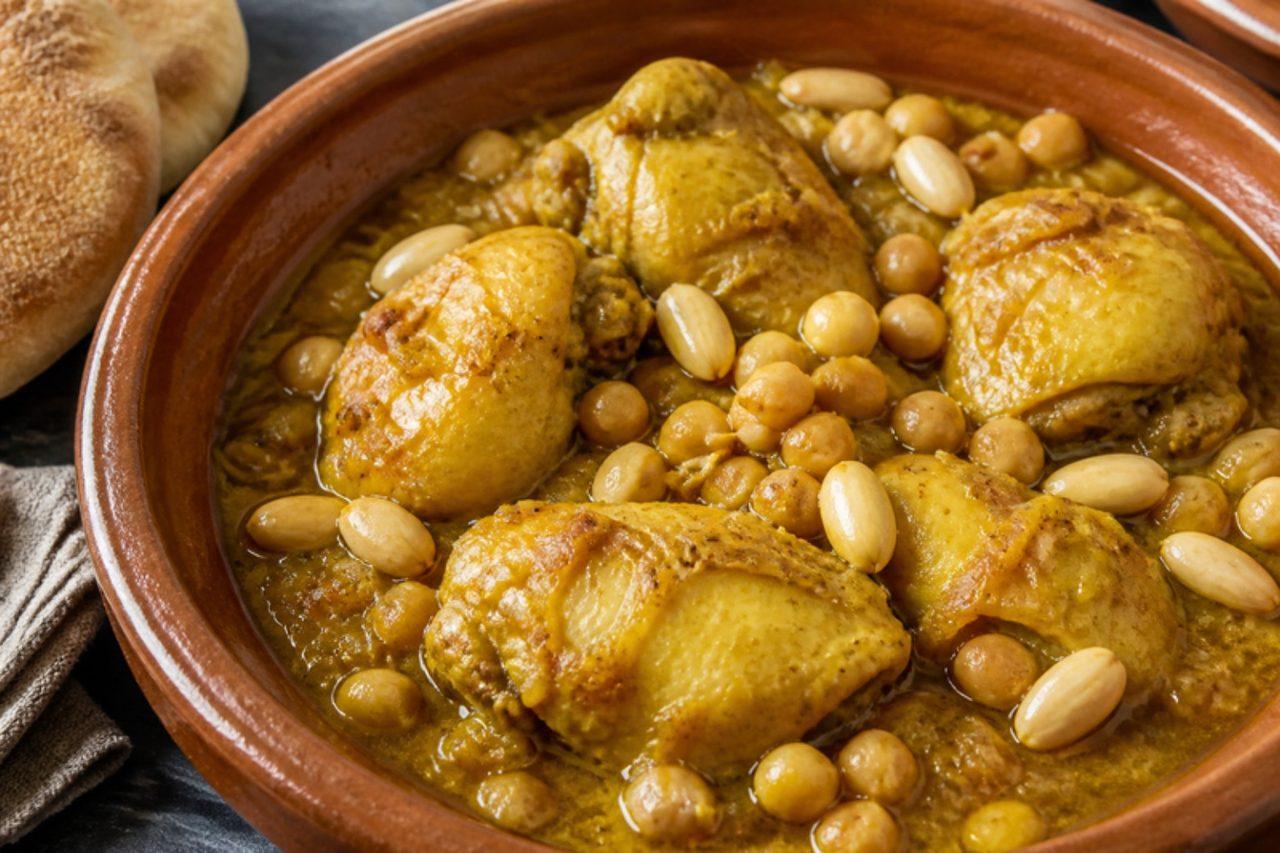
Chicken kdra with almonds

Kdra takes its name from the tall copper pot it was cooked in, and in Fez it is a festive dish for weddings and family gatherings rather than an everyday tagine. The sauce is the point: kilos of onion melted down with smen, saffron, white pepper and cinnamon until it turns pale gold and creamy, with no tomato or paprika at all. Soft chickpeas and almonds simmered until tender go into it, and the whole thing is scooped up with bread. Expect a mellow, perfumed, buttery richness rather than heat. Chef's tip: soak and simmer the blanched almonds with the chicken; they lose their crunch and become creamy like the chickpeas, which is how Fassi cooks like them.

by KrazyBadal 0 views

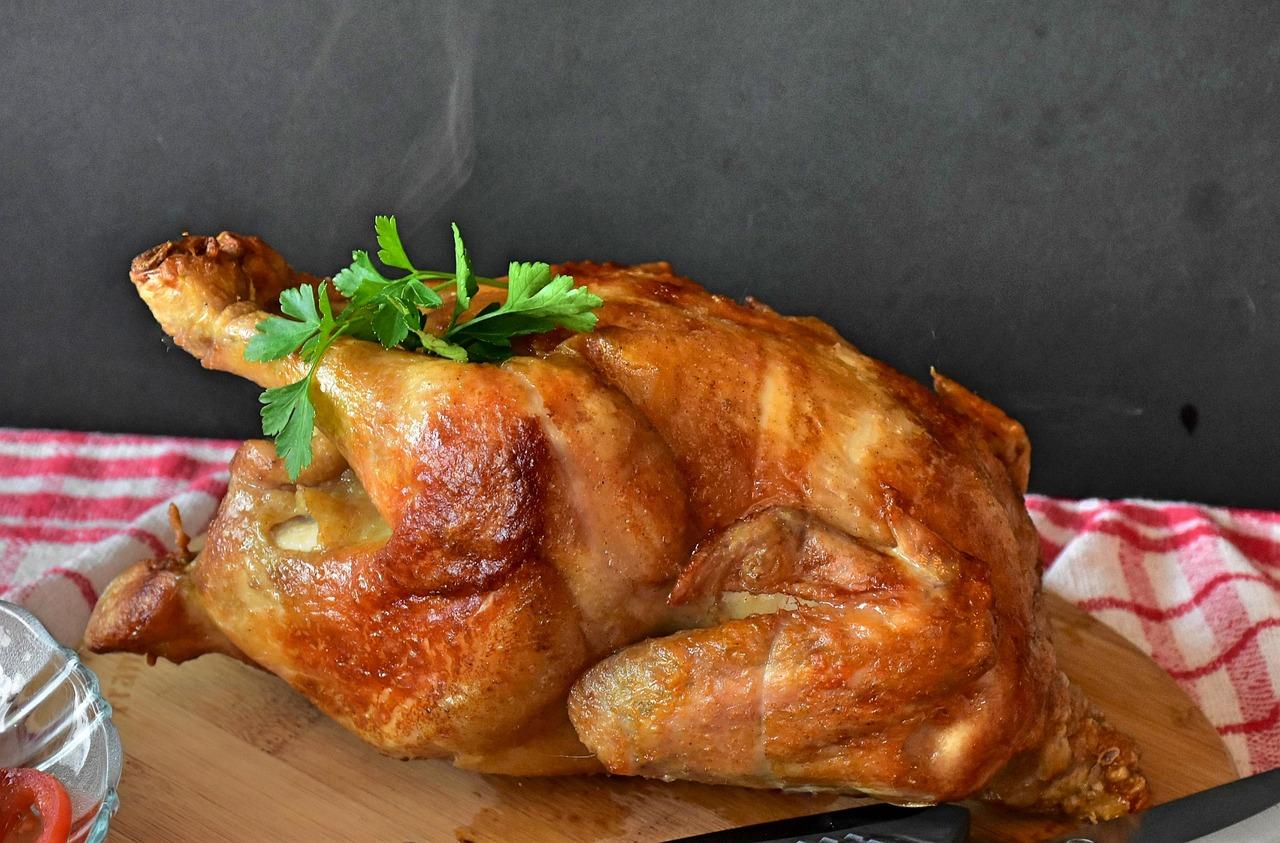
Djaj mhammerSaffron butter roast chicken

Mhammer means reddened or browned, and that final colour is what sets this Rabat and Fez favourite apart from a tagine. The bird is first poached in a little water with butter, garlic, saffron, cumin and paprika, so the meat soaks up the spices and stays juicy, then it goes into a hot oven to crisp and turn burnished while the cooking liquid reduces into a rich, buttery sauce. Moroccan families serve it at weddings and on Eid with olives, preserved lemon, fried or roasted potatoes and bread. Chef's tip: keep the poaching liquid at a gentle shiver, not a boil; boiling tightens the meat and the skin splits before it ever browns.

by KrazyBadal 0 views

TridSaffron chicken on pastry sheets

Before pastilla became the showpiece, Fez and Marrakech made trid, a dish so old it is sometimes called the grandmother of rfissa. Sheets of dough are stretched until you can read through them, cooked briefly on an upturned pot, then layered on a platter and soaked with the cooking juices of chicken simmered with onions, lentils, saffron and a whisper of fenugreek. The pastry softens into silky, almost noodle-like folds, the sauce is golden and peppery, and the chicken sits on top in big pieces to be shared by hand. It is served at family lunches, for guests, and to women after childbirth. Chef's tip: oil your hands and the work surface generously when stretching the dough; it is the oil, not flour, that lets it go paper-thin without tearing.

by KrazyBadal 0 views

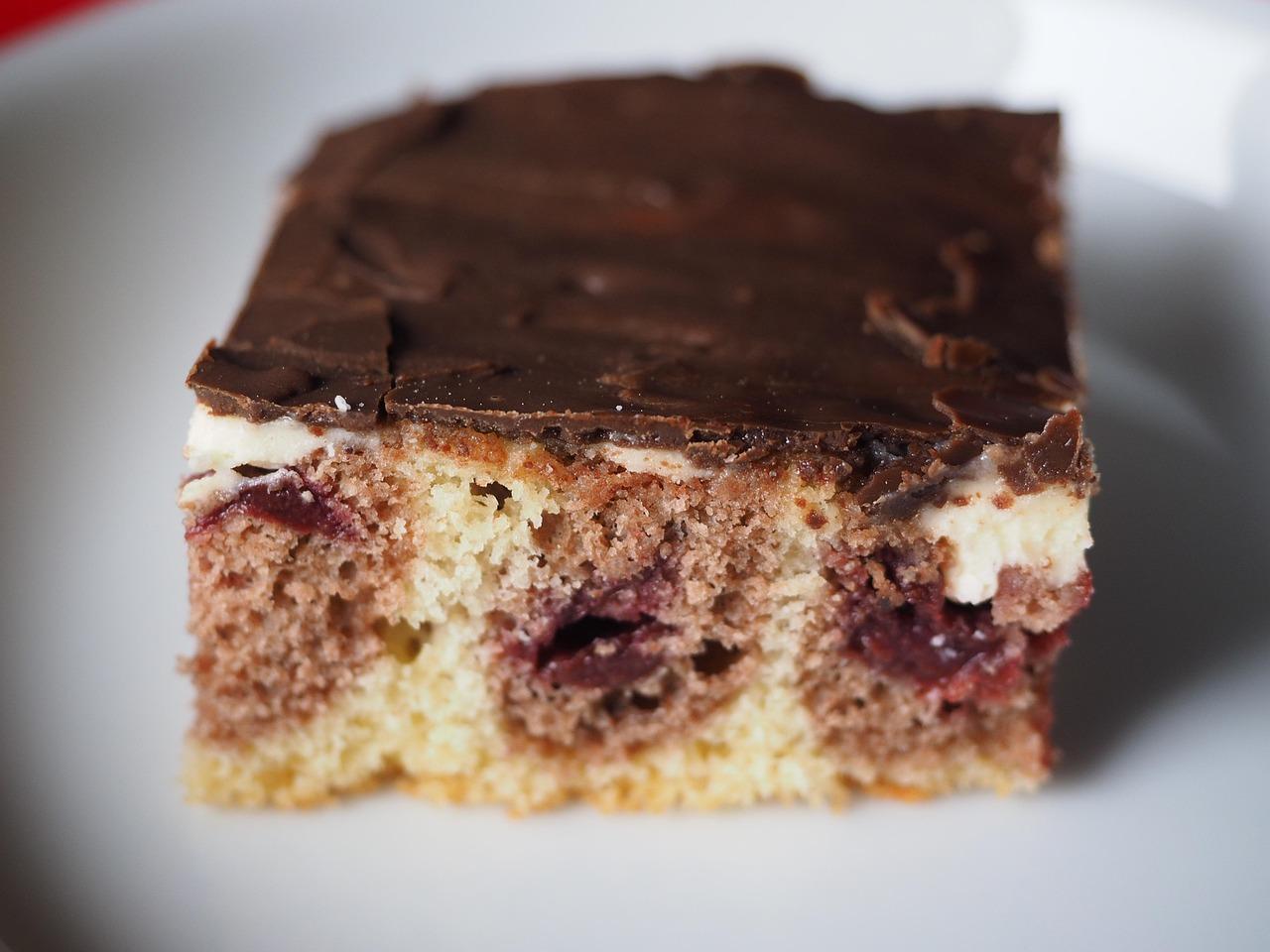
DonauwelleMarbled cherry sheet cake

Donauwelle, the 'Danube wave', is a German home-baker's favourite from the 1970s onwards, made on a tray for school fairs, birthdays and the Sunday coffee table. Cut a slice and you see the river: vanilla and chocolate sponge swirled into waves by sour cherries pushed into the batter, then a thick layer of vanilla buttercream and a dark chocolate top combed into ripples. A common mistake is pouring on the chocolate while the buttercream is soft, which melts the layers together; chill the cake well first. Chef's tip: warm a serrated knife in hot water and wipe it between every cut so the chocolate cracks cleanly instead of shattering.

by KrazyBadal 0 views

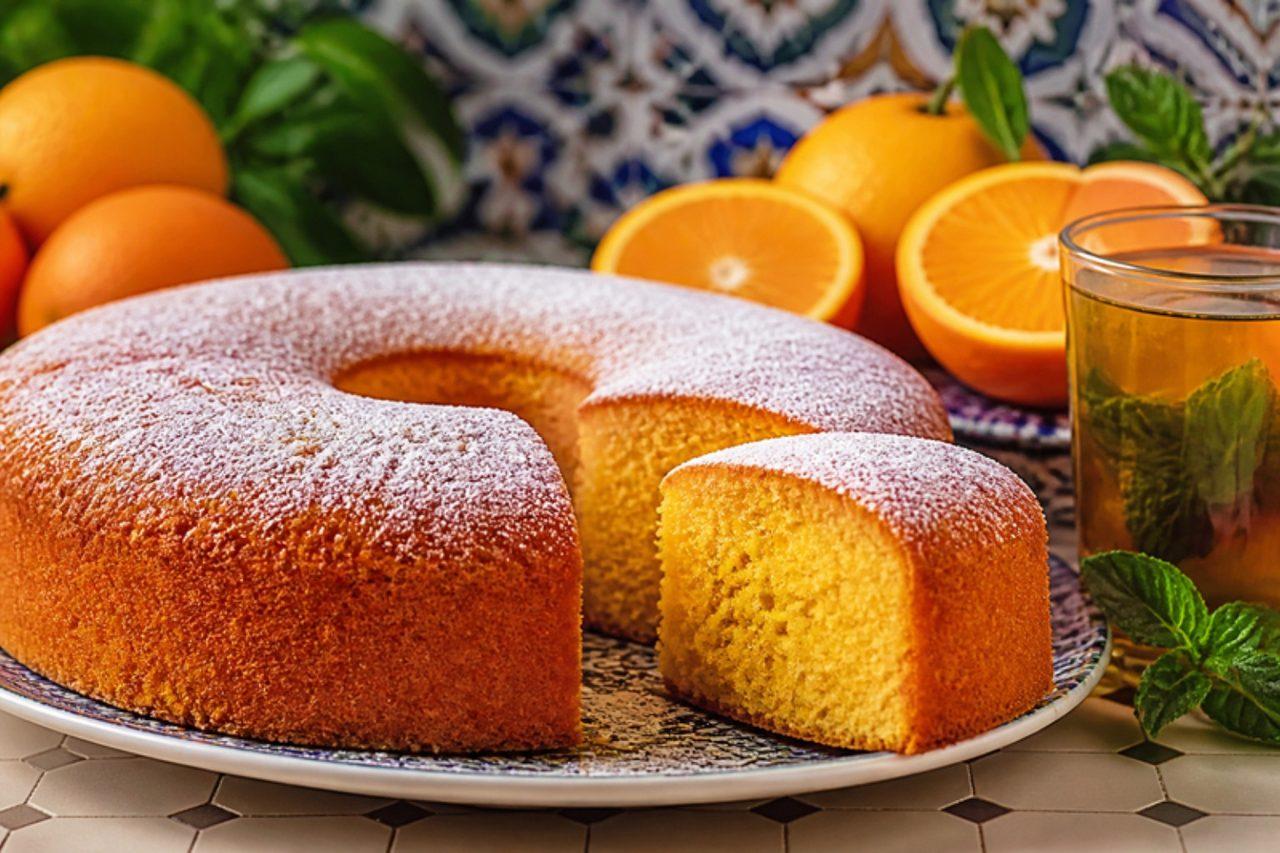
Meskouta (Moroccan orange cake)

Every Moroccan home cook seems to have a meskouta recipe, the light, fluffy sponge that is baked in a ring tin and set out for afternoon tea, unexpected guests or a children's snack. This one is flavoured with fresh orange juice and zest; many families make a yogurt version instead, using the yogurt pot to measure everything, and that variation is in the steps. The crumb is airy and moist, not too sweet, and it pairs perfectly with mint tea or a glass of milk. No mixer is strictly needed, but it helps. Chef's tip: beat the eggs and sugar for a full 5 minutes until pale and tripled in volume; under-whipped eggs, the usual mistake, make a dense, flat meskouta.

by KrazyBadal 0 views

KispiñoSteamed quinoa cakes

Pressed in a fist so each one carries the marks of the cook's fingers, kispiño are small, dense quinoa cakes from the Puno highlands, steamed and then left to dry so they keep for weeks on journeys, herding trips and pilgrimages. Traditional ones are bound with a little lime water (from cal, the mineral) and fat; this home version uses oil and a pinch of aniseed and sugar, so they're vegan and pleasantly savoury-sweet. They're firm and chewy, a little like a grain cake, and good with hot tea, coca tea or a soup on a cold day. The common mistake is making the dough too wet, so the cakes slump in the steamer; it should feel like damp sand that holds its shape when squeezed. Ground quinoa is quinoa flour; grind your own from rinsed, dried and toasted grain, or buy it ready ground. Chef's tip: toast the ground quinoa in a dry pan first until it smells nutty, which takes away any bitterness.

by KrazyBadal 0 views

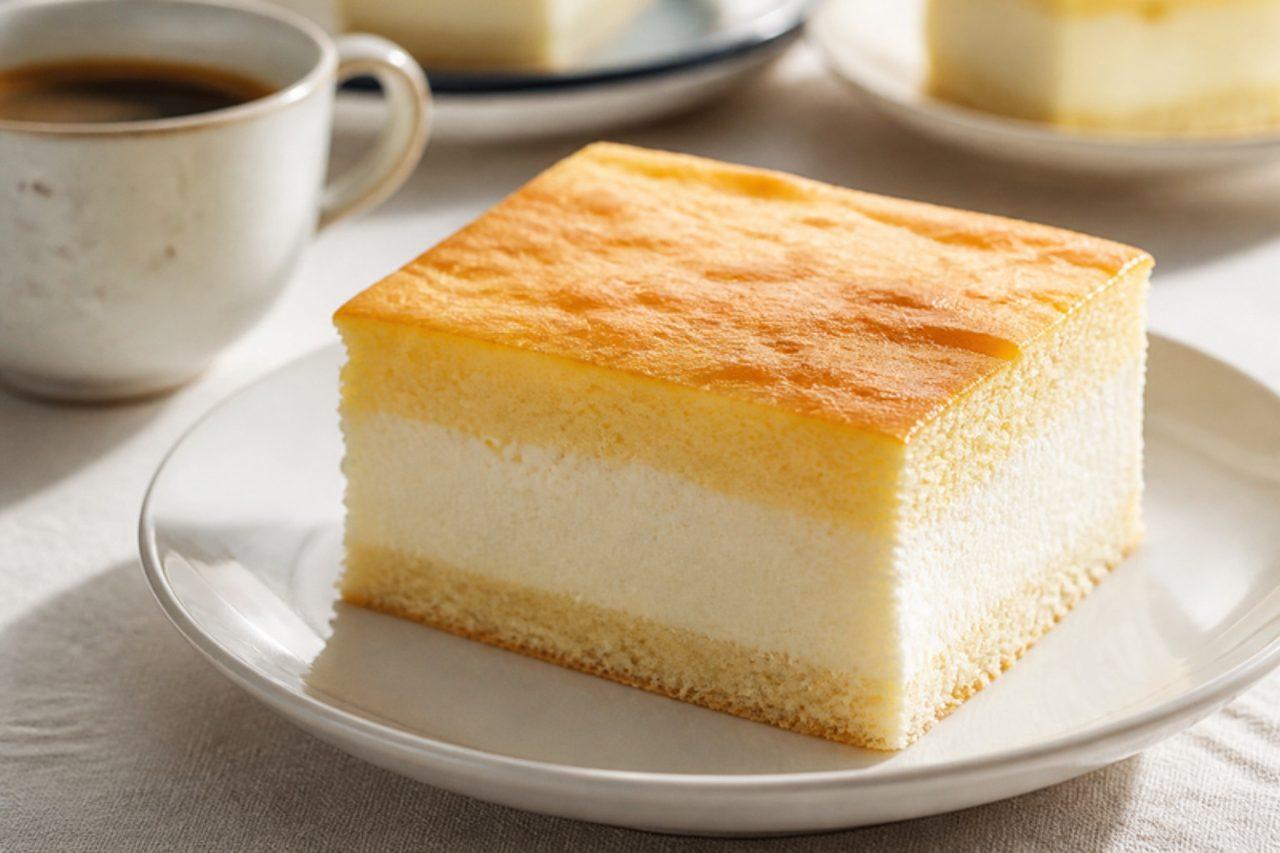
EierscheckeThree-layer quark custard cake

Eierschecke is Dresden's café cake, cut in squares from a big tray in every Saxon bakery: a thin yeasted base, a thick layer of vanilla quark, and on top the 'Schecke', a wobbly, golden egg-and-butter custard that bakes into a soft, almost soufflé-like crust. It is eaten on Sunday afternoons with strong filter coffee, and Saxons argue about whether raisins belong in the quark. A common mistake is pouring the custard on too thickly or baking too hot, so it puffs and cracks; bake it low and slow. Chef's tip: the cake cuts neatly only when completely cold, so make it the day before.

105 minGermanBaking
by KrazyBadal 0 views

Sfenj (Moroccan doughnut rings)

Early in the morning, in medina lanes from Fez to Casablanca, the sfenji pulls handfuls of sticky dough from a bowl, pokes a hole through each with his thumb and drops the rings into a big pan of oil, where they puff into crisp, golden, irregular doughnuts with a chewy, airy inside. Customers carry them away threaded on a strip of palm leaf, to eat hot with mint tea or coffee, plain, dusted with sugar or dipped in honey. The dough is just flour, yeast, salt and water, and deliberately very wet; that is what gives the open, holey crumb. Allow about 1 1/2 hours for it to rise. Where sfenj go wrong is a dough that is too stiff; it should be sticky and slack, or the rings come out bready instead of open and chewy. Chef's tip: keep a bowl of water beside you and wet your hands before every piece, so the sticky dough slides off your fingers instead of clinging to them.

by KrazyBadal 0 views

Smen (salted, herbed butter)

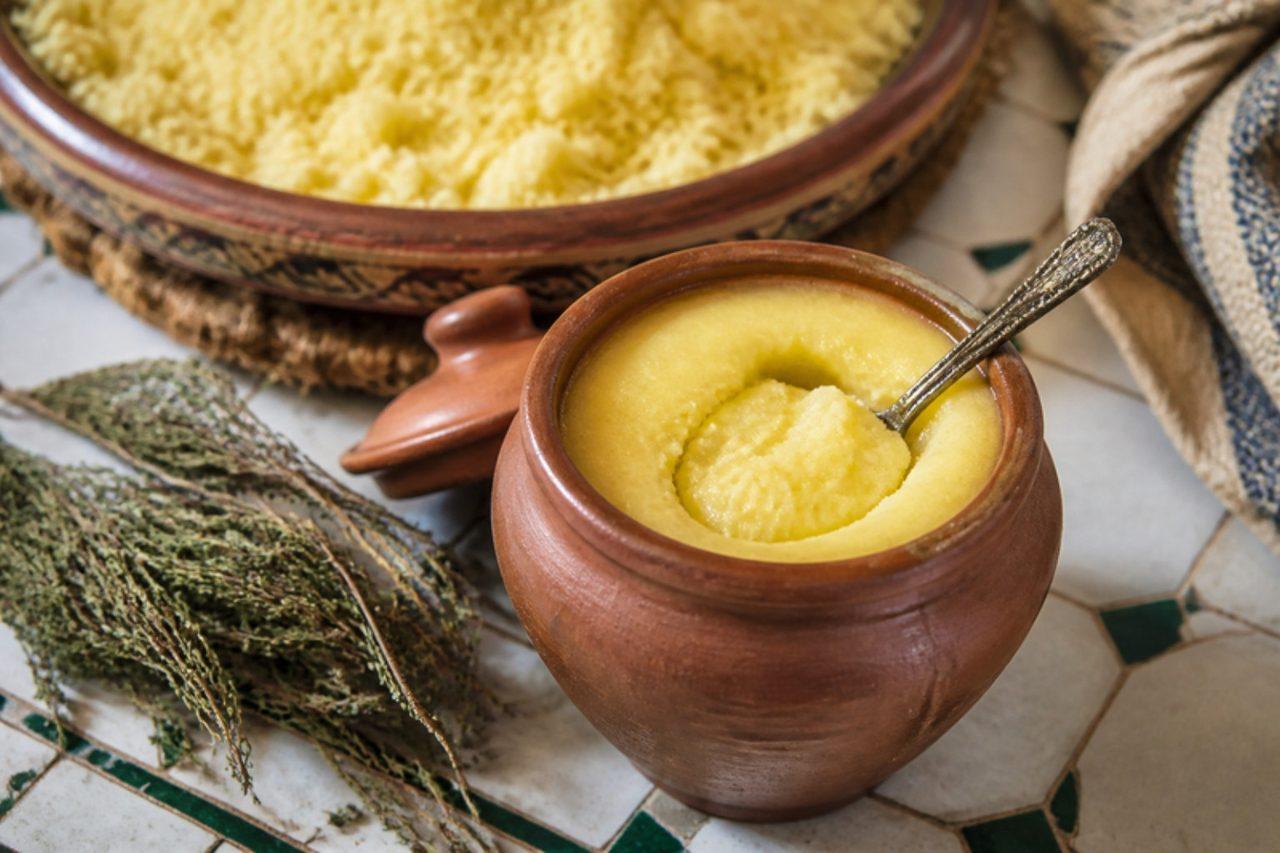
Atlas households once kept jars of smen for months, even years, until the salted butter developed a pungent, almost blue-cheese aroma; a spoonful stirred into couscous, harira or a chicken tagine gives a depth nothing else can. Long ageing at room temperature is risky at home, so this is a safer fridge version: pasteurised unsalted butter is simmered with dried za'atar or oregano, strained, salted and then matured in the fridge for 2–4 weeks, which gives a mellow, nutty, faintly tangy smen rather than the fiercely strong old kind. For the real long-aged flavour, buy smen from a reputable shop. Use it a teaspoon at a time; it is meant as a seasoning, not a cooking fat. The mistake to avoid is leaving any milk solids or water in the butter, as that is what turns it rancid or mouldy rather than pleasantly aged. Chef's tip: strain it through muslin until perfectly clear; any milky bits left in the jar are what turn butter rancid.

by KrazyBadal 0 views

Jben (fresh Moroccan cheese)

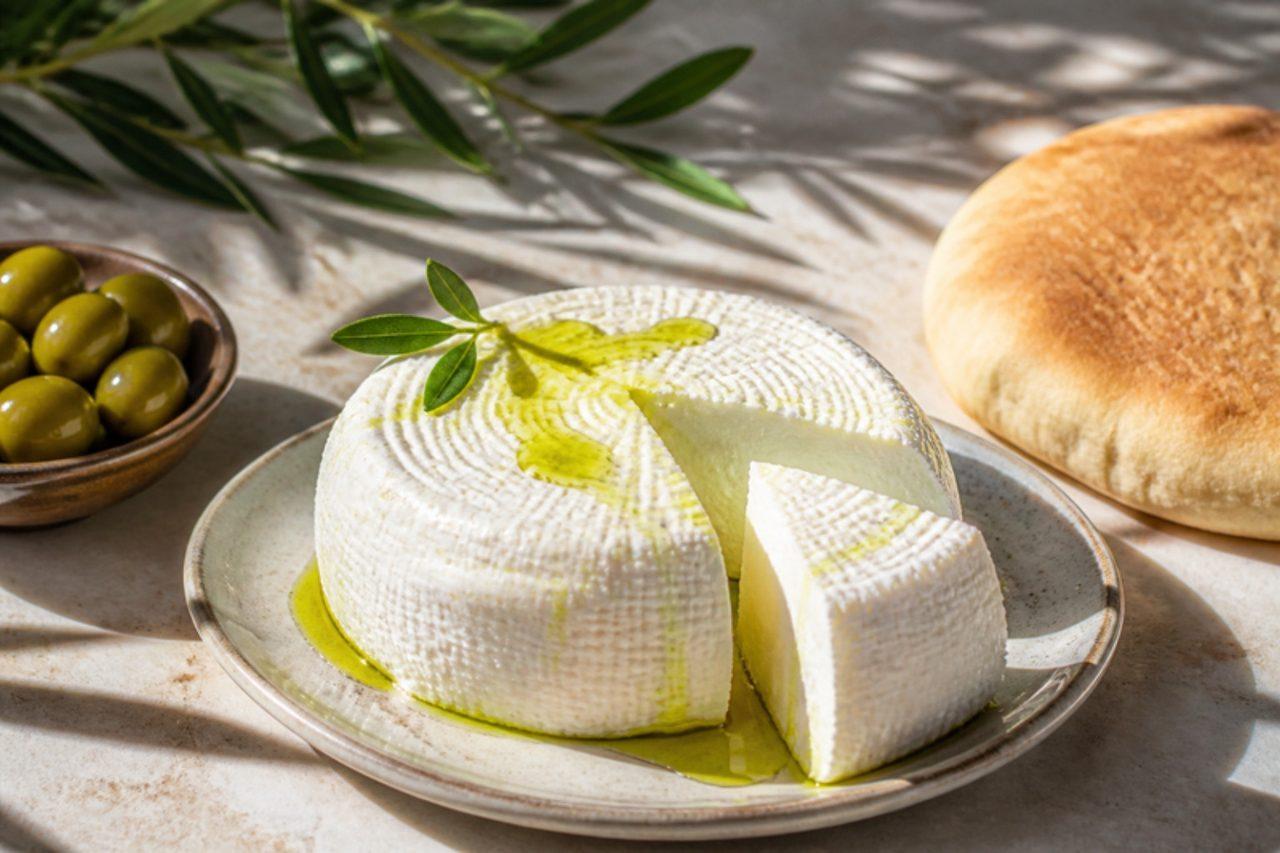
On the road into Chefchaouen, women from the Rif villages sit with rounds of jben wrapped in palm leaves, a fresh, soft, lightly salted cheese with a clean, milky tang. Breakfast in the north often means a slab of it drizzled with olive oil, sprinkled with dried thyme or za'atar, with olives, honey and warm bread. Traditionally jben is curdled with animal rennet (sometimes with thistle or fig sap), so check if you buy it; this home version uses vegetarian (microbial) rennet and pasteurised milk, and is drained in the fridge. Hands-on time is about an hour; the curd then needs 1–2 hours to set and 4–6 hours to drain. Keep it chilled and eat it within 4 days. Chef's tip: avoid UHT and ultra-pasteurised milk, which will not set into a firm curd; ordinary pasteurised whole milk works well.

by KrazyBadal 0 views

Turrón de Doña PepaAnise biscuit sticks in spiced syrup

Every October, the month of the Señor de los Milagros processions in Lima, bakeries and street sellers pile their trays with turrón de Doña Pepa: layers of crumbly anise-flavoured sticks drenched in a dark syrup of chancaca cooked with fruit and spices, topped with a storm of coloured sprinkles. Popular lore credits it to Josefa Marmanillo, a woman from the Cañete valley who is said to have made it in thanks after the procession. It is sticky, crunchy and soft at once, with orange and clove in the syrup. Its downfall is usually runny syrup that soaks the sticks into mush; it needs to reach a thick, threading stage before it goes on. Chancaca is sold as cones or blocks in Latin shops; panela or dark muscovado also work. Some coloured sprinkles contain gelatin, so check the label. Chef's tip: make it a day ahead; the syrup sets and the sticks soften just enough to slice neatly.

by KrazyBadal 0 views

Pollo chi jau kayFried chicken in oyster sauce

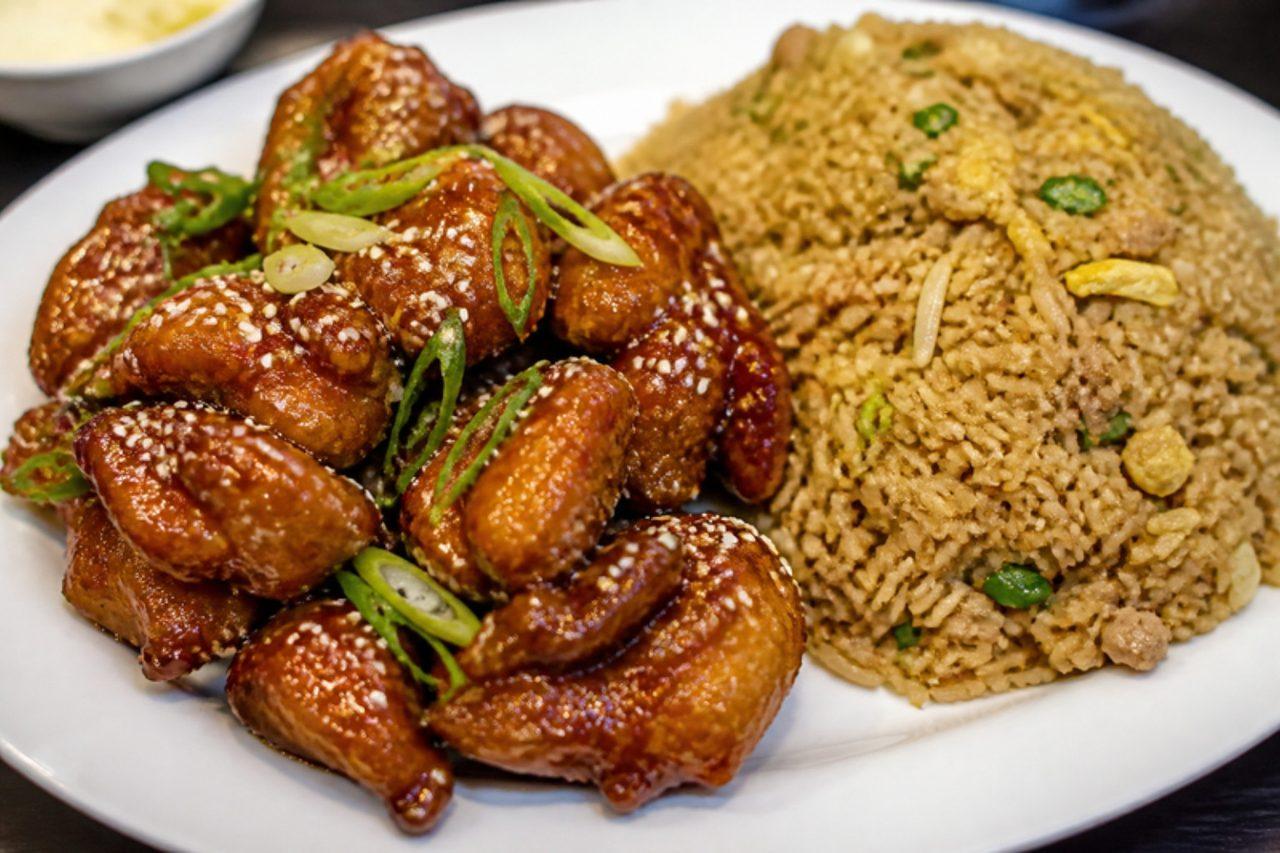
Any chifa in Lima, from the old dining rooms of Barrio Chino on Calle Capón to the corner chifa in every district, will have chi jau kay on the menu: boneless chicken marinated in soy and ginger, fried in a crisp coating and served under a dark, glossy oyster sauce, scattered with sesame seeds and spring onion. The crust stays crunchy where the sauce hasn't reached and goes sticky where it has. It is shared with arroz chaufa or plain rice and a Chinese soup. The usual misstep is tossing the chicken in the sauce in the pan, which makes it soggy; Lima chifas pour the sauce over at the table. Chef's tip: fry the chicken twice, once to cook and once very hot for a minute to crisp, and it will stay crunchy under the sauce.

by KrazyBadal 0 views

TipakayChicken in sweet-sour tamarind sauce

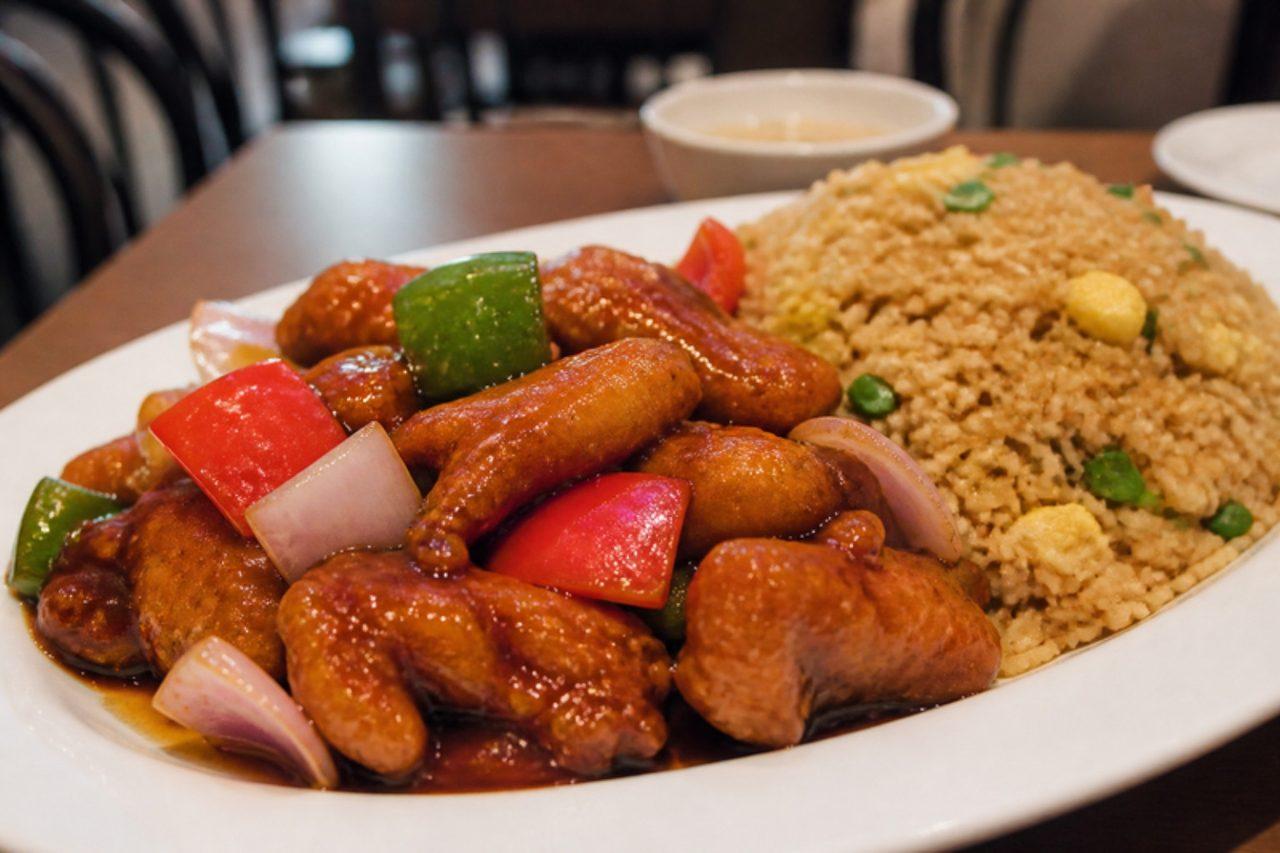
Sweet, tangy and a little sticky, tipakay is the chifa order for people who like their sauce on the fruity side: battered pieces of chicken fried crisp, then dressed in a dark, glossy sauce built on tamarind, panela and soy, with strips of red and green pepper and onion that keep some crunch. It is one of the most popular platters in Lima's family-run chifas, eaten with white rice or chaufa. Its sauce is darker and less candy-sweet than kam lu's, with tamarind's sour depth. The mistake most home cooks make is letting the peppers stew until soft; give them only a minute in the wok so they stay bright. Chef's tip: taste the sauce before thickening and balance it: more lime if it's cloying, a pinch more panela if it's too sour.

by KrazyBadal 0 views

King kongLayered biscuit with manjar blanco

Named, the story goes, after the giant ape because of its size when the film reached Peru, the king kong is Lambayeque's proudest sweet: thick, crumbly biscuit layers stacked with manjar blanco, a sticky pineapple jam and a peanut fudge, then cut into heavy slabs. Shops in Lambayeque and Chiclayo sell them by the kilo in boxes, and travellers carry them home as gifts. It is very sweet, buttery and dense, so a slice goes a long way with black coffee. This home version makes the manjar blanco from condensed and evaporated milk to save hours, then turns half of it into the peanut layer. The usual mistake is overbaking the biscuit until it is hard; take it out as soon as the edges are pale gold, as it firms up while it cools. It is a project, so make the fillings first and let them cool. Chef's tip: wrap the finished king kong and leave it overnight before cutting; the layers settle and soften into each other.

by KrazyBadal 0 views

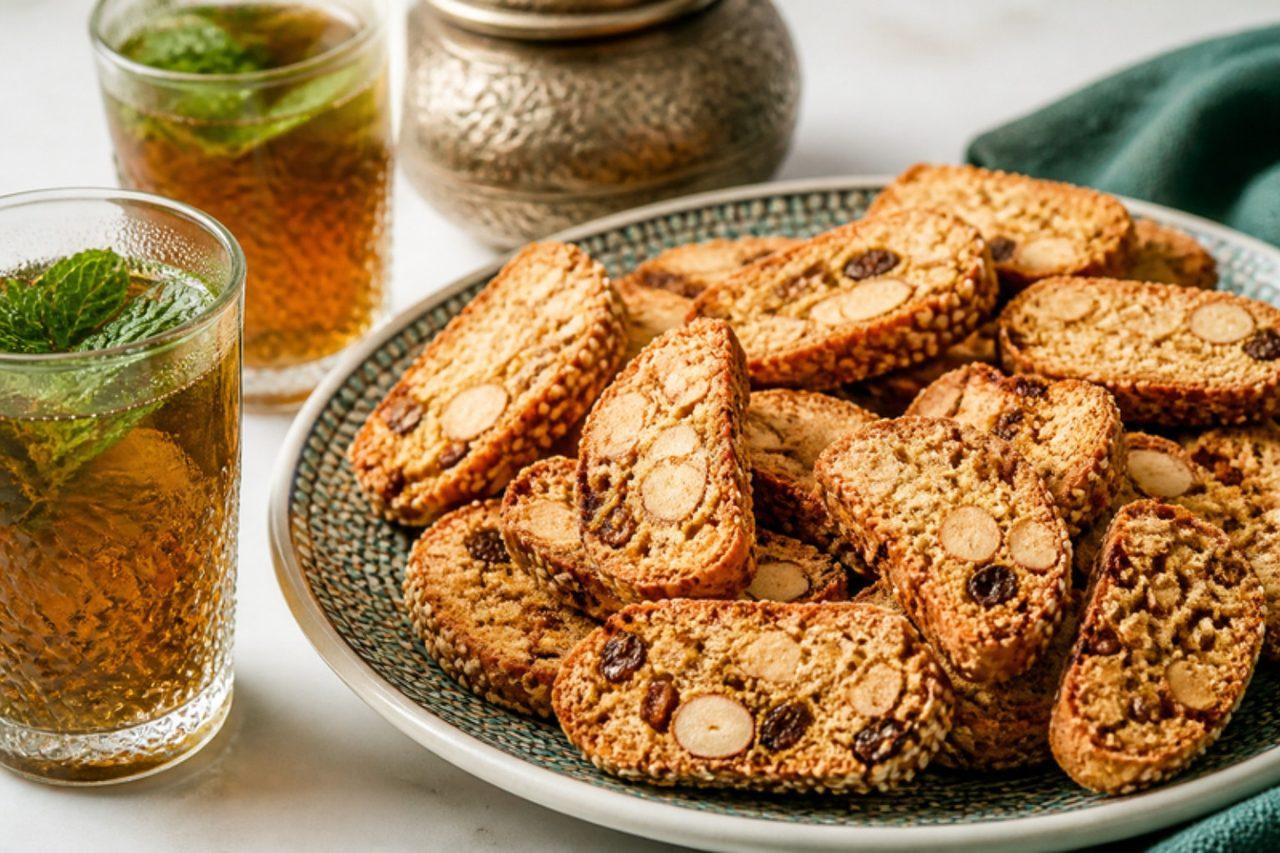
Fekkas (twice-baked almond biscuits)

Before Eid and during Ramadan, Moroccan kitchens fill with the scent of fekkas: logs of a soft, eggy dough studded with almonds, raisins, aniseed and sesame are baked, cooled, sliced thin and baked again until dry, golden and very crunchy. They are offered to guests on trays with ghriba and other biscuits and dunked into mint tea or milky coffee, and they keep for weeks in a tin, so they are perfect to make ahead. The flavour is gently sweet, with liquorice notes from the anise and a little lemon. Avoid slicing the logs while they are still hot from the first bake; they crumble. Let them firm up first. Chef's tip: let the baked logs cool completely, ideally overnight, before slicing; warm logs crumble under the knife.

by KrazyBadal 0 views

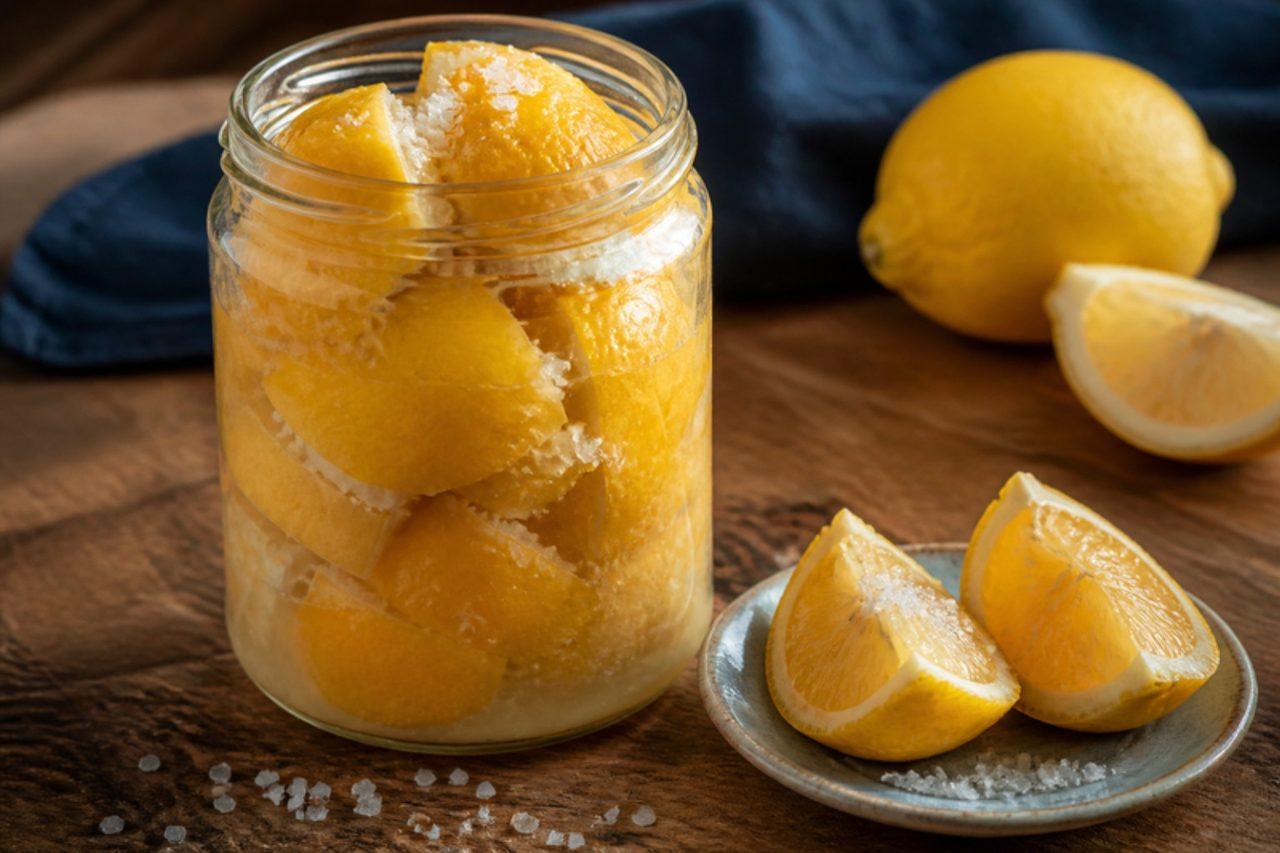
Preserved lemons (l'hamd marked)

No Moroccan pantry is complete without a jar of l'hamd marked, lemons packed in salt and their own juice and left for about a month until the rind softens and takes on a mellow, floral, almost sweet flavour. The rind is what you use: finely chopped into salads, slivered over chicken with olives, added to fish tagines, chermoula and bean dishes. Fez cooks traditionally use small, thin-skinned doqq or beldi lemons, but any unwaxed lemon works. Hands-on work is only 20 minutes; the jar then needs 3–4 weeks in a cool, dark cupboard before it is ready. Chef's tip: press the lemons down hard every day for the first week; as they release juice they shrink, and you can squeeze one more lemon into the jar.

by KrazyBadal 0 views

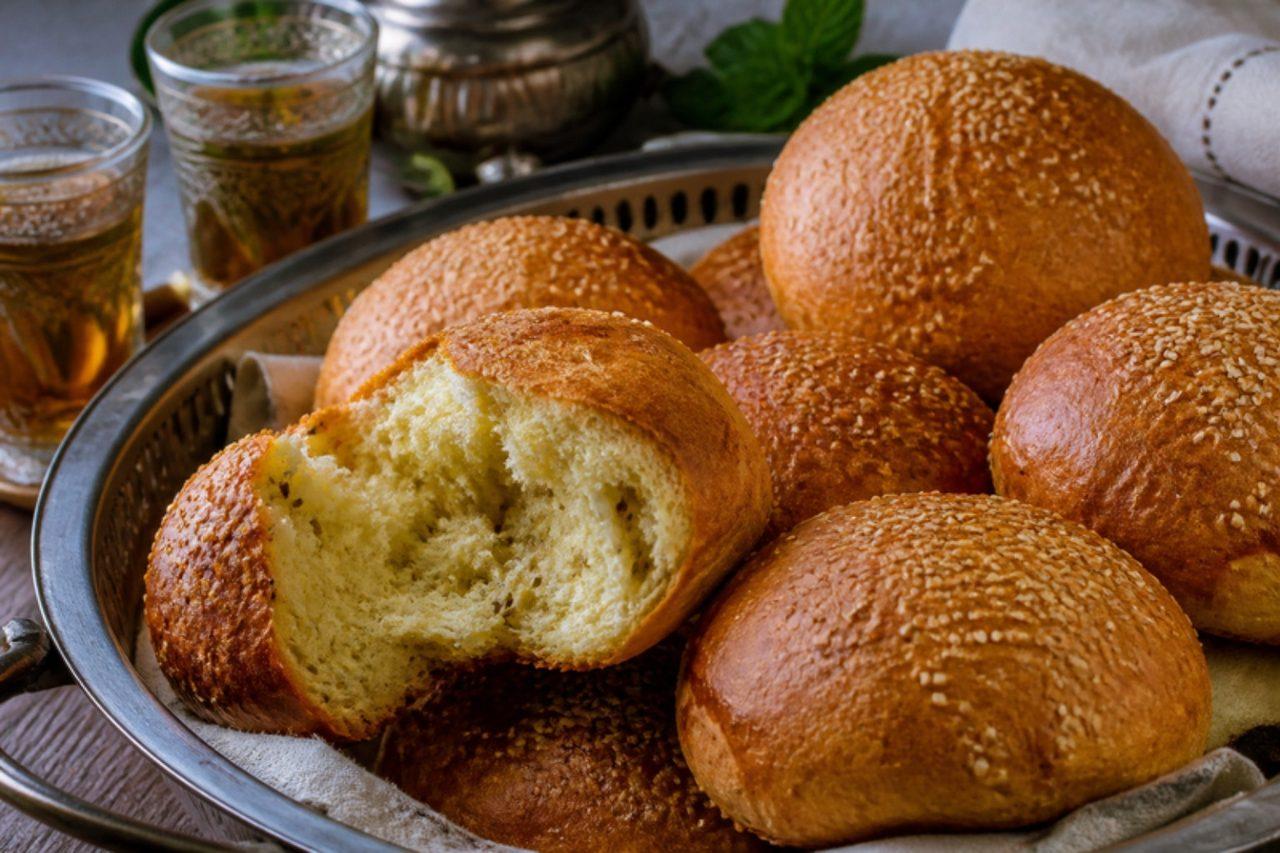
Krachel (aniseed and sesame brioche buns)

Moroccan bakeries pile their windows with krachel, round, glossy buns of enriched dough perfumed with aniseed, toasted sesame and orange-flower water, and families bake them at home for breakfast, for guests and for feast days. They are soft and pillowy, lightly sweet, with a distinctive liquorice-like scent from the anise and a nutty crunch of sesame on top. Eat them warm with butter and jam, dipped into milky coffee, or with mint tea in the afternoon. The dough needs two rises, about 1 1/2 hours in all. Don't rush the rise: under-proved krachel bake dense and tight instead of soft and fluffy. Chef's tip: lightly toast the aniseed and sesame in a dry pan before adding them to the dough; it doubles their fragrance.

by KrazyBadal 0 views

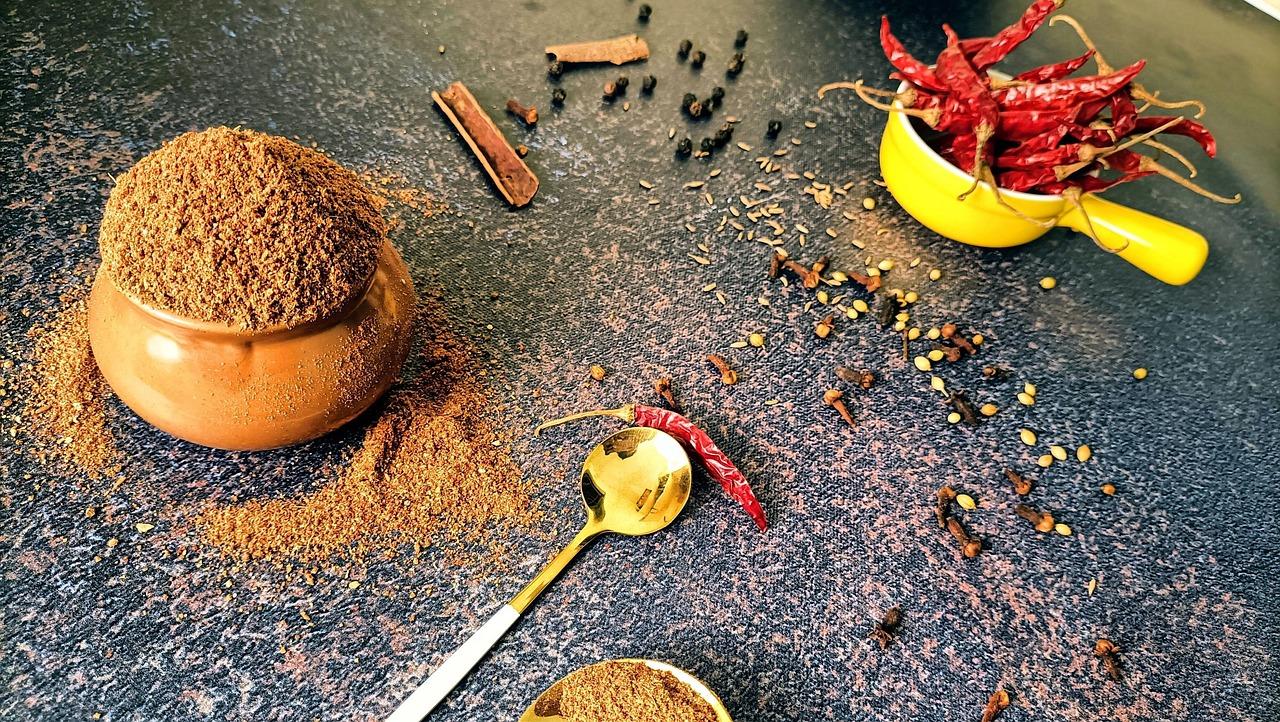
Ras el hanout

Ras el hanout means 'head of the shop', and every spice seller in the Marrakech souk will tell you theirs is the best: a warm, complex mix of a dozen or more spices that they grind to their own formula. This home version balances earthy cumin and coriander with sweet cinnamon, ginger and turmeric, the perfume of cardamom and dried rosebuds, and the heat of black pepper. Rub it on vegetables before roasting, stir a teaspoon into tagines, lentils or couscous broth, or season chickpeas and roast pumpkin with it. Toasting the whole spices first takes 5 minutes and makes a real difference. Chef's tip: make small batches and store the blend in a sealed jar away from light; it is at its best for about 3 months.

by KrazyBadal 0 views

BaumkuchenLayered tree cake

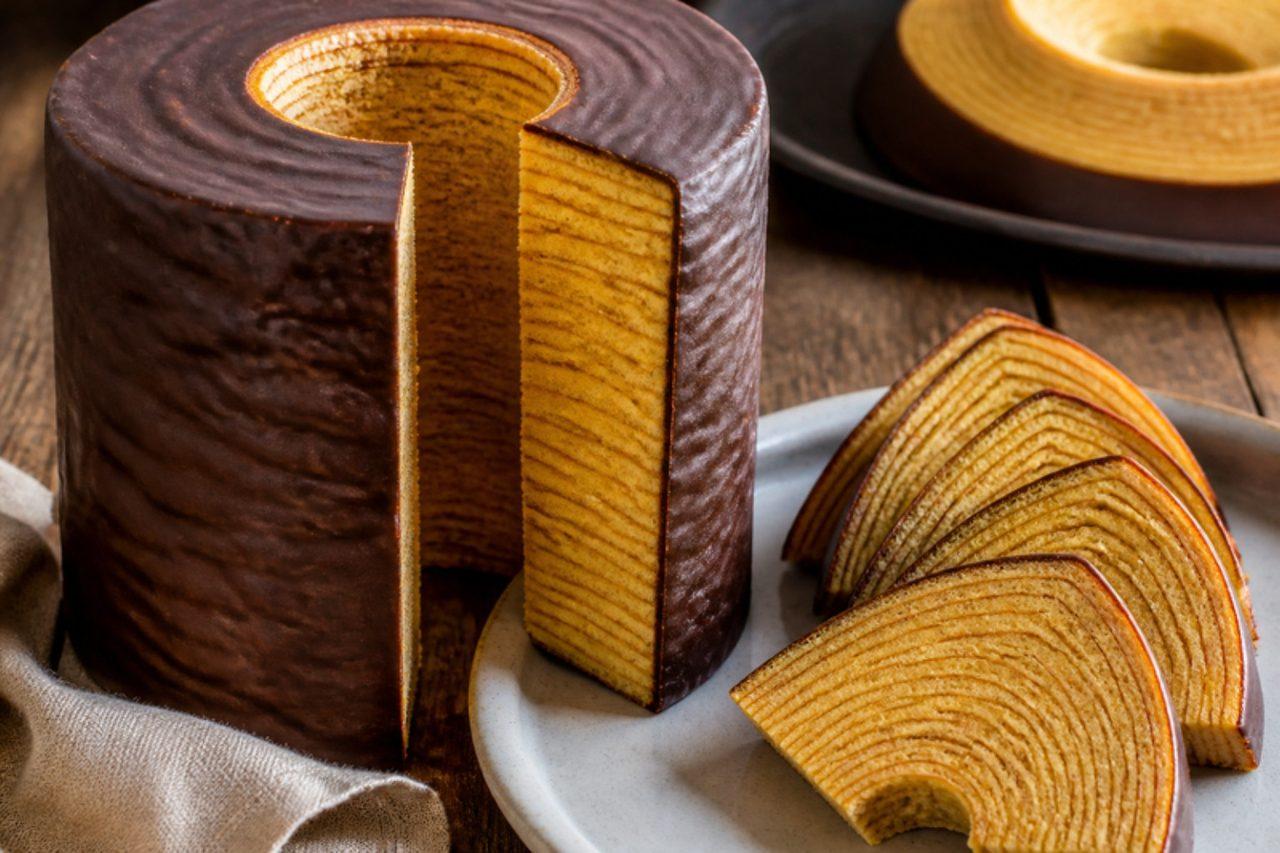
Baumkuchen is the king of German cakes, and the little town of Salzwedel in Saxony-Anhalt has baked it on a turning spit over an open flame for two centuries; in December, Baumkuchenspitzen, chocolate-dipped triangles of it, fill the shelves before Christmas. Without a spit you can build it at home in a tin under the grill, one thin layer at a time, and each slice shows the golden rings of a tree. The mistake people make is spreading the batter too thickly, which gives fewer, stodgy layers that cook unevenly; aim for 2 tablespoons at a time. Chef's tip: stand by the oven; each layer turns from pale to burnt within a minute once it browns.

110 minGermanBaking
by KrazyBadal 0 views

Showing 24 of 51 recipes

Show more recipes

Page 1 of 3