Skip to content
Recipes

All recipes

Vegetarian, or something you can't eat? Set your diet once and we'll hide recipes that don't fit.

Tisane de tilleul (linden tea)

Carpentras, at the foot of Mont Ventoux, has been France's linden capital for over a century. In late June the flowering lime trees are harvested by hand, the blossoms and their pale papery bracts dried in the shade, and in July the town's linden market sells them by the sack. In French homes a tisane de tilleul is what you drink after dinner, at the end of a long day or before bed, often with a slice of lemon or a little honey; Proust's famous madeleine was dipped in one. It tastes softly floral and sweet, a little like honey and fresh hay, with a smooth, almost silky feel. The common mistake is using fully boiling water and steeping for fifteen minutes: the tea turns dull brown and slightly astringent. Let the kettle settle to about 90 °C and steep for 5–7 minutes, covered. It is ready when the infusion is pale gold and smells of a summer garden. It is traditionally drunk to unwind; if you take regular medication, have a heart condition, or want to give it to young children, check with a doctor first. Chef's tip: keep the pot covered while it steeps so the scented oils stay in the tea instead of the kitchen.

by KrazyBadal 0 views

Cocido quemadoBurnt sugar mate drink

Cocido is how Paraguay starts the day: in Asunción, in the villages of Guairá and Itapúa, and in school kitchens, a pot of burnt yerba is brewed and poured into cups with chipa, the cheesy cassava bread, or with a hard galleta. The old way is to drop a glowing piece of charcoal into a pot with yerba and sugar and stir until the sugar burns. On a home stove you caramelise them together in a dry pan instead, which is safer and gives the same smoky, toffee-like taste. The drink is clear amber-brown, with roasted, slightly bitter mate notes over burnt-sugar sweetness; with milk added it becomes cocido con leche, creamy and coffee-coloured. Yerba mate contains caffeine, so treat it like a cup of coffee. The common mistake is letting the sugar go black: it turns acrid and bitter. Pull it off the heat when the caramel is deep amber and the yerba smells toasted, not burnt. It is ready when the liquid is a clear dark amber and tastes of toffee and smoke. Chef's tip: the water will spit fiercely when it hits the hot caramel, so pour it in from the side, at arm's length.

by KrazyBadal 0 views

TereréIced yerba mate

In Asunción the hottest part of the day stops for tereré: a horn or cup packed with yerba mate, topped up again and again with ice water infused with crushed herbs, and passed round the group through a metal straw. It was recognised by UNESCO as part of Paraguay's cultural heritage, and the herbs (yuyos) change with the season and the drinker's mood. Yerba mate contains caffeine, so it isn't one for small children. The common mistake is pouring water straight into loose yerba, which then clogs the straw; tilt the yerba to one side first. Chef's tip: for tereré ruso, swap the water for cold orange or grapefruit juice.

by KrazyBadal 0 views

Kir

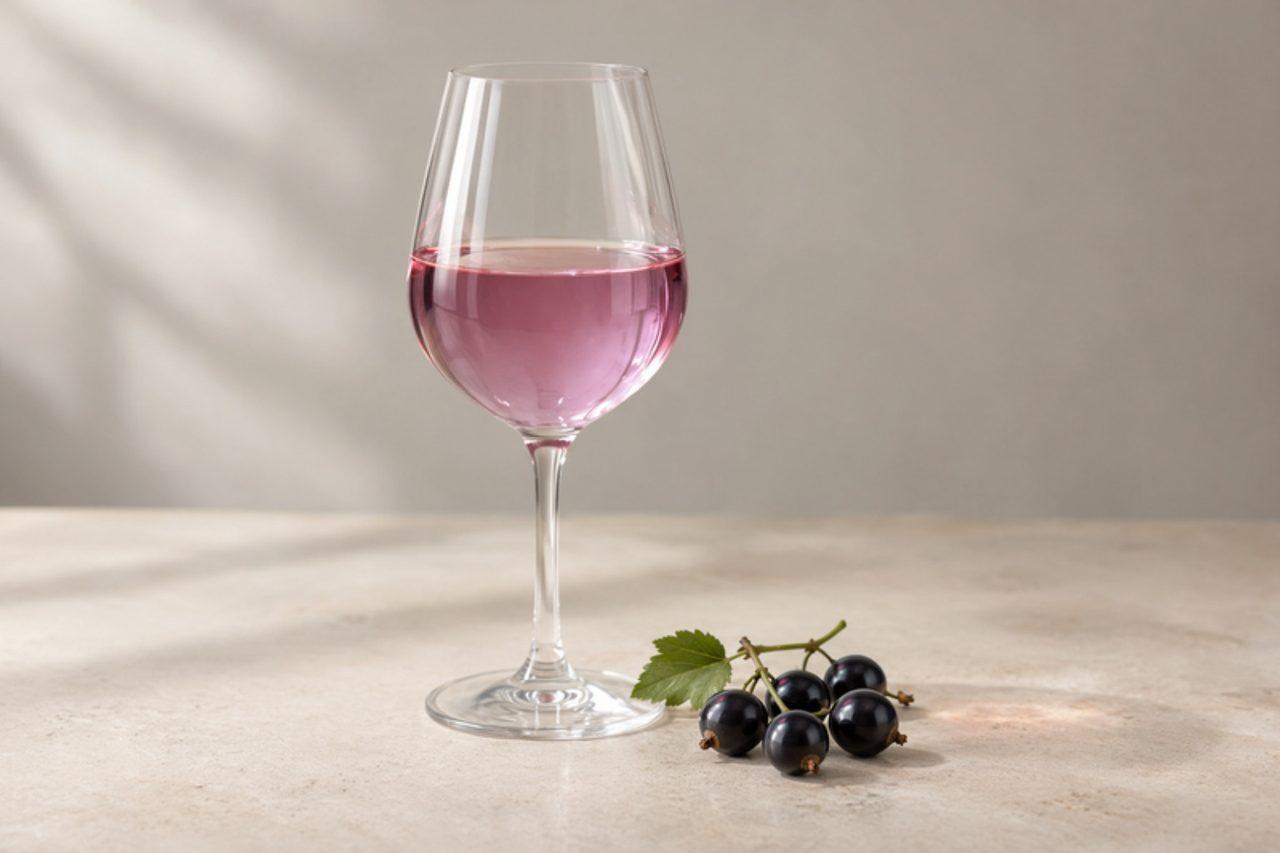
Dijon's own aperitif carries the name of Canon Félix Kir, the priest who became the city's mayor after the war and poured blanc-cassis at every reception to show off two Burgundy products at once: the sharp white Aligoté grape and the blackcurrant liqueur made around the city. It is still what you are offered before a family Sunday lunch in Burgundy, with a warm plate of gougères. It is a drink for adults only, low-key and refreshing: tart, mineral white wine with a dark, jammy blackcurrant note, deep ruby-violet in the glass, served cold with no ice. The usual mistake is too much cassis, which makes a sticky, syrupy drink that hides the wine. Keep to about one part cassis to five or six parts wine. It is ready when the colour is a clear, deep pink-purple you can still see light through and the glass mists with cold. Enjoy one before the meal and drink responsibly. If you cannot find Aligoté, use any dry, unoaked, high-acid white. Swap the wine for Champagne or crémant and you have a kir royal. Chef's tip: pour the cassis in first and the wine on top; it mixes itself and you need not stir.

by KrazyBadal 0 views

Citron presséFresh lemon drink

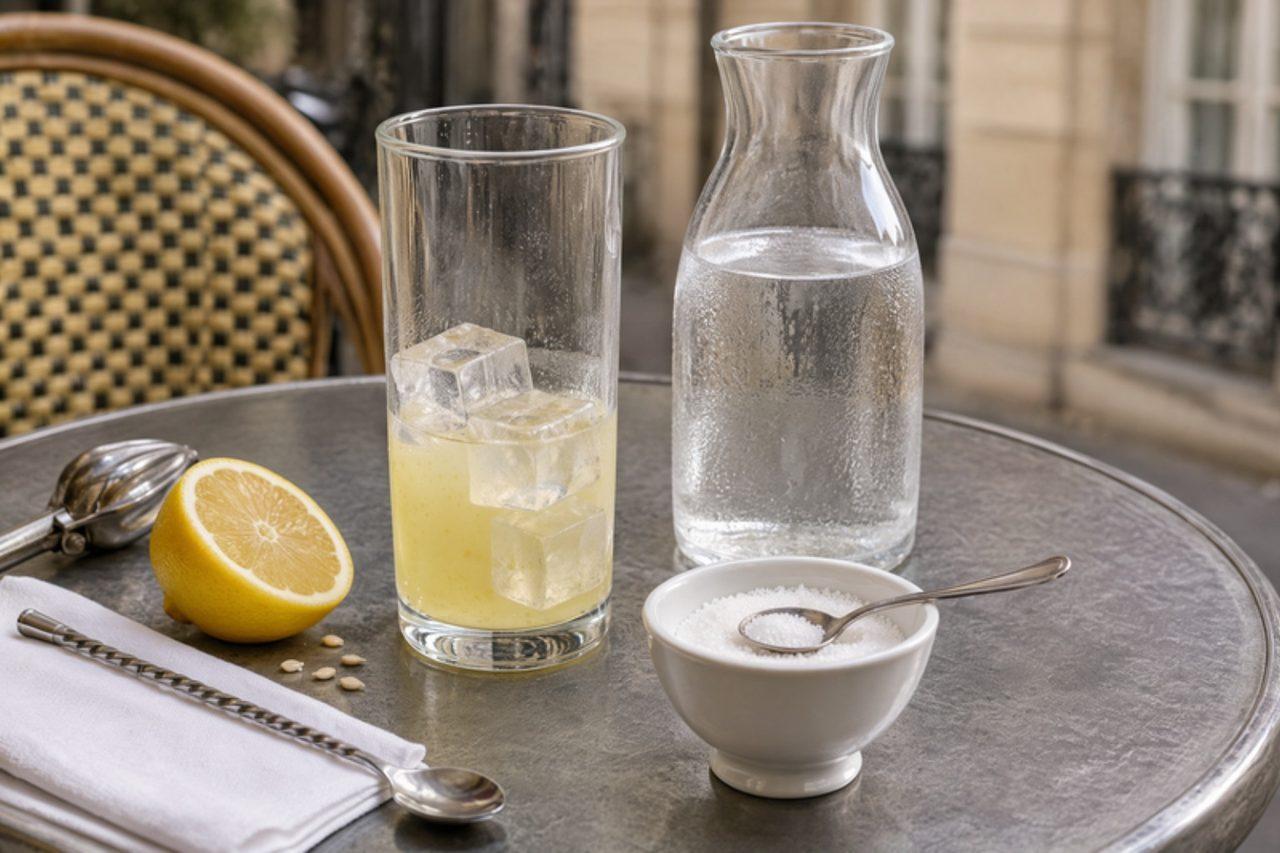
Order a citron pressé on a Paris terrace in July, or at a café in Nice after the beach, and the waiter brings a tall glass with an inch of freshly squeezed lemon juice, a carafe of iced water, a sugar bowl or a little jug of syrup and a long spoon. You build the drink yourself, as sharp or as sweet as you like, which is half the pleasure; French children learn to drink it with plenty of sugar, grown-ups often with almost none. It is bright, sour and cleansing, nothing like bottled lemonade, and best in the late afternoon heat. The common mistake is stirring granulated sugar straight into cold lemon water: it sinks and never dissolves, so the first sips are sour and the last a sludge. Dissolve the sugar in the juice first, or use a quick syrup. It is ready when the sugar has vanished, the drink tastes balanced to you and the glass is beaded with cold. Unwaxed lemons matter if you add a twist of peel. Chef's tip: pour the water over ice slowly and taste after half the carafe; most people find they need less water than they expect.

by KrazyBadal 0 views

Diabolo mentheMint syrup and lemonade

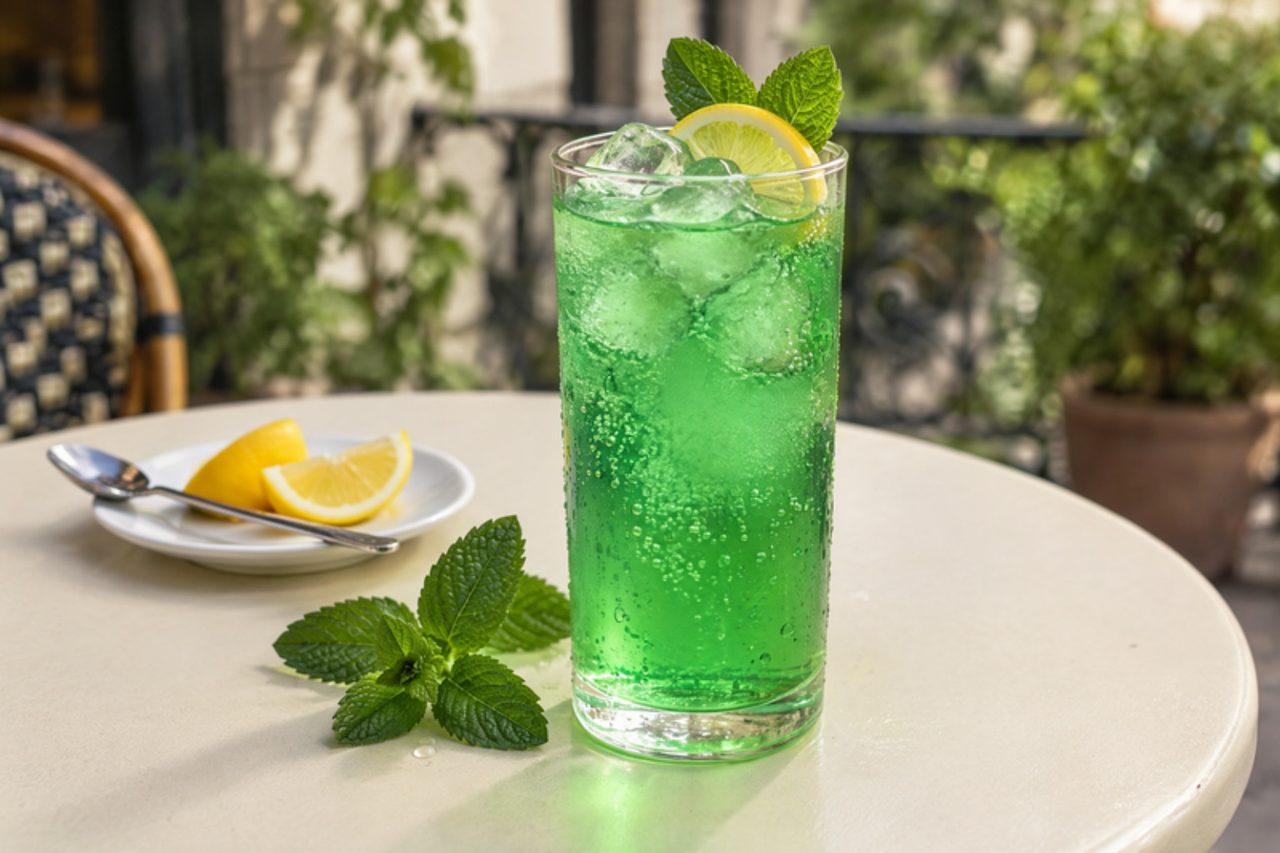
Ask anyone who grew up in France about diabolo menthe and they will remember sitting on a café terrace after school, or on holiday in Brittany or the Vendée, with a tall glass of startling green fizz and a straw. It is simply sirop de menthe, the sweet mint syrup sold in every French supermarket, topped up with limonade, which in France means a clear, lightly sweet, lemony fizzy drink. Grenadine makes a diabolo grenadine, lemon syrup a diabolo citron. It tastes cool, minty and sweet, like a liquid mint sweet, with a sharp sparkle. The common mistake is pouring the syrup on top of the lemonade: it sinks in a dense layer and you drink plain fizz followed by pure syrup. Put the syrup in the glass first and pour the lemonade down the side so it mixes as it rises. It is ready when the glass is an even mint-green from bottom to top and still fizzing hard. Café ratio is about one part syrup to seven parts lemonade. Chef's tip: for a homemade syrup, steep a big handful of fresh mint in hot sugar syrup for 30 minutes and strain; it will be pale gold-green rather than emerald, and tastes fresher.

by KrazyBadal 0 views

Maquereaux au vin blancMackerel in white wine

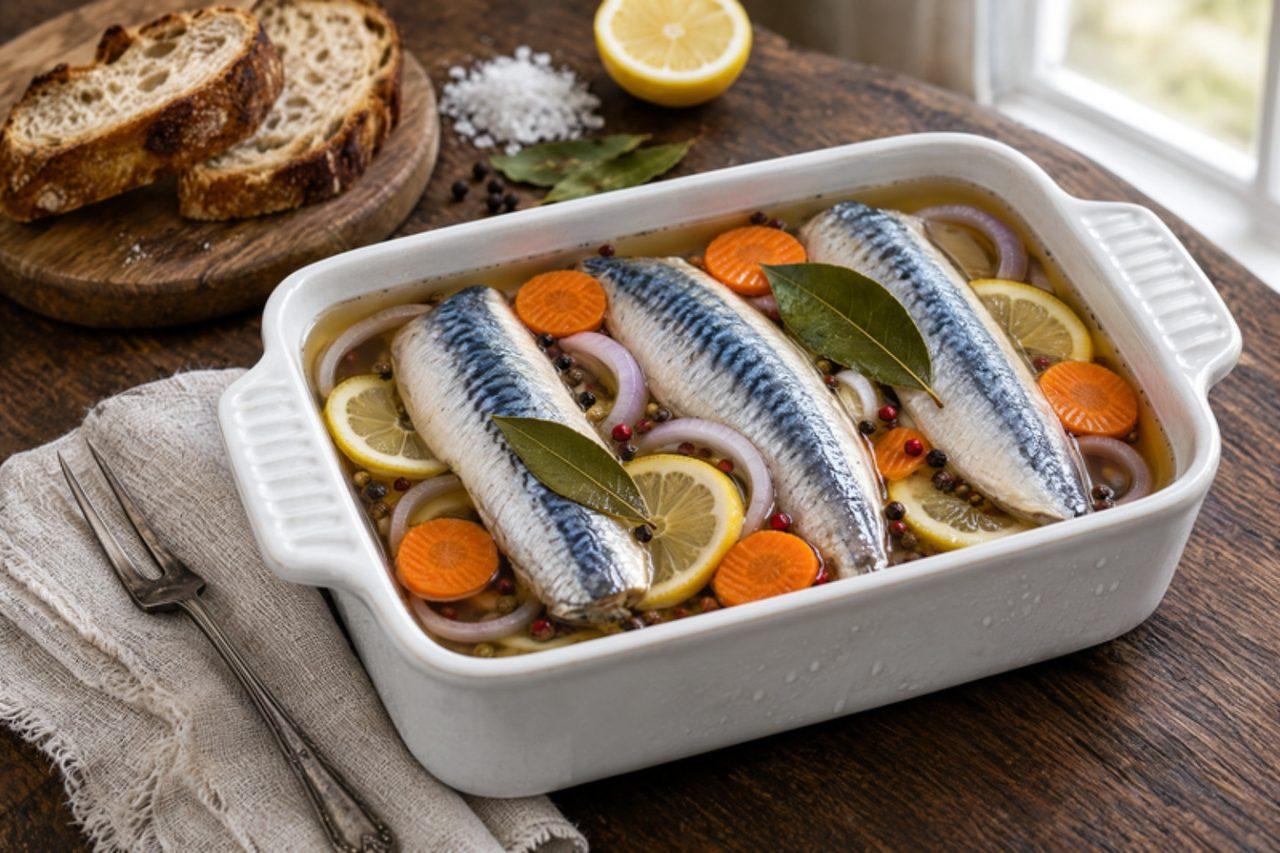
In Brittany and Normandy, mackerel in white wine is a summer starter and picnic dish, made when the boats come in heavy with silver fish in June and July; cafés serve it cold with bread and butter. Fillets are laid in a dish and a hot marinade of white wine, vinegar, carrot, onion, coriander seed and bay is poured over to cook them gently, then they chill for a day. Oily fish, high in protein and suitable as part of a balanced diet; serve with a green salad or a few boiled new potatoes. About 300 kcal and 4 g carbohydrate per portion. It cooks with wine, which boils for 5 minutes; for an alcohol-free version use vegetable stock and add 2 extra tablespoons of vinegar. The usual mistake is using fish that is not very fresh: the eyes should be bright and the flesh firm. Chef's tip: check the thickest fillet after the hot marinade; if it is not opaque, simmer the dish on the hob for 2 minutes.

30 minFrenchFishGluten free
by KrazyBadal 0 views

Postre MassiniCustard sponge with burnt sugar top

Montevideo's birthday cake of choice since the early twentieth century, the Massini is two thin layers of sponge sandwiching a thick filling of whipped cream folded with egg-yolk custard, crowned with a thin glassy crust of torched yolk and sugar. Bakeries across Uruguay sell it on Sundays. Traditional versions sometimes add a sweet fortified wine to the custard; this one is alcohol-free. The custard is cooked to a safe 71 °C. The common mistake is assembling with warm custard, which melts the cream into a puddle. Chef's tip: if you don't have a blowtorch, put the sugared top under a very hot grill for a minute and watch it closely.

by KrazyBadal 0 views

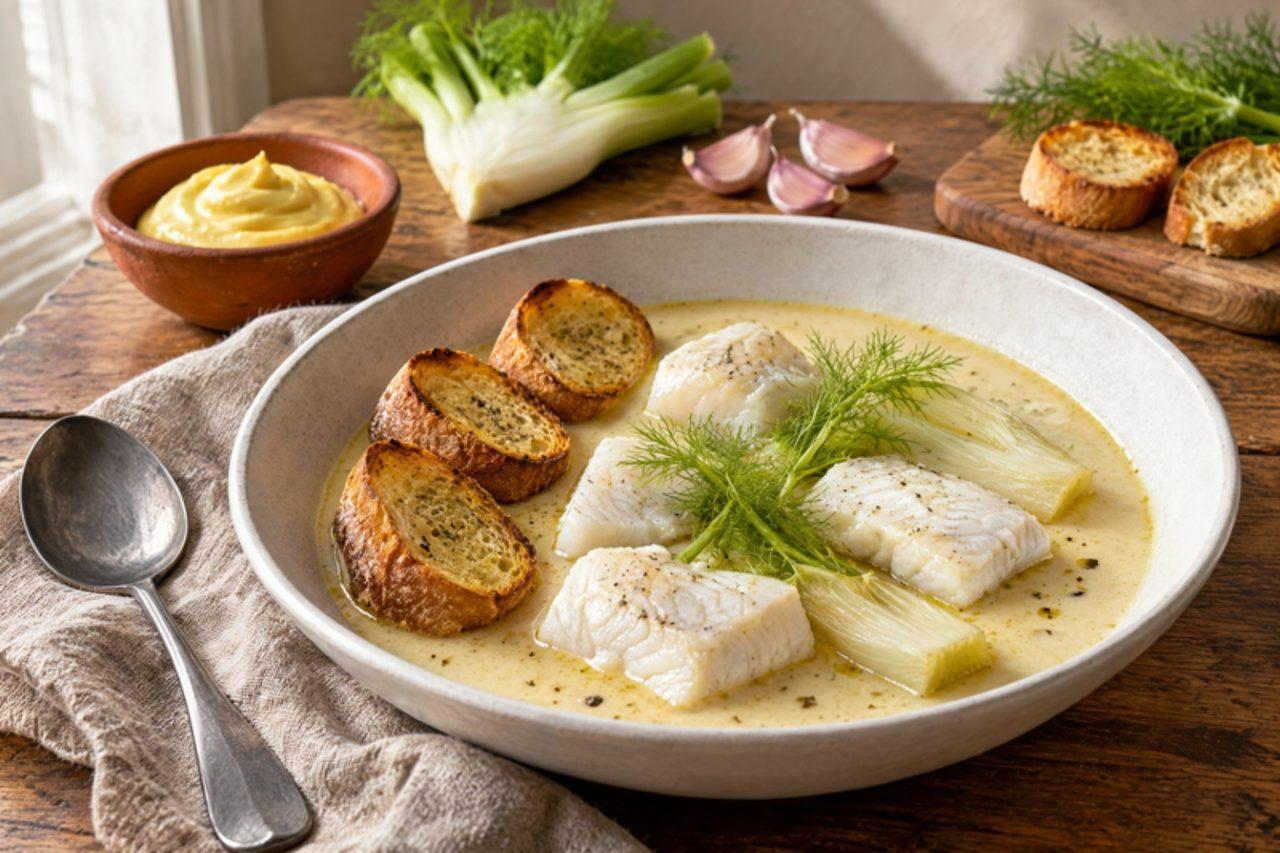
BourrideFish stew with garlic sauce

Bourride is the fish stew of Sète and the Provençal coast, a quieter, creamier cousin of bouillabaisse eaten for Friday lunch and summer dinners by the sea. Firm white fish poaches in a broth of fennel, leek, orange peel and thyme, then the broth is thickened with a rich garlic aïoli until it turns silky and pale gold. It is high in protein and suitable as part of a balanced diet; skip the traditional bread or keep it to one thin slice, and serve with steamed greens. About 400 kcal and 8 g carbohydrate per portion. The usual mistake is letting the broth boil after the aïoli goes in, which splits it like scrambled egg. Chef's tip: use pasteurised egg yolks, and stir the broth over a low heat until it coats a spoon and reaches about 72 °C.

50 minFrenchFishGluten free
by KrazyBadal 0 views

French 75

The French 75 took its name from the light field gun of the First World War, because Parisian bartenders of the late 1910s and 1920s said it hit you just as hard. It has stayed a celebration drink in Paris and beyond: raised at weddings, New Year's Eve and long weekend brunches. It is for adults only and stronger than it tastes, so drink responsibly. A good one is bright and lemony with gin botanicals underneath, then a fine, persistent Champagne fizz that makes it feel light and dry. The common mistake is putting the sparkling wine in the shaker, which either blows the lid off or leaves the drink completely flat. Shake only the gin, lemon and syrup with ice, strain them into the glass and top with Champagne there. It is ready when the shaker is frosted, the foam has risen and fallen once, and a steady stream of small bubbles runs up the flute. Any dry traditional-method sparkling wine such as crémant works in place of Champagne; check the label if vegan matters. Chef's tip: twist the lemon peel over the glass, not into the shaker; the oil on the surface is the first thing you smell.

by KrazyBadal 0 views

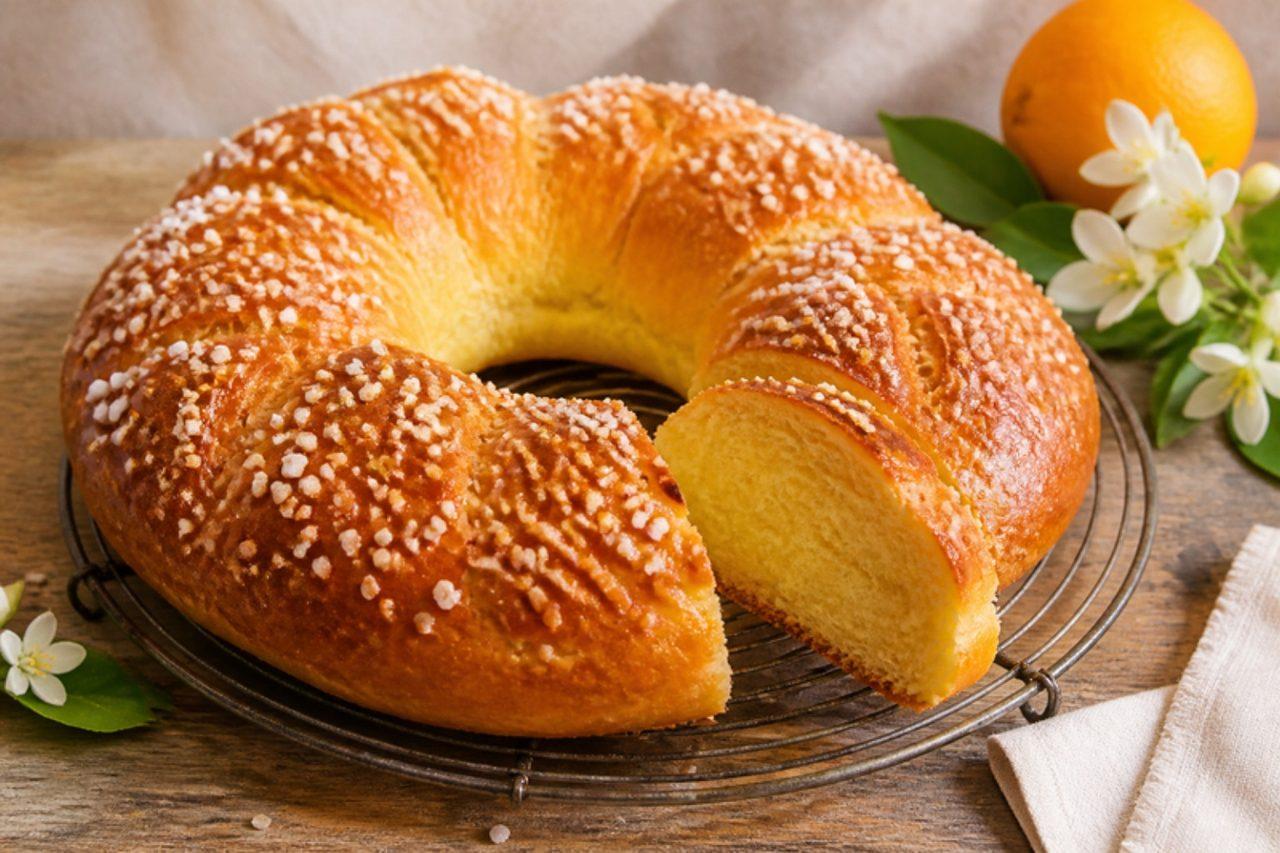
Fouace aveyronnaiseOrange blossom brioche crown

Every village fête in the Aveyron, the old province of Rouergue, has a baker selling fouace: a big golden brioche ring scented with orange flower water and topped with crunchy sugar, carried home in a paper bag to be torn up at breakfast or after Sunday lunch. Laguiole and Rodez bakeries are famous for it, and families bake one for Easter, weddings and christenings. It is softer and less buttery than a Paris brioche, with a light, cottony crumb. Chef's tip: let the shaped crown rise until it is puffy and a fingertip leaves a dent that springs back slowly; underproved fouace tears in the oven.

240 minFrenchBaking
by KrazyBadal 0 views

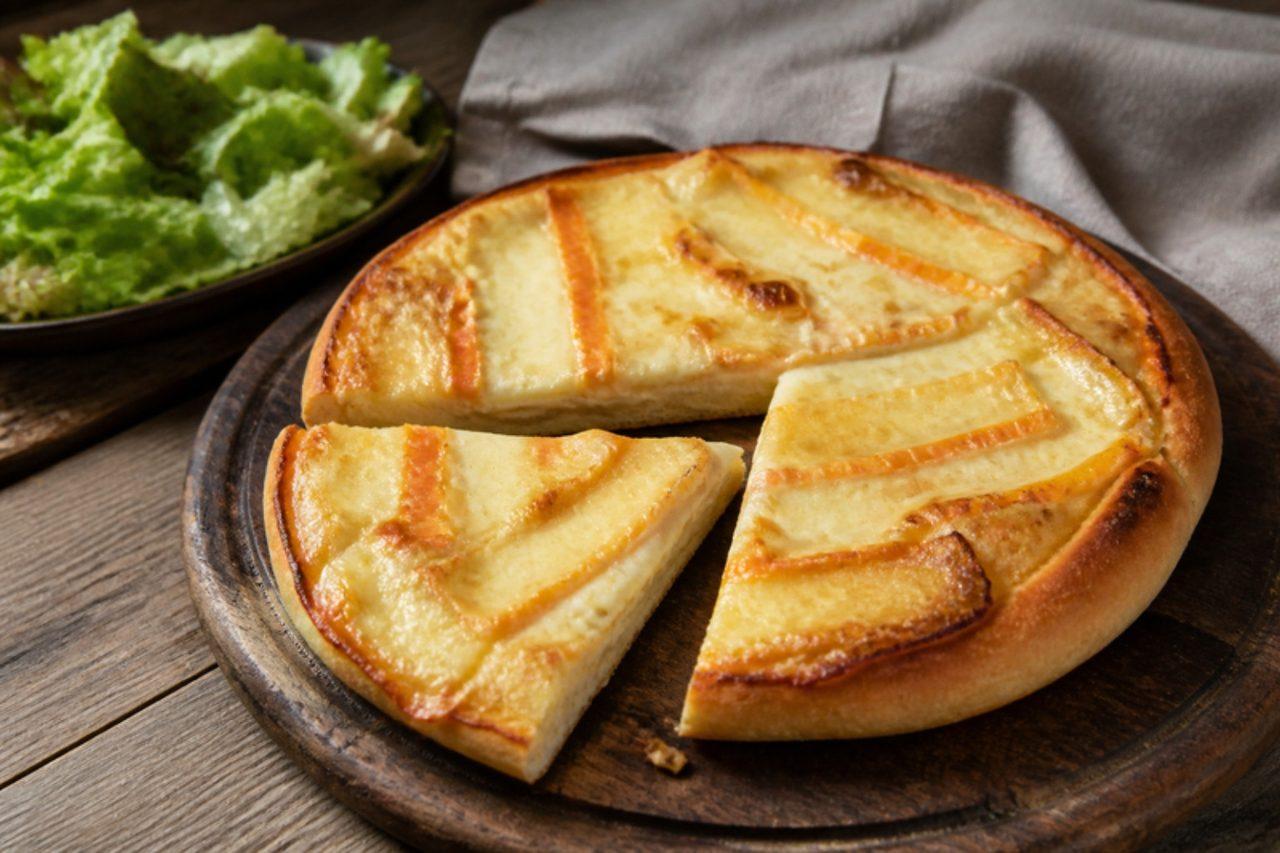
Maroilles tart

The Avesnois, the green, hedged corner of northern France near the Belgian border, makes Maroilles, a square, orange-rinded cheese with a powerful smell and a surprisingly gentle, creamy taste. Its most famous use is this tart, sold hot in slices at markets and fairs in Maubeuge and Avesnes-sur-Helpe and eaten with a salad and a cold drink. A yeasted bread-dough base is topped with slices of Maroilles and a little crème fraîche and baked until bubbling. Maroilles is made with animal rennet; a vegetarian washed-rind cheese gives the same melting richness. Chef's tip: leave the rind on; it carries much of the flavour and turns golden in the oven.

by KrazyBadal 0 views

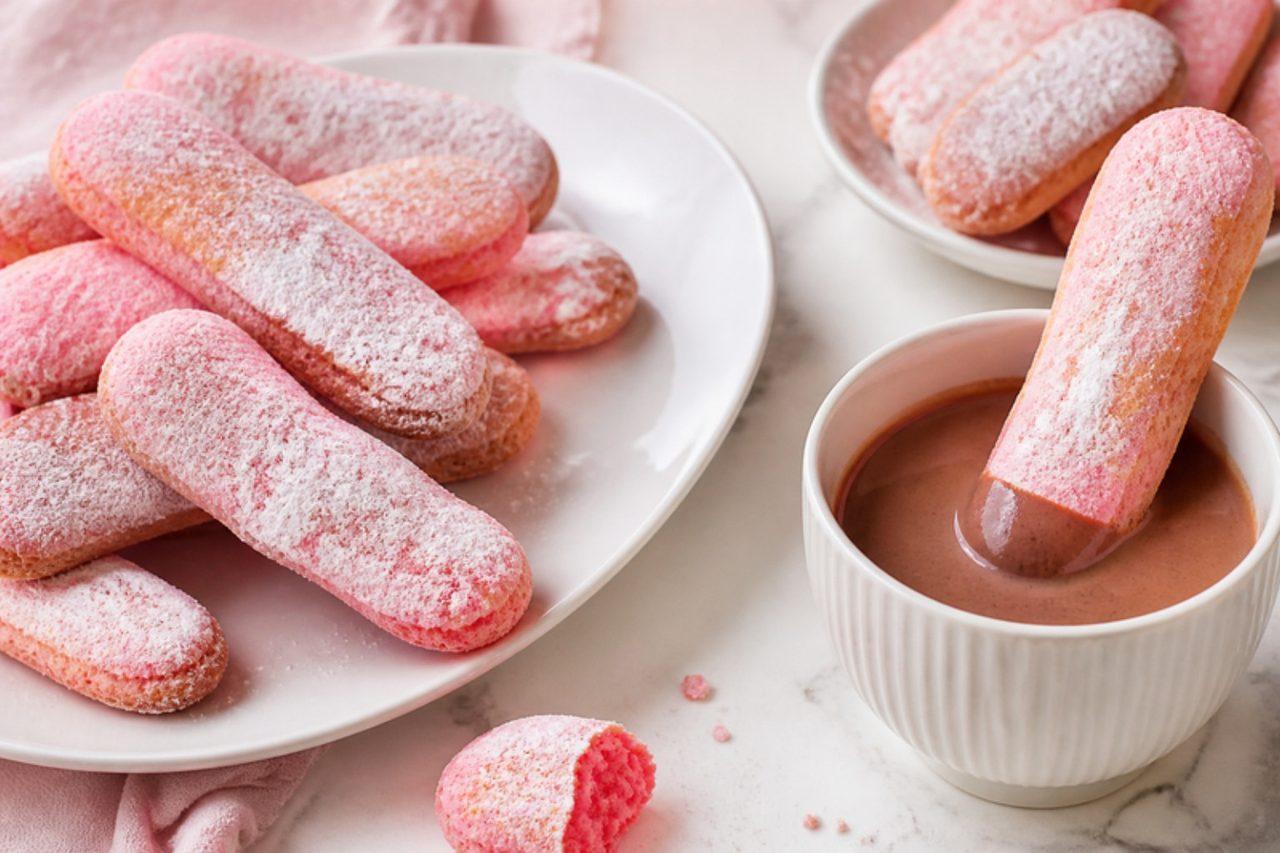
Biscuits roses de ReimsPink dipping biscuits

Bakers in Reims created these pale-pink, sugar-dusted finger biscuits in the late 1600s, baking the dough twice so it would keep, and they are still the city's signature treat. In Champagne it is the custom to dip them into a glass of Champagne, which they soak up without falling apart; at home they are just as good dipped in tea, hot chocolate or a fruit coulis, or layered into a charlotte. The pink colour is from a little food colouring and the vanilla scent fills the kitchen. Chef's tip: dust the piped fingers with icing sugar twice, a few minutes apart; that gives them their fine, crackled crust.

by KrazyBadal 0 views

Sablés normandsButter biscuits

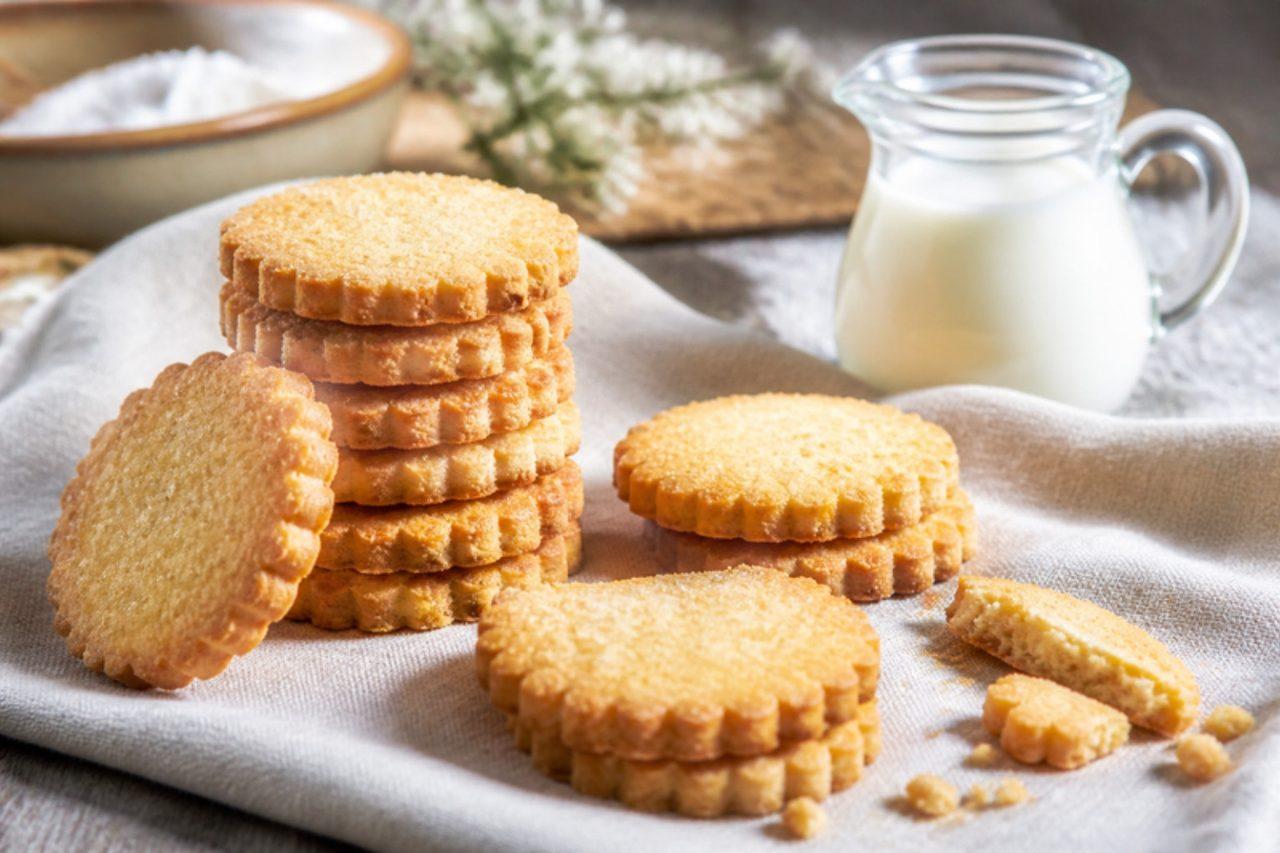
The little town of Lisieux, in the Pays d'Auge, has made sablés since the 1800s, and the word means 'sandy', for the way they crumble on the tongue. They are one of the simplest things a Normandy kitchen bakes: good salted butter, sugar, egg yolks and flour, rolled into a log, sliced and baked pale gold. Normans dip them in coffee or serve them with fruit compote, teurgoule or a bowl of fromage blanc, and children grow up with a tin of them in the cupboard. Chef's tip: work the dough as little as possible once the flour goes in; the less you knead, the more tender and sandy the crumb.

by KrazyBadal 0 views

Flamiche aux poireauxLeek and cream tart

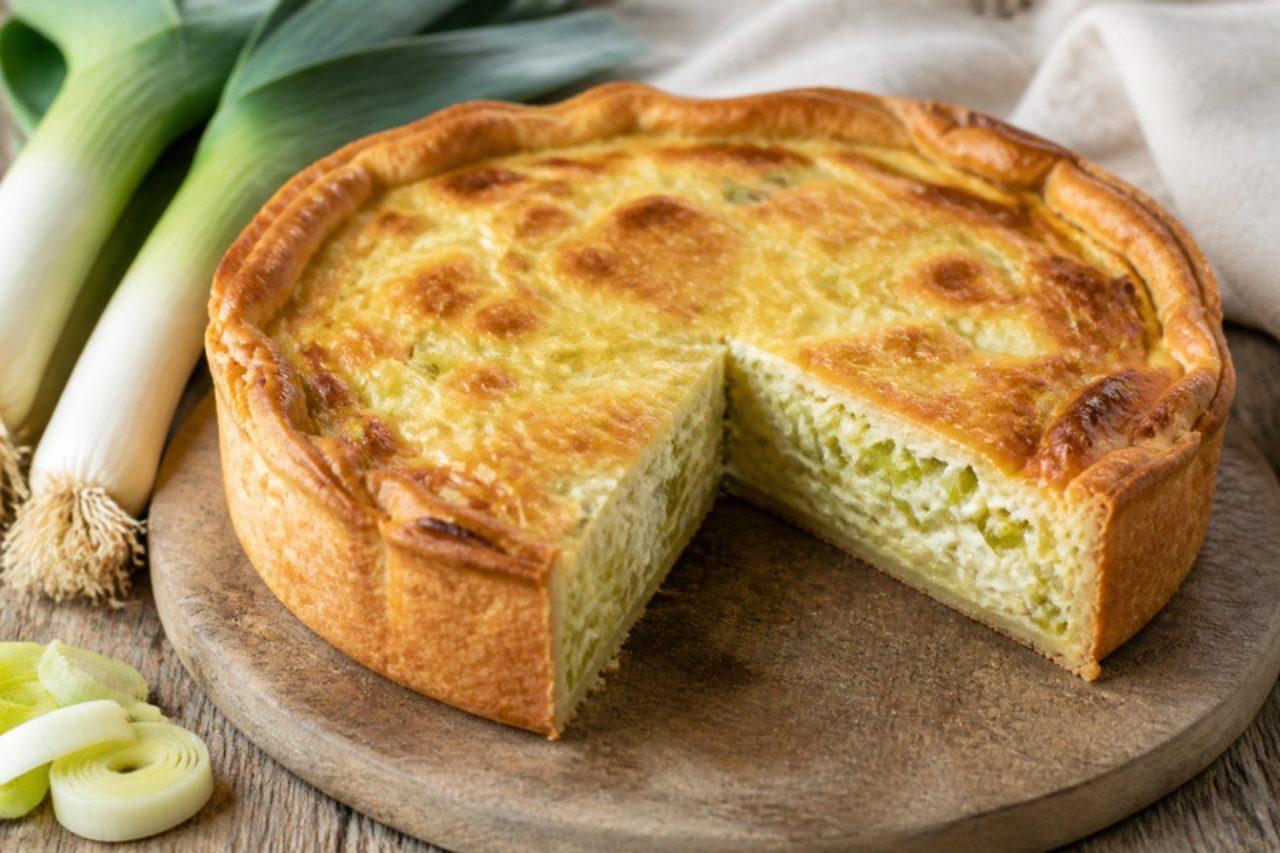
Flamiche means 'cake' in old Flemish, and in Picardy, around Amiens and Abbeville, it is a tart of leeks melted slowly in butter and set in eggs and cream, baked in a crisp pastry case and sometimes covered with a pastry lid. The leeks from the market gardens (hortillonnages) of Amiens are famous, and flamiche is served warm as a starter or as a supper with green salad, especially from autumn to spring. The leeks must be cooked until soft and sweet, never browned. Chef's tip: squeeze the cooked leeks in a sieve before adding the custard; any water left in them stops the filling from setting and soaks the pastry.

by KrazyBadal 0 views

Bredele: Alsatian cinnamon stars

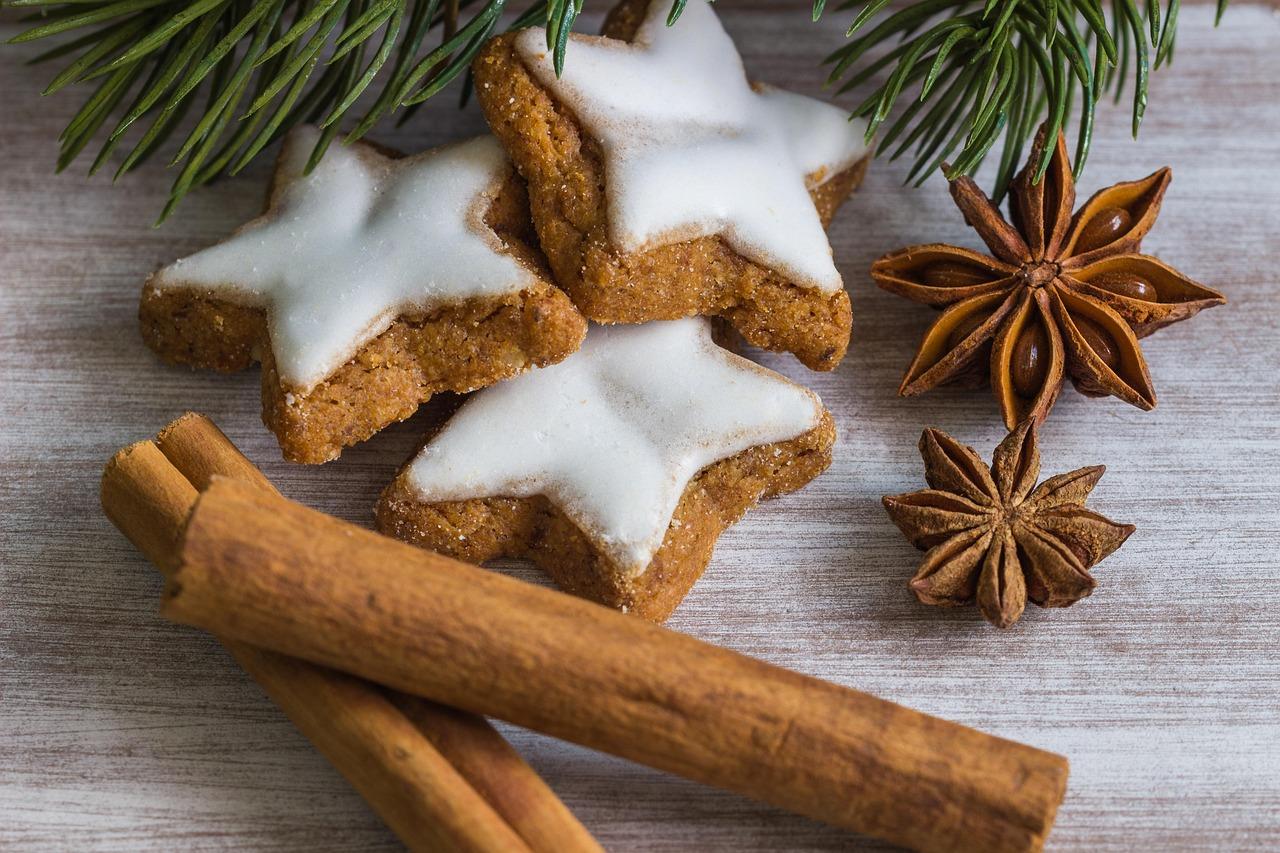
From the start of Advent, kitchens across Alsace turn out bredele, dozens of kinds of little Christmas biscuits kept in tins and offered to every visitor until New Year, while the markets in Strasbourg and Kaysersberg sell them by the bag. Cinnamon stars are among the most loved: chewy almond and cinnamon biscuits with a crisp white meringue top, and no flour at all. They take patience rather than skill and keep for weeks, so families make them early in December. The same dough also works rolled into small balls. Chef's tip: spread the meringue on the rolled sheet before you cut the stars, rather than icing each biscuit; it is far quicker and gives a clean, sharp edge.

by KrazyBadal 0 views

Estocaficada (stockfish niçois)Dried cod stew with tomato

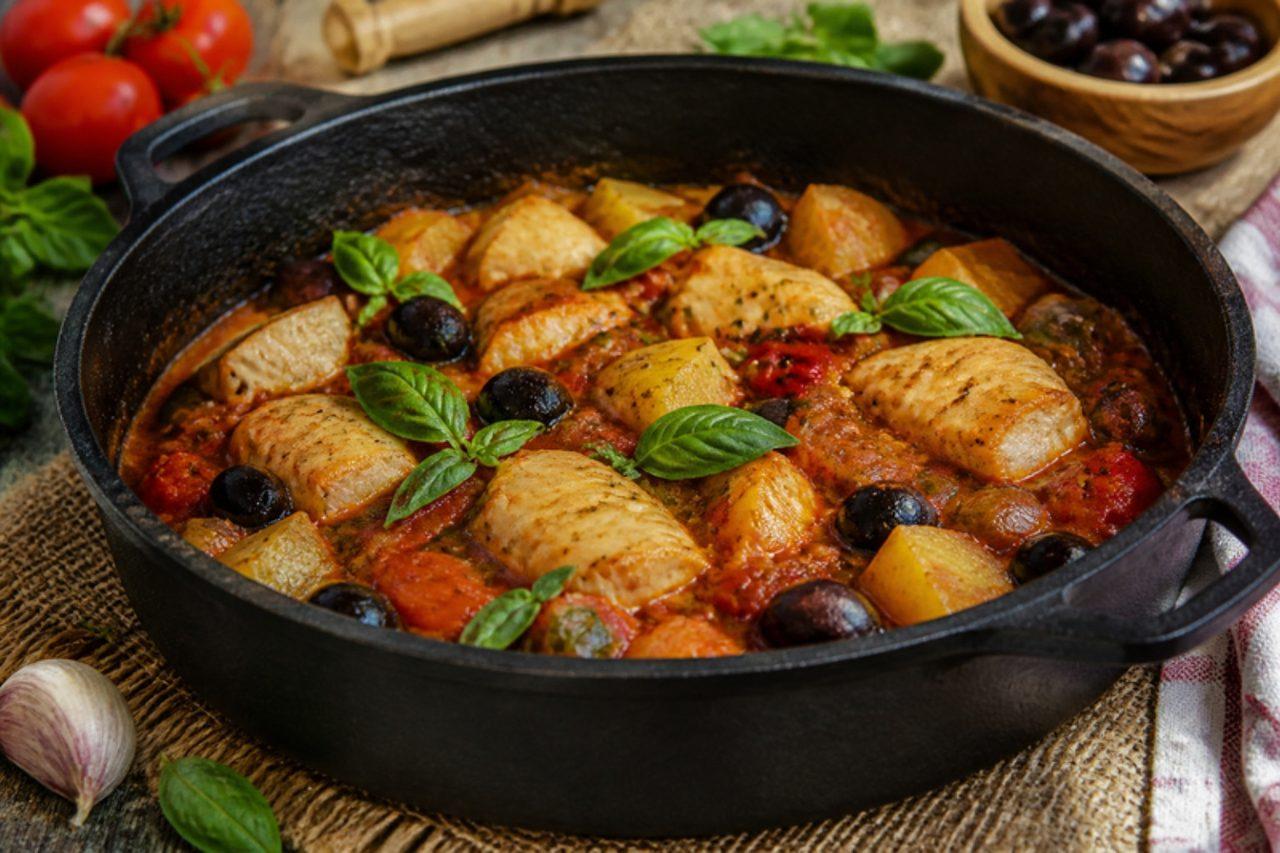
Estocaficada is the old winter dish of Nice's port and old town, where Norwegian stockfish arrived in exchange for olive oil and wine centuries ago; it is still cooked for family Friday lunches and at the city's food festivals. Air-dried cod is rehydrated and stewed slowly with tomatoes, onions, peppers, black olives and potatoes, giving a rich, rust-red stew with a deep, almost meaty flavour. True stockfish is hard to find outside specialist shops and needs 4–5 days of soaking, so this recipe uses salt cod, which is easier and gives a gentler result; the note explains both. Serve in deep plates with crusty bread for the sauce. Chef's tip: add the cod at the end and keep it at a gentle simmer so it stays in juicy flakes rather than turning rubbery.

105 minFrenchFishGluten free
by KrazyBadal 0 views

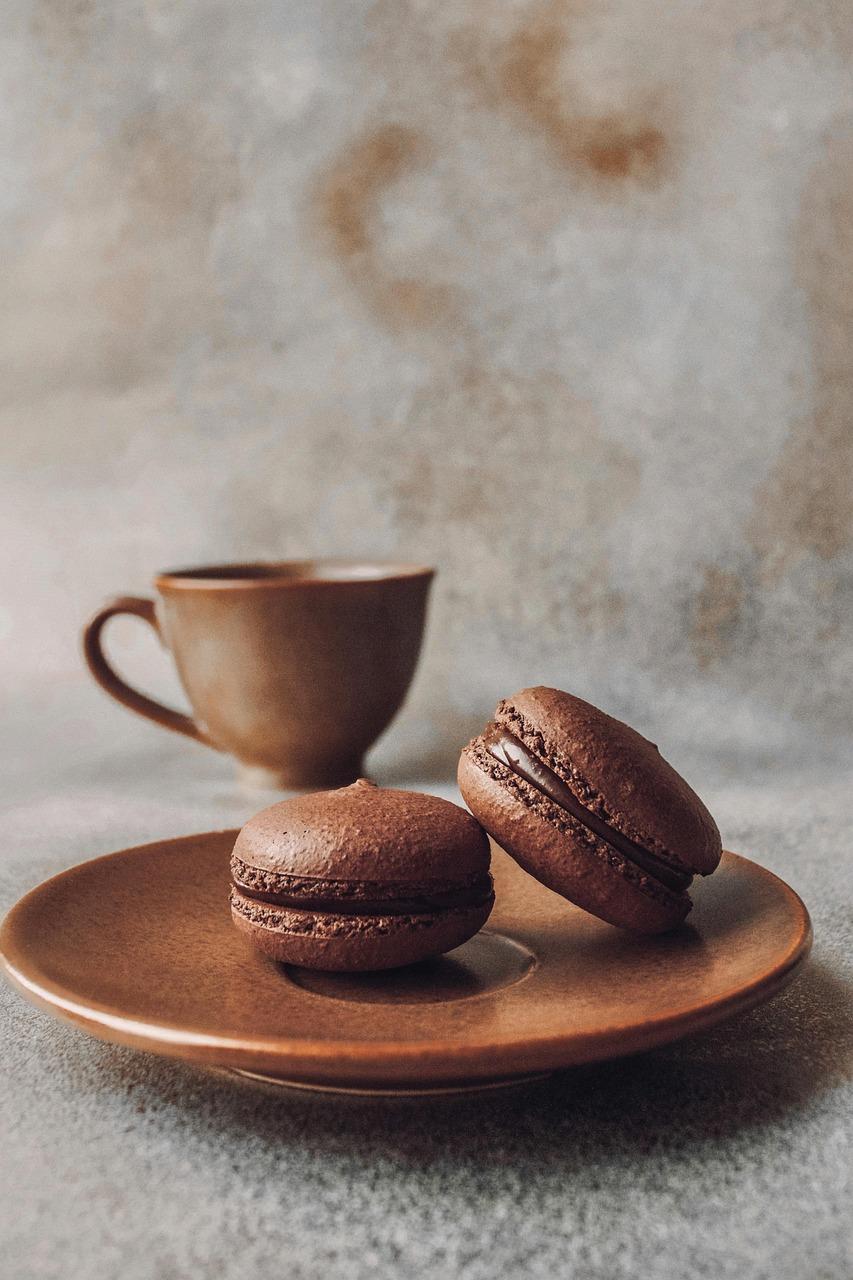
Macarons parisiensChocolate ganache macarons

The smooth, round macaron with its ruffled 'foot', sandwiched around a ganache, is a Paris creation of the early 1900s, and the city's tearooms still sell them in pastel rows for gifts, weddings and afternoon tea. They are made from just ground almonds, icing sugar and egg whites, but they reward care: weigh everything, age the whites if you can, and rest the piped shells until a skin forms. This recipe uses a simple dark chocolate ganache; once you have the method, change the filling to raspberry jam or lemon curd. Chef's tip: bang the tray firmly on the worktop three times after piping; it knocks out air bubbles that would crack the tops.

by KrazyBadal 0 views

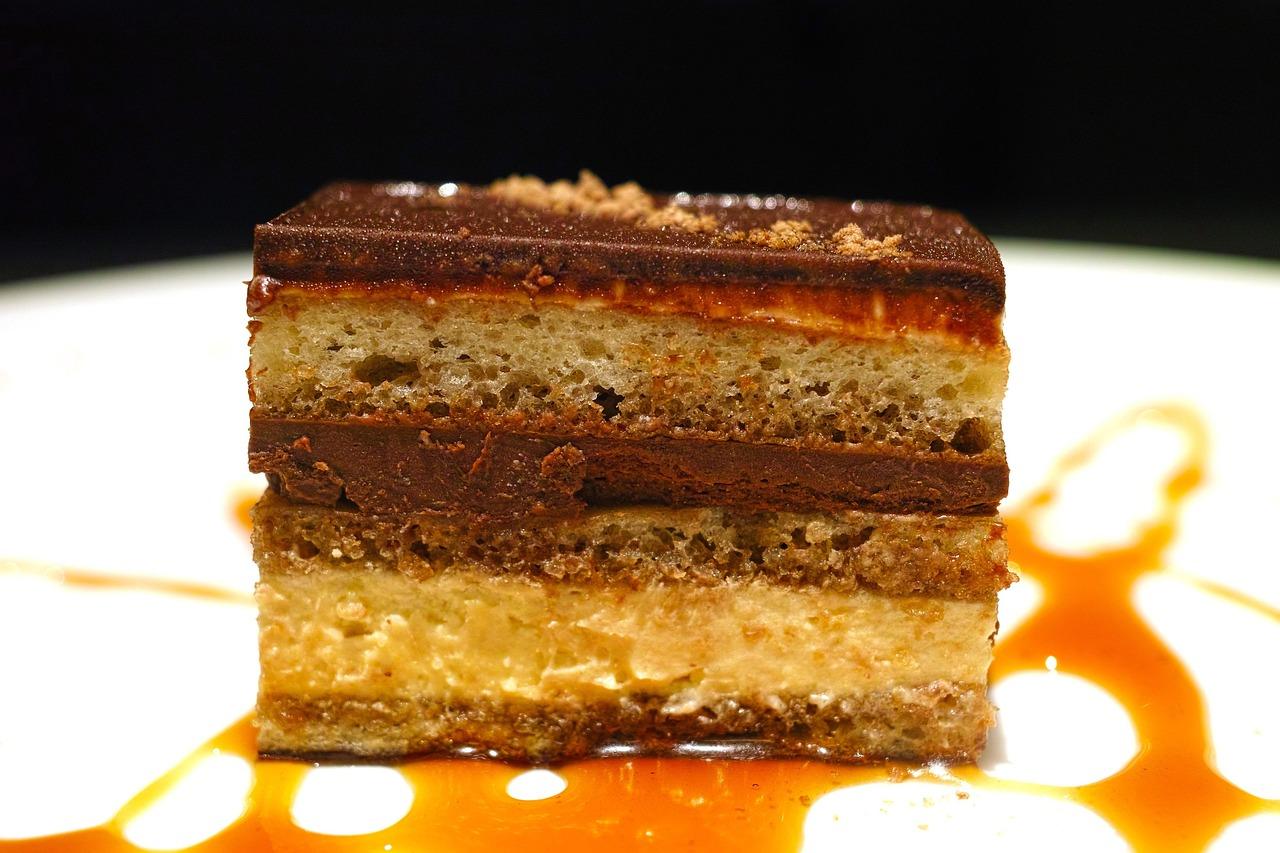
Opéra cakeAlmond coffee chocolate layer cake

Named after the Palais Garnier opera house, the opéra is the elegant rectangle in the window of every grand Paris pâtisserie: thin layers of almond joconde sponge soaked in coffee syrup, coffee buttercream and dark chocolate ganache, finished with a mirror-smooth chocolate glaze. Parisians buy it for birthdays and dinner parties, cut into neat slices. It takes an afternoon but each part is simple, and it is easier made a day ahead. You need a 30 × 40 cm baking tray. The coffee gives a grown-up flavour, so use decaf for children. Chef's tip: trim the sides with a hot, dry knife after chilling; wiping the blade between cuts gives the clean stripes that make an opéra.

110 minFrenchBaking
by KrazyBadal 0 views

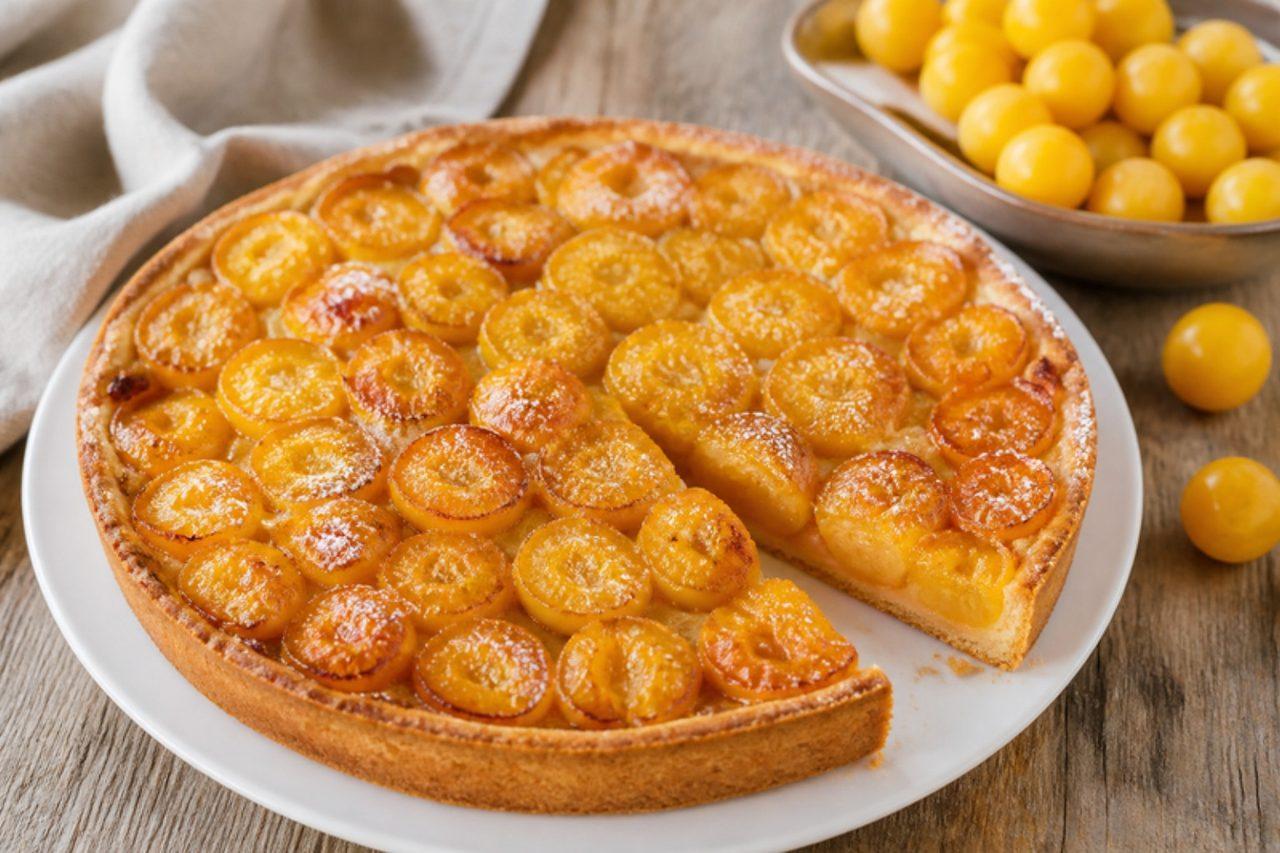
Mirabelle plum tart

Lorraine grows most of the world's mirabelles, small golden plums with a blush of red that ripen for only a few weeks from mid-August, when Metz holds its Mirabelle festival and every pâtisserie in Nancy fills its window with this tart. The plums are halved and packed tightly into a crisp shortcrust, sometimes over a thin layer of almond or semolina to soak up the juice, and they bake into a jammy, honey-sweet layer. Families eat it warm or cold for Sunday dessert or at four-o'clock goûter. Out of season, use small yellow plums or halved apricots. Chef's tip: stand the halves upright and overlapping, cut side up; they shrink as they bake, and a tight layer stops the tart looking bare.

by KrazyBadal 0 views

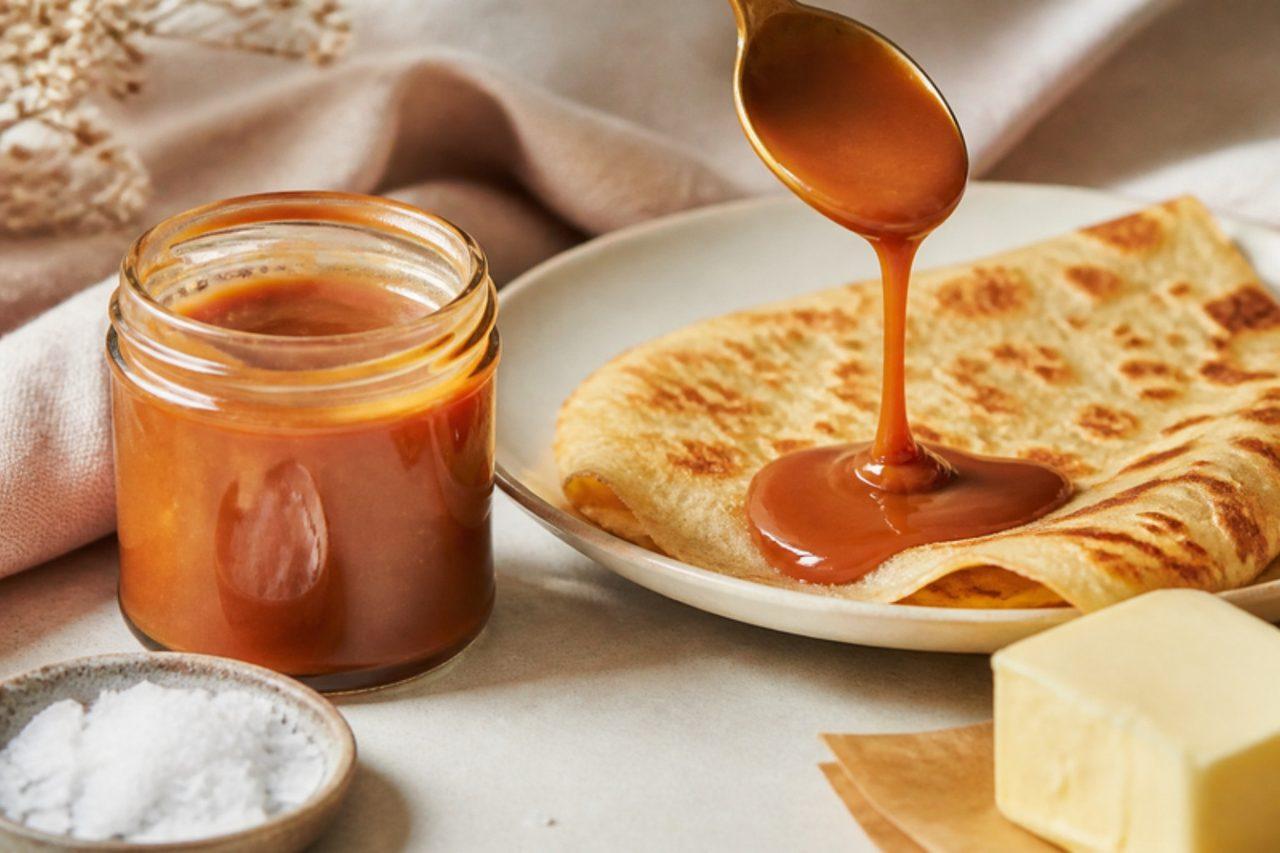
Salted butter caramel

Salted butter caramel was made famous by a confectioner in Quiberon in the 1970s, and now every crêperie from Rennes to Brest pours it over sweet crêpes, and every Breton cupboard has a jar for ice cream, apples or simply a spoon. Brittany kept the habit of salted butter long after the rest of France, so the salt is part of the flavour, not a trend. The caramel is cooked dark, loosened with hot cream and finished with butter flecked with sea salt. It keeps for two weeks in the fridge. Chef's tip: warm the cream before adding it; cold cream makes the caramel seize into hard lumps and spit furiously.

by KrazyBadal 0 views

Brandade de morueWhipped salt cod with garlic

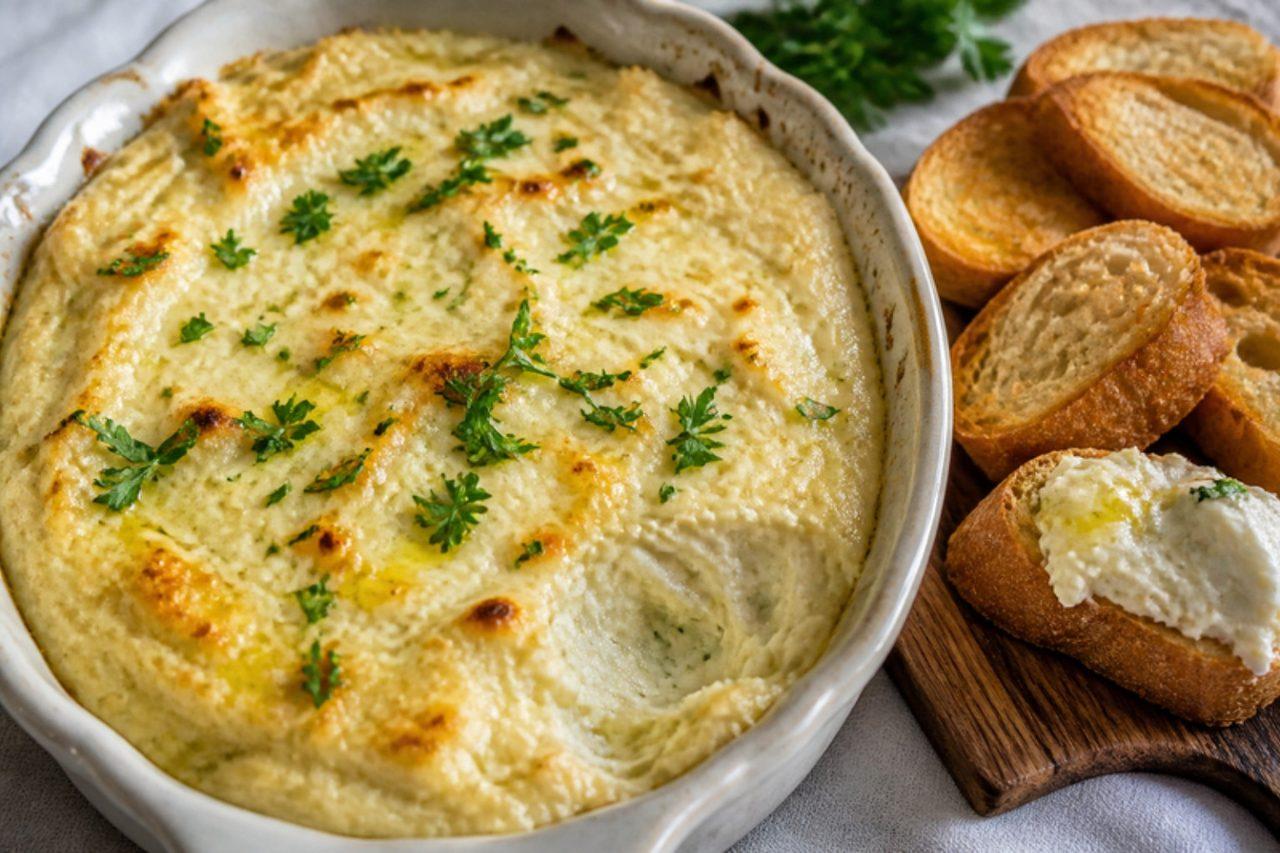
Brandade is Nîmes' great Lenten dish, served on Fridays, on Christmas Eve and as a spread on toast in the bars around the Roman arena during the ferias. Salt cod is poached, then beaten with warm olive oil and milk until it turns into a pale, fluffy, garlicky cream with a gentle salty depth. Nîmes purists make it with fish, oil and milk only; many cooks elsewhere fold in a little mashed potato for a softer texture, which is optional here. The cod needs 24–36 hours of soaking in the fridge first, so plan ahead. Spread it on toasted bread, or bake it in a dish until golden and serve with a green salad. Chef's tip: keep both the oil and the milk warm as you beat them in, so the brandade stays smooth and never splits.

65 minFrenchFish
by KrazyBadal 0 views

Canelés de BordeauxVanilla custard cakes

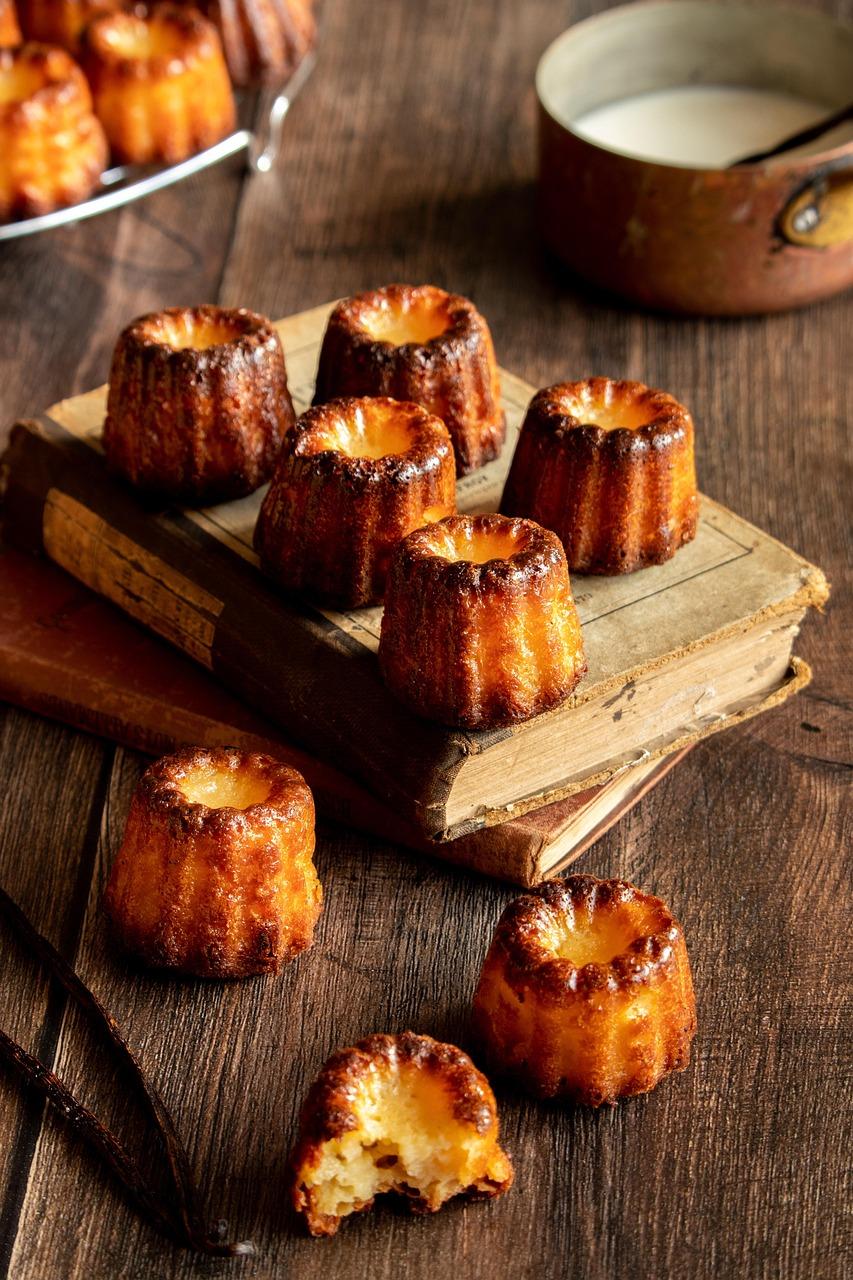
Small, fluted and almost black on the outside, canelés are the signature cake of Bordeaux, sold in pâtisseries all over the city and eaten with morning coffee or at teatime. The thick, caramelised crust cracks to reveal a soft, custardy centre scented with vanilla. The batter traditionally includes dark rum; this version gives it as an option and uses extra vanilla and a little orange zest instead, so it can be made alcohol-free. Copper moulds are traditional, but silicone canelé moulds work well at home. Chef's tip: rest the batter for at least 24 hours in the fridge; fresh batter puffs up like a soufflé and the cakes lose their shape.

1500 minFrenchBaking
by KrazyBadal 0 views

CanistrelliAnise biscuits

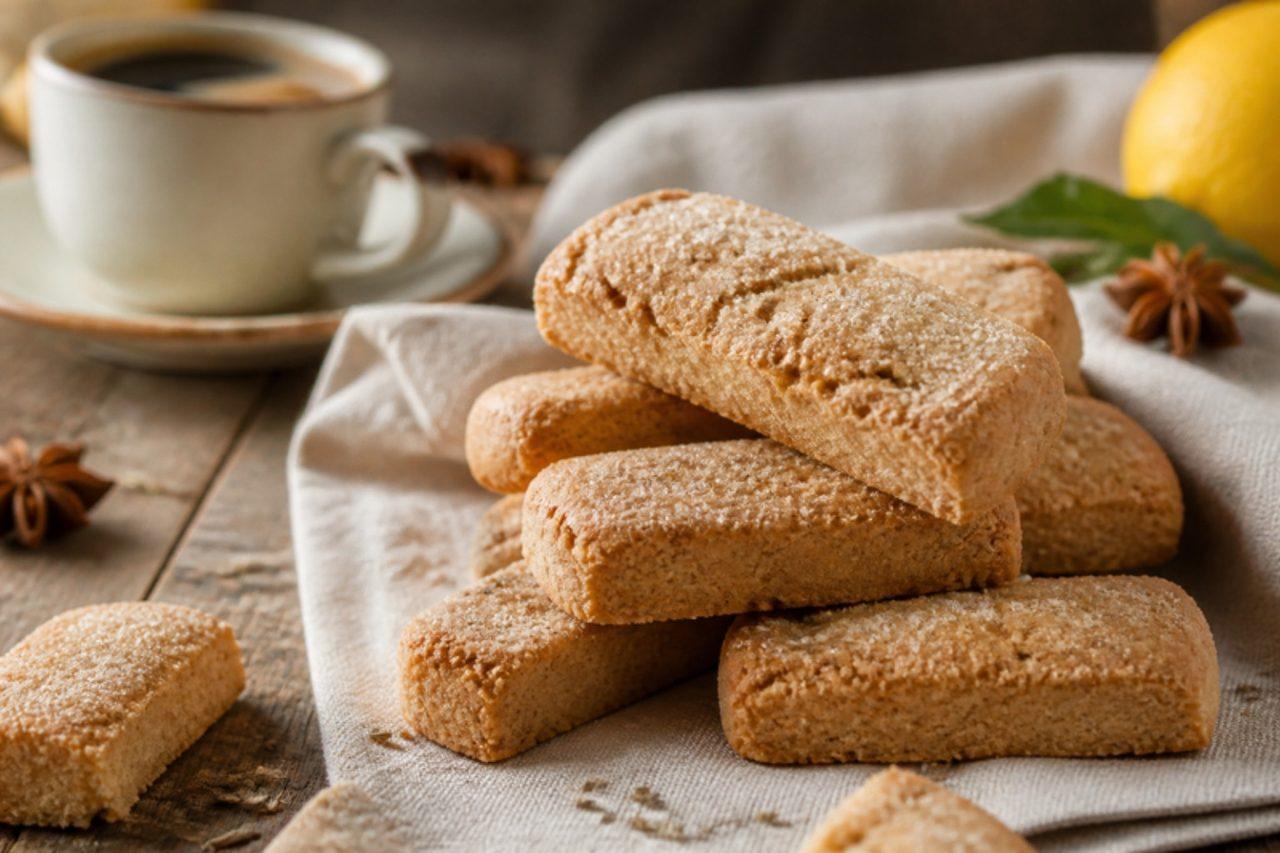
Every Corsican bakery, from Bastia to Bonifacio, stacks bags of canistrelli: thick, square-cut biscuits that are dry and crunchy outside and crumbly inside, made to be dipped in morning coffee. They come in many flavours, such as lemon, chestnut and almond, but anise seed is the classic. Traditionally the dough is mixed with dry white wine; most of the alcohol bakes off, but if you prefer none at all use apple juice with a squeeze of lemon, as the ingredient list says. With olive or sunflower oil instead of butter, they are vegan. Chef's tip: stop mixing as soon as the dough comes together; kneading makes them hard rather than crumbly.

by KrazyBadal 0 views

Showing 24 of 56 recipes

Show more recipes

Page 1 of 3