Skip to content
Recipes

All recipes

Vegetarian, or something you can't eat? Set your diet once and we'll hide recipes that don't fit.

BusecaTripe and white bean stew

Buseca arrived in Montevideo with Italian immigrants from Lombardy and became a classic winter dish of Uruguayan bodegones and family kitchens, eaten on cold June and July days. Honeycomb tripe is simmered until tender, then stewed with white beans, pork chorizo, bacon, peppers, tomato and paprika into a thick, warming stew served with crusty bread. Buy tripe that is already cleaned and blanched (dressed). The usual mistake is undercooking the tripe: it needs a full 2 hours, until it's soft enough to cut with a spoon. Slow-cooker option: after step 4, cook on low for 8 hours. Chef's tip: a little grated lemon zest and parsley stirred in at the end lifts the rich, gelatinous sauce.

by KrazyBadal 0 views
TereréIced yerba mate

In Asunción the hottest part of the day stops for tereré: a horn or cup packed with yerba mate, topped up again and again with ice water infused with crushed herbs, and passed round the group through a metal straw. It was recognised by UNESCO as part of Paraguay's cultural heritage, and the herbs (yuyos) change with the season and the drinker's mood. Yerba mate contains caffeine, so it isn't one for small children. The common mistake is pouring water straight into loose yerba, which then clogs the straw; tilt the yerba to one side first. Chef's tip: for tereré ruso, swap the water for cold orange or grapefruit juice.

by KrazyBadal 0 views
Postre MassiniCustard sponge with burnt sugar top

Montevideo's birthday cake of choice since the early twentieth century, the Massini is two thin layers of sponge sandwiching a thick filling of whipped cream folded with egg-yolk custard, crowned with a thin glassy crust of torched yolk and sugar. Bakeries across Uruguay sell it on Sundays. Traditional versions sometimes add a sweet fortified wine to the custard; this one is alcohol-free. The custard is cooked to a safe 71 °C. The common mistake is assembling with warm custard, which melts the cream into a puddle. Chef's tip: if you don't have a blowtorch, put the sugared top under a very hot grill for a minute and watch it closely.

by KrazyBadal 0 views

Morcilla dulceSweet blood sausage with walnuts

No Uruguayan parrilla is complete without morcilla dulce: a soft pork blood sausage sweetened with sugar and scented with orange peel, studded with walnuts and raisins, grilled until the skin crisps and served first, as part of the achuras, while the beef is still cooking. It is pork throughout: pork blood, pork back fat and natural pork casings. Making it at home is a project. Buy fresh pork blood with an anticoagulant added from a butcher who supplies it for sausage making, keep it chilled below 4 °C and use it within a day. The common mistake is poaching at a rolling boil, which bursts the casings. Chef's tip: keep the water at 80–85 °C, just shivering, and prick a sausage after 25 minutes: it is done when brown, not red, juice comes out.

by KrazyBadal 0 views

Cocido quemadoBurnt sugar mate drink

Cocido is how Paraguay starts the day: in Asunción, in the villages of Guairá and Itapúa, and in school kitchens, a pot of burnt yerba is brewed and poured into cups with chipa, the cheesy cassava bread, or with a hard galleta. The old way is to drop a glowing piece of charcoal into a pot with yerba and sugar and stir until the sugar burns. On a home stove you caramelise them together in a dry pan instead, which is safer and gives the same smoky, toffee-like taste. The drink is clear amber-brown, with roasted, slightly bitter mate notes over burnt-sugar sweetness; with milk added it becomes cocido con leche, creamy and coffee-coloured. Yerba mate contains caffeine, so treat it like a cup of coffee. The common mistake is letting the sugar go black: it turns acrid and bitter. Pull it off the heat when the caramel is deep amber and the yerba smells toasted, not burnt. It is ready when the liquid is a clear dark amber and tastes of toffee and smoke. Chef's tip: the water will spit fiercely when it hits the hot caramel, so pour it in from the side, at arm's length.

by KrazyBadal 0 views
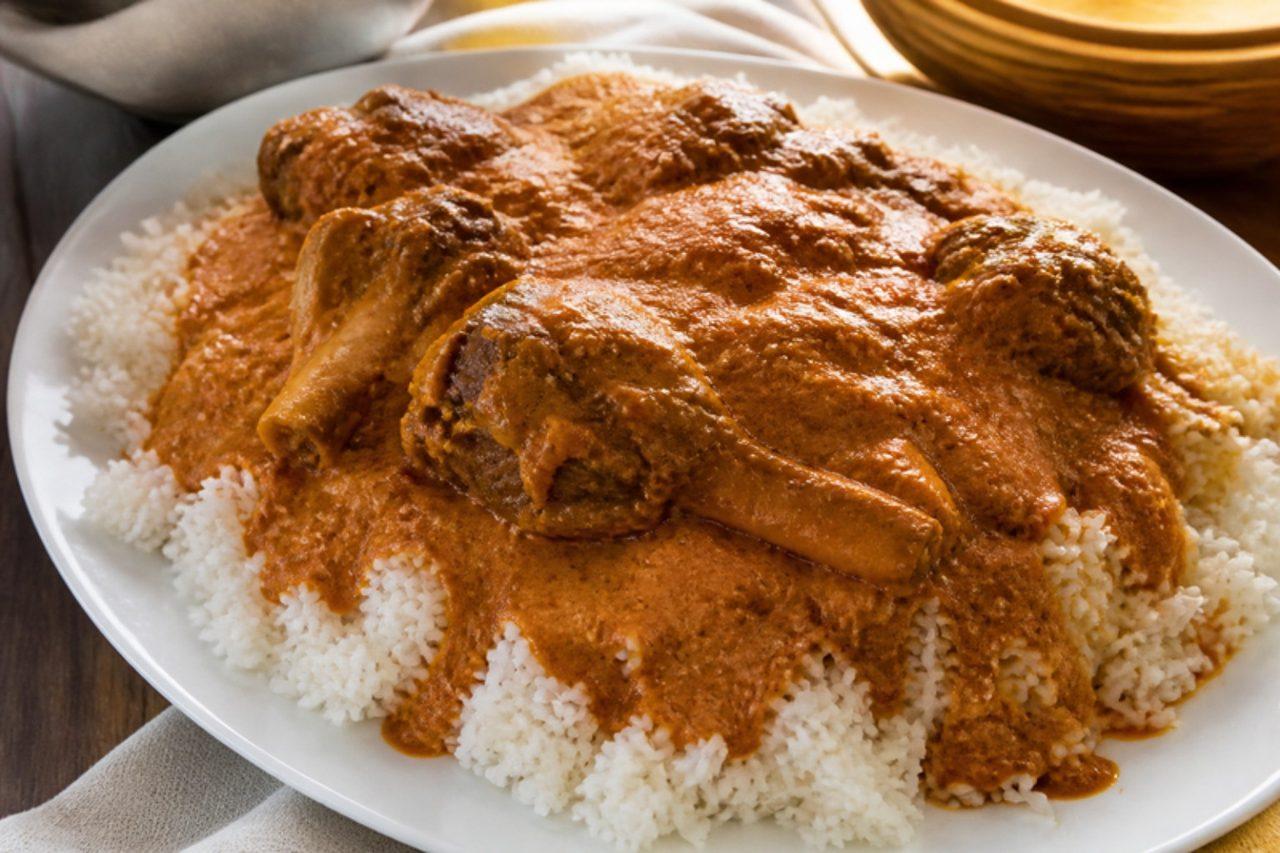
Lafidi (Guinean rice with lamb and peanut sauce)

High in the green hills of the Fouta Djallon in Guinea, Fula (Peul) families prepare lafidi for feast days and for guests: a mound of white rice topped with tender lamb and a generous peanut sauce, served on a shared platter. Some households make it with a leaf sauce of cassava or sweet potato leaves instead; this version uses the peanut sauce, which is smooth, nutty and lightly tangy from tomato, with a steady warmth of chilli. The lamb is simmered slowly in the sauce, so it is soft enough to pull apart with your fingers. Chef's tip: simmer the peanut sauce uncovered and stir it from the bottom often; peanut sauces catch and burn easily, and a scorched taste runs through the whole pot.

100 minAfricanMeatGluten free
by KrazyBadal 0 views

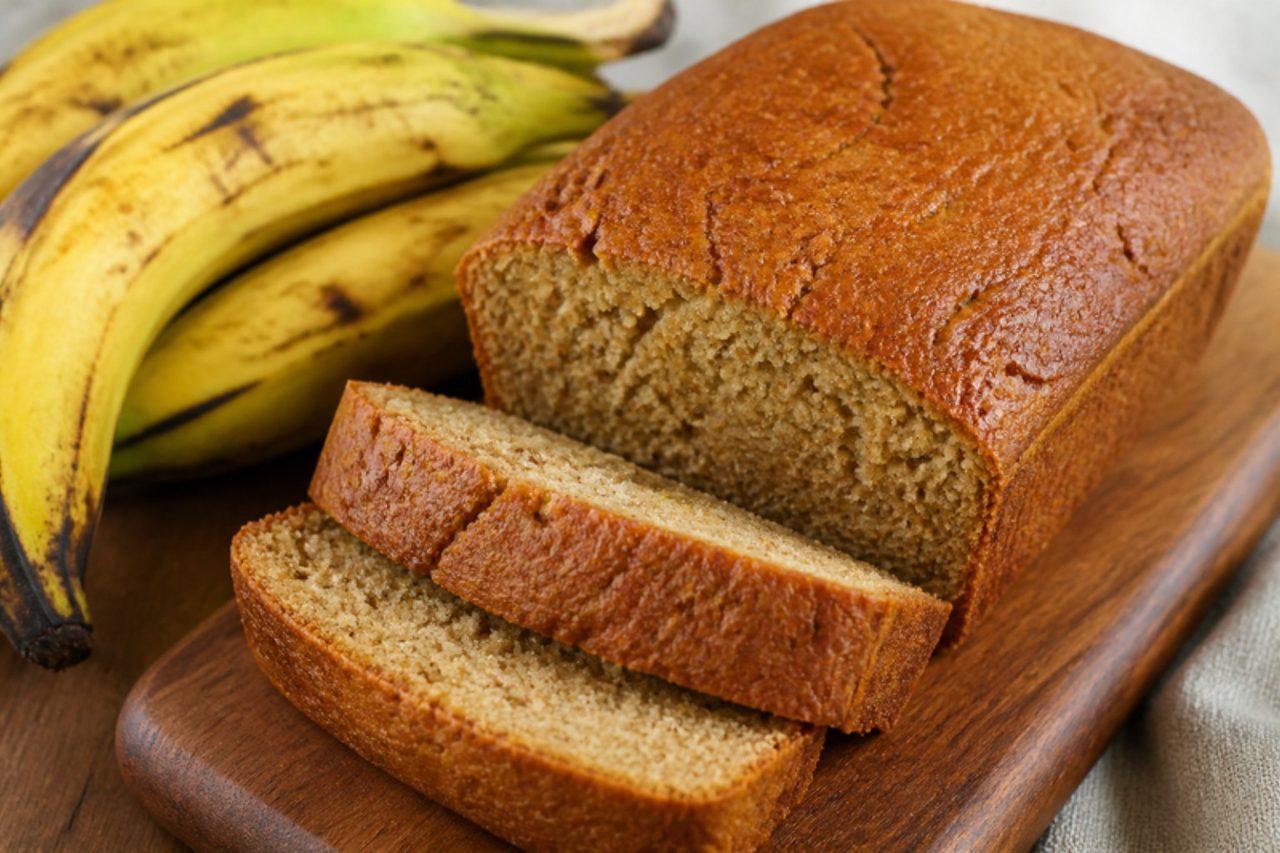
Liberian rice bread

Liberian rice bread sits somewhere between banana bread and a soft pudding: a moist, close-textured loaf made with cream of rice instead of wheat, sweetened with very ripe bananas and warmed with nutmeg. Families in Monrovia bake it for Sunday breakfast, birthdays and holiday gatherings, and slices are often eaten with tea or coffee. Because it contains no wheat flour, it is naturally gluten free when you use a gluten-free baking powder. The batter is surprisingly runny, so do not be tempted to add more rice. Chef's tip: let the loaf cool in the tin for at least fifteen minutes; rice batters firm up as they cool and fall apart if cut hot.

by KrazyBadal 0 views
AkpanFermented corn drink

Street sellers in Cotonou and Porto-Novo keep akpan in cool boxes, ladled into cups or tied plastic bags as a mid-afternoon pick-me-up. The base is fermented maize starch cooked into a thick pap, then left to sour further until it tastes like a mild, slightly yeasty yoghurt; cold milk and sugar loosen it into a creamy drink you can sip or eat with a spoon. It is refreshing, tangy and filling, and many people treat it as a light meal on hot days. Budget a day for the second souring, though the hands-on time is under half an hour, and always use pasteurised milk and keep the finished drink in the fridge. Don't let the fermented base sit at room temperature for longer than stated; past that it sours too far. Chef's tip: sieve the slurry before cooking; any maize husk left in makes the drink gritty.

by KrazyBadal 0 views
Zoom-koomGinger tamarind millet drink

Zoom-koom means flour water in Mooré, and in Ouagadougou it is the drink that breaks the fast at iftar during Ramadan and cools people down in the scorching weeks before the rains. Millet gives it body and a soft cereal sweetness, while fresh ginger brings heat and tamarind a sour edge; some sellers add lime or mint. It is cloudy, thick and refreshing, served very cold in small bags or glasses. Raw flour is not safe to drink as it is, so this version toasts the millet first, which also deepens its flavour. Chill for at least an hour before serving. Chef's tip: stir the jug every time you pour, as the millet settles quickly to the bottom.

by KrazyBadal 0 views

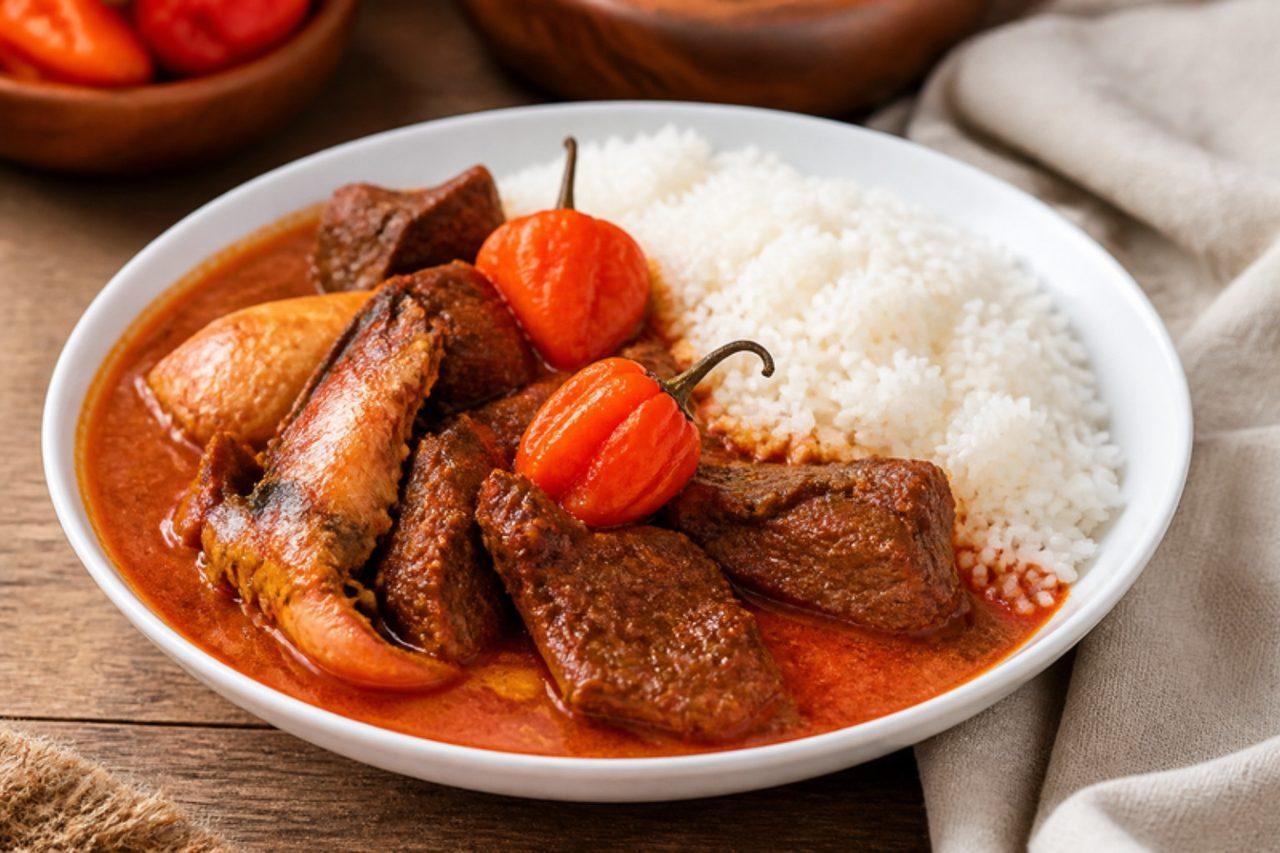
Palm butterPalm nut stew

Sunday and holiday tables in Liberia often centre on palm butter, a thick, velvety, orange-red stew made from the pulp of boiled palm nuts and cooked down with beef, smoked fish and whole hot peppers. In Monrovia it is spooned over rice, while families upcountry often pair it with fufu or dumboy. The taste is rich, nutty and gently sweet, with smoke from the fish and slowly building heat. Canned palm nut concentrate from African grocers makes it practical at home; pounding fresh nuts is the village way. A frequent slip is boiling hard once the palm cream goes in, which splits the oil out and makes it greasy. Chef's tip: drop the peppers in whole and pierce them once; you get flavour and warmth without the stew turning fiercely hot, and you can lift them out before serving.

125 minAfricanMeatGluten free
by KrazyBadal 0 views

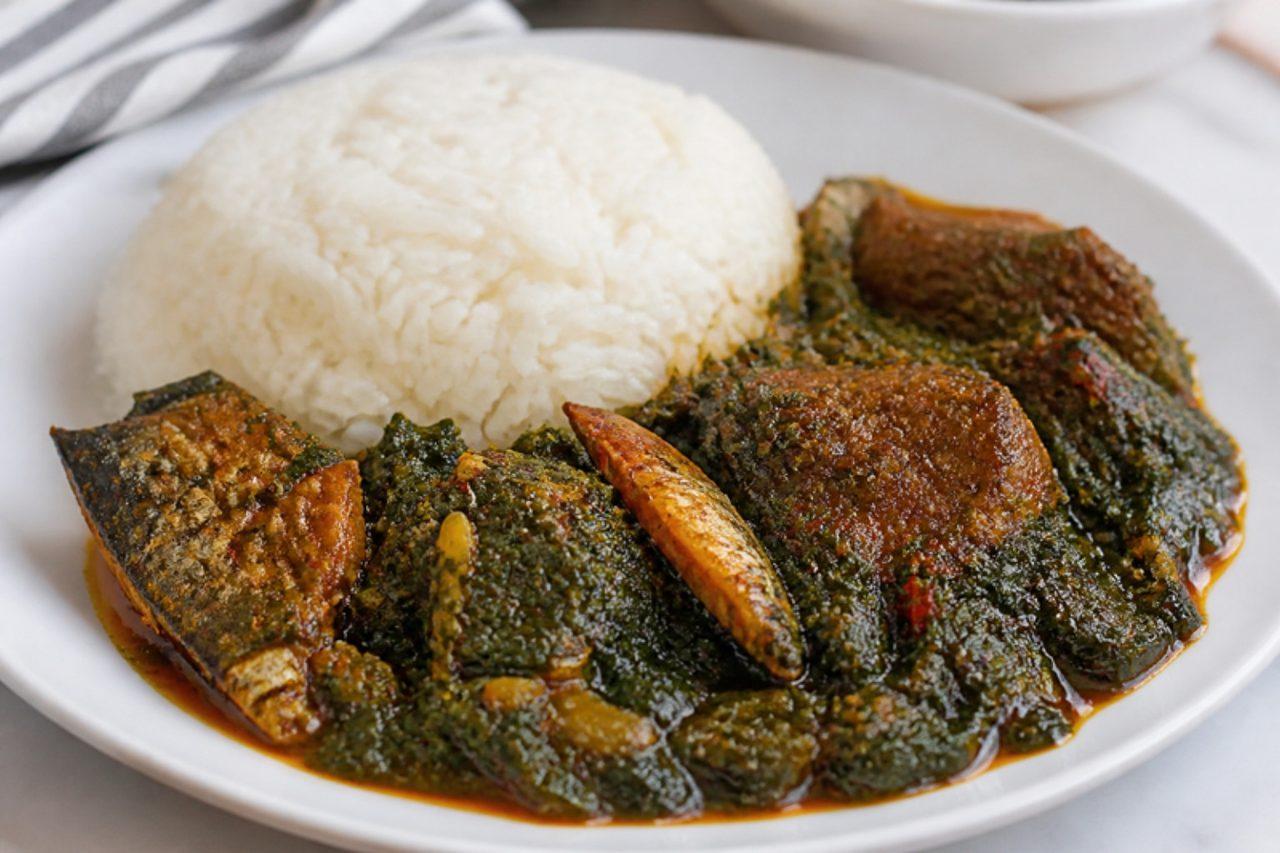
Cassava leavesCassava leaf stew

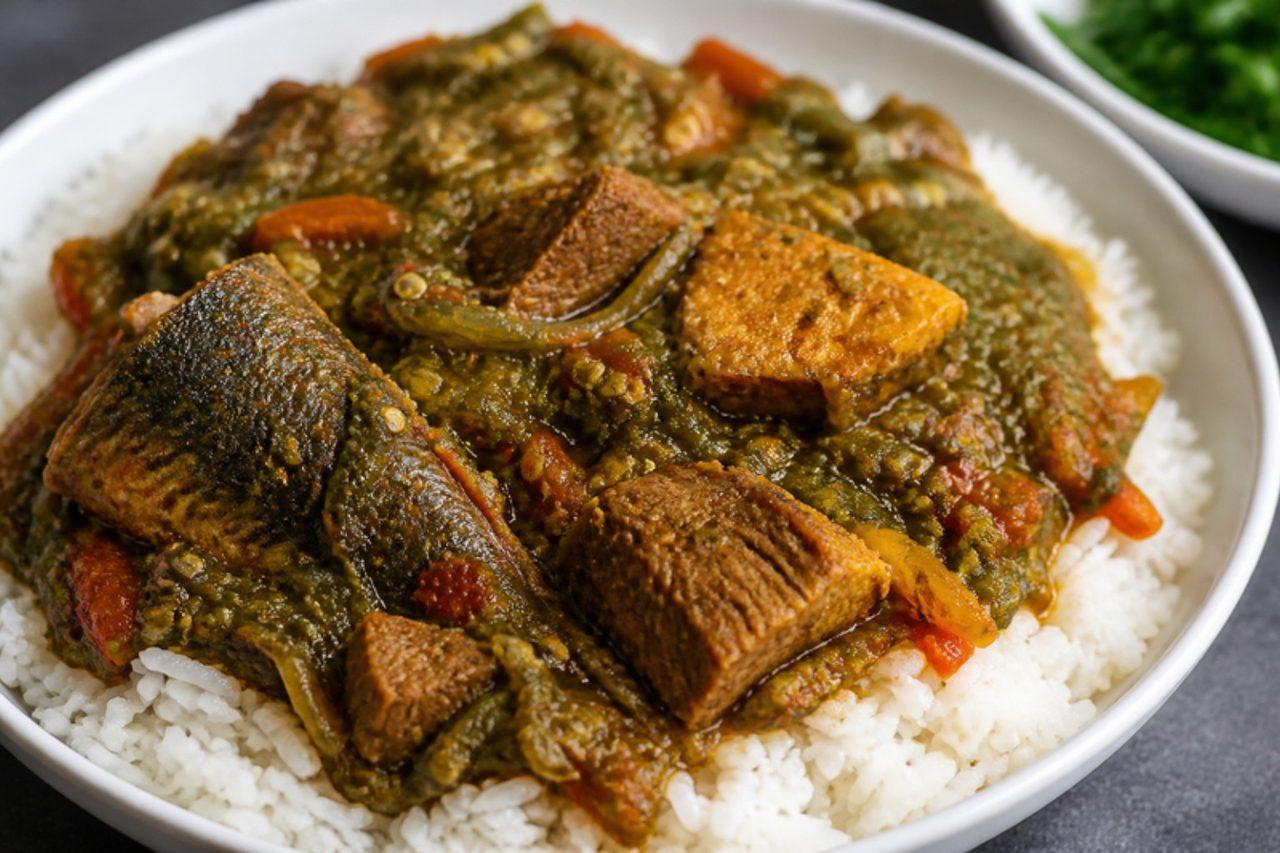
Cassava leaf is close to a national dish in Sierra Leone, simmered in big pots for Sunday lunch, weddings and Friday gatherings in Freetown and sold by the plateful in cookshops across the city. The leaves are pounded to a fine green mash, then cooked for a long time with red palm oil, beef, smoked fish and hot pepper until soft, dark and rich, with a smoky, almost spinach-like depth. It is always served over plenty of white rice. Frozen ground cassava leaves from African or Asian grocers save hours of pounding. Avoid cutting short the long simmer; cassava leaves must be thoroughly cooked to be safe and tender. Chef's tip: boil the leaves uncovered first, before anything else goes in; it drives off their raw, grassy bitterness and helps make them safe to eat.

125 minAfricanMeatGluten free
by KrazyBadal 0 views

Ago glainCrab in tomato pepper sauce

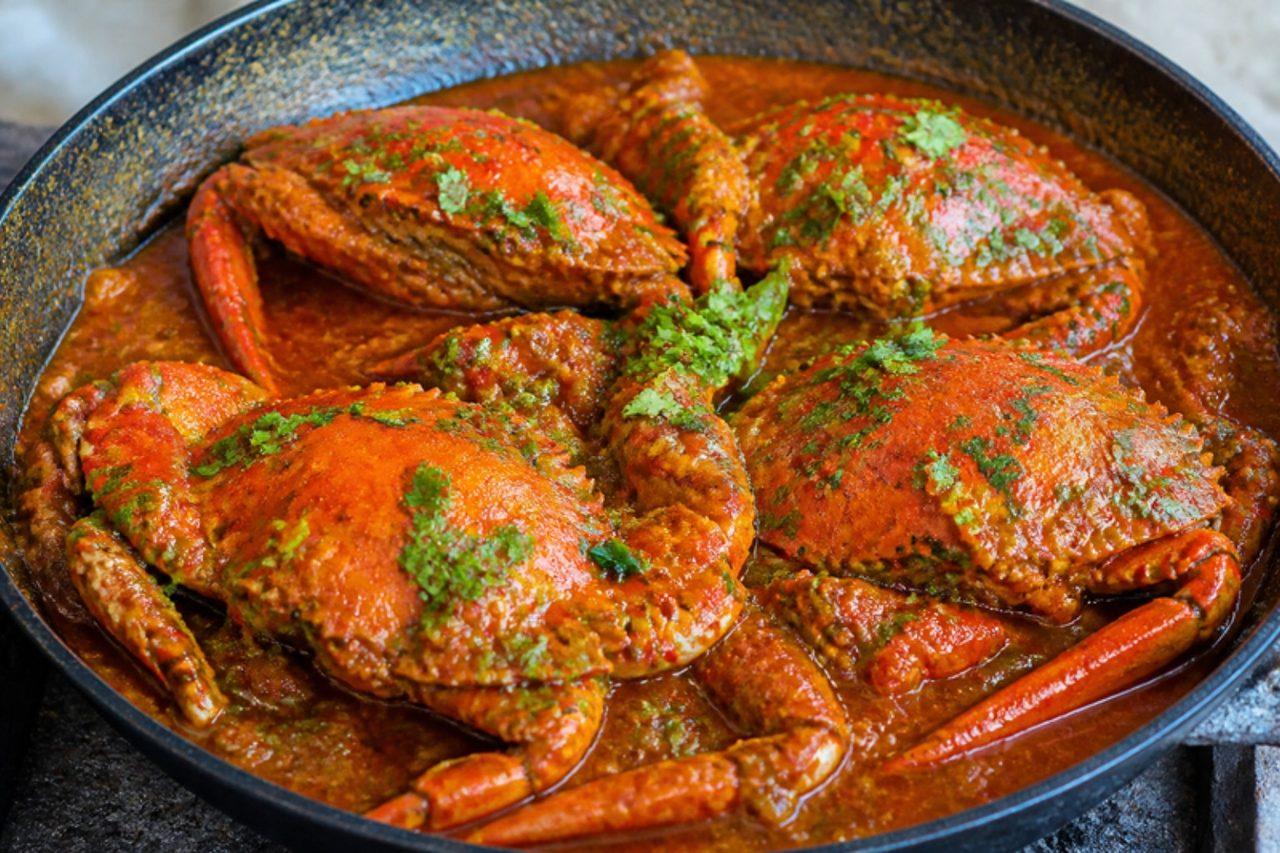
Cotonou sits between the sea and the Nokoué lagoon, and its crabs, ago in Fon, are cooked whole in a thick tomato, onion and pepper sauce for weekend lunches and family gatherings. Ago glain is gloriously messy: you crack the shells with your fingers and teeth, suck out the sweet meat and mop up the sauce with amiwo, akassa or white rice. The sauce is bright, gingery and hot, and the shells give it a deep seafood flavour. Live crabs need careful handling, so buy them from a fishmonger you trust, cook them the same day and keep them chilled until then; ready-cleaned or ready-cooked crab is fine too. The usual mistake is overcooking the crab once it is in the sauce, which makes the meat dry and stringy. Chef's tip: crack the claws before they go into the pot so the sauce seeps in and they cook evenly.

by KrazyBadal 0 views

Superkanja (Gambian okra stew)

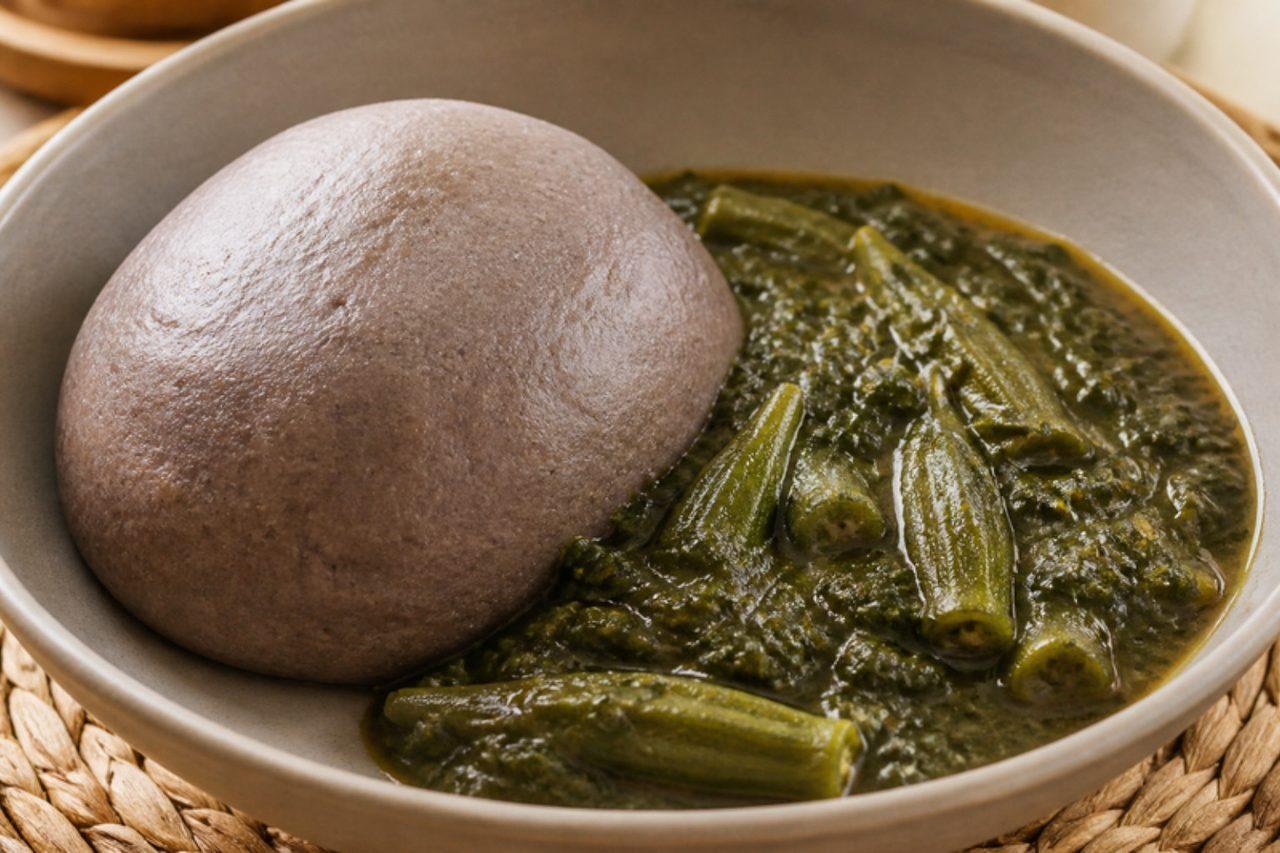
Superkanja is one of The Gambia's best-loved stews, cooked in compounds from Banjul to the river villages and always served with plain white rice. Okra is simmered and beaten into a thick, glossy stew with red palm oil, beef, fish and nététou, the pungent fermented locust beans that give West African cooking its deep savoury base. Smoked or dried fish adds smokiness, Scotch bonnets bring the heat, and the whole thing is slippery, rich and earthy. If you cannot find nététou, iru or dawadawa from African shops do the same job. Chef's tip: beat the okra vigorously with a wooden spoon for the last few minutes of cooking; that beating is what turns it into the smooth, cohesive kanja rather than a loose soup.

by KrazyBadal 0 views

Malian tô (millet swallow)

Across Mali, from Bamako courtyards to villages along the Niger, the evening meal very often means tô: a firm, smooth paste of millet or sorghum flour, beaten in a pot over the fire until it holds its shape. It is the plain, filling partner to slippery sauces of okra or baobab leaf (lalo), torn off with the right hand and dipped. Tô has a mild, slightly sour grain taste and a texture like firm polenta. A little tamarind water or lime helps it set and keeps it from tasting flat. Chef's tip: add the flour to the porridge in several small batches and beat hard after each one; dumping it all in at once is the classic mistake, and it leaves dry lumps that never smooth out.

by KrazyBadal 0 views

Guinean tamarind juice

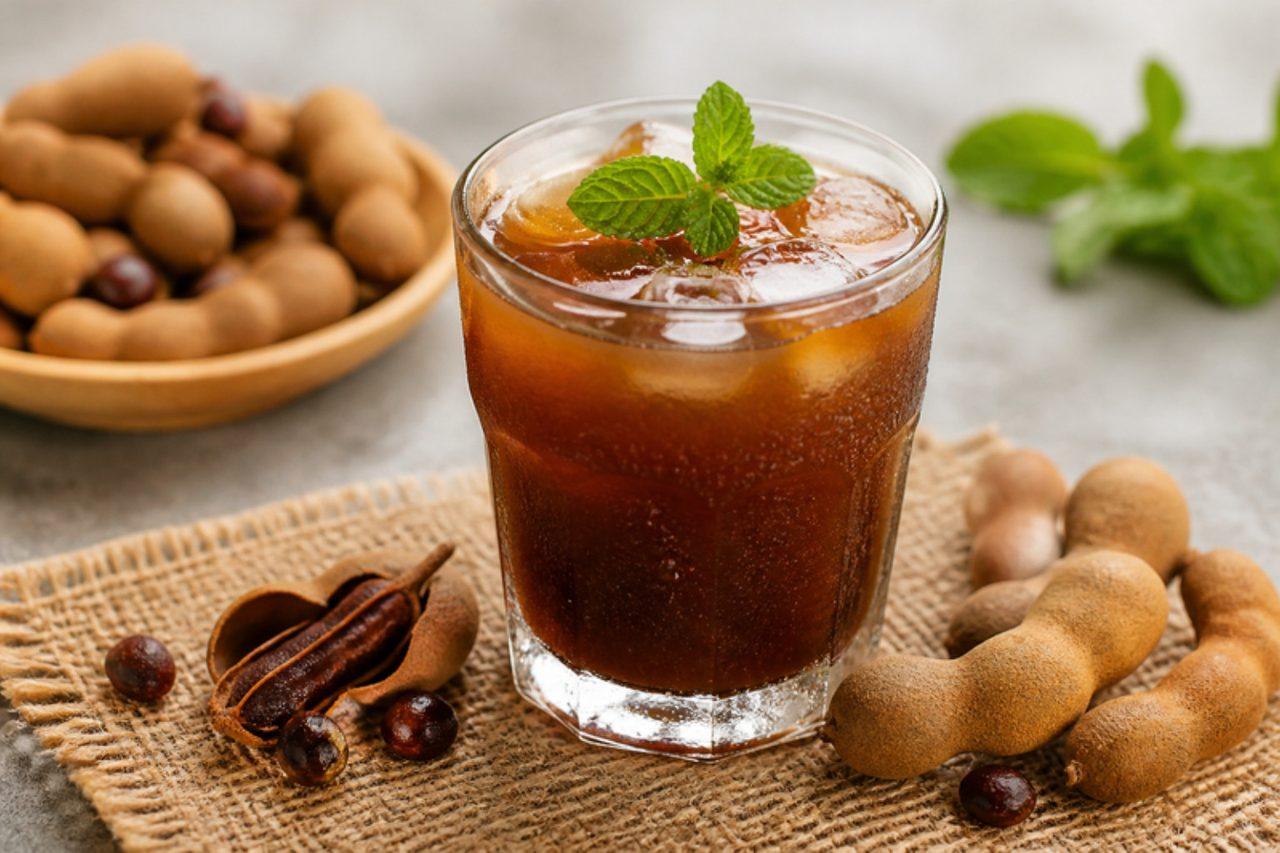
Tomi is the name for tamarind in Guinea, and in Conakry its juice is poured from plastic bottles kept on ice at markets, bus stops and family celebrations alongside bissap and ginger juice. The sticky brown pulp is soaked in hot water, kneaded and strained into a drink that is brown-gold, fruity and pleasantly sour, sweetened with sugar and lifted with a little ginger and vanilla. It is especially welcome at sunset during Ramadan. Chef's tip: soak the pulp in hot, not boiling, water and knead it well; boiling the tamarind is a common mistake that pulls out bitterness from the seeds and skins.

by KrazyBadal 0 views

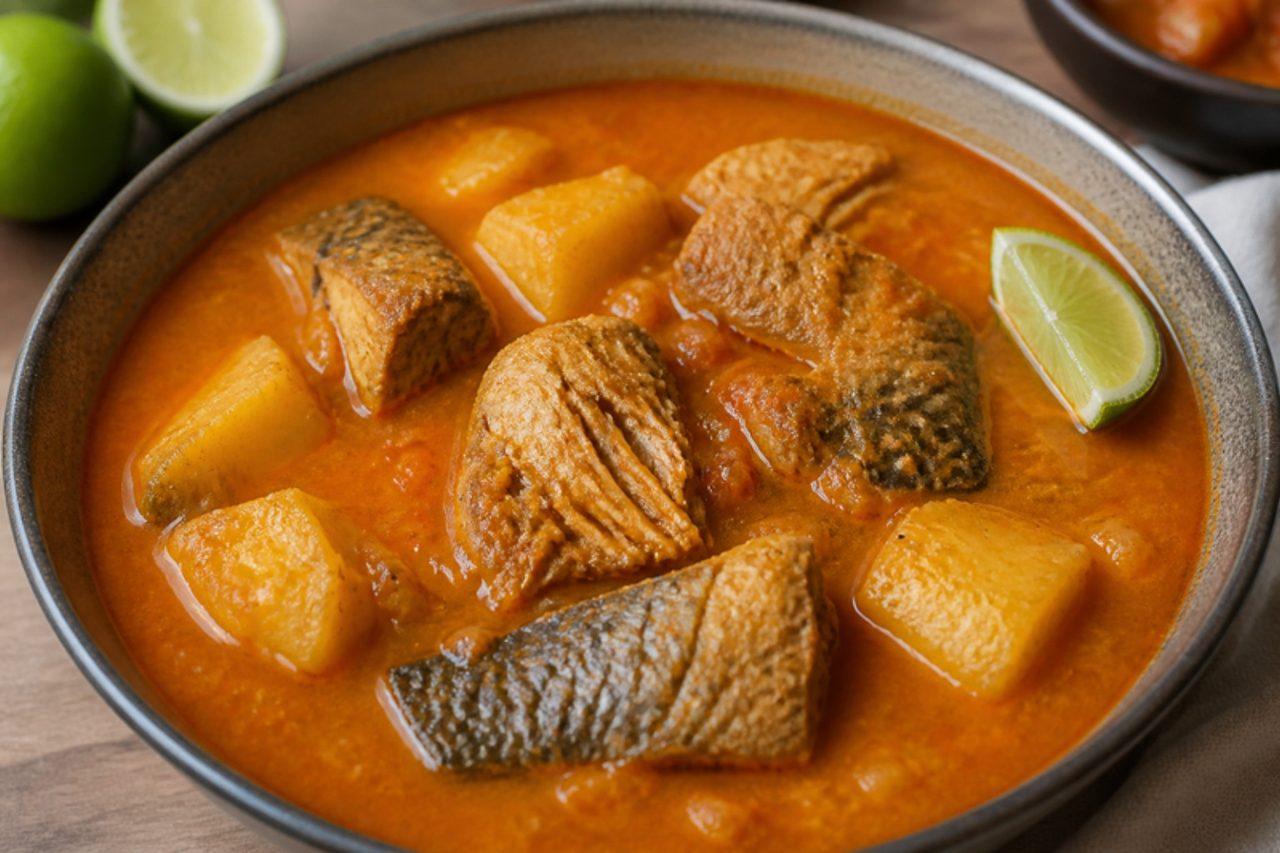
Ebbeh (Gambian cassava and fish soup)

Bowls of ebbeh are a favourite late-afternoon snack and supper at Gambian markets and beach stalls, sold steaming from big pots. Cassava is boiled until it breaks down and thickens the broth, then fish, red palm oil, onion and plenty of chilli go in, and the soup is finished with a sharp squeeze of lime. It is thick and starchy, hot, sour and savoury all at once, with soft chunks of cassava and flaky fish. Some cooks add crab or a little smoked fish; this version uses fresh fish with smoked fish for depth. Avoid stirring hard once the fish goes in, or it breaks into shreds. Chef's tip: cook the cassava until some of it collapses before adding the fish, because the cassava itself is the thickener; undercooked cassava gives a thin soup and is unsafe to eat.

by KrazyBadal 0 views

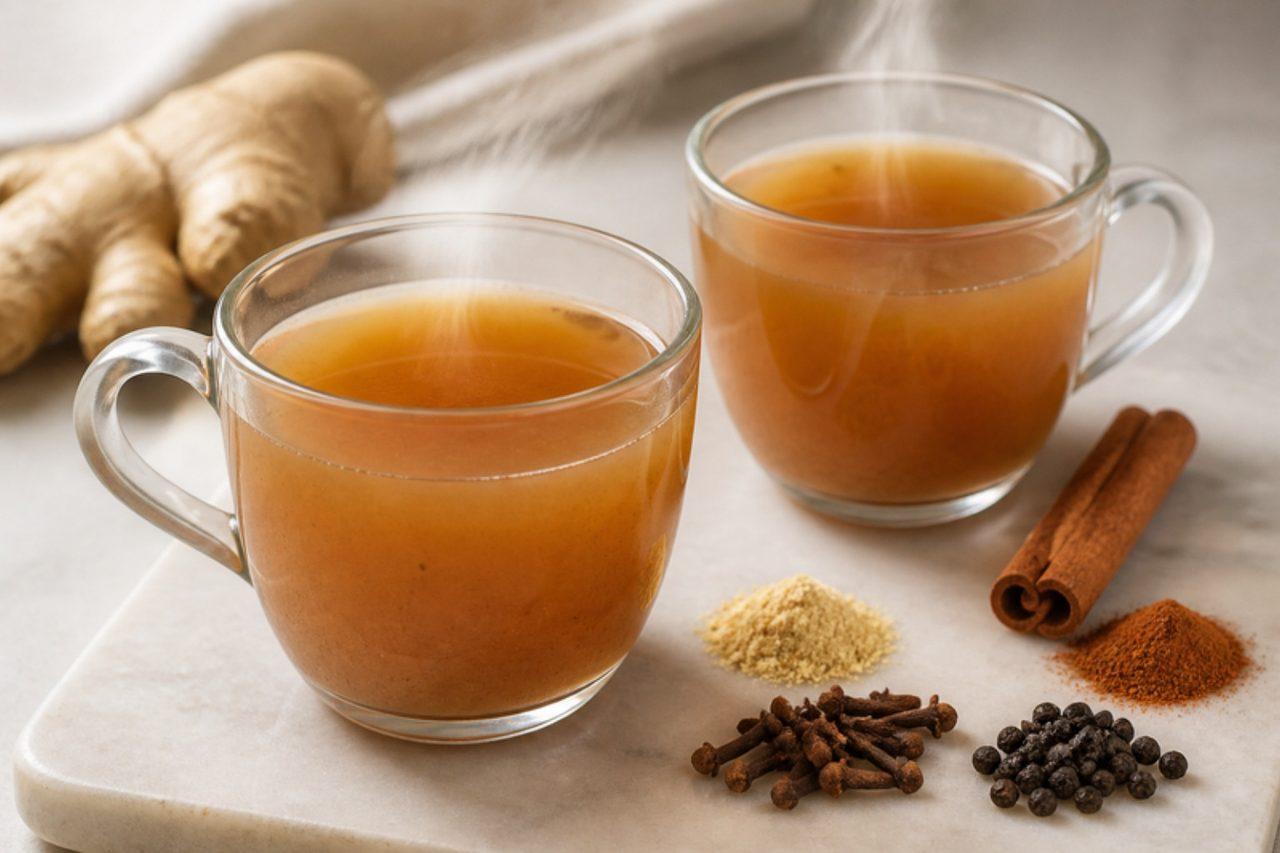
Ginger drink (tangawizi)

Tangawizi is a warming Swahili drink of ginger boiled with cinnamon, clove and black pepper and sweetened to taste. It's hot, peppery and soothing on a cool evening or when you have a cold. Serve hot in small kahawa cups.

by KrazyBadal 0 views

Asado uruguayoGrilled beef short ribs and chorizo

Sunday in Uruguay means asado: in Montevideo backyards and the cattle towns of the interior, beef ribs (asado de tira), chorizo and morcilla cook slowly over the embers of a wood fire, with only coarse salt, while the family waits. The parrillero rakes coals under the grill and keeps the heat low and even. This recipe includes pork chorizo. The mistake is cooking over flames; the fire should burn down to embers you can hold your hand above for 6–8 seconds. Chef's tip: salt the meat only when it goes on the grill, with coarse salt, never fine.

by KrazyBadal 0 views

ChajáSponge, peach and cream cake

Chajá was created in 1927 at a bakery in Paysandú, a city on the Uruguay River, and named after a local bird whose feathers look as fluffy as its crumbly meringue coat. Today it's Uruguay's birthday and celebration cake: layers of light sponge soaked in peach syrup, filled with whipped cream, peaches and dulce de leche, then covered in crushed meringue. It's sweet, soft and crunchy at once, best on the day it's assembled. Chef's tip: soak the sponge but not too much; it should feel moist, not wet, or the layers slide.

by KrazyBadal 0 views

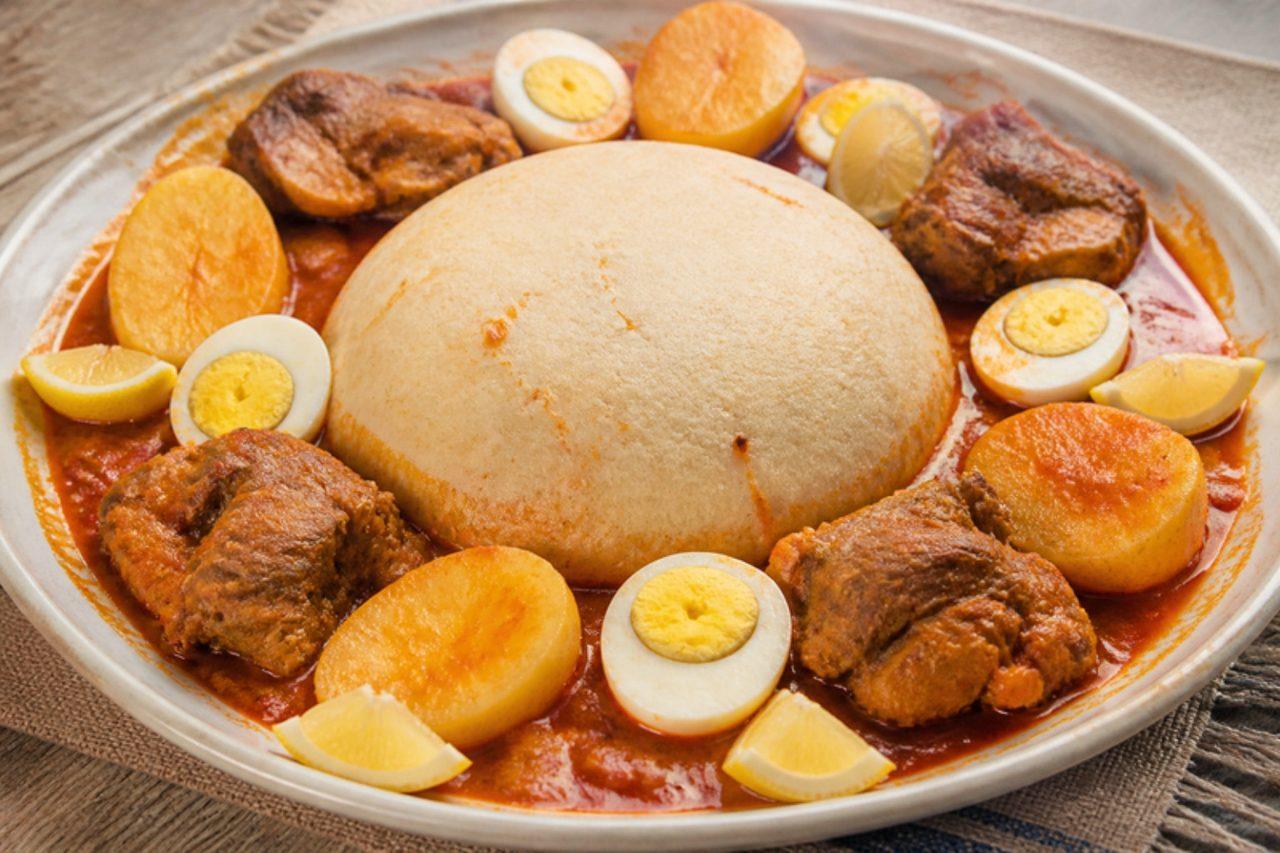
Bazin with lambBarley dough with lamb stew

Bazin is the traditional festive dish of Libya, especially in Tripoli and the western mountains: a smooth, firm dome of barley-flour dough set in the middle of a wide dish, surrounded by a spicy lamb stew of tomato, chilli and turmeric, with hard-boiled eggs and potatoes. Everyone eats from the same plate with the right hand, pinching off dough and dipping it in the sauce. The mistake is not beating the dough hard enough: it should be pounded until completely smooth, or it tastes floury. Chef's tip: beat the dough with a wooden spoon, adding cooking liquid a spoonful at a time, until it pulls cleanly away from the pot.

150 minAfricanMeatSpicy
by KrazyBadal 0 views

Bungo juiceSweet-sour bungo fruit juice

Maji ya bungo is a favourite Zanzibar street drink made from the orange, sweet-sour pulp of the bungo fruit (Saba comorensis), soaked off the seeds, blended with sugar and water and strained. It's tangy, fruity and very refreshing. Serve well chilled.

by KrazyBadal 0 views

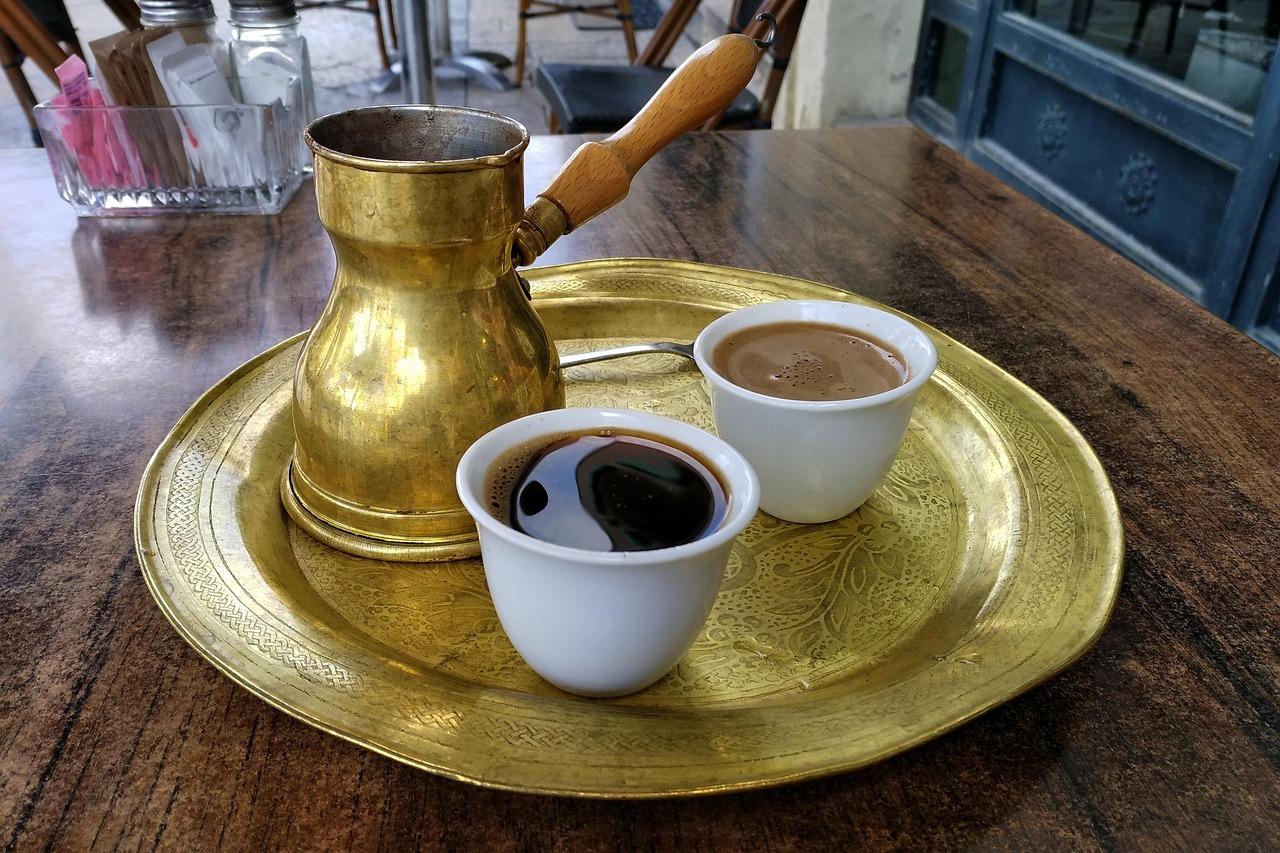
Zanzibar coffee (kahawa)

Kahawa is the strong, spiced black coffee poured from brass pots on the streets of Stone Town: freshly ground coffee boiled with cardamom pods and finished with ginger and ground cardamom. It's bitter-sweet and aromatic. Serve hot in small kahawa cups.

by KrazyBadal 0 views

Zanzibar spiced tea (chai ya viungo)

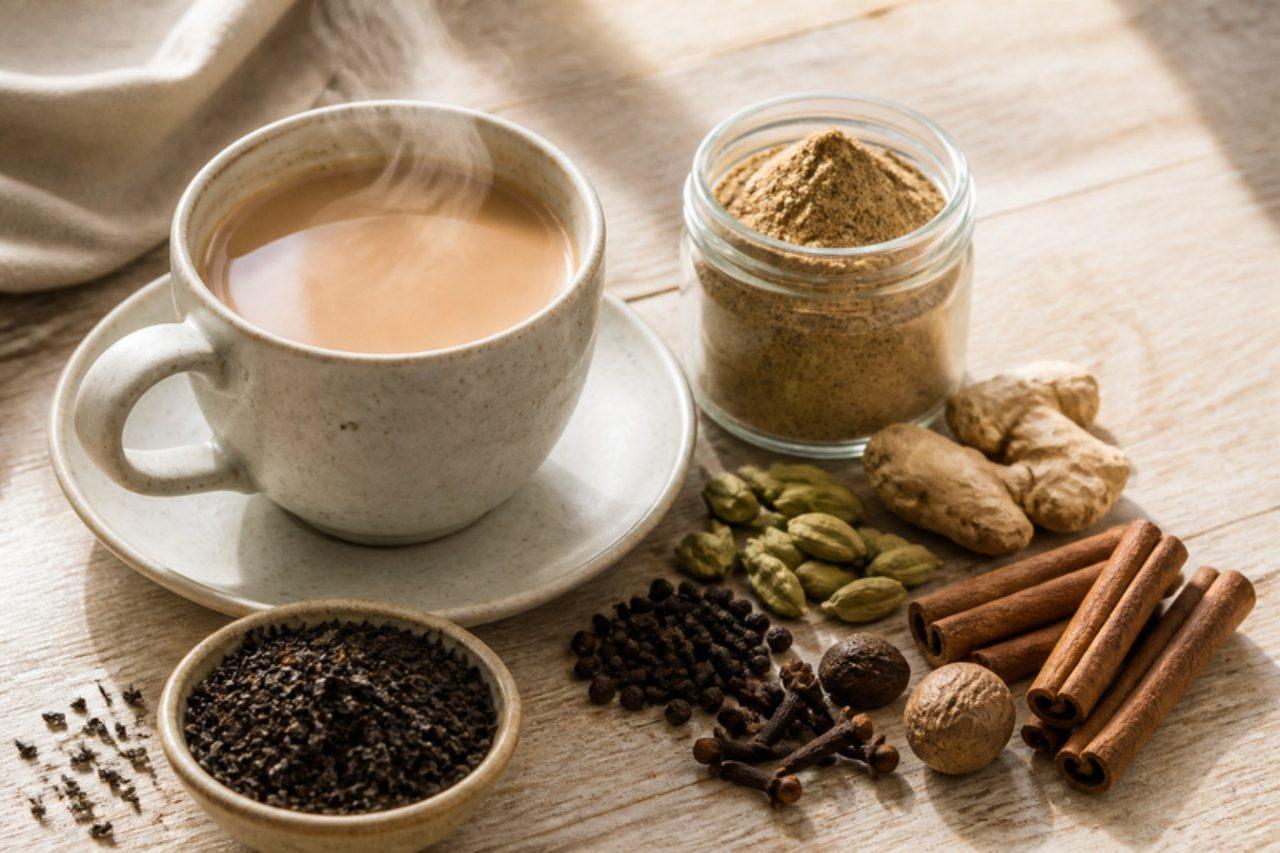
Zanzibar is the spice island, and chai ya viungo is its everyday tea: black tea boiled with a home-roasted masala of cardamom, dry ginger, black pepper, cloves, cinnamon and nutmeg. The masala keeps for months in an airtight jar. Milk is optional; serve the tea hot.

by KrazyBadal 0 views