Skip to content
Recipes

All recipes

Vegetarian, or something you can't eat? Set your diet once and we'll hide recipes that don't fit.

Ka'ak nakache (date-filled semolina rings)

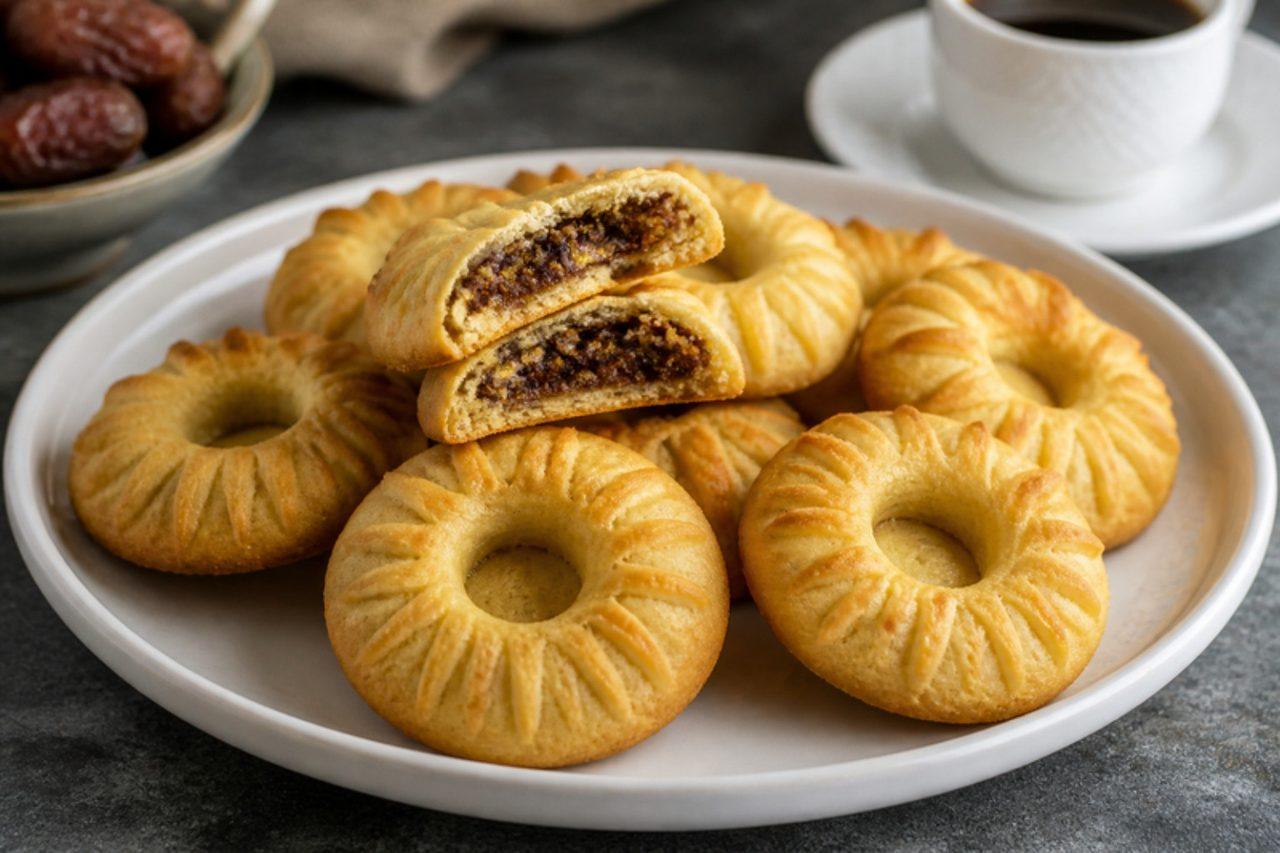
Constantine bakers own a special brass tweezer, the nakache, just for decorating these rings: a rope of buttery semolina dough is wrapped round spiced date paste, joined into a circle and pinched along the top into chevrons and leaves. Baked pale, ka'ak nakache is crisp and short outside with a soft, cinnamon and clove scented filling, a classic of Eid trays and of the coffee served to guests in the old city. Without the tweezer, a fork or the back of a small knife makes a good pattern. Chef's tip: let the buttered semolina rest for at least 30 minutes before adding water; skipping the rest is the usual mistake, and the rings crack as you shape them.

by KrazyBadal 0 views

Dziriettes (almond flower pastries)

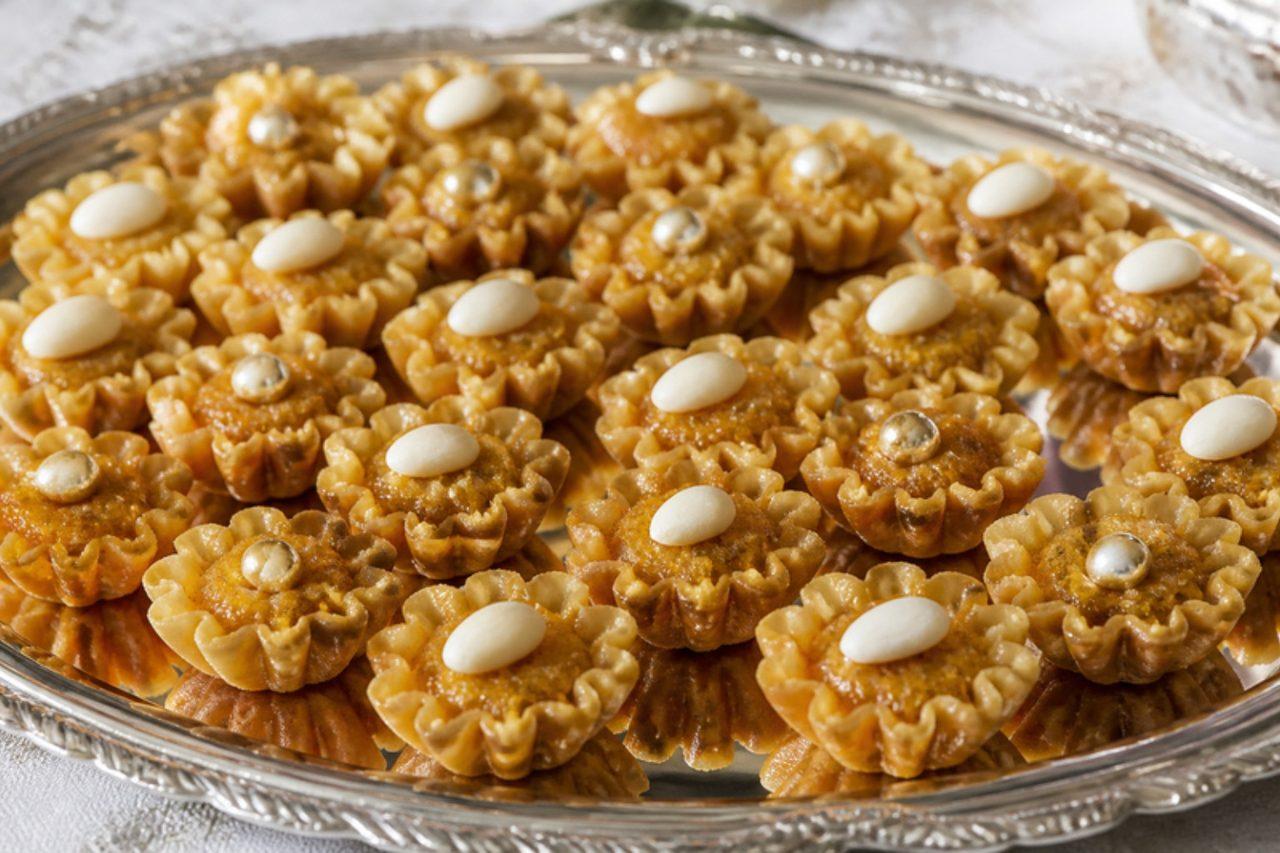
Named after the women of Algiers, dziriettes are the jewels on any wedding or Eid tray: thin, crisp pastry pinched into a flower or crown, filled with a dome of almond paste scented with orange blossom, then baked and soaked in warm honey. They take patience, but the result is delicate and fragrant, with a shatter of pastry giving way to a soft, moist almond centre. Families often make a few hundred over several evenings, together, before a celebration, and serve them with mint tea or coffee. Chef's tip: roll the dough so thin you can almost see the worktop through it; thick pastry is the commonest mistake and turns dziriettes stodgy instead of crisp.

by KrazyBadal 0 views

Mchewek (almond cookies)

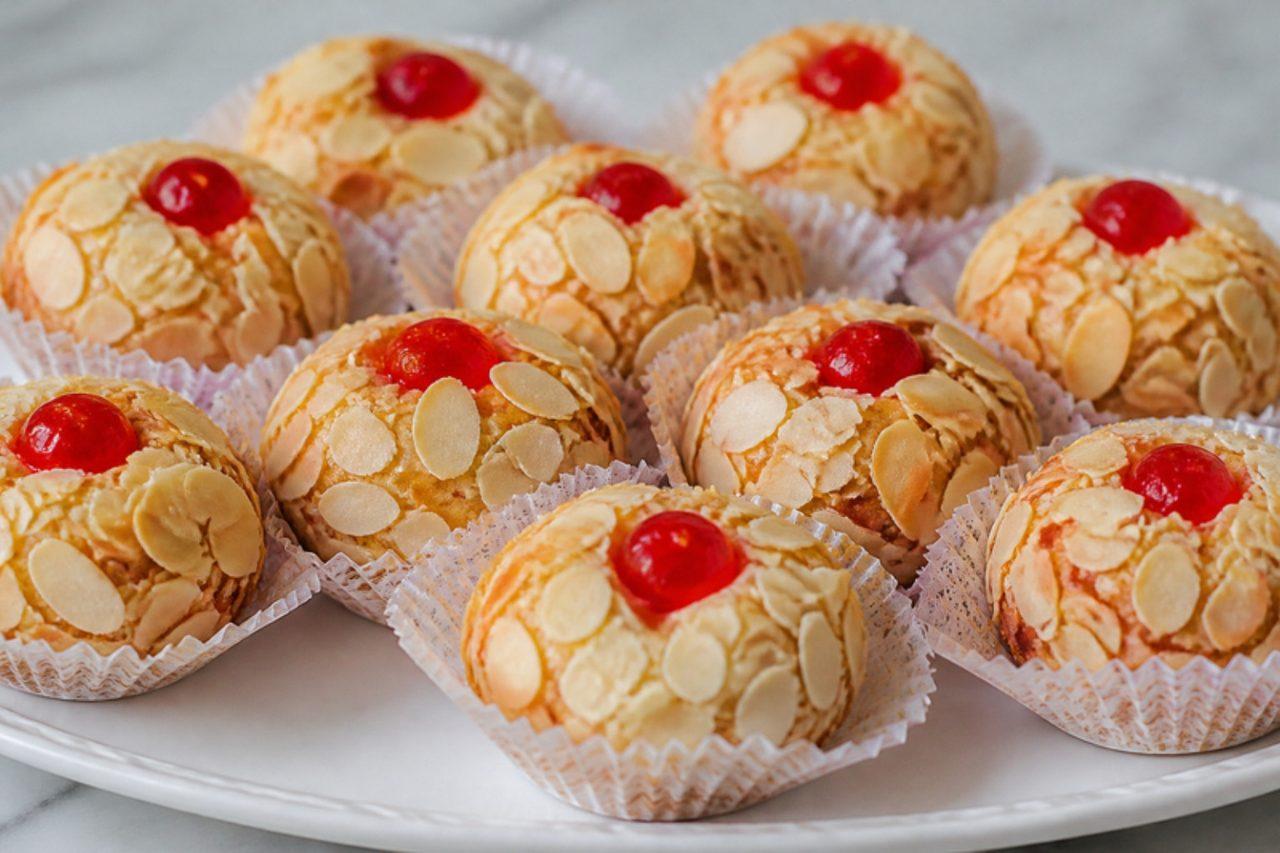
Mchewek means something like 'prickly', which is exactly how these cookies look: balls of almond paste rolled in flaked almonds so the flakes stick out like spines, each topped with half a candied cherry and baked only until the tips turn gold. Inside they stay soft and chewy, like a rustic macaroon. Being made with no flour, they suit anyone avoiding gluten, and they appear on Eid and wedding trays all over Algeria, often brushed with a little honey syrup for shine. Chef's tip: take them out when the edges are just golden and the centres still feel soft; overbaking is the classic mistake and leaves them dry and crumbly once cool.

by KrazyBadal 0 views

Halwat tabaa (stamped jam biscuits)

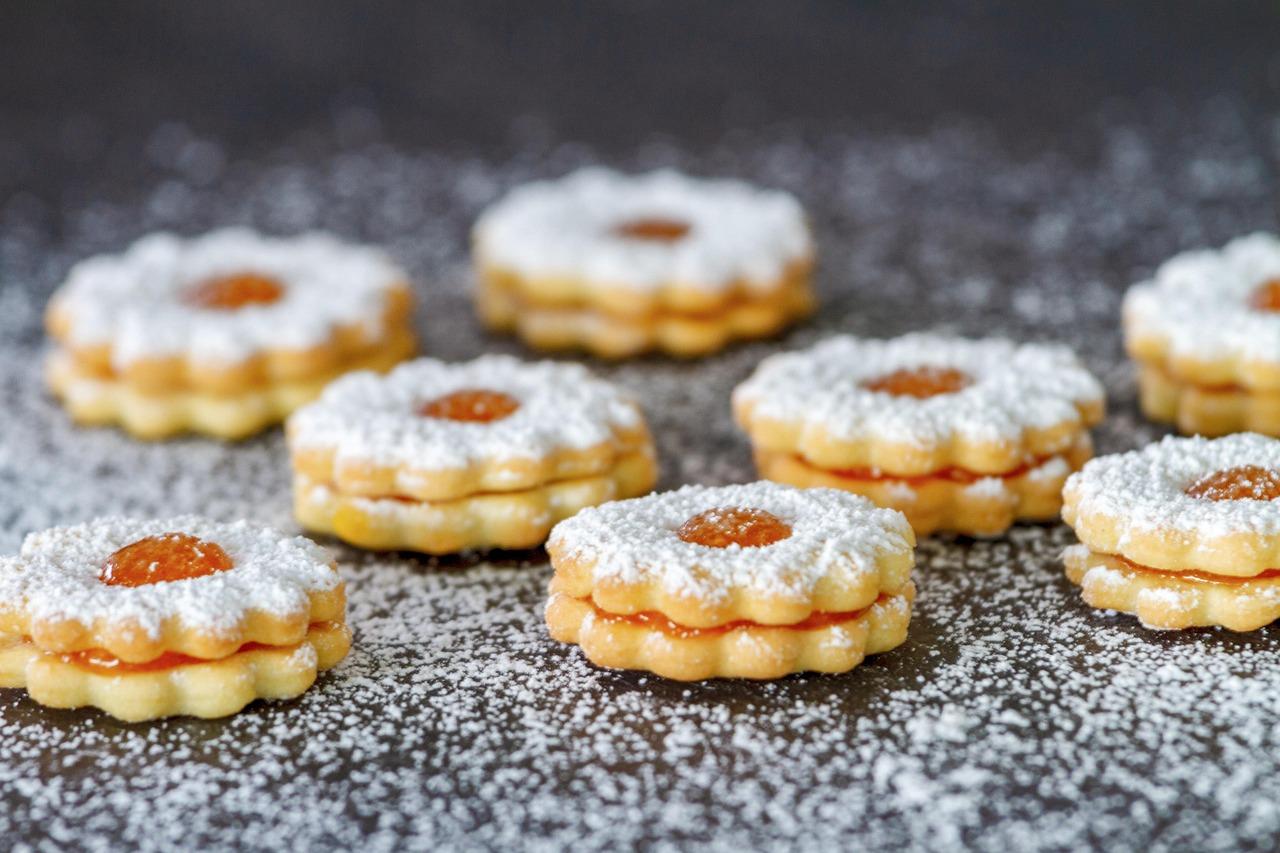
Ask anyone who grew up in Algeria about the night before Eid and they will mention the smell of halwat tabaa baking: buttery shortbread cut and printed with a patterned metal stamp, then sandwiched in pairs with apricot jam. Children love helping to press the patterns, and the biscuits fill the tins offered to neighbours on the morning of the feast. They are tender and short, with a clean vanilla flavour against the tangy jam, and keep well for a week. A fluted round cutter and the tines of a fork will do if you have no stamp. Avoid working the dough too much or letting it get warm, as the stamped pattern then spreads and blurs in the oven. Chef's tip: dip the stamp in flour and tap off the excess before every press; a sticky stamp blurs the pattern, which is the most common disappointment.

by KrazyBadal 0 views

Mouna

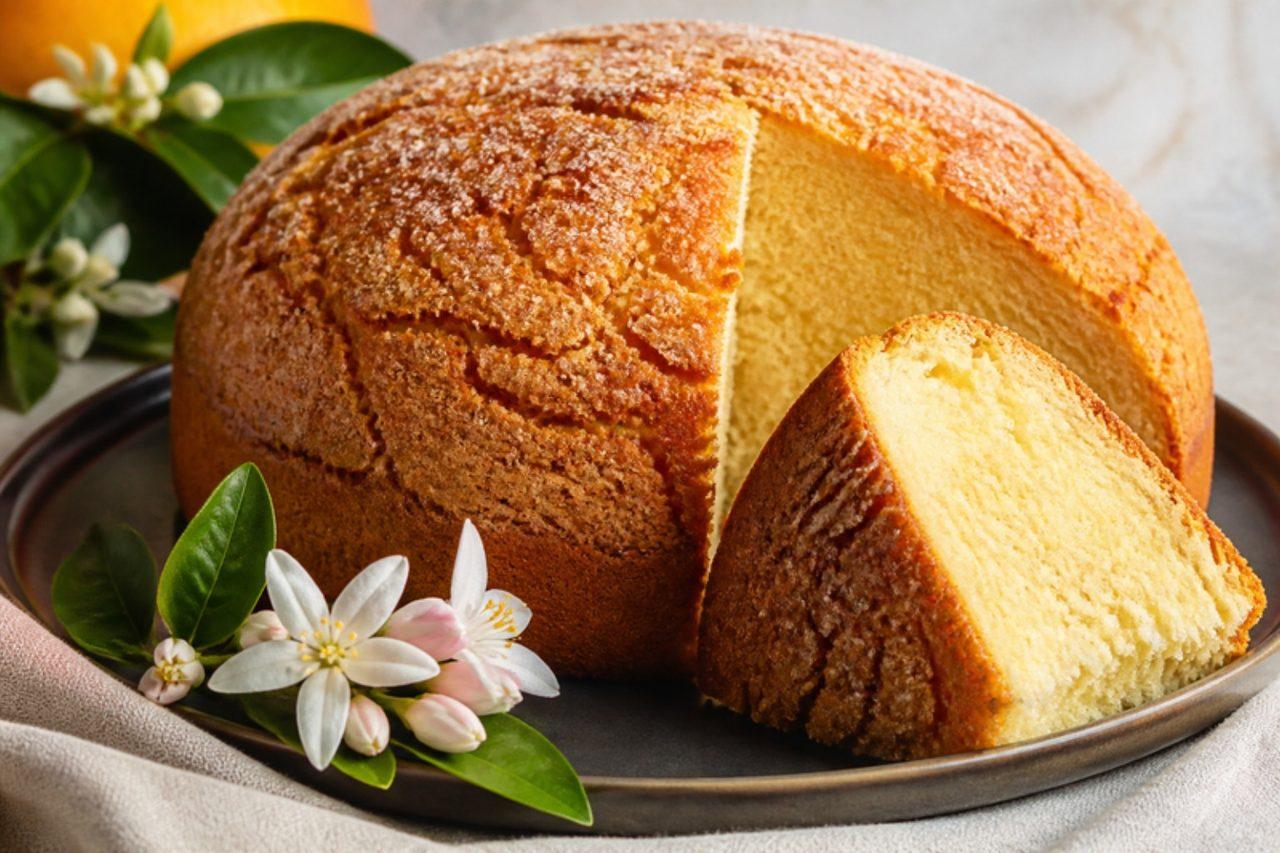
Oran's mouna came over with Spanish settlers as the Easter mona, and it is still baked for spring outings, recalling the Easter Monday picnics once held at the Santa Cruz chapel above the city. It is a tall, light, golden brioche with a crackly sugar crust, softly flavoured with orange-flower water and lemon zest rather than butter-heavy, and it tears into long, feathery strands. Eat it with coffee or hot chocolate, plain or with jam. The dough is slow and sticky, so give it time. Chef's tip: let the dough rise slowly overnight in the fridge after the first knead; it becomes easier to shape and the flavour deepens.

by KrazyBadal 0 views

Mbesses (Kabyle semolina cake)

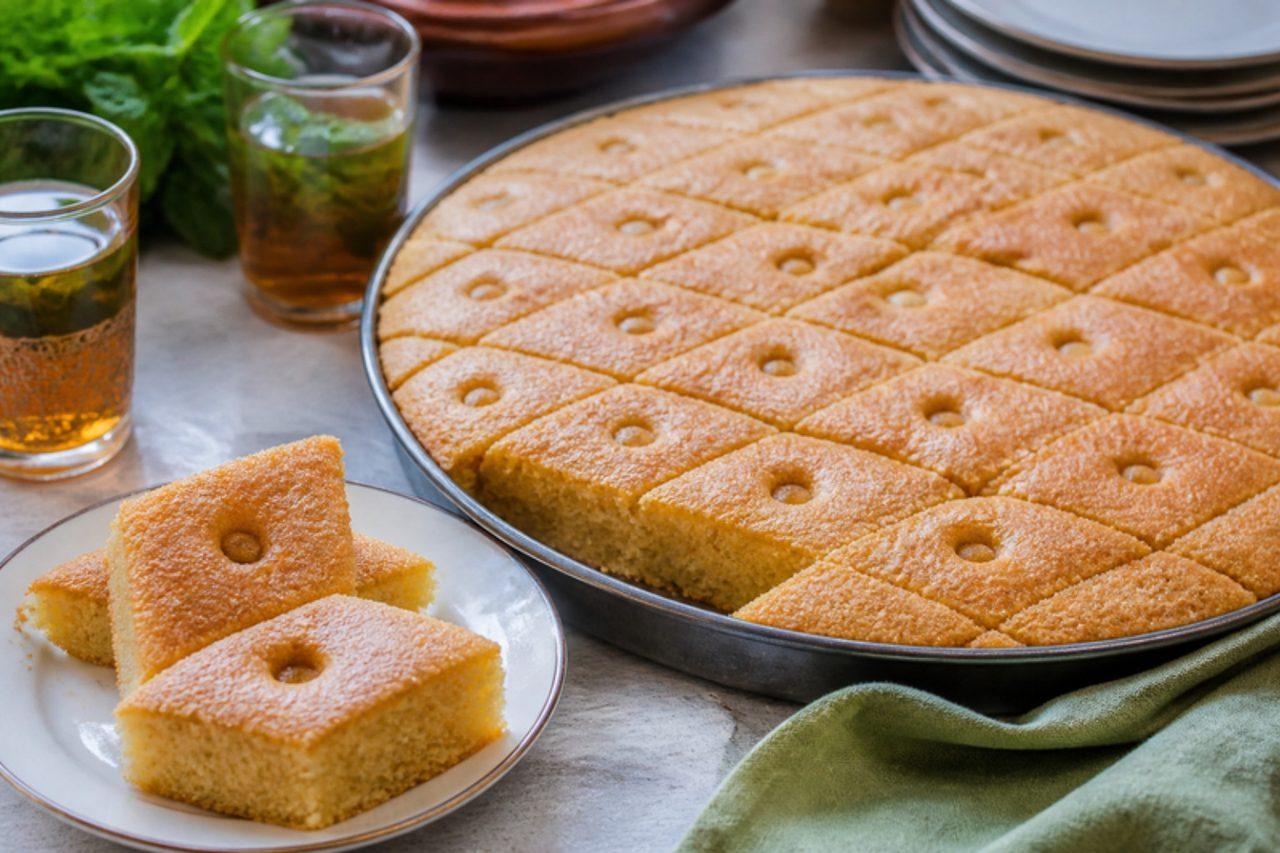
Somewhere between shortbread and cornbread, mbesses is the plain cake of Kabyle kitchens, a shallow tray of semolina rich with melted butter, lightly sweetened and baked until golden on top. The texture is sandy and tender, breaking into crumbs that taste of toasted grain and butter, with a hint of orange blossom. It is cut into diamonds and served with milky coffee in the afternoon, or offered to guests who drop by during Ramadan evenings. Some households scatter sesame or nigella seeds over the top before baking. Chef's tip: spread the mixture into the tray with a light hand; pressing it down hard is the most common mistake and gives a dense, heavy cake.

by KrazyBadal 0 views

Turrón de Doña Pepa

Every October, the month of the Señor de los Milagros processions in Lima, bakeries and street sellers pile their trays with turrón de Doña Pepa: layers of crumbly anise-flavoured sticks drenched in a dark syrup of chancaca cooked with fruit and spices, topped with a storm of coloured sprinkles. Popular lore credits it to Josefa Marmanillo, a woman from the Cañete valley who is said to have made it in thanks after the procession. It is sticky, crunchy and soft at once, with orange and clove in the syrup. Its downfall is usually runny syrup that soaks the sticks into mush; it needs to reach a thick, threading stage before it goes on. Chancaca is sold as cones or blocks in Latin shops; panela or dark muscovado also work. Some coloured sprinkles contain gelatin, so check the label. Chef's tip: make it a day ahead; the syrup sets and the sticks soften just enough to slice neatly.

by KrazyBadal 0 views

Champús

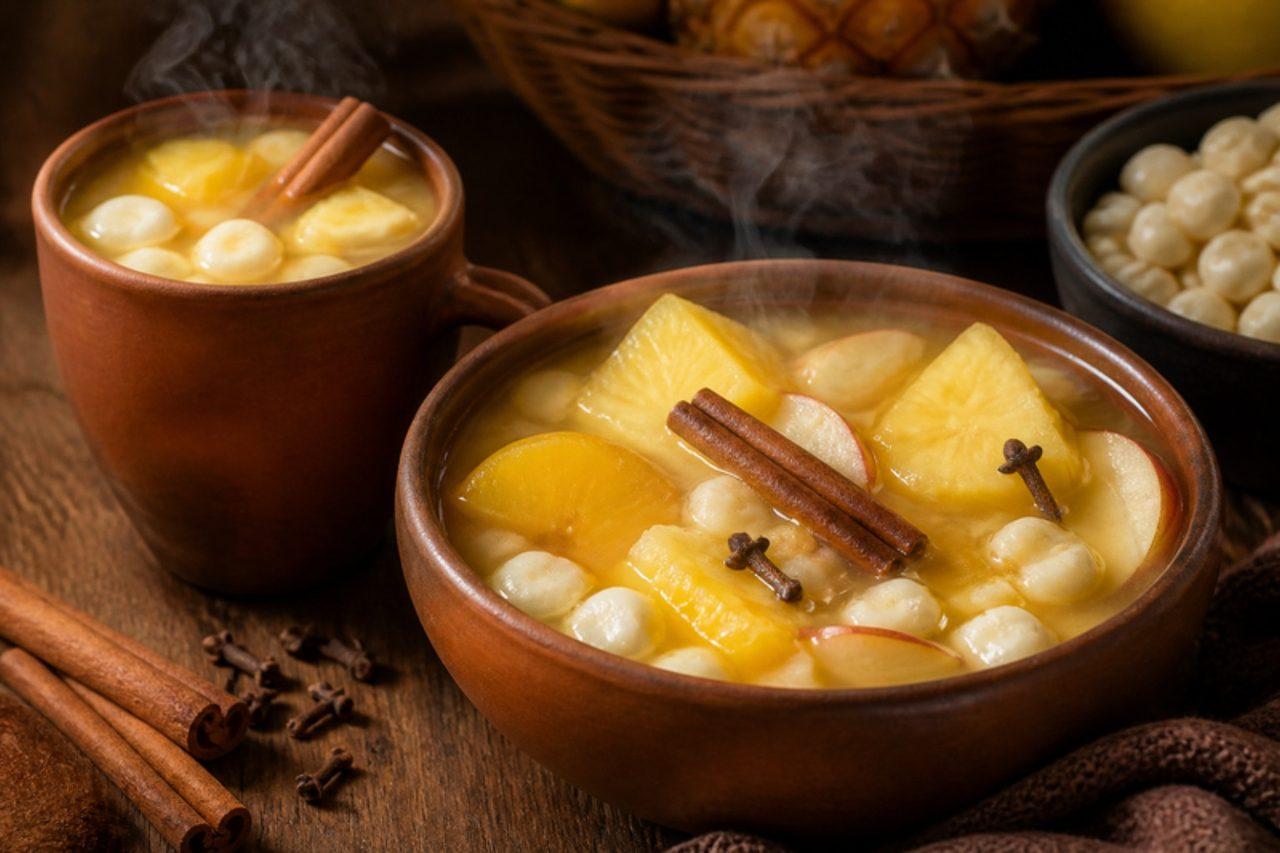
When Lima's grey winter sets in, from June to September, champús sellers set up on street corners with big pots of this thick, fruity drink, ladled warm into glasses and eaten as much as drunk. It's made from mote (hulled white corn), simmered with pineapple, quince or apple, soursop, chancaca and warm spices, then thickened lightly with corn flour, so every spoonful has soft fruit and chewy corn in a spiced, molasses-sweet base. It is close in spirit to mazamorra morada but paler and tangier. The mistake people make is adding the thickener straight into the hot pot, where it forms lumps; always slake it in cold water first and pour it in while stirring. Canned or jarred hominy saves hours; frozen soursop (guanábana) pulp is in Latin shops and can be left out. Serve warm in glasses with spoons. Chef's tip: simmer the pineapple peel and core with the spices for the first 20 minutes, then strain them out; they give much of the flavour.

by KrazyBadal 0 views

Emoliente

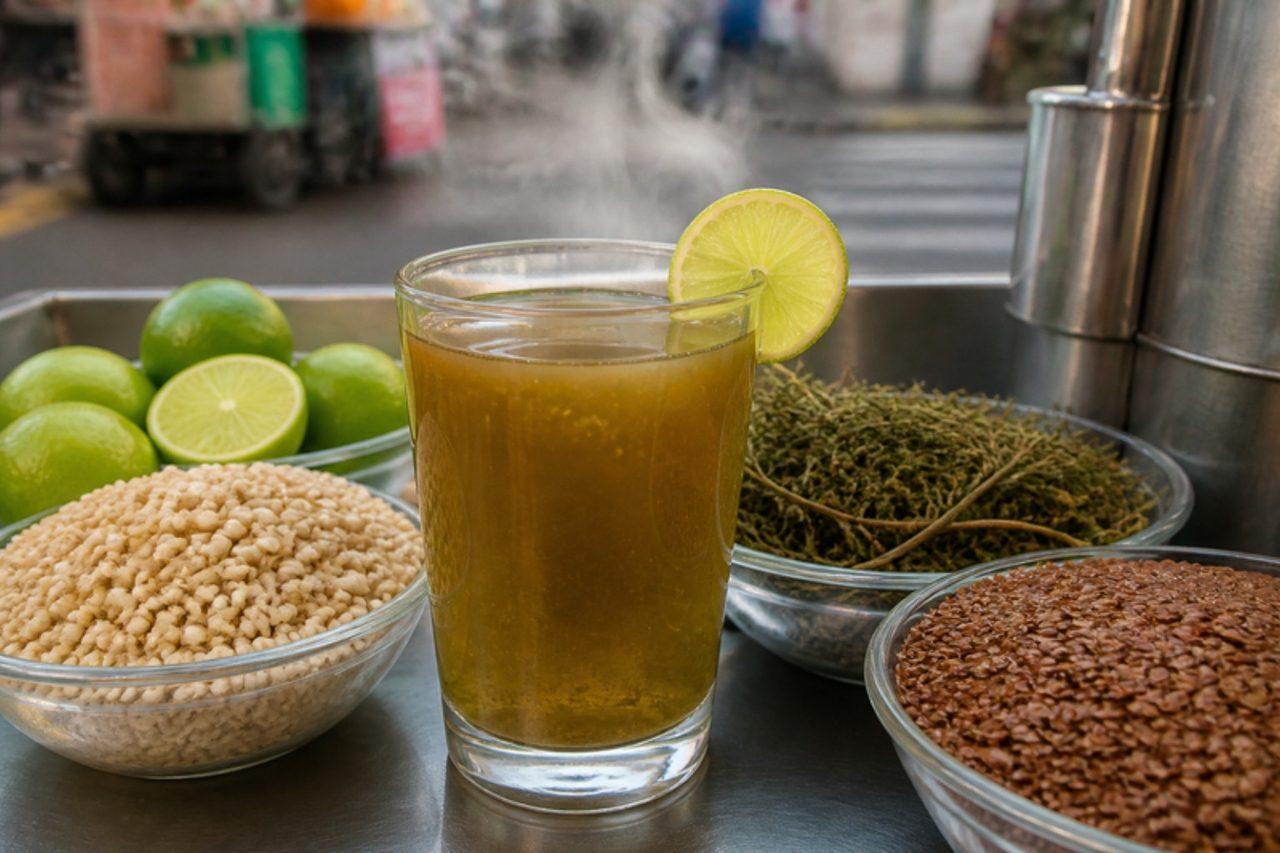
Before dawn, all over Peru, emolienteros set up their carts with a row of steaming kettles and jars of herbs, and commuters stop for a glass of emoliente on the way to work. It's a hot infusion of toasted barley, flaxseed and herbs, with lime juice and sugar added to order, and it is drunk for comfort and digestion, especially in Lima's damp winter. The flaxseed gives it a slippery, soothing body; the barley a toasty, almost coffee-like note. Street versions use horsetail, alfalfa, boldo and other herbs; this home version keeps it simple, with horsetail as an option (leave it out if you are pregnant or have kidney problems). The usual error is boiling the flax too long, which makes the drink gloopy; add it for the last 10 minutes only. Serve very hot in glasses, with pan con queso or a sandwich. Barley contains gluten. Chef's tip: toast the barley yourself until it is deep brown; it's what gives emoliente its colour and its roasted flavour.

by KrazyBadal 0 views

Quinua con manzana

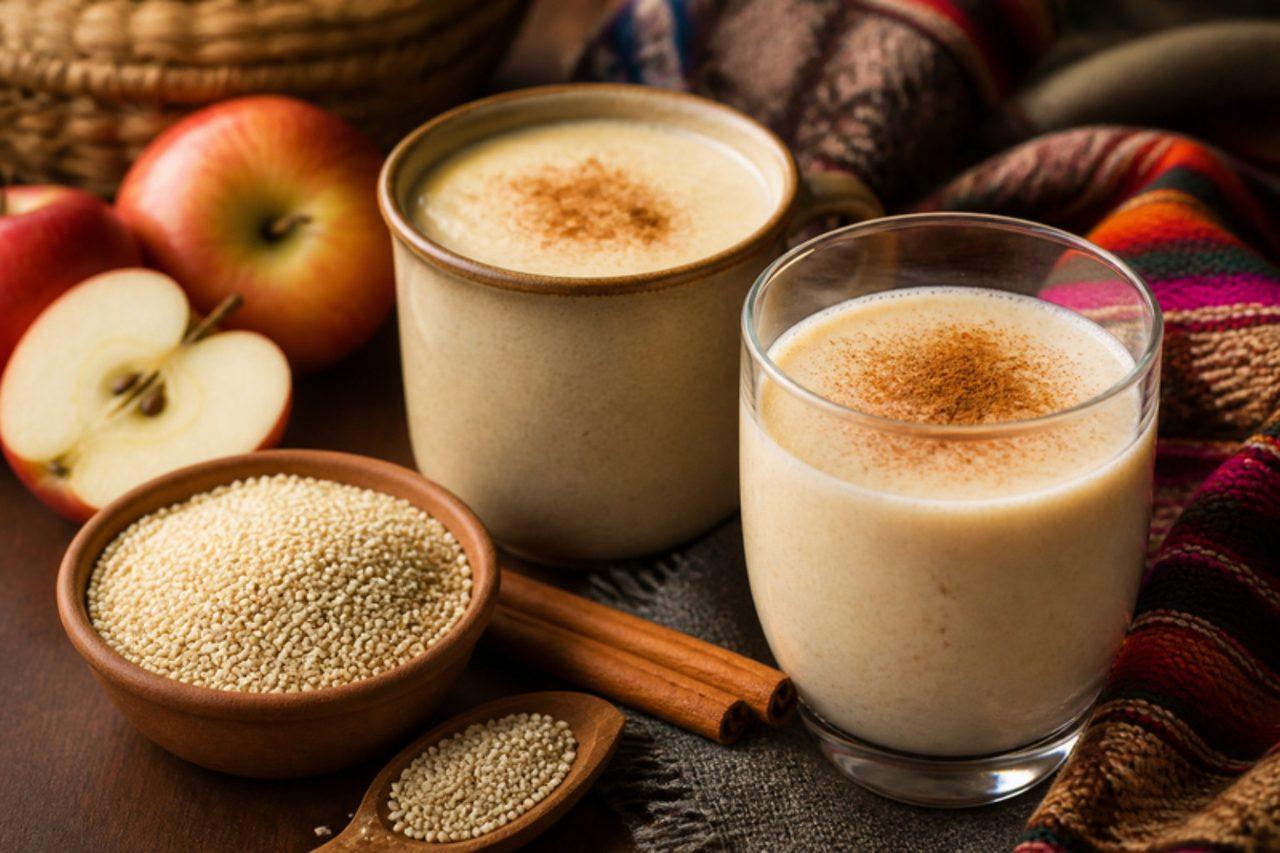
Morning market stalls and street carts from Lima to Huancayo ladle quinua con manzana into glasses alongside emoliente and maca, and many people drink it as breakfast on its own, with a bread roll or a sandwich beside it. Quinoa and chunks of apple are simmered with cinnamon and cloves until the grains burst and the liquid thickens, then sweetened and served warm or cold. Some stalls blend it smooth; others leave the grains and soft apple pieces to spoon up. It is mild, fruity and filling, and children usually like it. The mistake that ruins it is skipping the rinse: quinoa's natural coating, saponin, makes the drink bitter and soapy, so rub it under running water until the foam stops. Chef's tip: add a few drops of lime at the end; it lifts the apple and keeps the drink from tasting flat.

by KrazyBadal 0 views

Bizcochitos de grasa

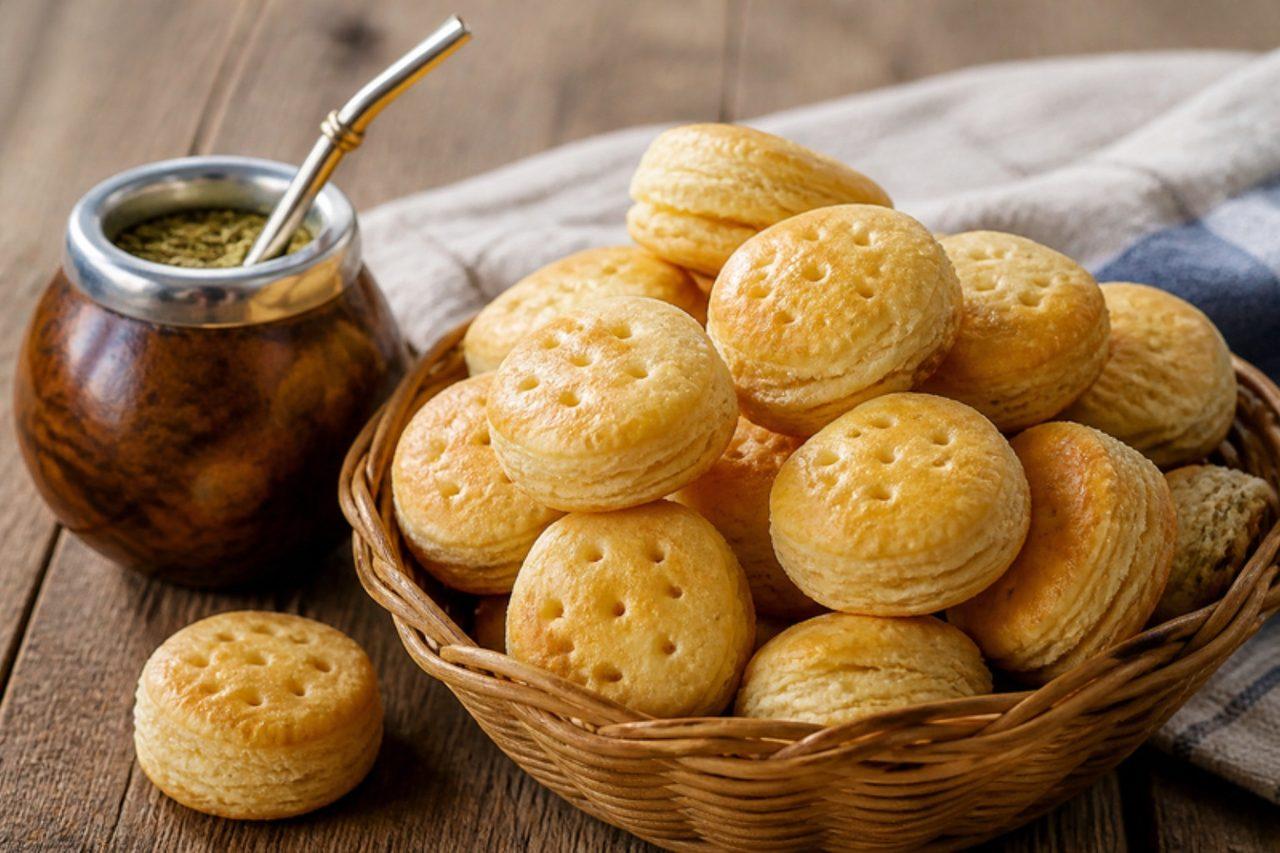
A paper bag of bizcochitos de grasa sits next to the mate gourd in kitchens, offices and roadside service stations across Argentina, from Buenos Aires to the Andes. These little rounds, a couple of bites each, are layered with beef fat, so they flake and crumble, salty and plain enough to eat by the dozen with bitter mate in the afternoon. The fat is rendered beef fat (grasa vacuna), so they are not vegetarian; ask your butcher for dripping or render suet yourself. A dough worked too warm is the mistake that robs them of their layers; the fat melts into it instead of staying in sheets. Chef's tip: chill the dough for 10 minutes between folds whenever it starts to feel greasy, and prick each round right through so it puffs in flakes rather than domes.

by KrazyBadal 0 views

Tortitas negras

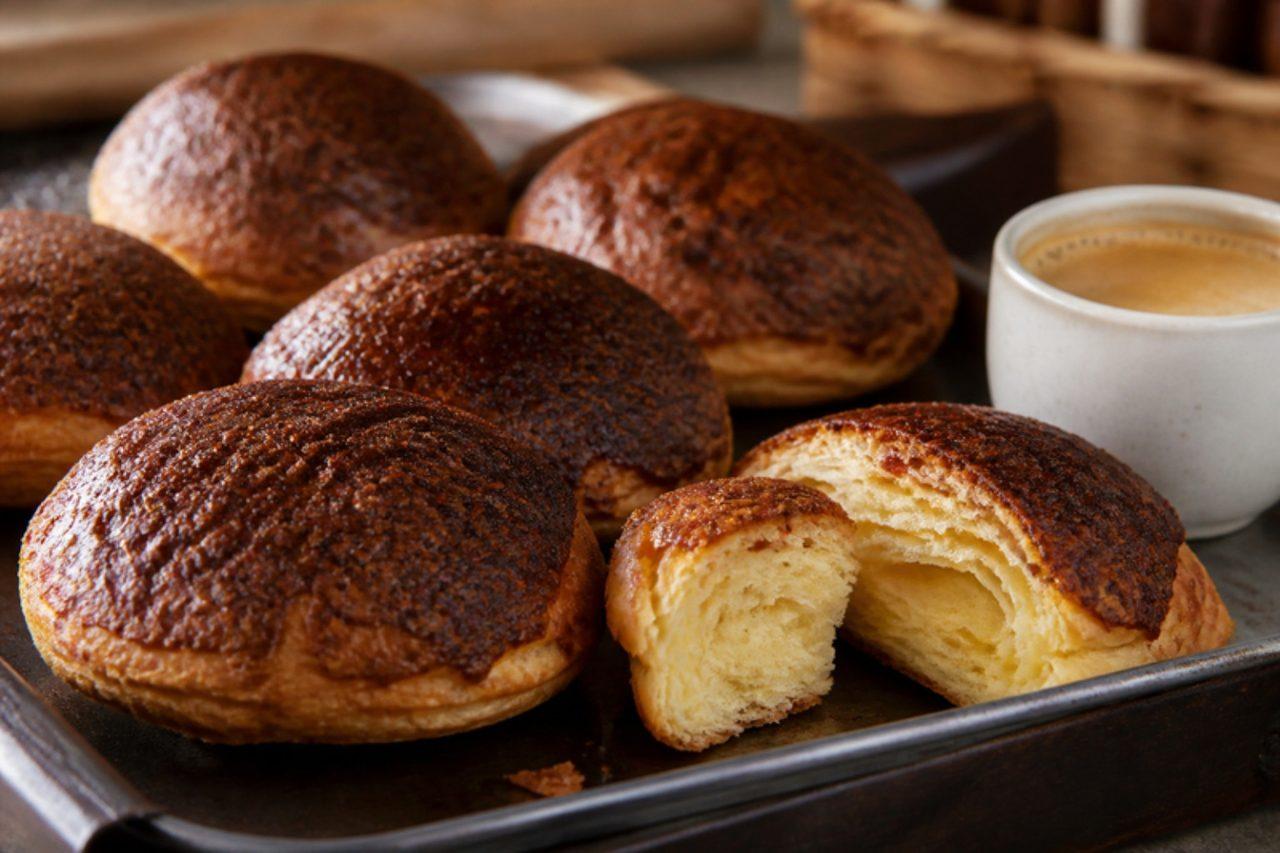
Black cakes, the name means, though only their tops are dark: tortitas negras are flat, round, flaky buns covered with a thick crust of dark brown sugar that melts in the oven and sets crunchy and toffee-like. They are among the cheapest and most popular facturas in Buenos Aires bakeries, eaten from a paper bag at breakfast or as a merienda with mate, and everyone fights over the sugary edges. The dough is a lightly laminated yeast dough, between bread and puff pastry. Bakeries often use lard or margarine; this version uses butter and stays vegetarian. Being stingy with the sugar is the classic misstep: a thin layer just melts into the dough and disappears, so pile it on thickly and press it down. Chef's tip: brush the rounds with water, not egg, before adding the sugar; the water melts the sugar into a crisp, crackling shell.

by KrazyBadal 0 views

Patay

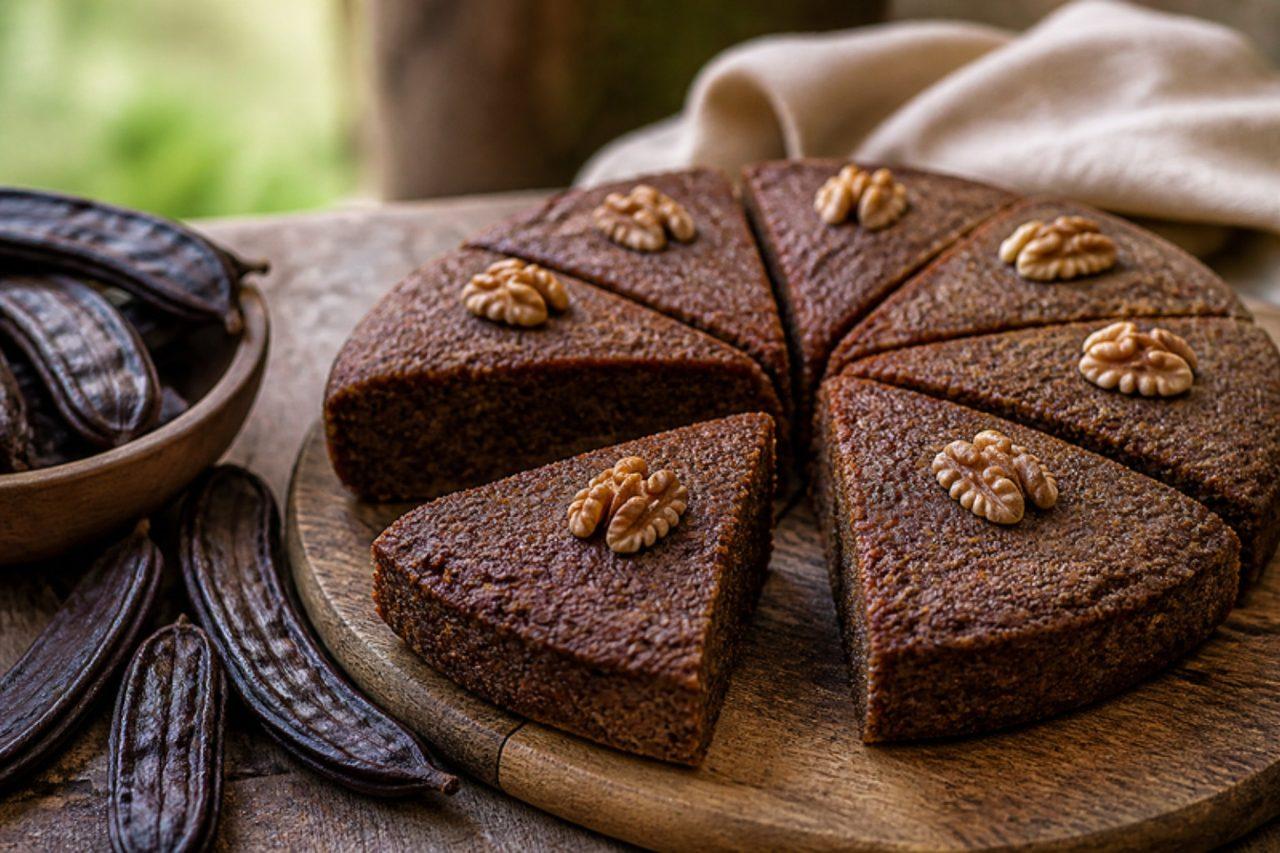
Long before sugar reached the dry northwest, the pods of the algarrobo tree were the region's sweetness, and patay is the oldest way of keeping them: the pods are ground, the flour is moistened and pressed into a cake that dries into something dense, fudgy and naturally sweet, with notes of cocoa, coffee and caramel. In Santiago del Estero you still buy it in round slabs at markets and roadside stalls, to eat with mate or to crumble into milk. Harina de algarroba comes from the South American Prosopis tree; look for it in health-food shops or online, and mesquite flour is the same family and works well. Mediterranean carob flour is different and tastes more bitter. Too much water is the way most first attempts go wrong: the cake should be pressed from a damp, crumbly mix, not a batter, or it bakes up gummy. Chef's tip: sieve the flour twice; algarroba flour clumps, and lumps stay as hard grains.

by KrazyBadal 0 views

Submarino

Café tables in Buenos Aires have their own way with hot chocolate: the waiter brings a tall glass of frothy, steaming milk on a saucer with a slim bar of dark chocolate, and you drop the bar in yourself and watch it sink like a submarine. Stirred with a long spoon, it melts into a rich, not-too-sweet drink, and it is the classic order with medialunas on a cold winter afternoon or after school. At home it takes five minutes, and children love the moment of dropping the bar in. The common letdown is milk that is only warm: the chocolate sits in a lump at the bottom. Heat it until it is steaming and just starting to rise, but not boiling. Chef's tip: froth the hot milk with a whisk or milk frother before pouring; the foam on top is part of the café ritual and keeps the drink hot while the chocolate melts.

by KrazyBadal 0 views

Tortitas mendocinas

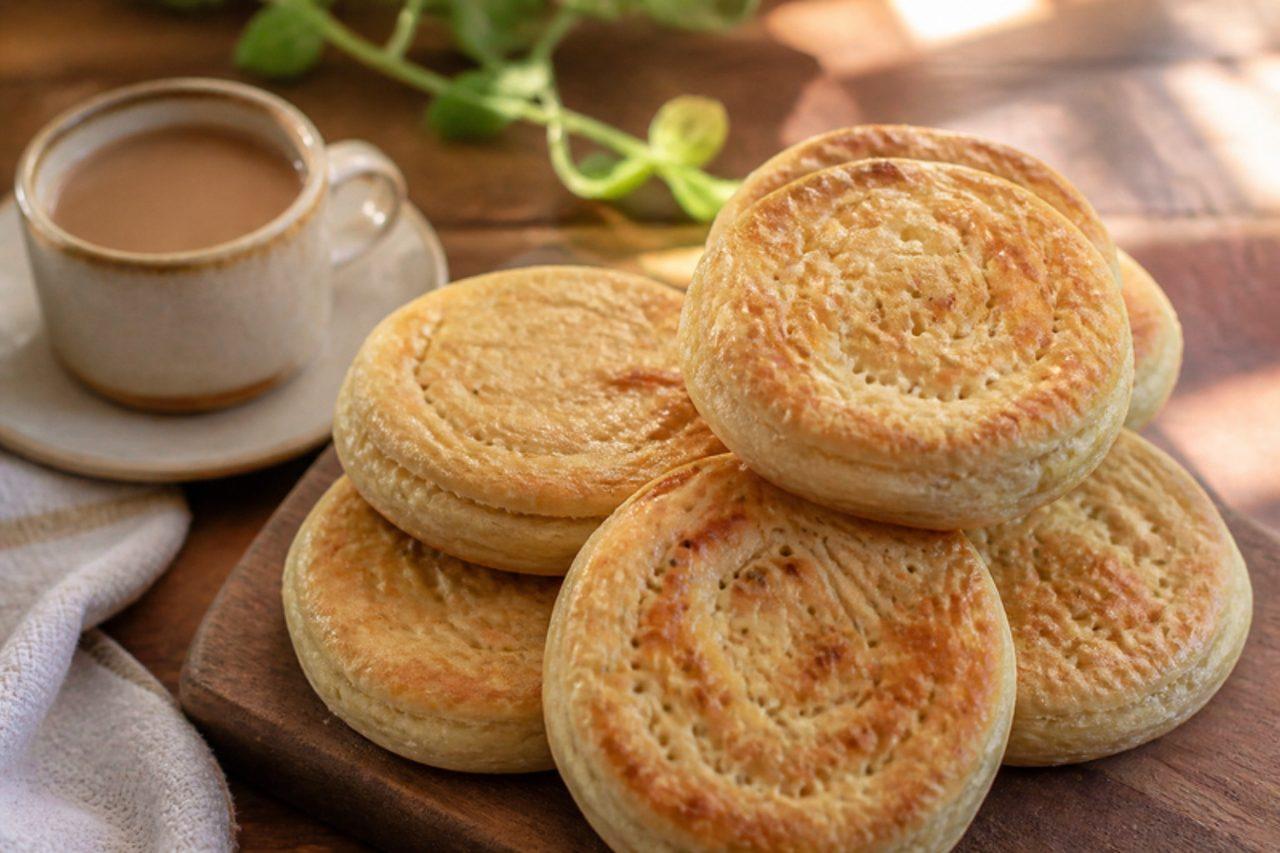
Every panadería in Mendoza fills a tray with tortitas in the early morning, and they go out in paper bags to be eaten warm with mate, split and spread with butter, quince paste or a slice of cheese. They are flat, round, slightly salty breads, soft and layered in the middle and crisp at the edges, with the fork marks that give them away. The traditional fat is beef lard (grasa), which makes them very short; here butter or vegetable shortening takes its place to keep them vegetarian, and both give a good flaky result. The mistake to avoid is rolling them thin like crackers: they should be a generous centimetre thick, or they bake hard and dry. Chef's tip: fold the dough in three twice before the final roll, like a quick puff pastry; those folds give tortitas their layers.

by KrazyBadal 0 views

Alfajor santafesino

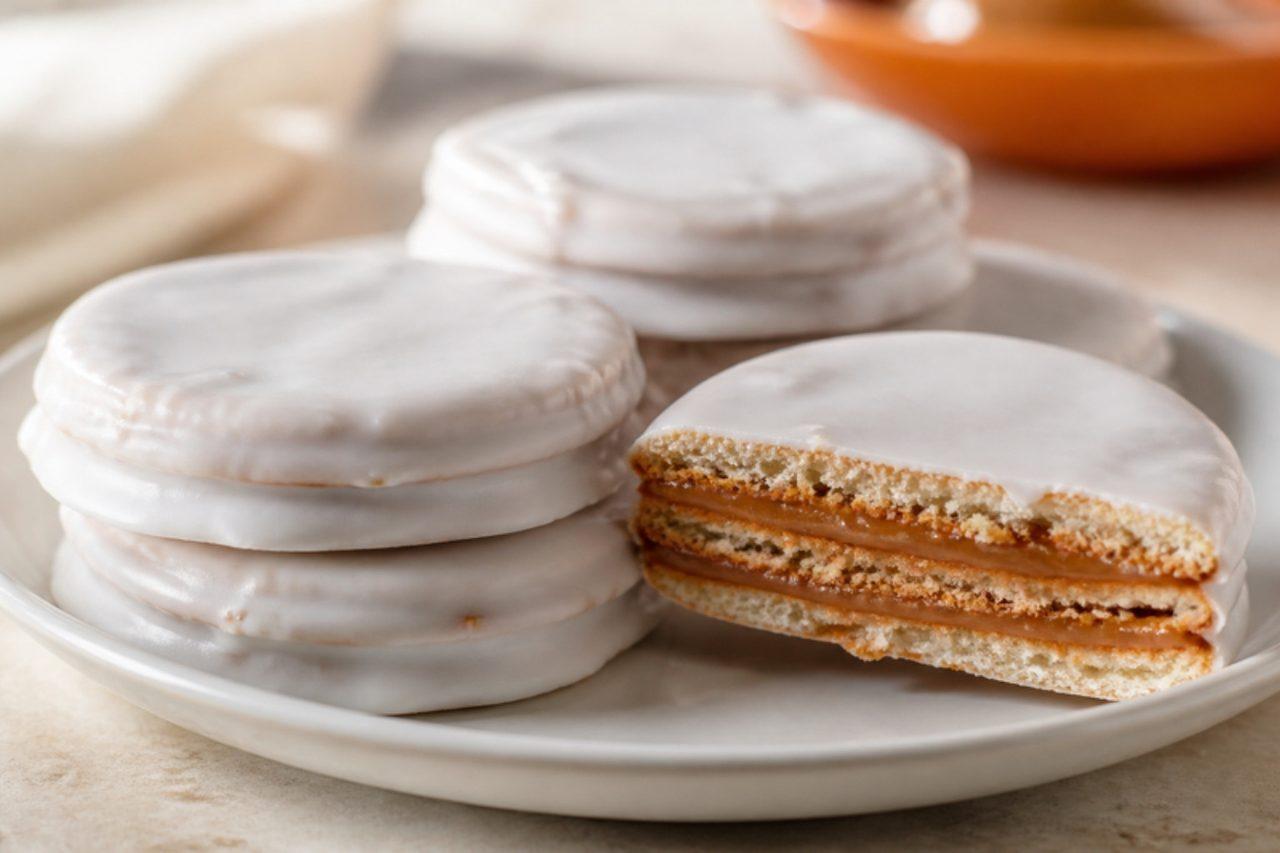
Santa Fe's alfajor is a different animal from the soft cornflour kind sold everywhere else: three wafer-thin, crackly discs of yolk-rich pastry, stacked with dulce de leche, then dipped in a cooked sugar glaze that sets hard, white and shiny. Bakeries in Santa Fe city and along the Paraná river ship them all over the country in boxes, and travellers bring them home as the regional present. Bite through and the glaze shatters, the pastry flakes and the dulce de leche holds it all together. Thick pastry is the mistake that ruins the texture; it has to be rolled until you can almost see the worktop through it, or the alfajor turns bready. Some old recipes add a splash of cane spirit to the dough; this version uses only water and is alcohol-free. Use a thick, pastry-chef's dulce de leche (repostero) so it doesn't ooze. Chef's tip: bake the discs in batches and keep the rest of the dough covered; it dries out fast and then cracks when rolled.

by KrazyBadal 0 views

Torta galesa

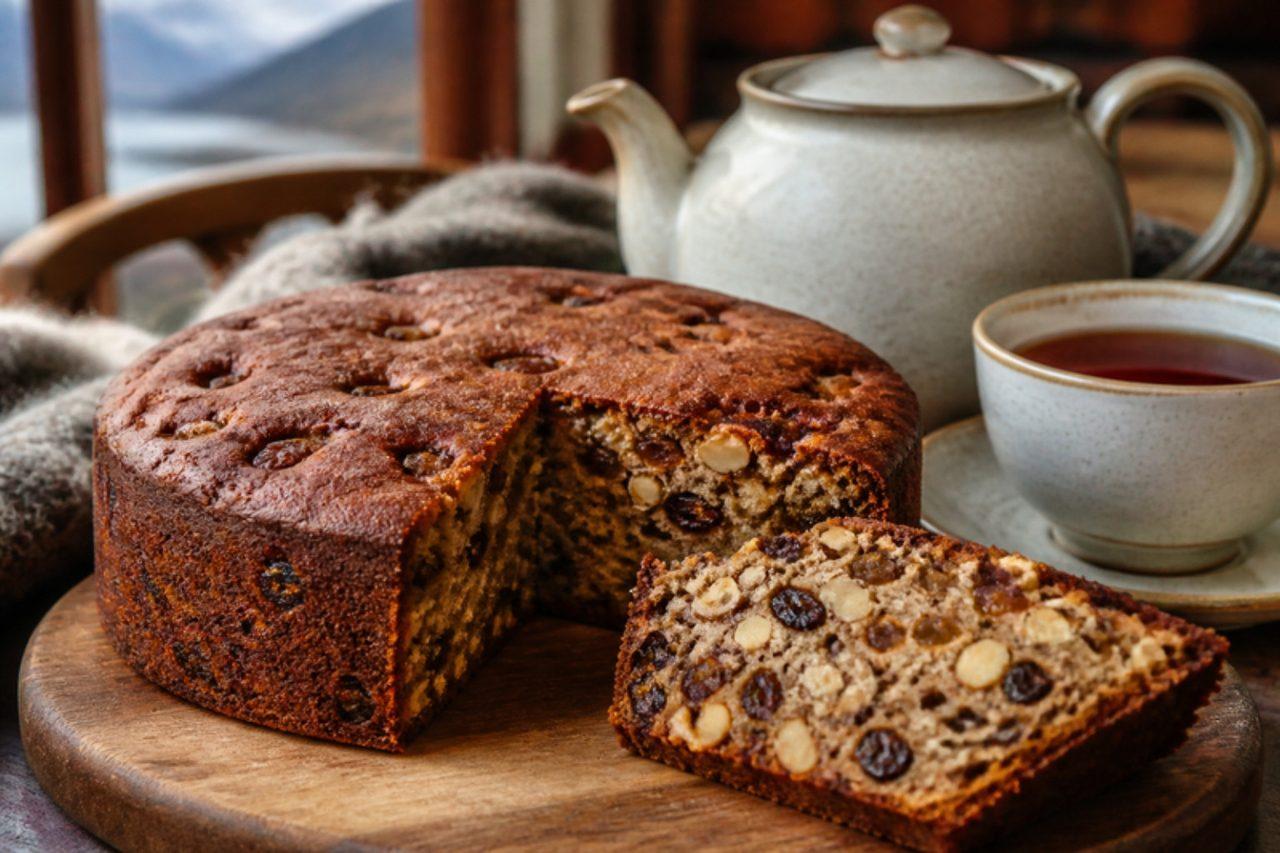
Welsh settlers arrived in the Chubut valley in 1865 and their descendants still serve afternoon tea in Gaiman and Trelew, where the casas de té bring out pots of tea, scones, cream cakes and, always, a slice of torta galesa. It is a dense, almost black fruit cake made with brown sugar and black treacle, studded with raisins, candied peel and walnuts, and it was built to last through long Patagonian winters and journeys across the steppe. The crumb is moist and sticky, rich with spice and caramel. An oven that is too hot is the classic error: the outside chars before the middle is set, so it bakes low and slow under a sheet of paper. There's no alcohol in this version; many cooks brush it with rum after baking, so leave that out or use strong tea. Chef's tip: wrap the cooled cake tightly and wait two or three days before cutting; it turns moister and the flavours deepen.

by KrazyBadal 0 views

Alfajor cordobés

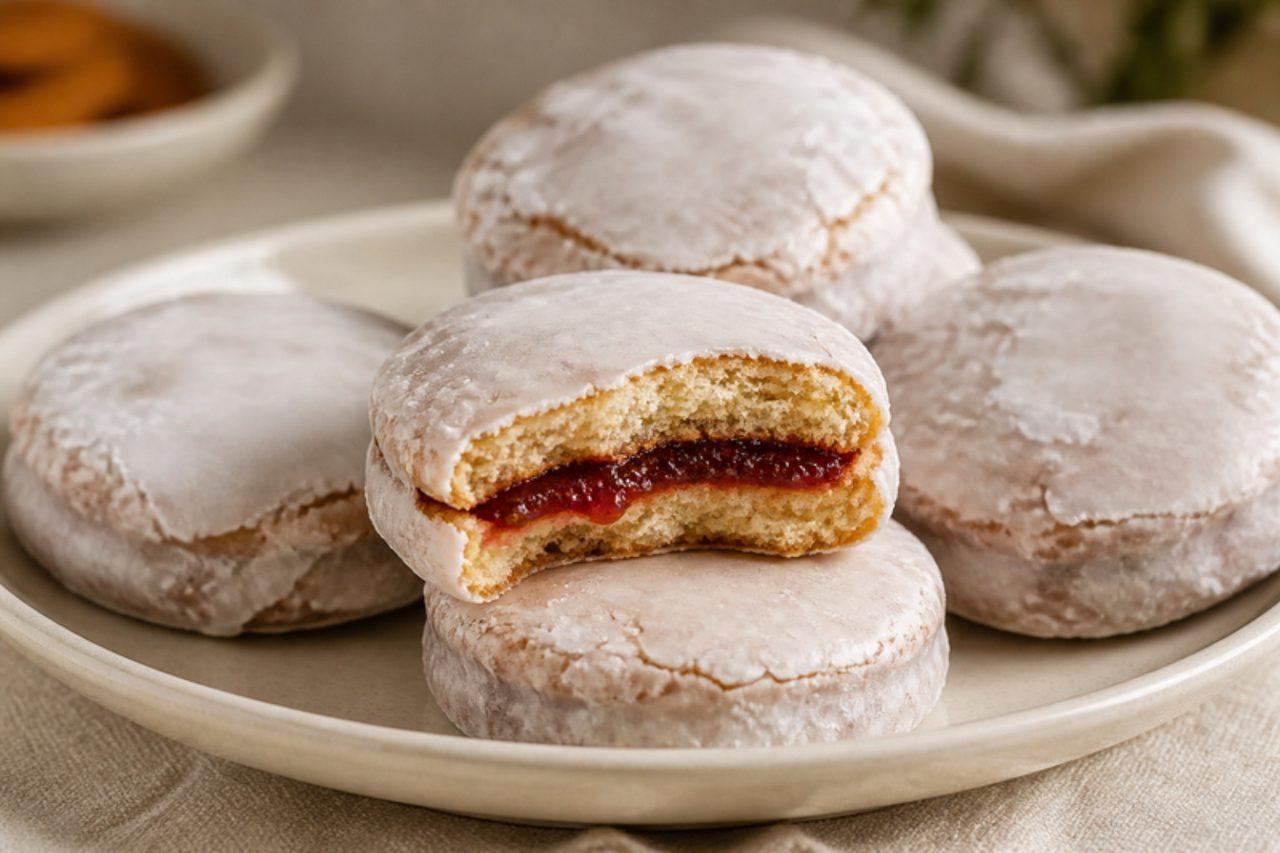
Córdoba's version of the alfajor is the soft one: two tender, slightly spongy honey-scented rounds sandwiched with fruit jam, usually quince or mixed fruit, and coated in a thin sugar glaze that dries to a crackly white shell. They are sold by the dozen in the sierras towns of Villa General Belgrano, La Falda and Capilla del Monte, where tourists buy boxes on the way home from holidays. Expect a gentle crunch, a cakey bite and a tart-sweet centre, best with a cup of coffee or mate. Overworking the dough is where they usually go wrong: knead it like bread and the rounds bake tough and flat, so mix only until it comes together. Quince paste (dulce de membrillo) loosened with water works well if you can't find a soft quince jam. Chef's tip: dry the glazed alfajores for 5 minutes in a barely warm oven; the glaze sets glassy and crackles when you bite.

by KrazyBadal 0 views

Colaciones

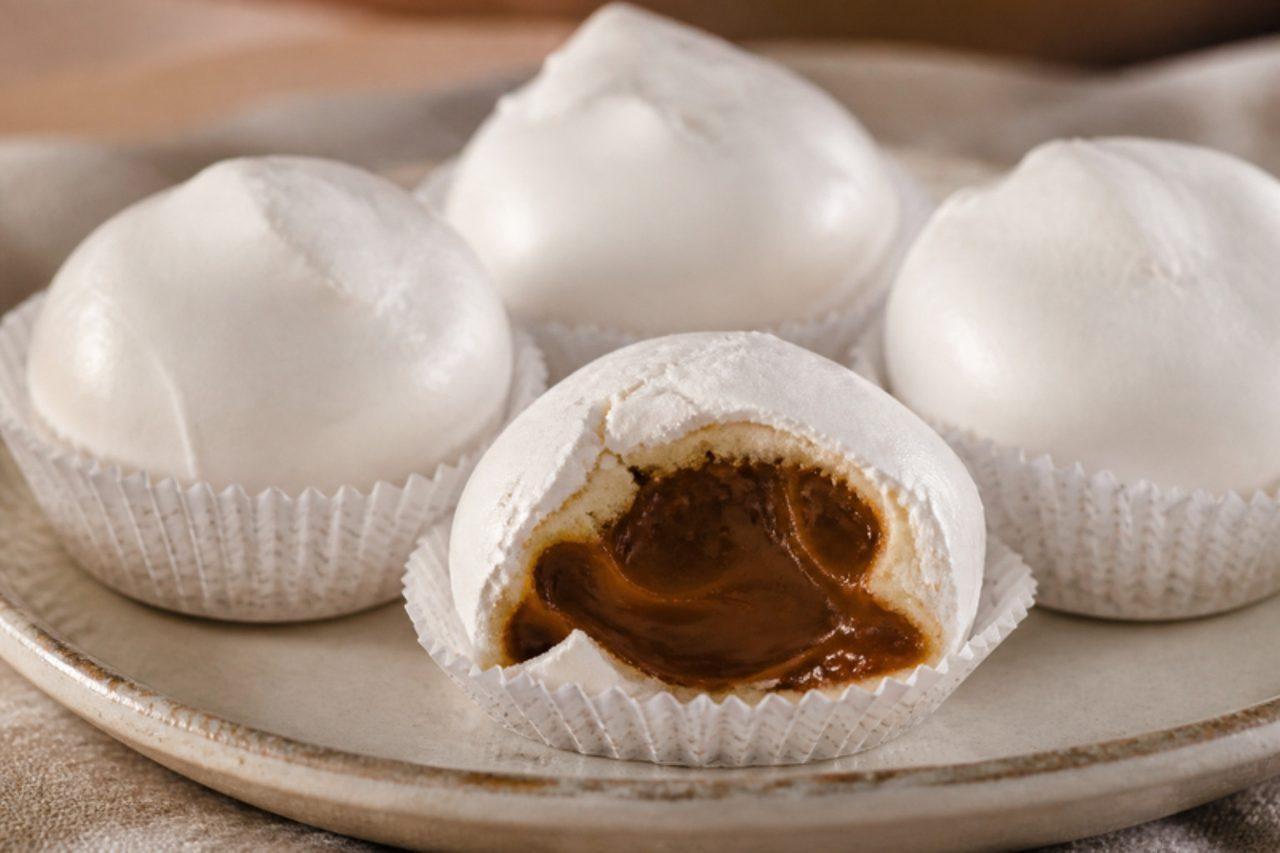
Small enough to eat in two bites, colaciones have been Córdoba's sweet gift since colonial times, when they were made in the city's convents; today confiterías in the old centre still sell them stacked in paper trays, and visitors carry them home with the alfajores. A crumbly short pastry encloses a spoon of dulce de leche, shaped into a little dome, baked pale and then dipped in a glossy white glaze that hardens into a crisp sugary shell. They are lovely with coffee or mate after lunch. The usual problem is leaking: too much filling, or edges that aren't sealed, and the dulce de leche boils out in the oven, so use a level teaspoon and press the rims firmly. The glaze is a light Italian meringue, where hot syrup cooks the egg white. Chef's tip: chill the filled colaciones for 15 minutes before baking; cold pastry keeps its shape and seals better.

by KrazyBadal 0 views

Cañoncitos de dulce de leche

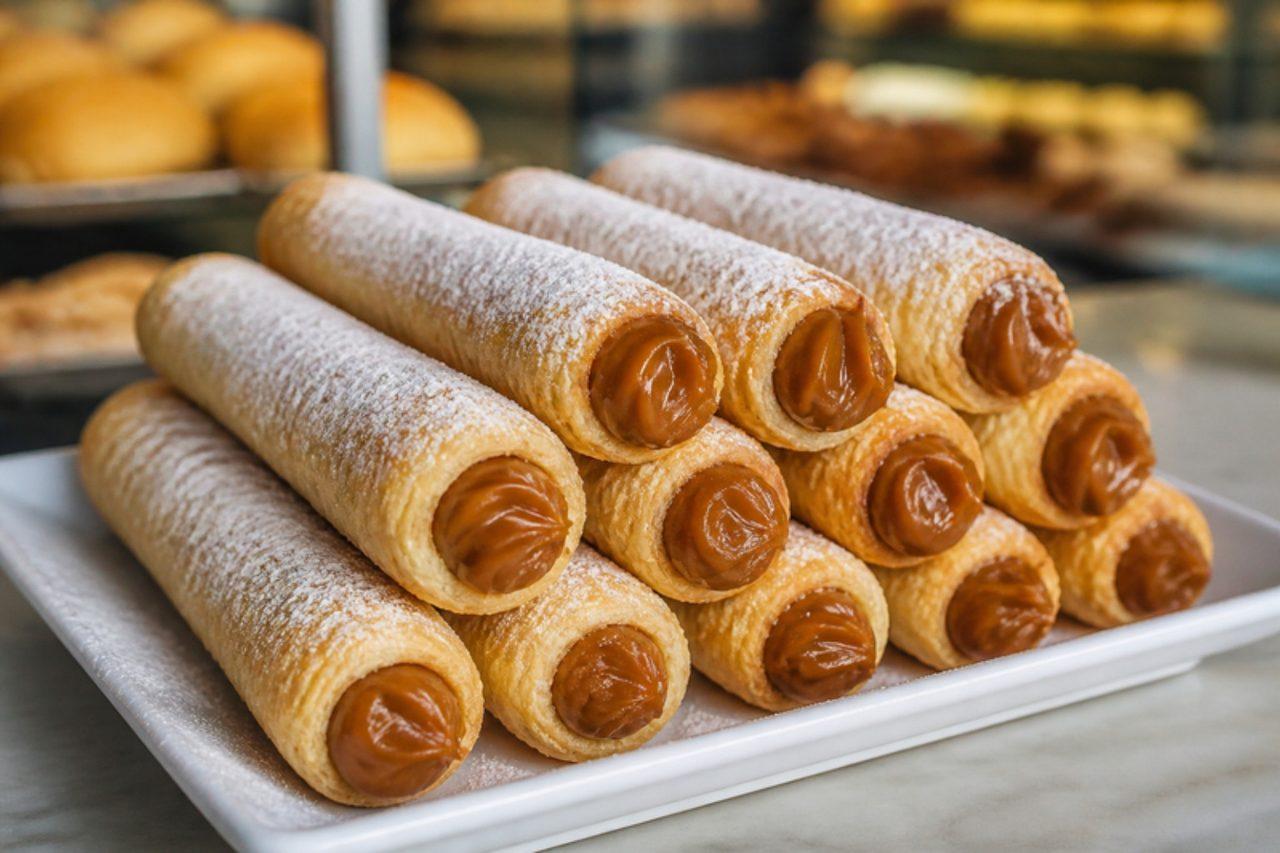
Look at the tray of facturas in any Argentine panadería and the little cannons are easy to spot: flaky tubes of puff pastry, baked around metal moulds and filled from both ends with dulce de leche, then finished with a snowfall of icing sugar. They come from the Italian cannoncini, but here the filling is almost always dulce de leche. Each bite is crisp, buttery and shattering on the outside with a dense, caramel middle, and they sit on the Sunday table next to medialunas and bolas de fraile. Undercooking is the problem to avoid: pale pastry goes soft as soon as the filling goes in, so bake until it is a deep gold all over. Use all-butter puff pastry, and metal cannoli or cream-horn tubes (or rolls of foil). Chef's tip: wrap the strips without stretching them, overlapping each turn by a third; stretched pastry shrinks in the oven and the tubes split.

by KrazyBadal 0 views

Pastelitos criollos

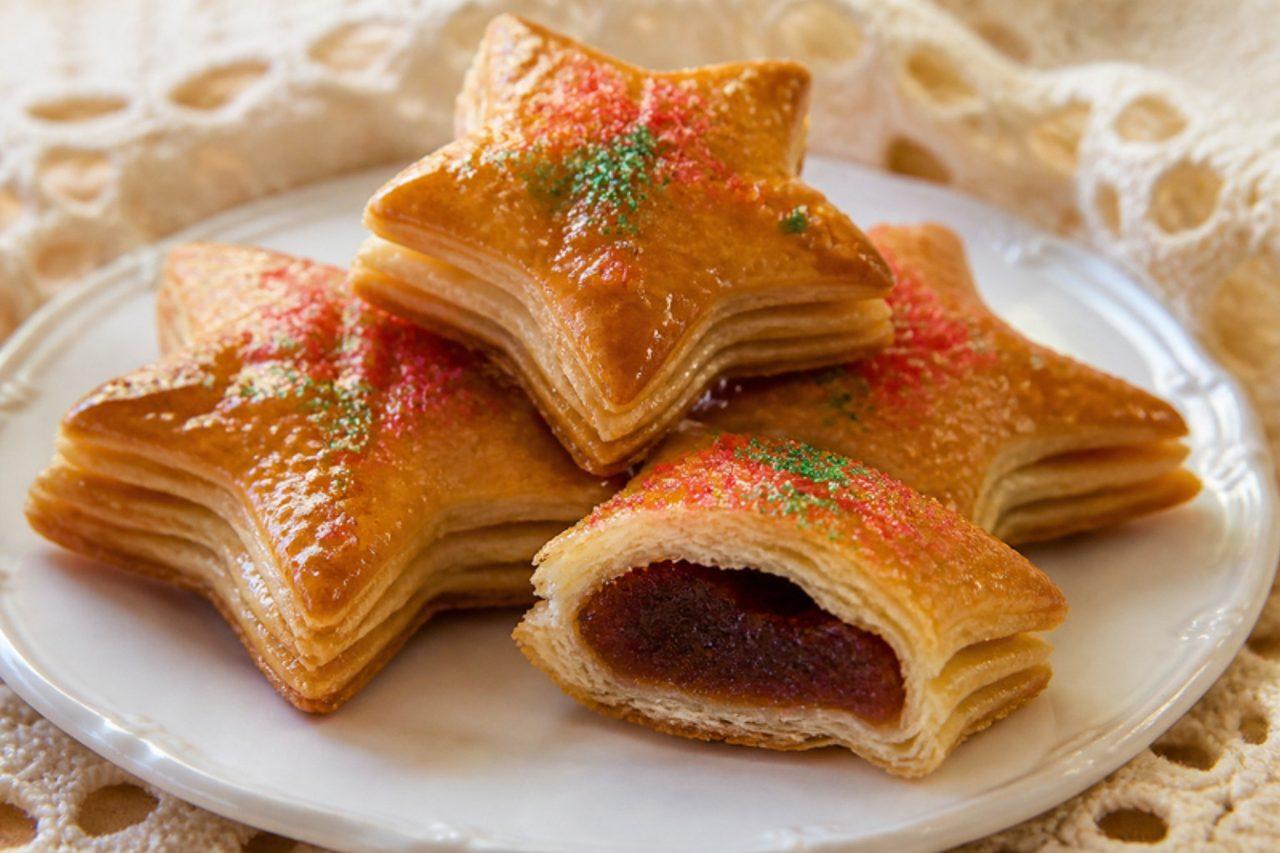
Every 25 May, when Argentina marks the 1810 revolution, bakeries and school kitchens from Buenos Aires to Tucumán turn out trays of pastelitos: two squares of flaky dough stacked into a star, filled with dulce de membrillo or dulce de batata, fried until the layers fan open and then dipped in syrup. They are eaten warm with mate or hot chocolate, shattering crisp outside and sticky in the middle. Lard is the traditional fat in both the dough and the frying pan; this version uses butter or vegetable shortening for laminating and sunflower oil for frying, so it stays vegetarian. Expect a hard but rewarding job: the dough is folded like a quick puff pastry. Oil that is too hot is the classic error, browning the outside before the inner layers have opened, so keep it around 160 °C. Chef's tip: pinch the four corners of the top square down onto the gaps of the bottom one and press with a wet fingertip, or the star unfolds in the oil and the filling leaks.

by KrazyBadal 0 views

Pasta frola

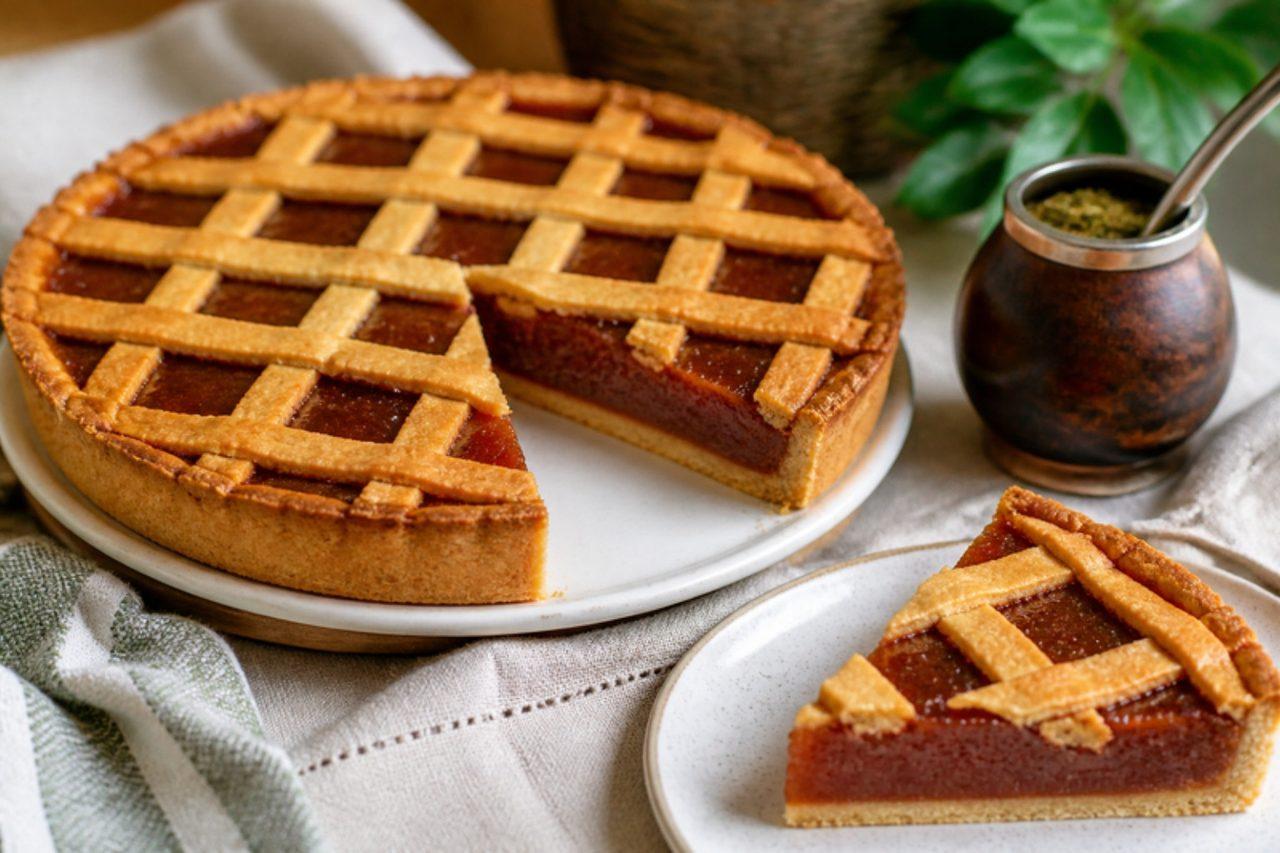
Pasta frola came to the River Plate with Italian immigrants (it is a cousin of the crostata), and it is now the tart every Argentine kitchen keeps on the counter for afternoon mate. The crust is short and cakey rather than crisp, scented with lemon zest and vanilla, and the filling is dulce de membrillo melted down into a spreadable jam; dulce de batata is the other classic. Bakeries in Buenos Aires sell it by the square and it keeps for days in a tin, getting better on the second day. The lattice strips should be thin and slightly wider apart than you think, so the dark filling shows through. A common slip is to spread the quince paste straight from the block: it will not spread, it tears the base and it turns leathery in the oven, so loosen it first with a little hot water. Chef's tip: chill the lined tin and the cut strips for 15 minutes before baking, so the lattice keeps its shape instead of slumping into the filling.

by KrazyBadal 0 views

Pepas de membrillo

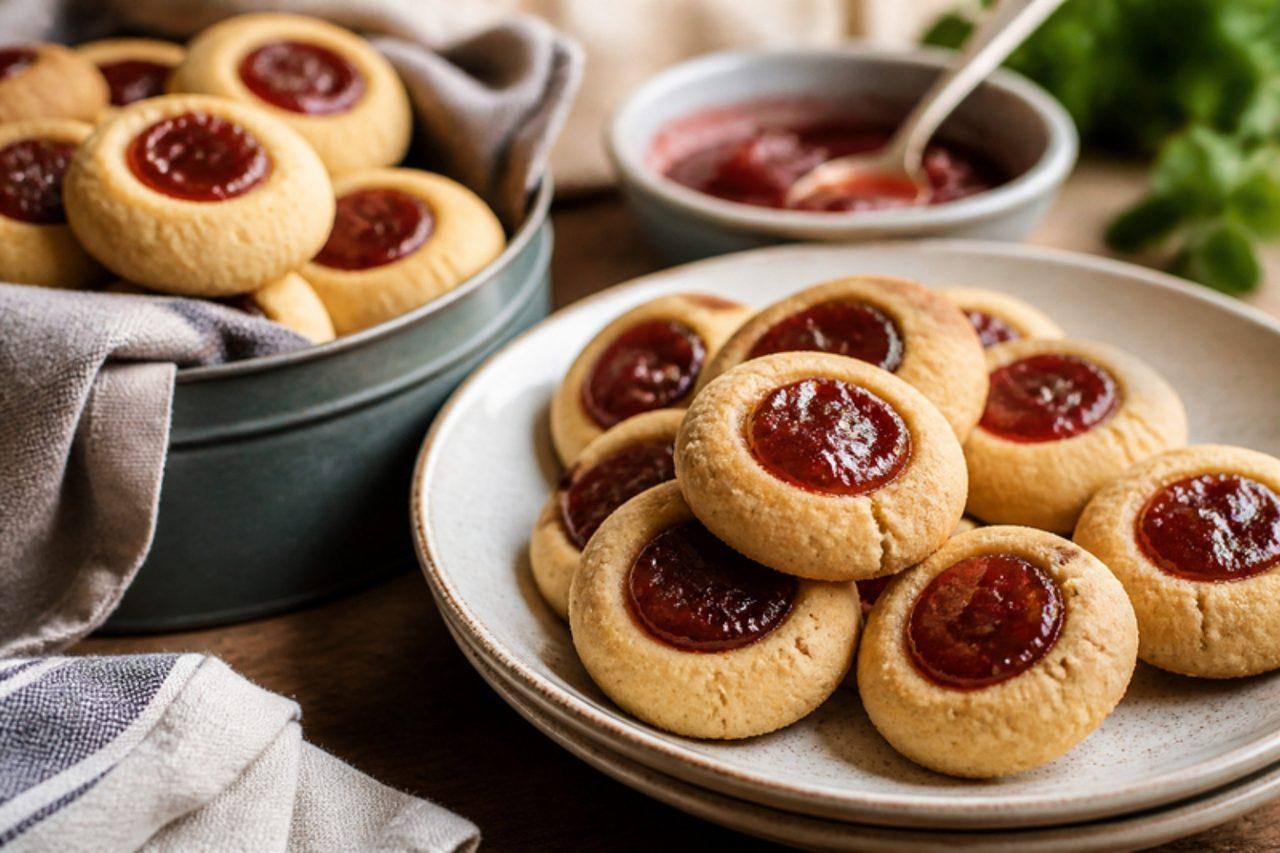
Pepas are the little round cookies with a jewel of quince jam in the middle that Argentine kiosks sell by the bag and grandmothers keep in a tin for the mate round. They are tender and crumbly, not crisp, with just enough sugar that the tart, dark membrillo stands out. Children love pressing the thumbprint and filling it, which makes them a good first baking job, and they keep for a week in an airtight jar. Kiosk versions are often made with margarine; butter tastes far better. Overbaking is the usual problem: take them out while the tops are still pale and only the bottoms are golden, because they firm up as they cool. Chef's tip: use quince paste softened with a spoonful of hot water and pipe it from a small bag; a spoon leaves smears on the dough that burn.

by KrazyBadal 0 views

Bolas de fraile

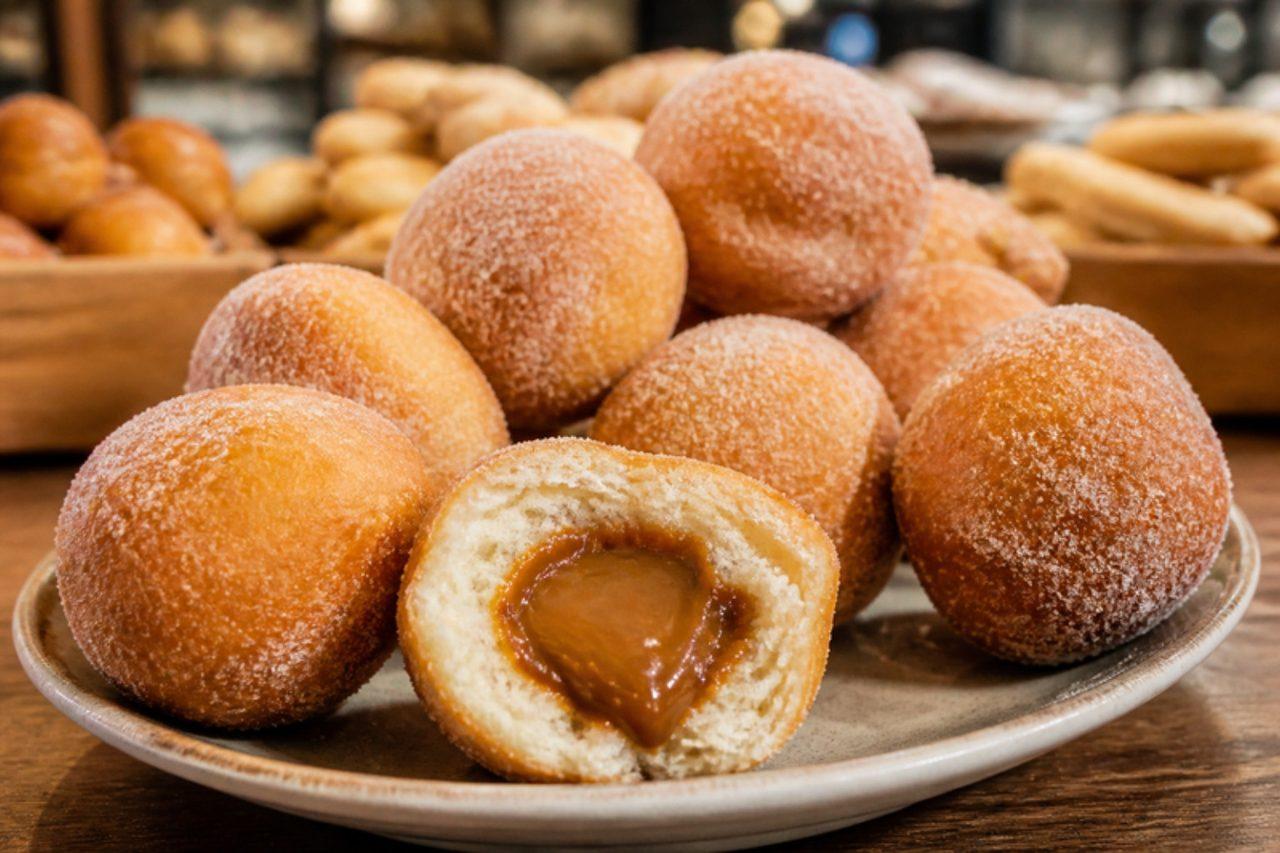
Friars' balls, to translate them literally, are a fixture of the Buenos Aires panadería counter among the facturas that porteños buy by the dozen on Sunday morning: soft, round yeast doughnuts, fried golden, rolled in sugar and split or piped with dulce de leche or crema pastelera. Children dive for them first. Inside they are light and fluffy, outside slightly crisp and sweet, and they are at their best within a few hours, with mate or coffee with milk. Oil that is too hot is the mistake: the outsides brown in seconds and the centres stay raw and doughy, so keep it at 170 °C and fry slowly. A thermometer helps a lot. Pastry cream is the other classic filling if you prefer it. Chef's tip: let the shaped balls rise on individual squares of baking paper and slide them into the oil on the paper; they keep their round shape and the paper peels off after a few seconds.

by KrazyBadal 0 views

Showing 24 of 42 recipes

Show more recipes

Page 1 of 2