Skip to content
Recipes

All recipes

Vegetarian, or something you can't eat? Set your diet once and we'll hide recipes that don't fit.

Irish porter cake

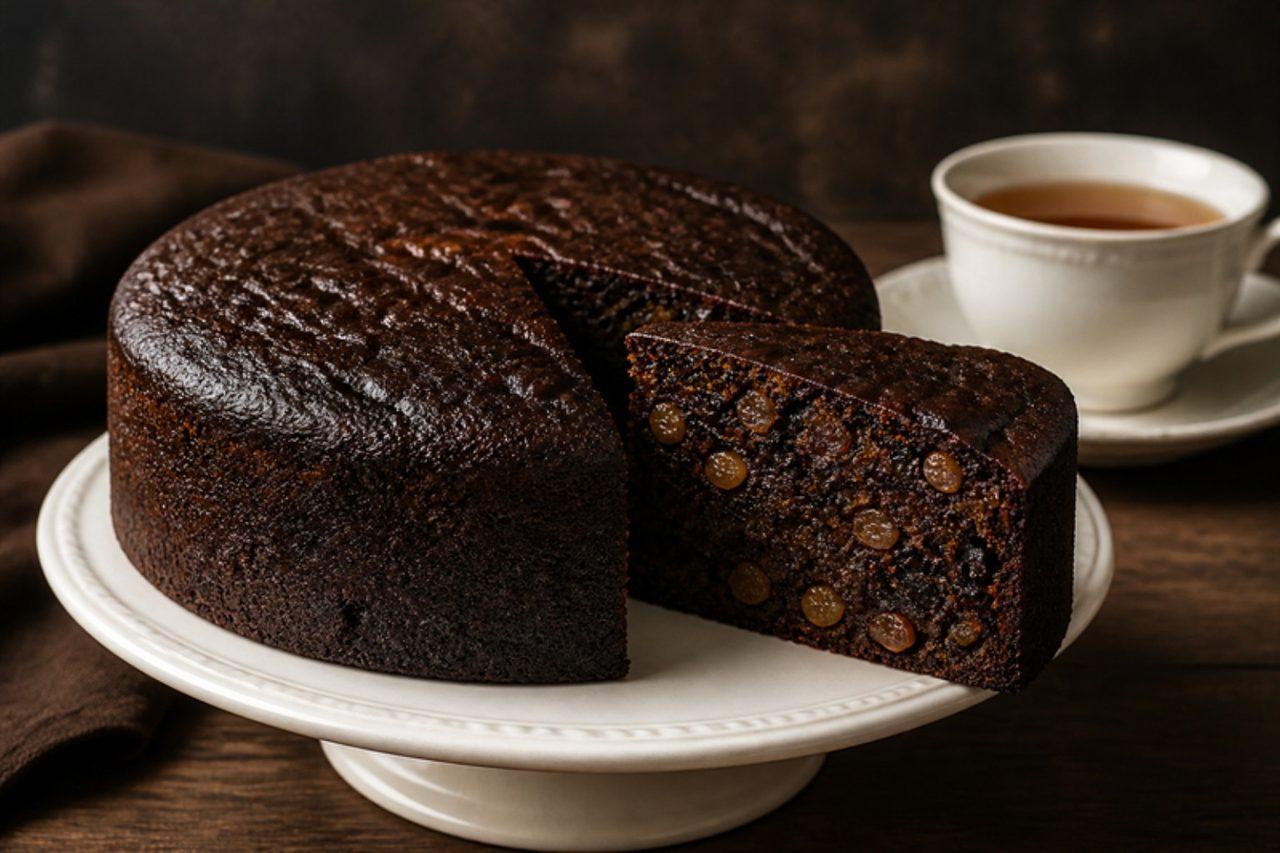
Porter cake is the Dublin fruit cake made with stout, the dark beer once drunk by the porters of Dublin's markets and docks; it is baked for Christmas, christenings and wakes across Leinster. The fruit is simmered in the stout, which gives the crumb a deep, malty, slightly bitter flavour and keeps it moist for weeks. This recipe contains alcohol: most of it cooks off, but for an alcohol-free version use strong black tea or alcohol-free stout. Chef's tip: wrap the cooled cake and leave it for 2–3 days before cutting; it slices better and tastes richer.

140 minIrishBaking
by KrazyBadal 0 views

Barmbrack

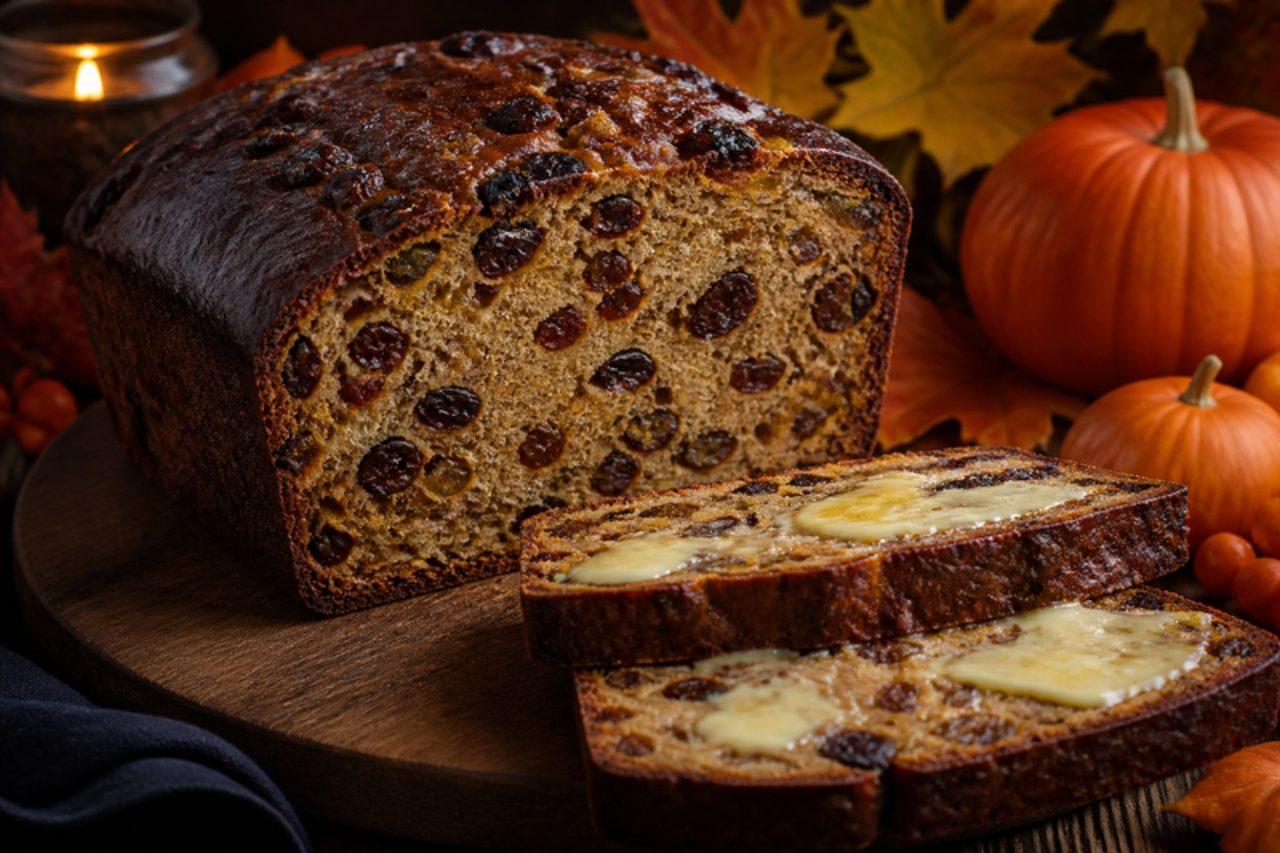
Barmbrack is the speckled fruit loaf eaten in Ireland at Halloween, when a ring wrapped in baking paper is baked inside, and whoever finds it is said to marry within the year. This is the quick tea brack version made all over Connacht and Munster, with the dried fruit soaked overnight in strong tea so the loaf is dark, moist and fragrant with mixed spice. Serve sliced and buttered with a cup of tea. Chef's tip: soak the fruit for a full night; short soaking gives dry, chewy fruit.

by KrazyBadal 0 views

Irish apple cake

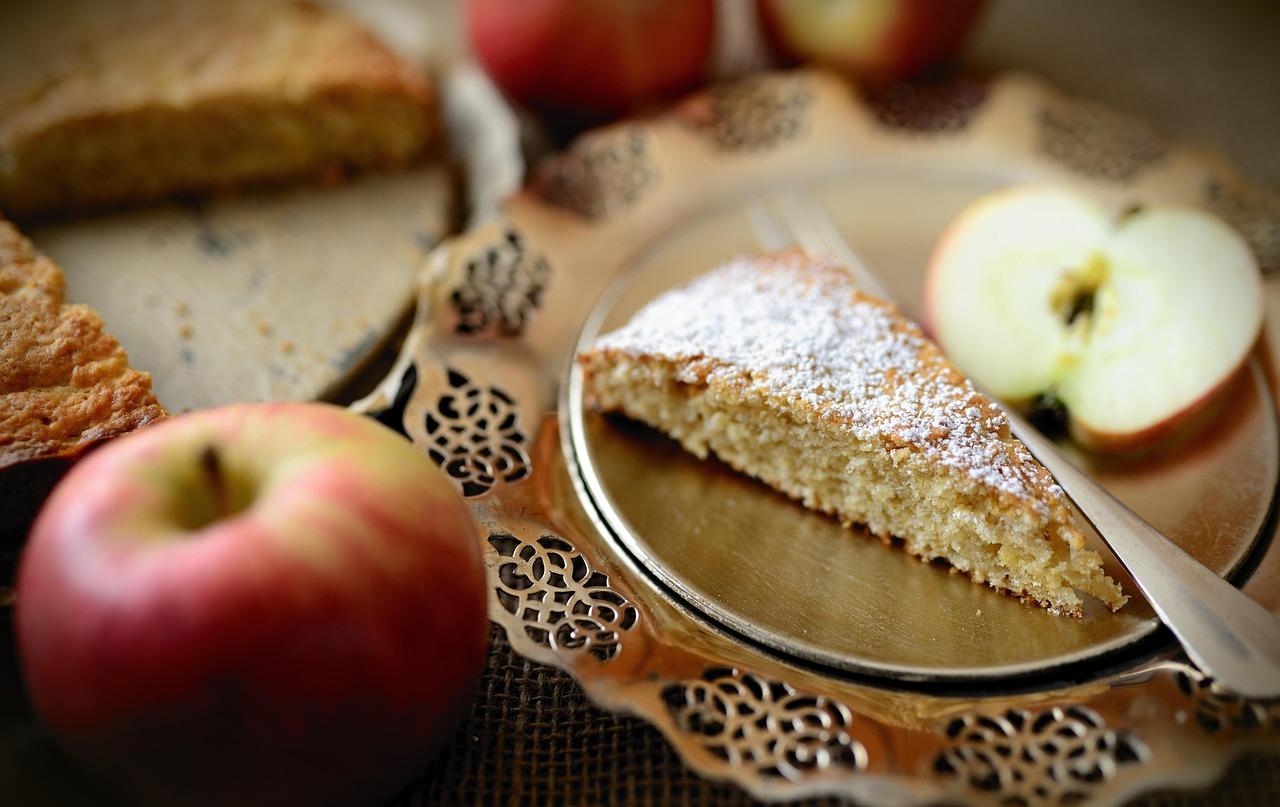
Every Irish county has its apple cake, but it is especially loved in Armagh's orchard country and in Kerry, baked in late September when the Bramleys come in. Sharp cooking apples bake into soft, tart pockets in a buttery sponge, under a crunchy sugar and cinnamon crumb. Serve warm with custard or softly whipped cream. Chef's tip: toss the apple slices in lemon juice and sugar only at the last minute, or they release water into the batter.

by KrazyBadal 0 views

Irish coffee

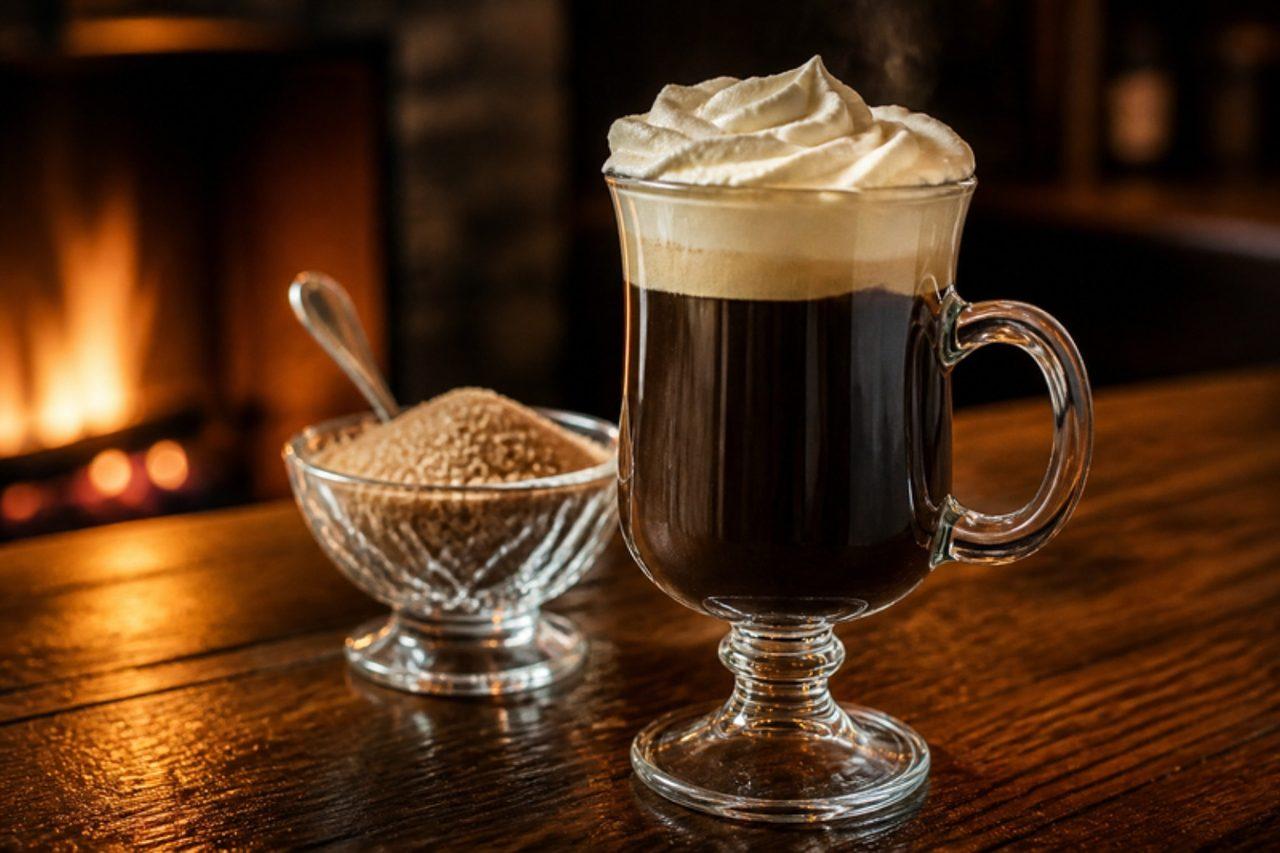
Irish coffee was first served in the 1940s at Foynes on the Shannon estuary, to cold passengers stepping off the flying boats from America, and it is now poured in hotel bars across Ireland after a long dinner. Hot black coffee is sweetened with brown sugar and laced with Irish whiskey, then topped with a layer of lightly whipped cream that you drink the coffee through. This drink contains alcohol; for an alcohol-free version, leave out the whiskey and add a few drops of vanilla. Chef's tip: whip the cream only until it just thickens, so it floats in a soft layer rather than sinking or sitting in stiff blobs.

by KrazyBadal 0 views

Irish buttermilk scones

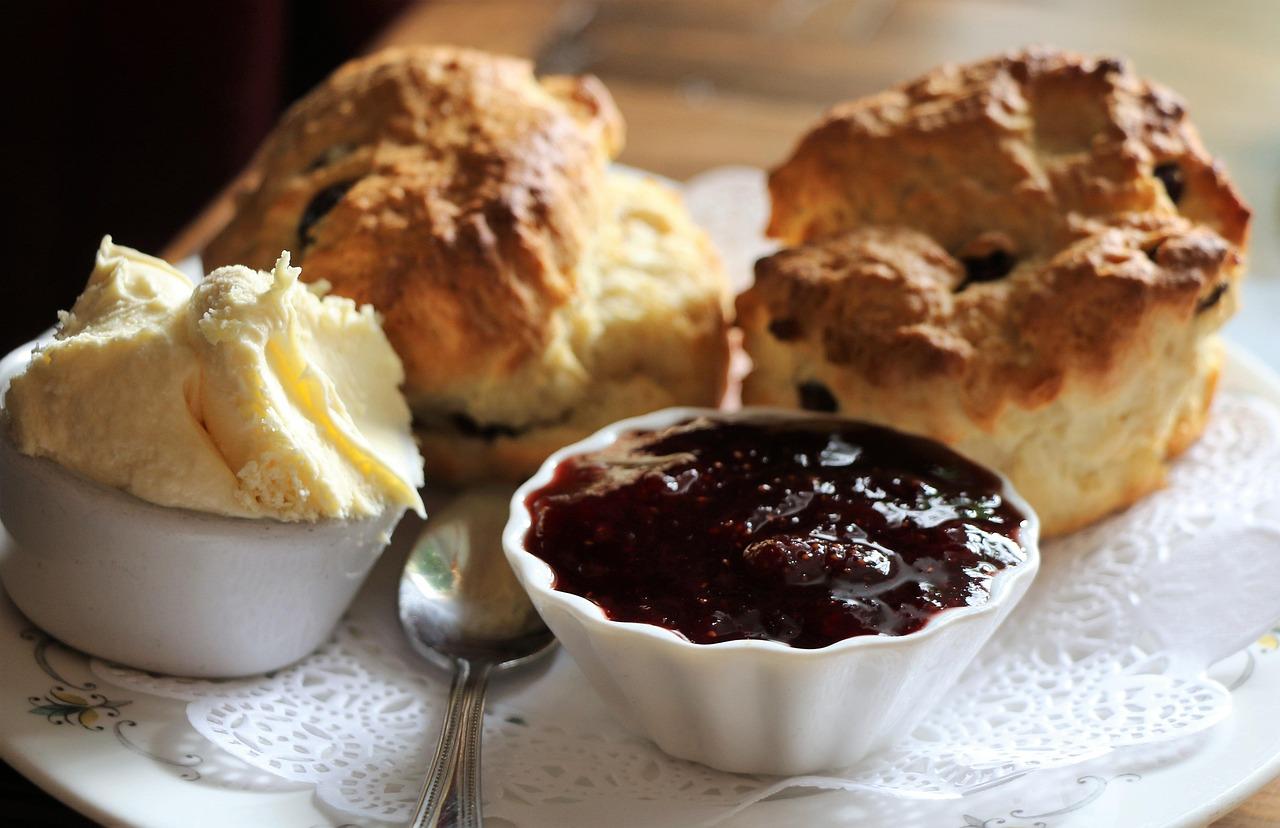
Irish scones are the centre of afternoon tea in hotels and country houses from Galway to Wicklow, and the bake that every Irish cook makes from memory. Buttermilk makes them light and tender with a faint tang, and an egg wash gives the glossy golden top. Serve warm, split, with butter, raspberry jam and whipped cream. Chef's tip: press the cutter straight down without twisting; twisting seals the edges and stops them rising tall.

by KrazyBadal 0 views

Dublin gur cake

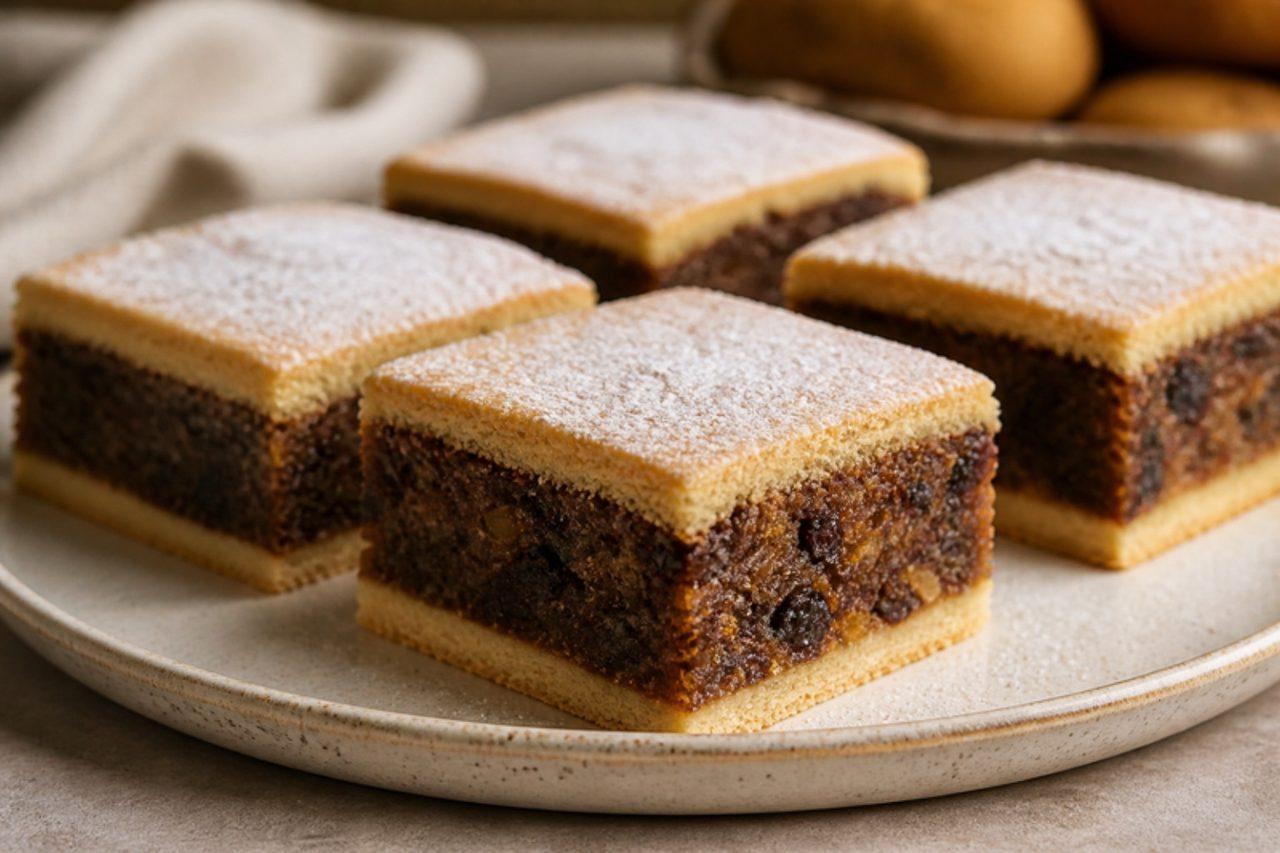
Gur cake was the cheapest treat in Dublin bakeries, made from the day's leftover bread and cake soaked with tea, dried fruit and spice and baked between two sheets of pastry. It gave its name to the 'gurriers', the kids who mitched school and bought slices for a ha'penny, and you still find it in the bakeries of the inner city, where it is also called Chester cake. It is dense, sticky and spiced. Chef's tip: let the filling soak for a good half hour so the bread breaks down completely into a smooth paste.

by KrazyBadal 0 views

Chajá

Chajá was created in 1927 at a bakery in Paysandú, a city on the Uruguay River, and named after a local bird whose feathers look as fluffy as its crumbly meringue coat. Today it's Uruguay's birthday and celebration cake: layers of light sponge soaked in peach syrup, filled with whipped cream, peaches and dulce de leche, then covered in crushed meringue. It's sweet, soft and crunchy at once, best on the day it's assembled. Chef's tip: soak the sponge but not too much; it should feel moist, not wet, or the layers slide.

by KrazyBadal 0 views