Skip to content
Recipes

All recipes

Vegetarian, or something you can't eat? Set your diet once and we'll hide recipes that don't fit.

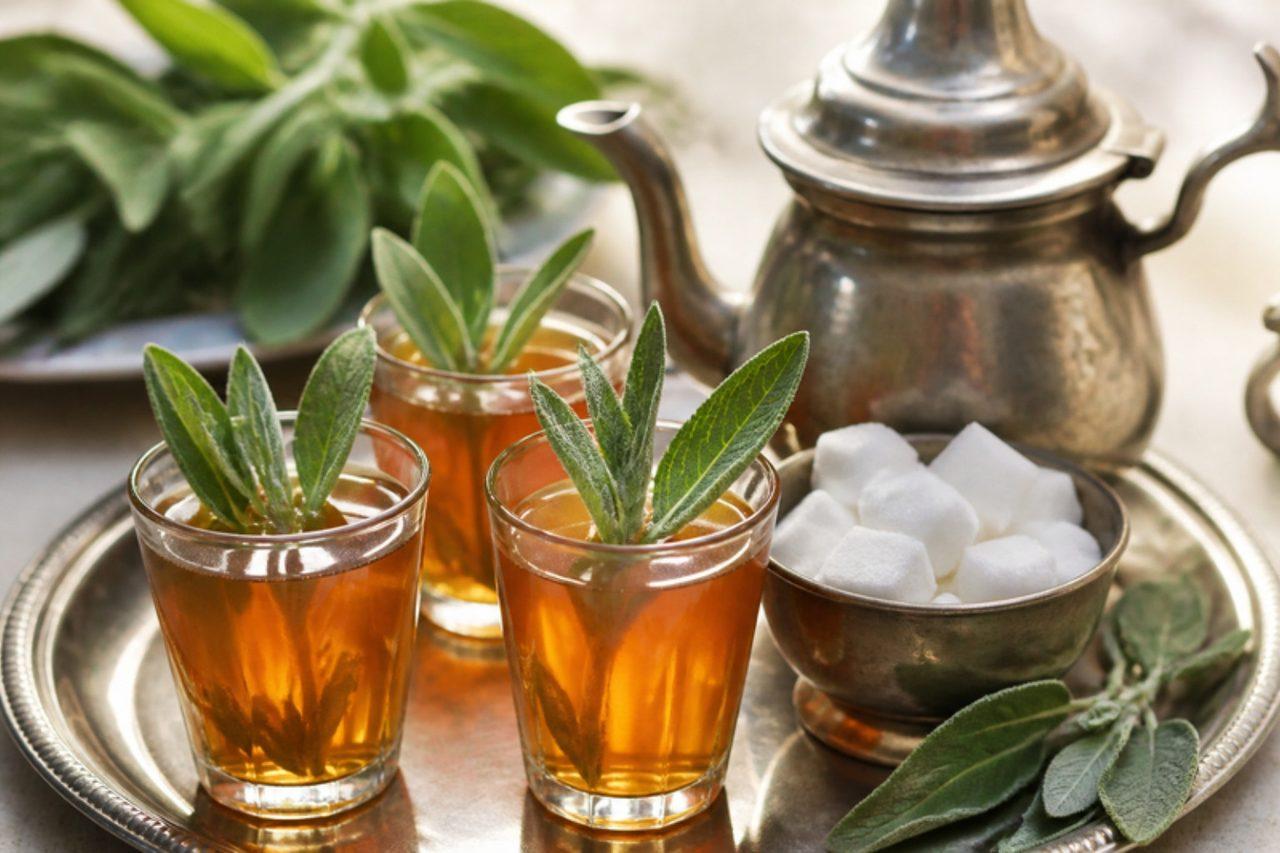
Shai bil maramiya

Offer a guest tea in a Palestinian home and it will most likely come in small glasses, sweet, strong and fragrant with maramiya, the soft-leaved sage that grows on every terrace and is said to settle the stomach after a heavy meal. In winter the leaves are dried; in spring they are picked fresh. Common mistake: boiling the sage with the tea, which brings out a medicinal bitterness; it goes in after the heat is off. Chef's tip: bruise the sage leaves between your fingers before dropping them in, and let them steep only 2–3 minutes.

by KrazyBadal 0 views

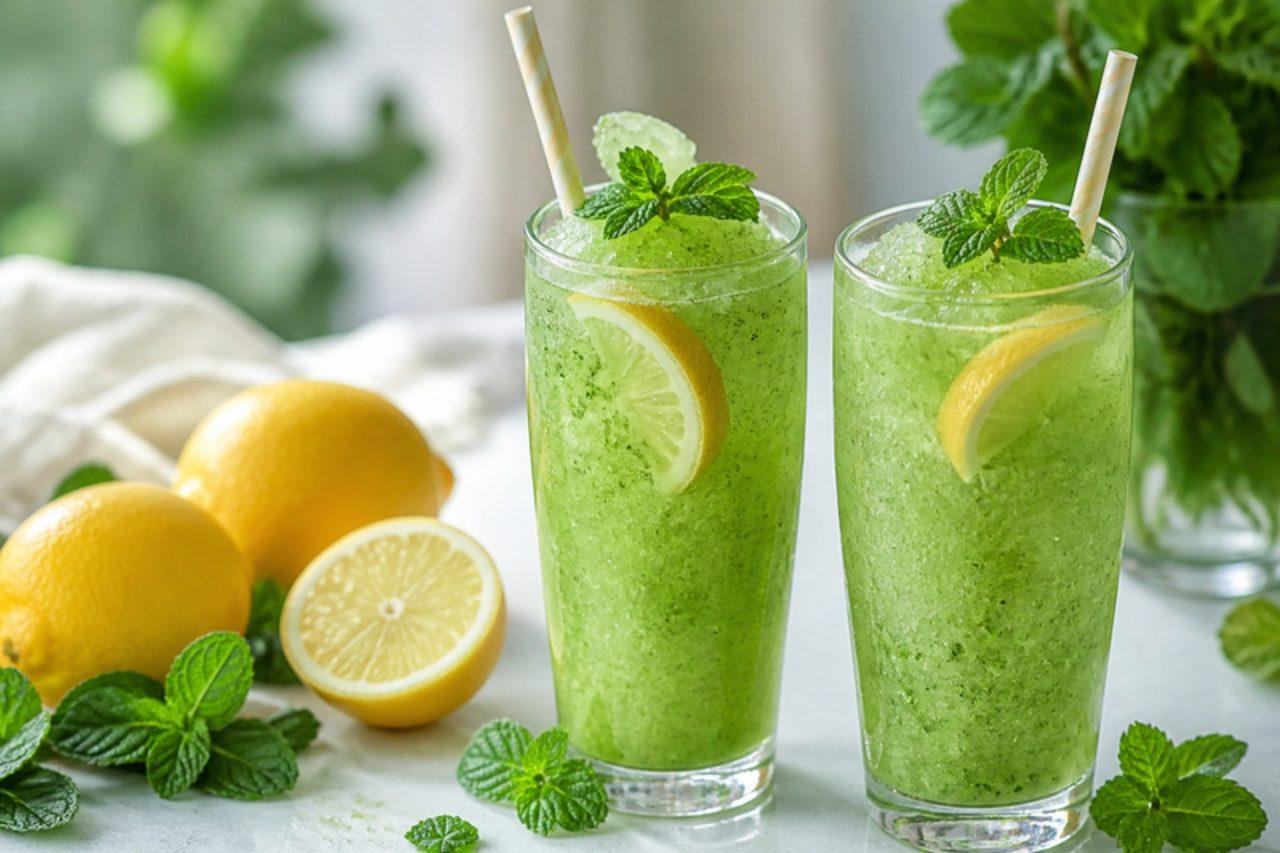
Lemonana

From café terraces in Ramallah and Jaffa to juice bars along Hamra Street in Beirut, summer means tall glasses of lemonana: lemons and fistfuls of fresh mint blended with ice into a sharp, sweet, electric-green slush. It is the drink handed to you after a walk through the market at noon, and it cools a mezze lunch like nothing else. Everything goes in a blender, but the mint must be fresh and plentiful. The common mistake is blending the mint for too long, which bruises it and turns the drink murky and grassy. Chef's tip: make a lemon-sugar syrup first and chill it; dissolved sugar sweetens evenly and lets you blend for only a few seconds.

by KrazyBadal 0 views

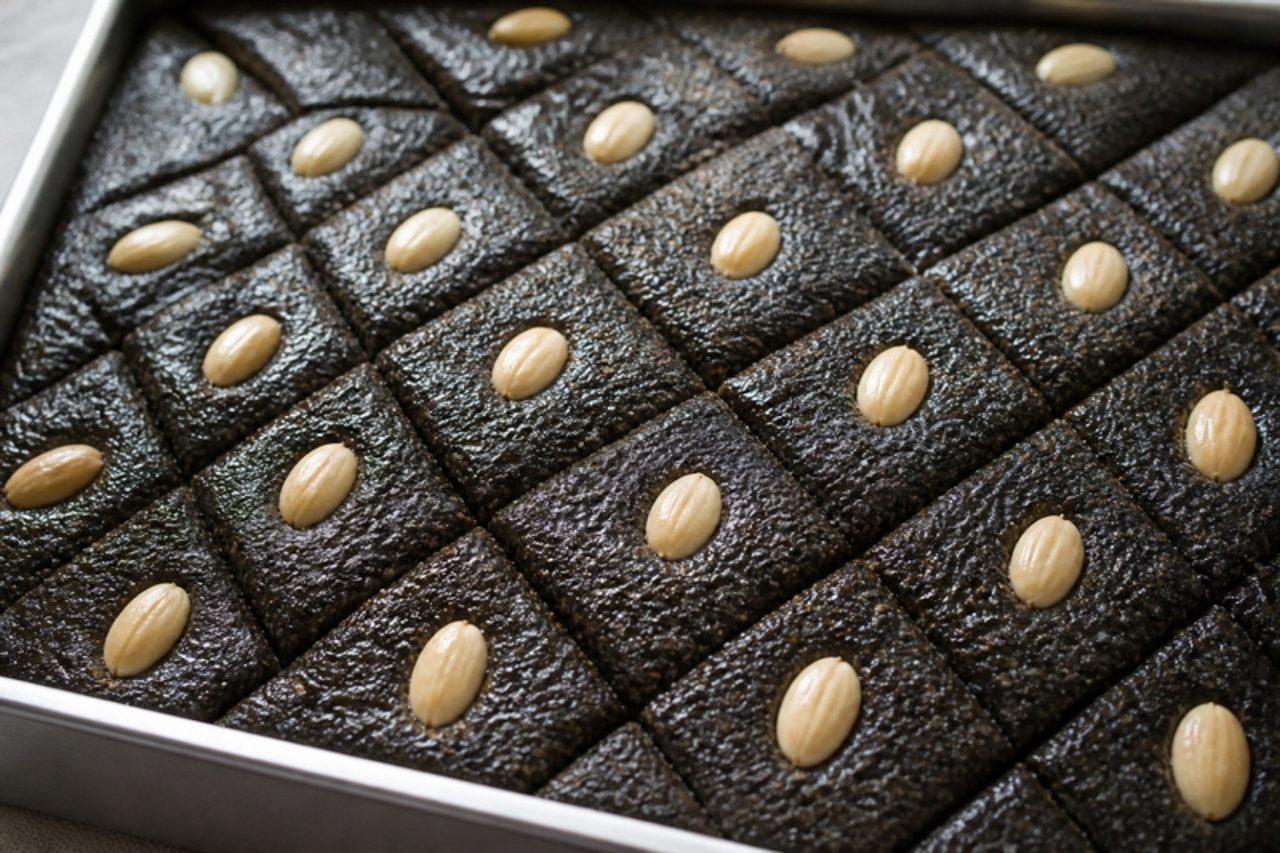
Qizha

Qizha is Gaza's own sweet: a dense, near-black semolina cake made with a paste of roasted nigella seeds, eaten especially in winter and during Ramadan, when bakeries in Gaza City stack trays of it. It tastes nutty and slightly bitter, a little like dark sesame, softened by syrup and topped with almonds or pistachios. Nigella paste is sold in some Middle Eastern shops; if you can't find it, grind toasted nigella with tahini as below. Common mistake: over-toasting the nigella, which turns it acrid; stop as soon as it smells fragrant. Chef's tip: rest the mixed batter for 30 minutes before baking so the semolina swells and the cake slices cleanly.

by KrazyBadal 0 views

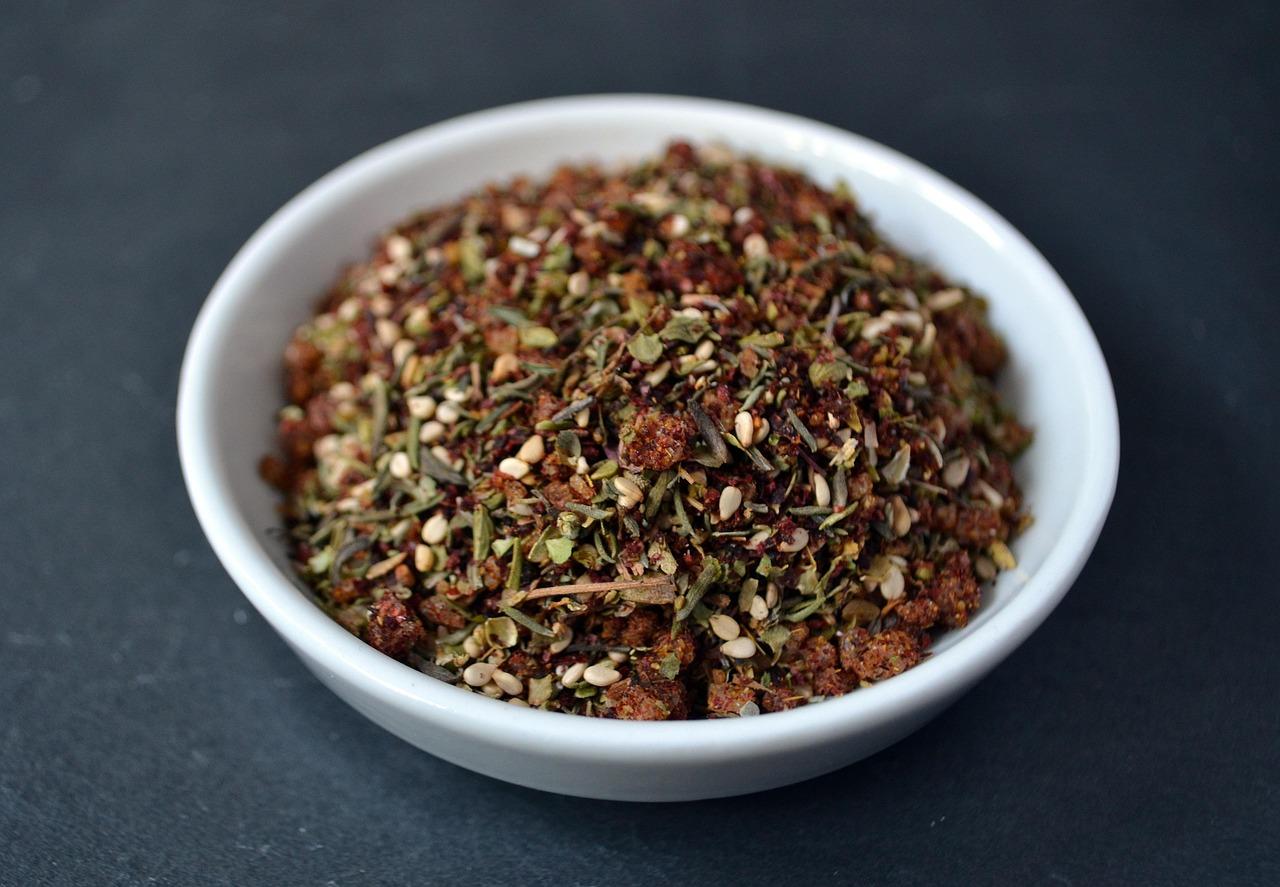
Za'atar spice blend

In Palestinian homes za'atar is both a herb and the blend made from it, kept in a jar beside a bowl of olive oil so torn bread can be dipped in one and then the other at breakfast; children grow up on it, and it goes to school in sandwiches. The blend is mostly dried wild za'atar (or thyme and oregano), tangy with sumac, nutty with toasted sesame and seasoned with salt. Common mistake: grinding it to dust; it should be coarse and slightly flaky. Chef's tip: rub the dried leaves with a few drops of olive oil before mixing; it wakes their aroma and helps the sumac cling.

by KrazyBadal 0 views

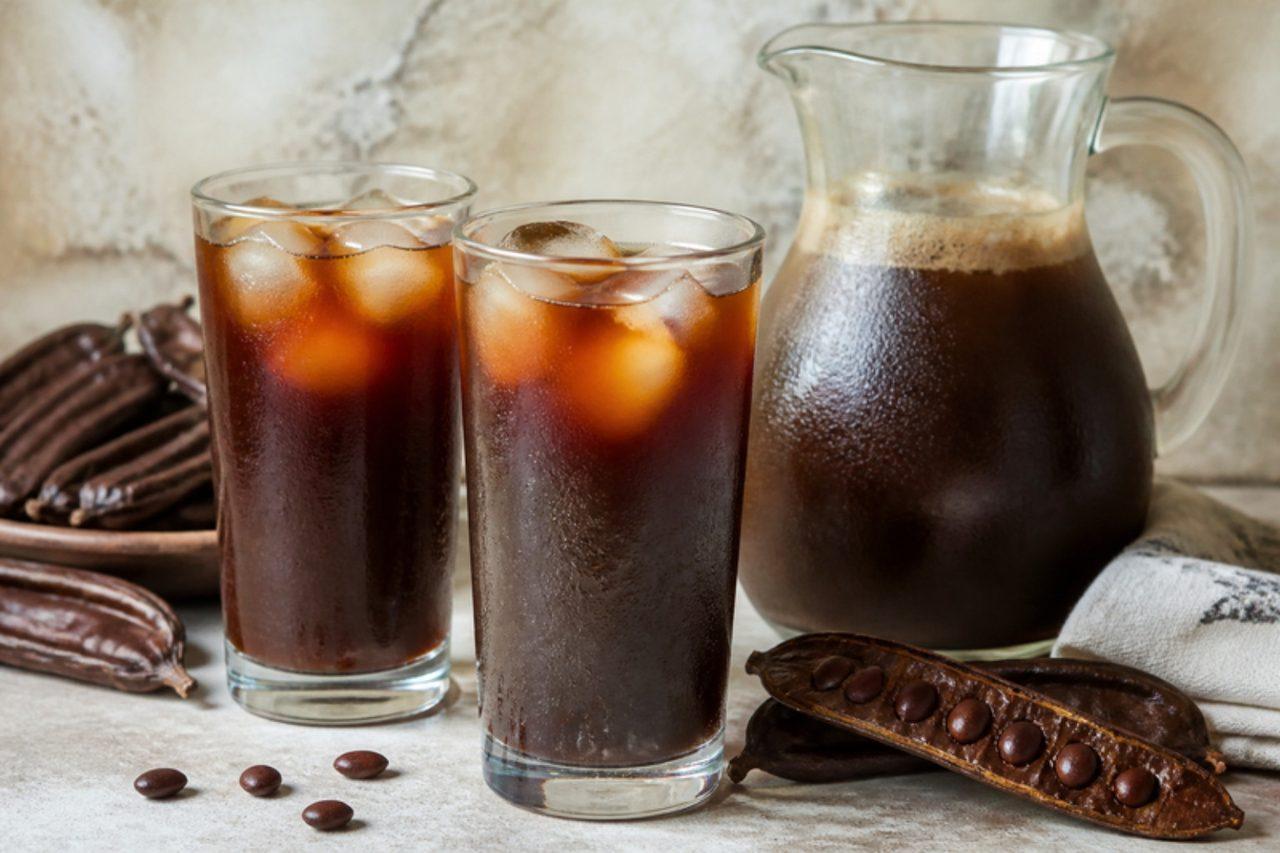
Kharroub

Through Ramadan, street vendors in Jerusalem's Old City and in Nablus walk the alleys with brass urns of kharroub on their backs, clacking cups to announce the cold carob drink that breaks the fast. Made by soaking crushed carob pods (or more easily from carob molasses), it is dark, chocolatey-caramel in taste, lightly sweet and very refreshing over ice. Common mistake: boiling the pods hard, which makes the drink bitter and cloudy; soak and simmer gently. Chef's tip: a few drops of orange-blossom water just before serving lifts the earthy carob flavour.

by KrazyBadal 0 views

Chajá

Chajá was created in 1927 at a bakery in Paysandú, a city on the Uruguay River, and named after a local bird whose feathers look as fluffy as its crumbly meringue coat. Today it's Uruguay's birthday and celebration cake: layers of light sponge soaked in peach syrup, filled with whipped cream, peaches and dulce de leche, then covered in crushed meringue. It's sweet, soft and crunchy at once, best on the day it's assembled. Chef's tip: soak the sponge but not too much; it should feel moist, not wet, or the layers slide.

by KrazyBadal 0 views

Lebanese date cake

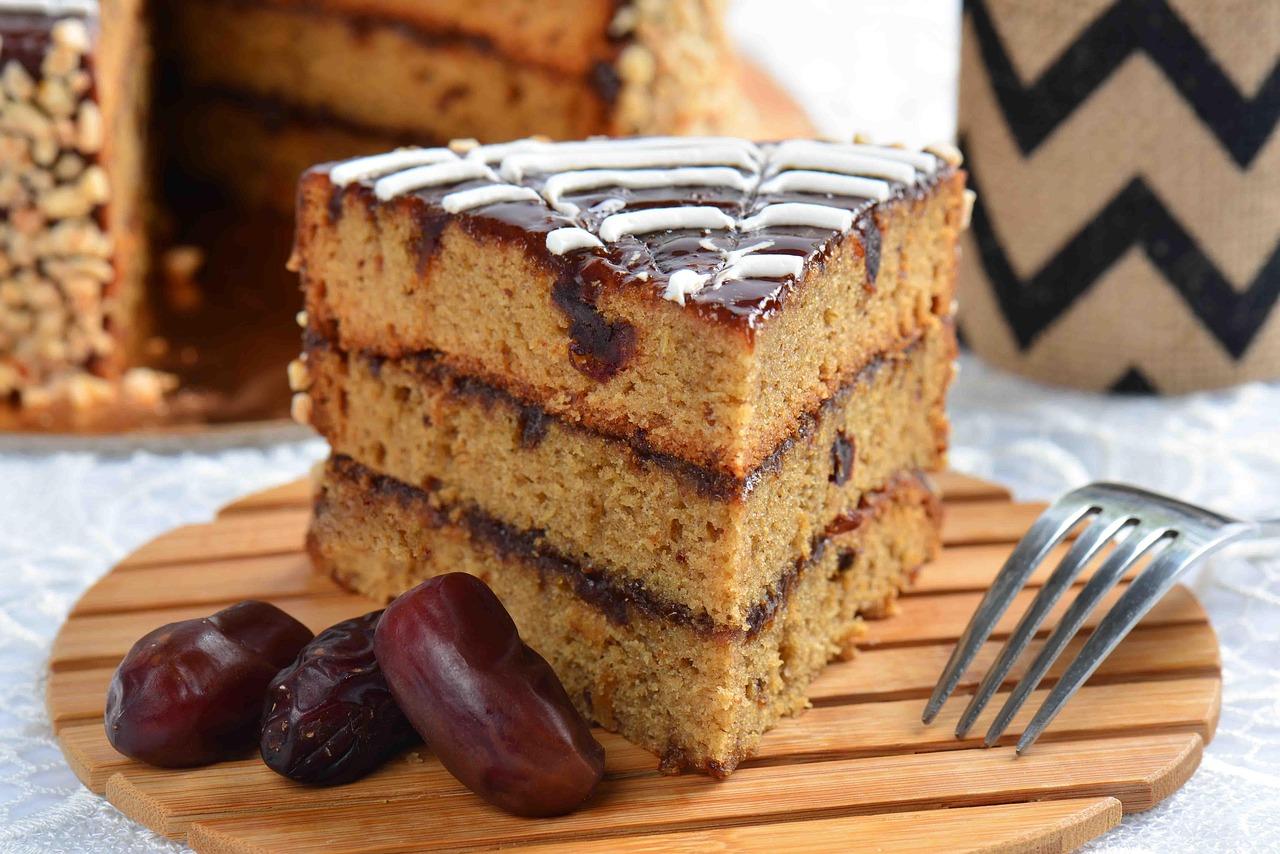
A soft, moist cake made without eggs: self-raising flour and brown sugar are rubbed with butter, then mixed with milk and sour cream and studded with chopped dates, raisins and pistachios, with a warm hint of nutmeg and vanilla. Lovely with tea or served warm with cream.

by KrazyBadal 0 views

Arabian date pinwheels

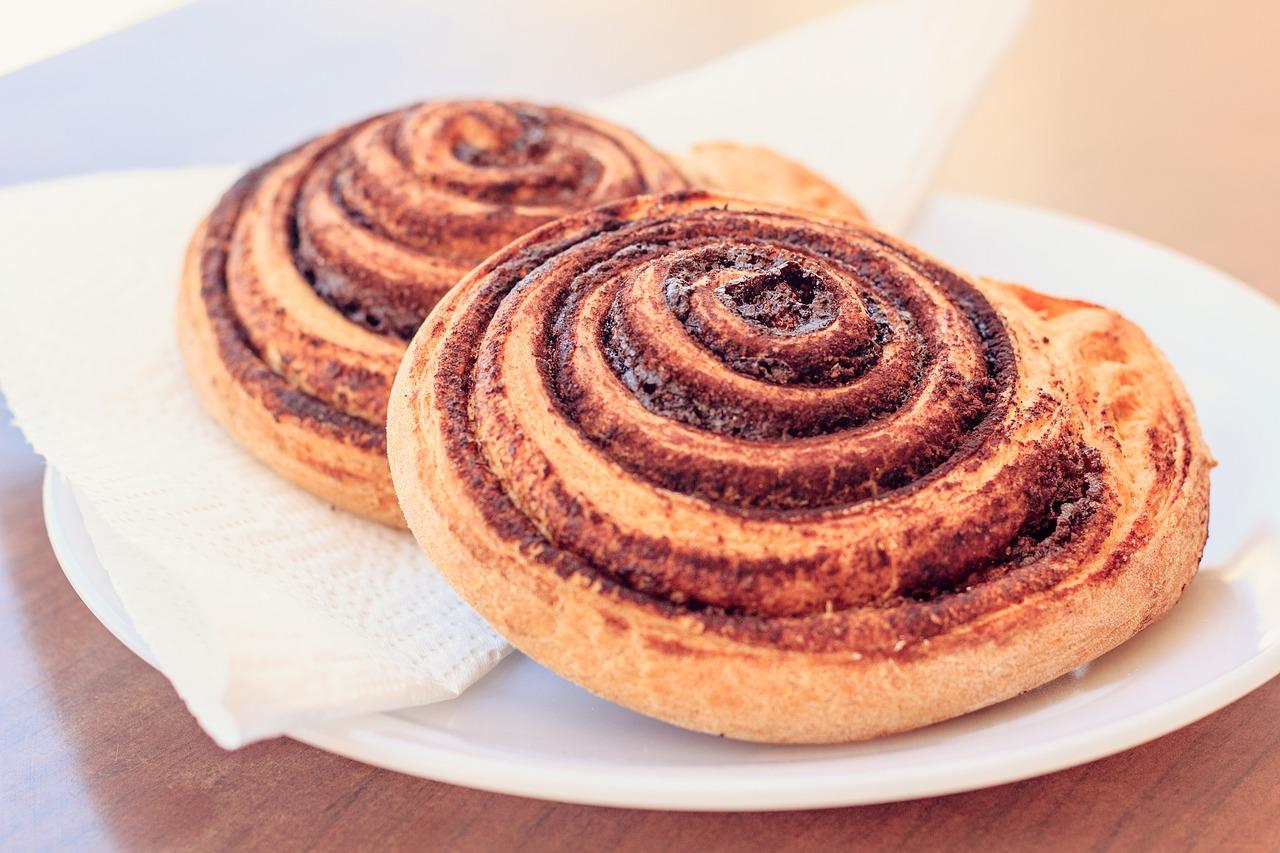
Crumbly, buttery biscuit dough is rolled out, spread with a soft date filling flavoured with cinnamon and lemon, rolled into logs, sliced and baked into pretty pinwheels. They make a big batch of 50 and keep well in an airtight tin. Serve with tea, or with ice cream as a dessert.

by KrazyBadal 0 views

Ma'amoul

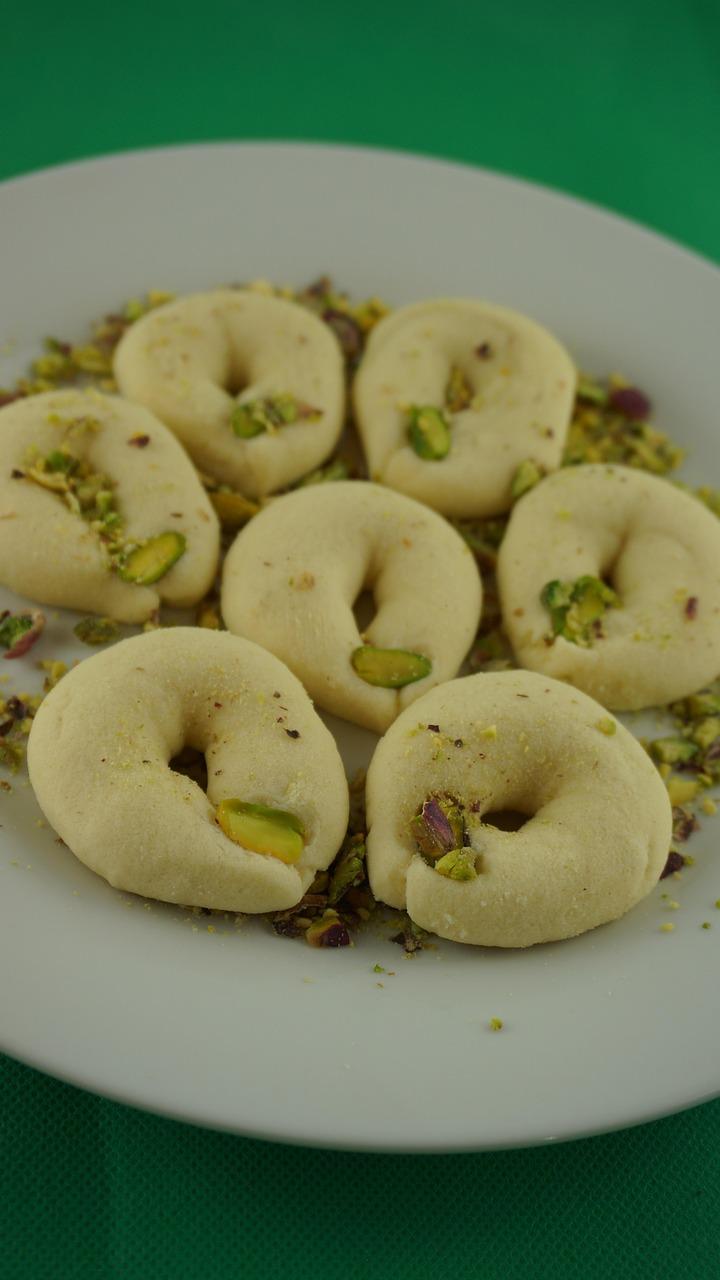
Ma'amoul are delicate shortbread-like pastries made for Eid and Easter across the Middle East. A soft, rose-scented butter dough is wrapped around a filling of dates, walnuts, almonds and pistachios cooked with cinnamon, marked with a fork, baked pale and dusted with icing sugar. Makes 35; they keep well in a tin.

by KrazyBadal 0 views

Semolina cake

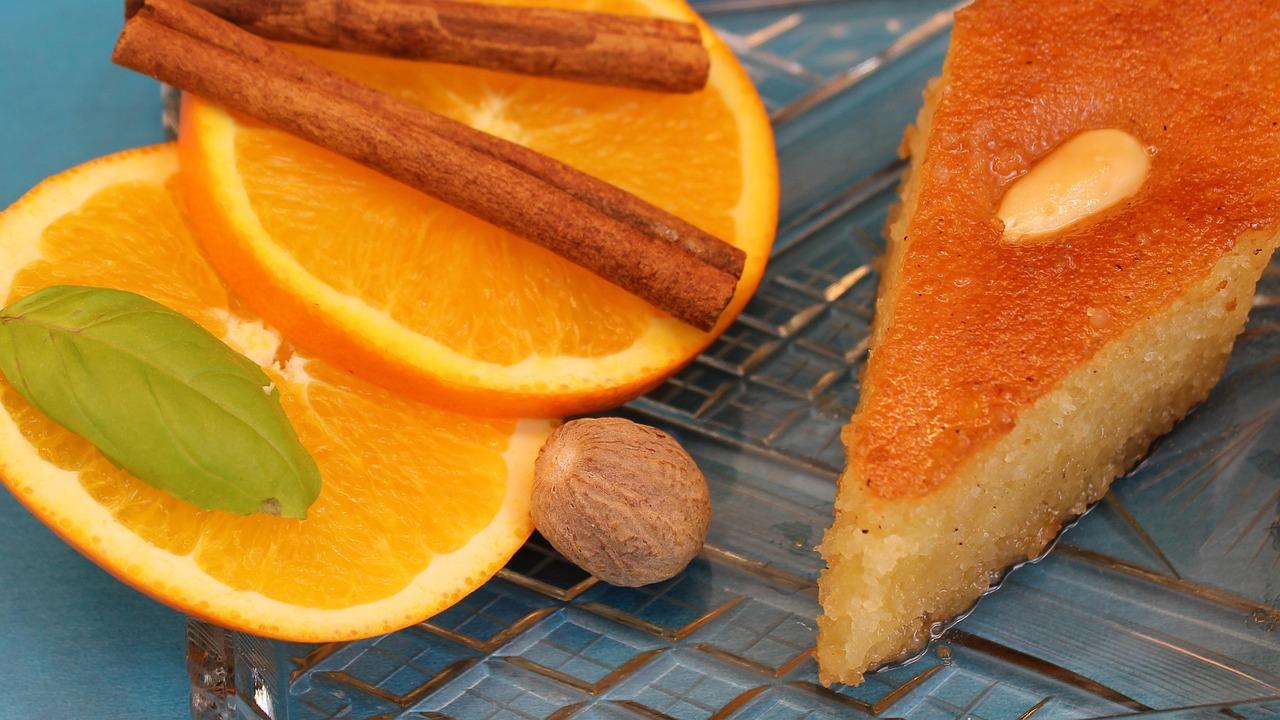
A moist eggless cake made with semolina, coconut and yogurt, baked with slivered almonds on the bottom and top and moistened with orange juice. Serve with coconut ice cream or custard sauce.

by KrazyBadal 0 views