Skip to content
Recipes

All recipes

Vegetarian, or something you can't eat? Set your diet once and we'll hide recipes that don't fit.

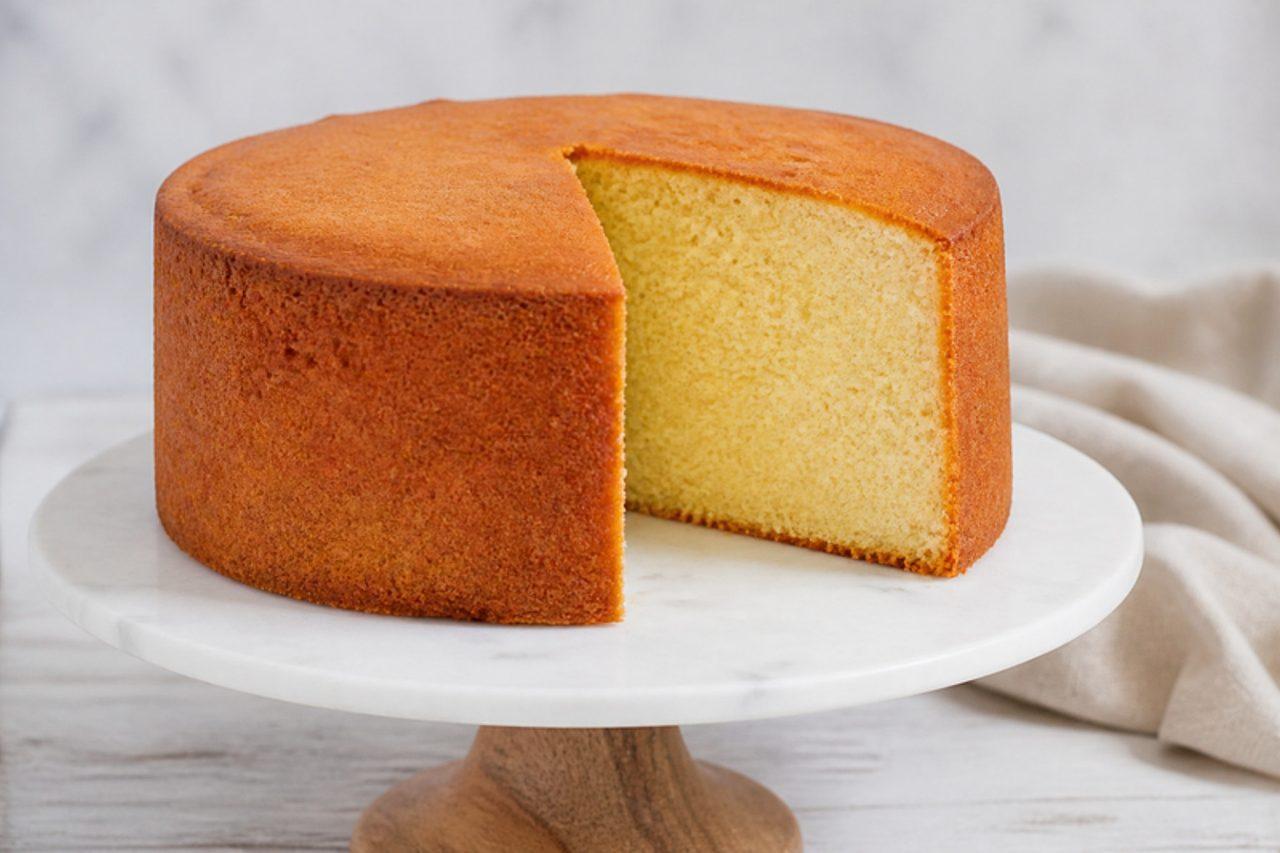
BizcochueloPlain whisked sponge cake

Nearly every Argentine birthday torta starts life as a bizcochuelo: a tall, plain sponge of eggs, sugar, flour and cornflour, with no butter and no baking powder, lifted only by long whisking. Grandmothers bake it on Sunday to split into three and fill with dulce de leche and whipped cream, or eat it plain in the afternoon with mate. The crumb is fine, dry-ish and airy, made to soak up syrup. Opening the oven in the first 20 minutes is the classic way to flatten it, so leave the door shut. Chef's tip: whisk until the mixture reaches 'punto letra', thick enough that a ribbon drawn on the surface holds its shape for a few seconds; that takes a good 8–10 minutes with an electric mixer, and warm eggs get there faster.

by KrazyBadal 0 views

Kärntner ReindlingCinnamon raisin yeast cake

Carinthia's Easter loaf takes its name from the Reindl, the round, deep pan it is baked in, and in southern Austria no Easter basket goes to church without one. Inside the golden yeast crust is a spiral of butter, cinnamon sugar and plump raisins, so every slice shows a dark swirl. Locals eat it two ways: sweet with coffee on Easter morning, or alongside the savoury Easter platter with horseradish. Many bakers soak the raisins in rum overnight; warm water or tea works just as well and keeps it alcohol-free. A dry, crumbly Reindling usually means too much flour went in during kneading, so keep the dough soft and only lightly floured. Chef's tip: butter the pan well and dust it with sugar, which caramelises into a thin crunchy shell.

by KrazyBadal 0 views

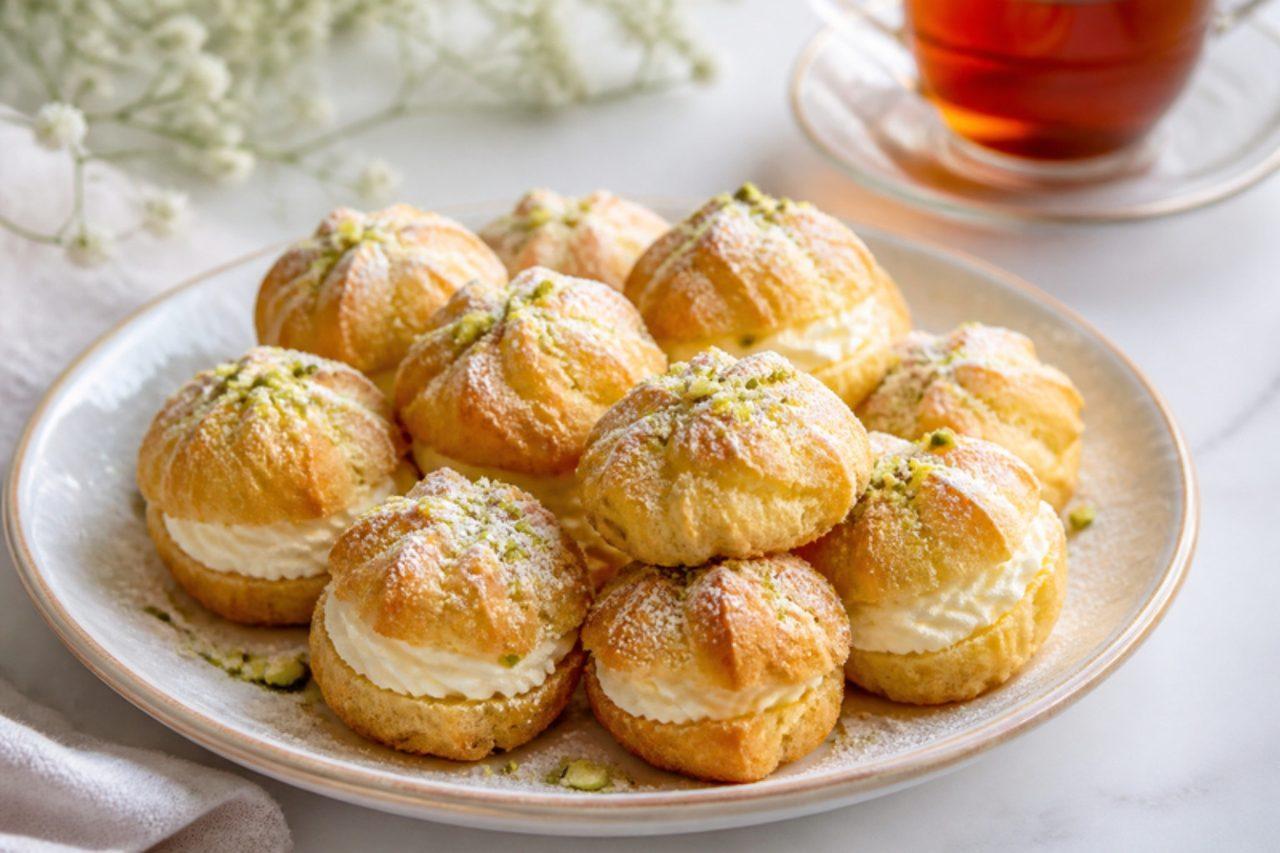
Nan-e khameiCream puffs

Tehran's pastry shops, the qanadi on every busy street, sell nan-e khamei by the boxful: small golden choux puffs split and filled with softly whipped cream, dusted with icing sugar. Families buy a box to take when visiting relatives, for birthdays and above all for the Nowruz new-year table, and they are eaten with glasses of black tea. The shells are crisp and hollow, the cream barely sweet and sometimes lifted with a drop of rose water, and a few chopped pistachios on top add colour. Filling them too early is the usual mistake, as the cream softens the shells within hours, so fill them shortly before serving. Chef's tip: whip the cream in a chilled bowl and stop at soft peaks with a little hold; it pipes smoothly and doesn't turn grainy.

by KrazyBadal 0 views

Homemade kashkFermented yogurt whey

Kashk began with Iran's nomadic herders, who churned their yoghurt for butter in goatskin bags, then cooked and dried the sour leftover into hard balls that lasted through winter. In Kerman, Fars and Khorasan it is still made that way, but in Tehran most people buy it liquid in jars. Making your own is worth one slow afternoon. It is the salty, sour, almost cheesy finish swirled over ash reshteh at Nowruz, folded into kashk-e bademjan with fried mint and walnuts, and stirred into kaleh joosh on cold nights. Liquid kashk is thick and creamy like soured cream but sharper and saltier; dried kashk is chalky-hard and grates like aged cheese. Common mistake: heating the churned yoghurt fast; it scorches and the curd turns rubbery. Keep the heat low and stir. The curd is ready when it separates into soft white clumps in a clear, yellow-green whey. Kashk is always cooked again before eating — even the jarred kind — so heat it when you use it. Chef's tip: a goat or sheep's milk yoghurt, or half and half with cow's, gives the most authentic, funky flavour.

by KrazyBadal 0 views

Postre MassiniCustard sponge with burnt sugar top

Montevideo's birthday cake of choice since the early twentieth century, the Massini is two thin layers of sponge sandwiching a thick filling of whipped cream folded with egg-yolk custard, crowned with a thin glassy crust of torched yolk and sugar. Bakeries across Uruguay sell it on Sundays. Traditional versions sometimes add a sweet fortified wine to the custard; this one is alcohol-free. The custard is cooked to a safe 71 °C. The common mistake is assembling with warm custard, which melts the cream into a puddle. Chef's tip: if you don't have a blowtorch, put the sugared top under a very hot grill for a minute and watch it closely.

by KrazyBadal 0 views

Tarta de zapallitosCourgette and cheese tart

In Buenos Aires every rotisería sells tartas by the slice, and at home a tarta de zapallitos is baked on Sunday evening so that a wedge can go into the vianda (packed lunch) for school and work all week. Zapallitos are round green courgettes; ordinary courgettes work just as well. The common mistake is adding the courgette raw, which floods the pastry; sauté it until the liquid has cooked away. Argentine queso rallado and many hard cheeses are made with animal rennet, so use a vegetarian hard cheese. Chef's tip: bake the tart on a preheated baking tray so the base crisps before the filling soaks in.

by KrazyBadal 0 views

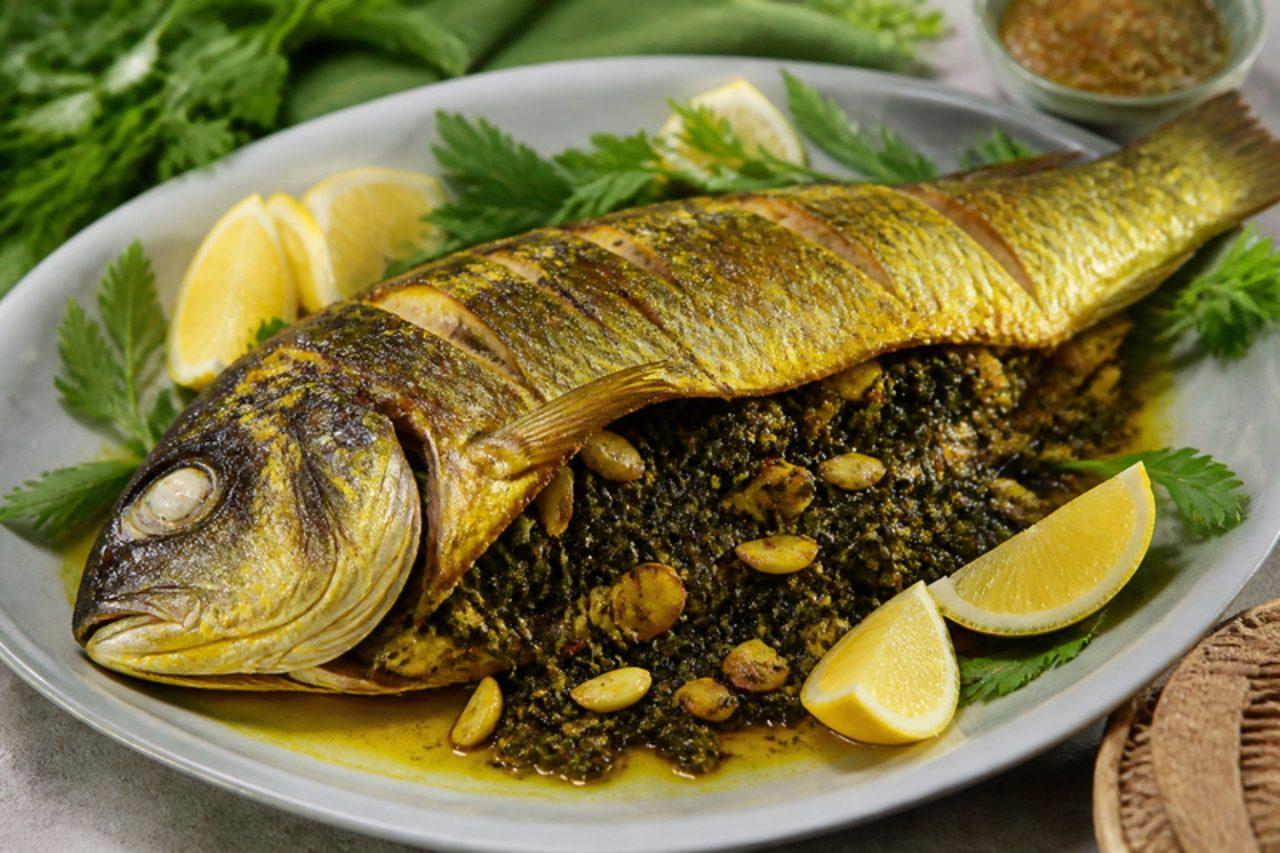
Mahi sobour stuffed with herbs and tamarind

Each spring the shad (sobour) swims up the Karun and Arvand rivers, and in Ahvaz and Khorramshahr the season is marked by whole fish split open, packed with a sour paste of herbs, garlic and tamarind and cooked over coals or in a hot oven. The rich, oily flesh is a perfect match for the sharp filling. Shad is very bony, so most home cooks outside Khuzestan use sea bass, sea bream or mackerel, which take the same filling beautifully. A common mistake is overfilling the fish so it bursts open and the stuffing burns; pack it firmly but leave a finger's width at the edges. Chef's tip: cut three shallow slashes in each side and rub a little filling into them, so the sourness reaches the whole fish.

by KrazyBadal 0 views

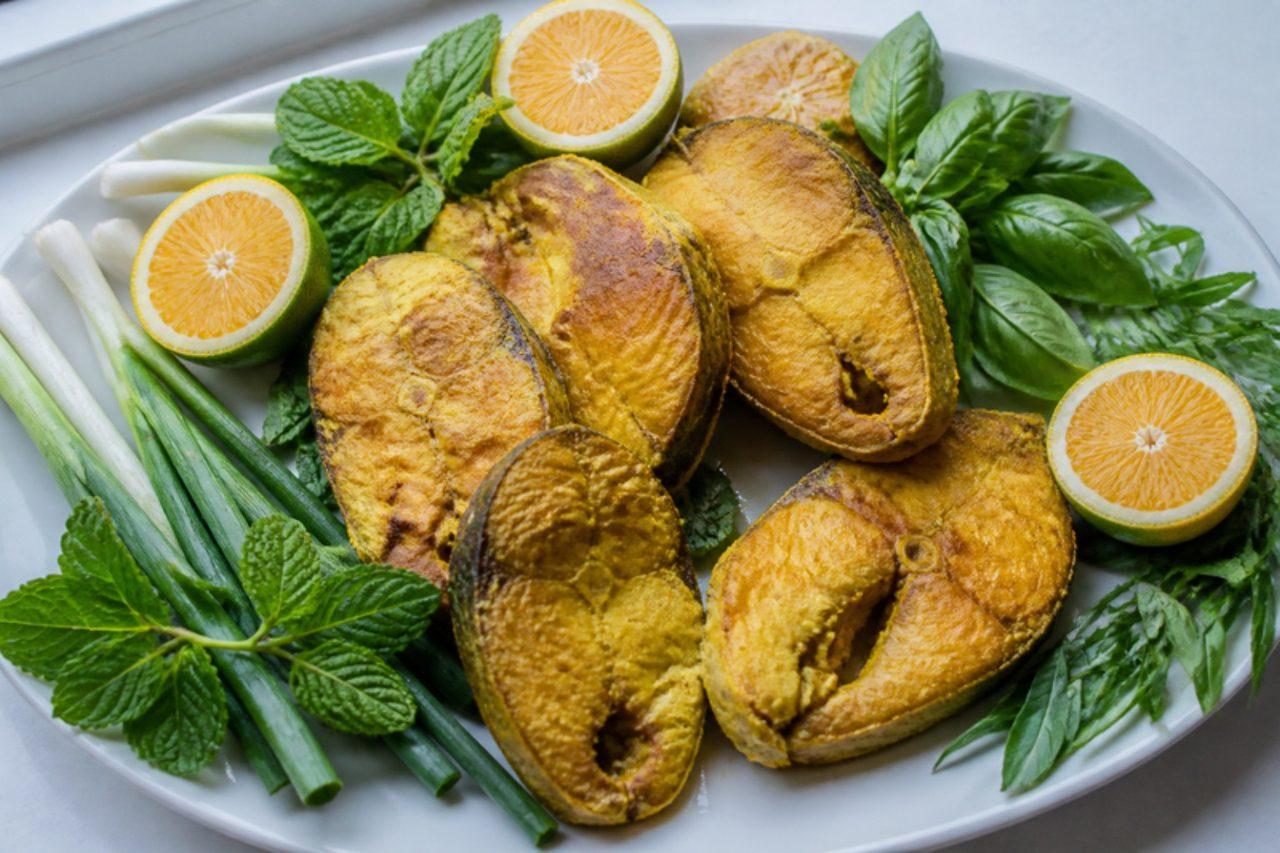
Fried mahi sefid with bitter orange

Along the Caspian shore from Bandar Anzali to Babolsar, the silvery kutum (mahi sefid) arrives in late winter, and families fry thick steaks of it for weekday lunches and for the Nowruz table. The coating is nothing more than flour, turmeric, salt and pepper, so the sweet, firm flesh does the talking; it comes to the table with wedges of bitter orange (narenj), rice and a plate of fresh herbs. Any firm white fish with skin works if you can't find kutum: sea bass, hake or cod steaks. A common mistake is crowding the pan, which drops the oil temperature and leaves the crust pale and greasy. Chef's tip: dry the fish properly and flour it only at the last moment, so the turmeric crust fries to a crisp golden shell instead of turning pasty.

by KrazyBadal 0 views

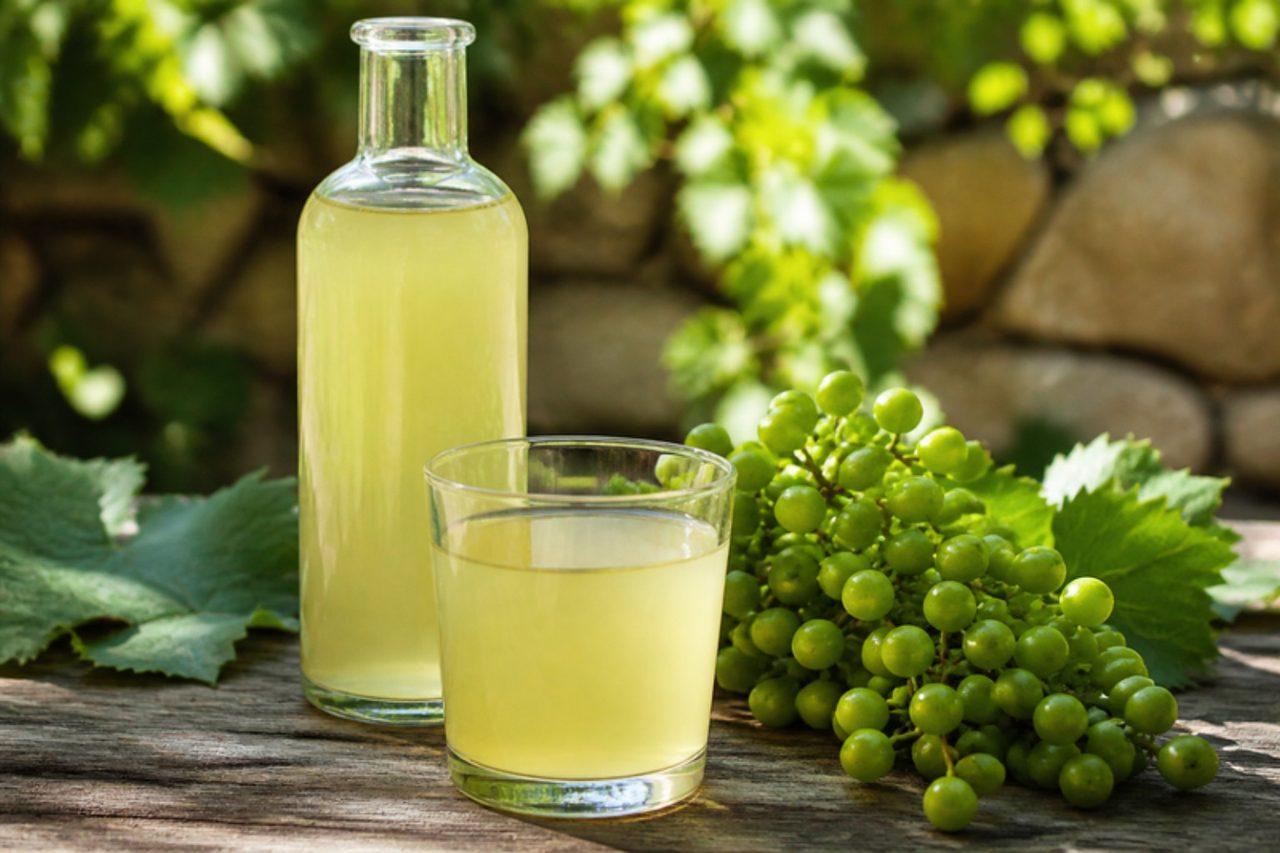
Abghooreh (verjuice)

In early summer, families across Shiraz and the vineyards of Fars thin their vines and press the hard green grapes into abghooreh, a sharp, clean sour juice stored in bottles for the whole year. It sours khoresh, brightens salad shirazi and is splashed over kebabs and rice in place of lemon. The grapes must be truly unripe, hard and mouth-puckering; once they soften the juice turns sweet. A common mistake is skipping the boil and salt, which lets the juice ferment in the bottle. Chef's tip: let the boiled juice settle overnight and pour it off the sediment for a clear, bright abghooreh.

by KrazyBadal 0 views

Ghalieh meygooSpicy prawn and tamarind stew

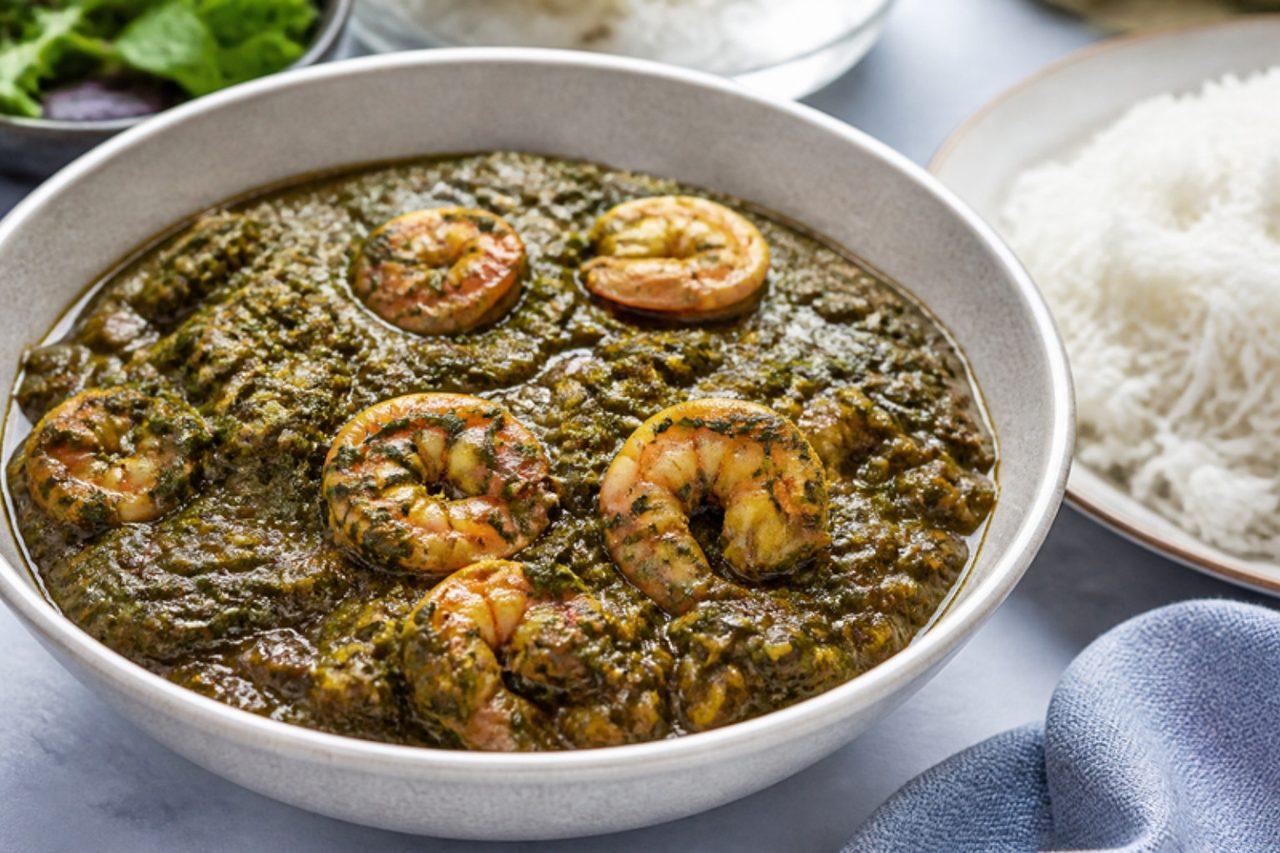
In Bushehr, where the fishing boats bring in Gulf prawns every morning, ghalieh meygoo is the dish cooks make when they want something quicker and a little more festive than the fish version. The same base of slow-fried coriander, fenugreek and garlic is soured with tamarind and fired up with chilli, then the prawns go in for just a few minutes so they stay sweet and juicy. It is eaten with plain chelow rice and a raw onion on the side. A common mistake is simmering the prawns with the sauce from the start, which leaves them rubbery and small. Chef's tip: simmer the prawn shells in the water for 10 minutes first and use that stock; it gives the sauce a real taste of the sea.

by KrazyBadal 0 views

Ghorabieh TabriziAlmond and egg-white cookies

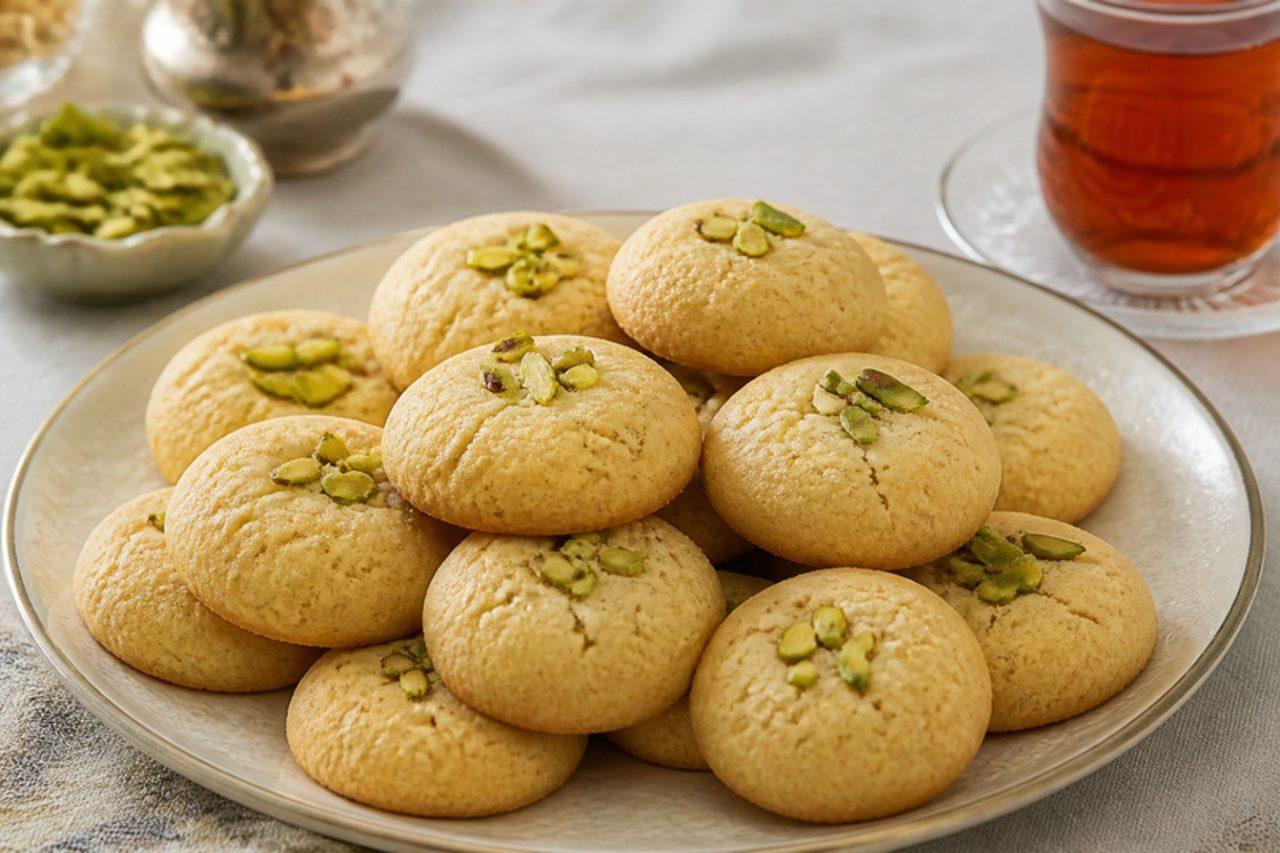
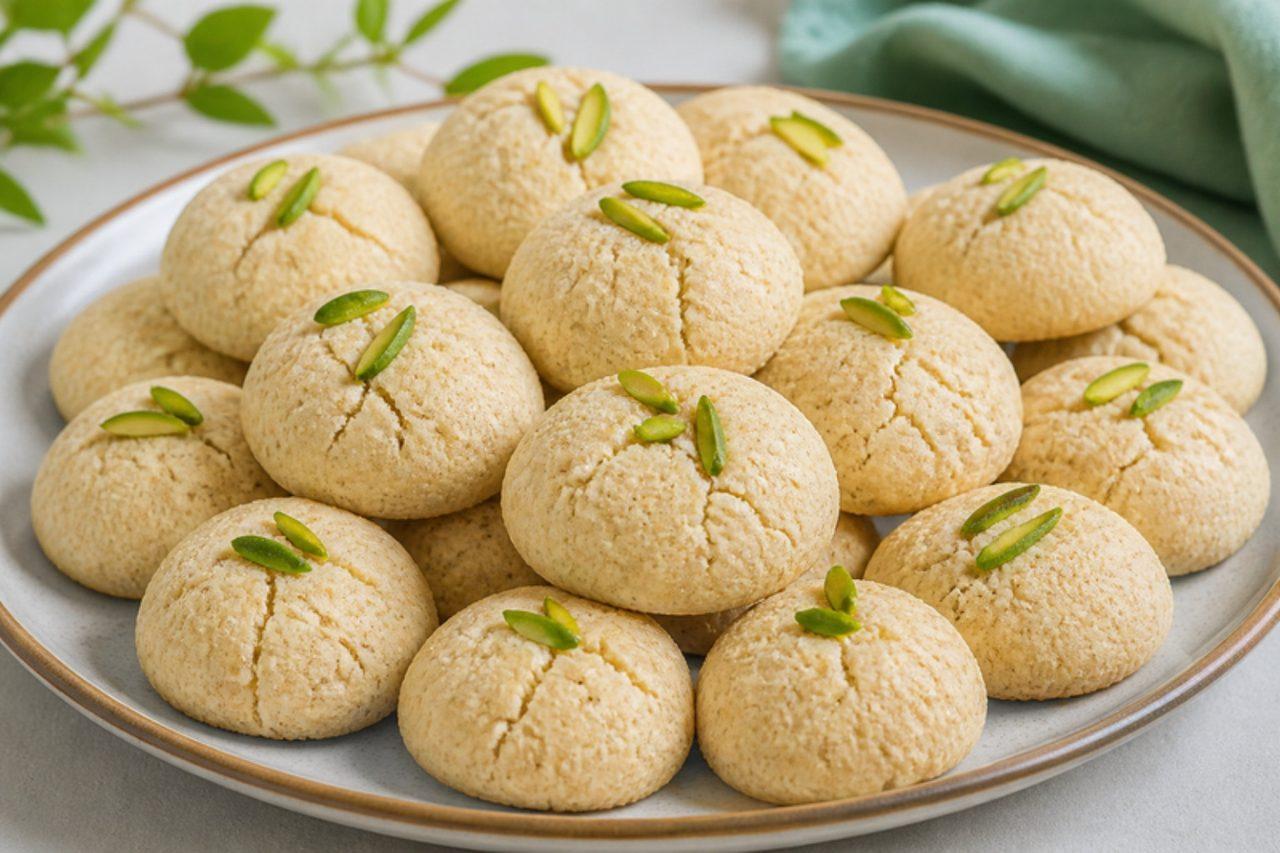
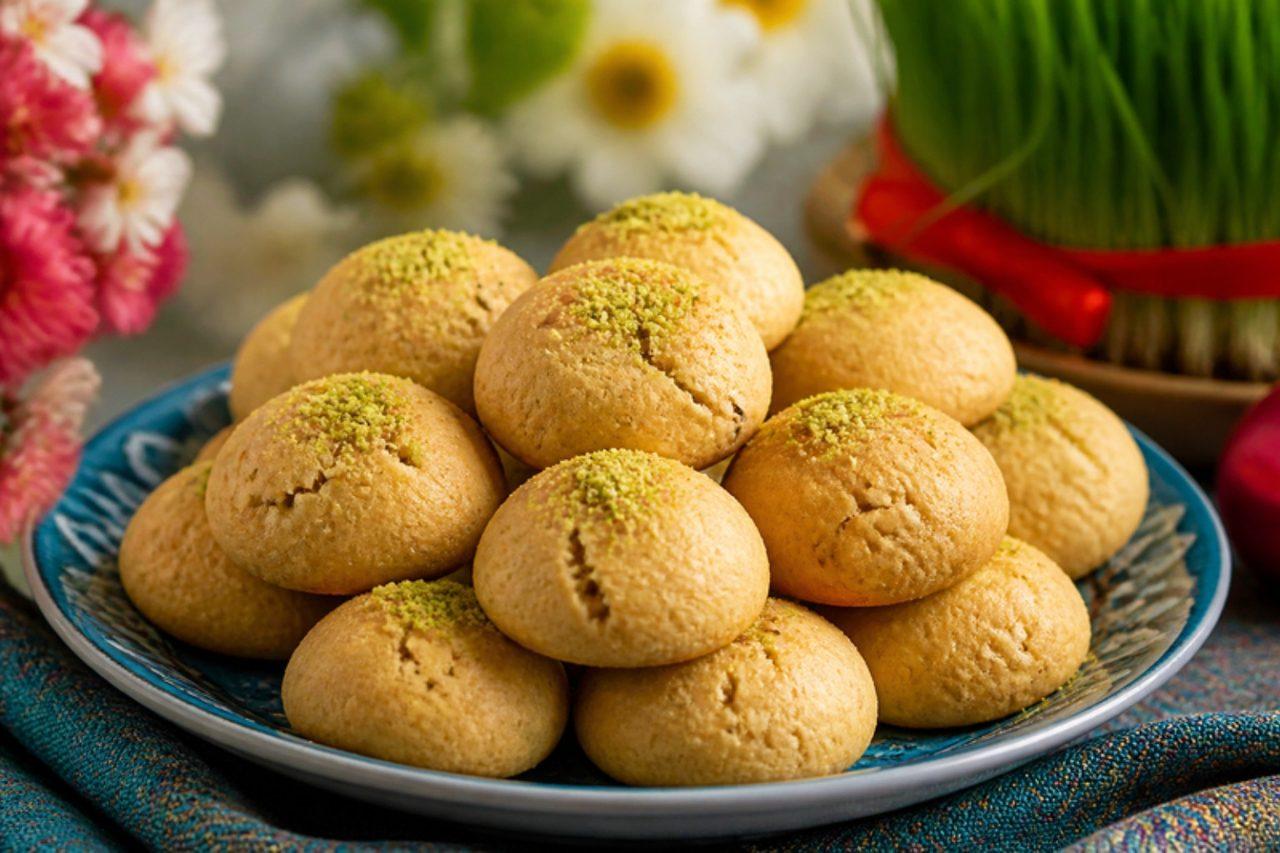
Every traveller to Tabriz is expected to bring back a box of ghorabieh from the bazaar confectioners: pale, domed almond cookies with a thin crackled shell and a soft, chewy middle, scented with vanilla and sometimes topped with a sliver of pistachio. They are a Nowruz favourite in Azerbaijan province and keep well, so families bake them a week ahead. A common mistake is baking them too hot, which browns the outside before the inside sets and leaves them hollow. Chef's tip: let the piped cookies sit for 20 minutes before baking so a skin forms; that skin gives the classic crackled top.

by KrazyBadal 0 views

Haji badamAlmond and cardamom cookies

Haji badam are the small, pale almond cookies of Yazd, crisp at the edge and soft and chewy inside, baked for Nowruz and kept in tins for guests through the new year. They need only ground almonds, sugar, egg yolk and cardamom, so they are naturally gluten-free. Each one is rolled into a ball and pinched or pressed with a pistachio sliver. A common mistake is baking them until golden all over: pull them when only the bottoms colour, or they go hard and dry. Chef's tip: let the dough rest in the fridge for 30 minutes, which makes it much easier to roll without cracking.

by KrazyBadal 0 views

Ghalieh mahiFish stew with coriander and tamarind

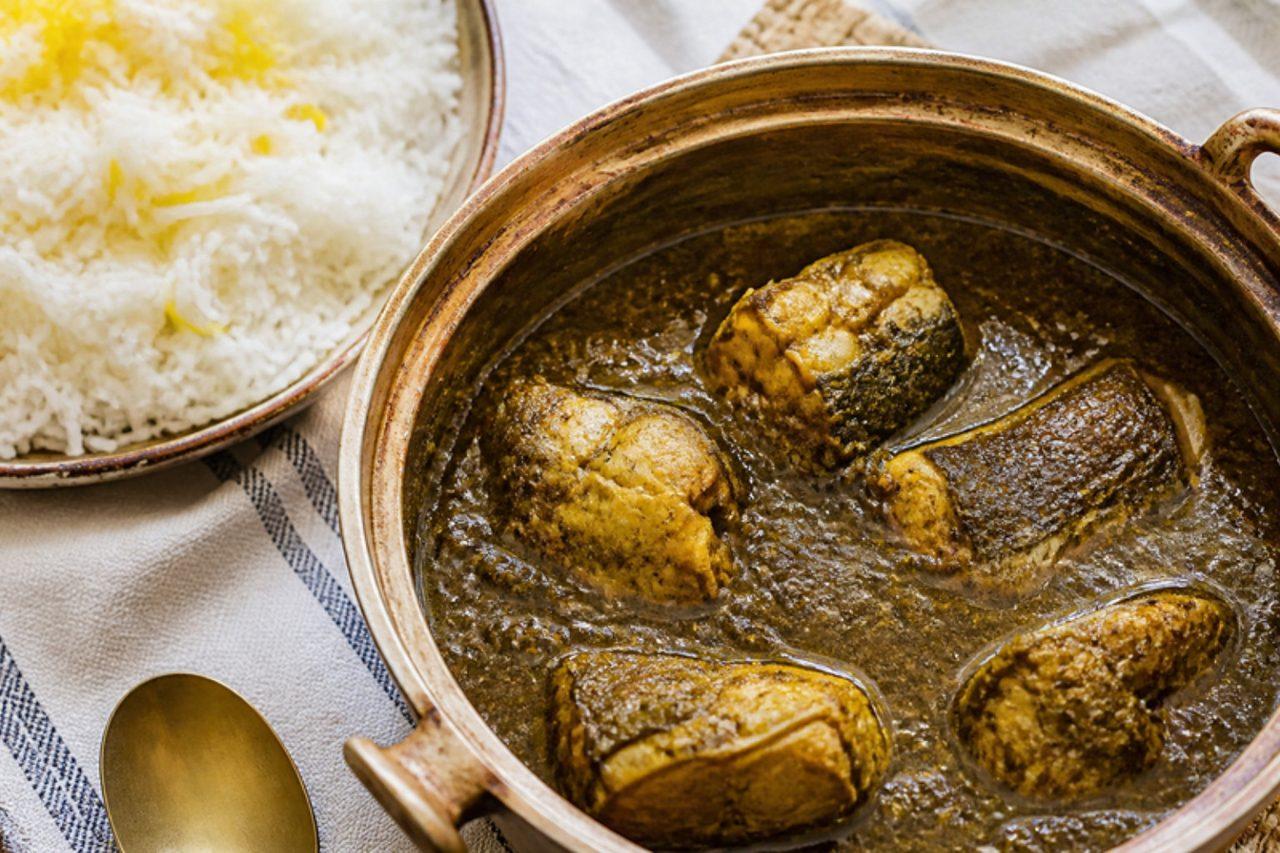
Ghalieh mahi is the signature stew of the Persian Gulf ports of Bushehr and Abadan, cooked for Friday lunches and big family gatherings. It starts with a mountain of coriander and a little fenugreek fried slowly in oil with garlic until almost black-green, then sharpened with tamarind and warmed with chilli and turmeric before chunks of firm fish are poached in it. The result is dark, sour, fragrant and properly hot, eaten over plain white rice. A common mistake is rushing the herbs: they need a full 20 minutes of frying or the stew tastes grassy instead of deep. Chef's tip: brown the fish pieces quickly before they go into the sauce; they hold together better and add a little roasted flavour.

by KrazyBadal 0 views

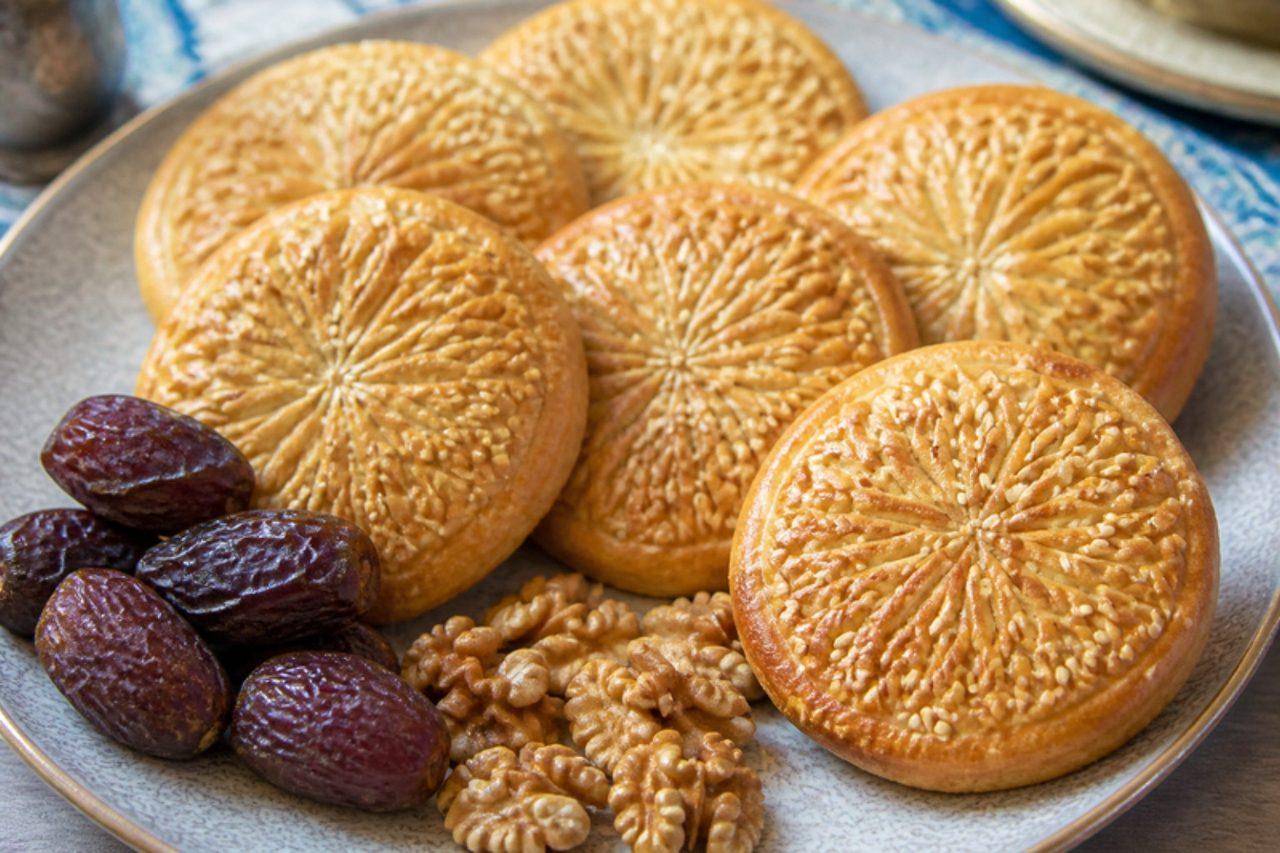
KolompehDate and walnut pastries

Kolompeh is the pride of Kerman, a flat, round pastry stamped with a pattern on top and filled with date paste spiced with cardamom, cinnamon and a little fennel seed. Kermanis bake it for Nowruz and for guests, and it keeps well enough to travel, which is why tins of it go home with every visitor. The pastry is short and tender with a hint of sweetness. A common mistake is making the date filling too wet, which seeps through the pastry; it should be a stiff paste you can roll into a ball. Chef's tip: warm the dates for a few seconds before mashing, and they turn into a smooth paste in moments.

by KrazyBadal 0 views

Golab (home-distilled rosewater)

Every May the valleys around Kashan and Qamsar fill with pickers gathering Damask roses at dawn for golabgiri, the rose-water festival, when copper stills bubble in village courtyards. Golab is the backbone of Persian sweets, sharbat and rice, and a small batch can be made at home with a stockpot, an upturned lid and a bowl of ice. You need fragrant roses that have never been sprayed: florist roses are not safe to use in food. A common mistake is boiling hard, which cooks the petals and gives a grassy, dull water; the pot should only simmer. Chef's tip: pick the roses early in the morning, when their scent is strongest, and distil the same day.

by KrazyBadal 0 views

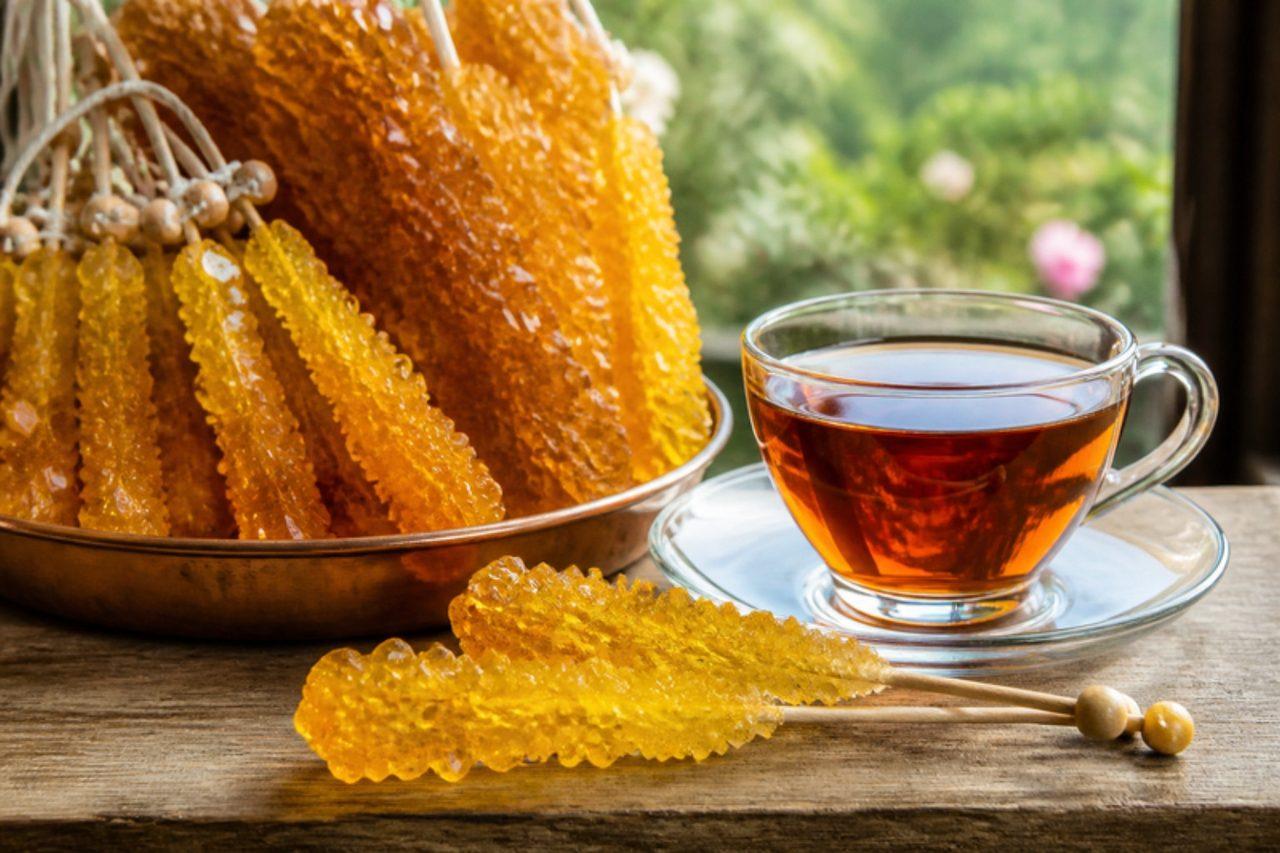
NabatSaffron rock sugar crystals

Golden saffron nabat on a stick is the souvenir pilgrims bring back from Mashhad, and across Iran a stick of it is stirred into hot tea for an upset stomach, after a fright or simply instead of a sugar cube. The crystals grow slowly on cotton strings in a saturated syrup over two or three days, and making it at home is a pleasant, slow kitchen project. A common mistake is moving or knocking the jar: every jolt sets off fine sugar grit instead of big crystals. Chef's tip: roll the wet strings in a little sugar and let them dry before hanging them; the seed crystals give the new ones something to grow on.

by KrazyBadal 0 views

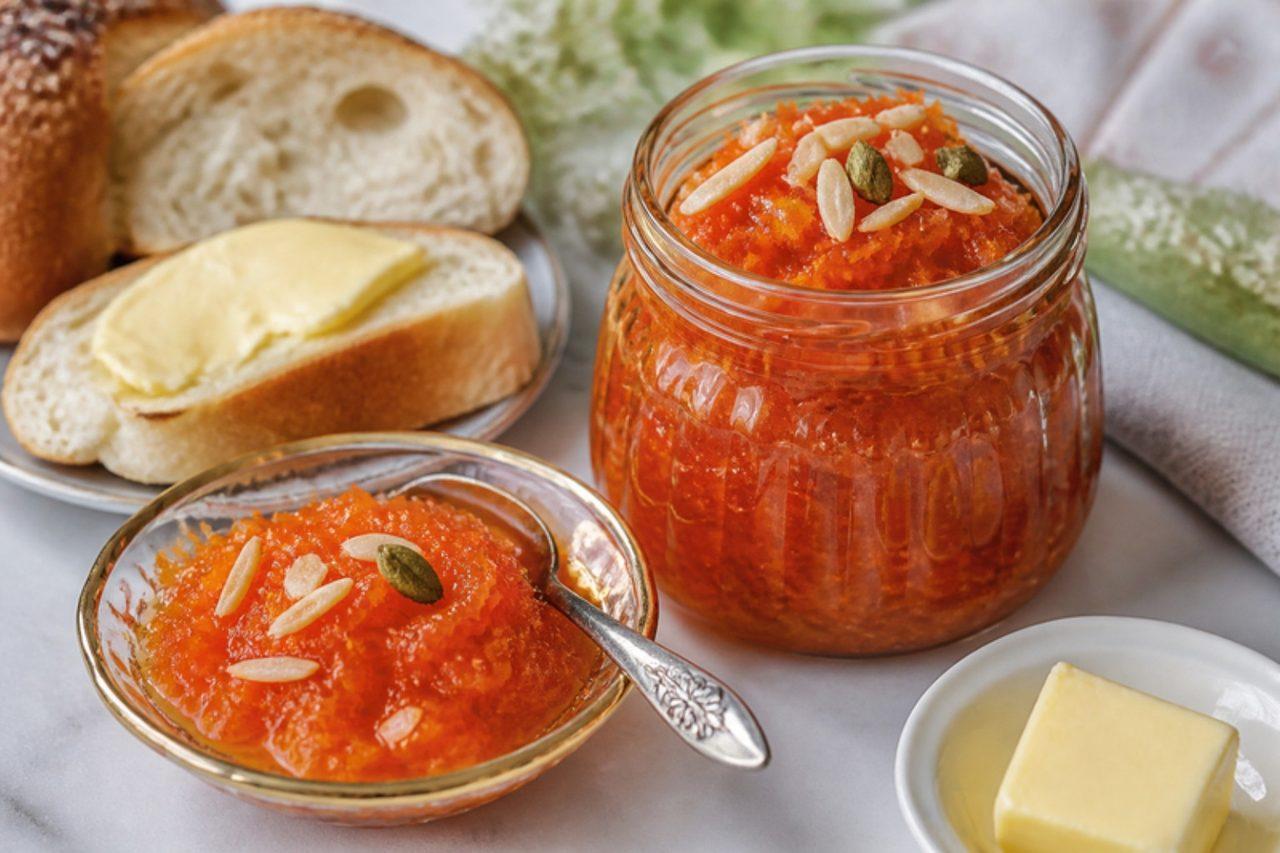
Moraba-ye haveejCarrot jam with cardamom and almonds

Moraba-ye havij is the bright orange jam on Iranian breakfast tables, spread on warm barbari or sangak with butter or a slice of white cheese, especially in winter when carrots are at their sweetest. Thin shreds of carrot are candied in a light syrup with cardamom and orange peel, then finished with rosewater and slivered almonds, so every spoonful is chewy, glossy and fragrant. It is made in every region, and families argue over how thick the syrup should be. Chef's tip: cut the carrots into fine matchsticks rather than grating them; grated carrot turns to mush and clouds the syrup.

by KrazyBadal 0 views

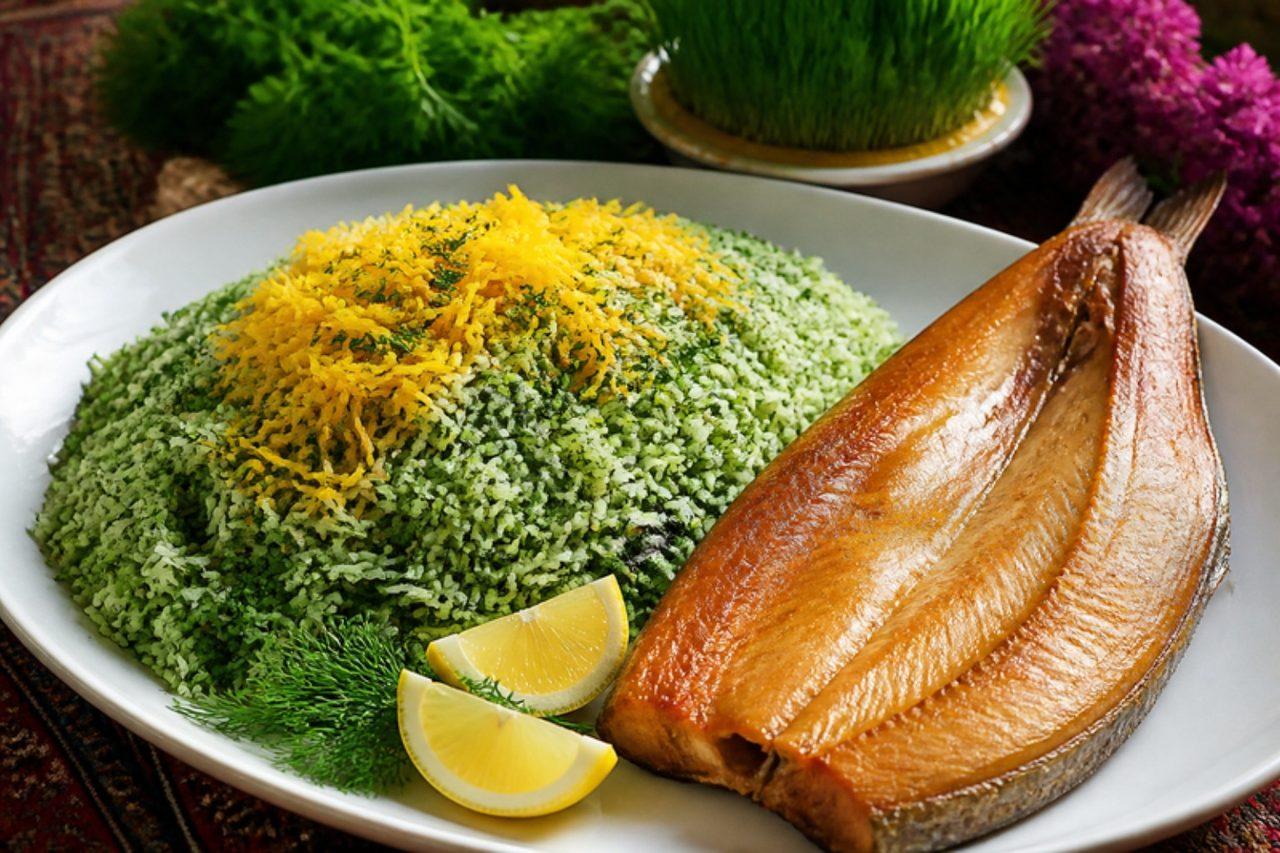
Mahi doodi with sabzi polo

On the first day of the Persian new year, from Rasht to Tehran, the classic lunch is sabzi polo, a green herb rice, with fish, and on the Caspian side that fish is often golden hot-smoked white fish (mahi doodi). Fresh herbs stand for spring and the fish for life, so the plate is full of meaning as well as flavour. Most cooks buy the smoked fish ready made and simply warm it with a little garlic and saffron butter, which is what this recipe does; the rice is steamed with dill, parsley, coriander and chives until it forms a crisp tahdig. Hot-smoked fish is already cooked; heat it until piping hot, at least 70 °C in the middle. A common mistake is warming the fish dry in a hot oven, which makes it tough and salty; wrap it with a splash of water so it steams. Chef's tip: soak the smoked fish in warm water for 10 minutes first to draw out some of the salt.

by KrazyBadal 0 views

Nan-e berenjiRice-flour cookies

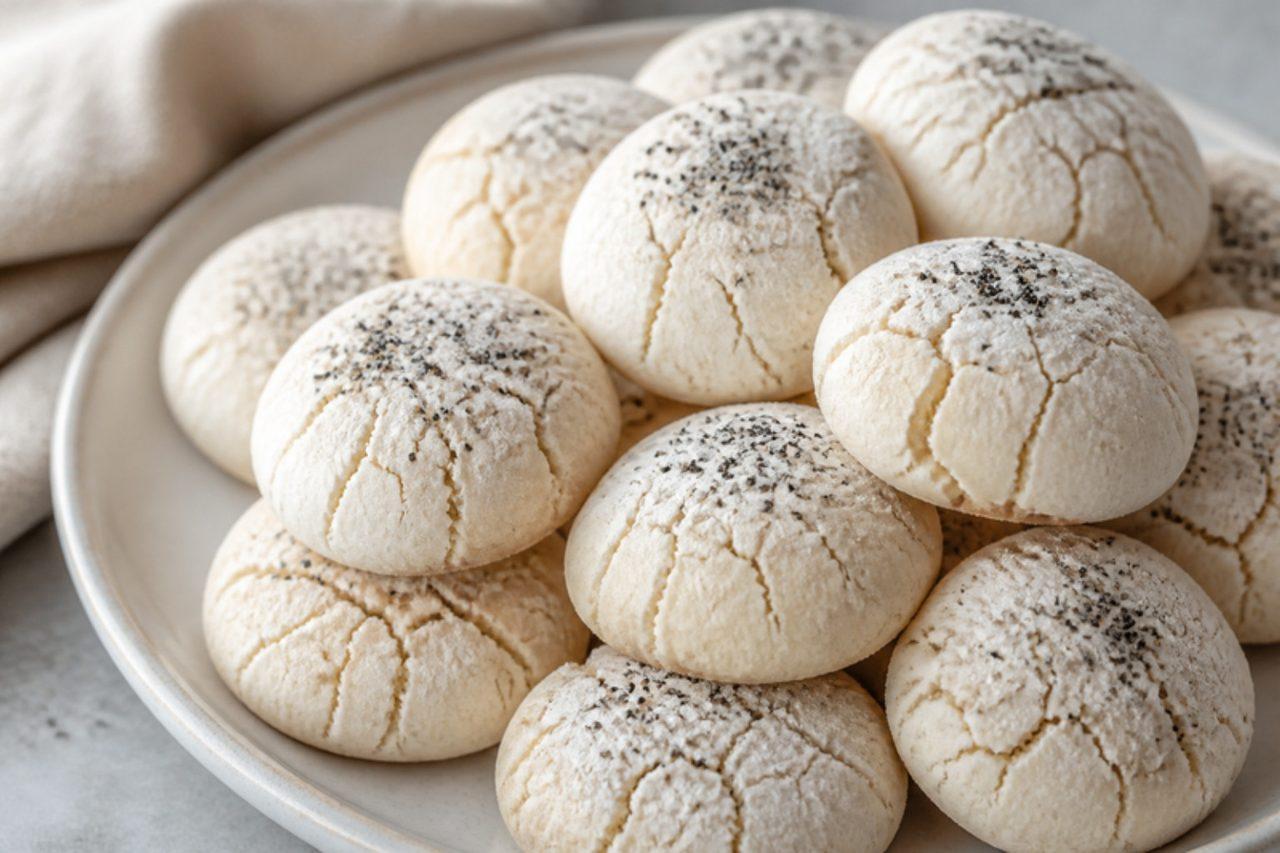
Kermanshah in western Iran is famous for its nan-e berenji, and in the weeks before Nowruz bakeries there pack them by the boxful for guests who come visiting through the holiday. Made with rice flour, they are pale, crumbly and melt on the tongue, scented with cardamom and rosewater and sprinkled with a few poppy seeds. Many families make the dough a day ahead. The common mistake is letting them colour in the oven; they should come out white with only the faintest gold underneath. Chef's tip: rest the dough in the fridge for at least an hour so the rice flour hydrates; otherwise the cookies crack and spread.

by KrazyBadal 0 views

Nan-e gerdooyiWalnut cookies

In the run-up to Nowruz, when Tabriz, Tehran and Qazvin families are spring-cleaning and baking for the round of holiday visits, nan-e gerdooyi are among the first cookies to go into the tin. They are made with chopped walnuts held together by egg yolks and sugar, no flour at all, so they bake crisp at the edge and soft and chewy in the middle. A common mistake is grinding the walnuts to a paste; they should be chopped into small pieces so the cookies have texture and don't turn oily. Chef's tip: leave a good gap between them on the tray; they spread to about twice their size.

by KrazyBadal 0 views

Nan-e nokhodchiChickpea flour cookies

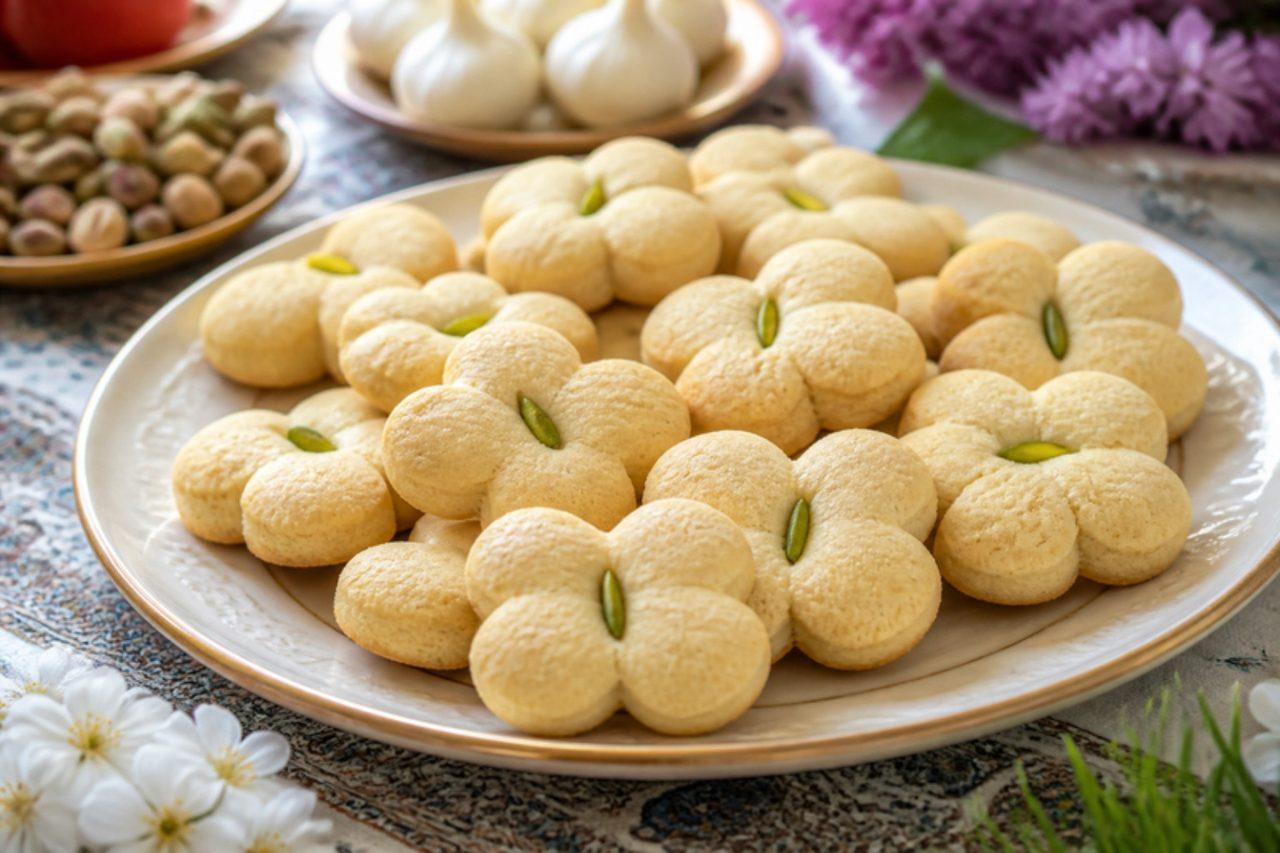
No Nowruz tea tray in Tehran or Qazvin looks complete without a pile of tiny four-leafed nan-e nokhodchi, each topped with a sliver of pistachio. They are made from flour of roasted chickpeas, so they taste nutty and slightly savoury under the sugar, and they dissolve almost instantly on the tongue. Bakers make them by the thousand in March, but they are simple at home with a small clover cutter. The common mistake is using raw gram flour, which tastes beany and bitter; the flour must be from roasted chickpeas, or toasted first. Chef's tip: knead the dough longer than you think, 8–10 minutes, until it turns smooth and pale; that is what gives the melting texture.

by KrazyBadal 0 views

Nan-e YazdiCardamom and rosewater cupcakes

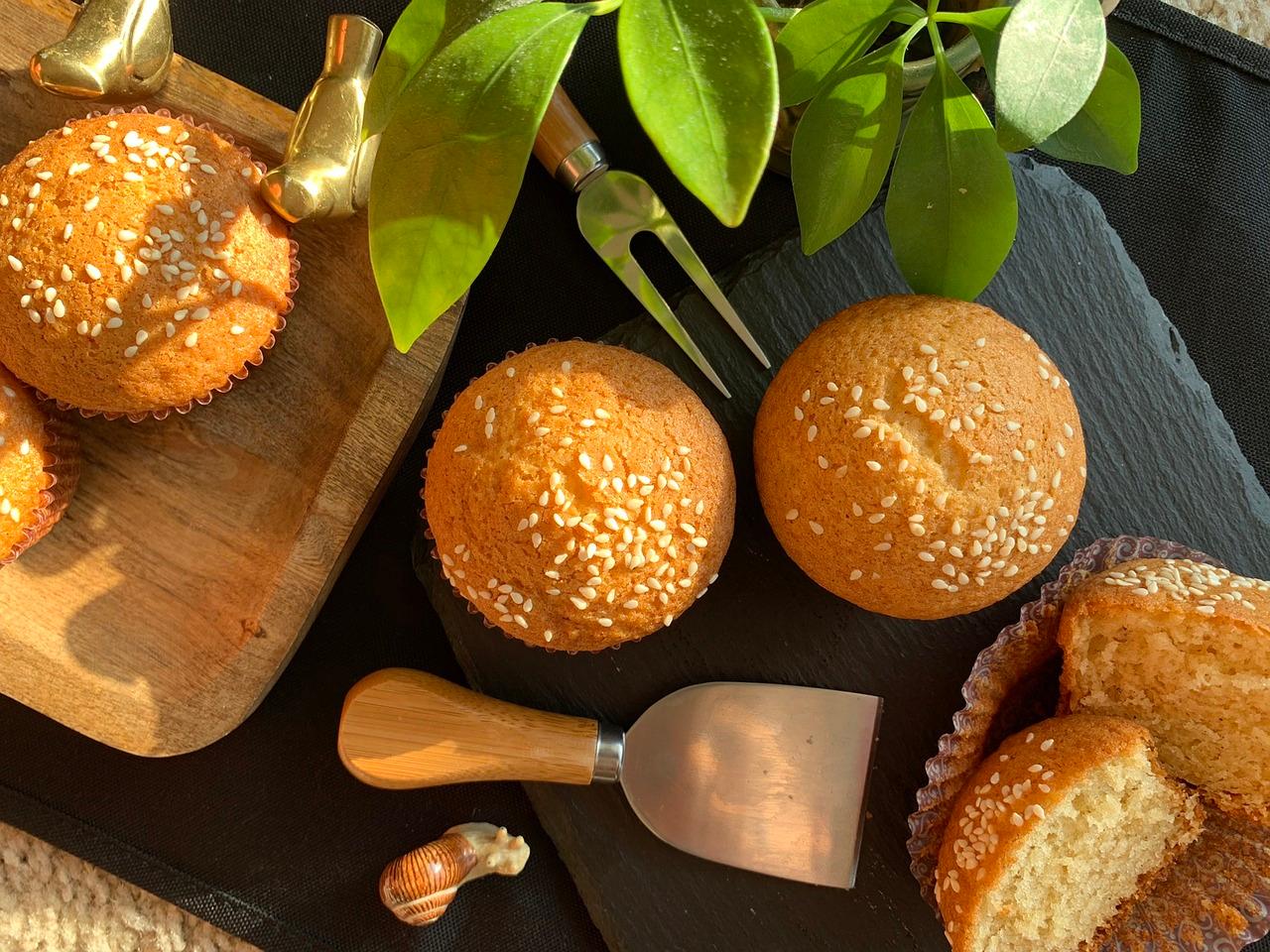
Nan-e Yazdi, often called Yazdi cakes, are the small domed cupcakes every Iranian bakery sells for breakfast and afternoon tea, first made in Yazd and now loved in Tehran and far beyond. The crumb is soft and a little dense, perfumed with cardamom and rosewater, and the tops are scattered with pistachio or sesame before baking. Children eat them dunked in milk. A common mistake is overbeating after the flour goes in, which makes the cakes tough and peaked; fold just until smooth. Chef's tip: rest the batter in the fridge for an hour before baking for a taller, crackled dome.

by KrazyBadal 0 views

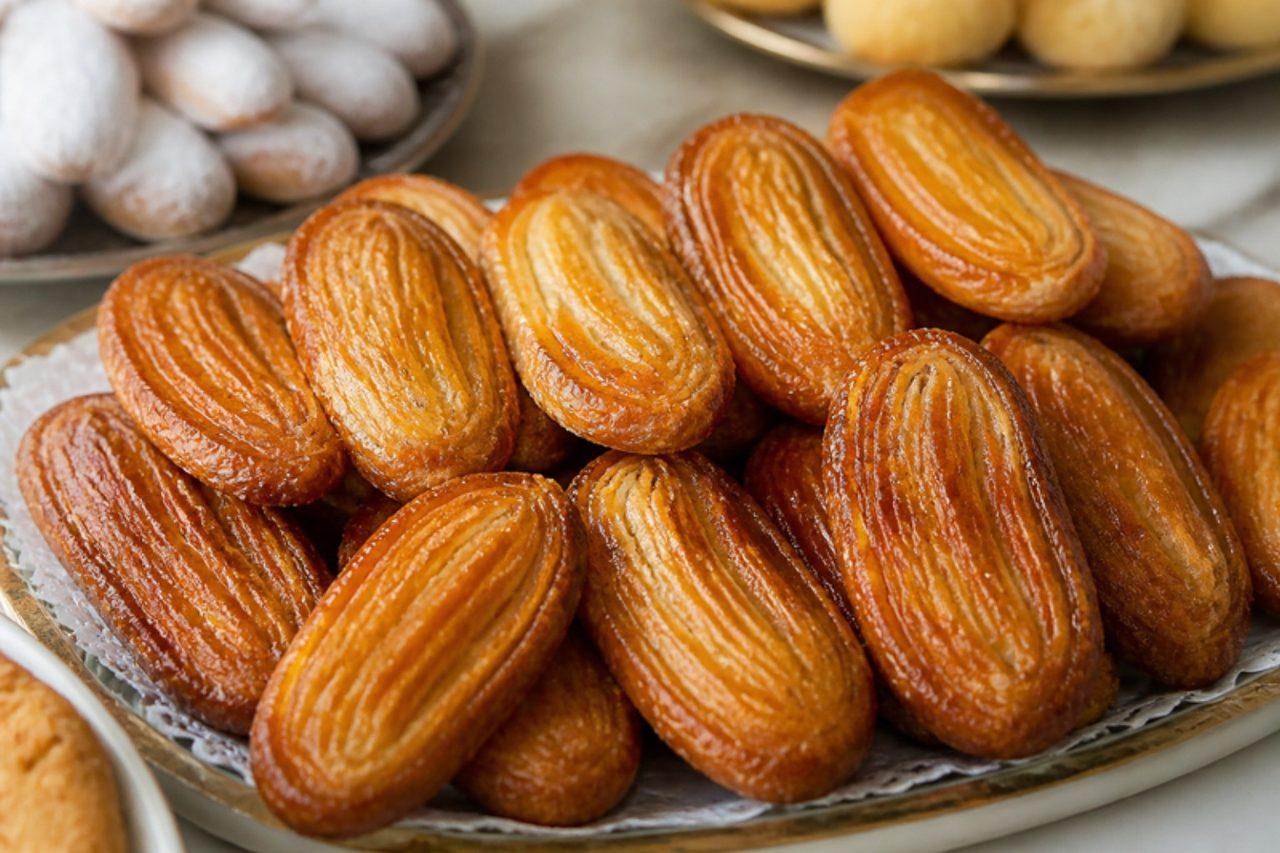
Shirini-ye zabanCaramelised puff pastry tongues

Shirini-ye zaban, tongue pastries, are the long, glossy puff-pastry ovals in every Iranian confectioner's window, from Tabriz to Kerman, and a fixture on the tray of sweets served to Nowruz visitors. The pastry is rolled out on sugar so it caramelises into a crisp, shiny, flaky finger. This version uses good bought all-butter puff pastry, as many home bakers do; check the label for butter rather than lard to keep it vegetarian. Chef's tip: chill the shaped tongues for 15 minutes before baking so the layers rise high instead of melting flat.

by KrazyBadal 0 views

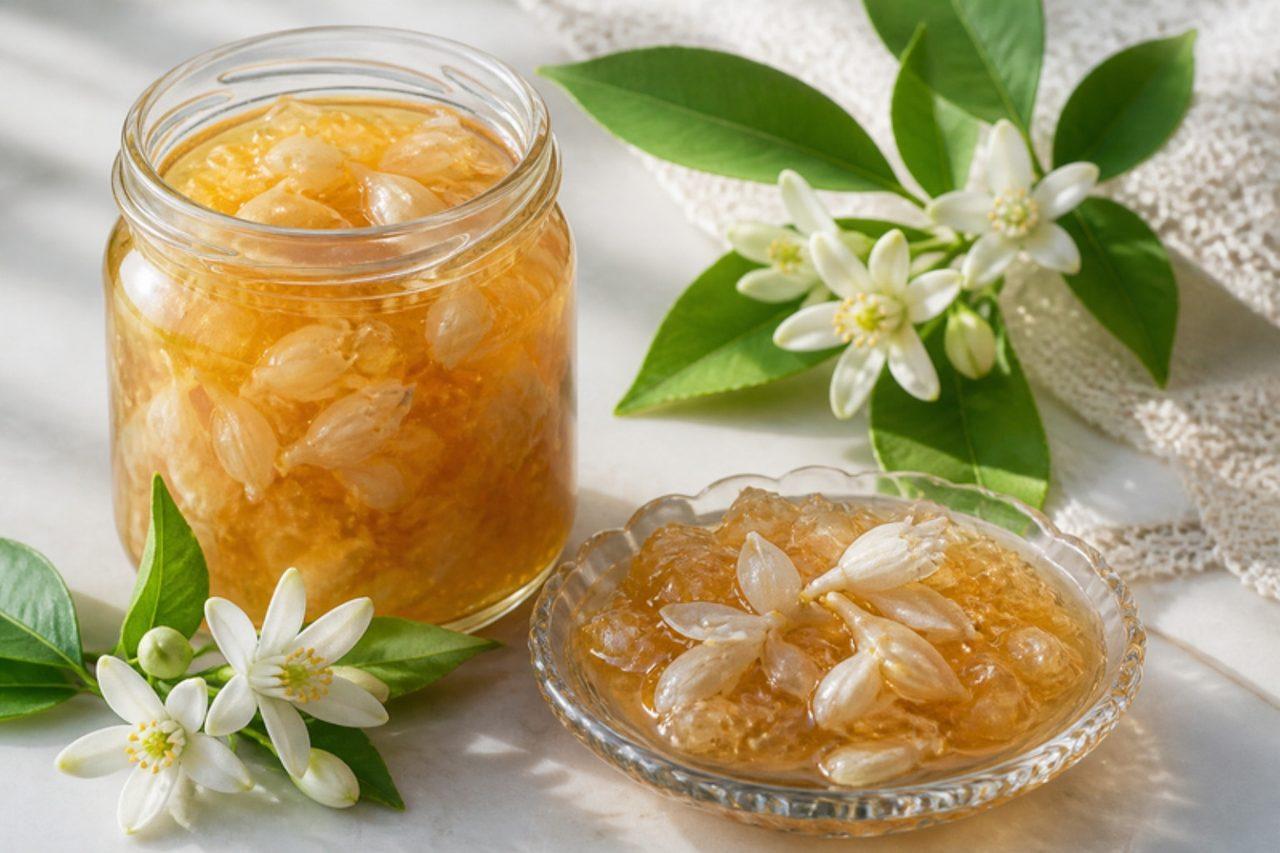
Moraba-ye bahar narenjBitter orange blossom jam

When the bitter orange trees lining Shiraz's streets bloom in April, the whole city smells of blossom, and households gather the fallen petals to make this pale golden jam for the year ahead. It is spooned onto bread with fresh cheese at breakfast, or stirred into tea. The petals are bitter, so they are blanched and soaked several times before they meet the syrup. A common mistake is cutting the soaking short, which leaves the jam harsh. Chef's tip: add the lemon juice only at the end; it keeps the petals bright and stops the syrup from crystallising.

by KrazyBadal 0 views

Showing 24 of 60 recipes

Show more recipes

Page 1 of 3