Skip to content
Recipes

All recipes

Vegetarian, or something you can't eat? Set your diet once and we'll hide recipes that don't fit.

Emoliente

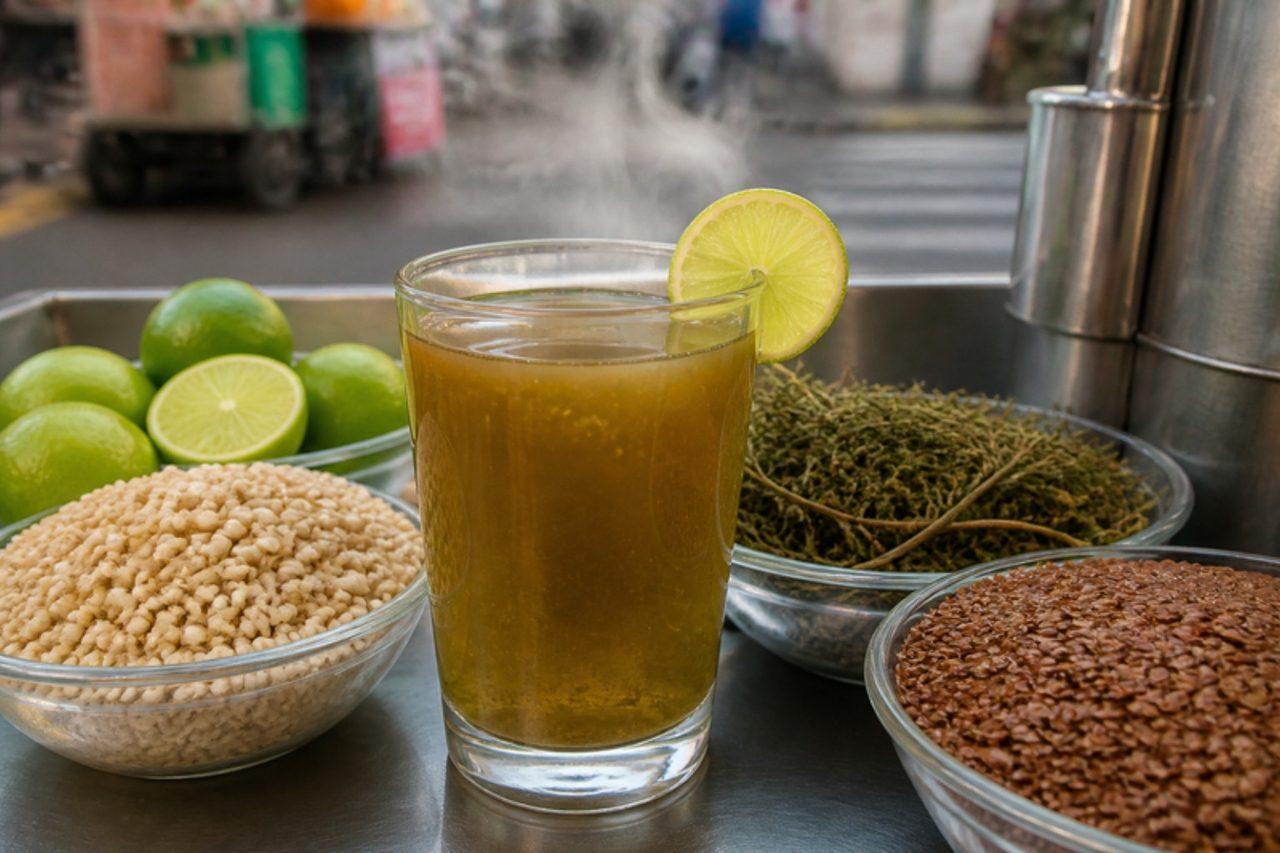
Before dawn, all over Peru, emolienteros set up their carts with a row of steaming kettles and jars of herbs, and commuters stop for a glass of emoliente on the way to work. It's a hot infusion of toasted barley, flaxseed and herbs, with lime juice and sugar added to order, and it is drunk for comfort and digestion, especially in Lima's damp winter. The flaxseed gives it a slippery, soothing body; the barley a toasty, almost coffee-like note. Street versions use horsetail, alfalfa, boldo and other herbs; this home version keeps it simple, with horsetail as an option (leave it out if you are pregnant or have kidney problems). The usual error is boiling the flax too long, which makes the drink gloopy; add it for the last 10 minutes only. Serve very hot in glasses, with pan con queso or a sandwich. Barley contains gluten. Chef's tip: toast the barley yourself until it is deep brown; it's what gives emoliente its colour and its roasted flavour.

by KrazyBadal 0 views

Quinua con manzana

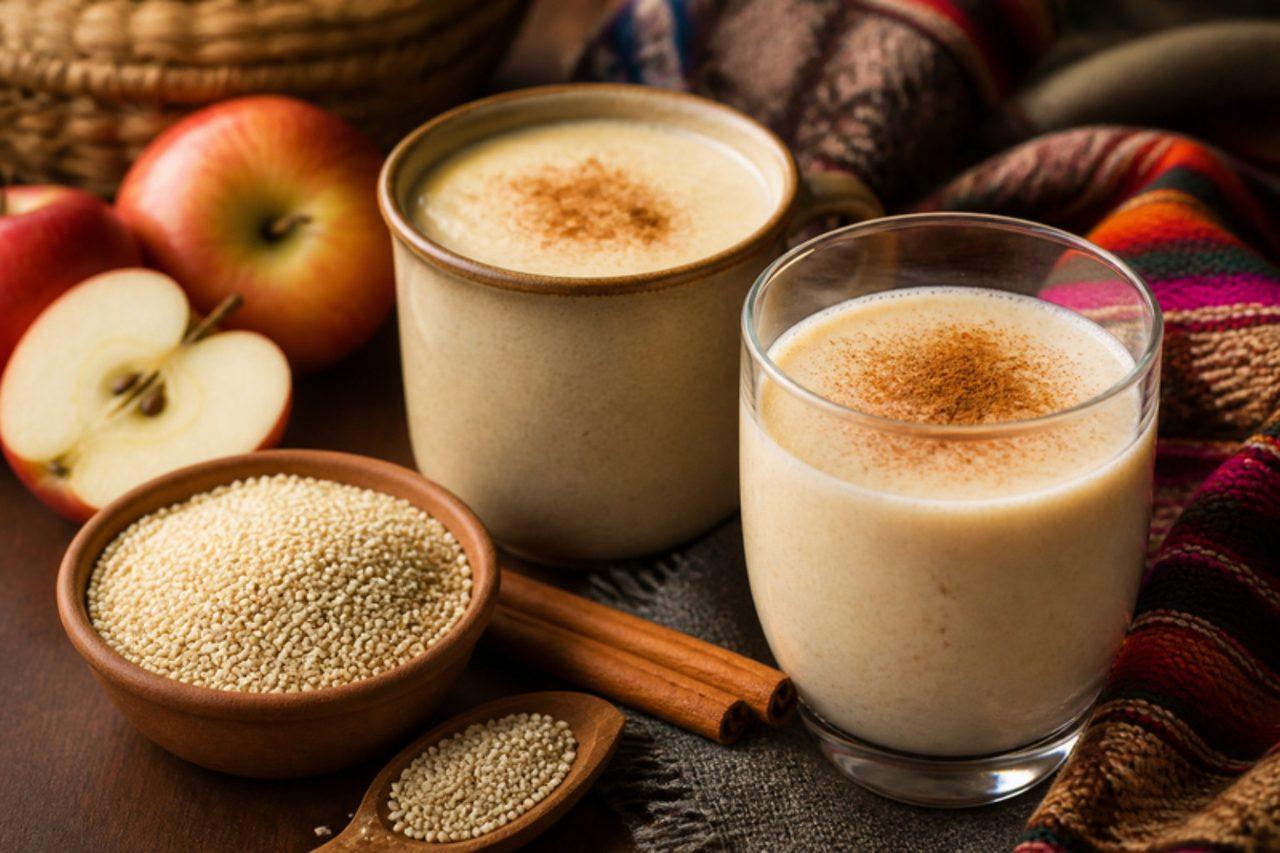
Morning market stalls and street carts from Lima to Huancayo ladle quinua con manzana into glasses alongside emoliente and maca, and many people drink it as breakfast on its own, with a bread roll or a sandwich beside it. Quinoa and chunks of apple are simmered with cinnamon and cloves until the grains burst and the liquid thickens, then sweetened and served warm or cold. Some stalls blend it smooth; others leave the grains and soft apple pieces to spoon up. It is mild, fruity and filling, and children usually like it. The mistake that ruins it is skipping the rinse: quinoa's natural coating, saponin, makes the drink bitter and soapy, so rub it under running water until the foam stops. Chef's tip: add a few drops of lime at the end; it lifts the apple and keeps the drink from tasting flat.

by KrazyBadal 0 views

Seco de chabelo

Piura's picanterías, near the dry northern border, serve this rough, savoury mash at lunch: green plantains, roasted or boiled and pounded, mixed with fried strips of carne seca (salted dried beef) and a quick sofrito of onion, tomato and ají amarillo. It is dense, salty and smoky, with the plantain's starchy sweetness, and is eaten with salsa criolla and fried ripe plantain or chifles (plantain crisps). The legend says it was invented for a soldier called Chabelo in the War of the Pacific. Use carne seca or cecina from Latin shops, or unseasoned beef jerky. Pounding the plantains smooth is the classic mistake: chabelo should be lumpy and rustic. Chef's tip: soak the dried beef in warm water for 30 minutes and taste a piece; if it's still very salty, change the water and soak again.

by KrazyBadal 0 views

Kispiño

Pressed in a fist so each one carries the marks of the cook's fingers, kispiño are small, dense quinoa cakes from the Puno highlands, steamed and then left to dry so they keep for weeks on journeys, herding trips and pilgrimages. Traditional ones are bound with a little lime water (from cal, the mineral) and fat; this home version uses oil and a pinch of aniseed and sugar, so they're vegan and pleasantly savoury-sweet. They're firm and chewy, a little like a grain cake, and good with hot tea, coca tea or a soup on a cold day. The common mistake is making the dough too wet, so the cakes slump in the steamer; it should feel like damp sand that holds its shape when squeezed. Ground quinoa is quinoa flour; grind your own from rinsed, dried and toasted grain, or buy it ready ground. Chef's tip: toast the ground quinoa in a dry pan first until it smells nutty, which takes away any bitterness.

by KrazyBadal 0 views

Aguajina

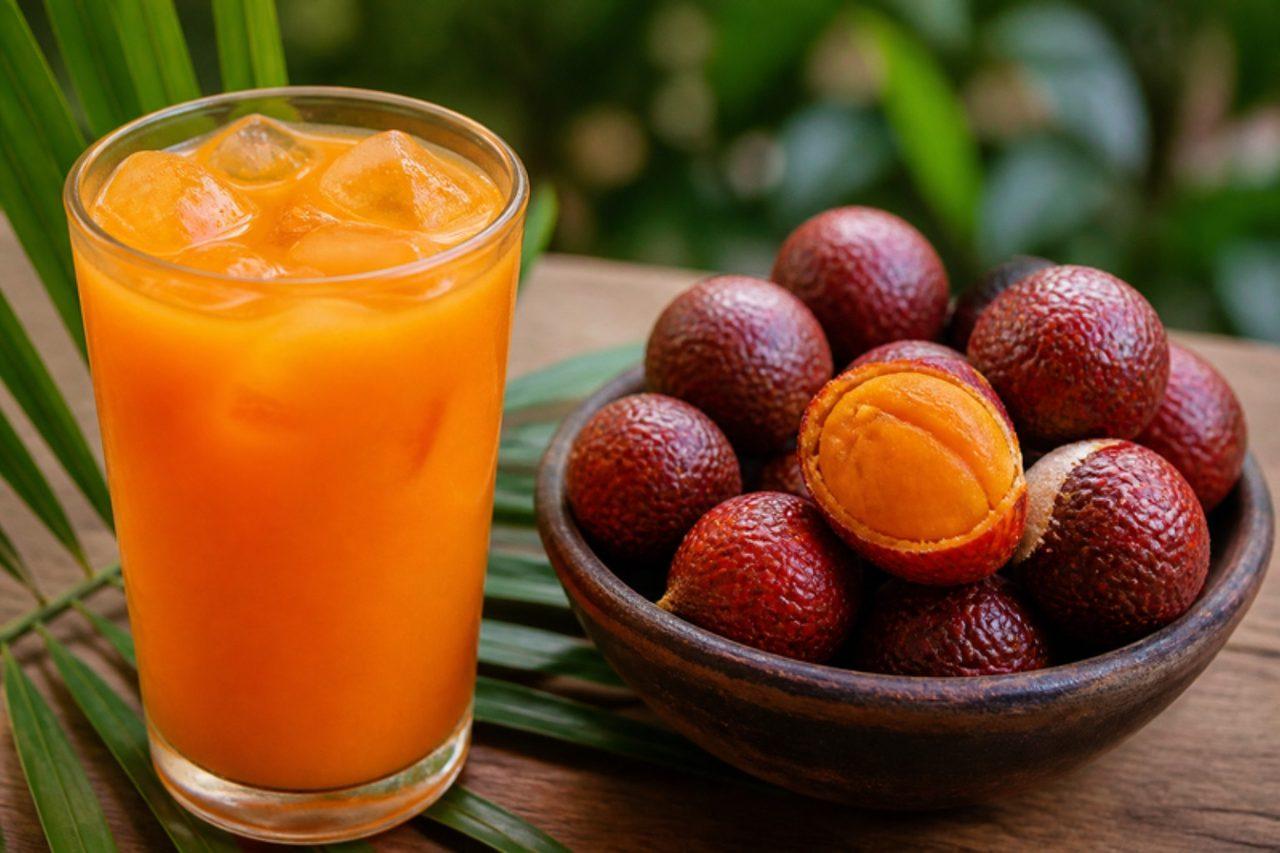
Aguaje is the scaly, chestnut-red fruit of the moriche palm that grows in the flooded forests around Iquitos, and its orange flesh ends up in ice lollies, ice cream and, above all, aguajina, the cold drink sold in plastic cups at every corner and in Belén market. The taste is unusual and loved locally: tangy, a little like apricot and carrot, with a rich, slightly oily body. Fresh aguaje must be softened in warm water for an hour before its thin layer of pulp can be scraped off; outside Peru, frozen aguaje pulp from Latin American shops is the realistic choice and gives a good result. A common slip is adding all the sugar before tasting: the pulp's sourness varies from pack to pack, so sweeten at the end. Serve very cold with lunch or on a hot afternoon. Chef's tip: blend the pulp with only part of the water first, so it breaks down fully, then stir in the rest.

by KrazyBadal 0 views

Chapo

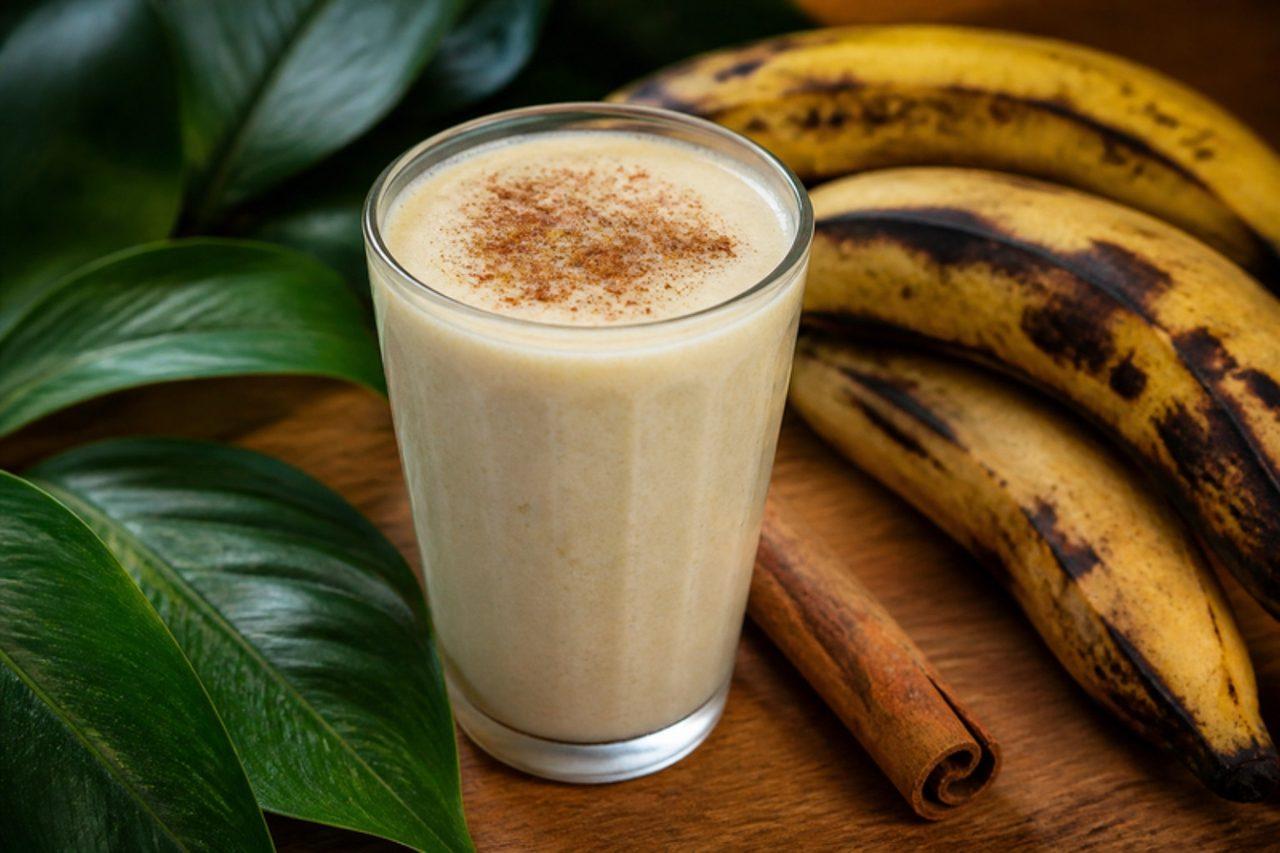
Breakfast stalls in Iquitos and the riverside towns of Loreto pour chapo into glasses from big steaming pots before the heat of the day sets in, and by afternoon the same drink is sold chilled. It is made from plantains left until their skins are black, simmered with cinnamon and cloves until soft, then blended smooth and loosened with milk. The result is thick, naturally sweet and gently spiced, somewhere between a smoothie and a thin custard, and children love it. Some families make it with water only; evaporated milk is the common addition in town. The mistake is using plantains that are still yellow-green: they taste starchy and the drink turns grey and gluey, so wait until the skins are mostly black and the fruit gives when pressed. Serve hot with bread or a tamal, or cold over ice. Chef's tip: strain it through a sieve after blending for a silky drink, and thin it with water if it thickens as it cools.

by KrazyBadal 0 views

Camu camu

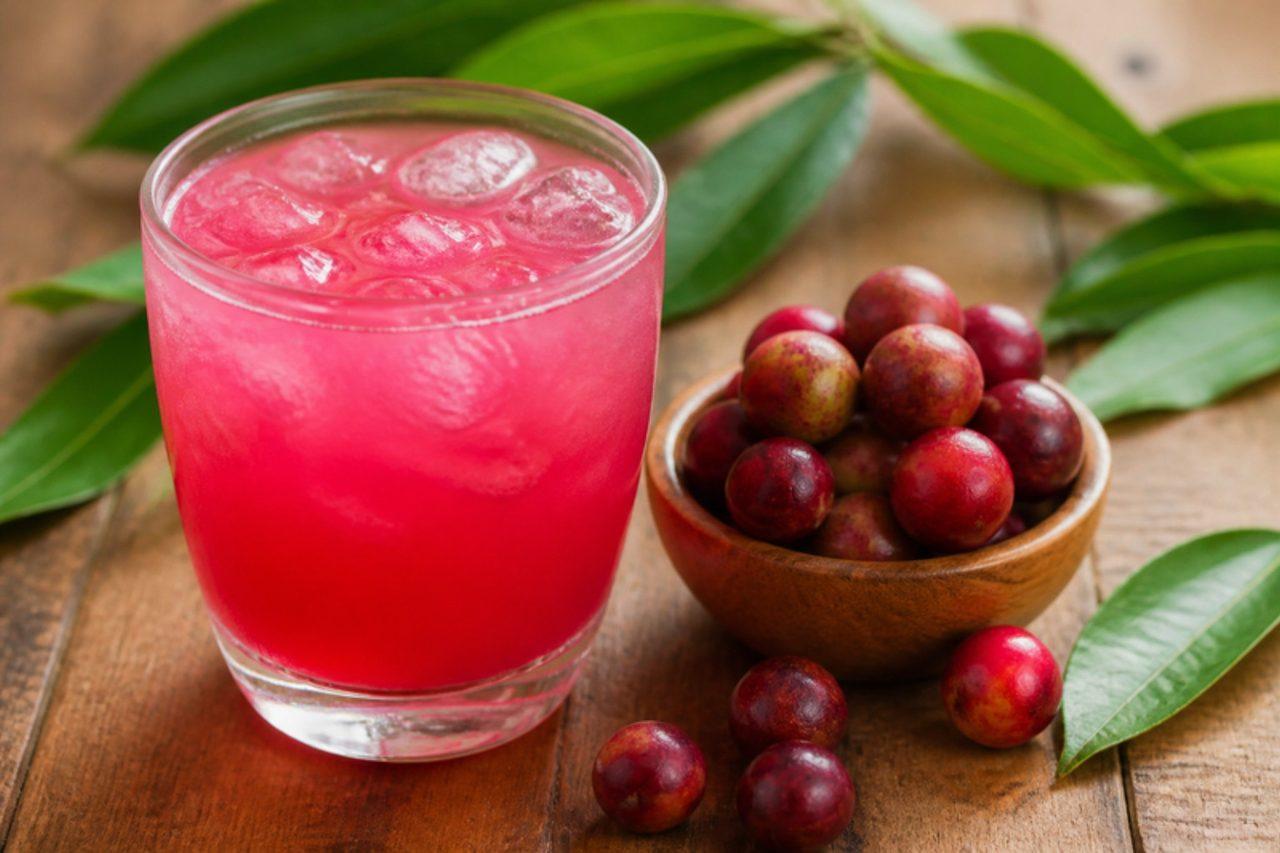
Camu camu are small purple-red berries that grow on bushes along the flooded riverbanks of the Peruvian Amazon, and in Iquitos and Pucallpa they are sold as frozen pulp and blended into a sharp, pink refresco at juice bars and lunch places. The flavour is intensely sour, more than lime, with a faint cherry note, and the berries are famous for containing far more vitamin C than oranges. It is the drink people order with a heavy plate of tacacho or rice. Never boil camu camu or make the juice hours ahead: heat and air quickly fade its colour and much of the vitamin C, so blend it cold and drink it soon. Frozen pulp or freeze-dried powder from health-food and Latin shops are the forms you'll find abroad. Chef's tip: start with half the pulp and add more to taste; it's strong enough that a little goes a long way.

by KrazyBadal 0 views

King kong

Named, the story goes, after the giant ape because of its size when the film reached Peru, the king kong is Lambayeque's proudest sweet: thick, crumbly biscuit layers stacked with manjar blanco, a sticky pineapple jam and a peanut fudge, then cut into heavy slabs. Shops in Lambayeque and Chiclayo sell them by the kilo in boxes, and travellers carry them home as gifts. It is very sweet, buttery and dense, so a slice goes a long way with black coffee. This home version makes the manjar blanco from condensed and evaporated milk to save hours, then turns half of it into the peanut layer. The usual mistake is overbaking the biscuit until it is hard; take it out as soon as the edges are pale gold, as it firms up while it cools. It is a project, so make the fillings first and let them cool. Chef's tip: wrap the finished king kong and leave it overnight before cutting; the layers settle and soften into each other.

by KrazyBadal 0 views

Turrón de Doña Pepa

Every October, the month of the Señor de los Milagros processions in Lima, bakeries and street sellers pile their trays with turrón de Doña Pepa: layers of crumbly anise-flavoured sticks drenched in a dark syrup of chancaca cooked with fruit and spices, topped with a storm of coloured sprinkles. Popular lore credits it to Josefa Marmanillo, a woman from the Cañete valley who is said to have made it in thanks after the procession. It is sticky, crunchy and soft at once, with orange and clove in the syrup. Its downfall is usually runny syrup that soaks the sticks into mush; it needs to reach a thick, threading stage before it goes on. Chancaca is sold as cones or blocks in Latin shops; panela or dark muscovado also work. Some coloured sprinkles contain gelatin, so check the label. Chef's tip: make it a day ahead; the syrup sets and the sticks soften just enough to slice neatly.

by KrazyBadal 0 views

Champús

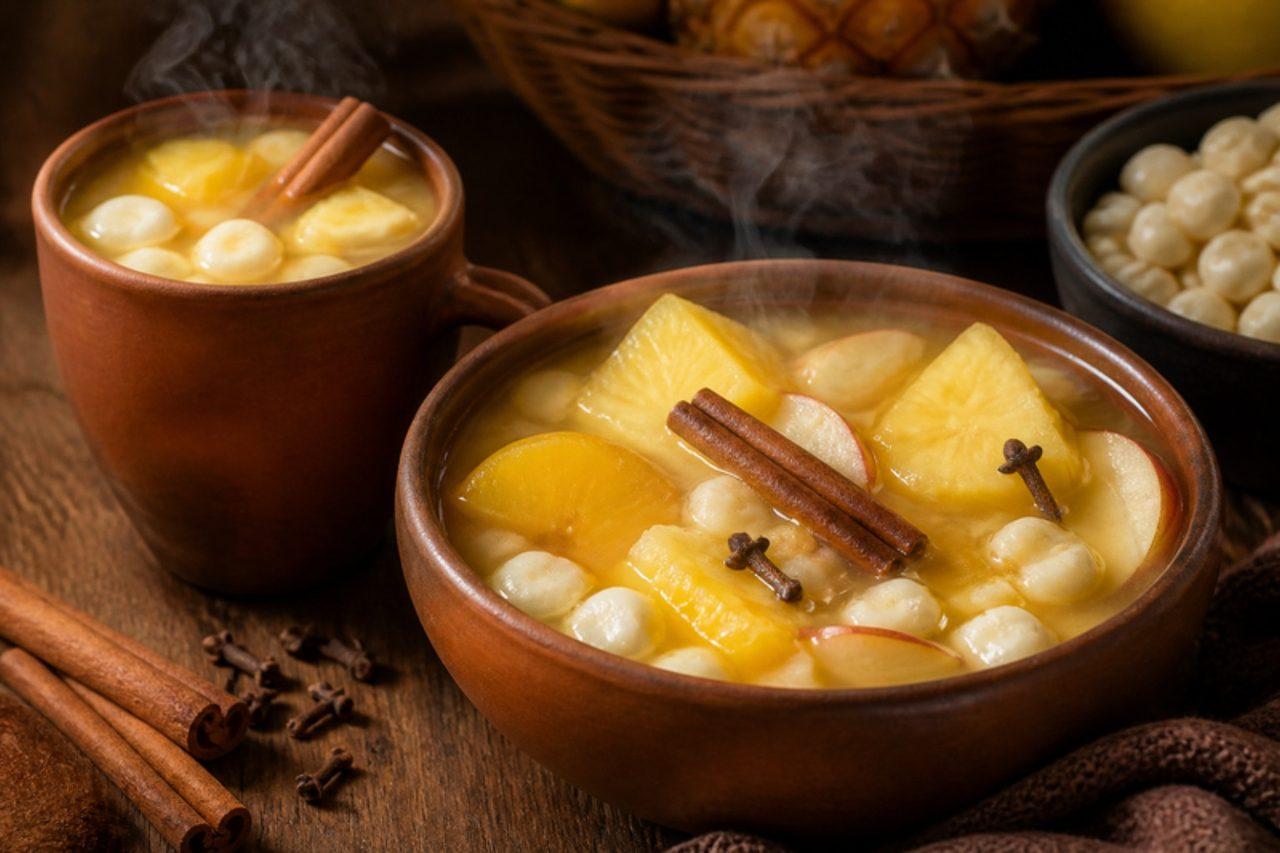
When Lima's grey winter sets in, from June to September, champús sellers set up on street corners with big pots of this thick, fruity drink, ladled warm into glasses and eaten as much as drunk. It's made from mote (hulled white corn), simmered with pineapple, quince or apple, soursop, chancaca and warm spices, then thickened lightly with corn flour, so every spoonful has soft fruit and chewy corn in a spiced, molasses-sweet base. It is close in spirit to mazamorra morada but paler and tangier. The mistake people make is adding the thickener straight into the hot pot, where it forms lumps; always slake it in cold water first and pour it in while stirring. Canned or jarred hominy saves hours; frozen soursop (guanábana) pulp is in Latin shops and can be left out. Serve warm in glasses with spoons. Chef's tip: simmer the pineapple peel and core with the spices for the first 20 minutes, then strain them out; they give much of the flavour.

by KrazyBadal 0 views

Chicha morada

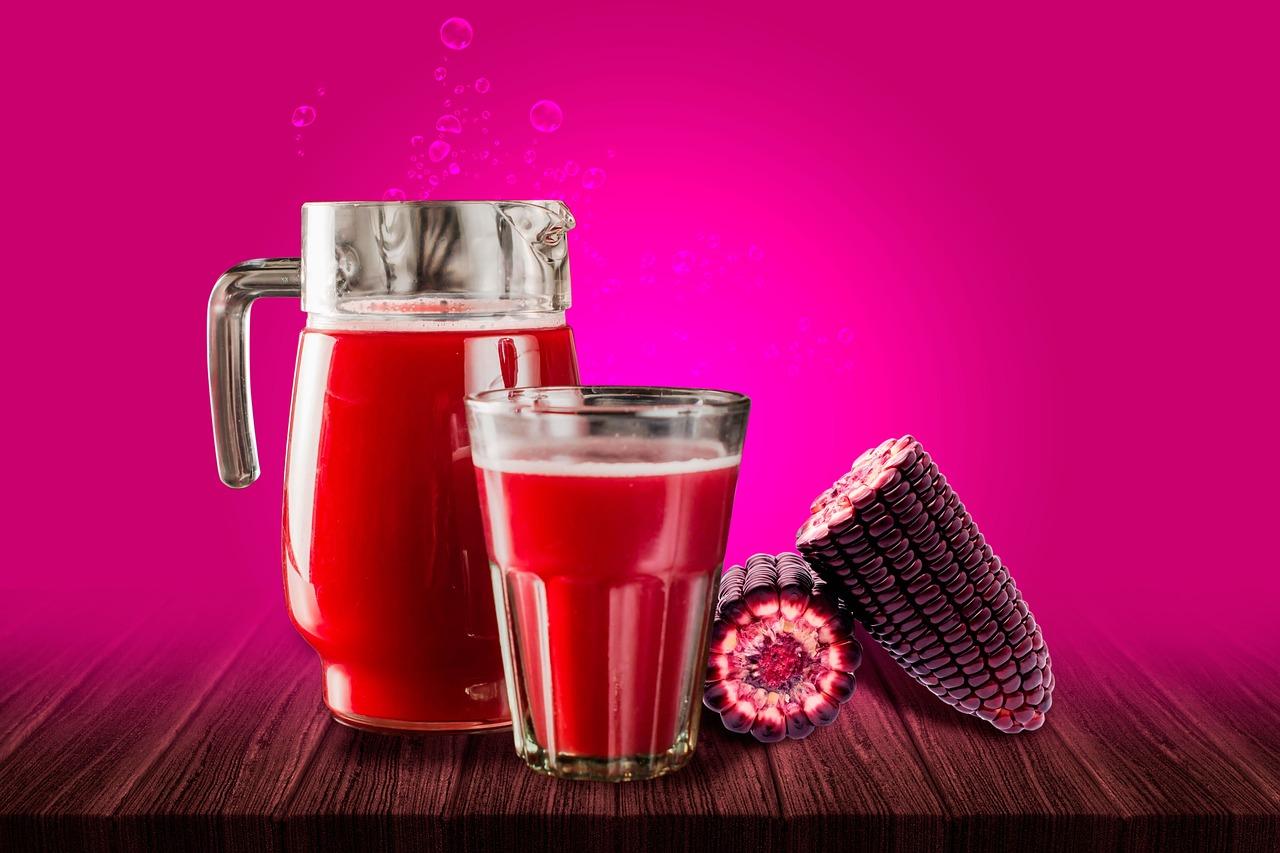
Chicha morada is Peru's favourite soft drink, served by the jug in every restaurant in Lima and drunk across the country with lunch. Andean purple corn is simmered with pineapple peel, apple, cinnamon and cloves, then sweetened and sharpened with lime to make a dark ruby drink that tastes of berries, spice and gentle tannin, a little like a spiced cranberry juice. It has no alcohol, unlike the fermented chicha de jora of the Andes. Dried purple corn (maíz morado) comes from Latin shops; purple corn powder works too. Chef's tip: add the sugar and lime only once the drink has cooled; lime added to the hot liquid turns it bitter.

by KrazyBadal 0 views

Asado uruguayo

Sunday in Uruguay means asado: in Montevideo backyards and the cattle towns of the interior, beef ribs (asado de tira), chorizo and morcilla cook slowly over the embers of a wood fire, with only coarse salt, while the family waits. The parrillero rakes coals under the grill and keeps the heat low and even. This recipe includes pork chorizo. The mistake is cooking over flames; the fire should burn down to embers you can hold your hand above for 6–8 seconds. Chef's tip: salt the meat only when it goes on the grill, with coarse salt, never fine.

by KrazyBadal 0 views

Anticuchos de corazón

As night falls in Lima, anticucheras set up charcoal grills on street corners and fan the smoke towards passers-by; the October processions of the Señor de los Milagros are lined with them. The skewers are traditionally beef heart, a lean, firm and surprisingly mild meat, soaked in a dark-red marinade of ají panca, vinegar, cumin and garlic. They come with a boiled potato, a piece of choclo (large-kernel corn) and a spicy green ají sauce. If you can't get heart, sirloin steak works well. Chef's tip: baste the skewers with the leftover marinade and oil using a few coriander stalks tied together as a brush, the way the street cooks do.

by KrazyBadal 0 views

Pachamanca a la olla

In the highlands around Huancayo and Ayacucho, families mark harvests and saints' days by burying marinated meats, potatoes, sweet potatoes, broad beans and humitas under hot stones and earth for a pachamanca, an 'earth pot'. City cooks get close to it with a heavy pot: the same green marinade of huacatay (black mint), chincho, ají and garlic, layered with meats and roots and steamed in their own juices under banana or corn leaves. Chef's tip: layer the hardest things lowest, potatoes on the bottom and chicken nearest the lid, just as the stones are packed in the field.

135 minPeruvianMeatGluten free
by KrazyBadal 0 views

Pain à la grecque

Despite the name, pain à la grecque is pure Brussels: the 'Greek' is thought to come from the Flemish gracht, the canal next to the old abbey on the Wolvengracht whose monks handed out bread to the poor. Today it is a long, flat stick of cinnamon-spiced bread pressed into pearl sugar and baked until the sugar melts into a crunchy, glassy crust. Brussels bakeries such as those around the Sablon sell it by the slab, and it is eaten with coffee in the afternoon or dunked at breakfast. Chef's tip: press the dough hard into the pearl sugar on both sides; loosely scattered sugar just falls off in the oven.

by KrazyBadal 0 views

Liège waffles

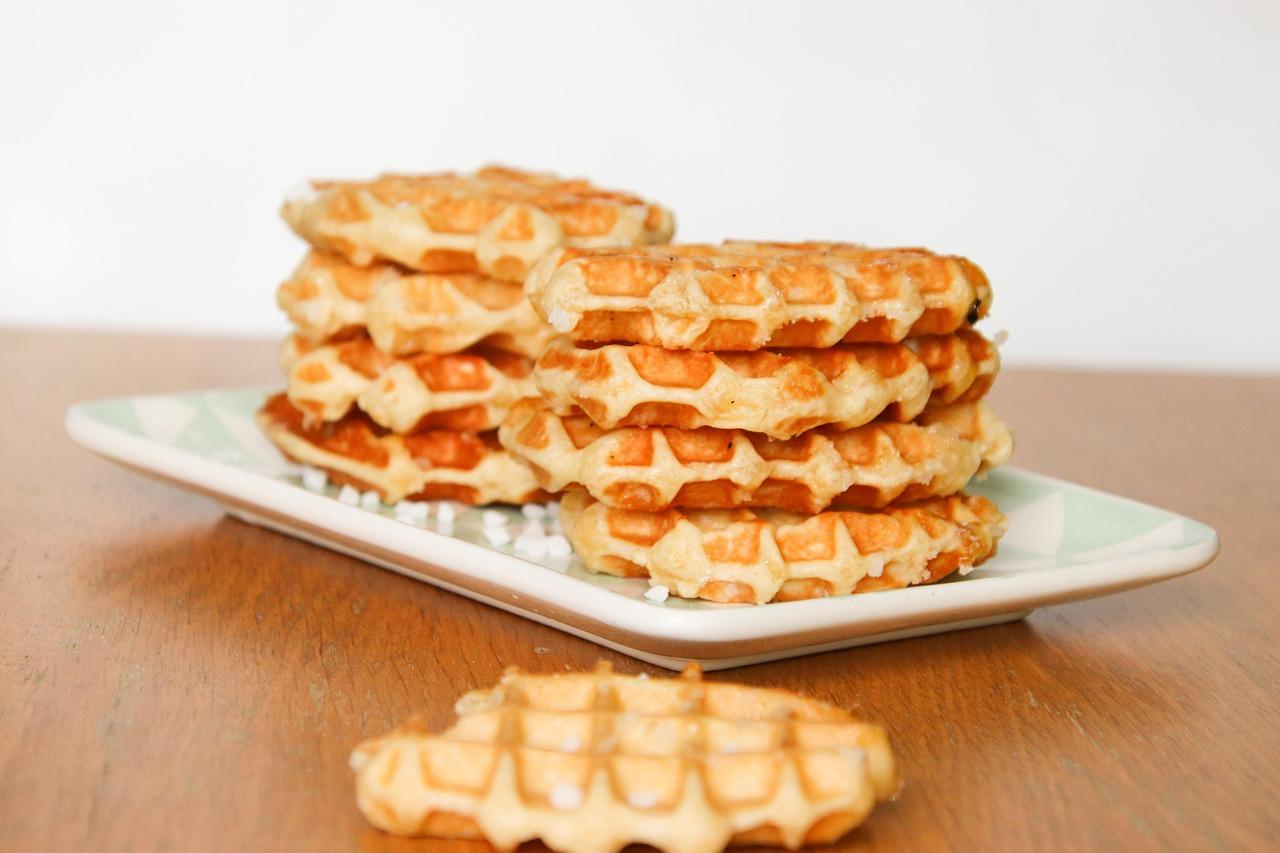
In Liège, in French-speaking Wallonia, the waffle is not a light batter but a rich yeasted dough studded with pearl sugar, eaten warm from a paper sleeve as you walk down the street. As it cooks in a deep-grid iron, the sugar nuggets melt and caramelise into a crackling, toffee-like crust, while the inside stays soft and chewy like brioche. Belgians eat them plain, any time of day, not loaded with cream (that is the lighter Brussels waffle). Chef's tip: knead the pearl sugar in only at the very end, after the dough has risen; if it goes in earlier, it dissolves and the waffles lose their crunch.

by KrazyBadal 0 views

Tarte au riz

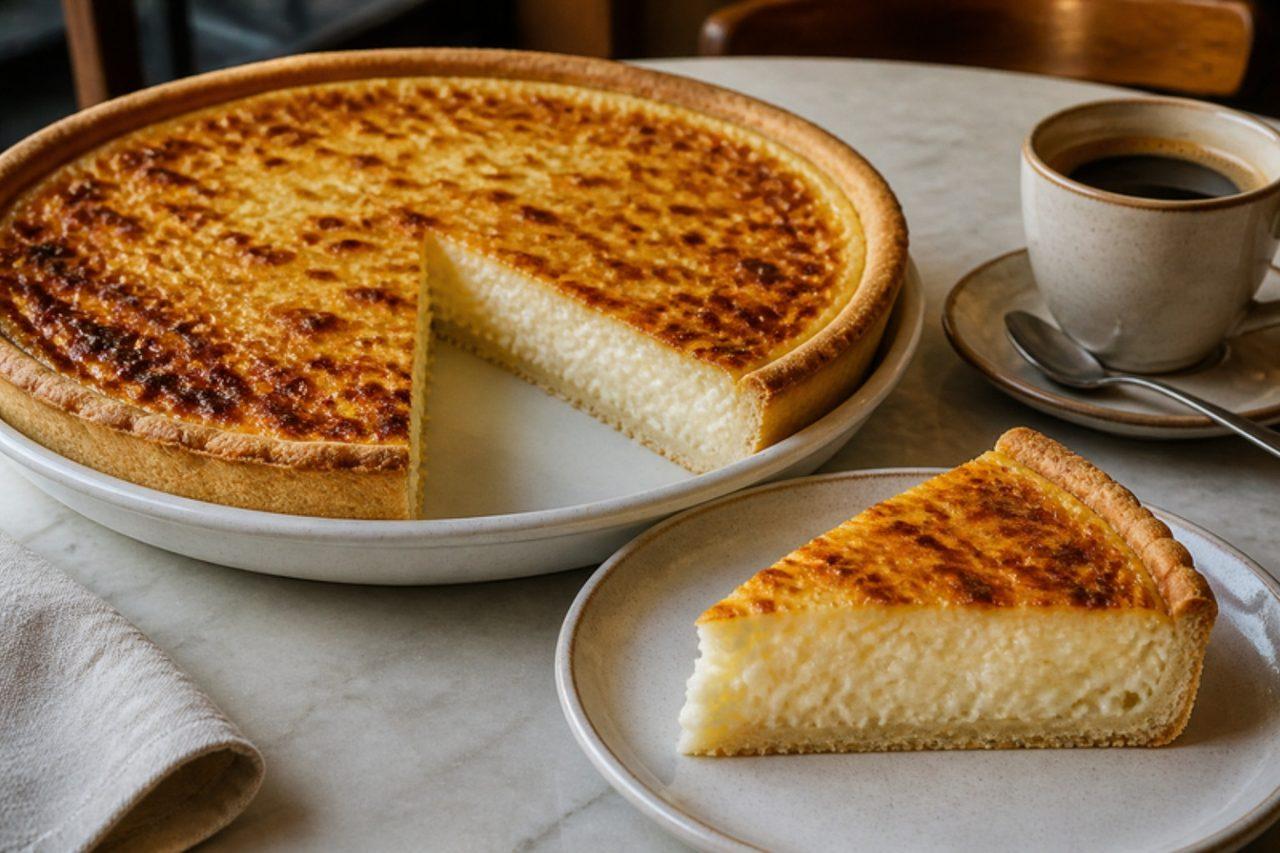
In the province of Liège, and above all in the town of Verviers, no village fair (ducasse) or family celebration happens without tarte au riz, called rijsttaart in Flanders. A thin, soft yeast-dough crust holds a thick layer of rice cooked slowly in milk with vanilla and sugar, enriched with egg yolks and baked until the top is speckled brown. People buy whole tarts from the bakery for a birthday and eat them cold with coffee. Chef's tip: cook the rice until a spoon drawn through it leaves a clear path that closes slowly; a runny filling never sets in the oven, and the crust turns soggy.

by KrazyBadal 0 views

Geraardsbergse mattentaart

The small town of Geraardsbergen in East Flanders is so proud of its mattentaart that the little round puff-pastry tart has protected (PGI) status in the EU, and only bakers in the area may sell it under that name. It is filled with matten, a fresh curd made by curdling hot milk with buttermilk, mixed with eggs, sugar and a hint of almond, and baked until puffed and golden. Locals eat it with coffee, especially in late February when the town holds its Krakelingen festival. You make the curd yourself the day before. Chef's tip: hang the curd for a full night; too much whey left in it makes the filling weep and the pastry soggy.

by KrazyBadal 0 views

Stoofvlees

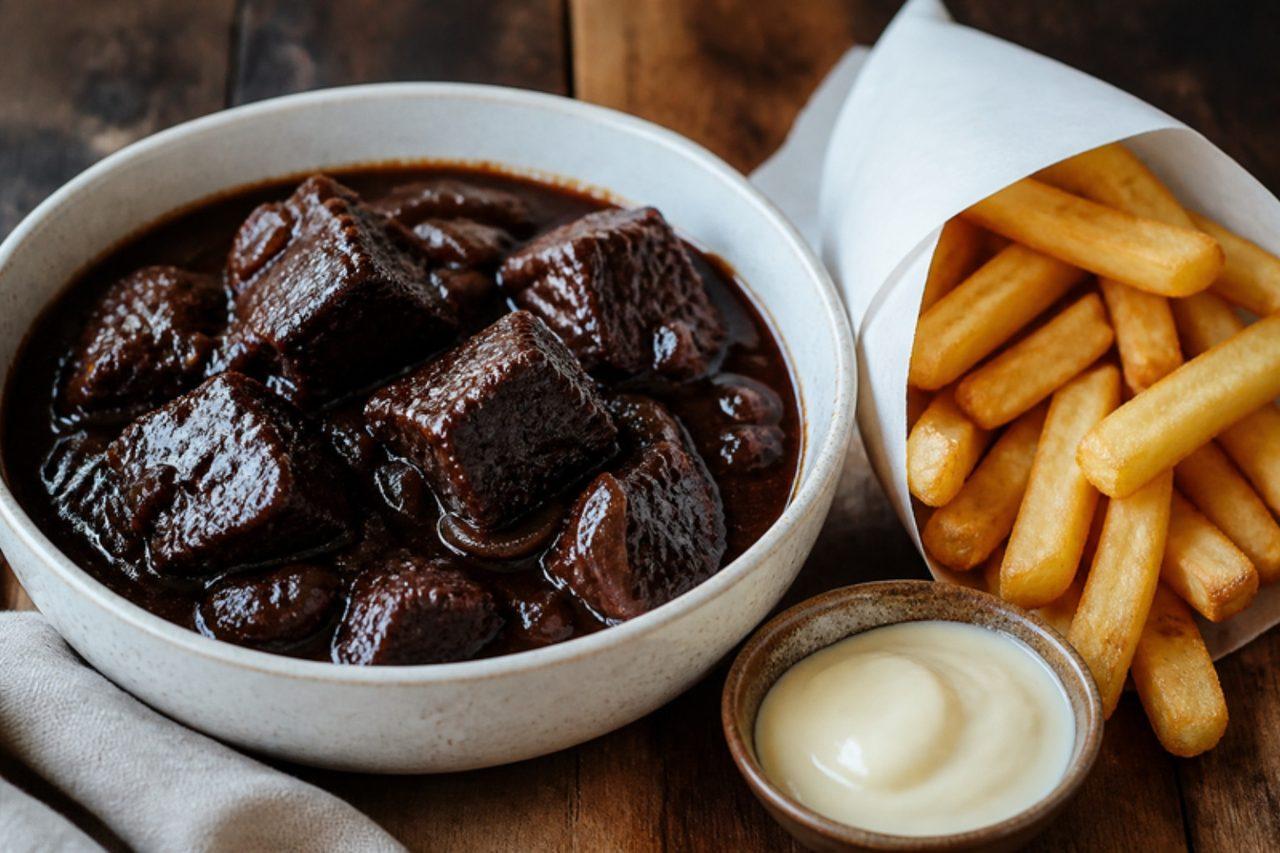
In Flanders, from Antwerp's frituren to Sunday kitchens in Bruges, stoofvlees is the stew that comes with a cone of double-fried chips and a spoonful of mayonnaise. Chunks of beef chuck are browned hard, then cooked slowly with lots of onion and a dark Belgian brown or abbey-style beer, thickened at the end by a slice of bread spread with mustard that melts into the sauce. The finished gravy is glossy, sweet-sour and deep, with a little brown sugar and vinegar to balance the bitterness. This recipe contains alcohol, though long cooking drives most of it off; for an alcohol-free version use the same amount of alcohol-free dark beer, or beef stock with a tablespoon of extra vinegar and a teaspoon of extra sugar. Browning the meat in one crowded batch is the classic mistake; it stews grey instead of searing. Chef's tip: cook it a day ahead and reheat gently; the flavour rounds out overnight.

205 minBelgianMeat
by KrazyBadal 0 views

Boulets liégeois

Liège is famous for its boulets: big, tennis-ball-sized meatballs served in a dark, sticky sauce made with sirop de Liège, the region's thick apple-and-pear syrup, with onions and a little vinegar. They are a brasserie staple across Wallonia, eaten with a mountain of chips and a side of salad, and families make them for Sunday lunch. The mix is half pork, half beef, so this is a pork dish. Rushing the onions is the step most people get wrong: they need a good 20 minutes to turn sweet before the sauce comes together. Chef's tip: if you cannot find sirop de Liège, use 3 tablespoons of apple butter or date syrup with 1 tablespoon of black treacle for the same dark, fruity tang.

by KrazyBadal 0 views

Chajá

Chajá was created in 1927 at a bakery in Paysandú, a city on the Uruguay River, and named after a local bird whose feathers look as fluffy as its crumbly meringue coat. Today it's Uruguay's birthday and celebration cake: layers of light sponge soaked in peach syrup, filled with whipped cream, peaches and dulce de leche, then covered in crushed meringue. It's sweet, soft and crunchy at once, best on the day it's assembled. Chef's tip: soak the sponge but not too much; it should feel moist, not wet, or the layers slide.

by KrazyBadal 0 views