Skip to content
Recipes

All recipes

Vegetarian, or something you can't eat? Set your diet once and we'll hide recipes that don't fit.

Postre MassiniCustard sponge with burnt sugar top

Montevideo's birthday cake of choice since the early twentieth century, the Massini is two thin layers of sponge sandwiching a thick filling of whipped cream folded with egg-yolk custard, crowned with a thin glassy crust of torched yolk and sugar. Bakeries across Uruguay sell it on Sundays. Traditional versions sometimes add a sweet fortified wine to the custard; this one is alcohol-free. The custard is cooked to a safe 71 °C. The common mistake is assembling with warm custard, which melts the cream into a puddle. Chef's tip: if you don't have a blowtorch, put the sugared top under a very hot grill for a minute and watch it closely.

by KrazyBadal 0 views

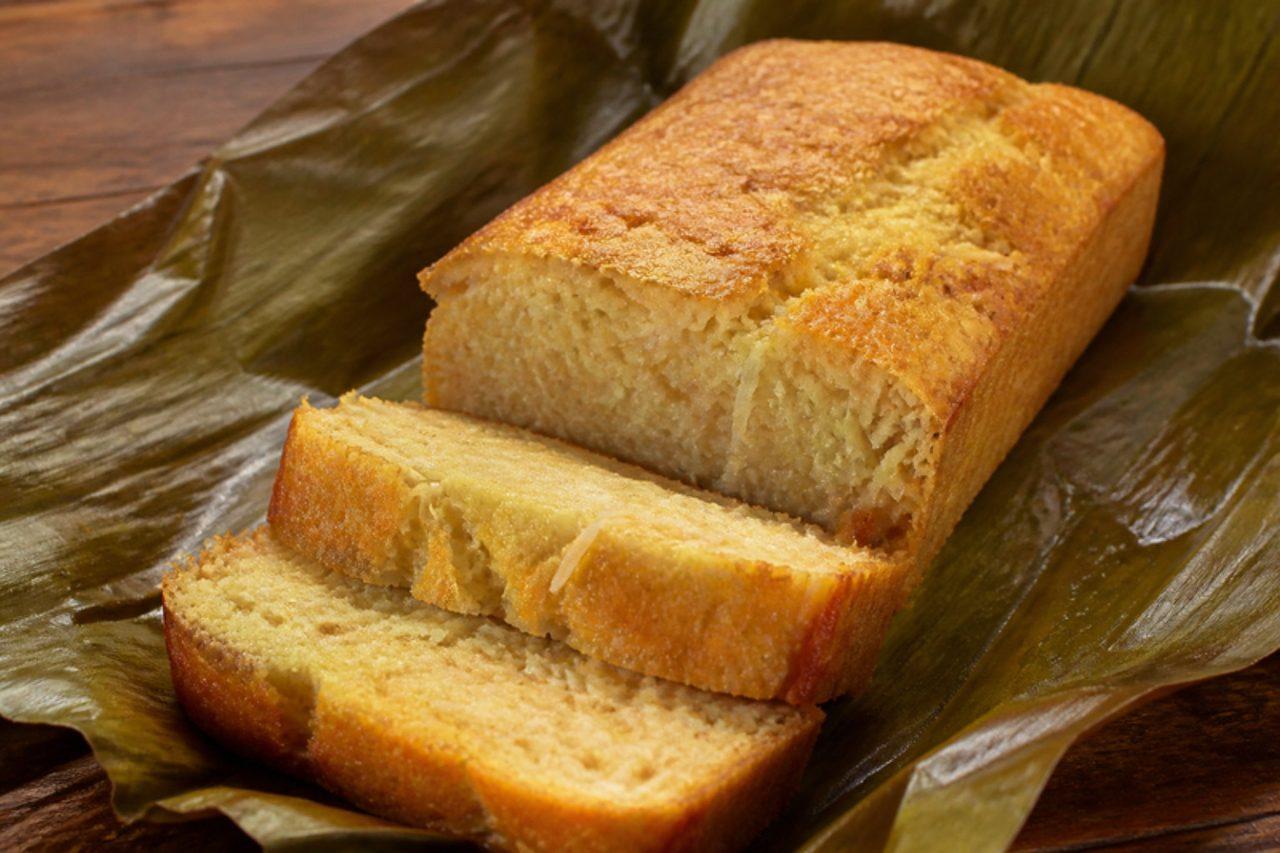
Fa'apapaDense coconut bread

Fa'apapa is a dense, chewy Samoan coconut bread, once baked wrapped in banana leaves in the umu (earth oven) for Sunday lunch, and now often made in a tin in home ovens in Apia and Pacific Auckland. It is made from flour and freshly grated coconut with coconut cream, so it is rich, slightly sweet and very filling, best eaten warm in thick slices. A common mistake is expecting it to rise like bread; it's meant to be heavy and moist. Chef's tip: wrap the dough in banana leaf before putting it in the tin for a gentle, smoky aroma.

by KrazyBadal 0 views

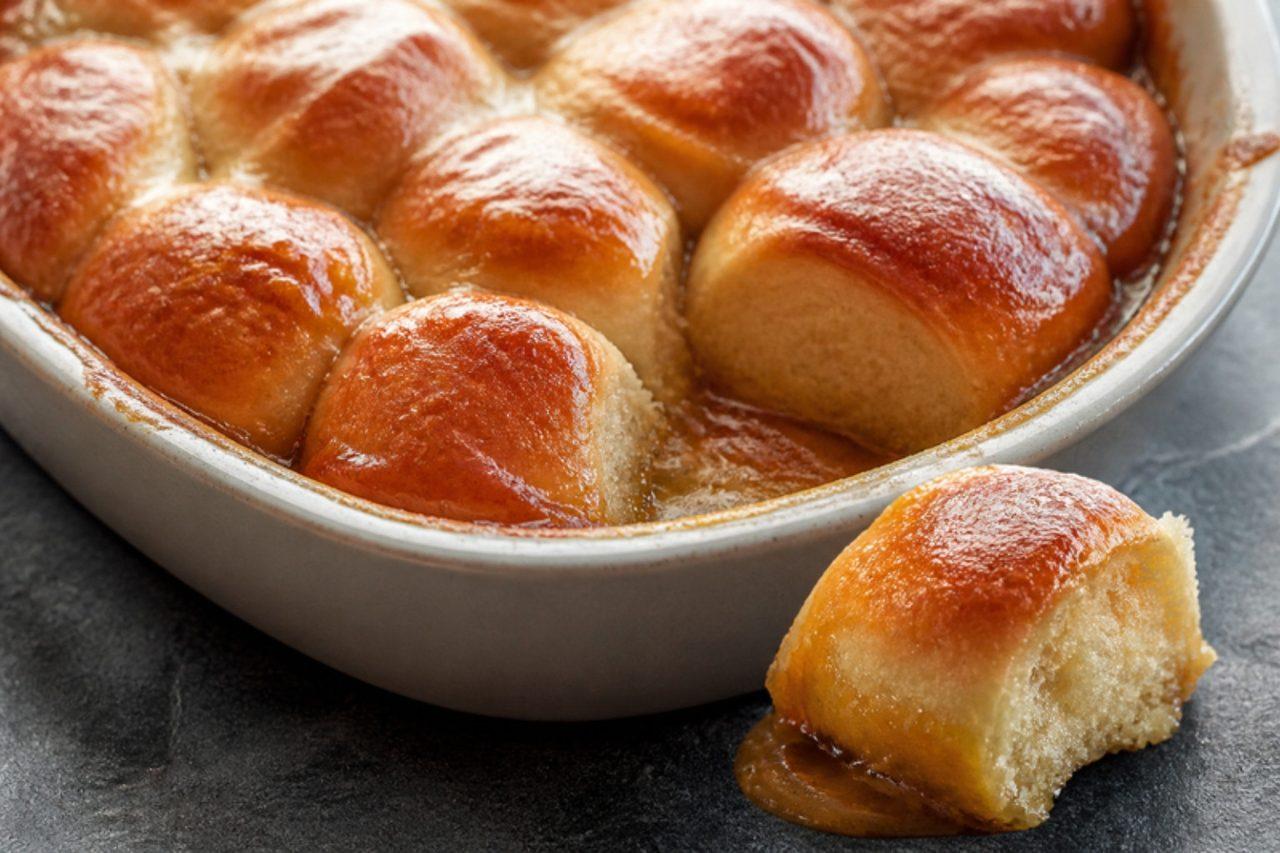
Lolo bunsCoconut cream baked buns

Lolo buns are the Sunday treat of Fijian kitchens, made for church lunches and family get-togethers in Lautoka and Suva: soft yeast buns packed into a tin and baked in a bath of sweetened coconut cream (lolo), which soaks into the bottoms and bakes into a sticky, caramel-edged sauce. Everyone pulls one out warm from the tin. A common mistake is pouring the coconut cream on too early; add it just before baking so the buns have risen fully. Chef's tip: use thick, full-fat coconut cream for a rich glaze.

by KrazyBadal 0 views

Hawaiian butter mochi

Butter mochi is the sweet of Hawaii's potlucks, school fundraisers and family parties, a local mix of Japanese mochi and the islands' coconut. Glutinous rice flour is baked with coconut milk, evaporated milk, butter and eggs into a golden, chewy cake with crisp edges and a soft, bouncy middle. Chef's tip: cut it with a plastic knife once fully cooled; a metal knife drags and sticks.

by KrazyBadal 0 views

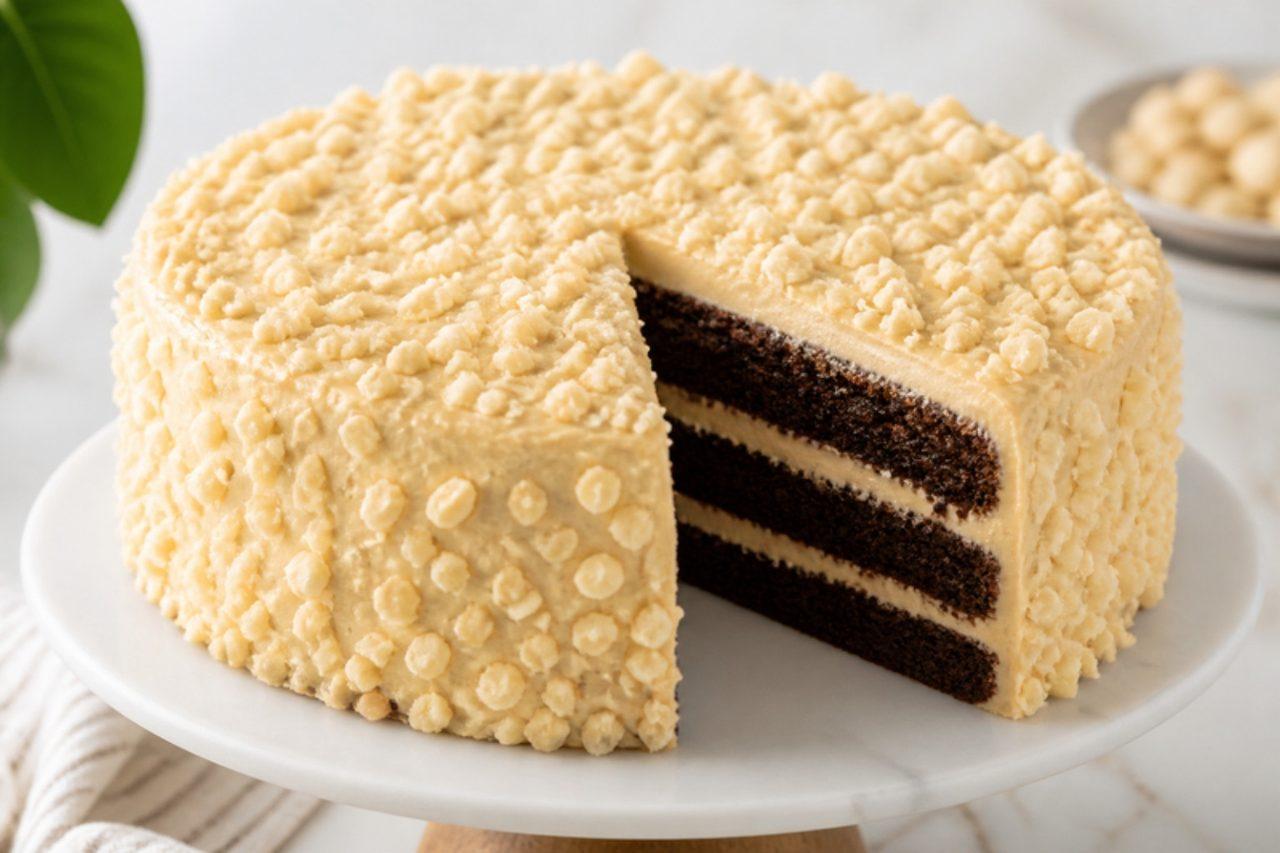
Hawaiian Chantilly cake

In Hawaii, Chantilly cake means a chocolate layer cake covered in a rich, caramel-coloured frosting made from evaporated milk, egg yolks and butter, not the whipped cream the name suggests. Honolulu bakeries have sold it for birthdays and graduations for decades, and it is very different from mainland cakes. Chef's tip: cook the frosting base slowly and stir constantly until it is as thick as pudding; if it is runny, the frosting will slide off the cake.

by KrazyBadal 0 views

Hawaiian malasadas

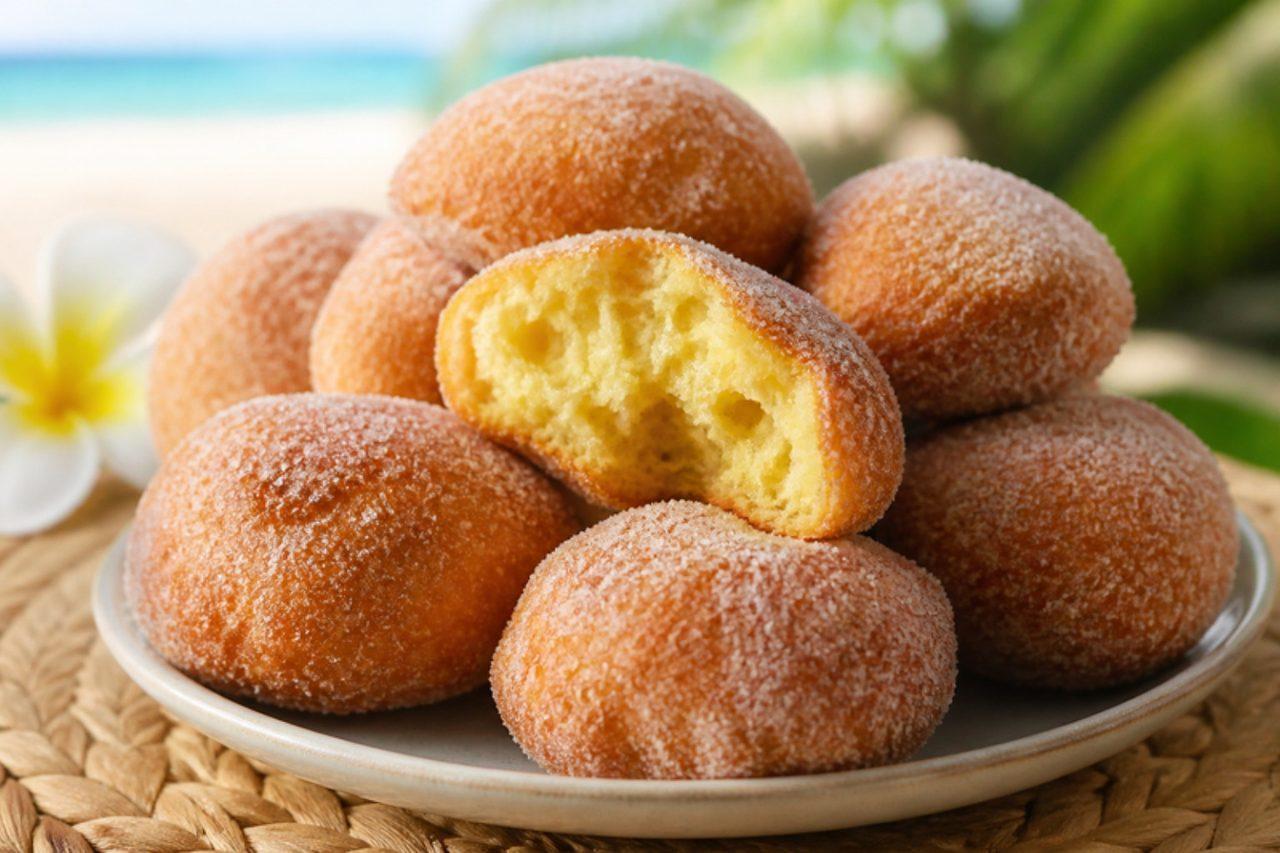
Malasadas came to Hawaii with Portuguese workers from Madeira and the Azores in the 1870s, and on Malasada Day, the Tuesday before Lent, bakeries in Honolulu have queues round the block. They are eggy, airy yeast doughnuts with no hole, fried golden and rolled in sugar while hot; some are filled with haupia or custard. Chef's tip: the dough is very soft and sticky, so oil your hands rather than adding more flour, or the malasadas turn heavy.

by KrazyBadal 0 views

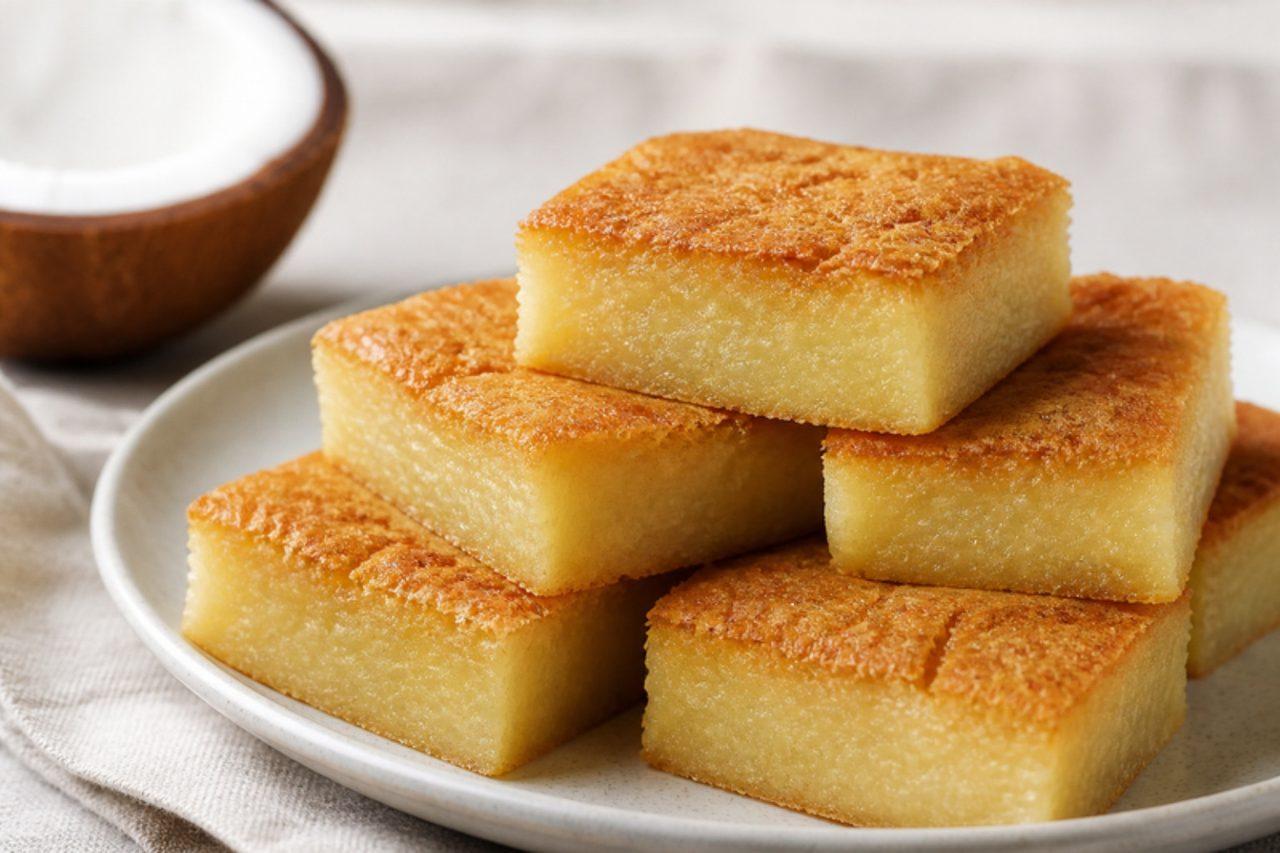
Fijian cassava cakeCassava and coconut cake

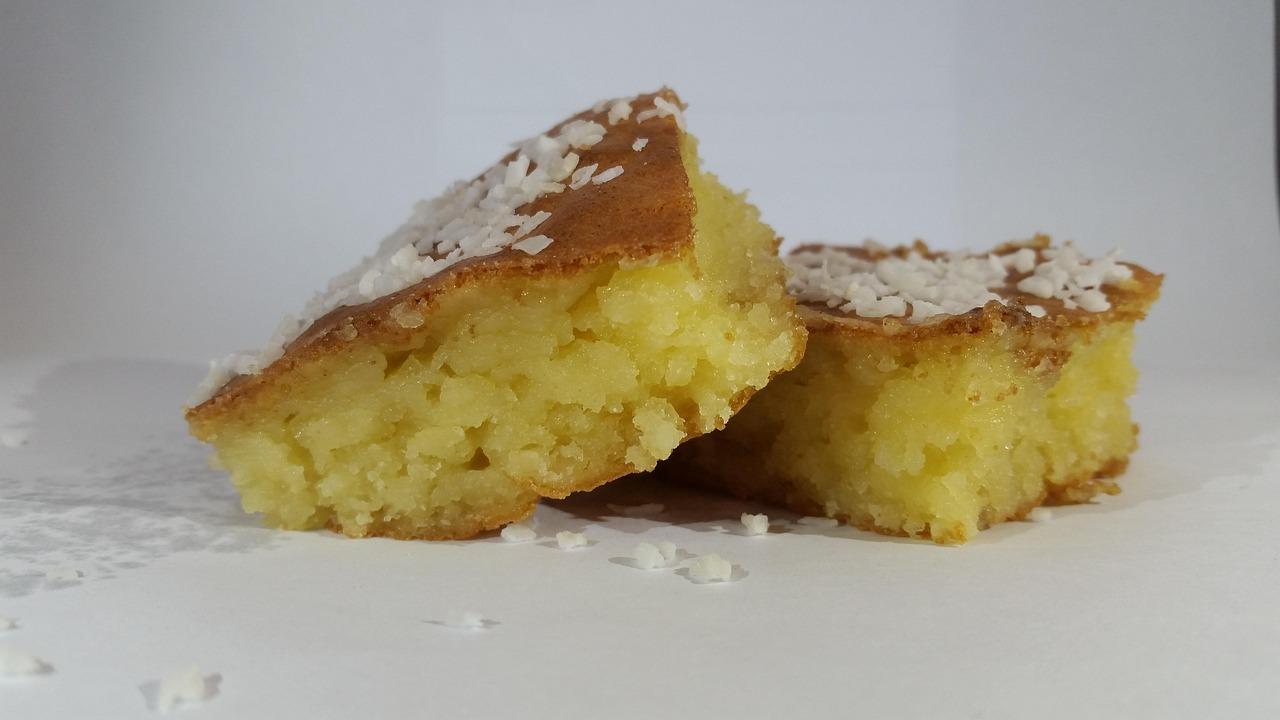
In Fiji, cassava (tavioka) is everyday food, and grated sweet cassava cake turns up at village feasts, church bazaars and morning tea across Viti Levu. Fresh cassava is finely grated and baked with coconut milk, sugar, butter and a little vanilla into a heavy, chewy, golden cake that's cut into squares. It's naturally gluten free and keeps well for a couple of days. Chef's tip: squeeze some of the liquid out of freshly grated cassava; too wet and the cake stays gluey in the middle.

by KrazyBadal 0 views

PanipopoSweet rolls in coconut sauce

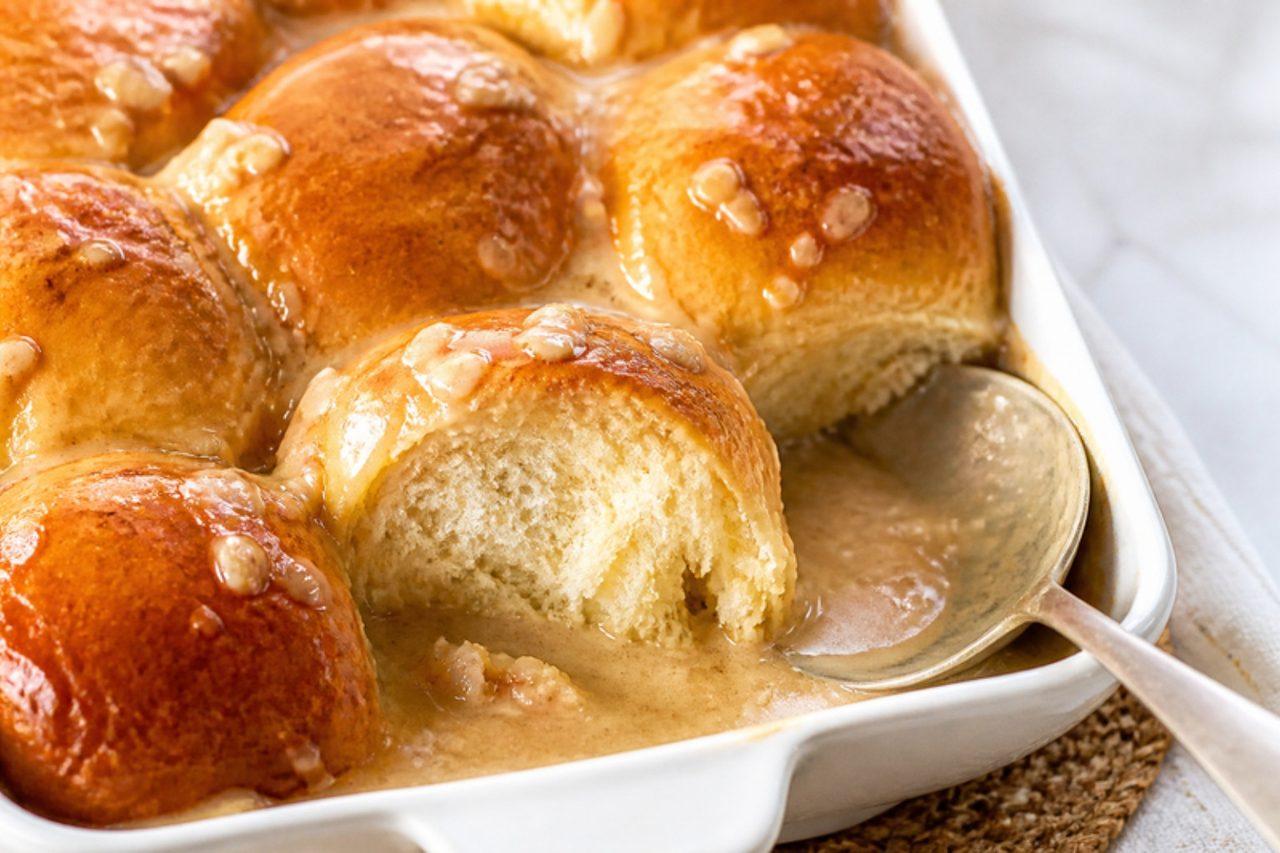
Panipopo (from 'pani', bun, and 'popo', coconut) are soft, sweet bread rolls baked sitting in a pool of coconut milk and sugar, which bubbles into a sticky, caramel-coloured sauce around them. Samoan families bake them for Sunday lunch, fundraisers and church gatherings, and they've spread to Samoan communities in Auckland and Hawaii. Served warm with the sauce spooned over, they're somewhere between a cinnamon roll and a pudding. Chef's tip: pour the coconut sauce around the rolls just before baking, not hours ahead, or the bottoms go soggy instead of sticky.

by KrazyBadal 0 views

ChajáSponge, peach and cream cake

Chajá was created in 1927 at a bakery in Paysandú, a city on the Uruguay River, and named after a local bird whose feathers look as fluffy as its crumbly meringue coat. Today it's Uruguay's birthday and celebration cake: layers of light sponge soaked in peach syrup, filled with whipped cream, peaches and dulce de leche, then covered in crushed meringue. It's sweet, soft and crunchy at once, best on the day it's assembled. Chef's tip: soak the sponge but not too much; it should feel moist, not wet, or the layers slide.

by KrazyBadal 0 views