Skip to content
Recipes

All recipes

Vegetarian, or something you can't eat? Set your diet once and we'll hide recipes that don't fit.

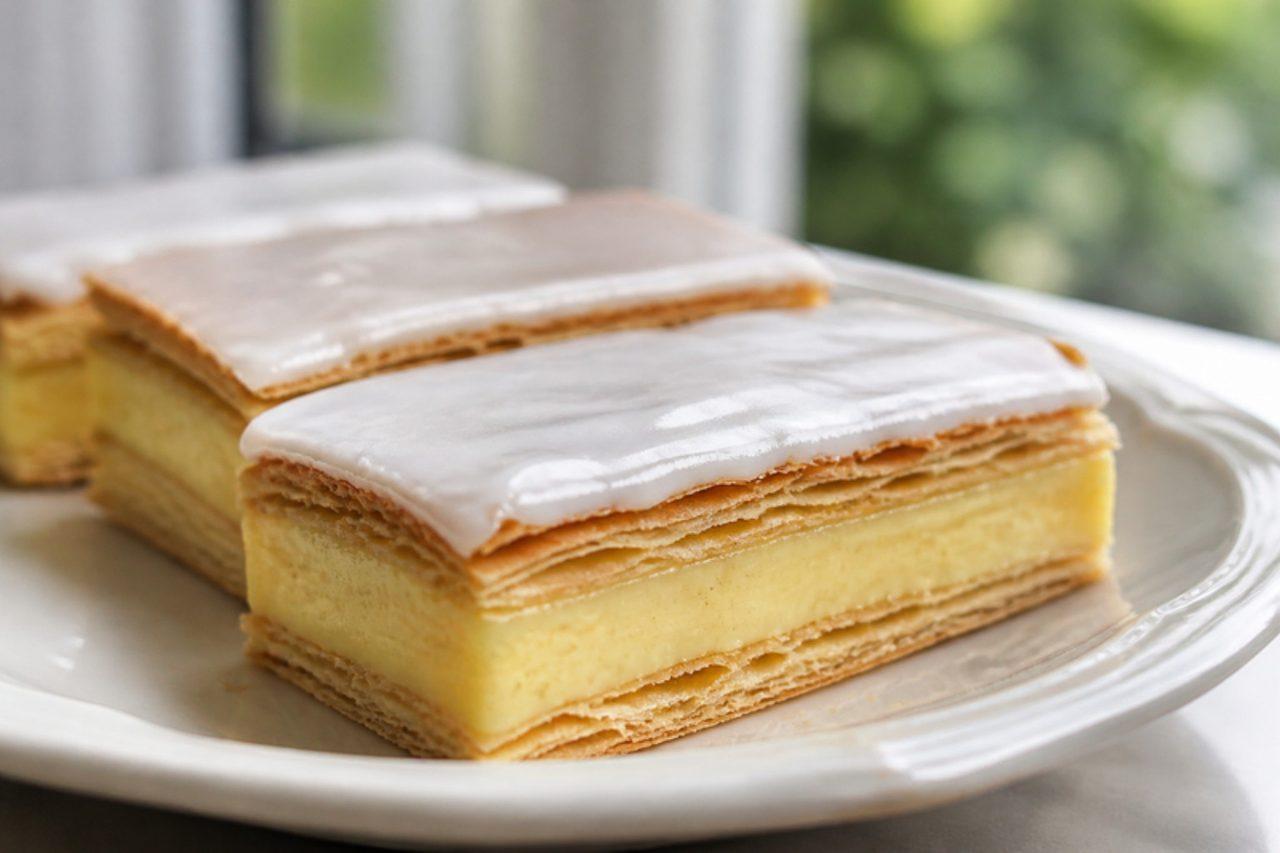
SeñoritasCustard slices in puff pastry

Señoritas are a fixture of Cuban bakeries in Havana and Santiago, and of the Cuban-run ventanitas in Miami: two sheets of crisp, flattened puff pastry sandwiching a thick vanilla-and-lemon custard, with a shiny white sugar glaze on top. They are Cuba's cousin of the mille-feuille, eaten mid-morning or after lunch with a tiny cup of sweet café cubano, and they are always in the box for a birthday or a baptism. Adding the custard while it is still warm is where it goes wrong: the pastry goes limp within an hour. Chef's tip: bake the pastry under a second baking tray so it stays flat, thin and evenly crisp, which makes clean cutting far easier.

by KrazyBadal 0 views

CapuchinosYolk sponge cones in spiced syrup

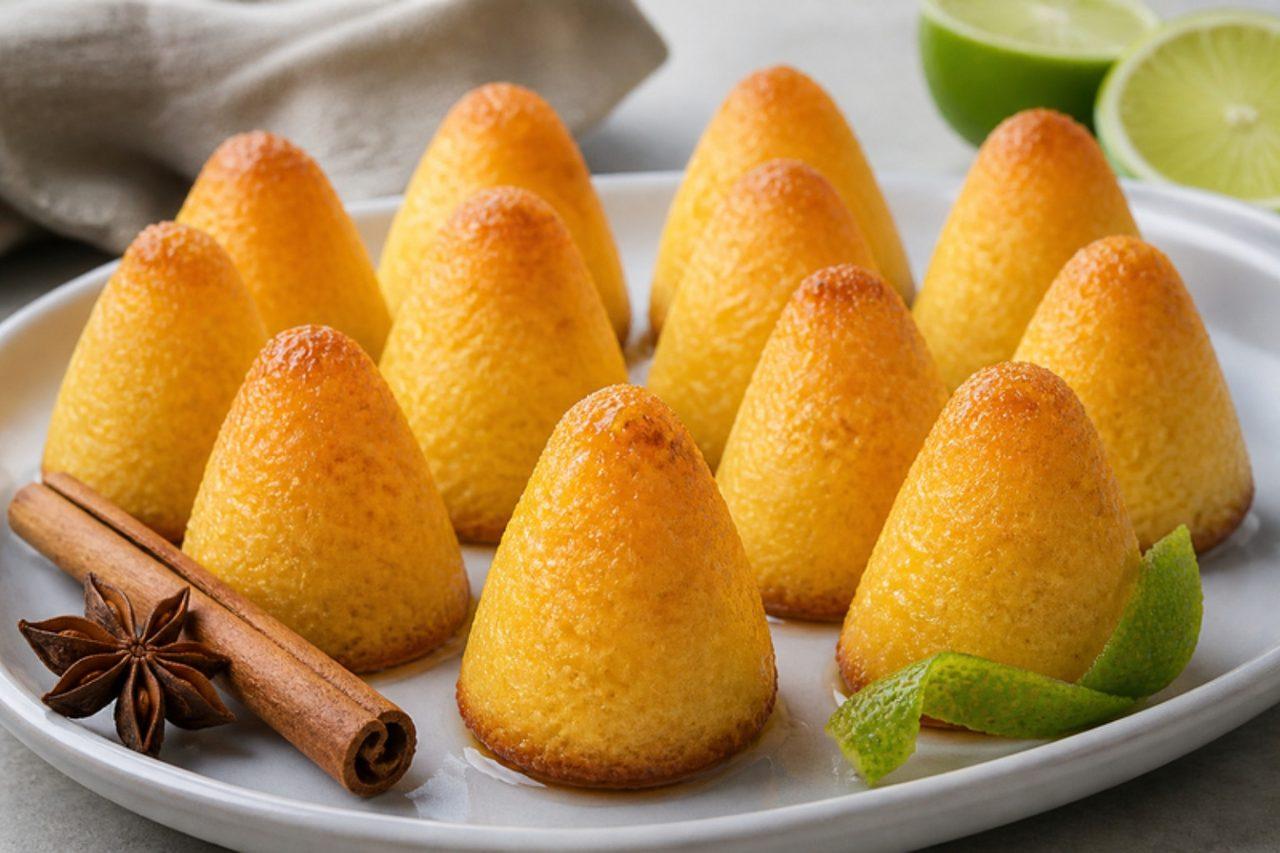
Named for the pointed hoods of Capuchin friars, these little cones of yolk sponge sit in neat rows in Havana dulcerías, glistening with syrup and sold by the half dozen for birthdays and Sunday visits. They're baked in small cone moulds, then dropped into warm syrup scented with lime peel, cinnamon and star anise until heavy and soaked through, so they are moist, eggy and very sweet. The syrup is often spiked with rum or anise liqueur; this one stays alcohol-free. A syrup boiled too thick won't soak in and leaves a sticky crust, so keep it at a light, pourable stage. No cone moulds? Bake them in a mini muffin tin; they just won't have the hood shape. Chef's tip: soak the sponges while they're still warm and the syrup is warm too; both at the same temperature, the syrup goes right to the centre.

by KrazyBadal 0 views

Japanese strawberry shortcake
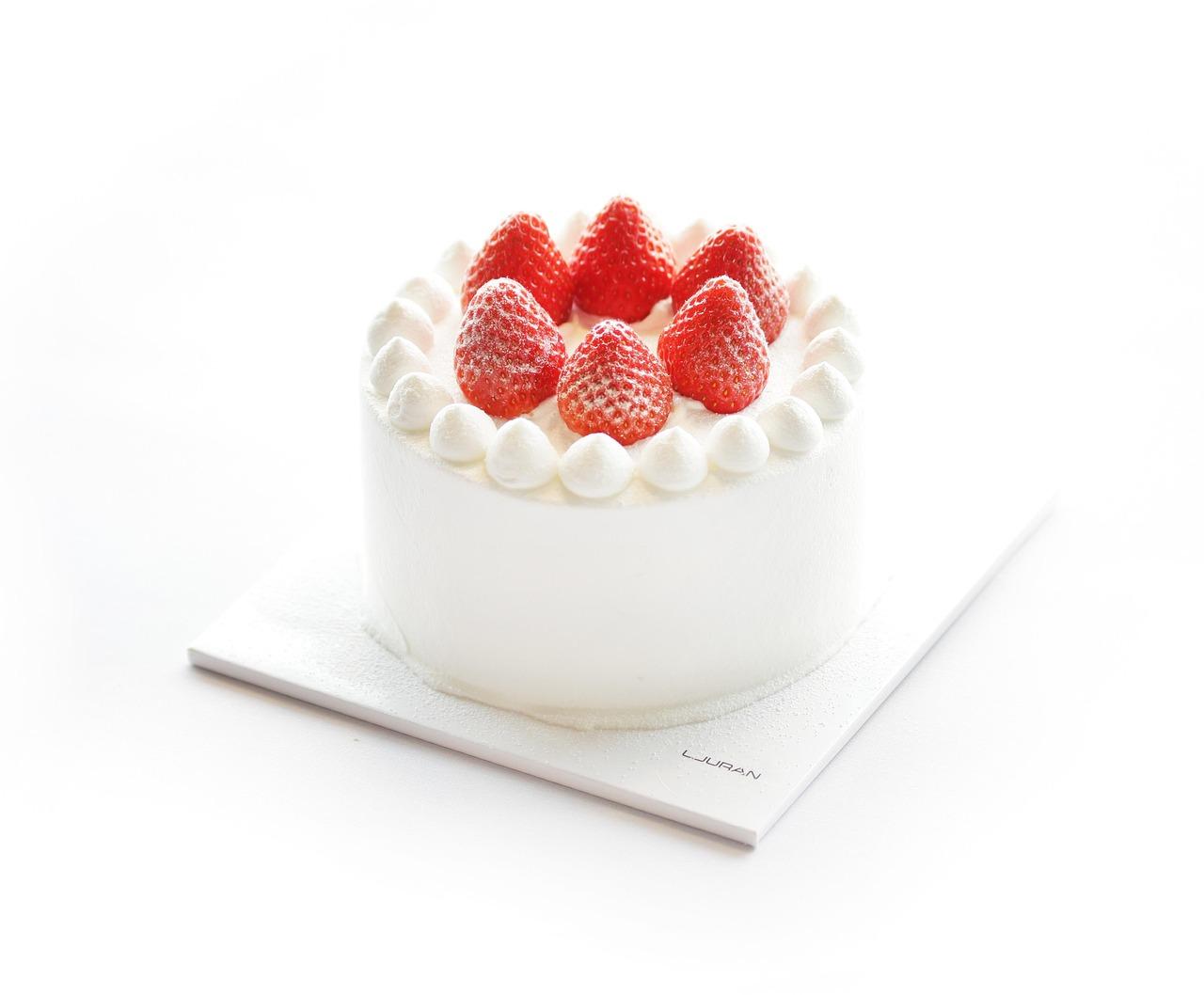
In Japan, the 'shortcake' on every birthday table and every Christmas Eve is nothing like the American scone version: it is a tall, cloud-soft sponge filled and covered with lightly sweetened cream and crowned with a ring of strawberries. Children choose it at the cake shop for their birthday, and it is just as good made at home. It contains egg, milk and gluten. Chef's tip: brush each sponge layer with a little plain sugar syrup; it keeps the cake moist without any alcohol.

by KrazyBadal 0 views

Kuri manjuChestnut buns

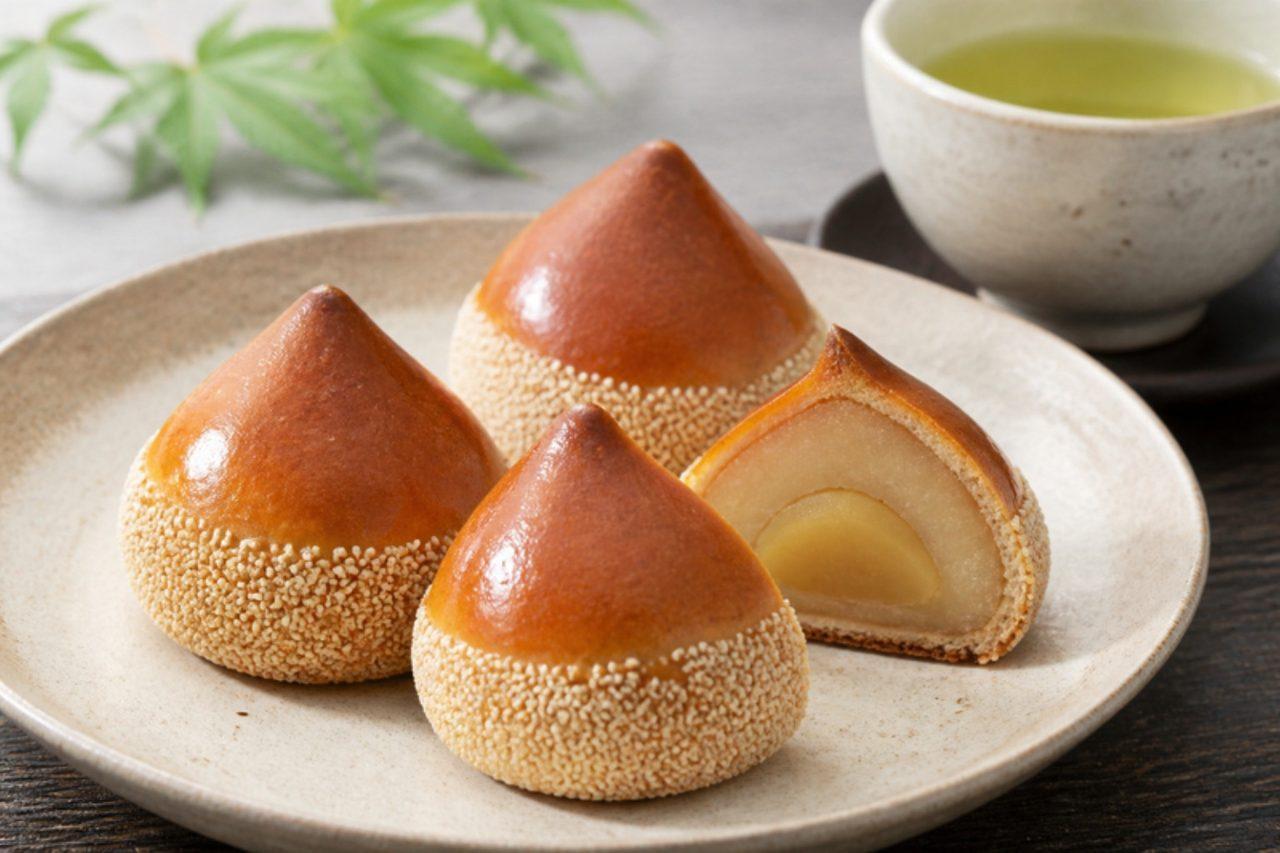
Made to look like a chestnut, kuri manju (栗まんじゅう) is one of Japan's favourite baked wagashi, a little teardrop of tender, cake-like dough wrapped around sweet white bean paste studded with candied chestnut. The top is glazed twice with egg yolk until it bakes a glossy chestnut brown, and the flat base is dipped in poppy seeds to mimic the pale bottom of a real chestnut. Japanese confectioners sell them all year, but they are most popular in autumn, given as gifts and eaten with green tea. Freshly baked, the dough is slightly firm; after a day in a tin the moisture from the filling softens it, so they are even better the next day. Glazing only once is an easy mistake: the first coat soaks in and looks patchy, so brush, bake briefly and brush again. Chef's tip: dust your hands well with flour as you wrap; this dough is soft and sticky, and handling it with floured fingers is the only way to keep the shell thin and even.

by KrazyBadal 0 views

Shojin dashiKombu and shiitake stock

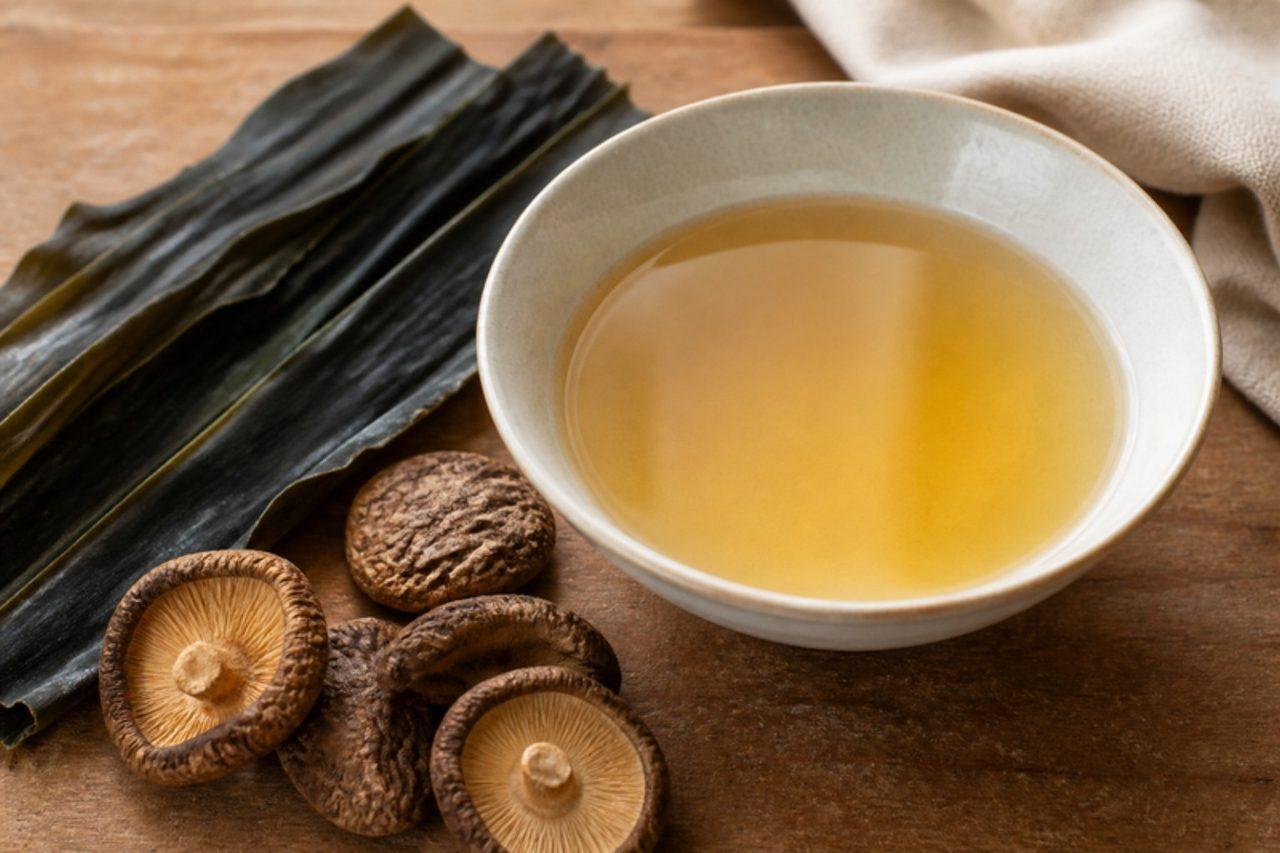
Zen temples in Kyoto and Kamakura build their whole cuisine on this stock: kombu kelp and dried shiitake soaked in cold water until the liquid turns golden and deeply savoury, with no bonito at all. It is the vegan dashi for miso soup, simmered vegetables, noodle broths and dipping sauces, and every vegetarian Japanese recipe on this site can use it. The common mistake is boiling the kombu, which releases slime and bitterness; it should never go beyond a gentle simmer, and taking it out just before boiling gives the cleanest flavour. Chef's tip: soak overnight in the fridge (mizudashi) for the best, roundest flavour with no effort, then keep the softened shiitake for a simmered dish.

by KrazyBadal 0 views

Shokupan (Japanese milk bread)

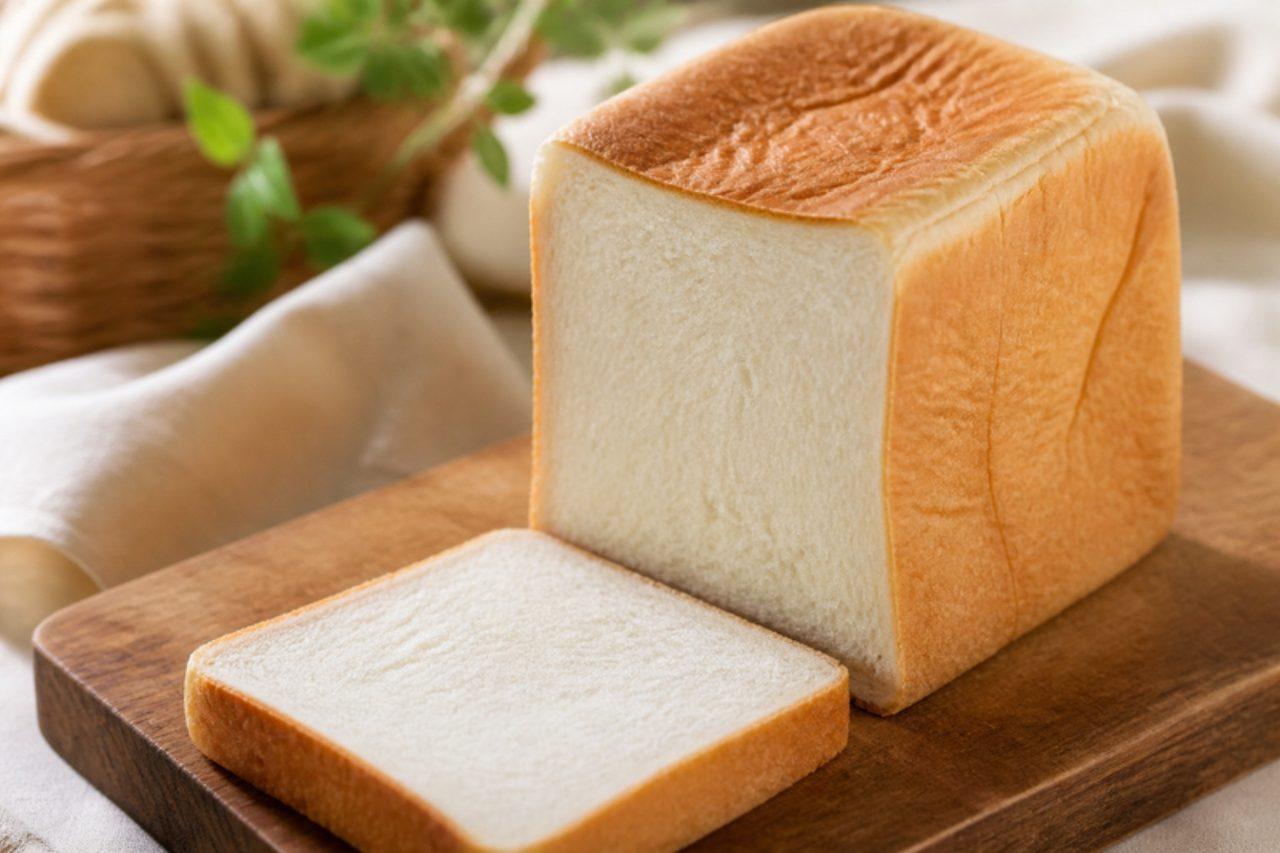
Shokupan is the everyday sandwich loaf of Japan, sold by the half loaf at bakeries from Sapporo to Fukuoka and toasted in thick slabs for breakfast with butter and jam. Its feathery, pull-apart crumb comes from a cooked flour paste (yudane-style) that lets the dough hold more water, so the bread stays soft for days. You need a 900 g loaf tin and a few hours of mostly waiting. The usual mistake is slicing it while hot, which squashes the delicate crumb into gummy layers; let it cool fully. Chef's tip: roll each piece of dough into a tight spiral before it goes into the tin, which gives the tall, even rise and those stringy, tearable layers.

by KrazyBadal 0 views

Melon panCookie-crust sweet bun

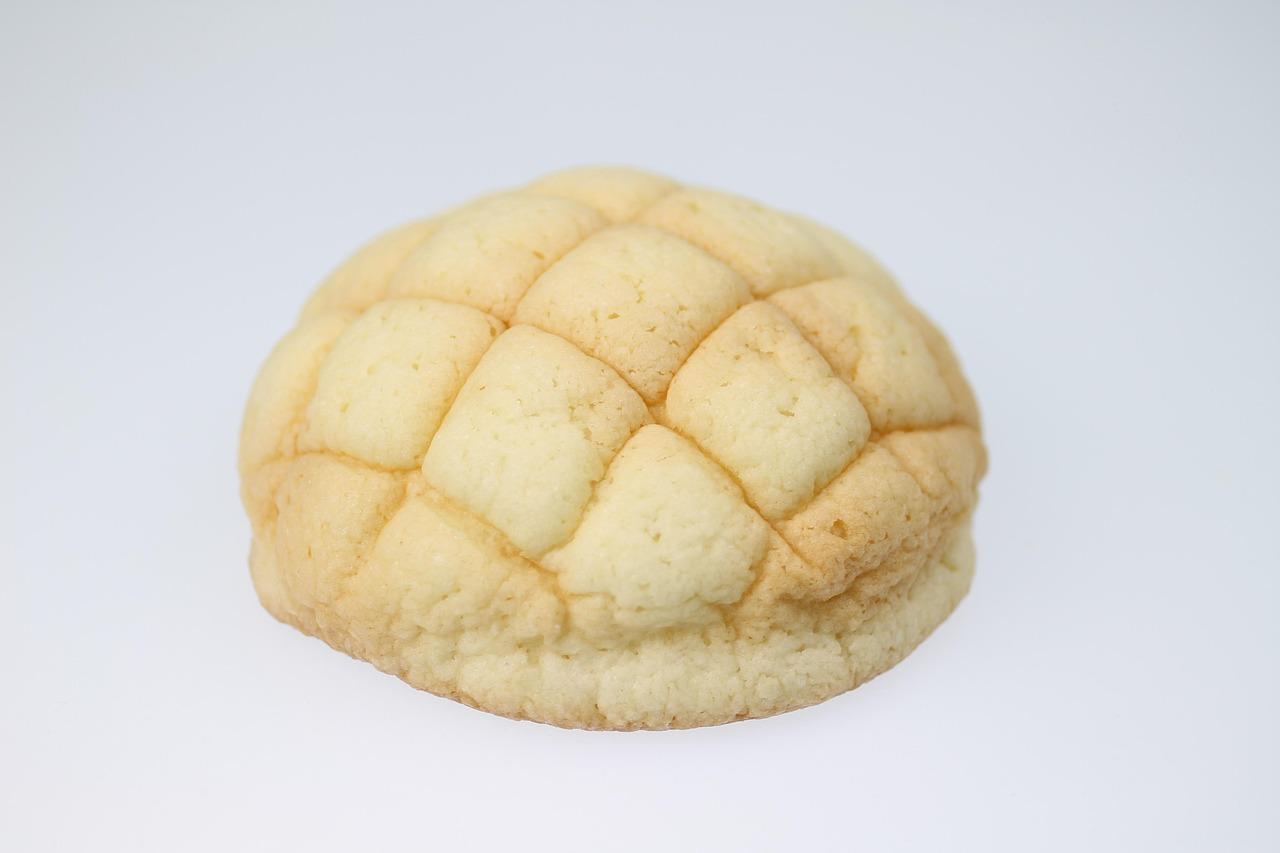
Melon pan takes its name from its looks, not its taste: a soft sweet bun baked under a sugary cookie crust scored into a criss-cross pattern like a cantaloupe rind. Japanese bakeries and school canteens sell it everywhere, and around Kobe and Hiroshima the same bun is often called sunrise. It is best on the day it is baked, when the crust still crackles against the fluffy inside. The common mistake is warm, soft cookie dough, which sticks to your hands and slides off the bun in the oven; keep it well chilled and work quickly. Chef's tip: roll the cookie dough between two sheets of baking paper so you can lift it neatly onto each bun.

by KrazyBadal 0 views

Postre MassiniCustard sponge with burnt sugar top

Montevideo's birthday cake of choice since the early twentieth century, the Massini is two thin layers of sponge sandwiching a thick filling of whipped cream folded with egg-yolk custard, crowned with a thin glassy crust of torched yolk and sugar. Bakeries across Uruguay sell it on Sundays. Traditional versions sometimes add a sweet fortified wine to the custard; this one is alcohol-free. The custard is cooked to a safe 71 °C. The common mistake is assembling with warm custard, which melts the cream into a puddle. Chef's tip: if you don't have a blowtorch, put the sugared top under a very hot grill for a minute and watch it closely.

by KrazyBadal 0 views

Kombu dashi for babiesKelp broth for babies

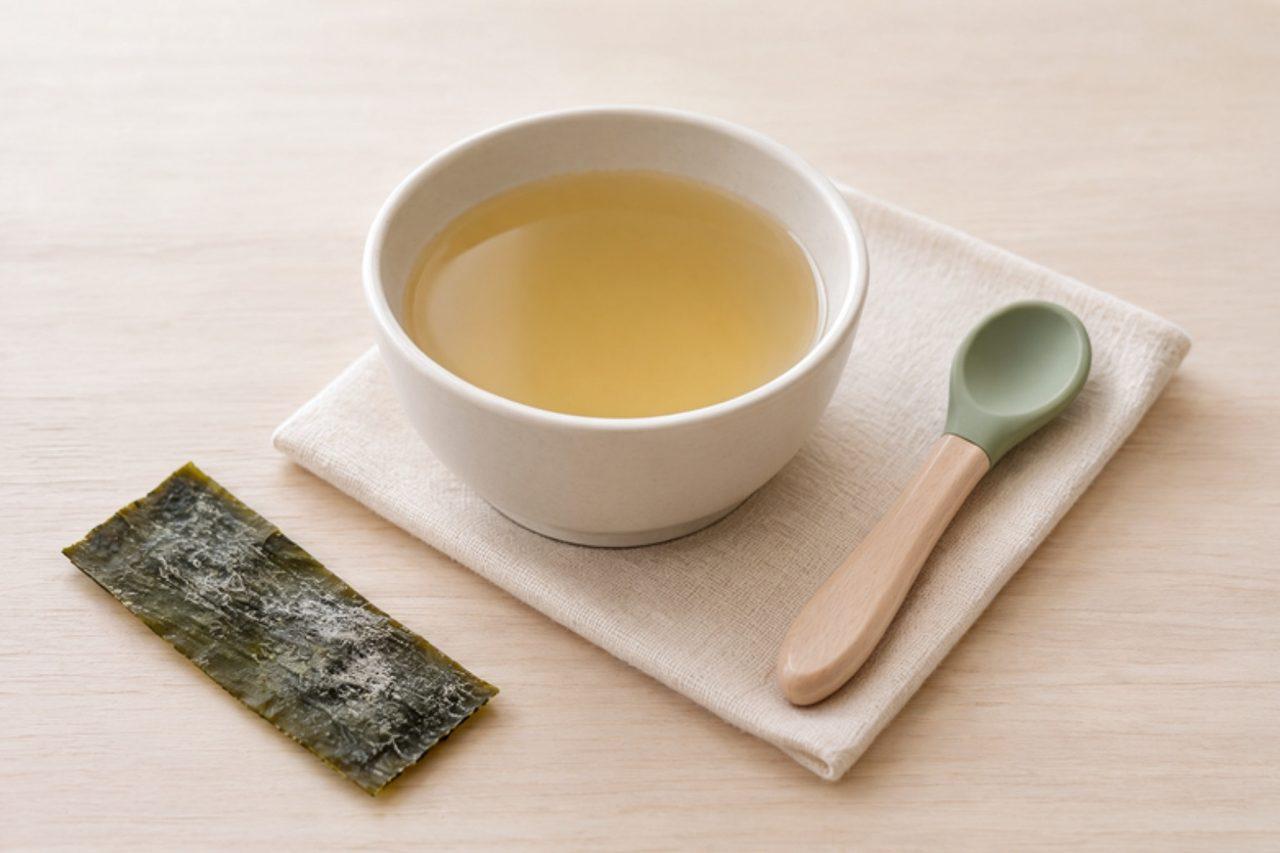
Kombu dashi is where Japanese weaning starts: the gentle, savoury water that thins jūbai-gayu (rice porridge) and vegetable purées, so babies learn umami instead of salt. Japanese parents make a jug every few days, and baby-food counters in Osaka department stores sell frozen cubes of it. Kombu is very high in iodine, so this broth is used a spoonful or two at a time to flavour a meal, a few times a week, never as a drink. Nothing else goes in: no salt, soy sauce, bonito or stock powder. It is free of the major allergens. Chef's tip: lift the kombu out just before the water simmers; boiled kombu turns slimy and gives a bitter, sea-weedy taste.

by KrazyBadal 0 views

Shio kojiSalted rice koji

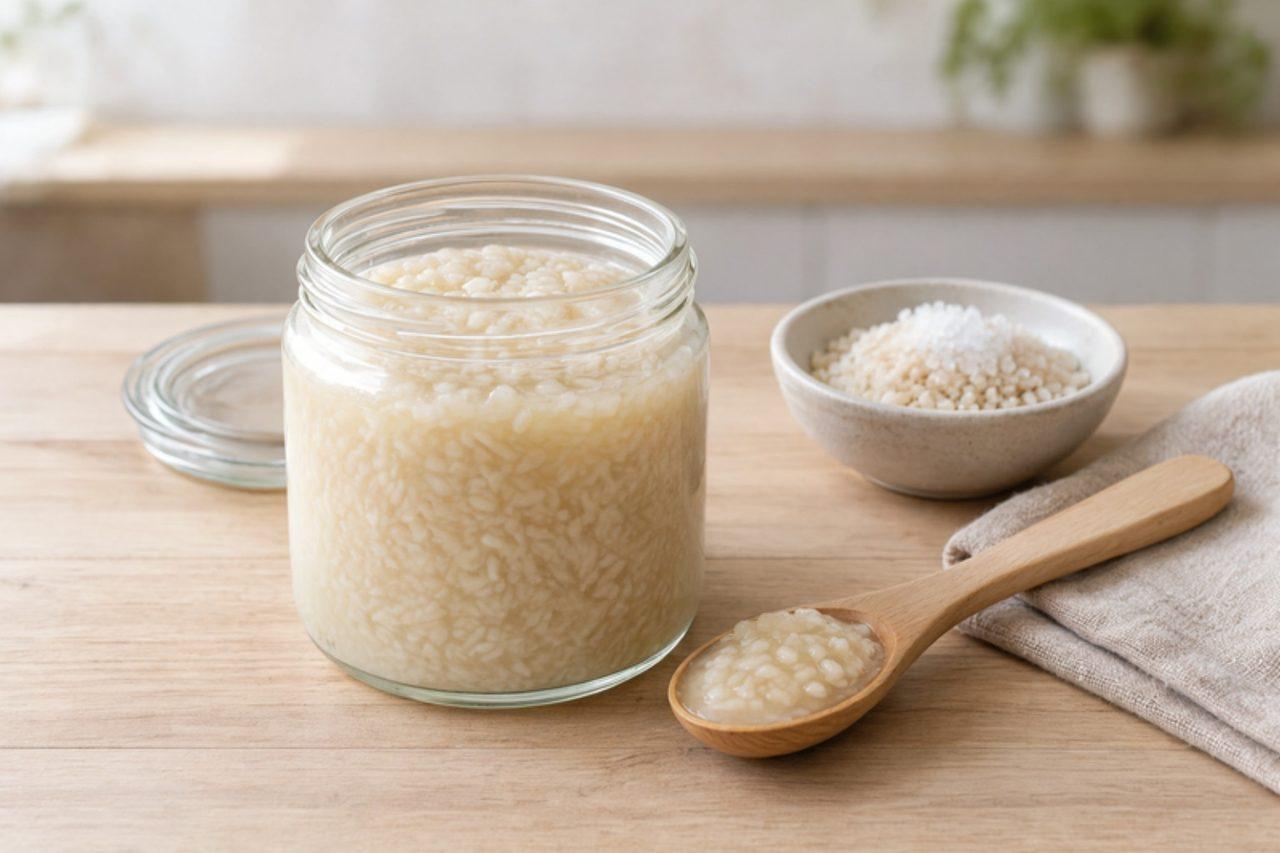
Shio koji is an old Tohoku pickling medium that swept Japanese home kitchens in the 2010s and never left. Rice koji, the grains cultured with the mould that also makes miso and sake, is rubbed with salt, covered with water and left on the counter for a week. Its enzymes break down starch and protein, so the result is a pale, porridge-like seasoning that tastes salty, mildly sweet and deeply savoury, with a fruity, sake-like scent. Use it all year in place of salt: rub it over chicken, pork or fish (about 10% of the weight) the night before grilling, toss it with vegetables for a quick overnight pickle, or stir it into dressings and soups. The common mistake is too little water: the grains must stay just covered, or the top dries and can grow mould. Stir once a day with a clean spoon and top up with a little water if needed. It is ready when the grains crush easily between your fingers, the mixture is thick and creamy, and it smells sweet rather than raw. A faint alcohol smell is normal. Chef's tip: blend the finished shio koji smooth with a stick blender; it spreads more evenly on meat and won't burn in spots.

by KrazyBadal 0 views

Temae misoHomemade miso

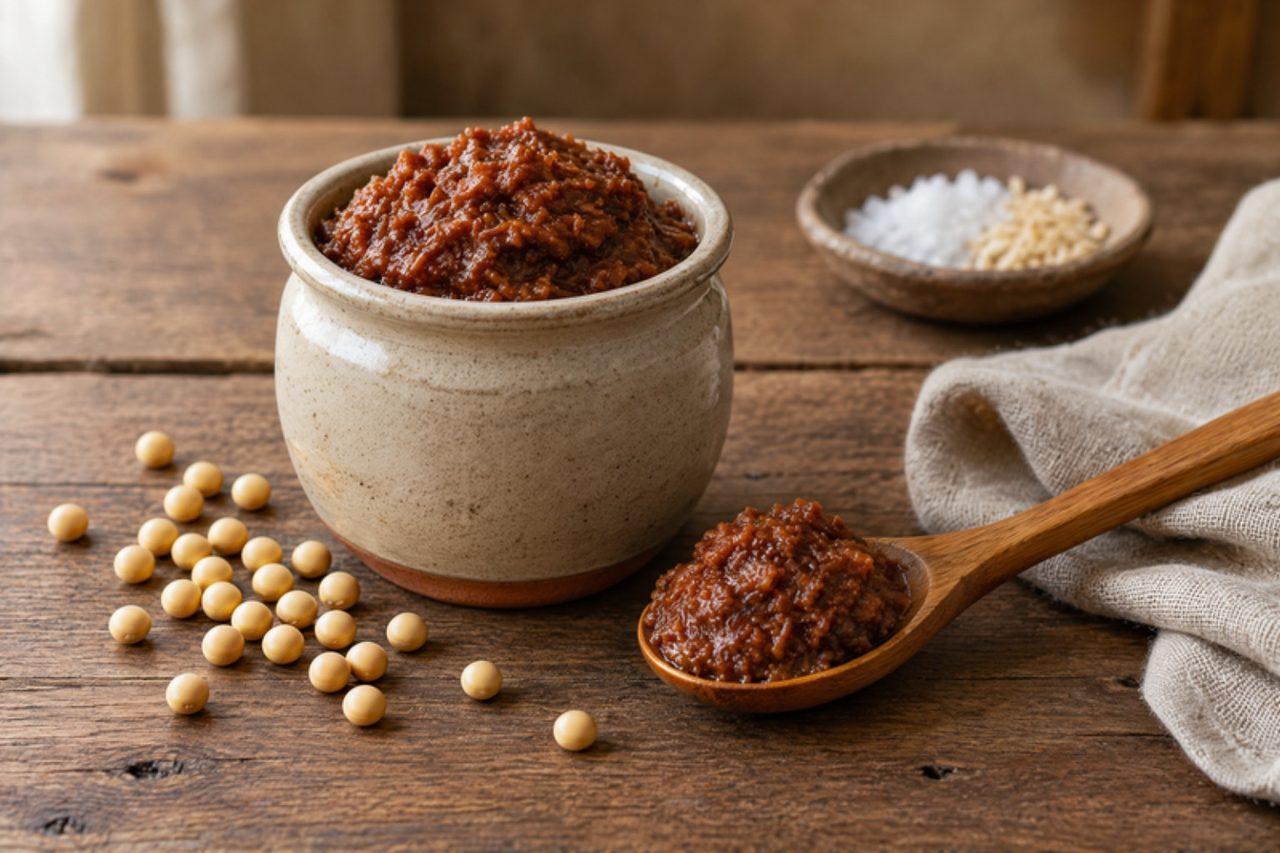
Temae miso means 'my own miso', and the phrase also means bragging about your own work, because every family thinks theirs is the best. Across rural Japan the cold months of January and February are miso-making season: the low temperatures let the mash settle in slowly before summer's warmth speeds up the fermentation. Dried soybeans are soaked, simmered until soft, mashed, mixed with rice koji and salt, then packed tightly into a crock under a salt cap and a weight. By autumn it has turned from pale beige to reddish brown, sweet-salty and rich, with a rounder, fruitier flavour than shop miso. The salt, about 12% of the finished weight, is what keeps it safe, so measure it rather than guessing. The common mistake is leaving air pockets when packing, which is where mould grows; throw the mash into the container in balls and press each one down hard. It is ready when it smells sweet and savoury like soy sauce, tastes well-balanced rather than raw and floury, and dark liquid (tamari) has pooled on top. Chef's tip: make it with friends; a kilo of beans is a lot of mashing, and the batch tastes better for the company.

by KrazyBadal 0 views

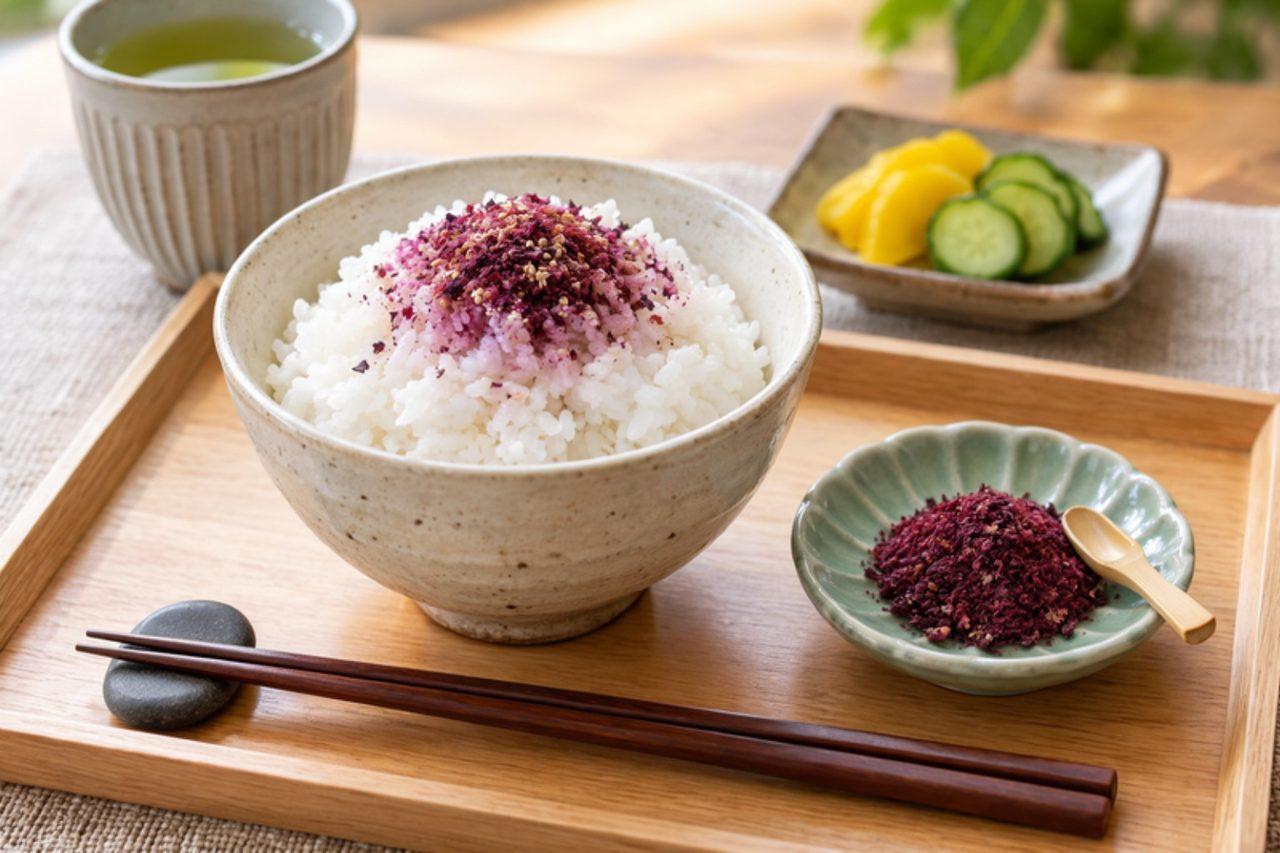
Yukari shiso saltRed shiso rice seasoning

Yukari is the bright purple, salty-sour shaker that Japanese parents sprinkle over plain rice so that a bento looks cheerful and tastes of something even when it has gone cold. Traditionally it is made from the red shiso leaves left after pickling umeboshi plums; this home version gets the same flavour by salting and souring fresh red shiso in early summer. The common mistake is drying the leaves too hot, which turns them brown and bitter. Chef's tip: keep the oven no hotter than 80 °C and leave the door ajar, and the colour stays a jewel-like magenta.

by KrazyBadal 0 views

Ají amarillo pasteYellow chilli paste

In Lima's markets ají amarillo is sold fresh all year, and most Peruvian cooks keep a tub of this paste in the fridge the way others keep tomato purée: it is the golden base of causa limeña, ají de gallina, papa a la huancaína, chupe and the sauce for tiraditos. The chillies are seeded, de-veined and blanched in three changes of water, which tames the heat and the raw grassiness, then peeled and blended with oil into a thick, silky, saffron-orange paste. It tastes fruity and sunny, almost like apricot and passion fruit, with a rounded, medium heat. Abroad, buy whole frozen ají amarillo from Latin grocers; dried ají mirasol, soaked, gives a darker, earthier paste. Common mistake: skipping the peeling; the thin skins leave papery flecks and a bitter edge. It is ready when it is completely smooth and holds a soft peak like thick hummus. This is a low-acid paste: keep it in the fridge for a week or freeze it, never on the shelf. Chef's tip: freeze it in an ice-cube tray; one cube is about a tablespoon, just right for a pot of ají de gallina.

by KrazyBadal 0 views

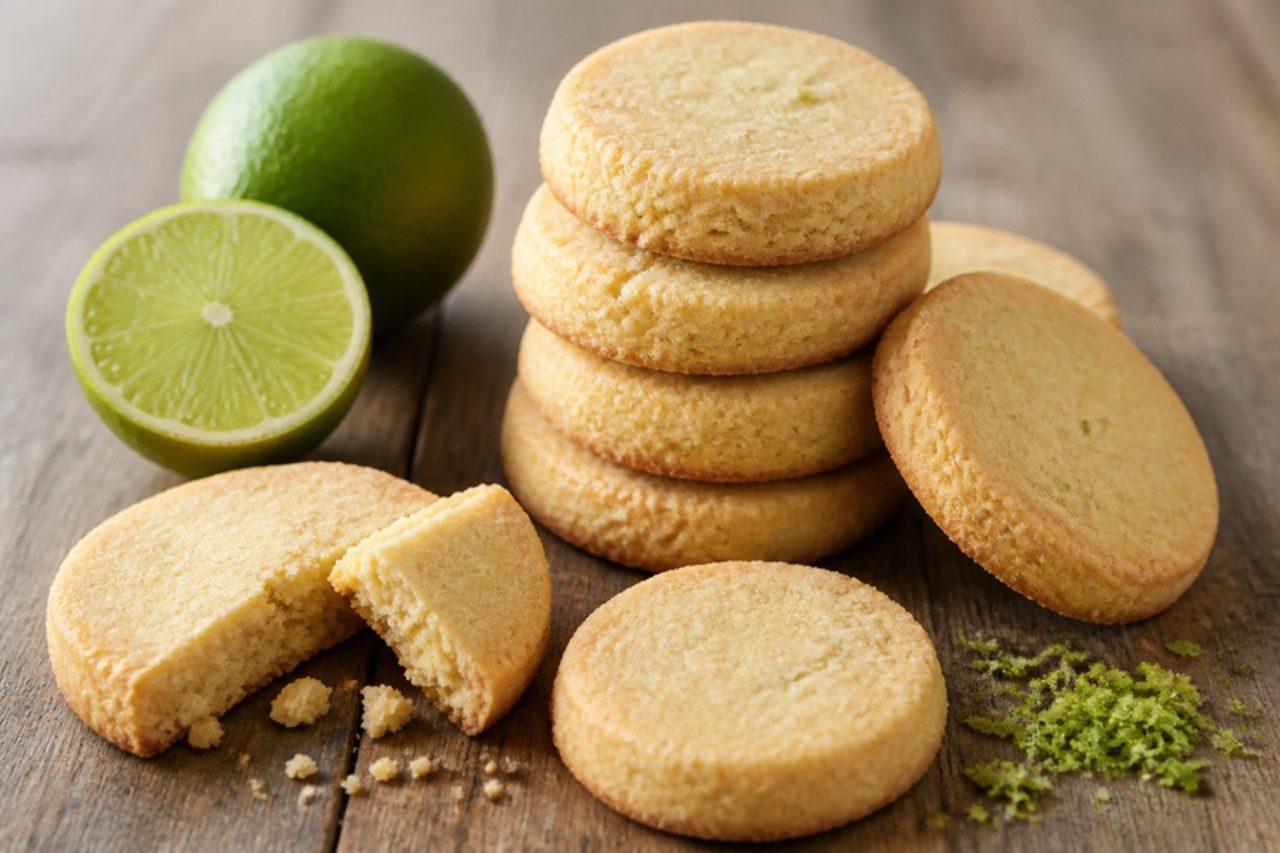
Torticas de MorónLime shortbread

The town of Morón in Ciego de Ávila gave its name to these crumbly little cookies, which Cuban bakeries sell in paper bags and grandmothers keep in a tin for visitors with coffee. They are pale, short and melt quickly, with a clear scent of lime zest. The common mistake is overworking the dough or baking until brown, which makes them hard rather than sandy, so pull them out while they are only just golden underneath. Chef's tip: chill the rolled dough for 20 minutes before cutting; the edges stay sharp and the cookies don't spread.

by KrazyBadal 0 views

KispiñoSteamed quinoa cakes

Pressed in a fist so each one carries the marks of the cook's fingers, kispiño are small, dense quinoa cakes from the Puno highlands, steamed and then left to dry so they keep for weeks on journeys, herding trips and pilgrimages. Traditional ones are bound with a little lime water (from cal, the mineral) and fat; this home version uses oil and a pinch of aniseed and sugar, so they're vegan and pleasantly savoury-sweet. They're firm and chewy, a little like a grain cake, and good with hot tea, coca tea or a soup on a cold day. The common mistake is making the dough too wet, so the cakes slump in the steamer; it should feel like damp sand that holds its shape when squeezed. Ground quinoa is quinoa flour; grind your own from rinsed, dried and toasted grain, or buy it ready ground. Chef's tip: toast the ground quinoa in a dry pan first until it smells nutty, which takes away any bitterness.

by KrazyBadal 0 views

King kongLayered biscuit with manjar blanco

Named, the story goes, after the giant ape because of its size when the film reached Peru, the king kong is Lambayeque's proudest sweet: thick, crumbly biscuit layers stacked with manjar blanco, a sticky pineapple jam and a peanut fudge, then cut into heavy slabs. Shops in Lambayeque and Chiclayo sell them by the kilo in boxes, and travellers carry them home as gifts. It is very sweet, buttery and dense, so a slice goes a long way with black coffee. This home version makes the manjar blanco from condensed and evaporated milk to save hours, then turns half of it into the peanut layer. The usual mistake is overbaking the biscuit until it is hard; take it out as soon as the edges are pale gold, as it firms up while it cools. It is a project, so make the fillings first and let them cool. Chef's tip: wrap the finished king kong and leave it overnight before cutting; the layers settle and soften into each other.

by KrazyBadal 0 views

Turrón de Doña PepaAnise biscuit sticks in spiced syrup

Every October, the month of the Señor de los Milagros processions in Lima, bakeries and street sellers pile their trays with turrón de Doña Pepa: layers of crumbly anise-flavoured sticks drenched in a dark syrup of chancaca cooked with fruit and spices, topped with a storm of coloured sprinkles. Popular lore credits it to Josefa Marmanillo, a woman from the Cañete valley who is said to have made it in thanks after the procession. It is sticky, crunchy and soft at once, with orange and clove in the syrup. Its downfall is usually runny syrup that soaks the sticks into mush; it needs to reach a thick, threading stage before it goes on. Chancaca is sold as cones or blocks in Latin shops; panela or dark muscovado also work. Some coloured sprinkles contain gelatin, so check the label. Chef's tip: make it a day ahead; the syrup sets and the sticks soften just enough to slice neatly.

by KrazyBadal 0 views

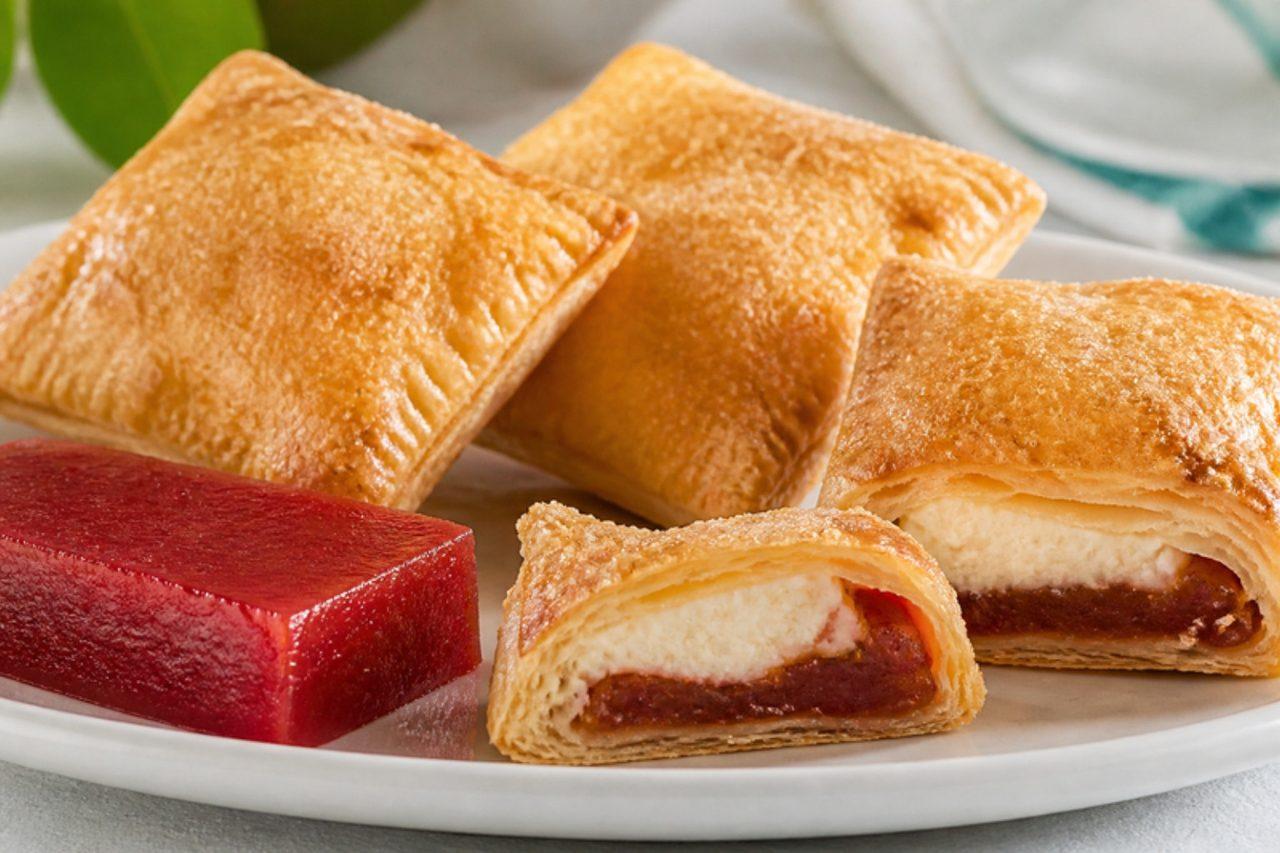
Pastelitos de guayabaGuava and cream cheese pastries

Pastelitos de guayaba are the flaky puff pastry squares sold warm from the glass cases of Cuban bakeries, eaten standing up with a café cubano mid-morning. Havana bakers fill them with dense guava paste, often with a layer of cream cheese (de guayaba y queso), and brush the tops with sugar syrup so they shine. Shop-bought all-butter puff pastry makes them easy at home. Chef's tip: chill the filled tray for 15 minutes before baking; cold pastry rises higher and the filling is less likely to leak.

by KrazyBadal 0 views

Nagasaki castellaHoney sponge cake

Castella arrived in Nagasaki with Portuguese traders in the 16th century, when the port was Japan's only window to Europe, and the name probably comes from 'pão de Castela', bread from Castile. Over 400 years Nagasaki's bakers turned it into something their own: a tall, fine-crumbed sponge made only of eggs, sugar, flour and honey, with a dark, sticky top and a layer of crunchy zarame sugar crystals at the bottom. It's still sold in long wooden boxes at old shops near the harbour and given as a formal gift. Cut it into neat slices and serve with green tea. Chef's tip: wrap the cake in cling film while still warm and rest it overnight. Its moist, springy texture develops as it rests.

by KrazyBadal 0 views

ChajáSponge, peach and cream cake

Chajá was created in 1927 at a bakery in Paysandú, a city on the Uruguay River, and named after a local bird whose feathers look as fluffy as its crumbly meringue coat. Today it's Uruguay's birthday and celebration cake: layers of light sponge soaked in peach syrup, filled with whipped cream, peaches and dulce de leche, then covered in crushed meringue. It's sweet, soft and crunchy at once, best on the day it's assembled. Chef's tip: soak the sponge but not too much; it should feel moist, not wet, or the layers slide.

by KrazyBadal 0 views

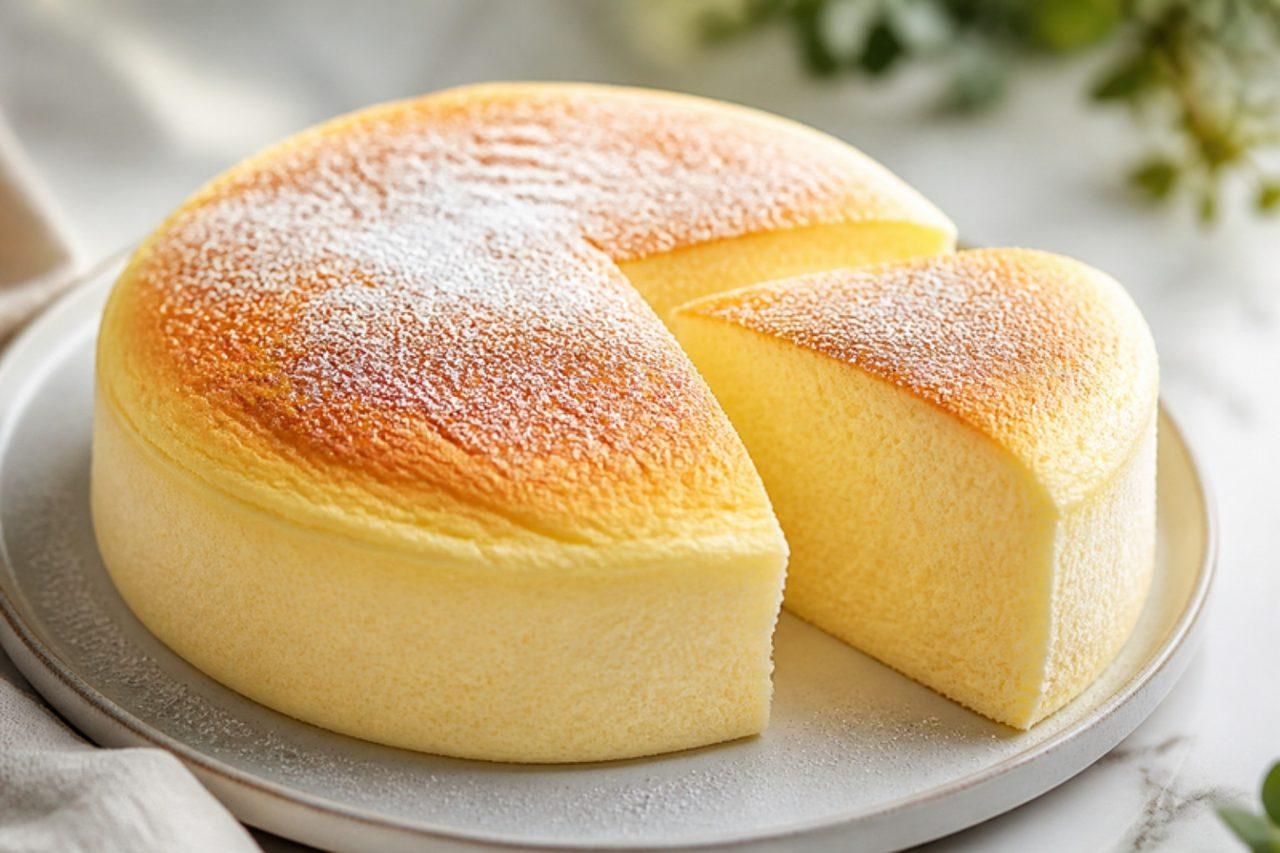
Japanese cheesecake

Japanese soufflé cheesecake (スフレチーズケーキ) is soft, airy and barely sweet, somewhere between a cheesecake and a chiffon sponge, and it wobbles when it comes out of the oven. It became popular in Japanese bakeries in the 1960s and later spread from Osaka and Fukuoka shops around the world. Cream cheese is folded with stiffly whipped meringue and baked slowly in a water bath so it rises without cracking. It takes patience, but the result melts in the mouth. Chef's tip: whip the meringue only to soft-to-medium peaks and bake low and slow in the water bath. Over-whipped egg whites and a hot oven are the two reasons this cake cracks and then collapses.

by KrazyBadal 0 views