Skip to content
Recipes

All recipes

Vegetarian, or something you can't eat? Set your diet once and we'll hide recipes that don't fit.

Mandi'o chyryryFried cassava with onion and egg

Mandi'o chyryry means 'fried cassava' in Guaraní, and it is what rural Paraguayan families make from yesterday's boiled mandi'o: chunks crushed and fried in a big pan with onion until crisp in places, then scrambled with eggs. It comes out for breakfast with cocido or for a quick supper, and costs next to nothing. Use sweet cassava, the kind sold in supermarkets. The mistake is stirring constantly, which turns it to mush; let the cassava sit and brown. Chef's tip: the best chyryry starts with cold, day-old boiled cassava, which fries crisper than freshly boiled.

by KrazyBadal 0 views

Cocido quemadoBurnt sugar mate drink

Cocido is how Paraguay starts the day: in Asunción, in the villages of Guairá and Itapúa, and in school kitchens, a pot of burnt yerba is brewed and poured into cups with chipa, the cheesy cassava bread, or with a hard galleta. The old way is to drop a glowing piece of charcoal into a pot with yerba and sugar and stir until the sugar burns. On a home stove you caramelise them together in a dry pan instead, which is safer and gives the same smoky, toffee-like taste. The drink is clear amber-brown, with roasted, slightly bitter mate notes over burnt-sugar sweetness; with milk added it becomes cocido con leche, creamy and coffee-coloured. Yerba mate contains caffeine, so treat it like a cup of coffee. The common mistake is letting the sugar go black: it turns acrid and bitter. Pull it off the heat when the caramel is deep amber and the yerba smells toasted, not burnt. It is ready when the liquid is a clear dark amber and tastes of toffee and smoke. Chef's tip: the water will spit fiercely when it hits the hot caramel, so pour it in from the side, at arm's length.

by KrazyBadal 0 views

TereréIced yerba mate

In Asunción the hottest part of the day stops for tereré: a horn or cup packed with yerba mate, topped up again and again with ice water infused with crushed herbs, and passed round the group through a metal straw. It was recognised by UNESCO as part of Paraguay's cultural heritage, and the herbs (yuyos) change with the season and the drinker's mood. Yerba mate contains caffeine, so it isn't one for small children. The common mistake is pouring water straight into loose yerba, which then clogs the straw; tilt the yerba to one side first. Chef's tip: for tereré ruso, swap the water for cold orange or grapefruit juice.

by KrazyBadal 0 views

Caesar

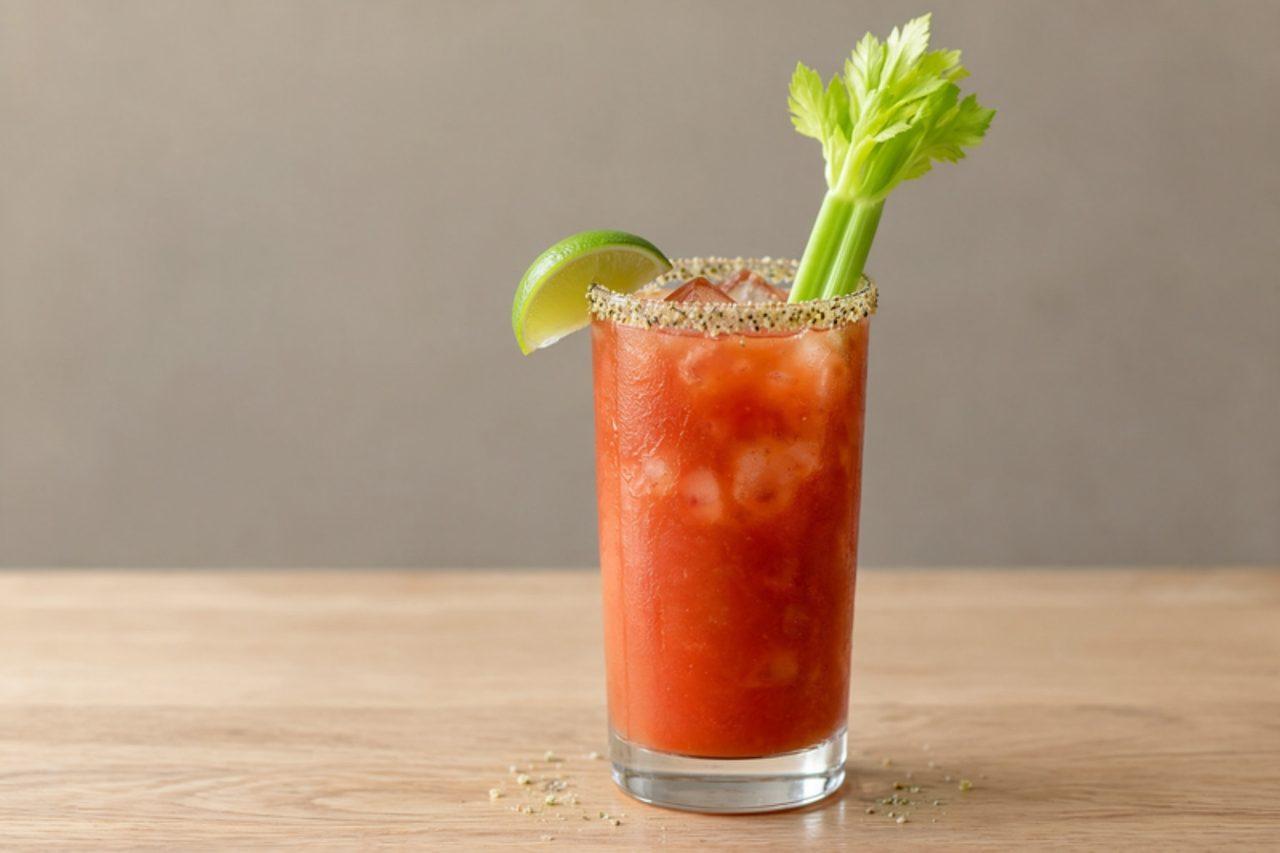
The Caesar was created in Calgary in 1969, when a hotel bartender was asked to invent a drink for a new Italian restaurant and thought of spaghetti alle vongole: clams, tomato, garlic, a squeeze of lemon. It has become Canada's own cocktail, ordered at weekend brunch, poured at the cottage on long weekends and raised on Canada Day, often with a celery stick or a spicy green bean standing in the glass. It is for adults only. Note that it is not vegetarian: the clam-tomato juice is made with clam broth, and Worcestershire sauce contains anchovy. A Caesar tastes savoury before anything else, briny and tomatoey, with heat from the hot sauce, tang from lime and a salty, herbal crunch from the celery-salt rim. The common mistake is shaking it hard like a sour: the tomato juice turns frothy, pale and watery. Roll it instead, pouring it back and forth between two glasses a few times. It is ready when the drink is evenly red, ice-cold and the rim is still neatly coated. Drink responsibly; it goes down easily. No clam-tomato juice? Mix 120 ml tomato juice with 30 ml bottled clam broth. Chef's tip: add a little grated horseradish for a sharper, more peppery Caesar.

by KrazyBadal 0 views

EinspännerBlack coffee with whipped cream

The Einspänner is named after the one-horse carriages of old Vienna: coachmen waiting outside in winter supposedly liked their coffee under a lid of cream that kept it hot and stopped it slopping. Today it is served in a handled glass at classic coffee houses, a strong black mocha (a double espresso or Großer Brauner without milk) topped with a thick layer of cold, lightly sweetened whipped cream and a pinch of icing sugar. You do not stir it: you sip the hot, bitter coffee through the cold, sweet cream, so each mouthful is two temperatures and two textures. It is an afternoon or late-morning coffee, often with a slice of Sachertorte. The common mistake is runny cream that sinks and turns the drink into a milky latte; whip it until it just holds a peak and spoon it on gently so it floats. It is ready when the cream stands at least 2 cm above the coffee and slowly sinks at the edges. It is strong: a double shot of caffeine in one glass. Chef's tip: pour the coffee in first and wait ten seconds before adding the cream, so the crema settles and helps support the cap.

by KrazyBadal 0 views

Wiener MelangeCoffee with milk and foam

In Vienna you never simply order 'a coffee'; you order by name, and the Melange is the one most Viennese ask for. It arrives in a large cup on a small silver tray with a glass of water and often a tiny chocolate, and you may sit over it for an hour with the newspapers at Café Prückel or Hawelka, mid-morning or after lunch. Traditionally it is a mild, longer espresso (a Verlängerter) with roughly equal hot milk and a soft cap of milk foam; it is gentler than a cappuccino and the foam is looser and creamier. Expect a round, nutty, slightly sweet cup with little bitterness. The common mistake is overheating the milk: once it passes about 70 °C it smells cooked and loses its sweetness and the foam turns big-bubbled and dry. Stop when the jug is too hot to hold for more than a second or two. It is ready when the foam sits in a smooth, glossy dome about a finger thick and the coffee shows as a brown ring at the edge. One cup has about the caffeine of a single espresso. Chef's tip: always serve the glass of water alongside, as Vienna does; it is drunk first to clear the palate.

by KrazyBadal 0 views

Chicken fricotChicken stew with dumplings

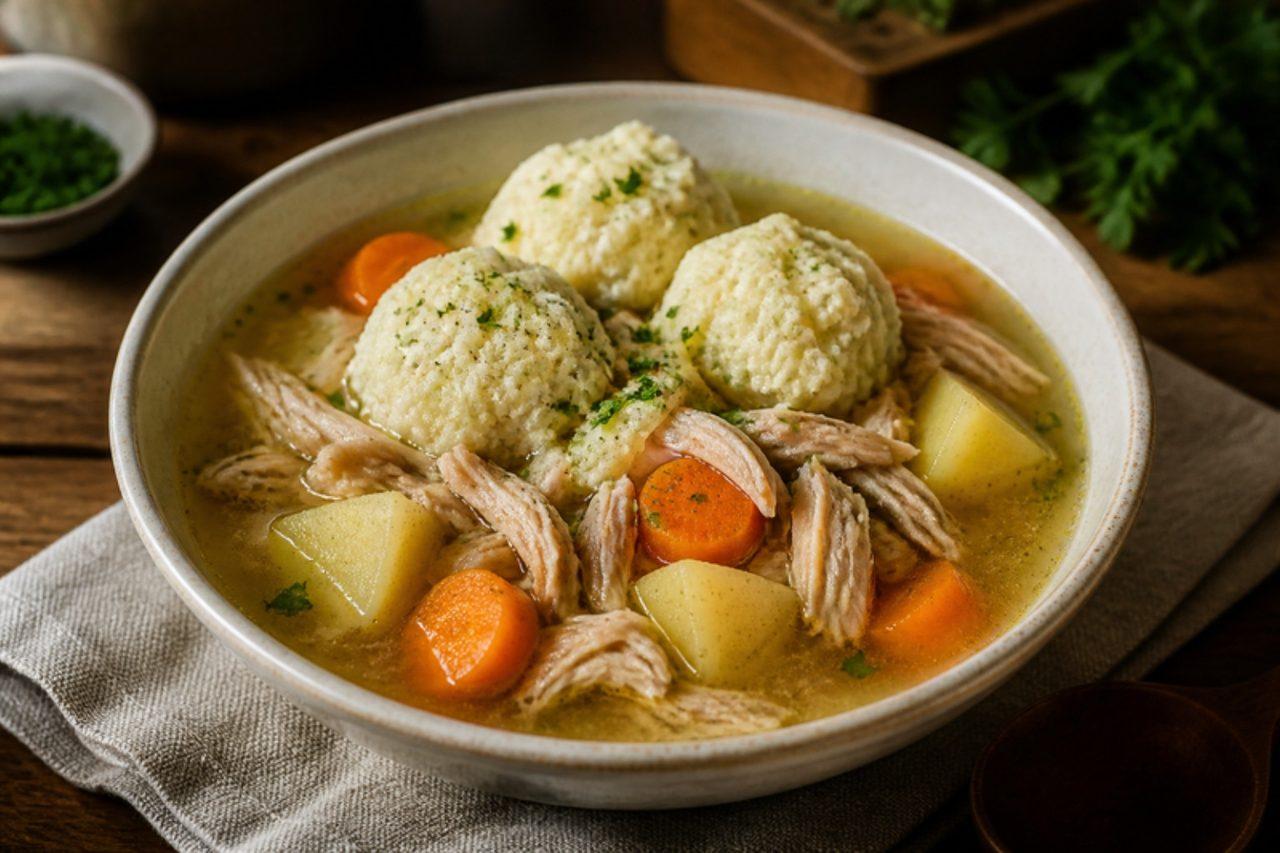
Fricot is the everyday stew of Acadian kitchens in New Brunswick, Prince Edward Island and Nova Scotia, and on Chéticamp it is still what grandmothers serve when the family comes home. Chicken simmers with potatoes, onion and plenty of summer savory, and fluffy dumplings called pâte steam on top at the end. It is simple, comforting food for cold evenings. A common mistake is a stew that is boiling hard when the dumplings go in, which breaks them up; keep it at a lively simmer. Chef's tip: summer savory is the defining herb; use thyme only if you really can't find it.

by KrazyBadal 0 views

Quebec hot chicken sandwichHot chicken sandwich with gravy

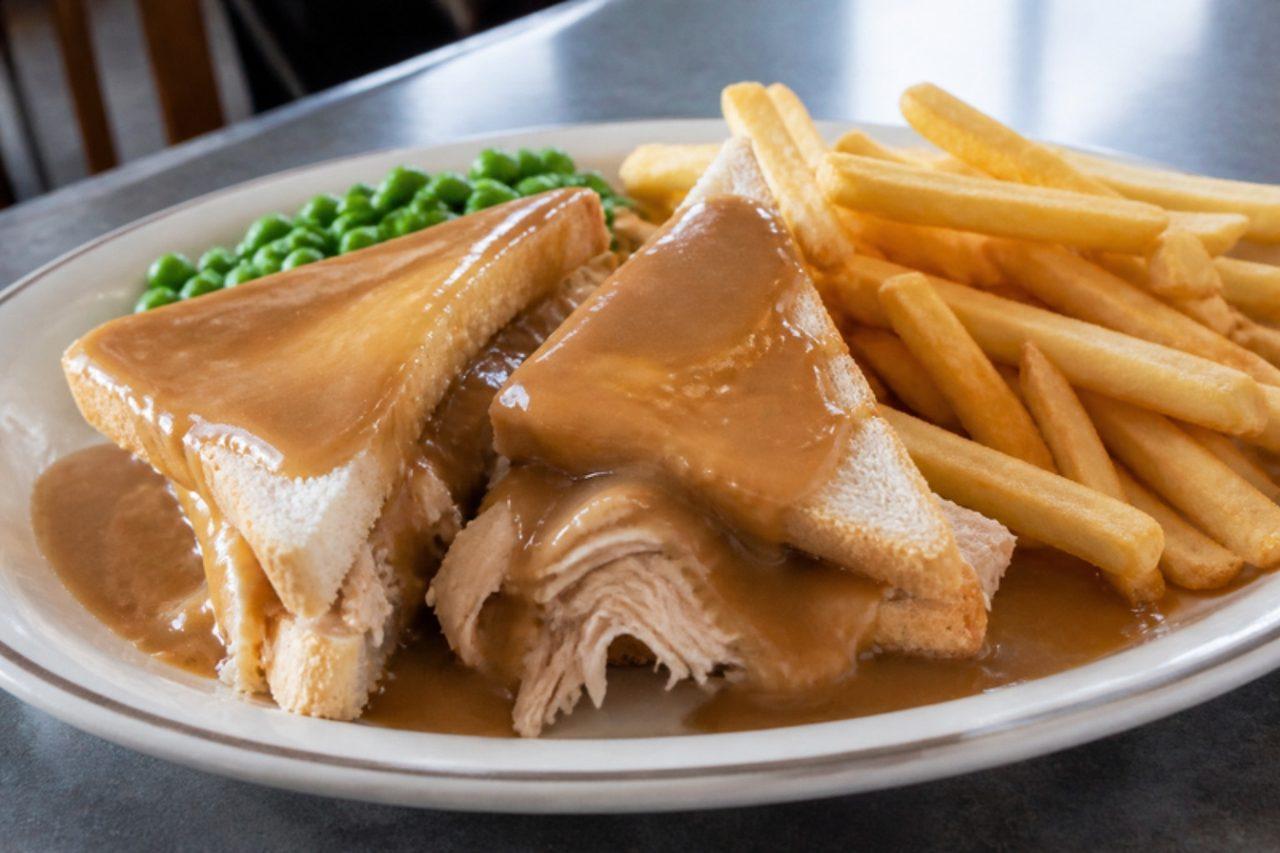
The hot chicken is a fixture of Quebec rotisserie restaurants and roadside diners from Sherbrooke to Rimouski, ordered at lunch with a side of fries and a little dish of canned peas. Pulled roast chicken is piled between two slices of soft white bread, then the whole sandwich is drowned in a peppery brown chicken gravy and eaten with a knife and fork. It is a great way to use the meat from a roast chicken. A common mistake is a thin gravy; it should coat a spoon thickly so it clings to the bread. Chef's tip: add a spoonful of the roasting juices to the gravy for real rotisserie flavour.

by KrazyBadal 0 views

Rappie pieGrated potato and chicken pie

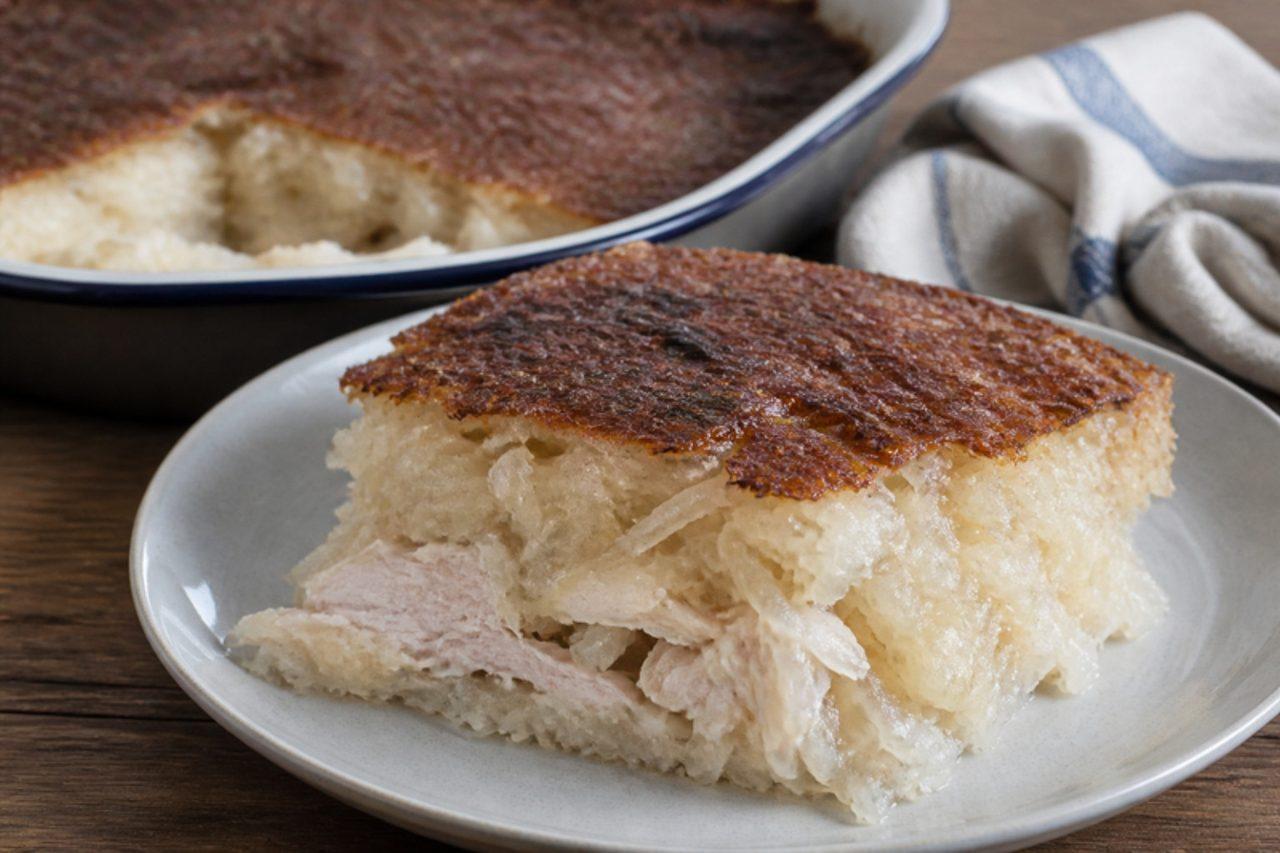
Rappie pie is the great Acadian dish of south-west Nova Scotia, around Clare and Pubnico, made for big family gatherings, weddings and Christmas. Potatoes are grated, squeezed hard to remove their liquid, then "replaced" with hot chicken broth, which gives the pie its unusual soft, jelly-like texture under a crisp brown crust. Chicken pieces are layered through the middle. It is a labour of love but feeds a crowd. A common mistake is not squeezing the potato dry enough; the broth can't soak in and the pie stays watery. Chef's tip: the broth must be boiling hot when you mix it in, which starts to set the starch.

by KrazyBadal 0 views

Labrador tea

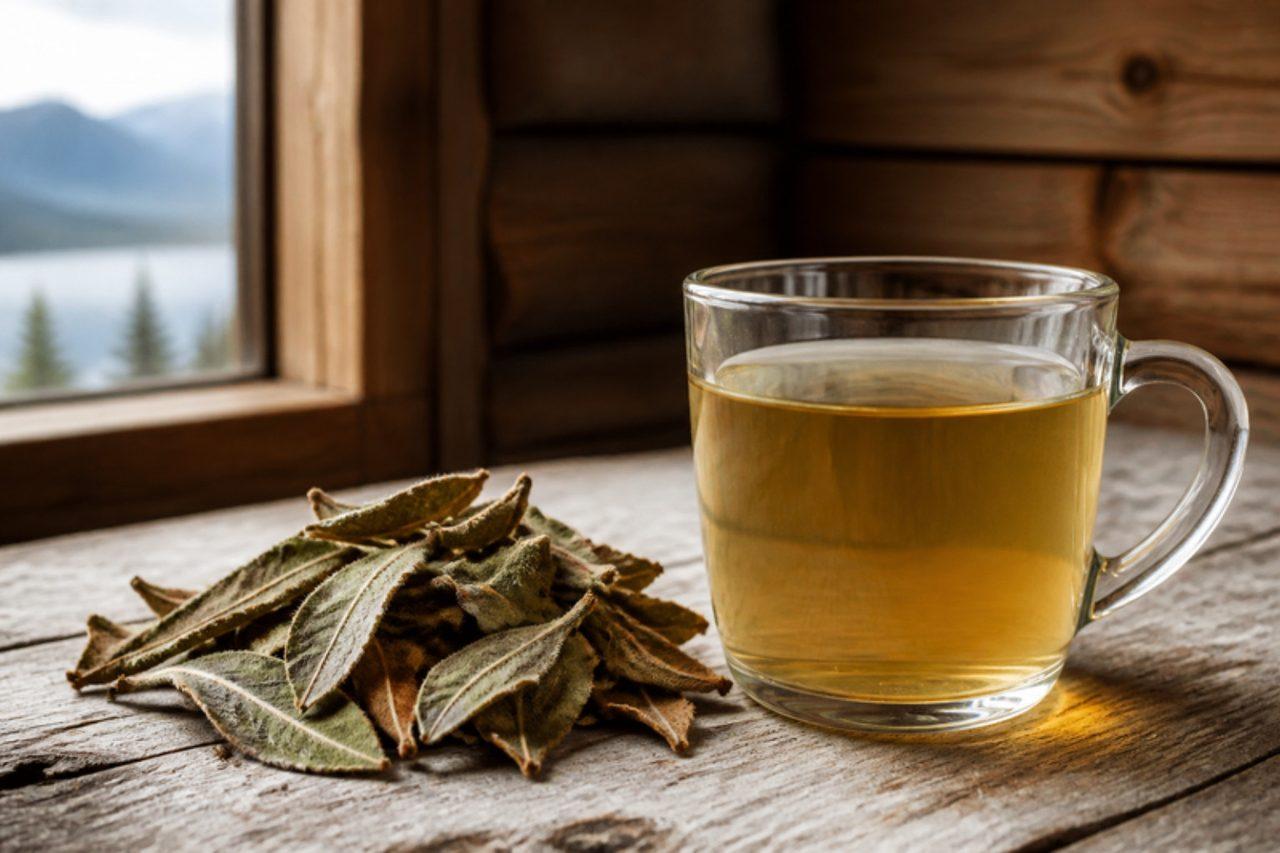
Labrador tea grows in the bogs and boreal forests right across northern Canada, and Cree, Dene and Inuit families have long dried its leathery, rust-backed leaves for a hot drink on the land and at home. It tastes resinous and piney, a bit like rosemary and eucalyptus, and is often sweetened with a little sugar. The leaves contain natural compounds that are harmful in large amounts, so brew it weak, drink a cup or two, and don't steep it for hours. It is not for pregnant or breastfeeding women. Only pick it if you know the plant well: the poisonous bog laurel grows alongside it; dried leaves from a trusted seller are safest. A common mistake is using a big handful of leaves; one tablespoon makes two cups. Chef's tip: steep below boiling and briefly; a long boil makes it bitter and stronger than you want.

by KrazyBadal 0 views

BackhendlCrumbed fried chicken

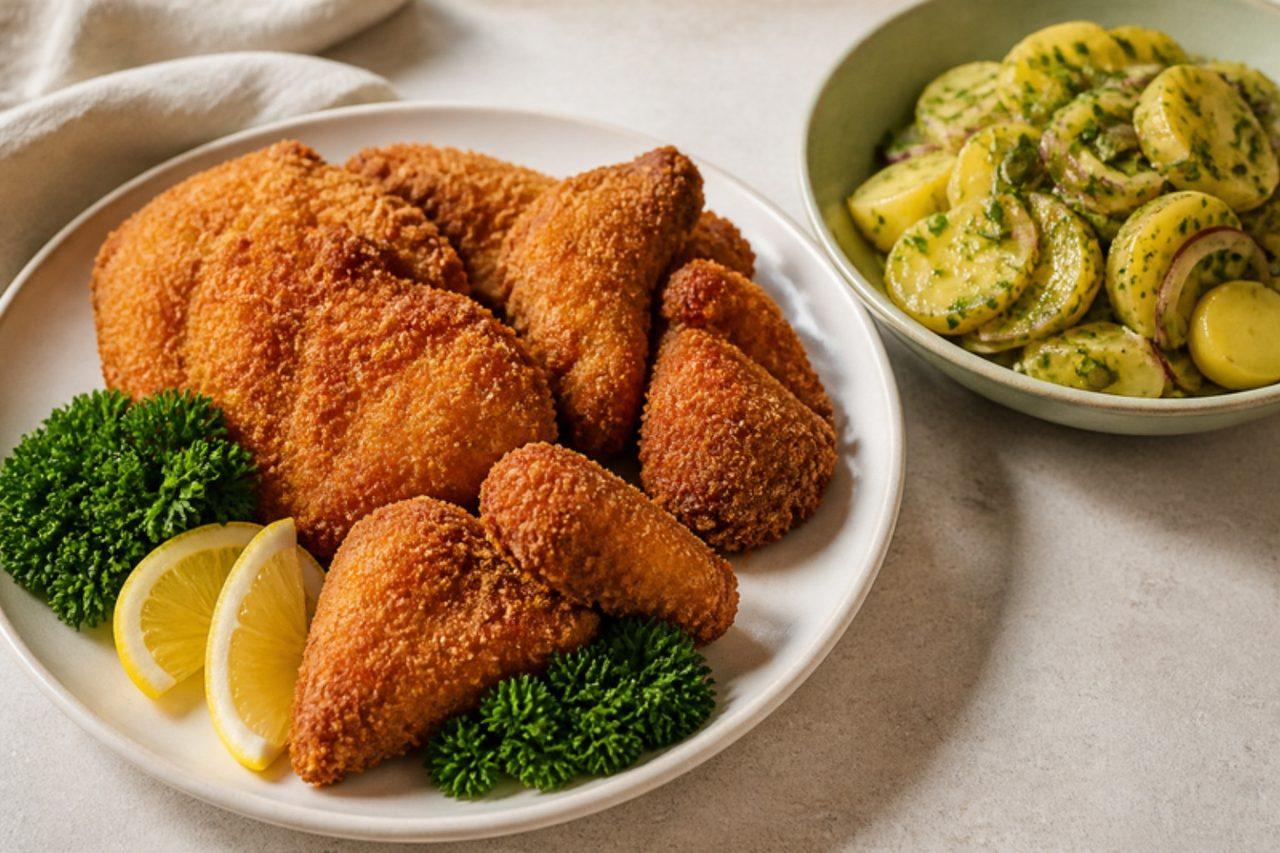
Backhendl, crumbed fried chicken, was the treat of 19th-century Viennese Sunday outings to the Prater and the wine villages, and it is still the star of Styrian taverns, served with lemon and a lukewarm potato salad glossy with pumpkin seed oil. Chicken pieces on the bone are seasoned with lemon, coated in flour, egg and fine breadcrumbs and fried slowly so the crust puffs and stays crisp while the meat cooks through. Chef's tip: fry at a moderate heat, not a fierce one; bone-in pieces need time for the centre to reach a safe temperature before the crumbs burn.

by KrazyBadal 0 views

Fiddleheads with garlic butter

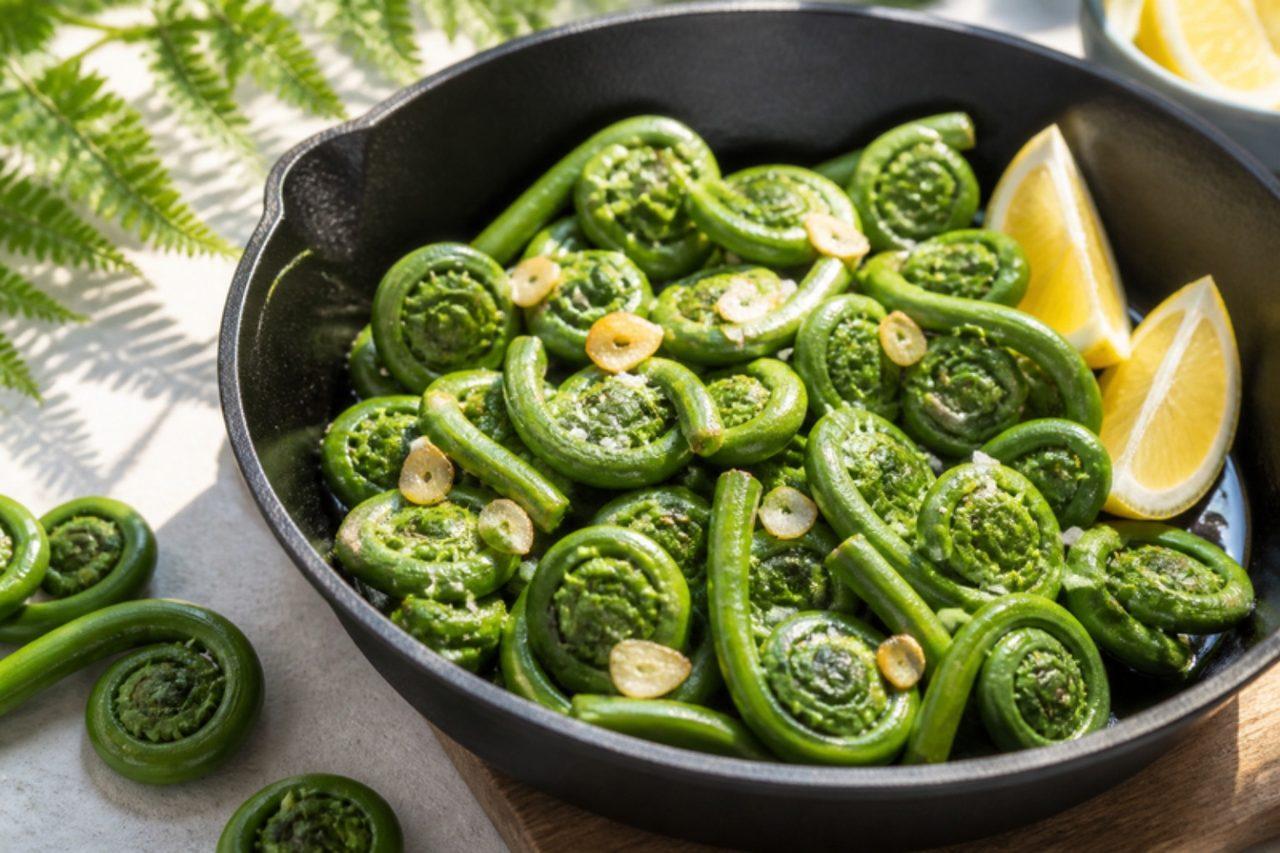
For a few weeks in May, the riverbanks of New Brunswick, along the Saint John River, and parts of Maine and Québec sprout fiddleheads: the tightly coiled young shoots of the ostrich fern. Locals forage them or buy them by the bag at roadside stands and farmers' markets, and eat them simply, with butter, garlic and lemon, tasting somewhere between asparagus and green beans with a grassy snap. They're a true taste of Atlantic Canadian spring. Chef's tip: fiddleheads must be boiled for a full 15 minutes before sautéing; undercooked fiddleheads can cause stomach upset, so this step is not optional.

by KrazyBadal 0 views