Skip to content
WhatToEat.Today

All recipes

17

Vegetarian, or something you can't eat? Set your diet once and we'll hide recipes that don't fit.

Mauritian cassava biscuits

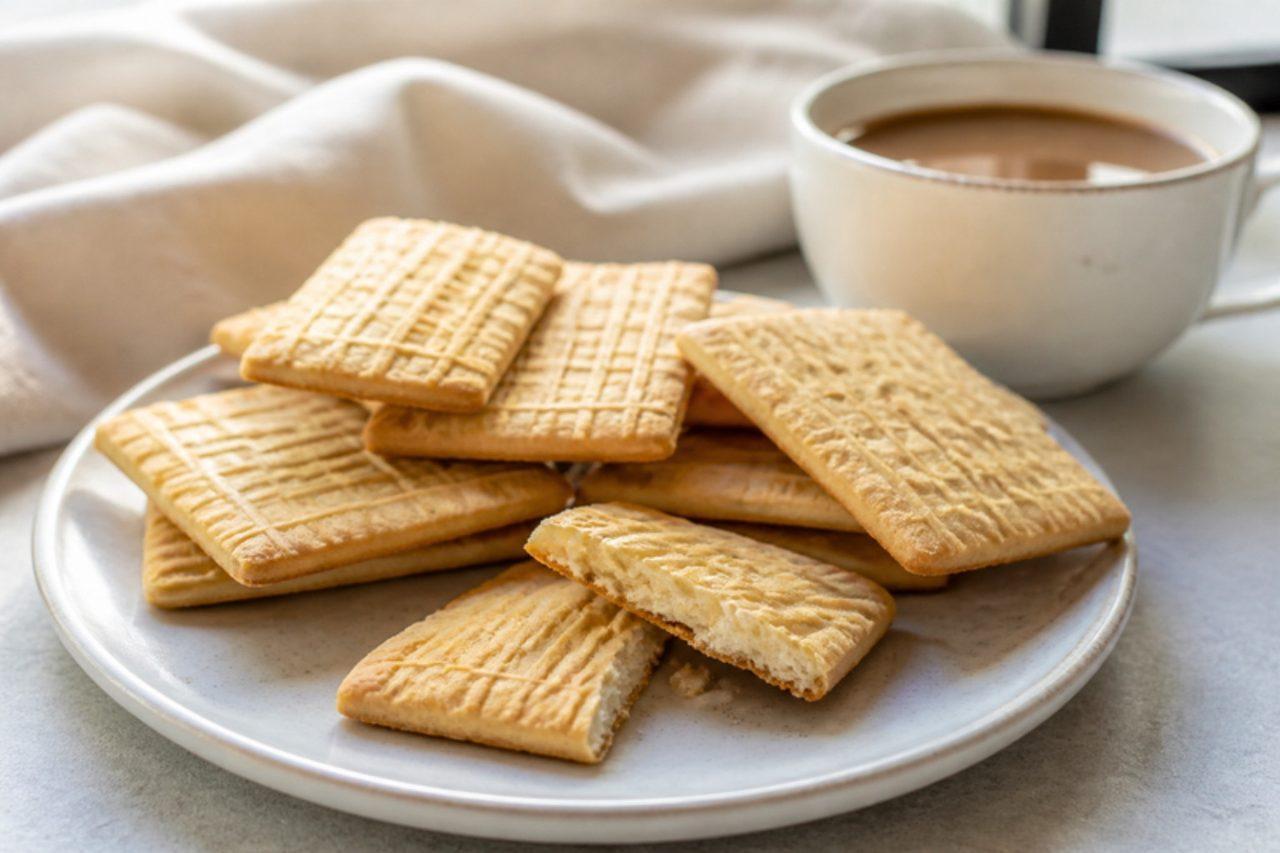
In Mahébourg, on the south-east coast of Mauritius, a family biscuit works has made thin cassava biscuits on hot iron plates for more than a century, and biscuit manioc has become the island's signature tea biscuit. They are pale, square and so crisp they snap cleanly, with a gentle sweetness and flavours such as plain, coconut, vanilla or cinnamon. Mauritians eat them with a cup of vanilla tea, spread them with butter, or crumble them over a bowl of fruit. Made with cassava flour, they are naturally gluten free. Chef's tip: mix the dough with very hot water, which partly cooks the starch and makes the dough pliable; cold water is the common mistake, and the dough cracks and crumbles as you roll it.

by KrazyBadal 0 views
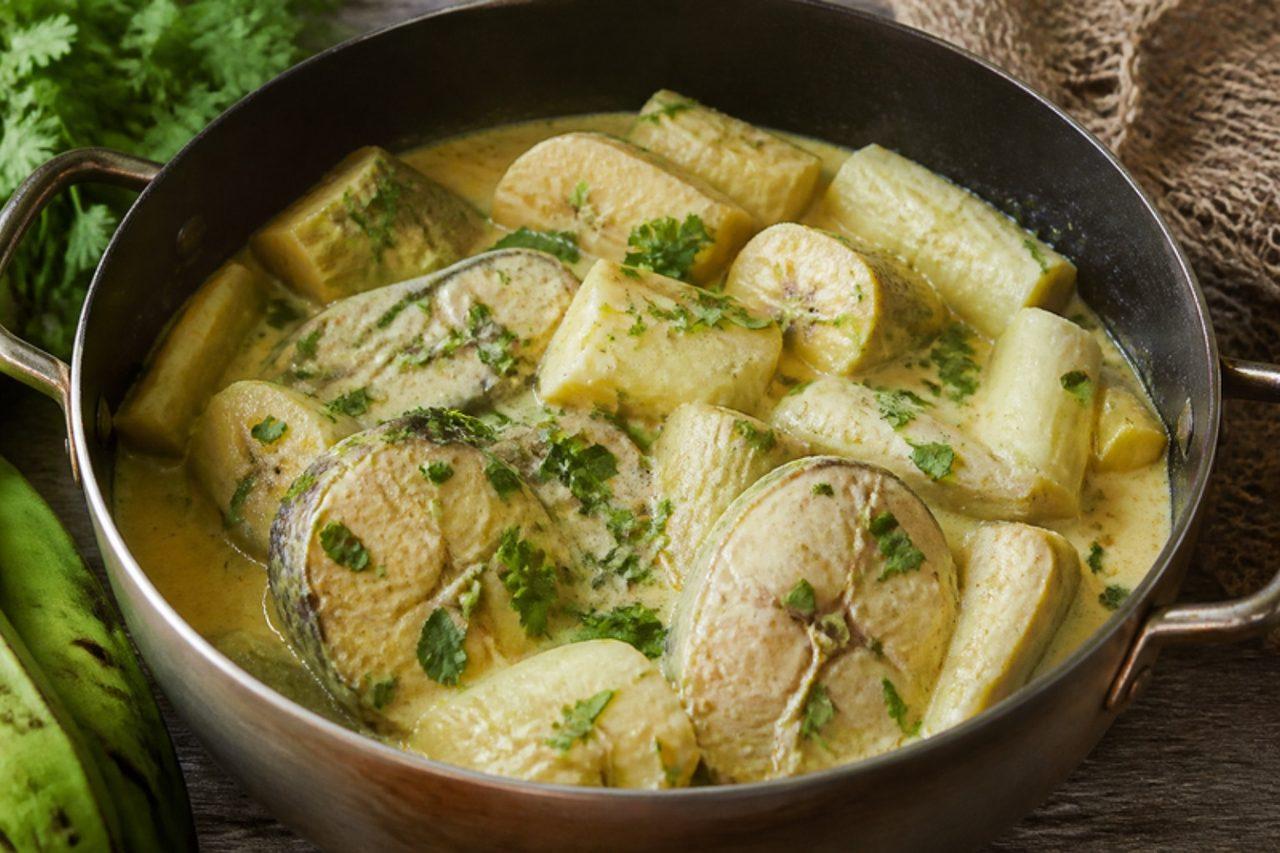
MtsololaFish with green banana and cassava

Mtsolola is the dish Comorians on Grande Comore and Anjouan miss most when they live abroad: chunks of green banana and cassava simmered in coconut milk with steaks of firm fish laid on top, cooked in one big pot for family meals and big gatherings. The vegetables turn soft and creamy at the edges and soak up the coconut, while the fish stays in moist pieces seasoned with garlic, lime and a little chilli. Eat it on its own from deep plates, with a fresh chilli and lime relish on the side, and mkatra foutra to mop up the sauce. Cassava must always be peeled and boiled thoroughly before eating; buy sweet cassava, fresh or frozen, and discard its first cooking water. Chef's tip: add the fish only once the banana is nearly tender, because fish put in at the start breaks into shreds.

by KrazyBadal 0 views
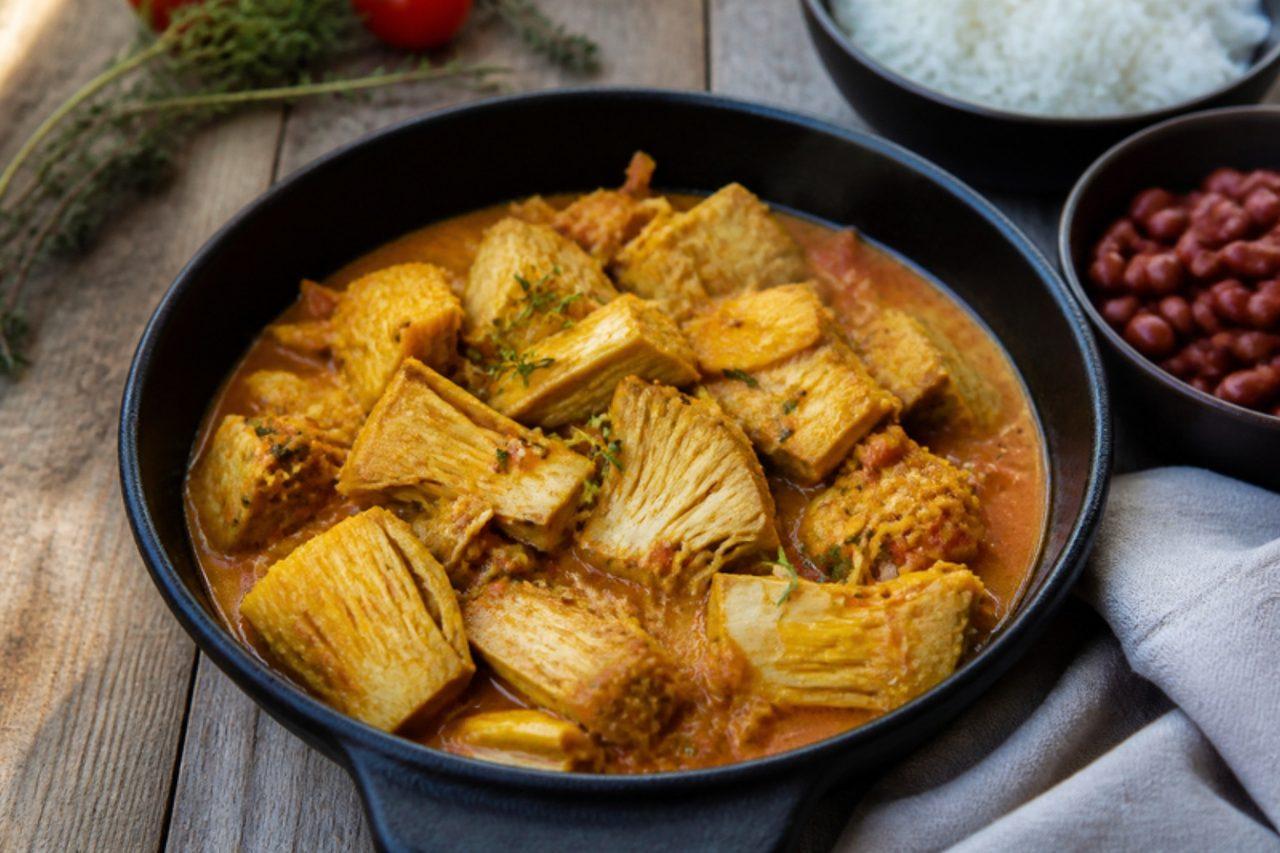
Cari ti jacquesYoung jackfruit curry

When the jackfruit trees around Saint-Louis and Saint-Joseph drop their small green fruit, Réunion cooks turn them into cari ti jacques, long-simmered until the flesh shreds into soft, meaty strands soaked in turmeric, tomato, garlic and thyme. The island's classic version is cooked with smoked pork, but this one leaves the meat out entirely and lets the tomato and slow cooking carry it, with a pinch of smoked paprika for the smoky note. Serve it with white rice, beans or lentils and a sharp rougail. The common mistake is stopping too early: jackfruit that is only just tender tastes rubbery, and it needs a full hour for the pieces to fall apart when pressed. Chef's tip: if you use tinned young jackfruit, rinse it well and squeeze it gently, as the brine tastes sour and metallic.

by KrazyBadal 0 views

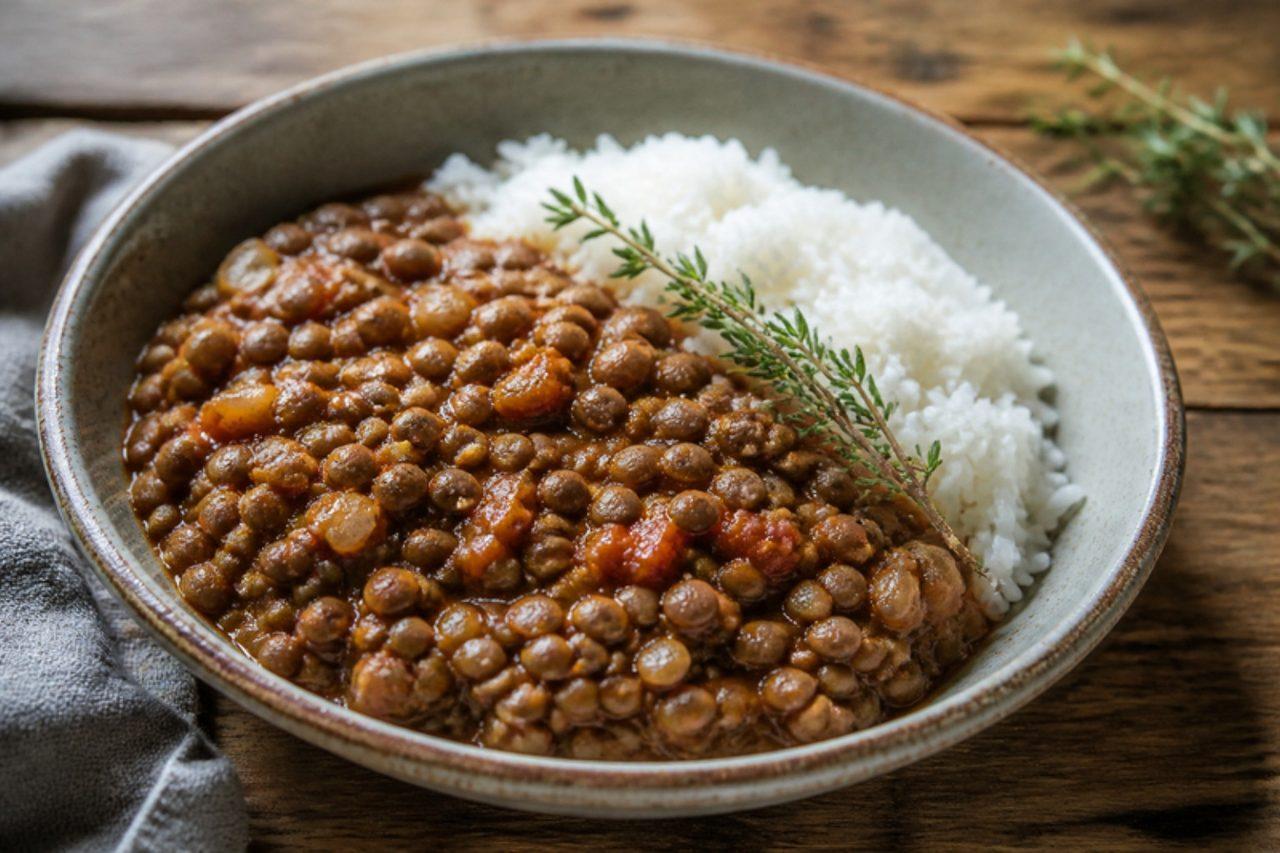
Lentilles de CilaosMountain lentils

High in the volcanic cirque of Cilaos, farmers grow tiny brown-green lentils on terraces, and the whole island prizes them: they hold their shape, taste nutty and mineral, and turn up beside every kind of cari, with a mound of white rice and a spoon of rougail. The village holds a lentil festival each autumn, and a pot of lentilles is a fixture of family Sunday lunches across Réunion. Outside the island, use small French green or brown lentils, which behave in the same way. Don't let them boil hard; a fierce boil splits the skins and turns the pot into mush, so keep it at a gentle bubble. Chef's tip: take the time to brown the onions properly before the lentils go in, because that slow, sweet browning is what gives the sauce its depth.

by KrazyBadal 0 views

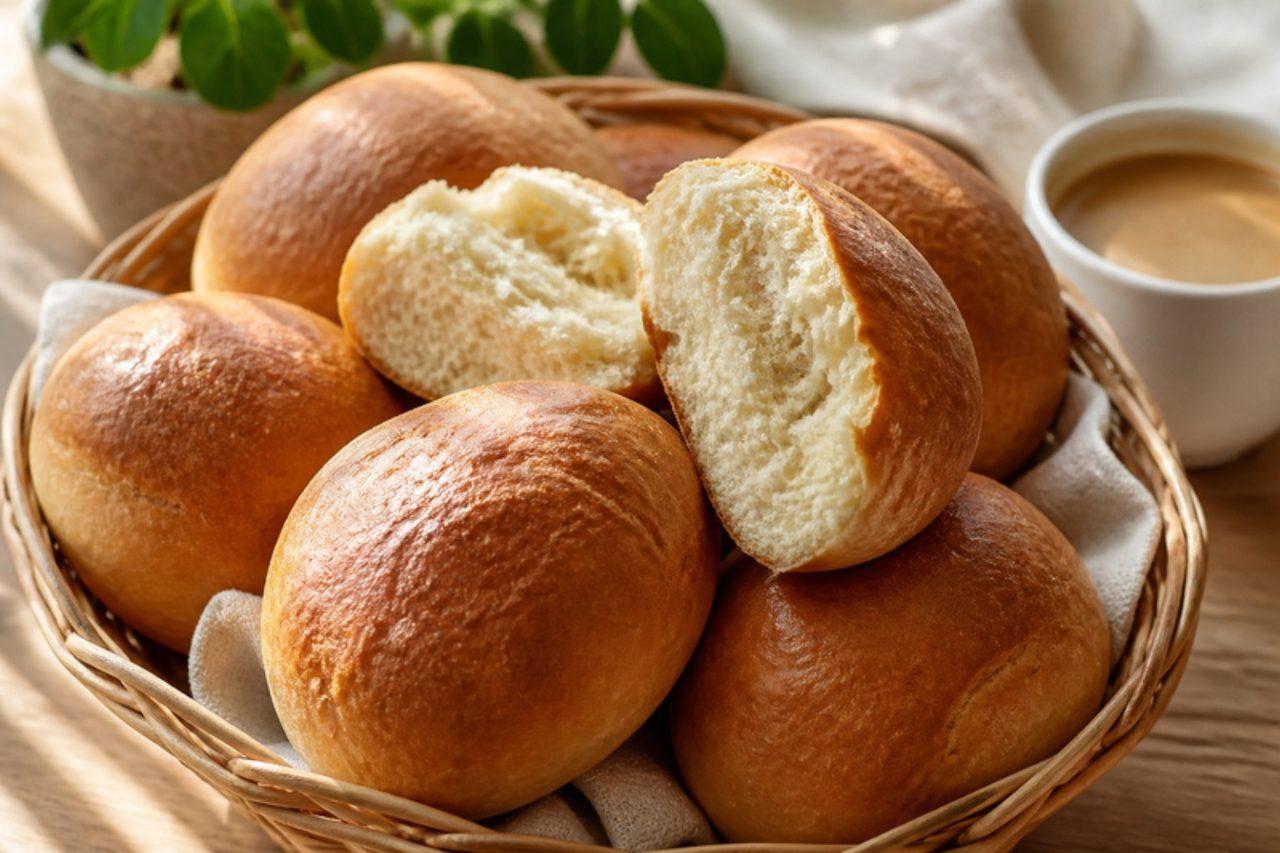
MacatiaSweet breakfast buns

Bakeries in Saint-Denis and Saint-Paul fill their shelves with macatias before dawn, and they go fast: plump, shiny buns with a close, cotton-soft crumb and just enough sugar to taste sweet with black coffee. Children take them to school, workers tear one open on the bus, and people split them and fill them with butter, cheese or even a spoon of cari for a quick lunch. Some bakers add grated coconut and call them macatia coco. The commonest mistake is using milk that is too hot, which kills the yeast; it should feel just warm on your wrist. Chef's tip: brush the buns with a little milk as soon as they come out of the oven and cover them with a cloth, which keeps the crust soft rather than crisp.

by KrazyBadal 0 views

Massalé cabriGoat curry

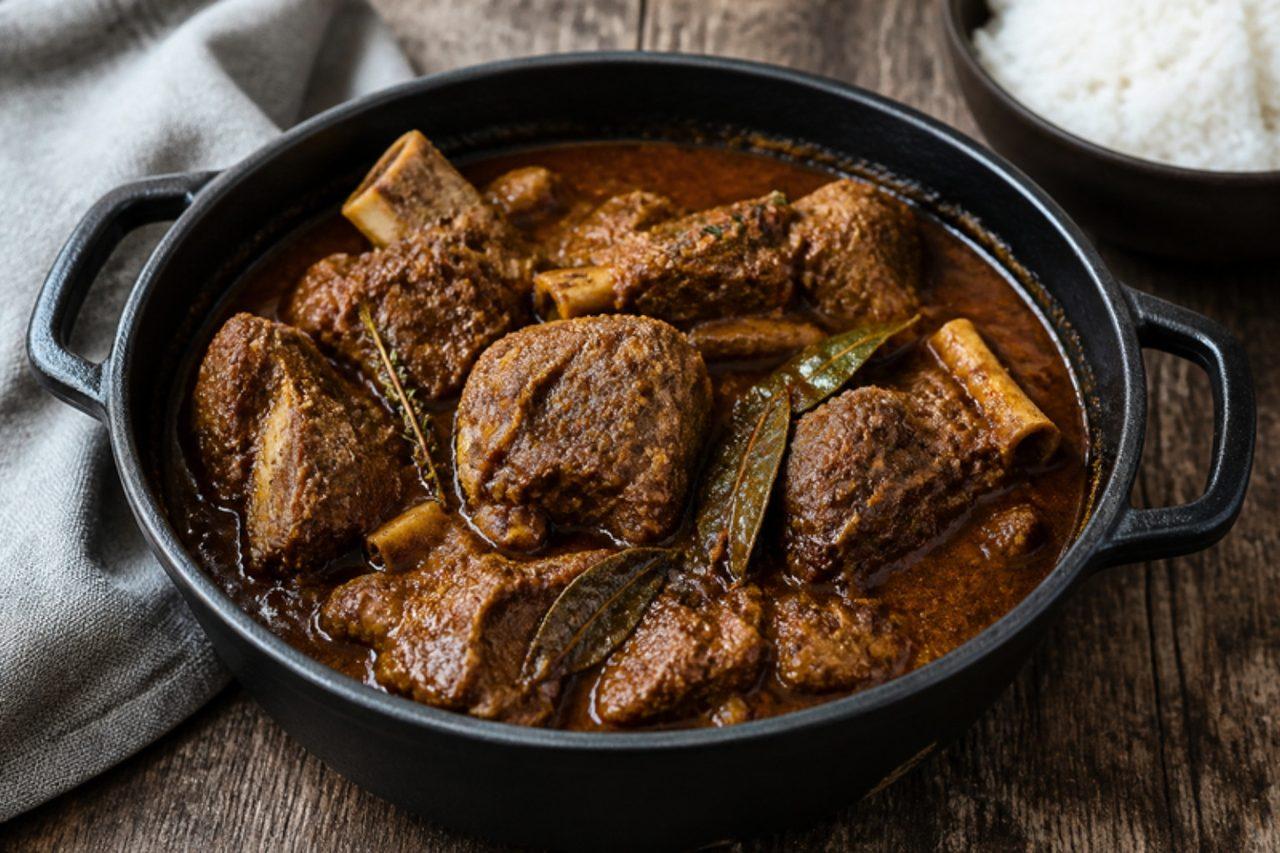
Massalé came to Réunion with Tamil workers in the nineteenth century, and the dark, earthy spice blend still perfumes the island's temple festivals and the big family meals that follow them, where massalé cabri is served from huge pots. Goat on the bone is rubbed with toasted, freshly ground coriander, cumin, fenugreek, pepper and cloves, then simmered with onion, garlic, ginger, tomato and curry leaves until it falls from the bone into a thick brown sauce with a lingering heat. Eat it with white rice, lentils and a rougail. The classic mistake is burning the spices while toasting them, which makes the whole pot bitter; take them off the heat the moment they smell warm and turn a shade darker. Chef's tip: marinate the goat overnight in the fridge if you can, as the massalé gets right into the meat.

by KrazyBadal 0 views

Pâté créolePork and chicken pie

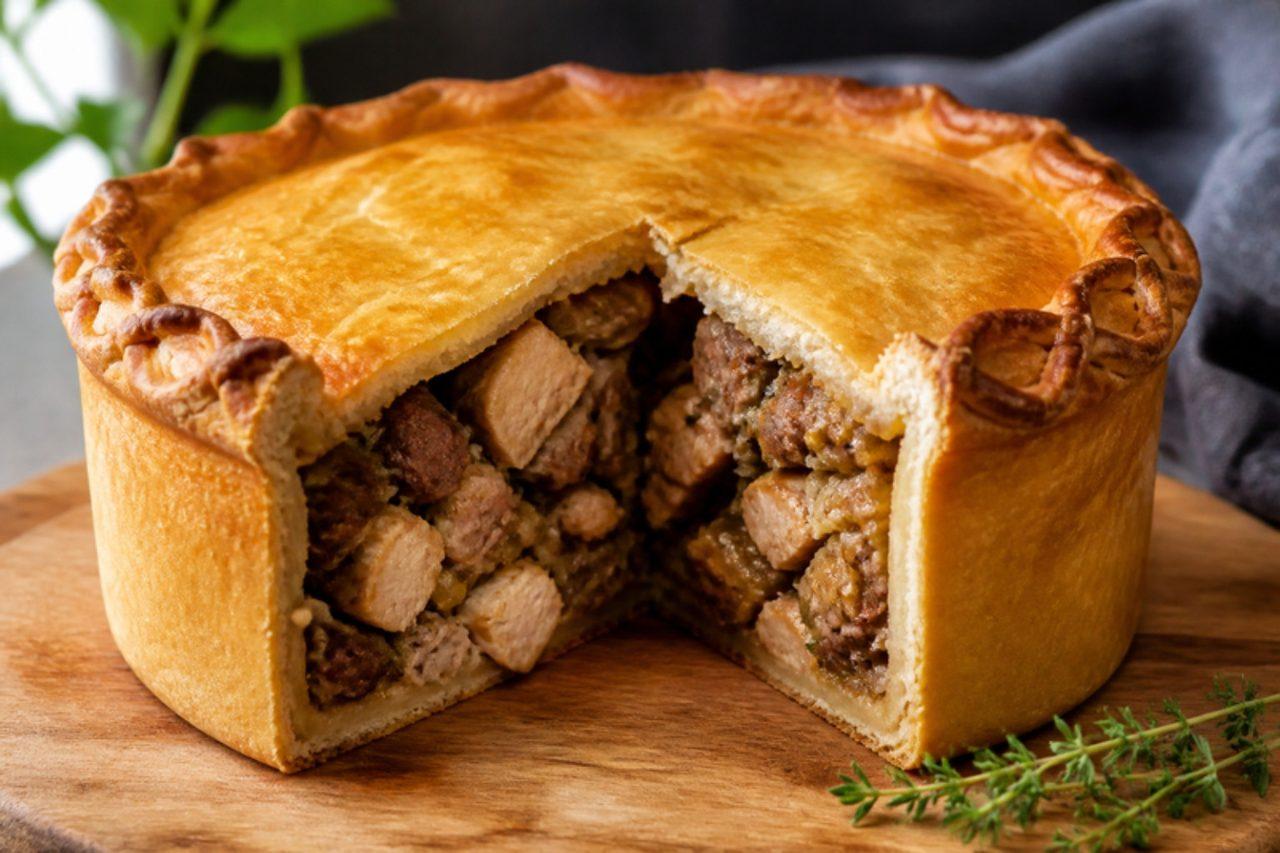
Christmas Eve, New Year and big christenings in Réunion are not complete without a pâté créole, a deep, golden shortcrust pie filled with pork and chicken that have spent a night soaking up garlic, ginger, thyme, parsley and four-spice. It bakes slowly so the meat cooks in its own juices into a tender, fragrant filling that slices neatly, and it is served warm or at room temperature with a green salad. Families often order one from the local baker or traiteur, but it is a satisfying weekend project at home. Because the filling goes in raw, the usual mistake is cutting the meat too large and taking the pie out too early; dice it small and check the centre with a thermometer. Chef's tip: keep a little hole in the middle of the lid; it lets steam escape so the crust stays crisp, and it is exactly where the thermometer goes.

by KrazyBadal 0 views

Bourzwa grilléGrilled red snapper

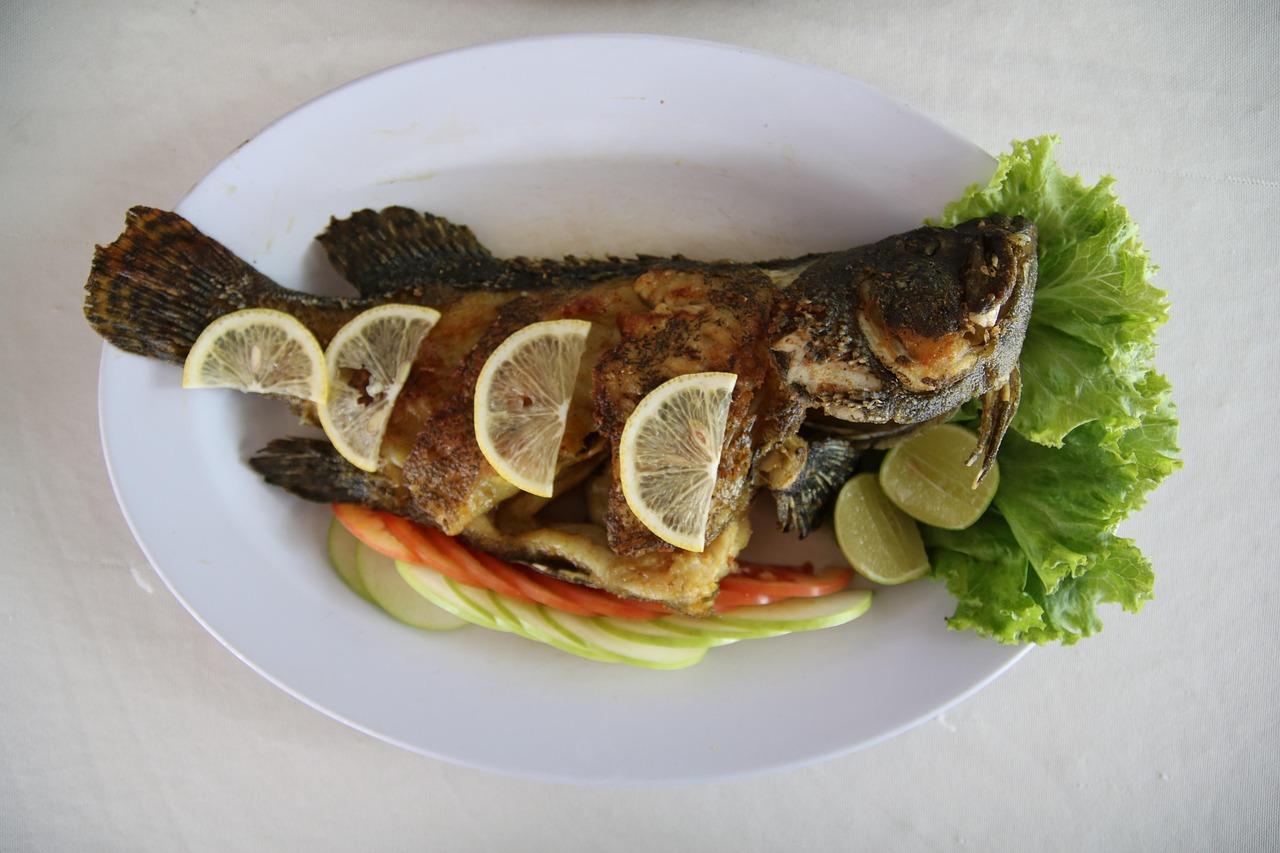
Bourzwa, the red snapper pulled from the reefs off Mahé, is the fish Seychellois choose for a beach barbecue or a Saturday family grill at Anse Royale. It goes on the coals whole, slashed and rubbed with a rough Creole paste of garlic, ginger, chilli, thyme and lime, and comes off with crackling, smoky skin and sweet, moist white flesh. Serve it with Creole rice, lentils, a tomato satini and a dish of breadfruit or green banana, with extra lime and chilli at the table. The usual mistake is moving the fish too soon: if it sticks, wait another minute and it will release once the skin has crisped. Chef's tip: oil the fish, not just the grill, and cook it in a hinged fish basket if you have one, so turning it is easy.

by KrazyBadal 0 views

Langouste à la vanilleLobster in vanilla cream

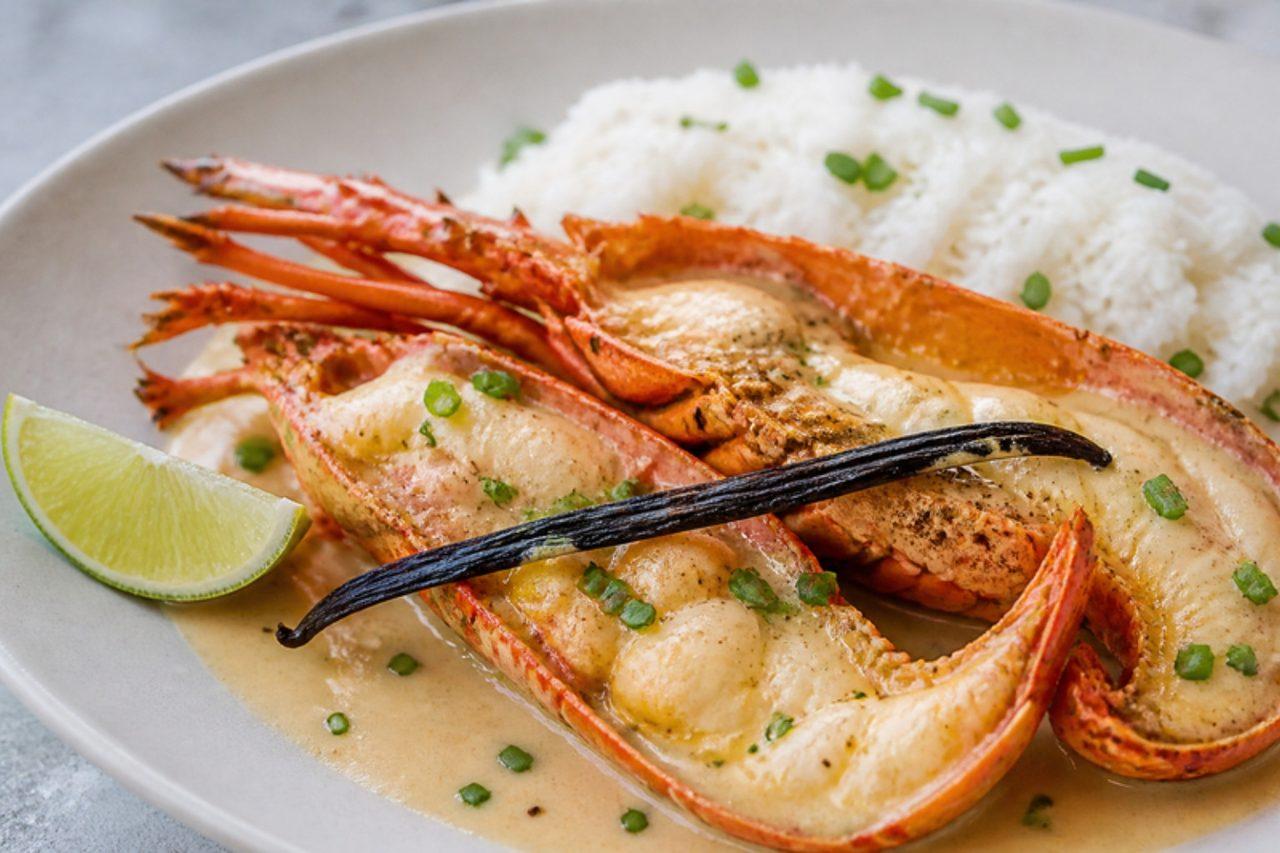
Anjouan and Grande Comore grow some of the world's most fragrant vanilla, and the islands' grandest dish pairs it with spiny lobster from the surrounding reefs. Served at weddings and in seafront restaurants in Moroni, it brings sweet, firm lobster to the table in a pale cream sauce where the vanilla tastes warm and floral rather than sugary, sharpened with lime and a touch of chilli. Frozen raw spiny lobster tails, thawed overnight in the fridge, work beautifully; a ready-cooked lobster just needs warming through. Serve it with plain white rice or fried green banana. Chef's tip: the classic mistake is overcooking, which turns lobster rubbery, so take it from the pan the moment the flesh turns opaque and let the sauce finish the job.

by KrazyBadal 0 views

Kari gros poisButter bean curry

In Mauritius, gros pois (butter beans) are a pantry staple, and kari gros pois is cooked in Creole and Indo-Mauritian homes alike for weekday lunches and Friday meat-free meals. The beans simmer in a curry of onion, tomato, garlic and ginger, flavoured with curry powder, fresh thyme and curry leaves, so it tastes of both India and the island's French side. It is served with rice, farata flatbreads and a tomato or chilli chutney. The usual mistake is frying the curry powder on high heat; it scorches in seconds and turns bitter. Pressure cooker option: cook the soaked beans for 15 minutes at pressure. Chef's tip: crush a few beans into the sauce at the end, which thickens it without any flour.

by KrazyBadal 0 views

Mauritian vanilla tea

In Mauritius the kettle goes on for dité at breakfast and again at four, when the heat of the day breaks and someone brings out gato piment, a packet of biscuits or a slice of gato patate. The tea is grown on the island's central plateau, around Curepipe and the Bois Chéri hills, and the local favourite is black tea perfumed with vanilla, the same vanilla that grows on the neighbouring islands. It is drunk strong, very sweet and milky, often with evaporated or condensed milk: a round, creamy cup with a soft caramel-vanilla scent and no bitterness. The common mistake is boiling the tea leaves with the milk until they stew; brew the tea in water first, then add hot milk. It is ready when the tea is the colour of milky caramel and the kitchen smells of vanilla. A cup has about as much caffeine as ordinary black tea. If you cannot find vanilla-scented Mauritian tea, a strong black tea and a split vanilla pod do the job well. Chef's tip: dry the used vanilla pod and bury it in your sugar jar; next time the sugar alone will scent the tea.

by KrazyBadal 0 views

NapolitainesJam shortbread sandwiches with pink icing

Pink, round and glossy, napolitaines sit in the front window of every pâtisserie in Port Louis and Quatre Bornes, and they come out at birthday teas, christenings and school fêtes. Two discs of tender, barely sweet butter shortbread are glued together with strawberry jam and dipped in a thin pink icing that sets to a crisp shell; the biscuit should crumble against the sweet glaze, not snap. The common mistake is baking them until golden: they must stay pale, or the shortbread turns hard and tastes toasted. Look for a vegetarian red food colouring, as many red colourings are made from cochineal insects. Chef's tip: chill the cut rounds for 15 minutes before baking so they keep their sharp edges and do not spread.

by KrazyBadal 0 views

Sept cariSeven vegetable curries

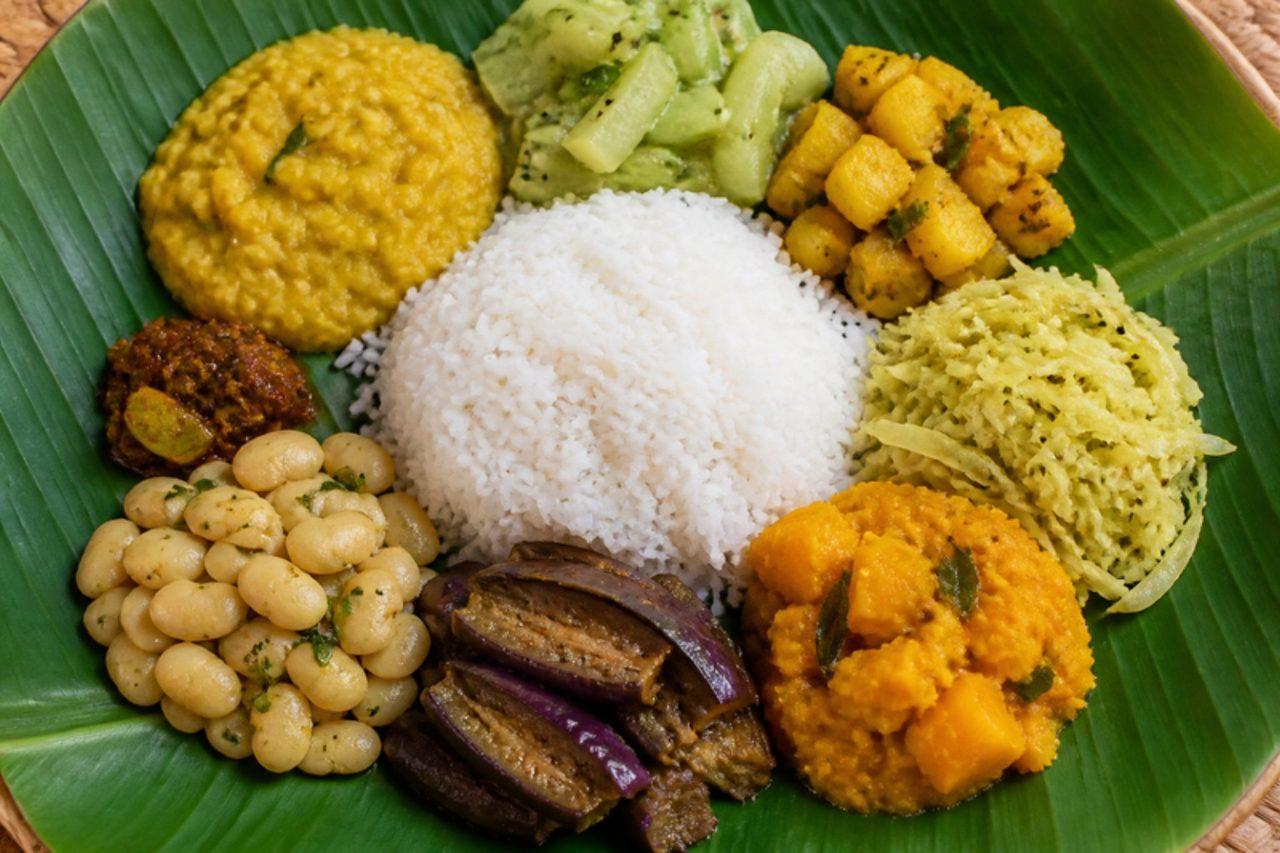
Weddings, Cavadee and the days after a Tamil or Hindu prayer end with guests sitting in rows while volunteers walk past with buckets, spooning rice and seven little curries onto each banana leaf. There is no meat, egg or fish: soft yellow dholl, sweet crushed pumpkin, glossy tamarind aubergine, chayote, green banana with mustard seeds, butter beans in tomato and a curry of cabbage and potato, each with its own texture so the leaf never tastes the same twice. At home it looks daunting, but the trick is a shared base of onion, garlic and ginger prepared once and a cooking order that lets the sturdy curries wait while the delicate ones go last. The usual mistake is to tip curry powder into the pan and add the vegetables straight away, which leaves a dusty, raw taste; fry it with a splash of water until the oil runs red-brown first. Eat it with your right hand if you like, and finish with a spoon of pickle or chatini on the side. Chef's tip: everything except the pumpkin and green banana reheats beautifully, so cook the dholl, beans and cabbage the evening before and the feast day becomes a two-hour job.

by KrazyBadal 0 views

Kari koko zouritOctopus coconut curry

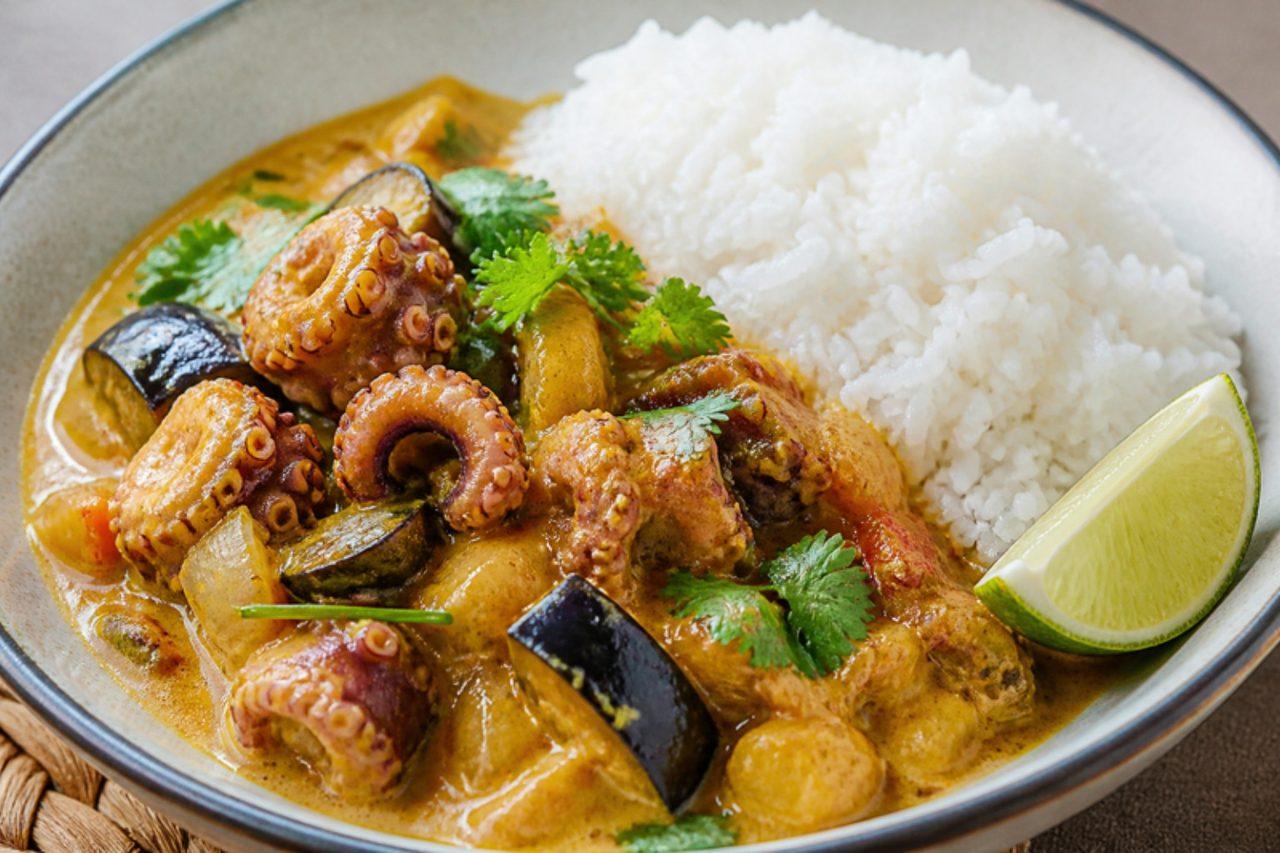
Kari koko zourit, octopus in coconut curry, is the dish most Seychellois would name as their national favourite, cooked on Mahé and Praslin when the fishermen bring octopus in from the reef. The octopus is simmered until tender, then cooked in a sauce of coconut milk, curry powder, garlic, ginger, cinnamon and a little aubergine. It is served with rice and a green papaya chutney. The mistake is cooking the octopus too briefly or at a fast boil, which makes it rubbery; it needs a long, gentle simmer. Chef's tip: frozen and thawed octopus is often more tender than fresh, because freezing breaks down the fibres.

by KrazyBadal 0 views

Mauritian fish curry

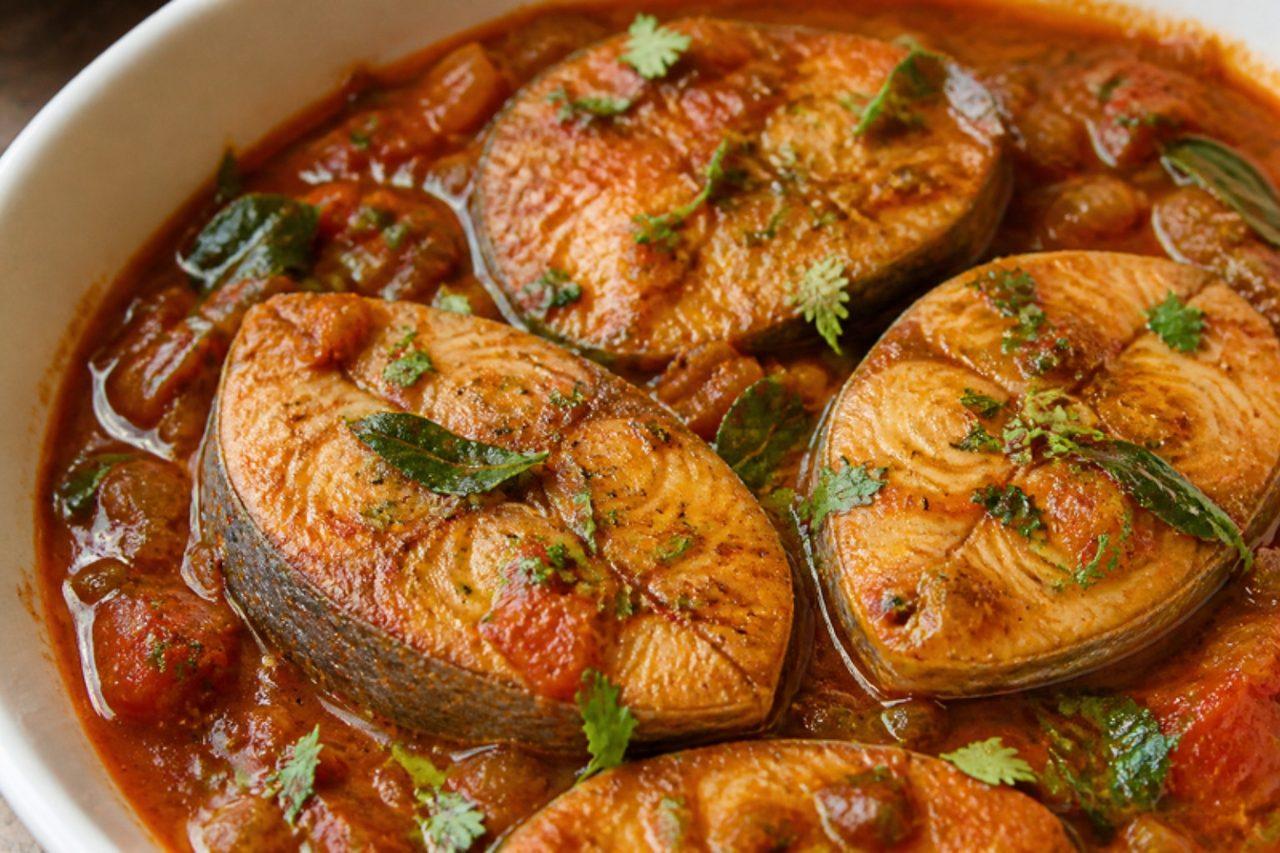
Cari poisson is cooked in Mauritian homes from Port Louis to the fishing villages of Mahébourg, a curry where Indian spice meets Creole herbs: pieces of firm fish are first fried, then simmered in a sauce of tomato, onion, curry powder, curry leaves and thyme. It is eaten with rice, lentils (dholl) and a spoon of chilli pickle. The mistake is putting raw fish into the sauce, which makes it fall apart; frying it first keeps it firm. Chef's tip: toast the curry powder in oil until it smells nutty before the tomatoes go in.

by KrazyBadal 0 views

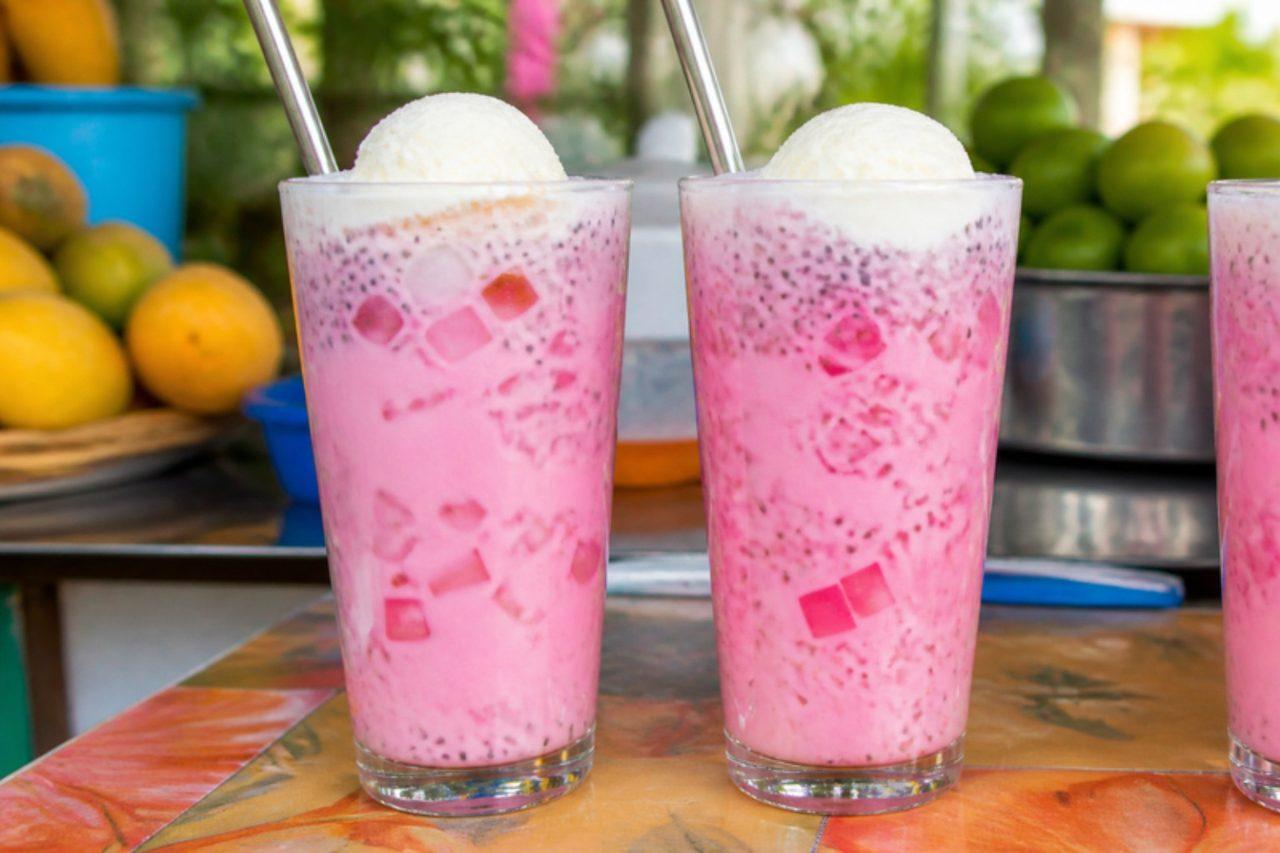
AloudaChilled milk drink with basil seeds

Alouda is the cold, sweet milk drink sold from stalls in the Port Louis central market and at beaches all over Mauritius, especially on hot afternoons. Vanilla- or rose-scented milk is poured over soaked tookmaria (sweet basil) seeds and cubes of agar jelly, and often topped with a scoop of ice cream. It is a cousin of the Indian falooda. Because the jelly is set with agar agar, it is vegetarian. Chef's tip: soak the basil seeds for a full 20 minutes until each one has a thick, clear coat; dry seeds stick in the throat.

by KrazyBadal 0 views

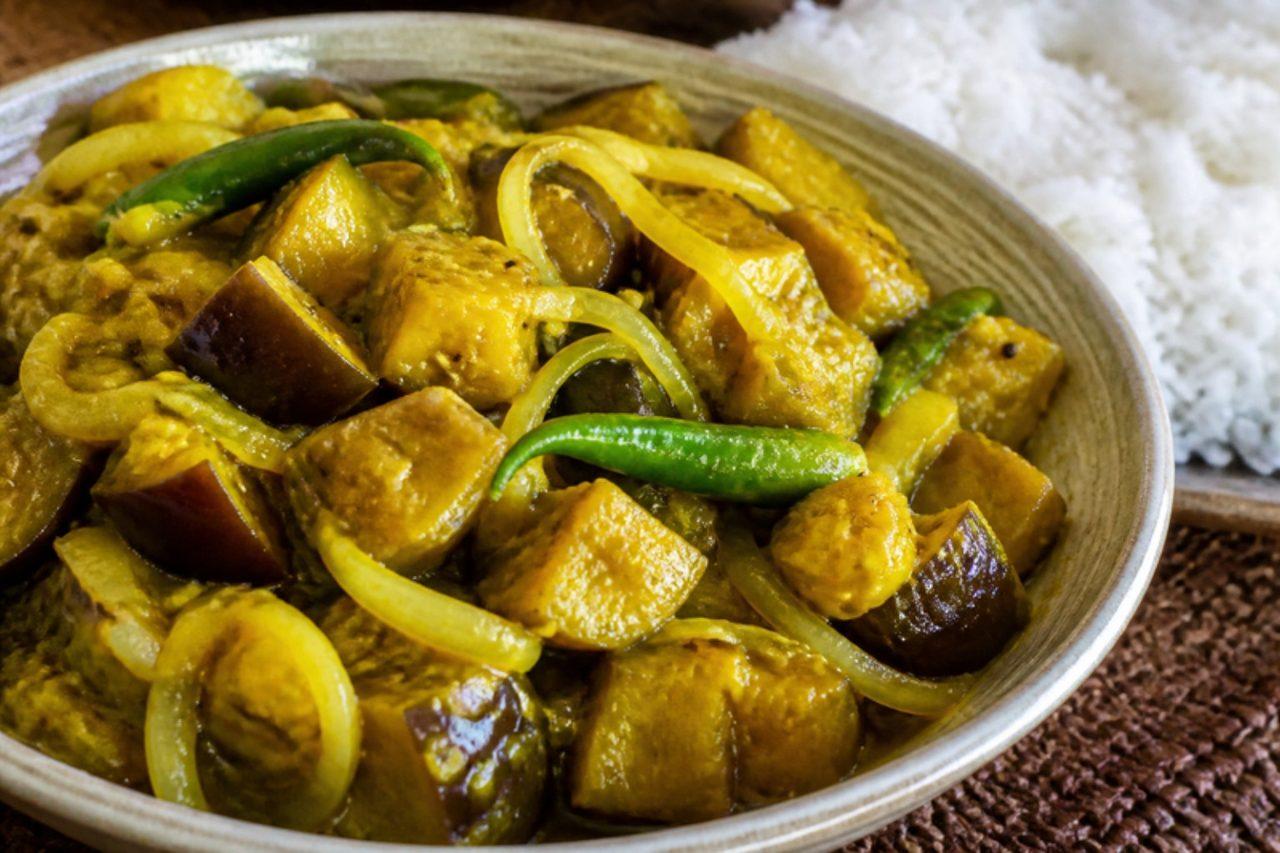
Vegetable vindayeMustard vegetable pickle curry

Vindaye is a Mauritian dish descended from the vindaloo and vinha d'alhos traditions but entirely its own: fried ingredients coated in a bright yellow paste of mustard seed, turmeric, garlic, ginger and vinegar, with lots of raw-crisp onion. Fish and octopus vindaye are the classics, served at room temperature with rice, faratas or bread; aubergine and potato vindaye is a well-loved vegetarian version for Hindu fasting days and buffets. Chef's tip: grind the mustard seeds fresh; ready-ground mustard gives a flat, dusty taste.

by KrazyBadal 0 views