Skip to content
Recipes

All recipes

Vegetarian, or something you can't eat? Set your diet once and we'll hide recipes that don't fit.

Jackass corn (Jamaican hard coconut biscuits)

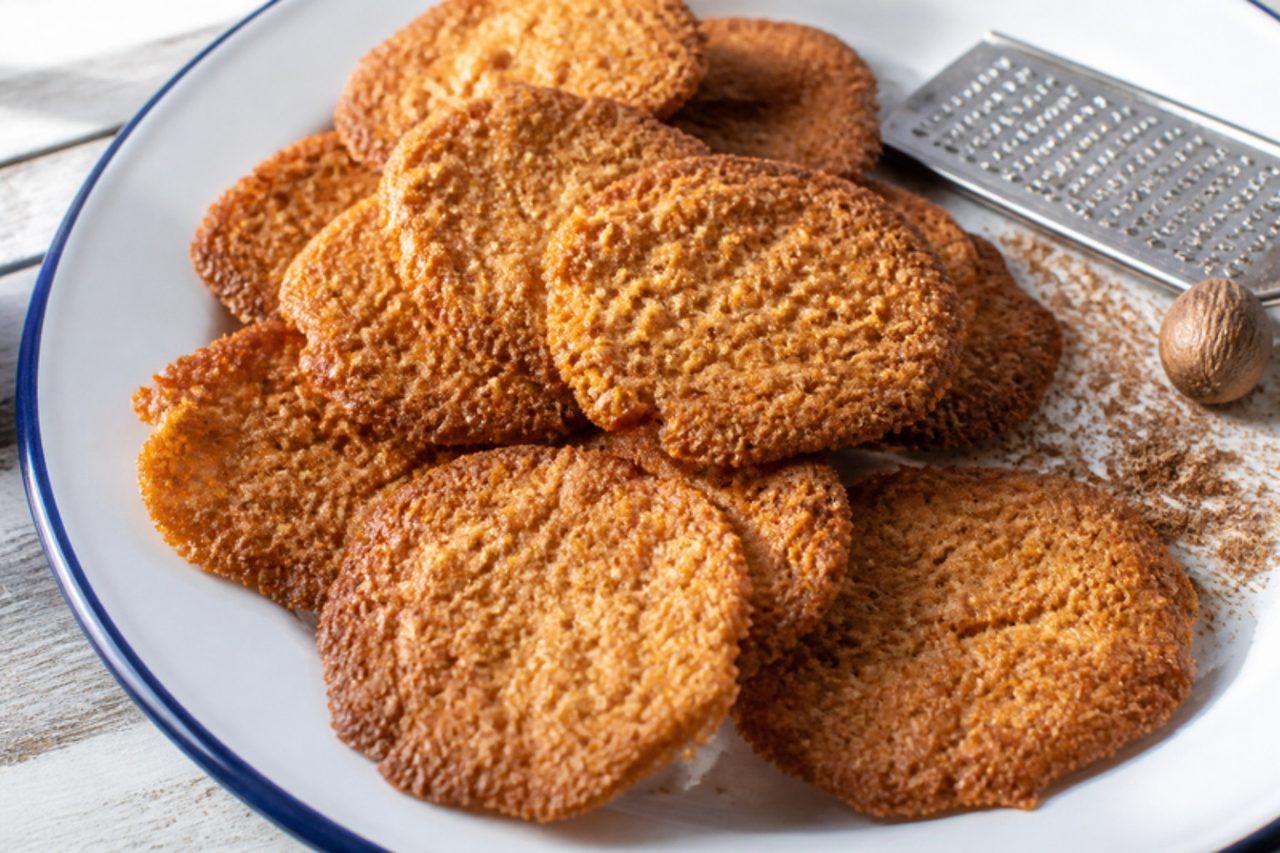
Jackass corn is one of the hard little biscuits of old Jamaica, sold in paper bags at roadside stalls and corner shops and packed for long journeys because it keeps for weeks. The name is usually explained as a joke about how much chewing it takes. It is made from plenty of grated coconut, brown sugar, flour and a good grating of nutmeg, rolled out very thin and baked until crisp right through, so every bite cracks and then turns sweet and nutty with toasted coconut. Have it with hot cocoa tea, mint tea or a glass of cold sorrel juice, or break it over ice cream. There has never been egg in it: coconut oil and water hold the dough together, and the coconut's own fat and the melted sugar set it hard as it bakes and cools. Chef's tip: roll it as thin as you dare, about 3 mm; the common mistake is leaving it thick, which gives a biscuit that is soft in the middle and goes stale instead of staying crunchy.

by KrazyBadal 0 views

ParihuelaSpicy seafood soup

Parihuela is the big weekend seafood soup of Callao and the Peruvian coast, eaten at long Sunday lunches in cevicherías and praised as a cure for tiredness and late nights. A deep red broth of ají panca, ají amarillo, tomato and fish stock is loaded with chunks of fish, prawns, squid and mussels. A portion gives about 30 g of protein, from the fish and shellfish, for roughly 300 kcal. Some cooks add chicha de jora or beer; this version has none. The common mistake is adding all the seafood at once: squid and prawns turn rubbery while the fish cooks, so they go in last. Before cooking, discard any mussels that stay open when tapped, and after cooking discard any that stay shut. Chef's tip: fry the chilli pastes in the oil until they darken and smell sweet; that toasted ají is what gives parihuela its depth.

by KrazyBadal 0 views

Fagioli e cozzeMussels and cannellini beans

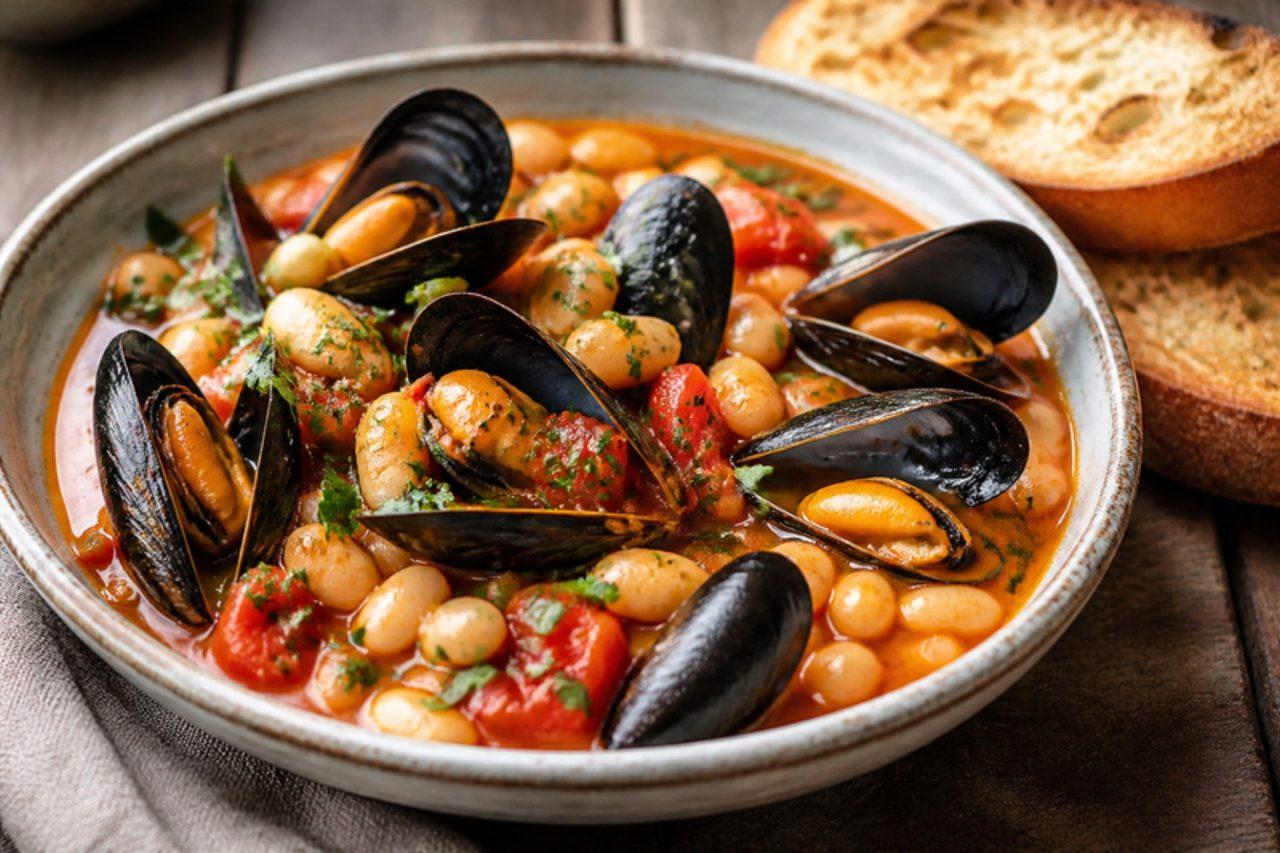
In Naples, fagioli e cozze is the trattoria lunch of late spring and summer, when the mussels from the bay are plump and cheap, and it also turns up on the Christmas Eve table across Campania. Creamy cannellini and sweet mussels share one pan with garlic, chilli and a few cherry tomatoes, so the mussel juices turn the beans into a light, briny stew you mop up with toasted bread. A portion gives about 24 g of protein, from the mussels and the beans, for roughly 330 kcal. The common mistake is salting before the mussels open: their liquor is already salty, so taste only at the end. Before cooking, throw away any mussel with a cracked shell or one that stays open when tapped, and after cooking throw away any that stay shut. Chef's tip: crush a ladle of the beans against the side of the pan before the mussels go in; the starch thickens the broth so it clings to every shell.

by KrazyBadal 0 views

Dal adasRed lentil curry with dried lime

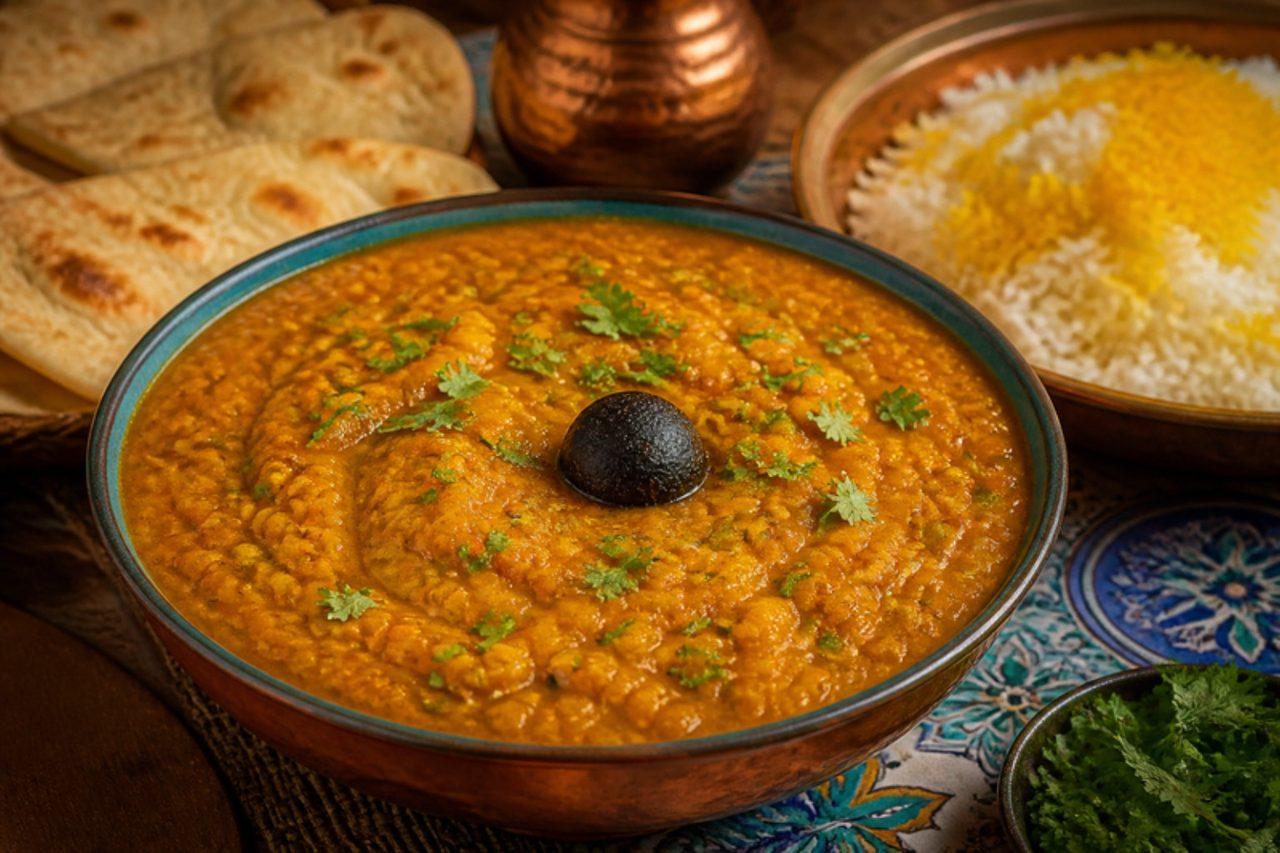
Along the Persian Gulf coast in Bushehr, Bandar Abbas and the towns of Hormozgan, centuries of trade with India gave rise to dal adas, a red lentil curry that is now a favourite lunch and a popular vegetarian dish in Muharram nazri cooking. The lentils cook down with onion, garlic, turmeric and warm curry spices into a thick, golden stew, sharpened with tamarind and the musky sourness of dried lime, and are eaten with rice or flatbread. A portion gives about 21 g of protein from the red lentils, with a little more from the potato. The most common mistake is leaving the dried limes in too long or uncracked: they turn the dal bitter, so pierce them and lift them out once the sourness is right. Chef's tip: fry the spices in the oil with the onions for a full minute before the lentils go in; the curry flavour depends on it.

by KrazyBadal 0 views

Pindang seraniFish in sour turmeric broth

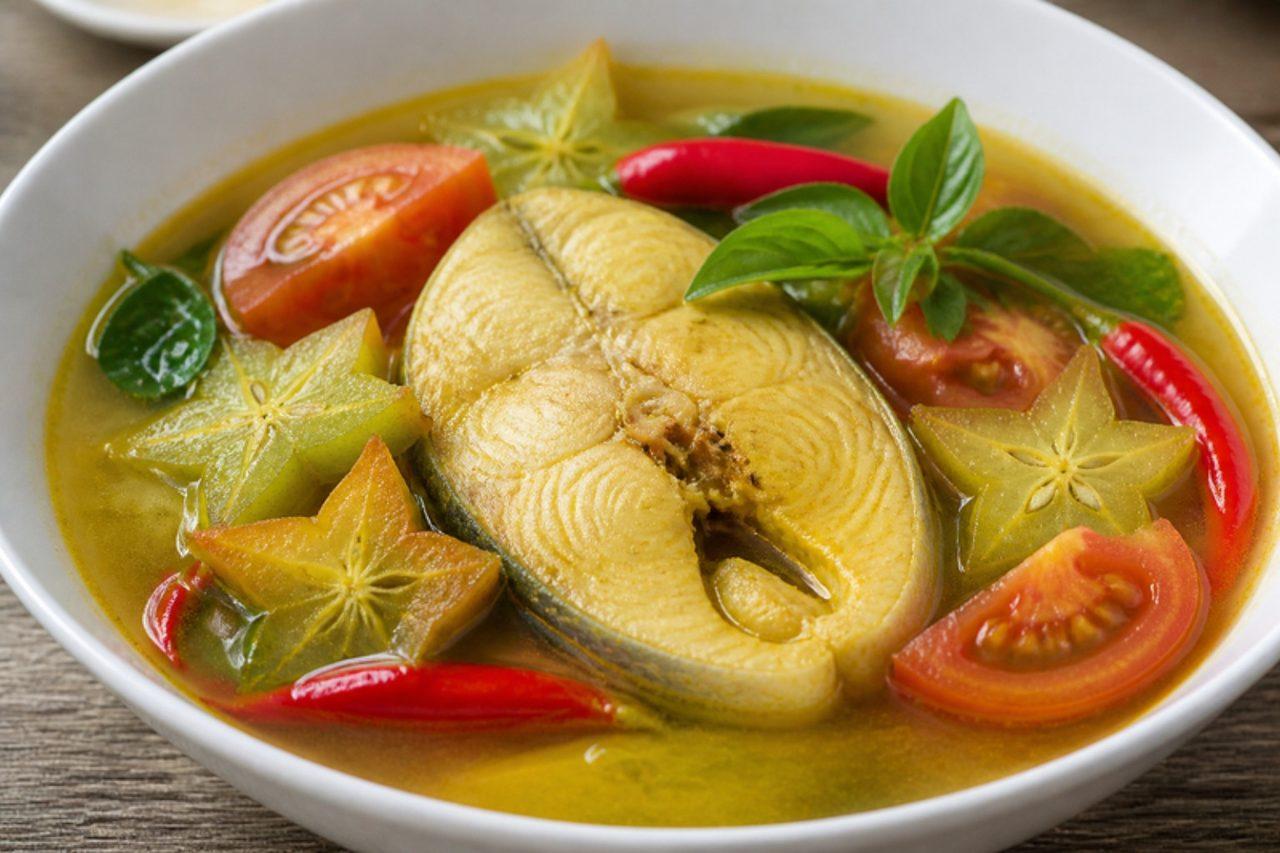
Pindang serani belongs to Jepara and the fishing towns of the north coast of Central Java, where it is cooked at home for lunch and served at seaside warungs. Traditionally it is made with milkfish (bandeng) or grouper simmered in a pale yellow broth of turmeric, galangal and lemongrass, soured with sour starfruit and sharpened with chilli and basil. It is light and restoring, with about 28 g of protein a portion from the fish. Milkfish is very bony, so sea bass or grouper steaks are easier at home. The common mistake is boiling the soup hard once the fish is in, which clouds it and breaks the flesh. Chef's tip: bruise the turmeric, galangal and ginger rather than grinding them, so the broth stays clear.

by KrazyBadal 0 views

TtoroBasque fish soup

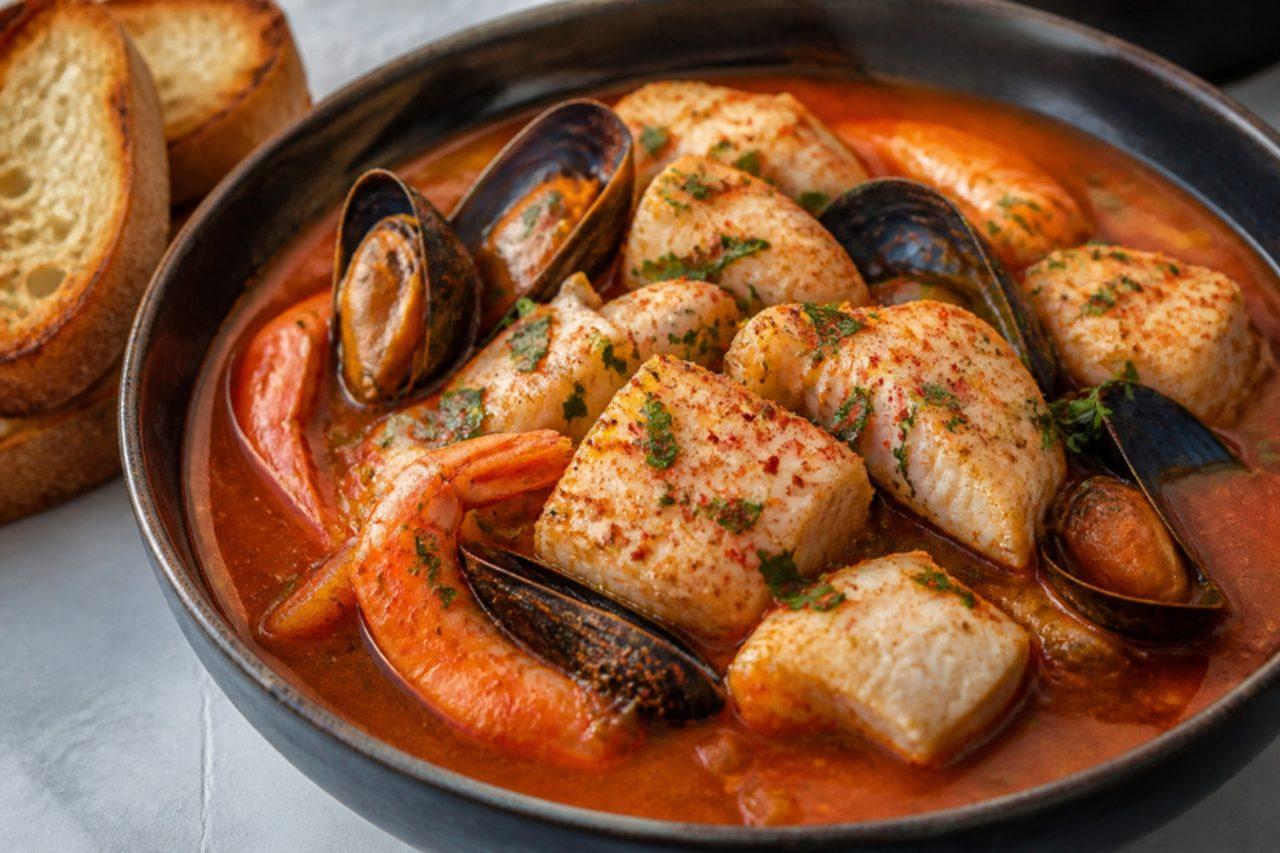
Ttoro was the meal Basque fishermen in Saint-Jean-de-Luz and Ciboure made from the part of the catch they couldn't sell, and the town still holds a ttoro festival every autumn. A deep red broth of peppers, tomato and Espelette pepper is poured over pieces of hake and monkfish, mussels and prawns, with garlic toast on the side for dunking (use gluten-free bread if needed). A portion gives about 32 g of protein, from the fish and shellfish, for around 360 kcal. The common mistake is boiling the fish in the broth: it breaks into flakes, so the pieces are seared first and then only poached gently on top for a few minutes. Discard any mussel that stays open when tapped before cooking or stays shut after. Chef's tip: dust the fish in rice flour before searing; the light crust protects the fish in the broth and thickens it slightly.

70 minFrenchFishGluten free
by KrazyBadal 0 views

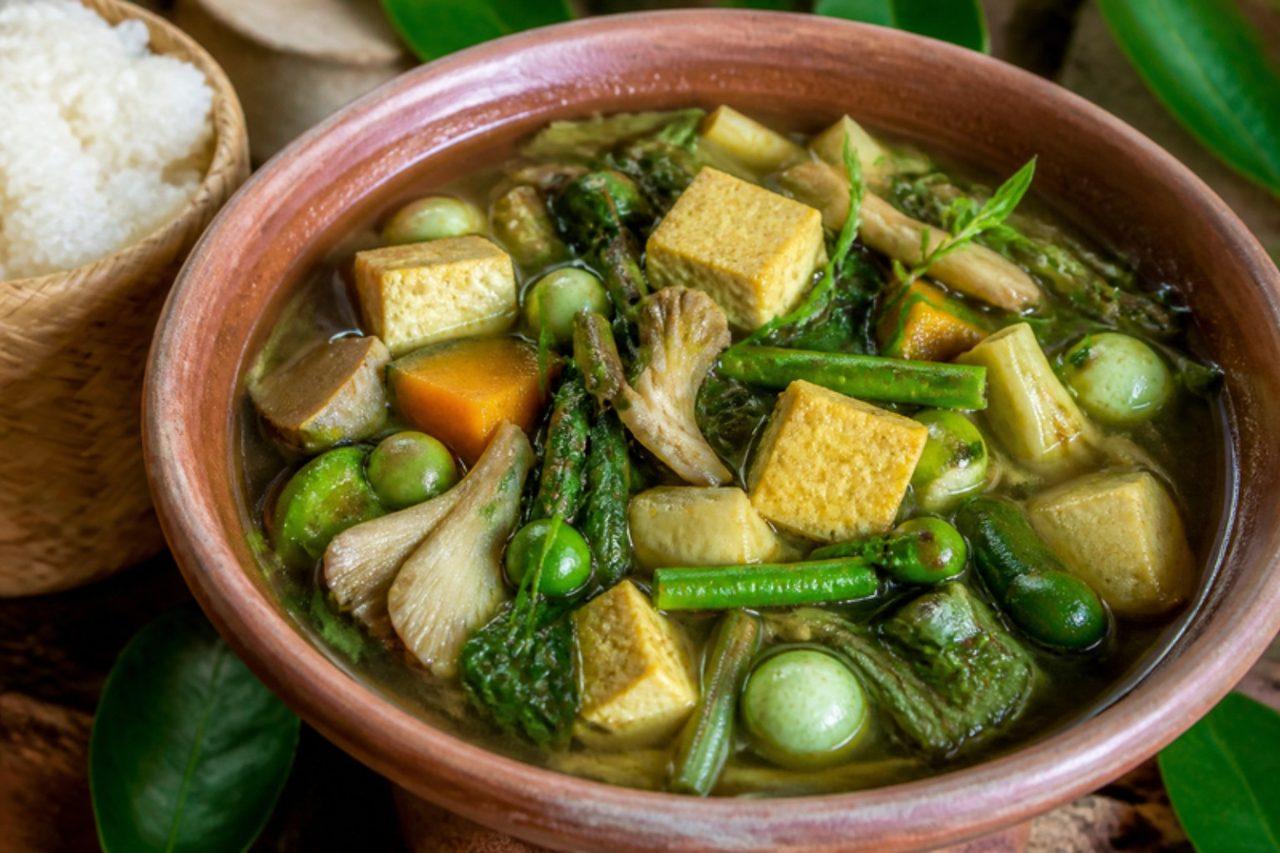
Kaeng khae with tofu and mushroomsHerb curry with tofu and mushrooms

Kaeng khae comes from the hills around Chiang Mai and Lampang, where it is cooked through the rainy season with whatever the garden and forest give: pea aubergines, long beans, pumpkin tips, acacia shoots and handfuls of leaves, in a brothy, coconut-free curry scented with lemongrass and the peppery prickly ash called makhwaen. In northern homes it is a lunch dish eaten with sticky rice. It is normally cooked with chicken, frog or fish and seasoned with fermented fish; this vegetarian version uses firm tofu, oyster mushrooms, soy sauce and a little salted soybean paste. With the tofu a portion has about 11 g of protein, so it is light rather than high protein. The common mistake is adding all the vegetables at once: the leaves are done in a minute while the beans and aubergines need five. Chef's tip: dry-fry the curry paste in a spoon of oil until it smells toasty before adding water; it gives the broth its depth without any fish.

by KrazyBadal 0 views

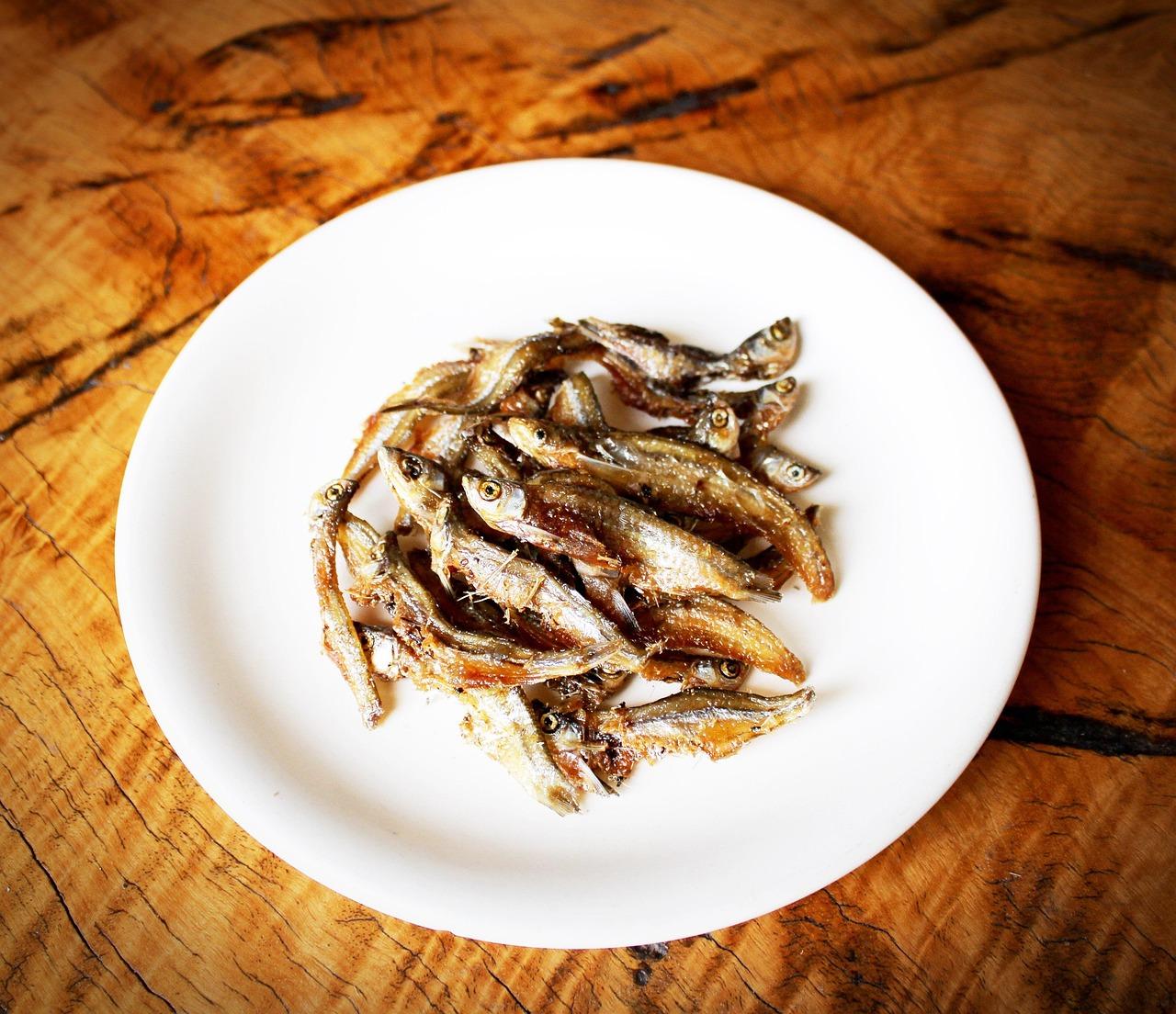
OmenaFried silver fish with tomato

Omena are tiny silver cyprinid fish netted at night on Lake Victoria and sun-dried on the shores around Kisumu and Homa Bay; in western Kenya they are a cheap, protein-rich weeknight dinner, fried crisp and then simmered briefly in onion and tomato and eaten with ugali and sukuma wiki. They are eaten whole, bones and all, like whitebait. The common mistake is skipping the rinse: dried omena carry sand from the drying beaches, so soak and swish them in several changes of warm water. Chef's tip: fry the drained fish on their own until crisp and fragrant before the tomato goes in; it takes away the strong 'lake' smell and keeps them from going mushy. Look for dried omena (also sold as dagaa) in African grocers.

by KrazyBadal 0 views

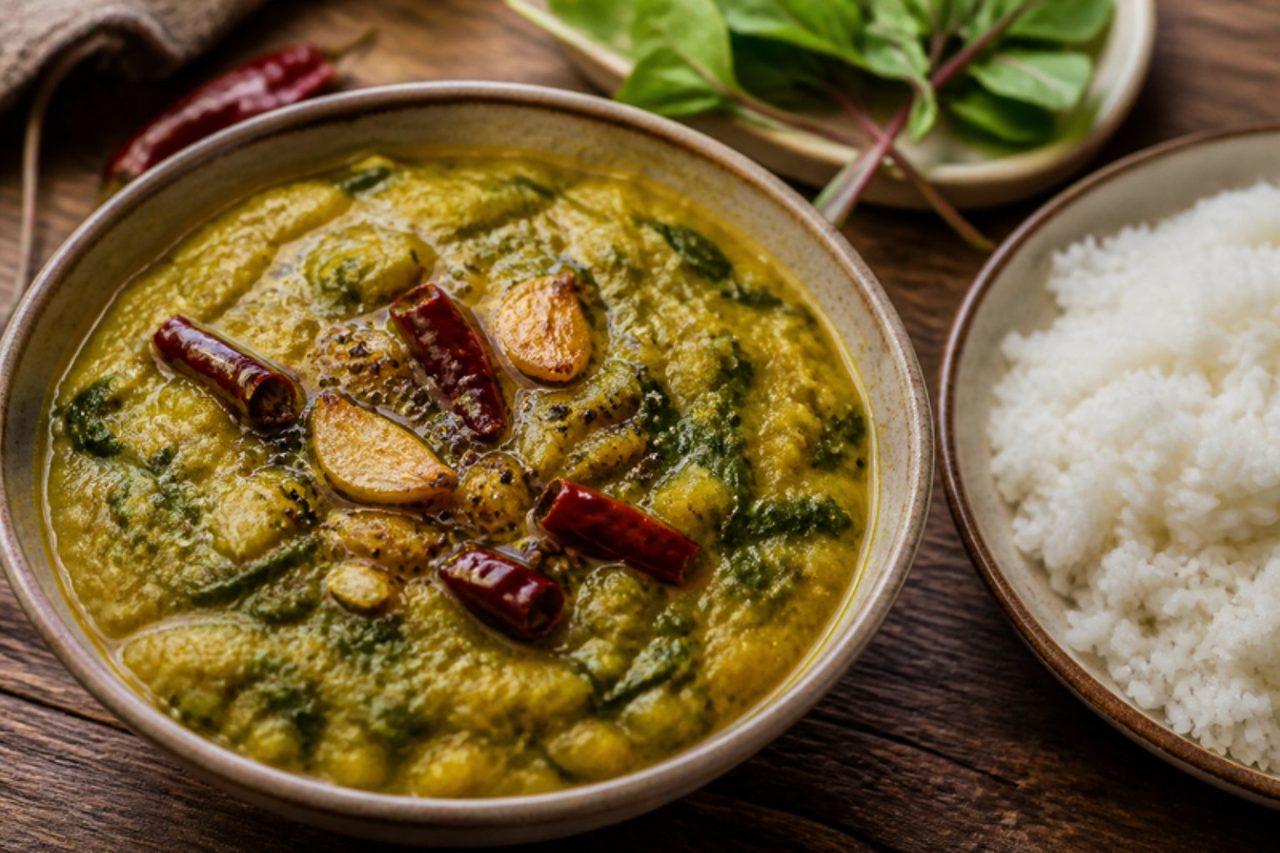
Gongura pappuLentils with sour roselle leaves

In Guntur, Vijayawada and across Telangana, gongura pappu is the everyday lunch dal that people who move away miss most: toor dal cooked soft with handfuls of sour roselle leaves, which melt into a tangy, olive-green purée, then finished with a sizzling tempering of garlic and dried red chillies. It is eaten mixed into hot rice with a spoon of ghee or oil and a crisp papad. A portion gives about 20 g of protein, almost all from the toor dal, and about 23 g with a plate of rice. Gongura is sold in Indian grocers in bunches; you need only the leaves. The most common mistake is cooking the leaves in an aluminium or iron pan: their acid reacts with the metal and the dal turns dark and tastes metallic, so use a steel or enamelled pot. Chef's tip: mash the dal and wilted leaves together hard with a whisk or wooden masher before tempering; a smooth, creamy pappu carries the sourness evenly instead of in stringy patches.

by KrazyBadal 0 views

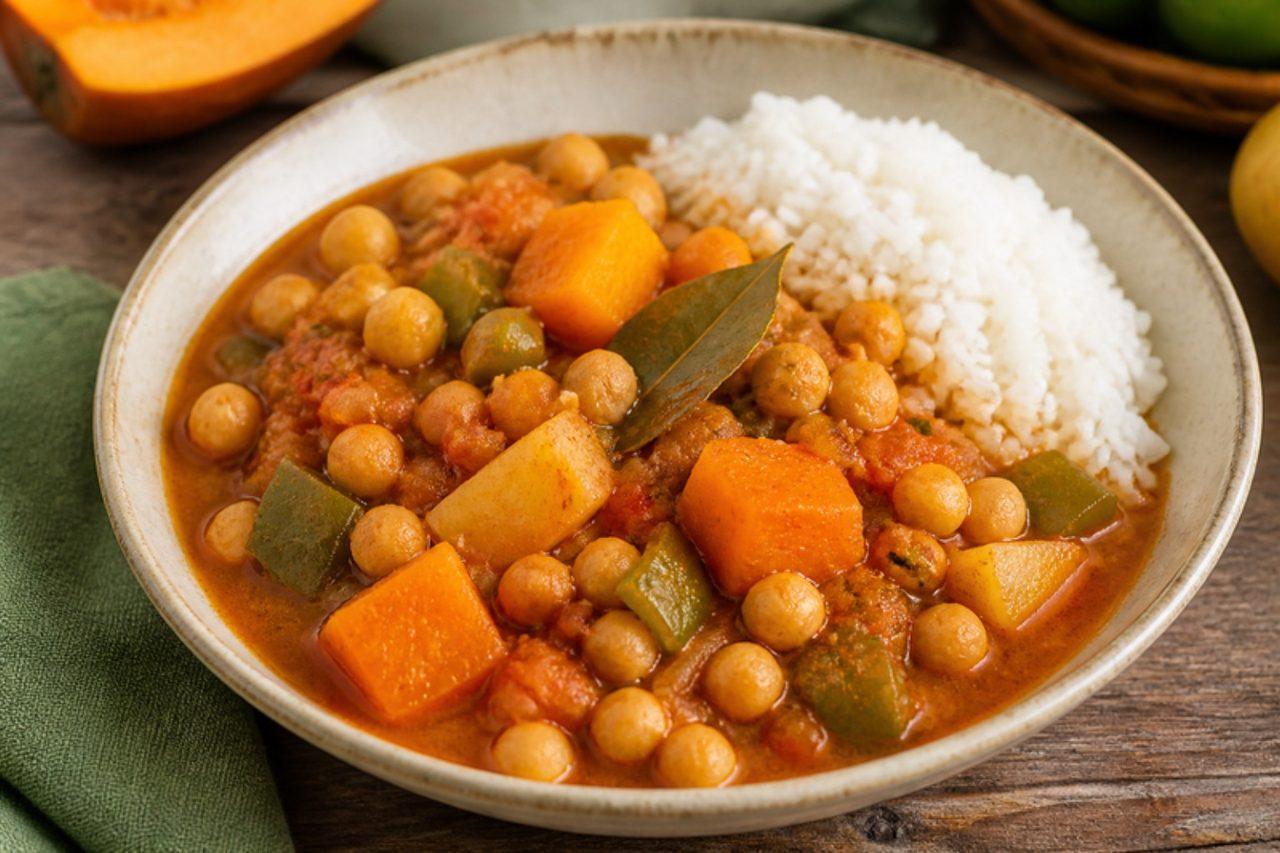
Cuban potaje de garbanzos (vegetarian)Chickpea and pumpkin stew

In Havana and across Cuba, a pot of potaje de garbanzos simmers on the stove for the main meal of the day, and is ladled over white rice with a few slices of fried ripe plantain on the side. Chickpeas cook until creamy with chunks of calabaza (West Indian pumpkin) and potato, then a sofrito of onion, green pepper, garlic and tomato turns the broth thick and orange. Most Cuban cooks add chorizo; this is the vegetarian version, with smoked paprika giving the smoky warmth instead, and it is fully vegan. A bowl gives about 21 g of protein from the chickpeas. Soak the chickpeas for 12 hours first; that time is not counted below. The most common mistake is adding the pumpkin at the start: it dissolves completely, so add it once the chickpeas are nearly tender. Chef's tip: let the potaje rest for half an hour before serving; it thickens and tastes even better the next day.

120 minCubanCurriesVeganGluten free
by KrazyBadal 0 views

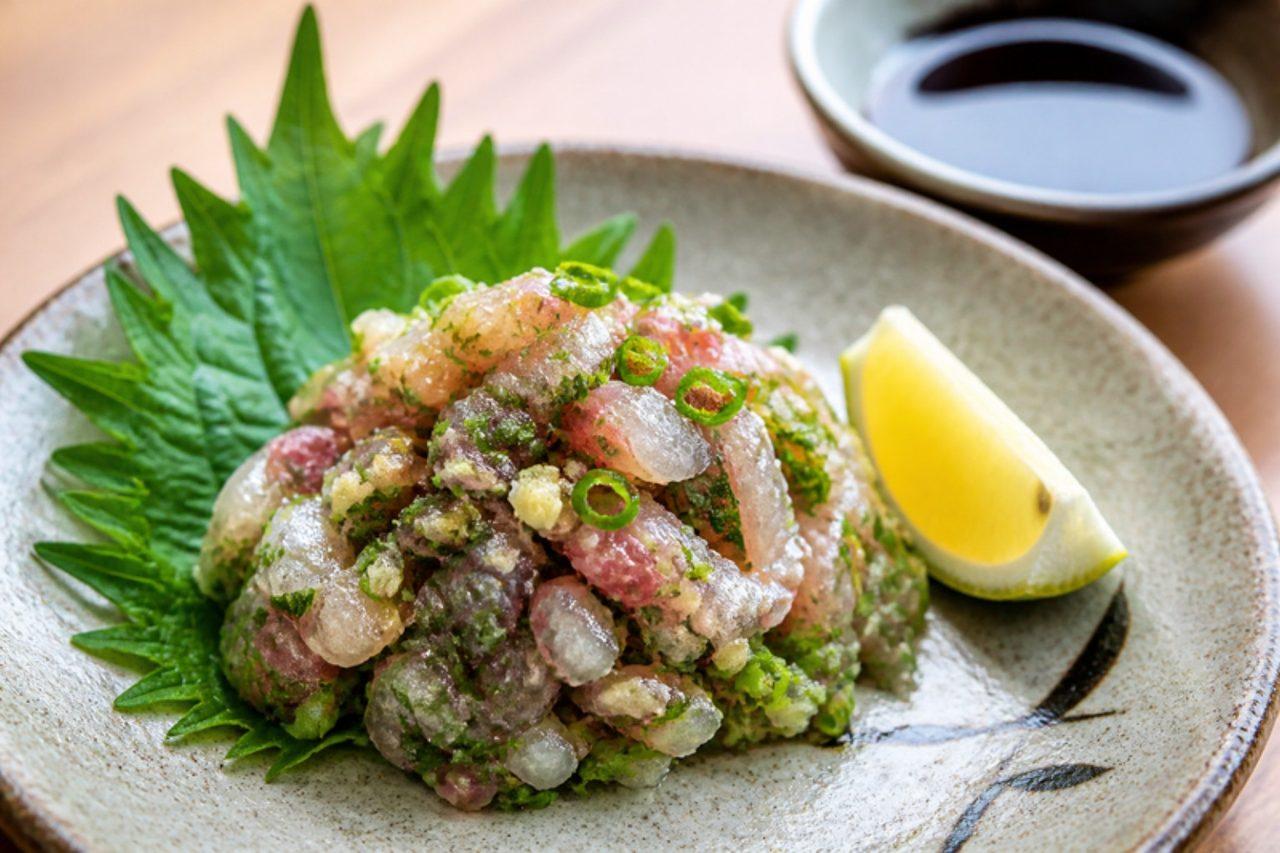
Aji no tatakiChopped horse mackerel with ginger

Aji no tataki is a dish of Japan's fishing ports, from the Izu peninsula to Kyushu, eaten as a summer lunch over rice or a starter with cold drinks when the horse mackerel come in fresh. The raw fillets are skinned and chopped with a knife, then mixed with grated ginger, spring onion and shiso, so the fish is soft, cool and clean-tasting with a sharp herbal bite. As a main over rice, a portion has about 28 g of protein from the fish. This is raw fish: buy only sashimi-grade fish from a fishmonger you trust, keep it ice-cold, and freeze it at −20 °C for at least 24 hours first to kill parasites; anyone pregnant, very young, older or with a weak immune system should not eat it. The common mistake is chopping it into a paste: keep small pieces with some texture. Chef's tip: chill the board and the bowl, and work quickly, so the fish never warms up.

by KrazyBadal 0 views

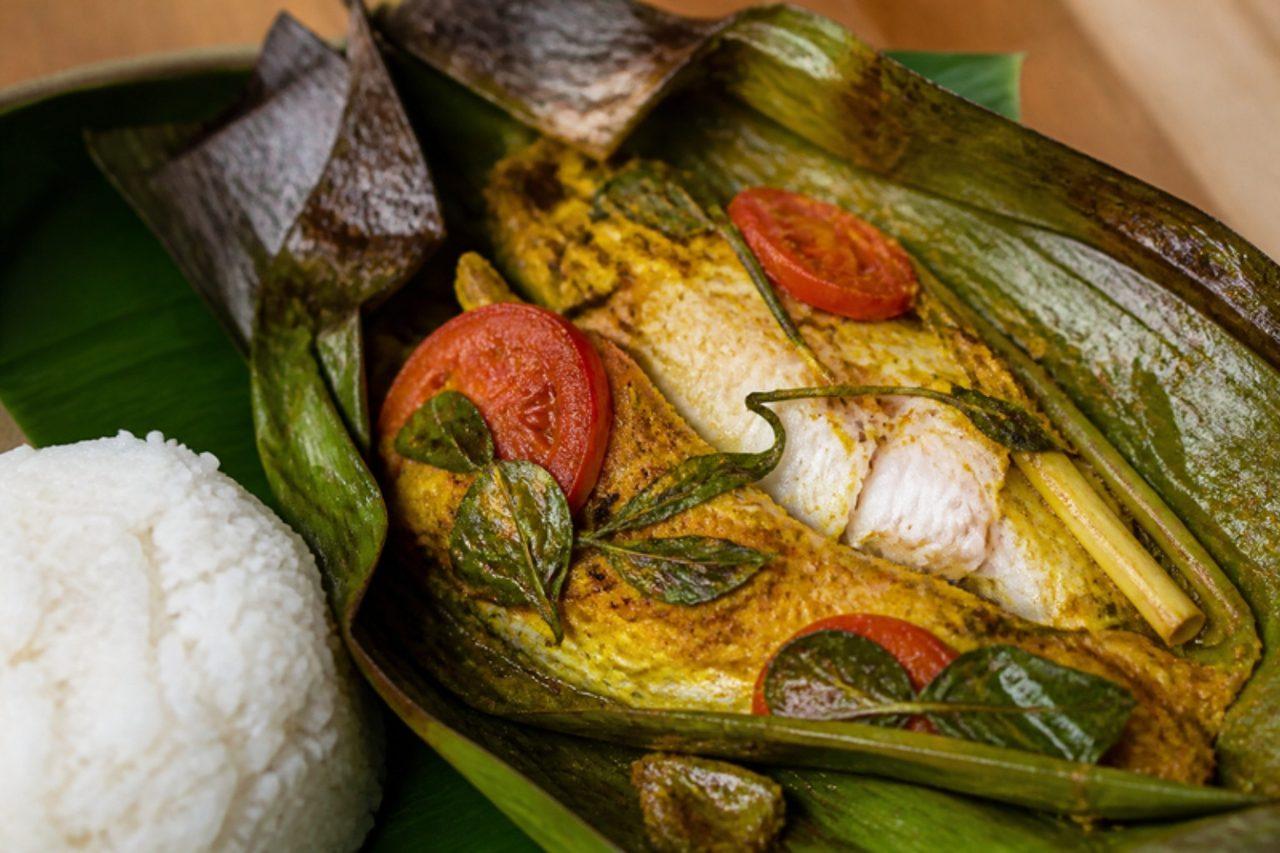
Pepes ikanFish steamed in banana leaf

Pepes ikan is everyday Sundanese cooking from Bandung and the hills of West Java, made in the morning and eaten with rice, sambal and raw vegetables at lunch. Fish is rubbed with a yellow paste of turmeric, shallot, candlenut and chilli, scattered with lemon basil, wrapped in banana leaf and steamed, then charred briefly on a grill so the leaf smokes and perfumes it. The flesh comes out moist and fragrant. A portion has about 30 g of protein from the fish. The usual mistake is skipping the steaming and grilling straight away: the outside burns before the fish is cooked. Chef's tip: lemon basil (kemangi) is the signature; if you can't get it, use Thai basil with a little lemon zest.

by KrazyBadal 0 views

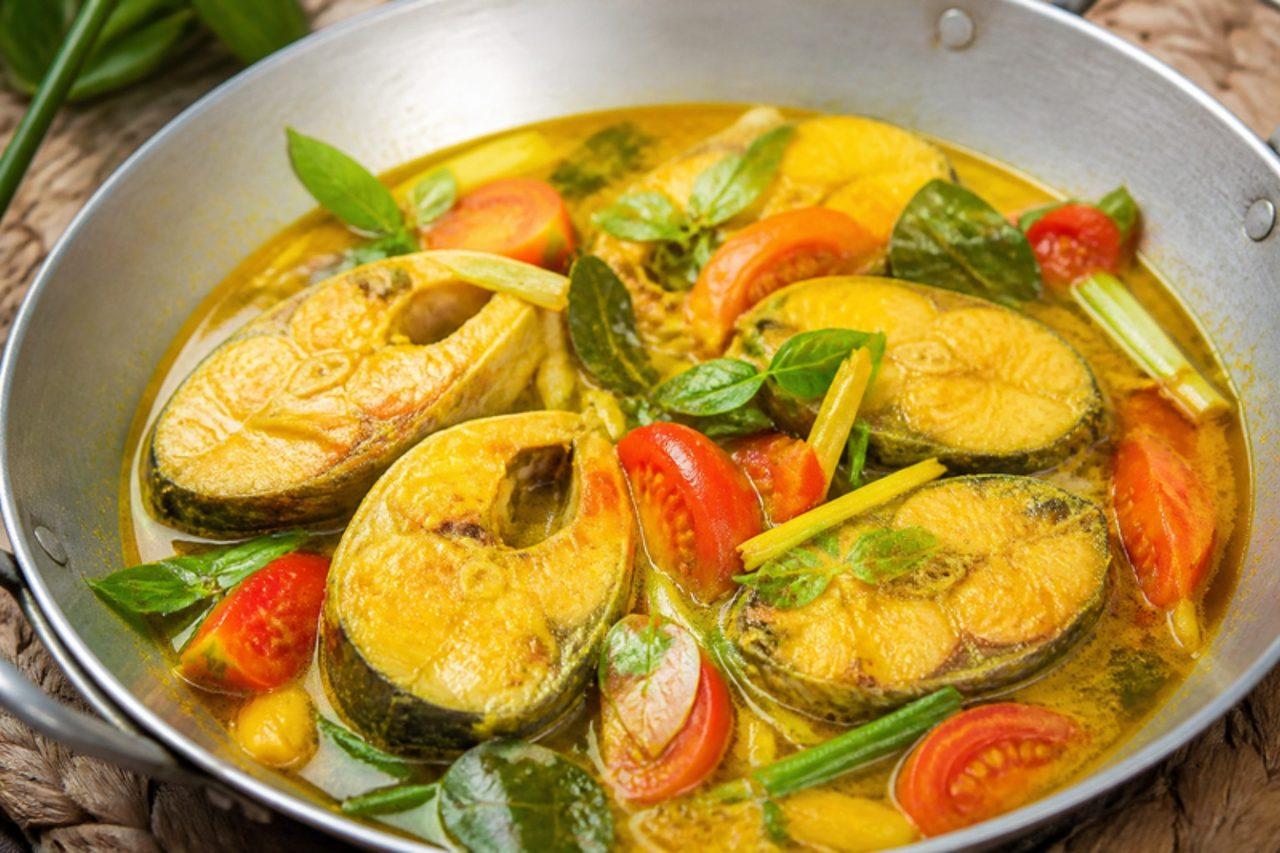
Ikan wokuFish in lemongrass basil paste

Woku is the signature sauce of Minahasa cooking around Manado in North Sulawesi, where fish woku is cooked for Sunday lunches after church and for family gatherings. Fish steaks simmer briefly in a bright yellow paste of turmeric, chilli, shallot and ginger, smothered in lemongrass, lime leaves, pandan, spring onion and handfuls of lemon basil, so the sauce is hot, herbal and sharp with lime. A portion has about 30 g of protein from the fish; eat it with plenty of rice. The common mistake is stirring hard once the fish goes in, which breaks it up; shake the pan instead. Chef's tip: add the basil only at the very end, off the heat, so it stays green and perfumed.

by KrazyBadal 0 views

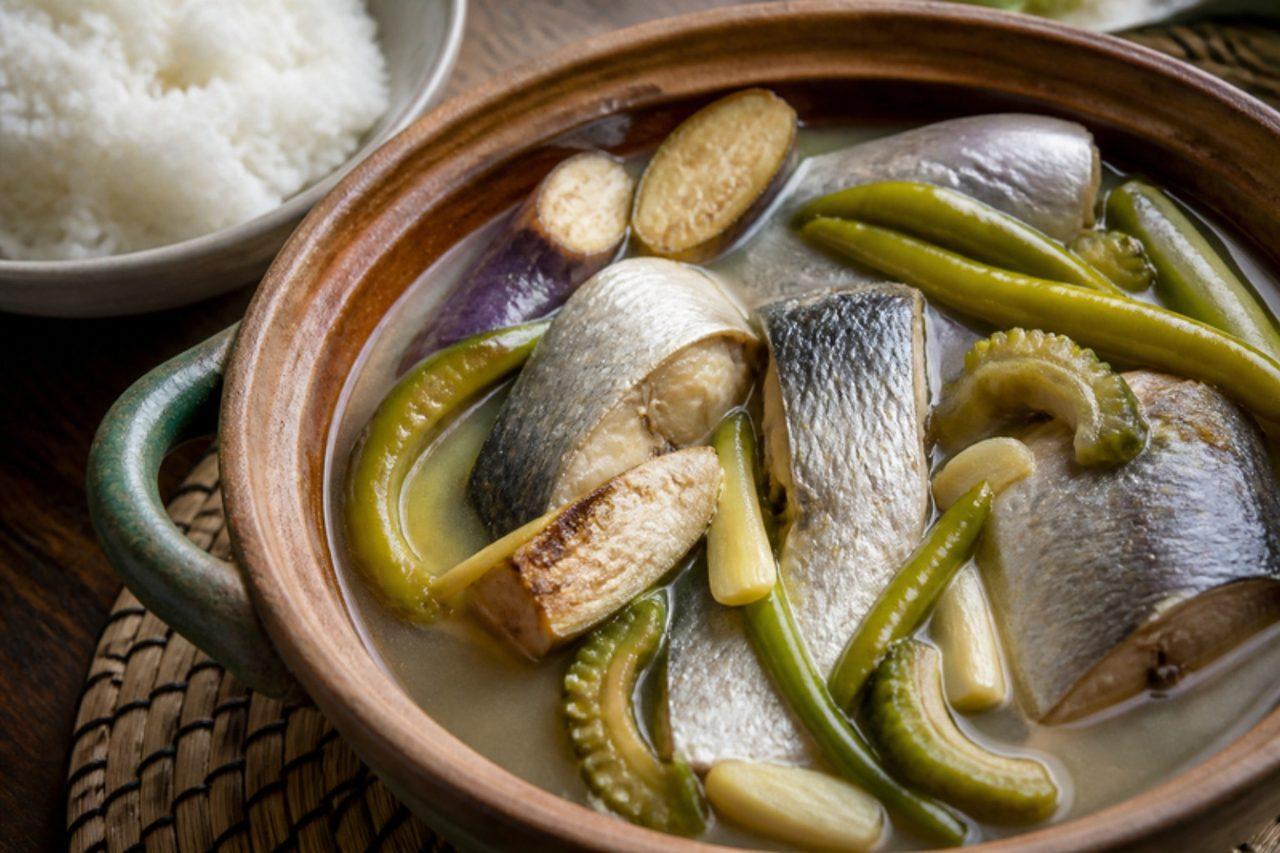
Paksiw na isdaFish simmered in vinegar

Paksiw na isda is cooked in homes all over the Philippines, from Manila to the Visayas, as an everyday lunch with rice; the vinegar keeps it for a day or two, and many people think it tastes better the next morning. Fish simmers in vinegar and a little water with ginger, garlic, peppercorns and long chillies, with aubergine and bitter melon, until the sauce is sharp, savoury and slightly reduced. A portion has about 26 g of protein from the fish. The classic mistake is stirring the pot before the vinegar has boiled: it leaves a raw, harsh taste, so let it come to the boil uncovered and untouched first. Chef's tip: use cane or coconut vinegar if you can find it; it is gentler than distilled white vinegar.

by KrazyBadal 0 views

Bhaja muger dalRoasted moong dal with ginger

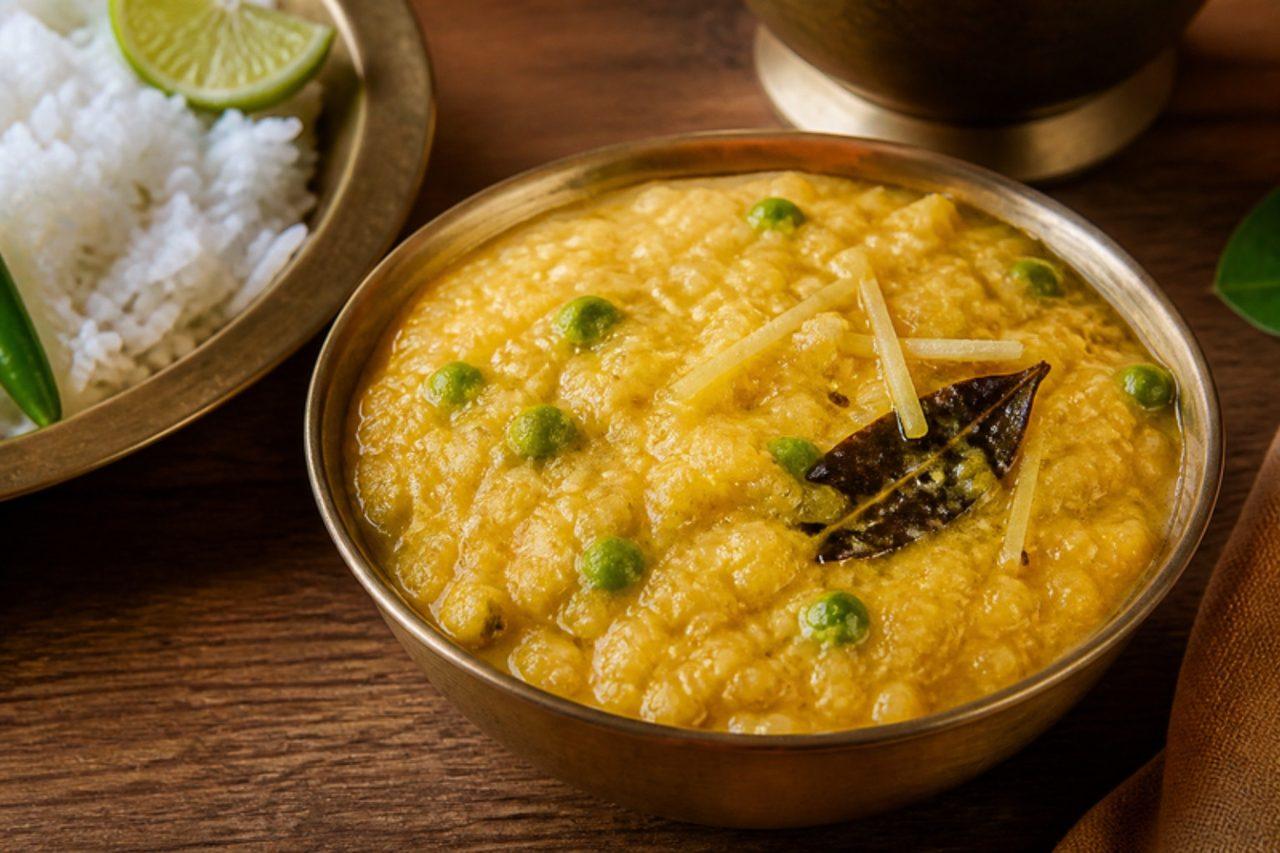
Bengali households in Kolkata make bhaja muger dal on winter weekdays, and it is a fixture of the vegetarian bhog served at Durga Puja and Saraswati Puja. The moong is dry-roasted in a heavy pan until it smells nutty, then cooked soft with ginger and green peas and finished with ghee, bay leaf and a whisper of sugar. The roasting gives it a toasty, almost sweet depth that plain moong dal never has. A portion gives about 21 g of protein from the moong and peas, for about 360 kcal. Serve it with rice and a fried vegetable such as begun bhaja. The most common mistake is roasting over too high a heat: the outside browns while the inside stays raw, and the dal tastes burnt and never softens evenly. Chef's tip: roast only until the dal is a couple of shades darker, pale gold, and you can smell it from the next room; stop the moment you see the first brown spots.

by KrazyBadal 0 views

Saumon en papilloteSalmon baked in paper parcel

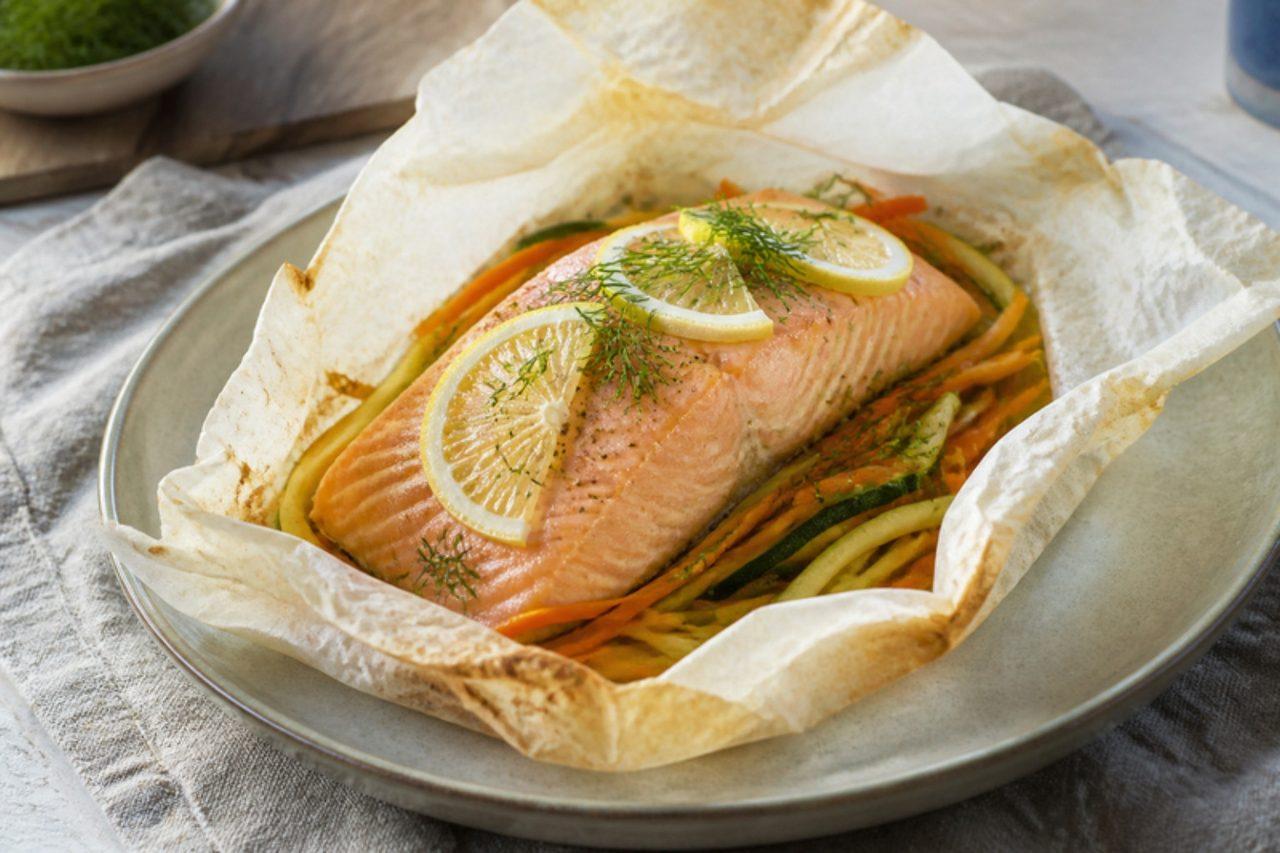
Saumon en papillote is everyday French home cooking at its lightest: a fillet of salmon sealed in baking paper with ribbons of courgette and carrot, lemon and dill, so it steams in its own juices in the oven. Across France it is a favourite midweek dinner because there is almost no washing-up, and each person opens their own fragrant parcel at the table, ideally with boiled new potatoes or rice. The usual mistake is cutting the vegetables too thick, so the fish overcooks while they stay raw; slice them very thin. Chef's tip: fold and crimp the paper edges tightly all the way round, or the steam escapes and the salmon dries out.

25 minFrenchFishGluten free
by KrazyBadal 0 views

Sukhi moong dalDry yellow moong dal

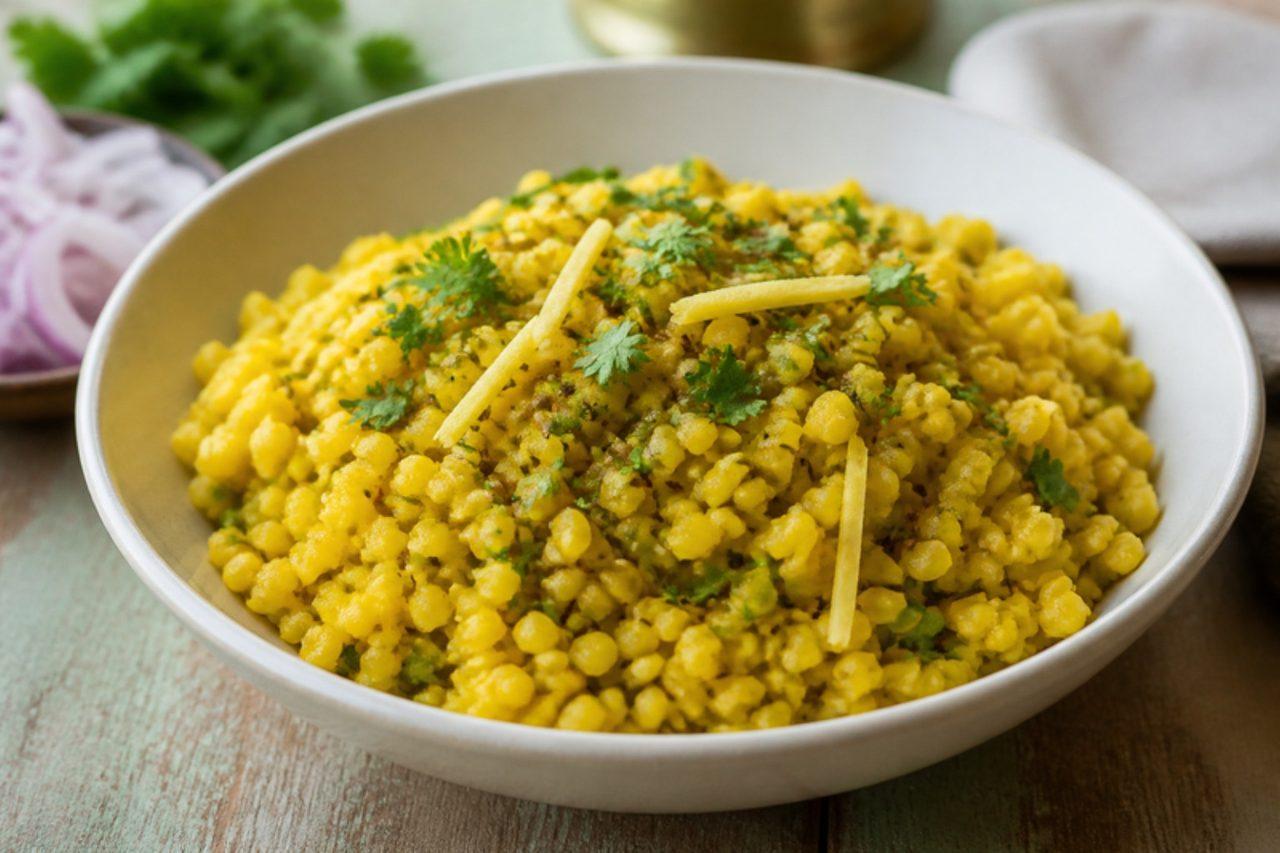
Sukhi (dry) moong dal is made in Rajasthan and Uttar Pradesh when there is no time for a soupy dal, or to roll into parathas and pack for journeys; Marwari families often serve it at weddings with kachoris. Soaked yellow moong is cooked with just enough water to soften it while keeping the grains whole, then lifted with amchur, ginger and a ghee tempering. The mistake to avoid is too much water or stirring hard, which turns it into a mushy khichdi; add water a little at a time and fold gently. Chef's tip: soak the dal for at least 30 minutes, which is why this dish takes longer than the cooking alone. It is one of the few dals that is just as good at room temperature.

by KrazyBadal 0 views

Tôm rim (caramelised prawns)

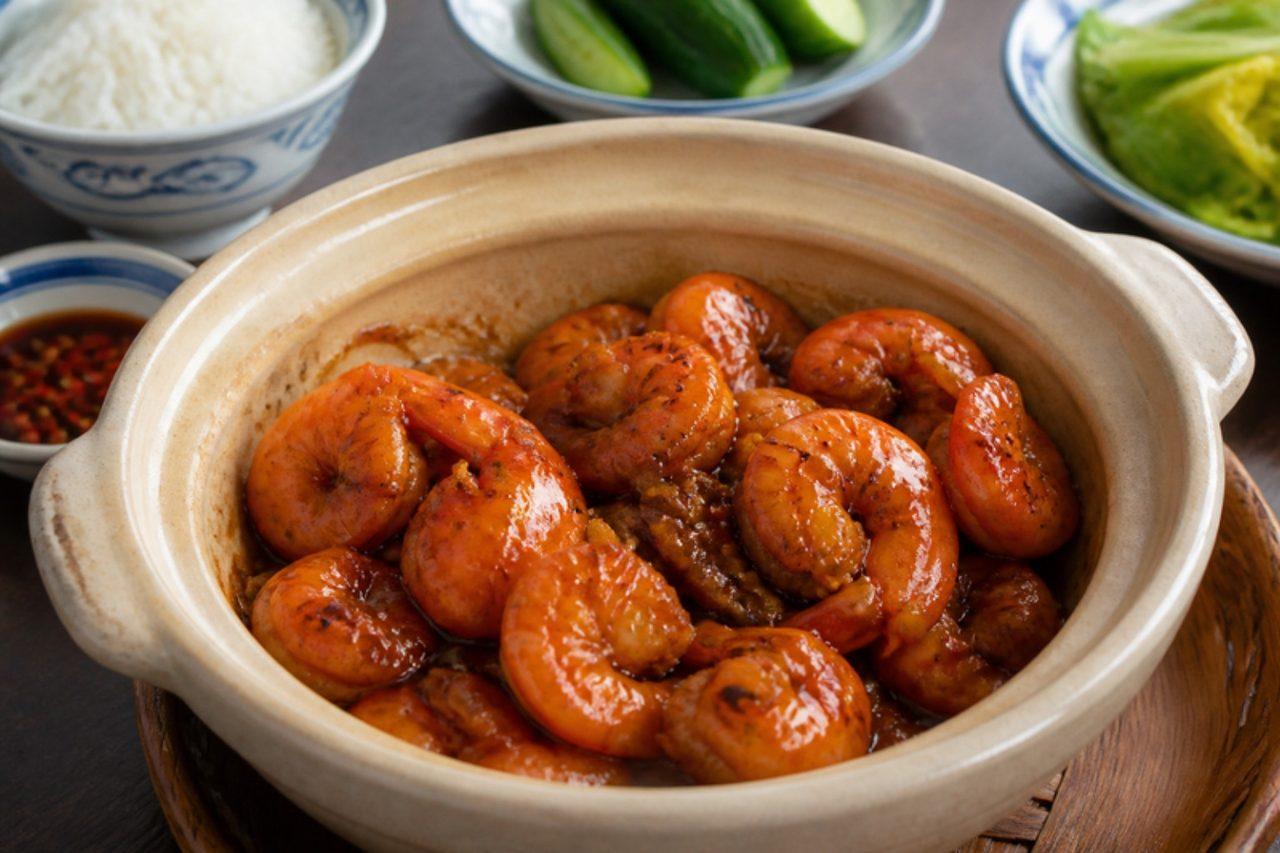
Tôm rim is a homely dish cooked in kitchens from Hanoi to the Mekong Delta and eaten at the family rice tray with boiled greens and a clear soup: prawns simmered down in fish sauce, sugar and shallot until the liquid turns to a sticky, salty-sweet glaze. The mistake is walking away in the last few minutes, when the sauce goes from glaze to burnt very quickly. Chef's tip: leave the shells on if your prawns are small, as many Vietnamese cooks do; they turn crisp and caramelised and add flavour.

by KrazyBadal 0 views

Hyderabadi fruit biscuitsTutti-frutti butter biscuits

Boxes of these pink-and-green flecked biscuits leave Hyderabad in every suitcase: visitors queue at the old bakeries near Charminar and the airport shops stock tins of them. Each one is short and crumbly, buttery, with a faint pineapple scent and chewy bits of candied papaya (tutti-frutti) scattered through. They are eggless, rich with butter and a little custard powder, and go with a cup of Irani chai or a glass of cold milk. The usual slip is mixing the tutti-frutti in wet or sticky, so it bleeds colour and clumps; toss it in a spoon of flour first. Chef's tip: shape the dough into a square log and chill it until firm, then slice; a firm log gives neat, sharp-edged biscuits like the bakery ones.

by KrazyBadal 0 views

Ikan goreng kunyit (turmeric fried fish)

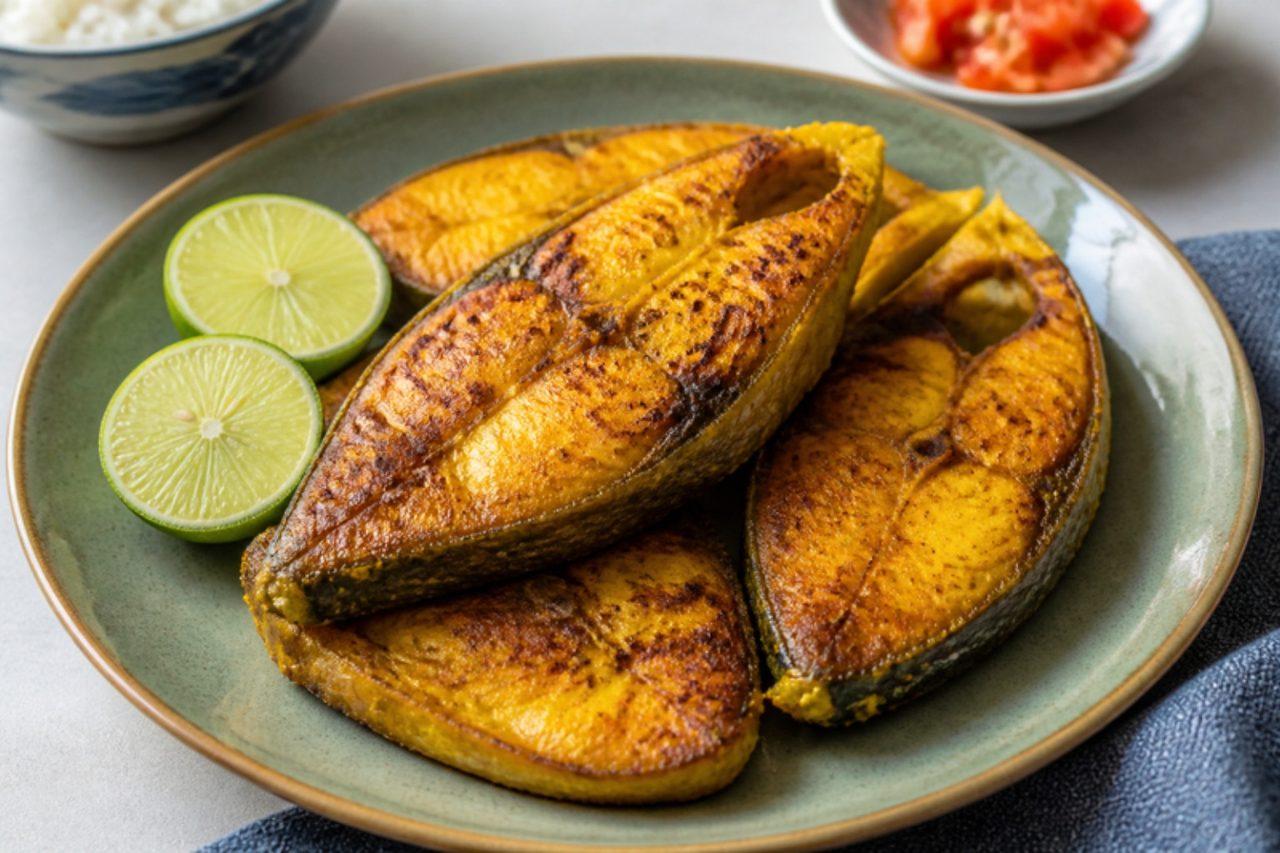
Ikan goreng kunyit is cooked in Malay kampung kitchens and city flats alike for a simple lunch or dinner with rice, sambal and vegetables: small whole fish or thick steaks rubbed with turmeric, salt and a little chilli, then fried until golden and crisp at the edges. The mistake is moving the fish too soon; leave it until it releases from the pan on its own, or the crust tears and sticks. Chef's tip: score the fish to the bone so the turmeric seasons the flesh and it cooks evenly.

by KrazyBadal 0 views

Torta de natasBoiled milk skin cake

Dairy farms in Boyacá and Cundinamarca boil their fresh milk every morning, and the thick, creamy skin that forms on top (the natas) gets lifted off and saved in a jar in the fridge. After a week or so there's enough for a torta de natas, a rich, close-crumbed cake with a buttery, slightly tangy flavour, served at onces (afternoon tea) with aguapanela or a tinto. Natas are mostly milk fat, so the cake needs no butter. If you don't boil raw milk, clotted cream loosened with a little milk is a fair stand-in. Over-beating natas is the trap: they can split into butter and whey, so beat only until smooth. Chef's tip: collect natas from whole milk simmered gently and cooled undisturbed; the slower it cools, the thicker the skin.

by KrazyBadal 0 views

Jamaican ginger cake

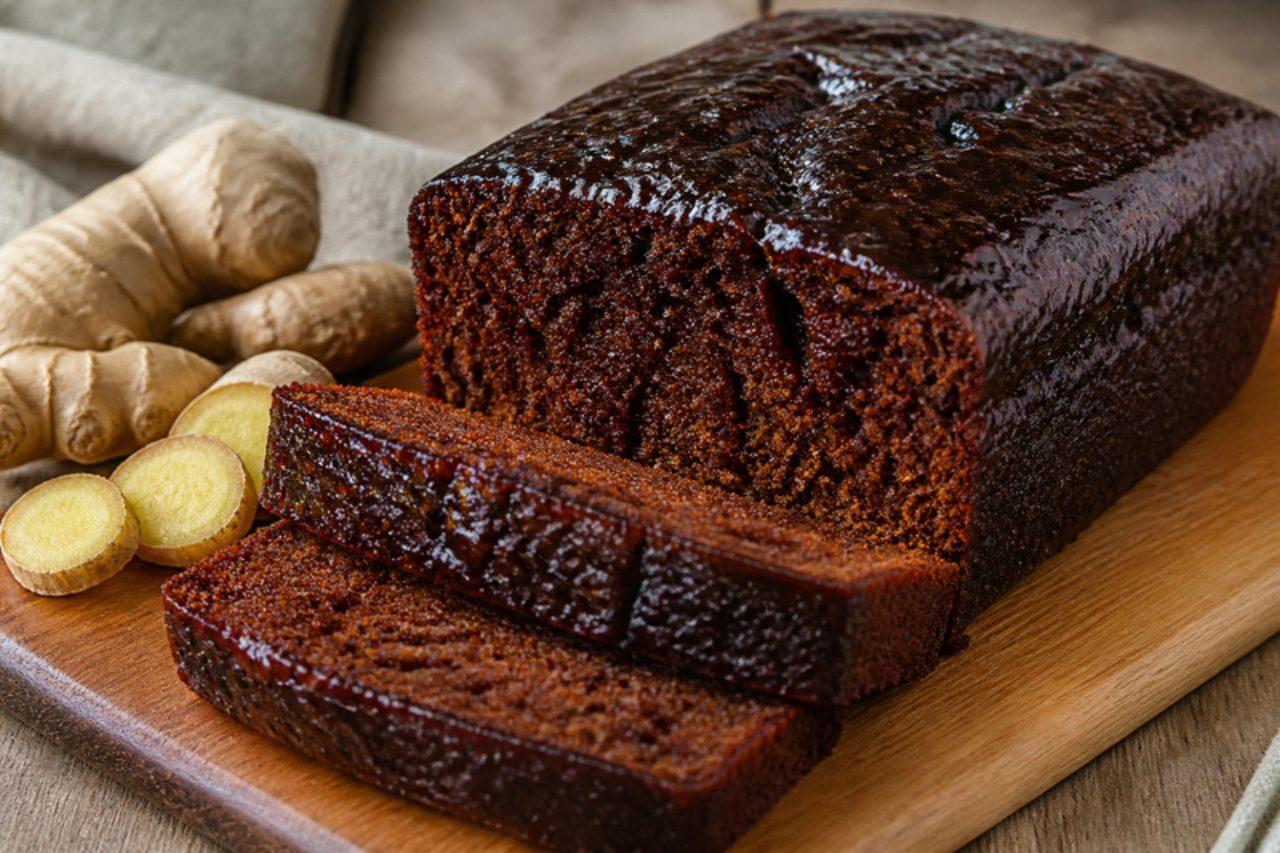
Jamaica grows some of the world's most pungent ginger in the hills of Clarendon and St Mary, and island ginger cake shows it off: a dark, sticky loaf made with molasses, a big knob of freshly grated root, and allspice (pimento), another Jamaican crop. Corner shops sell it in wrapped slabs for school lunches and road trips, and at home it comes out with afternoon tea or a cup of hot cocoa. The heat is real but warm, not harsh. Overbaking is the easy mistake: a few minutes too long and it loses its stickiness, so take it out once a skewer comes out clean even if the top still feels slightly tacky. Chef's tip: wrap the cooled cake and leave it a day before slicing; the top turns properly sticky and the ginger mellows.

by KrazyBadal 0 views

CapuchinosYolk sponge cones in spiced syrup

Named for the pointed hoods of Capuchin friars, these little cones of yolk sponge sit in neat rows in Havana dulcerías, glistening with syrup and sold by the half dozen for birthdays and Sunday visits. They're baked in small cone moulds, then dropped into warm syrup scented with lime peel, cinnamon and star anise until heavy and soaked through, so they are moist, eggy and very sweet. The syrup is often spiked with rum or anise liqueur; this one stays alcohol-free. A syrup boiled too thick won't soak in and leaves a sticky crust, so keep it at a light, pourable stage. No cone moulds? Bake them in a mini muffin tin; they just won't have the hood shape. Chef's tip: soak the sponges while they're still warm and the syrup is warm too; both at the same temperature, the syrup goes right to the centre.

by KrazyBadal 0 views

Broyé du PoitouGiant butter biscuit

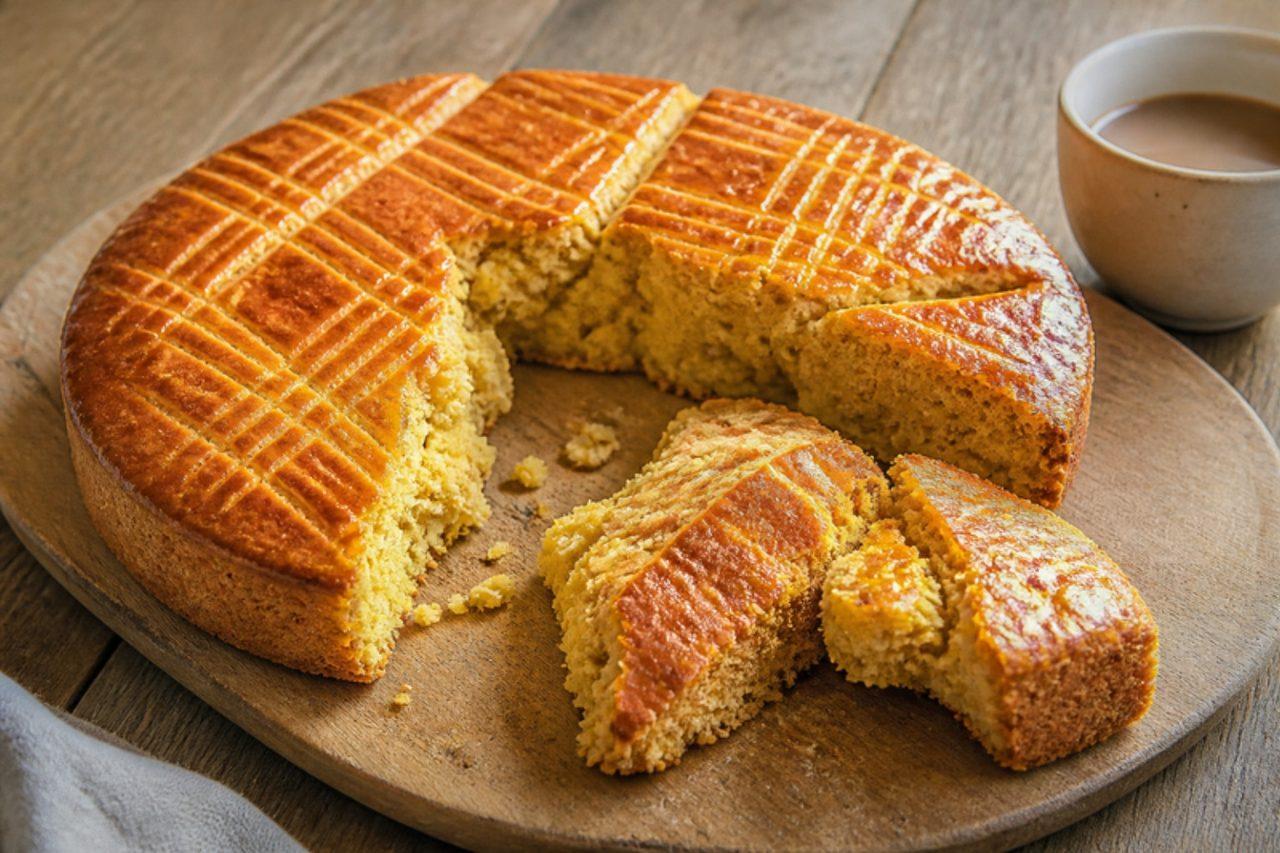
From the Poitou-Charentes region of western France, broyé is one huge, thick butter biscuit baked in a round and carried whole to the table. Tradition says you break it in the middle with a firm blow of the fist, and everyone grabs a jagged piece; farmhouse cooks served it at weddings and family lunches, and it still ends meals there with coffee or a glass of local pineau. It is crisp at the edges, slightly tender in the middle and tastes of salted butter. Some families add chopped candied angelica from Niort. The top is glazed with egg yolk for its shine; milk gives a softer sheen if you prefer no egg wash. Chef's tip: mark the top with a fork in a diamond pattern and press quite deep, because the lines spread as it bakes; a pale broyé is the common mistake, so bake on until it is evenly golden all over.

by KrazyBadal 0 views

Showing 24 of 2,572 recipes

Show more recipes

Page 2 of 108