Skip to content
Recipes

All recipes

Vegetarian, or something you can't eat? Set your diet once and we'll hide recipes that don't fit.

Mate de muñaAndean mint tea

Muña is the minty shrub that grows wild on the slopes around Cusco, Puno and the Sacred Valley, and highland cooks reach for it after a heavy meal of chicharrón or when visitors are struggling with the altitude. Market herb sellers sell it in fresh bunches, and hotels and homes leave it in a flask for anyone coming in from the cold evenings. Steeped simply in hot water, it smells somewhere between spearmint, oregano and pennyroyal, with a cooling, slightly peppery taste and a pale green-gold colour. It is traditionally drunk to settle the stomach. The usual mistake is boiling the leaves hard for a long time, which turns the tea brown and bitter. Pour water just off the boil over the sprigs, cover, and let it steep. It is ready when the cup is pale gold and the aroma rises as soon as you lift the lid. Outside Peru, look for dried muña in Latin shops; failing that, use mostly spearmint with a little fresh oregano. Muña is strong: avoid large amounts in pregnancy, and check with a doctor if you take regular medication. Chef's tip: cover the cup while it steeps so the scented oils stay in the tea.

by KrazyBadal 0 views

Pisco sour

Lima drinks its pisco sour as the aperitif before a long ceviche lunch, and celebrates it every year on the first Saturday of February; the recipe took shape in the city's bars in the 1920s. It is for adults only and stronger than its pillowy look suggests. Underneath a thick white foam you get sharp Peruvian lime, a clean sweetness and the floral, grapey warmth of quebranta pisco, with the bitters adding a spicy smell to every sip. The texture should be silky, almost creamy, never thin. The classic mistake is squeezing the limes too hard or too early: the oil from the pith turns the drink bitter within half an hour. Halve the limes, press each half gently by hand just before mixing and stop when the juice slows. The egg white is raw, so use pasteurised egg white for anyone pregnant, for babies, older people or anyone unwell, or swap in 30 ml aquafaba. It is ready when the foam stands about 1 cm high and is firm enough to hold the drops of bitters on its surface. Sip one slowly and drink responsibly. Chef's tip: shake once without ice first to whip the egg white, then again with ice; the foam will be twice as thick.

by KrazyBadal 0 views

TereréIced yerba mate

In Asunción the hottest part of the day stops for tereré: a horn or cup packed with yerba mate, topped up again and again with ice water infused with crushed herbs, and passed round the group through a metal straw. It was recognised by UNESCO as part of Paraguay's cultural heritage, and the herbs (yuyos) change with the season and the drinker's mood. Yerba mate contains caffeine, so it isn't one for small children. The common mistake is pouring water straight into loose yerba, which then clogs the straw; tilt the yerba to one side first. Chef's tip: for tereré ruso, swap the water for cold orange or grapefruit juice.

by KrazyBadal 0 views

Ají amarillo pasteYellow chilli paste

In Lima's markets ají amarillo is sold fresh all year, and most Peruvian cooks keep a tub of this paste in the fridge the way others keep tomato purée: it is the golden base of causa limeña, ají de gallina, papa a la huancaína, chupe and the sauce for tiraditos. The chillies are seeded, de-veined and blanched in three changes of water, which tames the heat and the raw grassiness, then peeled and blended with oil into a thick, silky, saffron-orange paste. It tastes fruity and sunny, almost like apricot and passion fruit, with a rounded, medium heat. Abroad, buy whole frozen ají amarillo from Latin grocers; dried ají mirasol, soaked, gives a darker, earthier paste. Common mistake: skipping the peeling; the thin skins leave papery flecks and a bitter edge. It is ready when it is completely smooth and holds a soft peak like thick hummus. This is a low-acid paste: keep it in the fridge for a week or freeze it, never on the shelf. Chef's tip: freeze it in an ice-cube tray; one cube is about a tablespoon, just right for a pot of ají de gallina.

by KrazyBadal 0 views

Postre MassiniCustard sponge with burnt sugar top

Montevideo's birthday cake of choice since the early twentieth century, the Massini is two thin layers of sponge sandwiching a thick filling of whipped cream folded with egg-yolk custard, crowned with a thin glassy crust of torched yolk and sugar. Bakeries across Uruguay sell it on Sundays. Traditional versions sometimes add a sweet fortified wine to the custard; this one is alcohol-free. The custard is cooked to a safe 71 °C. The common mistake is assembling with warm custard, which melts the cream into a puddle. Chef's tip: if you don't have a blowtorch, put the sugared top under a very hot grill for a minute and watch it closely.

by KrazyBadal 0 views

Cocido quemadoBurnt sugar mate drink

Cocido is how Paraguay starts the day: in Asunción, in the villages of Guairá and Itapúa, and in school kitchens, a pot of burnt yerba is brewed and poured into cups with chipa, the cheesy cassava bread, or with a hard galleta. The old way is to drop a glowing piece of charcoal into a pot with yerba and sugar and stir until the sugar burns. On a home stove you caramelise them together in a dry pan instead, which is safer and gives the same smoky, toffee-like taste. The drink is clear amber-brown, with roasted, slightly bitter mate notes over burnt-sugar sweetness; with milk added it becomes cocido con leche, creamy and coffee-coloured. Yerba mate contains caffeine, so treat it like a cup of coffee. The common mistake is letting the sugar go black: it turns acrid and bitter. Pull it off the heat when the caramel is deep amber and the yerba smells toasted, not burnt. It is ready when the liquid is a clear dark amber and tastes of toffee and smoke. Chef's tip: the water will spit fiercely when it hits the hot caramel, so pour it in from the side, at arm's length.

by KrazyBadal 0 views

Chilcano de piscoPisco and ginger ale highball

When Lima's grey winter finally lifts and summer reaches the beaches south of the city, the chilcano takes over from the pisco sour: lighter, longer and made for an afternoon. Peru even gives it a Semana del Chilcano each January, and it is poured at weekend lunches with chifa or fried fish. This is a highball for adults only: pisco poured over a tall glass of ice with fresh lime and ginger ale, finished with a few drops of bitters. It should taste crisp and fizzy, with the ginger and lime lifting the floral grape notes of the pisco rather than hiding them. The common mistake is using too little ice and warm ginger ale, which gives a sweet, diluted drink that goes flat in minutes. Fill the glass to the top with ice and keep the ginger ale in the fridge until the last second. It is ready when the glass is frosty, the bubbles race up the sides and the bitters drift through the top as a pink haze. Light it may be, but drink responsibly. Chef's tip: try a fruit-infused pisco, made by steeping passion fruit or mandarin peel in the bottle for a few days; Limeños love a chilcano de maracuyá.

by KrazyBadal 0 views

Socată (elderflower fizz)

In late May and early June, when elder bushes bloom white along every Romanian village lane and riverbank, grandmothers fill big glass jars with water, sugar, lemon slices and elderflower heads and set them on a sunny windowsill or balcony. Three or four days later the jar is fizzing gently and socată, the most beloved summer drink of rural Romania, is bottled and chilled for haymaking days, family lunches and long evenings in the courtyard. It is sweet and floral, like honeyed lemonade with the scent of muscat grapes, with a light natural sparkle. Like all young ferments it makes a trace of alcohol, well under 1% if drunk within a week. The common mistake is washing the flowers or picking them after rain: the pollen and wild yeast that start the fermentation are rinsed away and nothing happens. Pick dry, fully open heads on a sunny morning and just shake off insects. It is ready to strain when fine bubbles rise steadily and it smells floral and slightly tangy. Use only the flowers: elder stems, leaves and unripe berries are toxic. Chef's tip: a few raisins in the jar give the yeast a boost if your flowers are slow.

by KrazyBadal 0 views

Jugo de macaWarm maca drink

Before dawn at markets in Huancayo, Cusco and Lima, juice ladies ladle hot jugo de maca from big pots for workers on their way in: maca root, a turnip relative grown above 4,000 metres in the Junín highlands, simmered with milk, cinnamon and cloves and sweetened with honey or sugar. It tastes malty and toasty, a bit like butterscotch. The common mistake is stirring the powder straight into hot milk, which leaves gritty lumps; whisk it into a little cold milk first. Maca is not usually advised in pregnancy, so ask your doctor first if you are pregnant. Chef's tip: use gelatinised (cooked) maca powder if you can find it; it dissolves smoothly and is gentler on the stomach.

by KrazyBadal 0 views

Jugo surtidoMixed fruit juice

Step up to any juguería in Lima's Mercado de Surquillo or a barrio market at breakfast time and order a surtido: the juicer drops papaya, banana, pineapple and freshly squeezed orange into a tall blender, sometimes a slice of cooked beetroot for colour or a splash of milk, and pours you a big glass with the rest left in the jug for your 'yapa', the free refill. It is thick but still pourable, sweet from ripe fruit with a sharp orange edge, the kind of drink that stands in for breakfast before a long day. The common mistake is adding lots of ice and water, which makes it thin and frothy rather than velvety. Use cold fruit and freshly squeezed orange juice as the liquid. It is ready when it coats the glass and no lumps of banana are left. This version is fruit only; stalls also make it with milk if you prefer. Drink it straight away: papaya and banana go brown and bitter within half an hour. Chef's tip: use very ripe papaya with orange flesh; under-ripe papaya tastes of nothing and gives a faintly bitter aftertaste.

by KrazyBadal 0 views

Refresco de coconaCocona cooler

In Iquitos, Pucallpa and the river towns of Loreto, heat and humidity make a cold refresco part of every lunch, and cocona is one of the favourites sold from plastic jugs at the Belén market. The fruit looks like a fuzzy orange tomato and tastes between tomato, lemon and apricot: very sour, aromatic and juicy. Blended with water and sugar it makes a tangy, golden drink with a light pulp, served with juane or tacacho con cecina. The usual mistake is skipping the fuzz: cocona skin is covered in fine hairs that make the drink scratchy, so rub them off under running water before you start. Blend only briefly, too, so the many seeds do not crack. It is ready when the refresco is opaque orange, sour first and sweet after, with no grit. Outside the Amazon, look for frozen cocona pulp in Latin American shops; naranjilla (lulo) pulp is the closest substitute. Chef's tip: a pinch of salt makes the fruit taste sweeter and fruitier without more sugar.

by KrazyBadal 0 views

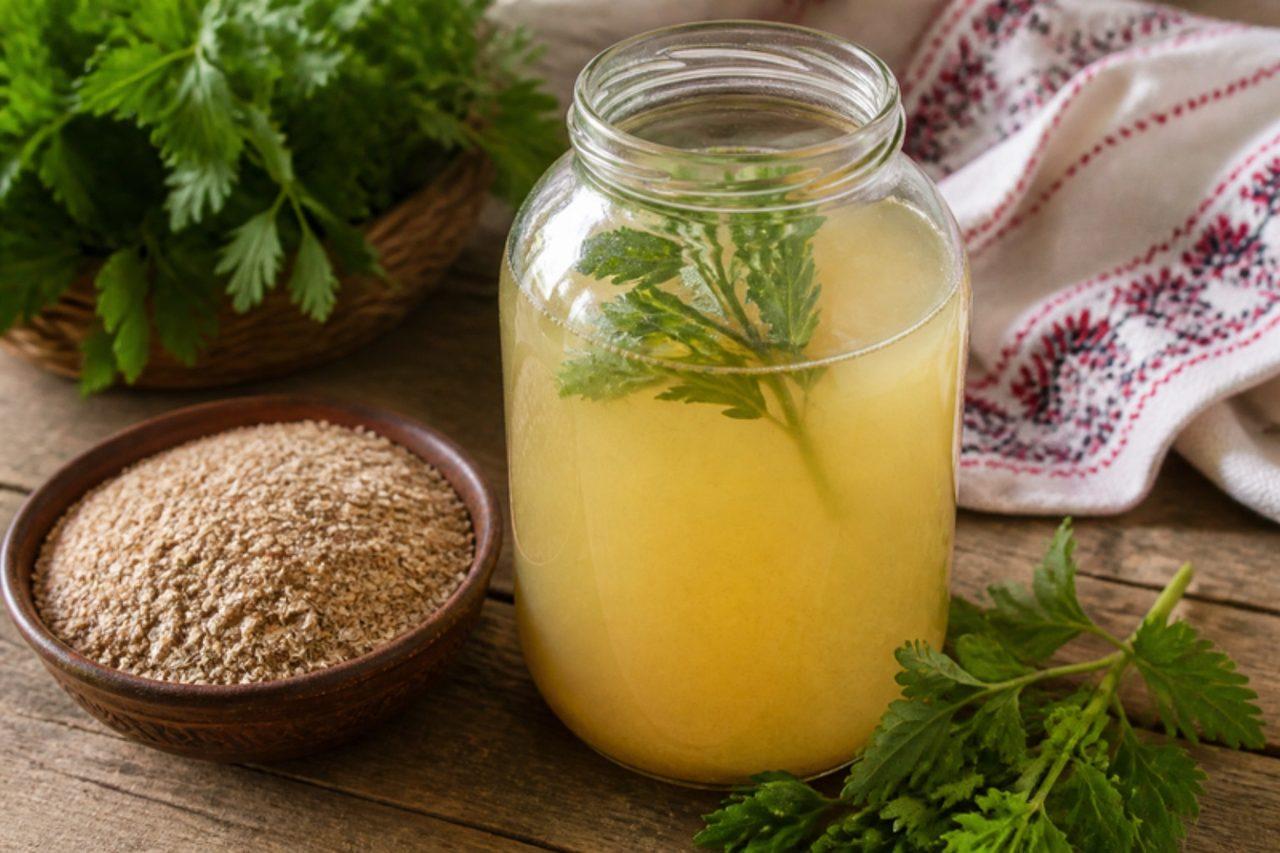
BorșFermented wheat bran sour liquid

Before lemons were common in Moldavian and Wallachian villages, every household kept a crock of borș, the cloudy, tangy liquid that turns a plain soup into a ciorbă. Wheat bran and a little cornmeal are steeped in hot water, seeded with a starter and left to ferment for 3–4 days in total, so although the hands-on work is short, plan a long weekend: the timings shown cover only the first two days of waiting. It is naturally vegan and a staple of the fasting (post) kitchen, where it sours nettle, bean and vegetable ciorbe. Where people go wrong is using a jar that is not properly clean, which lets the wrong microbes win and turns the borș slimy or mouldy. Chef's tip: keep a few spoonfuls of the drained bran, dried, as the starter (huște) for your next batch.

by KrazyBadal 0 views

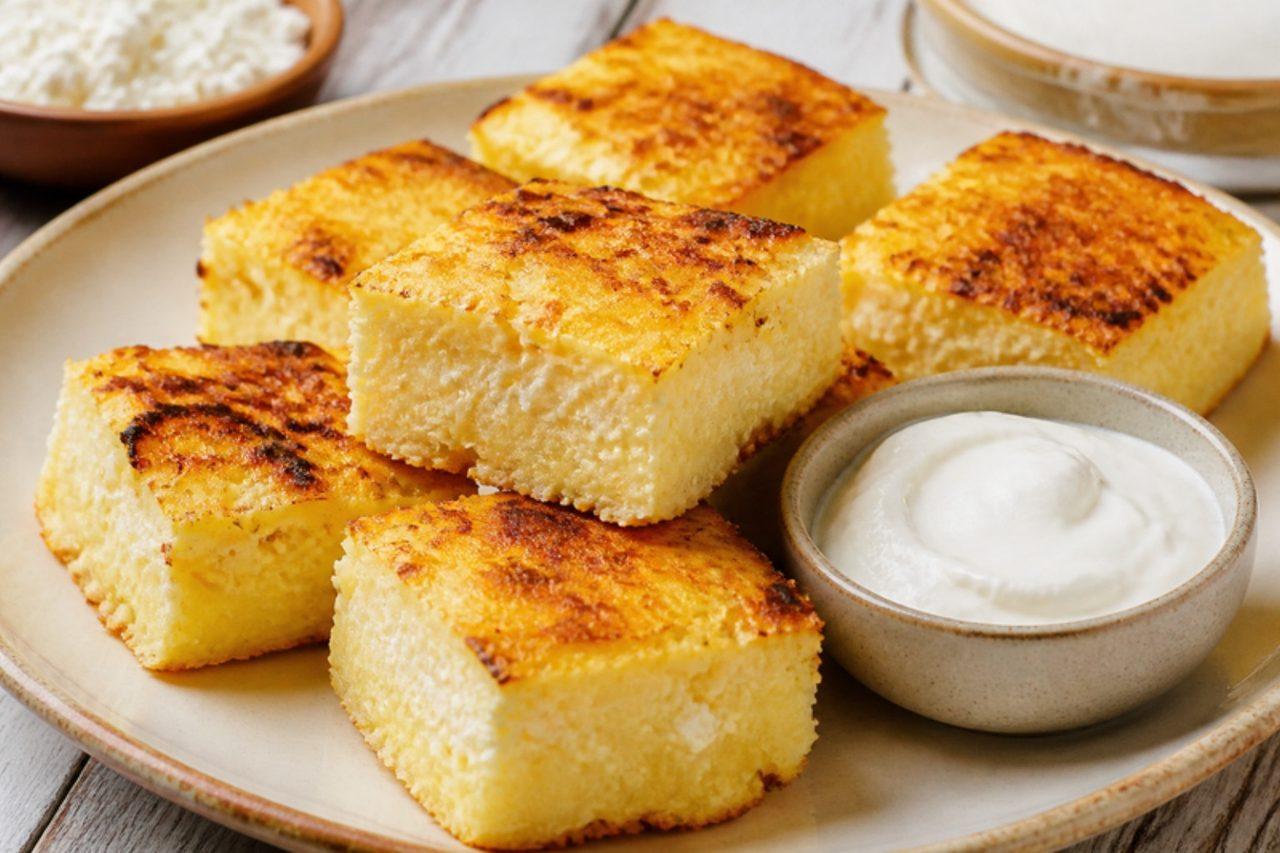
AlivenciCornmeal and cheese cake

Across the Prut, in villages from Vaslui to the Republic of Moldova, alivenci is what happens when a farmhouse has fresh cheese, sour cream and a sack of cornmeal: a soft, custardy cake baked in a tray and cut into squares while warm. It is lighter than mămăligă and richer than bread, with a tender, slightly crumbly crumb studded with curd, and is eaten for Sunday breakfast or as a side with stews and a dollop of sour cream. Traditional brânză de vaci (cottage-style cheese) is usually made without rennet, but some brands use it, so check the label. Where most people go wrong is using coarse polenta, which stays gritty; fine cornmeal gives the silky texture. Chef's tip: let the batter sit for 15 minutes before baking so the cornmeal hydrates and the cake sets evenly.

by KrazyBadal 0 views

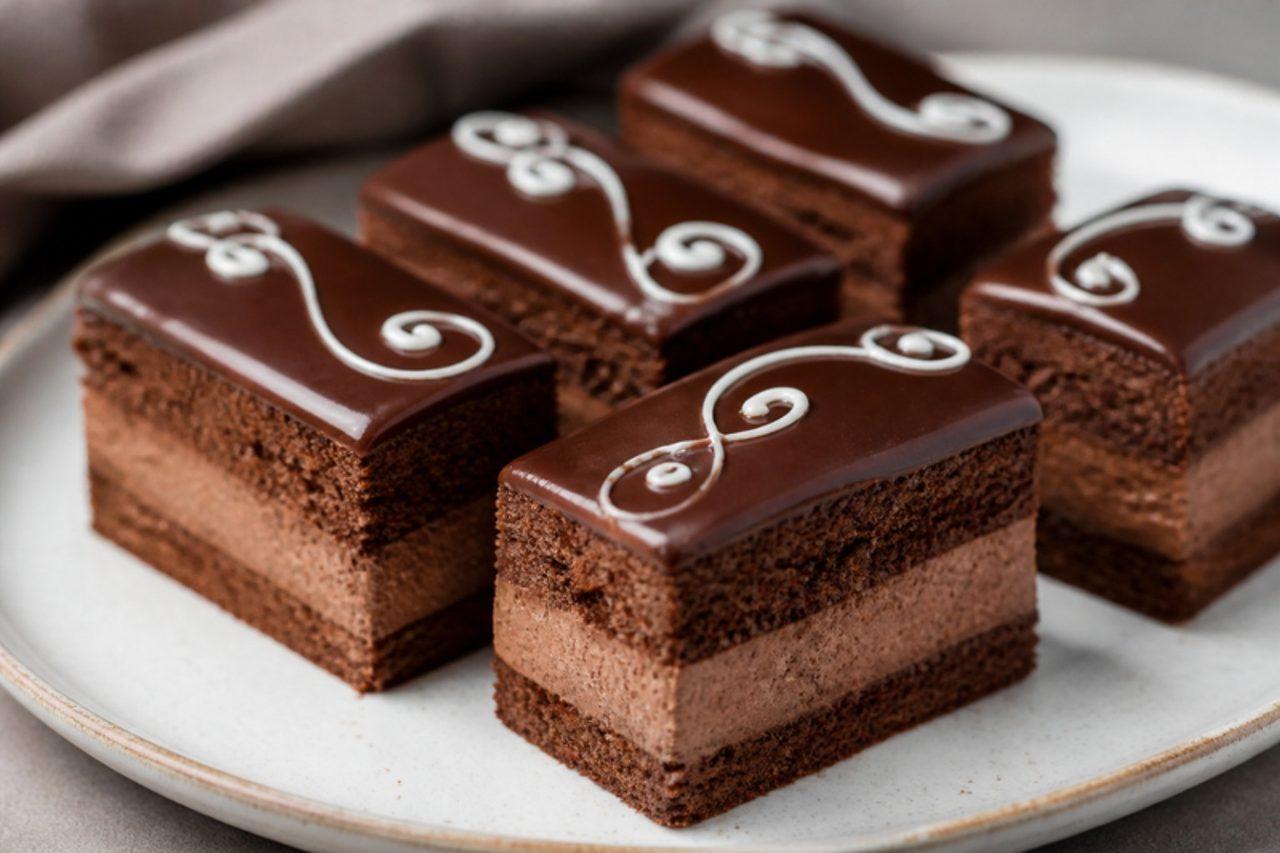
AmandineChocolate sponge cakes

Every Bucharest cofetărie keeps a tray of amandine in the glass case, neat dark oblongs that generations of schoolchildren have bought with their pocket money. Despite the almond-sounding name there are no almonds in them: a cocoa sponge is split, soaked with a cocoa syrup, sandwiched with a rich chocolate custard buttercream and coated in a shiny ganache. Bakeries traditionally add rum to the syrup; this version is alcohol-free and uses vanilla and orange zest instead, though you can add 2 tablespoons of rum if you like. A common mistake is soaking the sponge while the syrup is still hot, which turns it to mush; both should be cool. Chef's tip: chill the filled cake until really firm before glazing and cutting, and wipe the knife hot between each cut for clean edges.

by KrazyBadal 0 views

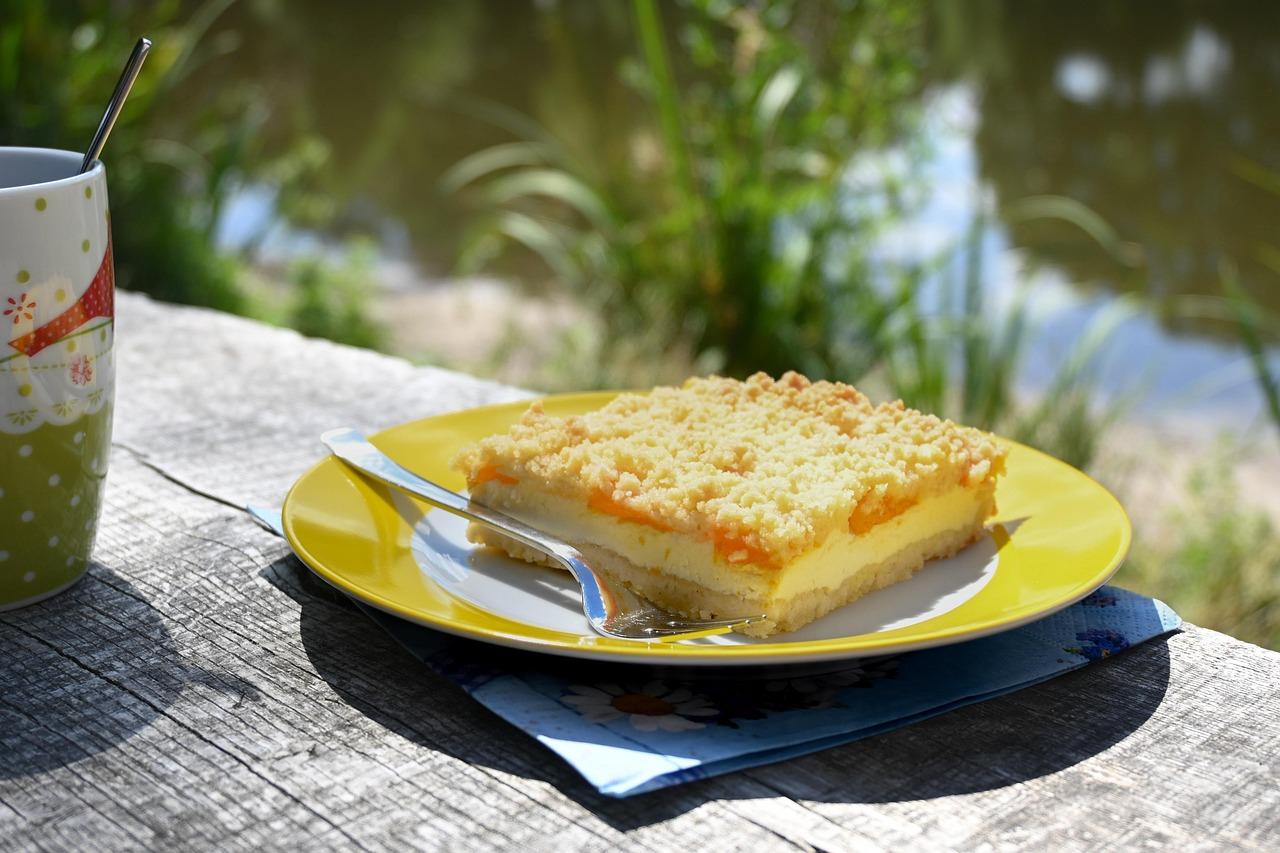
HanklichCheese and egg yeast cake

The Transylvanian Saxons, German-speaking villagers who settled around Sibiu, Brașov and Sighișoara in the Middle Ages, baked Hanklich in their fortified-church villages for Sundays, weddings and the Kronenfest in late June. A thin, soft yeast base is spread with a thick layer of sweetened cottage cheese, eggs and cream that bakes into a wobbly, lemony custard with a golden top, a little like a cheesecake on bread. It is cut into squares and eaten with coffee. Some quark and cottage cheese is made with animal rennet, so check the label if you want it strictly vegetarian. The classic slip is overbaking until the topping cracks and weeps; take it out while the centre still trembles slightly. Chef's tip: roll the dough right into the corners of the tray and build a small rim, so the topping stays put.

by KrazyBadal 0 views

ÎnvârtităRolled sweet cheese pastry

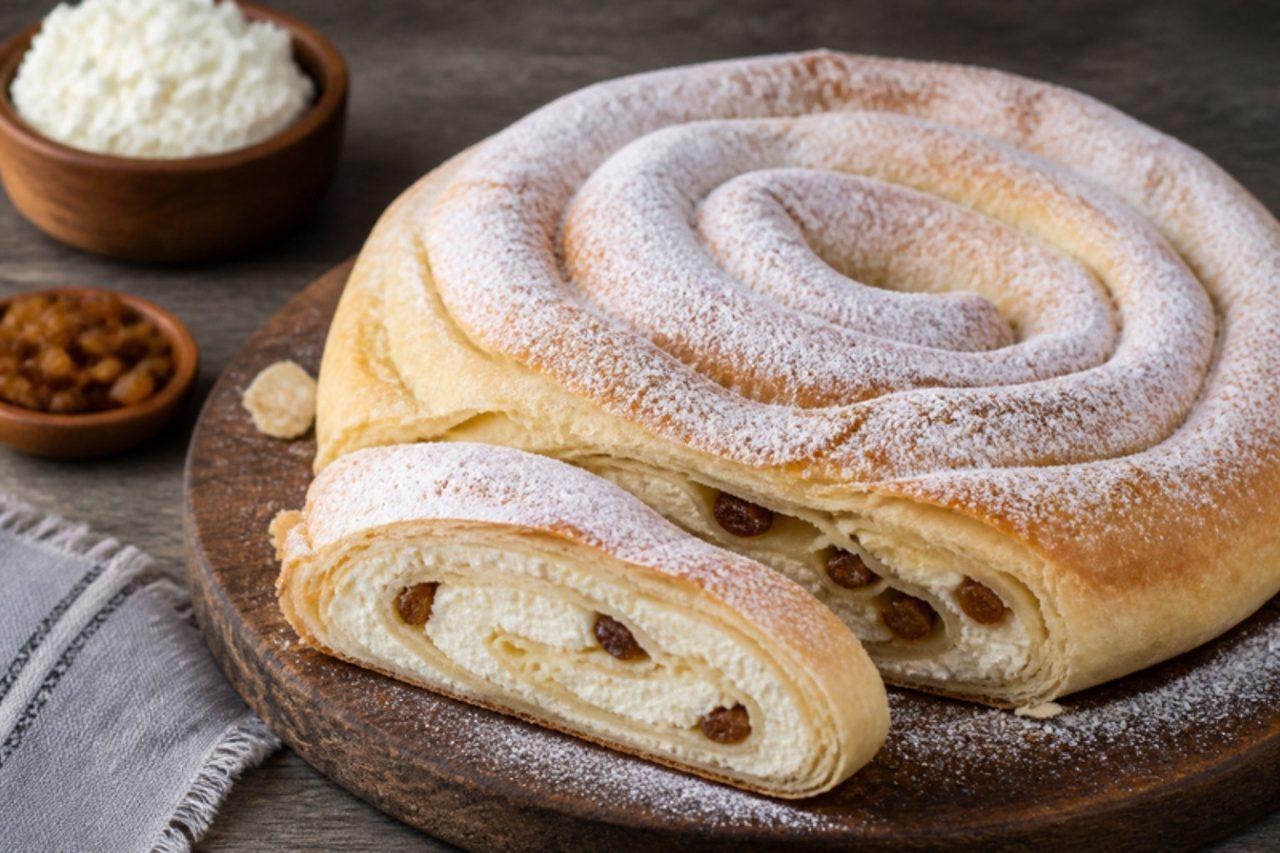
Sunday visits in the villages around Iași and Suceava rarely happen without a tray of învârtită, the coiled pastry whose name simply means 'twisted'. A soft dough is pulled over a floured tablecloth until it is as fine as paper, brushed with butter, covered in sweet cottage cheese with raisins and lemon zest, rolled up and wound into a snail before baking. Fresh from the oven it is crackly at the edges and moist in the middle; it is cut into wedges and eaten with coffee or a glass of milk. Families also fill it with sour cherries in June or grated pumpkin in autumn. Cottage cheese is usually made without animal rennet, but check the label if you keep strictly vegetarian. Lots of bakers stretch the dough too soon after mixing, and it tears into holes; give it the full rest. Chef's tip: drain the cottage cheese in a sieve for 20 minutes first, so the filling stays creamy and does not run out of the seams.

by KrazyBadal 0 views

Plăcintă dobrogeanăCheese and egg coil pie

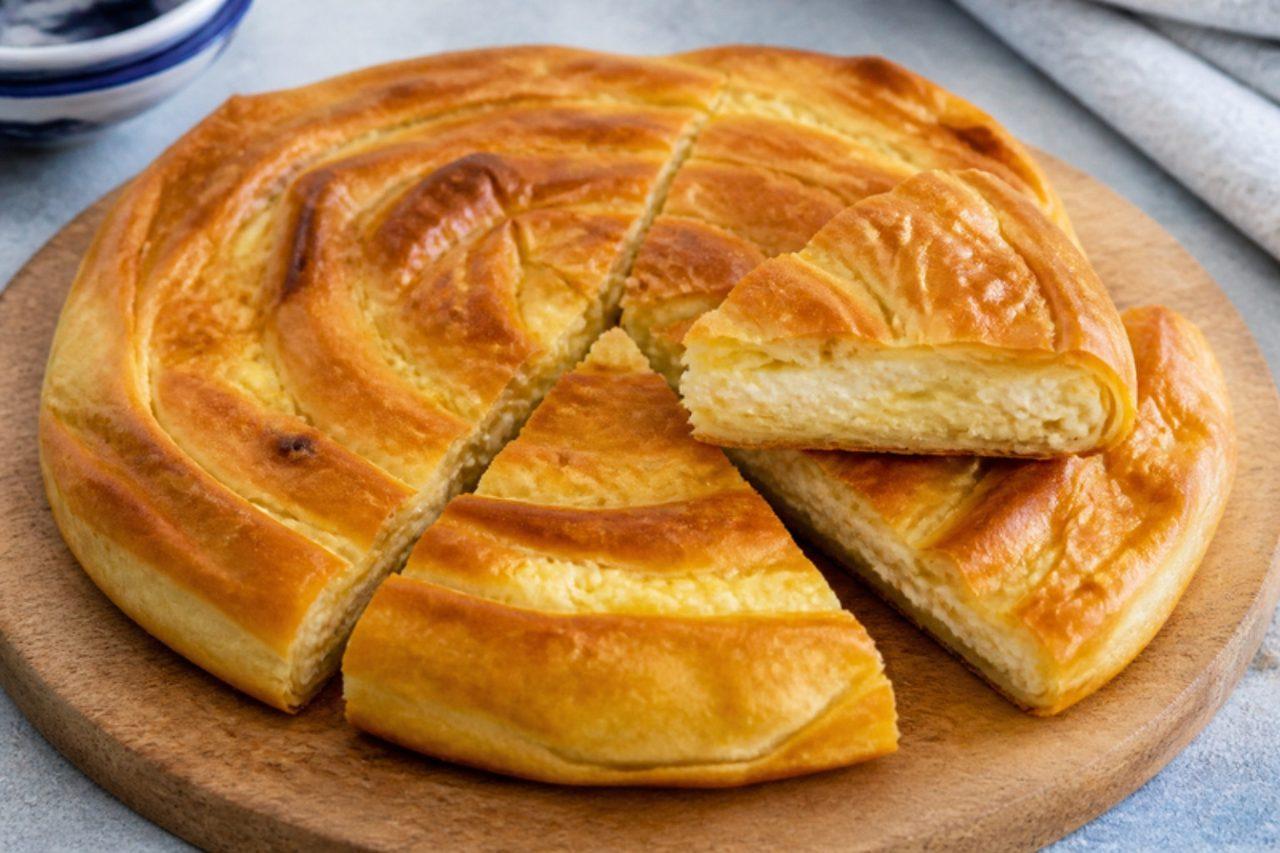
Down on the Black Sea coast and the steppe villages around Constanța and Tulcea, where Aromanian, Turkish and Tatar cooks have shared ovens for generations, plăcintă dobrogeană is a big round pie made from hand-stretched sheets rolled around salty cheese and egg, coiled into a tin and baked until crackling. Just before baking, a little egg and yogurt is poured over, so the inner layers turn soft and custardy under a shatteringly crisp top. It is cut into wedges and eaten warm for breakfast with ayran or a glass of milk. Telemea and other salty white cheeses are often made with animal rennet, so pick one labelled vegetarian. The usual slip is overfilling the rolls, which split as they coil. Chef's tip: keep the stretched dough under a damp tea towel while you work, so it stays supple.

by KrazyBadal 0 views

VărzăriSauerkraut pan-fried pies

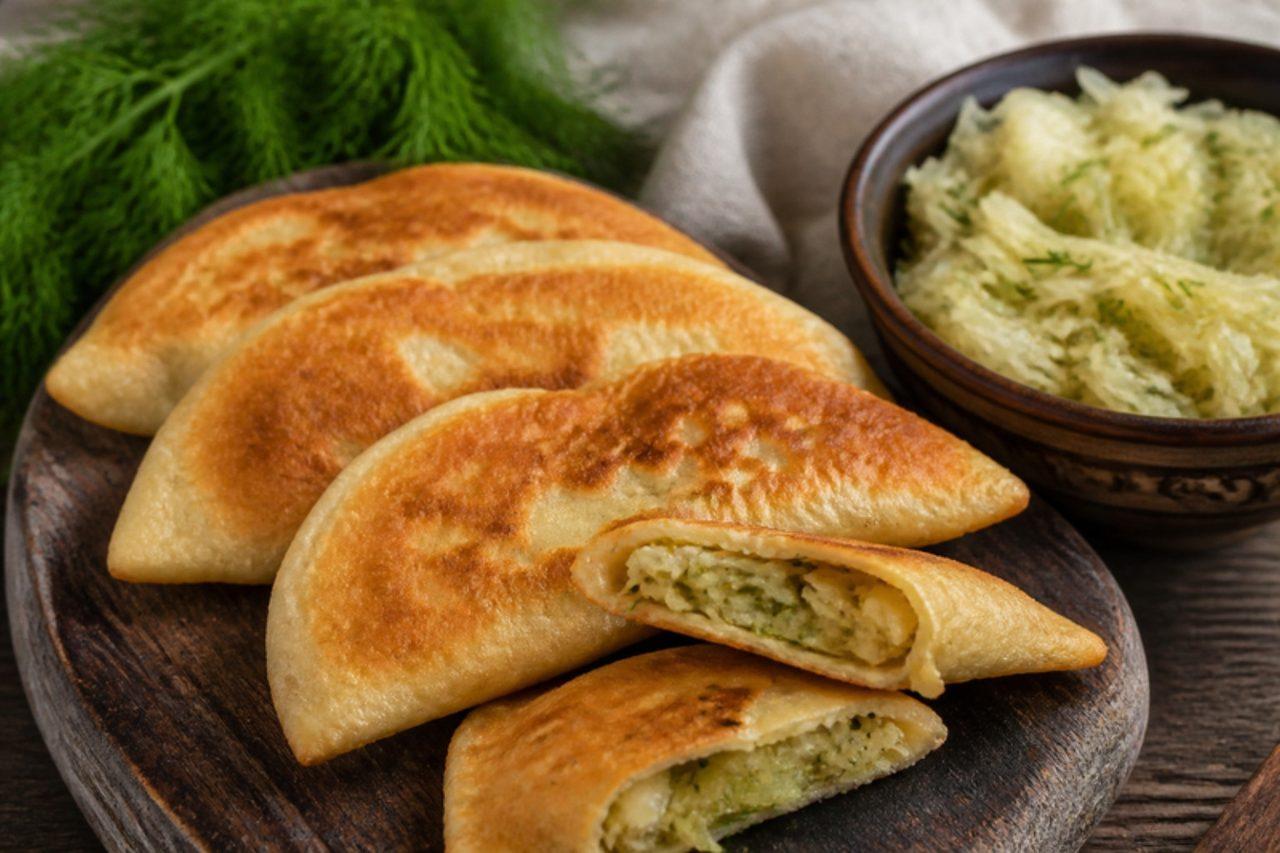
Across Moldavia and over the Prut in the Republic of Moldova, the long Lent before Easter and Christmas is when grandmothers bring out the sauerkraut barrel and start rolling vărzări. The dough is plain flour, water and oil, rolled paper-thin, folded around sauerkraut fried with onion and black pepper, then pan-fried in a little oil until blistered and crisp. Hot from the pan they are flaky outside and soft and sour within; at room temperature they make a good packed lunch, often eaten with a glass of compote or a bowl of bean soup. Being completely free of animal products, they suit the strict fasting days. Where most people go wrong is leaving the sauerkraut wet: squeeze it hard, or the juice soaks the dough and the pies tear. Chef's tip: rest the dough under a warm bowl for half an hour; the gluten relaxes and it will roll almost transparent without springing back.

by KrazyBadal 0 views

Bratislavské rožkyWalnut or poppy seed crescents

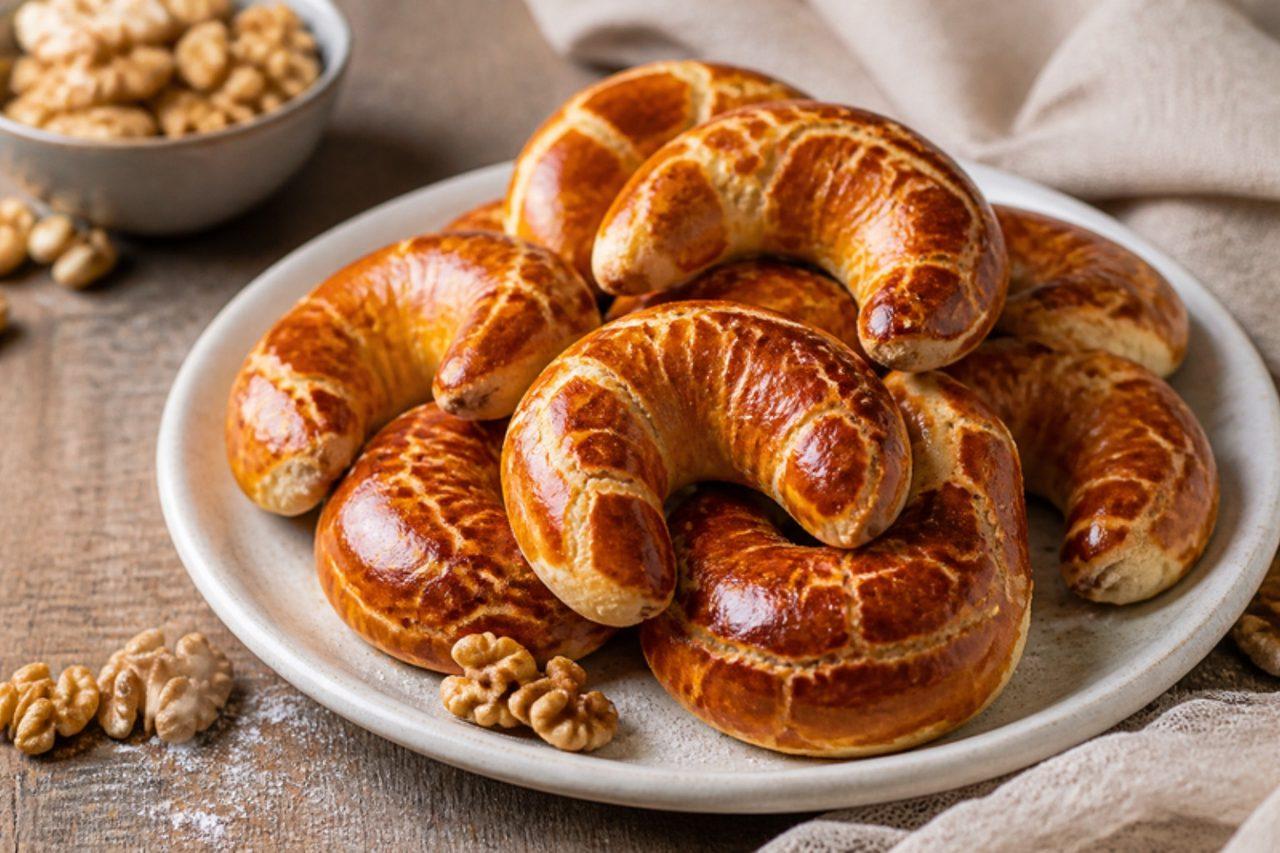
Bakers in old Pressburg, today's Bratislava, have shaped these little horns for nearly three centuries, and the city still treats them as its own Christmas and wedding pastry. The walnut ones are bent into a horseshoe and the poppy seed ones into a crescent, so you can tell them apart on the plate. The dough is rich and short, almost like a pastry, and the shiny brown top is crazed with fine cracks from a double egg glaze. A common mistake is glazing the second time before the first coat is dry, which leaves a dull, smooth top instead of the famous marbling. Patience is the whole trick: a cool rest after the yolk, then a warm rest after the white. Old recipes add a splash of rum to the walnut filling; this version uses lemon and cinnamon instead. Chef's tip: keep the dough cold and work quickly, so the butter stays in tiny flakes.

150 minCzechBaking
by KrazyBadal 0 views

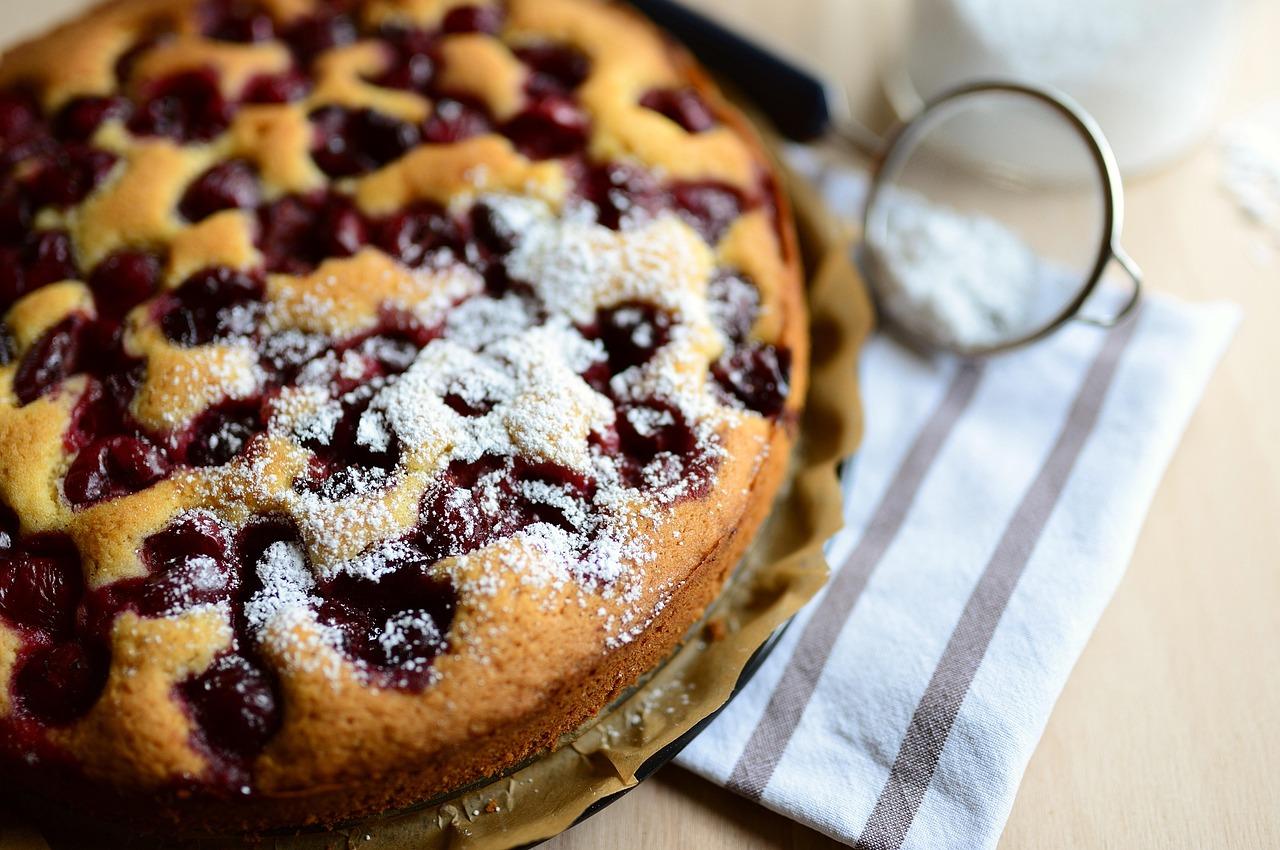
BublaninaCherry sponge traybake

Czech grandmothers make bublanina the moment cherries ripen in June, and again with apricots or plums later in summer, baking it in a big tray for afternoon coffee in the garden. The name comes from the bubbles that form as the fruit sinks into the batter. It is a light, buttery sponge, golden at the edges, with pockets of juicy, sharp fruit and a snowfall of icing sugar on top; children love it warm. A common mistake is folding in the flour too hard, which knocks out the air and makes a tough cake; mix until just combined. Pitted fruit is easiest for little eaters. Chef's tip: toss the fruit in a spoon of flour before scattering it over, so it sits in the sponge instead of sinking to the bottom.

by KrazyBadal 0 views

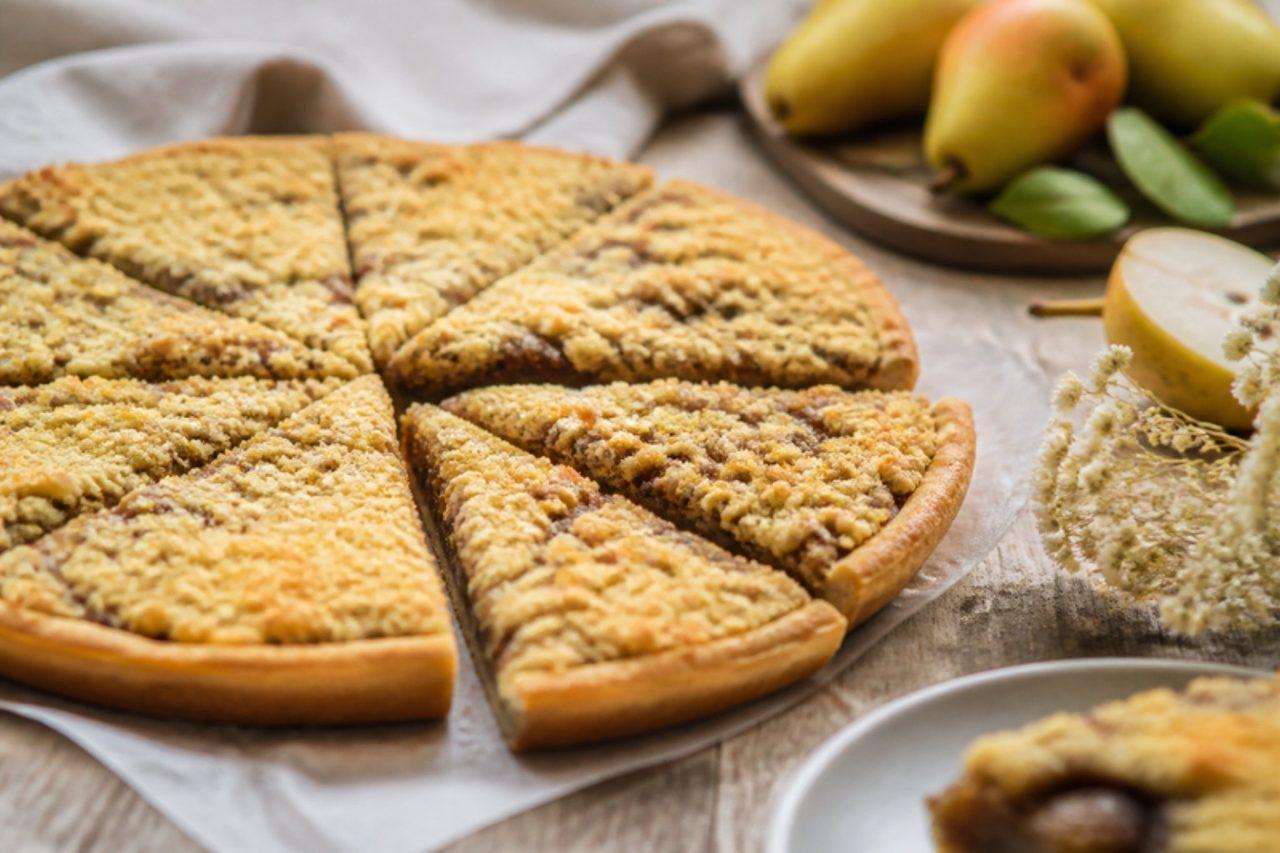
FrgályYeast tarts with pear or cheese

At weddings and church fairs in Moravian Wallachia, in the hills around Rožnov and Vsetín, tables are stacked with frgály: yeast tarts as wide as a dinner plate, rolled so thin the filling seems to sit on a crisp, chewy disc. The classic toppings are dried pear mixed with plum butter, sweet tvaroh (Czech quark), or poppy seed, all scattered with a buttery crumble. This recipe makes four, two with each of the first two fillings. Tvaroh is usually set without rennet, but some brands use it, so check the label. The usual slip is leaving the dough thick in the middle, which makes a bready tart; roll right to the edge, about 3 mm thick. Chef's tip: bake on the lowest oven shelf on a hot tray, so the base browns before the filling dries.

150 minCzechBaking
by KrazyBadal 0 views

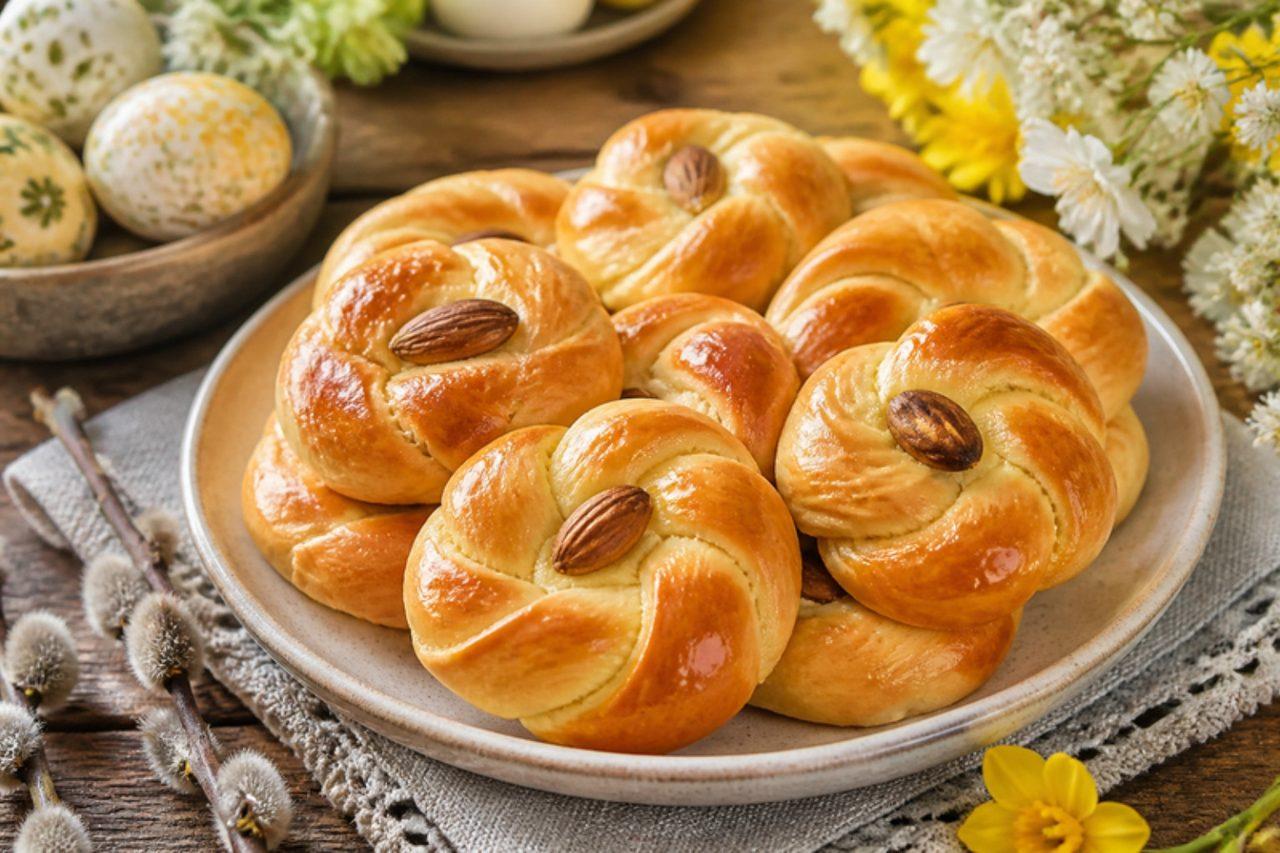
JidášeEaster honey buns

Maundy Thursday, "Green Thursday" in Czech, is the day for jidáše, sweet yeasted buns rolled into ropes and coiled into spirals or loose knots to recall the rope of Judas, which gives them their name. Families in Bohemia and Moravia bake them for breakfast that morning and brush them, still hot, with honey; eating one was once said to bring health for the year. They are soft and fluffy, lightly scented with lemon, with a sticky, shiny top. A common mistake is brushing the honey on cold buns, where it just sits; warm the honey and glaze them straight from the oven so it soaks in. Honey is not suitable for babies under one year old. Chef's tip: roll the ropes thinner than you think, about finger thickness; they double as they prove.

145 minCzechBaking
by KrazyBadal 0 views

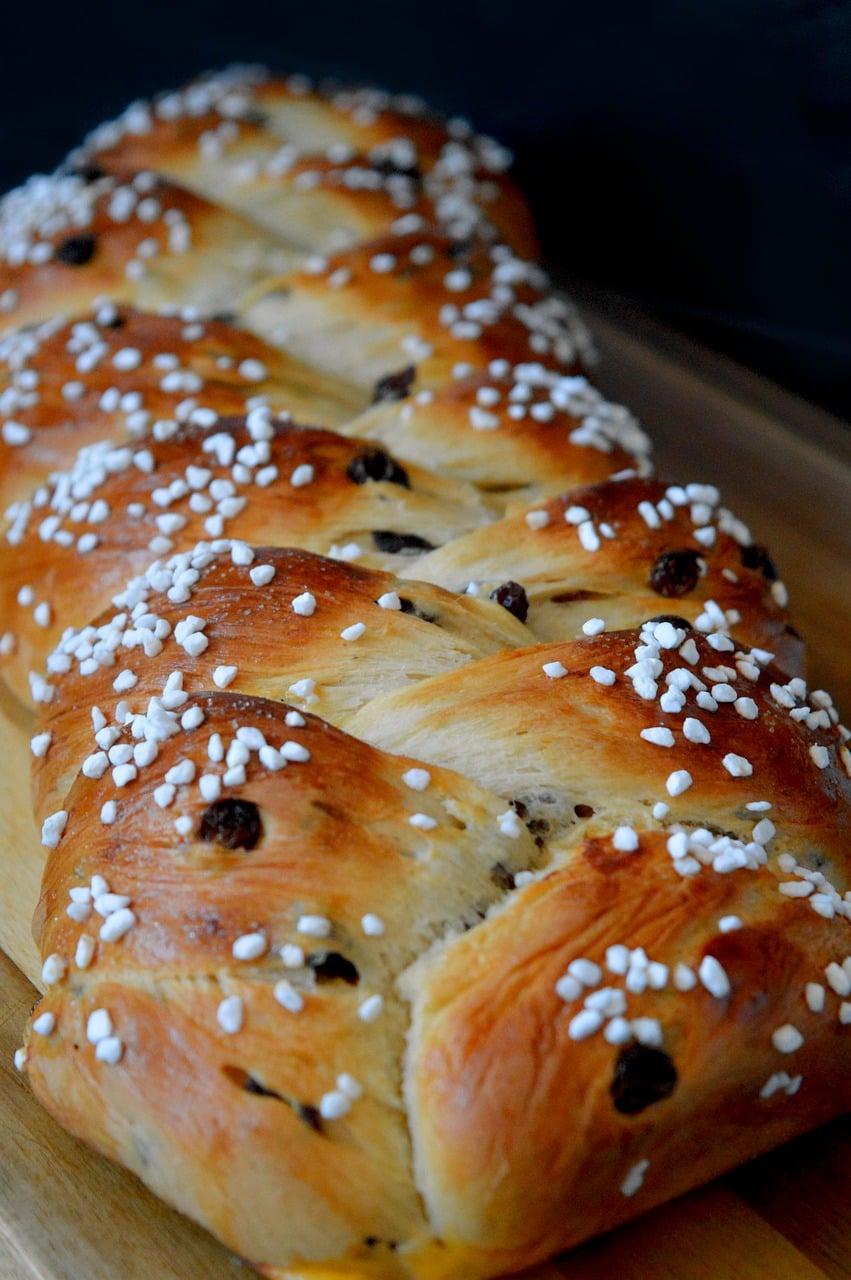
VánočkaBraided Christmas bread

On Czech Christmas Eve morning, before the carp and the potato salad, the table holds a long golden vánočka, a sweet braided loaf whose layered plaits are said to represent the baby Jesus in swaddling. Families slice it for breakfast through the holidays with butter, honey or jam. The crumb is soft and rich with egg and butter, scented with lemon zest and studded with raisins; flaked almonds crisp up on the crust. The usual slip is braiding too loosely, so the tiers slide apart in the oven; plait tightly and hold them with wooden skewers while baking. Soaking raisins in warm water (not rum) keeps them juicy and alcohol-free. Chef's tip: vánočka keeps for days wrapped in a cloth, and slightly stale slices make superb French toast.

185 minCzechBaking
by KrazyBadal 0 views

ZelňákSauerkraut yeast pie

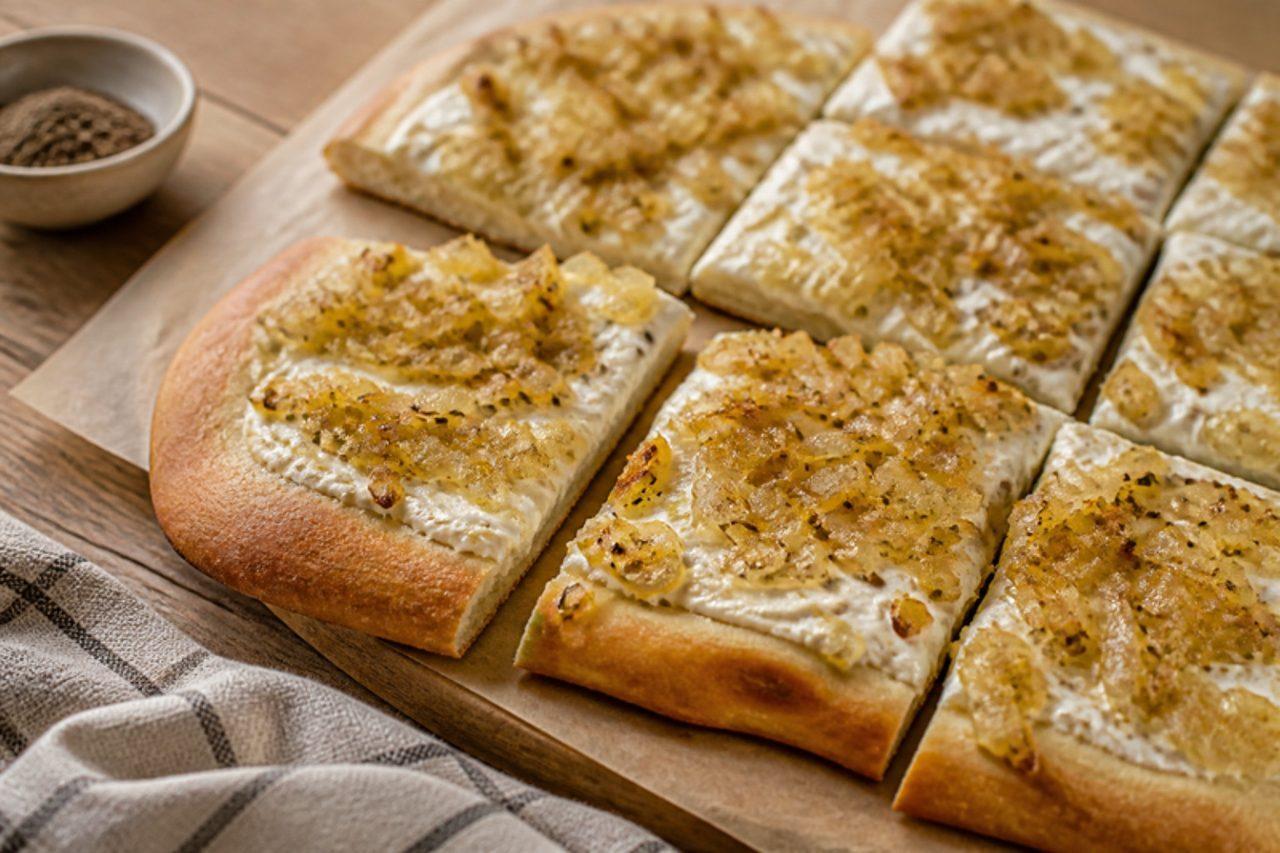
Out in the Moravian wine villages, when bread was baked in the communal oven, the last of the dough went into zelňák: a flat yeast base spread with sour cabbage and fried onion and baked until the edges blister. It is still sold in bakeries around Brno and Hodonín and eaten warm in slices with a glass of buttermilk or new wine. Old recipes fry the onion in lard or add crackling; this version uses oil and butter and is vegetarian. The topping is tangy, sweet from the onion and scented with caraway, over a soft, bready base. Where it often goes wrong is using wet sauerkraut straight from the jar, which turns the base soggy. Squeeze it well and fry it first. Chef's tip: a thin layer of sour cream under the cabbage keeps the base moist and stops the topping drying out.

120 minCzechBaking
by KrazyBadal 0 views

Showing 24 of 40 recipes

Show more recipes

Page 1 of 2