Skip to content
Recipes

All recipes

Vegetarian, or something you can't eat? Set your diet once and we'll hide recipes that don't fit.

Pine nut tea

Order tea in a Tunis café, especially in the cafés of Sidi Bou Said overlooking the bay, and it often arrives with a spoonful of pale pine nuts bobbing on top. The tea itself is brewed strong and very sweet, green with mint or dark black tea boiled until syrupy, and poured from a height into small glasses so it froths. The nuts soften slightly in the heat and you eat them at the bottom of the glass, buttery against the bitter-sweet tea. It is drunk after meals and through the evening. Chef's tip: toast the pine nuts lightly in a dry pan; just a hint of colour brings out their butteriness without making them sink.

by KrazyBadal 0 views

Citronnade

Café terraces in Tunis serve citronnade in tall glasses on hot afternoons and through Ramadan evenings, and it is nothing like clear lemonade: whole lemons, peel and all, are blended with sugar and water, then strained, giving a cloudy, pale-yellow drink that tastes of the zest as much as the juice. A drop of orange-flower water rounds it off. It should be sharp, sweet and very cold. Use unwaxed lemons with thin skins. Chef's tip: let the cut lemons sit with the sugar for 10 minutes before blending; the sugar draws out the fragrant oils from the peel.

by KrazyBadal 0 views

Lemon verbena tea (louiza)

After a big dinner or before bed, many Moroccan households swap green mint tea for a pot of louiza, lemon verbena, whose long, narrow leaves give a pale golden infusion that smells of lemon sherbet and has no caffeine. The fresh herb is sold in bunches alongside mint and absinthe at market herb stalls, and dried leaves keep all year. Drink it plain, lightly sweetened, or brewed with a few mint sprigs. It is soothing, clean-tasting and fragrant. Chef's tip: pour boiling water over the leaves and let them steep off the heat for 5 minutes; boiling the leaves in the pot, a common mistake, turns the tea grassy and bitter.

by KrazyBadal 0 views

Preserved lemons (l'hamd marked)

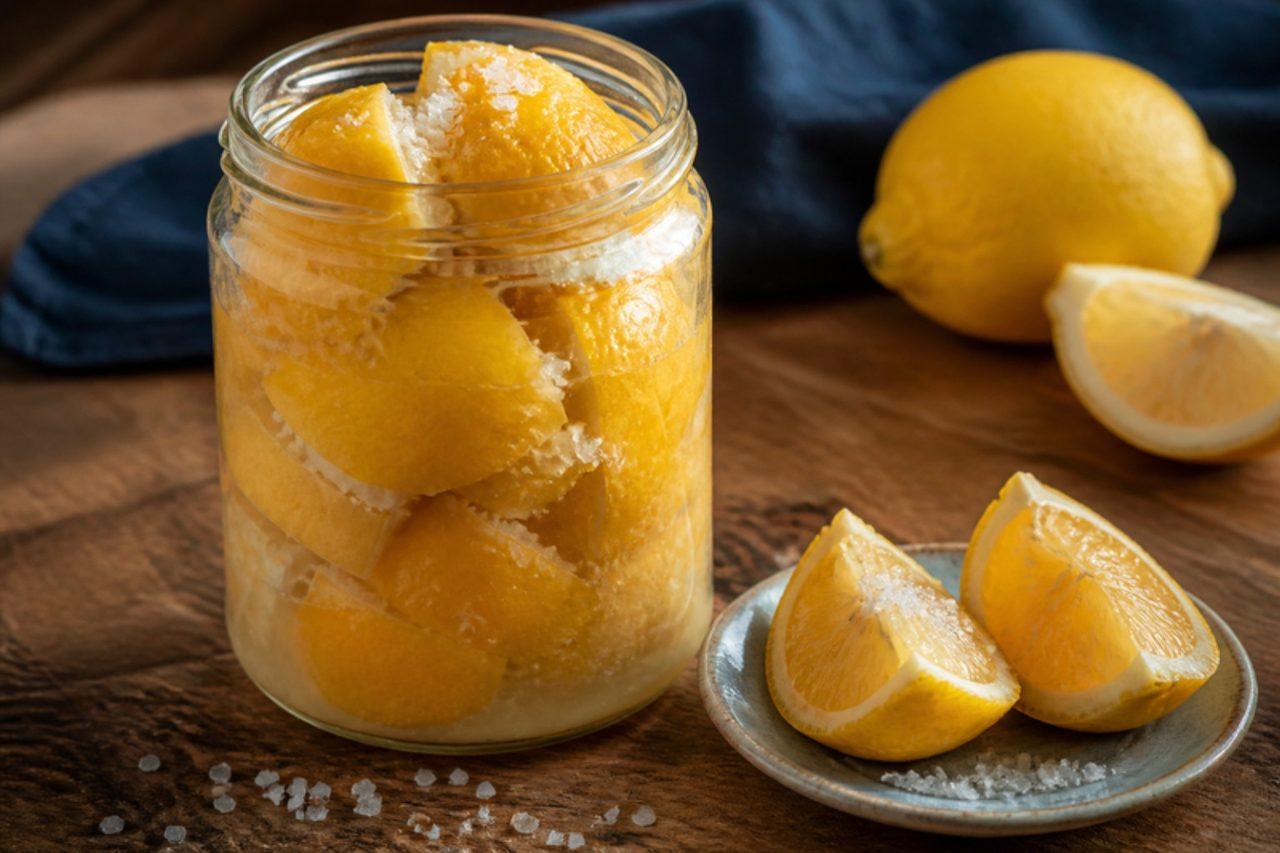
No Moroccan pantry is complete without a jar of l'hamd marked, lemons packed in salt and their own juice and left for about a month until the rind softens and takes on a mellow, floral, almost sweet flavour. The rind is what you use: finely chopped into salads, slivered over chicken with olives, added to fish tagines, chermoula and bean dishes. Fez cooks traditionally use small, thin-skinned doqq or beldi lemons, but any unwaxed lemon works. Hands-on work is only 20 minutes; the jar then needs 3–4 weeks in a cool, dark cupboard before it is ready. Chef's tip: press the lemons down hard every day for the first week; as they release juice they shrink, and you can squeeze one more lemon into the jar.

by KrazyBadal 0 views

Ras el hanout

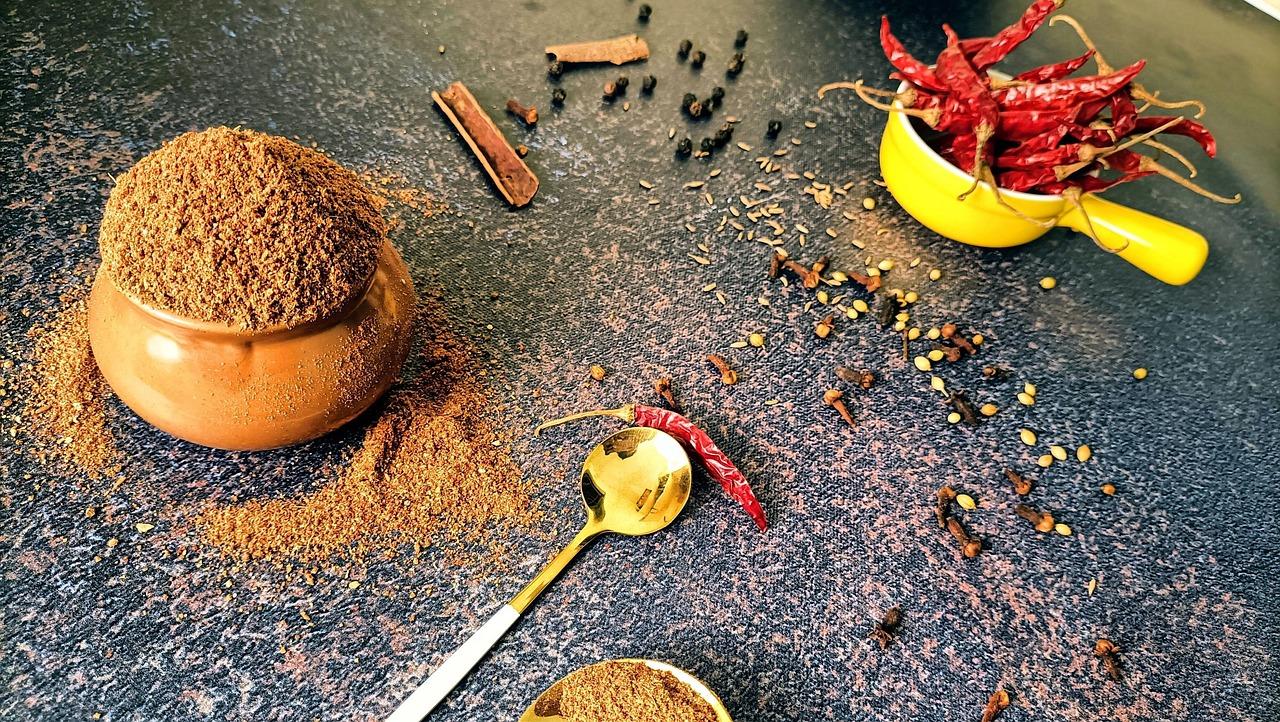
Ras el hanout means 'head of the shop', and every spice seller in the Marrakech souk will tell you theirs is the best: a warm, complex mix of a dozen or more spices that they grind to their own formula. This home version balances earthy cumin and coriander with sweet cinnamon, ginger and turmeric, the perfume of cardamom and dried rosebuds, and the heat of black pepper. Rub it on vegetables before roasting, stir a teaspoon into tagines, lentils or couscous broth, or season chickpeas and roast pumpkin with it. Toasting the whole spices first takes 5 minutes and makes a real difference. Chef's tip: make small batches and store the blend in a sealed jar away from light; it is at its best for about 3 months.

by KrazyBadal 0 views

Chocolate de agua

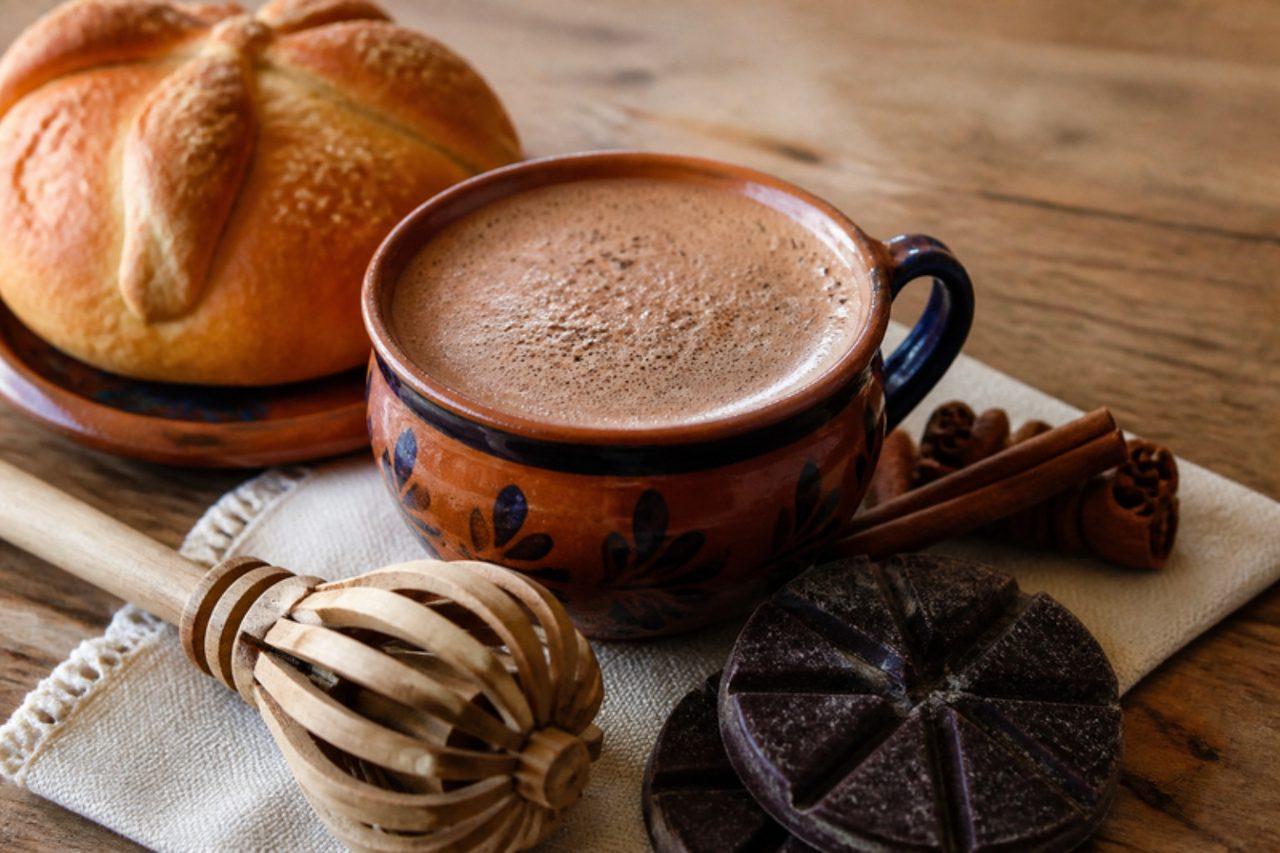
Walk down Calle Mina in Oaxaca City and the air smells of cacao, cinnamon and almonds, roasted and ground into chocolate in front of you at the mills. Most Oaxacans drink it made with water, not milk, so the taste of the cacao comes through clean and slightly bitter, with a thick head of foam raised with a wooden molinillo. It is drunk for breakfast with pan de yema and at every wedding and Day of the Dead altar. The tablets already hold sugar and cinnamon; we give a version with dark chocolate too. Chef's tip: the foam is the point, so whisk hard just before pouring and serve in wide cups.

by KrazyBadal 0 views

Smen (salted, herbed butter)

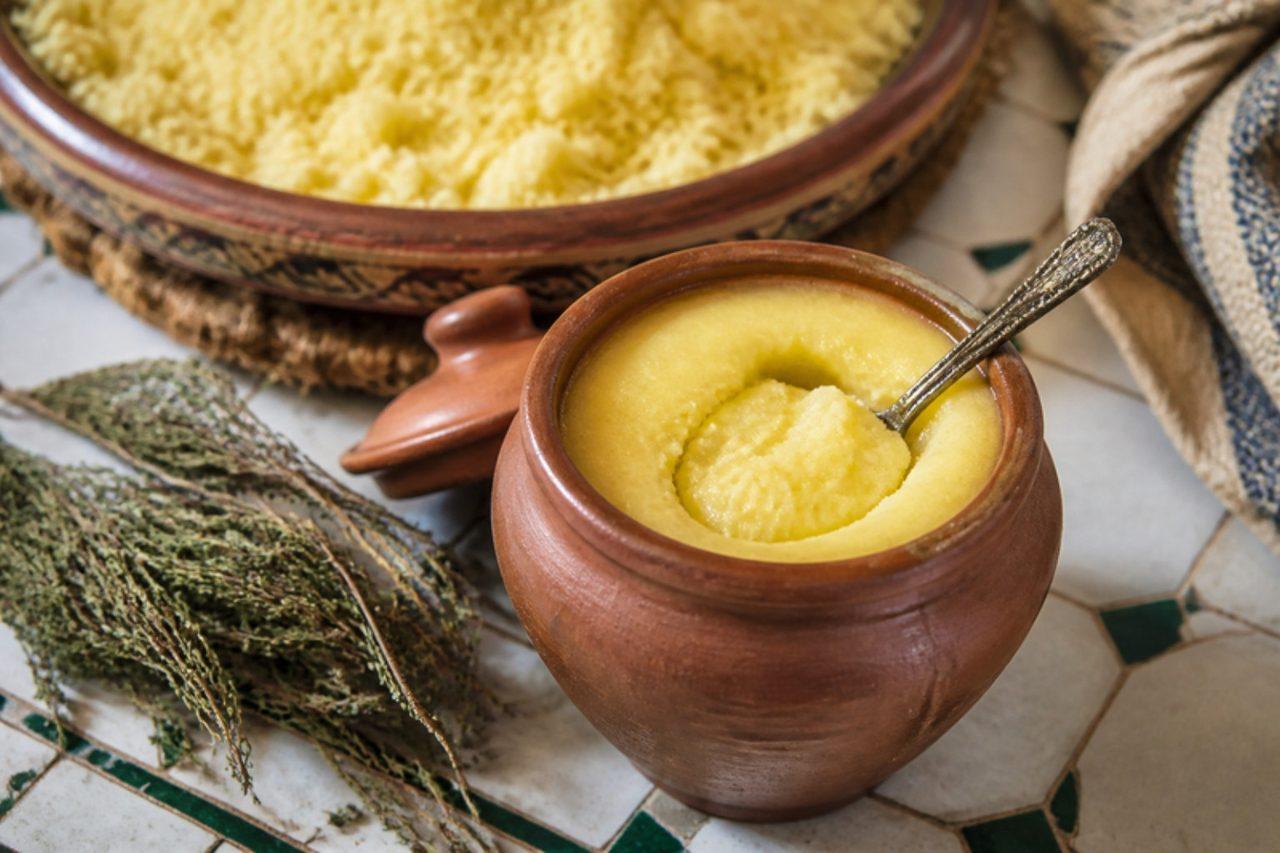
Atlas households once kept jars of smen for months, even years, until the salted butter developed a pungent, almost blue-cheese aroma; a spoonful stirred into couscous, harira or a chicken tagine gives a depth nothing else can. Long ageing at room temperature is risky at home, so this is a safer fridge version: pasteurised unsalted butter is simmered with dried za'atar or oregano, strained, salted and then matured in the fridge for 2–4 weeks, which gives a mellow, nutty, faintly tangy smen rather than the fiercely strong old kind. For the real long-aged flavour, buy smen from a reputable shop. Use it a teaspoon at a time; it is meant as a seasoning, not a cooking fat. The mistake to avoid is leaving any milk solids or water in the butter, as that is what turns it rancid or mouldy rather than pleasantly aged. Chef's tip: strain it through muslin until perfectly clear; any milky bits left in the jar are what turn butter rancid.

by KrazyBadal 0 views

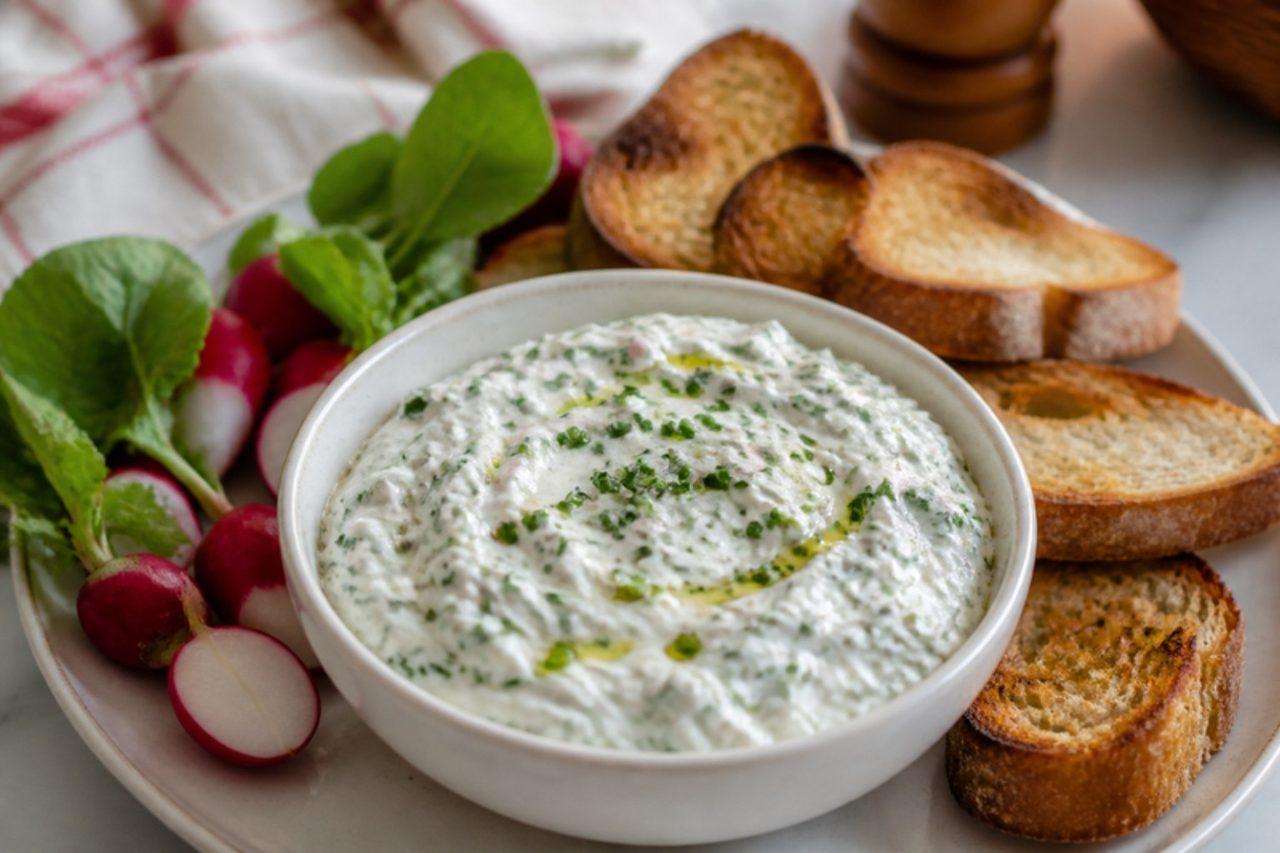
Cervelle de canut

The name means 'silk weaver's brain', a joke from the Croix-Rousse hill in Lyon, where nineteenth-century canuts worked the looms and could not afford the lamb's brains their bosses ate. Their version was fromage blanc whipped with shallot, garlic and herbs, and it is still served in every bouchon as a starter or after the main course, with bread, toast or boiled potatoes. Some cooks splash in white wine; this version uses a little white wine vinegar instead, so it is alcohol-free. Some fromage blanc is set with rennet, so pick a brand labelled vegetarian if that matters. Chef's tip: make it an hour ahead; the shallot softens and the herbs flavour the cheese right through.

by KrazyBadal 0 views

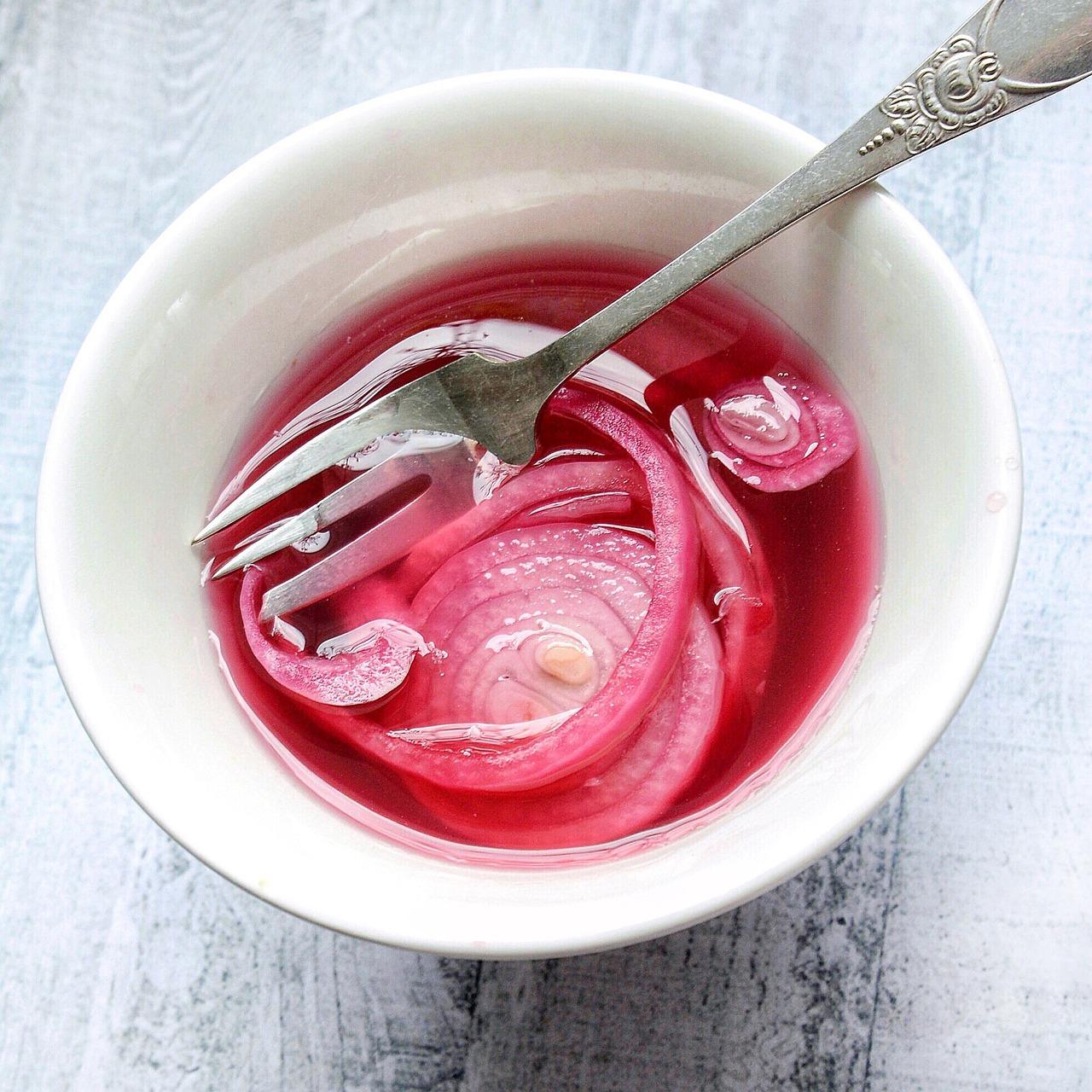
Yucatán pickled red onions

No table in Mérida is complete without a bowl of these bright pink onions. They go on almost everything in the Yucatán, from panuchos and salbutes to bean tacos, eggs and grilled vegetables, and their sharp crunch is what cuts through rich, earthy food. The traditional pickle uses naranja agria, the sour Seville-type orange that grows all over the peninsula, with a little habanero and dried oregano. Chef's tip: pour boiling water over the sliced onions for 10 seconds first; it softens their raw bite and makes them turn pink much faster.

by KrazyBadal 0 views

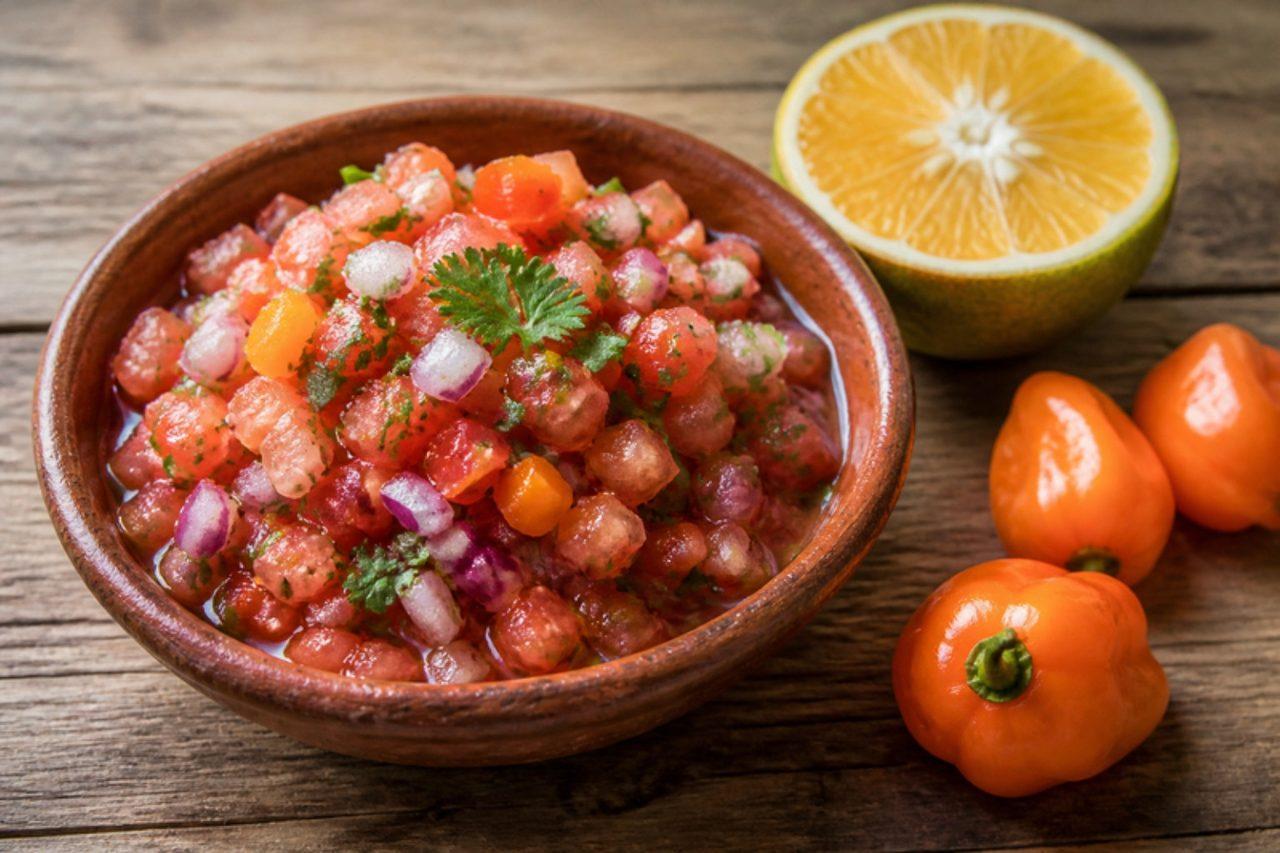
Xnipec

The name comes from Maya: xni' pek means 'dog's nose', because the salsa is hot enough to make your nose run and stay wet like a dog's. It is the raw table salsa of the Yucatán, made in minutes from tomato, red onion, coriander and plenty of habanero, all soaked in sour orange juice. In Mérida it is spooned over black-bean dishes, eggs and rice, and it brightens anything rich. It is best on the day it is made. Chef's tip: chop everything by hand into small, even dice; a blender makes it watery and the habanero turns bitter.

by KrazyBadal 0 views

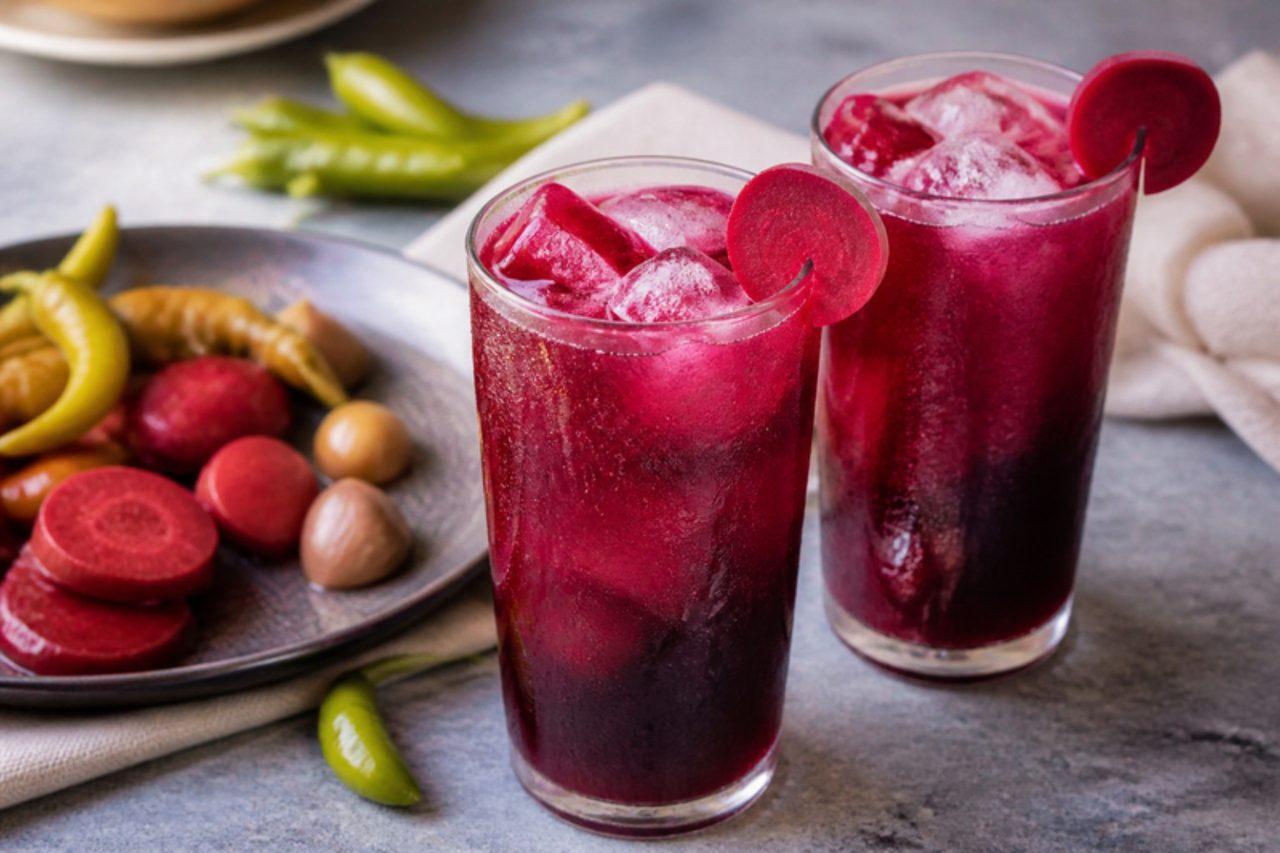
Şalgam

Order an Adana kebab in its home city and a tall glass of şalgam arrives with it, deep purple, salty, sour and often fiery. It is made by fermenting black carrots with a little bulgur and salt for a week or more, and the sharpness clears the palate between bites of lamb and grilled onion. Street carts in Adana sell it by the glass in summer. This home version skips the separate bulgur-sour-dough stage the big producers use. Use non-iodised salt: iodised salt can stall the ferment. Chef's tip: taste from day 5; when it is sour enough to make you blink, strain and chill it, because it keeps fermenting at room temperature.

by KrazyBadal 0 views

Matesha mesla (sweet tomato jam)

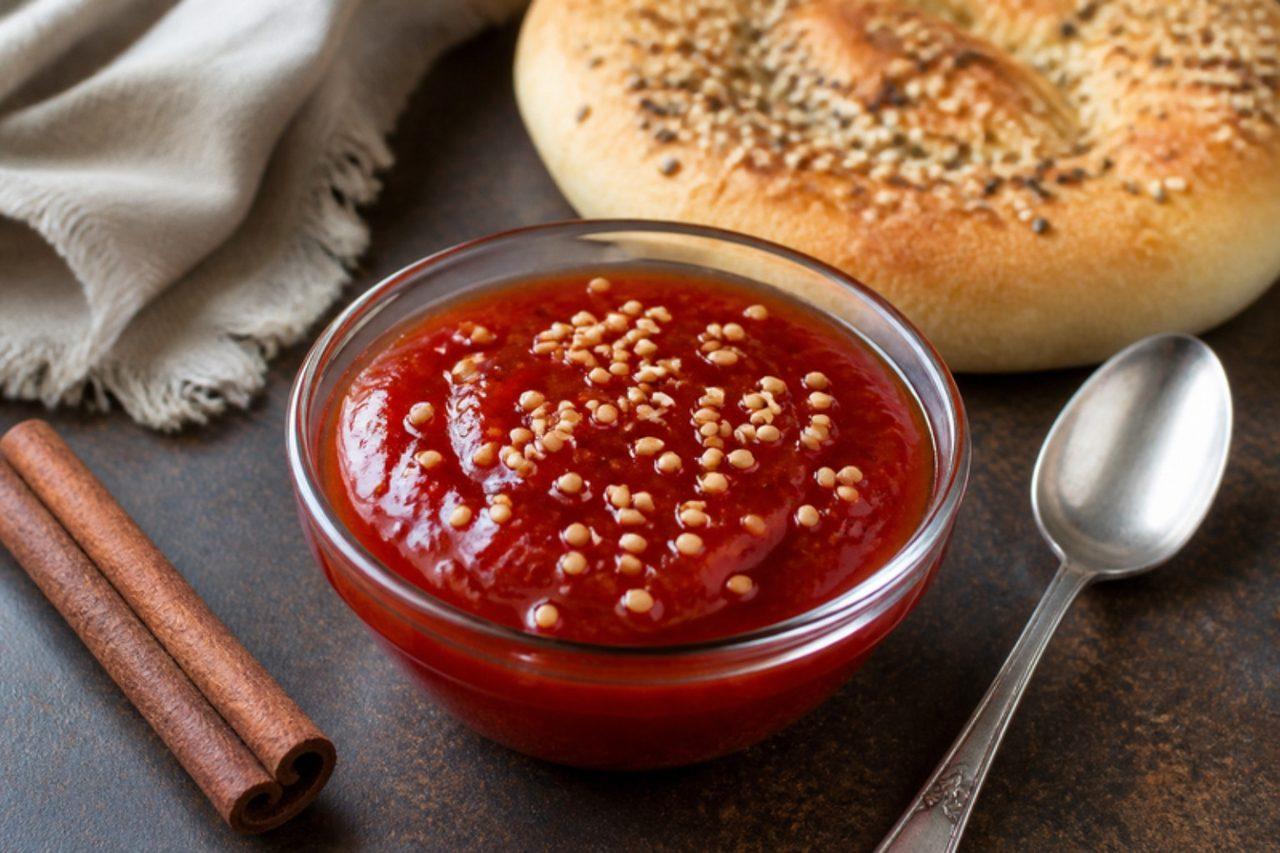
Fassi cooks reduce ripe tomatoes with honey and cinnamon until they turn into a glossy, brick-red jam that is sweet, faintly tart and perfumed with orange-flower water. It is set out among the small salads at weddings and family feasts, spooned beside a lamb or vegetable tagine, or simply scooped up with warm khobz at teatime. The texture should be thick enough to hold a ridge when you drag a spoon through it, with a scattering of toasted sesame and fried almonds on top. Kept in a clean jar in the fridge it lasts a week and only gets better. Chef's tip: grate the tomatoes on the coarse side of a box grater and throw away the skins; you get a smooth jam without the bother of blanching and peeling.

by KrazyBadal 0 views

Salpicón de frutas

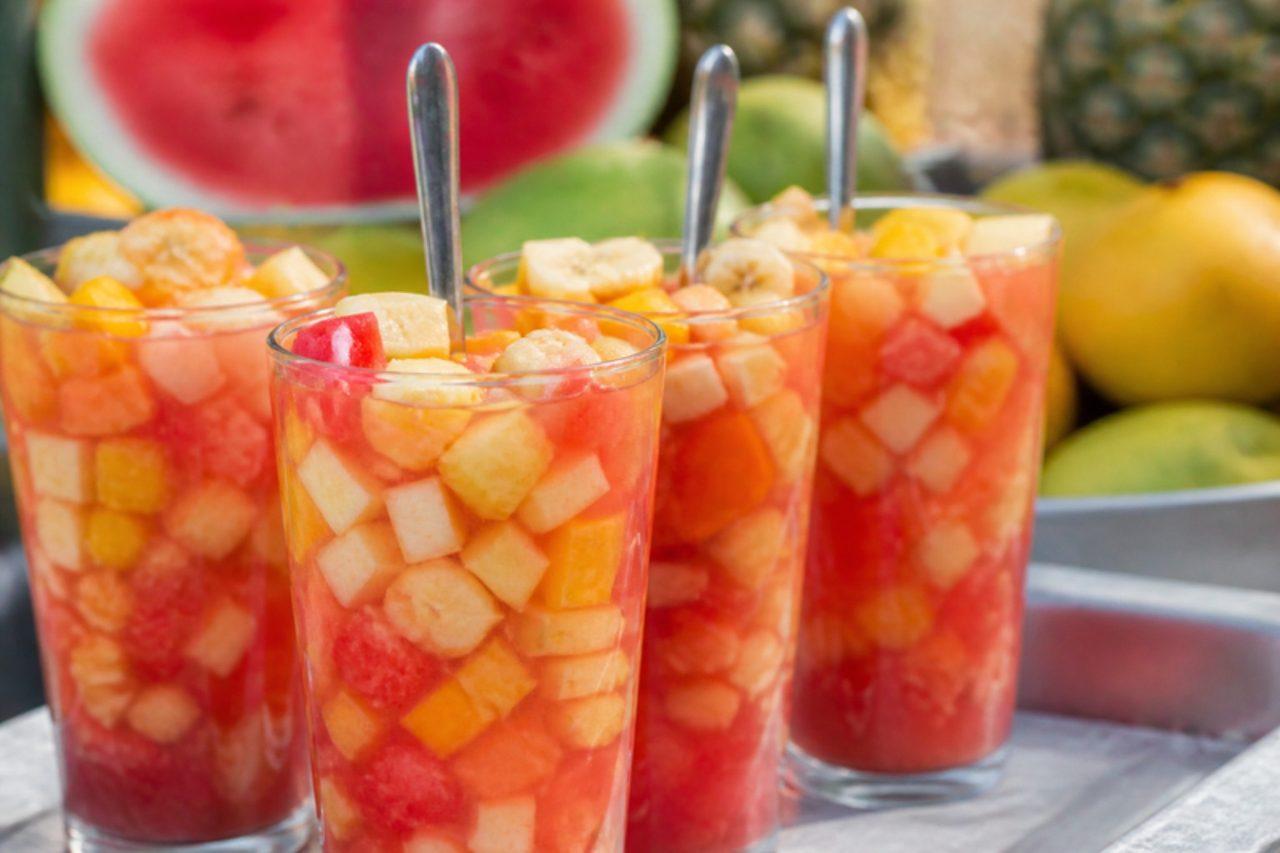
Salpicón is what Caleños grab at fruit stands and in the parks of San Antonio when the afternoon heat sets in: a tall cup of tiny, jewel-like cubes of papaya, pineapple, mango, banana and apple, swimming in freshly blended watermelon juice, eaten with a spoon and drunk to the last drop. Some stalls top it up with a fizzy orange or lemon soda; this version keeps it to fresh juice. It is sweet, cool and very refreshing. The mistake people make is cutting the fruit too big; the joy is in tiny cubes you can drink through the juice. Chef's tip: blend and strain the watermelon just before serving and keep everything ice cold; watermelon juice loses its fresh taste within an hour.

by KrazyBadal 0 views

Salsa de chile pasilla oaxaqueño

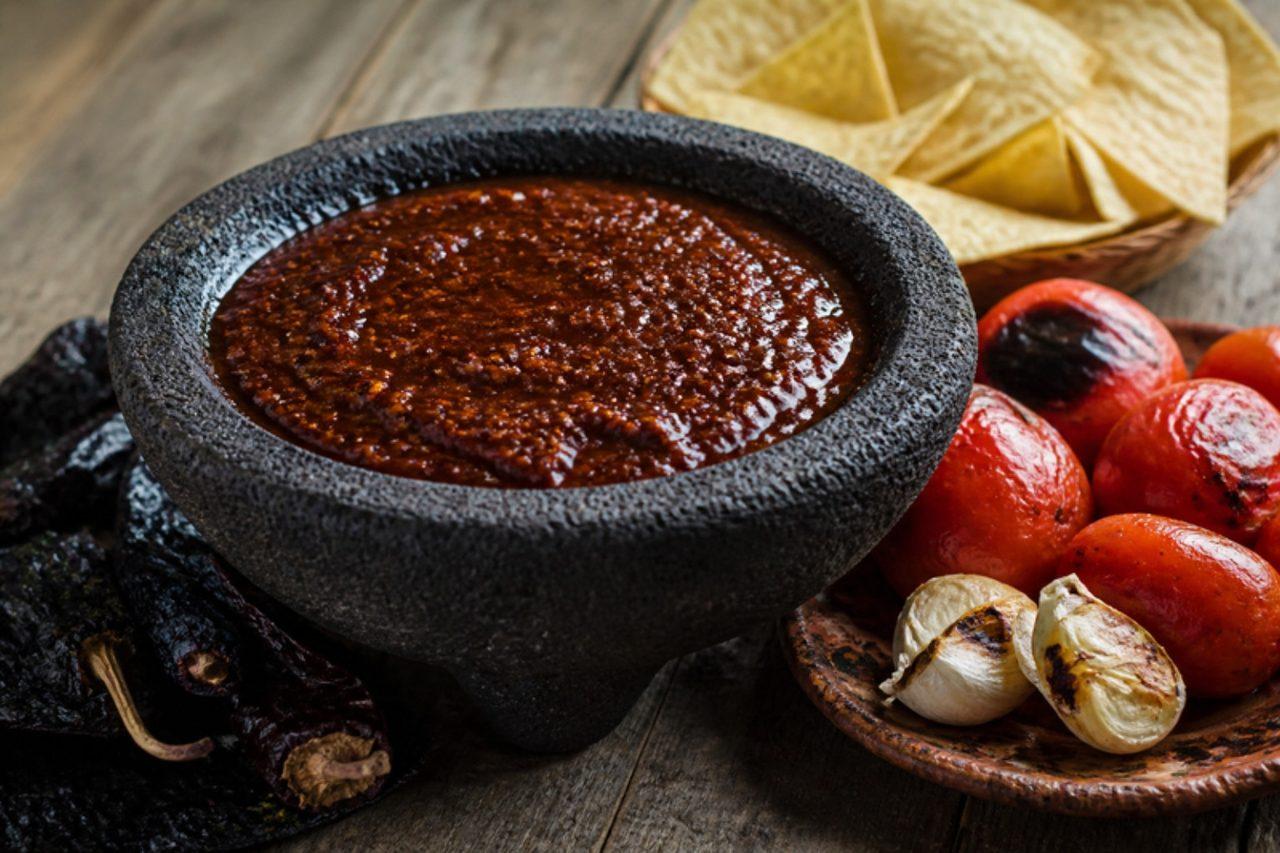
The pasilla mixe is a small, wrinkled, red-brown chilli smoked in the Sierra Mixe mountains east of Oaxaca City, and it tastes of campfire, tobacco and dried fruit. Ground in a molcajete with roasted tomato and garlic, it becomes the salsa that sits on every table in Oaxacan fondas, spooned over memelas, eggs, beans and grilled vegetables. It keeps a week in the fridge and improves after a day. If you cannot find pasilla mixe, use chipotle mora plus one ancho. Chef's tip: grind the garlic and salt first, then the chillies, then the tomato; working in that order gives a rough, clinging texture rather than a watery purée.

by KrazyBadal 0 views

Mazamorra antioqueña

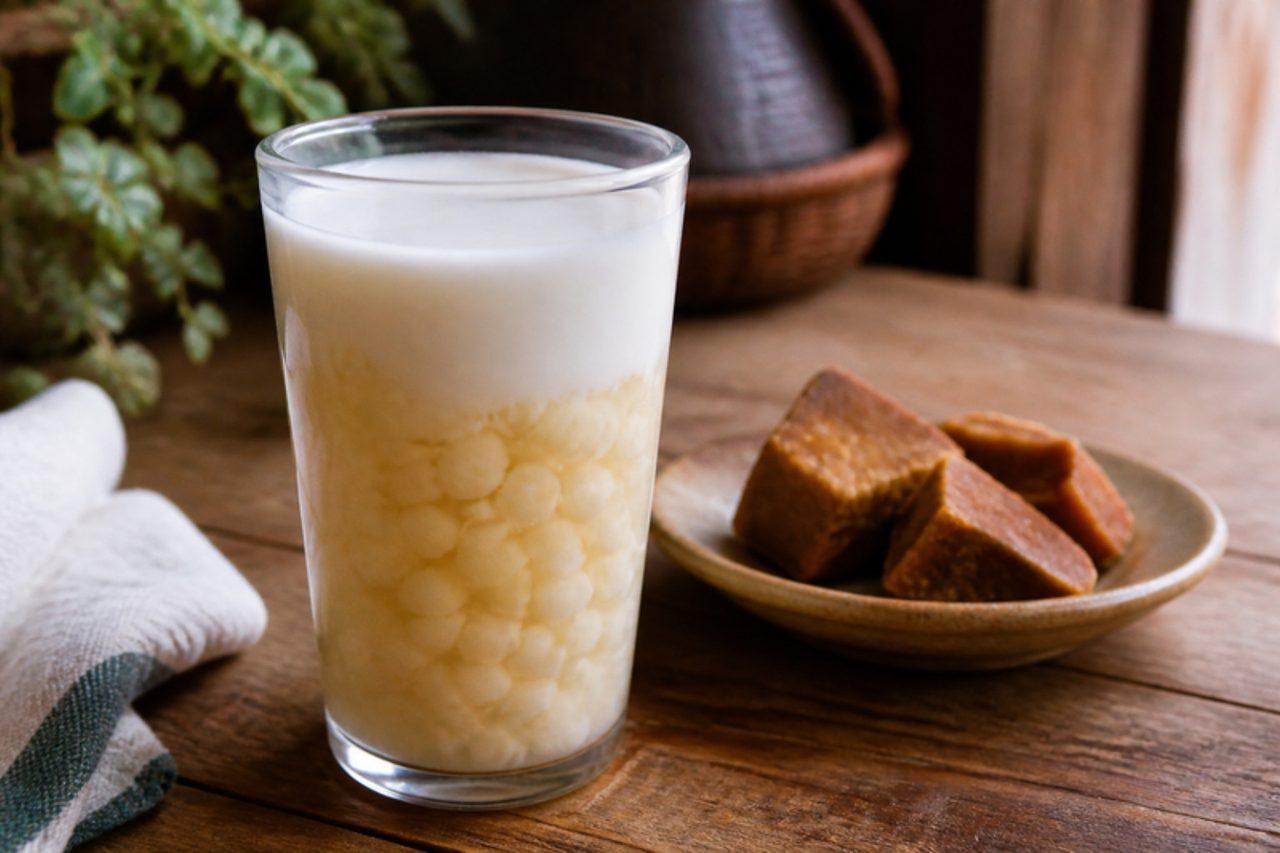
Paisas finish lunch with a glass of mazamorra the way others take dessert: soft, swollen kernels of hulled white corn in their own starchy cooking liquid, topped up with cold milk and eaten with a piece of panela or guava paste to nibble between sips. In Medellín it is sold from carts as well as made in big pots at home for the week, and it is mild, milky and quietly filling. Look for dried hulled white corn (maíz pilado or peto) in Latin American shops. Soak it overnight first. A common mistake is serving it before the corn is fully soft; the kernels should split open and be tender to the bite. Chef's tip: save the thick cooking liquid; it gives the drink its silky body, and the corn keeps in it for 4 days in the fridge.

by KrazyBadal 0 views

Panaché (Moroccan mixed fruit milkshake)

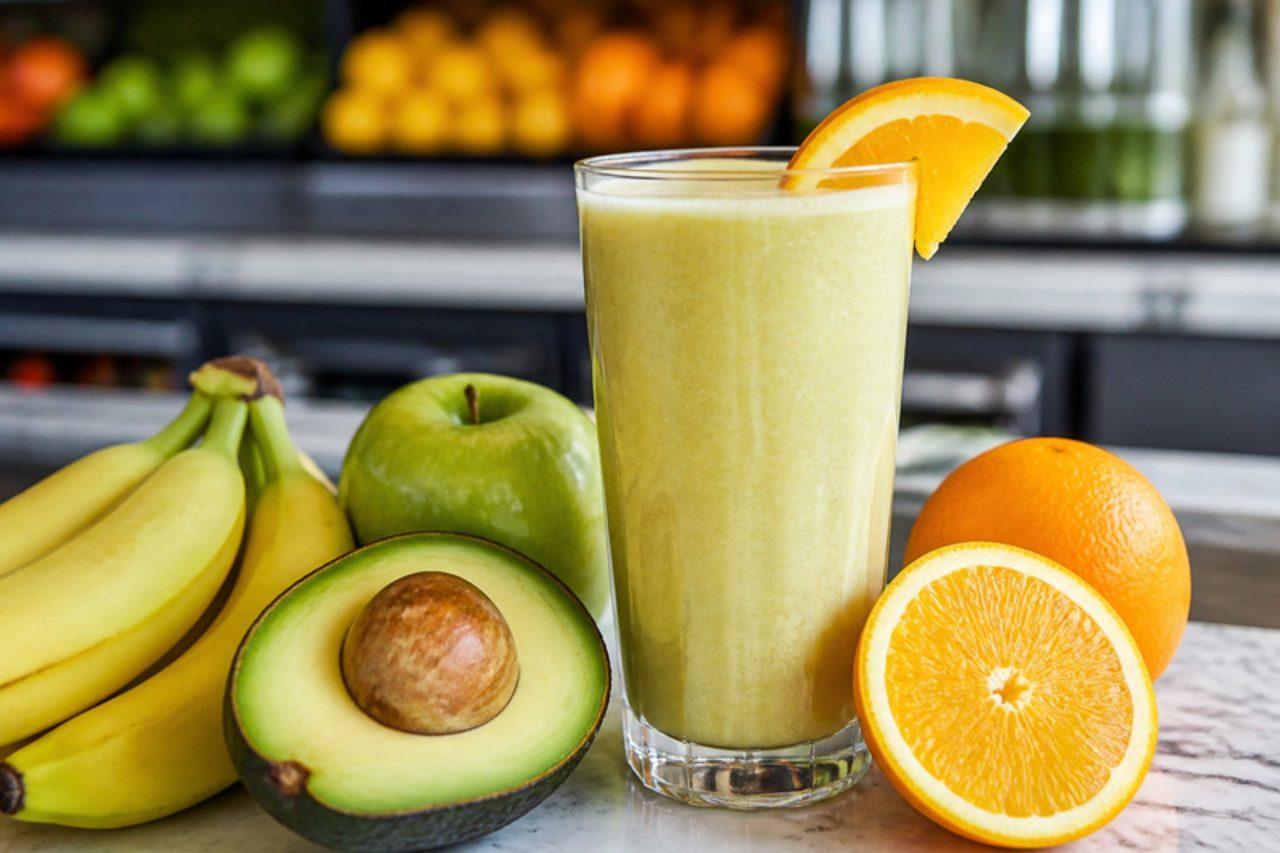
Juice bars from Tangier to Agadir list a 'panaché' on the board, which in Morocco means a thick milkshake blended from whatever mix of fruit is in season, most often banana, apple, avocado and orange, served in a tall glass and sometimes topped with chopped dried fruit and nuts. Avocado is used as a sweet fruit here, and it makes the drink extra creamy. It is a favourite after school, as a quick breakfast or after an afternoon in the medina. Make it just before drinking: the orange juice can make the milk turn slightly grainy and the avocado darkens if it stands, which is the usual mistake. Chef's tip: use a ripe, soft avocado and a banana with brown freckles for natural sweetness, so you need very little sugar.

by KrazyBadal 0 views

Cancoillotte

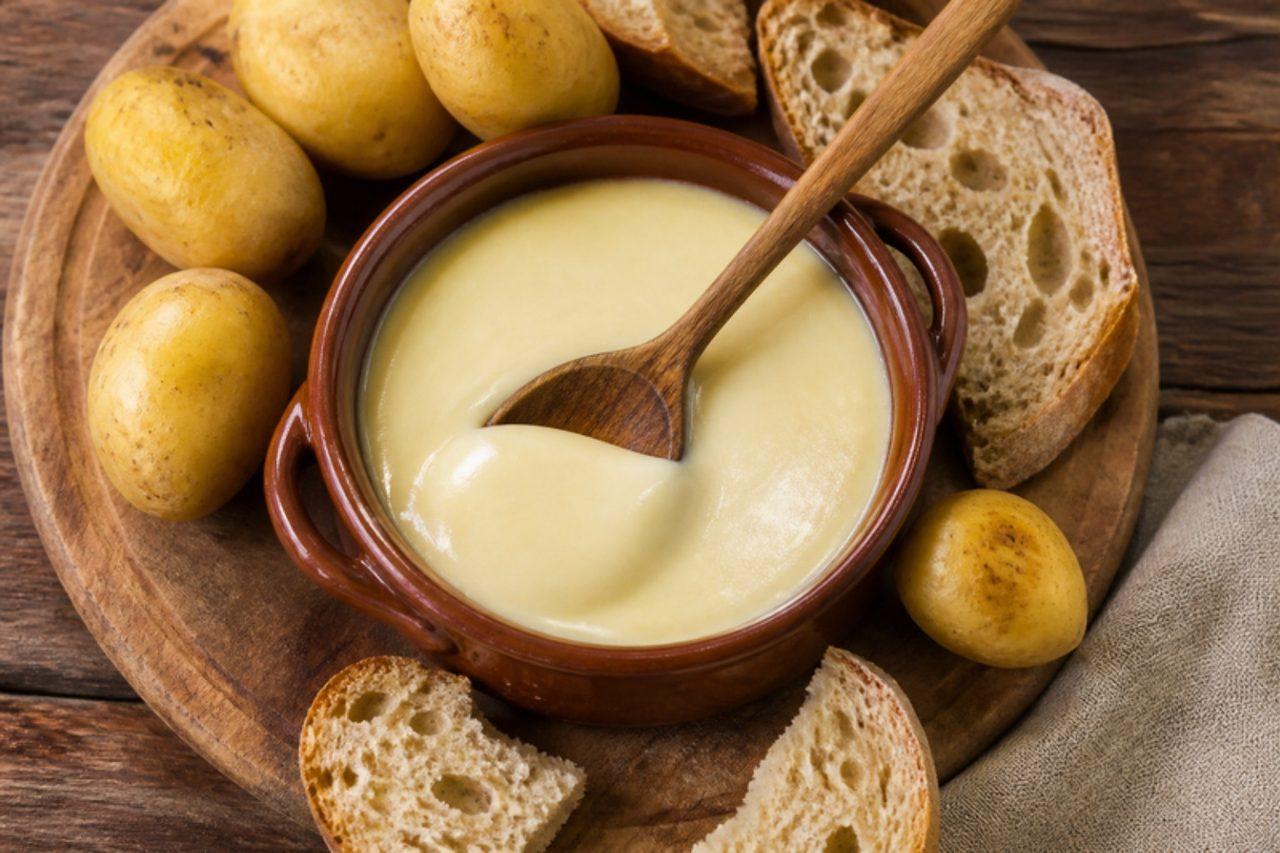
Cancoillotte is the loose, pale-gold melted cheese of Franche-Comté, the region around Besançon, Morteau and the Jura border. Families keep a pot of it in the fridge and warm it for Sunday supper, pouring it over boiled potatoes, dipping bread into it or spooning it over a baked potato. The real thing starts from metton, a ripened curd that is hard to find outside the region, so this home version uses quark and a pinch of bicarbonate of soda, the same trick German cooks use for Kochkäse: the soda turns the curd soft and melty, and butter, garlic and a little milk give the silky, slightly tangy finish. Most quark is made with little or no rennet, but check the label if that matters to you. Chef's tip: leave the quark and soda to rest for a full hour; it should turn translucent and gooey before it goes near the heat.

by KrazyBadal 0 views

Cajeta de Celaya

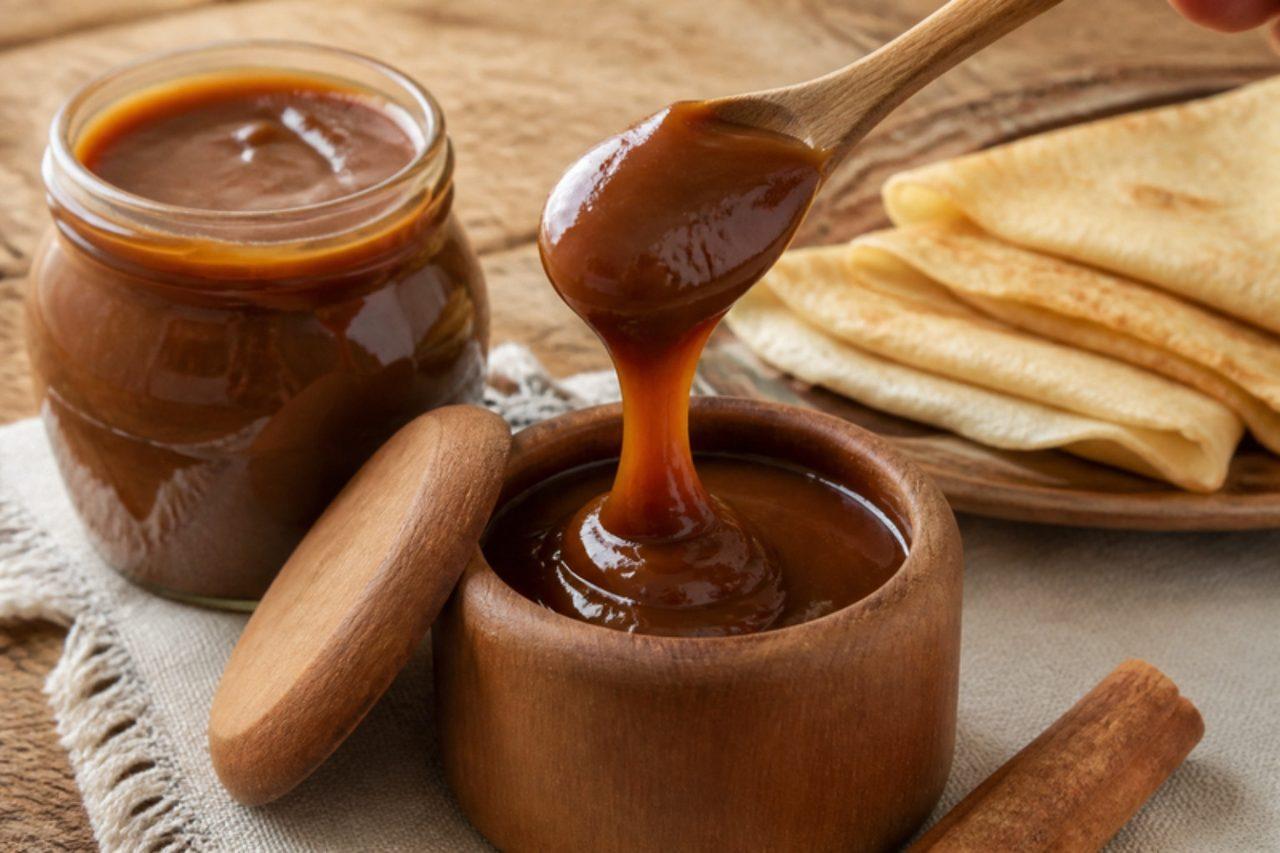
Celaya, in the Bajío of Guanajuato, has made cajeta for centuries, once packing it into little wooden boxes (cajetes) that gave it its name. It is caramel cooked from goat's milk, so it is looser and has a gentle tang compared with the cow's-milk dulce de leche of Argentina. Mexicans spread it on crêpes and churros, pour it over ice cream, sandwich it between obleas (wafers) and turn it into glorias. A splash of rum-flavoured 'envinada' cajeta exists, but this one is plain and alcohol-free. Chef's tip: use a pan at least three times the volume of the milk; it foams high when the bicarbonate goes in.

by KrazyBadal 0 views

Salted butter caramel

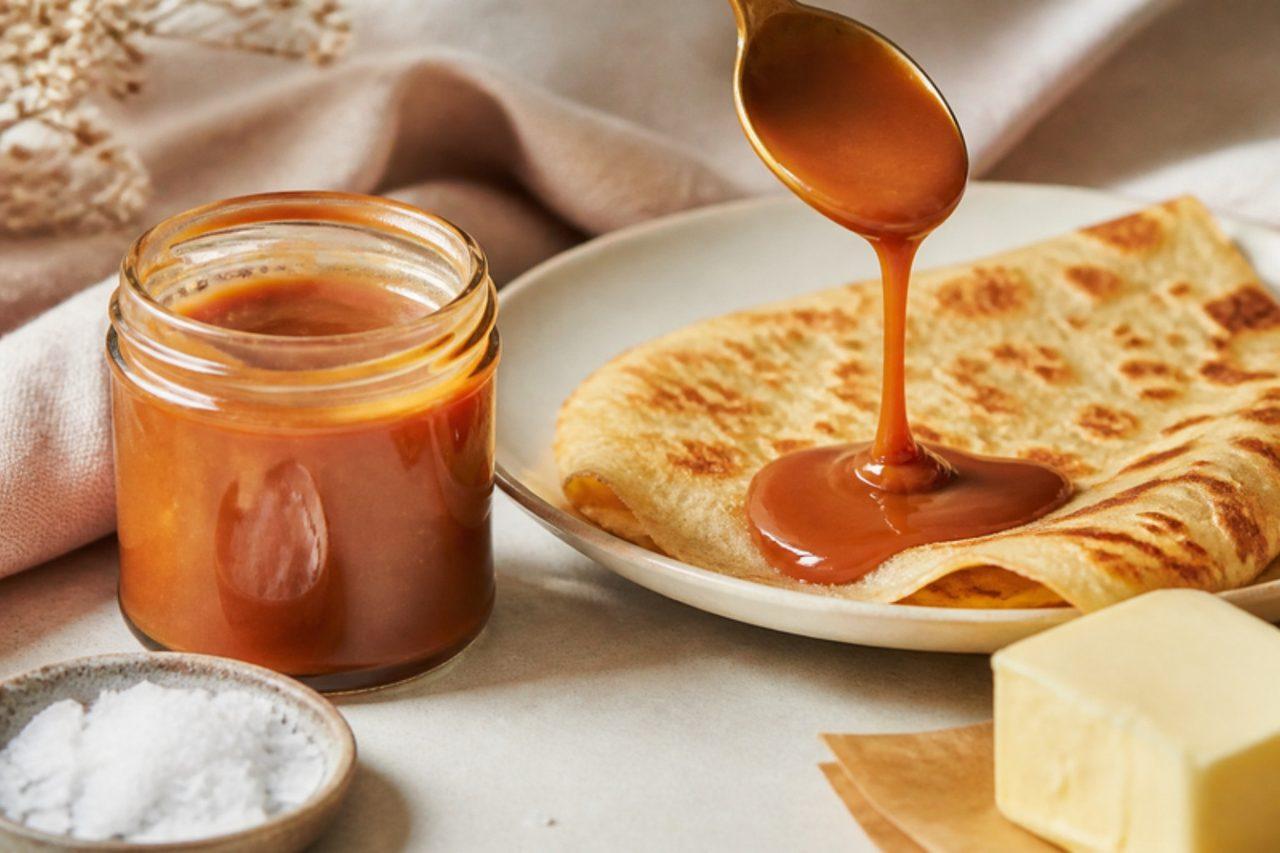
Salted butter caramel was made famous by a confectioner in Quiberon in the 1970s, and now every crêperie from Rennes to Brest pours it over sweet crêpes, and every Breton cupboard has a jar for ice cream, apples or simply a spoon. Brittany kept the habit of salted butter long after the rest of France, so the salt is part of the flavour, not a trend. The caramel is cooked dark, loosened with hot cream and finished with butter flecked with sea salt. It keeps for two weeks in the fridge. Chef's tip: warm the cream before adding it; cold cream makes the caramel seize into hard lumps and spit furiously.

by KrazyBadal 0 views

Tejuino

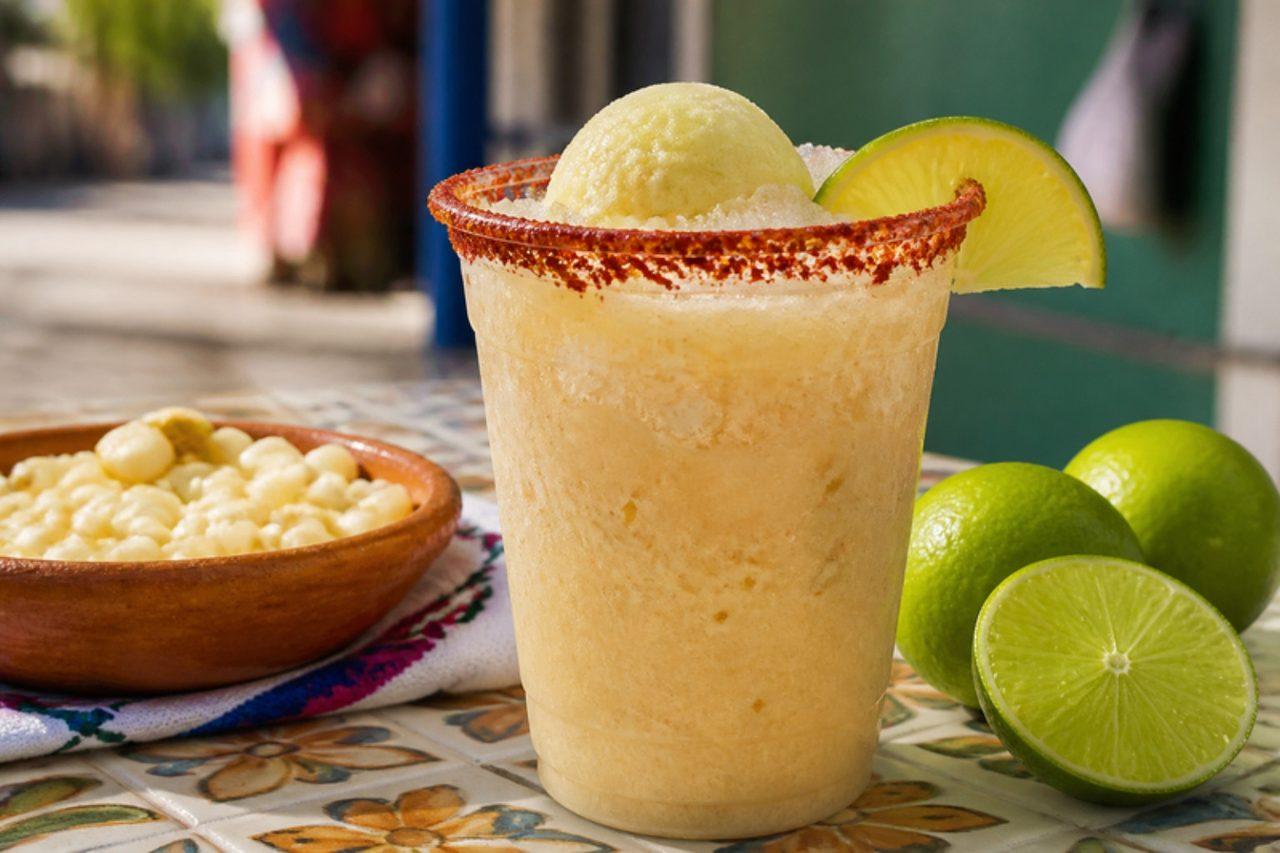
On hot afternoons in Guadalajara, vendors ladle tejuino from big clay pots into plastic bags or glasses with ice, a squeeze of lime, a pinch of salt and often a scoop of lime sorbet. It is made from corn masa cooked with piloncillo and left for two or three days to ferment a little, which gives it a tangy, slightly sour taste. The fermentation is light and the drink is sold as non-alcoholic, but a trace of alcohol can form, so keep the fermentation to 2 days and serve it well chilled. Skip the fermenting stage entirely for children: drink it fresh as a sweet atole-style cooler. Chef's tip: taste it each day; take it to the fridge as soon as it tastes pleasantly sour, like a mild yoghurt.

by KrazyBadal 0 views

Sikil pak

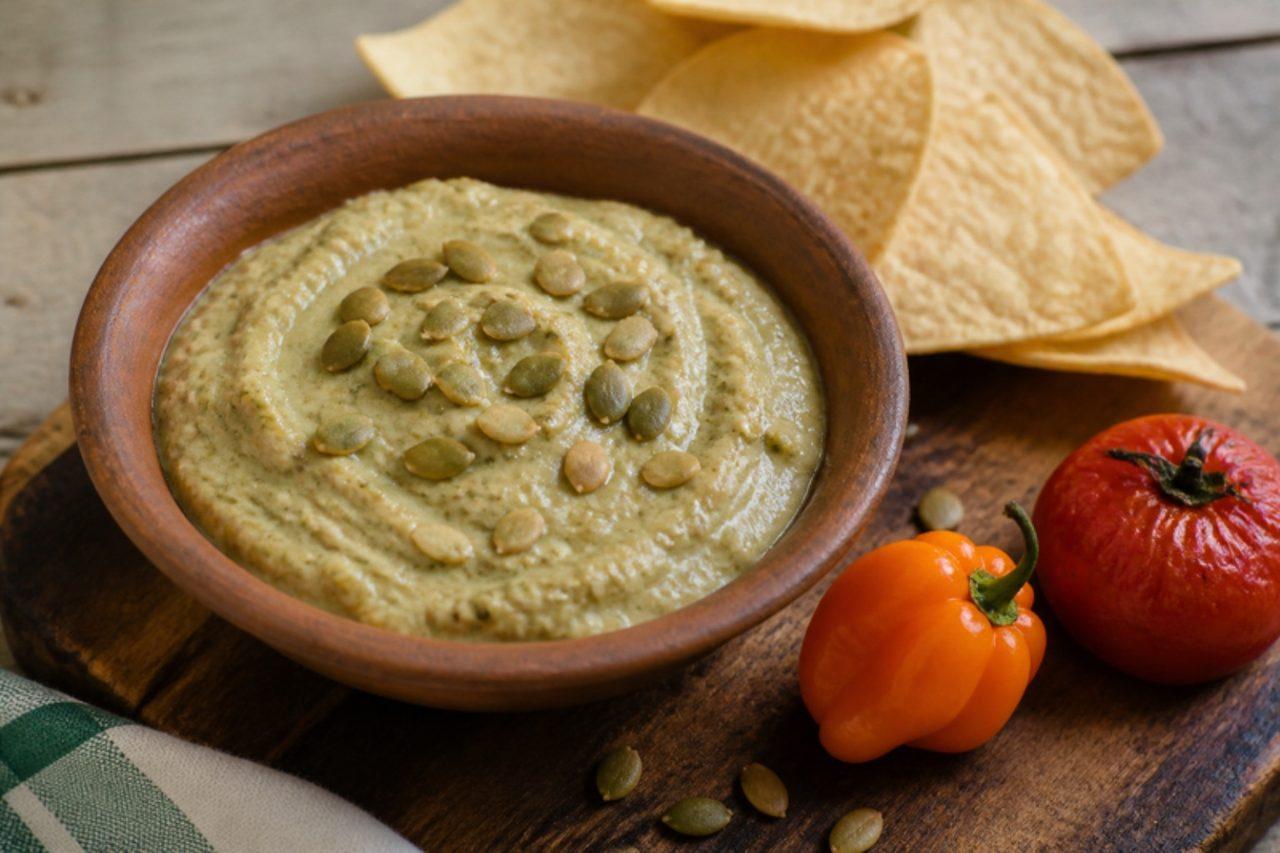
In Yucatec Maya, sikil means squash seed and p'aak means tomato, and that is almost all there is to this pale, coarse dip from the Yucatán Peninsula. Cooks in Mérida and the villages around it toast the seeds on a comal until they pop, grind them with charred tomato, chives and a little habanero, and serve the dip with tostadas or crisp tortilla chips before a meal. It tastes nutty, smoky and fresh at the same time, and is naturally vegan. Chef's tip: roast the habanero whole and add it a little at a time; you can always grind in more, but you can't take the heat back out.

by KrazyBadal 0 views

Agua de fresa cremosa

In Hidalgo, the pulque country north of Mexico City, the pulquerías serve curados: pulque blended with fruit, and the strawberry one is pink, thick and creamy. Home cooks and taquerías make this alcohol-free cousin for the whole family, a strawberry agua fresca blended with evaporated milk, so it is like a light milkshake that you drink with tacos on a hot afternoon. It contains no pulque or alcohol. Chef's tip: use the ripest, darkest strawberries you can find; pale ones give a thin, sour drink.

by KrazyBadal 0 views

Agua de chía con limón

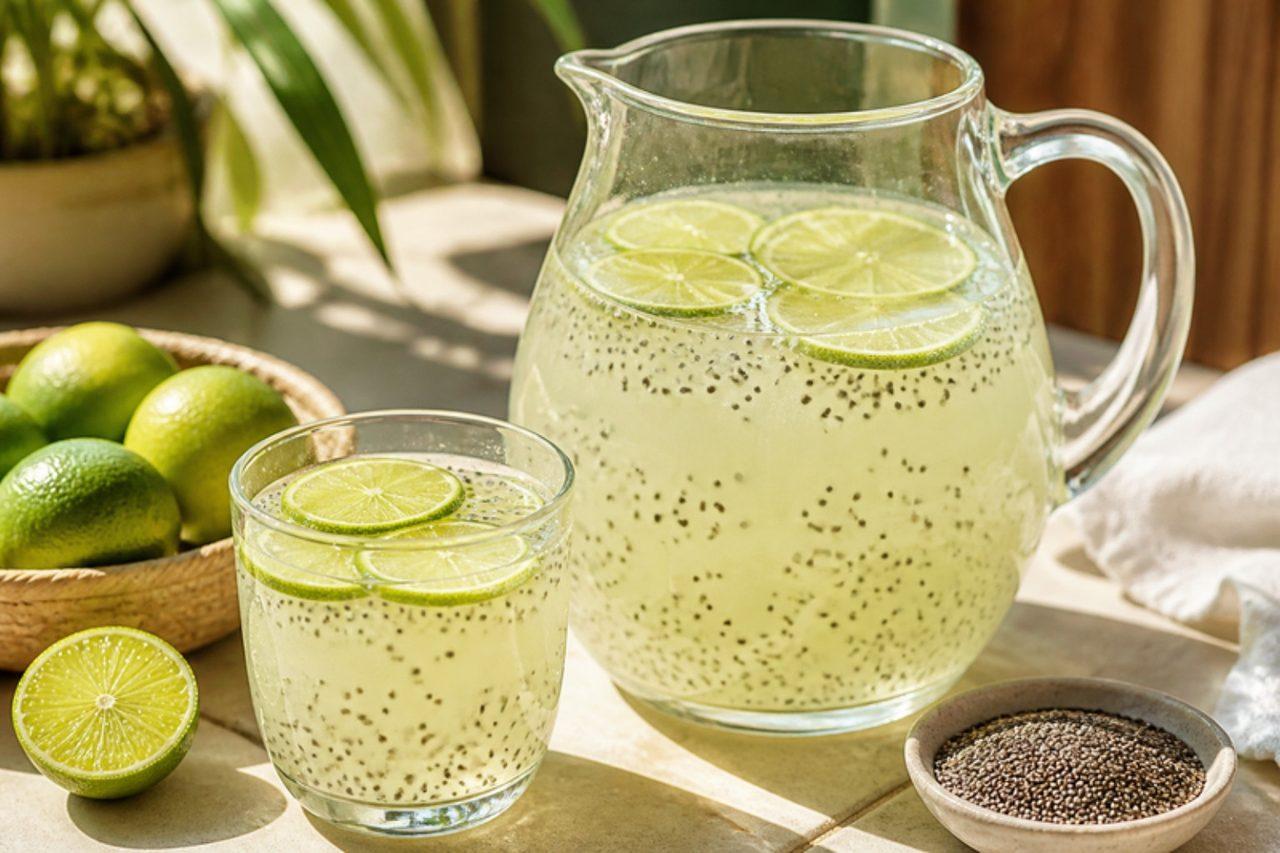
In the markets of Michoacán, especially in Uruapan and Morelia, the glass barrels of agua fresca often include one cloudy, speckled with tiny seeds: agua de chía, limeade with soaked chia seeds that swell into soft little pearls. Chia has been grown in central Mexico since long before the Spanish, and the drink is light, sharp and very refreshing, with a gentle texture from the seeds. It is drunk with lunch or on hot afternoons. Chef's tip: stir the seeds into the water twice in the first ten minutes; otherwise they clump into jelly-like lumps.

by KrazyBadal 0 views

Café de olla

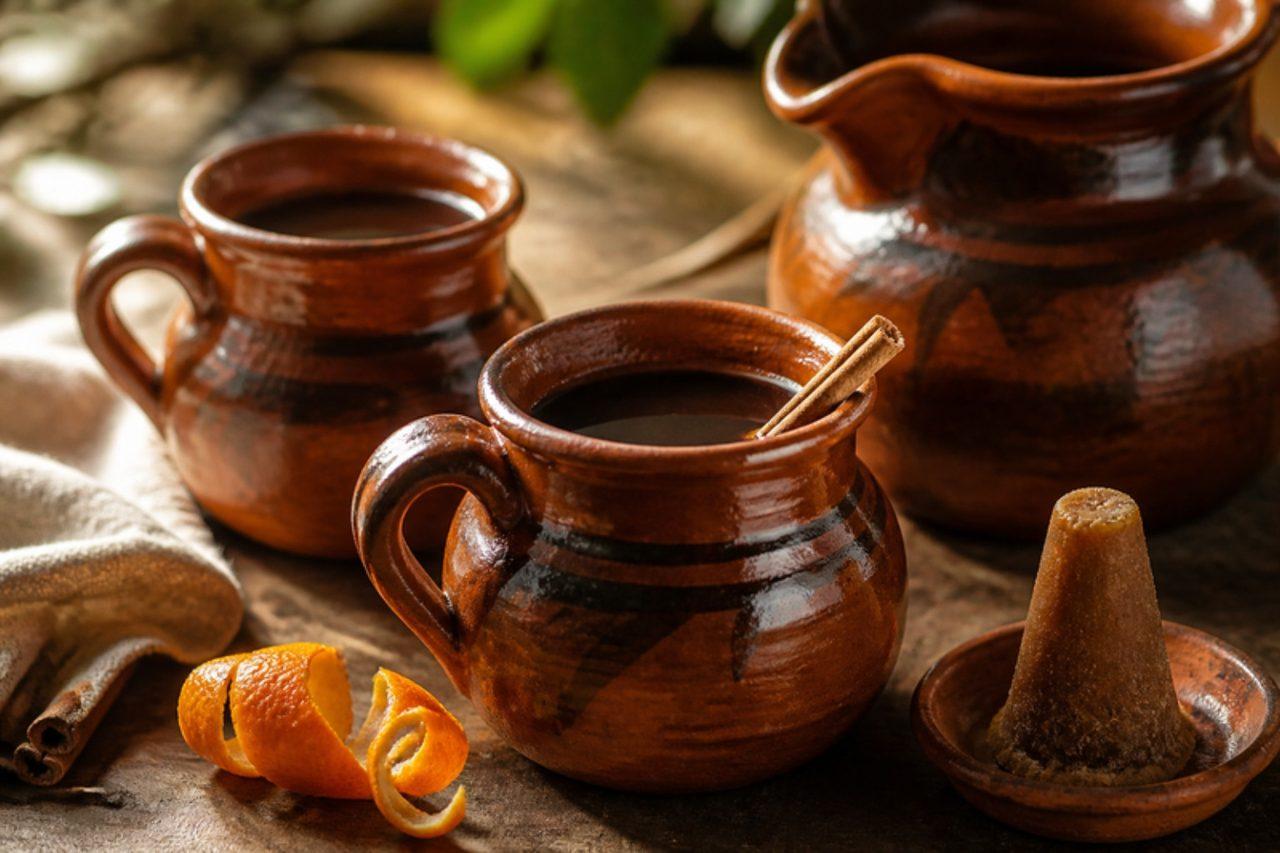
In ranch kitchens and roadside fondas across central Mexico, coffee is not dripped but boiled in a tall clay pot (olla de barro) with a cone of piloncillo and a stick of soft Mexican cinnamon, then strained into clay mugs. It is sweet, spiced and earthy, and is served with pan dulce at breakfast, on cold evenings, and to visitors on Day of the Dead. A saucepan works fine if you have no olla. Chef's tip: turn the heat off before adding the coffee and let it steep rather than boil, or it turns bitter.

by KrazyBadal 0 views

Showing 24 of 395 recipes

Show more recipes

Page 1 of 17