Skip to content
Recipes

All recipes

Vegetarian, or something you can't eat? Set your diet once and we'll hide recipes that don't fit.

Cocido quemado

Cocido is how Paraguay starts the day: in Asunción, in the villages of Guairá and Itapúa, and in school kitchens, a pot of burnt yerba is brewed and poured into cups with chipa, the cheesy cassava bread, or with a hard galleta. The old way is to drop a glowing piece of charcoal into a pot with yerba and sugar and stir until the sugar burns. On a home stove you caramelise them together in a dry pan instead, which is safer and gives the same smoky, toffee-like taste. The drink is clear amber-brown, with roasted, slightly bitter mate notes over burnt-sugar sweetness; with milk added it becomes cocido con leche, creamy and coffee-coloured. Yerba mate contains caffeine, so treat it like a cup of coffee. The common mistake is letting the sugar go black: it turns acrid and bitter. Pull it off the heat when the caramel is deep amber and the yerba smells toasted, not burnt. It is ready when the liquid is a clear dark amber and tastes of toffee and smoke. Chef's tip: the water will spit fiercely when it hits the hot caramel, so pour it in from the side, at arm's length.

by KrazyBadal 0 views

Tereré

In Asunción the hottest part of the day stops for tereré: a horn or cup packed with yerba mate, topped up again and again with ice water infused with crushed herbs, and passed round the group through a metal straw. It was recognised by UNESCO as part of Paraguay's cultural heritage, and the herbs (yuyos) change with the season and the drinker's mood. Yerba mate contains caffeine, so it isn't one for small children. The common mistake is pouring water straight into loose yerba, which then clogs the straw; tilt the yerba to one side first. Chef's tip: for tereré ruso, swap the water for cold orange or grapefruit juice.

by KrazyBadal 0 views

Morcilla dulce

No Uruguayan parrilla is complete without morcilla dulce: a soft pork blood sausage sweetened with sugar and scented with orange peel, studded with walnuts and raisins, grilled until the skin crisps and served first, as part of the achuras, while the beef is still cooking. It is pork throughout: pork blood, pork back fat and natural pork casings. Making it at home is a project. Buy fresh pork blood with an anticoagulant added from a butcher who supplies it for sausage making, keep it chilled below 4 °C and use it within a day. The common mistake is poaching at a rolling boil, which bursts the casings. Chef's tip: keep the water at 80–85 °C, just shivering, and prick a sausage after 25 minutes: it is done when brown, not red, juice comes out.

by KrazyBadal 0 views

Buseca

Buseca arrived in Montevideo with Italian immigrants from Lombardy and became a classic winter dish of Uruguayan bodegones and family kitchens, eaten on cold June and July days. Honeycomb tripe is simmered until tender, then stewed with white beans, pork chorizo, bacon, peppers, tomato and paprika into a thick, warming stew served with crusty bread. Buy tripe that is already cleaned and blanched (dressed). The usual mistake is undercooking the tripe: it needs a full 2 hours, until it's soft enough to cut with a spoon. Slow-cooker option: after step 4, cook on low for 8 hours. Chef's tip: a little grated lemon zest and parsley stirred in at the end lifts the rich, gelatinous sauce.

by KrazyBadal 0 views

Qamar al-din

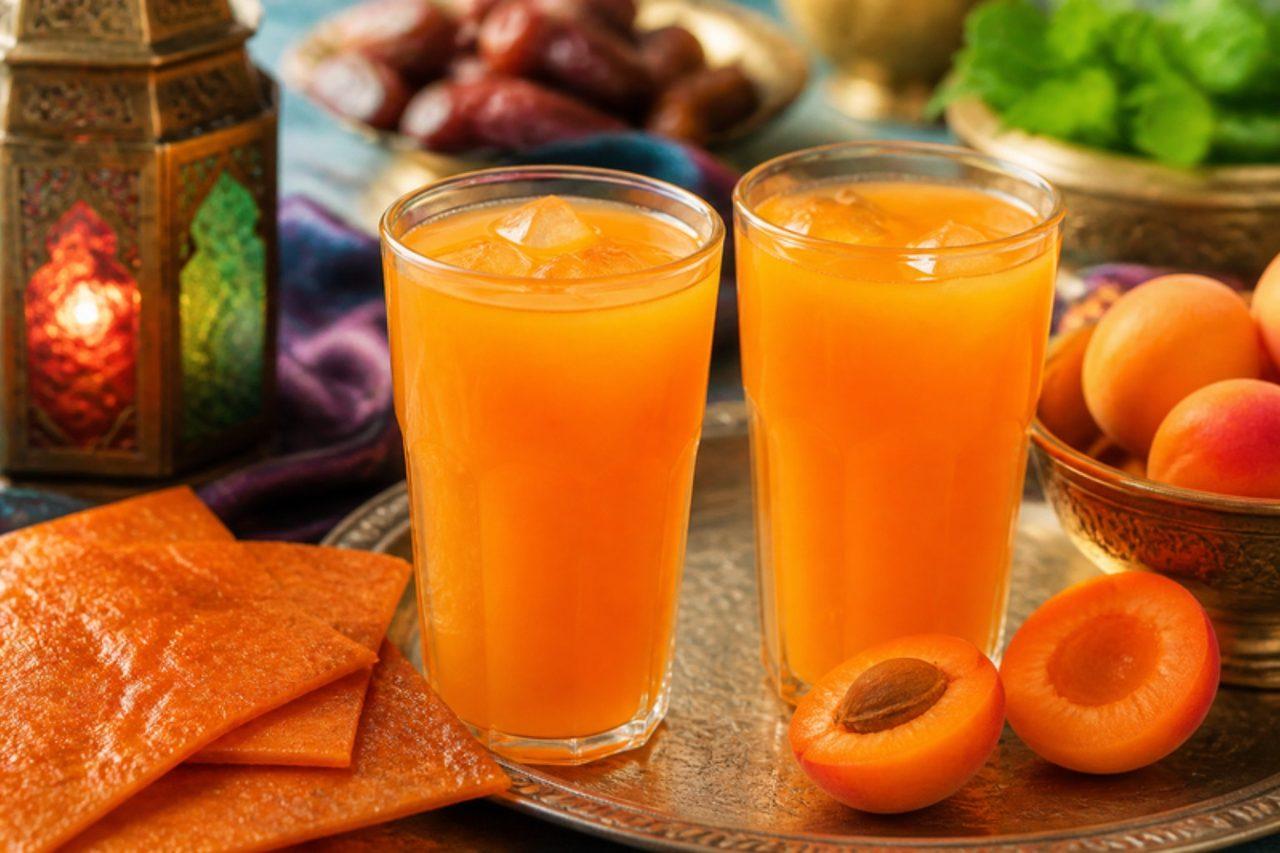
Damascus is famous for its apricots, and much of the summer harvest is pressed into thin orange sheets of apricot leather called qamar al-din. In Ramadan, almost every Syrian home soaks a sheet overnight and blends it into a thick, velvety drink to break the fast — it is sweet, slightly tart and full of energy after a long day. Serve it chilled, sometimes with a few soaked pine nuts on top. Common mistake: blending without soaking long enough; the leather needs time to soften or the drink is gritty. Chef's tip: add a splash of orange blossom water and a squeeze of lemon to wake up the apricot flavour.

by KrazyBadal 0 views

Shakriyeh

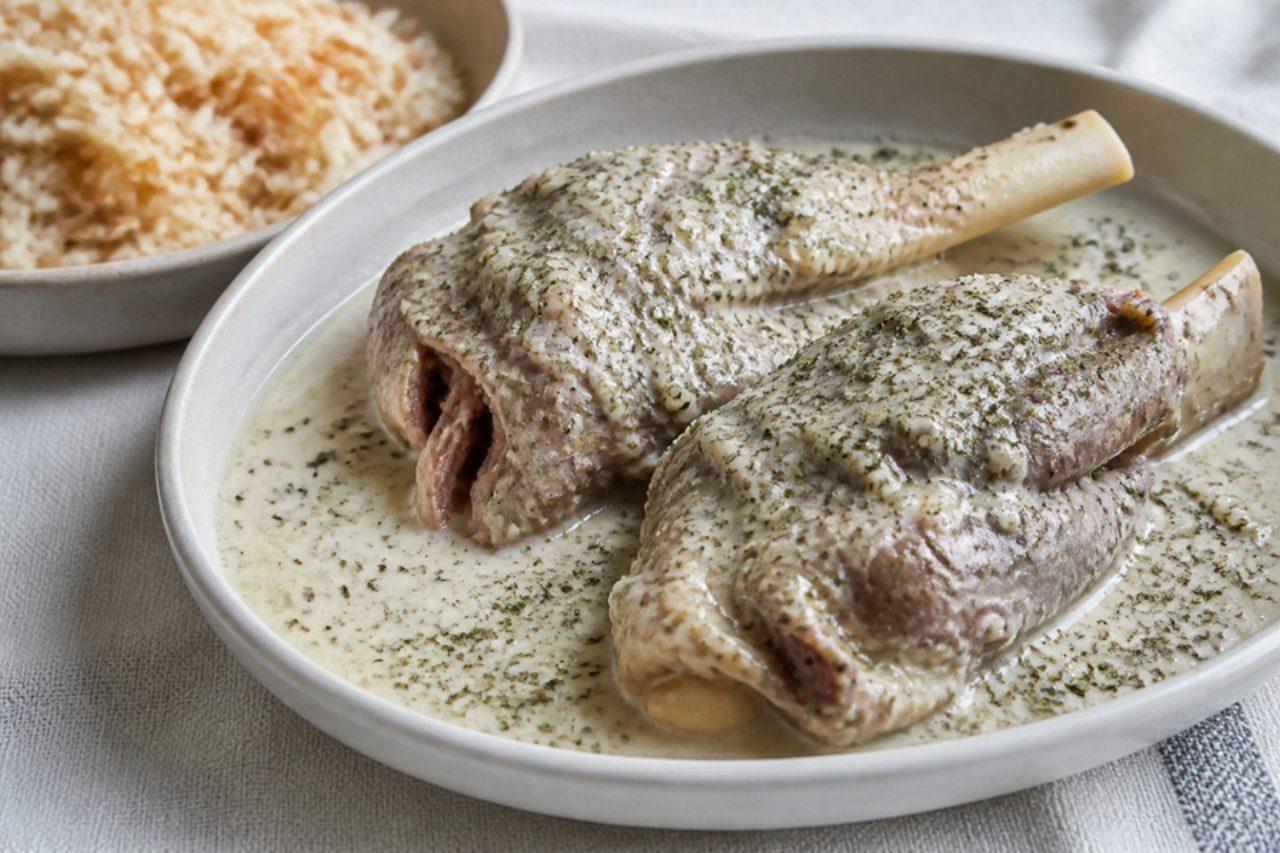
In Damascus, shakriyeh is festive food, cooked for Eid and for welcoming guests because its creamy white sauce is considered a sign of good luck. Lamb on the bone is simmered until tender, then finished in yoghurt that has been stabilised and cooked down into a smooth, tangy sauce with garlic and dried mint. It is spooned over vermicelli rice and eaten piping hot. Common mistake: adding yoghurt straight from the fridge into boiling stock — it splits; cook the yoghurt separately first and stir in one direction. Chef's tip: keep half a cup of the meat broth to thin the sauce at the end — it should flow like single cream.

135 minSyrianMeatGluten free
by KrazyBadal 0 views

Kibbeh safarjalieh

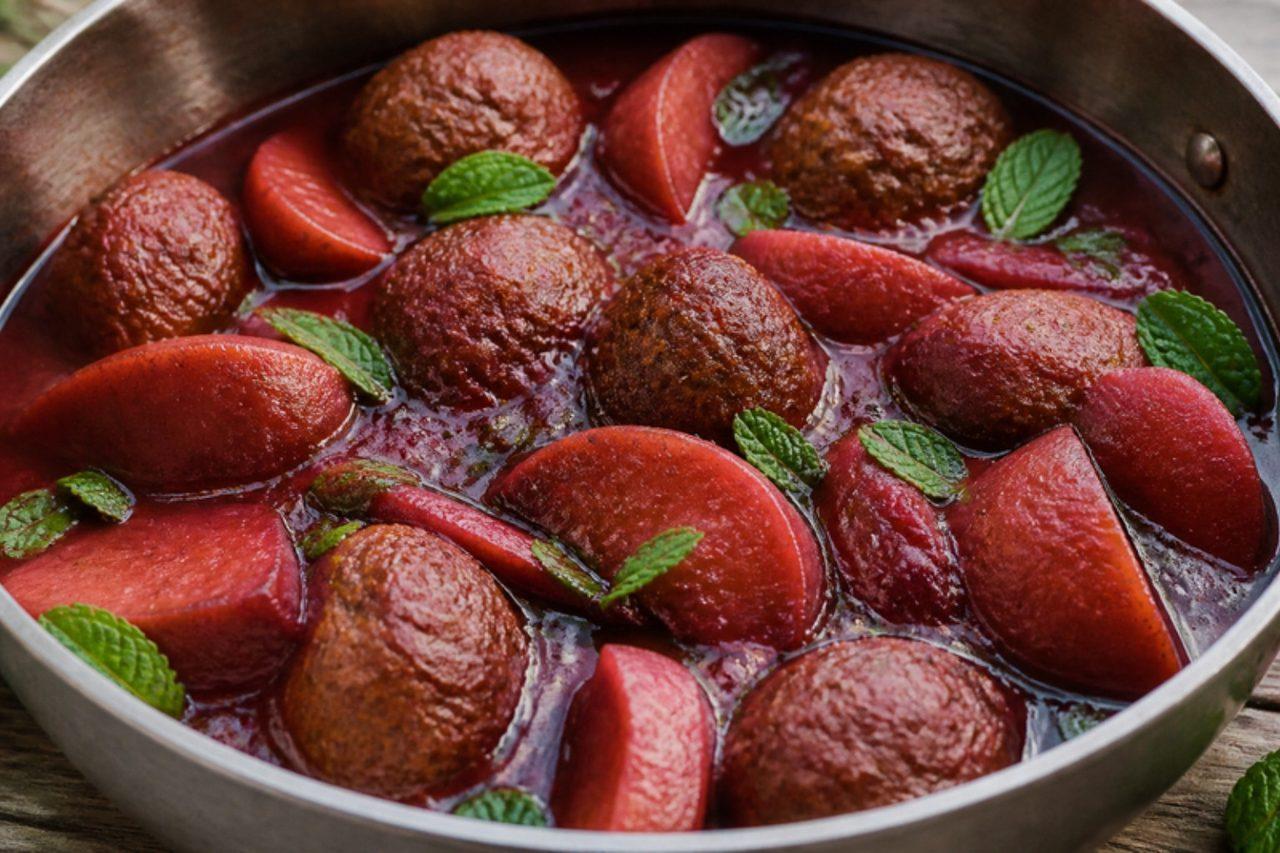
Aleppo is known as the city of a hundred kibbehs, and kibbeh safarjalieh is its autumn showpiece, made when quinces turn golden in the markets. Stuffed kibbeh are simmered with chunks of quince and a little lamb in a sauce sharpened with pomegranate molasses and lemon and scented with dried mint. The fruit softens and blushes pink, and the sauce is sweet, sour and fragrant all at once. Serve with plain rice or bread. Common mistake: cutting the quince too early; it browns fast, so drop each piece into lemon water as you go. Chef's tip: leave the quince skin on — it holds the pieces together and helps colour the sauce.

110 minSyrianMeat
by KrazyBadal 0 views

Kebab karaz

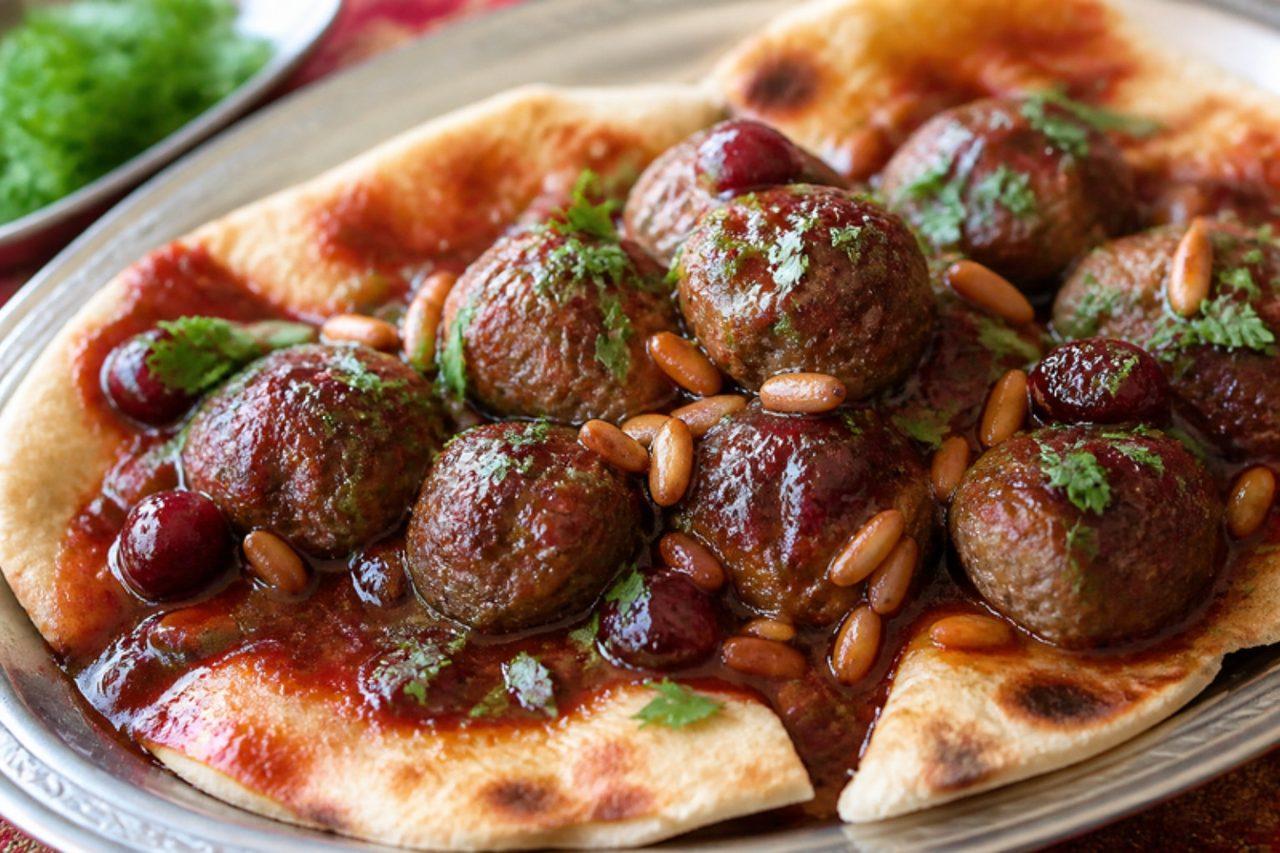
Kebab karaz is Aleppo's most celebrated dish, cooked in early summer when the small, sour cherries (wild mahaleb cherries in the old days) come into season. Little grilled or fried lamb meatballs are simmered briefly in a deep red, sweet-sour cherry sauce, then served on pieces of flatbread that soak up the juices, scattered with parsley and pine nuts. It is rich, fruity and quite unlike anything else in the Levant. Common mistake: using sweet cherries alone — the sauce turns jammy; you need sour cherries, or sweet ones sharpened with lemon and pomegranate molasses. Chef's tip: frozen pitted sour cherries work perfectly all year round.

60 minSyrianMeat
by KrazyBadal 0 views

Tabakh roho

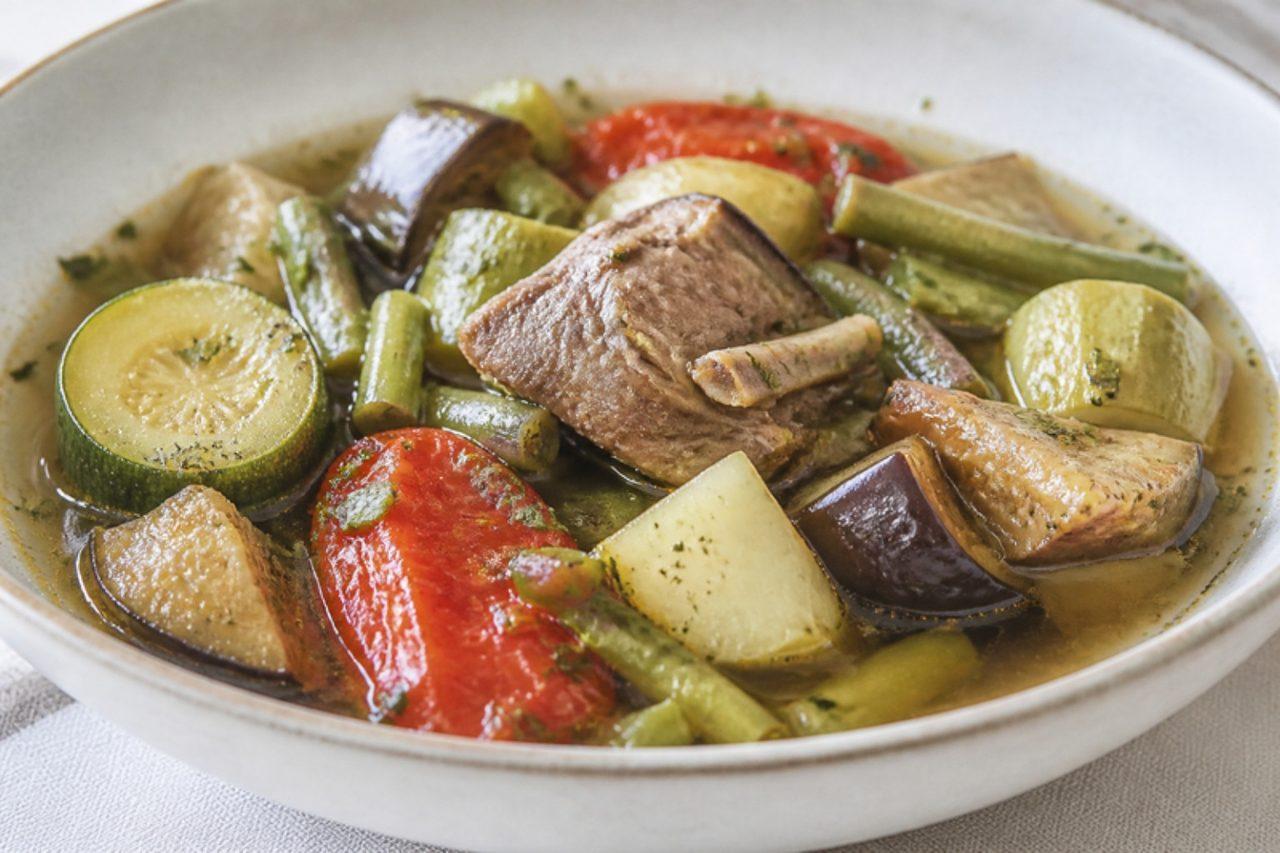
Tabakh roho means 'it cooks itself', and this Damascus summer stew does just that: chunks of lamb, aubergine, courgette, potatoes, peppers and tomatoes are layered in a pot with garlic and dried mint and left to simmer quietly until everything is soft and the juices have mingled. Home cooks make it in July and August when the vegetables are cheapest, and it is eaten with rice or bread. Common mistake: stirring it — the layers should stay intact so each vegetable keeps its shape. Chef's tip: put the potatoes at the bottom where the heat is strongest and the tomatoes on top so their juices baste everything below.

115 minSyrianMeatGluten free
by KrazyBadal 0 views

Dawood basha

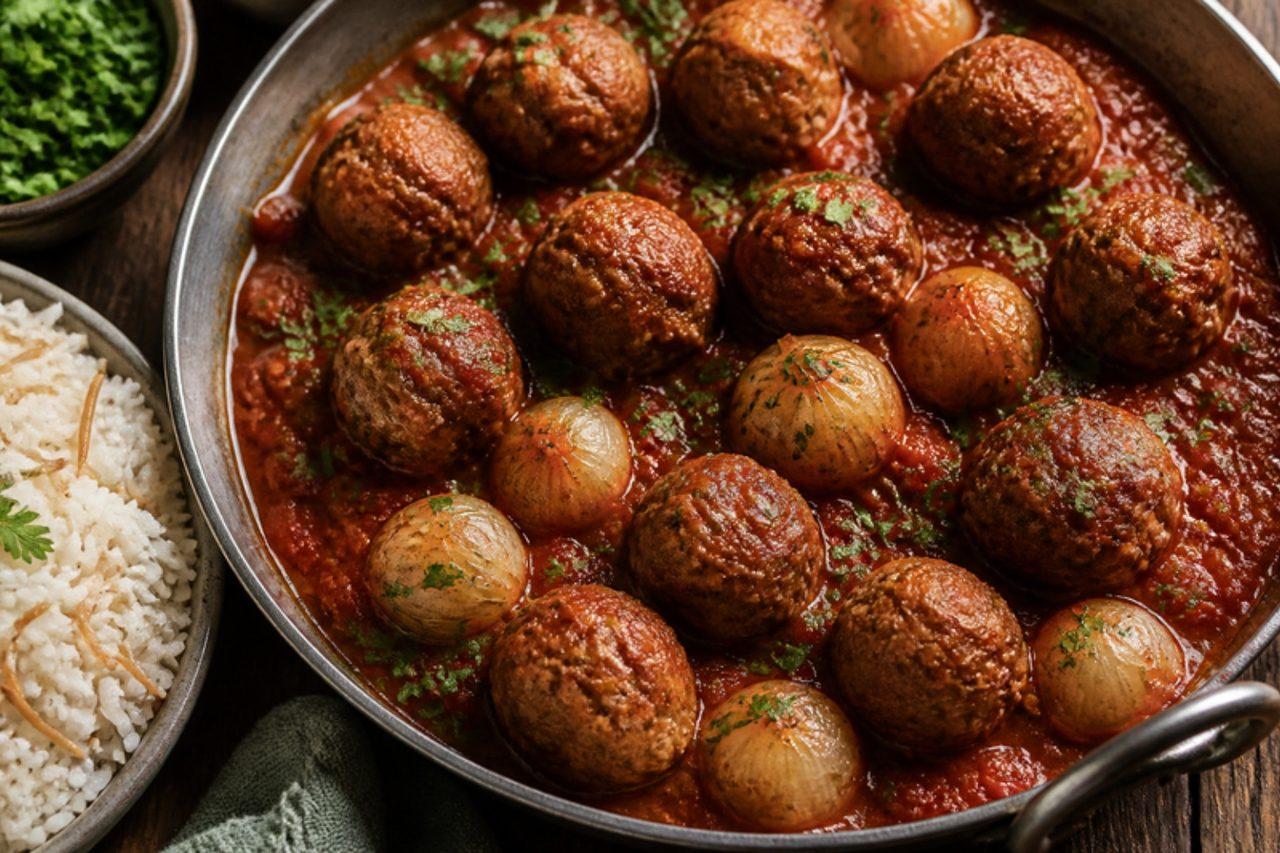
Named, so the story goes, after an Ottoman governor who loved it, dawood basha is a homely Damascus and Beirut supper of small spiced meatballs simmered with baby onions in tomato sauce, finished with pine nuts. Families serve it ladled over vermicelli rice, and it is one of the first dishes Syrian children learn to love. The sauce is lightly tangy from pomegranate molasses and fragrant with allspice and cinnamon. Common mistake: crowding the meatballs when browning — they steam instead of colouring; fry in batches. Chef's tip: grate a little onion into the meat and squeeze out the juice first; the meatballs stay tender without falling apart.

65 minSyrianMeatGluten free
by KrazyBadal 0 views

Kebab khashkhash

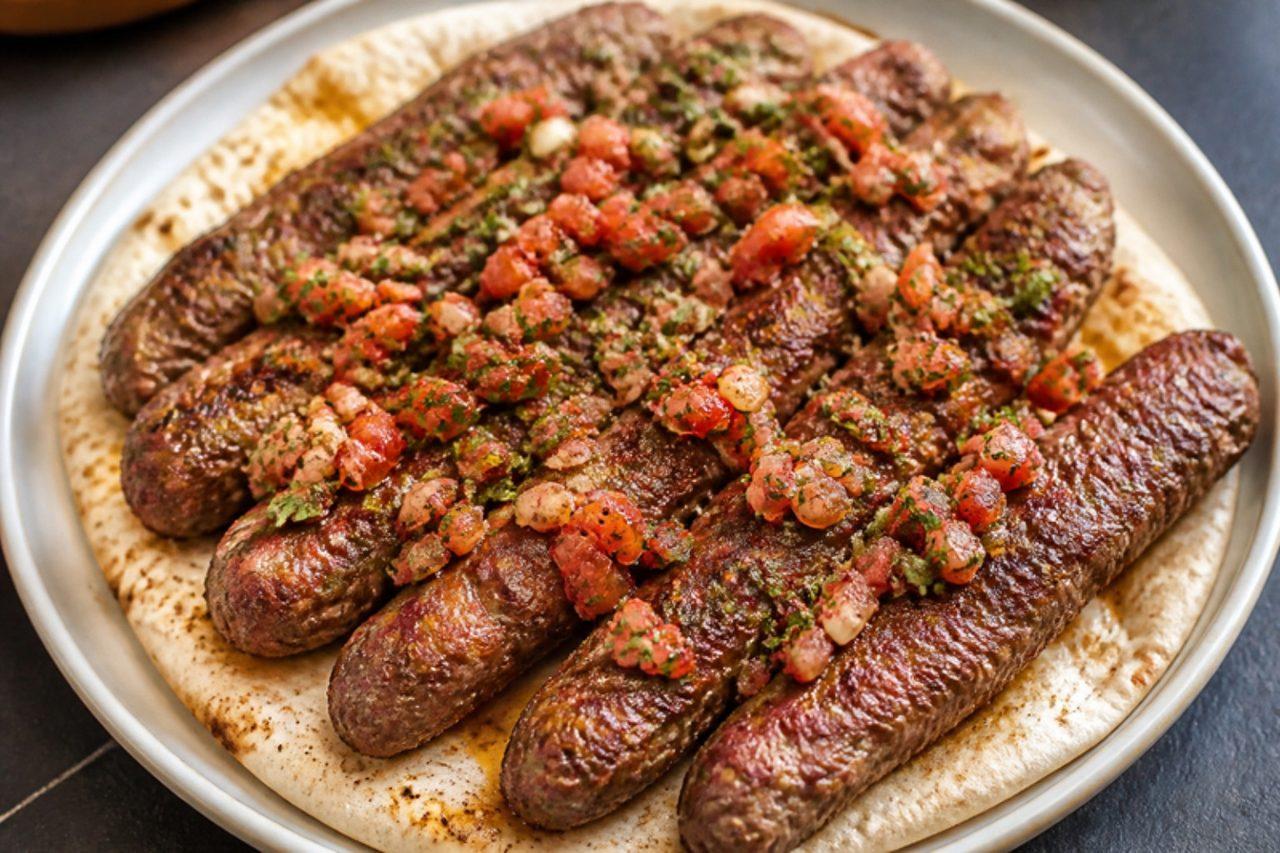
In Aleppo's grill houses, kebab khashkhash comes to the table sizzling: long, juicy skewers of lamb mince with pepper paste and chilli, laid over flatbread and covered with a hot, chunky sauce of tomatoes, garlic, chilli and parsley that soaks into the bread. It is bold and fiery, eaten with grilled tomatoes and green chillies and a cold glass of ayran. Common mistake: using lean mince — kebabs need around 20% fat to stay juicy on the grill. Chef's tip: chill the shaped skewers for 30 minutes before grilling so the meat clings and doesn't slip off.

45 minSyrianMeatSpicy
by KrazyBadal 0 views

Makdous

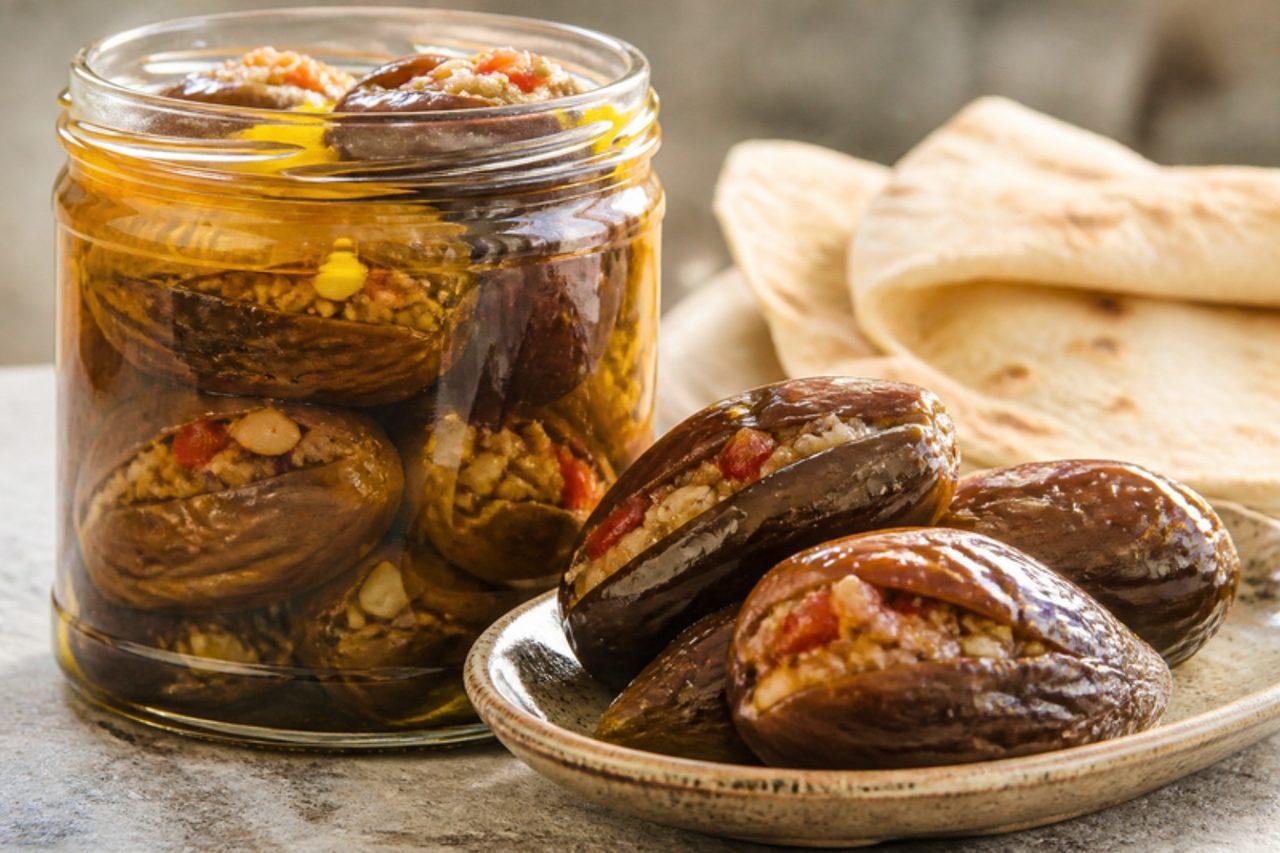
Every autumn, Damascus kitchens fill with jars of makdous as families preserve the last of the small aubergines for the winter breakfast table. The aubergines are boiled, salted and pressed for a day, then stuffed with walnuts, red pepper, garlic and chilli and packed under olive oil to cure until tangy and tender. A couple of them, split on a plate with bread, labneh and tea, is the classic Syrian morning. Common mistake: skipping the pressing — any water left in the aubergines can spoil the jar. Chef's tip: keep the jar in the fridge and always lift them out with a clean fork; homemade preserves in oil should be kept chilled and eaten within a month for safety.

by KrazyBadal 0 views

Erk sous

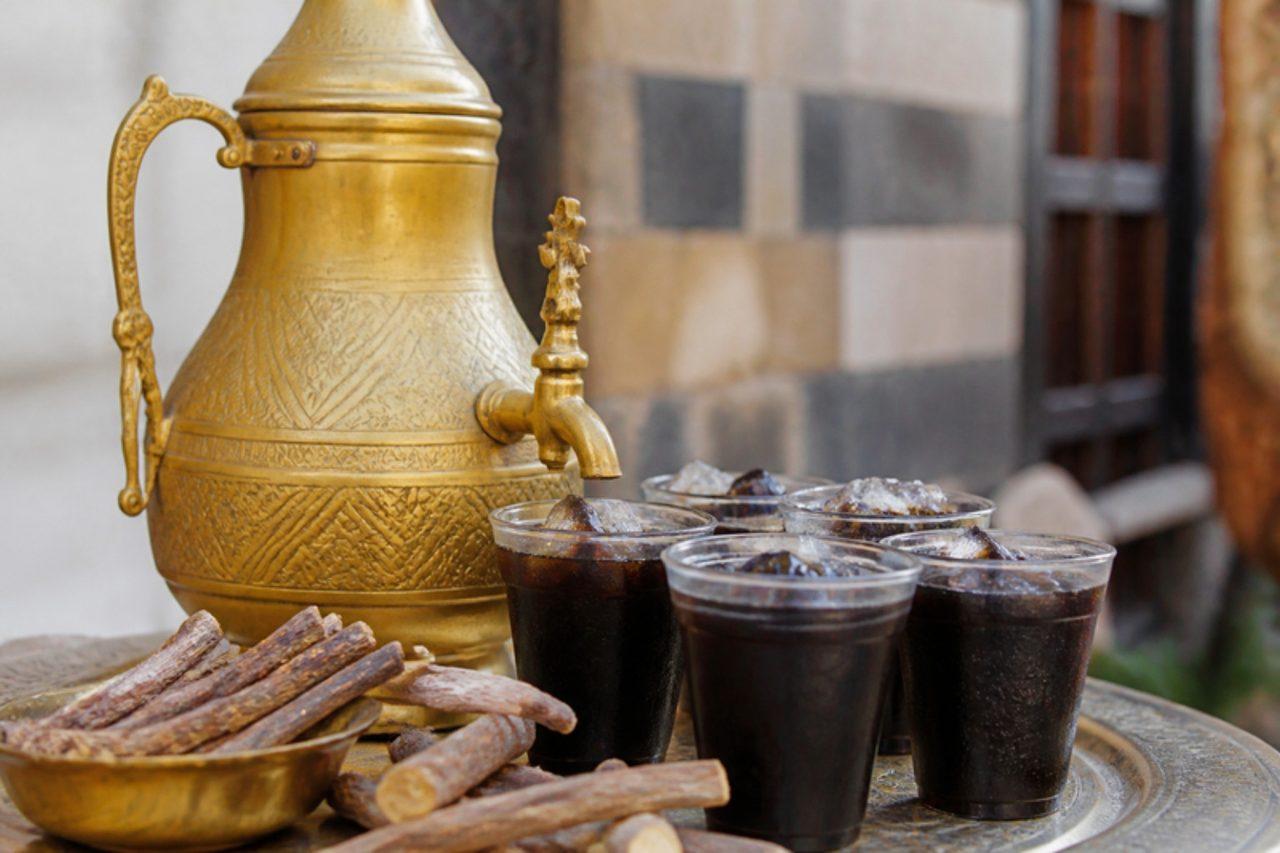
In the lanes of old Damascus and Aleppo, the erk sous seller is heard before he is seen, clacking brass cups as he walks with a great curved jug strapped to his back. His drink is liquorice root, slowly dripped through with cold water, dark, earthy, faintly bitter and naturally sweet, poured with a flourish over the shoulder during Ramadan iftars and hot afternoons. At home a sieve and a cloth do the job. The mistake people make is pouring boiling water over the root, which pulls out harsh bitterness; cold water and patience give a smooth, foamy drink. Liquorice root raises blood pressure if you drink a lot of it, so keep to a glass or two a day and skip it if you are pregnant or have high blood pressure. Chef's tip: a pinch of bicarbonate of soda in the damp root gives the drink its traditional thick, frothy head.

by KrazyBadal 0 views

Tamar hindi

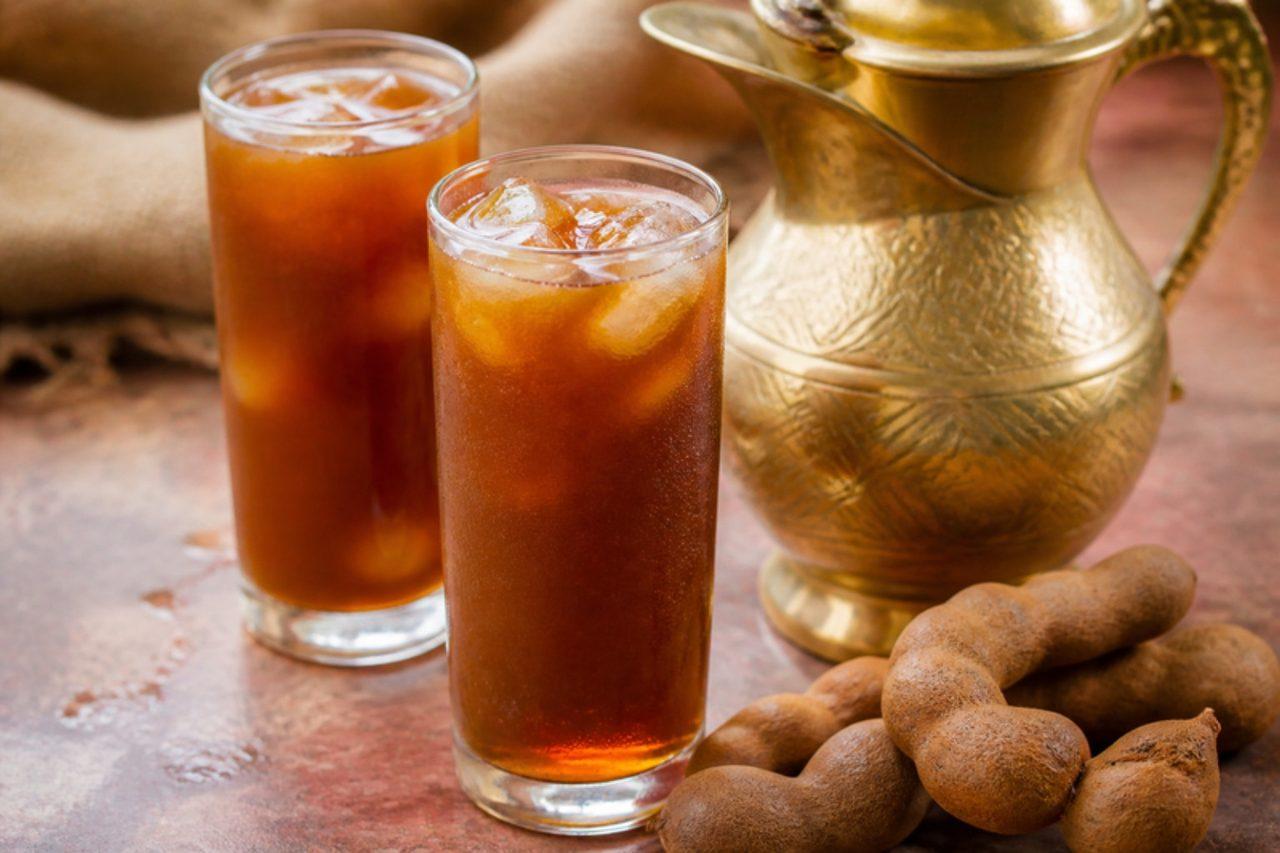
During Ramadan in Damascus, street sellers in bright waistcoats pour tamar hindi from tall brass jugs on their backs, clinking cups to call buyers before iftar. The drink is a deep brown infusion of tamarind, sweetened and sharpened with lemon and a touch of rose or orange blossom, served ice cold to quench a day's thirst. It is fruity, tangy and refreshing, and made in a big batch to keep in the fridge. Common mistake: boiling the tamarind hard — gentle soaking gives a clean taste, while boiling makes it muddy. Chef's tip: strain twice, the second time through a cloth, for a clear, glossy drink.

by KrazyBadal 0 views

Asado uruguayo

Sunday in Uruguay means asado: in Montevideo backyards and the cattle towns of the interior, beef ribs (asado de tira), chorizo and morcilla cook slowly over the embers of a wood fire, with only coarse salt, while the family waits. The parrillero rakes coals under the grill and keeps the heat low and even. This recipe includes pork chorizo. The mistake is cooking over flames; the fire should burn down to embers you can hold your hand above for 6–8 seconds. Chef's tip: salt the meat only when it goes on the grill, with coarse salt, never fine.

by KrazyBadal 0 views