Skip to content
Recipes

All recipes

Vegetarian, or something you can't eat? Set your diet once and we'll hide recipes that don't fit.

Cocido quemadoBurnt sugar mate drink

Cocido is how Paraguay starts the day: in Asunción, in the villages of Guairá and Itapúa, and in school kitchens, a pot of burnt yerba is brewed and poured into cups with chipa, the cheesy cassava bread, or with a hard galleta. The old way is to drop a glowing piece of charcoal into a pot with yerba and sugar and stir until the sugar burns. On a home stove you caramelise them together in a dry pan instead, which is safer and gives the same smoky, toffee-like taste. The drink is clear amber-brown, with roasted, slightly bitter mate notes over burnt-sugar sweetness; with milk added it becomes cocido con leche, creamy and coffee-coloured. Yerba mate contains caffeine, so treat it like a cup of coffee. The common mistake is letting the sugar go black: it turns acrid and bitter. Pull it off the heat when the caramel is deep amber and the yerba smells toasted, not burnt. It is ready when the liquid is a clear dark amber and tastes of toffee and smoke. Chef's tip: the water will spit fiercely when it hits the hot caramel, so pour it in from the side, at arm's length.

by KrazyBadal 0 views

EiskaffeeIced coffee with ice cream

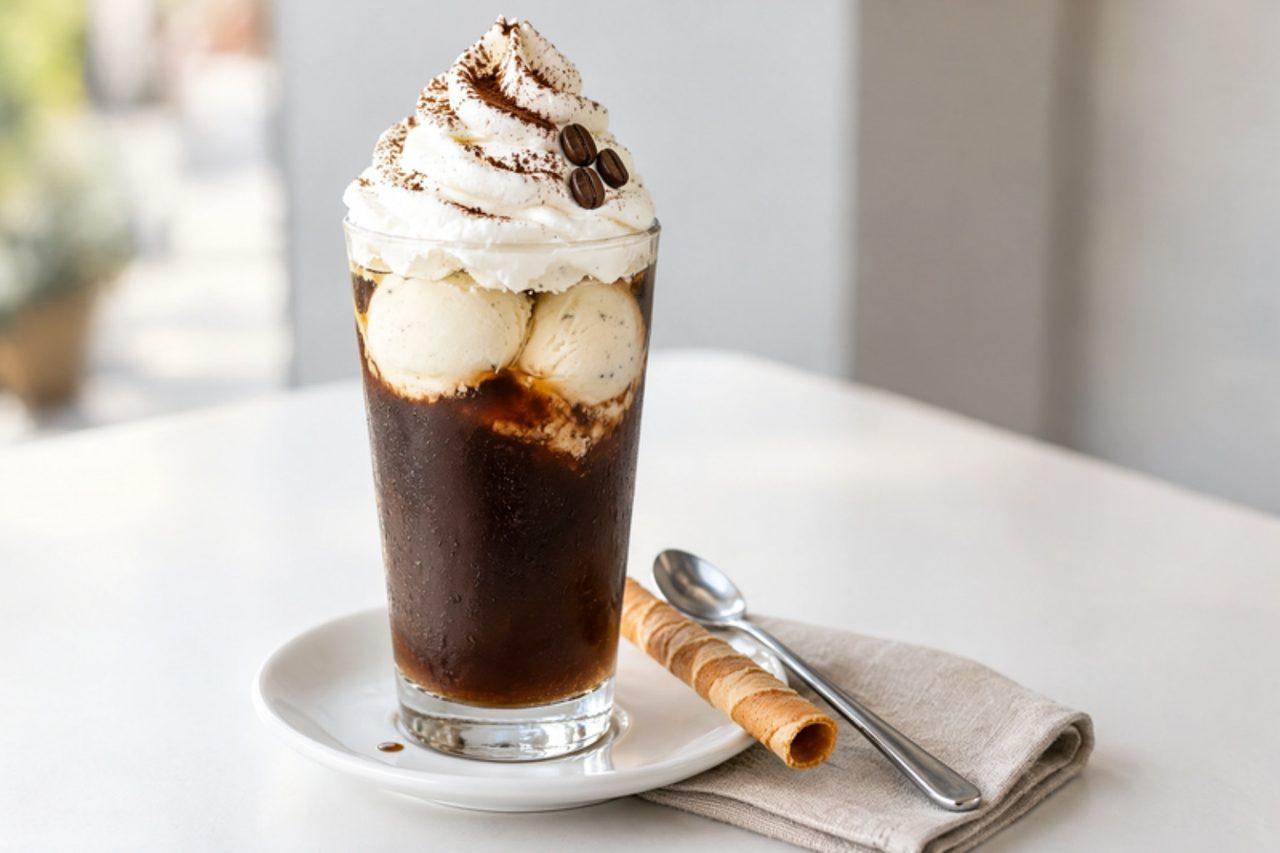
On a hot July afternoon in any German or Austrian Eiscafé, from a Hamburg promenade to a Viennese Gastgarten, the tall glass with the long spoon is Eiskaffee. It is not iced coffee in the American sense: strong coffee, chilled, is poured over two scoops of vanilla ice cream and crowned with sweetened whipped cream, sometimes a wafer and a dusting of cocoa or grated chocolate. You drink the cold coffee through a straw while the ice cream slowly melts into it, then spoon up the creamy, half-frozen rest, so it is part drink, part dessert, eaten at the café in the afternoon rather than with a meal. The usual mistake is pouring hot or even warm coffee straight onto the ice cream: it melts at once into a thin, lukewarm, milky soup. Brew it earlier and chill it properly. It is ready when the coffee is fridge-cold, the scoops sit just proud of the surface and the cream holds soft peaks on top. It is moderately caffeinated, so keep it for adults and older teens. Chef's tip: freeze leftover coffee in ice-cube trays and add a couple to the glass so nothing gets diluted with water.

by KrazyBadal 0 views

EinspännerBlack coffee with whipped cream

The Einspänner is named after the one-horse carriages of old Vienna: coachmen waiting outside in winter supposedly liked their coffee under a lid of cream that kept it hot and stopped it slopping. Today it is served in a handled glass at classic coffee houses, a strong black mocha (a double espresso or Großer Brauner without milk) topped with a thick layer of cold, lightly sweetened whipped cream and a pinch of icing sugar. You do not stir it: you sip the hot, bitter coffee through the cold, sweet cream, so each mouthful is two temperatures and two textures. It is an afternoon or late-morning coffee, often with a slice of Sachertorte. The common mistake is runny cream that sinks and turns the drink into a milky latte; whip it until it just holds a peak and spoon it on gently so it floats. It is ready when the cream stands at least 2 cm above the coffee and slowly sinks at the edges. It is strong: a double shot of caffeine in one glass. Chef's tip: pour the coffee in first and wait ten seconds before adding the cream, so the crema settles and helps support the cap.

by KrazyBadal 0 views

Wiener MelangeCoffee with milk and foam

In Vienna you never simply order 'a coffee'; you order by name, and the Melange is the one most Viennese ask for. It arrives in a large cup on a small silver tray with a glass of water and often a tiny chocolate, and you may sit over it for an hour with the newspapers at Café Prückel or Hawelka, mid-morning or after lunch. Traditionally it is a mild, longer espresso (a Verlängerter) with roughly equal hot milk and a soft cap of milk foam; it is gentler than a cappuccino and the foam is looser and creamier. Expect a round, nutty, slightly sweet cup with little bitterness. The common mistake is overheating the milk: once it passes about 70 °C it smells cooked and loses its sweetness and the foam turns big-bubbled and dry. Stop when the jug is too hot to hold for more than a second or two. It is ready when the foam sits in a smooth, glossy dome about a finger thick and the coffee shows as a brown ring at the edge. One cup has about the caffeine of a single espresso. Chef's tip: always serve the glass of water alongside, as Vienna does; it is drunk first to clear the palate.

by KrazyBadal 0 views

TereréIced yerba mate

In Asunción the hottest part of the day stops for tereré: a horn or cup packed with yerba mate, topped up again and again with ice water infused with crushed herbs, and passed round the group through a metal straw. It was recognised by UNESCO as part of Paraguay's cultural heritage, and the herbs (yuyos) change with the season and the drinker's mood. Yerba mate contains caffeine, so it isn't one for small children. The common mistake is pouring water straight into loose yerba, which then clogs the straw; tilt the yerba to one side first. Chef's tip: for tereré ruso, swap the water for cold orange or grapefruit juice.

by KrazyBadal 0 views

KinderpunschHot spiced fruit punch

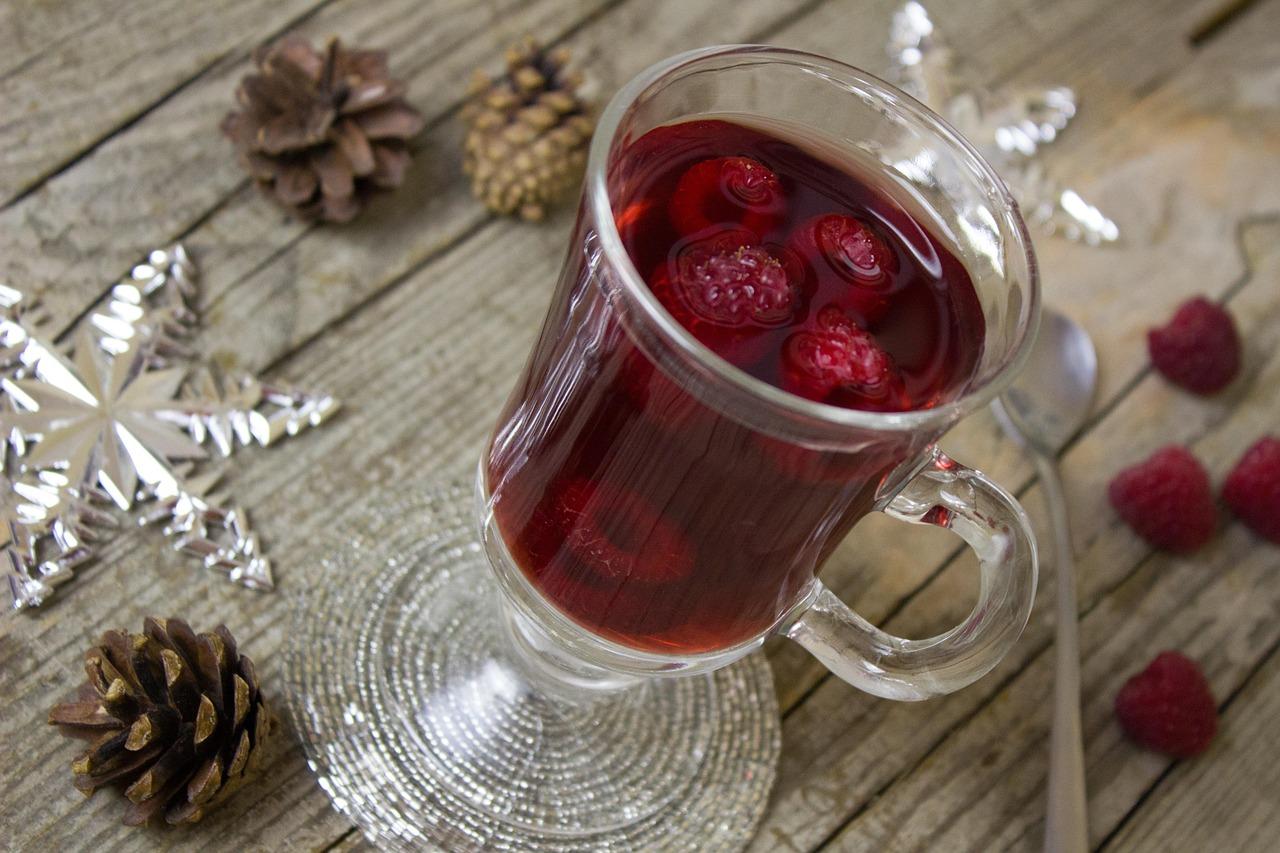
At every German and Austrian Christmas market, from Nuremberg to Vienna's Rathausplatz, the stalls selling Glühwein also sell Kinderpunsch: a steaming, alcohol-free mix of fruit tea and juices with cinnamon, cloves and orange, served in the market's own decorated mugs. Children love it, but so do drivers and anyone who just wants something warm to hold on a cold evening. It takes 20 minutes at home and makes the whole house smell of Advent. Chef's tip: keep it just below a simmer; boiling makes the spices bitter and dulls the fruit flavour.

by KrazyBadal 0 views

Sauerkraut

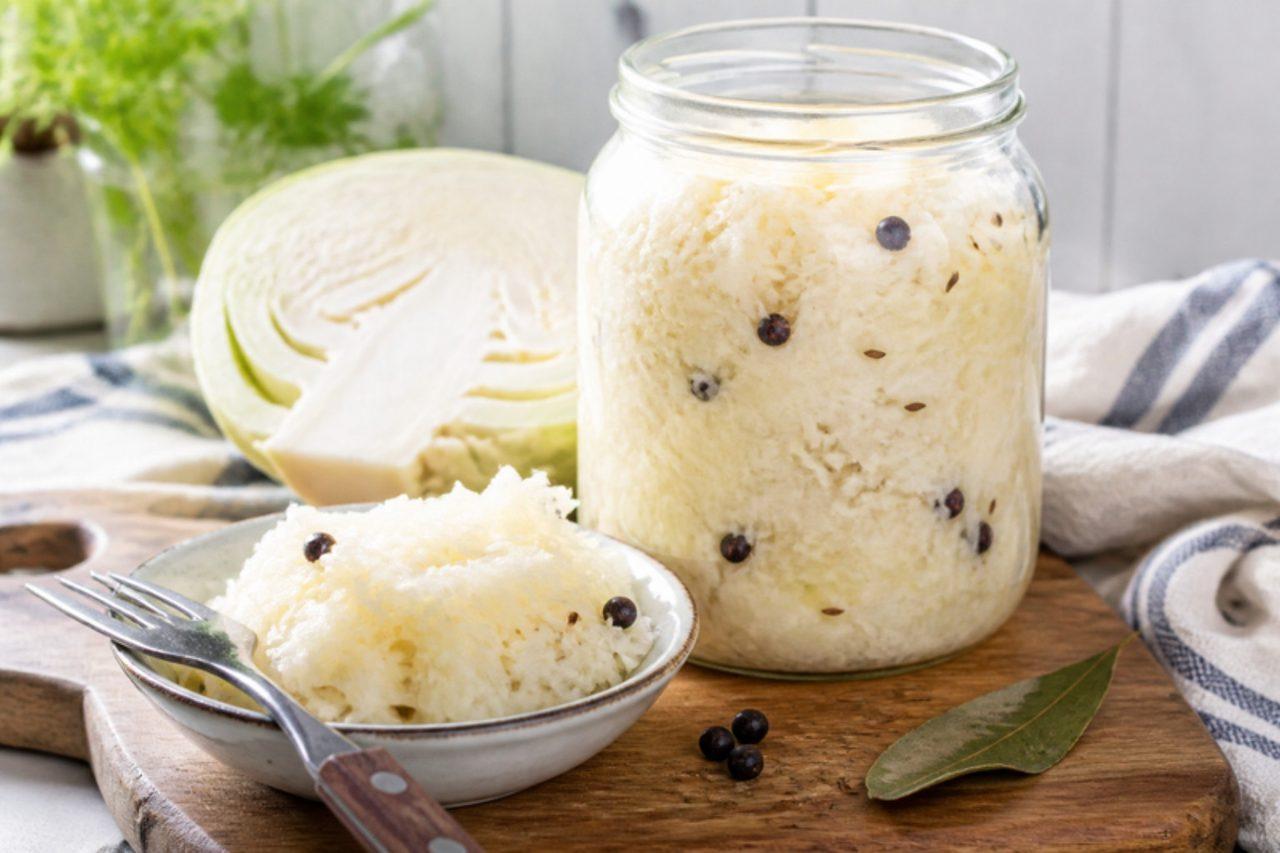
Sauerkraut is how German households have kept cabbage through the winter for centuries, and autumn is still when families in Baden, Franconia and Alsace shred the new white cabbage into stoneware crocks. It's nothing but cabbage and salt: the salt pulls out the juice and natural lactic acid bacteria do the rest, turning it sour, crunchy and full of flavour in a few weeks. Raw homemade sauerkraut tastes far fresher than the jar and is a lovely side for Kartoffelpuffer or potato mash; for a warm side, simmer it with onion and a grated apple. Chef's tip: weigh the cabbage and use exactly 2% of its weight in salt; too little and it goes soft and mouldy, too much and it won't ferment.

by KrazyBadal 0 views