Skip to content
Recipes

All recipes

Vegetarian, or something you can't eat? Set your diet once and we'll hide recipes that don't fit.

Cajeta de Celaya

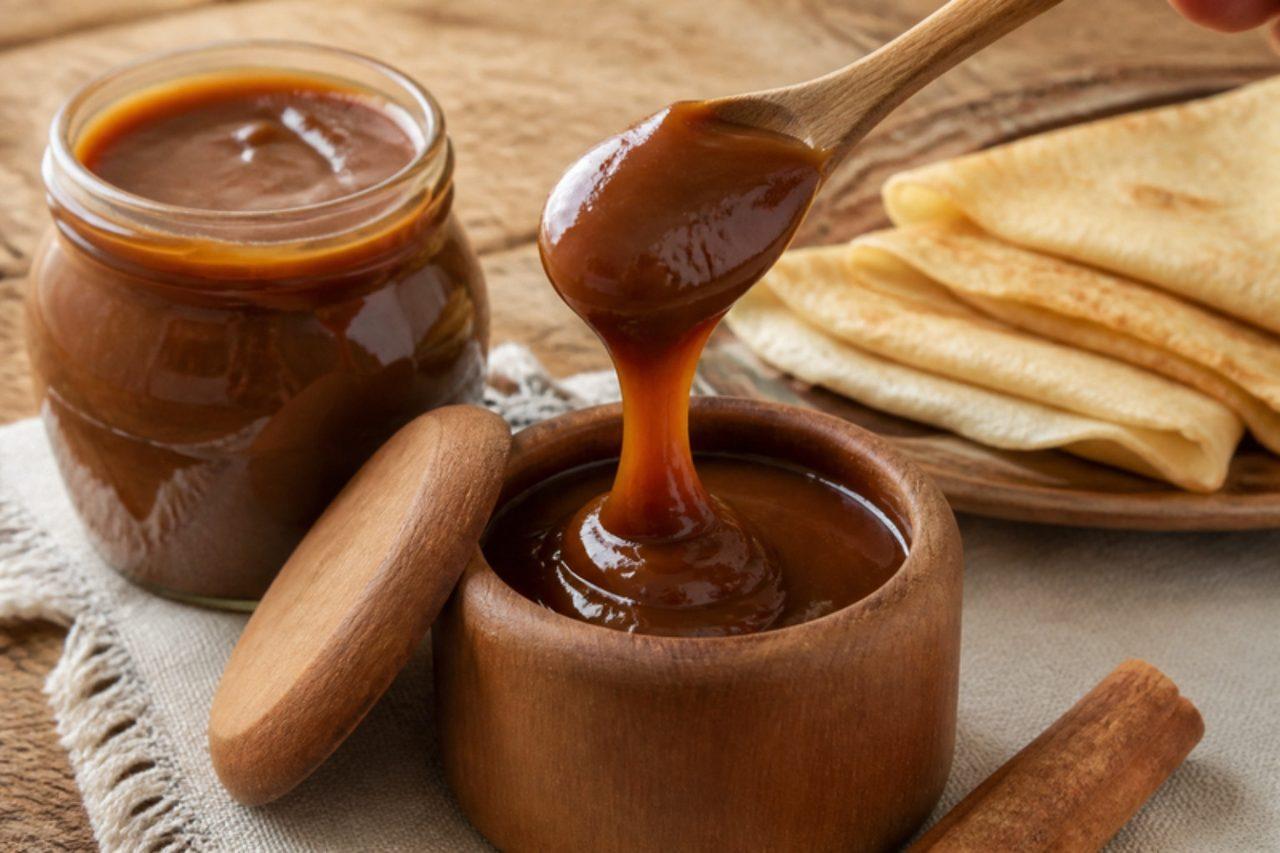
Celaya, in the Bajío of Guanajuato, has made cajeta for centuries, once packing it into little wooden boxes (cajetes) that gave it its name. It is caramel cooked from goat's milk, so it is looser and has a gentle tang compared with the cow's-milk dulce de leche of Argentina. Mexicans spread it on crêpes and churros, pour it over ice cream, sandwich it between obleas (wafers) and turn it into glorias. A splash of rum-flavoured 'envinada' cajeta exists, but this one is plain and alcohol-free. Chef's tip: use a pan at least three times the volume of the milk; it foams high when the bicarbonate goes in.

by KrazyBadal 0 views

Agua de fresa cremosa

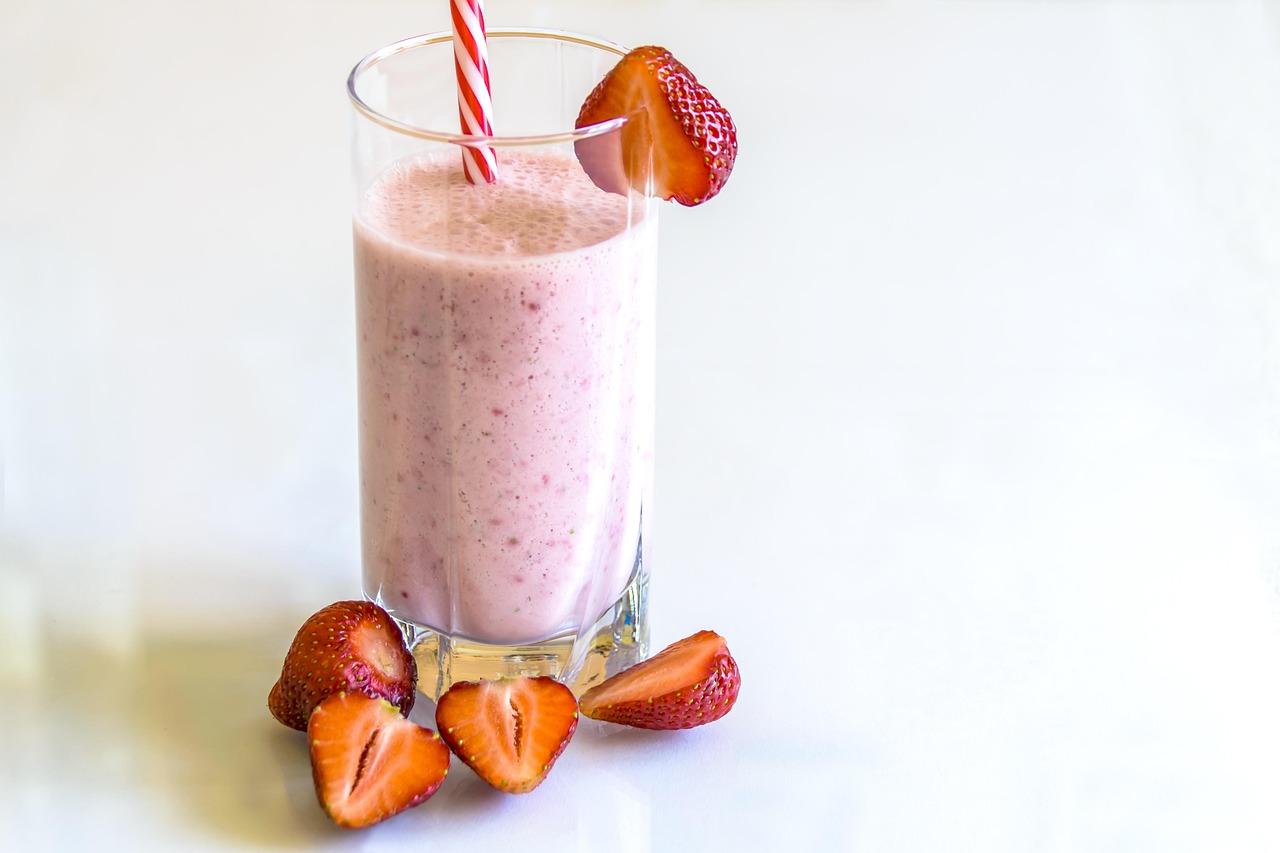
In Hidalgo, the pulque country north of Mexico City, the pulquerías serve curados: pulque blended with fruit, and the strawberry one is pink, thick and creamy. Home cooks and taquerías make this alcohol-free cousin for the whole family, a strawberry agua fresca blended with evaporated milk, so it is like a light milkshake that you drink with tacos on a hot afternoon. It contains no pulque or alcohol. Chef's tip: use the ripest, darkest strawberries you can find; pale ones give a thin, sour drink.

by KrazyBadal 0 views

Tejuino

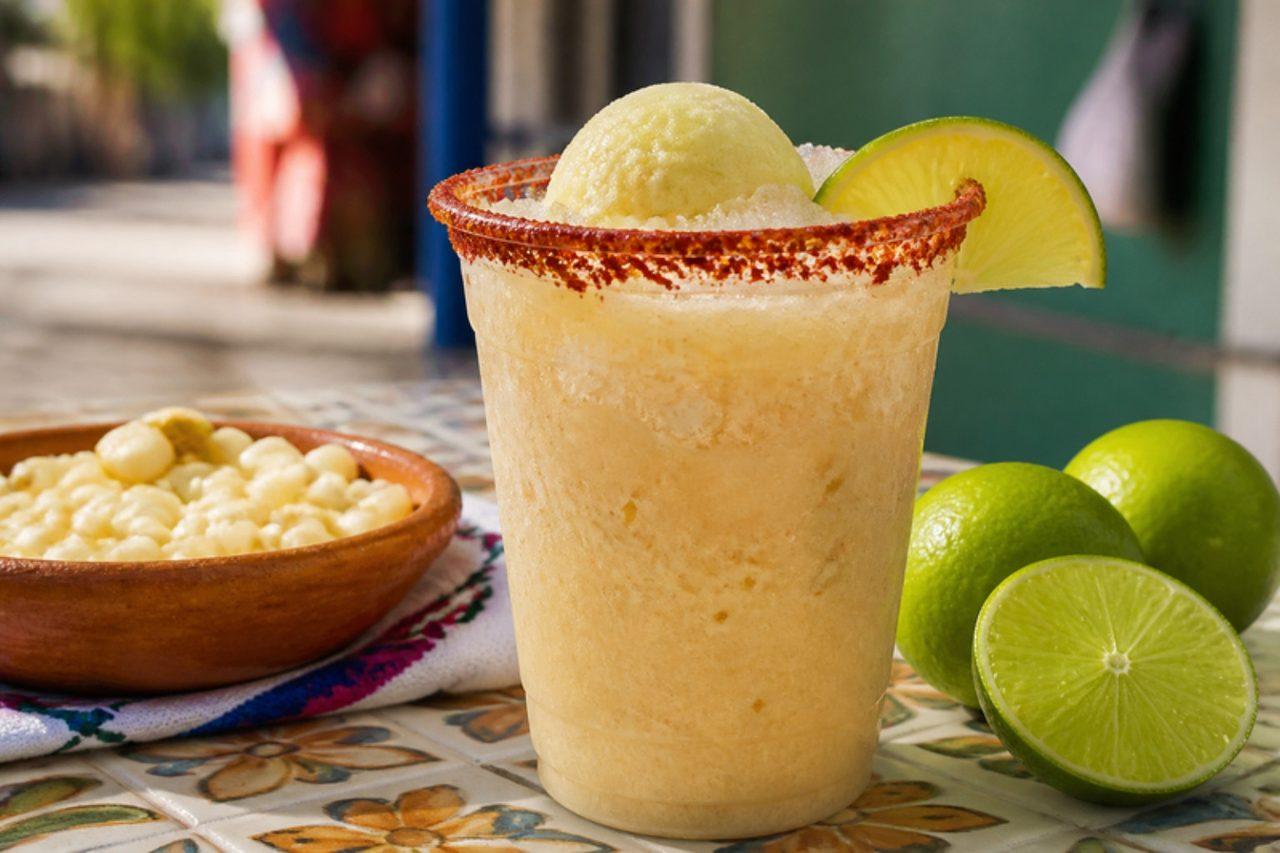
On hot afternoons in Guadalajara, vendors ladle tejuino from big clay pots into plastic bags or glasses with ice, a squeeze of lime, a pinch of salt and often a scoop of lime sorbet. It is made from corn masa cooked with piloncillo and left for two or three days to ferment a little, which gives it a tangy, slightly sour taste. The fermentation is light and the drink is sold as non-alcoholic, but a trace of alcohol can form, so keep the fermentation to 2 days and serve it well chilled. Skip the fermenting stage entirely for children: drink it fresh as a sweet atole-style cooler. Chef's tip: taste it each day; take it to the fridge as soon as it tastes pleasantly sour, like a mild yoghurt.

by KrazyBadal 0 views

Chocolate de agua

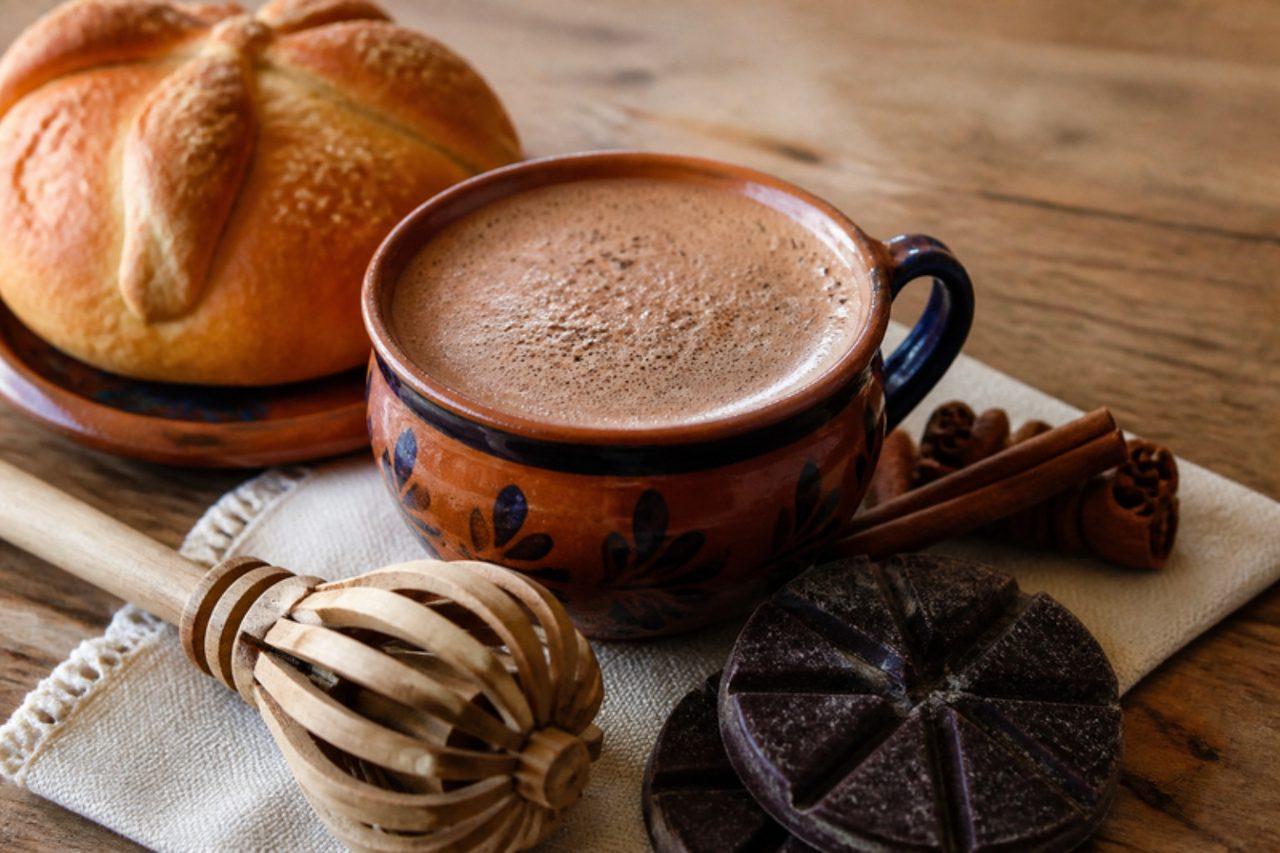
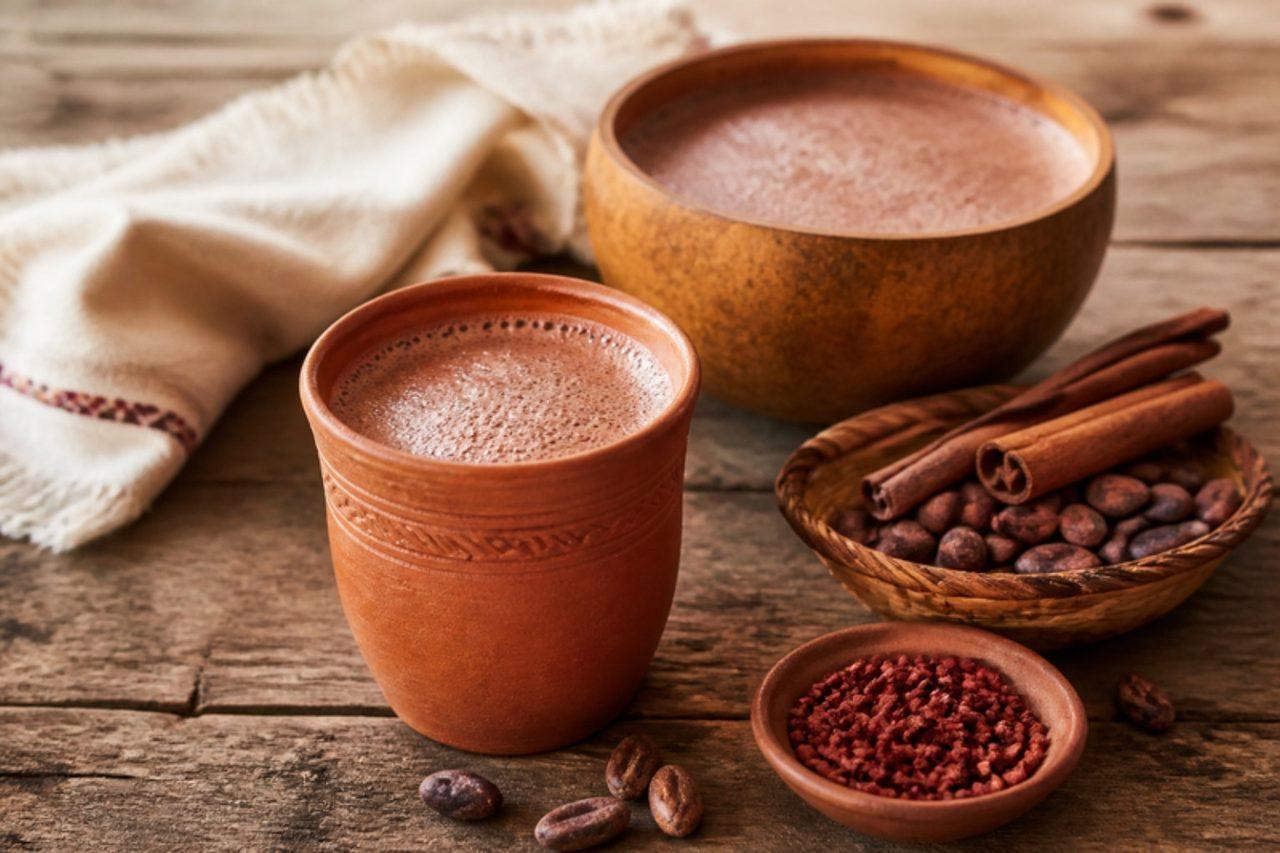
Walk down Calle Mina in Oaxaca City and the air smells of cacao, cinnamon and almonds, roasted and ground into chocolate in front of you at the mills. Most Oaxacans drink it made with water, not milk, so the taste of the cacao comes through clean and slightly bitter, with a thick head of foam raised with a wooden molinillo. It is drunk for breakfast with pan de yema and at every wedding and Day of the Dead altar. The tablets already hold sugar and cinnamon; we give a version with dark chocolate too. Chef's tip: the foam is the point, so whisk hard just before pouring and serve in wide cups.

by KrazyBadal 0 views

Agua de chía con limón

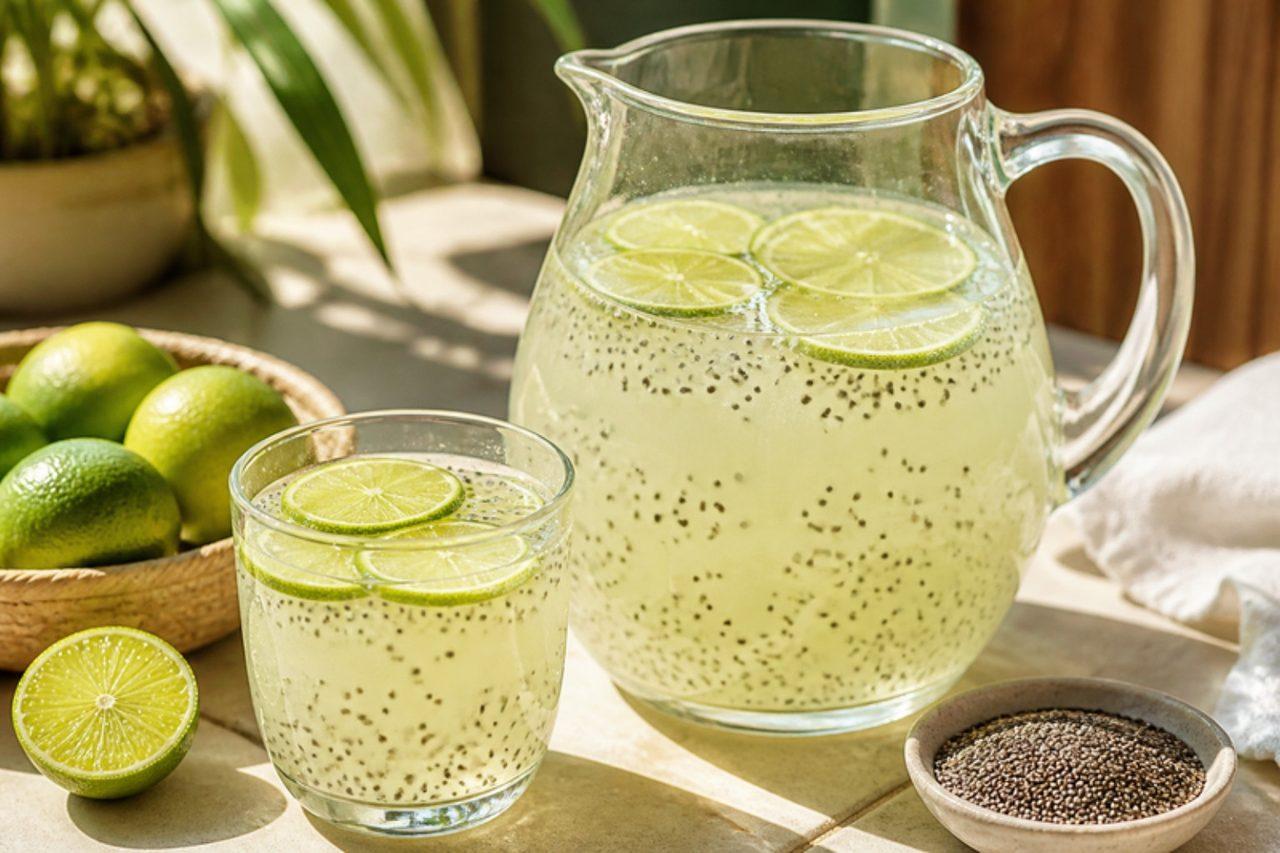
In the markets of Michoacán, especially in Uruapan and Morelia, the glass barrels of agua fresca often include one cloudy, speckled with tiny seeds: agua de chía, limeade with soaked chia seeds that swell into soft little pearls. Chia has been grown in central Mexico since long before the Spanish, and the drink is light, sharp and very refreshing, with a gentle texture from the seeds. It is drunk with lunch or on hot afternoons. Chef's tip: stir the seeds into the water twice in the first ten minutes; otherwise they clump into jelly-like lumps.

by KrazyBadal 0 views

Café de olla

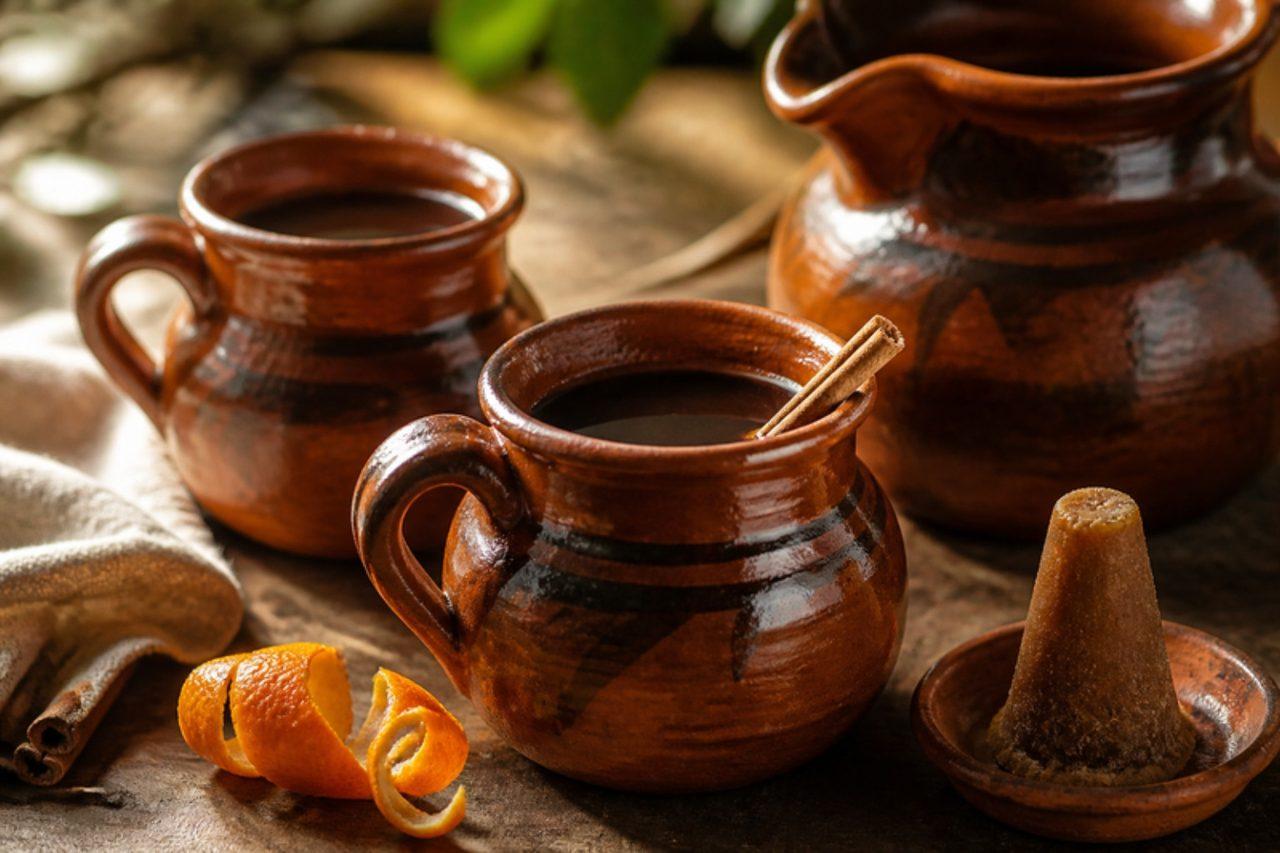
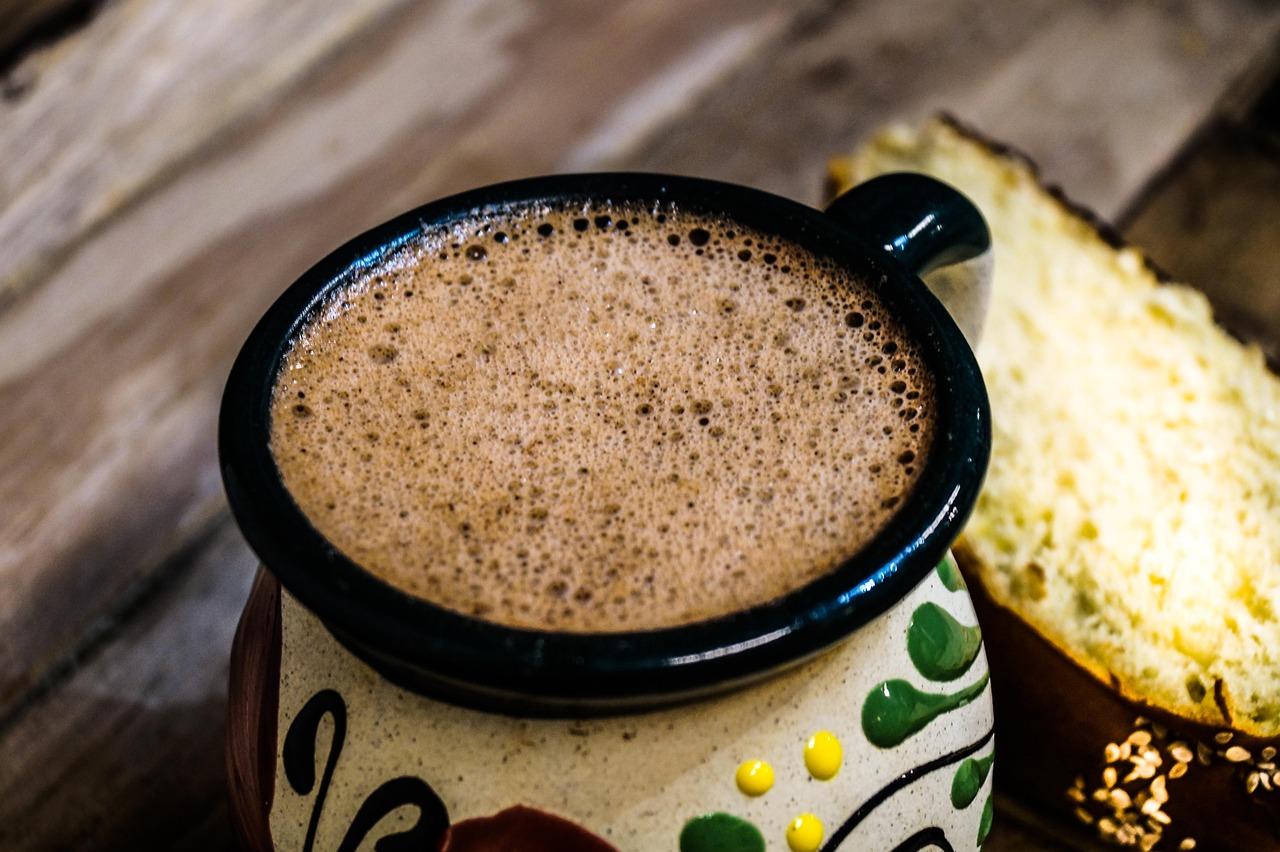
In ranch kitchens and roadside fondas across central Mexico, coffee is not dripped but boiled in a tall clay pot (olla de barro) with a cone of piloncillo and a stick of soft Mexican cinnamon, then strained into clay mugs. It is sweet, spiced and earthy, and is served with pan dulce at breakfast, on cold evenings, and to visitors on Day of the Dead. A saucepan works fine if you have no olla. Chef's tip: turn the heat off before adding the coffee and let it steep rather than boil, or it turns bitter.

by KrazyBadal 0 views

Torito de cacahuate

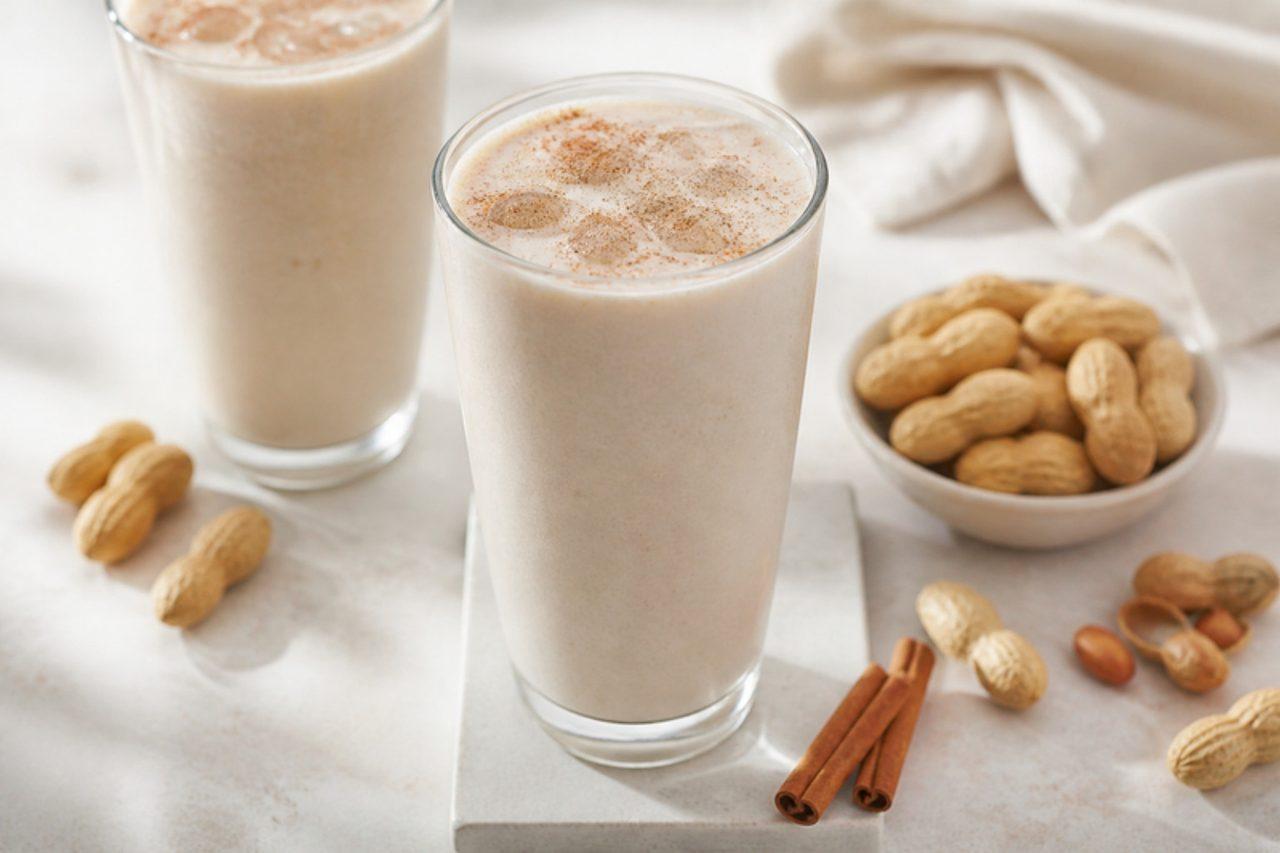
Torito is the party drink of the port of Veracruz and the Sotavento, poured at weddings, saints' days and the Tlacotalpan Candelaria fair: a thick, cold, milkshake-like blend of peanuts, condensed and evaporated milk and cinnamon. The traditional version is spiked with aguardiente, the local cane spirit. This recipe is the alcohol-free version, so children can drink it too; adults who want the original add a measure of cane spirit to each glass. It contains peanuts, so check for allergies. Chef's tip: toast the peanuts until just golden before blending; raw ones taste flat and beany.

by KrazyBadal 0 views

Camu camu

Camu camu are small purple-red berries that grow on bushes along the flooded riverbanks of the Peruvian Amazon, and in Iquitos and Pucallpa they are sold as frozen pulp and blended into a sharp, pink refresco at juice bars and lunch places. The flavour is intensely sour, more than lime, with a faint cherry note, and the berries are famous for containing far more vitamin C than oranges. It is the drink people order with a heavy plate of tacacho or rice. Never boil camu camu or make the juice hours ahead: heat and air quickly fade its colour and much of the vitamin C, so blend it cold and drink it soon. Frozen pulp or freeze-dried powder from health-food and Latin shops are the forms you'll find abroad. Chef's tip: start with half the pulp and add more to taste; it's strong enough that a little goes a long way.

by KrazyBadal 0 views

Champús

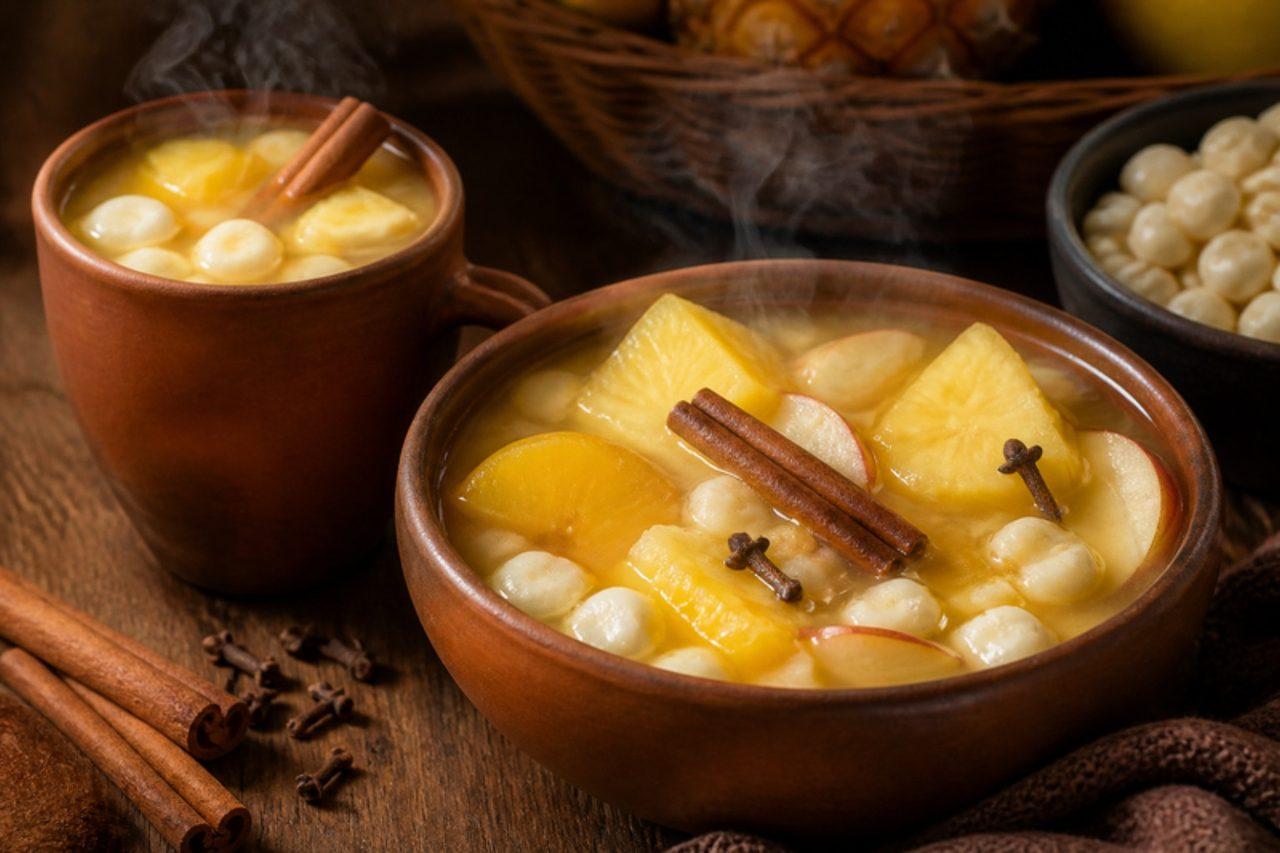
When Lima's grey winter sets in, from June to September, champús sellers set up on street corners with big pots of this thick, fruity drink, ladled warm into glasses and eaten as much as drunk. It's made from mote (hulled white corn), simmered with pineapple, quince or apple, soursop, chancaca and warm spices, then thickened lightly with corn flour, so every spoonful has soft fruit and chewy corn in a spiced, molasses-sweet base. It is close in spirit to mazamorra morada but paler and tangier. The mistake people make is adding the thickener straight into the hot pot, where it forms lumps; always slake it in cold water first and pour it in while stirring. Canned or jarred hominy saves hours; frozen soursop (guanábana) pulp is in Latin shops and can be left out. Serve warm in glasses with spoons. Chef's tip: simmer the pineapple peel and core with the spices for the first 20 minutes, then strain them out; they give much of the flavour.

by KrazyBadal 0 views

Emoliente

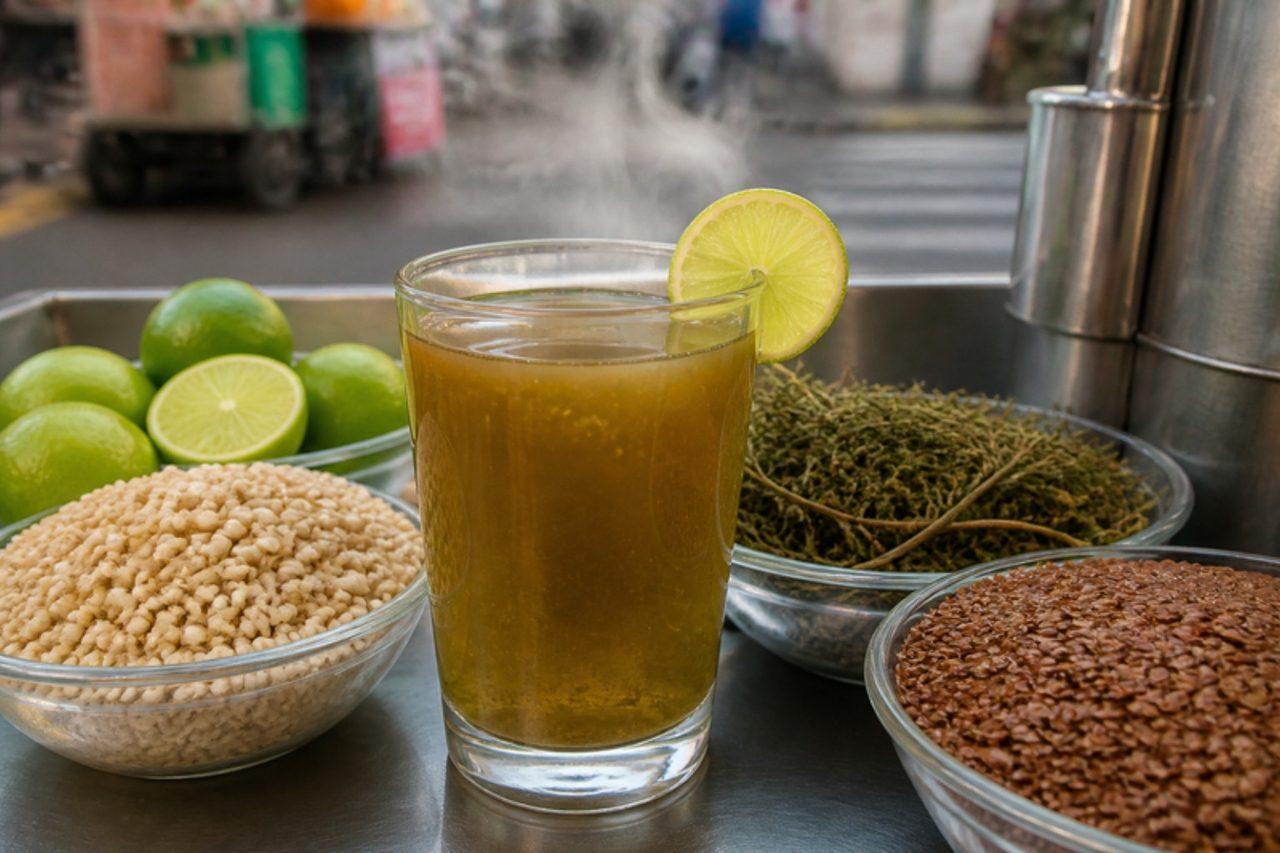
Before dawn, all over Peru, emolienteros set up their carts with a row of steaming kettles and jars of herbs, and commuters stop for a glass of emoliente on the way to work. It's a hot infusion of toasted barley, flaxseed and herbs, with lime juice and sugar added to order, and it is drunk for comfort and digestion, especially in Lima's damp winter. The flaxseed gives it a slippery, soothing body; the barley a toasty, almost coffee-like note. Street versions use horsetail, alfalfa, boldo and other herbs; this home version keeps it simple, with horsetail as an option (leave it out if you are pregnant or have kidney problems). The usual error is boiling the flax too long, which makes the drink gloopy; add it for the last 10 minutes only. Serve very hot in glasses, with pan con queso or a sandwich. Barley contains gluten. Chef's tip: toast the barley yourself until it is deep brown; it's what gives emoliente its colour and its roasted flavour.

by KrazyBadal 0 views

Quinua con manzana

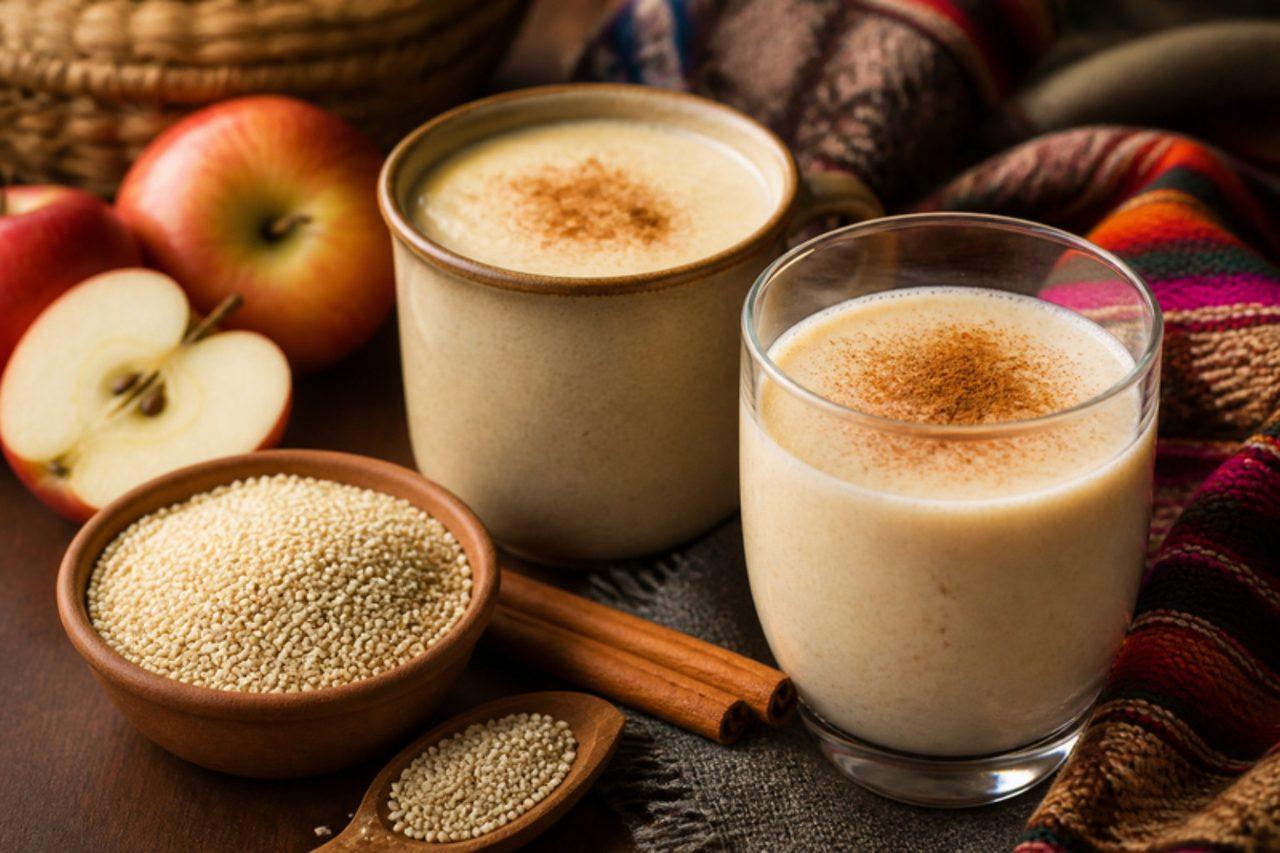
Morning market stalls and street carts from Lima to Huancayo ladle quinua con manzana into glasses alongside emoliente and maca, and many people drink it as breakfast on its own, with a bread roll or a sandwich beside it. Quinoa and chunks of apple are simmered with cinnamon and cloves until the grains burst and the liquid thickens, then sweetened and served warm or cold. Some stalls blend it smooth; others leave the grains and soft apple pieces to spoon up. It is mild, fruity and filling, and children usually like it. The mistake that ruins it is skipping the rinse: quinoa's natural coating, saponin, makes the drink bitter and soapy, so rub it under running water until the foam stops. Chef's tip: add a few drops of lime at the end; it lifts the apple and keeps the drink from tasting flat.

by KrazyBadal 0 views

Pozol de cacao

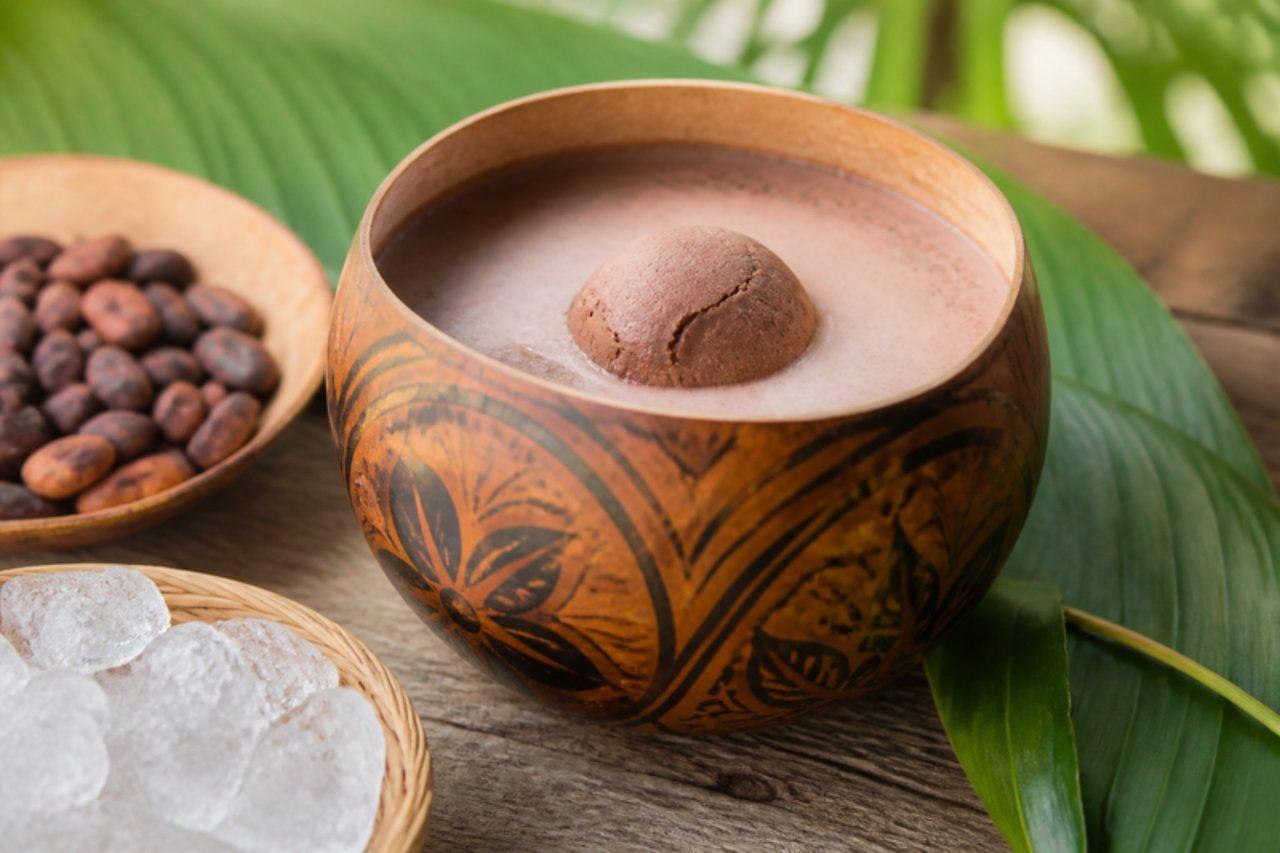
In the heat of Villahermosa and the Chiapas lowlands, farmers carry a ball of corn dough in a banana leaf and mix it with water in a jícara (a gourd bowl) at midday: that is pozol, a cold, thick, filling drink that has been made since Maya times. The cacao version is the favourite, sold from big clay pots at market stalls with ice, sometimes slightly fermented so it turns pleasantly sour. This home version uses masa harina and cocoa nibs, so it is ready in minutes; leave it to ferment if you want the tang. Chef's tip: stir it every time before pouring, as the corn settles to the bottom fast.

by KrazyBadal 0 views

Tascalate

Tascalate is the drink of the Chiapas central valley, sold in Chiapa de Corzo and Tuxtla in tall glasses at markets and given to guests at fiestas. A powder of toasted tortillas, cacao, pine nuts, sugar, cinnamon and a little achiote is whisked into cold water or milk, so it is orange-brown, thick and nutty with a sweet chocolate finish. The powder keeps for weeks, so make a jar. Made with water it is vegan. Chef's tip: toast the tortillas until they snap cleanly; any softness leaves the powder clumpy.

by KrazyBadal 0 views

Aguajina

Aguaje is the scaly, chestnut-red fruit of the moriche palm that grows in the flooded forests around Iquitos, and its orange flesh ends up in ice lollies, ice cream and, above all, aguajina, the cold drink sold in plastic cups at every corner and in Belén market. The taste is unusual and loved locally: tangy, a little like apricot and carrot, with a rich, slightly oily body. Fresh aguaje must be softened in warm water for an hour before its thin layer of pulp can be scraped off; outside Peru, frozen aguaje pulp from Latin American shops is the realistic choice and gives a good result. A common slip is adding all the sugar before tasting: the pulp's sourness varies from pack to pack, so sweeten at the end. Serve very cold with lunch or on a hot afternoon. Chef's tip: blend the pulp with only part of the water first, so it breaks down fully, then stir in the rest.

by KrazyBadal 0 views

Chapo

Breakfast stalls in Iquitos and the riverside towns of Loreto pour chapo into glasses from big steaming pots before the heat of the day sets in, and by afternoon the same drink is sold chilled. It is made from plantains left until their skins are black, simmered with cinnamon and cloves until soft, then blended smooth and loosened with milk. The result is thick, naturally sweet and gently spiced, somewhere between a smoothie and a thin custard, and children love it. Some families make it with water only; evaporated milk is the common addition in town. The mistake is using plantains that are still yellow-green: they taste starchy and the drink turns grey and gluey, so wait until the skins are mostly black and the fruit gives when pressed. Serve hot with bread or a tamal, or cold over ice. Chef's tip: strain it through a sieve after blending for a silky drink, and thin it with water if it thickens as it cools.

by KrazyBadal 0 views

Agua de jamaica

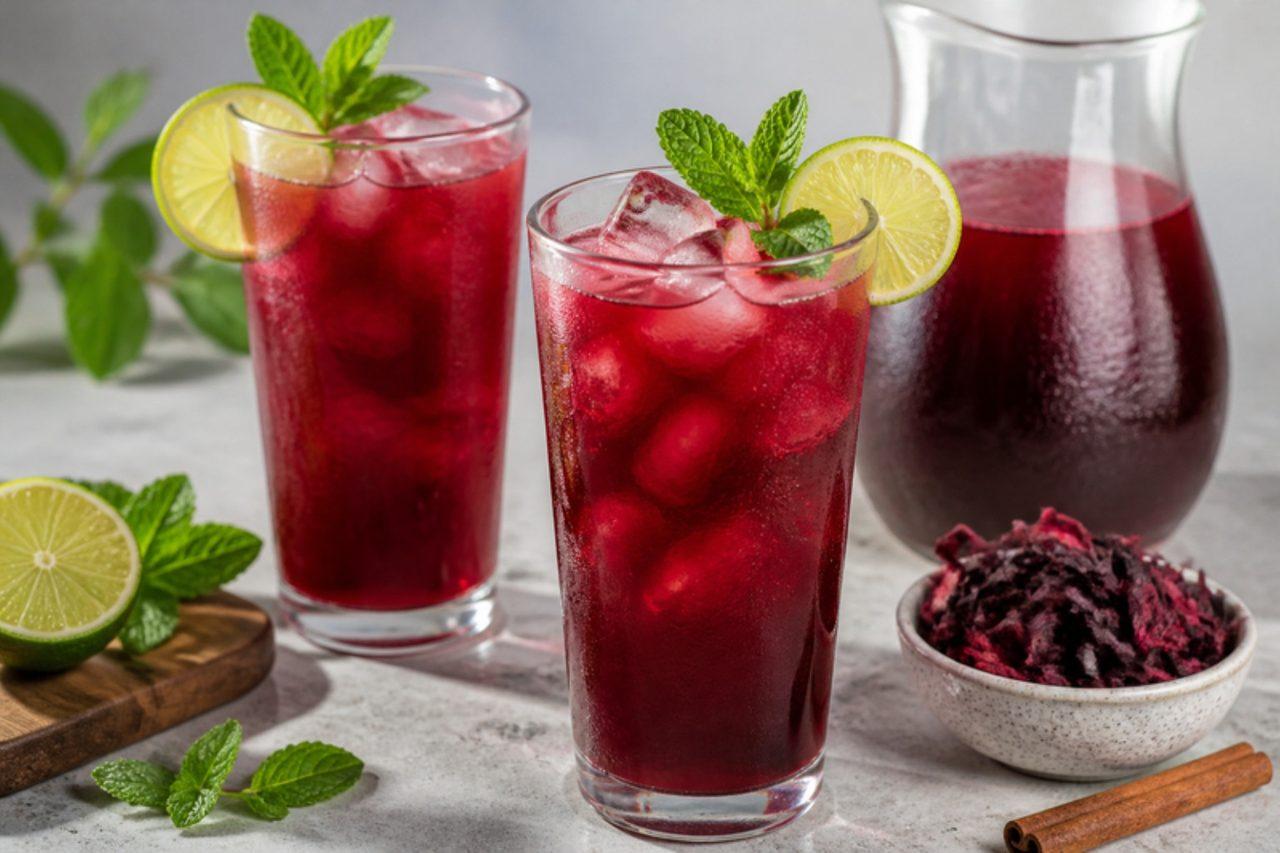
Agua de jamaica is one of the aguas frescas, the cooling fruit and flower drinks ladled from huge glass barrels at markets and taquerías all over Mexico. It is made by steeping dried hibiscus calyces (flor de jamaica) in hot water, giving a deep crimson drink that tastes tart like cranberry, lightly floral and very refreshing over ice. It is naturally vegan and keeps for days in the fridge. Use the concentrate as the base and sweeten to taste. Chef's tip: don't boil the flowers for long or leave them steeping for hours; too much extraction makes the drink tannic and harsh.

by KrazyBadal 0 views

Horchata de arroz

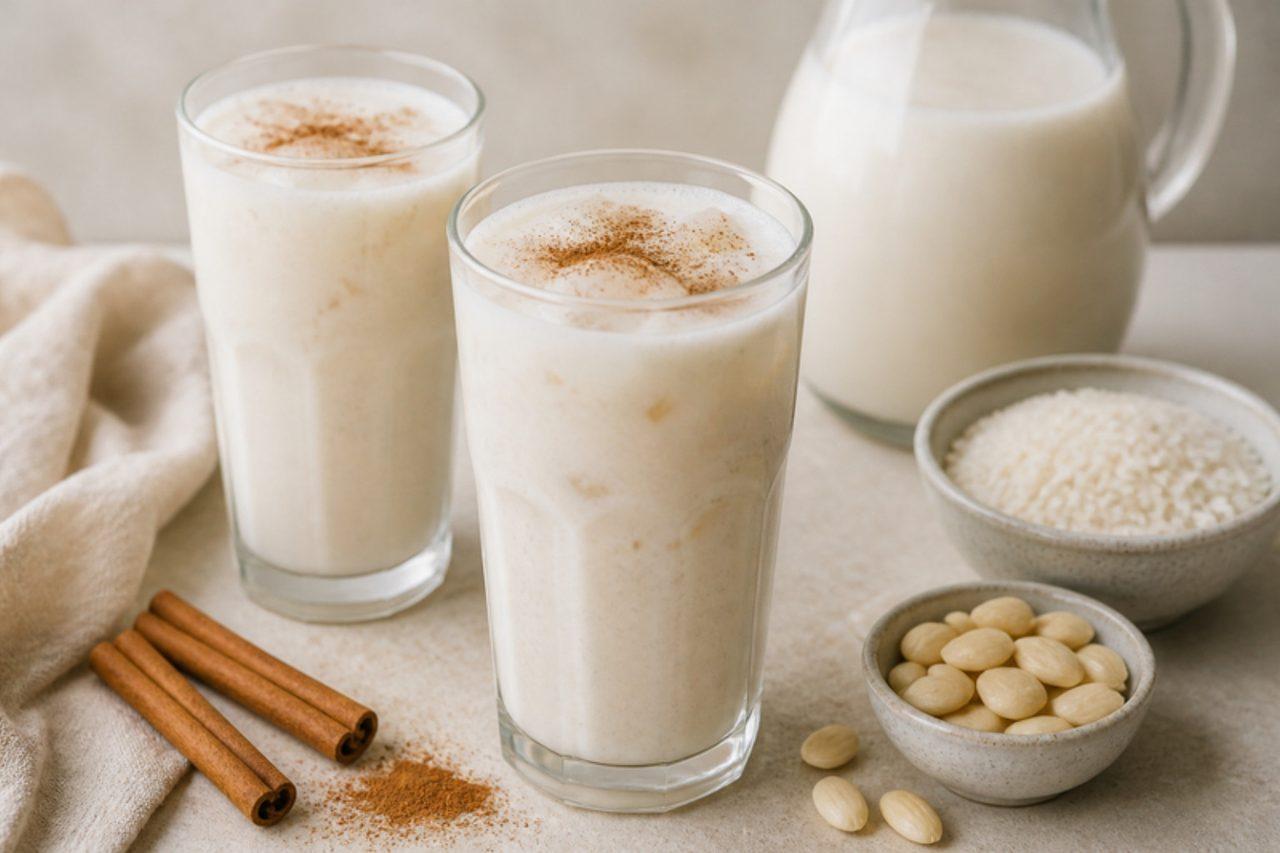
Mexican horchata is a sweet, milky-looking agua fresca made from rice soaked overnight with cinnamon, then blended and strained. It is quite different from the Valencian horchata de chufa made from tiger nuts. Sold everywhere from Mexico City street stalls to taquerías in Oaxaca, it cools the mouth after a spicy taco and tastes of cinnamon, vanilla and toasted grain. We blend in almonds for extra creaminess and keep it dairy free, so it is vegan. Chef's tip: strain twice, the second time through a fine cloth; a gritty horchata is the most common mistake, and that silky texture is what you're after.

by KrazyBadal 0 views

Champurrado

Champurrado is a chocolate atole, the thick, hot corn drink Mexicans have drunk since before the Spanish arrived. Masa harina is whisked into water and milk with Mexican chocolate (stone-ground with sugar and cinnamon) and piloncillo, a dark unrefined cane sugar, and cooked until velvety and spoon-coating. It is drunk on cold mornings with tamales or conchas, and above all during Día de Muertos and Christmas posadas. Chef's tip: always dissolve the masa harina in cold liquid before it meets the hot pot, and whisk constantly once it's in; dumped into hot milk it seizes into lumps.

by KrazyBadal 0 views

Chicha morada

Chicha morada is Peru's favourite soft drink, served by the jug in every restaurant in Lima and drunk across the country with lunch. Andean purple corn is simmered with pineapple peel, apple, cinnamon and cloves, then sweetened and sharpened with lime to make a dark ruby drink that tastes of berries, spice and gentle tannin, a little like a spiced cranberry juice. It has no alcohol, unlike the fermented chicha de jora of the Andes. Dried purple corn (maíz morado) comes from Latin shops; purple corn powder works too. Chef's tip: add the sugar and lime only once the drink has cooled; lime added to the hot liquid turns it bitter.

by KrazyBadal 0 views