Skip to content
Recipes

All recipes

Vegetarian, or something you can't eat? Set your diet once and we'll hide recipes that don't fit.

Nước sâmCooling herbal drink

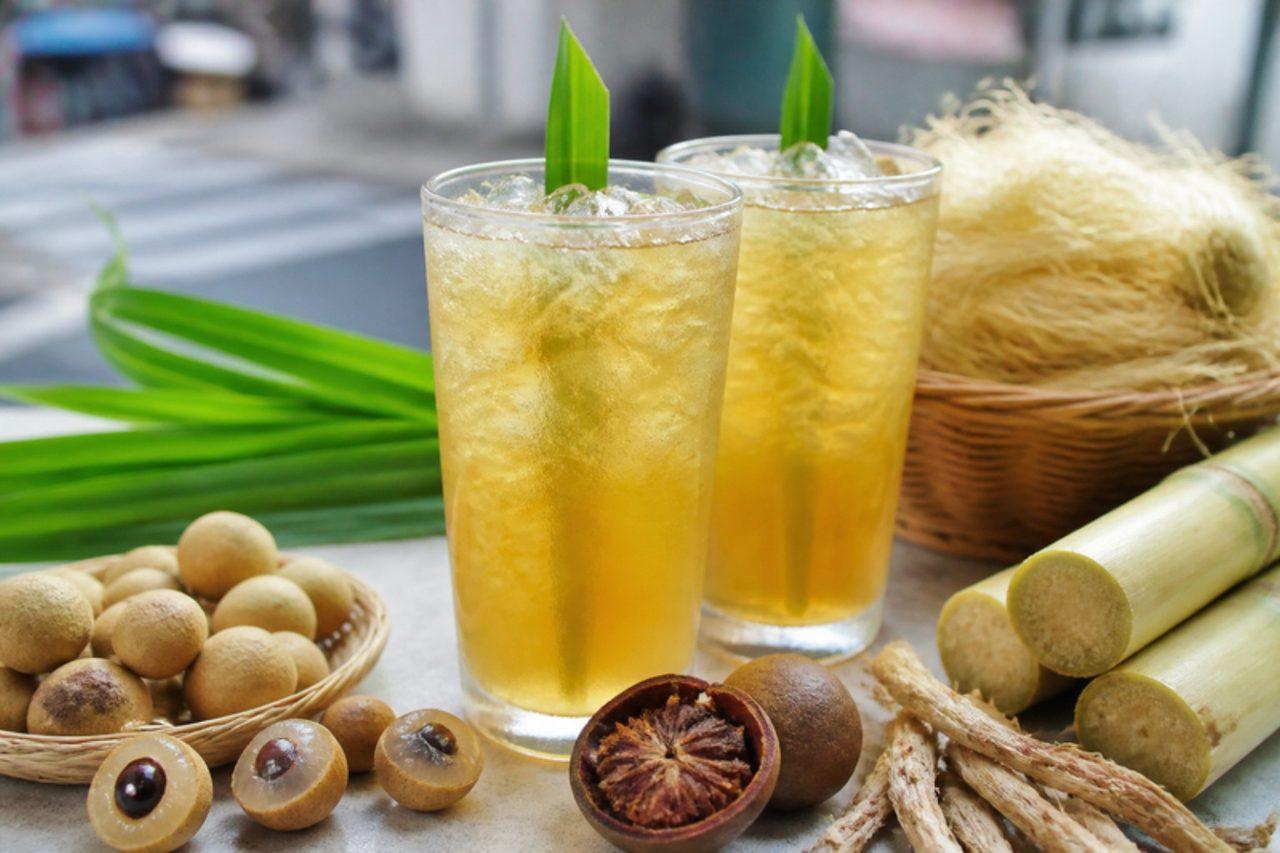
Big glass jars of amber nước sâm sit on pavement stalls all over Hồ Chí Minh City, ladled over ice for anyone who has eaten too much fried food or spent too long in the sun. The brew is gently sweet and earthy, with honeyed dried longan, the liquorice note of monk fruit and fresh sugarcane, and Chinese-Vietnamese herbalists sell ready-mixed bags of the dried roots. Make a big pot: it keeps for four days in the fridge. Chef's tip: simmer, never boil hard; a rolling boil pulls bitterness out of the roots and turns the drink cloudy.

by KrazyBadal 0 views

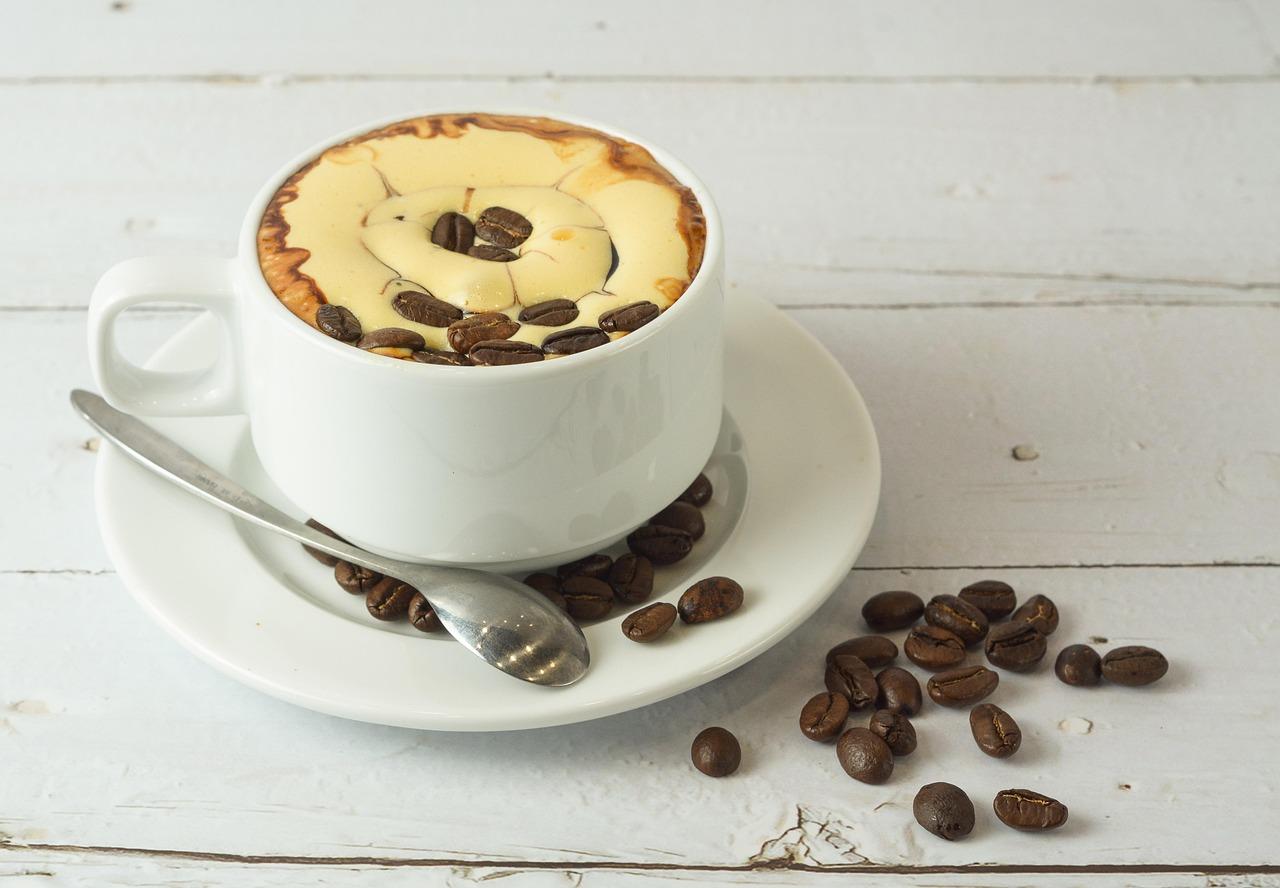
Cà phê trứngEgg coffee

Hanoi's old-quarter cafés, up narrow stairs and in tiny back rooms, serve cà phê trứng in a small cup set in a bowl of hot water so it stays warm while you spoon through the custardy foam into bitter coffee below. The topping is egg yolk whisked with condensed milk until pale and thick, a trick that began when fresh milk was scarce in the 1940s. Because the yolk is not cooked, use pasteurised eggs for pregnant women, young children, older people or anyone with a weakened immune system. Chef's tip: whisk longer than you think; under-beaten yolk tastes eggy and sinks straight into the coffee instead of sitting on top.

by KrazyBadal 0 views

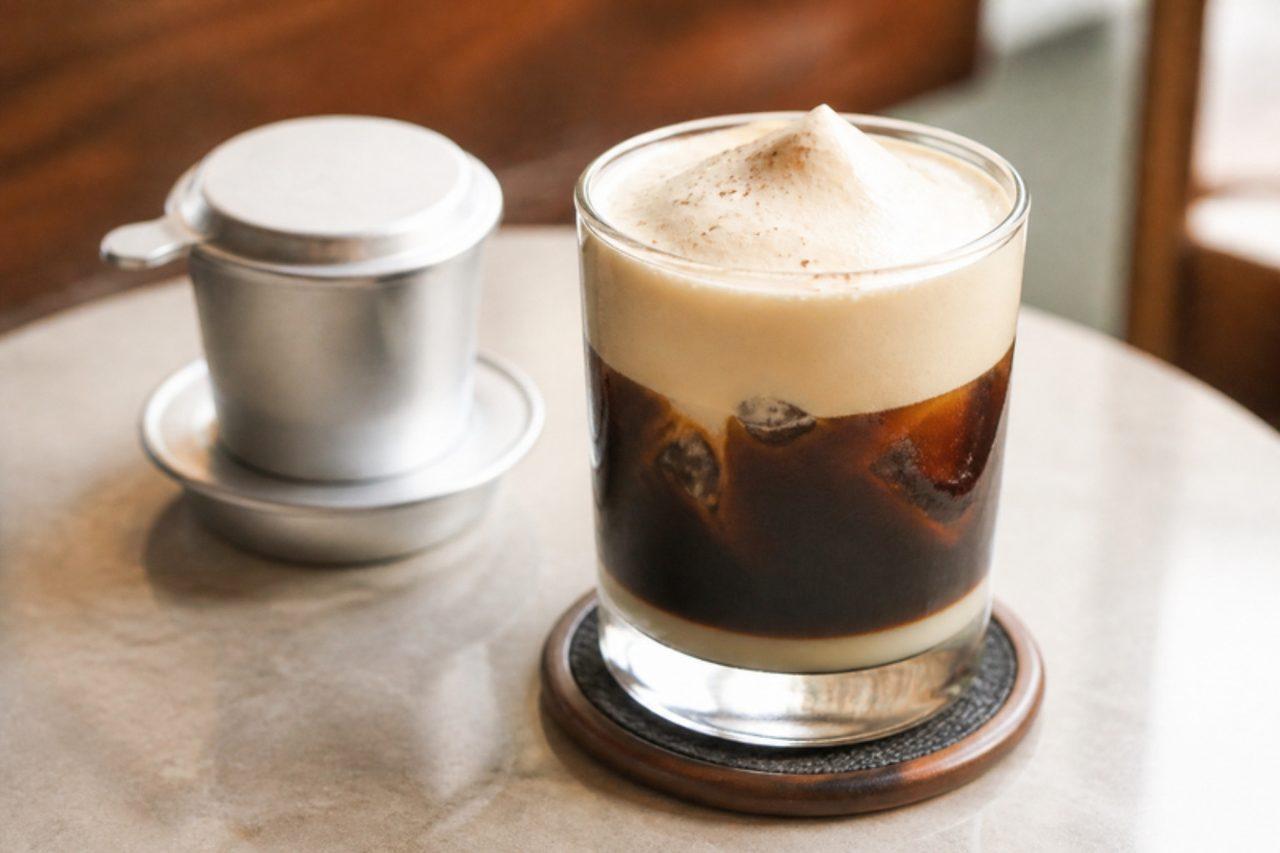
Cà phê muốiSalt coffee

A family café in Huế's citadel quarter began topping its coffee with salted cream, and now cà phê muối is served across central Vietnam and in trendy cafés in Saigon and Hanoi. Sip it without stirring: first the cool, faintly salty cream, then sweet condensed milk and strong phin coffee, the salt rounding off the bitterness much like a pinch in caramel. It is good hot or poured over ice. Chef's tip: use only a small pinch of salt per glass; too much and the drink tastes like seawater rather than salted caramel.

by KrazyBadal 0 views

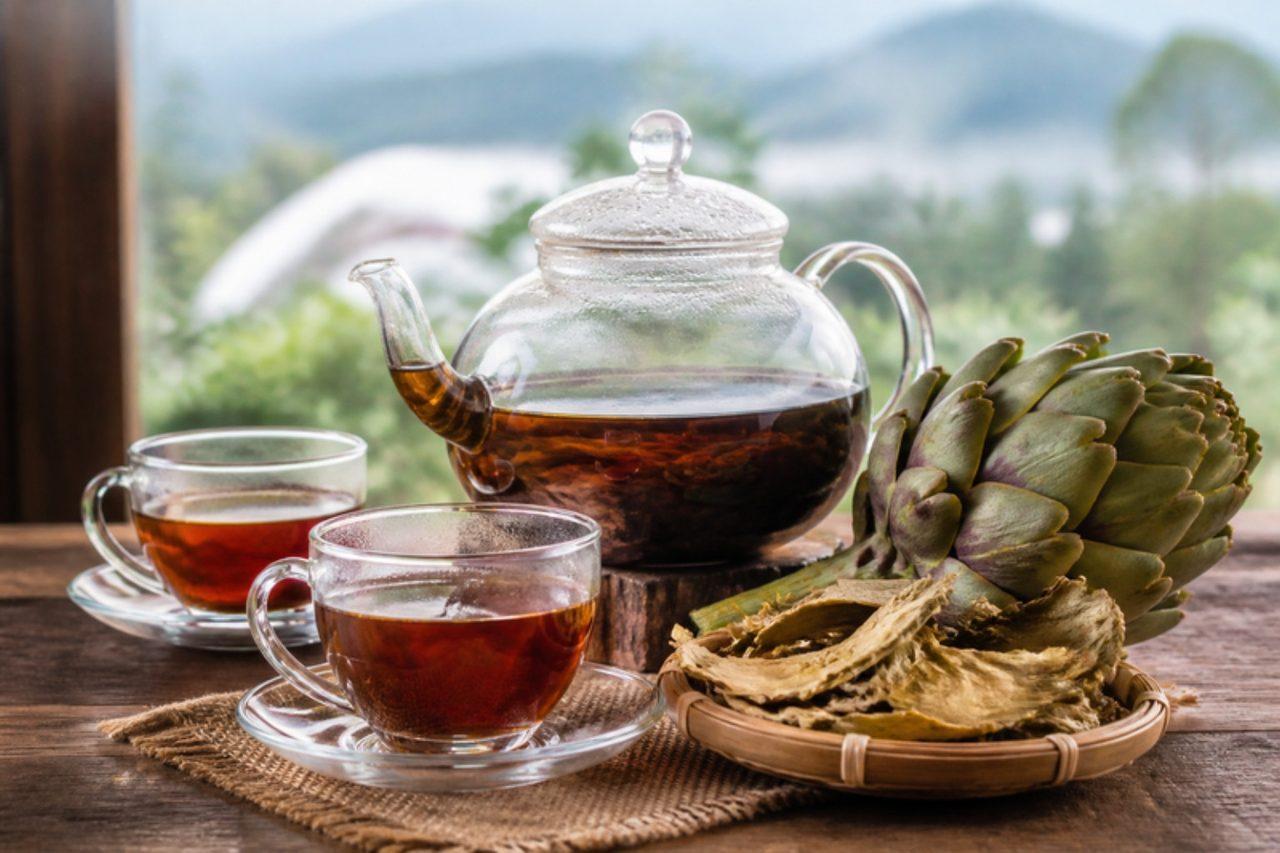
Trà atisôArtichoke tea

Artichokes arrived in the cool Đà Lạt highlands with French planters, and today the town's markets sell dried artichoke leaves, stems and flower buds for tea along with fresh heads for soup. Local cafés serve it hot on misty mornings and iced in the afternoon, slightly sweet, earthy and pleasantly bitter, and many Vietnamese drink it as a gentle tonic after rich meals. This version brews fresh globe artichokes with their stems; a 30 g bag of dried trà atisô works the same way. Chef's tip: skip the aluminium pan; artichokes react with it and the tea turns grey and metallic.

by KrazyBadal 0 views

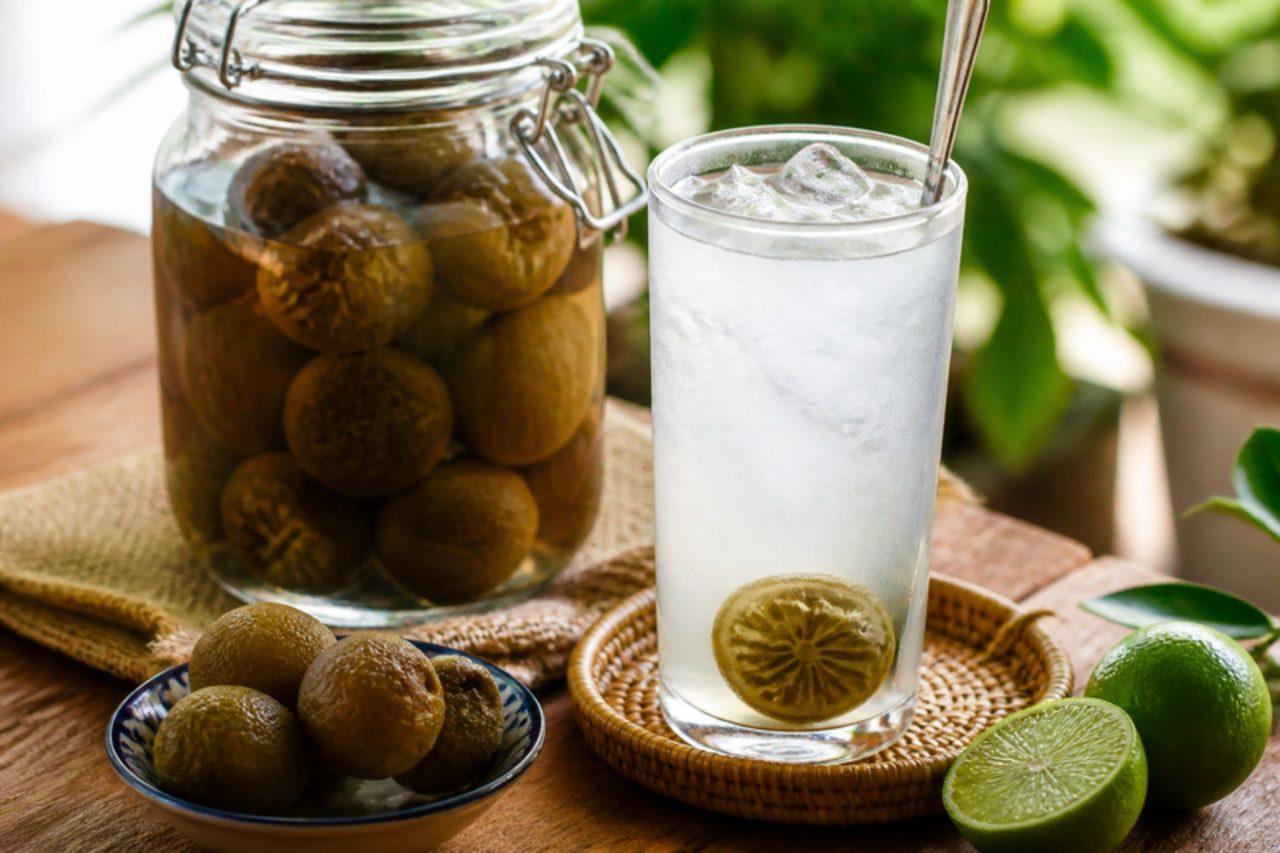
Chanh muốiSalted lime drink

Vietnamese households keep a jar of chanh muối, limes cured in salt until they turn soft and olive-brown, on a sunny shelf for months; on a sweltering day a lime or two is muddled with sugar and topped up with ice water or soda water. The drink is salty, sour and sweet all at once, and grandmothers swear by it for sore throats and after a bout of sun. This recipe makes the jar of cured limes (allow four weeks before the first glass) and then the drink itself. Chef's tip: dry the limes completely after blanching; any water left on the skins lets mould take hold in the jar.

by KrazyBadal 0 views

Nước rau máPennywort juice

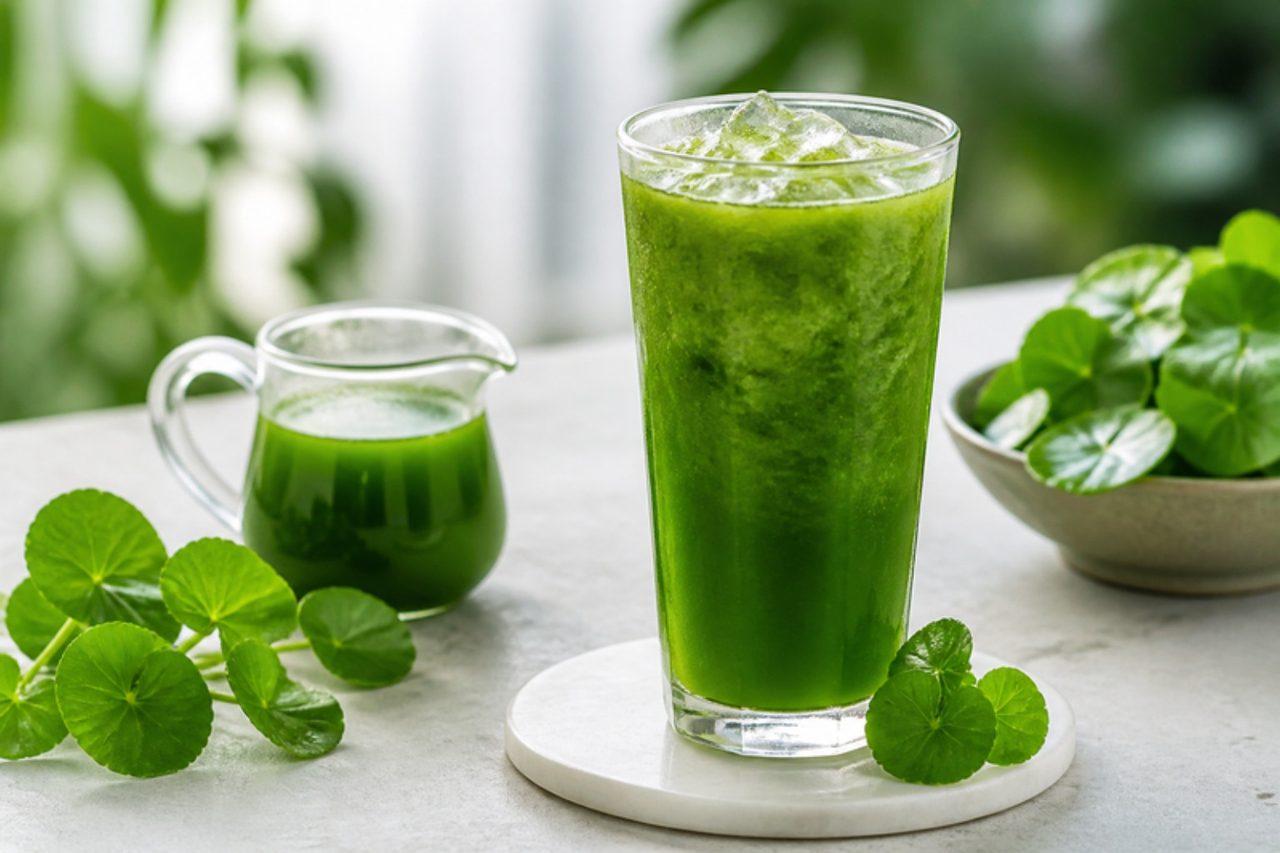
Saigon street carts blend nước rau má to order through the hottest part of the afternoon, pouring the bright green juice into plastic cups over crushed ice for office workers and students. Pennywort (rau má) tastes fresh, grassy and very slightly bitter, and southerners drink it to 'cool the body' in the dry season; some stalls blend in cooked mung beans or a splash of coconut milk to make it richer. Look for bunches of rau má in Vietnamese and South Asian grocers, where it is also sold as gotu kola. Chef's tip: strain twice through a fine cloth and drink it within the hour; left standing, it separates and darkens to a dull khaki.

by KrazyBadal 0 views

Sauce béarnaiseTarragon butter sauce

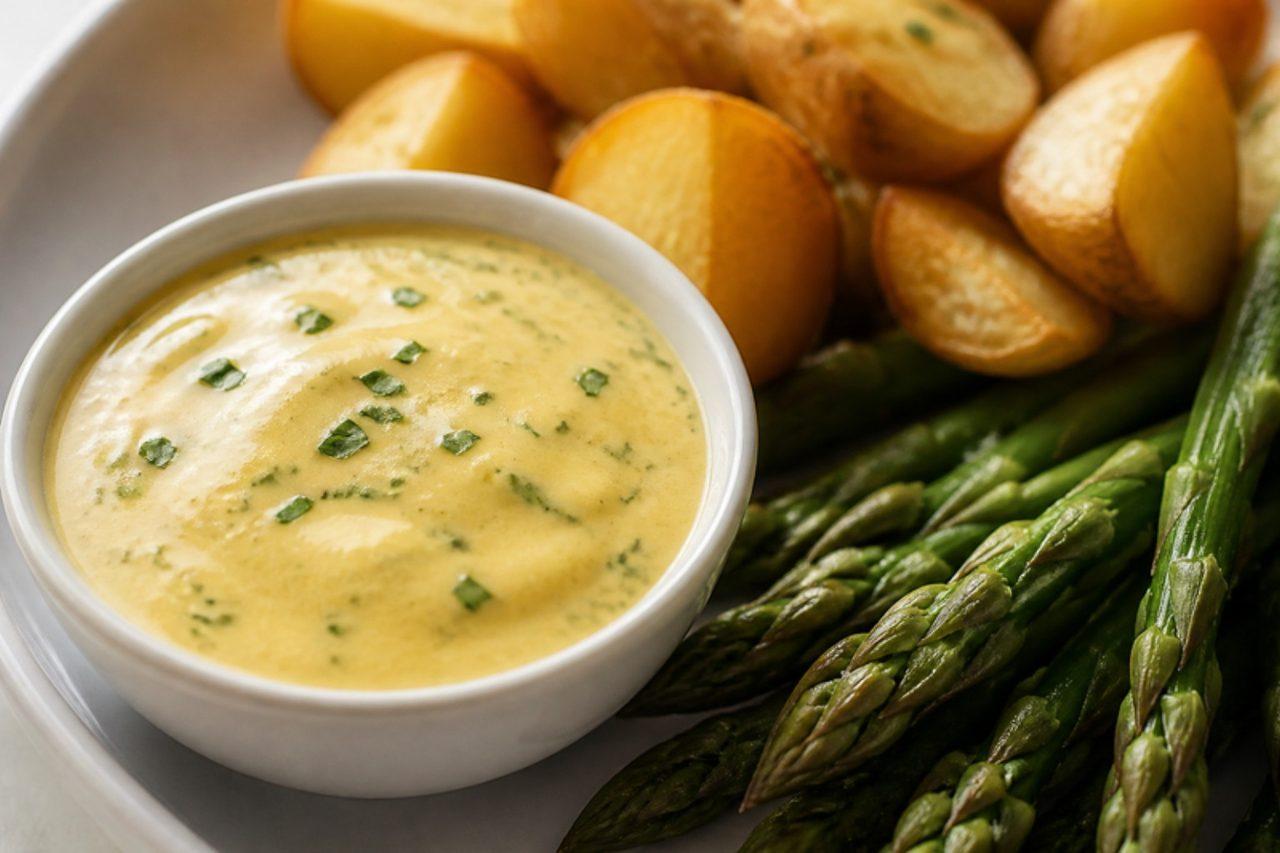
Sauce béarnaise was created in the 1830s at a restaurant in Saint-Germain-en-Laye near Paris and named after the Béarn region, home of King Henri IV, and it is still the sauce French families serve with steak and frites on special evenings. Egg yolks are whisked over gentle heat with a sharp reduction of vinegar, shallot and tarragon, then thickened with warm butter into a glossy, tangy sauce. The yolks are only lightly cooked, so use pasteurised egg yolks if serving anyone pregnant, very young, elderly or with a weakened immune system. The common mistake is too much heat, which scrambles the yolks. Chef's tip: if the sauce starts to look grainy, whisk in a teaspoon of cold water off the heat at once.

by KrazyBadal 0 views

Sauce viergeRaw tomato and olive oil sauce

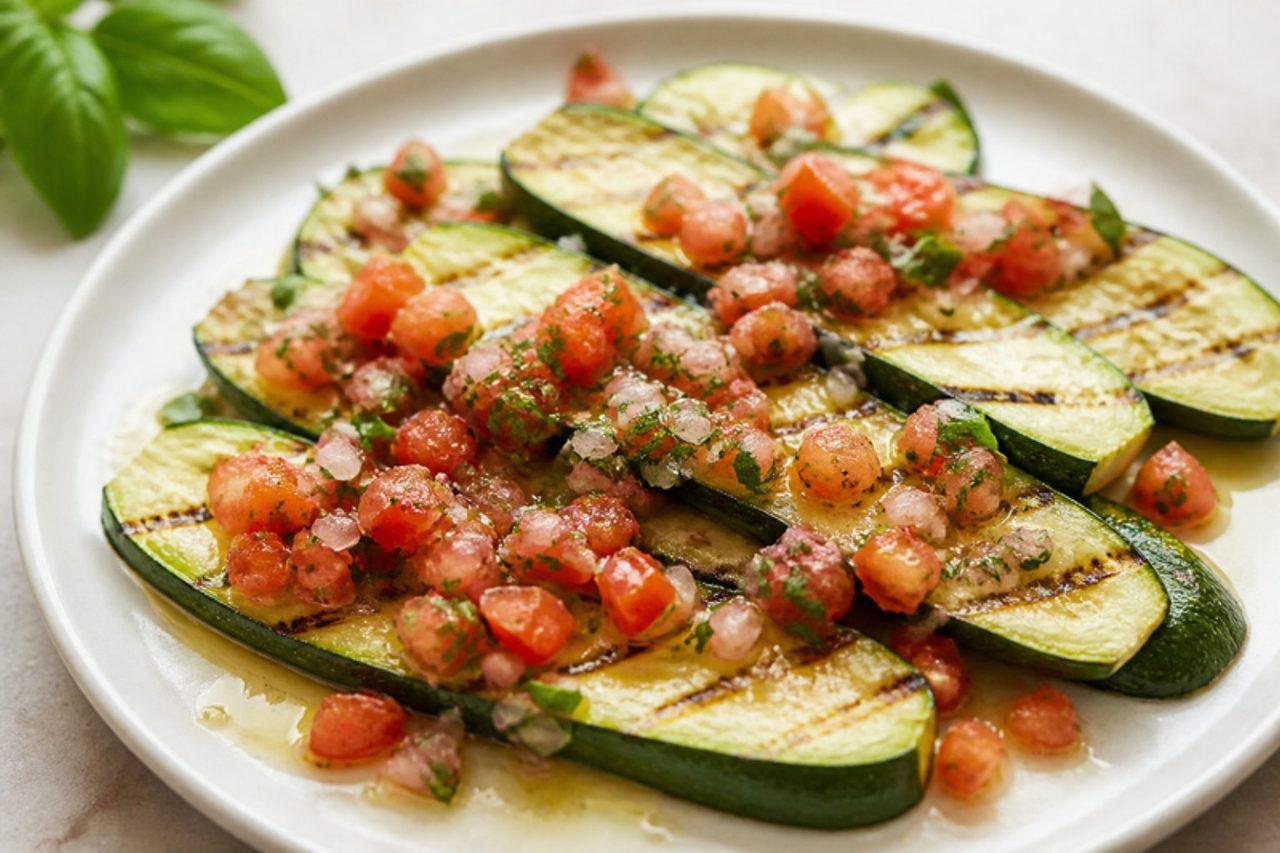
Sauce vierge is the fresh summer sauce of Provence, made popular by chefs on the Côte d'Azur in the 1980s and now spooned over grilled fish, vegetables and pasta in homes from July to September. Diced ripe tomato, shallot and basil are gently warmed in good olive oil with lemon and coriander seed, just enough to release the flavours without cooking them. The common mistake is heating it too much, which turns it into a cooked tomato sauce. Chef's tip: use the ripest tomatoes you can find and leave the sauce to infuse for 20 minutes before serving.

by KrazyBadal 0 views

Crème de marronsSweet chestnut spread

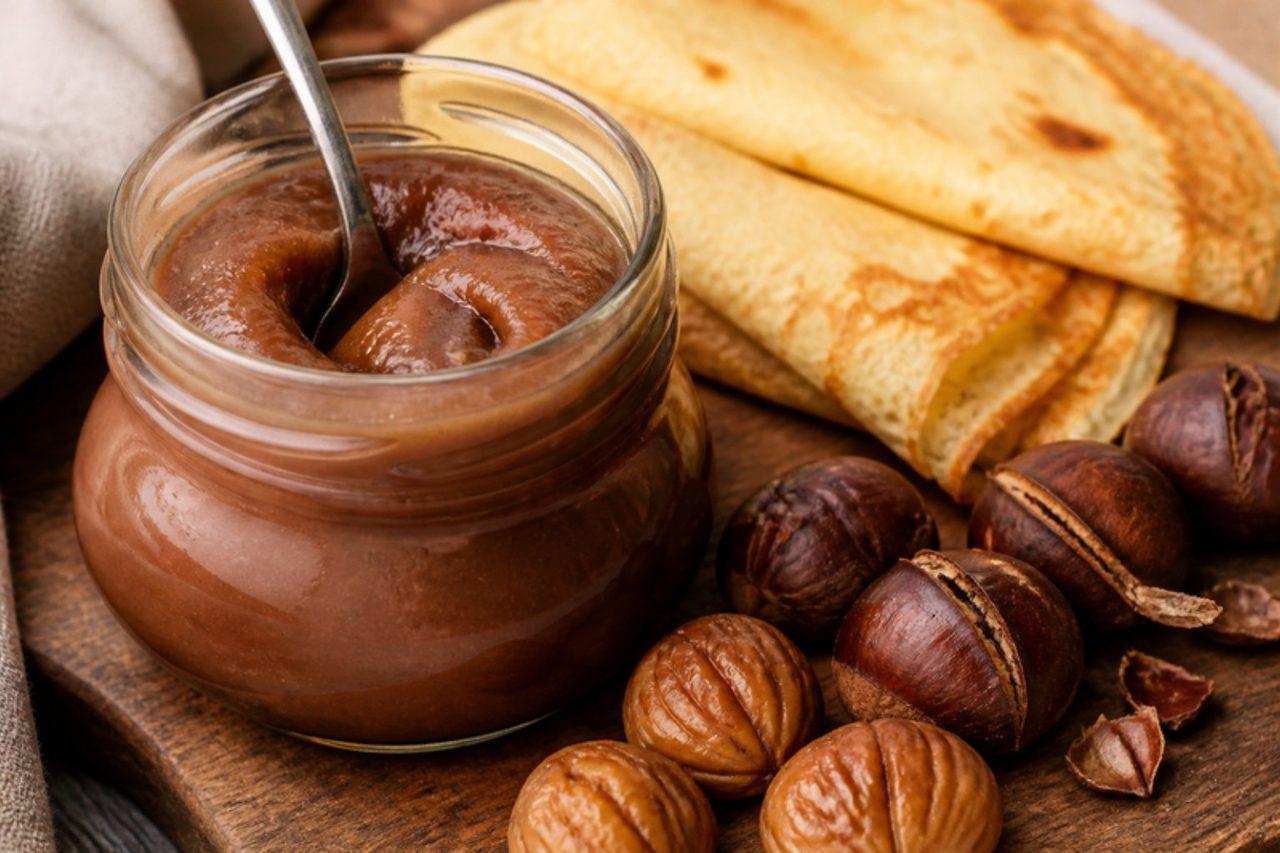
Crème de marrons, sweet chestnut cream, was invented in Privas in the Ardèche in the 1880s to use up broken chestnuts from making marrons glacés, and it is now a French store-cupboard classic: spread on crêpes at Candlemas, stirred into fromage blanc, or piled into a Mont Blanc dessert. This home version uses cooked, peeled chestnuts. The common mistake is not blending it smooth enough. Chef's tip: blend while still warm, and push it through a sieve for a silky finish.

by KrazyBadal 0 views

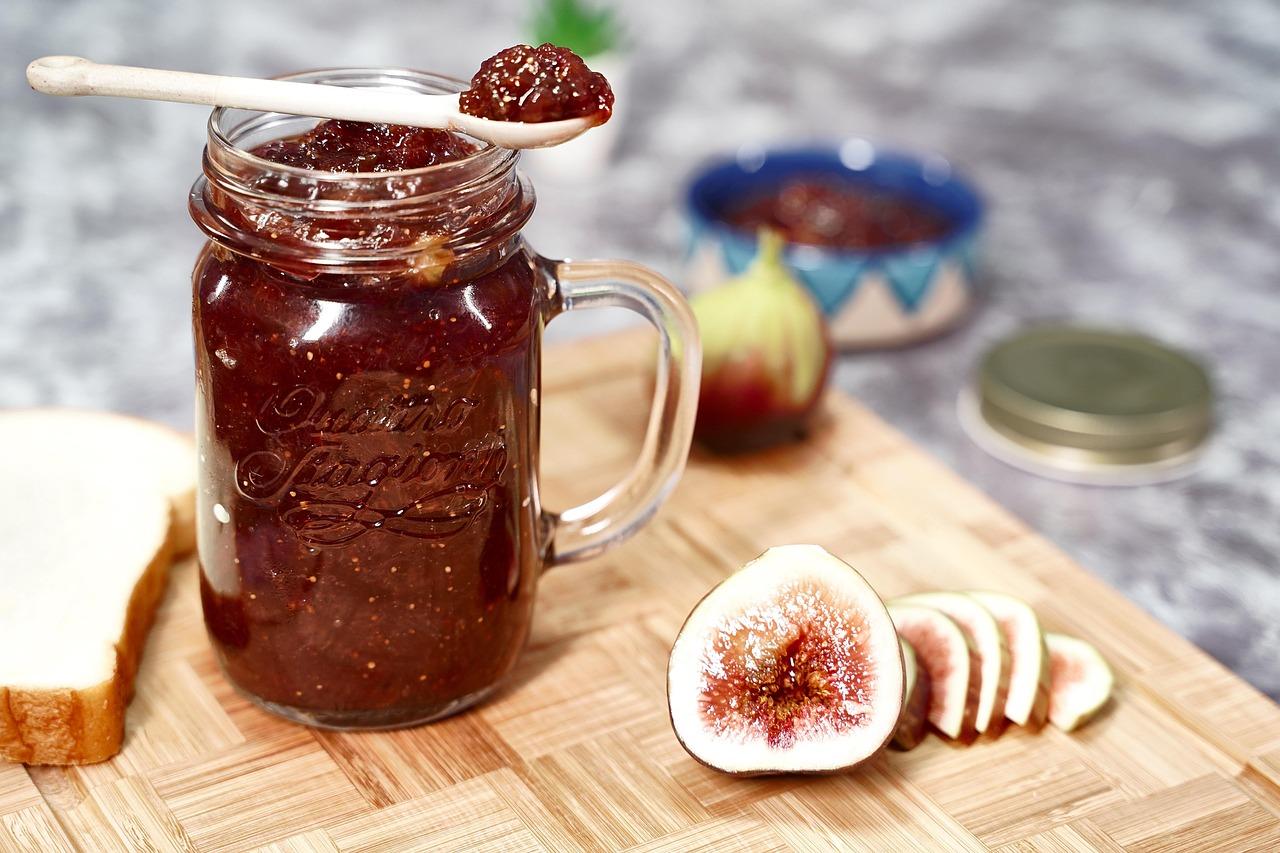
Confiture de figuesFig jam

Fig jam is made in late summer in Provence and the south-west, when the trees are heavy with violet figs, and it is served with breakfast and, very often, with cheese, especially goat's cheese and ewe's cheese from the Pyrenees. The figs are cooked with lemon and vanilla until thick and glossy. The common mistake is undercooking it, so it stays runny. Chef's tip: figs are low in pectin, so add a grated apple or use jam sugar.

by KrazyBadal 0 views

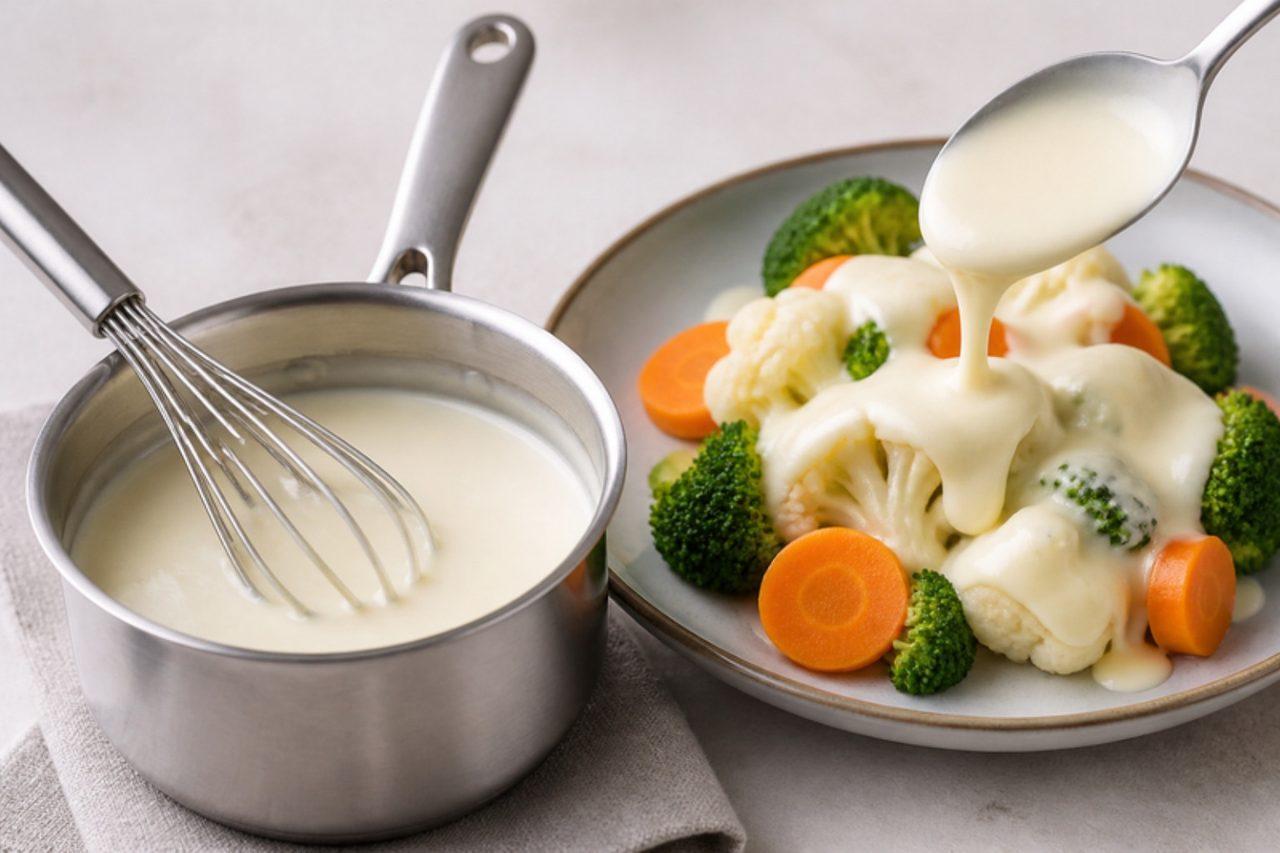
Sauce veloutéLight stock white sauce

Velouté is one of the five mother sauces of classic French cooking, taught in every cookery school from Paris to Lyon and used as the base for dozens of sauces for vegetables, eggs, chicken and fish. A blond roux of butter and flour is cooked without browning, then whisked into hot light stock and simmered until silky. This version uses vegetable stock so it is vegetarian; for the classic, use chicken, veal or fish stock to match the dish. The common mistake is not simmering long enough, which leaves the sauce tasting of raw flour. Chef's tip: add the hot stock to a warm roux gradually, whisking hard, and you will never get lumps.

by KrazyBadal 0 views

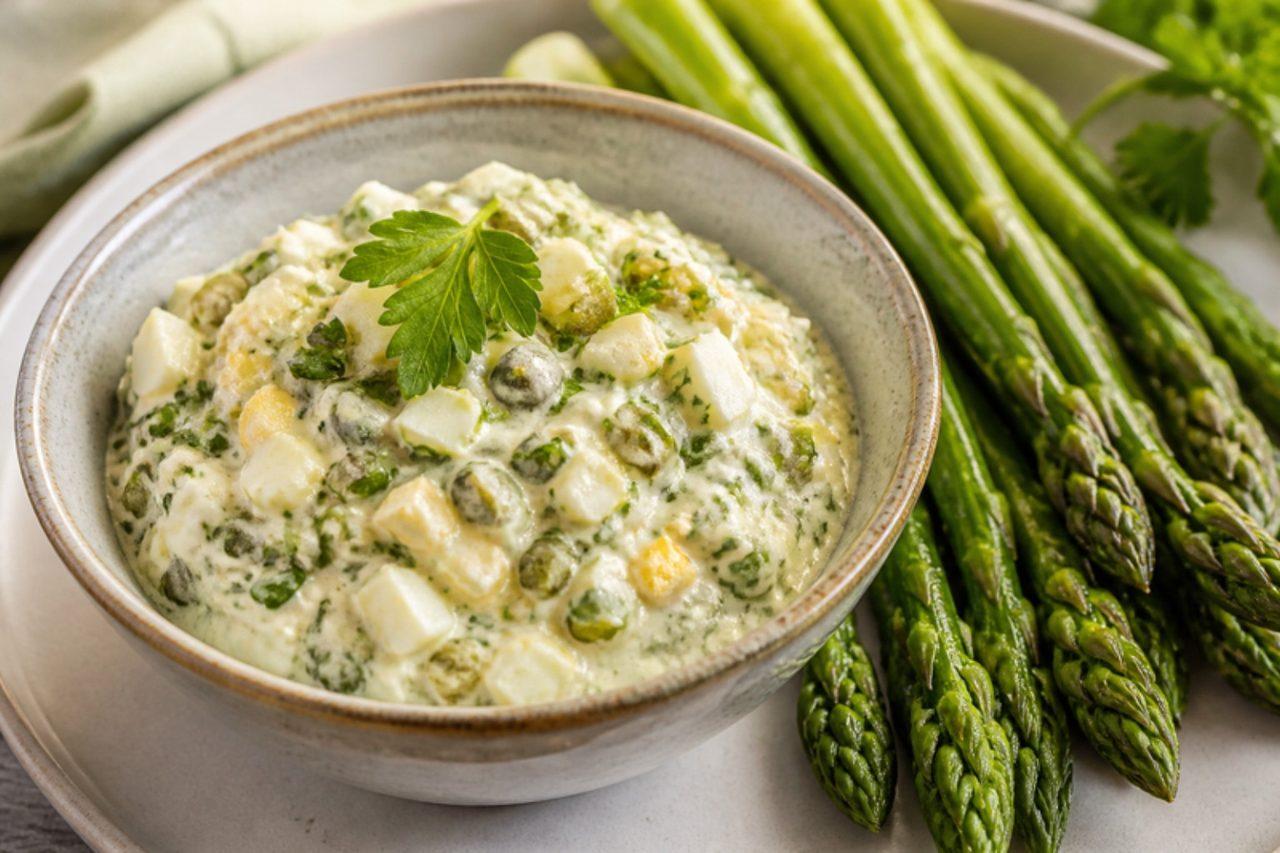
Sauce gribicheEgg and caper sauce

Sauce gribiche is a cold sauce from classic French home cooking, made with hard-boiled egg yolks instead of raw ones, so it is safe for everyone. The mashed yolks are whisked with mustard and oil like a mayonnaise, then mixed with chopped egg white, capers, gherkins and herbs. It is served with poached leeks, asparagus, cold potatoes and fish, and traditionally with cold meats in Paris bistros. The common mistake is overcooking the eggs, which gives grey, chalky yolks. Chef's tip: mash the yolks while still slightly warm; they blend into a smooth base much more easily.

by KrazyBadal 0 views

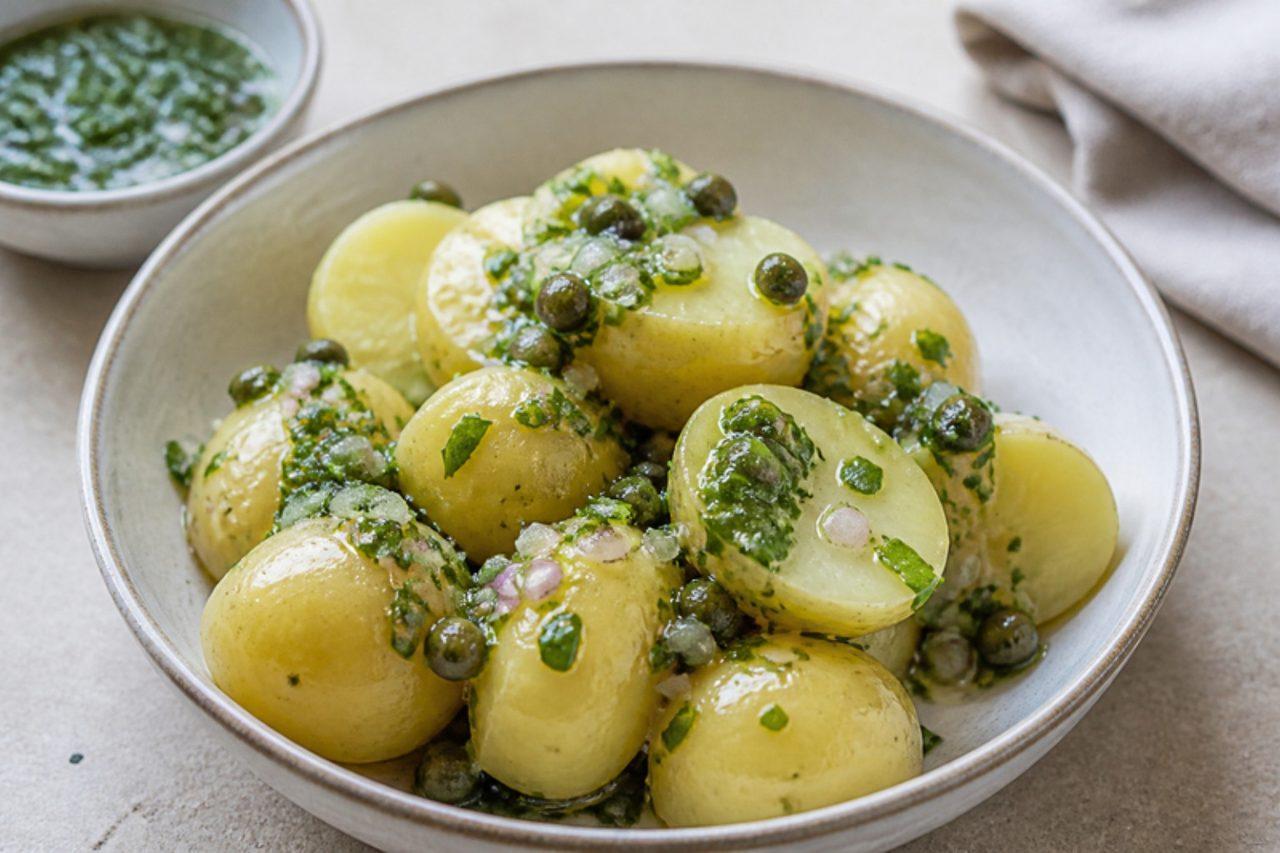
Sauce ravigoteHerb and caper vinaigrette

Ravigote, from the French for "to revive", is a sharp, herby vinaigrette from the old Paris bistro kitchen, spooned over warm potatoes, poached leeks, beans and boiled meats to wake them up. Shallots, capers, gherkins and a whole handful of chopped herbs are stirred into a mustard vinaigrette until it is more herb than oil. The common mistake is chopping the herbs too early, so they bruise and darken. Chef's tip: let the chopped shallot sit in the vinegar for 10 minutes first; it softens its raw bite.

by KrazyBadal 0 views

Beurre maître d'hôtelParsley and lemon butter

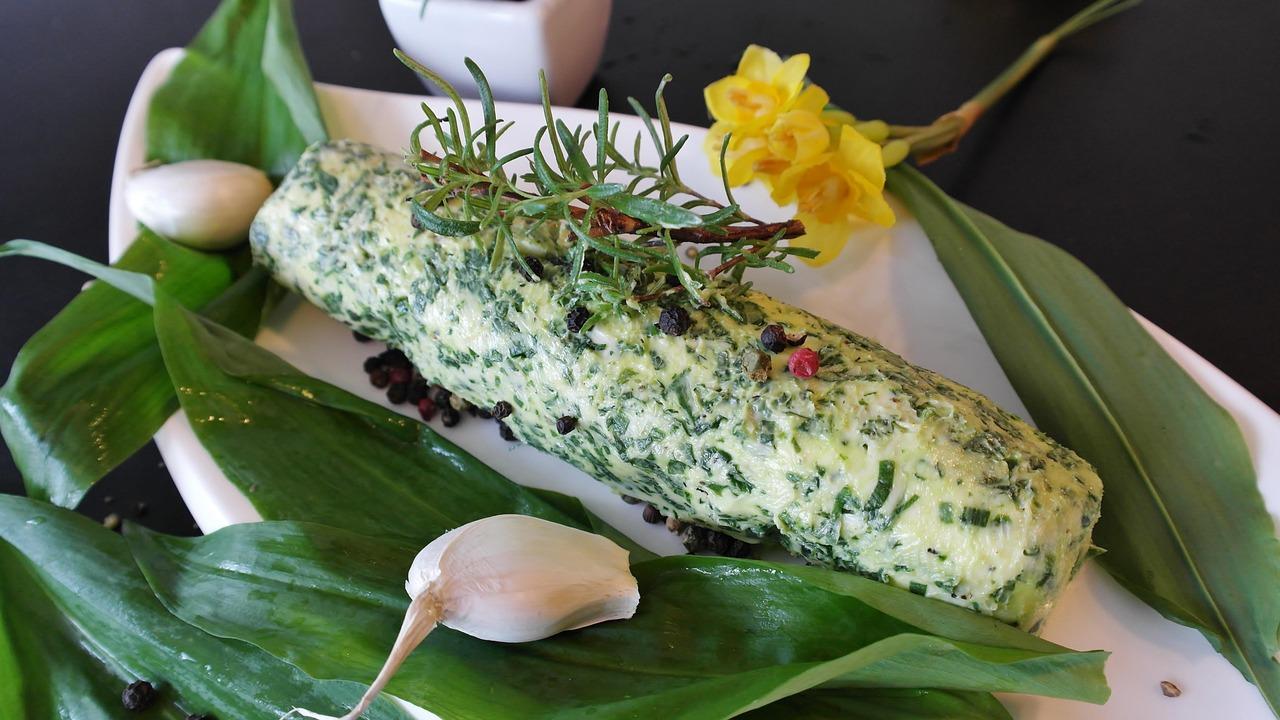
Beurre maître d'hôtel is the simplest of the French flavoured butters, a roll of soft butter beaten with parsley and lemon that every bistro keeps in the fridge to slice on to steak frites, grilled fish and baked potatoes, where it melts into a fresh, green sauce. It takes ten minutes and freezes beautifully. The common mistake is using butter straight from the fridge, which will not take the lemon juice and turns lumpy. Chef's tip: roll it into a log in baking paper, chill and slice coins as you need them; it keeps a month in the freezer.

by KrazyBadal 0 views

Crème pâtissièrePastry cream

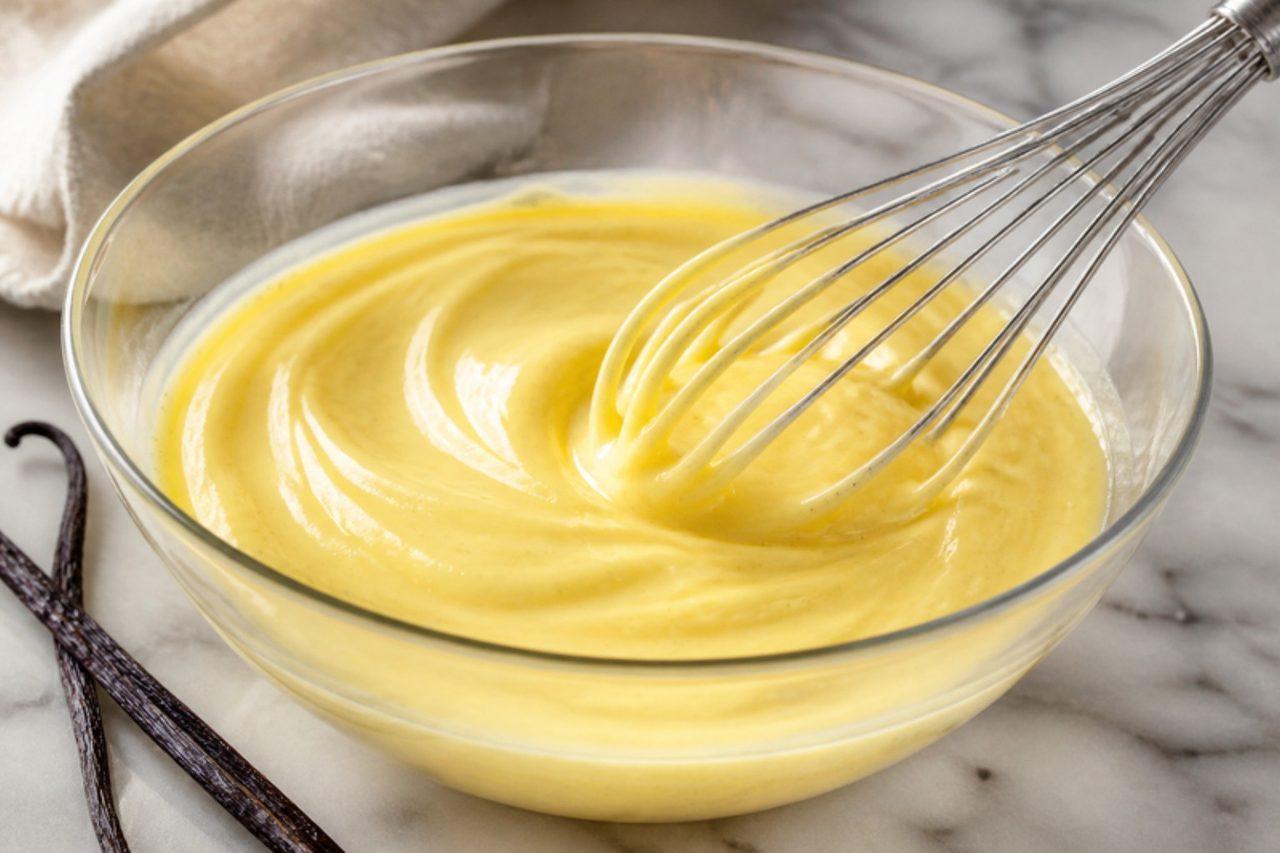
Crème pâtissière is the vanilla pastry cream of every French bakery, piped into éclairs and choux, spread under strawberries in fruit tarts and swirled through pains aux raisins. Milk infused with vanilla is whisked into egg yolks, sugar and cornflour, then boiled until thick and glossy and chilled. The common mistake is stopping before it boils, so it stays floury and runny; it must bubble for a full minute. Chef's tip: press cling film right on the surface as it cools to stop a skin forming.

by KrazyBadal 0 views

Pâte feuilletéePuff pastry

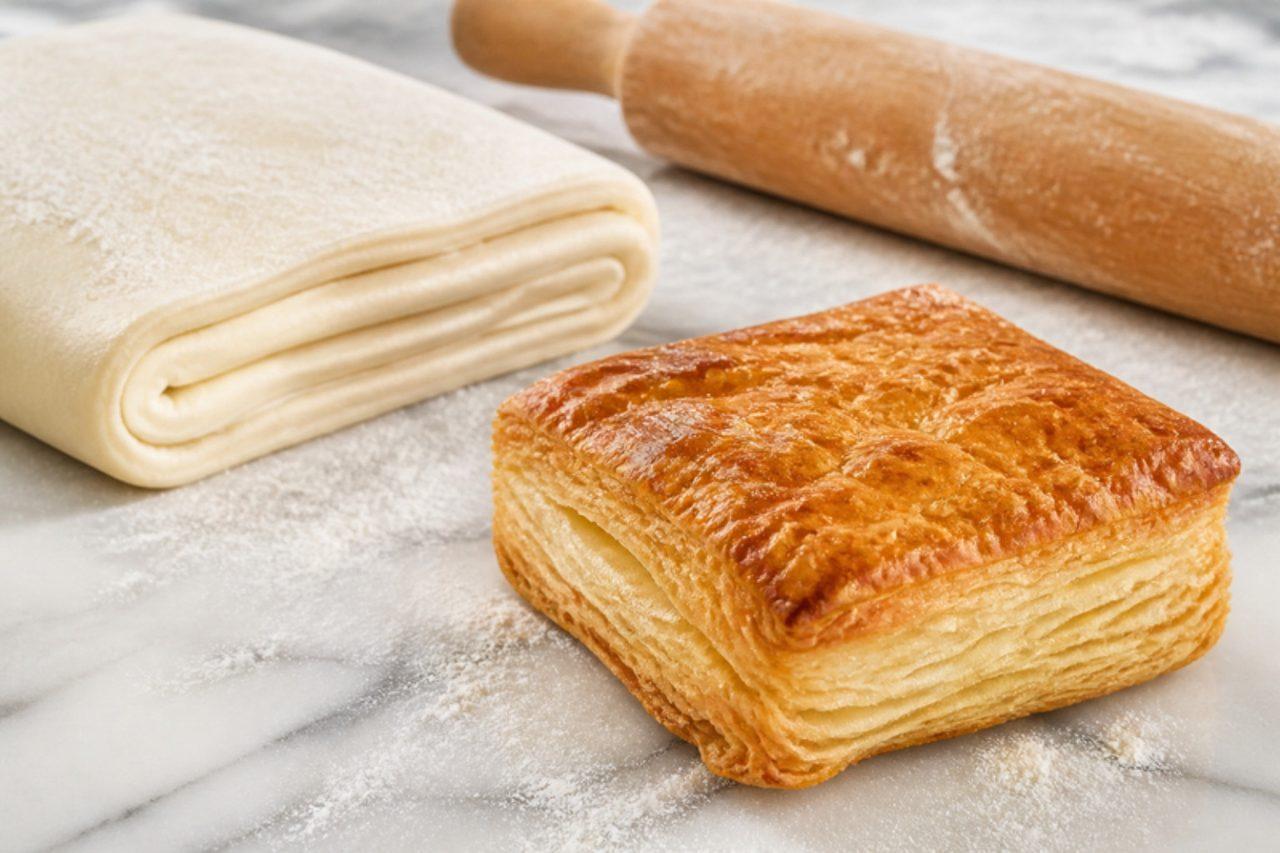
Pâte feuilletée is the queen of French pastries, the flaky dough behind galettes des rois, mille-feuilles, vol-au-vents and palmiers, still made by hand in pâtisseries all over France. A simple dough is wrapped around a flat block of cold butter, then rolled and folded six times, so that in the oven the water in the butter turns to steam and lifts hundreds of layers. It takes time rather than skill. The common mistake is letting the butter get warm and soft, which smears the layers together. Chef's tip: chill the dough for 30 minutes after every two turns, and work in a cool kitchen.

300 minFrenchBasics
by KrazyBadal 0 views

Confiture de cerises noiresBlack cherry jam

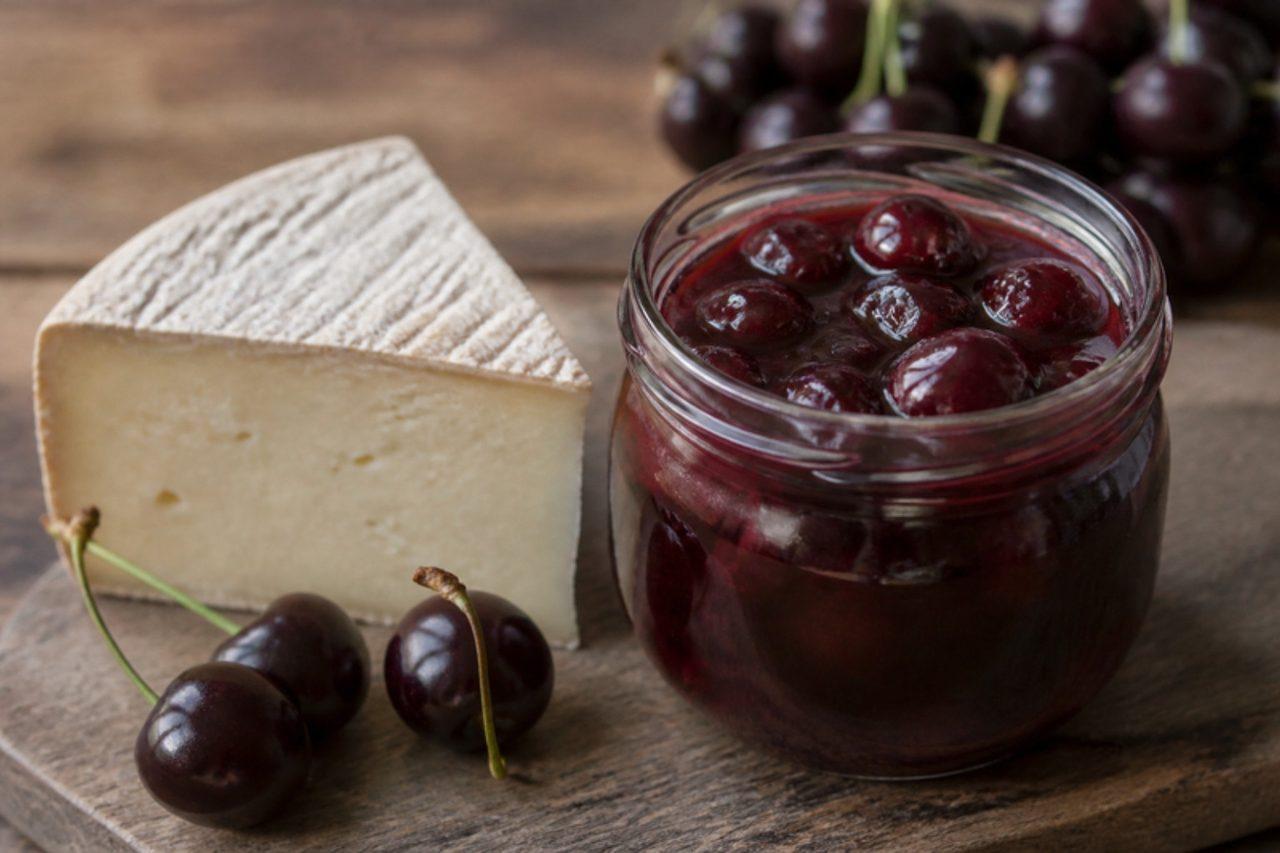
Black cherry jam is the pride of the Basque country, made in June with the black cherries of Itxassou, where the village holds a cherry festival every year, and it is served with a slice of ewe's-milk cheese (Ossau-Iraty) after a meal, or used to fill the gâteau basque. The cherries are stoned and cooked until the jam is dark and glossy. The common mistake is leaving in stones; count them out. Chef's tip: wear an apron and stone the cherries over a bowl to catch the juice.

by KrazyBadal 0 views

Sauce espagnoleBrown sauce

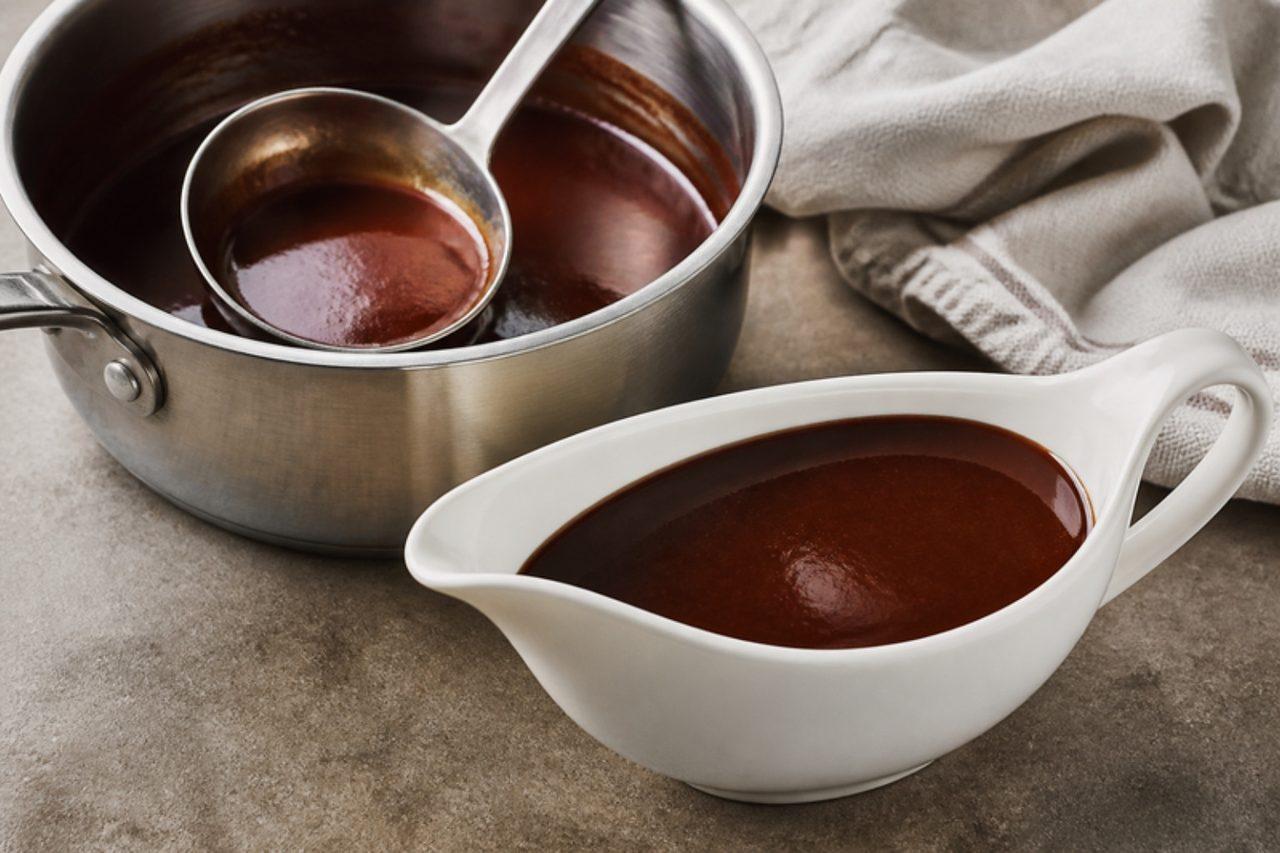
Sauce espagnole is the brown mother sauce of classic French cookery, the base of demi-glace and of the rich sauces served with steaks and roasts in grand restaurants since the 19th century. A dark roux of butter and flour is cooked with browned vegetables and tomato, then simmered for hours with brown beef or veal stock until deep, glossy and full of flavour. This version uses beef or veal stock and no wine. The common mistake is burning the roux; it should be the colour of milk chocolate, not black. Chef's tip: skim the sauce every 20 minutes as it simmers; the fat and impurities rise and it turns clear and shiny.

230 minFrenchBasics
by KrazyBadal 0 views

Gelée de groseillesRedcurrant jelly

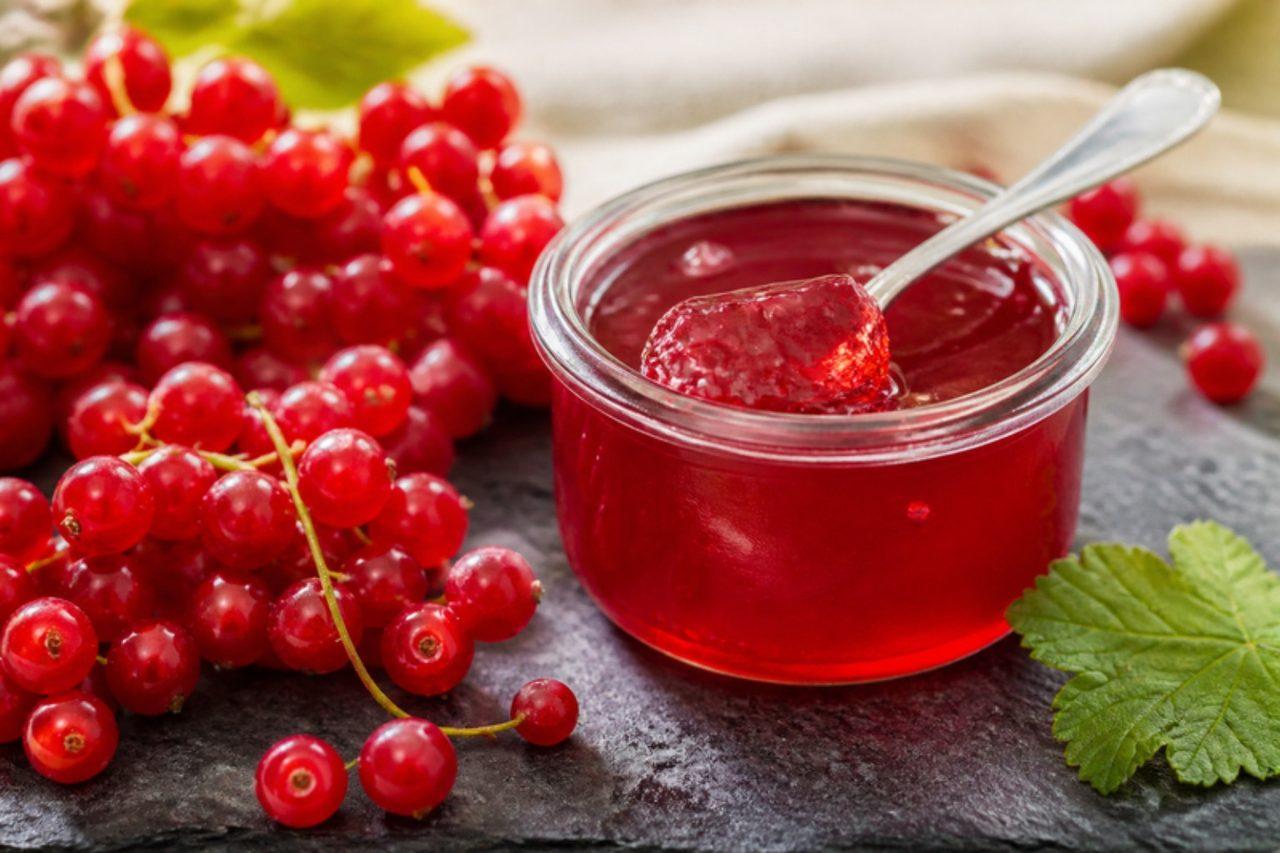
Redcurrant jelly is a summer preserve of eastern France, and in Bar-le-Duc in Lorraine the currants are still seeded by hand with a goose quill for the famous whole-berry jam; at home, the jelly is simply strained to a clear, ruby set, spread on bread and used to glaze fruit tarts. Redcurrants are full of pectin, so it sets easily. The common mistake is squeezing the jelly bag, which makes it cloudy. Chef's tip: let the juice drip on its own, overnight if you can.

by KrazyBadal 0 views

Confiture de fraisesStrawberry jam

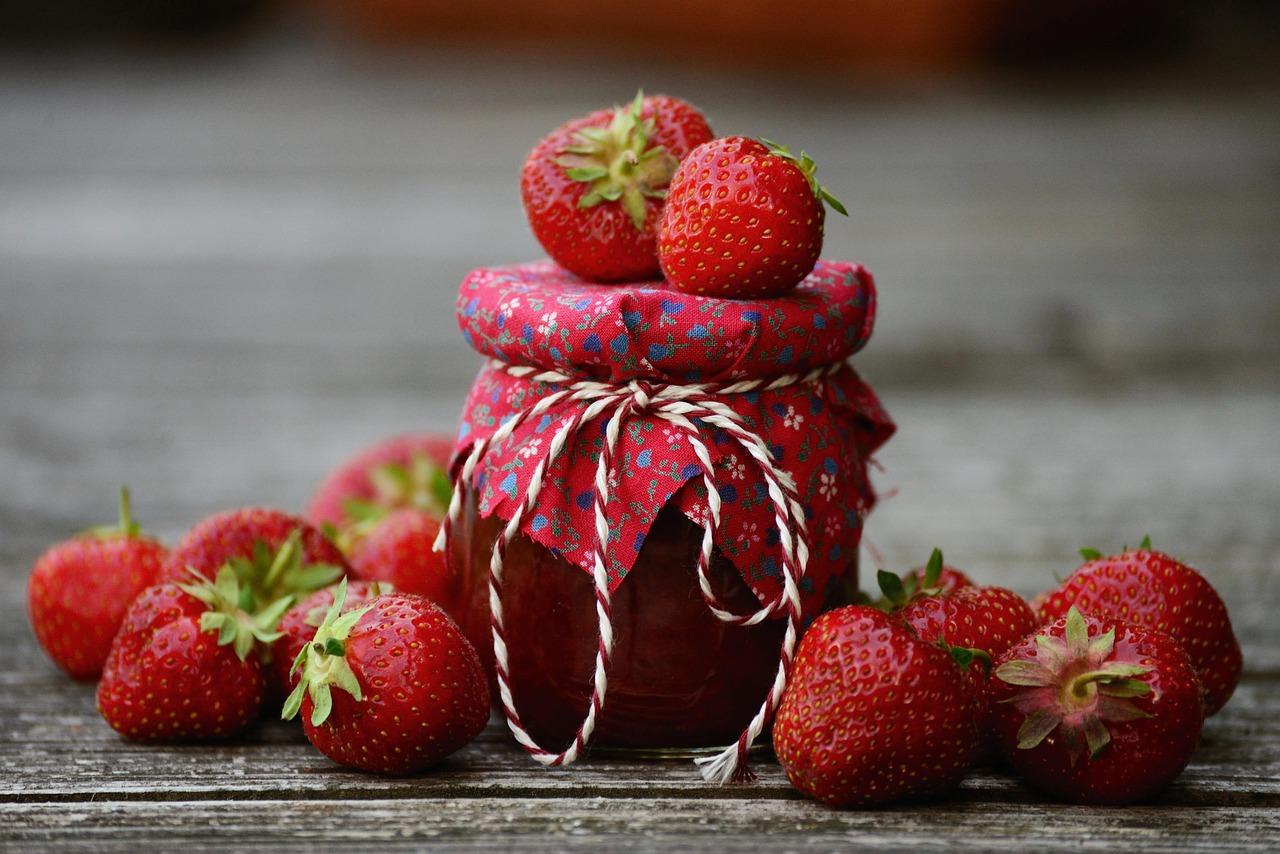
Strawberry jam is the jam of French breakfasts, spread on buttered baguette or tartines and stirred into fromage blanc, and families make it in early summer when the Plougastel and Carpentras strawberries are cheap at the market. Macerating the fruit overnight in sugar keeps the berries whole. The common mistake is cooking too long, which darkens it and loses the fresh taste. Chef's tip: test for a set on a cold saucer; when you push it with a finger, it should wrinkle.

by KrazyBadal 0 views

Confiture d'abricotsApricot jam

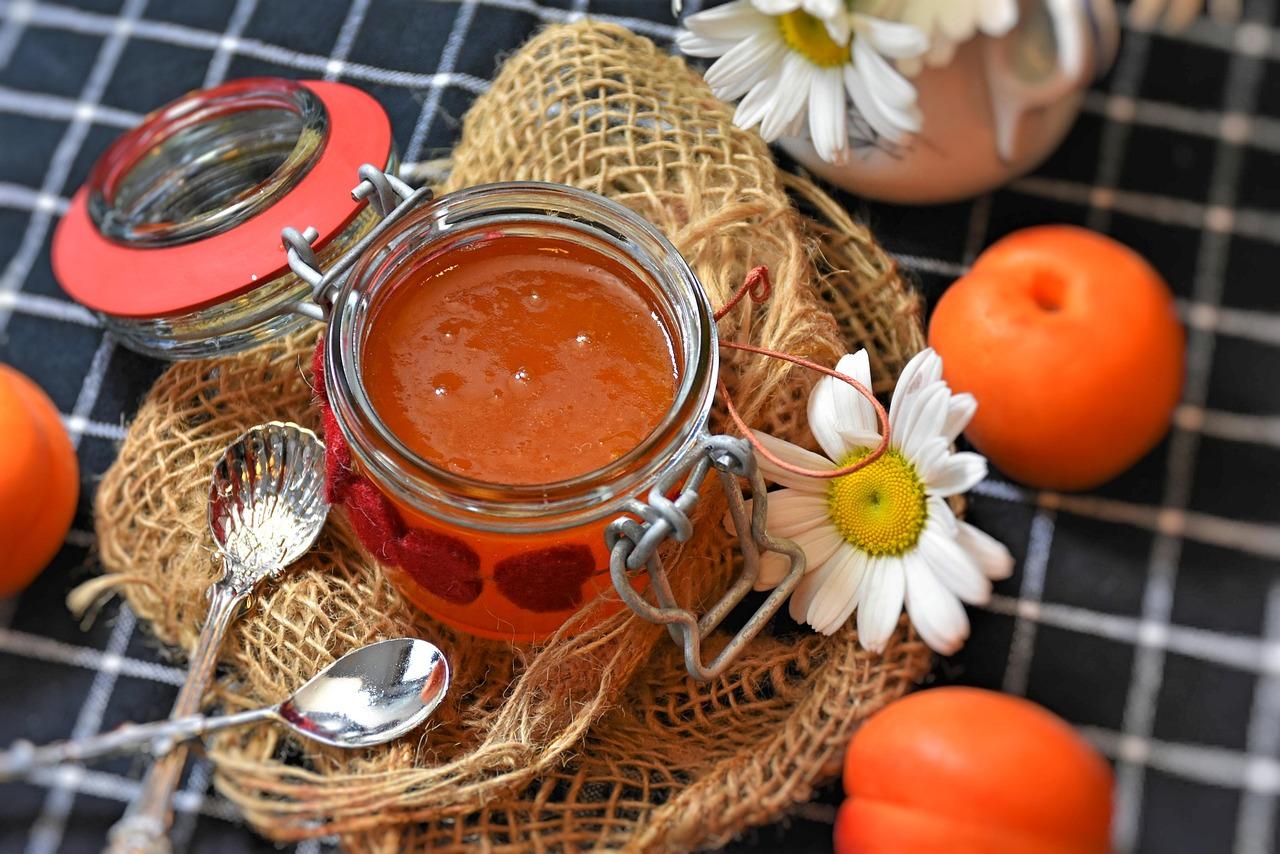
Apricot jam is the most loved jam in France, made in July with the apricots of the Roussillon and the Rhône valley and used for breakfast, for glazing fruit tarts and for filling croissants. Halved apricots are macerated with sugar, then boiled quickly so they keep their bright orange colour. The common mistake is stirring too hard, which breaks up the fruit. Chef's tip: add a few drops of almond extract at the end for the taste of the kernels; do not add the kernels themselves, which are not safe to eat in quantity.

by KrazyBadal 0 views

Crème chantillySweetened whipped cream

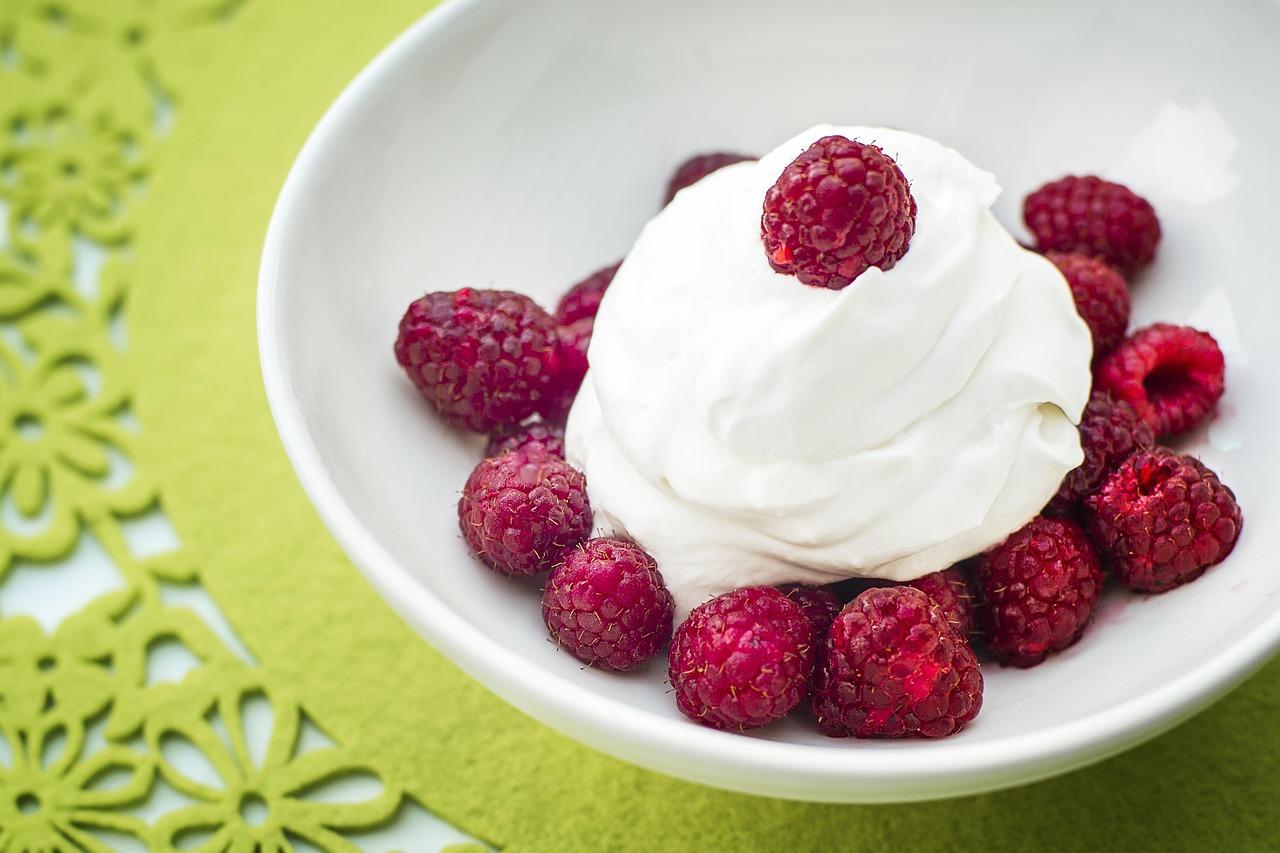
Crème chantilly is named after the Château de Chantilly north of Paris, where the 17th-century steward Vatel is said to have served it, and today it crowns waffles, crêpes, fruit tarts and hot chocolate in cafés across France. Cold cream is whipped with a little icing sugar and vanilla to soft, billowy peaks, light rather than stiff. The common mistake is over-whipping, which turns the cream grainy and then into butter. Chef's tip: chill the bowl and whisk for 15 minutes first, and stop as soon as the cream holds soft peaks that just flop over.

by KrazyBadal 0 views

Pâte à chouxChoux pastry

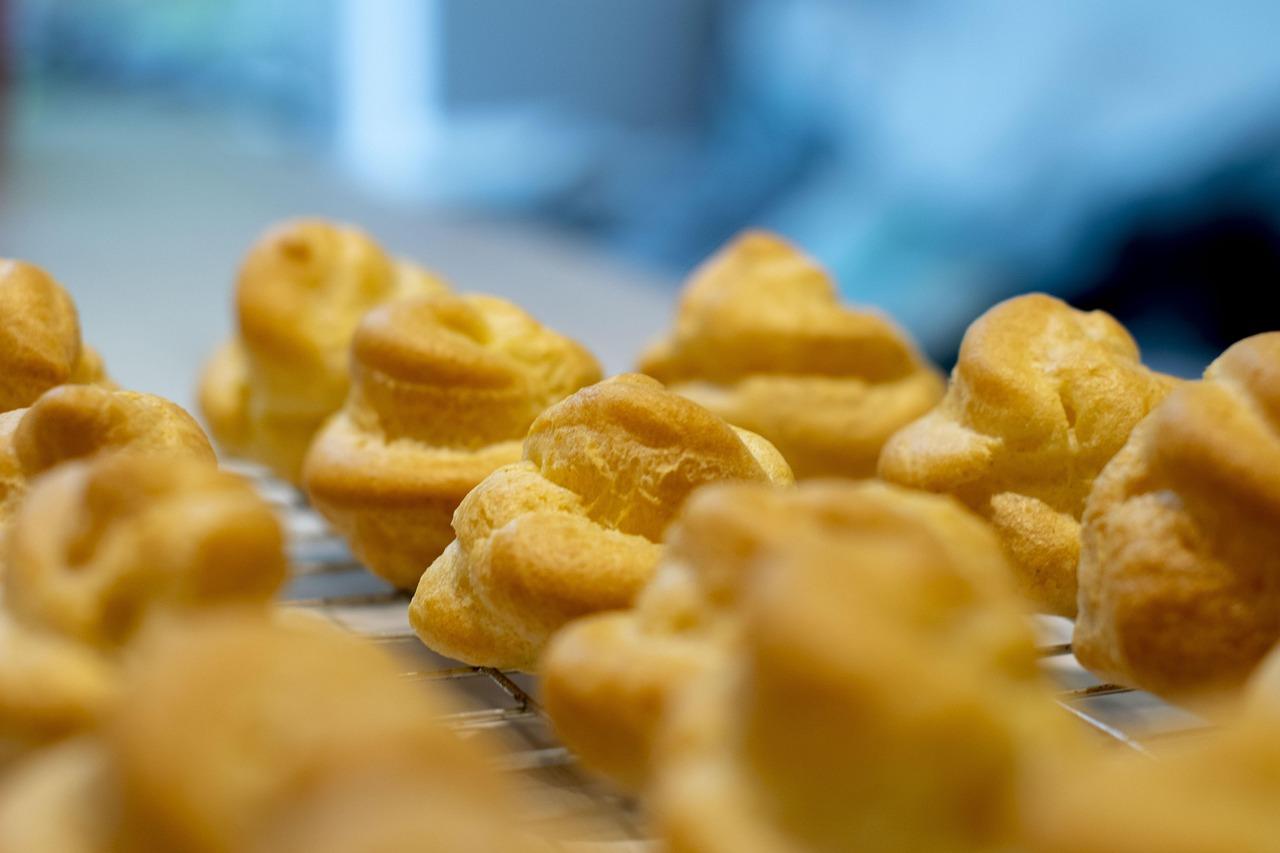
Pâte à choux is the cooked dough at the heart of French pâtisserie, piped into éclairs, profiteroles, religieuses and chouquettes in Paris bakeries, and turned savoury with cheese into gougères in Burgundy. Water, milk and butter are boiled, flour is beaten in, the paste is dried on the heat and eggs are beaten in until glossy; in the oven the water turns to steam and puffs each bun hollow. The common mistake is opening the oven early, which makes the puffs collapse. Chef's tip: add the last egg a little at a time; the paste is ready when it falls from the spoon in a thick V-shaped ribbon.

by KrazyBadal 0 views

Crème d'amandeAlmond cream

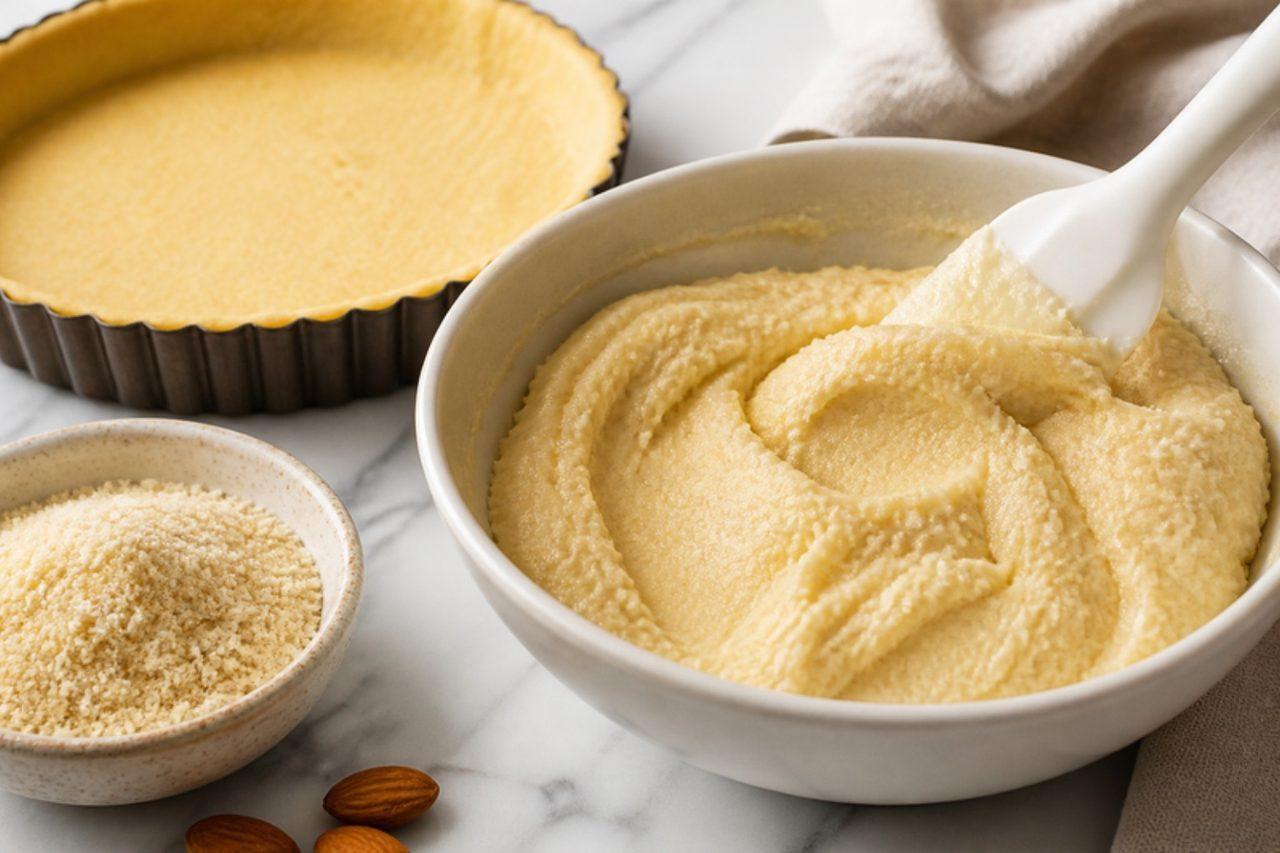
Crème d'amande is the rich almond cream French pastry cooks bake inside the galette des rois at Epiphany, under the pears of a Bourdaloue tart and inside almond croissants. Soft butter, sugar, ground almonds and egg are beaten together into a thick paste that puffs and turns golden and moist in the oven. Mixed with a little pastry cream it becomes frangipane. The common mistake is whisking too much air into it, which makes it rise and then sink in the oven. Chef's tip: use butter that is soft but not melted, and beat with a spatula rather than a whisk.

by KrazyBadal 0 views

Showing 24 of 60 recipes

Show more recipes

Page 1 of 3