Skip to content
Recipes

All recipes

Vegetarian, or something you can't eat? Set your diet once and we'll hide recipes that don't fit.

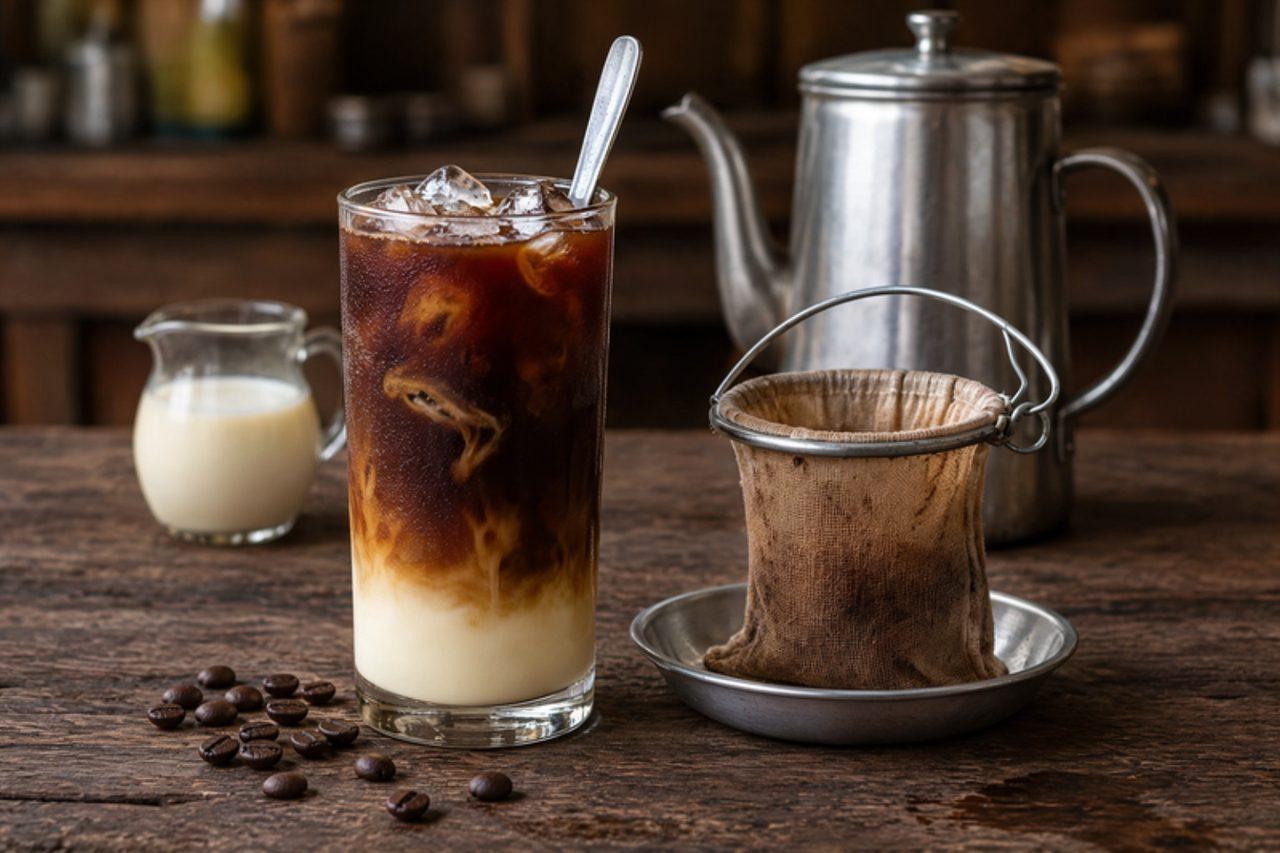
Kafae boran (old-style Thai coffee)

Before espresso bars reached Bangkok, coffee in Thailand meant kafae boran from Hainanese-Chinese shophouses and market carts: a dark robusta roast mixed with toasted grains, poured through a long cotton sock called a tung tom and stirred into thick sweetened condensed milk. Uncles still order it hot at 6 am with patongko dough sticks, and in the afternoon heat the same brew is poured over crushed ice and topped with evaporated milk as oliang or kafae yen. The taste is strong, roasty and slightly smoky, sweet and creamy, with a faint caramel-cereal edge from the grains; the iced version is silky and cold. The common mistake is brewing it like filter coffee with too little grounds: once milk and ice go in, it tastes thin. Use plenty, steep it in the sock and pour it through twice. The brew is ready when it is opaque, nearly black and leaves a brown film on a white spoon. It is high in caffeine, so not one for children or late evenings. Chef's tip: rinse the cloth sock in hot water only, never soap, and keep it in a jar of clean water in the fridge between uses so the coffee oils season it.

10 minThaiDrinksGluten free
by KrazyBadal 0 views

Nam lamyai (longan drink)

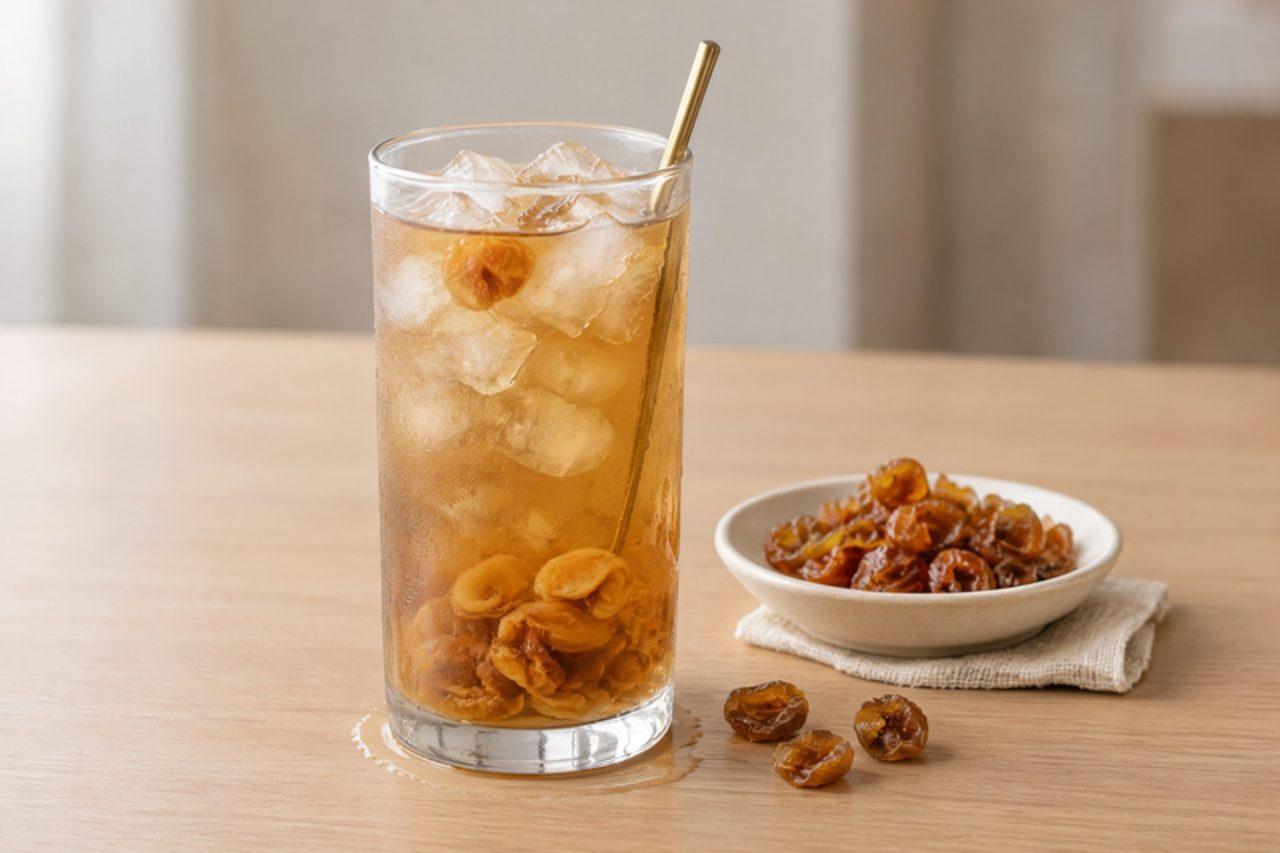
Longan orchards cover the valleys of Chiang Mai and Lamphun, and every August the harvest is smoked and dried in big brick ovens so the fruit lasts all year. That dried lamyai is the base of nam lamyai, sold in plastic bags with a straw at Warorot Market, at roadside stalls on the way to Doi Suthep and in school canteens across the north, especially in the hot season from March to May. It tastes like toffee and smoked honey with a light floral note, and each glass comes with a few plump, chewy longans at the bottom to fish out. The common mistake is boiling the fruit too long with all the sugar at the start: the drink turns syrupy and the longans go mushy. Simmer the fruit first, sweeten at the end and taste before adding everything. It is ready when the liquid is clear amber-brown, the longans have swollen back to roughly their fresh size and the kitchen smells of caramel. It keeps 4 days in a closed jug in the fridge. Chef's tip: a tiny pinch of salt is the street-vendor trick that makes the sweetness taste rounder and brings out the smoky edge.

30 minThaiDrinksVeganGluten free
by KrazyBadal 0 views

Cocido quemadoBurnt sugar mate drink

Cocido is how Paraguay starts the day: in Asunción, in the villages of Guairá and Itapúa, and in school kitchens, a pot of burnt yerba is brewed and poured into cups with chipa, the cheesy cassava bread, or with a hard galleta. The old way is to drop a glowing piece of charcoal into a pot with yerba and sugar and stir until the sugar burns. On a home stove you caramelise them together in a dry pan instead, which is safer and gives the same smoky, toffee-like taste. The drink is clear amber-brown, with roasted, slightly bitter mate notes over burnt-sugar sweetness; with milk added it becomes cocido con leche, creamy and coffee-coloured. Yerba mate contains caffeine, so treat it like a cup of coffee. The common mistake is letting the sugar go black: it turns acrid and bitter. Pull it off the heat when the caramel is deep amber and the yerba smells toasted, not burnt. It is ready when the liquid is a clear dark amber and tastes of toffee and smoke. Chef's tip: the water will spit fiercely when it hits the hot caramel, so pour it in from the side, at arm's length.

by KrazyBadal 0 views

TereréIced yerba mate

In Asunción the hottest part of the day stops for tereré: a horn or cup packed with yerba mate, topped up again and again with ice water infused with crushed herbs, and passed round the group through a metal straw. It was recognised by UNESCO as part of Paraguay's cultural heritage, and the herbs (yuyos) change with the season and the drinker's mood. Yerba mate contains caffeine, so it isn't one for small children. The common mistake is pouring water straight into loose yerba, which then clogs the straw; tilt the yerba to one side first. Chef's tip: for tereré ruso, swap the water for cold orange or grapefruit juice.

by KrazyBadal 0 views

Trucha a la mantecaTrout with brown butter

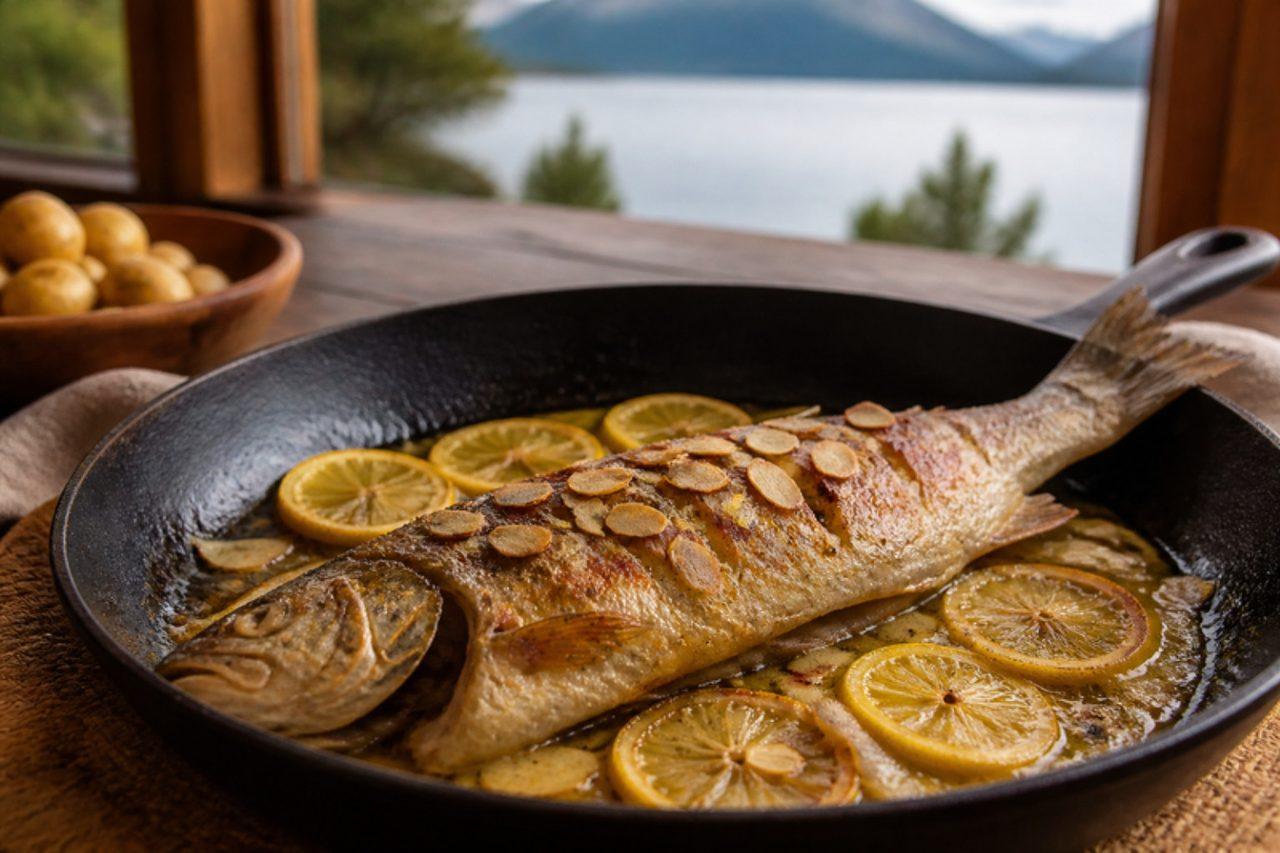
Restaurants on the shores of Nahuel Huapi, in Bariloche and Villa La Angostura, put rainbow trout from the cold Andean lakes on almost every menu, and this butter version is the one locals order most. Fillets are fried with crisp skin, then drenched in butter browned with flaked almonds and sharpened with lemon. Serve with boiled new potatoes and a green salad. Any trout or char works. People commonly start the fish in butter, which burns before the skin crisps; fry it in a film of oil and make the brown butter after. Chef's tip: dry the skin really well and dust it with rice flour; it gives a thin, glassy crust without any gluten.

by KrazyBadal 0 views

Licuado de bananaBanana milk shake

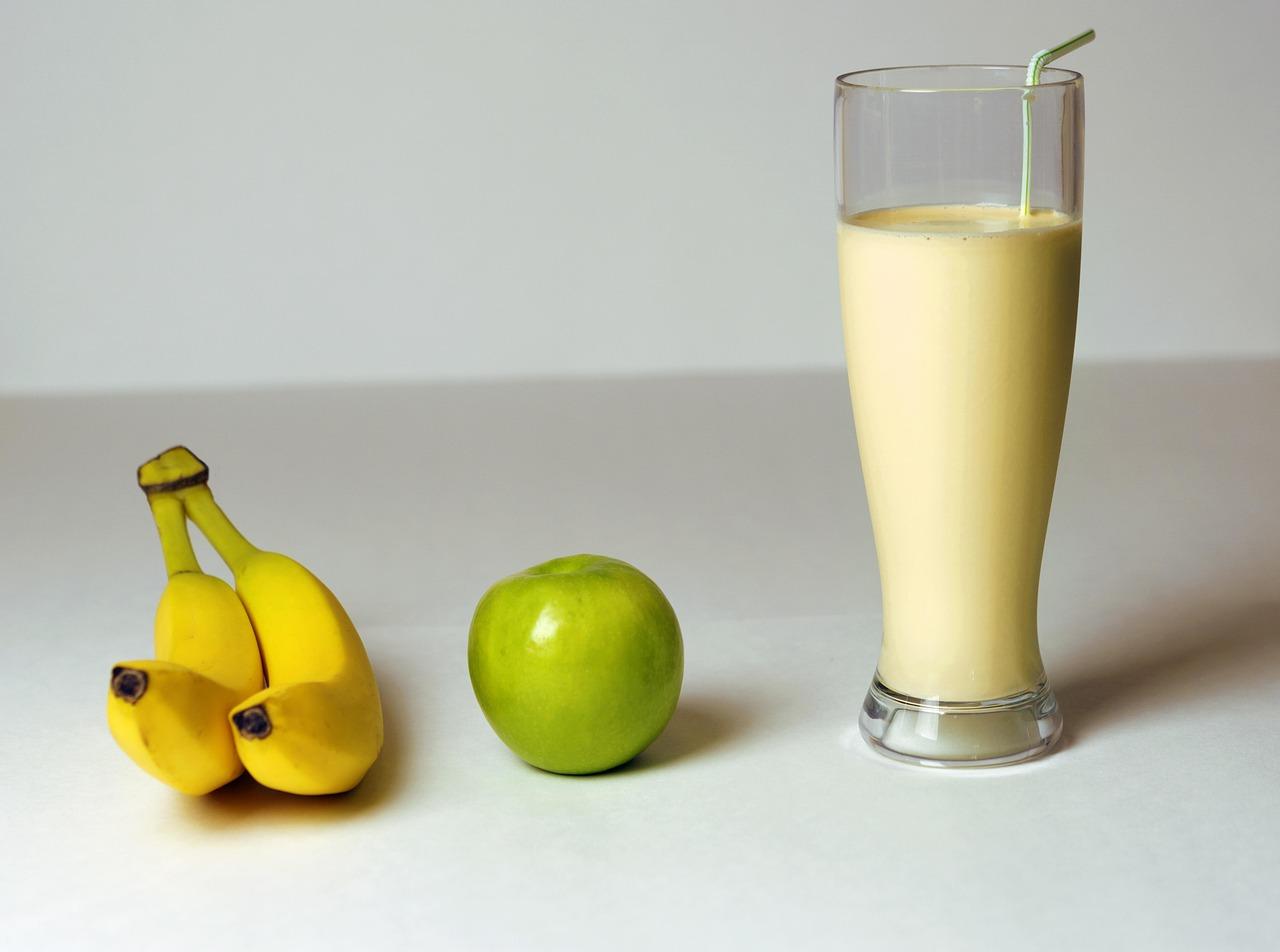
Order a licuado in any Argentine café or bar and you will get a tall glass of fruit blended with milk (con leche) or water (con agua), and banana with milk is the one nearly everyone grows up on. It is breakfast for teenagers in a hurry, a merienda with tostados, and the drink parents in Buenos Aires make when the fruit bowl has spotty bananas. It should be thick, cold and smooth, with a light froth, sweet mainly from ripe fruit. Using under-ripe bananas is the mistake: they taste chalky and need lots of sugar, so wait for brown freckles. Chef's tip: slice and freeze the bananas the night before and you can skip the ice; the shake comes out colder and thicker without being watered down.

by KrazyBadal 0 views

Centolla gratinadaBaked king crab with cheese

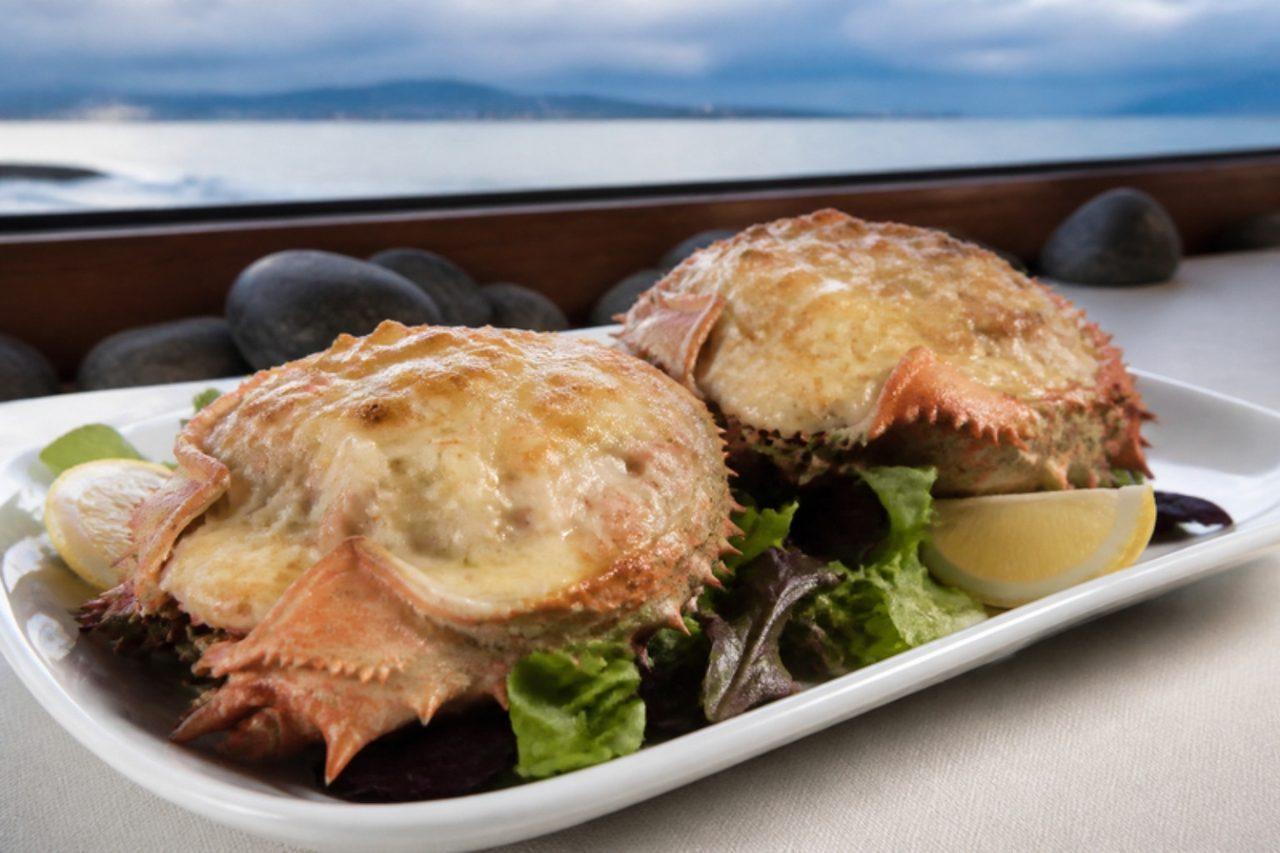
Centolla, the southern king crab hauled from the cold waters of the Beagle Channel, is Ushuaia's pride, and seafood restaurants along the harbour serve it gratinada: sweet chunks of leg meat in a light white sauce, crowned with cheese and browned under a fierce grill. It is rich, so serve it in small dishes as a starter with lemon and a green salad, plus crusty bread for anyone who can eat gluten. Buy cooked, frozen king crab legs or meat and thaw them in the fridge overnight; if you ever cook crab yourself, it must be alive when it goes into the pot. A frequent mistake is a sauce so thick and cheesy that the delicate crab disappears; keep it pourable and the cheese thin. Chef's tip: fold the crab in gently at the end, in big pieces, and let the oven only heat it; it is already cooked and turns stringy if it boils.

by KrazyBadal 0 views

Mejillones a la provenzalMussels with garlic and parsley

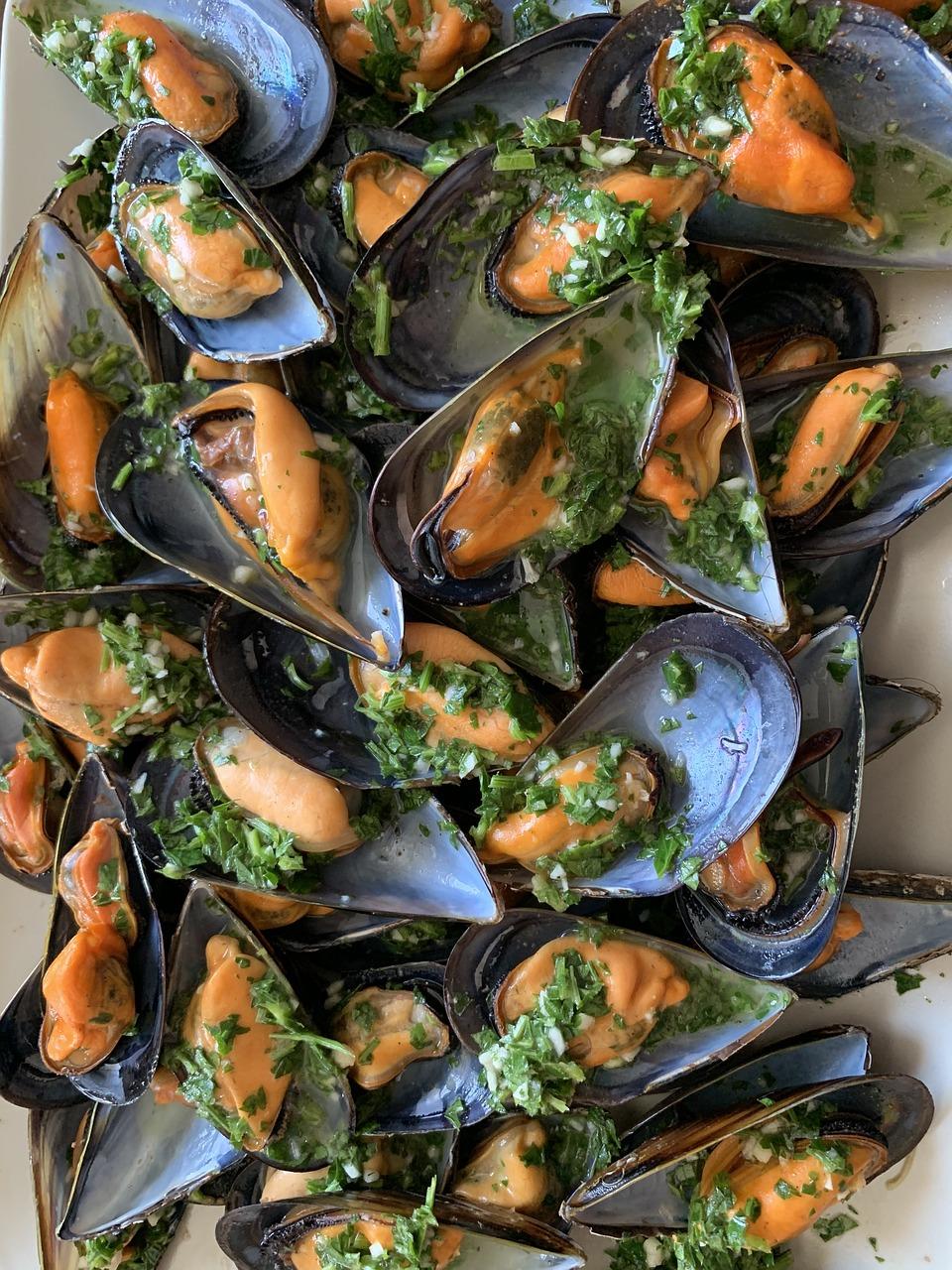
On the Atlantic coast around Puerto Madryn and the Golfo Nuevo, mussels from cold Patagonian waters are farmed and gathered in quantity, and seafood places along the rambla steam them a la provenzal, which in Argentina means lots of garlic and parsley. A splash of dry white wine goes into the pot; the alcohol mostly cooks off, but you can swap it for fish stock with a little lemon for an alcohol-free pot that tastes just as good. Serve with bread or chips to mop up the briny juices. Cooking mussels too long is the usual slip: they shrink and turn rubbery, so lift the lid as soon as most have opened. Before cooking, throw away any mussel with a broken shell or one that stays open when tapped; after cooking, discard any that stay shut. Chef's tip: keep the garlic in gently warm oil until it just smells sweet; brown garlic turns bitter and dominates the mussels.

by KrazyBadal 0 views

SubmarinoHot milk with chocolate bar

Café tables in Buenos Aires have their own way with hot chocolate: the waiter brings a tall glass of frothy, steaming milk on a saucer with a slim bar of dark chocolate, and you drop the bar in yourself and watch it sink like a submarine. Stirred with a long spoon, it melts into a rich, not-too-sweet drink, and it is the classic order with medialunas on a cold winter afternoon or after school. At home it takes five minutes, and children love the moment of dropping the bar in. The common letdown is milk that is only warm: the chocolate sits in a lump at the bottom. Heat it until it is steaming and just starting to rise, but not boiling. Chef's tip: froth the hot milk with a whisk or milk frother before pouring; the foam on top is part of the café ritual and keeps the drink hot while the chocolate melts.

by KrazyBadal 0 views

Surubí a la parrillaGrilled catfish steaks

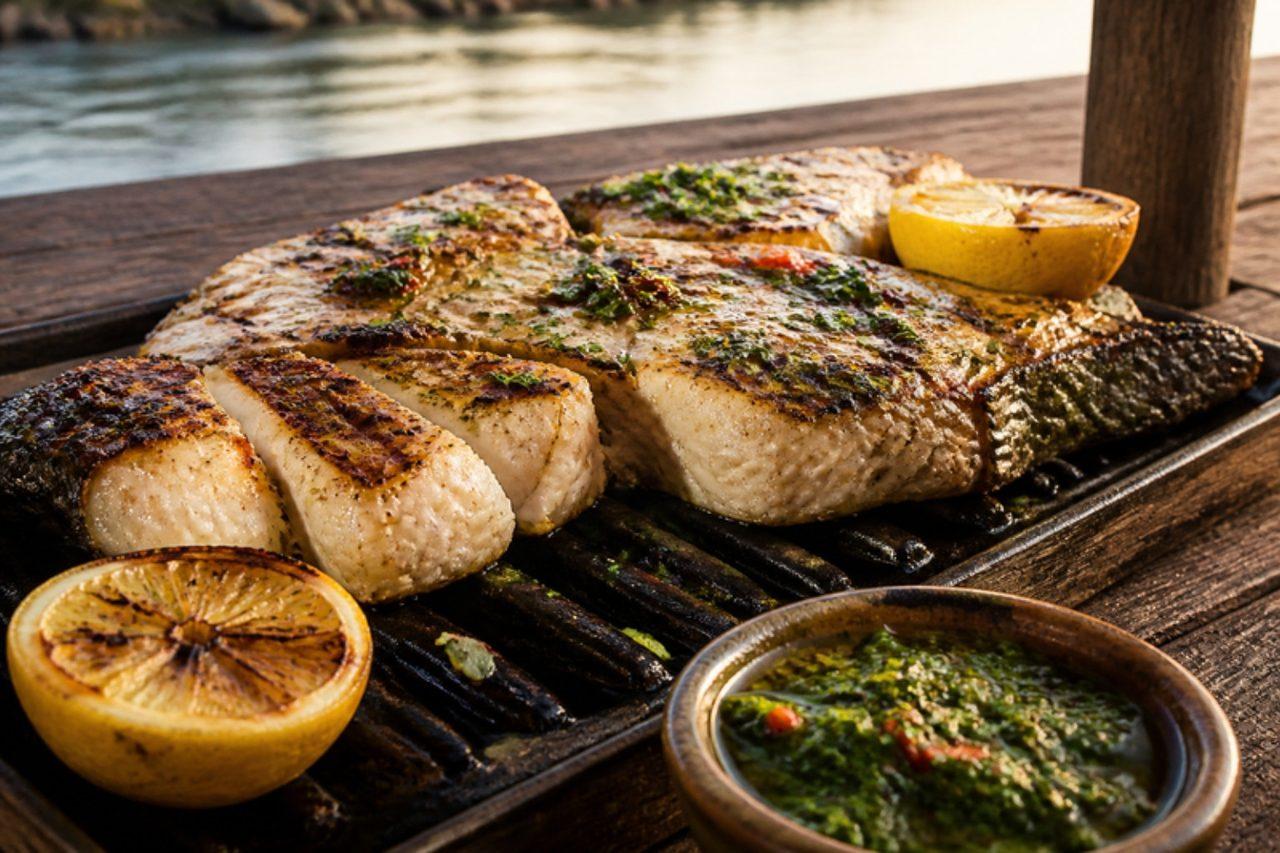
The surubí, a big spotted catfish of the Paraná, has firm, almost meaty white flesh with no fine bones, which is why riverside parrillas in Corrientes, Goya and Esquina cut it into thick steaks and throw it on the grill like beef. A short soak in lemon, garlic and oil, plenty of salt, and live coals are all it asks. Serve with boiled cassava or potatoes, salsa criolla and a cold lemonade. Outside Argentina, buy thick steaks of another firm catfish, or of monkfish or swordfish. The usual mistake is trying to flip the fish too soon: it tears and sticks until a crust has formed and it lets go of the grate by itself. Chef's tip: oil the fish rather than the grill, and rub the hot bars with half a lemon just before the steaks go on.

by KrazyBadal 0 views

Pla kapong tod nam plaFried sea bass with fish sauce

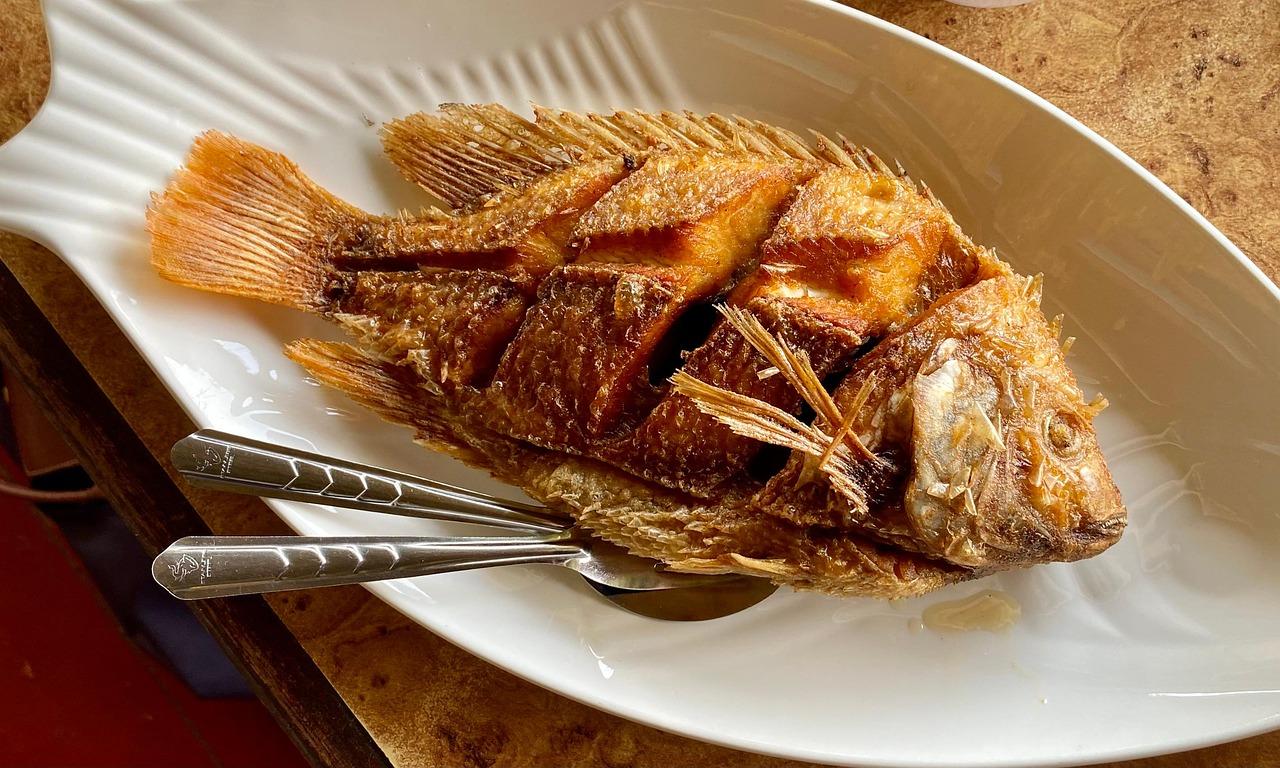
Seafood restaurants on the jetties of Krabi, Trang and Hua Hin bring this out whole on a long platter, its scored sides fanned open and crackling, as the centrepiece of a shared table. The skin and fins fry so crisp you can eat them, while the flesh inside stays moist and sweet; a sticky glaze of fish sauce and palm sugar goes over at the last minute. It is salty-sweet rather than spicy, so it sits happily beside a sour green mango salad, a hot curry and plenty of jasmine rice. Chef's tip: dry the fish thoroughly with kitchen paper, inside the cuts too, and leave it uncovered in the fridge for 30 minutes if you can; dry skin is crisp skin and spits far less.

40 minThaiFishGluten free
by KrazyBadal 0 views

Dulce de lecheMilk caramel

Dulce de leche is Argentina's national sweet, spread on toast at breakfast, sandwiched in alfajores, rolled into panqueques and spooned onto flan. Argentine families traditionally make it by slowly cooking milk and sugar with a vanilla pod and a pinch of bicarbonate of soda, which helps it turn deep brown, until it becomes a thick, glossy caramel cream. It takes about three hours of gentle cooking and regular stirring. Chef's tip: use a wide, heavy pan and keep the heat low; the wider the surface, the faster the milk reduces, and the less it catches on the bottom.

by KrazyBadal 0 views

MateYerba mate tea

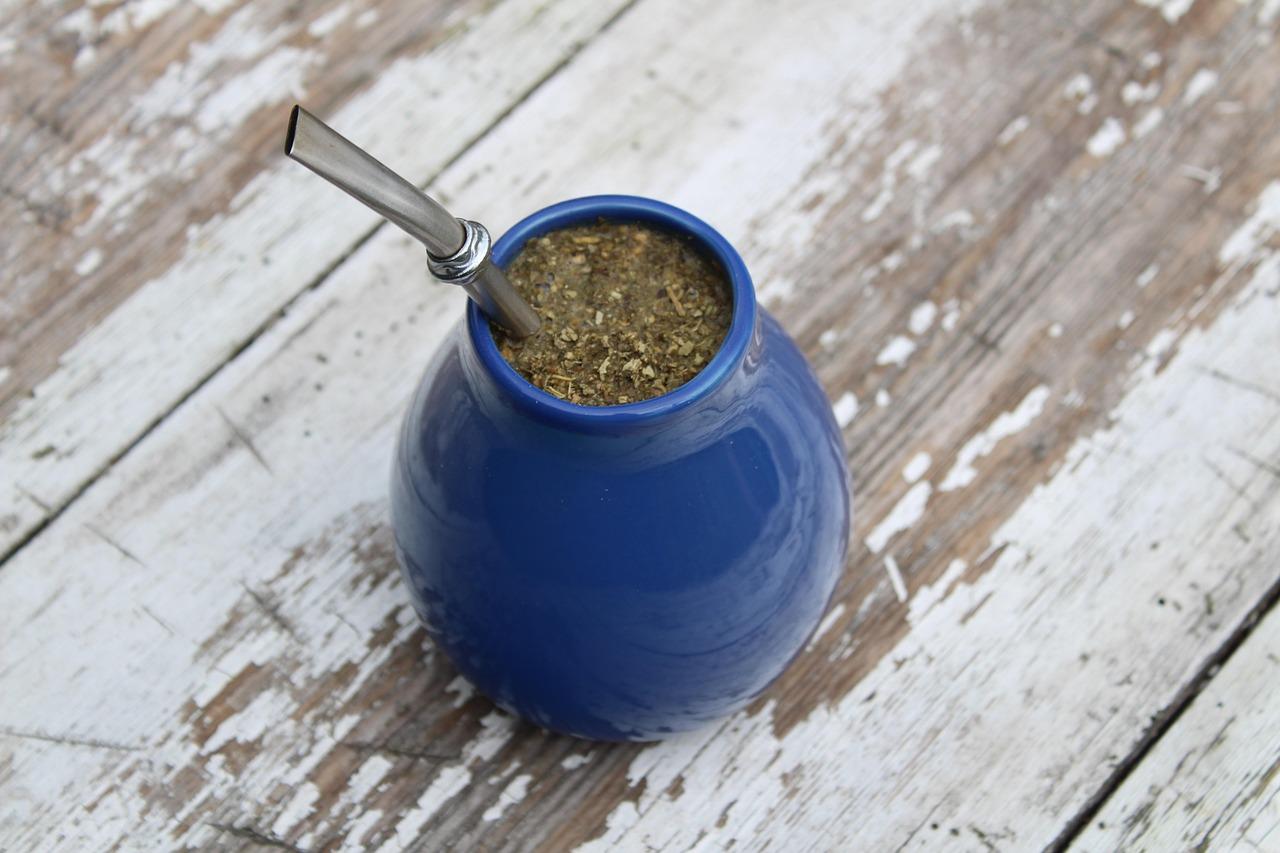
Mate is less a drink than a ritual in Argentina, Uruguay and Paraguay: a gourd (also called a mate) packed with yerba mate leaves, a metal straw called a bombilla, and a thermos of hot water passed around friends, family and coworkers, from the parks of Buenos Aires to long bus rides across Patagonia. One person, the cebador, pours and drinks first, then refills and passes it on. It's grassy, bitter and gently stimulating; sweet versions add sugar. Chef's tip: never use boiling water; at about 75–80 °C the yerba stays fresh for many rounds instead of 'burning' and turning bitter.

by KrazyBadal 0 views

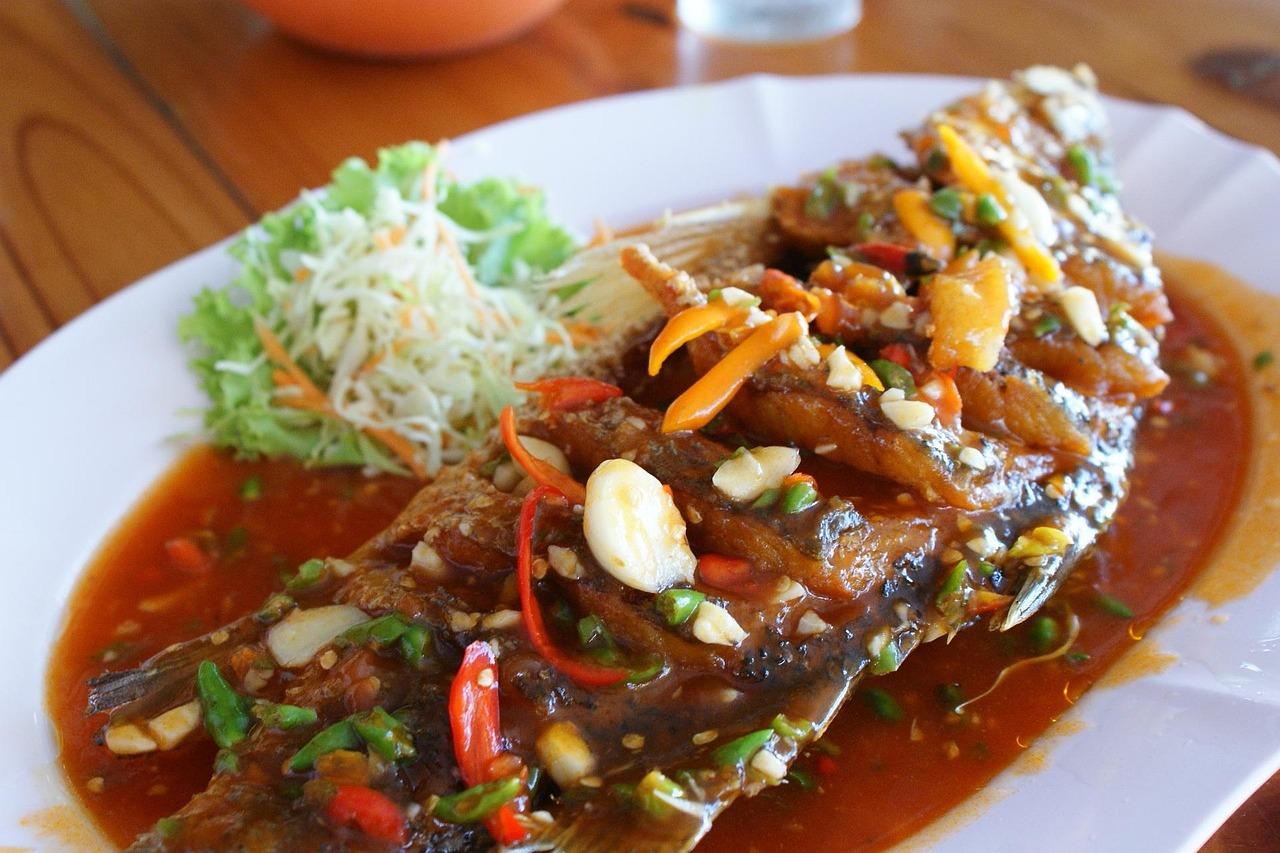
Pla rad prikFried fish with chilli sauce

A whole fried fish blanketed in glossy red chilli sauce is the centrepiece of many family celebrations and riverside restaurant meals in central Thailand. The sauce is known as sam rot, 'three flavours', because palm sugar, tamarind and fish sauce are balanced against pounded chillies and garlic; spooned over a fish fried until its skin crackles and the fins crunch like crisps, it turns sticky and shiny. Sea bass (pla kapong) is the usual choice, though snapper or tilapia work well too. Bring it to the table with jasmine rice, a stir-fried green vegetable and a clear soup to share. Chef's tip: score the fish down to the bone on both sides and pat it bone-dry, so the heat reaches the thickest part and the oil doesn't spit.

45 minThaiFishSpicy
by KrazyBadal 0 views