Skip to content
Recipes

All recipes

Vegetarian, or something you can't eat? Set your diet once and we'll hide recipes that don't fit.

Karawala thel dalaStir-fried dried fish

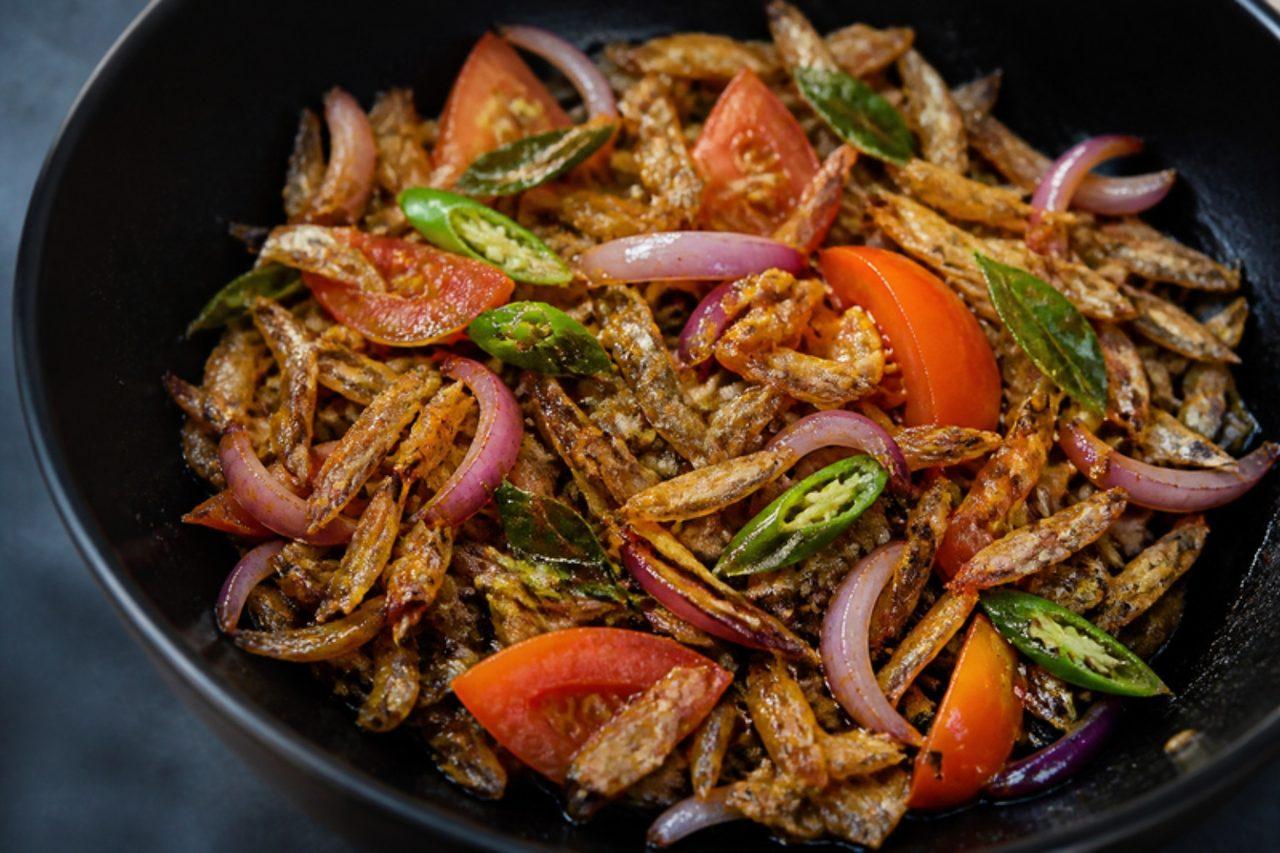
Every Sri Lankan market from Negombo to Trincomalee has a stall stacked with karawala, sun-dried salted fish, and when the larder is low or the rain keeps the boats in, a quick thel dala turns a small piece of it into something to wake up a plate of rice. Strips or small whole fish are fried until crisp, then tossed with plenty of onion, tomato, green chilli and chilli flakes until they are glossy, salty, smoky and hot. It is eaten in small amounts beside dhal, rice and a mild vegetable curry, or with kiribath and pol roti for breakfast, and it keeps for a day or two. Watch out for the classic fault of skipping the soak, which leaves the dish far too salty to eat. Chef's tip: fry the soaked fish until really crunchy before the onions go in; that crisp edge is what makes it addictive.

by KrazyBadal 0 views

Hot butter cuttlefish

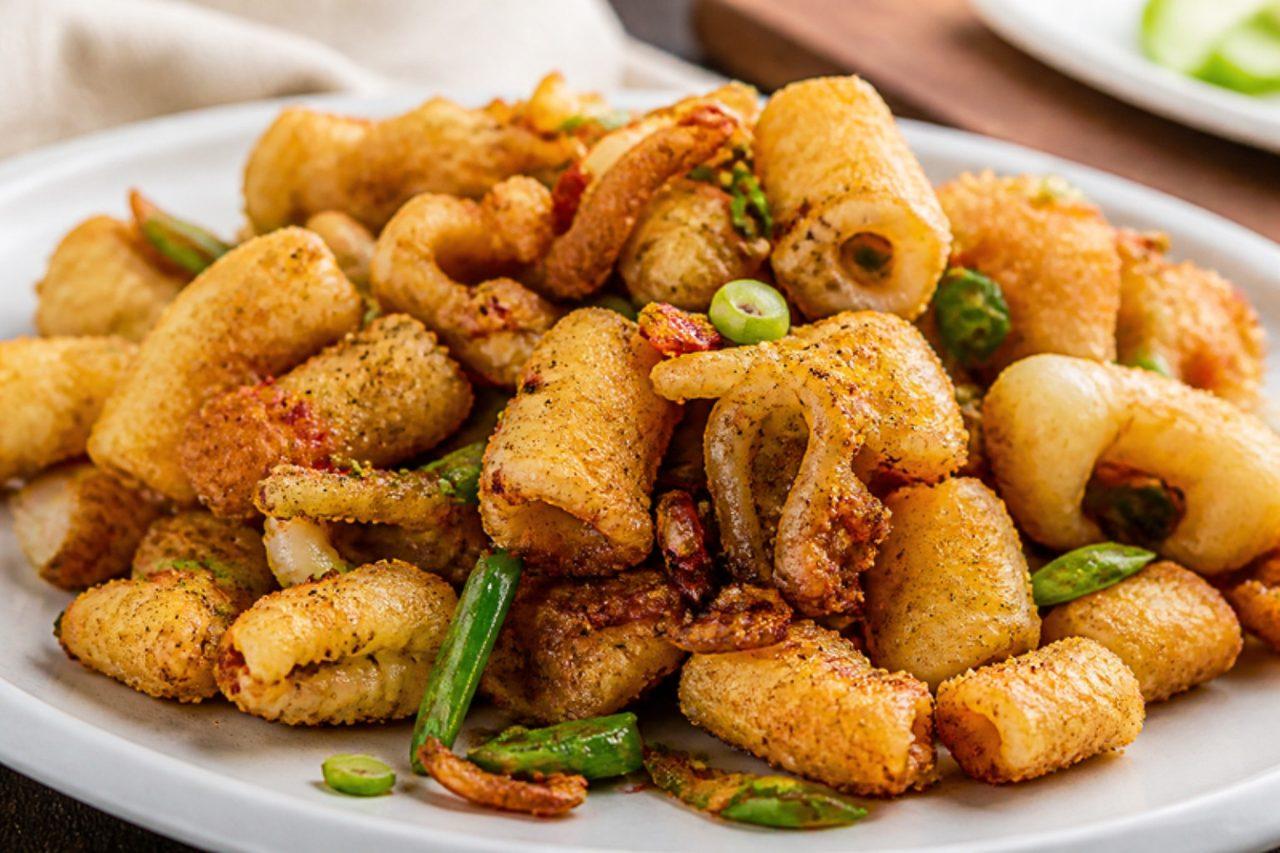
Along Colombo's Galle Road and in the seafood restaurants of Negombo, hot butter cuttlefish is the dish nearly every table orders first, a heap of golden, crunchy strips that disappear while the rice and curries are still on their way. The cuttlefish is scored, dipped in a light, chilli-spiked batter and fried hard, then thrown into a pan of foaming butter with garlic, dried chilli flakes, green chilli and a big handful of spring onion. The result is crisp outside, tender within, rich, salty and properly hot, and it is eaten as a starter or alongside fried rice and a fresh lime. It goes wrong when the cuttlefish fries too long, because it turns rubbery after about two minutes in the oil. Chef's tip: score the inside of each piece in a fine criss-cross so it curls and grabs the batter, and fry in small batches so the oil stays hot.

by KrazyBadal 0 views

Jaffna crab curry

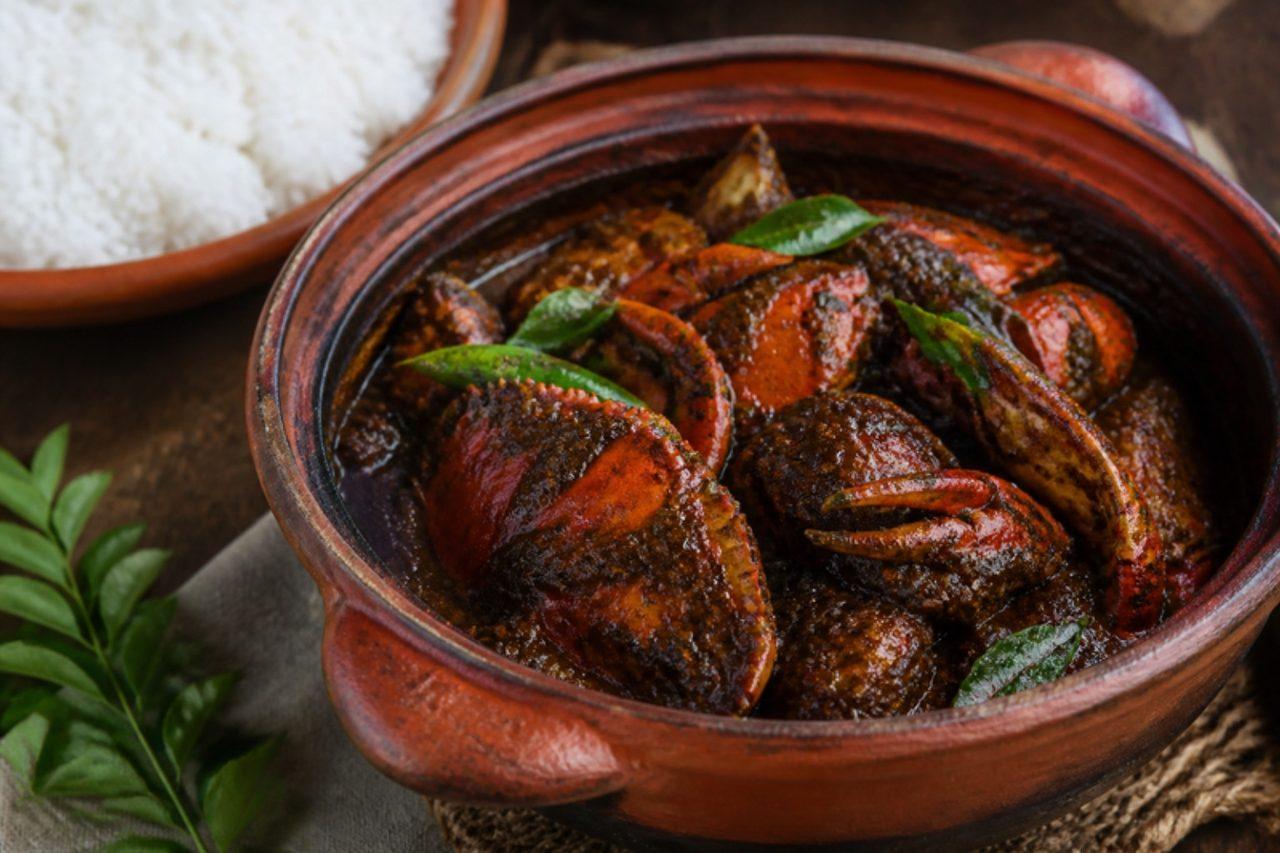
The shallow lagoons around Jaffna and the islands of Kayts and Delft produce big, sweet mud crabs, and the town's answer to them is a curry so dark and hot that visitors are warned before they order. Jaffna curry powder, heavy with roasted red chilli, coriander and fennel, is fried in sesame oil with onion and garlic, then loosened with tamarind and a little coconut milk so the sauce clings to every crack in the shell. A handful of moringa leaves wilted in at the end adds a grassy note, and the crab is eaten with the hands, sucked from the shell, alongside plain rice or puttu. A frequent misstep is boiling the crab hard for too long, which makes the meat dry and stringy. Chef's tip: crack the claws before cooking so the sauce soaks in and the meat is easy to reach at the table.

by KrazyBadal 0 views

Batticaloa fish curry

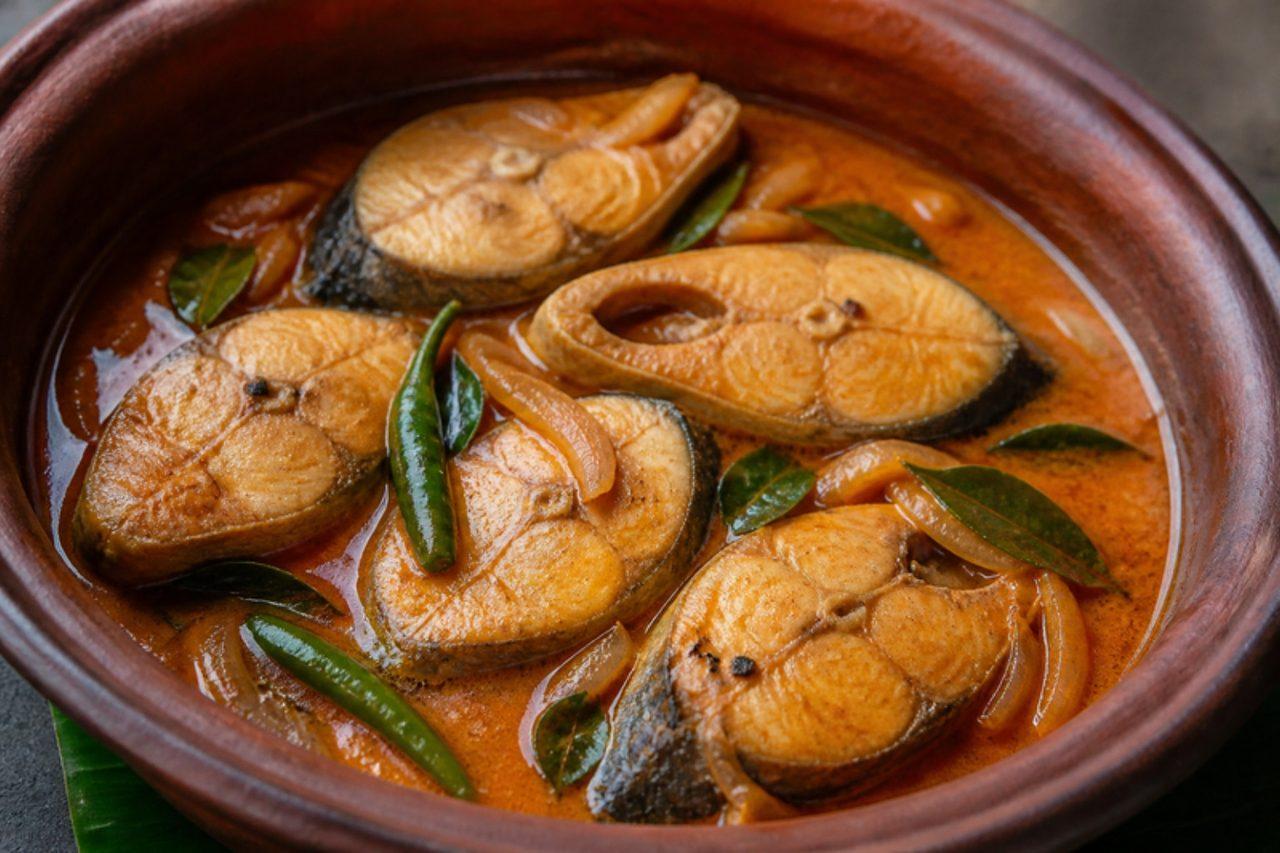
Batticaloa sits between a long lagoon and the sea, and its Tamil and Muslim cooks make a fish curry that tastes of both: sour with tamarind, round and mellow with coconut milk, and fragrant with fennel, fenugreek and curry leaves. Seer fish, called thora or vanjiram, is the favourite because its firm steaks hold together in the gravy, though any meaty sea fish works. The curry is a weekday staple, cooked in the morning and eaten at lunch with rice, a lentil dhal and a fried vegetable, and it is even better a few hours later once the fish has absorbed the sauce. Most disappointing versions come from stirring the pot after the fish goes in, which breaks the steaks into flakes. Chef's tip: swirl the pan instead of stirring, and spoon the sauce over the fish so it cooks evenly without being moved.

by KrazyBadal 0 views

Isso curryPrawn coconut curry

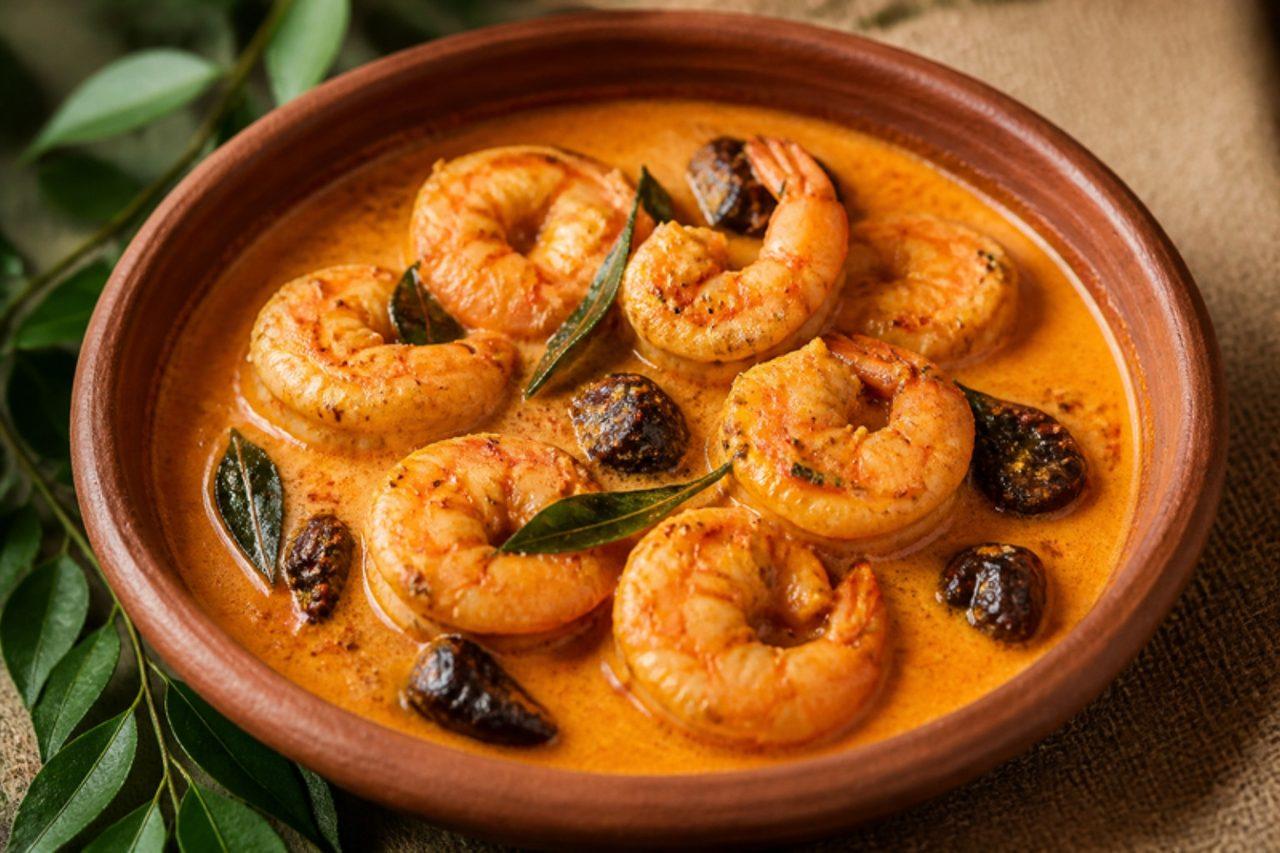
Fishing boats come into Mirissa, Weligama and the harbour below Galle Fort every morning, and southern cooks turn their prawns into a curry that is quick, hot and gently sour. Goraka, the dried fruit of a garcinia tree, is soaked and ground into the gravy, and it gives a fruity tang that suits seafood far better than lime. Thin coconut milk carries the spices first, then a splash of thick milk at the end makes the sauce silky and pale orange, and the prawns go in only for the last few minutes. It is served with steamed white rice, a beetroot or snake-gourd curry and a crunchy sambol. Beginners tend to add the prawns too early and let them stew, which leaves them tough and shrunken. Chef's tip: leave the tails on and cook the prawns just until they curl into a loose C; a tight O means overdone.

by KrazyBadal 0 views

Jaffna curry powderRoasted chilli curry powder

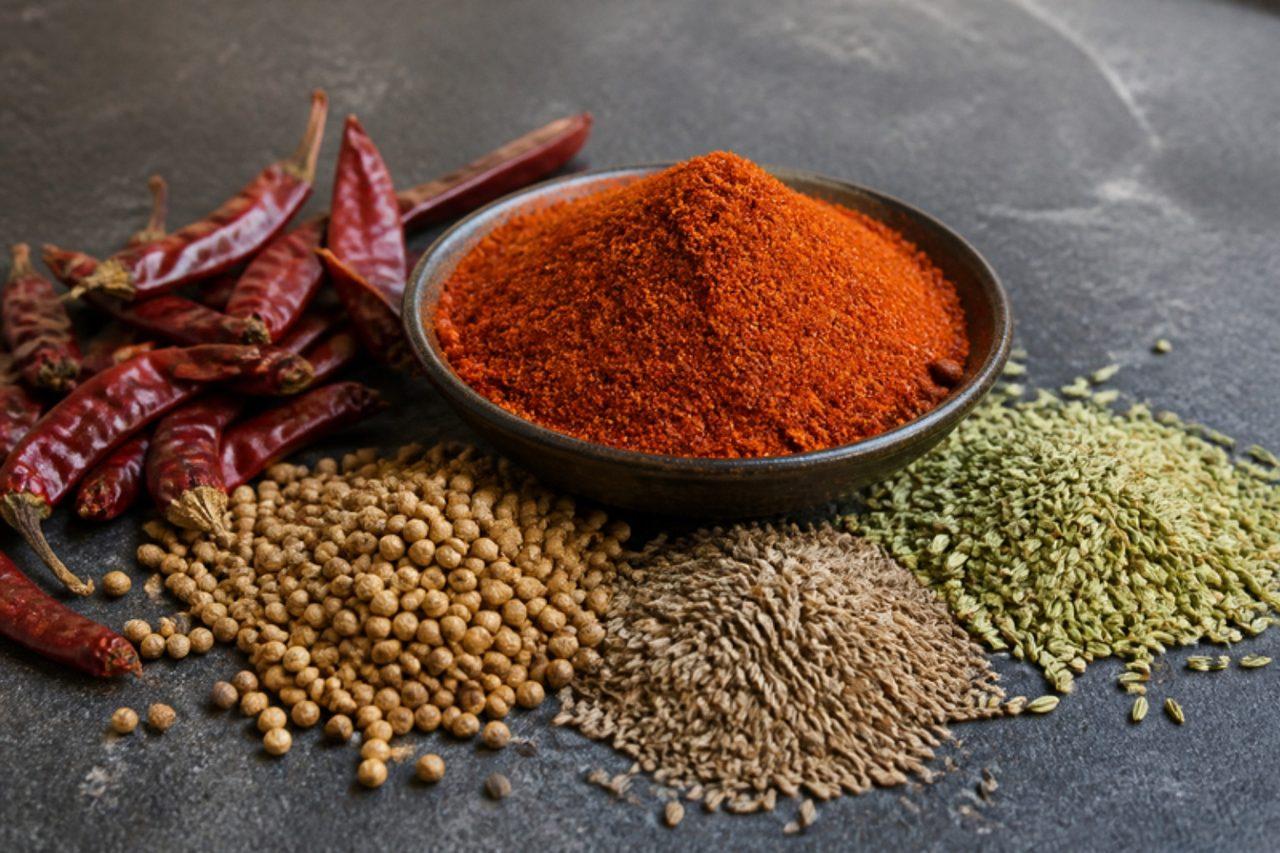
Jaffna families once made their year's supply of curry powder in one go, drying the spices on mats in the hard northern sun before carrying them to the local mill, and many Tamil households abroad still have a jar sent from home. It is far hotter and redder than the dark roasted curry powder of the Sinhala south, built on a big weight of dried red chillies with coriander, cumin, fennel, black pepper and a little fenugreek, plus crisp curry leaves and turmeric. This is what gives Jaffna crab curry, aubergine kulambu and odiyal kool their brick-red colour and their kick. Grinding the spices while they are still warm is the common error; the steam makes the powder clump and spoil quickly, so let everything cool on a plate first. Chef's tip: roast each spice separately, because the chillies and coriander need several minutes but fenugreek burns and goes bitter in under one.

by KrazyBadal 0 views

Fish ambul thiyalSour tuna curry

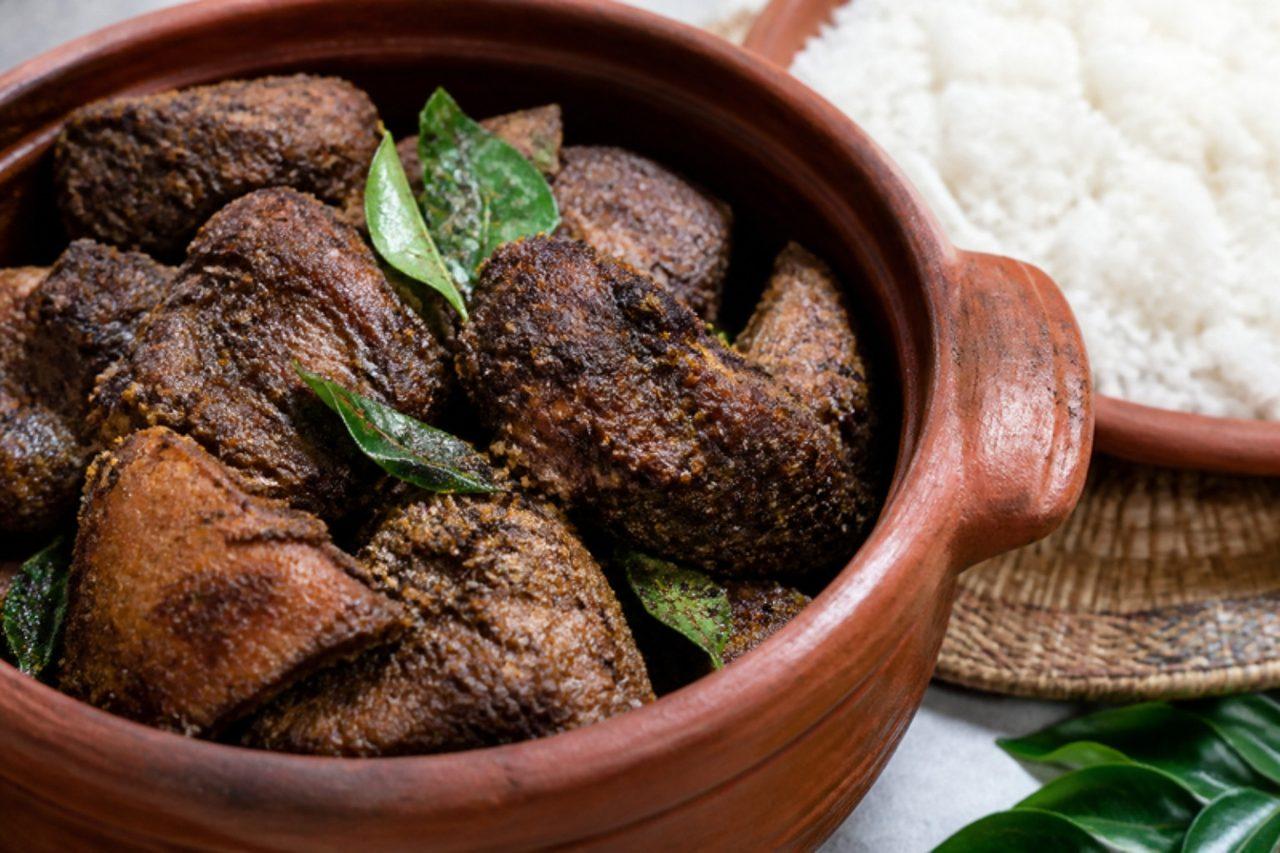
Ambul thiyal means 'sour stew', and it comes from the fishing towns of the south coast, around Matara, Galle and Tangalle. Fishermen once cooked it so the tuna would keep for days without a fridge: almost no liquid, plenty of goraka and black pepper, slowly reduced in a clay pot until each chunk is dark and coated. Today it is a favourite rice-and-curry dish on Sundays and holidays, and people often pack it for long journeys. It is sharp, peppery and firm, so a little goes a long way with rice and a coconut sambol. Chef's tip: cut the tuna into big 4 cm chunks; small pieces fall apart during the long, slow reduction.

by KrazyBadal 0 views