Skip to content
Recipes

All recipes

Vegetarian, or something you can't eat? Set your diet once and we'll hide recipes that don't fit.

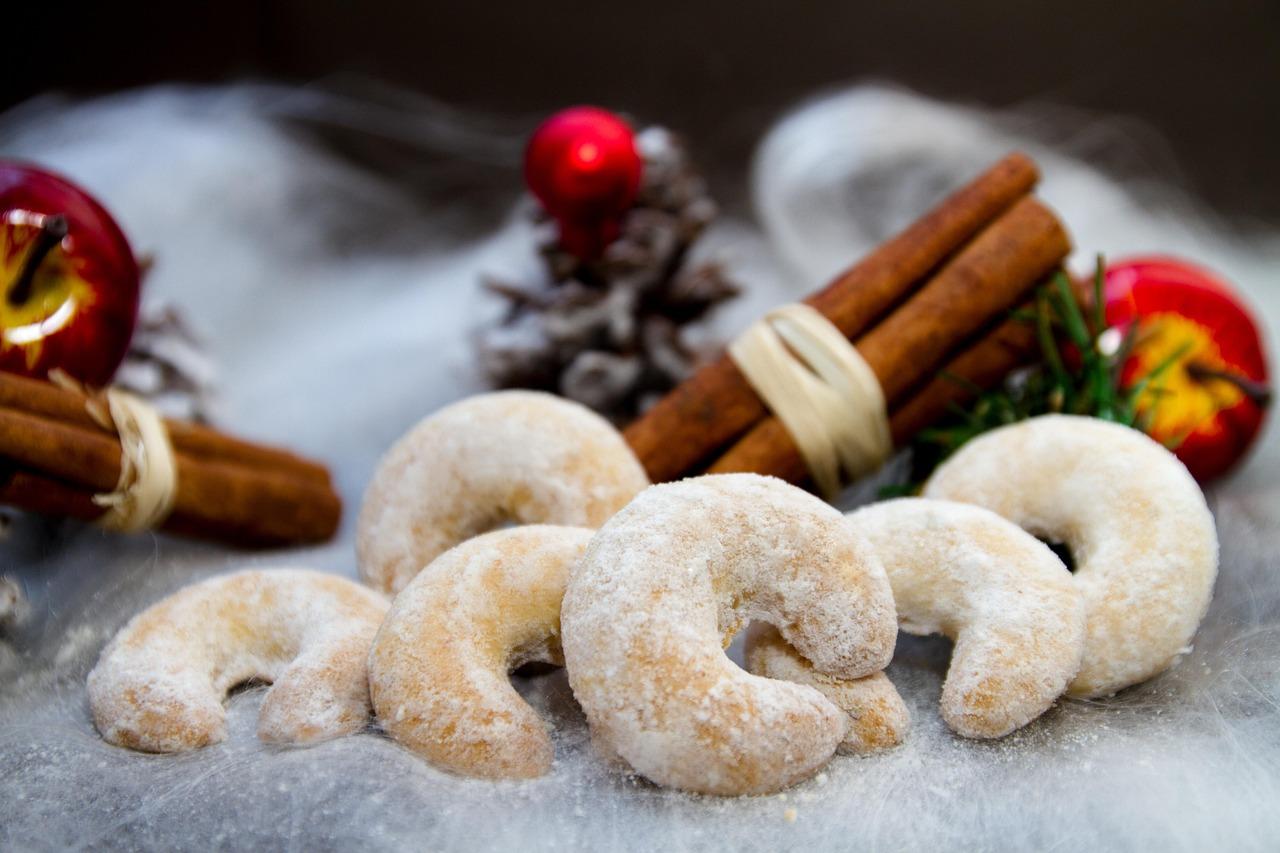
Vanillekipferl

No Austrian Christmas cookie tin is complete without Vanillekipferl, the pale little crescents that melt on the tongue; Viennese grandmothers bake them by the hundred in early December, and they are just as loved over the border in Bavaria. The dough is short and rich with butter and ground almonds, and the crescents are rolled in vanilla sugar while still warm so it sticks. The common mistake is overbaking: they should stay pale with only the tips turning golden, or they lose their tender, sandy texture. Chef's tip: chill the dough well and shape it with cool hands; warm dough cracks and the crescents spread in the oven.

by KrazyBadal 0 views

Bizcochitos de grasa

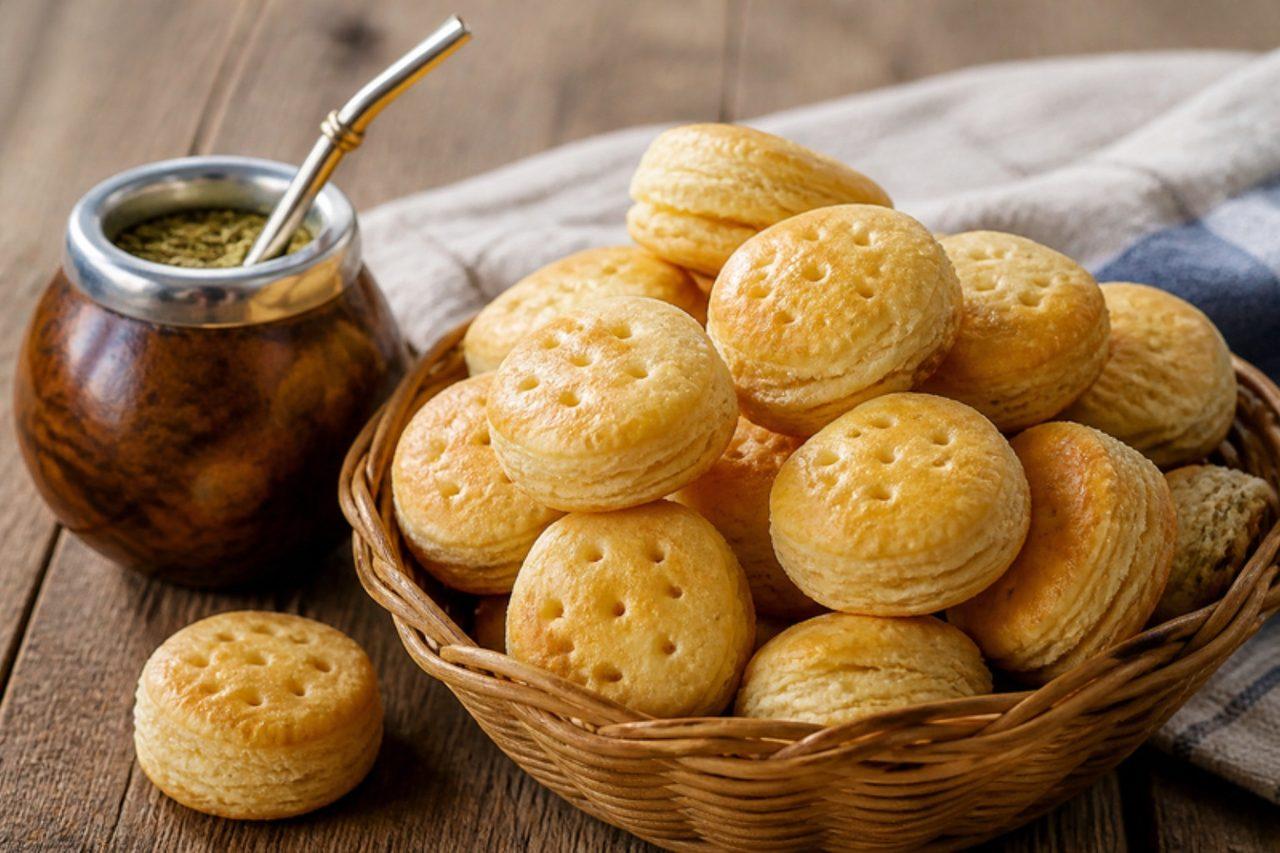
A paper bag of bizcochitos de grasa sits next to the mate gourd in kitchens, offices and roadside service stations across Argentina, from Buenos Aires to the Andes. These little rounds, a couple of bites each, are layered with beef fat, so they flake and crumble, salty and plain enough to eat by the dozen with bitter mate in the afternoon. The fat is rendered beef fat (grasa vacuna), so they are not vegetarian; ask your butcher for dripping or render suet yourself. A dough worked too warm is the mistake that robs them of their layers; the fat melts into it instead of staying in sheets. Chef's tip: chill the dough for 10 minutes between folds whenever it starts to feel greasy, and prick each round right through so it puffs in flakes rather than domes.

by KrazyBadal 0 views

Steirisches Wurzelfleisch

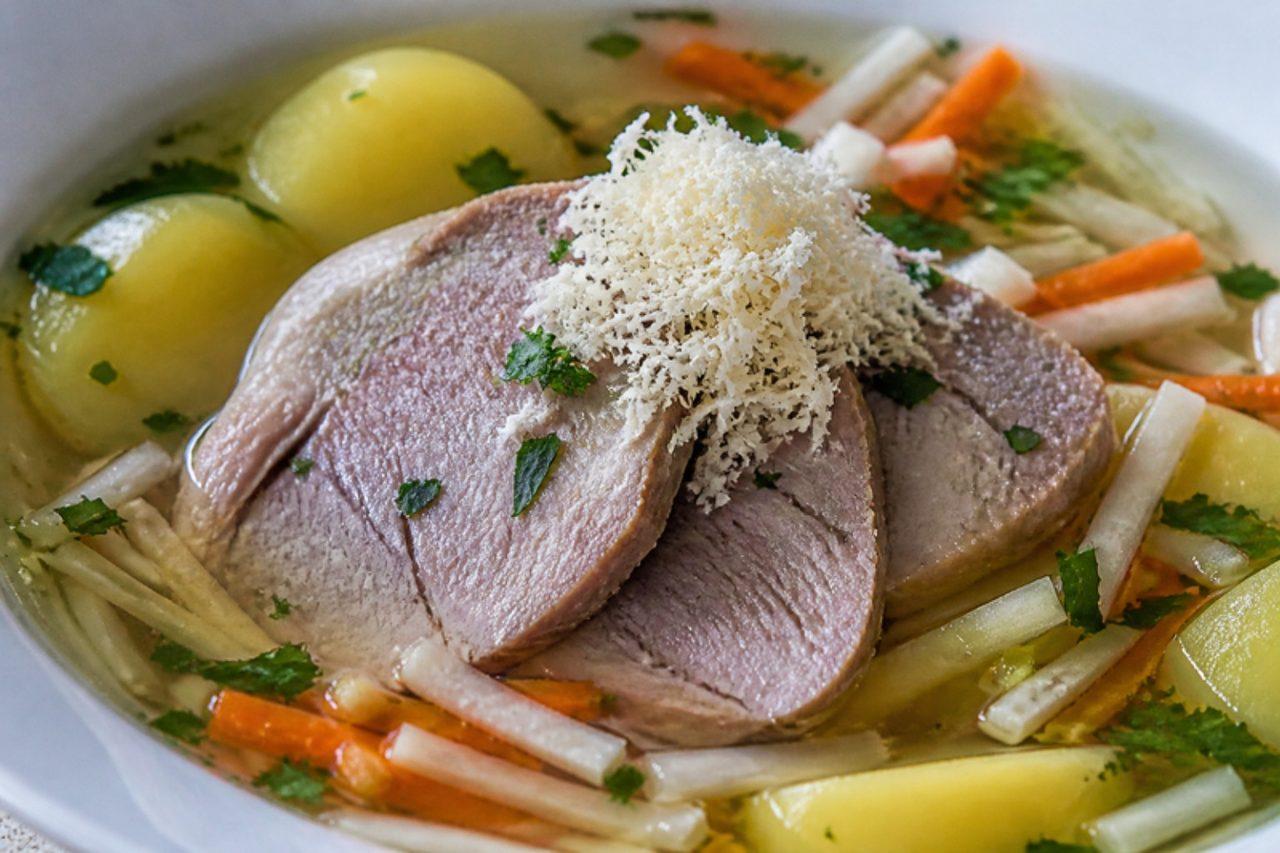
Wurzelfleisch, 'root meat', is a winter dish from the farms of Styria in south-east Austria, cooked in November and December when pigs were killed and the cellar was full of carrots, celeriac and parsley root. Pork shoulder is simmered in a lightly sour broth, then served in deep plates with thin strips of root vegetables, boiled potatoes and a snowfall of freshly grated horseradish. It is a gentle, clean-tasting dish, quite unlike a roast. Chef's tip: grate the horseradish at the table; it loses its bite within minutes.

130 minAustrianMeatGluten free
by KrazyBadal 0 views

Tafelspitz

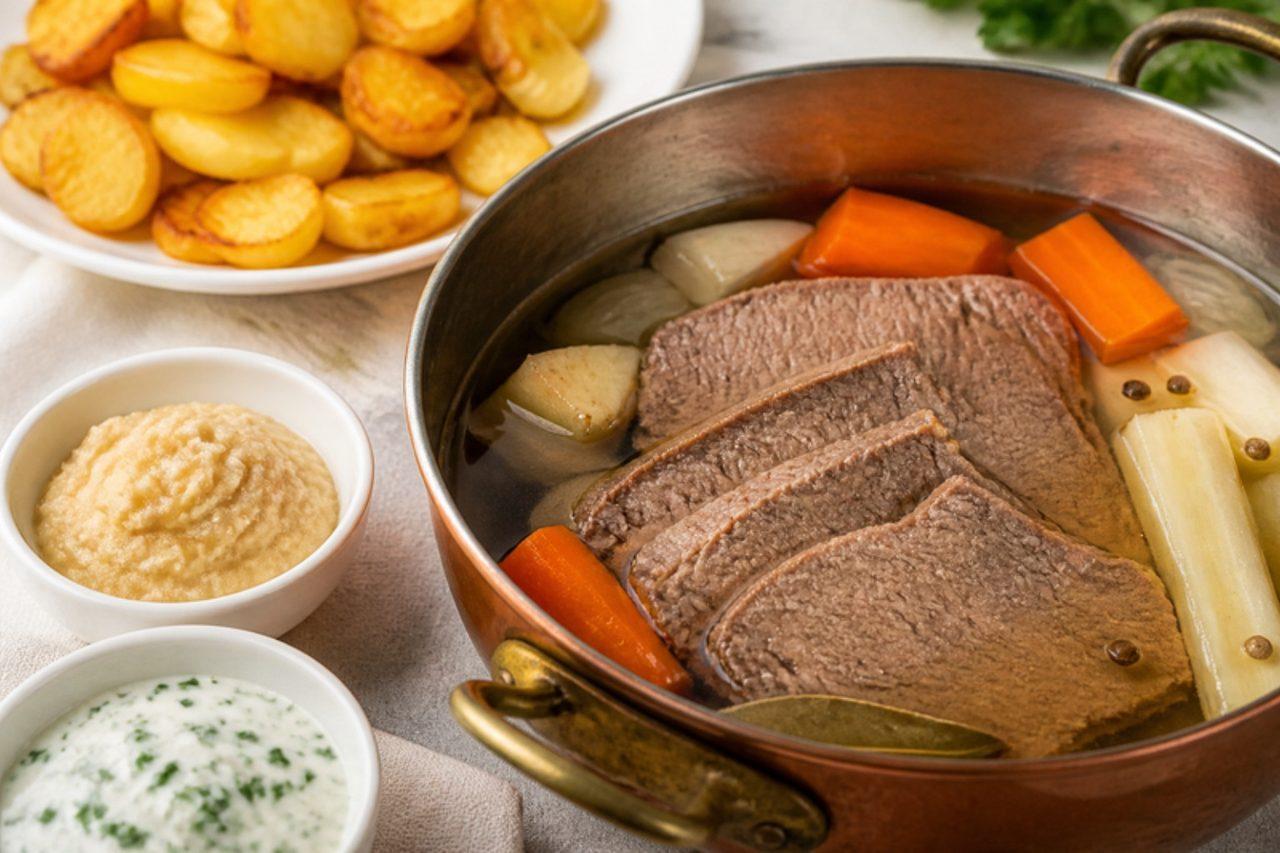
Tafelspitz is Vienna's grand Sunday lunch, the dish the old Beisl taverns and the city's famous beef restaurants built their names on. A whole piece of beef top rump is barely simmered with root vegetables for hours, then served in three acts: first the clear golden broth, then the sliced beef with crisp roast potatoes, sharp Apfelkren (grated apple and horseradish) and a cool chive sauce. Keep any leftover broth for Grießnockerlsuppe or Frittatensuppe. Chef's tip: never let the pot bubble; a slow tremble keeps the meat juicy and the broth clear.

210 minAustrianMeatGluten free
by KrazyBadal 0 views

Tiroler Gröstl

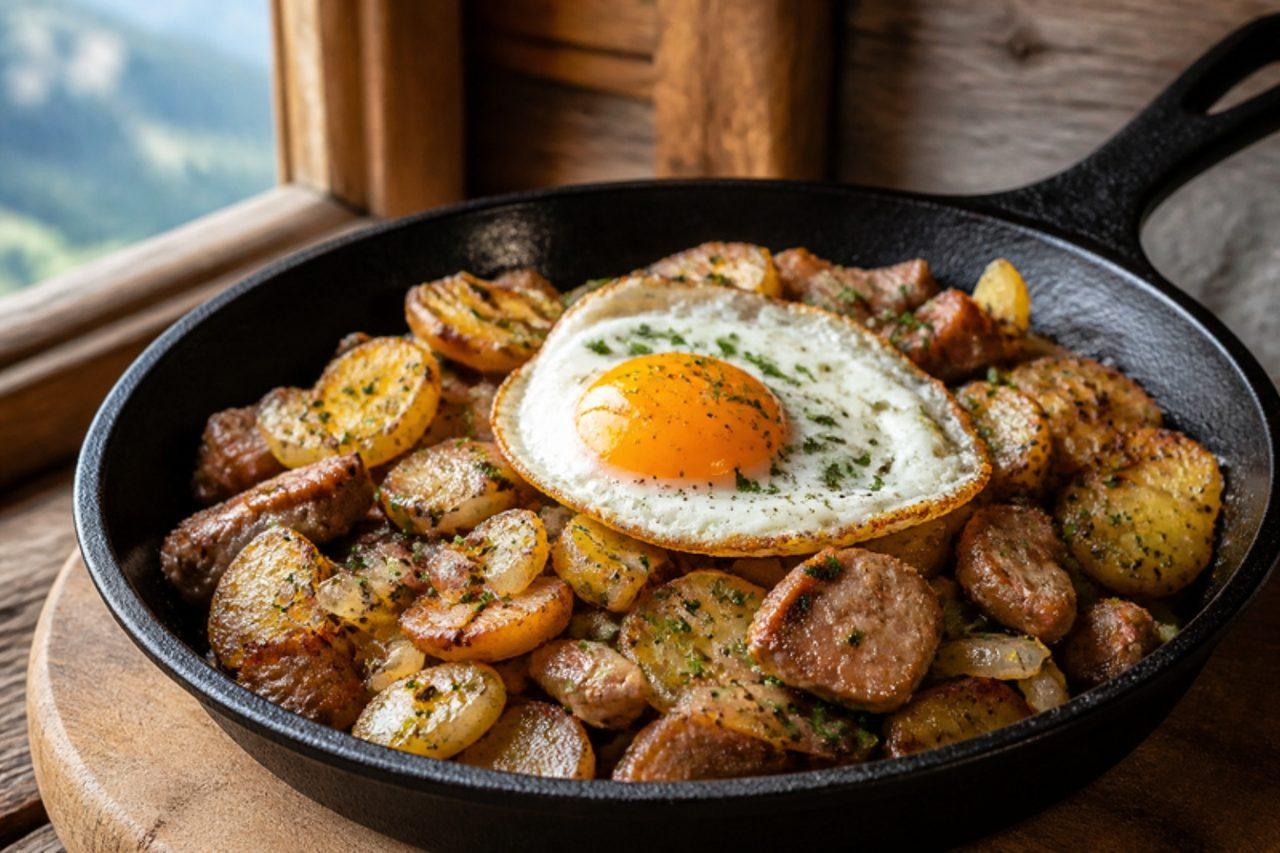
Tiroler Gröstl is what Tyrolean mountain huts serve to skiers and hikers coming in from the cold, and what farmhouse kitchens around Innsbruck make on Monday from Sunday's roast. Cold boiled potatoes are fried until crusty with onions, then tossed with cubes of leftover roast pork or smoked pork, caraway and marjoram, and crowned with a fried egg. It is made in one big pan and brought to the table in it. Chef's tip: let the potatoes fry undisturbed for the first few minutes; the brown crust is the whole dish.

by KrazyBadal 0 views

Sachertorte

This dense, dark chocolate torte is Vienna's most famous cake, eaten in coffee houses all over the city with a cup of Melange and, always, a cloud of unsweetened whipped cream on the side. The sponge is made with melted chocolate and whisked egg whites, so it is fine-crumbed and slightly dry by design; a thin layer of sharp apricot jam runs through the middle and over the top, under a shiny, snappy chocolate glaze. A common mistake is pouring the glaze too hot or too cold; too hot and it runs off thin, too cold and it sets dull and lumpy. It is a cake for birthdays and Sunday visits, and it keeps well for days. Chef's tip: bake it the day before and let it rest overnight wrapped; it cuts far more neatly and the crumb softens.

by KrazyBadal 0 views

Linzer Torte

Linz, the Danube city in Upper Austria, has baked this tart for centuries, and it still fills bakery windows there all year, with extra demand in Advent. It is closer to a soft, crumbly nut biscuit than a pastry: ground hazelnuts, butter, cinnamon and cloves are pressed into the tin, filled with tart redcurrant jam and topped with a lattice. Serve a thin slice with coffee or tea. A common mistake is eating it on the day it is baked; it is much better after two or three days, when the jam soaks into the crumb. Chef's tip: chill the lattice strips on a tray before lifting them on, and they will not tear.

by KrazyBadal 0 views

Esterházytorte

Named after a Hungarian noble family and claimed by both Budapest and Vienna, this torte is a showpiece of Viennese pastry shops, where it sits in the glass counter beside richer chocolate cakes. Five or six crisp-chewy almond meringue layers are stacked with a vanilla custard buttercream, then topped with white icing and the famous feathered chocolate lines. It has no flour at all, so it suits gluten-free guests. A common mistake is baking the layers too pale; they should be light golden, or they go soft and sticky in the cream. Chef's tip: draw the circles on baking paper first and spread the meringue to the line with a palette knife, so every layer matches.

by KrazyBadal 0 views

Kardinalschnitten

Kardinalschnitten, 'cardinal slices', were created in Vienna with the colours of the Church in mind: white meringue and yellow sponge baked side by side in stripes. In Viennese cafés they are a light, summery choice with an afternoon coffee. Two baked sheets of alternating stripes sandwich a soft coffee cream, and the result is crisp, airy and cool at the same time. A common mistake is overfilling with cream that has not been stabilised; it squeezes out when you cut. Here a little mascarpone keeps the cream firm without gelatine. Chef's tip: pipe the meringue stripes first and the sponge in the gaps after, so the sponge does not spread flat.

by KrazyBadal 0 views

Punschkrapfen

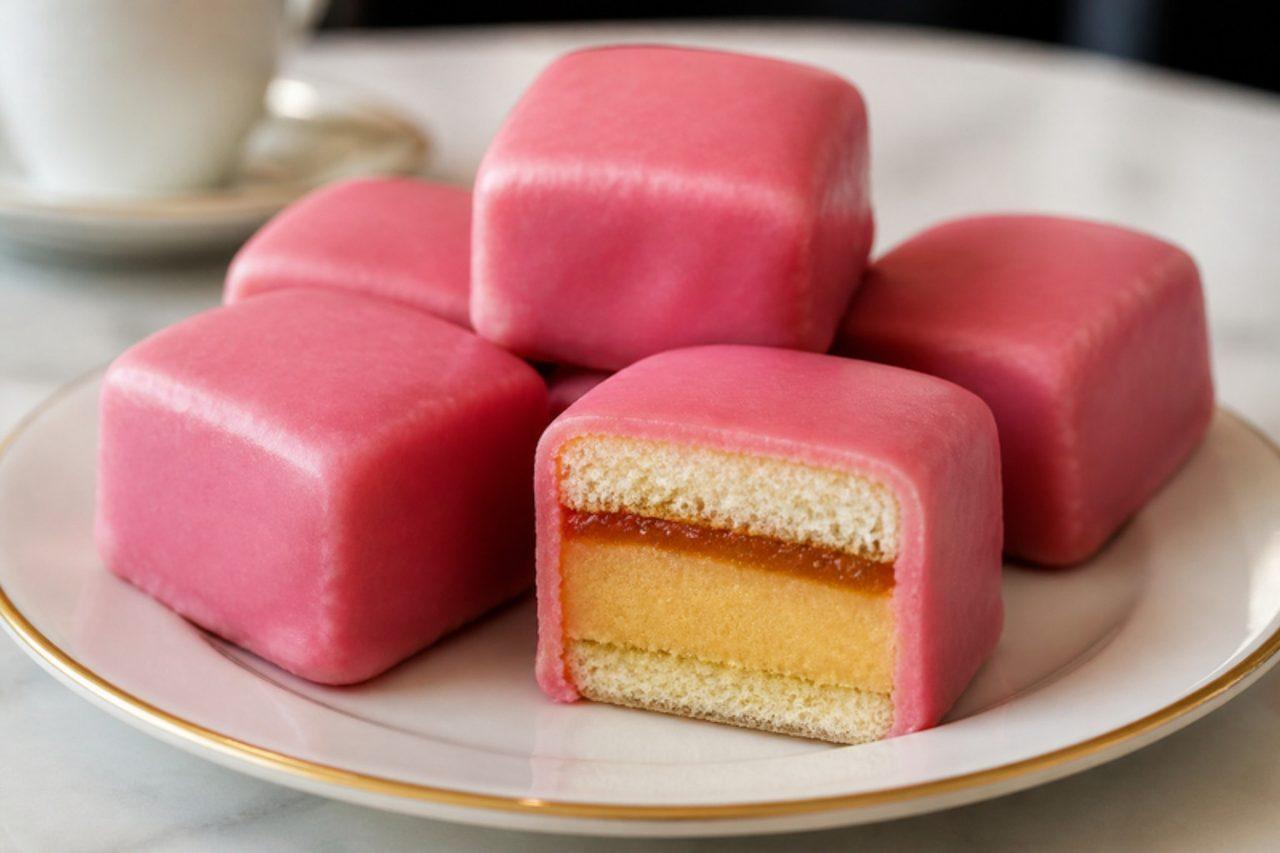
Punschkrapfen are the bright pink cubes that glow from every Viennese Konditorei counter, especially in winter. Traditionally the filling of sponge crumbs, jam and chocolate is soaked in rum punch, which gives the cake its name, so the classic version contains alcohol. This recipe makes the alcohol-free version with orange juice and strong black tea, which keeps the fruity, warming flavour that children can eat too; to make the traditional one, swap 40 ml of the orange juice for dark rum. The sponge is moist and dense, the icing sweet and crackly. A common mistake is skipping the overnight press; the cubes fall apart when cut. Many pink colourings use carmine, made from insects, so choose a plant-based one such as beetroot red. Chef's tip: cut with a knife dipped in hot water and wiped between each cut for clean edges.

by KrazyBadal 0 views

Chinchulines

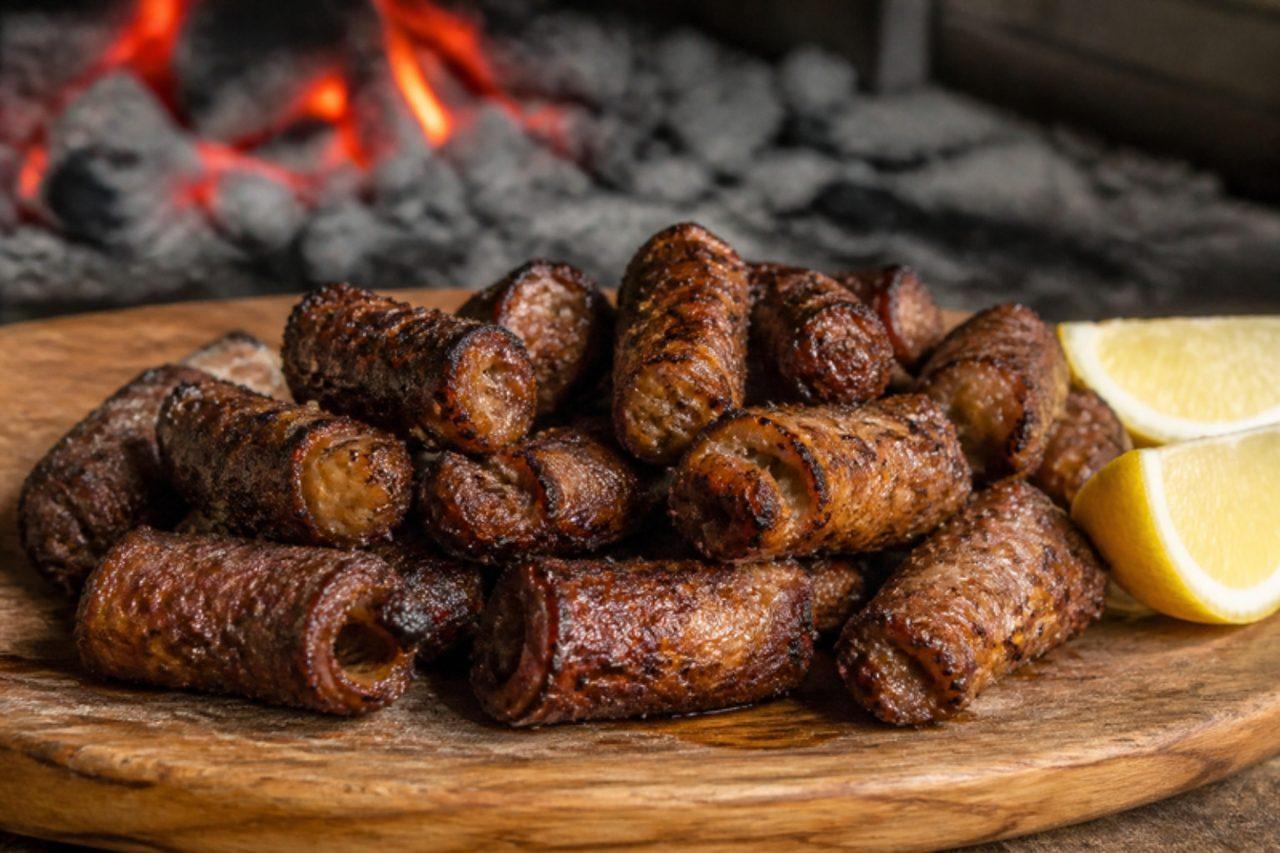
No proper Sunday asado in Buenos Aires province or the interior is complete without a round of achuras, and chinchulines are the boldest of them: beef small intestine, coiled on the grill and cooked slowly until the outside crackles like pork scratchings and the inside stays soft and rich with its own fat. Pass them round on a board with lemon and bread as a starter while the bigger cuts cook. Buy them already cleaned from a butcher or a Latin American meat counter, and rinse them again well at home. The usual mistake is too much heat: the outside burns long before the inside cooks. Offal must be cooked right through, with no soft, raw-looking parts. Chef's tip: simmer them briefly before grilling; it cleans them further, shortens the time on the coals and gives you a much more even crunch.

by KrazyBadal 0 views

Cazuela de cabrito

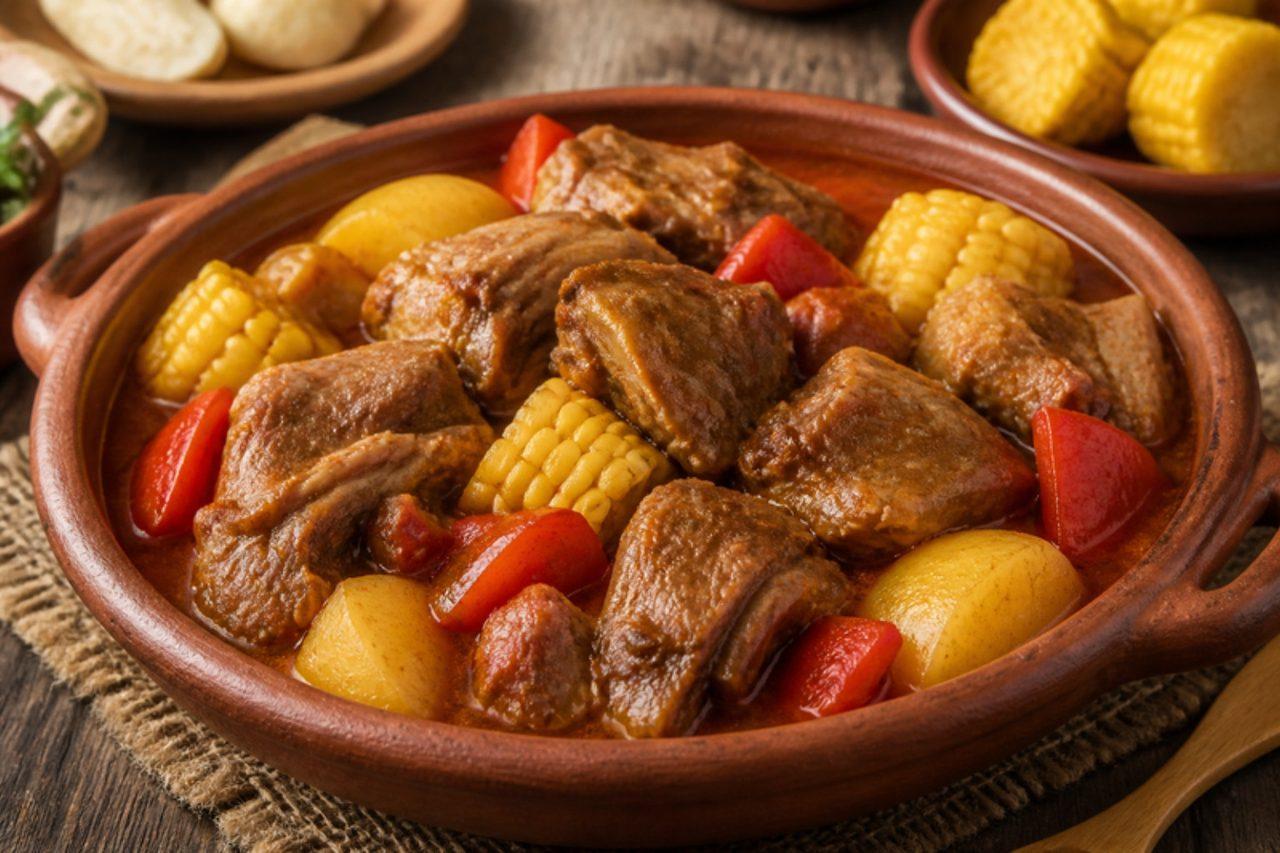
Up in the Calchaquí valleys of Salta, where goats graze between the vineyards and the cardón cactus, cabrito ends up in a heavy clay cazuela on Sunday or feast days. The meat simmers with onion, red pepper, cumin and ají molido until it slides off the bone, and the potatoes and thick rounds of corn on the cob drink up a brick-red, gently spiced broth. Bring it to the table in the pot with bread or a simple tomato and onion salad. Kid goat can be ordered from halal butchers and some farm shops; lamb shoulder works too. People often boil it hard to save time, which squeezes the lean meat dry and stringy; it wants the barest simmer. Chef's tip: brown the pieces in two or three batches so they colour properly instead of stewing in their own juices; that browning is where most of the flavour comes from.

by KrazyBadal 0 views

Tortitas negras

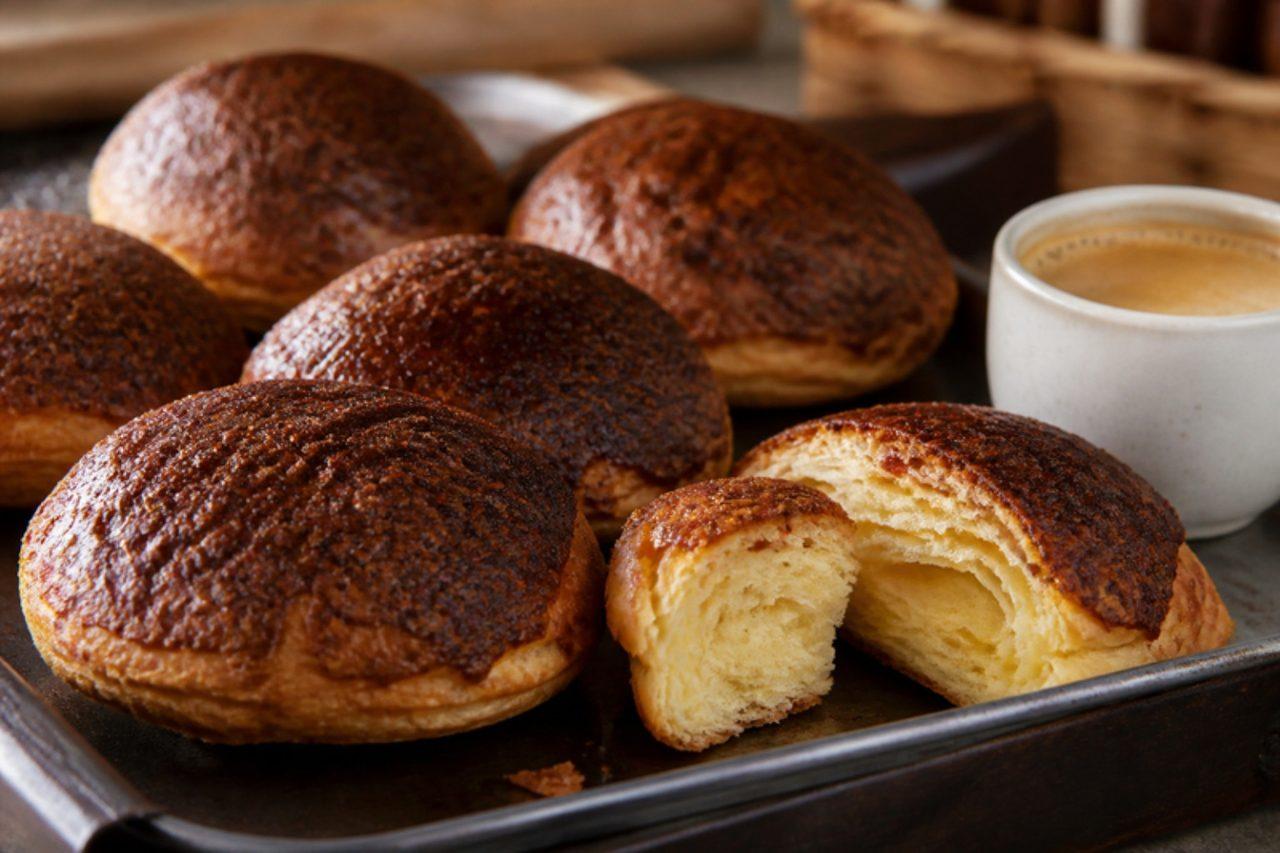
Black cakes, the name means, though only their tops are dark: tortitas negras are flat, round, flaky buns covered with a thick crust of dark brown sugar that melts in the oven and sets crunchy and toffee-like. They are among the cheapest and most popular facturas in Buenos Aires bakeries, eaten from a paper bag at breakfast or as a merienda with mate, and everyone fights over the sugary edges. The dough is a lightly laminated yeast dough, between bread and puff pastry. Bakeries often use lard or margarine; this version uses butter and stays vegetarian. Being stingy with the sugar is the classic misstep: a thin layer just melts into the dough and disappears, so pile it on thickly and press it down. Chef's tip: brush the rounds with water, not egg, before adding the sugar; the water melts the sugar into a crisp, crackling shell.

by KrazyBadal 0 views

Mollejas a la parrilla

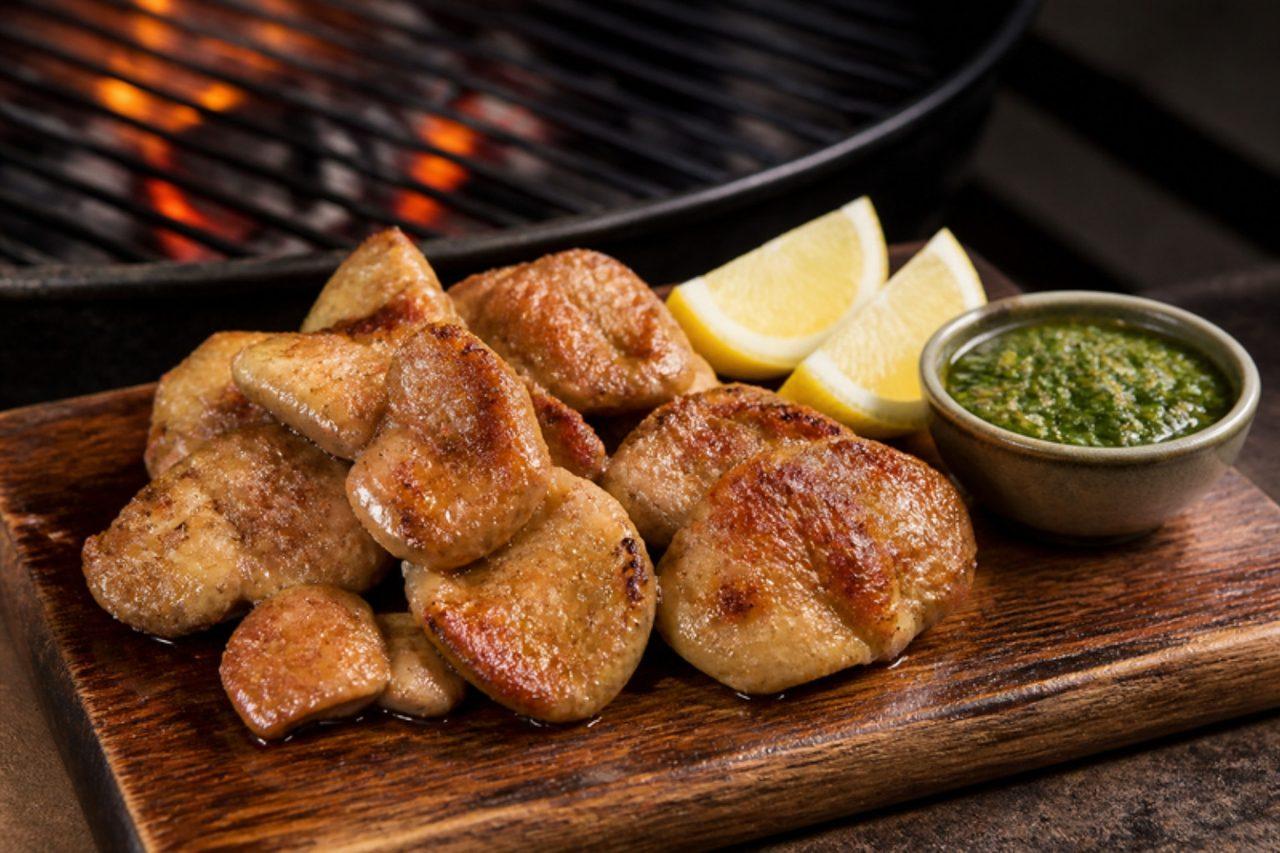
Order an asado in any Argentine parrilla and the mollejas arrive early, before the big cuts, crusty and golden outside, soft and almost custardy within, with nothing but lemon. They are the thymus glands of young cattle, mild in flavour and rich in texture, and parrilleros treat them as a treat for the guests who hang around the grill. Ask a butcher for veal sweetbreads (heart sweetbreads are the plumpest) and cook them the day you buy them. Grilling them hot and fast is the common mistake: the outside chars while the centre stays raw and rubbery. As offal, they must be cooked right through, to at least 71 °C in the middle. Chef's tip: a brief blanch firms them, makes the membrane easy to peel and means the grill only has to crisp them.

by KrazyBadal 0 views

Patay

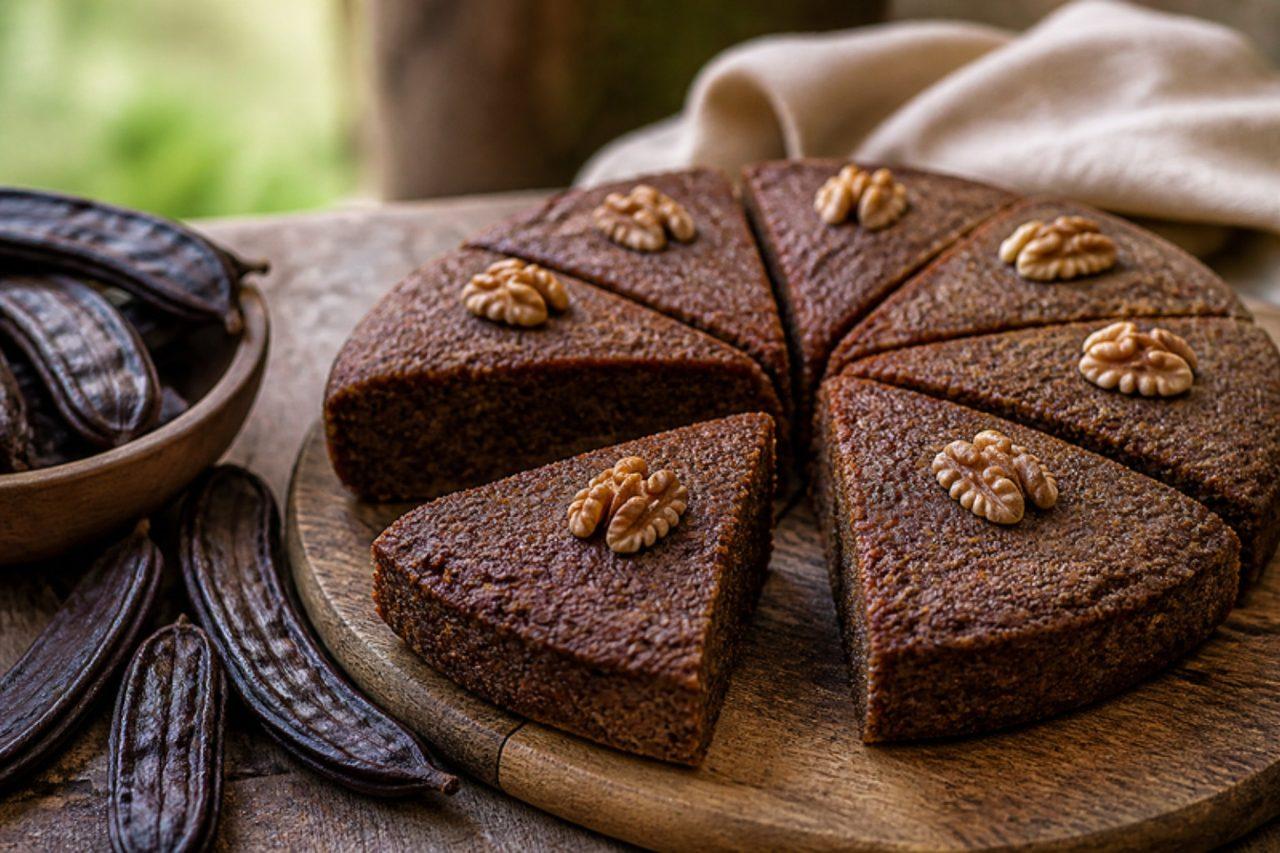
Long before sugar reached the dry northwest, the pods of the algarrobo tree were the region's sweetness, and patay is the oldest way of keeping them: the pods are ground, the flour is moistened and pressed into a cake that dries into something dense, fudgy and naturally sweet, with notes of cocoa, coffee and caramel. In Santiago del Estero you still buy it in round slabs at markets and roadside stalls, to eat with mate or to crumble into milk. Harina de algarroba comes from the South American Prosopis tree; look for it in health-food shops or online, and mesquite flour is the same family and works well. Mediterranean carob flour is different and tastes more bitter. Too much water is the way most first attempts go wrong: the cake should be pressed from a damp, crumbly mix, not a batter, or it bakes up gummy. Chef's tip: sieve the flour twice; algarroba flour clumps, and lumps stay as hard grains.

by KrazyBadal 0 views

Bife a caballo

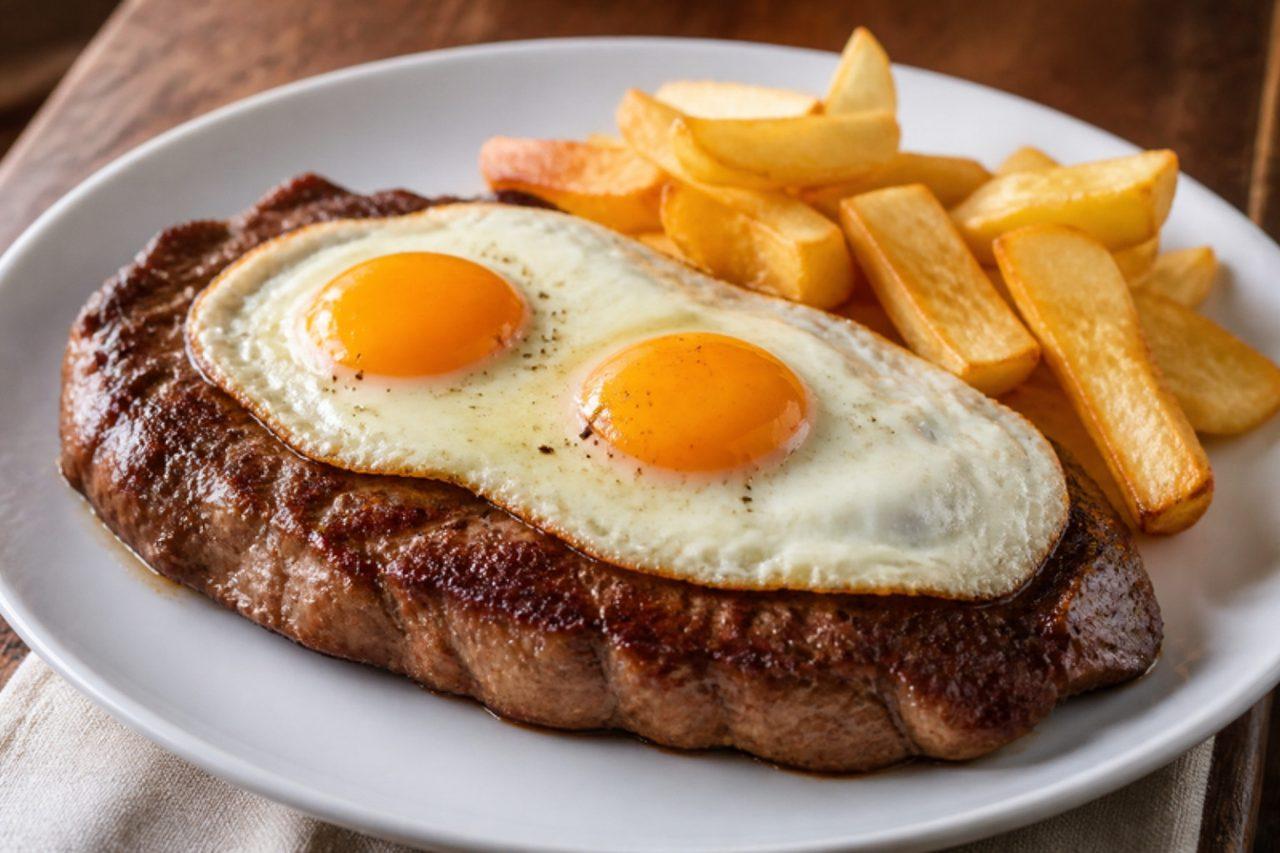
On the chalkboard of any neighbourhood bodegón in Buenos Aires you will find bife a caballo, steak "on horseback": a thick bife de chorizo (sirloin) or rump seared hard in a hot pan, crowned with two fried eggs whose yolks run into the meat juices, and served with a pile of chips. It is the plate for hungry taxi drivers at lunch and for anyone recovering from a long night. Cook the steak to your taste; Argentines usually ask for it jugoso (medium rare, about 55 °C in the centre) or a punto (medium, about 60 °C). Use eggs fried until the whites are fully set, and cook the yolks firm for anyone vulnerable. Crowding a pan that isn't hot enough is the classic mistake, which stews the steak grey, so let the pan smoke first. Chef's tip: rest the steak while you fry the eggs in the same pan; the beef juices in the fat give the whites crisp, savoury edges.

by KrazyBadal 0 views

Chivito al asador

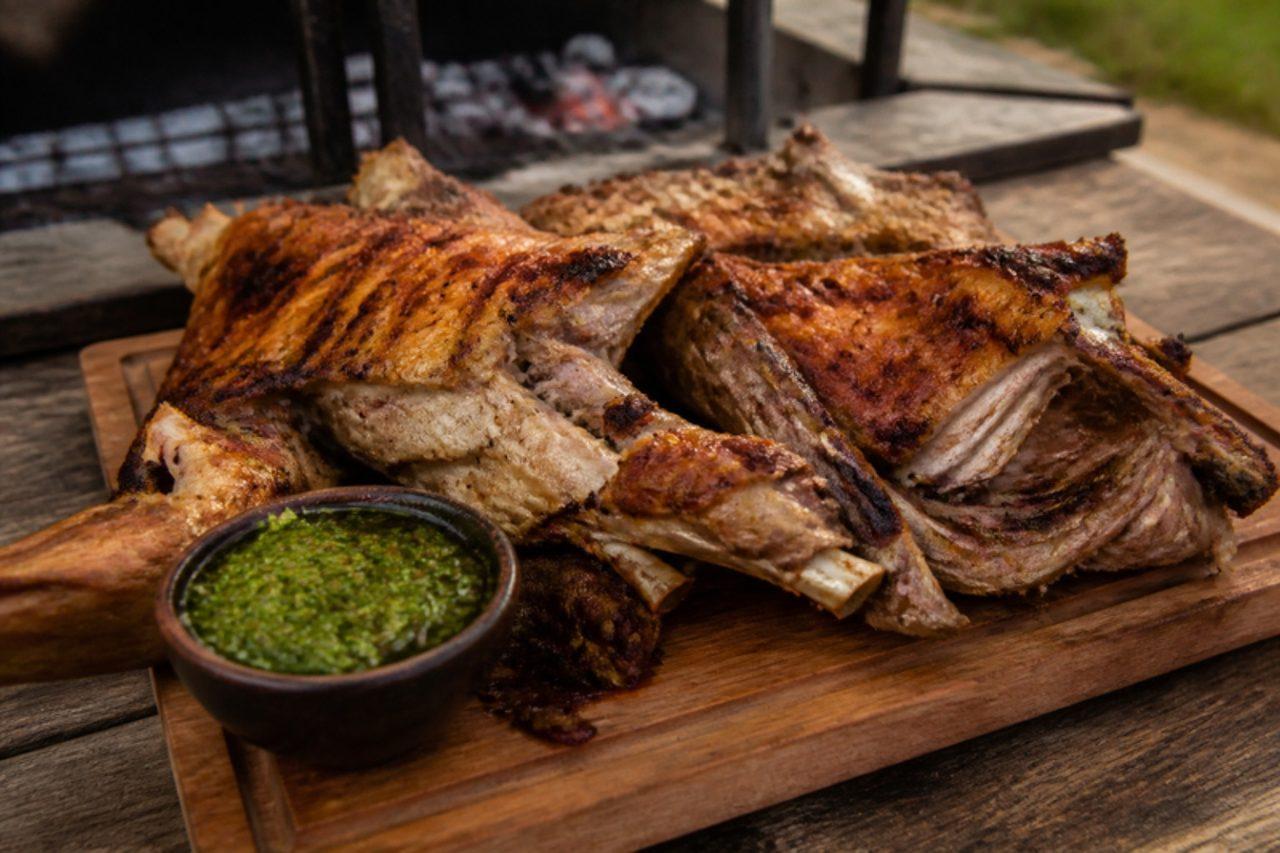
Malargüe, in the dry south of Mendoza, holds a goat festival every summer, and the star is the chivito: a milk-fed kid opened flat, wired to an iron cross and planted at an angle beside a fire of jarilla or other hardwood. It cooks from the side, never over the flames, basted with a garlicky salmuera until the skin turns glassy and crackling and the meat pulls apart. Serve it straight from the cross with salad, bread and chimichurri. Order a whole kid of 5–7 kg dressed weight from a specialist or halal butcher, and check the cross fits it before the day. Most failures come from setting it too close to the fire, which burns the outside while the thick legs stay raw. Kid is lean, so cook it right through, as in Mendoza: the thickest part of the leg should reach at least 70 °C. Chef's tip: cook bone side to the fire for two-thirds of the time; the ribs protect the meat, and the skin goes on last so it crisps instead of scorching.

by KrazyBadal 0 views

Matambre arrollado

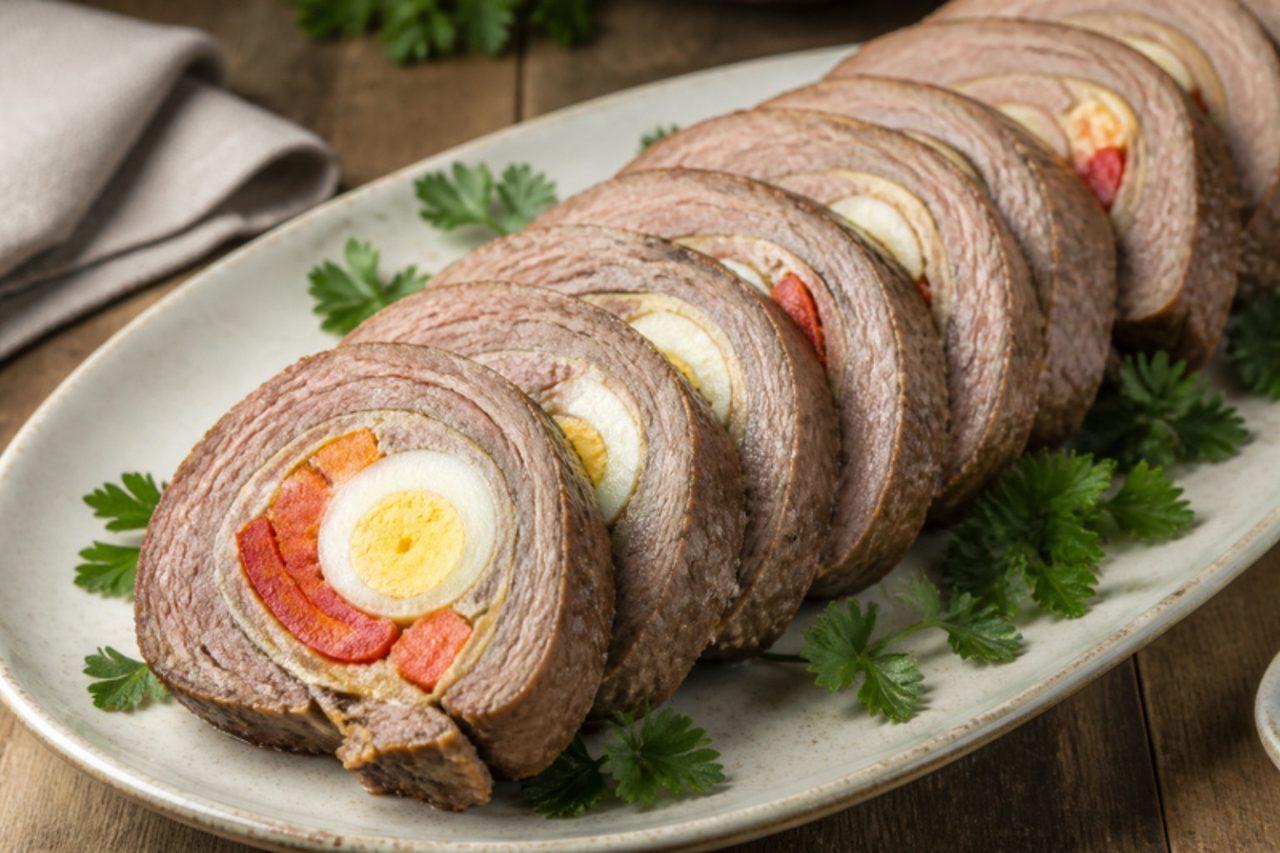
Christmas and New Year in Argentina fall in high summer, so the festive table is crowded with cold dishes, and matambre arrollado is the one that draws a crowd: a thin sheet of beef from between the ribs and skin (matambre, the rose or flank cut), spread with garlic and parsley, layered with hard-boiled egg, carrot and red pepper, rolled into a fat sausage, poached and pressed. Rotiserías in the Buenos Aires suburbs sell it by the slice, and each round shows a mosaic of colours. Served cold with Russian salad and a sharp chimichurri, it is tender and savoury. Because the outside of the meat ends up rolled inside, cook it to a core temperature of 71 °C, as for minced meat. The usual mistake is slicing it warm: it falls apart, so press it under a weight in the fridge overnight. If you can't find matambre, ask the butcher for a thin flank steak butterflied to 1 cm. Chef's tip: lay the meat with the grain running along the roll, so each slice cuts across the fibres and stays tender.

by KrazyBadal 0 views

Pastel de papas

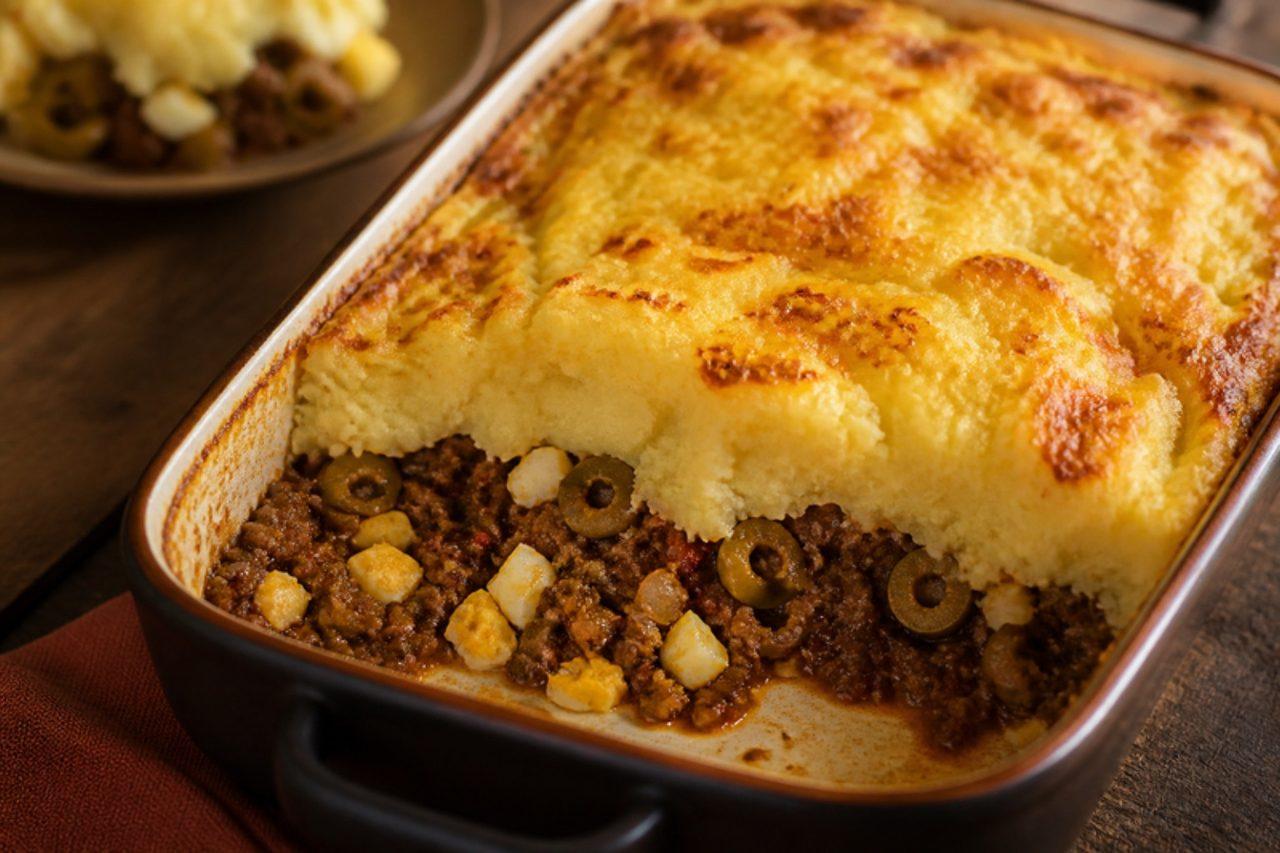
Midweek family dinners in Buenos Aires often come out of the oven in a deep dish: pastel de papas, the Argentine answer to cottage pie. The beef picadillo is cooked the way it is for empanadas, with onion, red pepper, paprika and cumin, then studded with green olives, chopped boiled egg and sometimes raisins for a sweet-salty bite, all under a thick, creamy mash browned with cheese or sugar on top. It is a dish of school lunches and Sunday leftovers, served with a green salad. Mince must reach 71 °C, which it will long before the potato crust browns; just make sure no pink remains when you cook the filling. A runny filling is the usual letdown, as it seeps into the mash, so cook it until the pan is almost dry. Chef's tip: sprinkle a teaspoon of sugar over the mash before baking, as many Argentine cooks do; it caramelises into a thin, crackly golden crust.

by KrazyBadal 0 views

Tortitas mendocinas

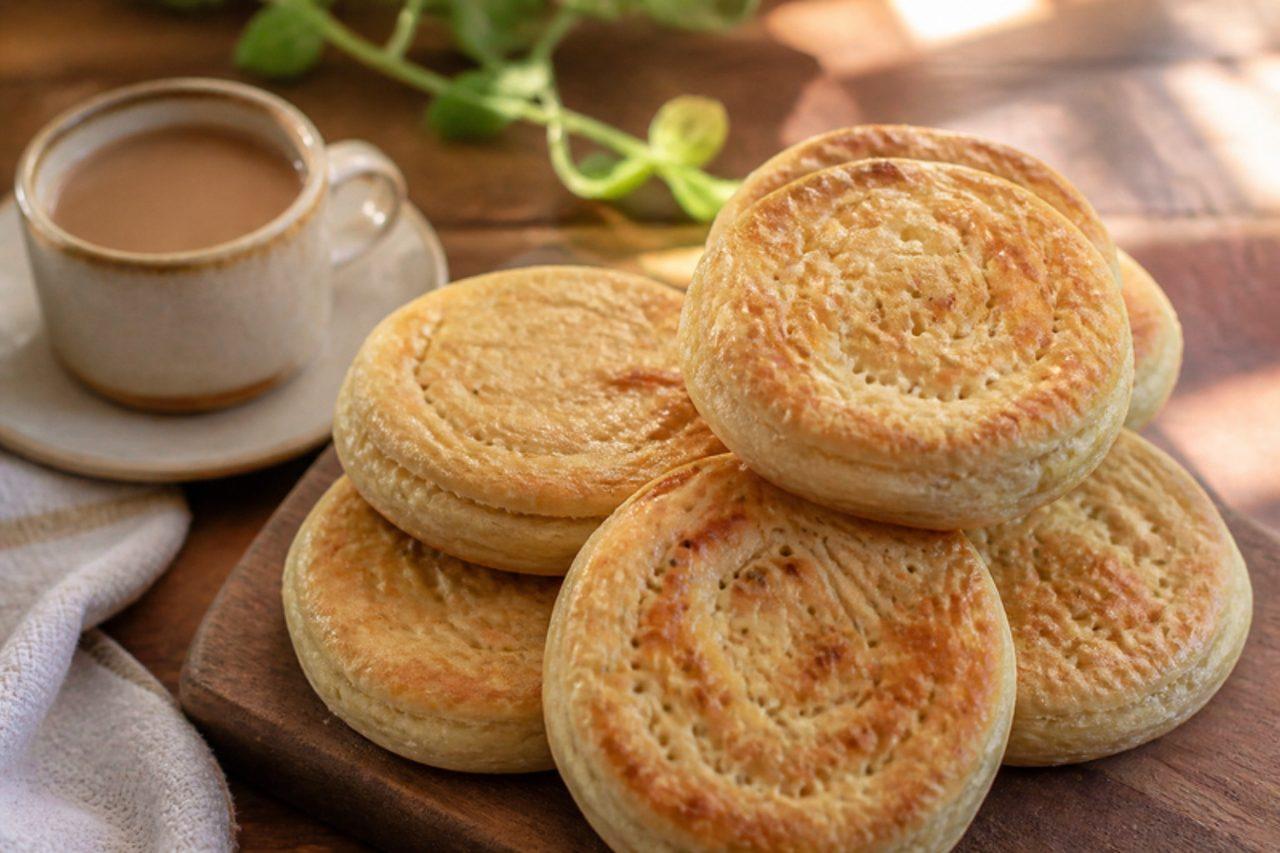
Every panadería in Mendoza fills a tray with tortitas in the early morning, and they go out in paper bags to be eaten warm with mate, split and spread with butter, quince paste or a slice of cheese. They are flat, round, slightly salty breads, soft and layered in the middle and crisp at the edges, with the fork marks that give them away. The traditional fat is beef lard (grasa), which makes them very short; here butter or vegetable shortening takes its place to keep them vegetarian, and both give a good flaky result. The mistake to avoid is rolling them thin like crackers: they should be a generous centimetre thick, or they bake hard and dry. Chef's tip: fold the dough in three twice before the final roll, like a quick puff pastry; those folds give tortitas their layers.

by KrazyBadal 0 views

Alfajor santafesino

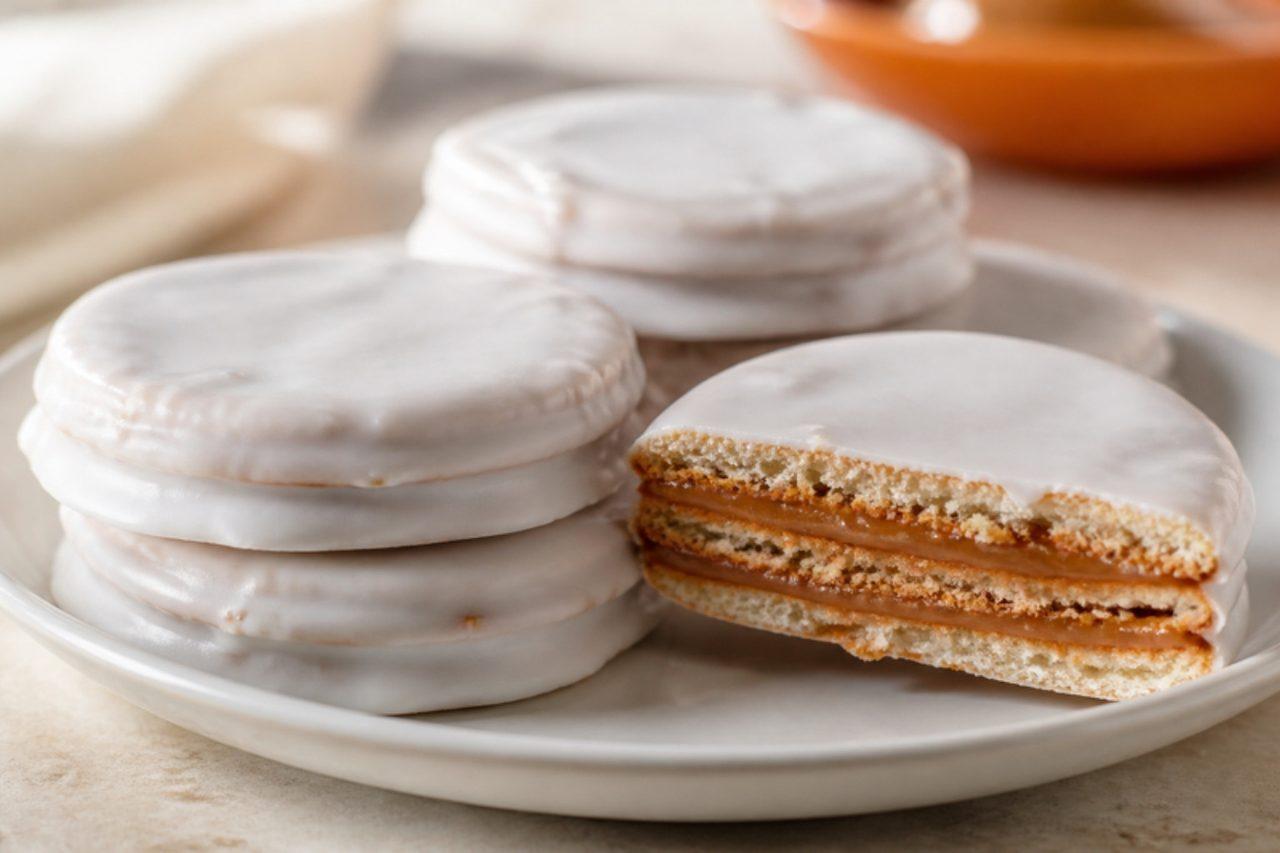
Santa Fe's alfajor is a different animal from the soft cornflour kind sold everywhere else: three wafer-thin, crackly discs of yolk-rich pastry, stacked with dulce de leche, then dipped in a cooked sugar glaze that sets hard, white and shiny. Bakeries in Santa Fe city and along the Paraná river ship them all over the country in boxes, and travellers bring them home as the regional present. Bite through and the glaze shatters, the pastry flakes and the dulce de leche holds it all together. Thick pastry is the mistake that ruins the texture; it has to be rolled until you can almost see the worktop through it, or the alfajor turns bready. Some old recipes add a splash of cane spirit to the dough; this version uses only water and is alcohol-free. Use a thick, pastry-chef's dulce de leche (repostero) so it doesn't ooze. Chef's tip: bake the discs in batches and keep the rest of the dough covered; it dries out fast and then cracks when rolled.

by KrazyBadal 0 views

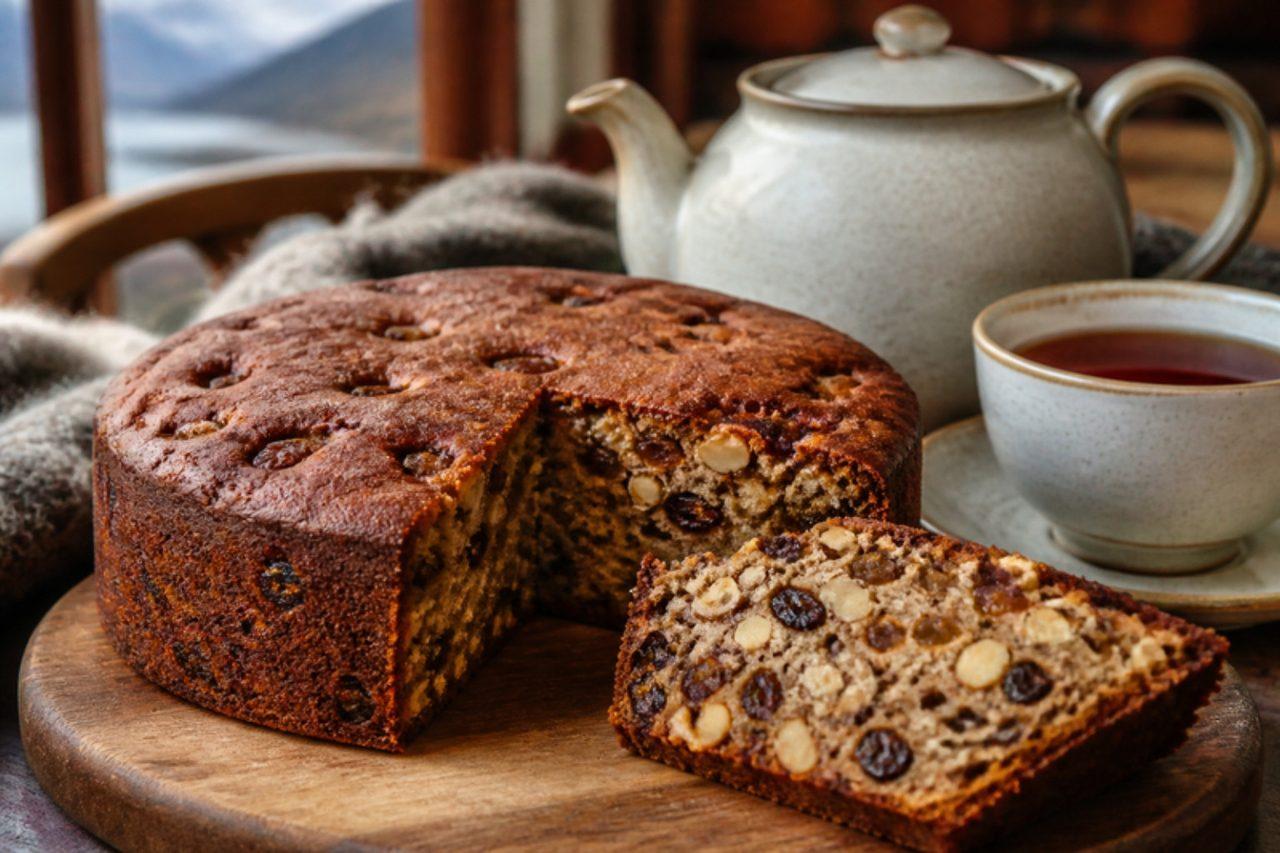
Torta galesa

Welsh settlers arrived in the Chubut valley in 1865 and their descendants still serve afternoon tea in Gaiman and Trelew, where the casas de té bring out pots of tea, scones, cream cakes and, always, a slice of torta galesa. It is a dense, almost black fruit cake made with brown sugar and black treacle, studded with raisins, candied peel and walnuts, and it was built to last through long Patagonian winters and journeys across the steppe. The crumb is moist and sticky, rich with spice and caramel. An oven that is too hot is the classic error: the outside chars before the middle is set, so it bakes low and slow under a sheet of paper. There's no alcohol in this version; many cooks brush it with rum after baking, so leave that out or use strong tea. Chef's tip: wrap the cooled cake tightly and wait two or three days before cutting; it turns moister and the flavours deepen.

by KrazyBadal 0 views

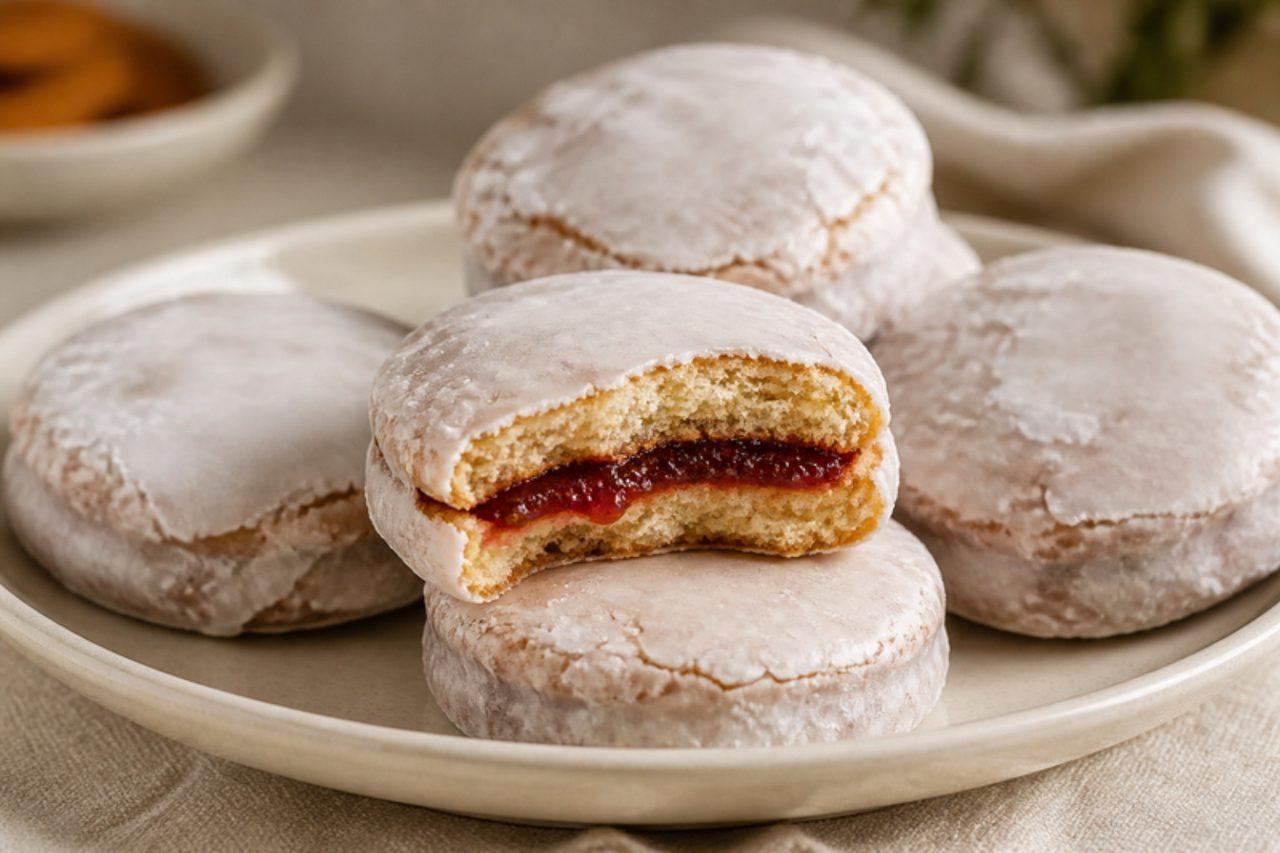
Alfajor cordobés

Córdoba's version of the alfajor is the soft one: two tender, slightly spongy honey-scented rounds sandwiched with fruit jam, usually quince or mixed fruit, and coated in a thin sugar glaze that dries to a crackly white shell. They are sold by the dozen in the sierras towns of Villa General Belgrano, La Falda and Capilla del Monte, where tourists buy boxes on the way home from holidays. Expect a gentle crunch, a cakey bite and a tart-sweet centre, best with a cup of coffee or mate. Overworking the dough is where they usually go wrong: knead it like bread and the rounds bake tough and flat, so mix only until it comes together. Quince paste (dulce de membrillo) loosened with water works well if you can't find a soft quince jam. Chef's tip: dry the glazed alfajores for 5 minutes in a barely warm oven; the glaze sets glassy and crackles when you bite.

by KrazyBadal 0 views

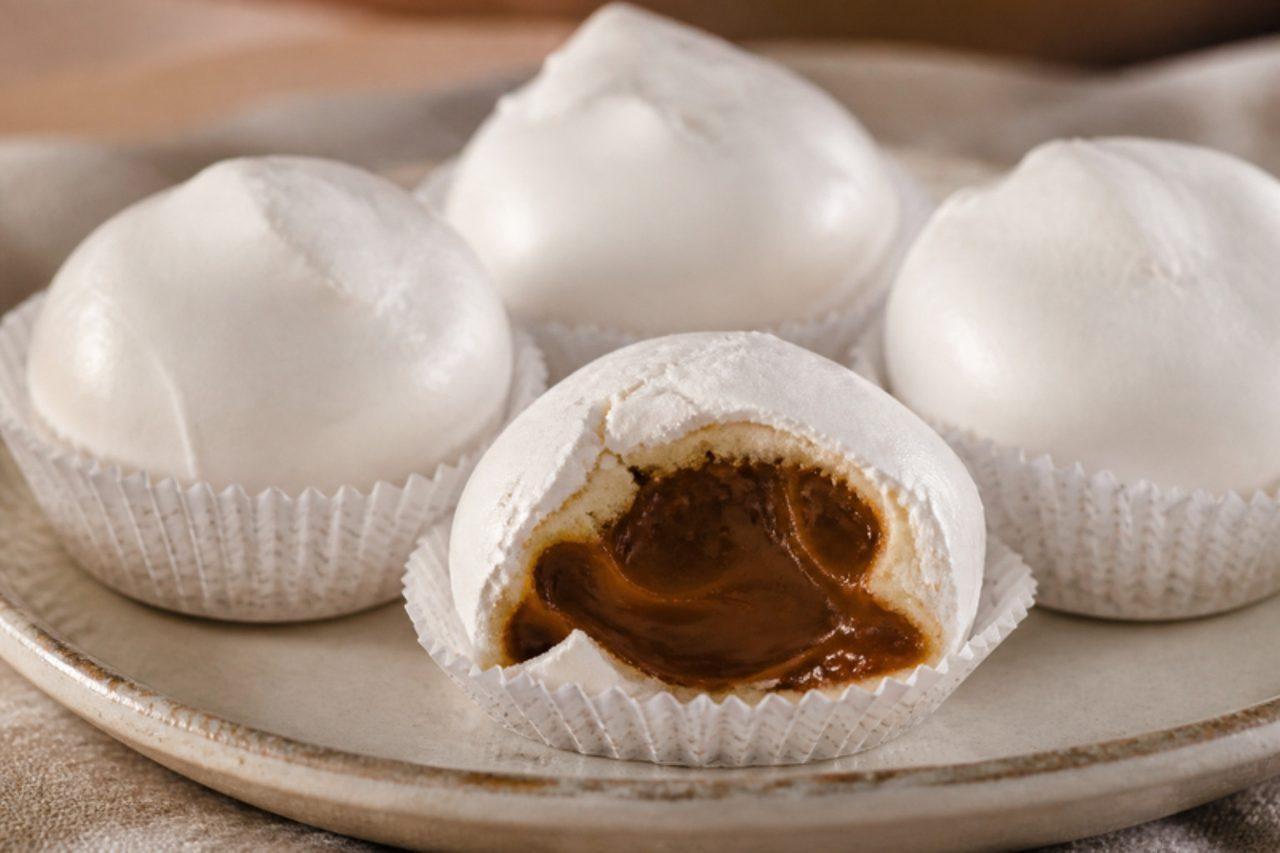
Colaciones

Small enough to eat in two bites, colaciones have been Córdoba's sweet gift since colonial times, when they were made in the city's convents; today confiterías in the old centre still sell them stacked in paper trays, and visitors carry them home with the alfajores. A crumbly short pastry encloses a spoon of dulce de leche, shaped into a little dome, baked pale and then dipped in a glossy white glaze that hardens into a crisp sugary shell. They are lovely with coffee or mate after lunch. The usual problem is leaking: too much filling, or edges that aren't sealed, and the dulce de leche boils out in the oven, so use a level teaspoon and press the rims firmly. The glaze is a light Italian meringue, where hot syrup cooks the egg white. Chef's tip: chill the filled colaciones for 15 minutes before baking; cold pastry keeps its shape and seals better.

by KrazyBadal 0 views

Showing 24 of 46 recipes

Show more recipes

Page 1 of 2