Skip to content
Recipes

All recipes

Vegetarian, or something you can't eat? Set your diet once and we'll hide recipes that don't fit.

Morcilla dulceSweet blood sausage with walnuts

No Uruguayan parrilla is complete without morcilla dulce: a soft pork blood sausage sweetened with sugar and scented with orange peel, studded with walnuts and raisins, grilled until the skin crisps and served first, as part of the achuras, while the beef is still cooking. It is pork throughout: pork blood, pork back fat and natural pork casings. Making it at home is a project. Buy fresh pork blood with an anticoagulant added from a butcher who supplies it for sausage making, keep it chilled below 4 °C and use it within a day. The common mistake is poaching at a rolling boil, which bursts the casings. Chef's tip: keep the water at 80–85 °C, just shivering, and prick a sausage after 25 minutes: it is done when brown, not red, juice comes out.

by KrazyBadal 0 views

BusecaTripe and white bean stew

Buseca arrived in Montevideo with Italian immigrants from Lombardy and became a classic winter dish of Uruguayan bodegones and family kitchens, eaten on cold June and July days. Honeycomb tripe is simmered until tender, then stewed with white beans, pork chorizo, bacon, peppers, tomato and paprika into a thick, warming stew served with crusty bread. Buy tripe that is already cleaned and blanched (dressed). The usual mistake is undercooking the tripe: it needs a full 2 hours, until it's soft enough to cut with a spoon. Slow-cooker option: after step 4, cook on low for 8 hours. Chef's tip: a little grated lemon zest and parsley stirred in at the end lifts the rich, gelatinous sauce.

by KrazyBadal 0 views

Pâté en croûtePork and veal pie in pastry

Lyon's charcuteries display pâté en croûte like jewellery: a tall loaf of crisp, golden pastry wrapped around a coarse terrine of pork and veal. A slice wrapped in paper is a picnic and lunchbox luxury, and the whole loaf is a Sunday project eaten over several days. The common mistake is undercooking it for fear of drying it out: as it is made with minced pork, the centre must reach 71 °C, so use a probe thermometer. The classic farce has a splash of cognac; it's optional here, and apple juice or extra stock is the alcohol-free swap. Chef's tip: chill the filled, unbaked loaf for 30 minutes before baking so the pastry keeps its shape and pattern.

150 minFrenchMeat
by KrazyBadal 0 views

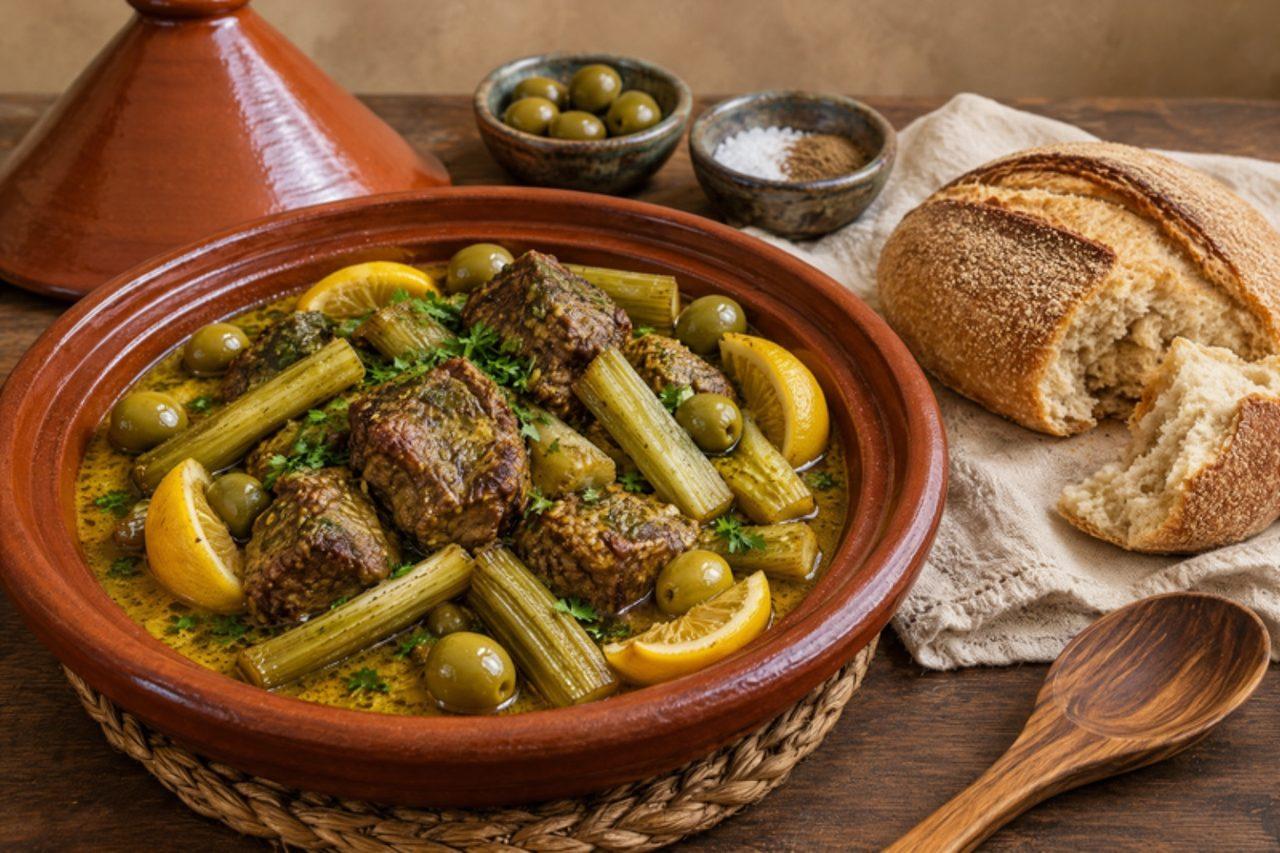
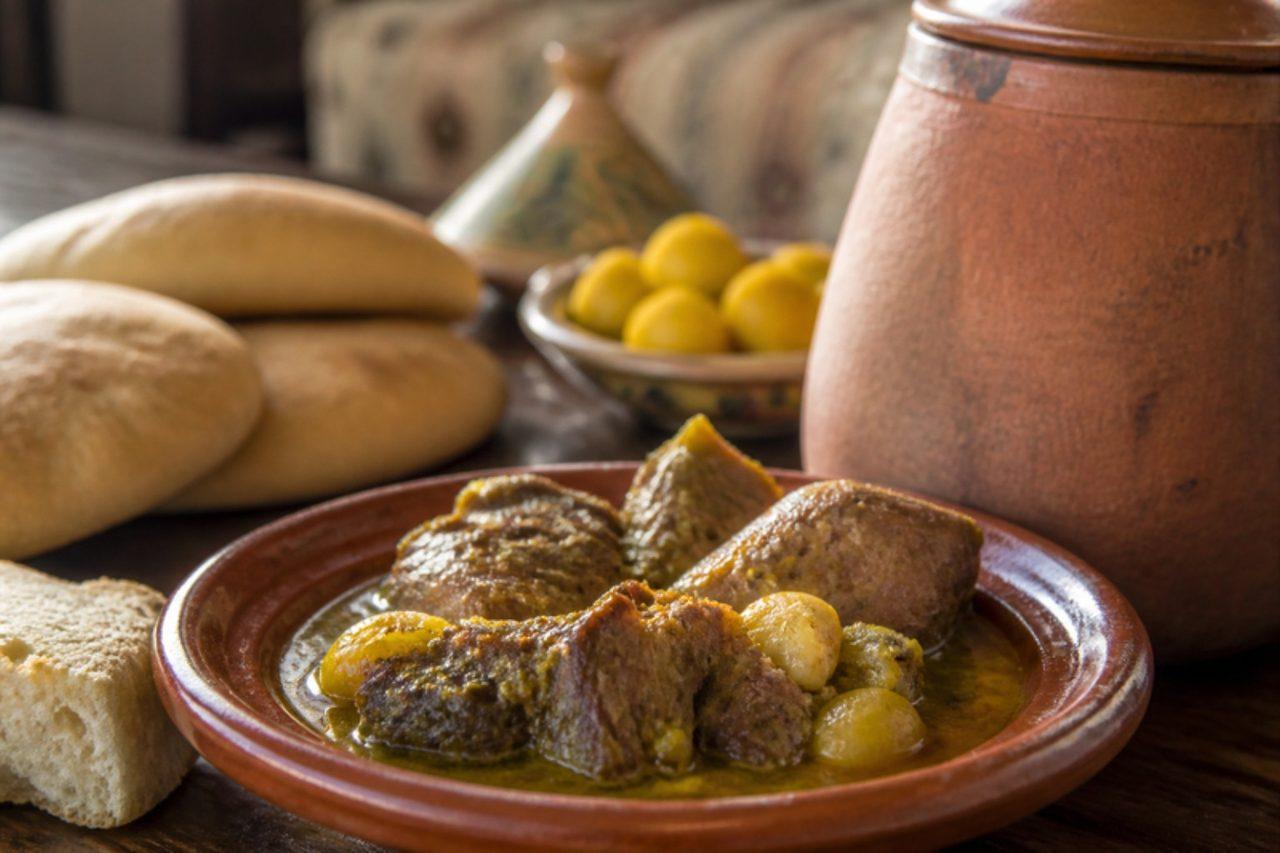
Tagine bil khorchefLamb tagine with cardoons

In late winter and spring, when wild cardoons (khorchef) appear in the markets of Fez, Meknes and Rabat, Moroccan families cook them into this lamb tagine for a family lunch, eaten with bread to mop up the sauce. Lamb shoulder is simmered slowly with onion, ginger, saffron and turmeric until tender, then the peeled cardoon stalks are added and finished with preserved lemon and green olives, giving a tangy, faintly bitter, artichoke-like sauce. The usual mistake is not peeling and soaking the cardoons properly: the stringy outside must come off and the stalks must sit in lemon water, or they go brown and taste harsh. Artichoke hearts are a good stand-in. Chef's tip: reduce the sauce uncovered at the end until it is thick and oily, the sign of a well-made tagine.

155 minMoroccanMeatGluten free
by KrazyBadal 0 views

Postre MassiniCustard sponge with burnt sugar top

Montevideo's birthday cake of choice since the early twentieth century, the Massini is two thin layers of sponge sandwiching a thick filling of whipped cream folded with egg-yolk custard, crowned with a thin glassy crust of torched yolk and sugar. Bakeries across Uruguay sell it on Sundays. Traditional versions sometimes add a sweet fortified wine to the custard; this one is alcohol-free. The custard is cooked to a safe 71 °C. The common mistake is assembling with warm custard, which melts the cream into a puddle. Chef's tip: if you don't have a blowtorch, put the sugared top under a very hot grill for a minute and watch it closely.

by KrazyBadal 0 views

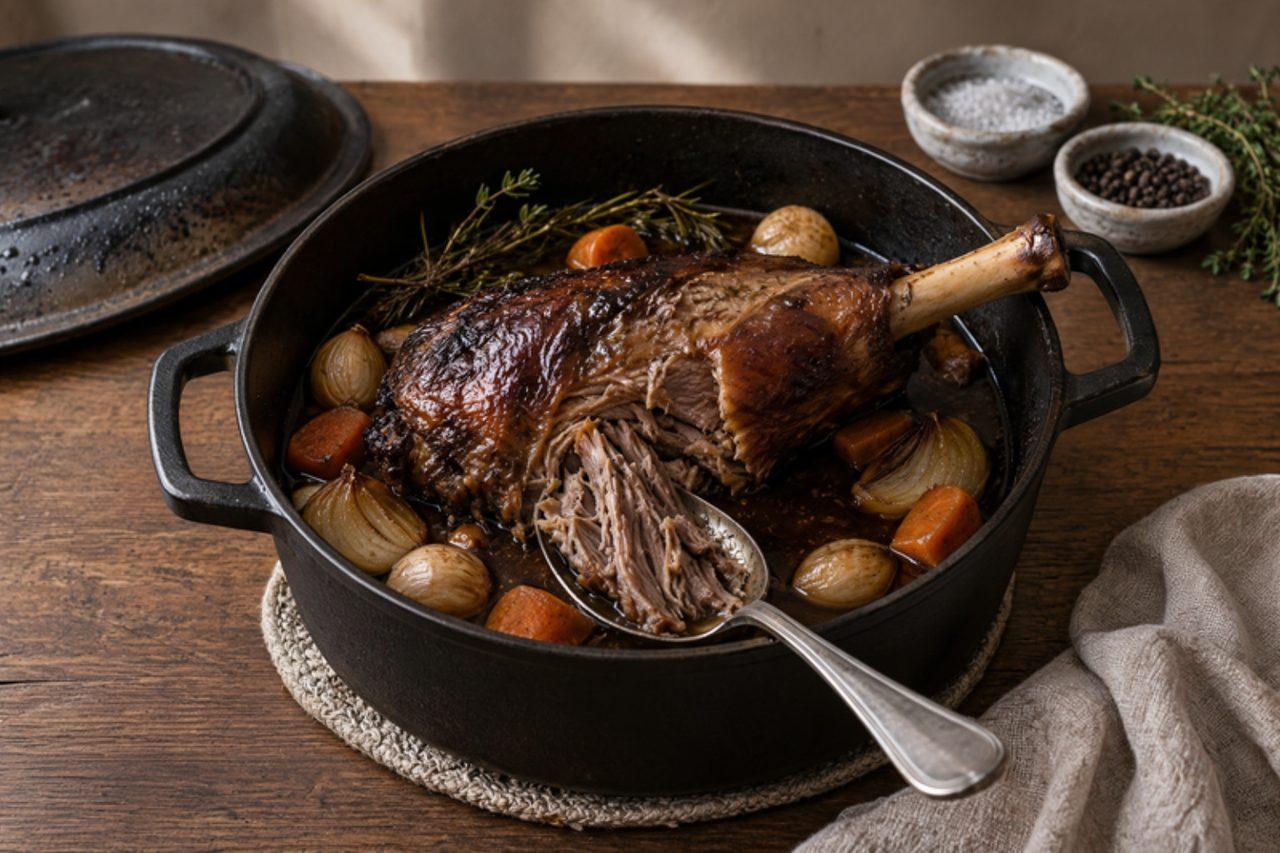
Gigot de sept heuresSeven-hour braised lamb

This is the slow Sunday gigot of the French countryside, set in a low oven after breakfast and eaten at the family lunch or supper, especially in winter and at Easter. The leg of lamb is browned, then braised so long with whole garlic heads, onions, carrots and white wine that the meat is served with a spoon rather than a knife, and the garlic melts into the sauce. Serve with white beans, mashed potatoes or simply crusty bread. It cooks with wine; for an alcohol-free version use the same amount of extra stock with a tablespoon of cider vinegar. The usual mistake is a lid that does not fit, so the liquid escapes and the meat dries; seal it with foil under the lid. Chef's tip: turn the leg every two hours and baste it, so the top never dries above the liquid.

460 minFrenchMeatGluten free
by KrazyBadal 0 views

Ají amarillo pasteYellow chilli paste

In Lima's markets ají amarillo is sold fresh all year, and most Peruvian cooks keep a tub of this paste in the fridge the way others keep tomato purée: it is the golden base of causa limeña, ají de gallina, papa a la huancaína, chupe and the sauce for tiraditos. The chillies are seeded, de-veined and blanched in three changes of water, which tames the heat and the raw grassiness, then peeled and blended with oil into a thick, silky, saffron-orange paste. It tastes fruity and sunny, almost like apricot and passion fruit, with a rounded, medium heat. Abroad, buy whole frozen ají amarillo from Latin grocers; dried ají mirasol, soaked, gives a darker, earthier paste. Common mistake: skipping the peeling; the thin skins leave papery flecks and a bitter edge. It is ready when it is completely smooth and holds a soft peak like thick hummus. This is a low-acid paste: keep it in the fridge for a week or freeze it, never on the shelf. Chef's tip: freeze it in an ice-cube tray; one cube is about a tablespoon, just right for a pot of ají de gallina.

by KrazyBadal 0 views

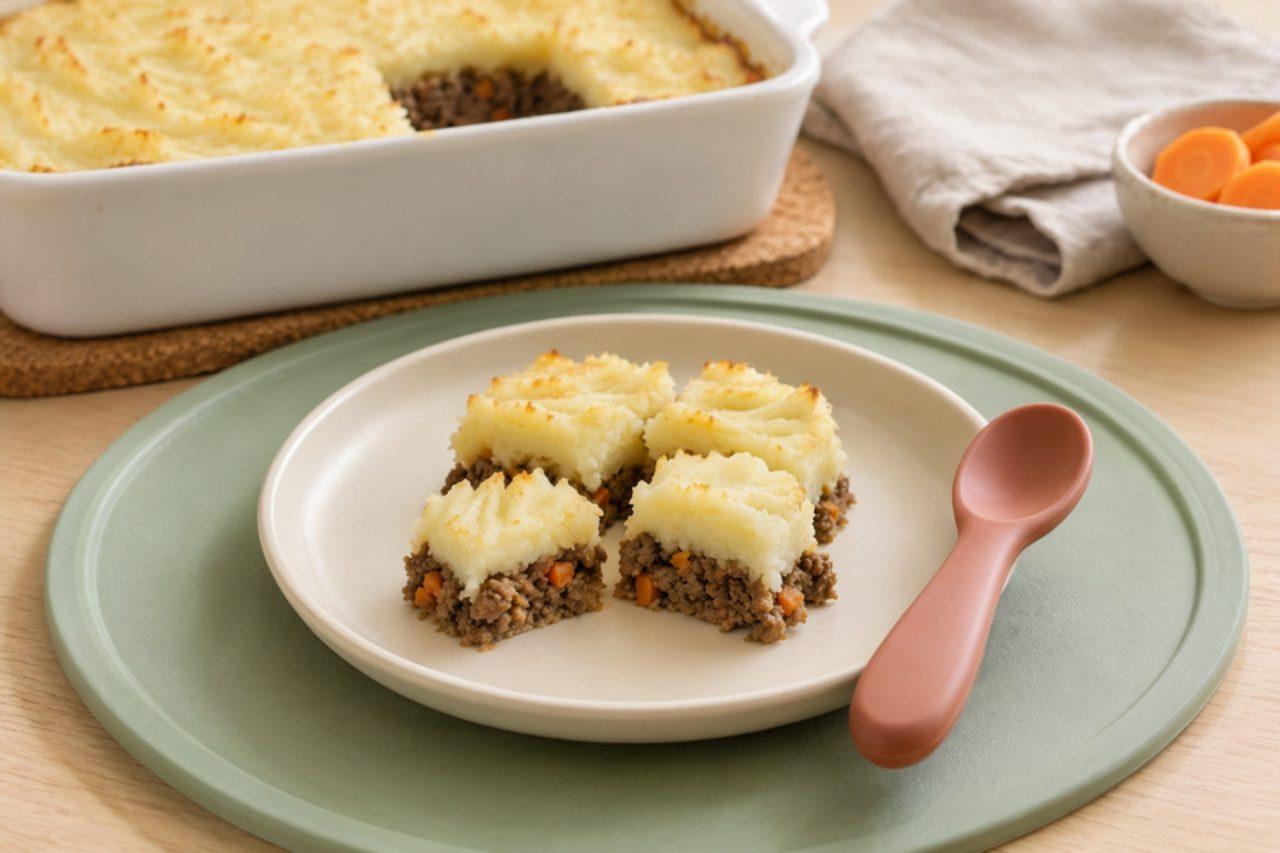
Hachis parmentier for toddlersBeef and mash bake for toddlers

Hachis parmentier, France's answer to cottage pie, is a fixture of school canteens and Wednesday family lunches from Lyon to Paris, named after Antoine Parmentier, who championed the potato. This toddler version for children from 12 months uses lean minced beef cooked soft with plenty of carrot and onion, topped with a buttery milk mash and baked until just golden, then cut into soft squares. It is cooked without stock cubes and with no added salt. It contains milk; there is no gluten, egg, nuts or soya. Chef's tip: simmer the meat with a splash of water until it's tender and saucy before topping; dry mince makes a crumbly pie that toddlers struggle with.

60 minFrenchMeatGluten free
by KrazyBadal 0 views

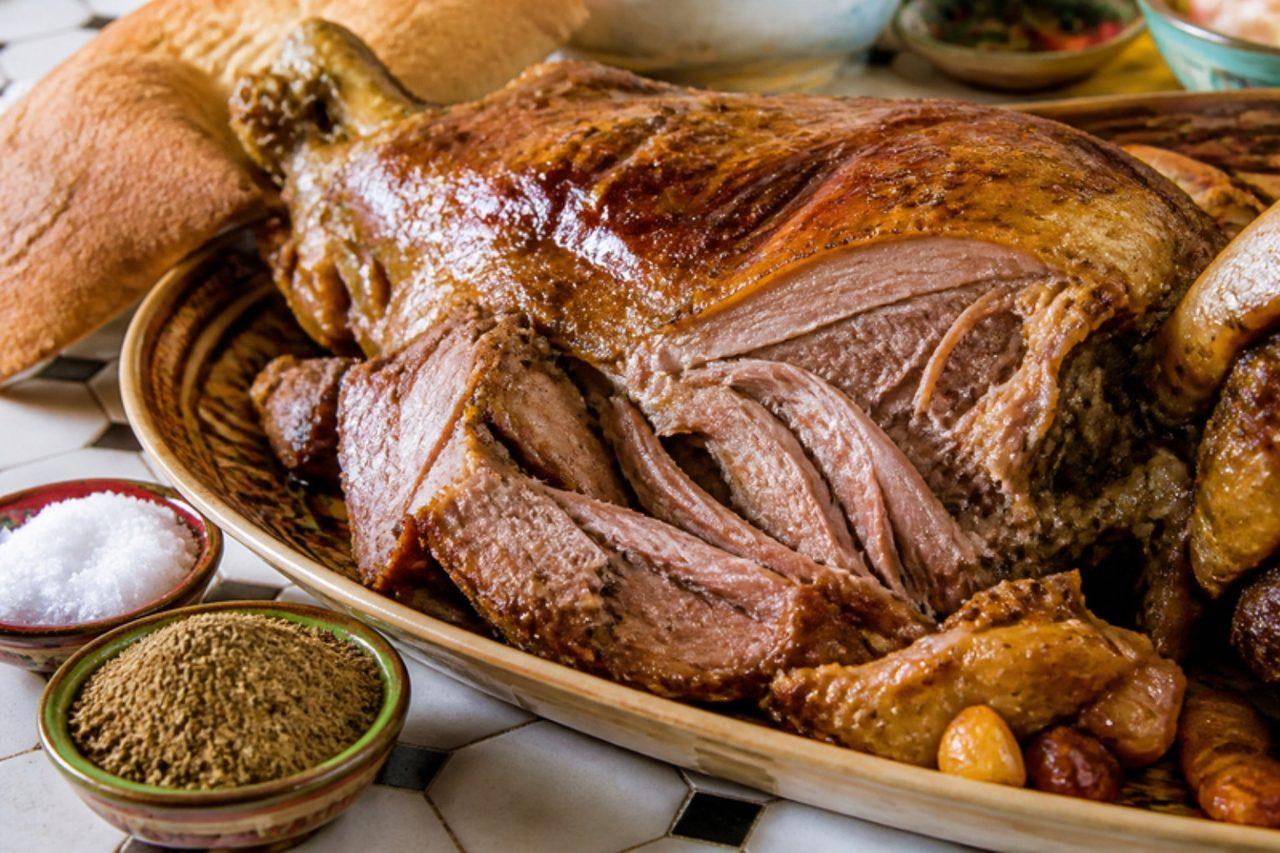
MechouiSlow-roast lamb shoulder

Under the arcades by the Marrakech spice square, mechoui sellers lift whole lambs out of clay pits sunk in the ground, where they have roasted since dawn, and sell it by weight with a twist of paper holding cumin and salt. A home oven cannot quite reproduce the pit, but a bone-in shoulder rubbed with garlic, paprika and cumin and roasted low and slow gets you close: crackling-crisp outside, tender enough to pull apart with fingers inside. It is festival and wedding food, and also a Sunday treat, eaten with bread and nothing more than the salt-cumin dip. Many cooks baste with butter; olive oil keeps this version dairy free. Chef's tip: leave the lamb uncovered for the last 30 minutes at a higher heat; that short blast is what gives the bark-like crust.

290 minMoroccanMeatGluten free
by KrazyBadal 0 views

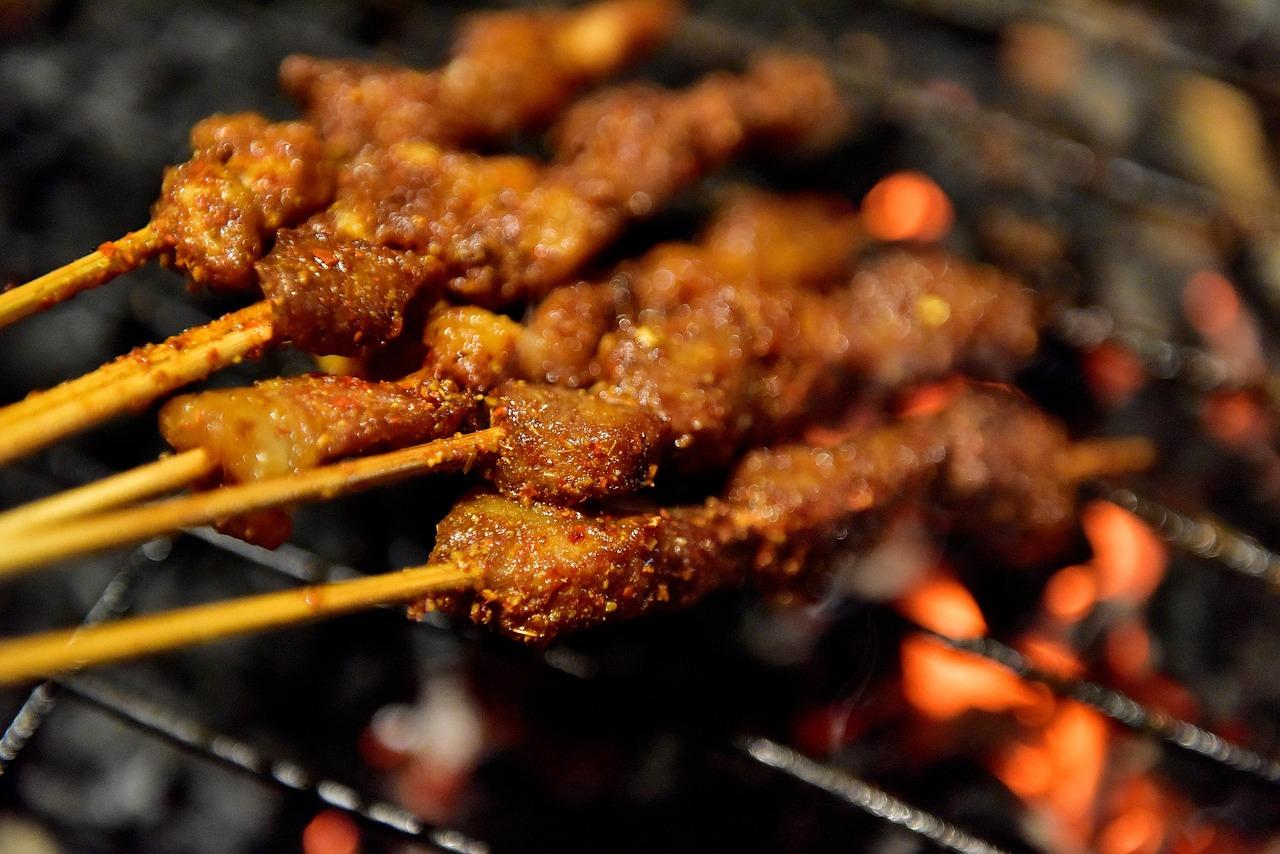
QodbanGrilled lamb skewers

Smoke rising off long braziers marks the qodban sellers of Marrakech, who thread lamb cubes with little pieces of fat so the meat bastes itself over the coals. Cumin, paprika, grated onion and parsley go on before grilling; more cumin and salt go on after. The result is charred and juicy, fragrant rather than fiery, and eaten straight off the skewer, wrapped in khobz with a little harissa and tomato. Leg or shoulder of lamb both work. Chef's tip: alternate every two pieces of lean meat with one small piece of fat; it melts as the skewer turns and keeps the lean pieces moist.

by KrazyBadal 0 views

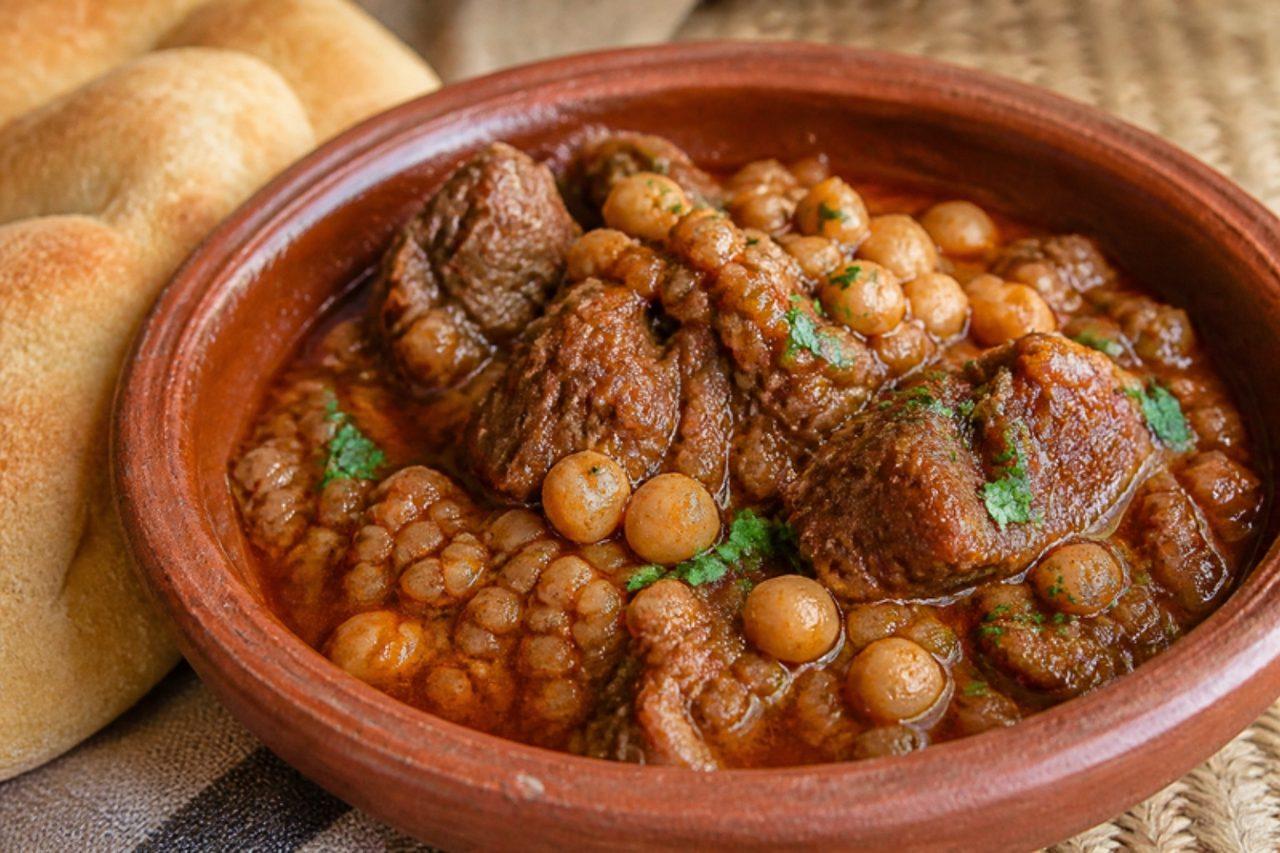
HergmaLamb trotters with chickpeas

Sticky with gelatine and warmed by cumin and ginger, hergma is the winter comfort food of Rabat's working kitchens and the dish families make from the trotters after Eid al-Adha. The feet cook for hours with chickpeas, whole wheat berries, garlic and a warm mix of paprika, cumin and ginger, until the gelatine melts into a sauce so sticky it glues your fingers together. Some cooks add raisins for a sweet edge. Eat it hot with bread, picking the tender meat and soft cartilage from the bones. A butcher who sells halal or Mediterranean cuts will clean, singe and split the trotters for you; ask for that. Chef's tip: blanch the trotters and throw away the first water; it carries off the scum and gives a clean-tasting sauce.

260 minMoroccanMeat
by KrazyBadal 0 views

Tanjia marrakchiaSlow-cooked beef with preserved lemon

Marrakech men's dish par excellence, tanjia is packed into a tall clay urn on a Friday morning, sealed with paper and string, and carried to the furnace man of the local hammam, who buries it in the warm ashes all day. Nothing is browned and almost no water goes in: the beef shin collapses in its own juices with preserved lemon, a whole head of garlic, cumin, saffron and smen into soft, sticky strands with a sharp, salty, lemony sauce. It comes to the table in the evening with bread and nothing else. At home, a lidded casserole in a low oven gives the same result. Chef's tip: wrap the lid of the pot in foil before closing it; a tight seal keeps in the steam that braises the meat without adding water.

375 minMoroccanMeatGluten free
by KrazyBadal 0 views

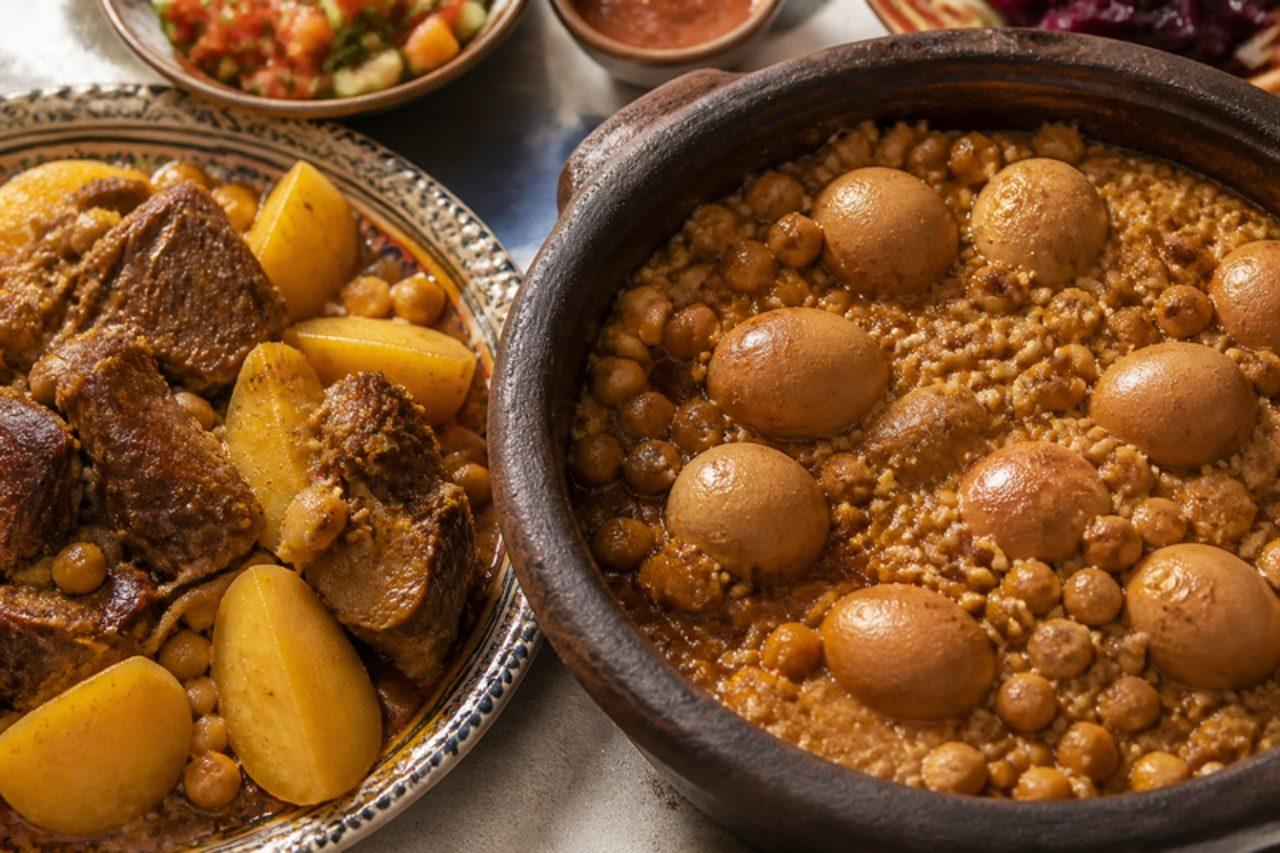
DafinaSlow-cooked Shabbat beef and chickpea stew

Dafina, meaning buried or covered, is what Moroccan Jewish families from Casablanca to Meknes set to cook before sundown on Friday, so a hot lunch is waiting after synagogue on Saturday without lighting a fire on the Sabbath. Beef, a marrow bone, chickpeas, potatoes, sweet potatoes and dates go into one big pot with whole eggs in their shells and a cloth bag of wheat berries, all seasoned with paprika, turmeric, cinnamon and a little honey. Overnight the eggs turn creamy and brown, the wheat becomes sticky, and the broth is sweet-savoury and deep. There is no pork in it, and kosher cooks use kosher beef. Chef's tip: wrap the wheat berries loosely in a cloth bag or a roasting bag with holes; packed too tight, the grain cannot swell and stays hard.

760 minMoroccanMeat
by KrazyBadal 0 views

KhliiSpiced dried preserved beef

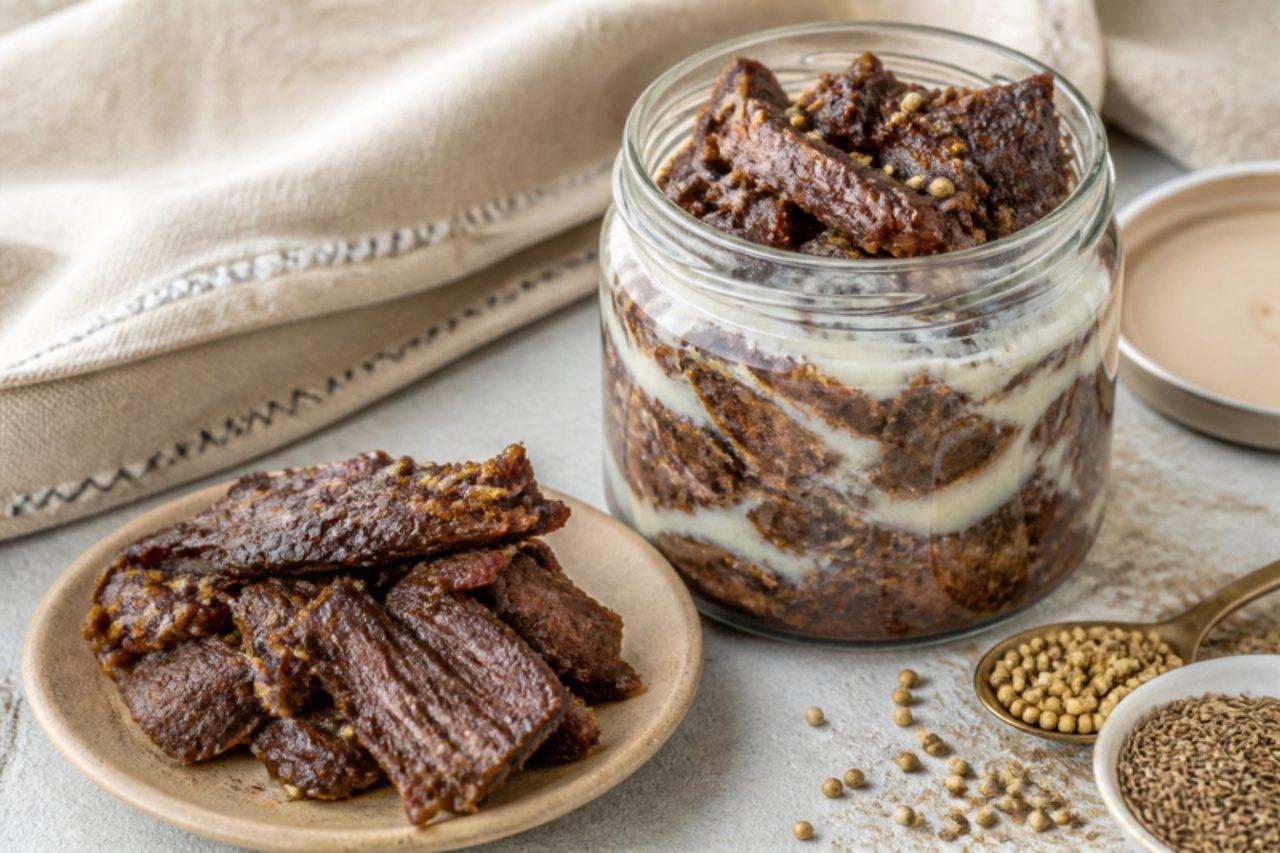
Once made in late summer from the Eid al-Adha meat, khlii was marinated, hung on rooftop lines in the Fez medina sun, then simmered in beef fat and olive oil and packed into earthenware jars for the year. It is deeply savoury and chewy, scented with coriander seed, cumin and garlic, and the fat it sits in is as prized as the meat, for frying eggs, enriching lentils or folding into couscous. This home version swaps the rooftop for the fridge and a low oven: the meat marinates for 24 hours in the fridge, dries for about 6 hours at a temperature that takes it well above 71 °C, then confits for about 90 minutes and goes back into the fridge, where it keeps for up to a month under its fat. Because it is a home-preserved meat, it is not for pregnant women, young children or anyone with a weakened immune system. Chef's tip: slice the beef with the grain into long strips no thicker than your little finger; thicker strips stay wet inside and spoil.

520 minMoroccanMeatGluten free
by KrazyBadal 0 views

MrouziaLamb with honey and raisins

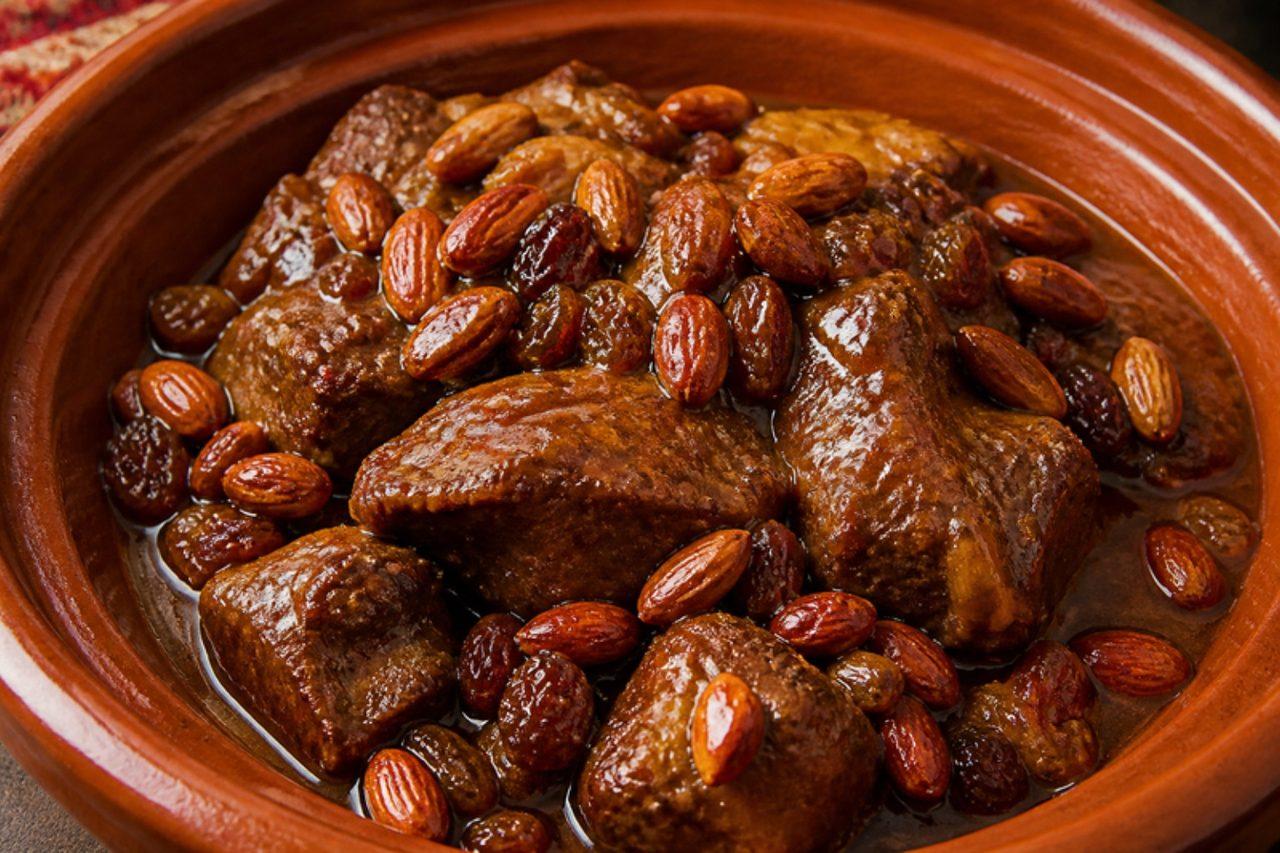
Families make a big pot of mrouzia in the days after Eid al-Adha, partly as a treat and partly as a way to keep meat: cooked down with honey, smen and spices until almost confit-like, it keeps for days, and in the past for weeks. The lamb is very tender and dark, coated in a thick, sweet-spiced sauce heavy with ras el hanout, cinnamon and saffron, with plump raisins and fried almonds on top. Serve small portions with bread and a sharp salad to balance the richness. The usual mistake is adding the honey too early, so it catches and turns bitter before the lamb is tender. Chef's tip: add the honey only once the meat is tender; added early, it scorches on the base during the long cook.

150 minMoroccanMeatGluten free
by KrazyBadal 0 views

BoulfafGrilled lamb liver skewers

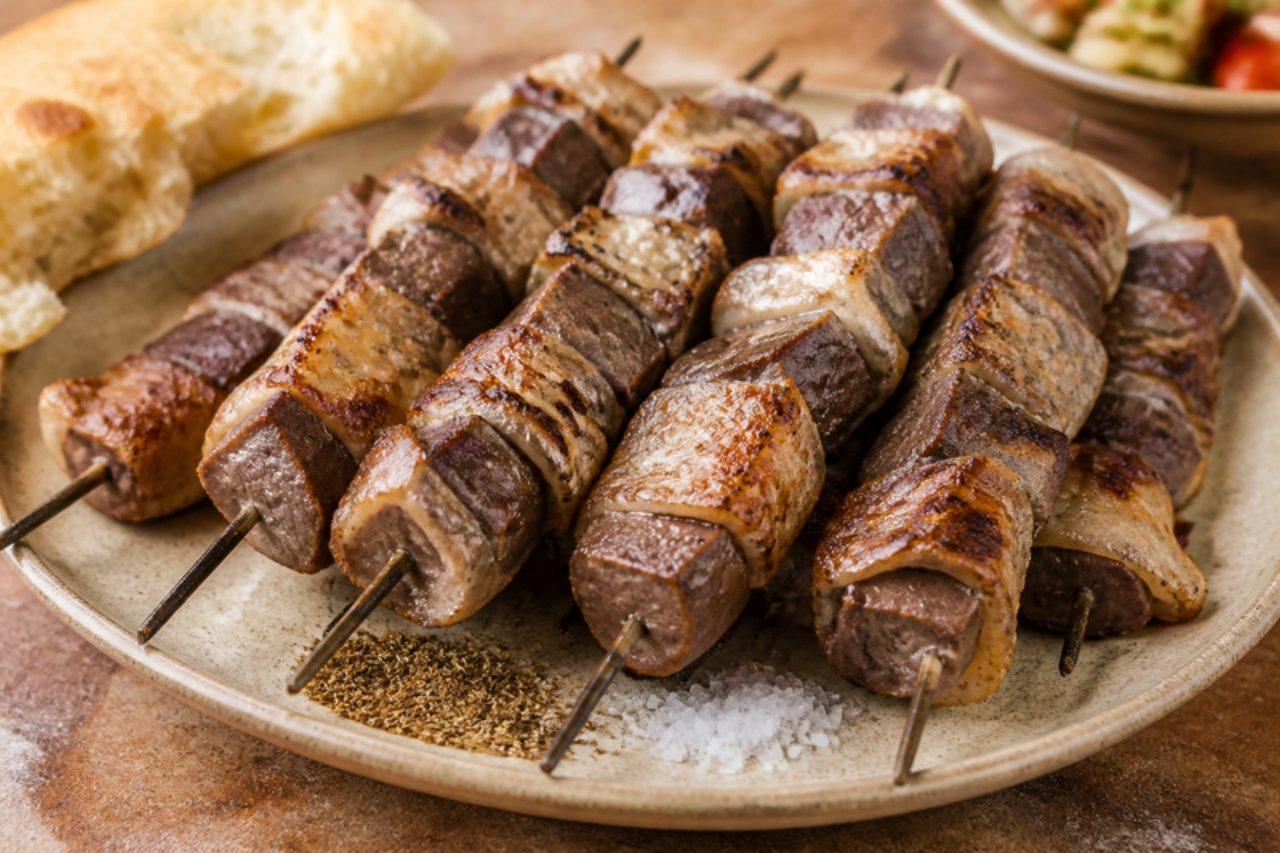
On the first day of Eid al-Adha, while the rest of the sheep hangs to rest, Moroccan families light the brazier on the roof or in the courtyard and make boulfaf from the fresh liver. The liver is seared whole, cut into cubes, rolled in cumin, paprika and salt, wrapped in lacy caul fat and grilled until the fat crisps and melts into it. Each bite is rich, smoky and soft, and the skewers go round with mint tea. Liver from your butcher works just as well on any day, and caul fat can be ordered. Chef's tip: wrap each cube snugly, not in a loose sheet; tight wrapping melts into a thin crisp shell instead of flaring up.

by KrazyBadal 0 views

Biscuits roses de ReimsPink dipping biscuits

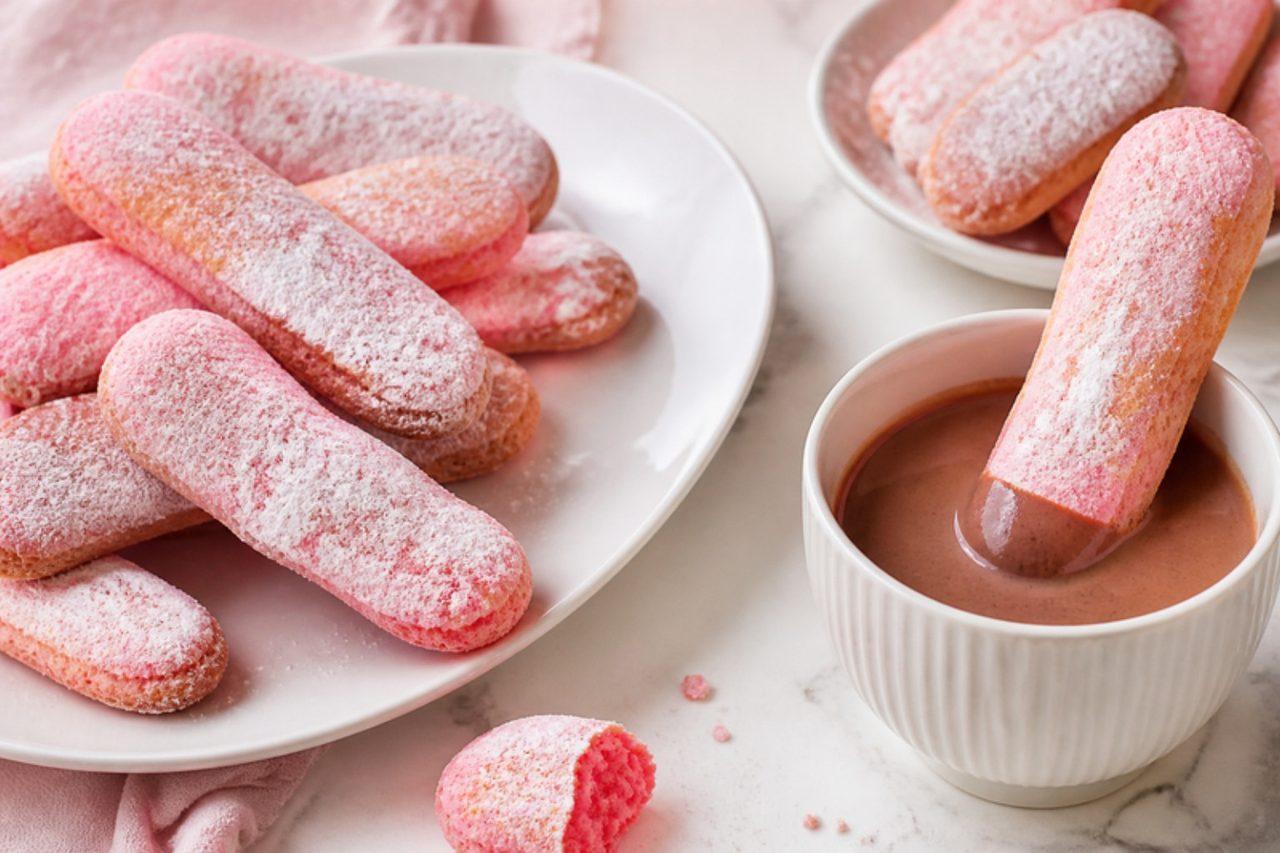
Bakers in Reims created these pale-pink, sugar-dusted finger biscuits in the late 1600s, baking the dough twice so it would keep, and they are still the city's signature treat. In Champagne it is the custom to dip them into a glass of Champagne, which they soak up without falling apart; at home they are just as good dipped in tea, hot chocolate or a fruit coulis, or layered into a charlotte. The pink colour is from a little food colouring and the vanilla scent fills the kitchen. Chef's tip: dust the piped fingers with icing sugar twice, a few minutes apart; that gives them their fine, crackled crust.

by KrazyBadal 0 views

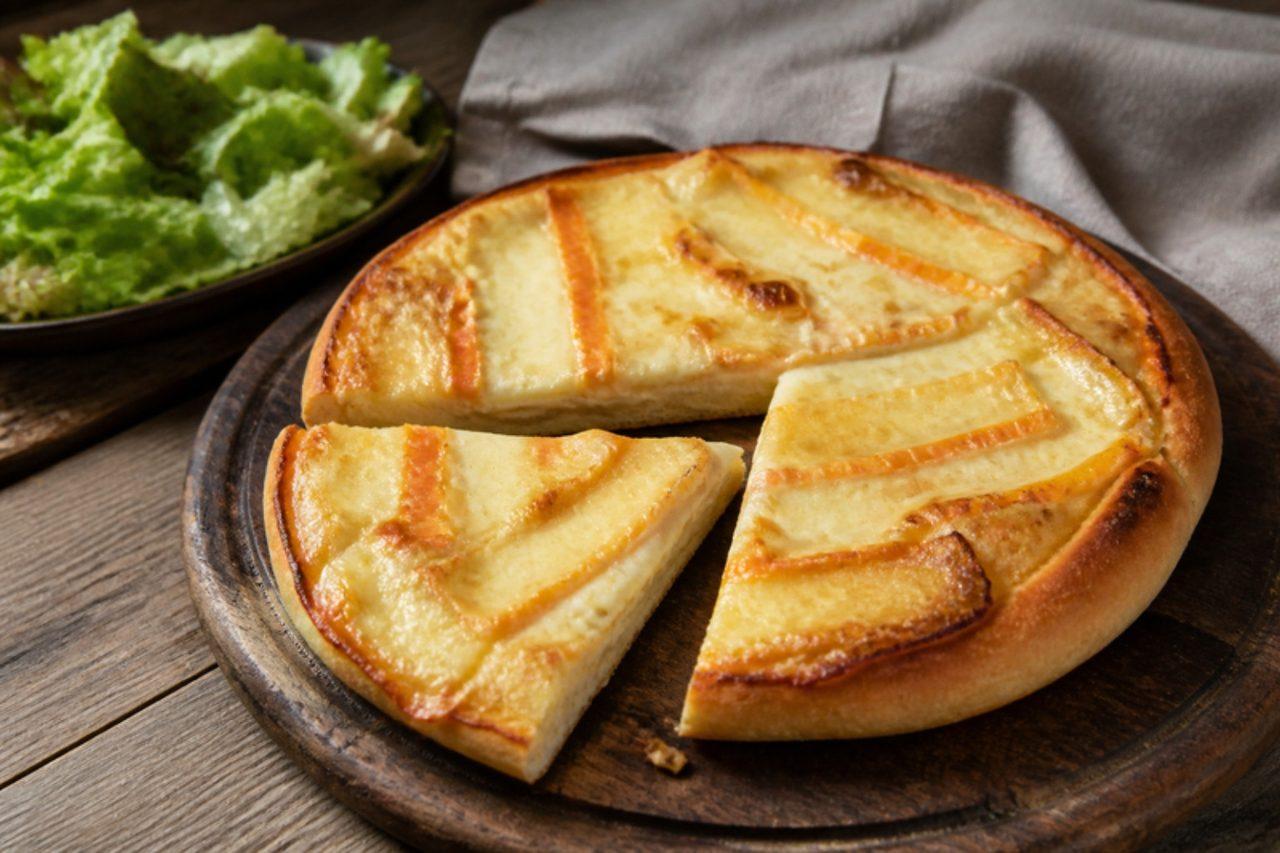
Maroilles tart

The Avesnois, the green, hedged corner of northern France near the Belgian border, makes Maroilles, a square, orange-rinded cheese with a powerful smell and a surprisingly gentle, creamy taste. Its most famous use is this tart, sold hot in slices at markets and fairs in Maubeuge and Avesnes-sur-Helpe and eaten with a salad and a cold drink. A yeasted bread-dough base is topped with slices of Maroilles and a little crème fraîche and baked until bubbling. Maroilles is made with animal rennet; a vegetarian washed-rind cheese gives the same melting richness. Chef's tip: leave the rind on; it carries much of the flavour and turns golden in the oven.

by KrazyBadal 0 views

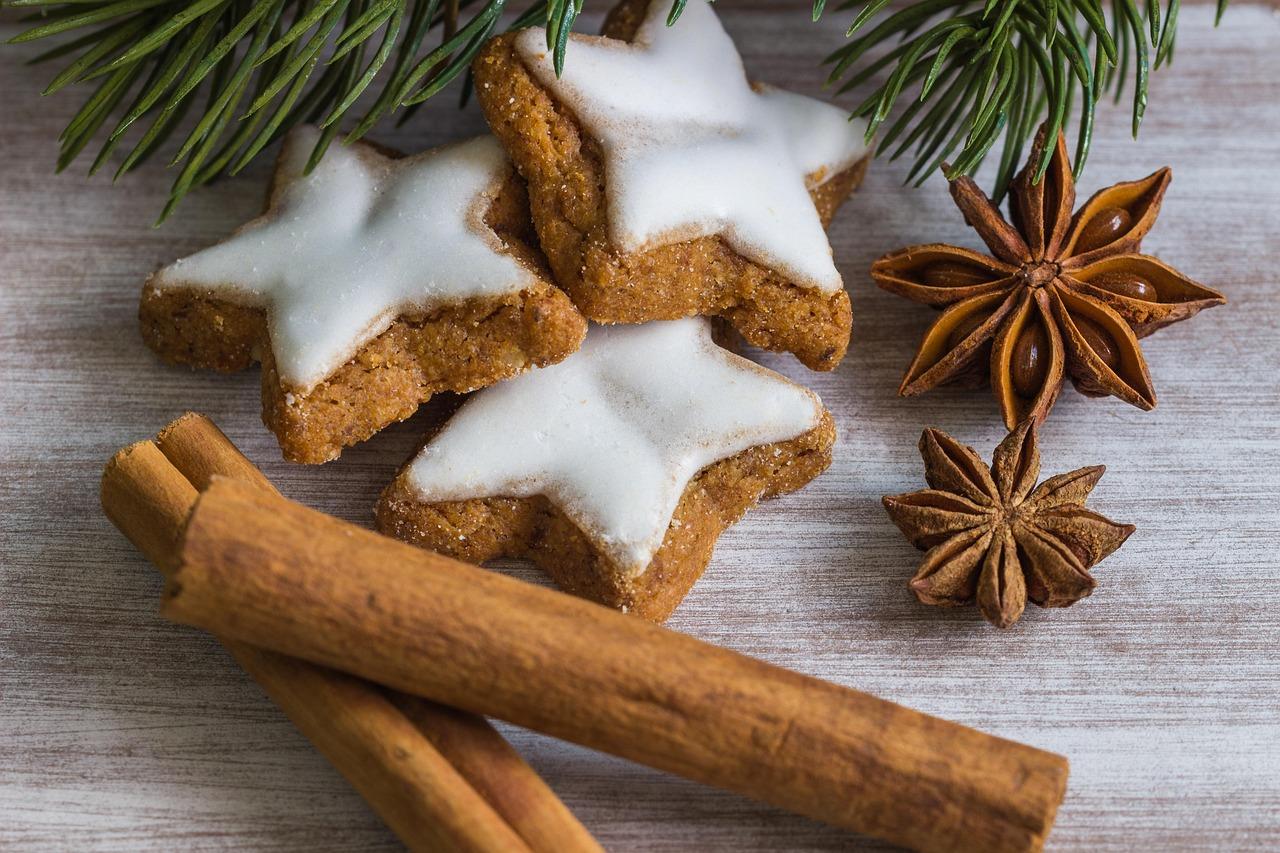
Bredele: Alsatian cinnamon stars

From the start of Advent, kitchens across Alsace turn out bredele, dozens of kinds of little Christmas biscuits kept in tins and offered to every visitor until New Year, while the markets in Strasbourg and Kaysersberg sell them by the bag. Cinnamon stars are among the most loved: chewy almond and cinnamon biscuits with a crisp white meringue top, and no flour at all. They take patience rather than skill and keep for weeks, so families make them early in December. The same dough also works rolled into small balls. Chef's tip: spread the meringue on the rolled sheet before you cut the stars, rather than icing each biscuit; it is far quicker and gives a clean, sharp edge.

by KrazyBadal 0 views

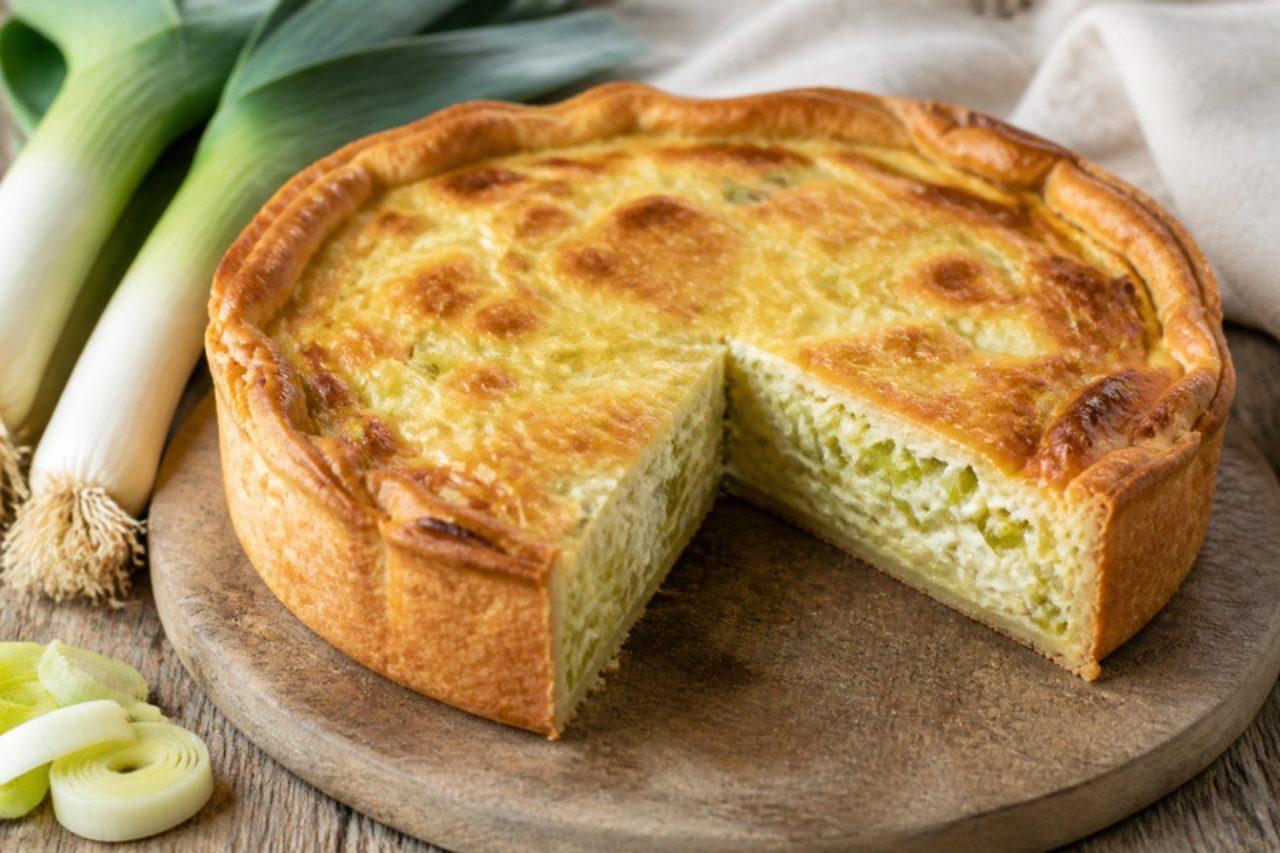
Flamiche aux poireauxLeek and cream tart

Flamiche means 'cake' in old Flemish, and in Picardy, around Amiens and Abbeville, it is a tart of leeks melted slowly in butter and set in eggs and cream, baked in a crisp pastry case and sometimes covered with a pastry lid. The leeks from the market gardens (hortillonnages) of Amiens are famous, and flamiche is served warm as a starter or as a supper with green salad, especially from autumn to spring. The leeks must be cooked until soft and sweet, never browned. Chef's tip: squeeze the cooked leeks in a sieve before adding the custard; any water left in them stops the filling from setting and soaks the pastry.

by KrazyBadal 0 views

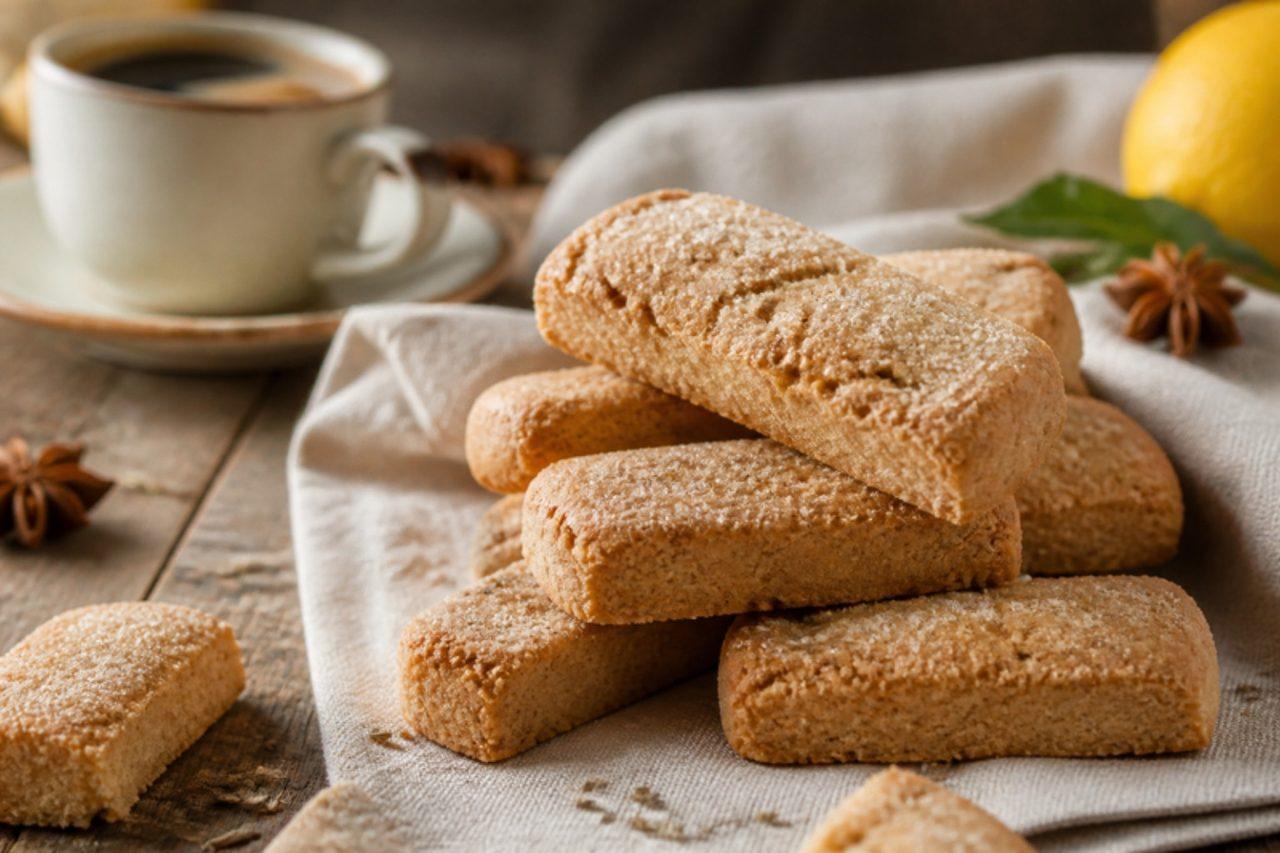
CanistrelliAnise biscuits

Every Corsican bakery, from Bastia to Bonifacio, stacks bags of canistrelli: thick, square-cut biscuits that are dry and crunchy outside and crumbly inside, made to be dipped in morning coffee. They come in many flavours, such as lemon, chestnut and almond, but anise seed is the classic. Traditionally the dough is mixed with dry white wine; most of the alcohol bakes off, but if you prefer none at all use apple juice with a squeeze of lemon, as the ingredient list says. With olive or sunflower oil instead of butter, they are vegan. Chef's tip: stop mixing as soon as the dough comes together; kneading makes them hard rather than crumbly.

by KrazyBadal 0 views

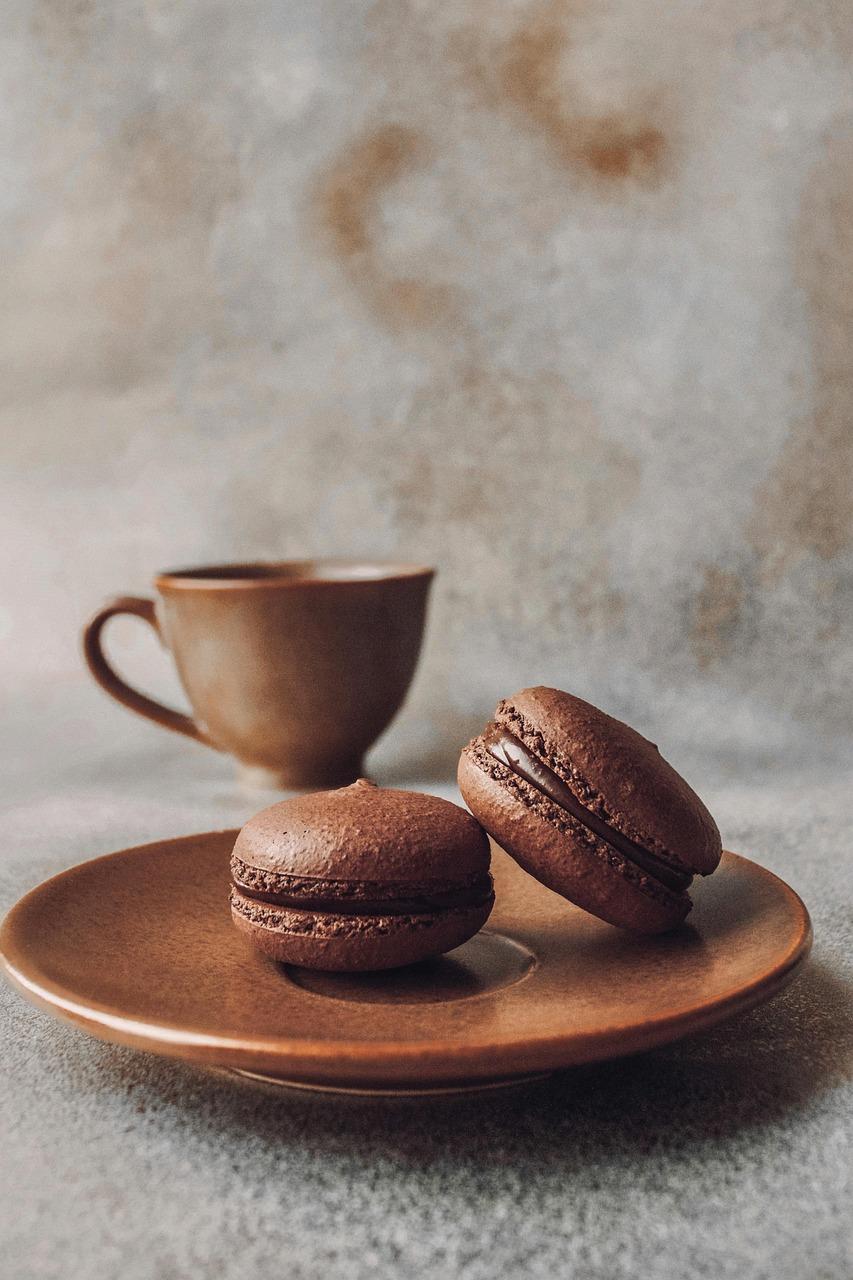
Macarons parisiensChocolate ganache macarons

The smooth, round macaron with its ruffled 'foot', sandwiched around a ganache, is a Paris creation of the early 1900s, and the city's tearooms still sell them in pastel rows for gifts, weddings and afternoon tea. They are made from just ground almonds, icing sugar and egg whites, but they reward care: weigh everything, age the whites if you can, and rest the piped shells until a skin forms. This recipe uses a simple dark chocolate ganache; once you have the method, change the filling to raspberry jam or lemon curd. Chef's tip: bang the tray firmly on the worktop three times after piping; it knocks out air bubbles that would crack the tops.

by KrazyBadal 0 views

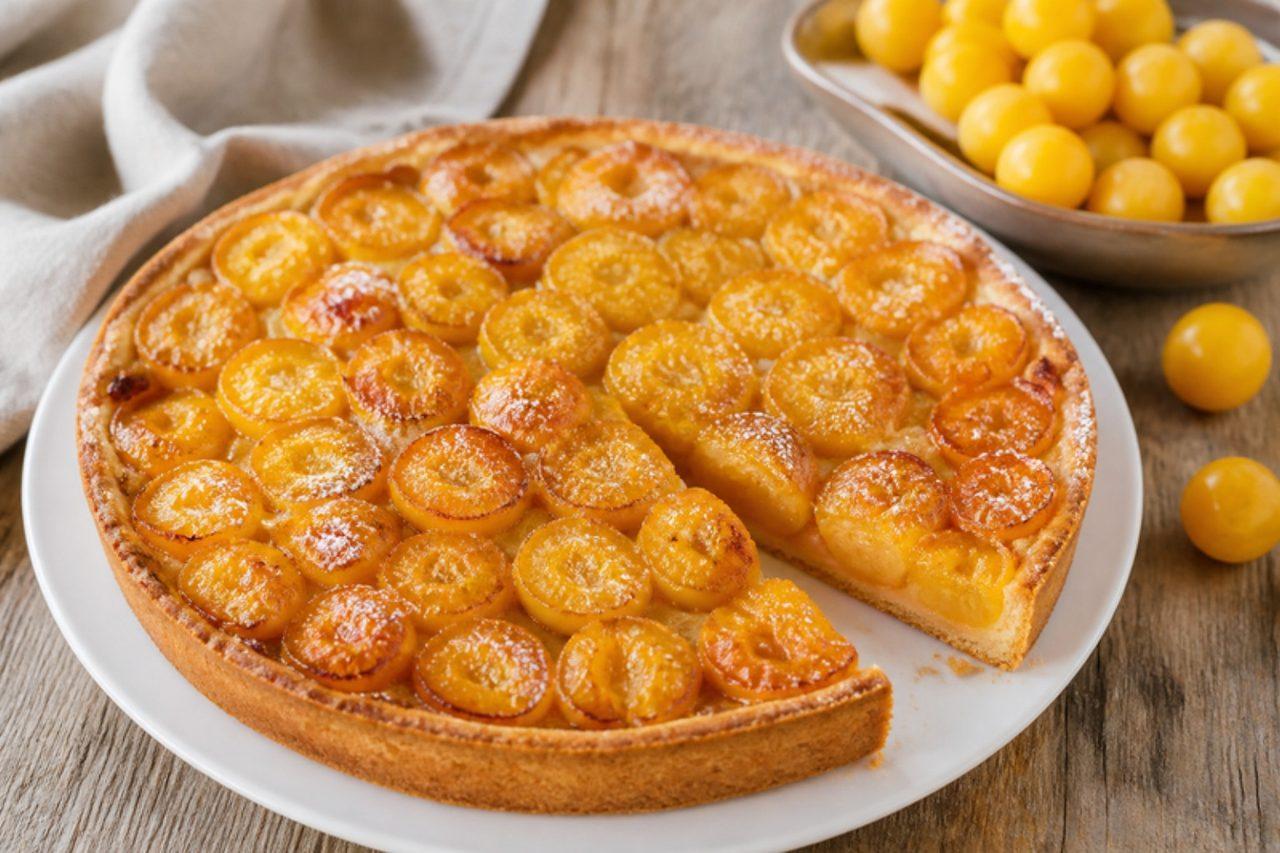
Mirabelle plum tart

Lorraine grows most of the world's mirabelles, small golden plums with a blush of red that ripen for only a few weeks from mid-August, when Metz holds its Mirabelle festival and every pâtisserie in Nancy fills its window with this tart. The plums are halved and packed tightly into a crisp shortcrust, sometimes over a thin layer of almond or semolina to soak up the juice, and they bake into a jammy, honey-sweet layer. Families eat it warm or cold for Sunday dessert or at four-o'clock goûter. Out of season, use small yellow plums or halved apricots. Chef's tip: stand the halves upright and overlapping, cut side up; they shrink as they bake, and a tight layer stops the tart looking bare.

by KrazyBadal 0 views

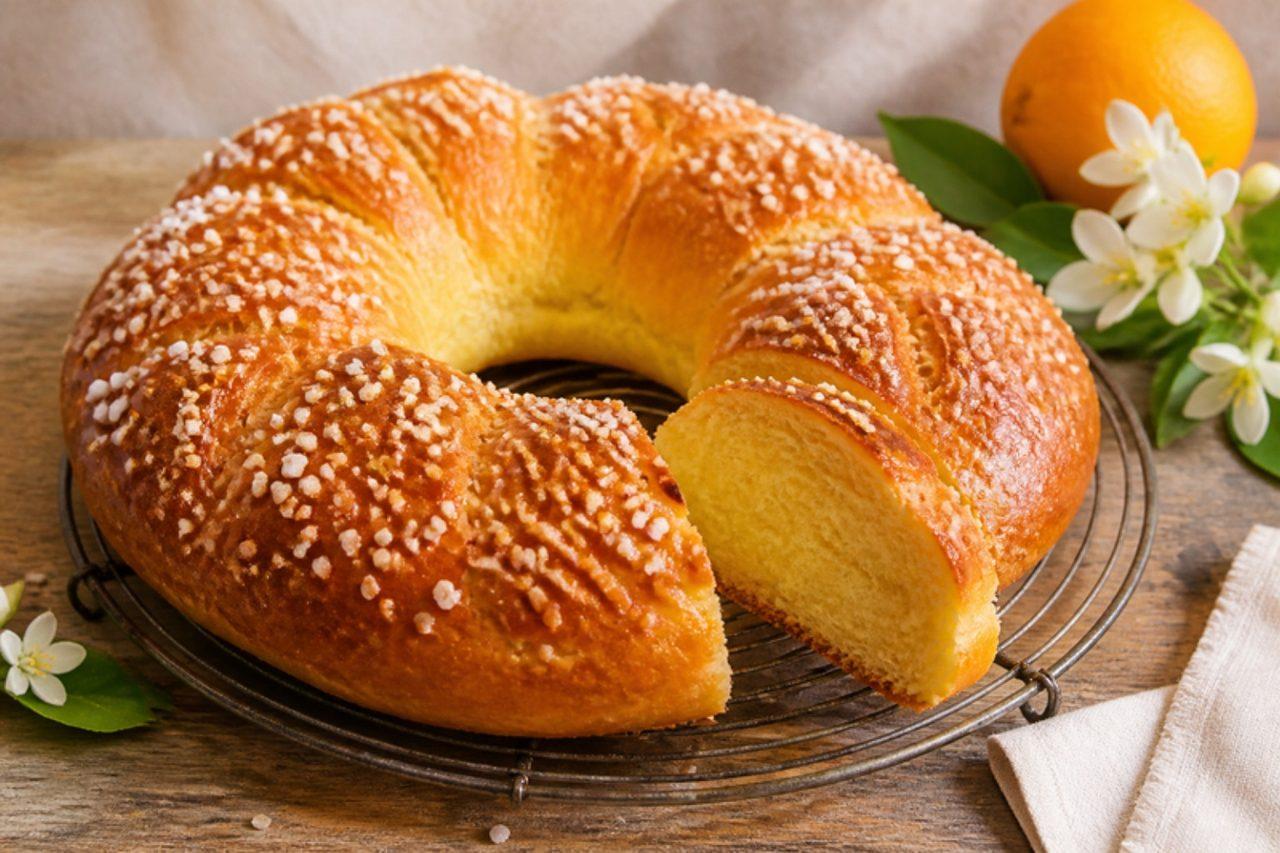
Fouace aveyronnaiseOrange blossom brioche crown

Every village fête in the Aveyron, the old province of Rouergue, has a baker selling fouace: a big golden brioche ring scented with orange flower water and topped with crunchy sugar, carried home in a paper bag to be torn up at breakfast or after Sunday lunch. Laguiole and Rodez bakeries are famous for it, and families bake one for Easter, weddings and christenings. It is softer and less buttery than a Paris brioche, with a light, cottony crumb. Chef's tip: let the shaped crown rise until it is puffy and a fingertip leaves a dent that springs back slowly; underproved fouace tears in the oven.

240 minFrenchBaking
by KrazyBadal 0 views

Showing 24 of 88 recipes

Show more recipes

Page 1 of 4