Skip to content
Recipes

All recipes

Vegetarian, or something you can't eat? Set your diet once and we'll hide recipes that don't fit.

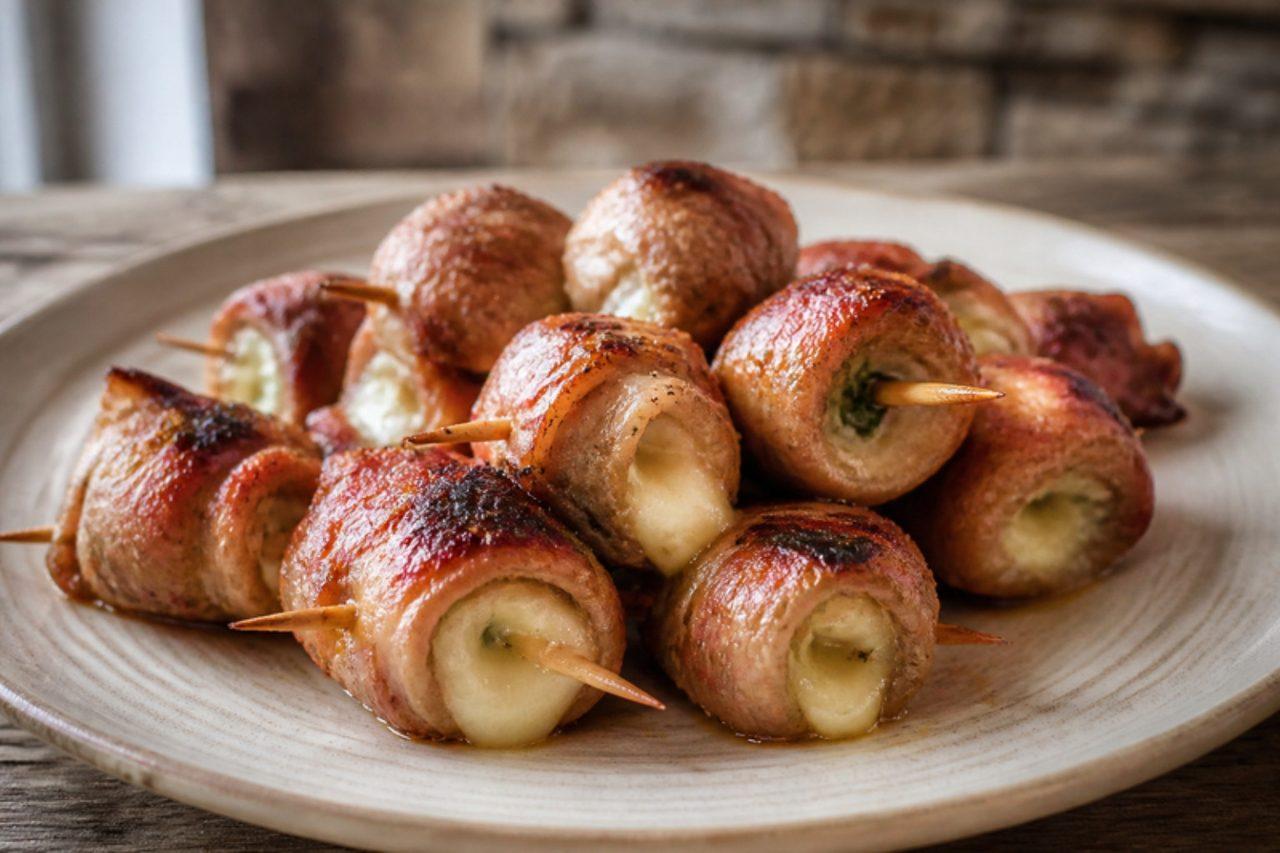
Bombette pugliesiCheese-stuffed pork rolls

In the white towns of the Valle d'Itria in Puglia, Cisternino, Martina Franca and Locorotondo, butchers' shops double as grill restaurants in the evening: you pick your meat at the counter and it is cooked on the spot over coals. The stars are bombette, small parcels of thin pork neck wrapped around cubes of caciocavallo and pancetta (cured pork belly), skewered and grilled until the cheese melts. They are eaten hot, with bread and a glass of the local wine. Chef's tip: fold the meat tightly around the cheese and close every gap; any opening lets the cheese leak out and burn on the grill.

by KrazyBadal 0 views

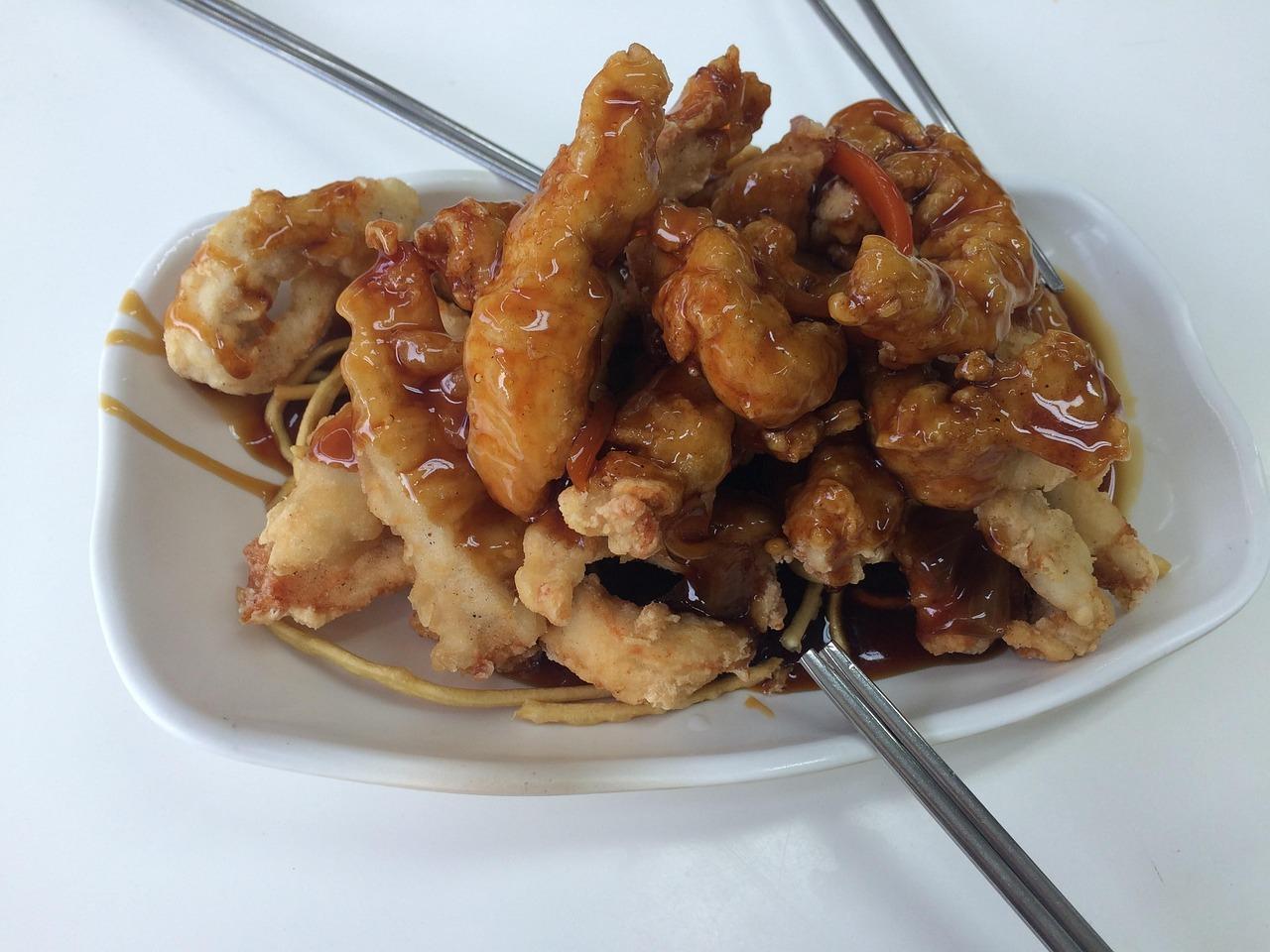
TangsuyukSweet and sour pork

Tangsuyuk is the star of Korean-Chinese restaurants, ordered with jajangmyeon for graduations and family celebrations since Chinese cooks settled in Incheon's Chinatown over a century ago. Strips of pork are coated in a thick potato-starch batter and fried twice until they shatter, then served with a glossy sweet-and-sour sauce full of vegetables and fruit. The pork marinade uses a spoonful of rice wine, which cooks off in the frying; leave it out or use extra ginger juice for an alcohol-free version. Koreans argue happily over pouring the sauce on (bumeok) or dipping (jjikmeok). The common mistake is pouring the sauce over too early: the crust softens in minutes. Chef's tip: soak the potato starch in water for an hour and pour off the water; the wet starch left behind gives the crunchiest batter.

105 minKoreanMeat
by KrazyBadal 0 views

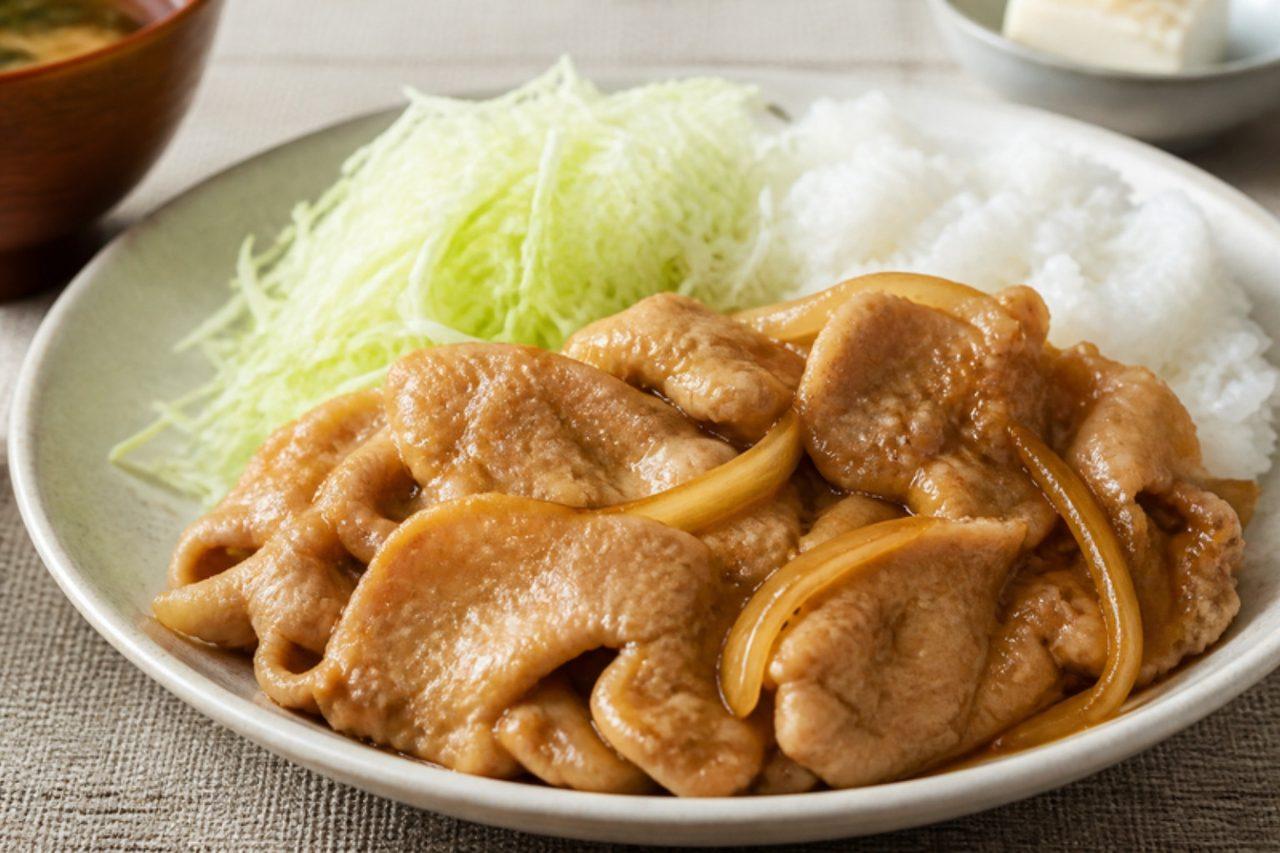
Shogayaki (ginger pork)

Shogayaki, thin slices of pork loin seared in a sticky ginger and soy glaze, is the single most popular set lunch at Tokyo's teishoku diners, served with a mound of shredded cabbage, rice and miso soup, and it is just as common in home bento. This recipe uses pork, with sake and mirin (Japanese rice wines) in the glaze; both bubble down in the hot pan so the alcohol mostly cooks off, and water and sugar make an alcohol-free swap. The mistake to avoid is marinating the pork for hours: fresh ginger contains an enzyme that turns the meat mushy, so 10–15 minutes in the fridge is plenty. Chef's tip: dust the slices lightly with flour before frying; it helps the sauce cling and keeps the pork tender.

by KrazyBadal 0 views

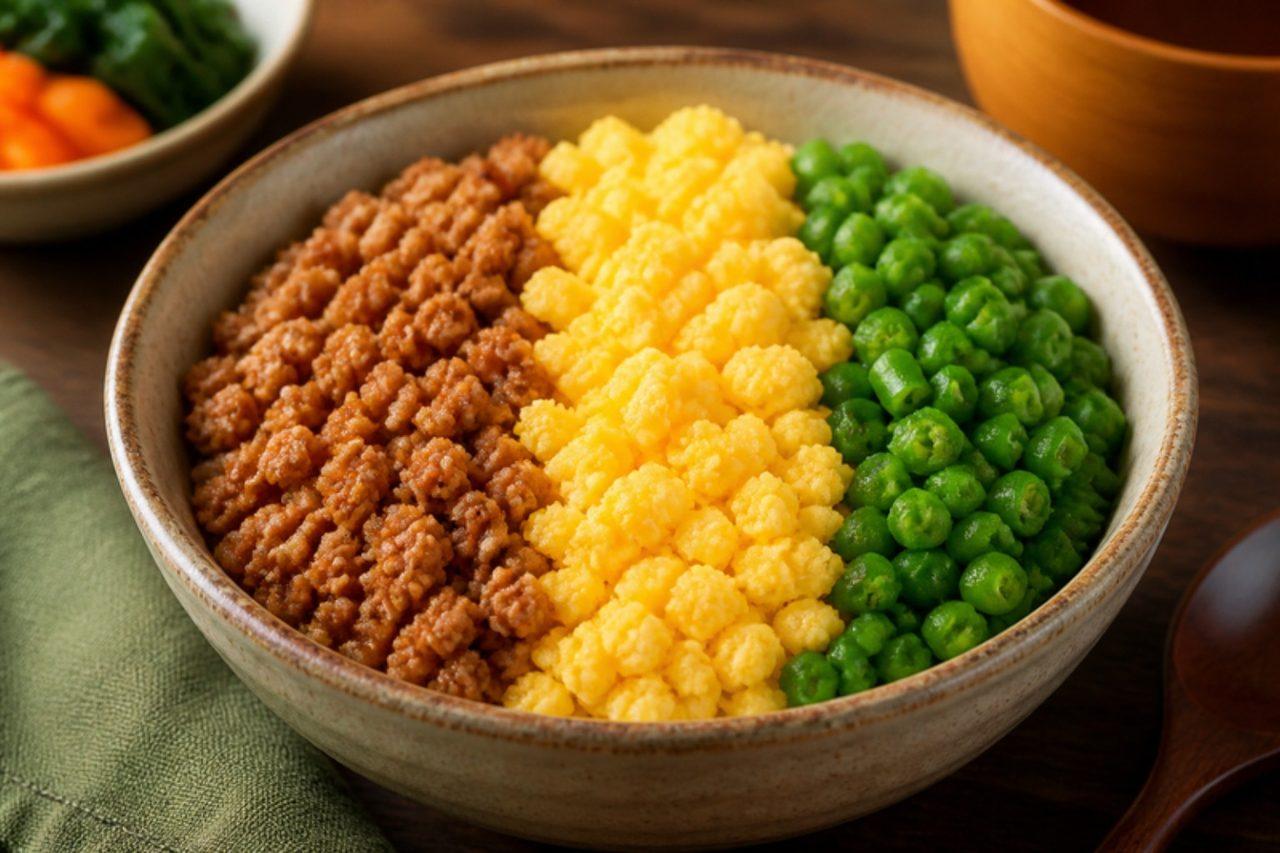
Sanshoku soboro don (three-colour rice bowl)

Japanese mothers have packed sanshoku soboro bento for school trips and sports days for generations: brown soy-simmered chicken mince, yellow sweet scrambled egg and green beans laid in three neat stripes over rice. It is cheap, colourful and loved by children, and it travels well cold. The chicken is cooked with a splash of sake and mirin that simmers right off; use water and a pinch more sugar for an alcohol-free version. The common mistake is clumpy soboro: stir the mince with four chopsticks held together over a low heat from the start, and it breaks into fine, fluffy crumbs. Chicken must reach 74 °C with no pink. Chef's tip: take the eggs off the heat while still slightly wet; they finish cooking in the hot pan and stay soft.

by KrazyBadal 0 views

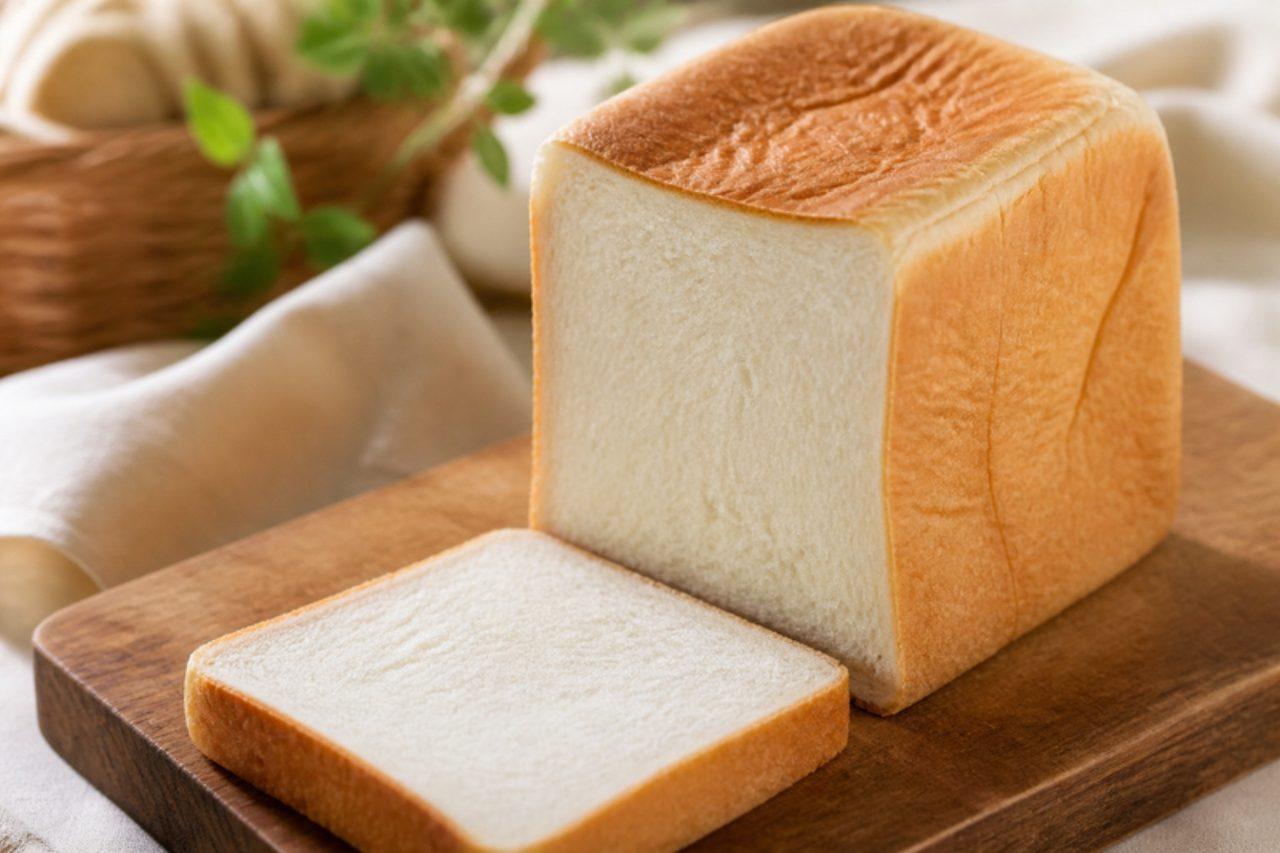
Shokupan (Japanese milk bread)

Shokupan is the everyday sandwich loaf of Japan, sold by the half loaf at bakeries from Sapporo to Fukuoka and toasted in thick slabs for breakfast with butter and jam. Its feathery, pull-apart crumb comes from a cooked flour paste (yudane-style) that lets the dough hold more water, so the bread stays soft for days. You need a 900 g loaf tin and a few hours of mostly waiting. The usual mistake is slicing it while hot, which squashes the delicate crumb into gummy layers; let it cool fully. Chef's tip: roll each piece of dough into a tight spiral before it goes into the tin, which gives the tall, even rise and those stringy, tearable layers.

by KrazyBadal 0 views

Melon panCookie-crust sweet bun

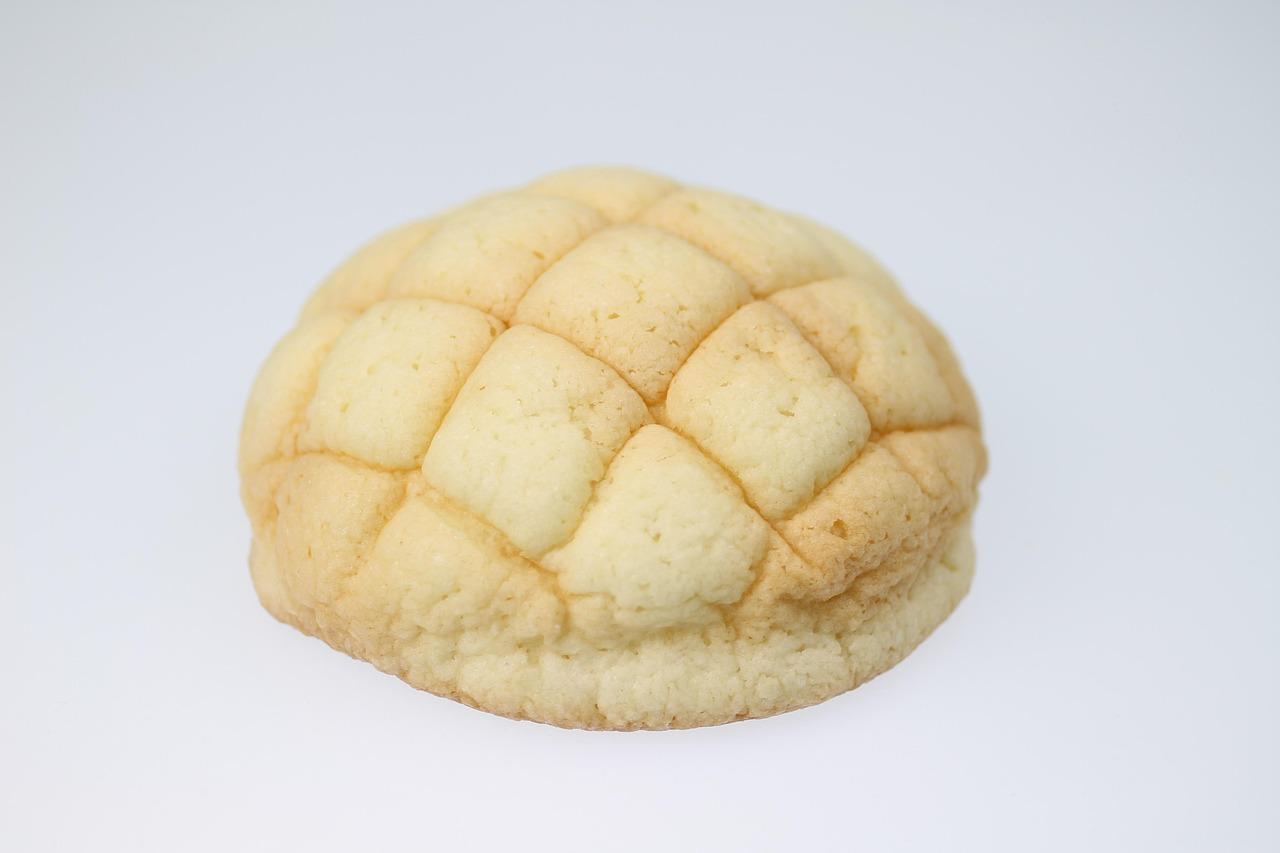
Melon pan takes its name from its looks, not its taste: a soft sweet bun baked under a sugary cookie crust scored into a criss-cross pattern like a cantaloupe rind. Japanese bakeries and school canteens sell it everywhere, and around Kobe and Hiroshima the same bun is often called sunrise. It is best on the day it is baked, when the crust still crackles against the fluffy inside. The common mistake is warm, soft cookie dough, which sticks to your hands and slides off the bun in the oven; keep it well chilled and work quickly. Chef's tip: roll the cookie dough between two sheets of baking paper so you can lift it neatly onto each bun.

by KrazyBadal 0 views

Chikuzenni (Fukuoka simmered chicken and root vegetables)

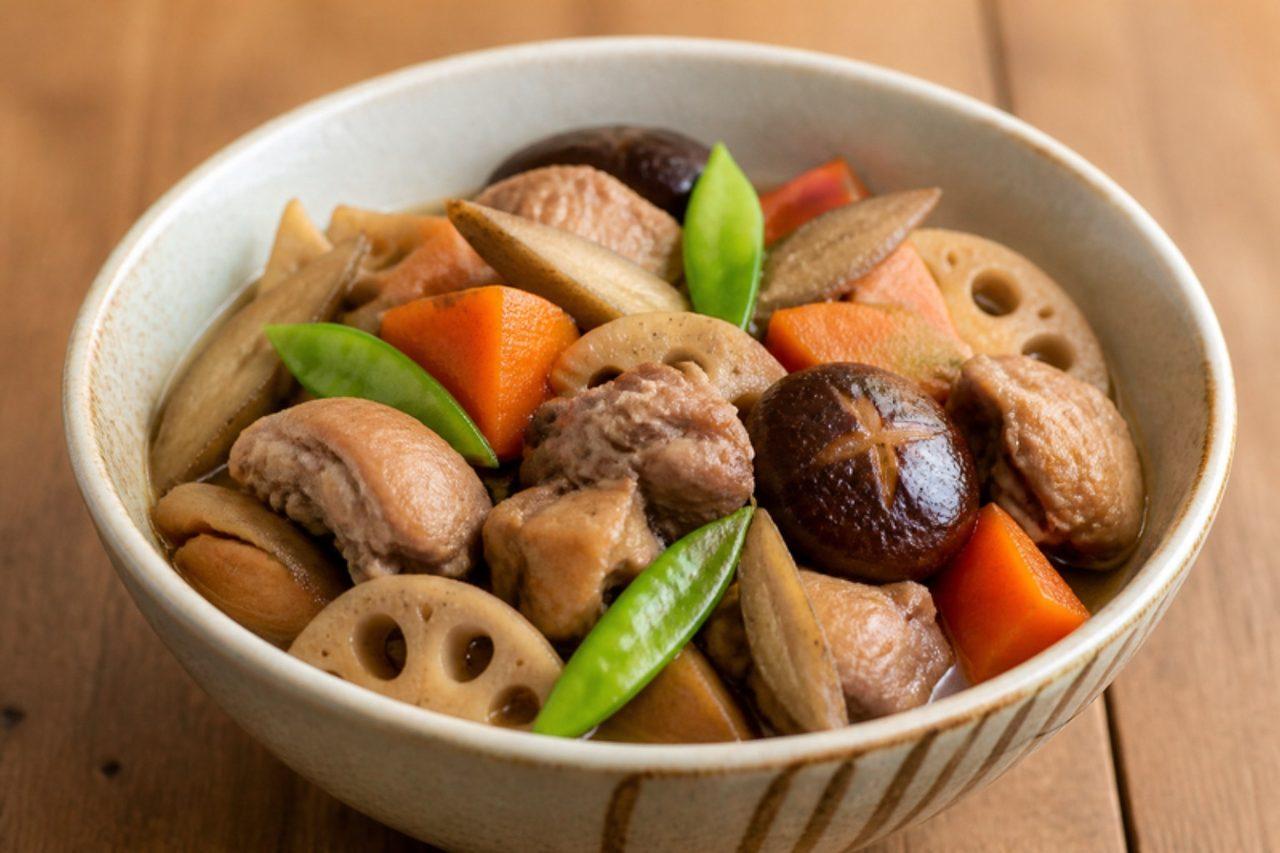
Chikuzen is the old name for the Fukuoka area of northern Kyushu, where this sweet-savoury simmer of chicken and root vegetables is called gameni and turns up at every family gathering; across Japan it is packed into the New Year osechi boxes and eaten cold. The chicken and vegetables are first stir-fried in oil, then simmered in dashi with soy, sugar, sake and mirin until the liquid reduces to a glaze. The sake and mirin simmer for 20 minutes, so the alcohol cooks off; use water and extra sugar for an alcohol-free version. The common mistake is stirring too much, which breaks the taro and lotus root into mush; shake the pan instead. Chef's tip: let it cool in the pot; the vegetables soak up flavour as it cools, so it is even better the next day.

by KrazyBadal 0 views

Carpaccio di manzoRaw beef carpaccio

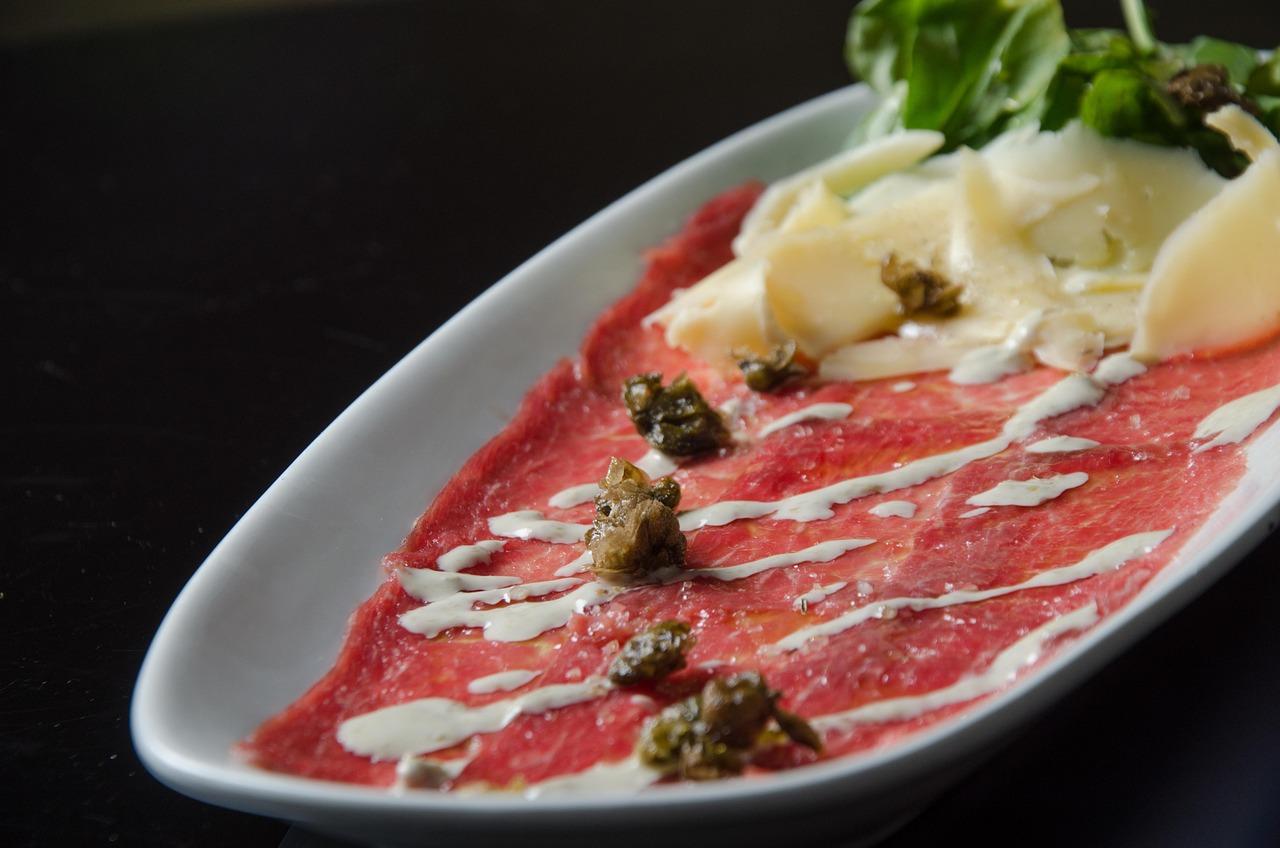
Carpaccio was created at Harry's Bar in Venice in the 1950s for a countess whose doctor had told her to avoid cooked meat, and it was named after the painter Vittore Carpaccio for its deep red colour. Venetians eat it as a light first course at lunch: beef sliced so thin you can see the plate through it, with a creamy mustard-lemon sauce drizzled in lines across the top, rocket and shaved Parmigiano. The classic version is completely raw, which is not for pregnant women, young children or anyone with a weakened immune system; the safer version here sears the outside of the beef first, which kills surface bacteria and keeps the centre rosy. Chef's tip: wrap the beef tightly and freeze it for 40 minutes before slicing; firm meat lets you cut wafer-thin slices with an ordinary sharp knife.

by KrazyBadal 0 views

Japanese cream stew (chicken white stew)

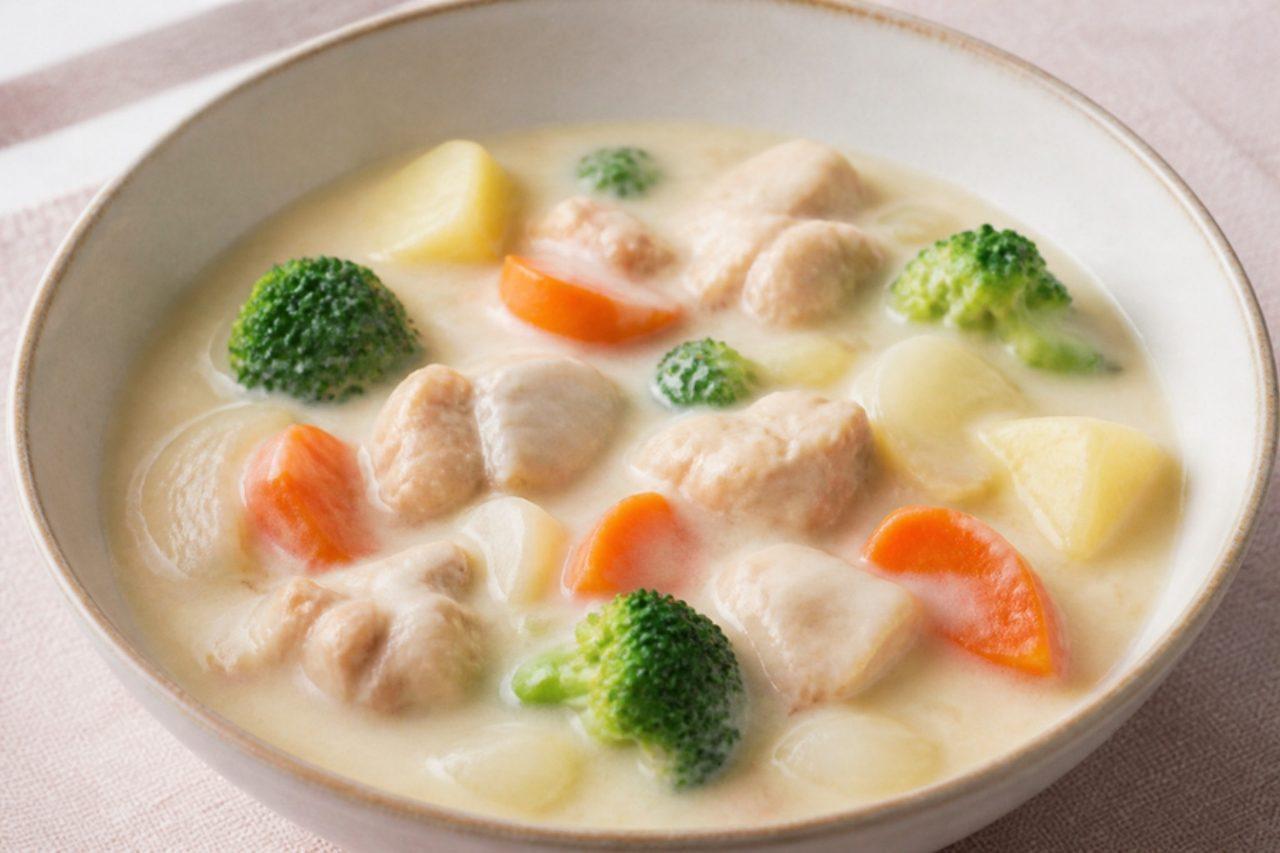
When the first cold evenings arrive in Hokkaido, where dairy farming is king, and then across the rest of Japan, home cooks make cream stew: chunks of chicken thigh, potato, carrot and onion simmered in stock and finished with a silky milk sauce, eaten with rice or bread. It was a school lunch favourite after the war and is still one of the gentlest, most child-friendly Japanese dinners. This version makes the roux from scratch instead of using a block. A common mistake is adding cold milk to a fast boil, which can make it split; stir it in over a low heat. Chef's tip: add the broccoli only in the last 3 minutes so it stays bright green.

by KrazyBadal 0 views

Butadon (Obihiro grilled pork rice bowl)

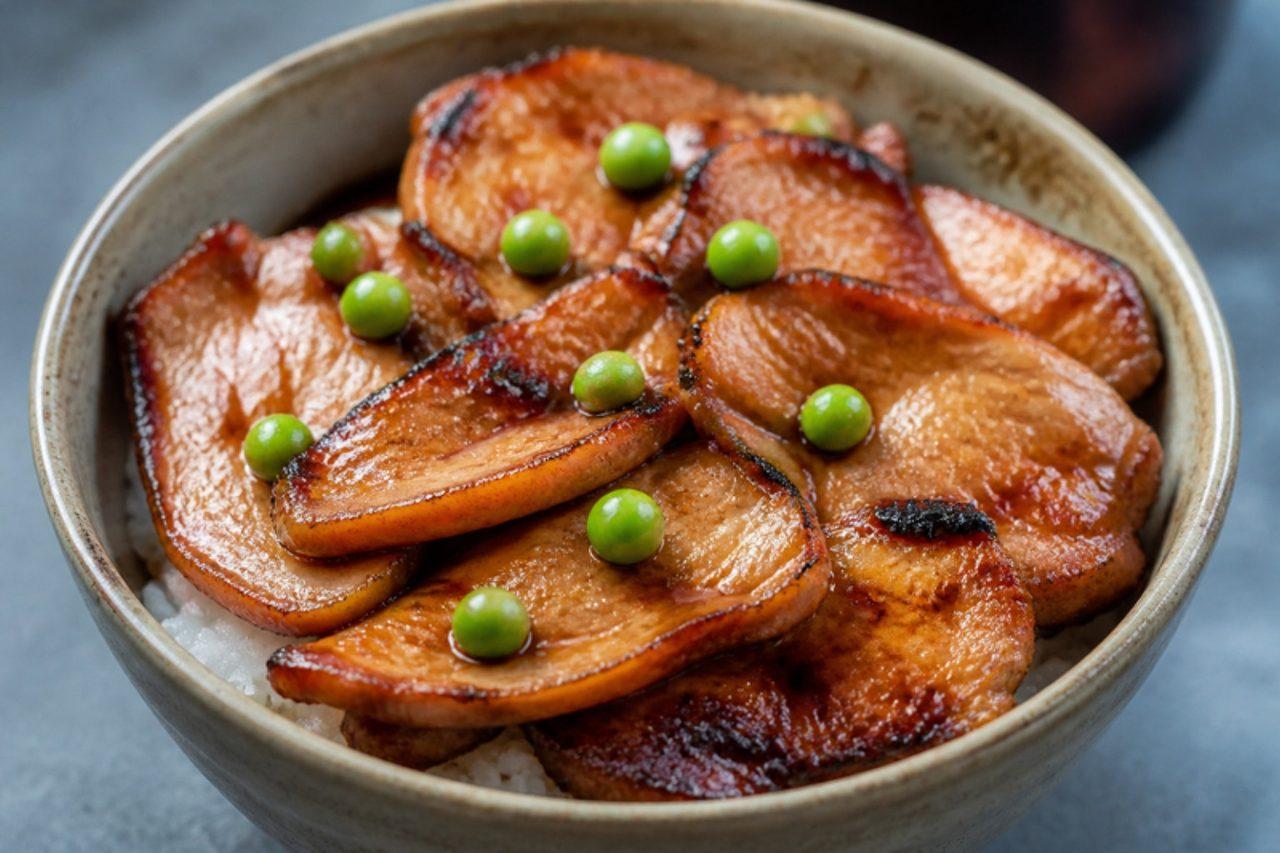
Butadon was invented in Obihiro, on the Tokachi plain of eastern Hokkaido, as a cheap, filling lunch for farmers clearing the land, and today the town's shops still grill thick slices of pork loin over charcoal and lay them overlapping on rice like roof tiles. The glaze is a sweet-salty mix of soy, sugar, mirin and sake that is boiled down so the alcohol cooks off; water and extra sugar make an alcohol-free version. A griddle pan or hot grill gives the smoky edges. The common mistake is slicing the pork too thin: about 5 mm keeps it juicy. Pork must reach 71 °C in the middle with no pink juices. Chef's tip: snip the fat edge so the slices stay flat, and dip them in the glaze twice in the pan for a lacquered finish.

by KrazyBadal 0 views

Torta capreseFlourless chocolate almond cake

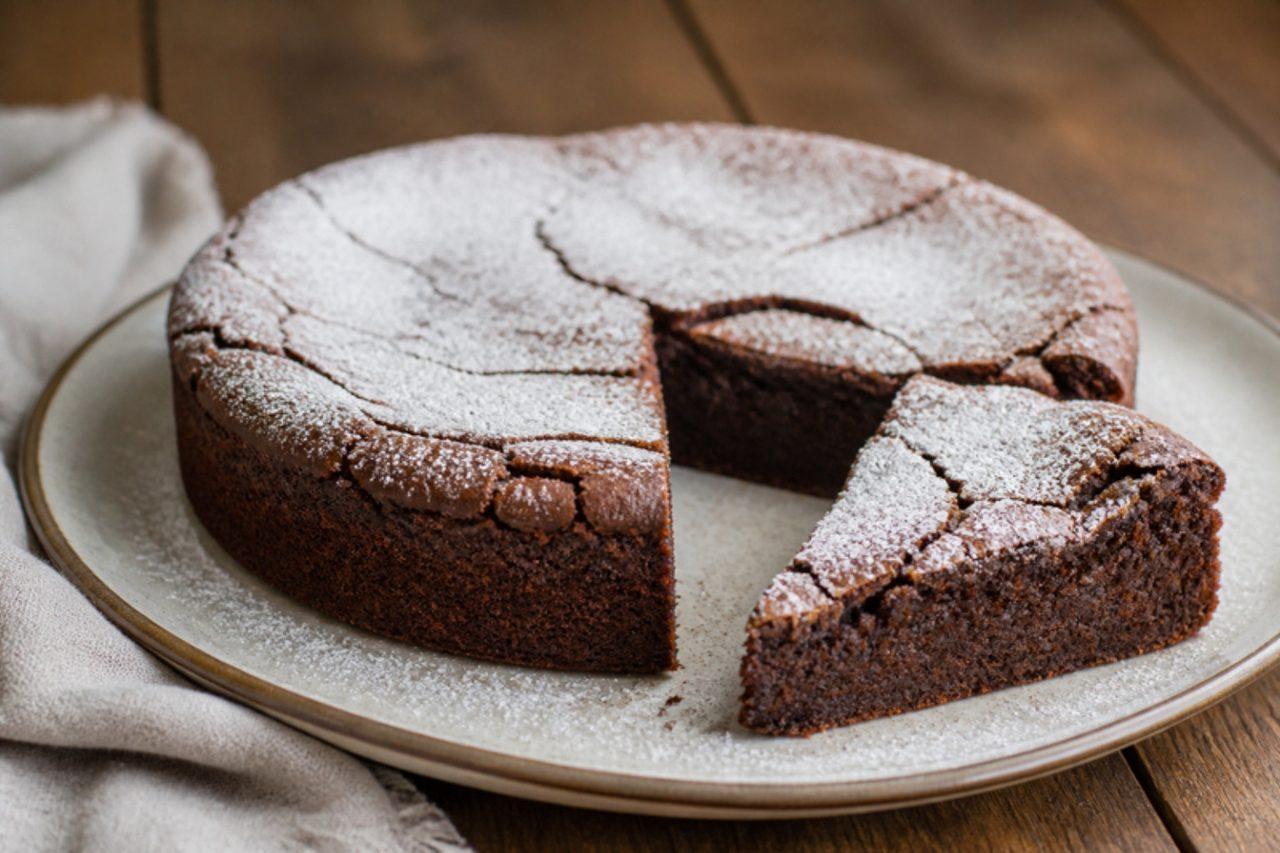
Torta caprese was born on the island of Capri in the 1920s, the story goes, when a baker forgot to add flour to a chocolate almond cake and created a classic by accident. It is now the cake of the Amalfi Coast: dense, moist and fudgy in the middle, with a thin crackled crust and a dusting of icing sugar. Restaurants in Capri and Sorrento serve it with a spoonful of cream or lemon sorbet. It is naturally gluten free. Contains nuts. Chef's tip: take it out while the middle is still slightly soft; it firms up as it cools and stays moist for days.

by KrazyBadal 0 views

Scarcella puglieseEaster egg biscuit bread

In Bari, Foggia and the Salento, scarcelle are baked in the days before Easter, often by children with their grandmothers: a soft, lemony shortbread-like dough shaped into baskets, doves, hearts or dolls, each holding a whole egg in its shell held down by strips of dough, then iced and covered in sprinkles. They are given as gifts on Easter morning and to children as a sign of new life. Chef's tip: use raw eggs in their shells and wash them first; they cook in the oven while the biscuit bakes. They are decorative, so wash and dry them well.

by KrazyBadal 0 views

Torta della nonnaLemon custard pine nut tart

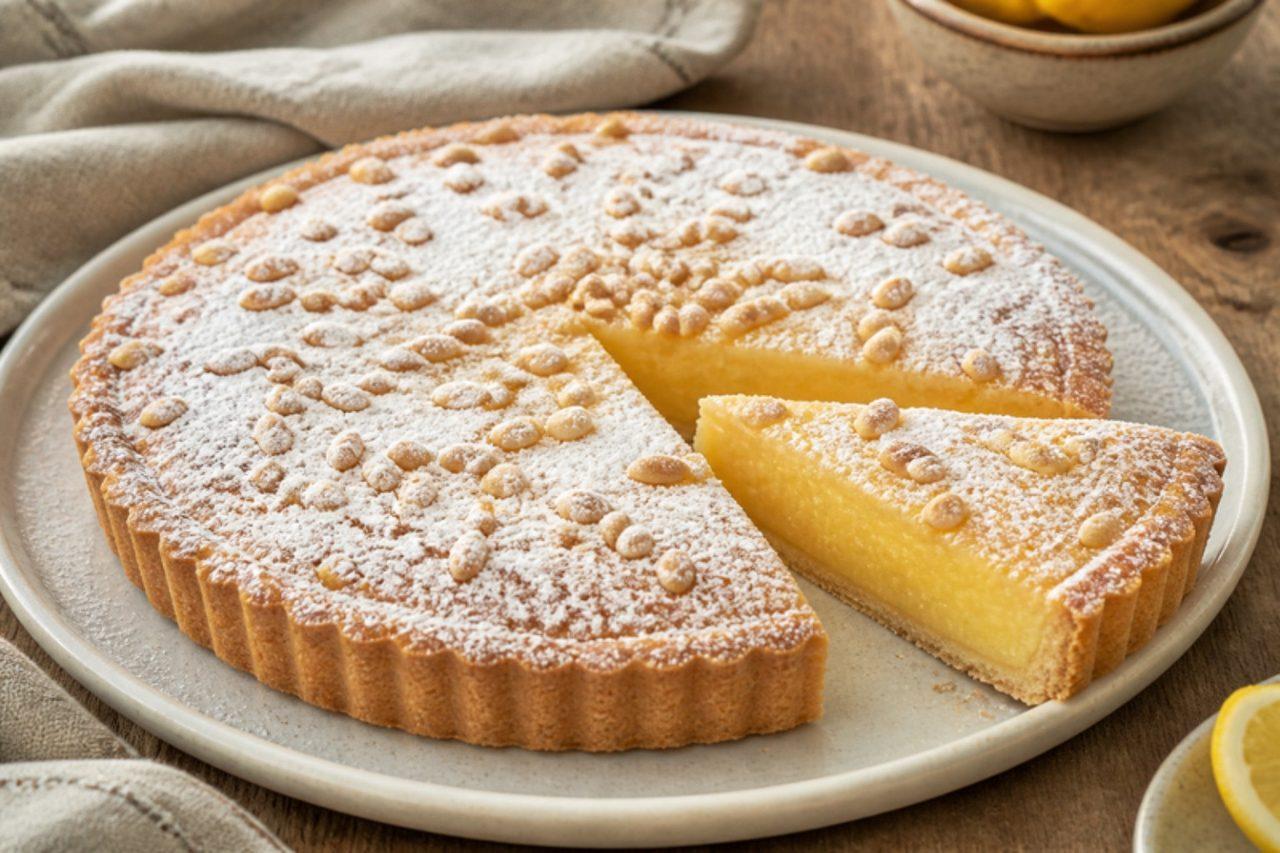
Torta della nonna, "grandmother's tart", is on the dessert menu of almost every trattoria in Florence and across Tuscany: a shortcrust case filled with thick lemon-scented custard, covered with a second layer of pastry and scattered with pine nuts and icing sugar. Despite the name it was probably invented by a Florentine restaurant cook in the 1900s, but it tastes of family Sunday lunches. Contains pine nuts. Chef's tip: let the custard cool completely before filling the tart; warm custard melts the butter in the pastry and makes the base soggy.

by KrazyBadal 0 views

Tonkatsu (panko pork cutlet)

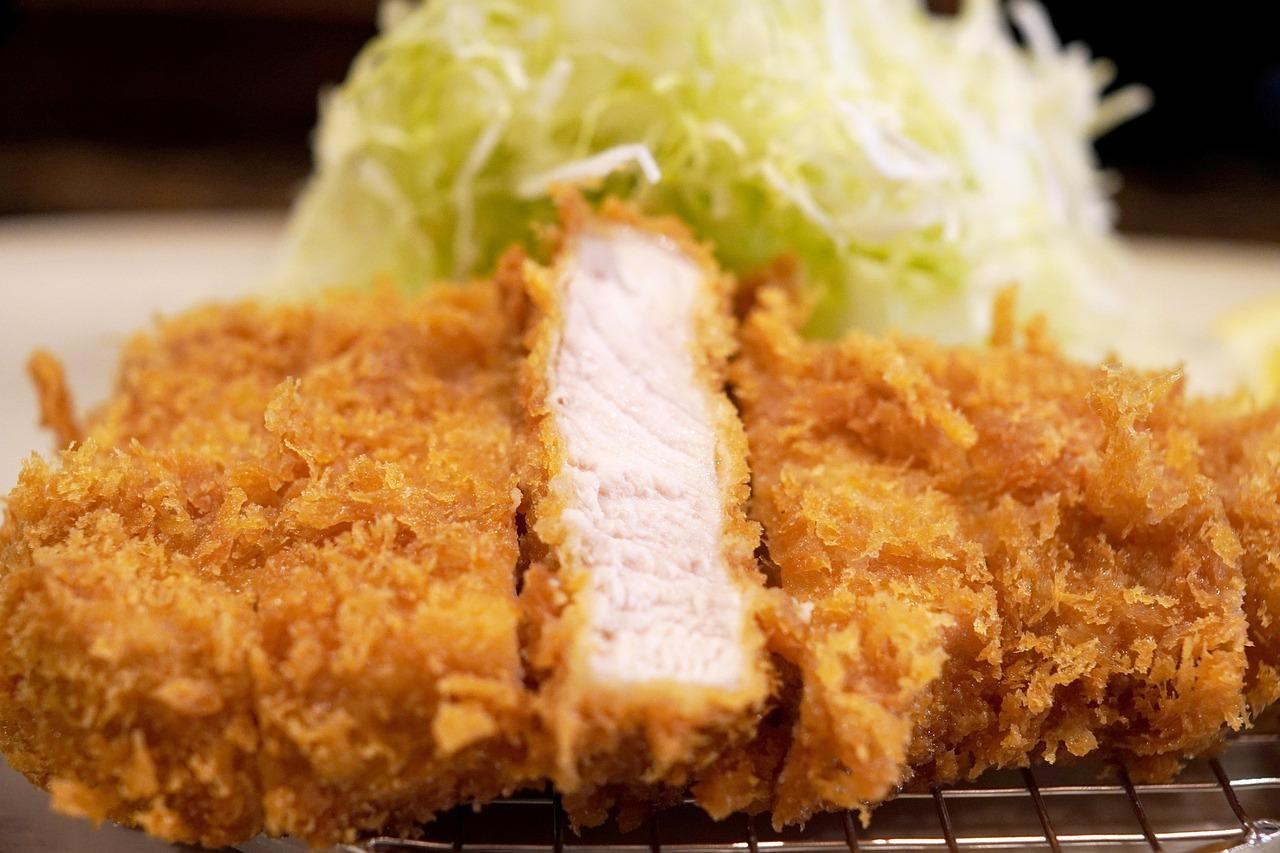
Tonkatsu took shape in Tokyo's Ueno and Ginza in the early 20th century, and the specialist katsu restaurants there still serve it the same way: a thick pork loin cutlet in a light, spiky panko crust, sliced into strips, with a mountain of feather-fine cabbage, rice, miso soup and a pot of thick, fruity tonkatsu sauce. This version uses a simple homemade sauce of ketchup, Worcestershire and soy rather than the miso sauce of Nagoya. The common mistake is frying too hot: the crumbs burn before the centre cooks. Fry at 170 °C, then rest the cutlets, which finish cooking as they sit; pork loin is safe at 63 °C after a 3-minute rest. Chef's tip: snip the fat along the edge every 2 cm before crumbing so the cutlet stays flat.

by KrazyBadal 0 views

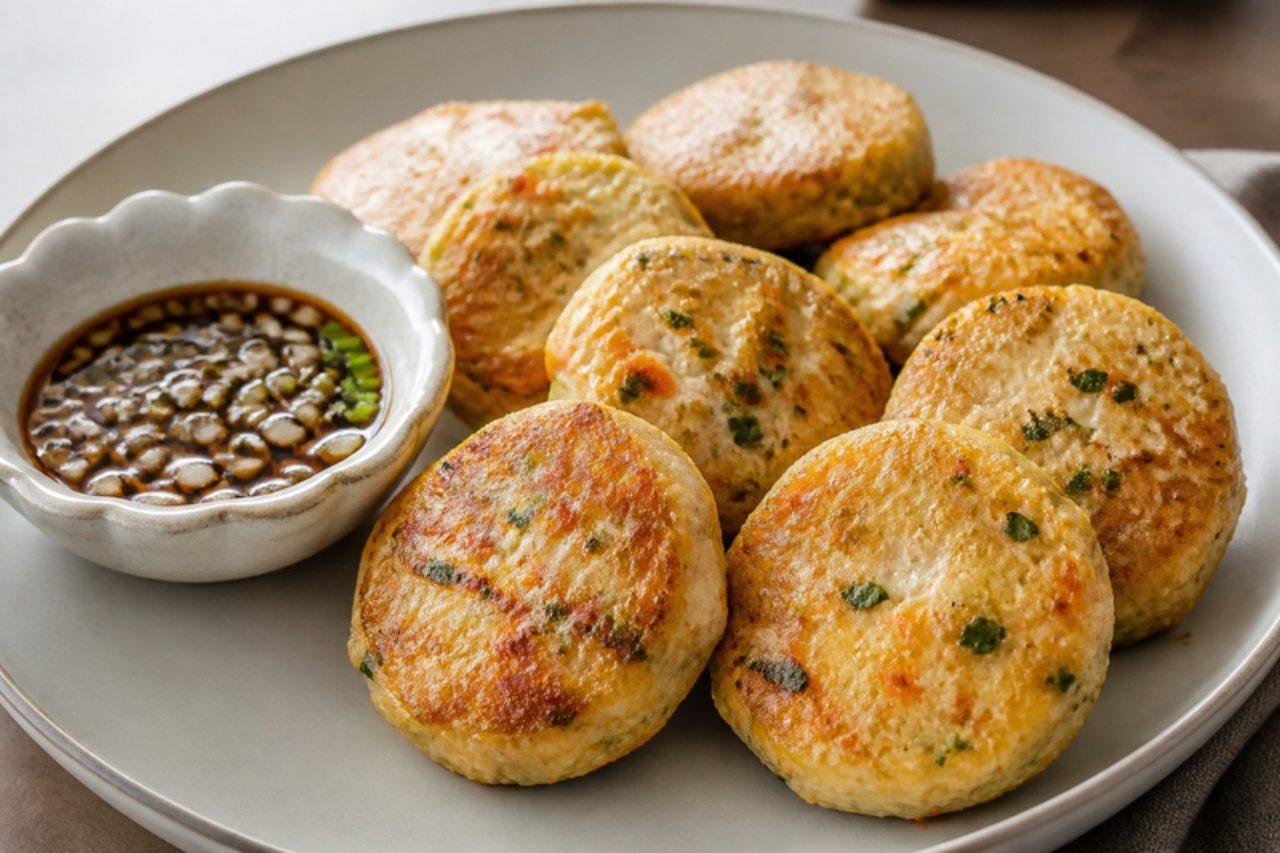
DongeurangttaengPork and tofu patties

Dongeurangttaeng are the coin-sized pork patties that Korean families fry by the hundred in the days before Chuseok and Seollal, the whole kitchen floor in Seoul flats covered with newspaper and pans. Minced pork is mixed with mashed tofu, onion, carrot and spring onion, dipped in flour and egg and pan-fried until golden, tender and juicy. They are eaten warm or at room temperature with a soy-vinegar dip, and children love them. The common mistake is frying over high heat: the egg coating browns long before the pork is cooked through to the middle. Chef's tip: squeeze the tofu bone-dry in a cloth; wet tofu makes the patties fall apart and spit.

55 minKoreanMeat
by KrazyBadal 0 views

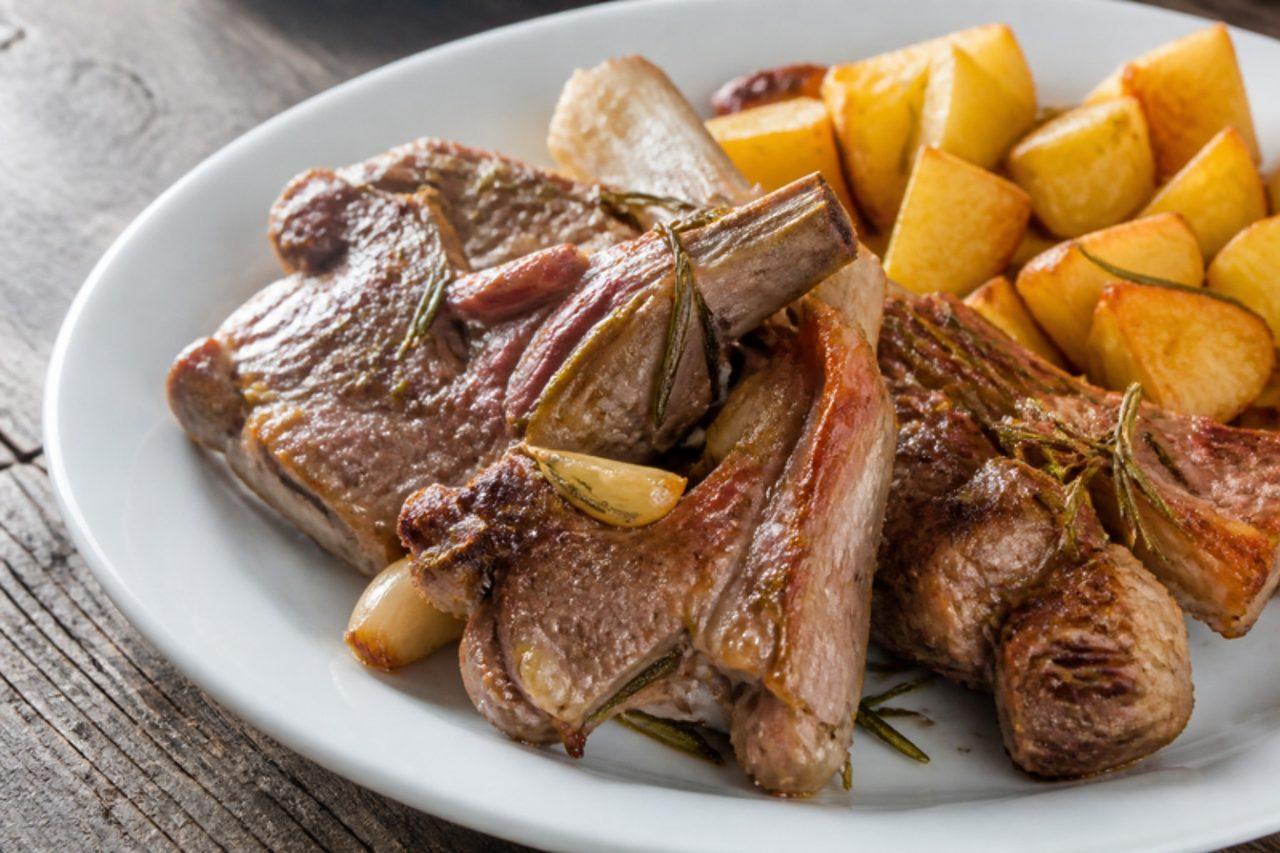
Abbacchio alla romanaRoman Easter lamb

Abbacchio is the Roman name for young milk-fed lamb, and abbacchio alla romana is what Roman families cook for Easter Sunday: small pieces of shoulder and leg browned in a pan, then cooked slowly with garlic, rosemary and sage and finished with a paste of anchovy and vinegar that cuts through the richness. It is served with roast potatoes or puntarelle. Outside Italy, use young spring lamb on the bone. Chef's tip: brown the lamb in batches until really golden before adding anything else; pale lamb gives a pale sauce.

by KrazyBadal 0 views

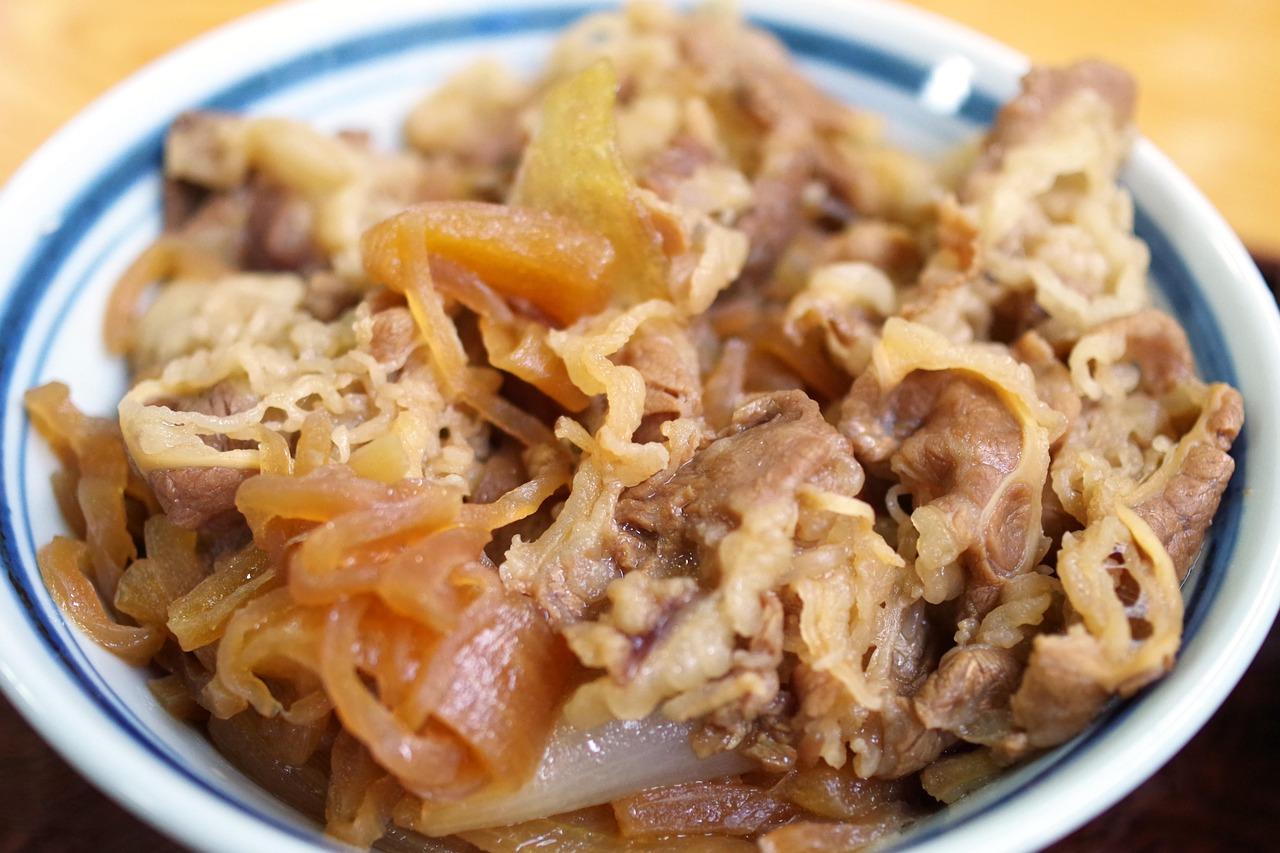
Gyudon (beef and onion rice bowl)

Gyudon fuels Japan's commuters: at 24-hour counters near every big station from Tokyo to Osaka, a bowl of rice topped with soft onions and wafer-thin beef in sweet soy broth arrives in under a minute. At home it takes about 20. Sake and mirin go into the broth and simmer away, so very little alcohol is left; swap them for water and a little sugar if you prefer. The usual mistake is boiling the beef hard and long, which makes thin slices tough and grey; simmer the onion first, then add the beef only until it changes colour. Chef's tip: pile on pink pickled ginger (beni shoga) and a raw or soft-poached egg yolk for the full counter experience; use a soft-poached egg for pregnant women, young children or anyone with a weakened immune system.

by KrazyBadal 0 views

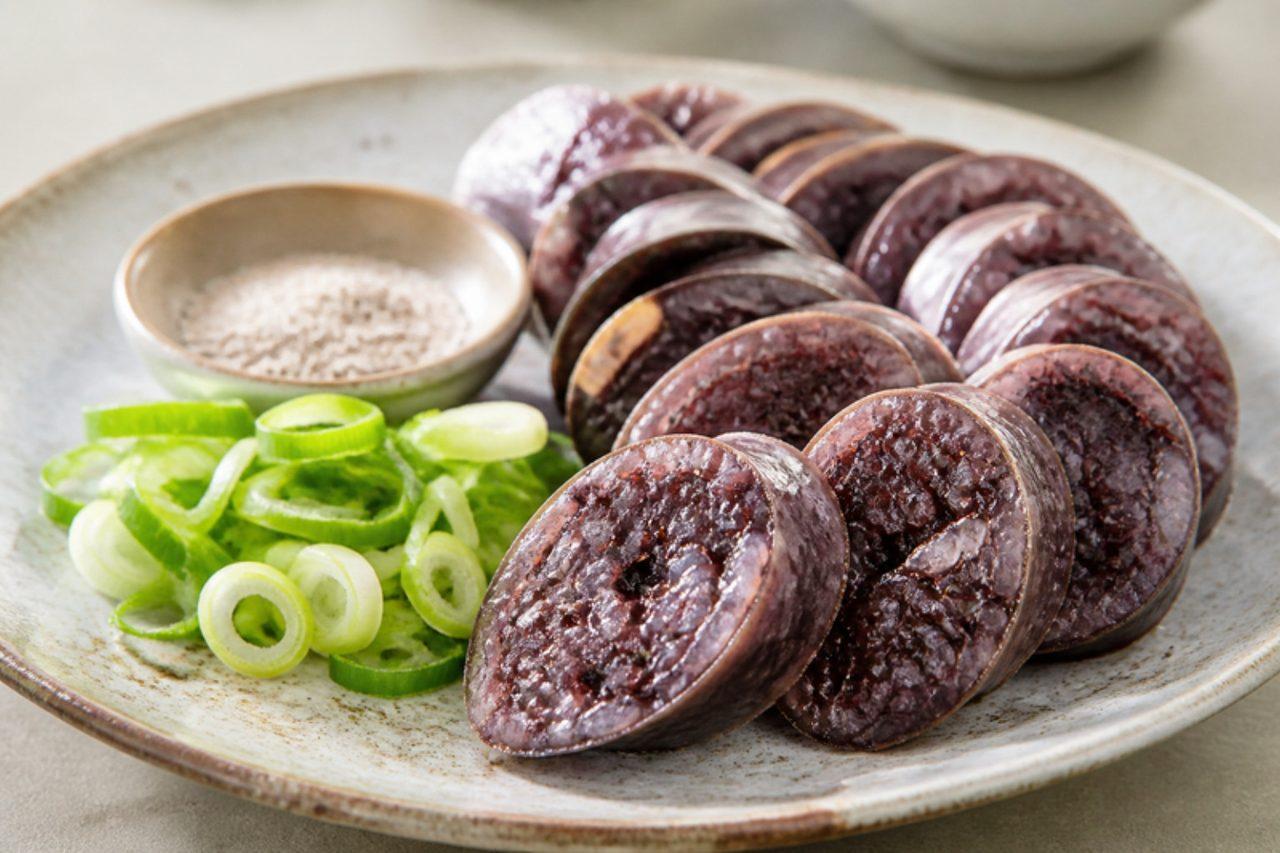
SundaeKorean blood sausage

Sundae is the steamed sausage sold sliced from big steaming trays in every Korean market, from Seoul's Sillim-dong sundae town to the Byeongcheon market in Cheonan, and eaten with salt and pepper, tteokbokki sauce or a bowl of soup. This home version fills cleaned pork casings with pork blood, glass noodles, sticky rice, cabbage and bean sprouts, then poaches them gently until firm, giving soft, savoury, slightly springy slices. It is pork through and through: pork blood and pork casings. Buy the blood fresh from a butcher, keep it chilled and use it the same day. The common mistake is boiling the water hard, which bursts the casings; keep it at a lazy simmer and prick any air bubbles. Chef's tip: fill the casings only about three-quarters full; the rice swells as it cooks and an overfilled sausage splits.

140 minKoreanMeat
by KrazyBadal 0 views

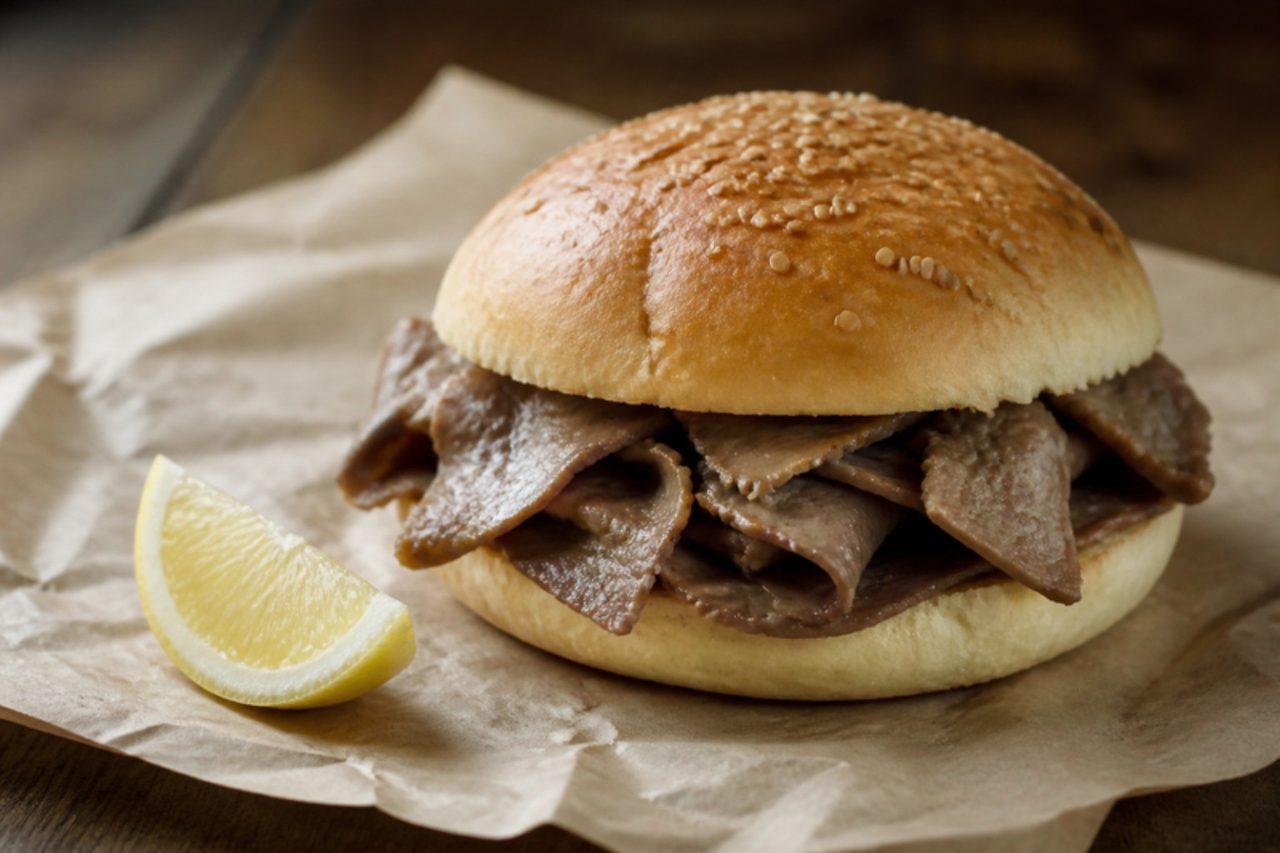
Pani ca' meusaVeal spleen sandwich

Pani ca' meusa ("bread with spleen") has been sold in Palermo since the Middle Ages, when the Jewish butchers of the city were paid with the offal of the animals they slaughtered and sold it in bread. At the old Focacceria San Francesco and the stalls around the Vucciria market, veal spleen and lung are boiled, sliced thin and then fried in pork lard in a huge pan before being piled into a sesame roll. Ordered "schettu" (single) it comes with lemon; "maritatu" (married) with ricotta and caciocavallo. Lung is not sold in many countries, so this recipe uses spleen only. Chef's tip: slice the boiled spleen while it is cold and firm; warm spleen crumbles.

170 minItalianMeat
by KrazyBadal 0 views

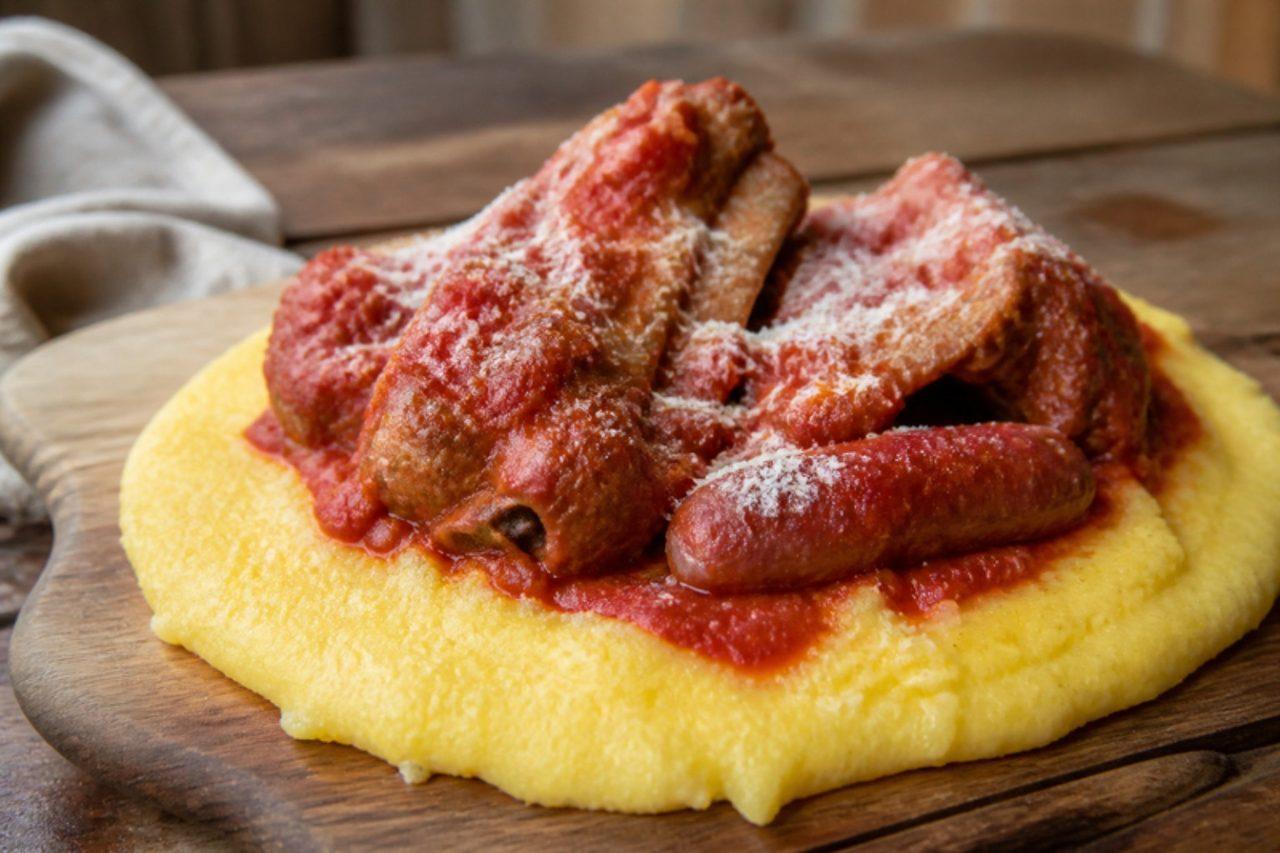
Polenta con le spuntaturePolenta with pork ribs

In the towns of the Ciociaria and the Sabine hills of Lazio, polenta is poured straight onto a wooden board, the spianatora, set in the middle of the table, and topped with spuntature, short pork ribs stewed with pork sausage in tomato. Everyone eats from their own patch of the board, working inwards. It is a winter feast for the feast of Sant'Antonio in January and for big family Sundays. Alcohol is used here: white wine, which you can replace with water and a spoonful of vinegar. Chef's tip: brown the ribs well before the tomatoes go in; the colour and crusty bits make the sauce rich and meaty.

140 minItalianMeatGluten free
by KrazyBadal 0 views

Cannoncini alla cremaCustard puff pastry horns

Every pastry shop in Turin and Piedmont has a tray of cannoncini: puff pastry wrapped around metal cones, baked until golden and flaky, then piped full of vanilla custard and dusted with icing sugar. Little ones are part of the "pasticcini mignon" bought on Sunday morning after church to take to lunch at the grandparents' house. You need cannoncino or cream-horn moulds. Chef's tip: fill them just before serving; custard softens the pastry within a few hours.

by KrazyBadal 0 views

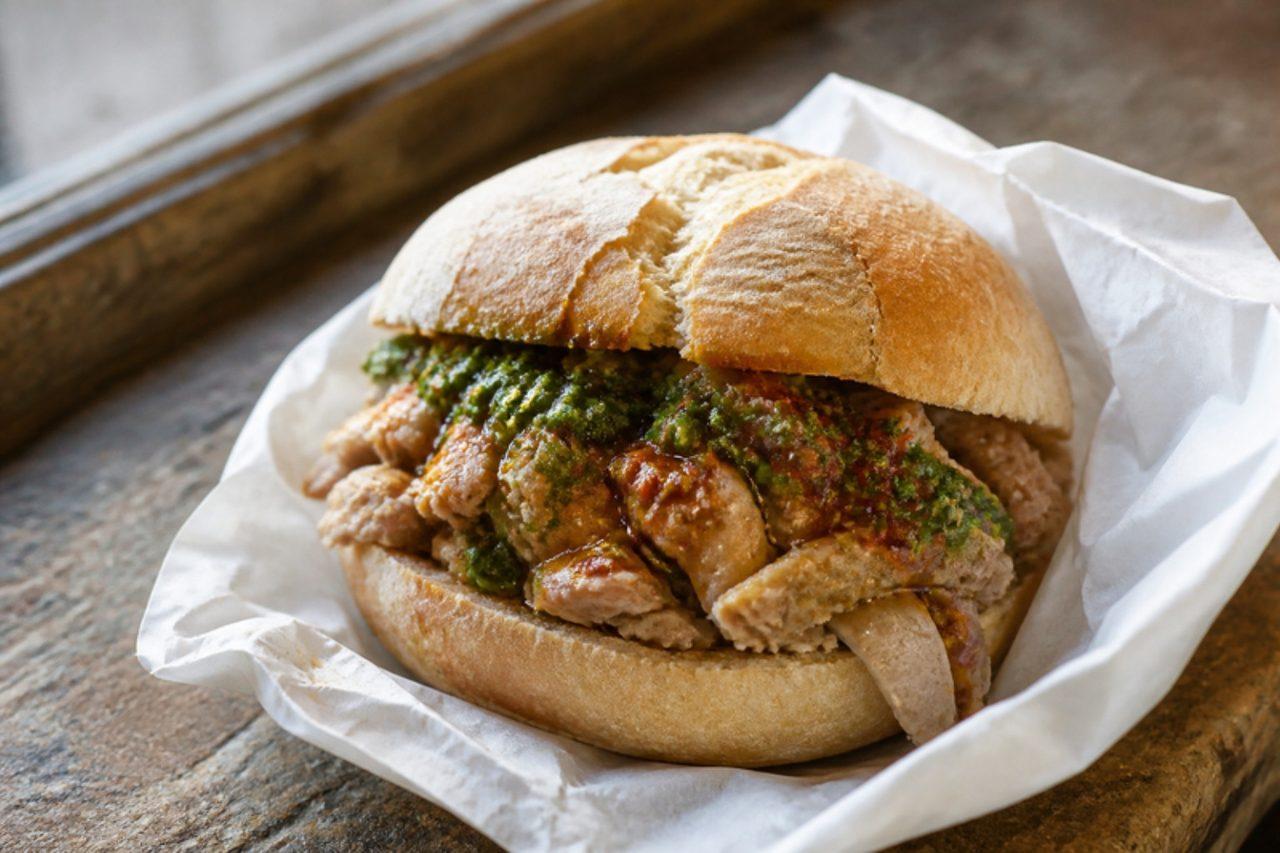
Panino con il lampredottoTripe sandwich

Lampredotto is the fourth stomach of the cow, slowly simmered in a broth with tomato, onion and celery until tender, and for Florentines it is the true street food of the city. Lampredottai sell it from carts at the San Lorenzo market and Porta Romana from mid-morning: the meat is chopped on a board, salted, piled into a crusty roll whose top half is dipped in the broth, and topped with salsa verde and chilli oil. Ask a butcher for lampredotto or abomasum tripe, ready cleaned. Chef's tip: dip the top of the bun ("bagnato") briefly in the hot broth; it soaks up the flavour but shouldn't fall apart.

205 minItalianMeat
by KrazyBadal 0 views

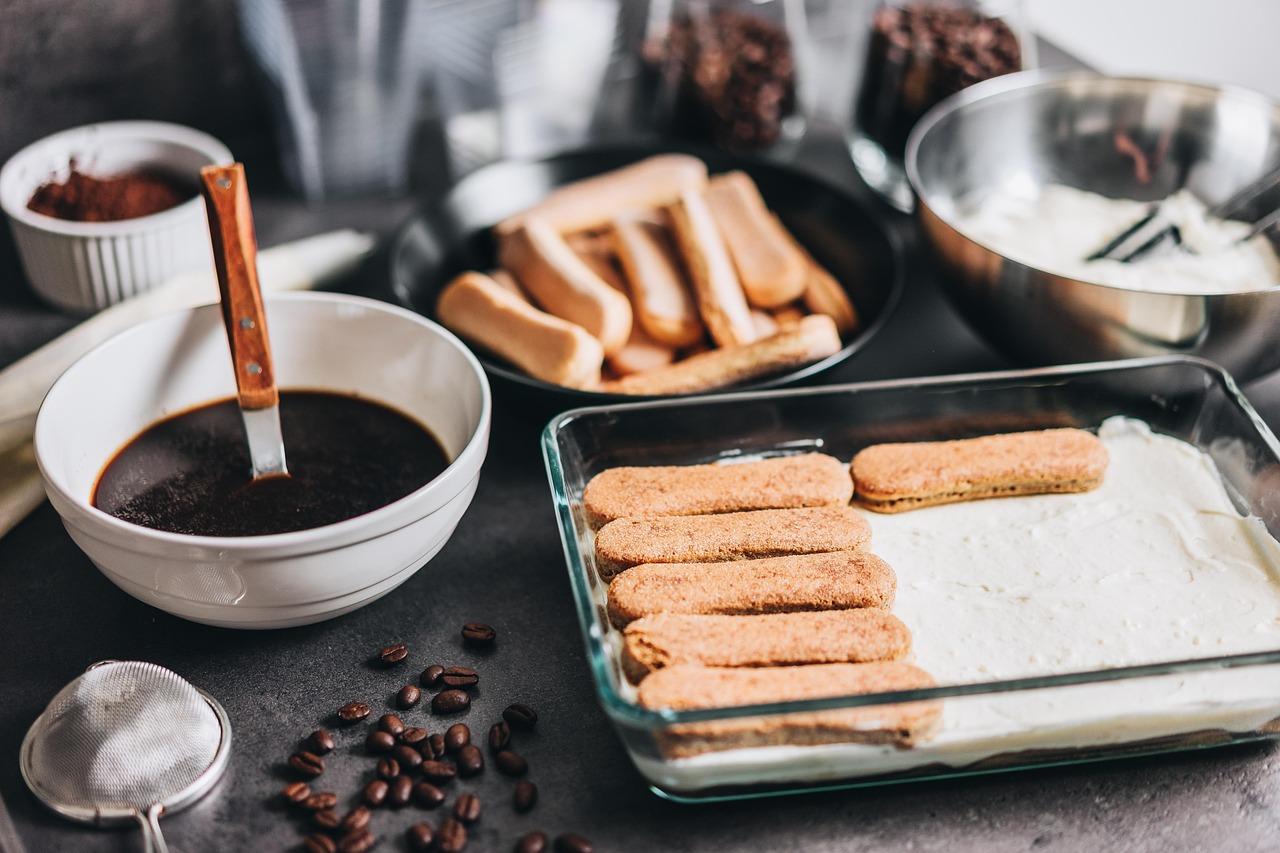
Savoiardi

Savoiardi were created in the 1300s at the court of the House of Savoy in Piedmont, for a visit by the King of France. They are long, light finger biscuits of whipped eggs, sugar and flour, with a crisp sugary crust and a dry, spongy inside, made to be soaked: in coffee for tiramisù, in liqueur for zuppa inglese, or in milk for children's breakfast. Chef's tip: dust the piped fingers twice with icing sugar, 5 minutes apart; this forms the pearly crust that keeps them crisp outside.

by KrazyBadal 0 views

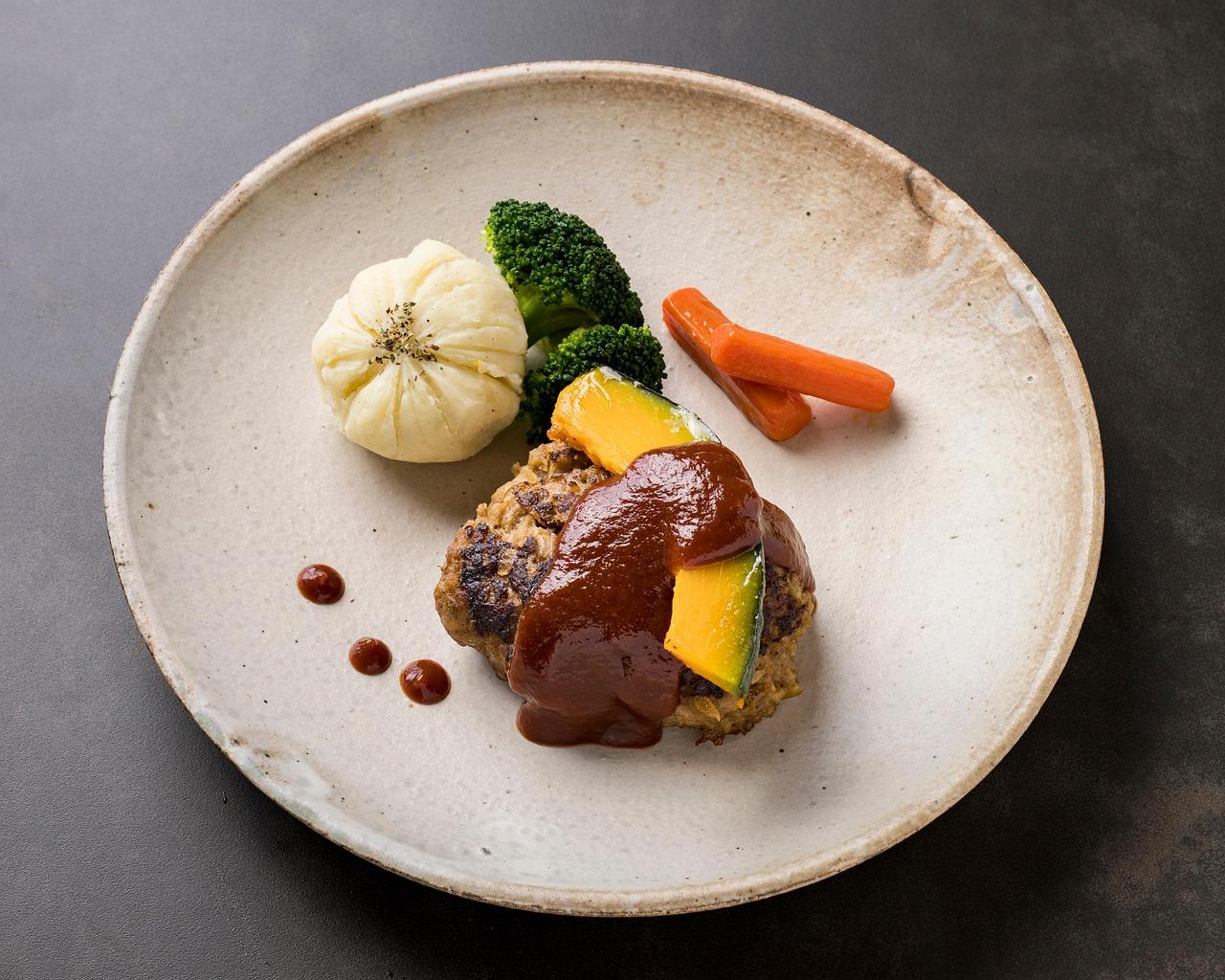
Hambagu (Japanese hamburg steak)

Hambagu is the dinner Japanese children ask for on their birthday: a thick, juicy oval patty of beef and pork mince, browned and steamed in the pan, then smothered in a shiny sauce of ketchup and Worcestershire sauce. Family restaurants from Shizuoka to Hokkaido build whole menus around it, served on a hot iron plate with rice and buttered corn. This recipe uses pork mince with beef. The common mistake is under-kneading the mixture; it needs a good 2 minutes of mixing until sticky, or the patties crumble and leak their juice. Mince must reach 71 °C, so check the thickest one. Chef's tip: press a dent into the centre of each patty before cooking; the middle puffs as it cooks and the patty stays flat and even.

by KrazyBadal 0 views

Showing 24 of 2,292 recipes

Show more recipes

Page 1 of 96