Skip to content
Recipes

All recipes

Vegetarian, or something you can't eat? Set your diet once and we'll hide recipes that don't fit.

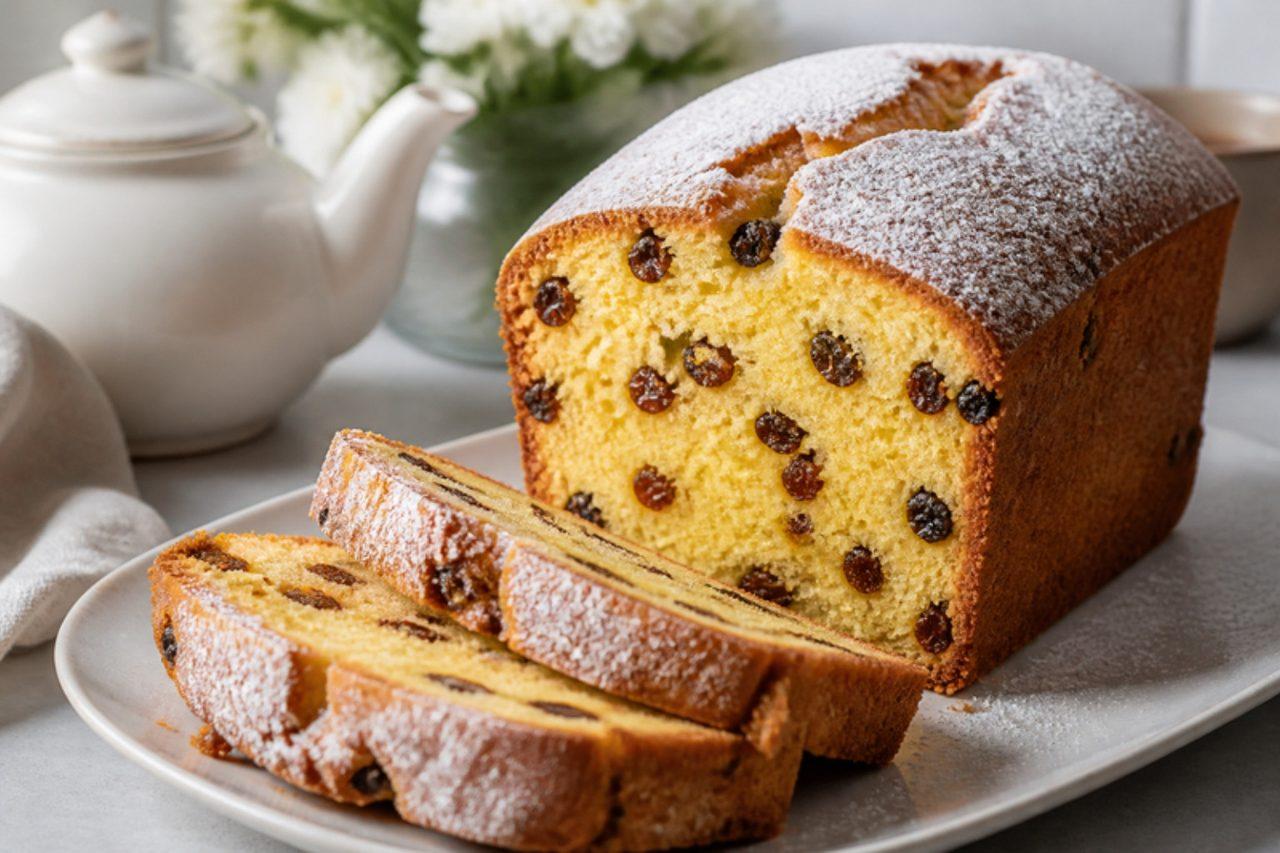
Stolichny keksRaisin loaf cake

Stolichny keks, the 'capital city' cake, was made to a fixed state recipe in Soviet bakeries and sold in waxed paper in every Moscow grocery: a tall, buttery loaf with a cracked top, a fine yellow crumb and so many raisins that each slice is studded with them. People still bake it at home for New Year and for guests, and it keeps well for a week, wrapped, next to the teapot. Some cooks plump the raisins in brandy or cognac; this recipe soaks them in hot water and lemon juice instead, and a spoonful of brandy can go into the soak if you like. Under-creamed butter is the usual problem: the cake comes out heavy and greasy, so beat the butter and icing sugar until really pale. Chef's tip: dry the soaked raisins on a towel and roll them in flour; wet raisins all sink to the bottom.

by KrazyBadal 0 views

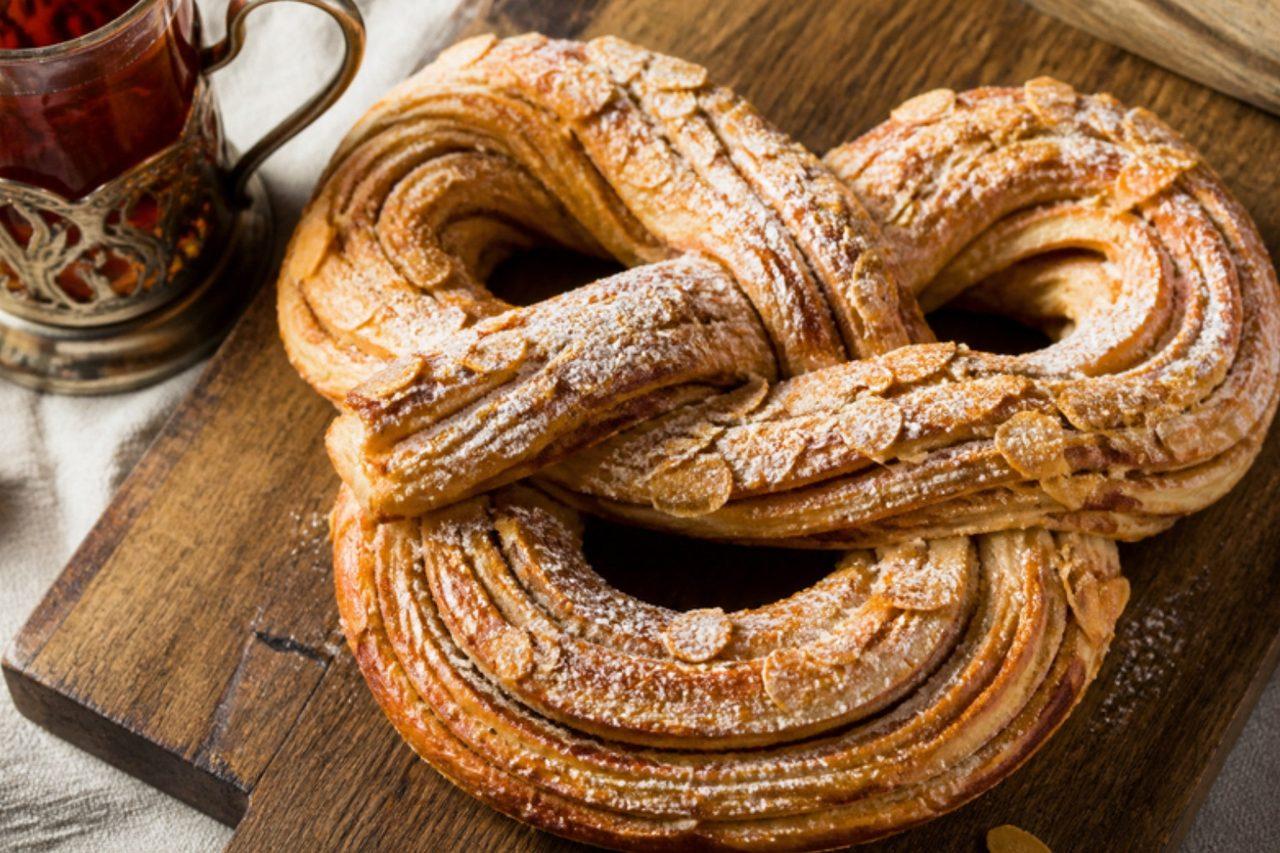
KrendelSweet pretzel-shaped bread

Name days and birthdays in old Russia called for a krendel: one huge pretzel-shaped sweet loaf, carried to the table whole and torn apart over tea from the samovar. The shape is said to come from Baltic and German bakers in St Petersburg, but the bread itself is very Russian, a buttery yeast dough rolled around cinnamon sugar so the crumb streaks with spice. Serve it with tea, jam or honey and a bowl of sour cream. The pretzel is made from one long filled roll, slit open down its length so the layers show; forgetting to chill the filled roll before slitting is what makes the filling smear and the shape slump. Chef's tip: shape it straight on the lined tray rather than lifting it afterwards, as a filled rope this long tears easily.

by KrazyBadal 0 views

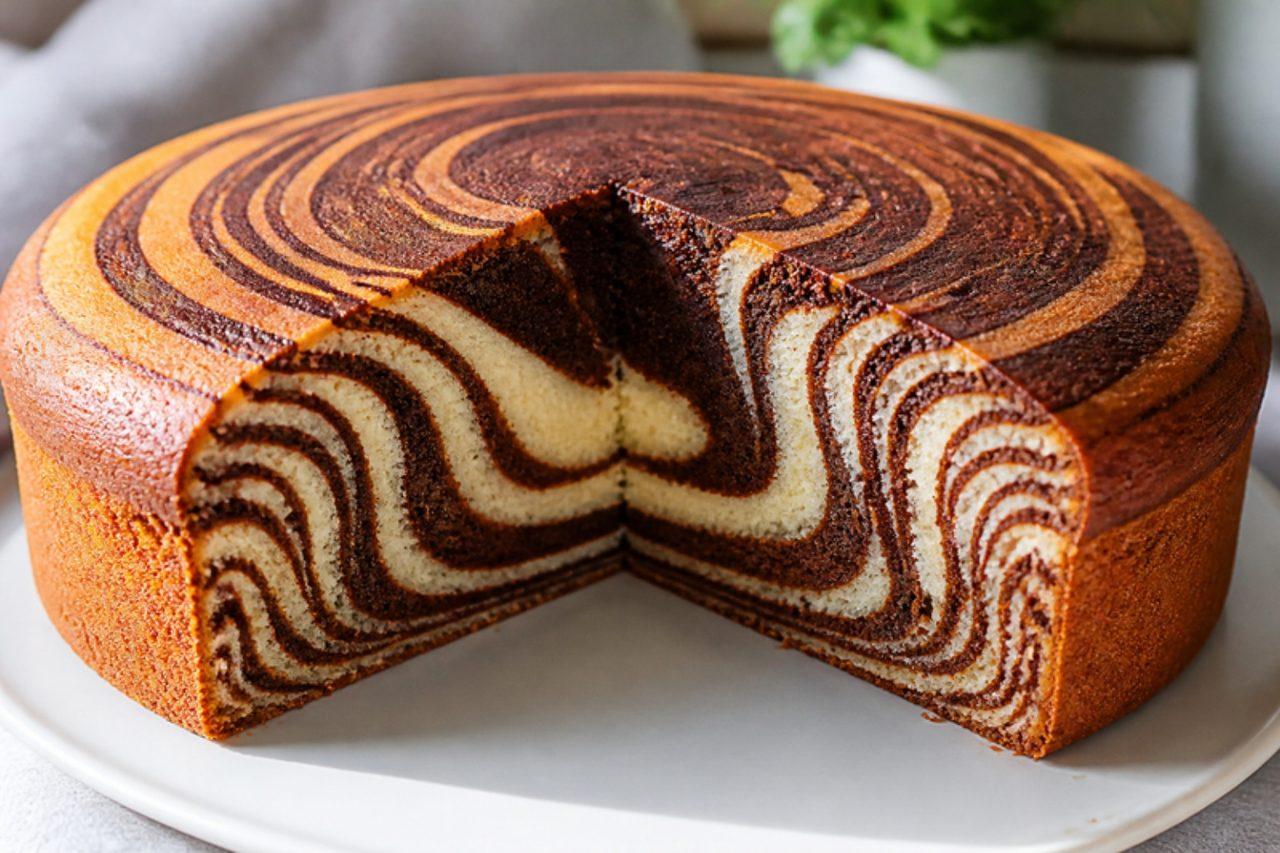
Zebra cake

Russian mothers learned the trick of zebra cake from Soviet women's magazines in the 1980s: spoon a vanilla and a cocoa batter alternately into the centre of the tin and the rings spread out by themselves into stripes. Cut open at a birthday tea or on a Sunday afternoon in Moscow flats, it always draws a gasp from children. The sponge is made with sour cream, so it stays moist for days. The common mistake is spreading the batter with a spoon, which smears the stripes. Chef's tip: drop each spoonful exactly in the middle of the previous one and let gravity do the work.

by KrazyBadal 0 views

SochniSweet curd pastries

Sochni were the thing to buy from the bakery counter on the way home from school in Soviet Moscow: a soft, sweet shortcrust oval folded over a thick tongue of vanilla tvorog, which peeks out of the fold and bakes golden at the edge. They are still made at home for the tea table, eaten warm or the next morning with milk. The dough is tender rather than flaky, made with sour cream. The common mistake is a wet curd filling, which leaks and burns on the tray. Chef's tip: press the tvorog through a sieve and use only a little egg in it; it should be thick enough to hold a spoon upright.

by KrazyBadal 0 views

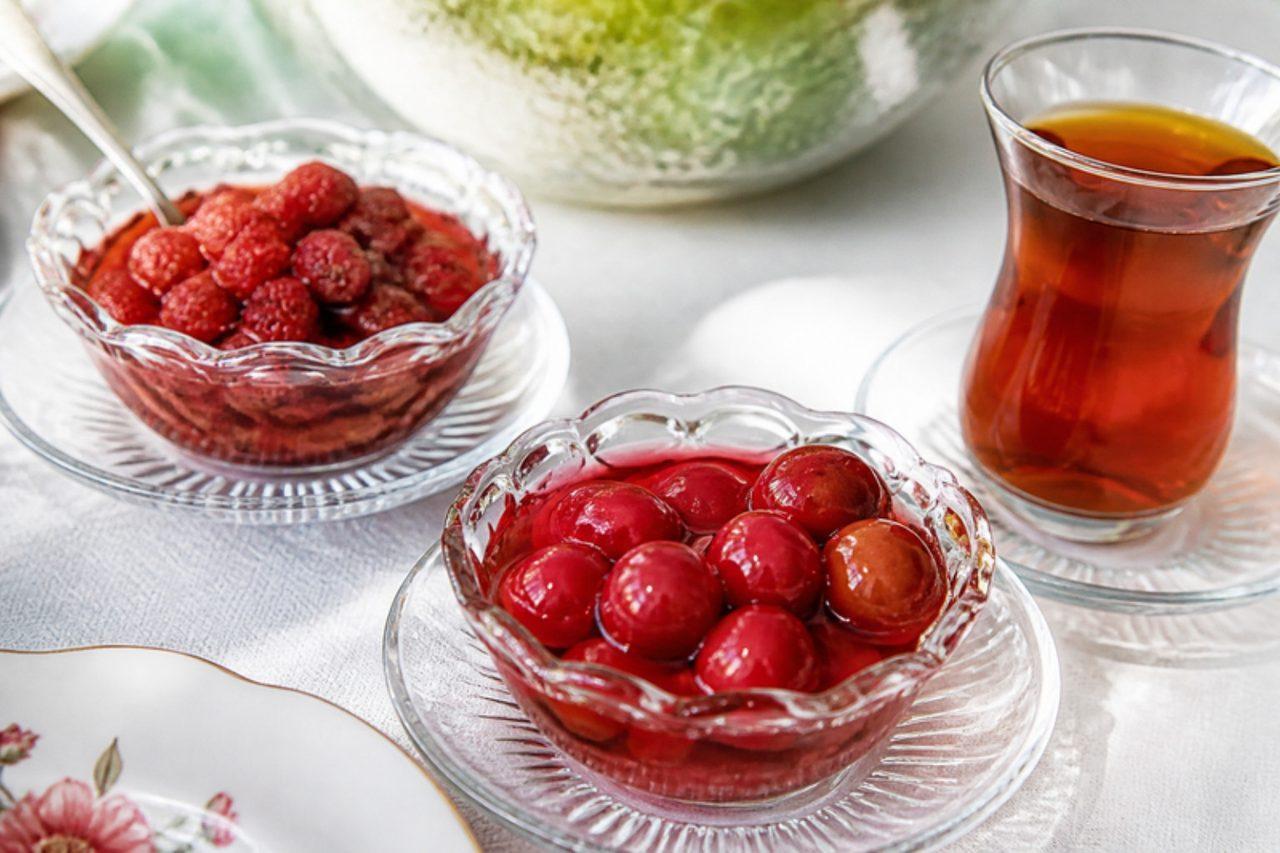
VarenyeFruit preserve in syrup

Varenye is not quite jam: whole berries or fruit are steeped and cooked in short bursts so they stay intact in a clear, glossy syrup. All summer at dachas around Moscow and Vladimir, copper basins of strawberry, cherry or gooseberry varenye bubble outside, and in winter it is spooned into tiny glass rosettes and eaten with tea, sometimes straight from the spoon between sips. The common mistake is boiling it in one long go, which turns the fruit to mush. Chef's tip: cook it in three short boils with long rests between; the fruit soaks up syrup slowly and stays whole.

by KrazyBadal 0 views

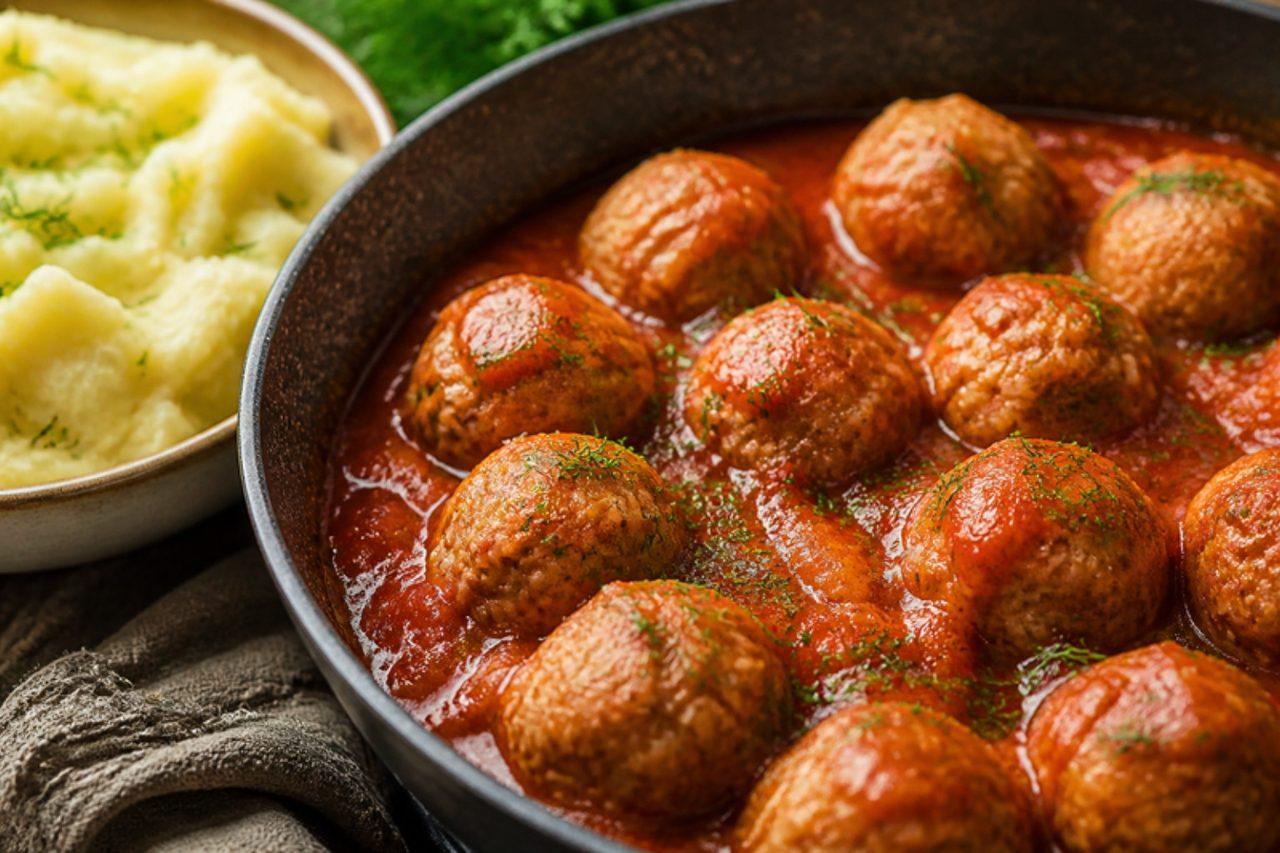
TefteliMeatballs in tomato sauce

Ask anyone who went to a Soviet school canteen and they will remember tefteli: soft meatballs studded with rice, served in a ladle of tomato sauce with buckwheat or mashed potato. They are still the go-to dinner for small children from Moscow to Yekaterinburg because they are tender enough to cut with a spoon. They are softer and plainer than kotlety and are always cooked in sauce, never just fried. The common mistake is boiling the sauce hard, which breaks the meatballs apart. Chef's tip: roll each ball with wet hands and leave them in the fridge for 15 minutes before cooking; they hold together much better.

by KrazyBadal 0 views

MannikSemolina cake

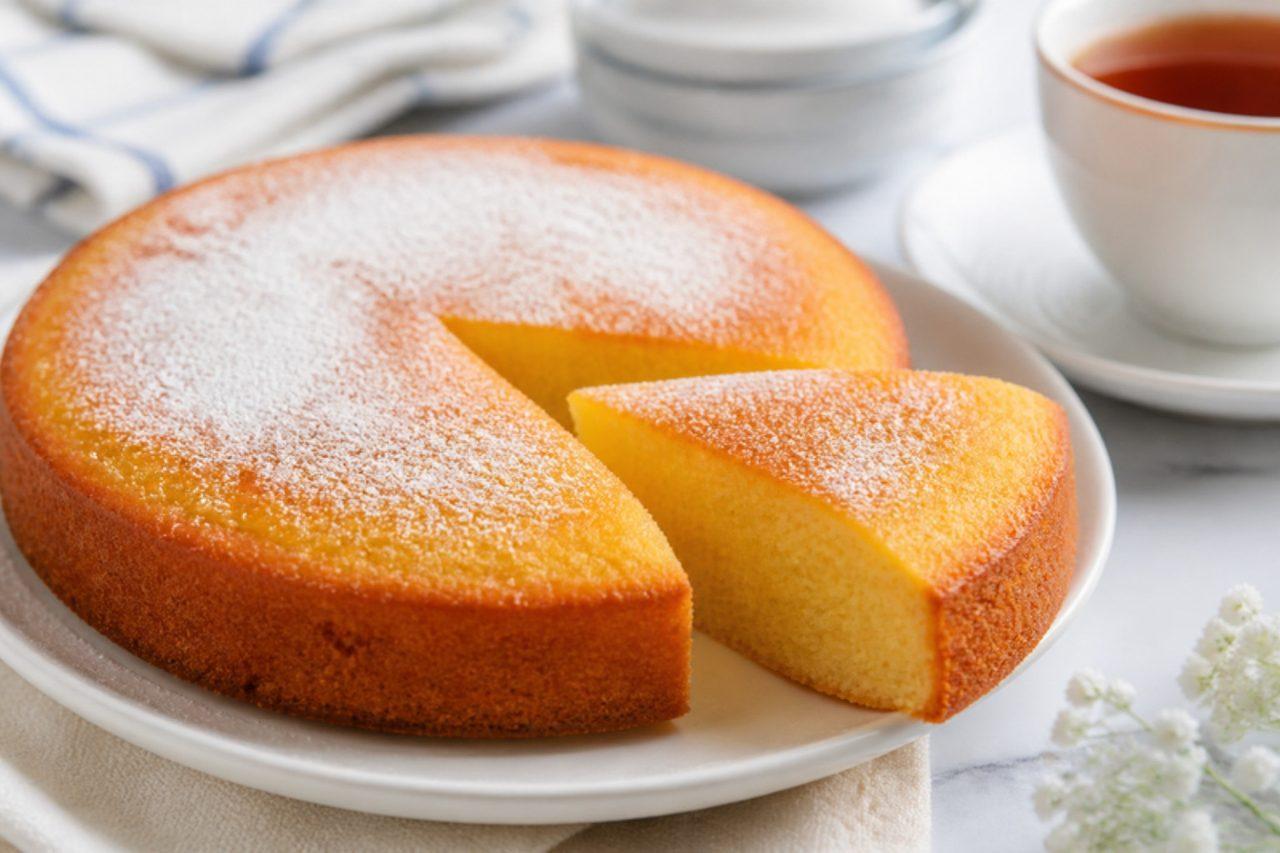
In thousands of Russian kitchens, mannik is the cake you make when the cupboard is nearly bare: semolina, kefir, sugar, a couple of eggs and almost no flour. The semolina swells overnight in the kefir, and the result is a plain, damp, slightly springy cake with a golden crust, sliced at the tea table from Smolensk to Vladivostok with a spoon of jam or sour cream. The common mistake is skipping the soak, which leaves the cake gritty with hard grains. Chef's tip: soak the semolina in the kefir for at least an hour, or overnight in the fridge, before adding the rest.

by KrazyBadal 0 views

Sweet sorrel pie

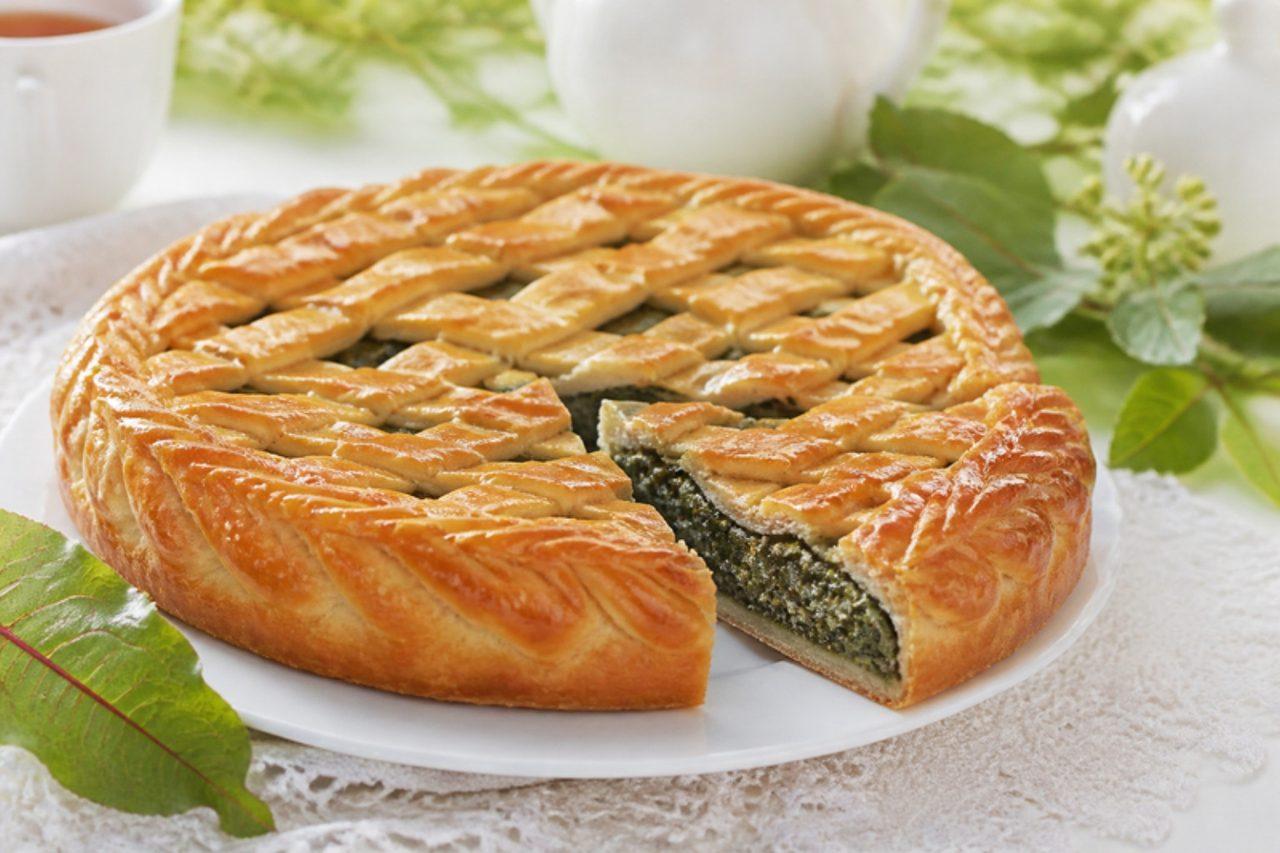
In late May and June, sorrel is the first thing to grow thick in dacha gardens around Moscow and Kaluga, and grandmothers turn the sour leaves into a sweet pie that tastes surprisingly like rhubarb. Shredded sorrel is tossed with sugar and a little starch and baked between two layers of soft sour-cream pastry, then eaten in thick slices with tea or cold milk. The common mistake is mixing the sugar into the sorrel too early, which draws out the juice and floods the pastry. Chef's tip: layer the dry leaves into the pie and sprinkle the sugar and starch over them right before you close the lid.

by KrazyBadal 0 views

Pirog s gribamiMushroom pie

In Arkhangelsk and the villages along the Northern Dvina, where autumn means weeks of mushroom picking, a big closed yeast pie filled with mushrooms, onion and rice is baked for name days and for the table after a funeral or wake. Under a soft golden crust the filling is savoury and juicy with dill and butter. Buy wild mushrooms from a reliable source only; a mix of chestnut and dried porcini works anywhere. The common mistake is a hot, wet filling, which melts the dough and leaves a soggy base. Chef's tip: cook the filling until the pan is dry, then let it cool completely before you fill the pie.

by KrazyBadal 0 views

KorzhikiShortbread rounds

Every Soviet schoolchild knew korzhiki, the plump scalloped biscuits sold at the canteen counter for a few kopecks with a glass of milk. Made with sour cream and a little honey, they are firm on the outside and soft and cakey inside, pale gold, with a fork-pricked top. Russians still bake them at home for after-school snacks. The common mistake is rolling the dough too thin, which makes hard biscuits instead of soft little cakes. Chef's tip: roll to a full 8 mm and pull them from the oven while the edges are still pale; they firm up as they cool.

by KrazyBadal 0 views

Lenivye golubtsyLazy cabbage roll patties

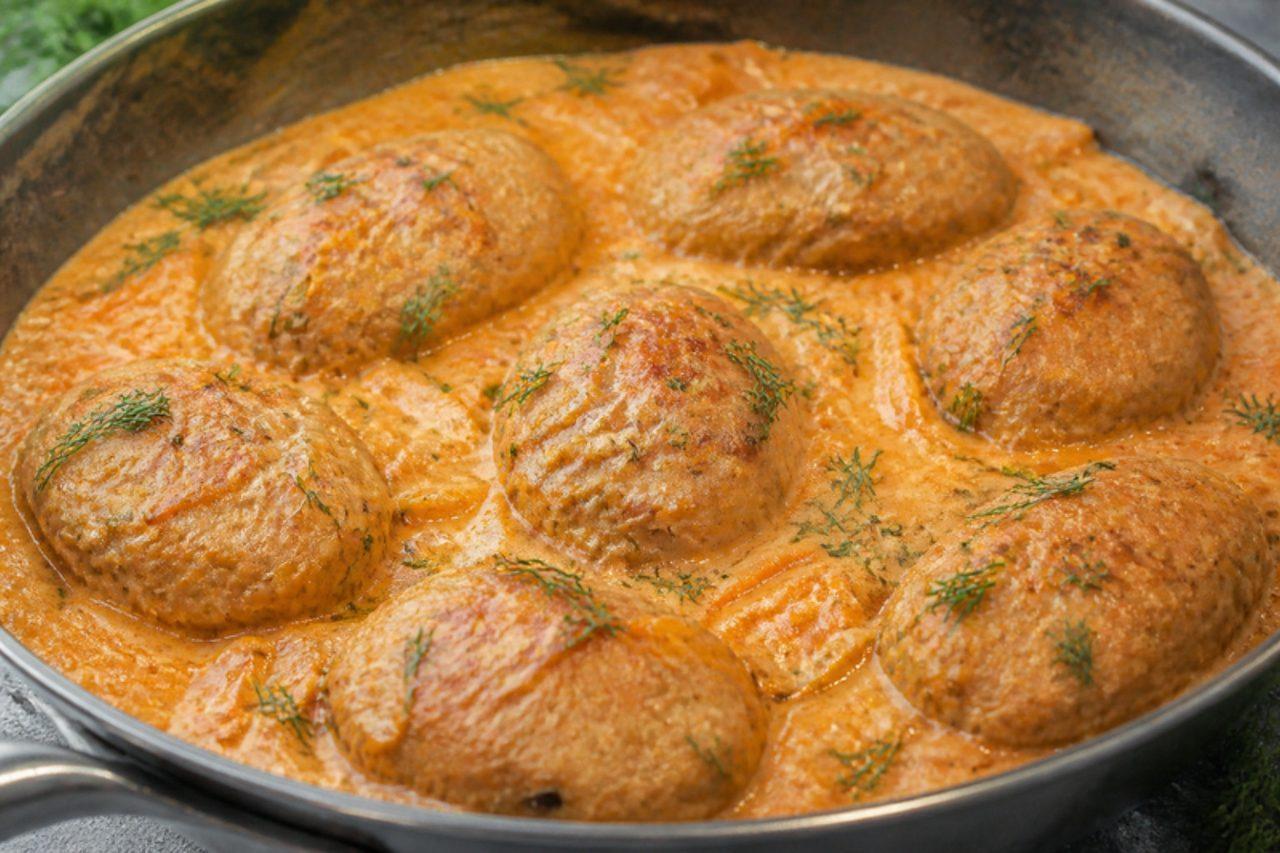
Rolling proper golubtsy takes an afternoon, so Soviet working mothers invented the lazy version: shred the cabbage, mix it straight into the mince and rice, shape oval patties and braise them in a tomato and sour-cream sauce. It became a staple of factory canteens in Leningrad and Kyiv and is now a weeknight dinner across Russia, served with mashed potato or just bread. The patties taste exactly like stuffed cabbage, only softer. The mince is beef and pork. The common mistake is using raw rice, which stays hard inside the patties; it must be part-cooked first. Chef's tip: squeeze the blanched cabbage hard in a cloth, or the patties will be too wet to hold their shape.

by KrazyBadal 0 views

Tertyi pirogGrated shortbread jam pie

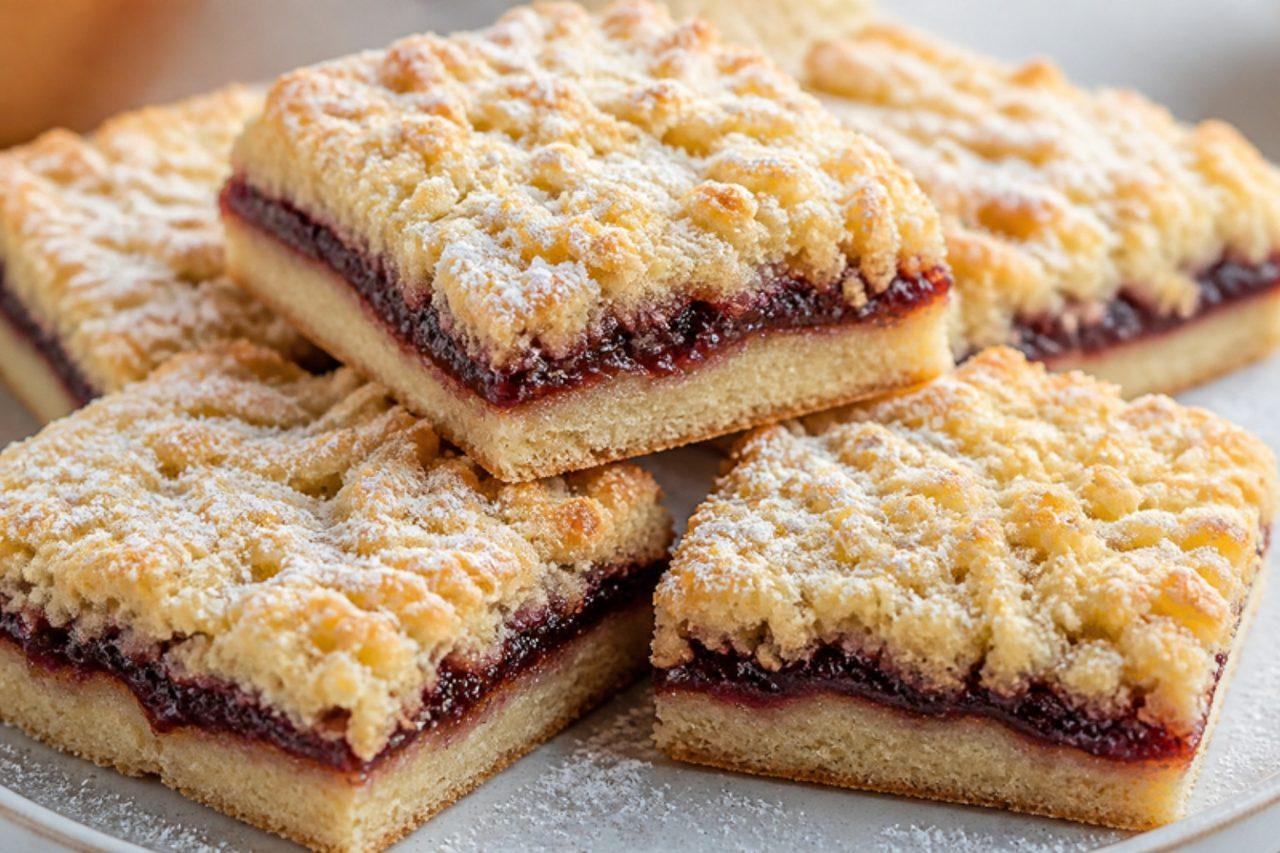
Soviet home bakers in Leningrad and Gorky passed this one round on handwritten cards because it needed nothing more than butter, flour and a jar of last summer's jam. Frozen shortbread dough is grated straight into a tin, spread with thick jam, and topped with more grated dough that bakes into a crumbly, craggy lid. It is cut into squares for the tea table or for children coming in from the yard. The common mistake is a runny jam, which bubbles through and burns. Chef's tip: freeze the dough hard for at least 40 minutes so it grates into loose flakes rather than clumps.

by KrazyBadal 0 views

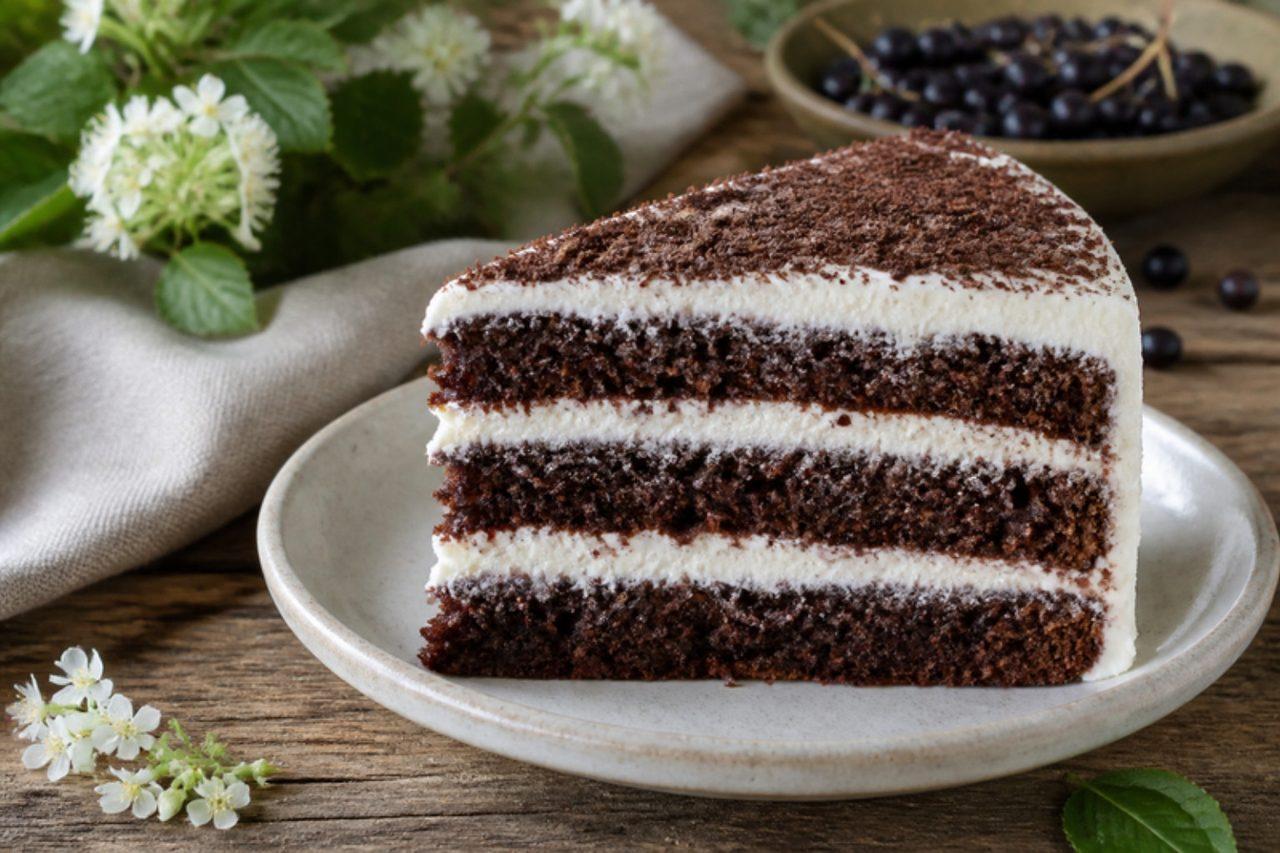
Bird-cherry cake

Bird-cherry trees grow wild along every river in Siberia, and in the Altai, Tomsk and Krasnoyarsk regions their small black fruit is dried and ground, stones and all, into a dark, almondy flour. Steamed in boiling milk and mixed into a sponge, it gives a moist, purple-brown cake that tastes of marzipan and chocolate, layered with thick sweetened sour cream for name days and family teas. The flour is sold in Russian shops and online. The common mistake is adding the flour dry, which leaves the cake gritty. Chef's tip: soak the bird-cherry flour in hot milk for at least three hours, or overnight, so it softens and releases its flavour.

by KrazyBadal 0 views

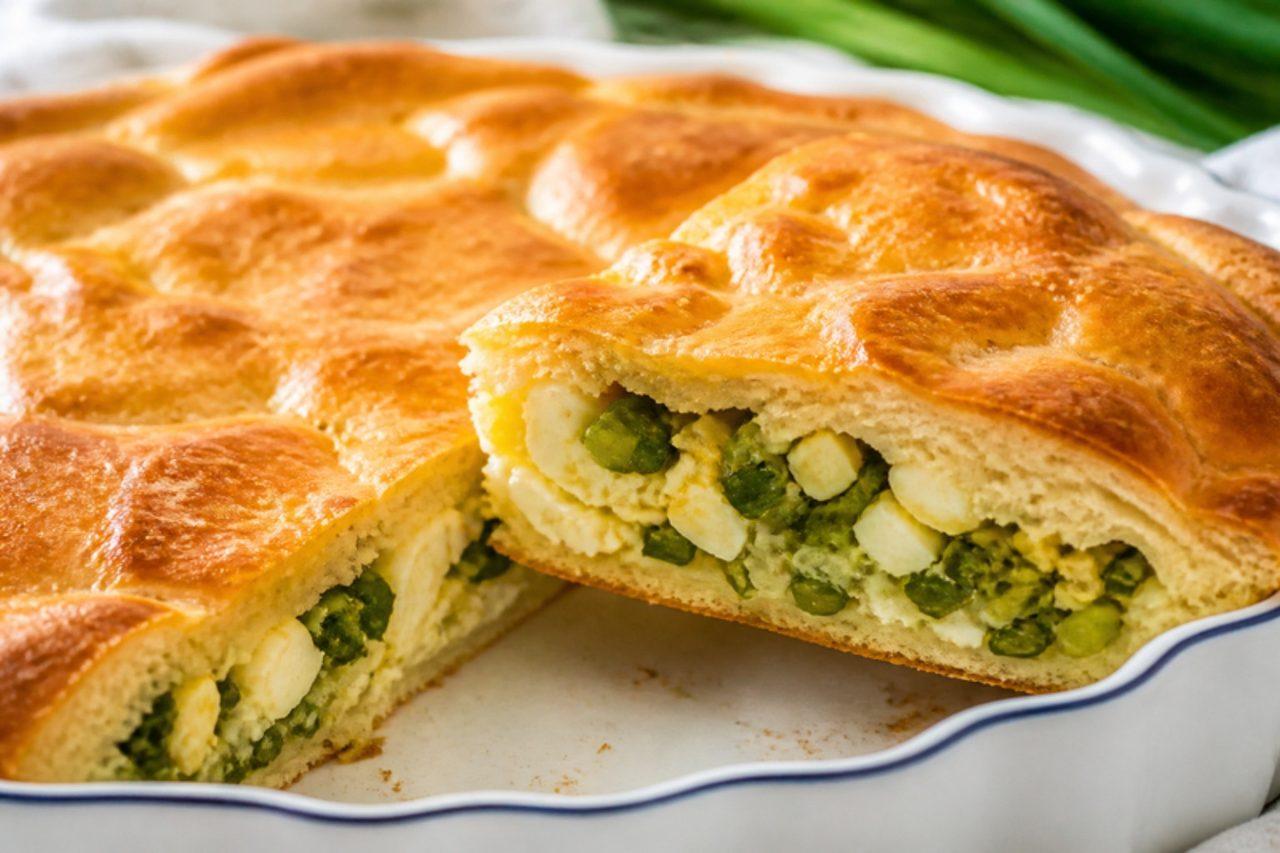
Kefir pie with spring onion and egg

Zalivnoy means 'poured', and this is the pie Russian home cooks make when guests are due in an hour: a runny kefir batter poured over a filling instead of rolled dough. In spring the classic filling is masses of green onion from the windowsill or dacha with chopped boiled egg, and the pie is eaten warm in squares with soup or on its own at the kitchen table. The common mistake is pouring all the batter at once, which lets the filling float to the top. Chef's tip: spread half the batter first, scatter the filling, then pour the rest gently over the back of a spoon.

by KrazyBadal 0 views

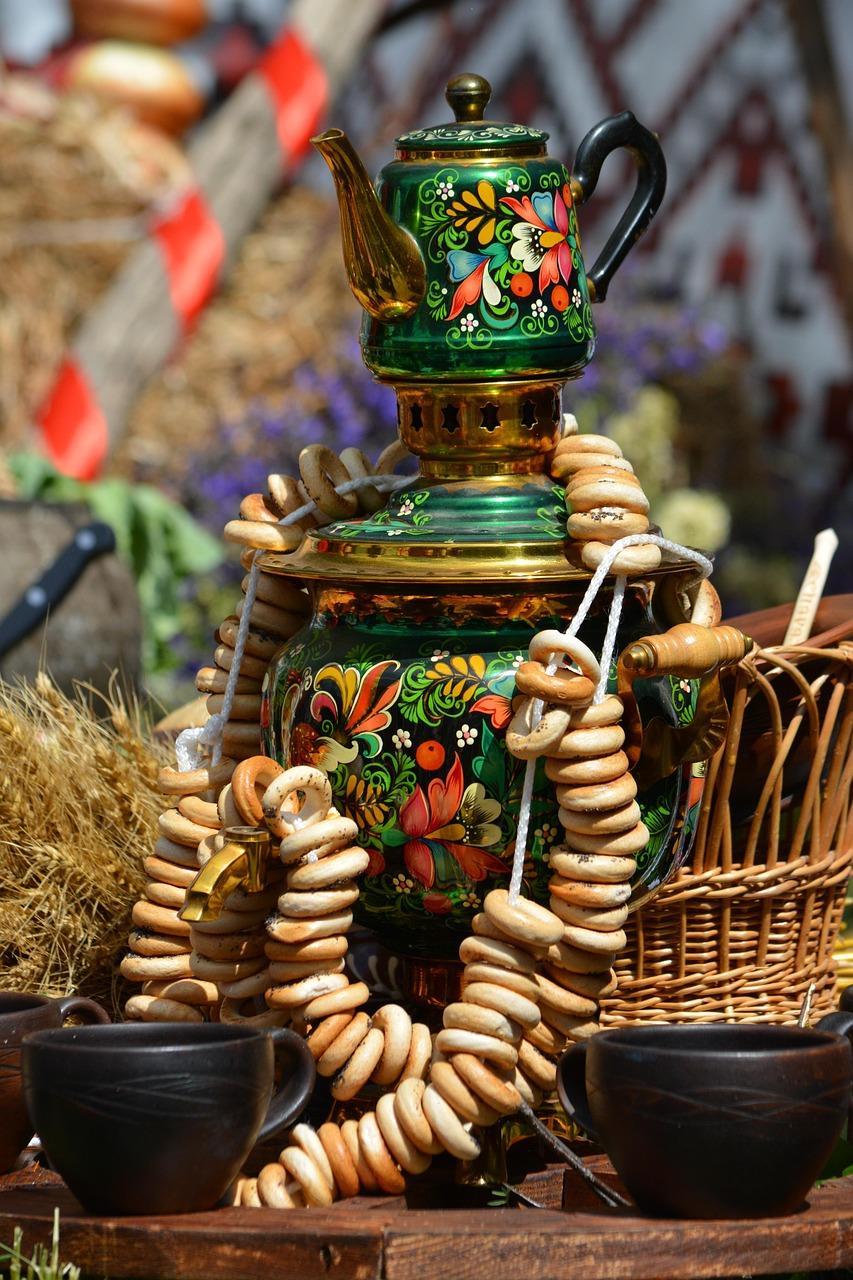
BarankiTea bread rings

Strings of baranki once hung on poles at every Russian fair, and you still see them threaded on twine in Moscow markets and station kiosks. The dough is boiled briefly like a bagel, then baked until hard, golden and glossy, so the rings keep for weeks and soften only when dunked in hot, sweet tea from the samovar. This version is vegan, made with oil instead of butter and eggs. The common mistake is a soft, wet dough, which makes puffy bread rolls instead of crunchy rings. Chef's tip: knead the dough stiff and leave the shaped rings uncovered for 20 minutes to form a skin before boiling; that gives the shine.

by KrazyBadal 0 views

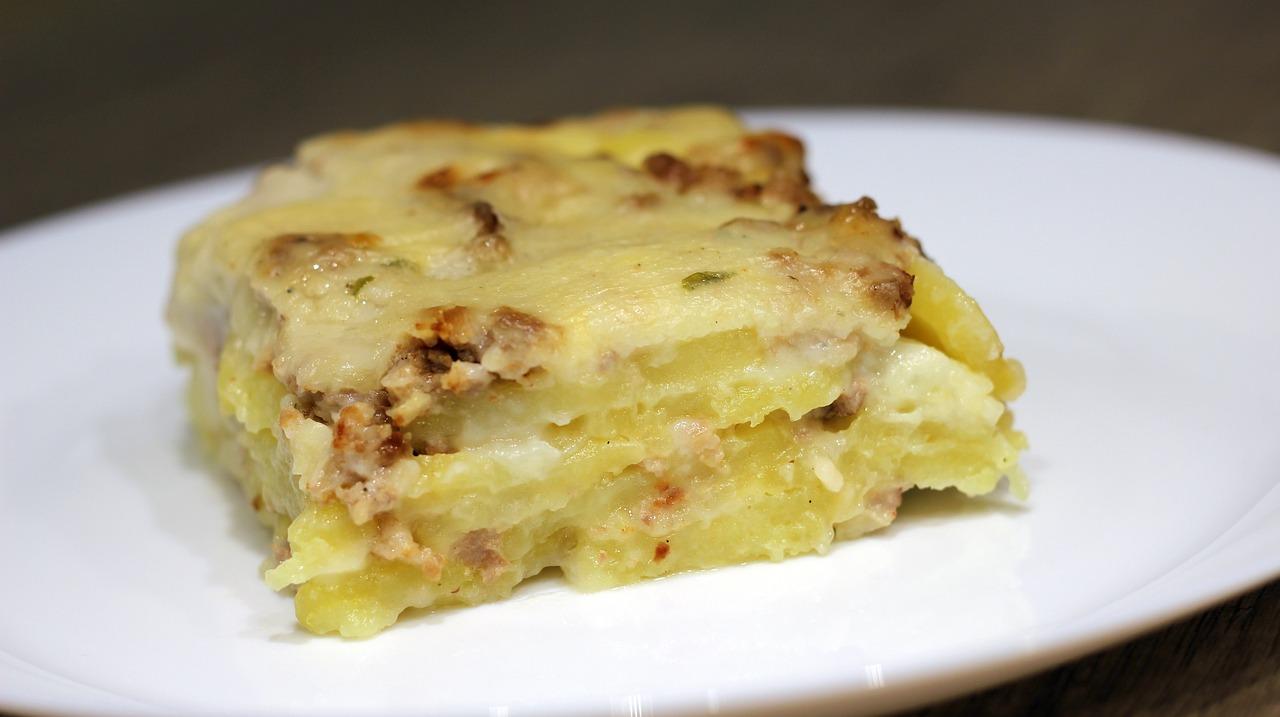
Kartofelnaya zapekankaBaked mashed potato

Kindergarten kitchens across the USSR baked this in huge trays, and it is still the Wednesday supper many Russians remember: a layer of soft mashed potato, a layer of minced beef fried with onion, more mash on top, brushed with egg and sour cream so it browns in the oven. It is Russia's answer to cottage pie, eaten with pickled cucumbers or a beetroot salad. For a vegetarian version, swap the mince for 500 g chopped mushrooms fried until dry. The common mistake is a wet mince layer, which makes the potato slide off when you cut it. Chef's tip: let the bake rest for ten minutes after it leaves the oven; it slices into neat squares instead of collapsing.

by KrazyBadal 0 views

Morcilla dulceSweet blood sausage with walnuts

No Uruguayan parrilla is complete without morcilla dulce: a soft pork blood sausage sweetened with sugar and scented with orange peel, studded with walnuts and raisins, grilled until the skin crisps and served first, as part of the achuras, while the beef is still cooking. It is pork throughout: pork blood, pork back fat and natural pork casings. Making it at home is a project. Buy fresh pork blood with an anticoagulant added from a butcher who supplies it for sausage making, keep it chilled below 4 °C and use it within a day. The common mistake is poaching at a rolling boil, which bursts the casings. Chef's tip: keep the water at 80–85 °C, just shivering, and prick a sausage after 25 minutes: it is done when brown, not red, juice comes out.

by KrazyBadal 0 views

Ivan-chai (fireweed tea)

Long before Chinese tea reached ordinary villages, peasants around Koporye near St Petersburg, and on through Karelia and the Arkhangelsk forests, were rolling and fermenting the leaves of fireweed, the tall pink-flowered plant that floods clearings every July. Ivan-chai is having a revival now, sold in paper bags at markets and drunk at the dacha in the evening from the samovar, because it has no caffeine and will not keep anyone awake. It brews to a clear amber with a soft, slightly fruity, honey-and-dried-apple taste and almost no bitterness. Granular kinds taste deeper, leaf kinds more floral. The common mistake is brewing it for two or three minutes like black tea; it needs a full 10 minutes in a warmed pot to open up, and it never turns bitter if you leave it longer. It is ready when the liquid is a deep golden-amber and smells of honey and dried fruit. It is traditionally drunk as a calming evening tea; if you are pregnant or on regular medication, check with a doctor before drinking it daily. Chef's tip: the same leaves give a second, lighter pot; just top up with fresh hot water and wait another 10 minutes.

by KrazyBadal 0 views

Berezovy sok (birch sap)

For two or three weeks at the end of March and into April, while there is still snow under the trees and before the buds open, the birches around Moscow, Tver, Vologda and across the north start to run. Families tap a few trees at the dacha and drink the sap straight from the jar: clear, cold, very faintly sweet, tasting of rainwater and fresh wood. Because it spoils within two or three days, villagers bottled the rest with sugar, raisins and lemon zest, letting it ferment slightly into a sparkling drink that kept into early summer; like any ferment it makes a trace of alcohol, well under 1% if drunk young. Only tap with the owner's permission, choose trees thicker than 20 cm, drill one small hole and plug it with a wooden peg afterwards so the tree heals. The common mistake is sealing the bottles tight at warm room temperature, which can make them burst; keep them cool and open the caps daily. The bottled sap is ready when the raisins float, a ring of fine bubbles forms on top and it tastes gently sparkling. Chef's tip: drink the first glass straight from the tree; it is never quite as good again.

by KrazyBadal 0 views

Kefir

Kefir is the sour, lightly fizzy fermented milk that families across Russia, Georgia and the North Caucasus drink plain from a glass at breakfast, as an evening snack or alongside a meal, and also use in pancakes and cold soups. It is made by leaving milk with kefir grains, a living culture of yeasts and bacteria, at room temperature for a day until it thickens. Nothing is added: no salt and no sugar. About 0.25 g salt per 250 ml glass, all from the milk itself. Always use pasteurised milk. The usual mistake is leaving it too long, until it separates into curds and whey; check after 18 hours and stop when it is just thick and pourable. Chef's tip: a second ferment of 6 hours in the fridge in a closed bottle makes it smoother and a little fizzier.

1445 minRussianDrinksGluten free
by KrazyBadal 0 views

BusecaTripe and white bean stew

Buseca arrived in Montevideo with Italian immigrants from Lombardy and became a classic winter dish of Uruguayan bodegones and family kitchens, eaten on cold June and July days. Honeycomb tripe is simmered until tender, then stewed with white beans, pork chorizo, bacon, peppers, tomato and paprika into a thick, warming stew served with crusty bread. Buy tripe that is already cleaned and blanched (dressed). The usual mistake is undercooking the tripe: it needs a full 2 hours, until it's soft enough to cut with a spoon. Slow-cooker option: after step 4, cook on low for 8 hours. Chef's tip: a little grated lemon zest and parsley stirred in at the end lifts the rich, gelatinous sauce.

by KrazyBadal 0 views

Oblepikha tea (sea buckthorn tea)

Sea buckthorn grows wild along the rivers of Altai and the Baikal shore, and by October its thorny branches are crowded with tiny orange berries. Siberians freeze them by the bucketful, and all winter a glass teapot of oblepikha tea glows on café tables from Irkutsk to Moscow, ordered after skiing or against the dark afternoons. The taste is sharp and tropical, somewhere between passion fruit, pineapple and lemon, with a faint oily richness from the berries, softened by honey and warmed by ginger. The common mistake is pouring boiling water straight onto the honey and berries: it dulls the fruit, makes the honey taste flat and can turn the tea bitter. Let the kettle settle for a couple of minutes first. It is ready when the tea is a cloudy sunset orange, smells of citrus and ginger and the berries have released their juice. Outside Russia, look for frozen sea buckthorn in Eastern European or Nordic shops, or use unsweetened sea buckthorn purée. Chef's tip: crush a big batch of berries with honey, keep it in a jar in the fridge for a week, and spoon it into mugs whenever you want a cup.

by KrazyBadal 0 views

Cocido quemadoBurnt sugar mate drink

Cocido is how Paraguay starts the day: in Asunción, in the villages of Guairá and Itapúa, and in school kitchens, a pot of burnt yerba is brewed and poured into cups with chipa, the cheesy cassava bread, or with a hard galleta. The old way is to drop a glowing piece of charcoal into a pot with yerba and sugar and stir until the sugar burns. On a home stove you caramelise them together in a dry pan instead, which is safer and gives the same smoky, toffee-like taste. The drink is clear amber-brown, with roasted, slightly bitter mate notes over burnt-sugar sweetness; with milk added it becomes cocido con leche, creamy and coffee-coloured. Yerba mate contains caffeine, so treat it like a cup of coffee. The common mistake is letting the sugar go black: it turns acrid and bitter. Pull it off the heat when the caramel is deep amber and the yerba smells toasted, not burnt. It is ready when the liquid is a clear dark amber and tastes of toffee and smoke. Chef's tip: the water will spit fiercely when it hits the hot caramel, so pour it in from the side, at arm's length.

by KrazyBadal 0 views

Postre MassiniCustard sponge with burnt sugar top

Montevideo's birthday cake of choice since the early twentieth century, the Massini is two thin layers of sponge sandwiching a thick filling of whipped cream folded with egg-yolk custard, crowned with a thin glassy crust of torched yolk and sugar. Bakeries across Uruguay sell it on Sundays. Traditional versions sometimes add a sweet fortified wine to the custard; this one is alcohol-free. The custard is cooked to a safe 71 °C. The common mistake is assembling with warm custard, which melts the cream into a puddle. Chef's tip: if you don't have a blowtorch, put the sugared top under a very hot grill for a minute and watch it closely.

by KrazyBadal 0 views

Showing 24 of 51 recipes

Show more recipes

Page 1 of 3