Skip to content
WhatToEat.Today

All recipes

14

Vegetarian, or something you can't eat? Set your diet once and we'll hide recipes that don't fit.

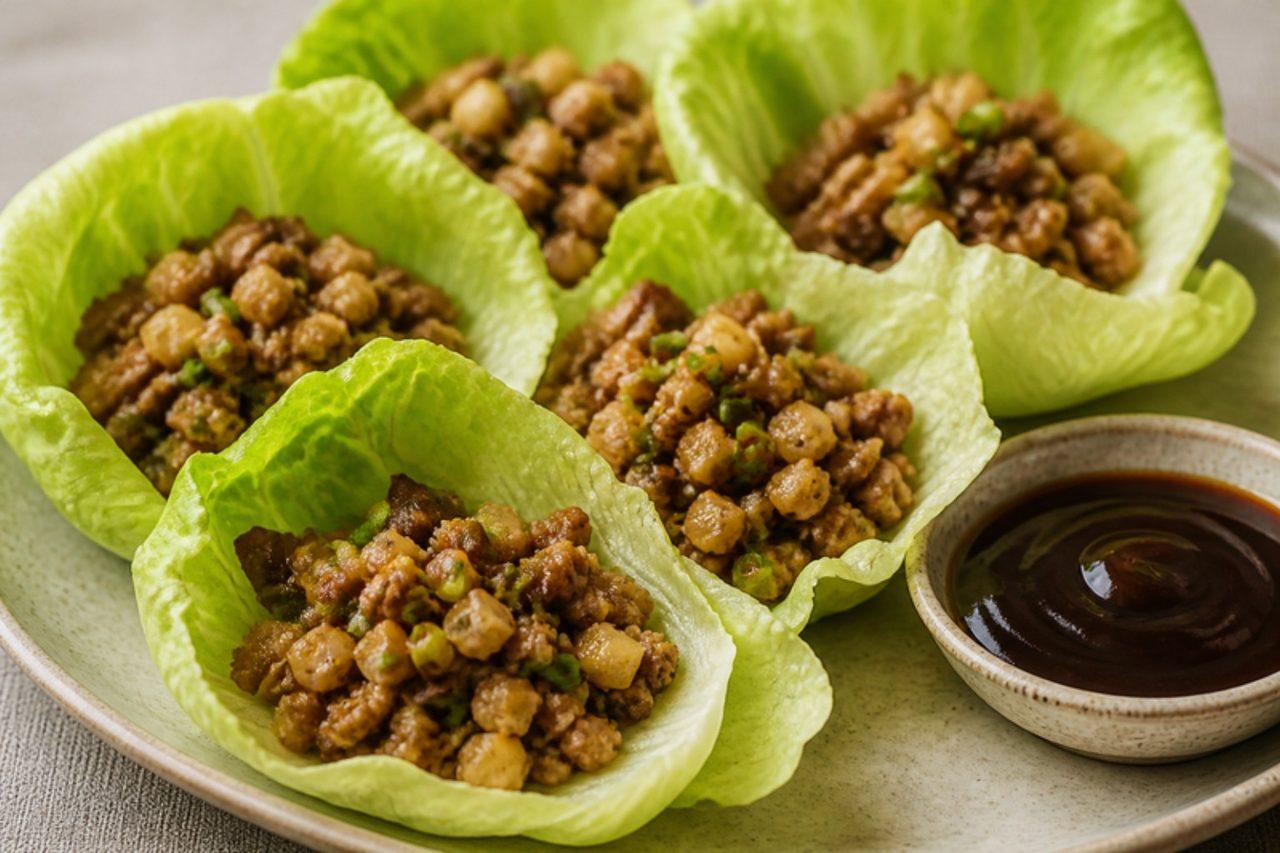
Sang choi bao (minced pork lettuce cups)

At Lunar New Year in Hong Kong, lettuce (saang choi) is on the table because its name sounds like 'growing wealth', and sang choi bao wraps that wish around a hot, savoury filling. Minced pork is stir-fried quickly with water chestnut, shiitake and a little oyster sauce, then spooned into cold, crisp iceberg cups so every bite is juicy, crunchy and fresh at once. It is fast enough to make while the bigger dishes braise, and it works as a starter or alongside rice and poon choi. Chef's tip: get the wok really hot and spread the mince out flat; crowded, cool mince stews in its juices instead of browning.

by KrazyBadal 0 views

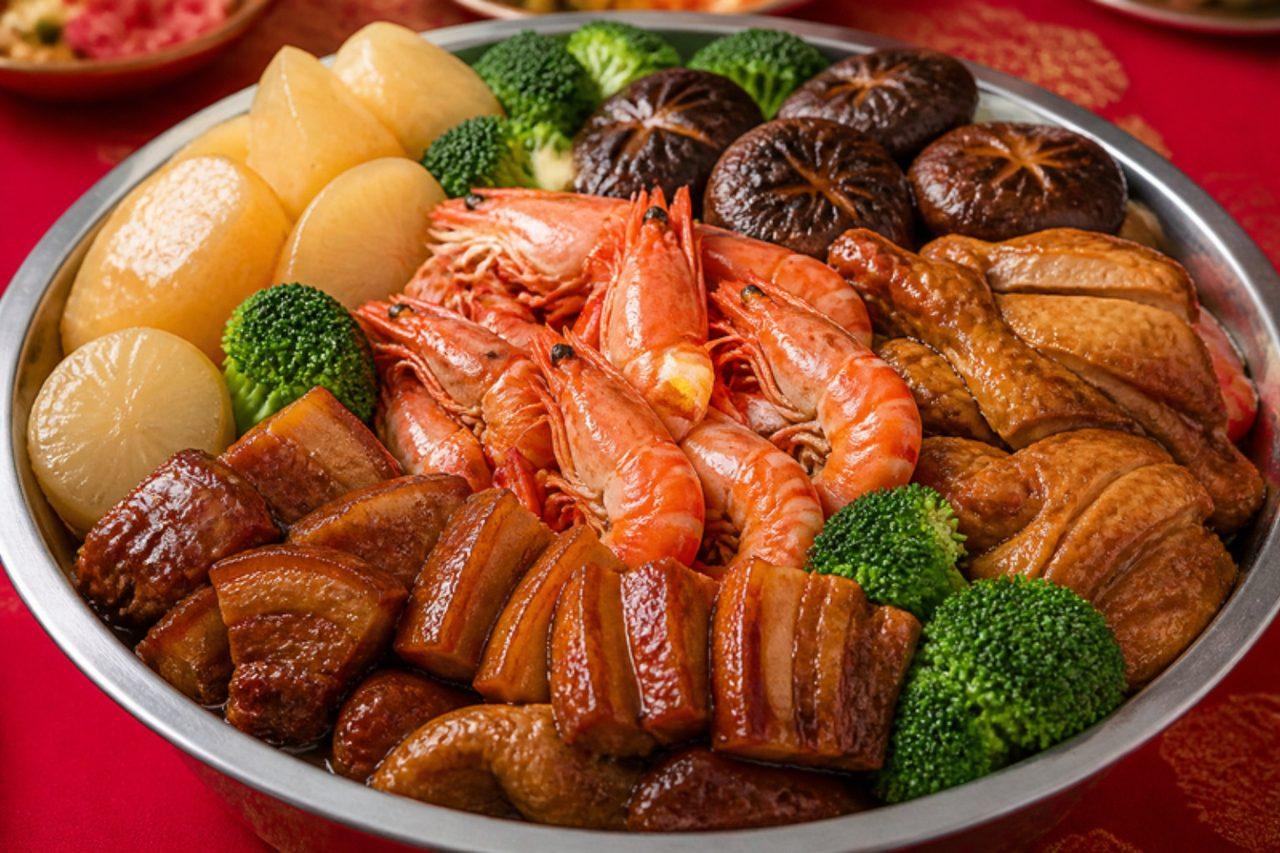
Poon choi (basin feast)Layered braised meat and seafood basin

Poon choi comes from the walled villages of Hong Kong's New Territories, where the whole clan eats from one great basin at Lunar New Year and other village celebrations; sharing a single pot stands for unity, and the layers piled to the brim for plenty. Each layer is cooked on its own and stacked so the sauces trickle downwards: soft braised pork belly and soy chicken near the top, prawns and mushrooms in the middle, and radish, tofu skin and cabbage at the bottom soaking up everything. The home version here leaves out shark fin, uses canned abalone only if you want it, and is made for 8 in a large flameproof casserole. Bring the whole basin to the table bubbling and serve with steamed rice. Chef's tip: pack the absorbent vegetables at the bottom and the showy pieces at the top; the radish should finish as the tastiest thing in the pot.

by KrazyBadal 0 views

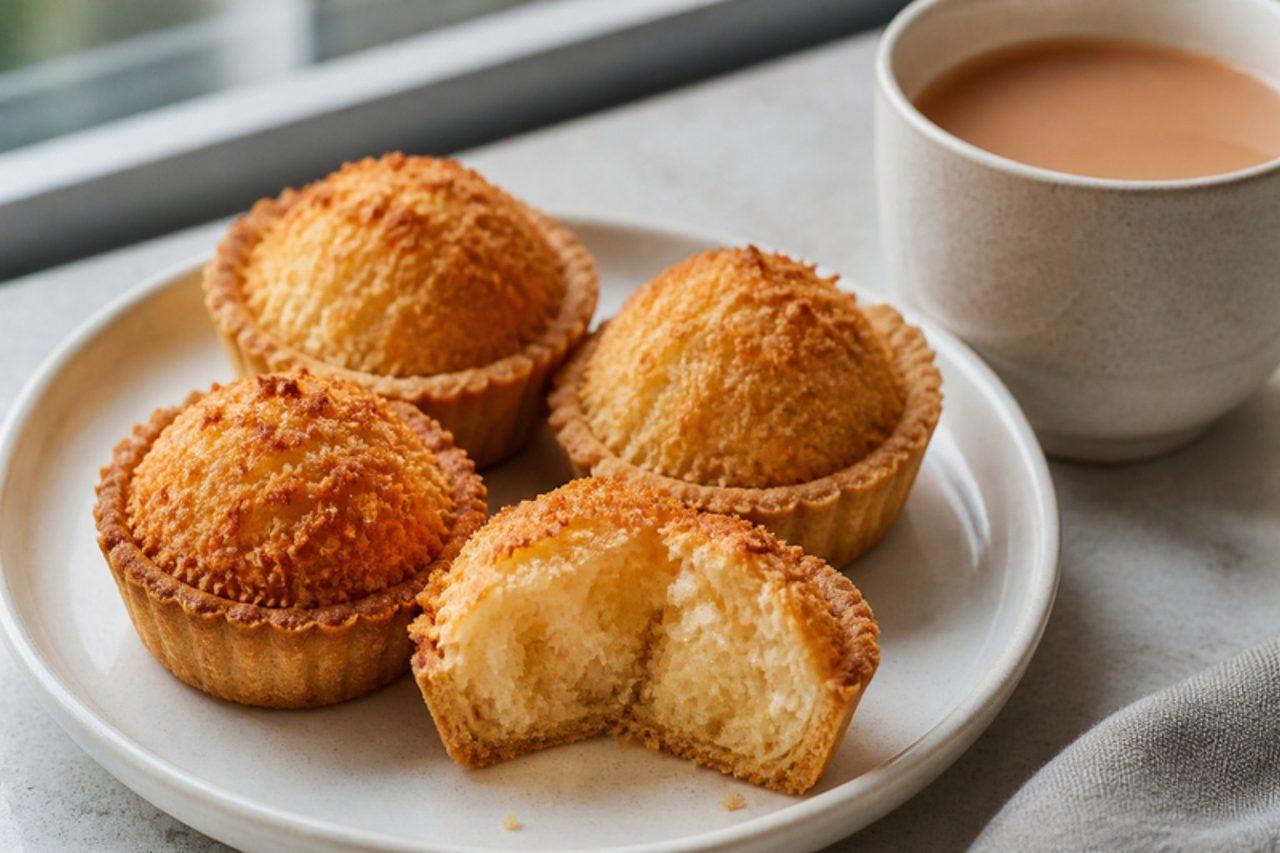
Hong Kong coconut tarts

Next to the wobbling egg tarts in any Hong Kong bakery window sit their sturdier siblings, coconut tarts (yē tāt), with a domed, golden-brown filling of sweetened shredded coconut. Office workers grab one with a milk tea at cha chaan teng tea time around three o'clock, and children love the chewy, macaroon-like centre inside a crumbly, cookie-like butter crust. The filling is just coconut, sugar, egg, butter and a little evaporated milk, with a pinch of baking powder that lifts it into a dome. Overfilling the cases is the usual slip: the coconut rises and spills down the sides, so stop at the rim. Chef's tip: let the filling stand for 15 minutes while you line the tins; the coconut softens and soaks up the liquid, so the tops bake moist instead of scorching.

by KrazyBadal 0 views

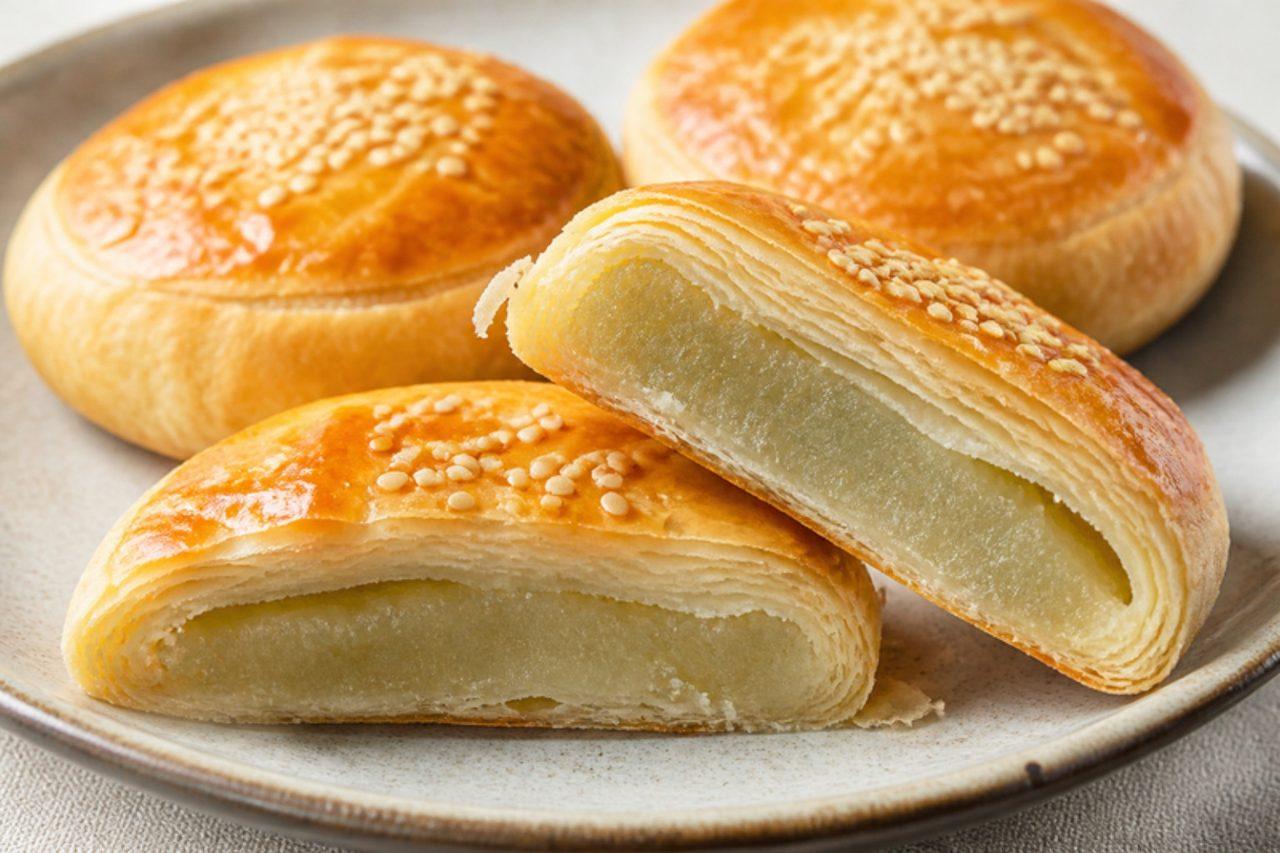
Wife cakeWinter melon flaky pastry

Wife cakes (lou po beng) are one of the gifts people carry home from Yuen Long in Hong Kong's New Territories, and every Cantonese bakery from Guangzhou to London's Chinatown sells them by the box. The thin, shattering pastry hides a soft, chewy filling of candied winter melon set with glutinous rice flour, with toasted sesame and ground almonds for a nutty sweetness. Serve them with a pot of oolong or pu'er. Traditionally the pastry is made with lard; this version uses vegetable shortening, which flakes just as well, so the cakes are vegetarian and dairy free. Rolling too hard is the mistake that ruins them: the layers tear and the pastry bakes up dense. Chef's tip: cook the filling until it pulls away from the pan in a single mass and chill it, because a soft, wet filling bursts through the thin pastry in the oven.

by KrazyBadal 0 views

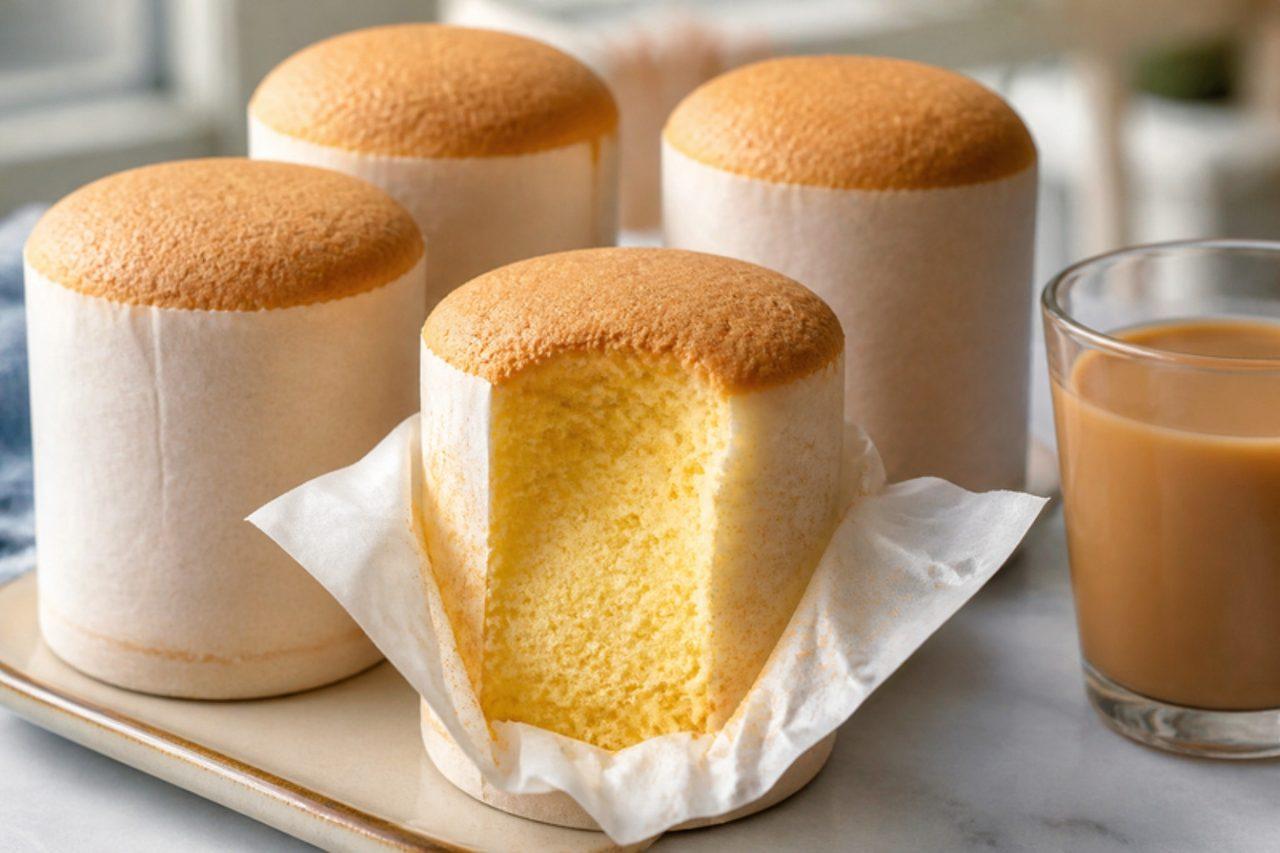
Hong Kong paper-wrapped sponge cake

Hong Kong bakery windows line up these tall, golden cylinders, each in its own band of greaseproof paper, and they sell out early as a breakfast with a glass of milk tea or an after-school snack. Known in Cantonese as zhi bao dan gao, they are close to a chiffon cake: oil and milk keep the crumb soft and moist, and whisked egg whites make it light and bouncy. You peel the paper off as you eat, and the thin outer crust is the best bit. Greasing the paper is a frequent mistake; the batter needs a dry surface to grip and climb, otherwise the sponges slump. Chef's tip: stand the paper cups in a deep muffin tin or ramekins so they keep their shape, and fill them only three-quarters full.

by KrazyBadal 0 views

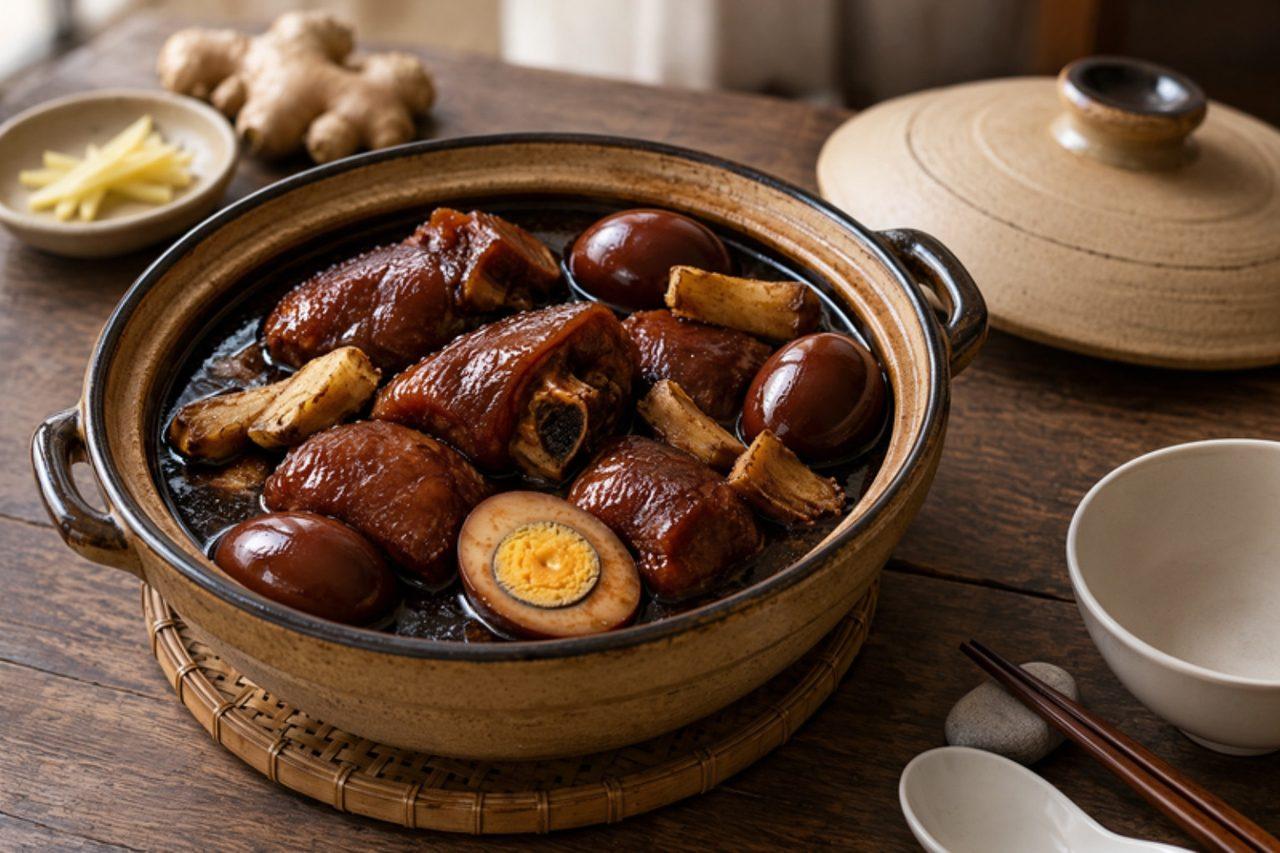
Zhu jiao jiangPork trotters in ginger and vinegar

Zhu jiao jiang is the Cantonese confinement dish that Hong Kong families cook in a big clay pot after a baby arrives, offering a bowl to visiting friends to share the good news; many also make it in winter simply because it is delicious. Pork trotters, hard-boiled eggs and a great deal of old ginger stew slowly in sweet black rice vinegar until the trotters are sticky and tender and the eggs turn dark and tangy. The usual mistake is skipping the trotters' blanch: they must be boiled first and rinsed to clean them. Chef's tip: dry-fry the ginger in the pot before the oil goes in, so it loses some moisture and keeps its bite through the long stew; the pot tastes best after resting overnight.

by KrazyBadal 0 views

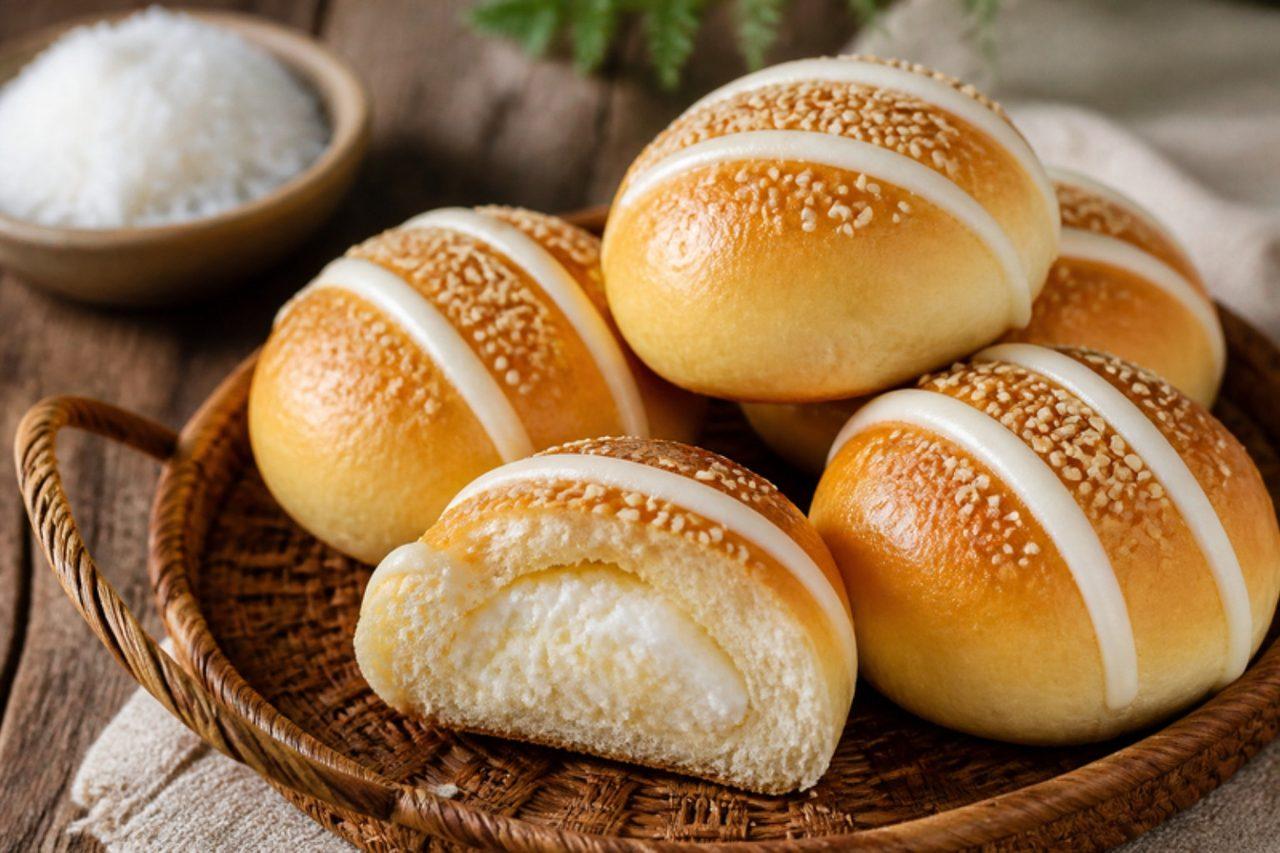
Cocktail bunCoconut-filled sweet buns

Bakeries across Hong Kong pull trays of cocktail buns from the oven before the morning rush, and schoolchildren and commuters buy them warm in paper bags to eat on the bus or with milk tea at a cha chaan teng. The story goes that 1950s bakers invented them to use up day-old bread mixed with sugar and coconut, so the name is a playful nod to a cocktail of leftovers. Today the soft, milky roll holds a sweet, buttery coconut filling that's slightly sandy and chewy, under two piped stripes and a scatter of sesame seeds. A soft, warm filling tends to ooze out during proving and baking, so chill it until firm before you roll the buns. Chef's tip: roll each bun up tightly from the long side and pinch the seam well, then place it seam-down; loose rolls split open in the oven.

by KrazyBadal 0 views

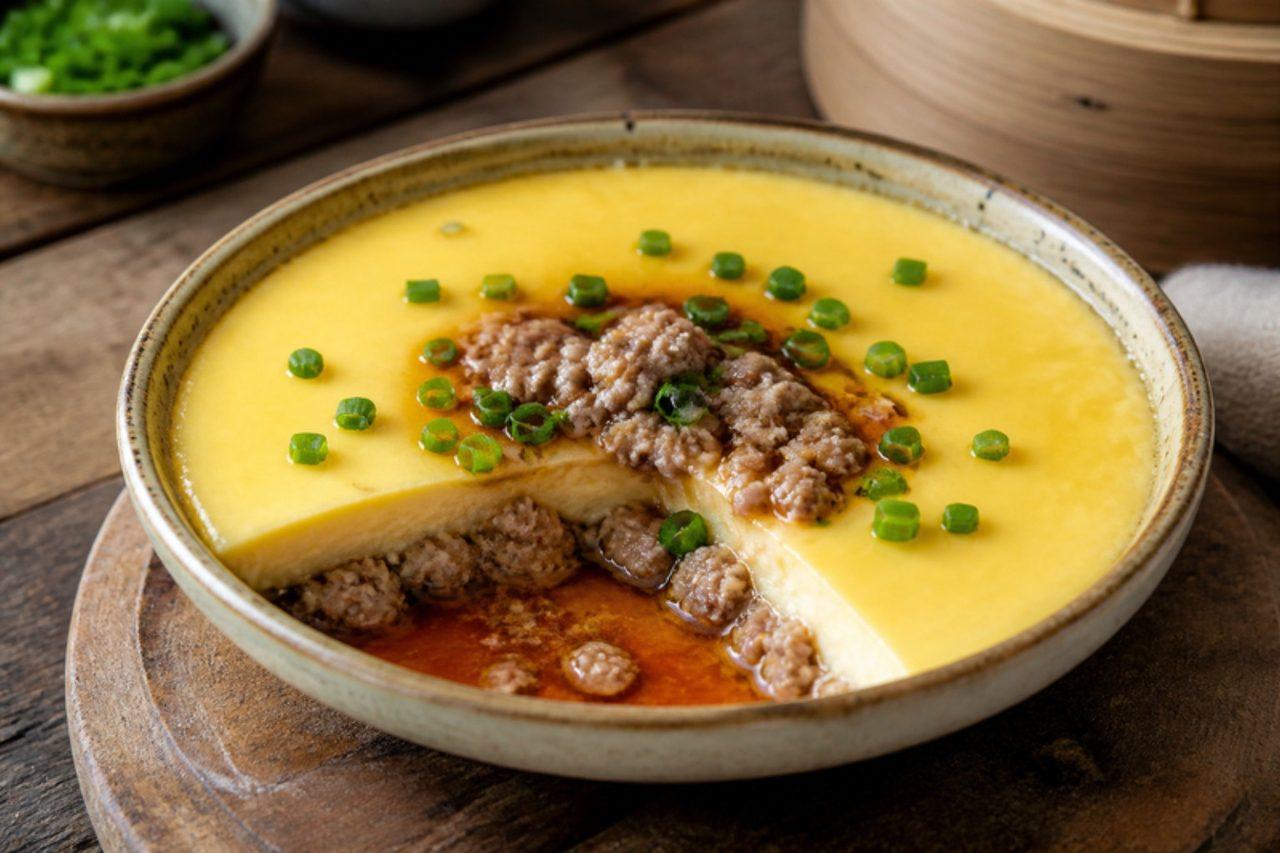
Steamed egg with minced pork

Hong Kong grandmothers make this on busy weeknights, and it is one of the first dishes children there learn to love: a trembling, glass-smooth egg custard with a layer of soy-seasoned minced pork underneath, served in its dish with a drizzle of soy and sesame oil and a bowl of white rice. It costs little, cooks in minutes and tastes of comfort. Getting the texture right is all about gentle heat. The pitfall nearly everyone hits is steaming on full blast with no lid on the dish, which gives a pitted, spongy surface; cover the bowl and steam on a medium heat instead. Chef's tip: use warm stock or water at 1½ times the volume of the beaten eggs, and strain the mixture through a sieve to remove the bubbles.

by KrazyBadal 1 views

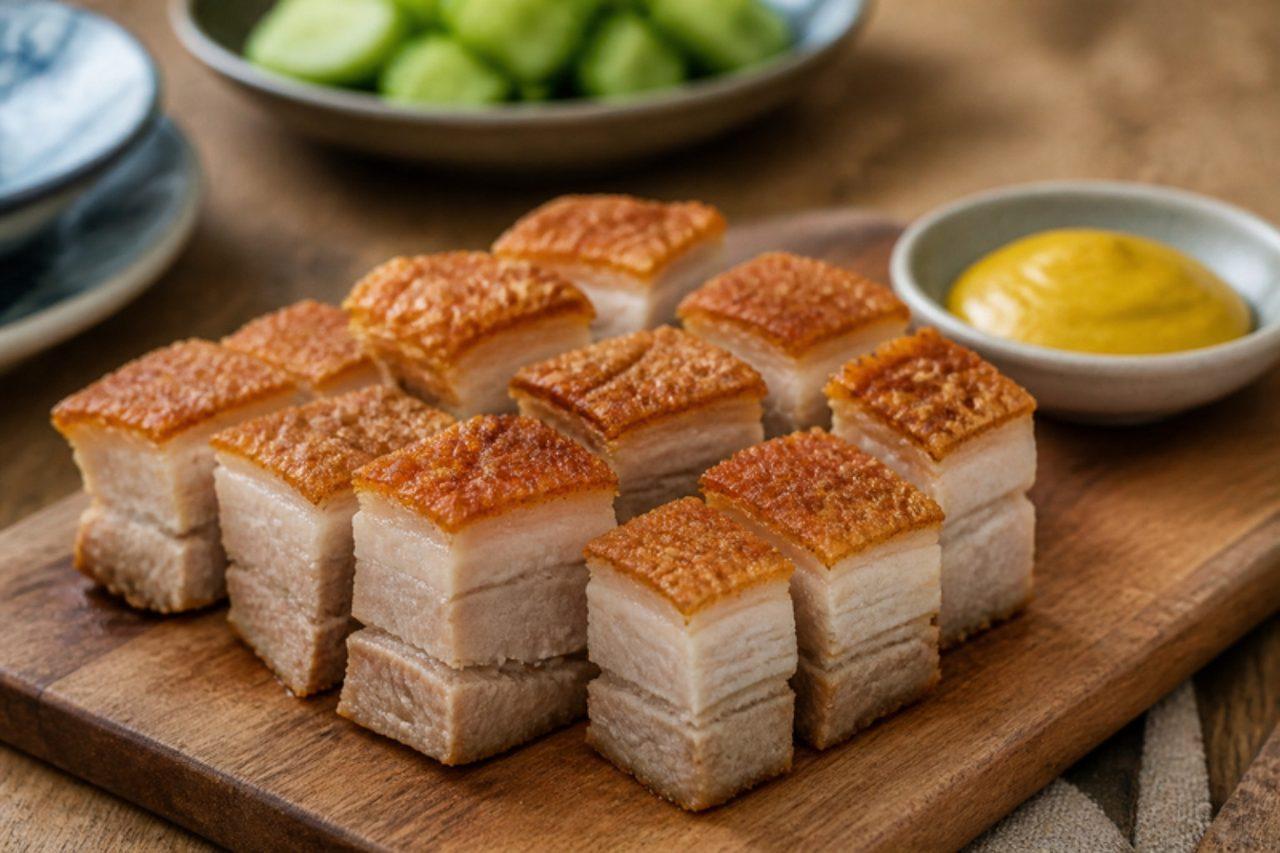
Siu yuk (Cantonese crispy roast pork belly)

Hanging in the window of every Hong Kong siu mei shop beside the char siu and roast goose, siu yuk is a slab of pork belly whose skin has been roasted into a glassy, bubbled crackling that crunches loudly over juicy, five-spice-seasoned layers of meat and fat. Shops chop it into cubes for rice boxes at lunch, and whole slabs are carried to temples and family altars at Ching Ming and on festival days. Serve it with English-style mustard and a dish of sugar for dipping, plus rice and greens. The usual error is a damp skin: any moisture left on it steams instead of crackles, so the belly must dry uncovered in the fridge overnight. Chef's tip: prick the skin all over with a sharp skewer until it looks like sandpaper; those tiny holes are where the blisters start.

by KrazyBadal 0 views

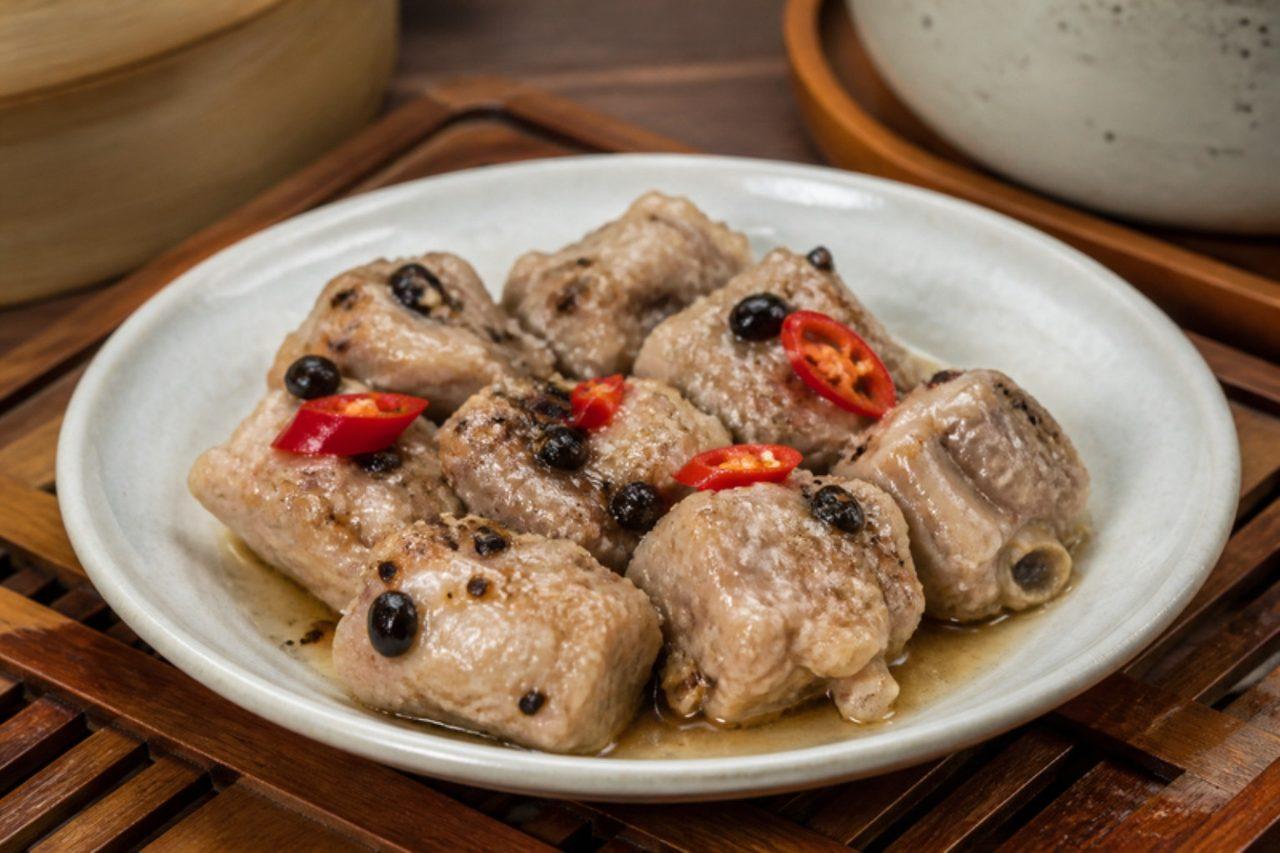
Steamed spare ribs with black bean sauce

Small saucers of pork spare ribs, chopped into bite-sized chunks and glistening with fermented black bean and garlic, come out of every Hong Kong teahouse steamer from dawn until lunch. Done right, the meat is plump and tender, slips off the little bone with your chopsticks, and sits in a salty, garlicky, faintly sweet juice that is wonderful spooned over rice. At home it makes an easy weeknight dish with rice and some blanched choi sum. The mistake to avoid is skipping the rinse: soak the ribs in cold water first to draw out the blood, otherwise the sauce turns grey and murky. Chef's tip: ask the butcher to chop the ribs into 3 cm pieces across the bone, and add a little potato starch to the marinade, which gives the teahouse silky coating.

by KrazyBadal 0 views

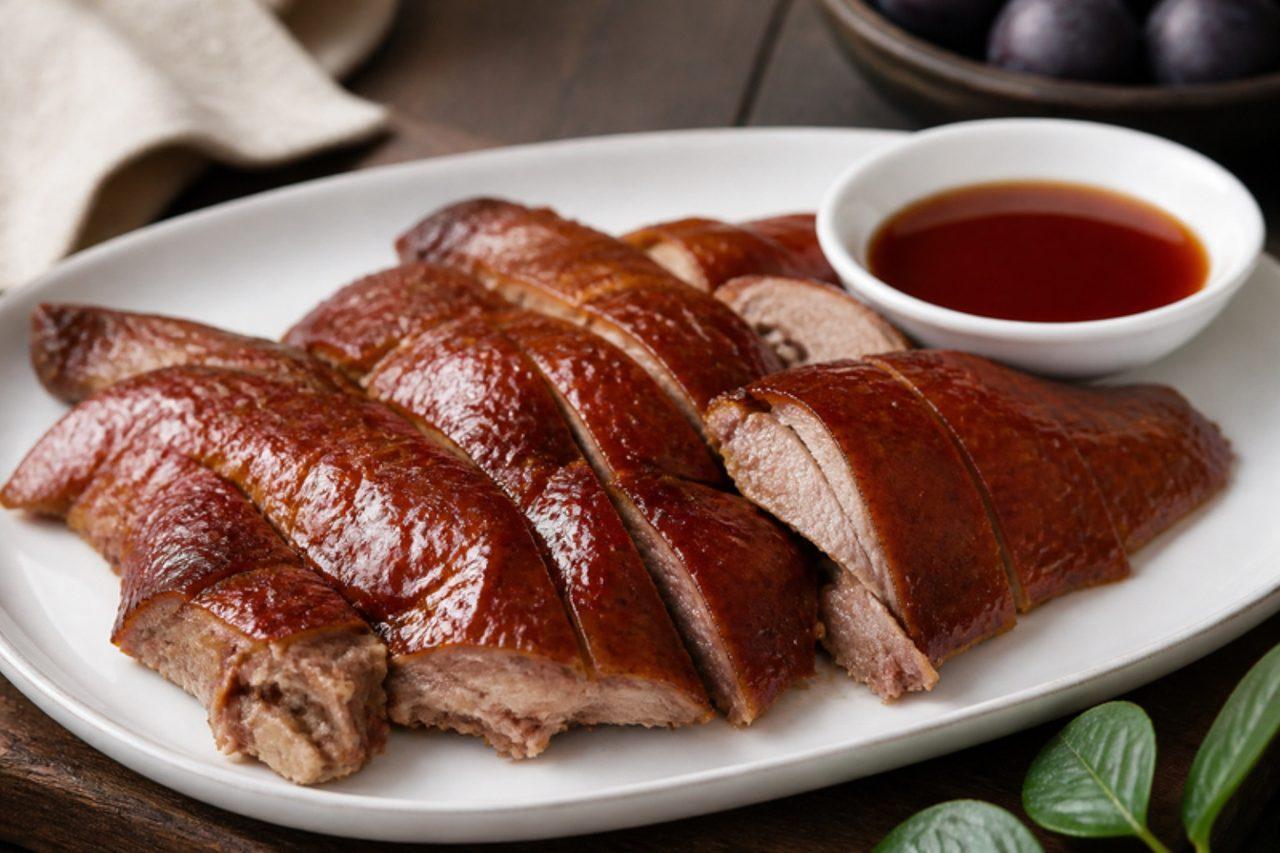
Cantonese roast goose

Drive out along the coast road to Sham Tseng in the New Territories and the restaurants there have been roasting geese for generations; Hong Kongers make the trip for a plate of it with lai fun noodles, or order a half goose for a family dinner. The skin is thin, crisp and deep mahogany, the meat dark, rich and juicy, scented from the inside with five-spice, bean paste and garlic. Sour plum sauce cuts through the fat. This home version uses an oven-ready goose (head already removed, as it is sold), dried overnight and roasted in a domestic oven. A frequent slip is roasting a goose straight from the wrapper: without its overnight drying and a glaze, the skin stays leathery. Chef's tip: pour off the rendered fat as it collects; it is superb for roasting potatoes or frying rice.

by KrazyBadal 0 views

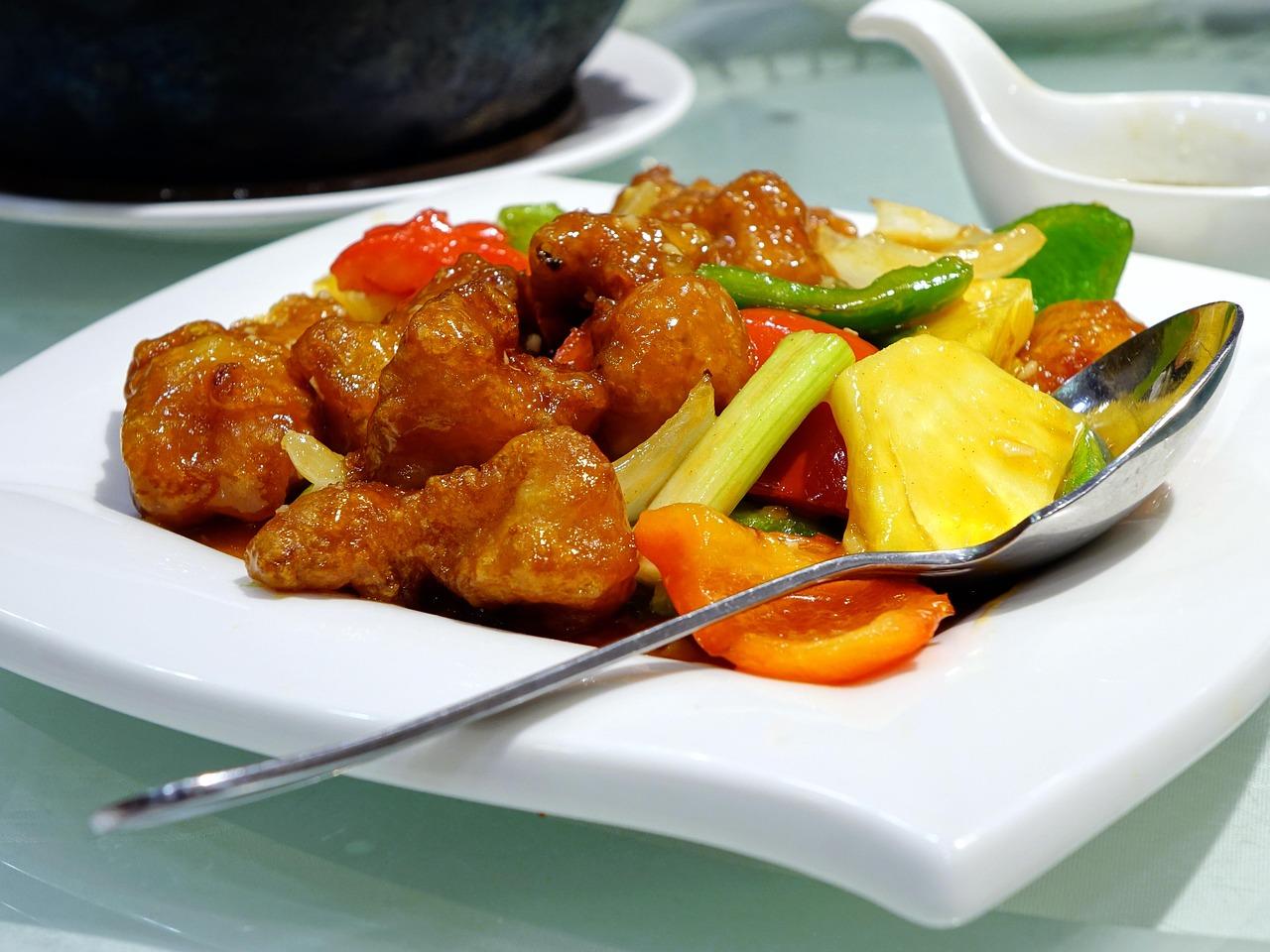
Gu lou yuk (Cantonese sweet and sour pork)

Ask a Hong Kong family what they order at a dai pai dong for the children, and gu lou yuk is near the top: nuggets of pork shoulder fried twice until shatteringly crisp, then tossed at the last moment with pineapple, green and red pepper and onion in a shiny, tangy, scarlet sauce. Cantonese cooks in Guangzhou and Hong Kong have made it for well over a century, and it is a fixture of wedding banquets and takeaway menus worldwide. Eat it fresh with steamed rice while the coating still crunches. A common pitfall is simmering the pork in the sauce, which turns the crust soggy within a minute; thicken the sauce first, then toss for a few seconds only. Chef's tip: the second, hotter fry is what makes it crisp, so don't skip it.

by KrazyBadal 0 views

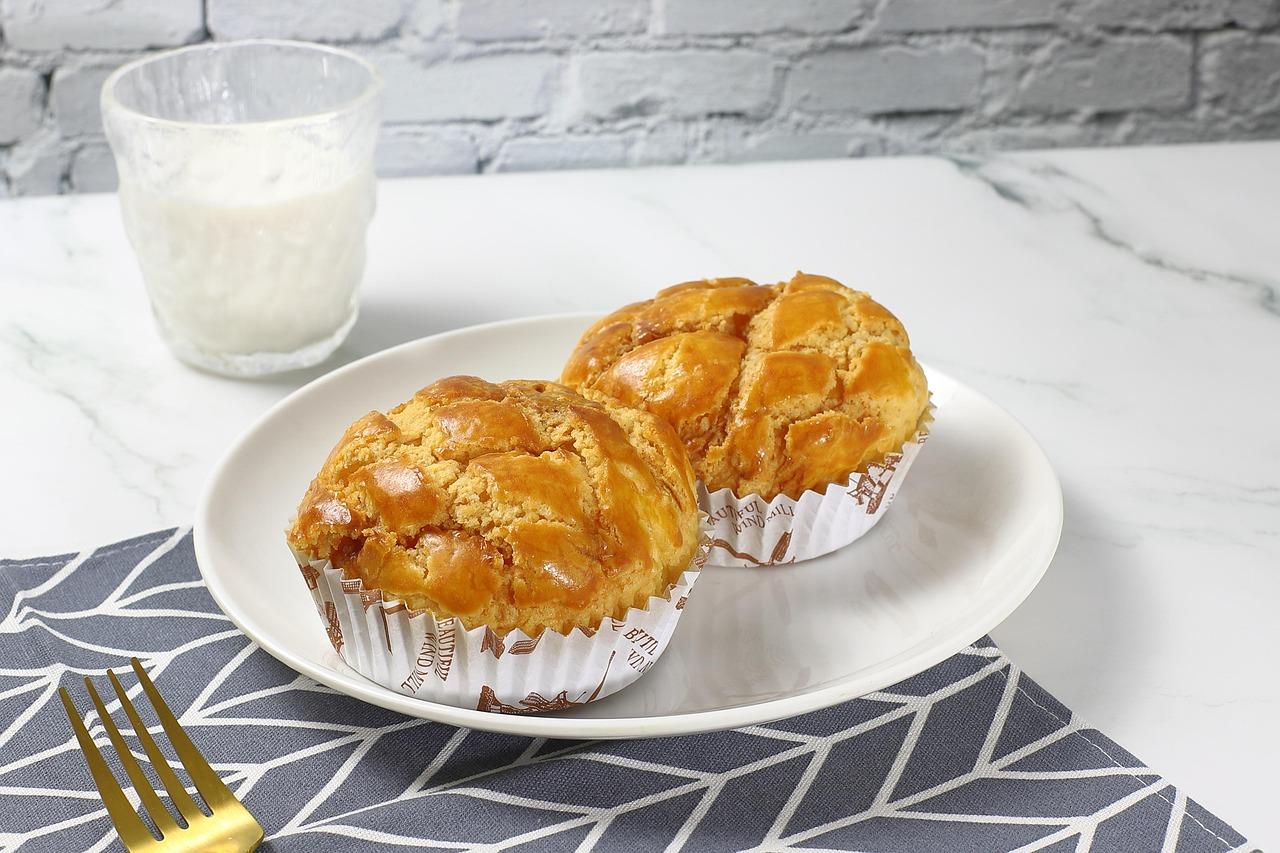
Hong Kong pineapple bun

Despite the name, there is no pineapple in a bolo bao; the crackled, golden sugar crust on top just looks like the fruit's skin. It is the best-selling bun in Hong Kong bakeries and cha chaan teng cafés, eaten warm at breakfast or tea time with milk tea, and many people order it as bo lo yau, split open with a thick, cold slice of butter melting into it. Chef's tip: roll the topping between two sheets of baking paper rather than on a floured board; the soft dough is fragile and paper lets you lift it on in one piece.

by KrazyBadal 0 views

Baked pork chop rice

Baked pork chop rice is the signature dish of Hong Kong's cha chaan teng, the busy tea cafés that mix Cantonese and Western cooking, and it arrives at the table bubbling in an oval dish. It is a pork dish: tenderised, marinated pork chops are fried golden and laid on egg fried rice, then covered with a sweet-sour tomato sauce with onions and peppers and topped with melted cheese. The marinade traditionally uses Shaoxing wine, which contains alcohol; use 1 tbsp water instead if you like. Chef's tip: score the edge fat and pound the chops; they stay flat and tender.

by KrazyBadal 0 views