Skip to content
WhatToEat.Today

All recipes

25

Vegetarian, or something you can't eat? Set your diet once and we'll hide recipes that don't fit.

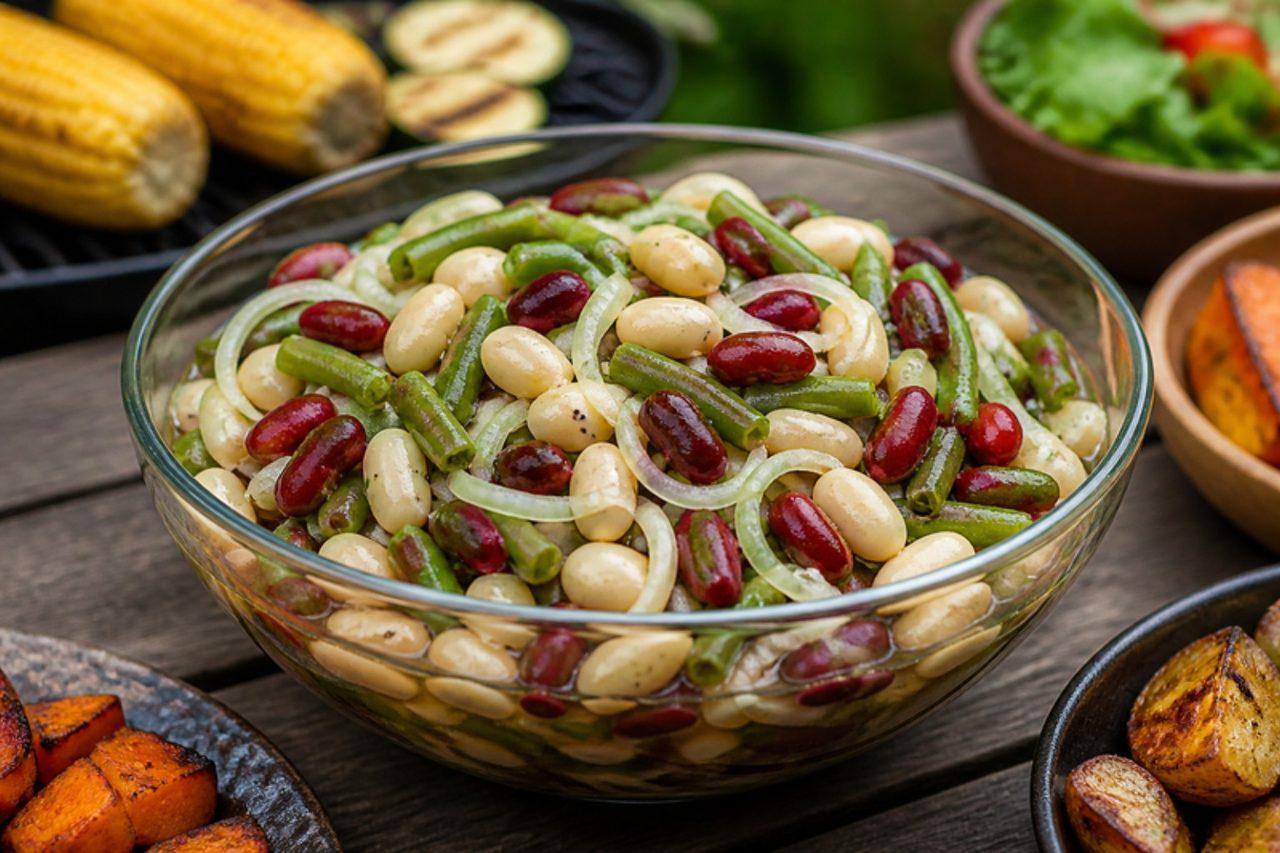
Three-bean salad

No Heritage Day braai is complete without a row of salads on the table, and the sweet-sour three-bean salad is one of the oldest, handed down in Afrikaner and Cape kitchens and usually made the night before. Crisp green beans, creamy butter beans and red kidney beans soak in a sharp vinegar and sugar dressing with thin onion rings until they pickle lightly. It cuts through rich grilled meat or a vegetarian braai of mielies and halloumi. Chef's tip: dress the beans while the green beans are still warm so they drink up the dressing.

by KrazyBadal 0 views
KrakelingeFigure-eight butter biscuits

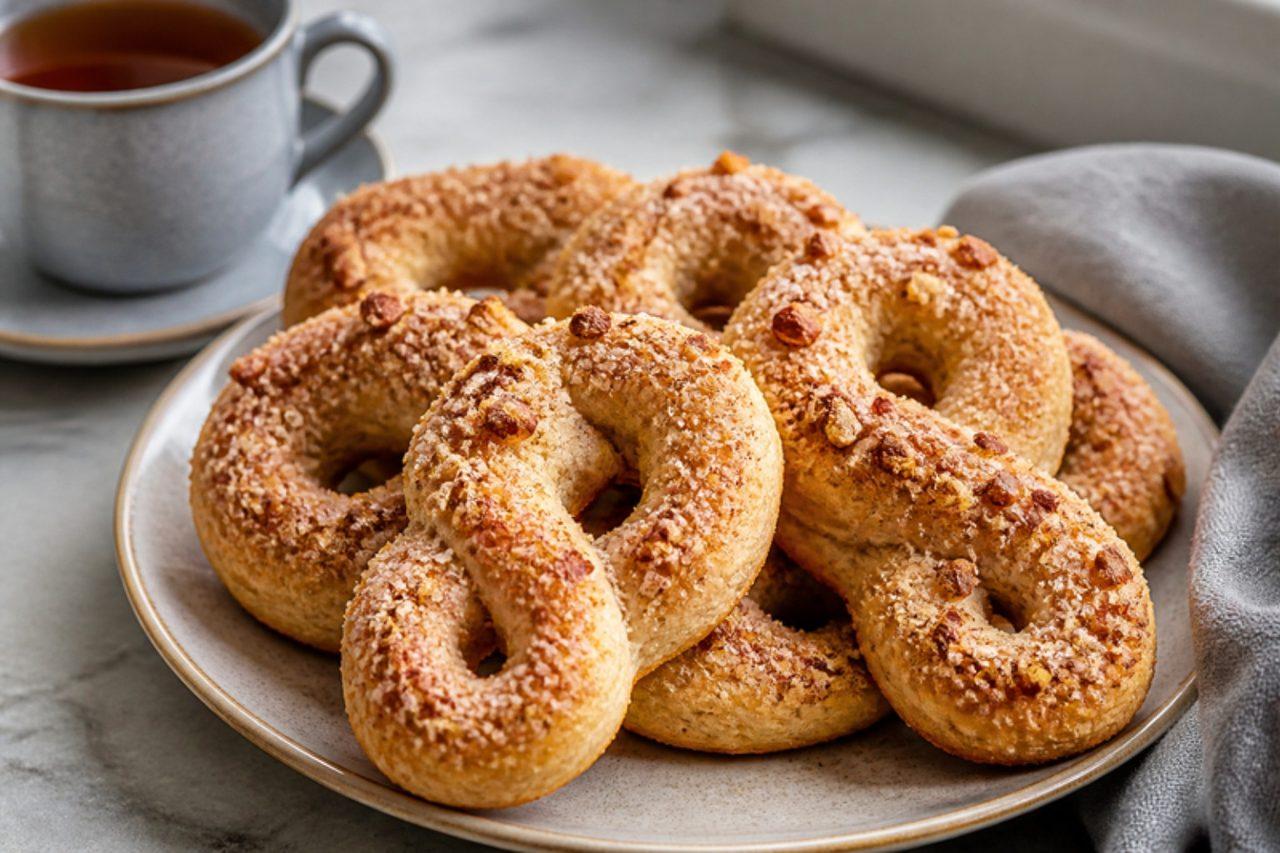
These twisted figure-of-eight biscuits came to the Western Cape with Dutch settlers and have stayed a fixture of Cape kitchens ever since, especially in older Afrikaans and Cape Malay households. You will find them in Boland towns at church bazaars and on Christmas tea tables, and they suit an afternoon pot of tea perfectly. The dough is rich and short; the tops are dipped in egg white and then in sugar mixed with chopped almonds and cinnamon, so they bake to a crackly, sparkling crust. The dip is an egg glaze; milk works too, with a little less shine. Chef's tip: roll the ropes on an unfloured surface, because a dusting of flour makes them slide and crack when you twist them; if the dough is too cold it snaps, so let it soften for a few minutes first.

by KrazyBadal 0 views
South African crunchiesOat and coconut tray-bake squares

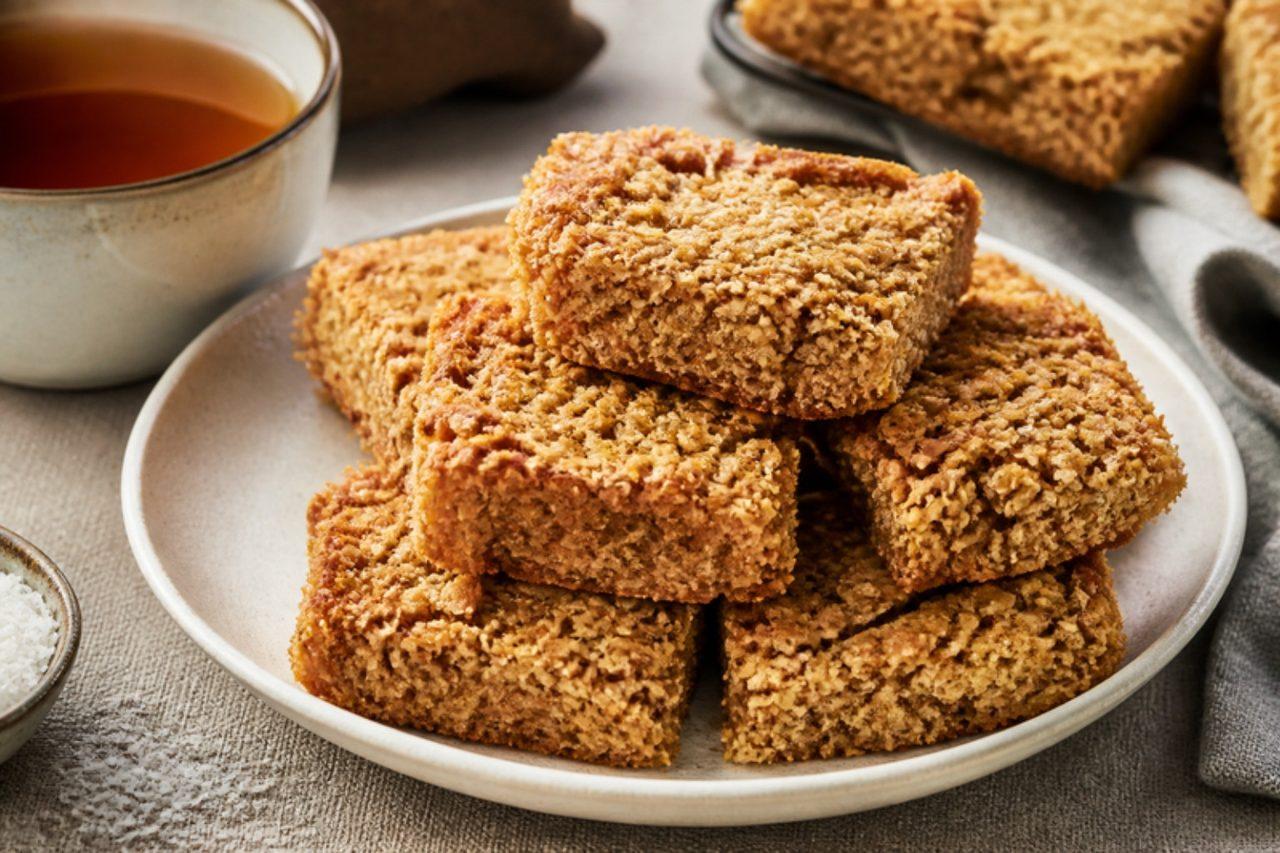
Crunchies are the tray-bake South African home bakers turn to when the biscuit tin is empty: oats, coconut, flour and sugar stirred into butter melted with golden syrup, pressed into a tin and cut into squares while still warm. Unlike Australian Anzac biscuits, which are rolled into individual rounds, crunchies are baked in one slab, then sliced into chewy-centred, crisp-edged bars. They sell at school tuck shops and church bake sales, go into lunch boxes, and are a natural partner for a mug of rooibos. There is no egg in them, and they keep for a week. Chef's tip: score the squares as soon as the tin comes out of the oven and leave them to cool before lifting; waiting until the slab is cold to cut is the common mistake, and it shatters instead of slicing cleanly.

by KrazyBadal 0 views
Waterblommetjie bredieLamb and water hawthorn stew

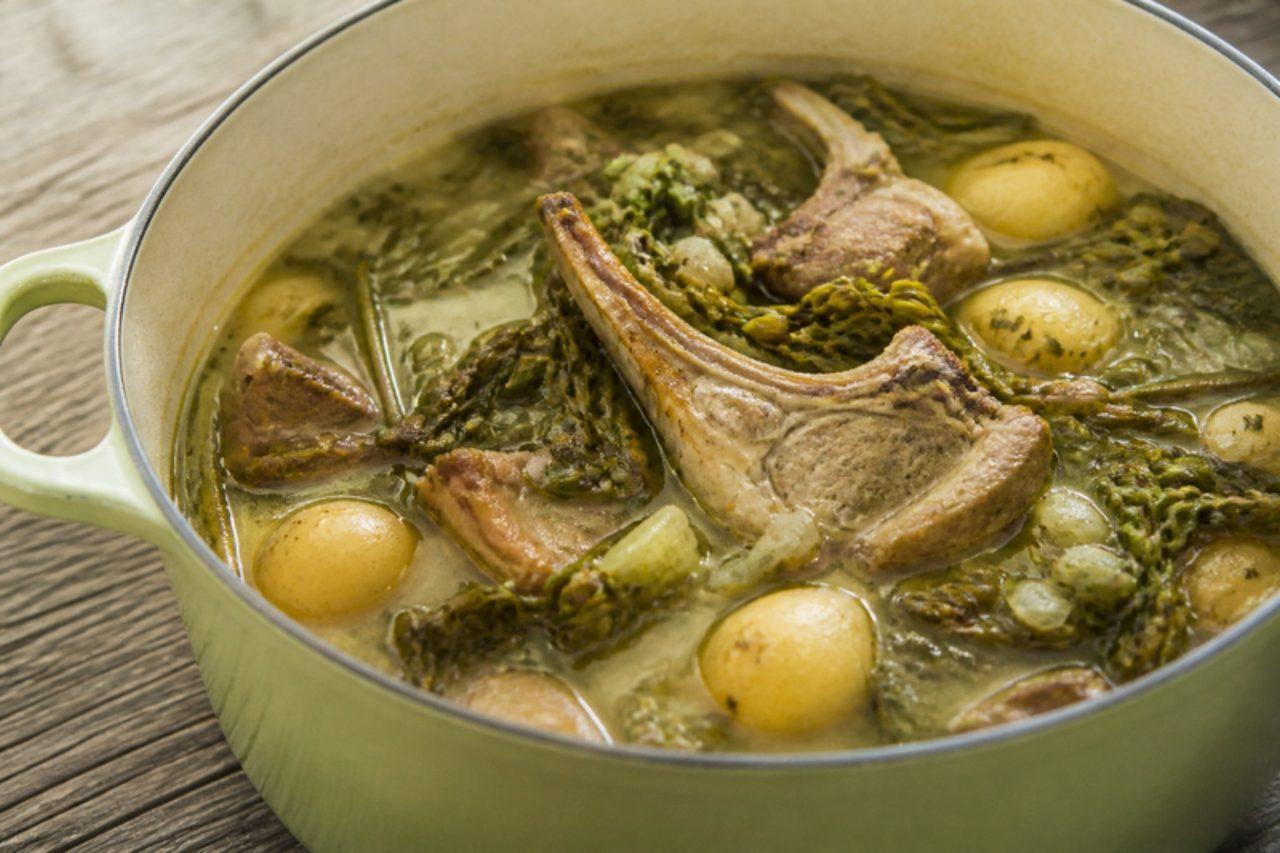
Between June and September, farm stalls along the roads out of Paarl and Stellenbosch sell bags of waterblommetjies, the flower buds of a pondweed that grows in Western Cape vleis, and that is the cue to make this bredie. The buds taste like a cross between green beans and artichoke, and they turn silky as they stew with lamb, potatoes and a little sorrel that gives the gravy a lemony edge. Buy them fresh in season from a greengrocer or farm stall, or use tinned or bottled ones from South African shops; never pick them from dams yourself. Out of the Cape, a mix of green beans and artichoke hearts gives a surprisingly close result. Serve over white rice. Chef's tip: add the waterblommetjies only for the last half hour; stirred in at the start they disappear into a slippery mush.

by KrazyBadal 0 views
PotbroodPot-baked bread

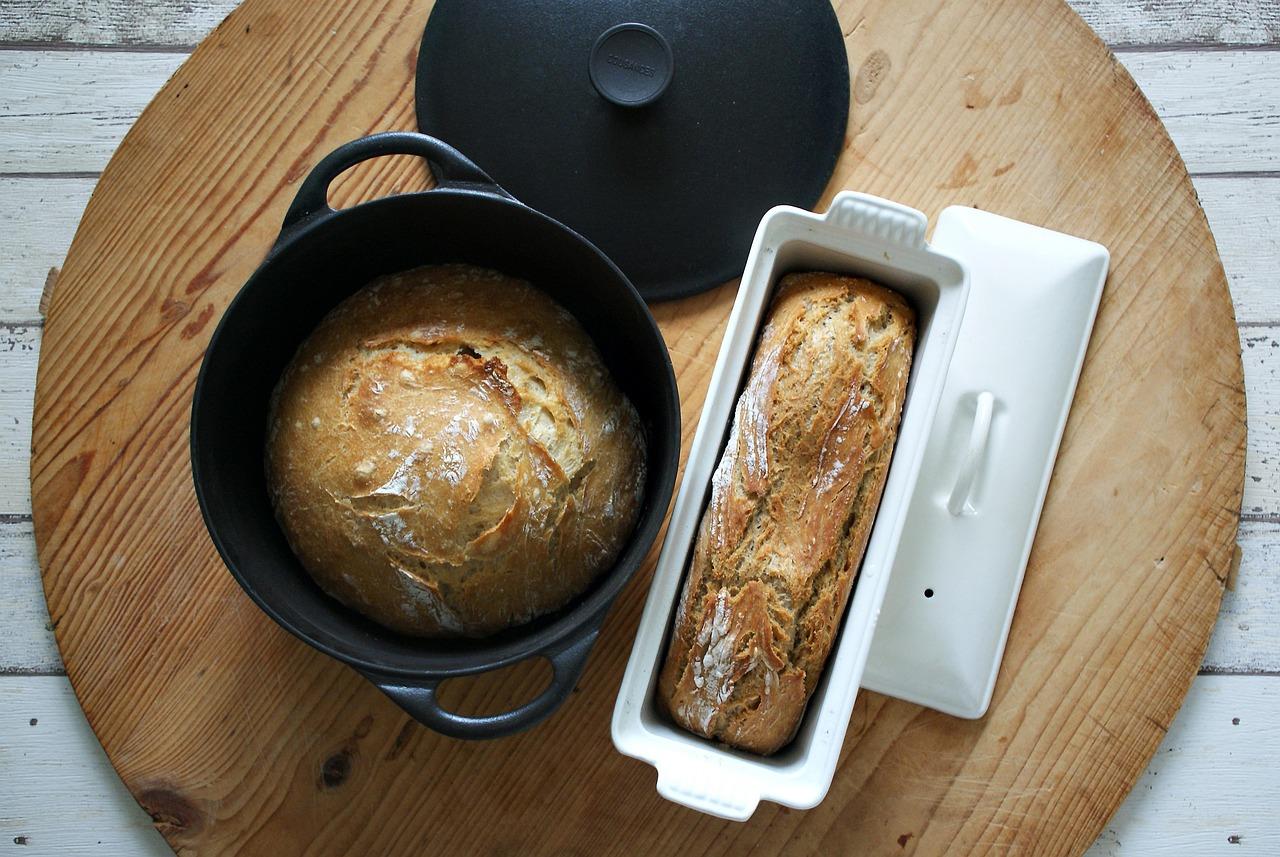
Out on Karoo farms, at the camp site or around the Saturday braai, potbrood is the loaf that bakes in a flat-bottomed cast-iron pot with coals underneath and heaped on the lid while the rest of the meal cooks. It comes out tall and round, with a thick, deep brown crust and a soft, slightly chewy crumb that tears beautifully, best eaten warm with butter and apricot jam or alongside a vegetable potjie. Indoors, a lidded cast-iron casserole in a hot oven does almost as well. Too many coals underneath is the mistake everyone makes once: the base burns long before the top is cooked, so put more heat on the lid than below. Chef's tip: grease the pot and dust it with flour so the loaf drops out cleanly.

by KrazyBadal 0 views

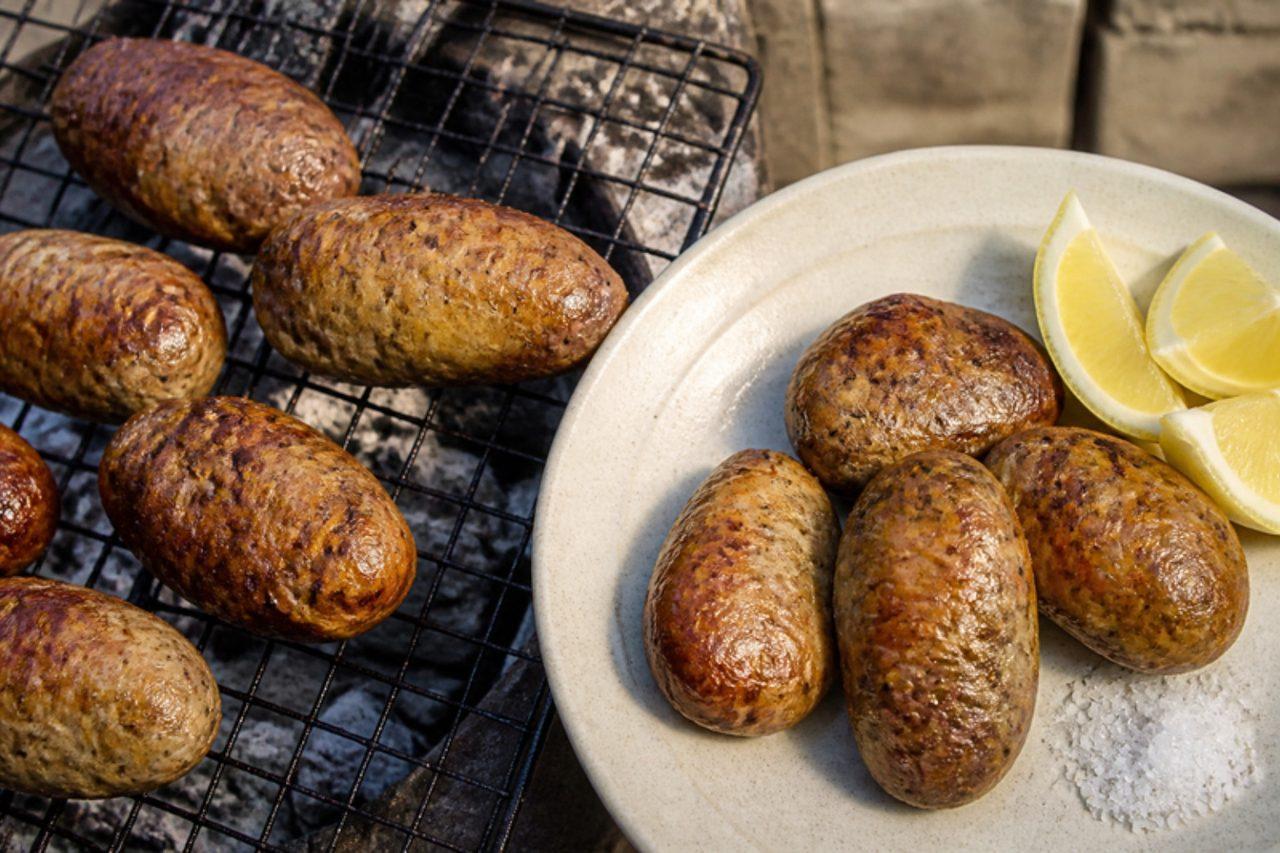
SkilpadjiesLamb liver parcels in caul fat

Their name means 'little tortoises', for the knobbly, lacy shell the caul fat forms around each parcel of liver as it crisps over the fire. On Free State and Karoo farms they are the cook's reward at a braai, eaten hot off the grid while the chops are still on, often with a slice of buttered braaibroodjie. The caul melts into a thin, crackling, slightly smoky wrap that bastes the liver, which stays soft and rich inside. Ask the butcher for lamb or beef caul fat (netvet) and fresh lamb liver; the liver must be cooked through to 71 °C with no pink, so cut it small enough to cook before the outside toughens. Chef's tip: soak the caul in lukewarm salted water first; cold, stiff caul tears, while relaxed caul stretches neatly round each piece.

by KrazyBadal 0 views
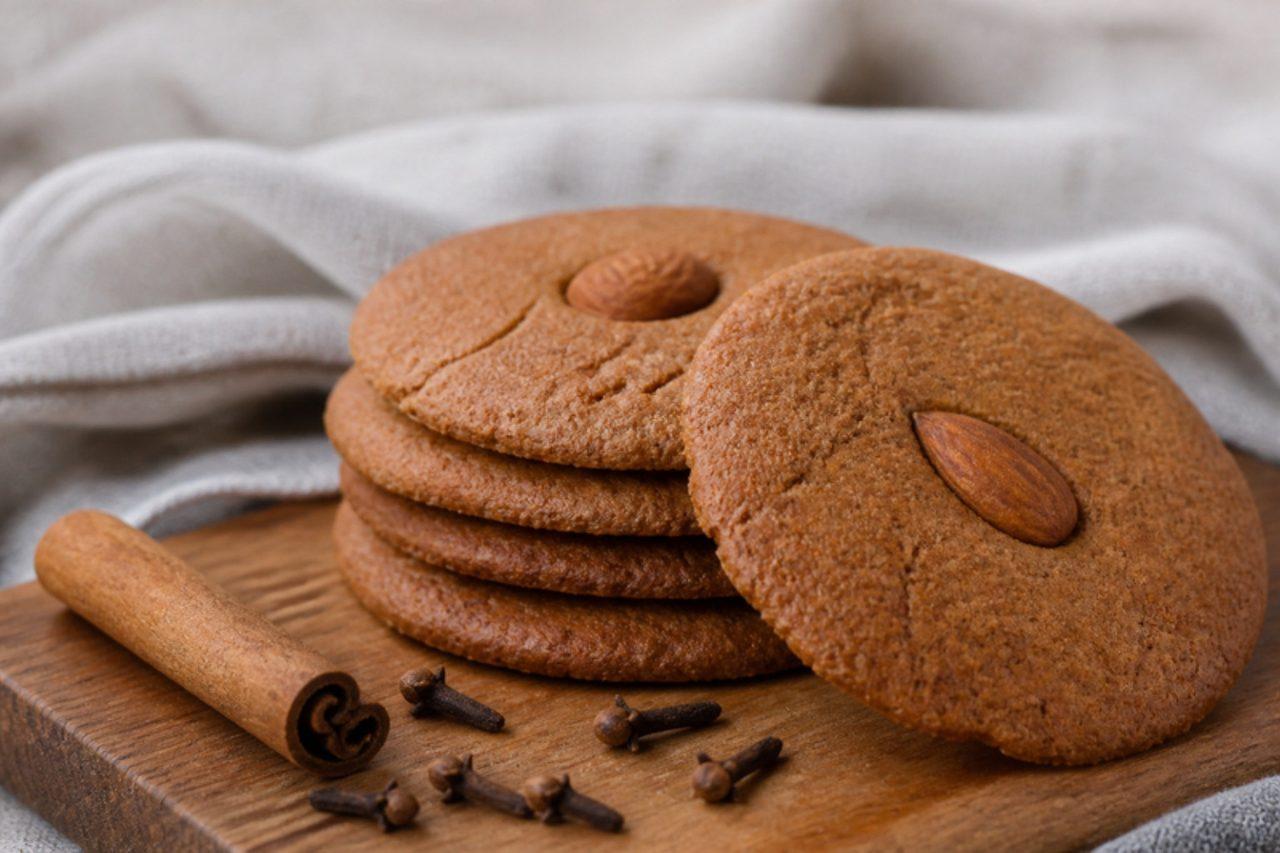
SoetkoekiesSpiced almond biscuits

Cape Malay and Dutch kitchens in Stellenbosch and the old Bo-Kaap have been baking soetkoekies for at least two centuries, stacking them in tins for Christmas, New Year and visiting season. They are thin, snappy-edged biscuits with a slightly chewy centre, warm with cinnamon, ginger and a deep note of cloves, and nutty from ground almonds. Old recipes often splash in sweet wine; this one uses milk and a spoon of golden syrup instead, so there is no alcohol at all. The most common mistake is baking until they look firm, which makes them hard once cool: take them out while they still feel soft in the middle. Chef's tip: rest the dough overnight in the fridge if you can, because the spices deepen and the dough rolls more cleanly.

by KrazyBadal 0 views
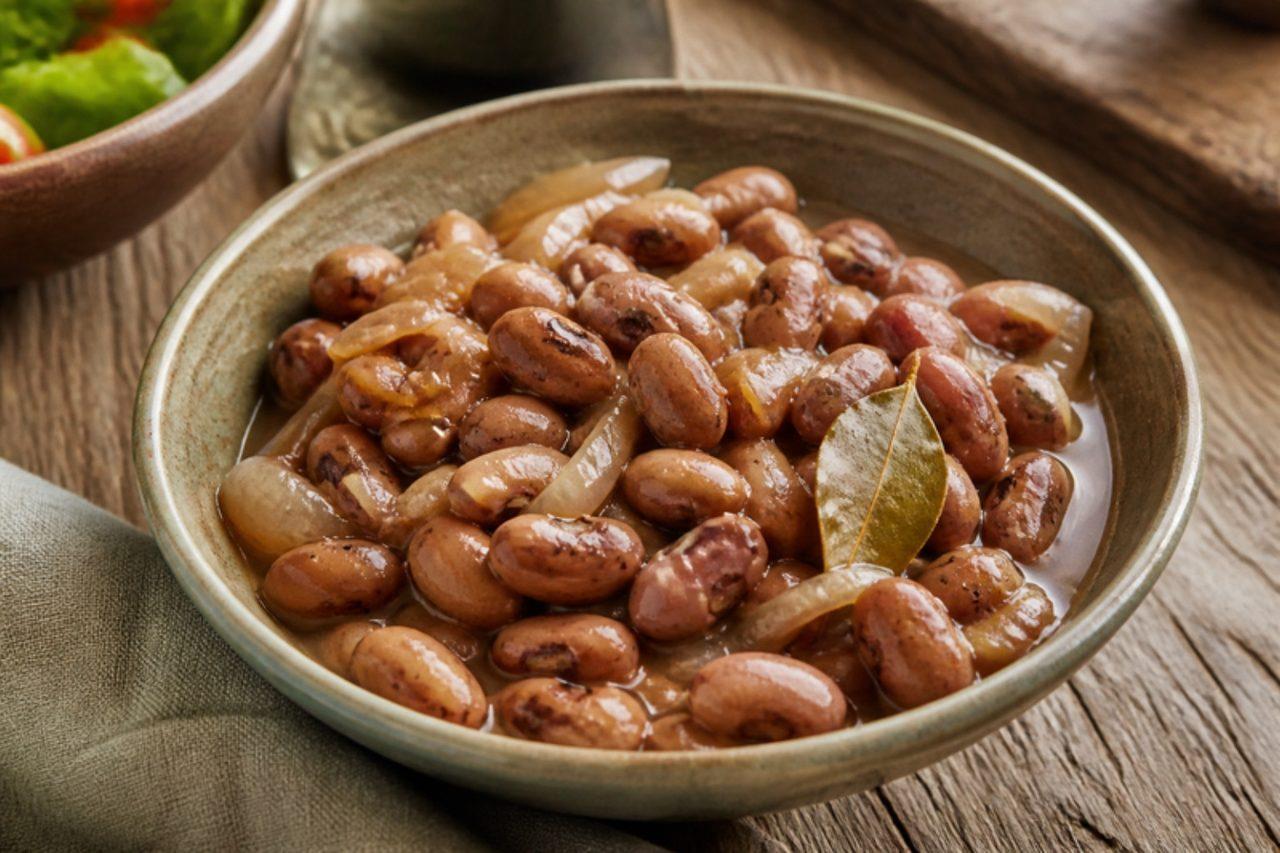
SousboontjiesSweet-sour bean salad

On the Cape farm table, cold dishes made a day ahead were a blessing in the heat of a Swartland summer, and sousboontjies is one of the oldest. Speckled sugar beans are simmered with onion in a sauce of vinegar and sugar until the liquid turns thick and glossy around them, then chilled overnight so the flavour soaks right in. The beans stay creamy inside with a tangy, sweet coating, and the dish sits beside cold meats, quiche and potato salad at Christmas, or with bread and cheese for a light lunch. Taking the pot off too early is the mistake that makes them taste of raw vinegar; let it bubble until the sharpness mellows. Chef's tip: mash a spoonful of the beans into the sauce near the end and it thickens naturally, giving that classic clingy texture.

by KrazyBadal 0 views
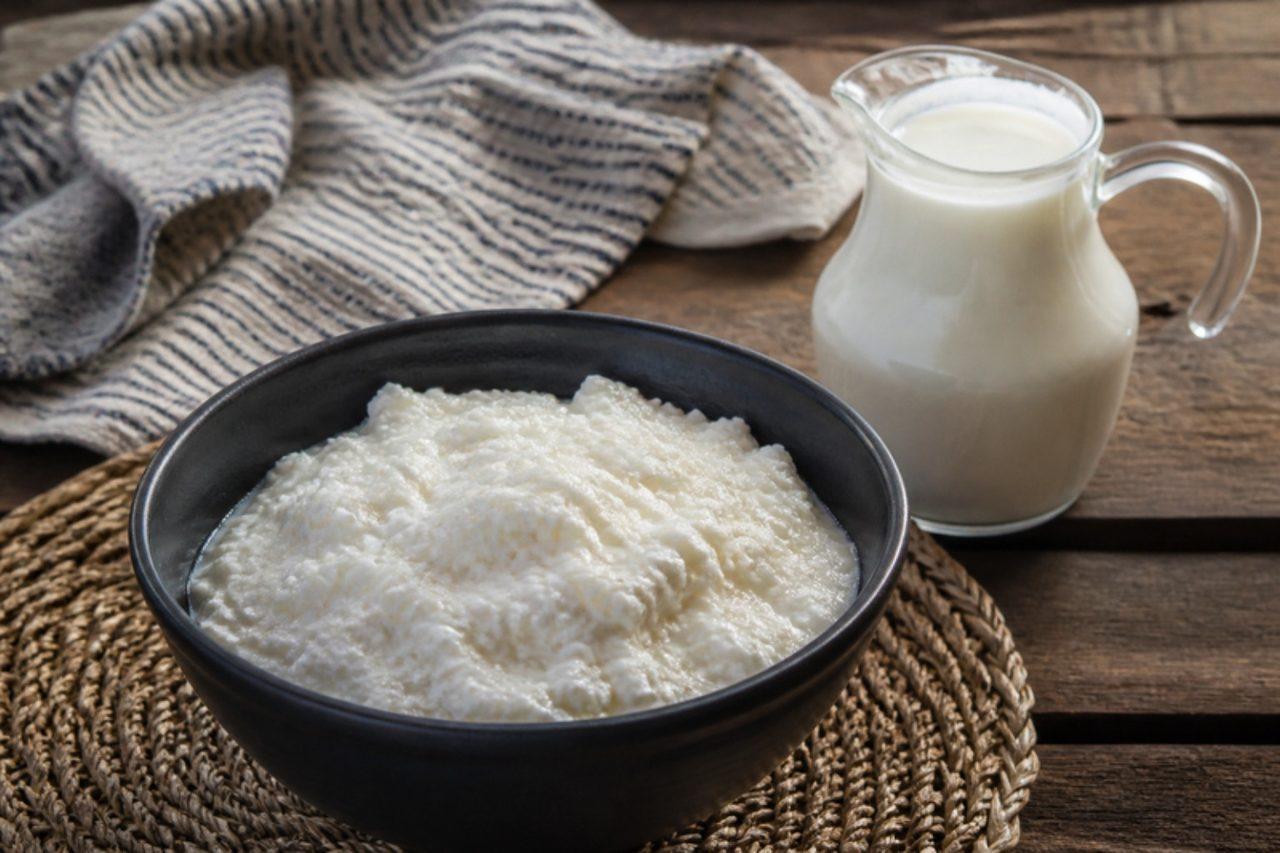
AmasiFermented milk with crumbly pap

Thick, tangy amasi was once soured in calabashes in Zulu and Xhosa homesteads, and it is still the drink-cum-meal that many South Africans crave on a hot afternoon, poured over crumbly pap as umvubo. At home it is easy and safe with pasteurised full-fat milk and a spoon of live cultured buttermilk as the starter; never use raw milk. Expect something like a pourable, sharper yoghurt with soft curds, cooling against the dry, crumbly maize. The common mistake is fermenting somewhere too warm, which makes the milk separate into watery whey and rubbery lumps. Chef's tip: once it has set, chill it for a few hours before eating; the cold firms the curd and rounds out the sourness.

by KrazyBadal 1 views

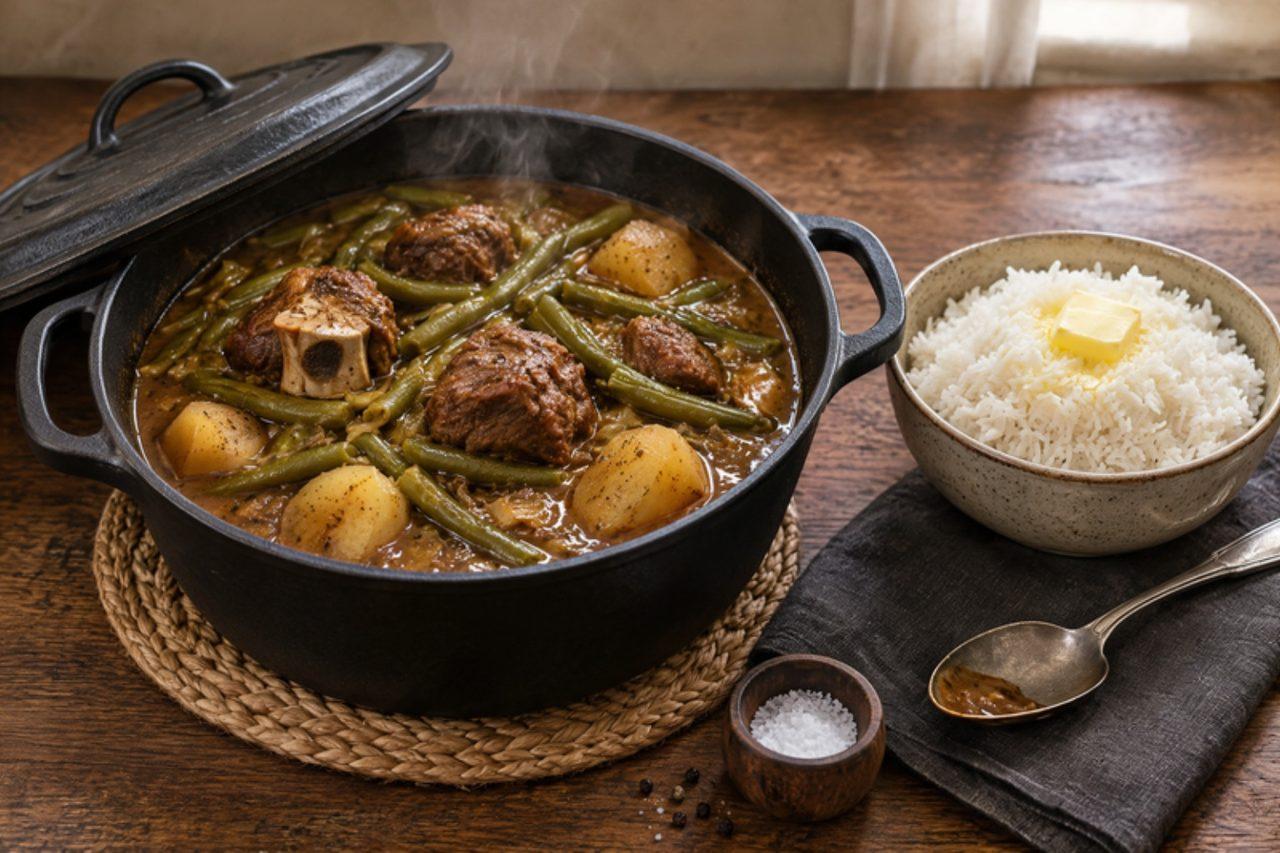
GroenboontjiebredieLamb and green bean stew

Groenboontjiebredie is one of the old bredies of the Western Cape, the slow stews Cape families have cooked for generations, usually for Sunday lunch with white rice and a sweet beetroot salad. Lamb on the bone is browned with onions, then simmered for hours with sliced green beans and potatoes until the beans soften completely and the potatoes break down to thicken the sauce. The usual mistake is treating the beans like a crisp vegetable: here they should be soft and olive green. Slow-cooker: after browning, cook on low for 8 hours. Chef's tip: grate a little nutmeg in at the end; it is the classic Cape seasoning for a green bean bredie.

by KrazyBadal 0 views

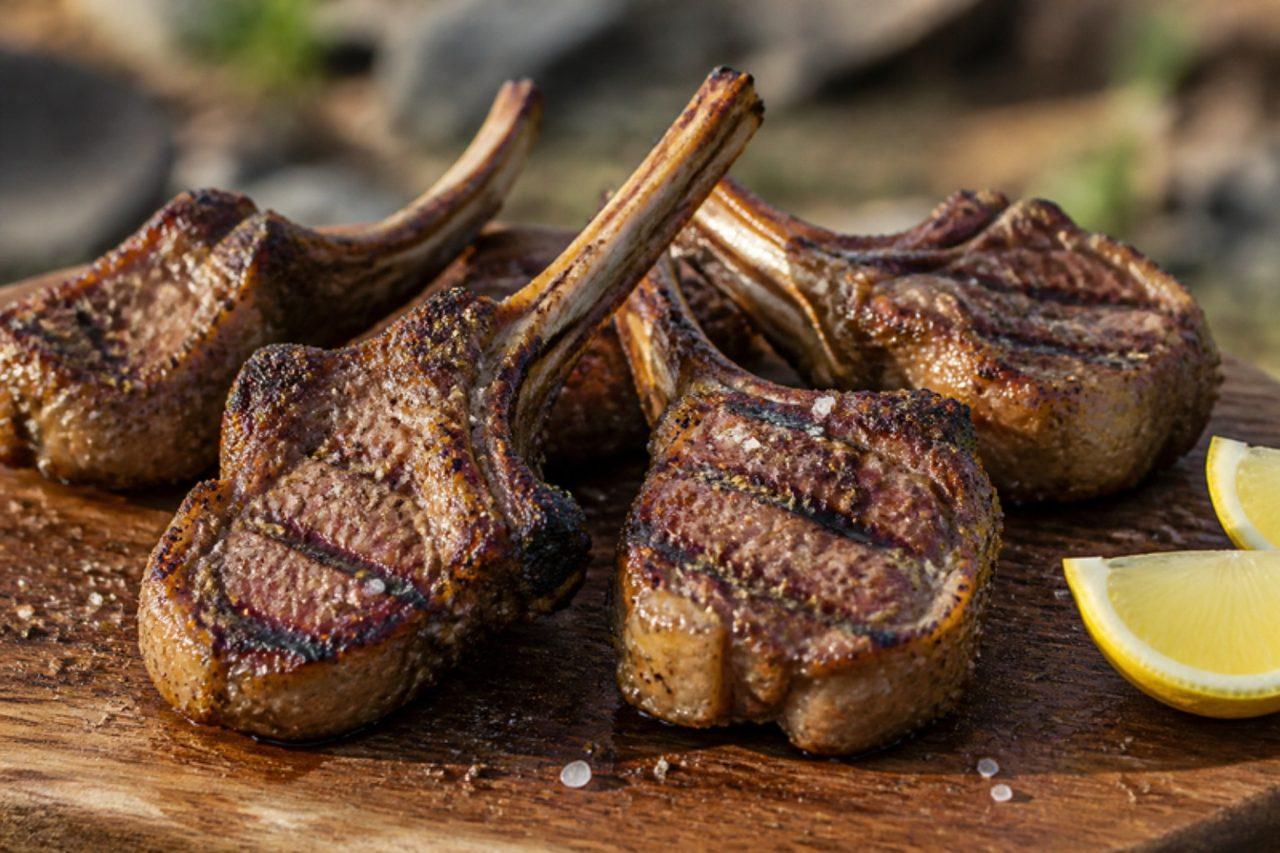
Braaied lamb chops

Ask a Karoo farmer for a braai rub and you will be handed the salt grinder: good lamb chops off the veld need salt, pepper and wood coals, and nothing else. On a Saturday evening in Colesberg or Cradock the chops go on last, after the boerewors, and come off with crisp, smoky fat and juicy, rosy meat. Pile them on a board with pap and tomato smoor, a potato salad and a braaibroodjie or two. Chops cut too thin, under 2 cm, dry out before the fat crisps, so ask the butcher for thick ones. Chef's tip: stand the chops upright on their fat edge for the first few minutes, held together with tongs, so the fat renders and crisps before the meat goes flat on the grid.

by KrazyBadal 0 views

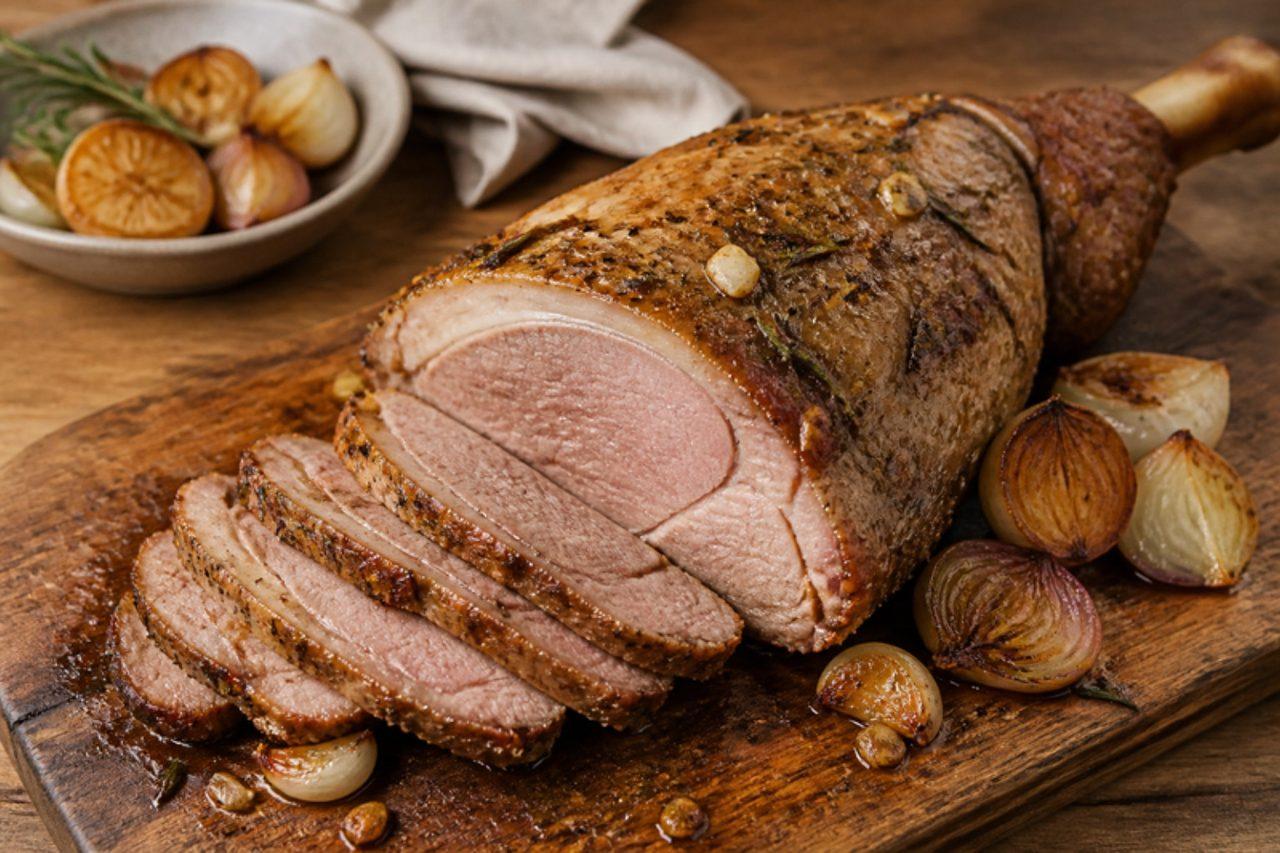
Karoo roast leg of lamb

Sheep in the Great Karoo graze on wild bossies and shrubs, and farmers around Prince Albert and Graaff-Reinet swear the meat comes out of the oven tasting faintly of the veld. That is why the seasoning stays plain: garlic slivers pushed deep into the meat, rosemary, salt and pepper, and a long, slow roast over a bed of onions that melt into the pan juices. Sunday lunch on a farm stoep means slices of rosy lamb with roast potatoes, sweet pumpkin with cinnamon, geelrys with raisins and a jug of gravy. Many cooks carve the moment the leg leaves the oven, and the juices end up on the board instead of in the meat. Chef's tip: give the leg a full 20 minutes' rest under foil; the temperature climbs a few degrees and every slice stays moist.

by KrazyBadal 0 views

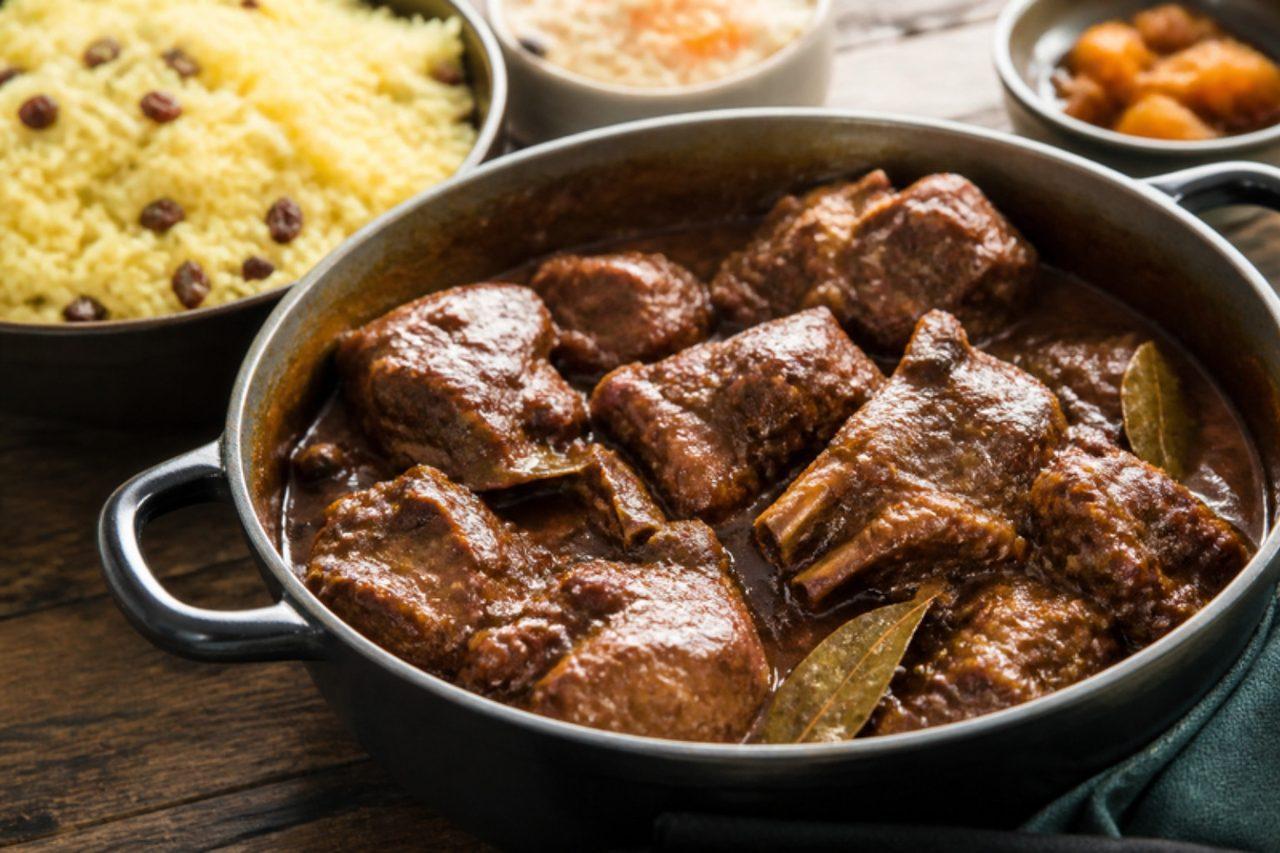
DenningvleisTamarind and allspice braised lamb

Older Bo-Kaap cooks make denningvleis for family lunches and for the day after Eid, when there is lamb to use up: chunks of shoulder braised with a mountain of onions, bay leaves, allspice and sour tamarind, finished with a little brown sugar. It is not a curry; there is barely any chilli, and the flavour is all sweet against sour, with the fragrance of bay running through a dark, sticky gravy. Serve it with geelrys, the Cape's turmeric rice with raisins, and a sharp tomato-and-onion sambal. The classic slip is pouring in tamarind pulp straight from the block, seeds and stringy fibres included, so soak and strain it first. Chef's tip: let the onions cook down almost to a jam before adding liquid; they thicken the sauce, so you never need flour.

by KrazyBadal 0 views

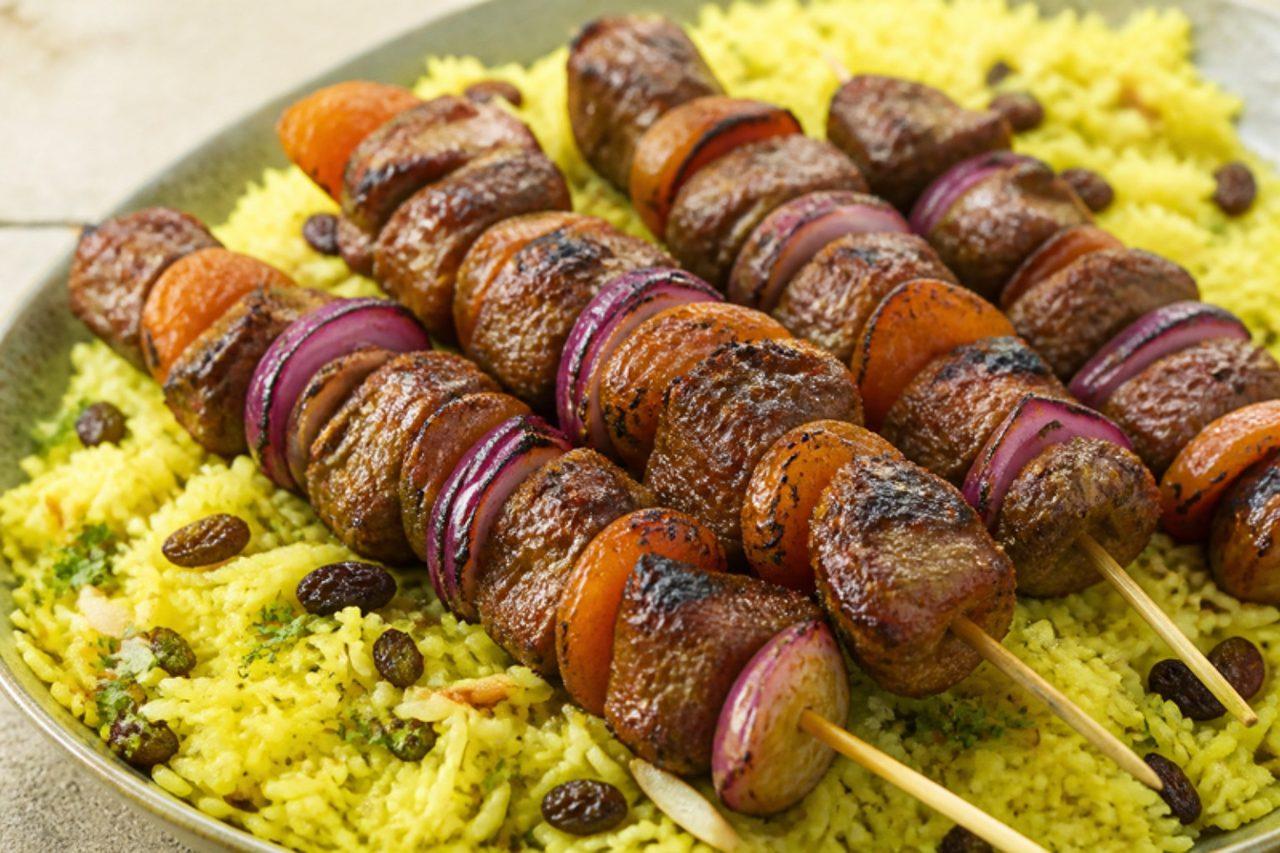
SosatiesCurried lamb and apricot skewers

Bo-Kaap kitchens gave the braai one of its sweetest-sour treats: cubes of lamb soaked overnight in a cooked curry marinade of fried onion, apricot jam, vinegar and lemon leaves, then threaded with plump dried apricots and onion and grilled over coals. Every butchery in the Cape now sells them ready-marinated, yet homemade ones taste brighter and less sugary. Expect tender, slightly charred meat, sticky-sweet apricots and a warm curry tang that begs for yellow rice, a green salad or simply a soft roll. Pouring the marinade over the lamb while it is still warm is a common slip; it starts to cook the surface and the meat turns grainy. Chef's tip: boil the leftover marinade for a few minutes and brush it on in the last minutes of grilling for a glossy glaze.

by KrazyBadal 0 views

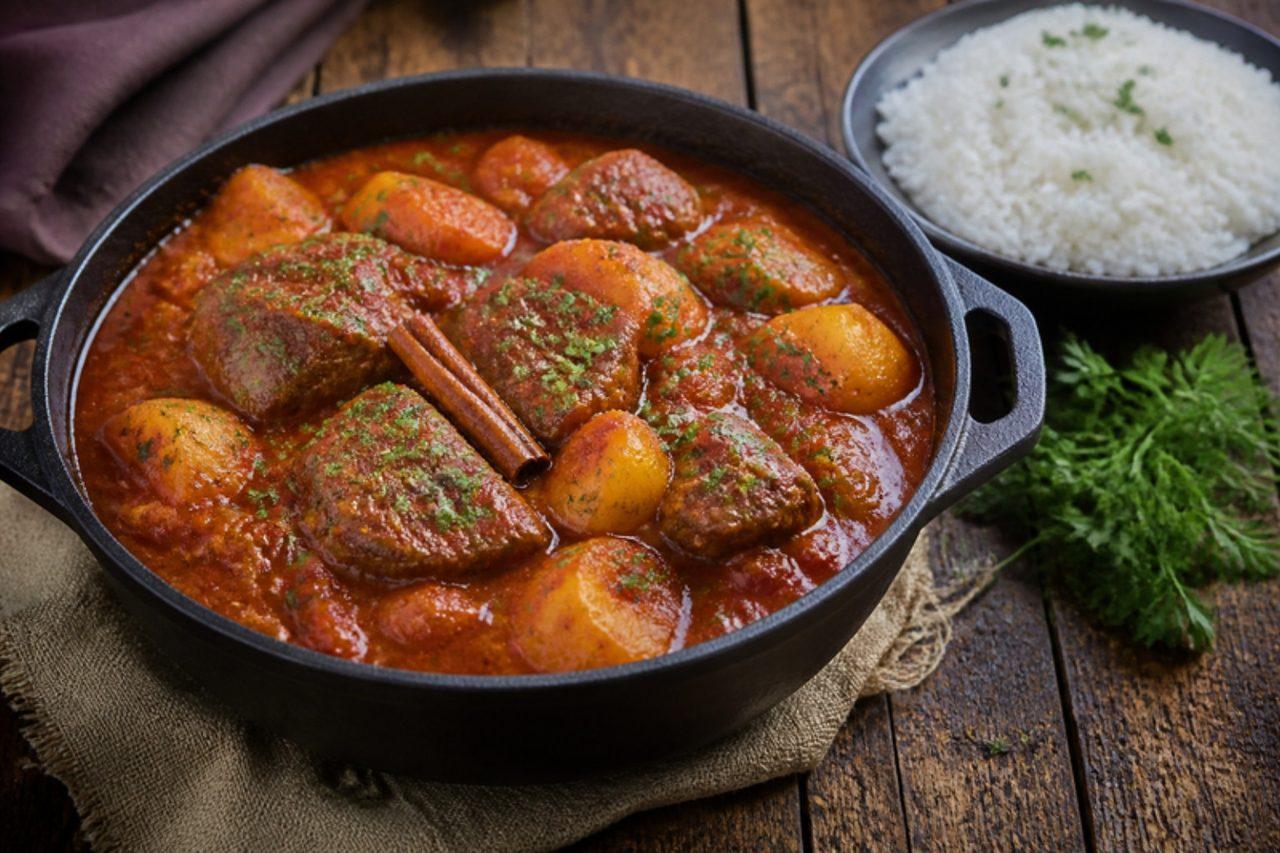
Tomato bredieMutton and tomato stew

Winter Sundays in the Boland and the Cape Flats smell of tamatiebredie: fatty mutton neck left to murmur for two hours with a kilo of ripe tomatoes, a stick of cinnamon, a few cloves and potatoes that soften into the sauce. The tomatoes collapse into a thick, brick-red gravy that is sweet, gently spiced and glossy with mutton fat, and the meat falls from the bone at a nudge. Serve it over plain white rice with a spoonful of fruit chutney or a beetroot salad on the side; like most bredies it tastes even better the next day. Most people drown it in water at the start, which leaves a thin, sour soup, so let the tomatoes provide the liquid and top up only by the splash. Chef's tip: for a meat-free pot, skip the mutton, soften the onions and spices the same way, then simmer two drained 400 g tins of butter beans with the tomatoes and potatoes for 40 minutes.

by KrazyBadal 0 views

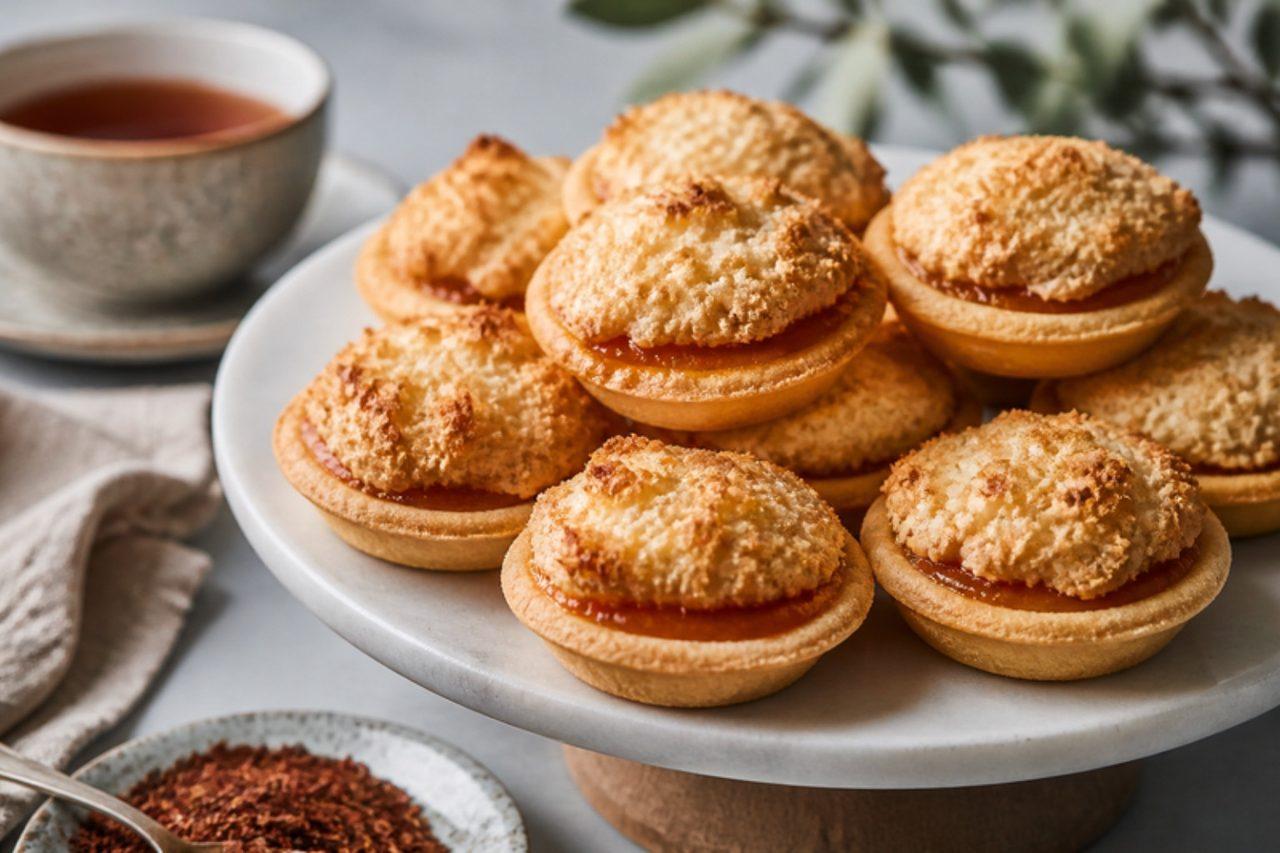
HertzoggiesApricot jam coconut meringue tartlets

Church bazaars and tea tables from the Free State to the Karoo would hardly be complete without a tin of hertzoggies, the little tartlets said to be named after Prime Minister J.B.M. Hertzog, who was supposedly very fond of them. Each one is a short, buttery pastry cup with a teaspoon of apricot jam hidden under a domed coconut meringue that bakes crisp and pale gold on top and stays chewy inside. They are best with a cup of rooibos or strong filter coffee, and they keep well in a tin for several days. Overfilling with jam is the common mistake: it bubbles up through the meringue and glues the tartlets into the tin. Chef's tip: whisk the whites until the sugar has completely dissolved before folding in the coconut, or the meringue will weep syrup as it cools.

by KrazyBadal 0 views

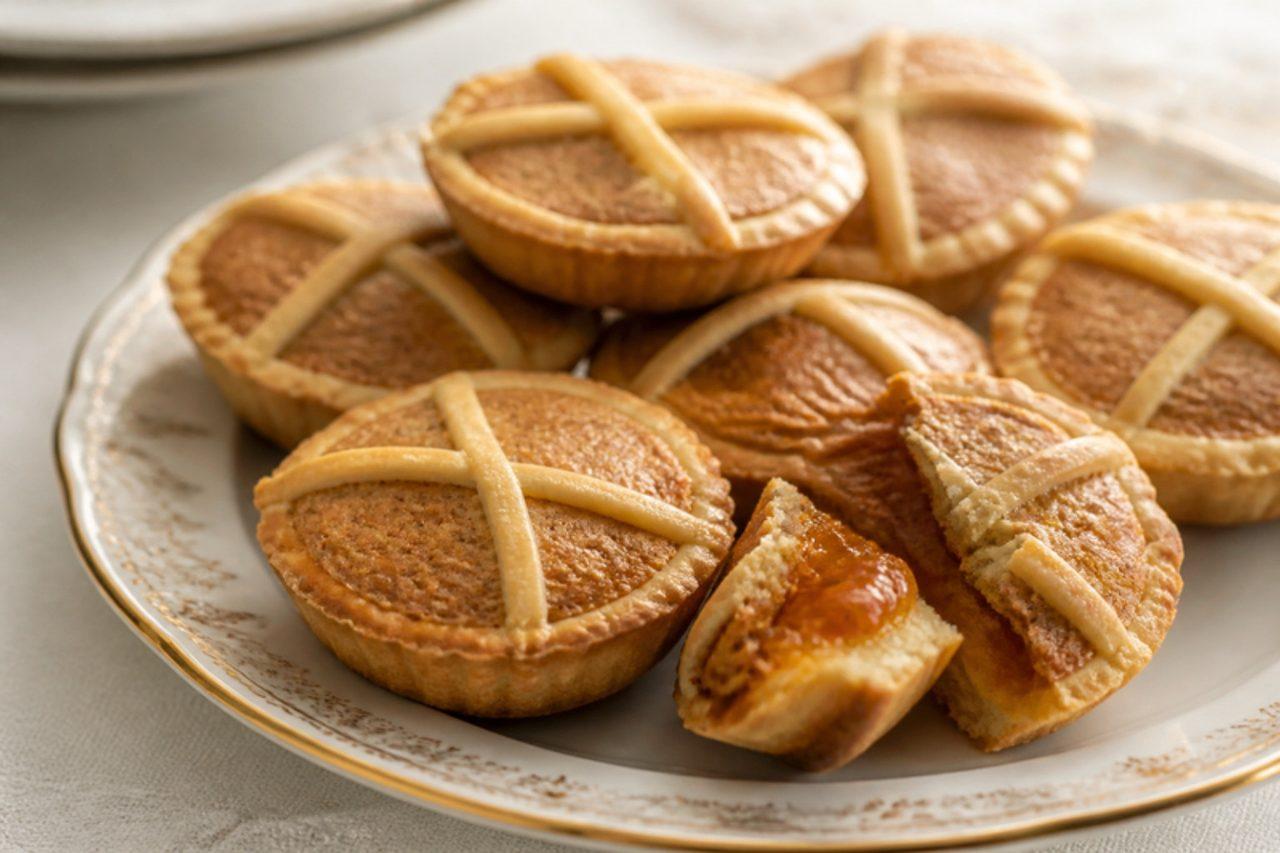
Jan Smuts tartletsApricot almond sponge tartlets

Bakers who sided with General Jan Smuts answered the hertzoggie with tartlets of their own, and old Afrikaans and English cookbooks have printed the two rivals side by side ever since. Where a hertzoggie wears a chewy coconut meringue, a Jan Smutsie hides its apricot jam under a soft, almond-scented sponge and is marked with a little pastry cross on top. The texture is all tender cake over a sharp fruity middle in a crumbly sweet crust, lovely at Sunday tea or packed in a school lunchbox. Most people overfill the cases with batter, which domes up and spills over the cross; two-thirds full is plenty. Chef's tip: roll the trimmings for the crosses thinly, or they stay doughy where they sit on the sponge.

by KrazyBadal 0 views

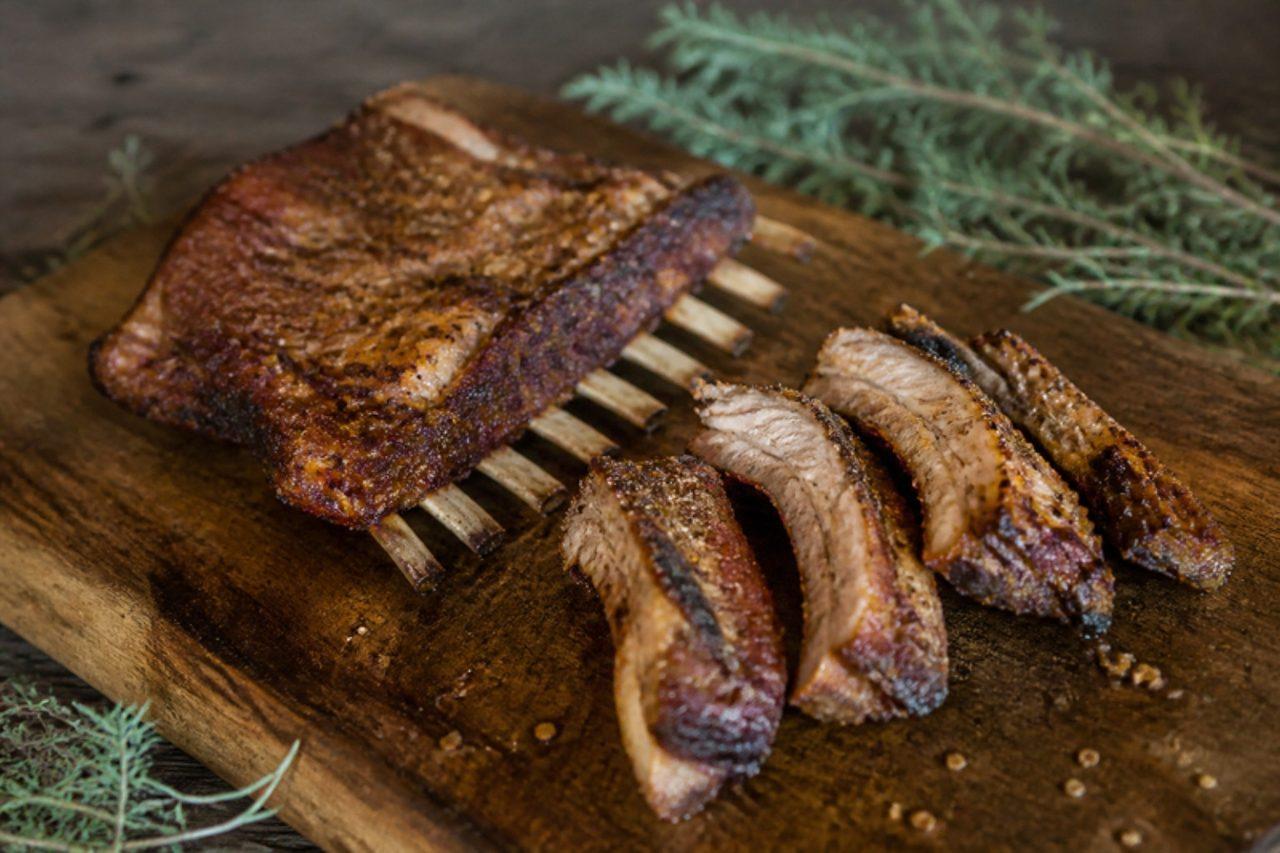
Sout ribbetjieSalt-cured grilled lamb ribs

Before fridges, Karoo farmers rubbed lamb ribs with coarse salt and coriander and hung them in the cool pantry; today the cure happens in the fridge, but the result is the same deeply savoury, almost bacon-like rib that crackles at the edges. At a farm braai near Beaufort West or Sutherland it goes on first, over low coals, because it needs an hour or more to render its fat and turn tender, and people pick at it with their fingers while everything else cooks. Serve it with stywe pap and tomato smoor, or with roosterkoek and a crisp salad. Rinsing too lightly is the usual mistake: rinse off the surface salt after curing, or the meat will be too salty to eat. Chef's tip: keep the coals low and patient; high heat sets the fat alight and blackens the outside long before the meat is soft.

by KrazyBadal 0 views

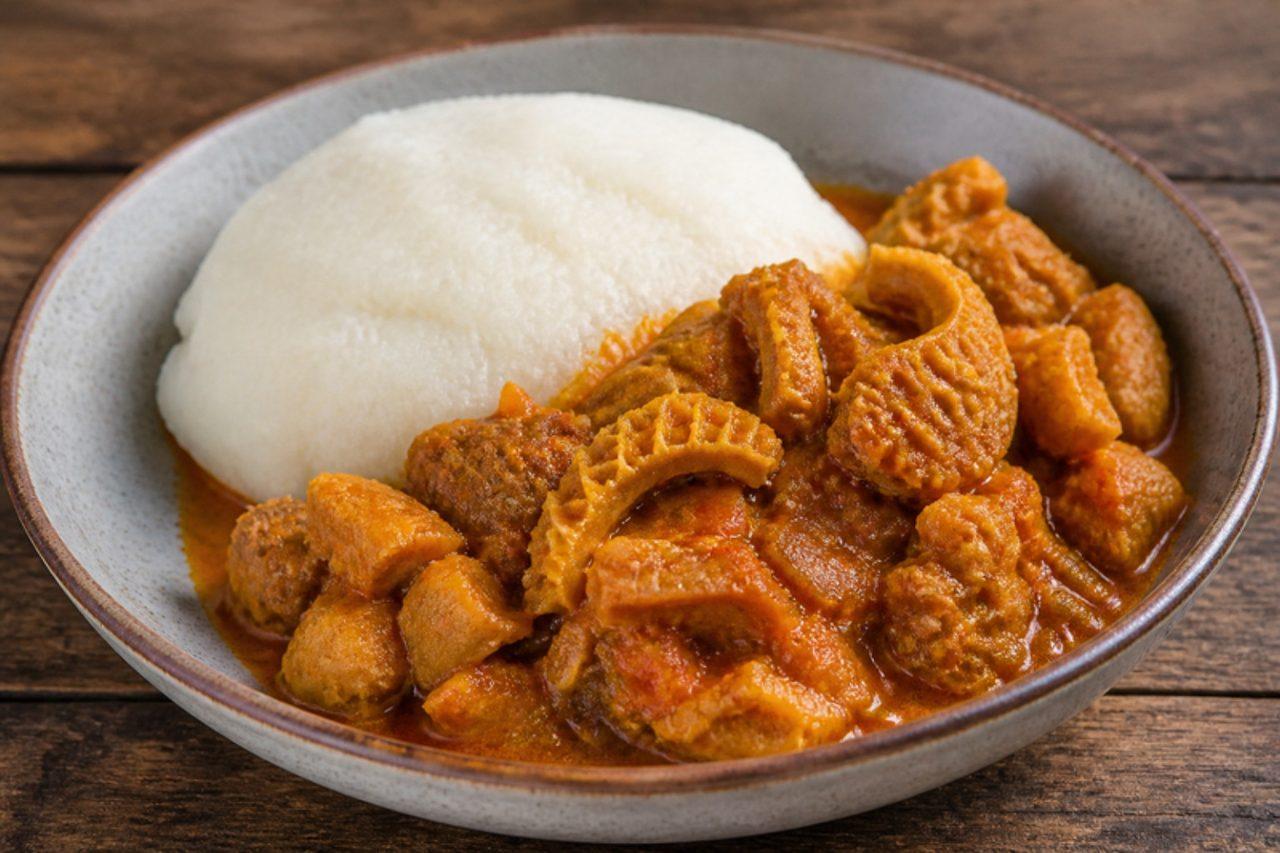
MogoduCurried beef tripe

Sunday mornings in Soweto and Tembisa often smell of mogodu, because the pot has to go on early: dressed beef tripe takes the best part of three hours to turn from rubbery to spoon-soft. Families eat it after church with a mound of stiff white pap, and kasi eateries sell it by the plate with a spoonful of chakalaka on the side. The finished stew is rich and gently spiced, with soft, slightly chewy ribbons of tripe in a peppery onion-and-curry gravy that soaks straight into the pap. Buy dressed (cleaned and par-boiled) tripe from a butcher; it is pale, has no smell beyond a mild farmyard note, and needs only a rinse at home. Chef's tip: keep the lid on and the simmer gentle, and only season with the curry spices once the tripe is tender; spices added at the start go dull and bitter over three hours.

by KrazyBadal 0 views

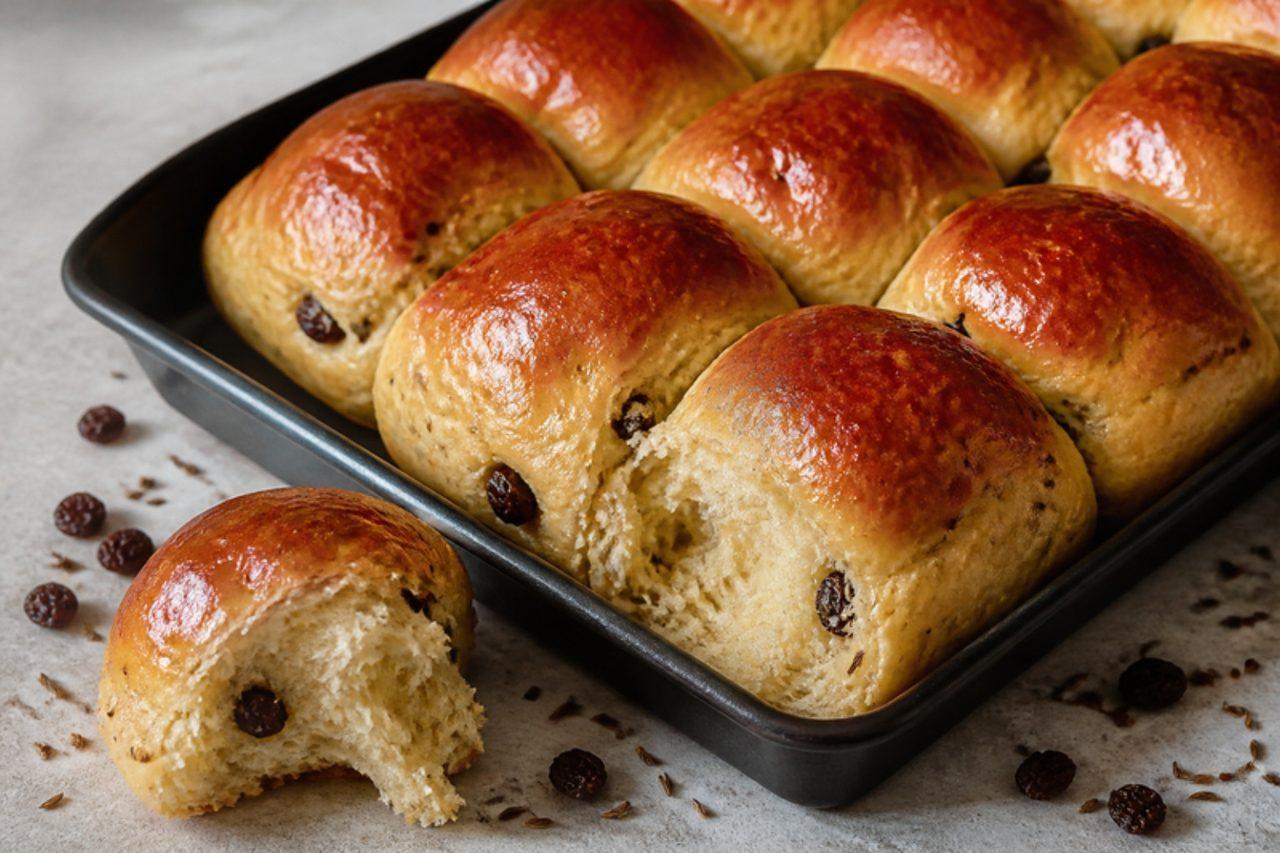
MosbolletjiesAniseed grape buns

Each harvest, wine farms around Paarl and the Boland once used foaming fresh grape must to raise these sweet, tear-apart buns, and some families still bake them every January and dry what is left into rusks for coffee dunking. This home method replaces the must with a starter of pure grape juice, raisins and a little yeast, bubbled overnight; the tiny trace of alcohol the fermentation makes bakes off in the oven. The buns are soft and feathery, gently sweet, scented with aniseed and glazed with a sticky sugar wash. Rushing is the mistake: this dough rises slowly overnight and needs to double properly at each stage, or the buns turn out dense. Chef's tip: use juice with no added preservatives, which stop the starter from fermenting.

by KrazyBadal 0 views

Rooibos iced tea

Rooibos grows only in the Cederberg mountains north of Cape Town, and on hot Western Cape afternoons it is brewed strong and poured over ice rather than drunk hot. The tea is naturally caffeine-free and slightly sweet with notes of honey and vanilla, so it needs little added sugar. Orange, lemon and fresh mint make it a summer jug for the stoep (veranda). Chef's tip: brew the tea double strength and pour it straight over plenty of ice; it chills in seconds and the melting ice dilutes it to the right strength.

by KrazyBadal 0 views

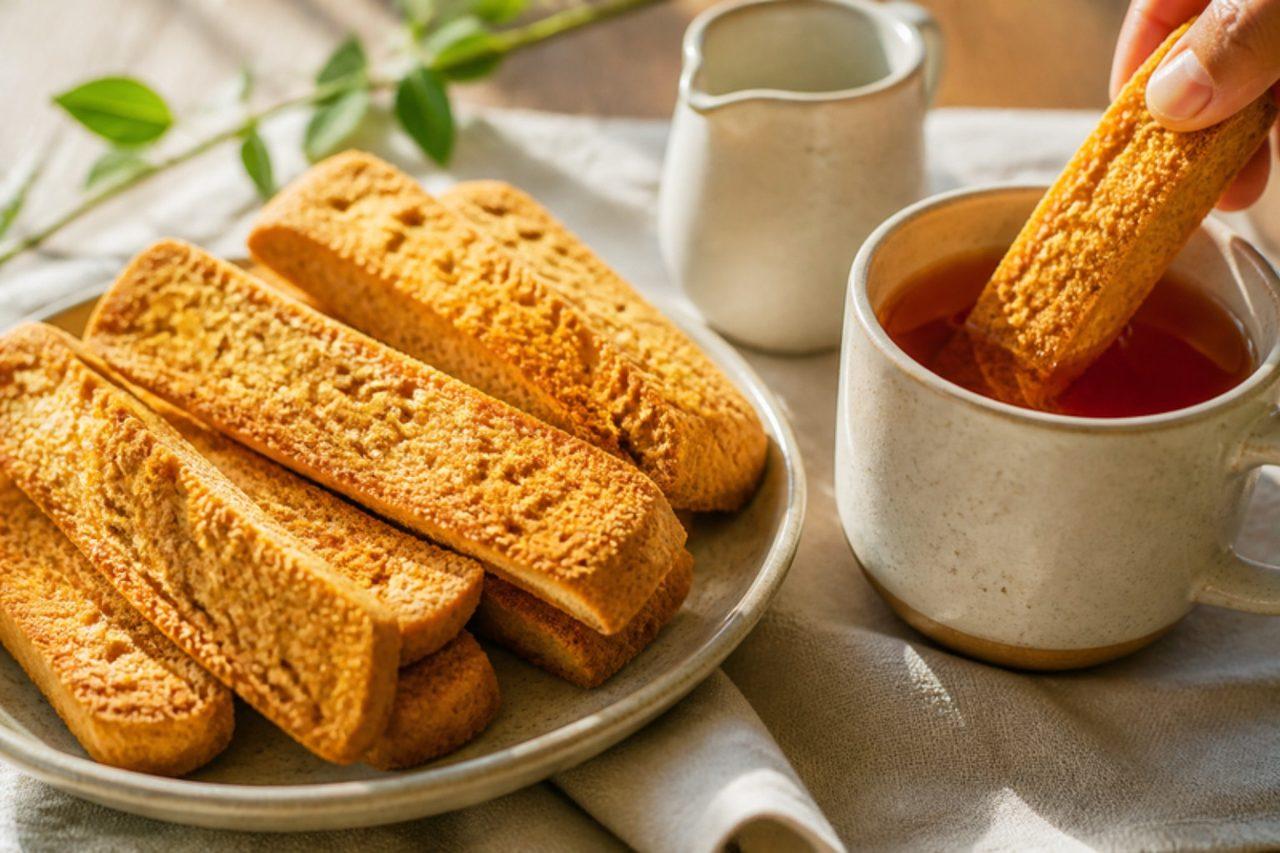
Buttermilk rusks (beskuit)Twice-baked buttermilk rusks

Beskuit grew out of the Voortrekker need for bread that kept on long ox-wagon journeys; today a tin of rusks sits next to the kettle in homes from the Karoo to Pretoria, and they are dunked in early-morning coffee or rooibos. A soft buttermilk dough is baked as a loaf, cut into fingers and then dried in a low oven for hours until rock hard and crunchy. Chef's tip: dry the rusks slowly at a very low heat with the oven door slightly open; they should dry out completely, not brown further.

by KrazyBadal 0 views

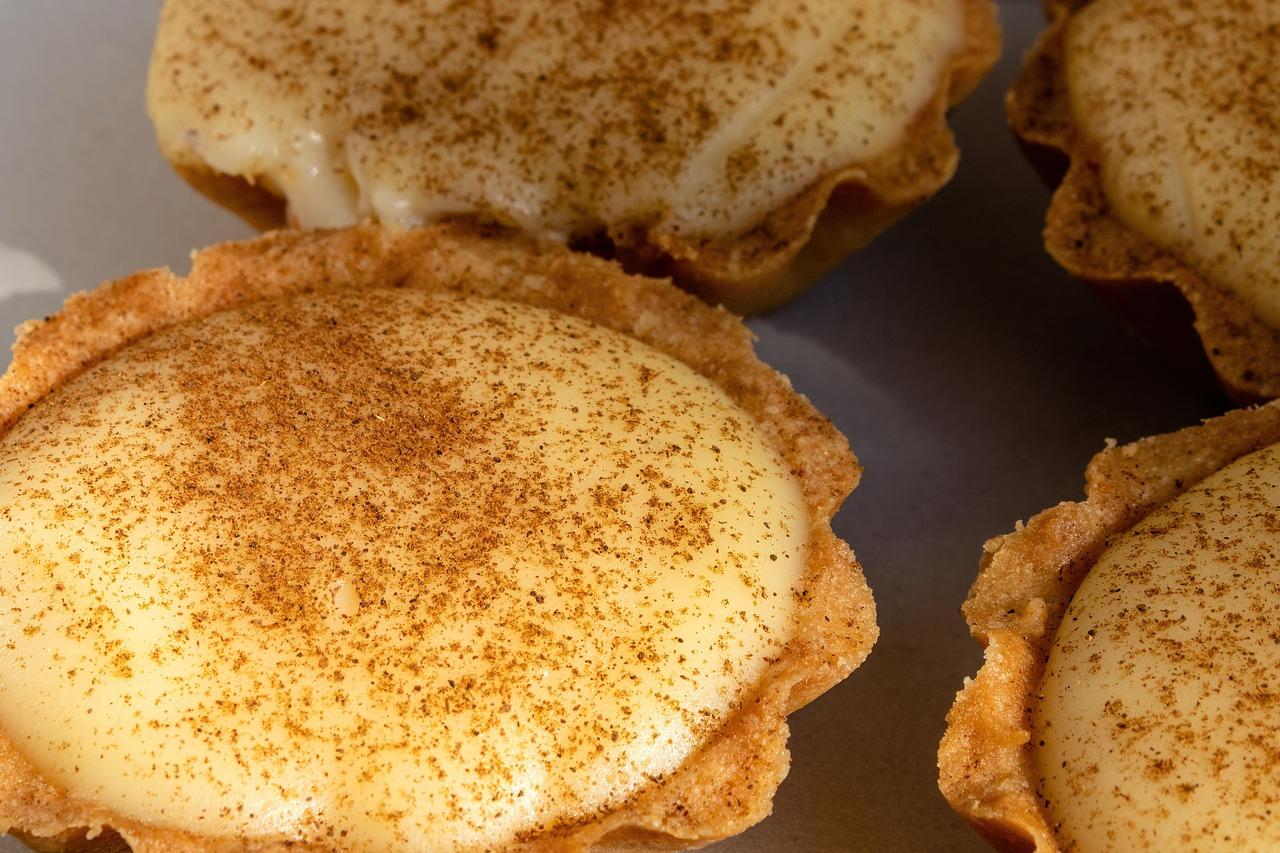
Milk tart (melktert)Cinnamon custard tart

Melktert is South Africa's coffee-time tart, made by Afrikaner and Cape Malay families alike, sold at church bazaars and in farm stalls along the Garden Route, and even celebrated with its own National Milk Tart Day on 27 February. A crisp sweet pastry case holds a thick, wobbly custard made with milk and flavoured with a cinnamon stick, then finished with a heavy dusting of ground cinnamon. It is lighter and more milky than a baked egg custard tart. Chef's tip: stir the custard constantly as it thickens and keep cooking for 2 minutes after it bubbles so the flour loses its raw taste.

by KrazyBadal 0 views

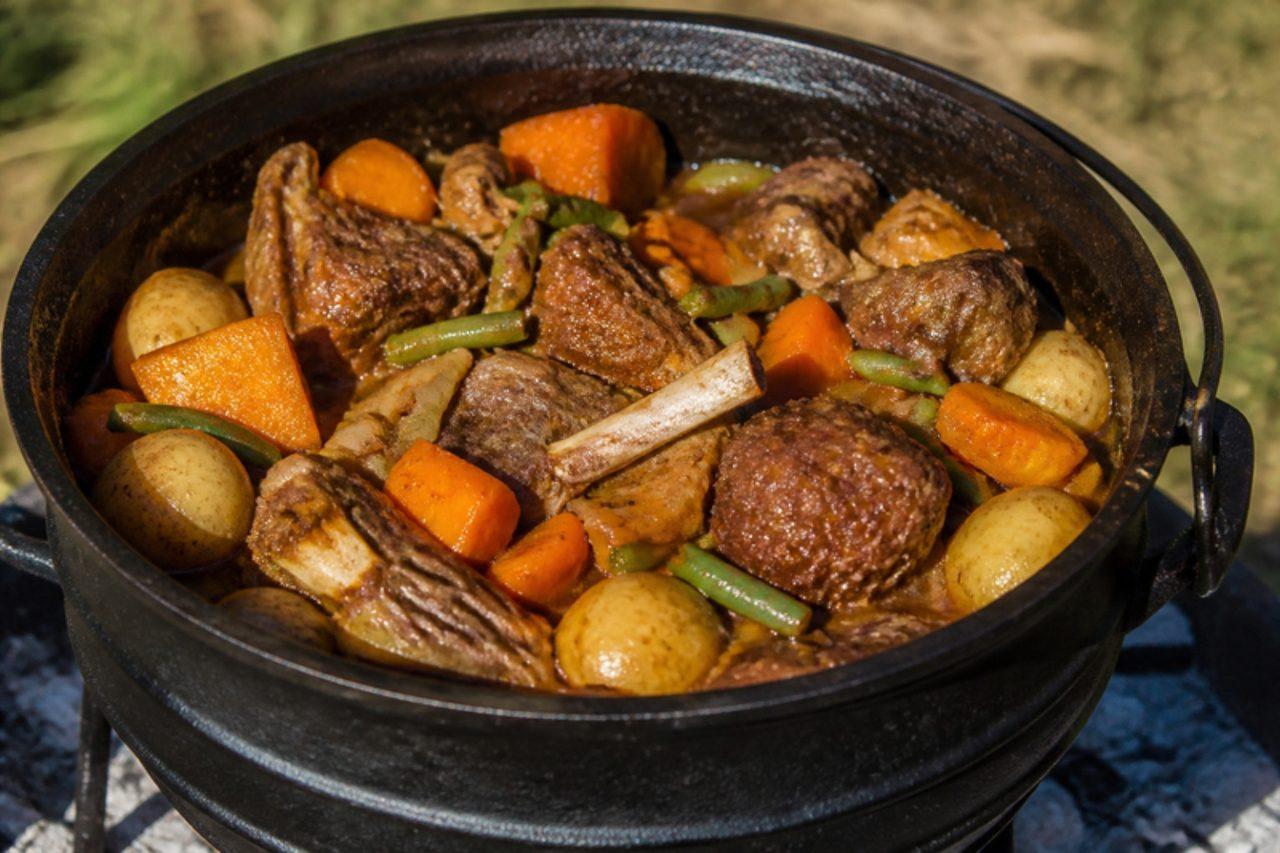
Lamb potjiekosLamb and vegetable stew

Potjiekos is the long, sociable cook of South African weekends: a cast-iron three-legged pot (potjie) sits over a small fire for hours while friends talk around it, and the rule is that once the layers are in, nobody stirs. The lamb is browned at the bottom, then potatoes, carrots, butternut, green beans and mushrooms are stacked on top so the hardest vegetables are nearest the heat. A heavy casserole on the hob or in the oven works just as well. Some cooks add a glass of red wine or beer; this version uses stock only, and you may swap 150 ml of it for wine if you like. The mistake is stirring the pot, which turns the neat layers into mush. Chef's tip: add only a little liquid; the vegetables give off their own juice as they steam.

by KrazyBadal 0 views

Showing 24 of 25 recipes

Show more recipes

Page 1 of 2