Skip to content
Recipes

All recipes

Vegetarian, or something you can't eat? Set your diet once and we'll hide recipes that don't fit.

Kaukau in coconut creamSweet potato in coconut cream

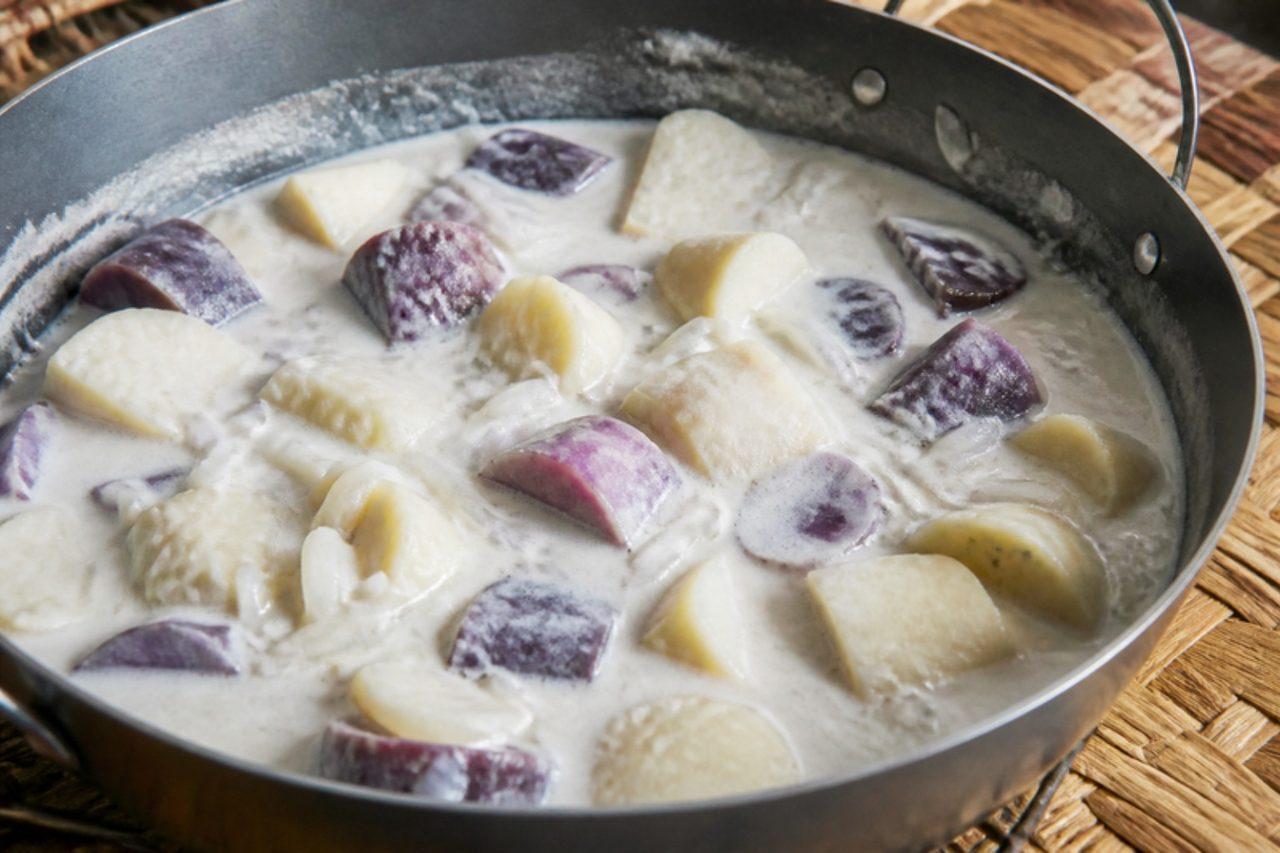
Kaukau, sweet potato, is the staple food of the Papua New Guinea Highlands, grown in mounded gardens around Mount Hagen and Goroka and eaten at almost every meal. Simmered in coconut cream with onion and a little salt, it becomes soft, sweet and creamy, a side for greens, fish or a mumu. A common mistake is stirring too much, which breaks the potato into mush; shake the pan instead. Chef's tip: use white or purple-skinned kaukau if you can; they're drier and hold their shape better than orange ones.

by KrazyBadal 0 views

BusecaTripe and white bean stew

Buseca arrived in Montevideo with Italian immigrants from Lombardy and became a classic winter dish of Uruguayan bodegones and family kitchens, eaten on cold June and July days. Honeycomb tripe is simmered until tender, then stewed with white beans, pork chorizo, bacon, peppers, tomato and paprika into a thick, warming stew served with crusty bread. Buy tripe that is already cleaned and blanched (dressed). The usual mistake is undercooking the tripe: it needs a full 2 hours, until it's soft enough to cut with a spoon. Slow-cooker option: after step 4, cook on low for 8 hours. Chef's tip: a little grated lemon zest and parsley stirred in at the end lifts the rich, gelatinous sauce.

by KrazyBadal 0 views

Morcilla dulceSweet blood sausage with walnuts

No Uruguayan parrilla is complete without morcilla dulce: a soft pork blood sausage sweetened with sugar and scented with orange peel, studded with walnuts and raisins, grilled until the skin crisps and served first, as part of the achuras, while the beef is still cooking. It is pork throughout: pork blood, pork back fat and natural pork casings. Making it at home is a project. Buy fresh pork blood with an anticoagulant added from a butcher who supplies it for sausage making, keep it chilled below 4 °C and use it within a day. The common mistake is poaching at a rolling boil, which bursts the casings. Chef's tip: keep the water at 80–85 °C, just shivering, and prick a sausage after 25 minutes: it is done when brown, not red, juice comes out.

by KrazyBadal 0 views

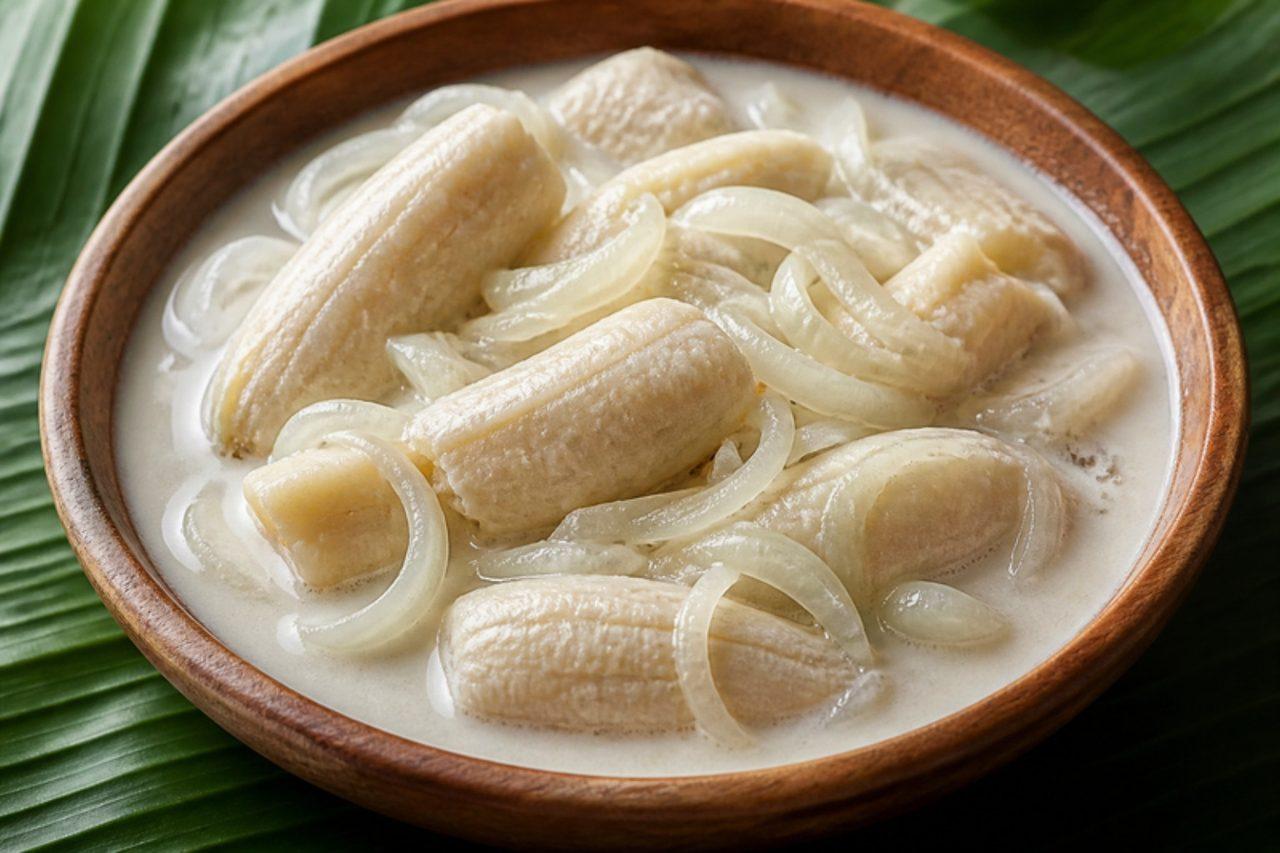
Fa'alifu fa'iGreen bananas in coconut cream

Fa'alifu fa'i is one of the everyday staples of Samoa, cooked in family kitchens in Apia and the villages of Savai'i to go with fish, chicken or a Sunday umu. Green cooking bananas are boiled until soft, then finished in a rich, salty-sweet coconut cream sauce with onion, so they turn silky and soak up the flavour. A common mistake is using ripe bananas, which fall apart; they must be hard and green. Chef's tip: oil your hands before peeling green bananas so the sticky sap doesn't stain your fingers.

by KrazyBadal 0 views

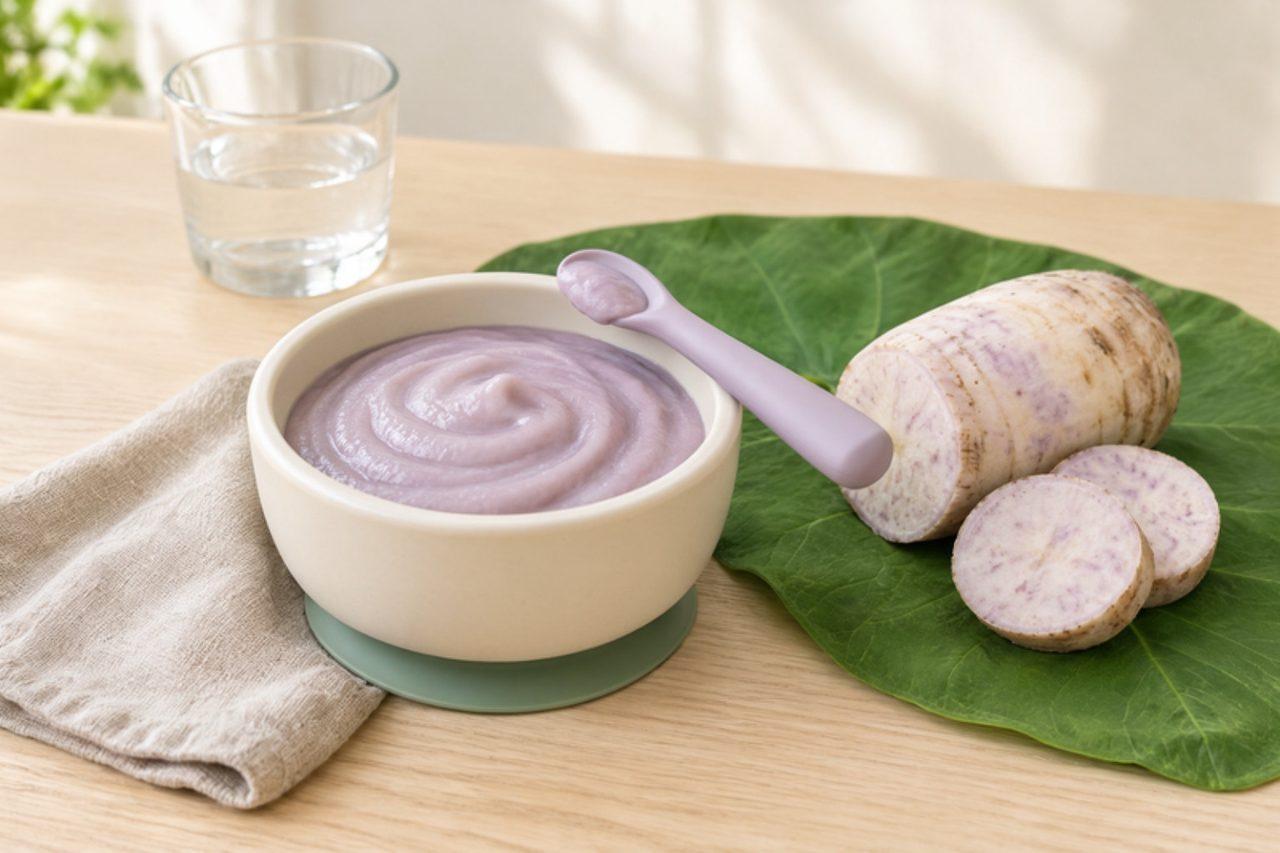
Hawaiian poi for babiesTaro paste for babies

Poi, cooked taro (kalo) pounded with water, is the oldest staple of Hawaiʻi, and it was traditionally among the first foods given to babies across the islands; you can still buy it fresh by the bag at markets in Honolulu and on Kauaʻi. Fresh poi is mild, smooth and gently sweet, with a lilac-grey colour; left a few days it ferments and turns sour, which adults love but a baby is better without. Taro must be cooked right through, because raw taro contains crystals that irritate the mouth. Nothing else is added: no salt, sugar or honey. It is free of the major allergens. Chef's tip: wear gloves to peel raw taro, and cook a test piece; if it tingles on your tongue, it needs longer.

by KrazyBadal 0 views

Mandi'o chyryryFried cassava with onion and egg

Mandi'o chyryry means 'fried cassava' in Guaraní, and it is what rural Paraguayan families make from yesterday's boiled mandi'o: chunks crushed and fried in a big pan with onion until crisp in places, then scrambled with eggs. It comes out for breakfast with cocido or for a quick supper, and costs next to nothing. Use sweet cassava, the kind sold in supermarkets. The mistake is stirring constantly, which turns it to mush; let the cassava sit and brown. Chef's tip: the best chyryry starts with cold, day-old boiled cassava, which fries crisper than freshly boiled.

by KrazyBadal 0 views

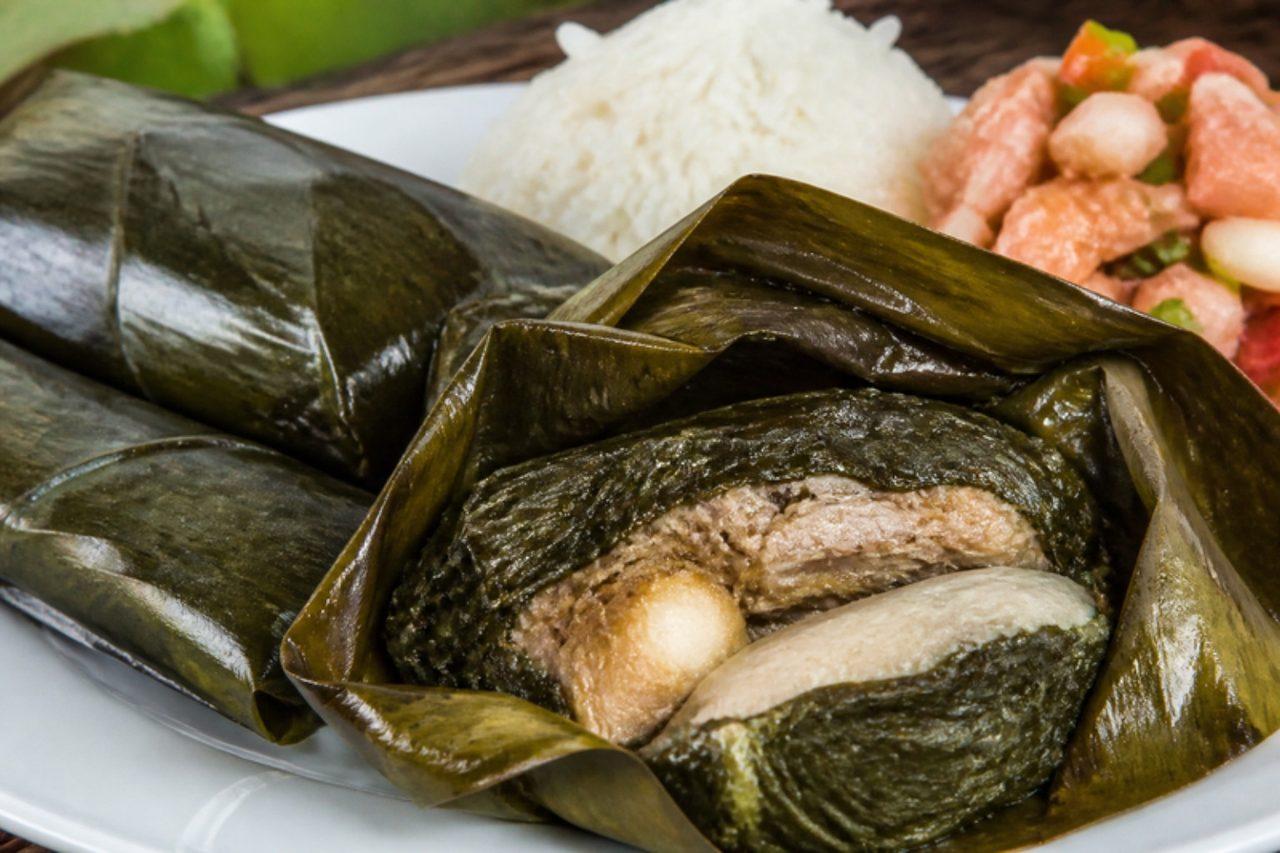
LaulauSteamed pork and fish bundles

Laulau is one of the oldest dishes of Native Hawaiian cooking: fatty pork and salted butterfish are wrapped in young taro (lūʻau) leaves, tied in a ti-leaf parcel and steamed for hours until the leaves turn soft as cooked spinach and the pork is meltingly tender. It is the centrepiece of a plate with poi, lomi lomi salmon and haupia at lūʻau and family celebrations. Taro leaves must be cooked a long time, as they irritate the throat when undercooked; if you can't find them, use large spinach leaves and wrap in banana leaves or foil. Chef's tip: steam the bundles for the full four hours; shortcutting leaves the taro leaves scratchy.

by KrazyBadal 0 views

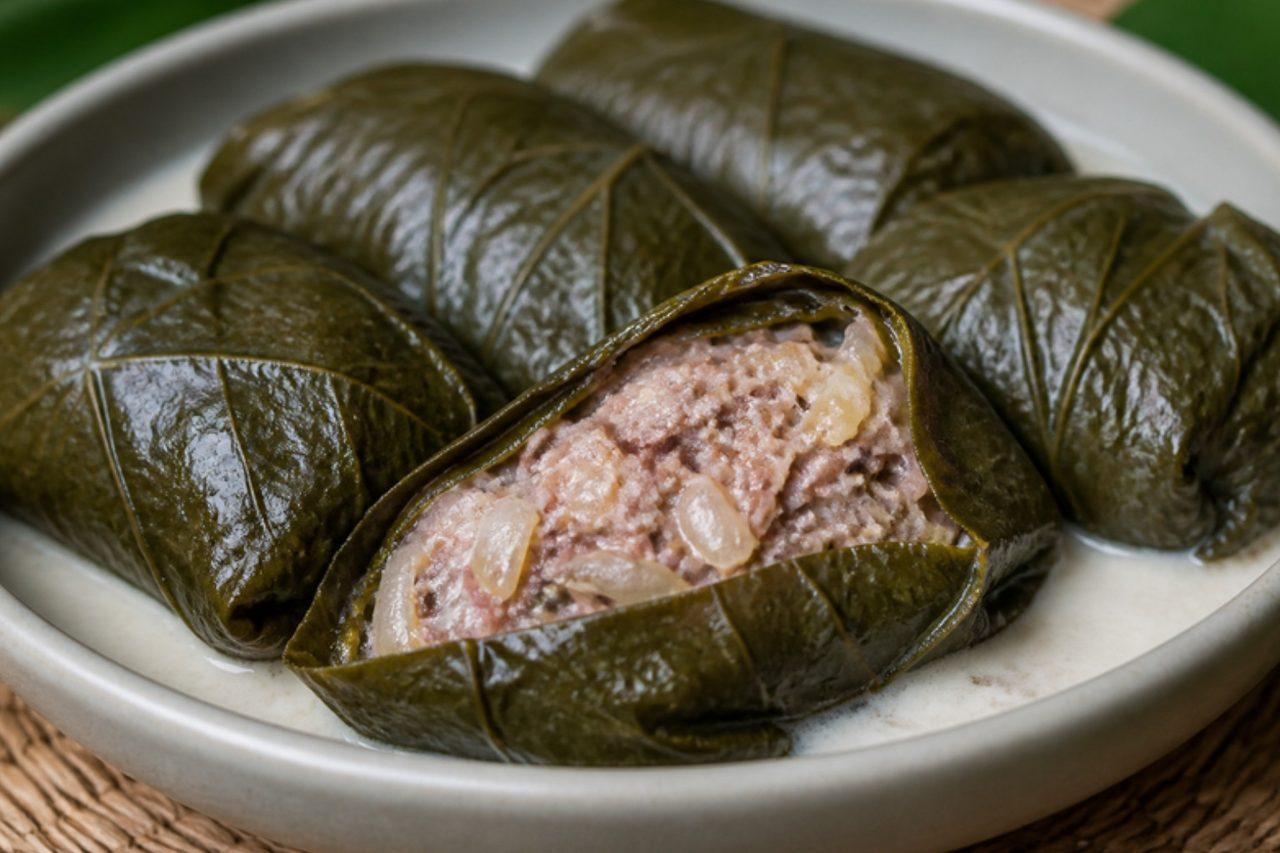
Lu puluCorned beef in taro leaves

Lu pulu is a Sunday dish in Tonga, cooked in the umu (earth oven) after church in Nuku'alofa and by Tongan families in Auckland and Sydney: taro leaves are layered into a cup, filled with corned beef, onion and thick coconut cream, wrapped in foil or banana leaf and baked until the leaves melt into a rich, silky parcel. It is served with boiled taro, yam or sweet potato. The mistake is undercooking the taro leaves: they must cook for at least an hour, as raw taro leaves irritate the mouth and throat. Chef's tip: if you can't find taro leaves, use large spinach or silverbeet leaves, cooked for 45 minutes.

by KrazyBadal 0 views

Asado uruguayoGrilled beef short ribs and chorizo

Sunday in Uruguay means asado: in Montevideo backyards and the cattle towns of the interior, beef ribs (asado de tira), chorizo and morcilla cook slowly over the embers of a wood fire, with only coarse salt, while the family waits. The parrillero rakes coals under the grill and keeps the heat low and even. This recipe includes pork chorizo. The mistake is cooking over flames; the fire should burn down to embers you can hold your hand above for 6–8 seconds. Chef's tip: salt the meat only when it goes on the grill, with coarse salt, never fine.

by KrazyBadal 0 views

Mumu-style pork roastOven-roasted pork with sweet potato

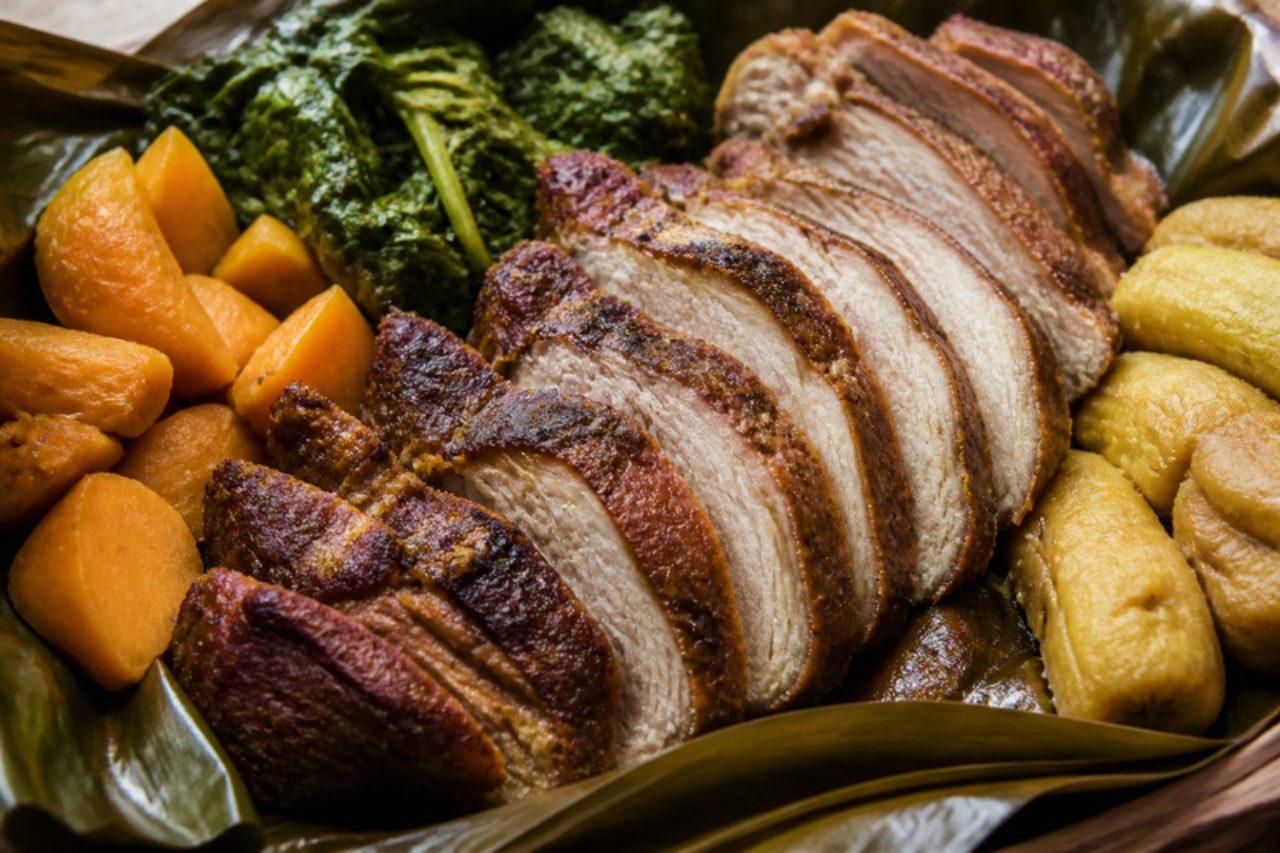
A mumu is the earth oven of the Papua New Guinea highlands, around Mount Hagen and Goroka, made for feasts, bride-price ceremonies and Christmas: pork, kaukau (sweet potato), bananas and greens are wrapped in banana leaves and steamed over hot stones for hours. This dish contains pork. This home version packs the same ingredients, with coconut milk, into a covered roasting tin and cooks them slowly until the pork is soft. The mistake is cooking the pork fast and hot; it needs long, gentle heat to become tender. Chef's tip: add the greens only for the last 30 minutes so they stay bright.

by KrazyBadal 0 views

Loco moco

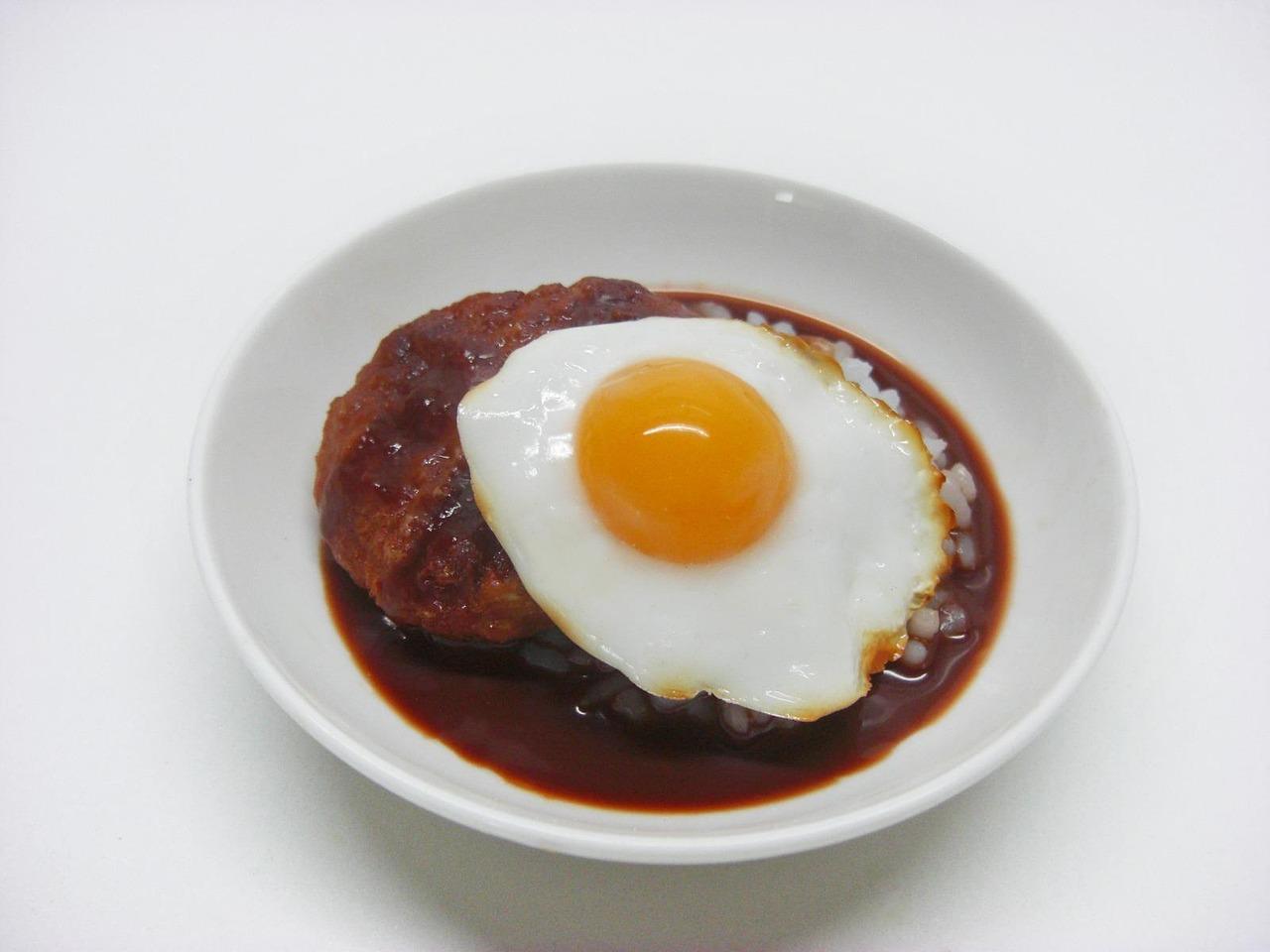
Loco moco was first served in 1949 at the Lincoln Grill in Hilo, on Hawai'i's Big Island, as a cheap, filling meal for teenagers, and it is still the plate-lunch classic across the islands: white rice topped with a beef burger patty, a fried egg and a generous ladle of brown gravy. People eat it for breakfast, lunch or late at night with a scoop of macaroni salad. The mistake is a thin, floury gravy; cook the flour in the beef fat until it browns before adding the stock. Chef's tip: press a dimple into the centre of each patty so it stays flat as it cooks.

by KrazyBadal 0 views

Kalua pork

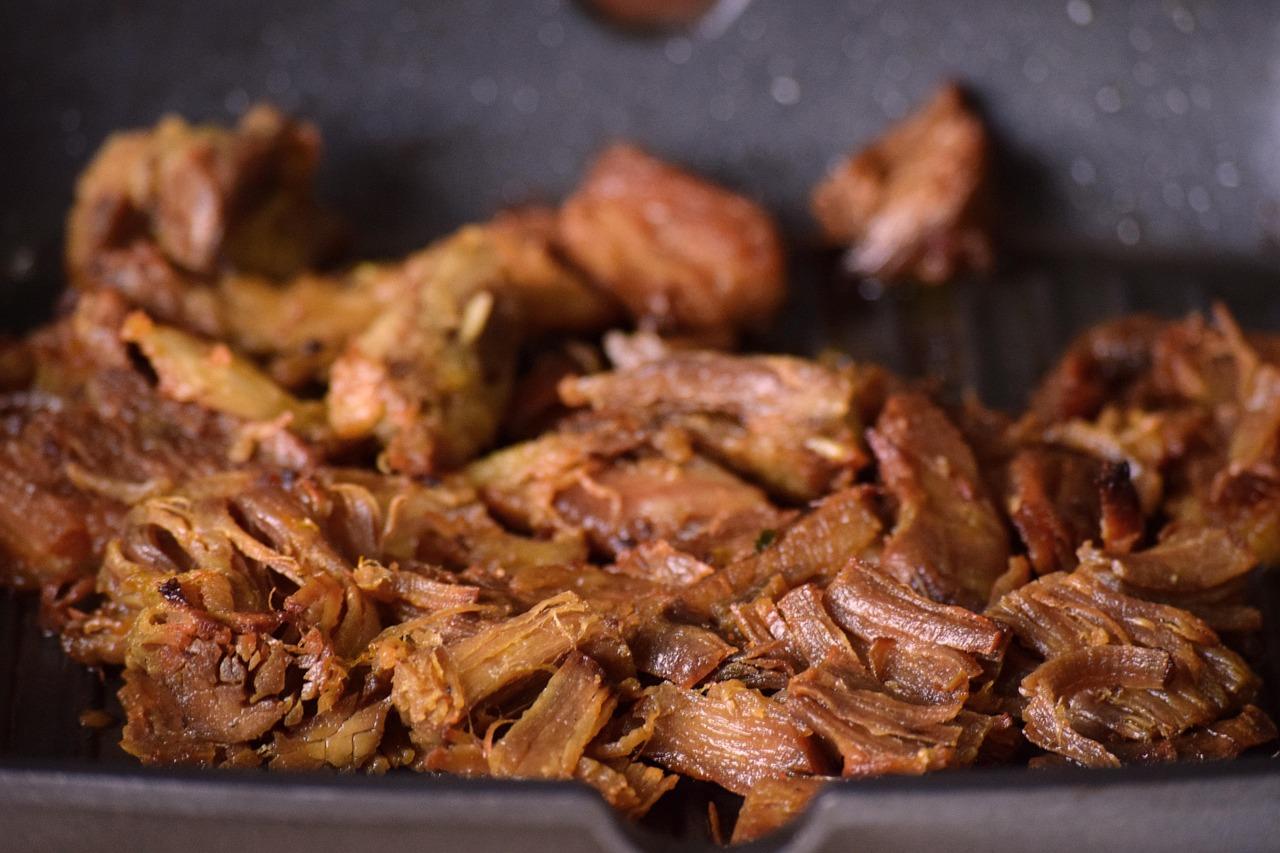
Kalua pig is the heart of a Hawaiian lū'au: a whole pig wrapped in ti and banana leaves and cooked all day in an imu, an underground oven, until it falls apart, smoky and salty. This dish contains pork. Families across O'ahu and the other islands make this simpler version at home with pork shoulder, coarse sea salt and a little liquid smoke, wrapped and slow-roasted. It is served with rice, poi or cabbage, or in sliders. The mistake is using fine table salt in the same amount; it makes the pork far too salty, so use coarse sea salt. Chef's tip: stir a little of the cooking juice back into the shredded pork so it stays moist.

by KrazyBadal 0 views