Skip to content
Recipes

All recipes

Vegetarian, or something you can't eat? Set your diet once and we'll hide recipes that don't fit.

Caldo de gallinaHen broth with noodles

In Lima's markets and the all-night caldo stalls of districts like La Victoria, a bowl of caldo de gallina is the dawn breakfast for market porters, taxi drivers and anyone coming home late: a deep, golden broth from a slow-simmered hen (a boiling fowl) with ginger and spring onion, ladled over thick noodles and yellow potato, with a boiled egg, lime and ají chilli on the side. The common mistake is boiling the broth hard, which clouds it and toughens the meat; keep it to a lazy simmer. The chicken must reach 74 °C, though after this long simmer it will be well past that. Chef's tip: cook the noodles separately, then put them in the bowls; cooked in the pot they drink the broth and turn it starchy.

by KrazyBadal 0 views

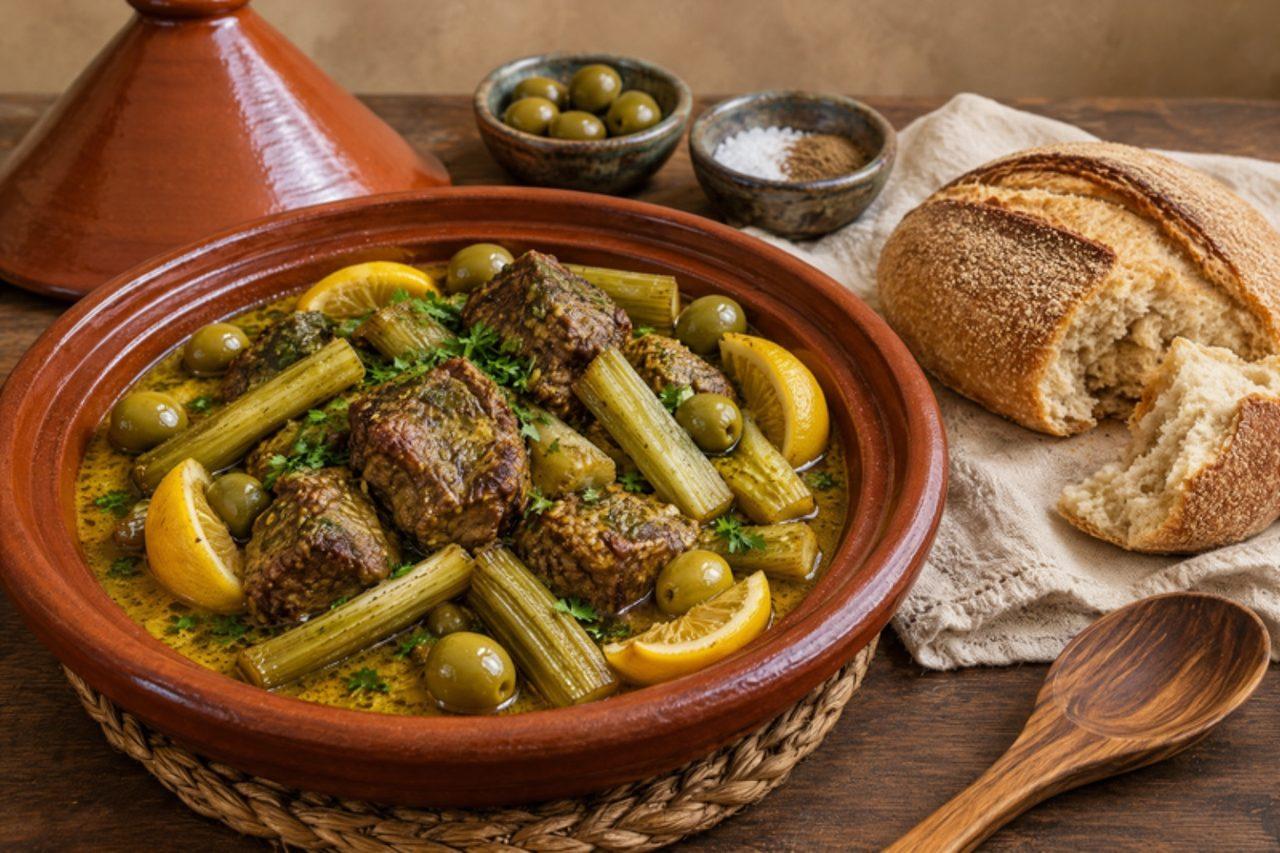
Tagine bil khorchefLamb tagine with cardoons

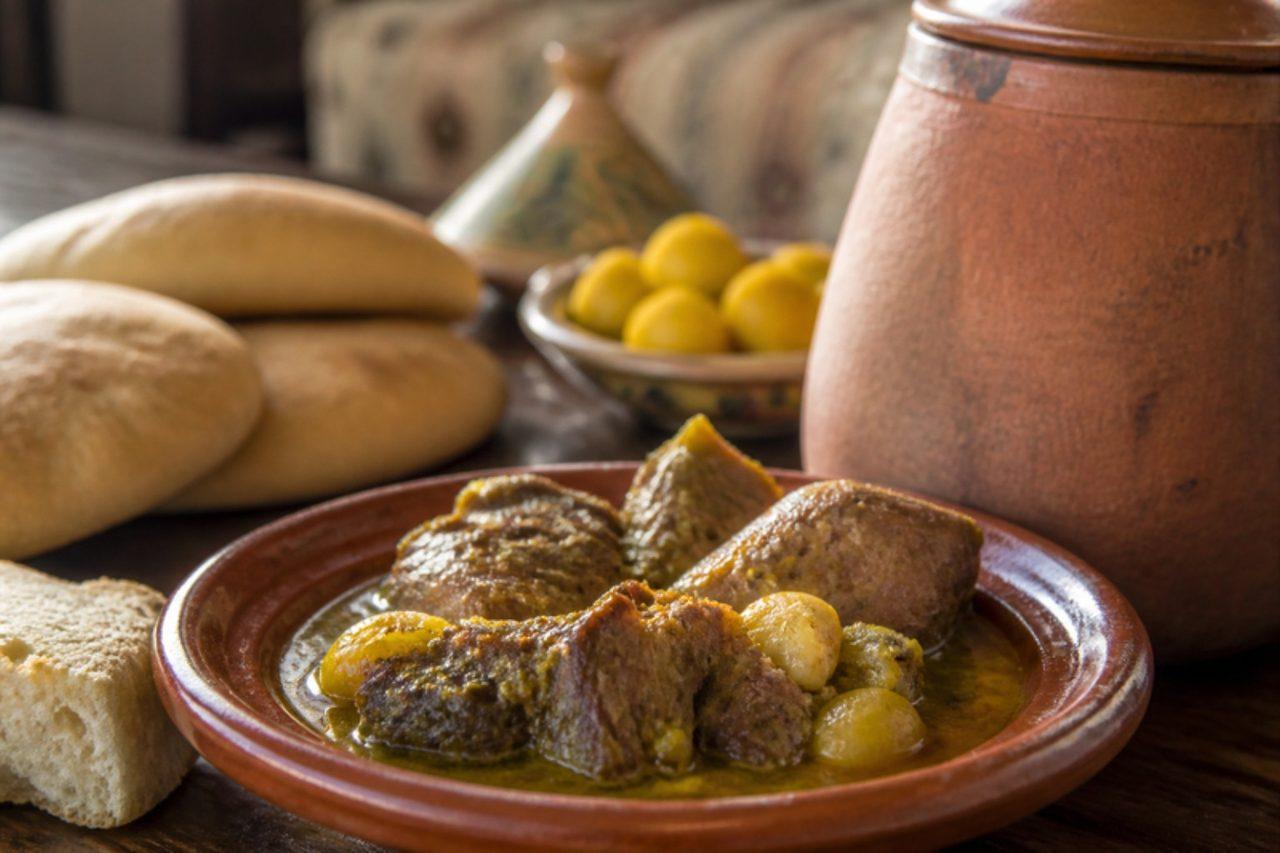
In late winter and spring, when wild cardoons (khorchef) appear in the markets of Fez, Meknes and Rabat, Moroccan families cook them into this lamb tagine for a family lunch, eaten with bread to mop up the sauce. Lamb shoulder is simmered slowly with onion, ginger, saffron and turmeric until tender, then the peeled cardoon stalks are added and finished with preserved lemon and green olives, giving a tangy, faintly bitter, artichoke-like sauce. The usual mistake is not peeling and soaking the cardoons properly: the stringy outside must come off and the stalks must sit in lemon water, or they go brown and taste harsh. Artichoke hearts are a good stand-in. Chef's tip: reduce the sauce uncovered at the end until it is thick and oily, the sign of a well-made tagine.

155 minMoroccanMeatGluten free
by KrazyBadal 0 views

Morcilla dulceSweet blood sausage with walnuts

No Uruguayan parrilla is complete without morcilla dulce: a soft pork blood sausage sweetened with sugar and scented with orange peel, studded with walnuts and raisins, grilled until the skin crisps and served first, as part of the achuras, while the beef is still cooking. It is pork throughout: pork blood, pork back fat and natural pork casings. Making it at home is a project. Buy fresh pork blood with an anticoagulant added from a butcher who supplies it for sausage making, keep it chilled below 4 °C and use it within a day. The common mistake is poaching at a rolling boil, which bursts the casings. Chef's tip: keep the water at 80–85 °C, just shivering, and prick a sausage after 25 minutes: it is done when brown, not red, juice comes out.

by KrazyBadal 0 views

Pira caldoCreamy fish soup with cheese

Along the Paraguay River from Asunción to Concepción, pira caldo is the fishermen's soup, said to restore strength after a long night: chunks of firm river fish poached in a broth of onion, peppers and tomato fried in fat, then made creamy with milk and melted fresh cheese. Surubí or other catfish is traditional; any firm white fish such as hake or pollock works. The mistake most people make is boiling the soup after the milk and cheese go in, which splits it. Chef's tip: fry the vegetables until they are very soft and sweet before adding the water; that is where the flavour comes from.

by KrazyBadal 0 views

Ají amarillo pasteYellow chilli paste

In Lima's markets ají amarillo is sold fresh all year, and most Peruvian cooks keep a tub of this paste in the fridge the way others keep tomato purée: it is the golden base of causa limeña, ají de gallina, papa a la huancaína, chupe and the sauce for tiraditos. The chillies are seeded, de-veined and blanched in three changes of water, which tames the heat and the raw grassiness, then peeled and blended with oil into a thick, silky, saffron-orange paste. It tastes fruity and sunny, almost like apricot and passion fruit, with a rounded, medium heat. Abroad, buy whole frozen ají amarillo from Latin grocers; dried ají mirasol, soaked, gives a darker, earthier paste. Common mistake: skipping the peeling; the thin skins leave papery flecks and a bitter edge. It is ready when it is completely smooth and holds a soft peak like thick hummus. This is a low-acid paste: keep it in the fridge for a week or freeze it, never on the shelf. Chef's tip: freeze it in an ice-cube tray; one cube is about a tablespoon, just right for a pot of ají de gallina.

by KrazyBadal 0 views

BusecaTripe and white bean stew

Buseca arrived in Montevideo with Italian immigrants from Lombardy and became a classic winter dish of Uruguayan bodegones and family kitchens, eaten on cold June and July days. Honeycomb tripe is simmered until tender, then stewed with white beans, pork chorizo, bacon, peppers, tomato and paprika into a thick, warming stew served with crusty bread. Buy tripe that is already cleaned and blanched (dressed). The usual mistake is undercooking the tripe: it needs a full 2 hours, until it's soft enough to cut with a spoon. Slow-cooker option: after step 4, cook on low for 8 hours. Chef's tip: a little grated lemon zest and parsley stirred in at the end lifts the rich, gelatinous sauce.

by KrazyBadal 0 views

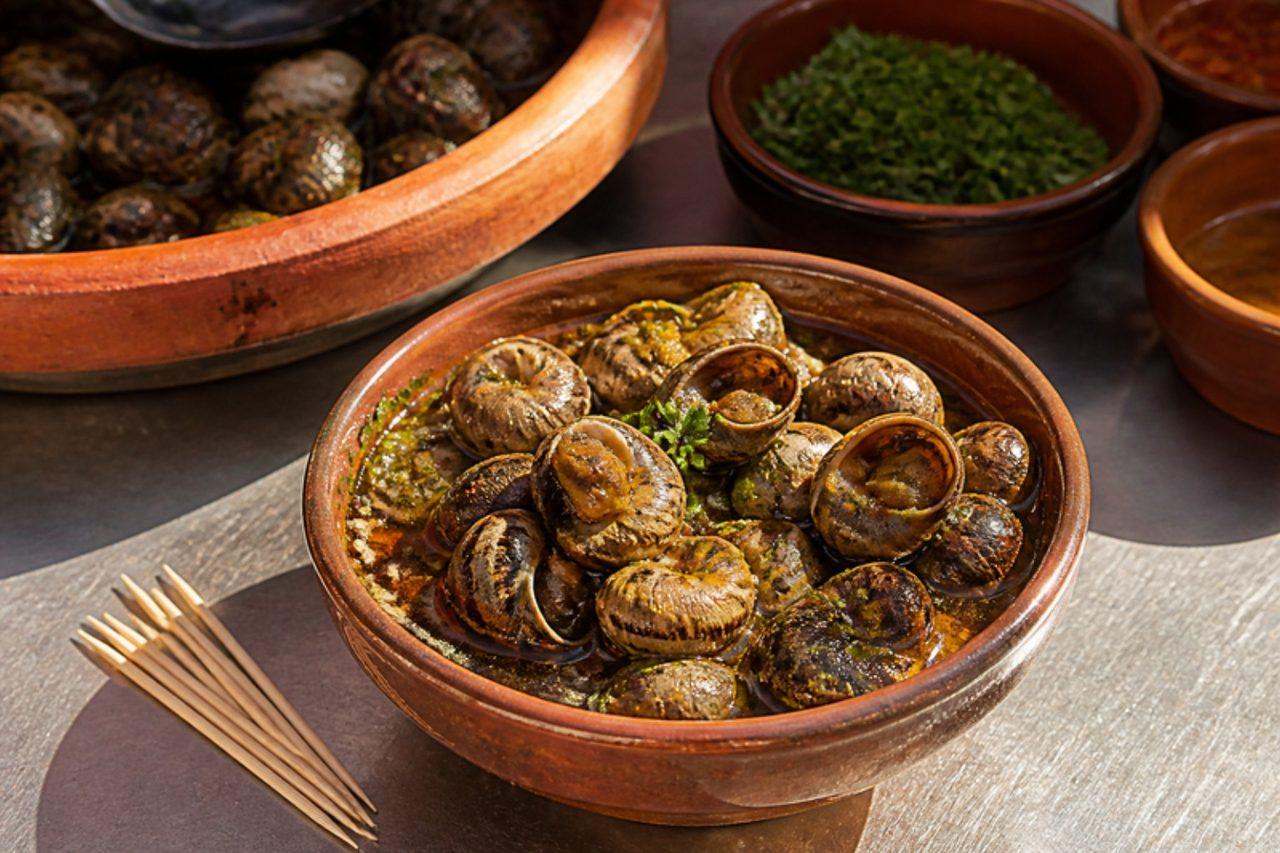
BabboucheSpiced snail broth

After dark in Marrakech's great square, the babbouche stalls are recognisable by their steaming cauldrons and the toothpicks laid out by every bowl. Small land snails simmer in a dark broth of liquorice root, aniseed, thyme, caraway, bitter orange peel, chilli and a bundle of herbs that sellers say has fifteen ingredients, believed to soothe the stomach and warm you on a cold night. You pick the snails out with a toothpick, then drink the peppery, herbal, faintly sweet broth. At home, buy live snails sold for cooking, already purged by a reputable seller, discard any with broken shells or that do not move or retract when touched, and cook them through for at least 45 minutes. Chef's tip: keep the spices in a muslin bag; the broth stays clear and you avoid crunching on seeds.

by KrazyBadal 2 views

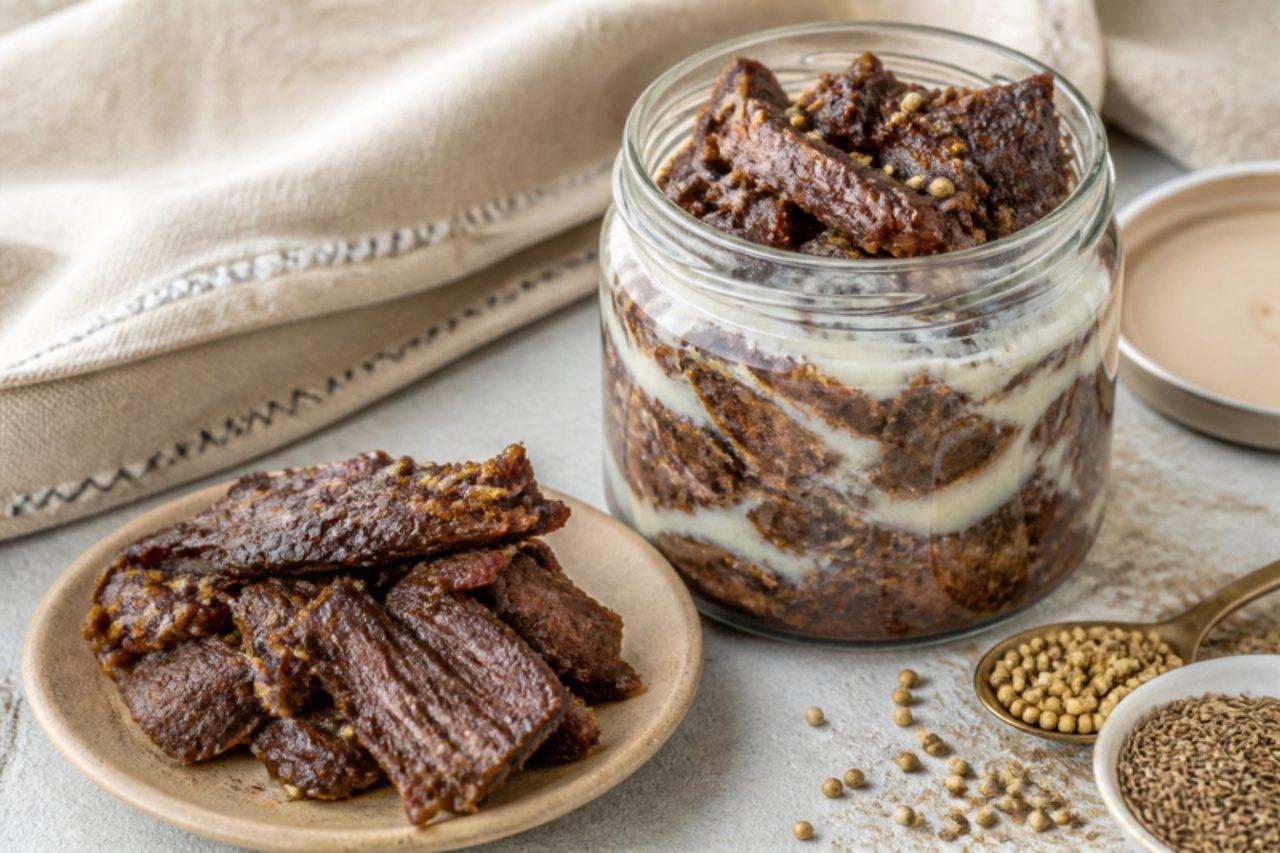
KhliiSpiced dried preserved beef

Once made in late summer from the Eid al-Adha meat, khlii was marinated, hung on rooftop lines in the Fez medina sun, then simmered in beef fat and olive oil and packed into earthenware jars for the year. It is deeply savoury and chewy, scented with coriander seed, cumin and garlic, and the fat it sits in is as prized as the meat, for frying eggs, enriching lentils or folding into couscous. This home version swaps the rooftop for the fridge and a low oven: the meat marinates for 24 hours in the fridge, dries for about 6 hours at a temperature that takes it well above 71 °C, then confits for about 90 minutes and goes back into the fridge, where it keeps for up to a month under its fat. Because it is a home-preserved meat, it is not for pregnant women, young children or anyone with a weakened immune system. Chef's tip: slice the beef with the grain into long strips no thicker than your little finger; thicker strips stay wet inside and spoil.

520 minMoroccanMeatGluten free
by KrazyBadal 0 views

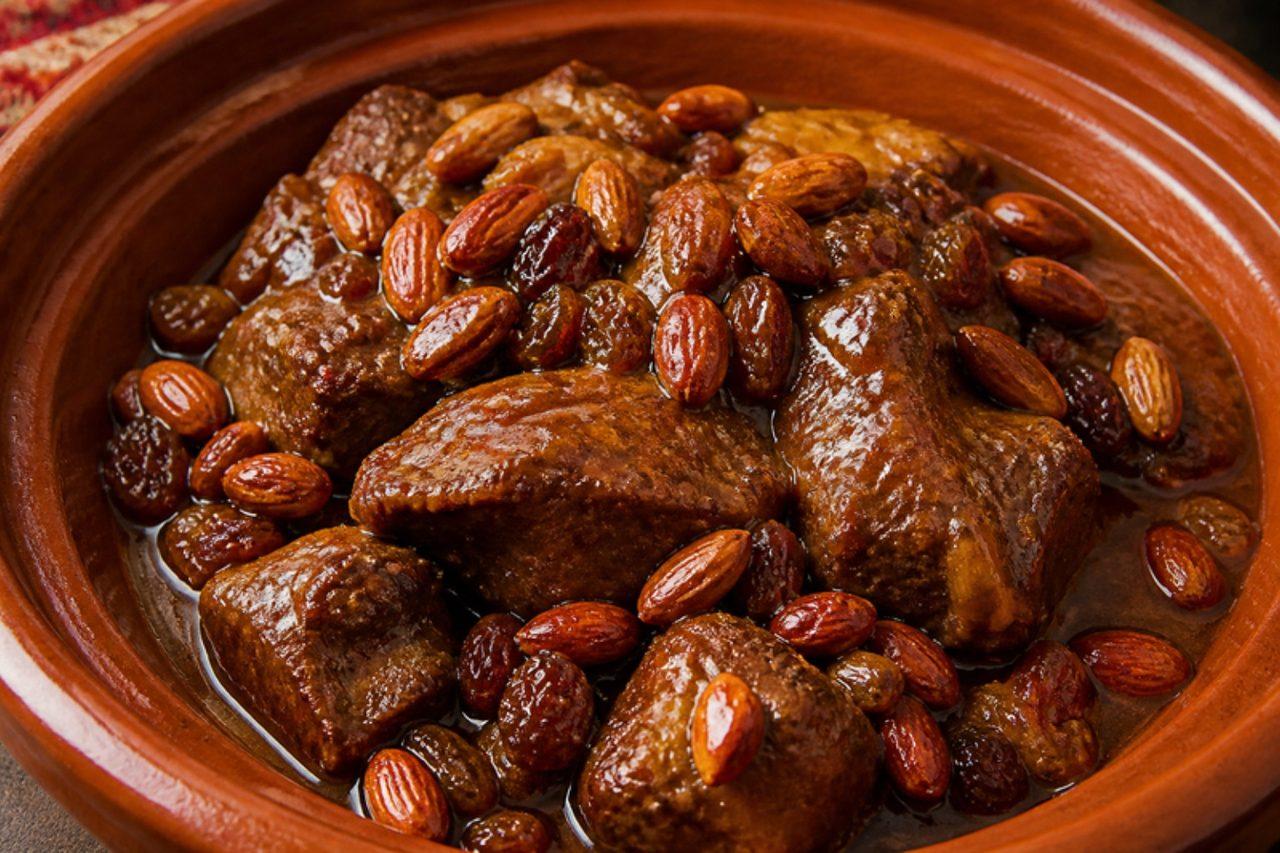
MrouziaLamb with honey and raisins

Families make a big pot of mrouzia in the days after Eid al-Adha, partly as a treat and partly as a way to keep meat: cooked down with honey, smen and spices until almost confit-like, it keeps for days, and in the past for weeks. The lamb is very tender and dark, coated in a thick, sweet-spiced sauce heavy with ras el hanout, cinnamon and saffron, with plump raisins and fried almonds on top. Serve small portions with bread and a sharp salad to balance the richness. The usual mistake is adding the honey too early, so it catches and turns bitter before the lamb is tender. Chef's tip: add the honey only once the meat is tender; added early, it scorches on the base during the long cook.

150 minMoroccanMeatGluten free
by KrazyBadal 0 views

MechouiSlow-roast lamb shoulder

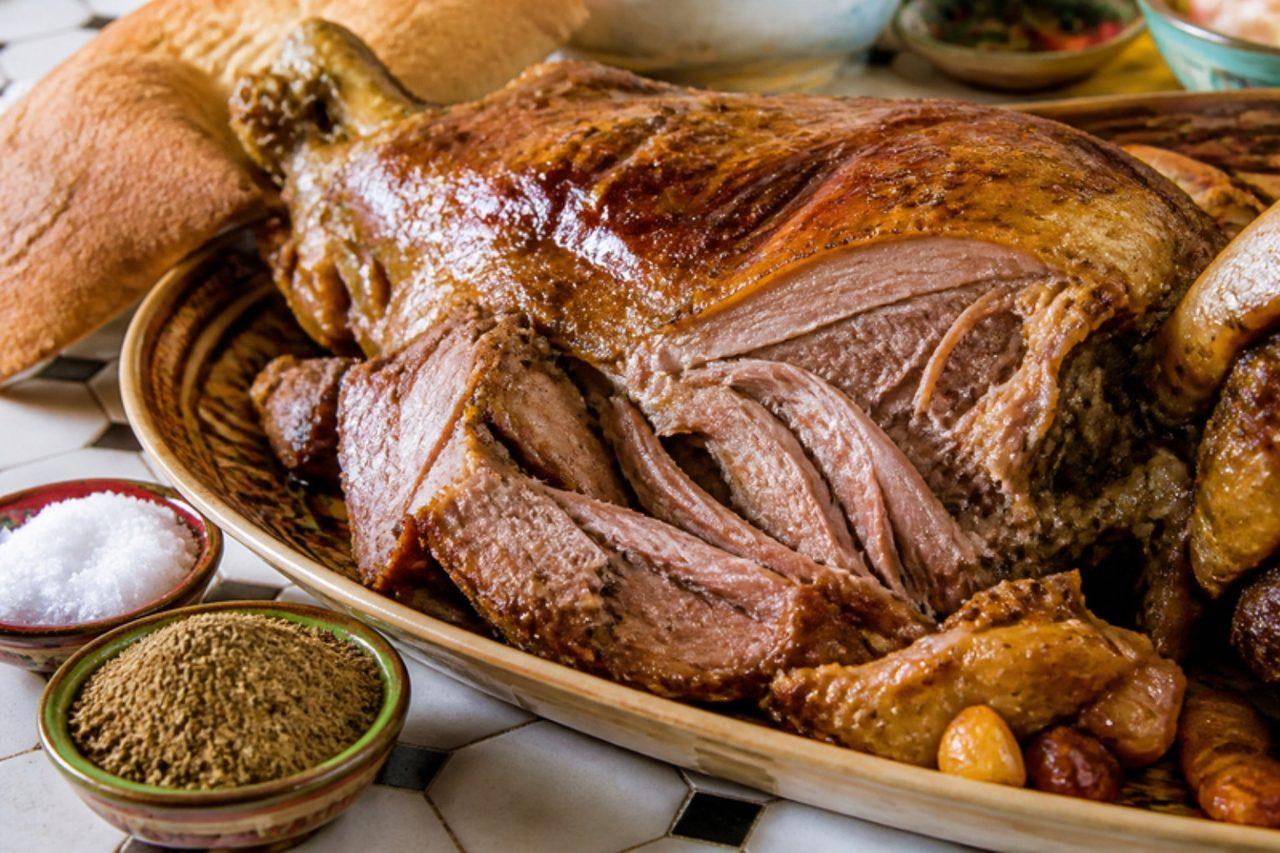
Under the arcades by the Marrakech spice square, mechoui sellers lift whole lambs out of clay pits sunk in the ground, where they have roasted since dawn, and sell it by weight with a twist of paper holding cumin and salt. A home oven cannot quite reproduce the pit, but a bone-in shoulder rubbed with garlic, paprika and cumin and roasted low and slow gets you close: crackling-crisp outside, tender enough to pull apart with fingers inside. It is festival and wedding food, and also a Sunday treat, eaten with bread and nothing more than the salt-cumin dip. Many cooks baste with butter; olive oil keeps this version dairy free. Chef's tip: leave the lamb uncovered for the last 30 minutes at a higher heat; that short blast is what gives the bark-like crust.

290 minMoroccanMeatGluten free
by KrazyBadal 0 views

BoulfafGrilled lamb liver skewers

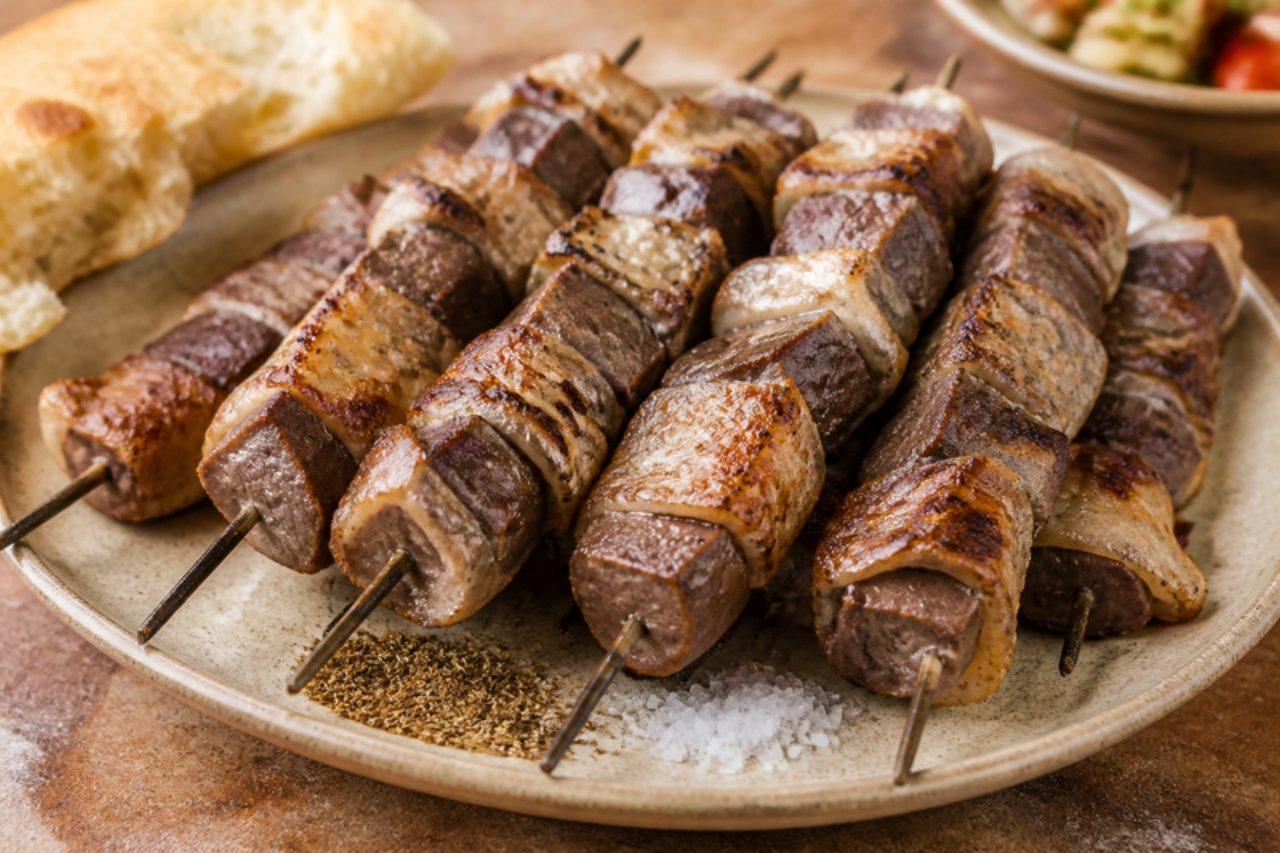
On the first day of Eid al-Adha, while the rest of the sheep hangs to rest, Moroccan families light the brazier on the roof or in the courtyard and make boulfaf from the fresh liver. The liver is seared whole, cut into cubes, rolled in cumin, paprika and salt, wrapped in lacy caul fat and grilled until the fat crisps and melts into it. Each bite is rich, smoky and soft, and the skewers go round with mint tea. Liver from your butcher works just as well on any day, and caul fat can be ordered. Chef's tip: wrap each cube snugly, not in a loose sheet; tight wrapping melts into a thin crisp shell instead of flaring up.

by KrazyBadal 0 views

Tanjia marrakchiaSlow-cooked beef with preserved lemon

Marrakech men's dish par excellence, tanjia is packed into a tall clay urn on a Friday morning, sealed with paper and string, and carried to the furnace man of the local hammam, who buries it in the warm ashes all day. Nothing is browned and almost no water goes in: the beef shin collapses in its own juices with preserved lemon, a whole head of garlic, cumin, saffron and smen into soft, sticky strands with a sharp, salty, lemony sauce. It comes to the table in the evening with bread and nothing else. At home, a lidded casserole in a low oven gives the same result. Chef's tip: wrap the lid of the pot in foil before closing it; a tight seal keeps in the steam that braises the meat without adding water.

375 minMoroccanMeatGluten free
by KrazyBadal 0 views

QodbanGrilled lamb skewers

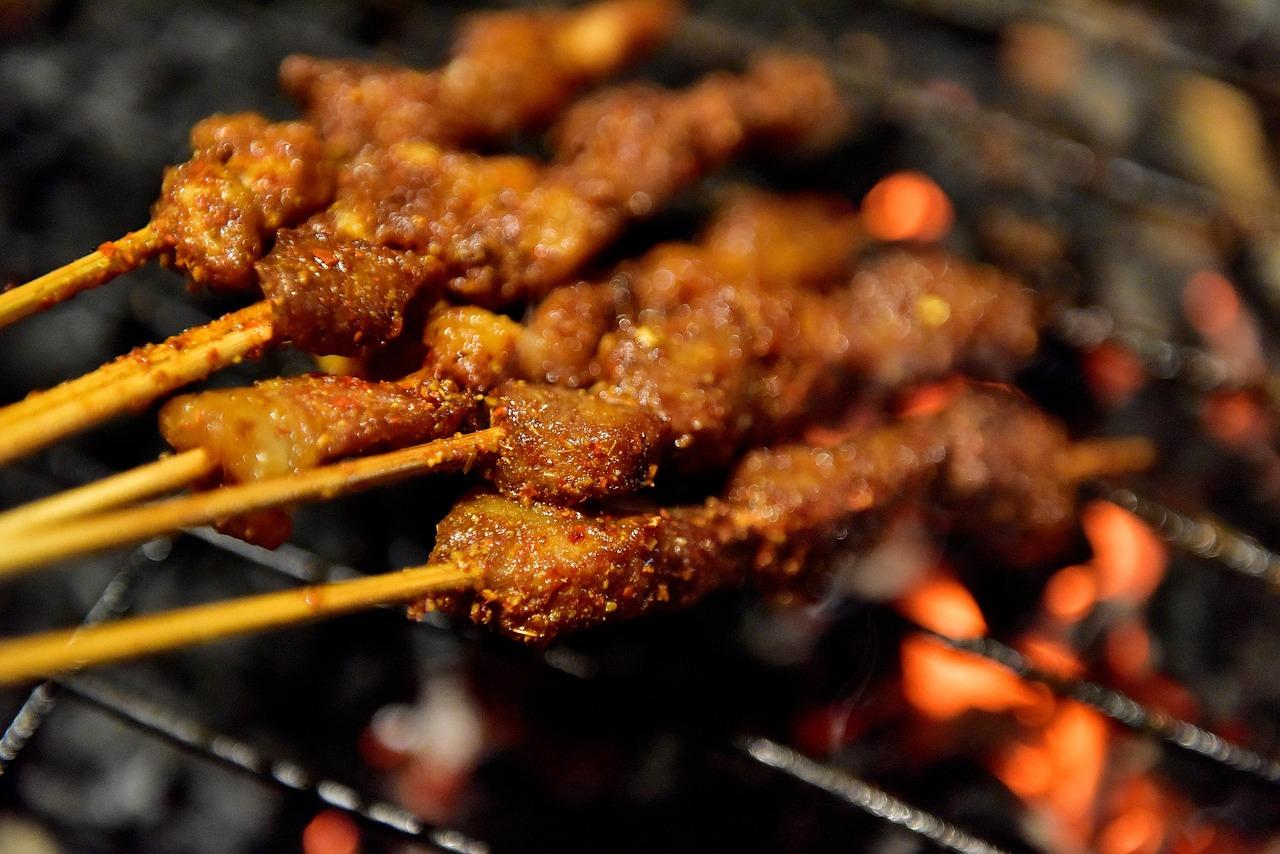
Smoke rising off long braziers marks the qodban sellers of Marrakech, who thread lamb cubes with little pieces of fat so the meat bastes itself over the coals. Cumin, paprika, grated onion and parsley go on before grilling; more cumin and salt go on after. The result is charred and juicy, fragrant rather than fiery, and eaten straight off the skewer, wrapped in khobz with a little harissa and tomato. Leg or shoulder of lamb both work. Chef's tip: alternate every two pieces of lean meat with one small piece of fat; it melts as the skewer turns and keeps the lean pieces moist.

by KrazyBadal 0 views

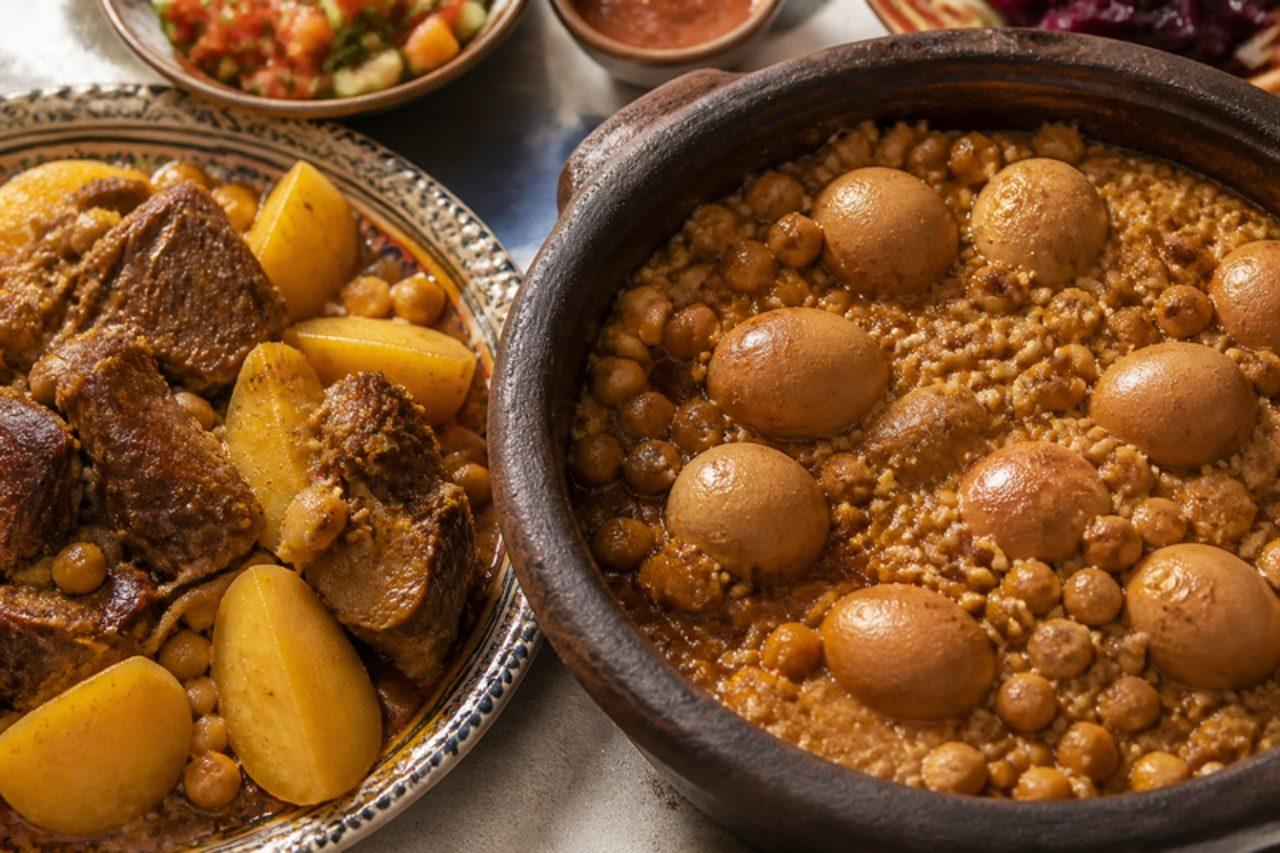
DafinaSlow-cooked Shabbat beef and chickpea stew

Dafina, meaning buried or covered, is what Moroccan Jewish families from Casablanca to Meknes set to cook before sundown on Friday, so a hot lunch is waiting after synagogue on Saturday without lighting a fire on the Sabbath. Beef, a marrow bone, chickpeas, potatoes, sweet potatoes and dates go into one big pot with whole eggs in their shells and a cloth bag of wheat berries, all seasoned with paprika, turmeric, cinnamon and a little honey. Overnight the eggs turn creamy and brown, the wheat becomes sticky, and the broth is sweet-savoury and deep. There is no pork in it, and kosher cooks use kosher beef. Chef's tip: wrap the wheat berries loosely in a cloth bag or a roasting bag with holes; packed too tight, the grain cannot swell and stays hard.

760 minMoroccanMeat
by KrazyBadal 0 views

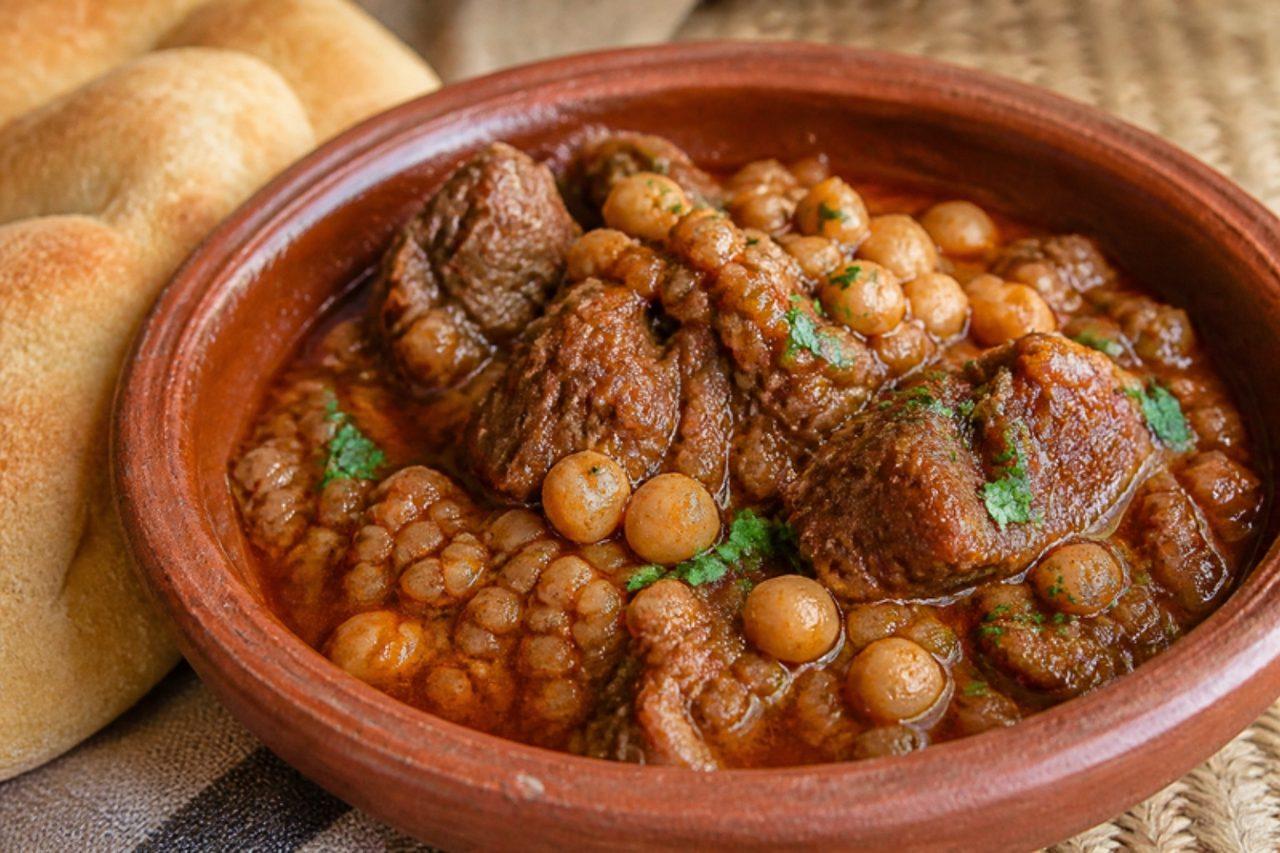
HergmaLamb trotters with chickpeas

Sticky with gelatine and warmed by cumin and ginger, hergma is the winter comfort food of Rabat's working kitchens and the dish families make from the trotters after Eid al-Adha. The feet cook for hours with chickpeas, whole wheat berries, garlic and a warm mix of paprika, cumin and ginger, until the gelatine melts into a sauce so sticky it glues your fingers together. Some cooks add raisins for a sweet edge. Eat it hot with bread, picking the tender meat and soft cartilage from the bones. A butcher who sells halal or Mediterranean cuts will clean, singe and split the trotters for you; ask for that. Chef's tip: blanch the trotters and throw away the first water; it carries off the scum and gives a clean-tasting sauce.

260 minMoroccanMeat
by KrazyBadal 0 views

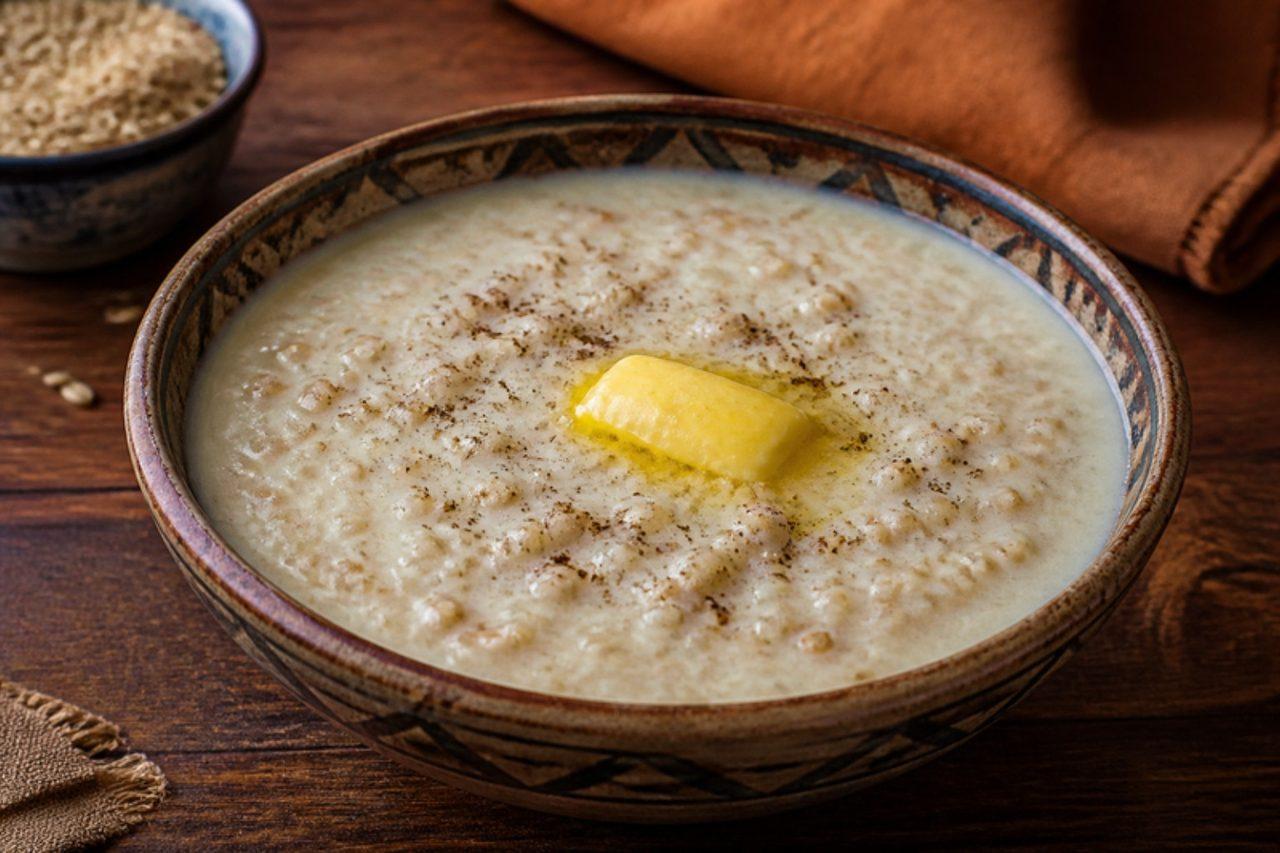
Hssoua belboula (barley soup with milk)

Few things are as soothing on a cold morning in Fez or Marrakech as a bowl of hssoua belboula, the pale, porridge-like soup of cracked barley cooked in water and then milk. Many families eat it for breakfast in winter or as a light supper, and it often appears on the Ramadan table too. It is mild and gently savoury, with a whisper of cumin and a knob of butter melting on top, and the barley grains stay soft but slightly chewy. Serve it piping hot with a little extra cumin to sprinkle, plus dates or bread on the side. A common slip is adding the milk too early and boiling hard, which catches on the bottom and scorches the soup. Chef's tip: rinse the barley grits in a sieve until the water runs almost clear; it washes away loose flour so the soup is creamy rather than gluey.

by KrazyBadal 0 views

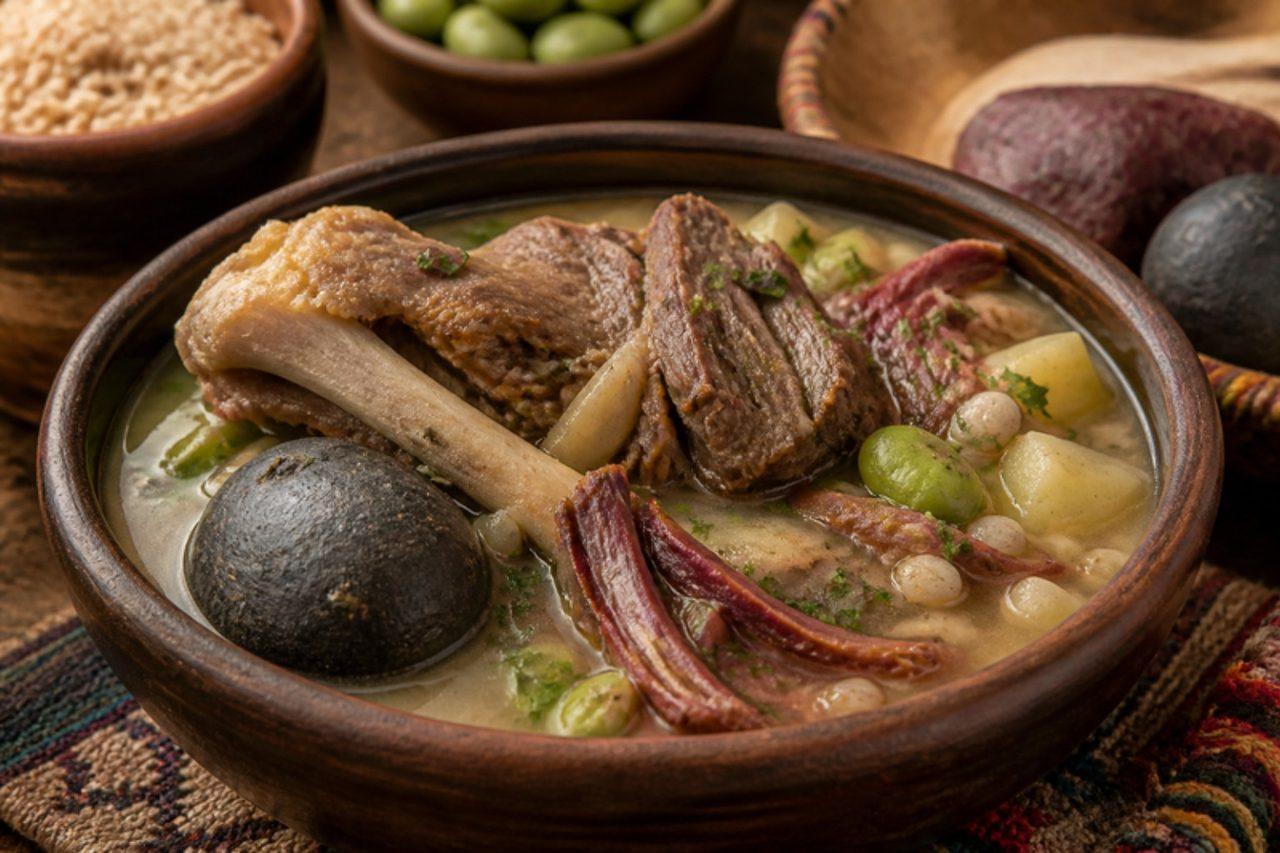
Chairo puneñoLamb, chuño and wheat soup

High on the Altiplano, where nights freeze even in summer, chairo is the soup that gets Puno's market workers and farmers through the day. It is thick and brothy at once: lamb on the bone and a little charqui (dried meat) simmered with crushed chuño, peeled wheat, broad beans, potatoes and squash, scented with cumin, oregano and huacatay or mint. Expect a deep, meaty, slightly smoky bowl with lots of chew. Soak the chuño and the wheat overnight. A common error is adding the potatoes with the meat, so they dissolve before the lamb is tender; they go in for the last 25 minutes. Chef's tip: crush the soaked chuño into small pieces by hand; they thicken the broth as it cooks.

by KrazyBadal 0 views

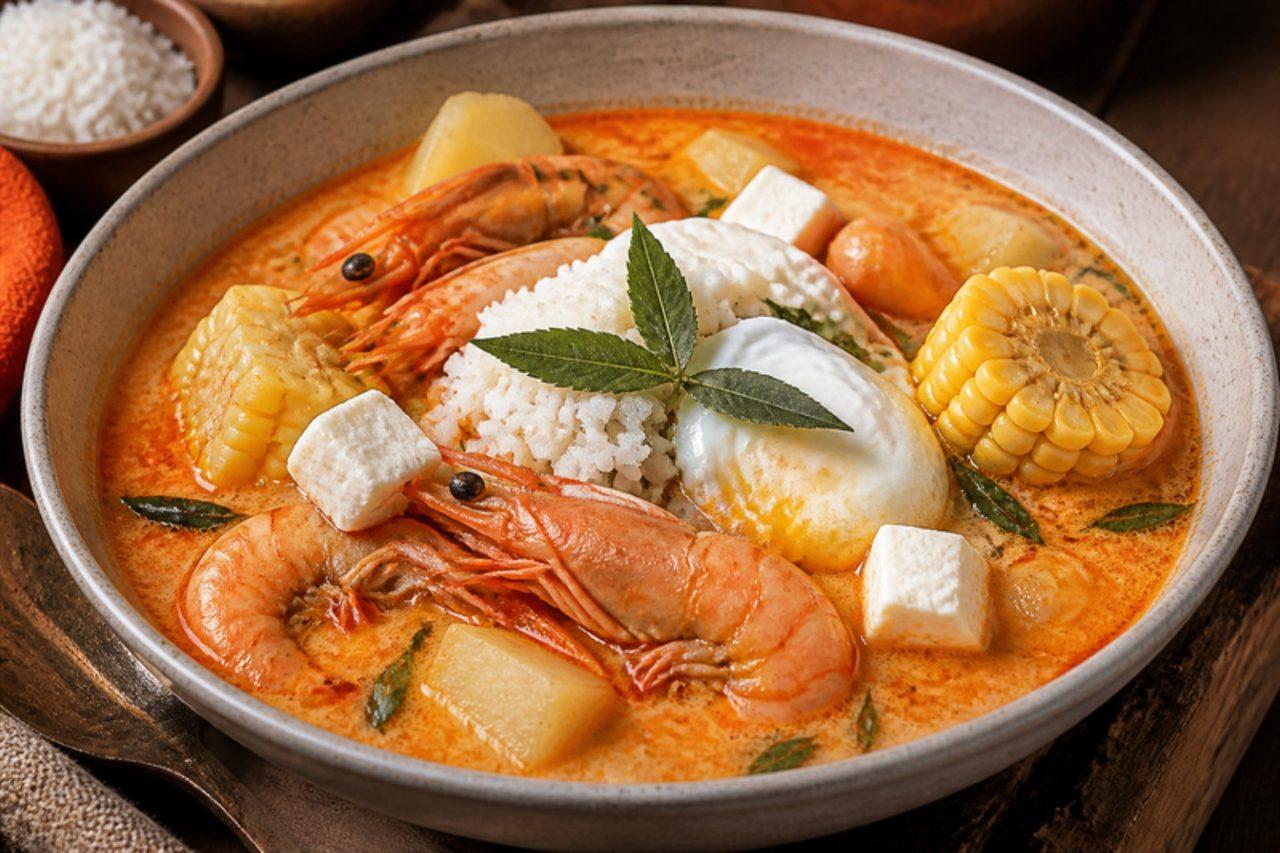
Chupe de camaronesPrawn chowder

Arequipa's picanterías serve one chupe on each day of the week, and the prawn one, made with crayfish-like camarones from the Majes and Ocoña rivers, is the grandest, especially on Fridays in Lent. It is a big orange chowder: a broth made from the prawn shells and heads, coloured with ají panca, filled with potatoes, corn, broad beans and a little rice, then softened with evaporated milk and fresh cheese, with an egg poached in each bowl. Rich, sweet and gently spicy, it needs nothing but bread. Large shell-on prawns stand in well for river prawns. Many cooks boil the prawns from the start and they turn to rubber; add them at the end and cook only until pink and opaque. Chef's tip: fry the heads and shells in the oil first and press them hard; the orange fat that comes out is what gives chupe its colour and depth.

by KrazyBadal 0 views

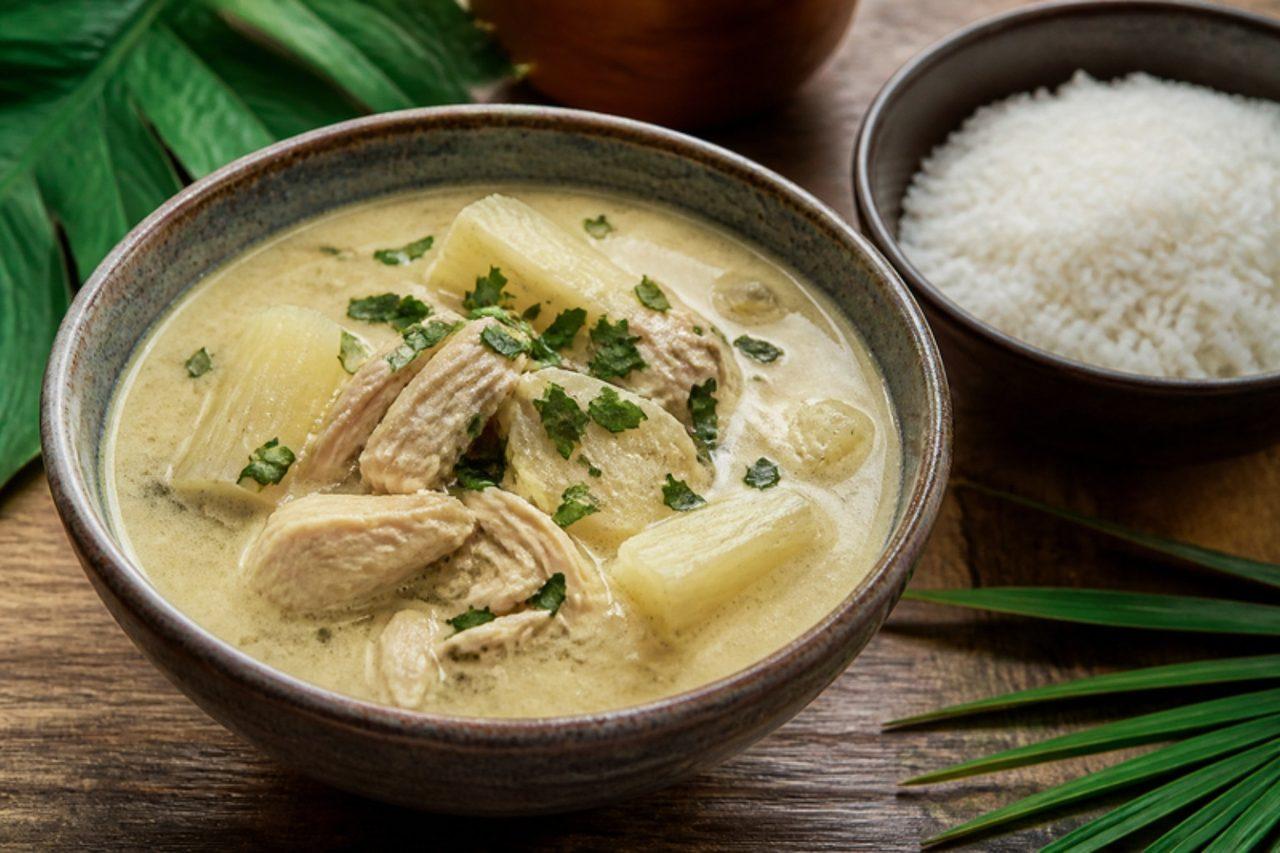
InchicapiPeanut chicken soup

From the riverside kitchens of Iquitos and the Peruvian Amazon comes inchicapi, a festive chicken soup traditionally made with a free-range hen for birthdays and fiestas. Raw peanuts and a little maize flour are ground and stirred into the broth, which turns it creamy, pale and nutty, and pieces of cassava, garlic, ají dulce and sacha culantro (a long, serrated, strongly flavoured coriander) finish it. It is served with rice, boiled plantain or cassava. If you can't find sacha culantro in Asian or Latin shops (sold as culantro or ngo gai), use a big handful of coriander. The pitfall is adding the peanut paste dry: it clumps and catches on the bottom, so loosen it with broth first and stir often. Chef's tip: use raw, not roasted, peanuts; they keep the soup pale and give it the right fresh, milky taste.

by KrazyBadal 0 views

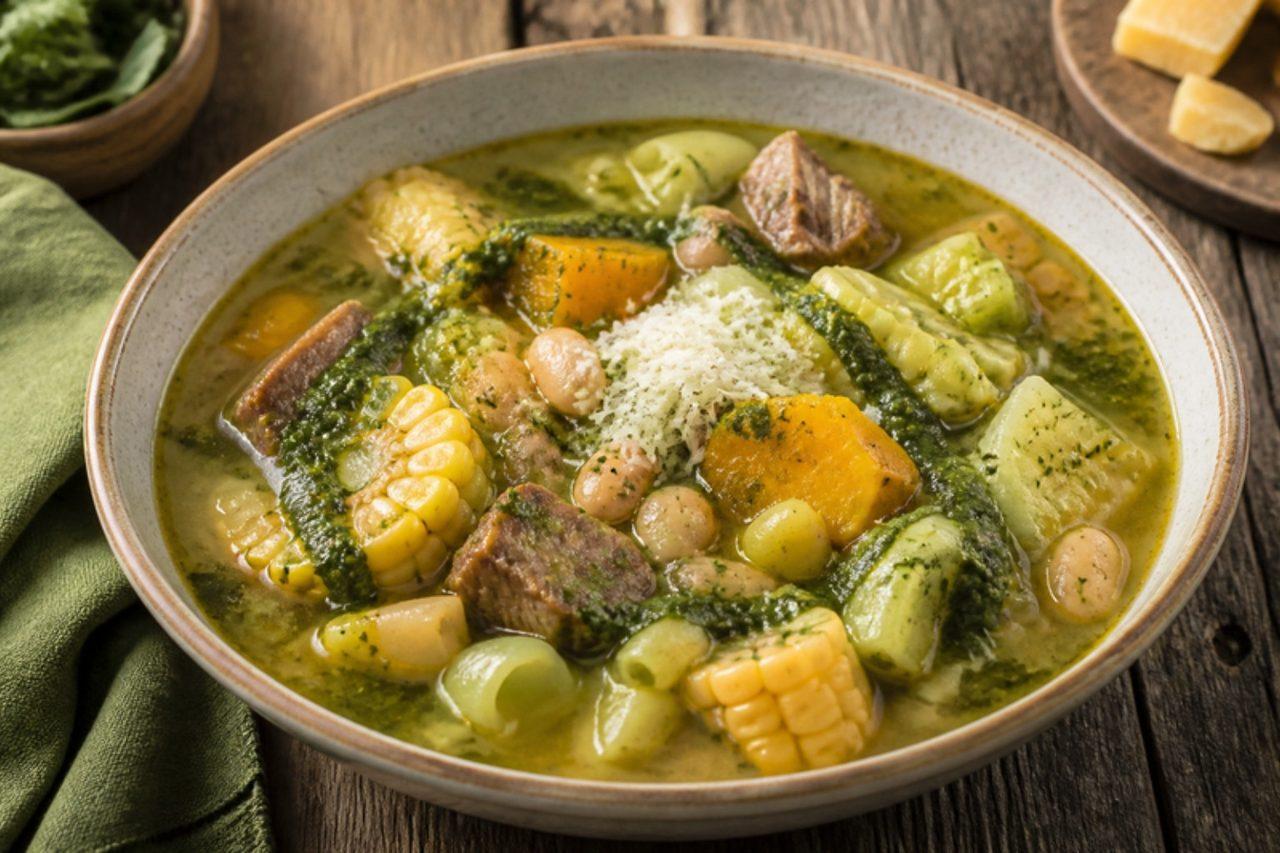
MenestrónBeef, bean and pasta soup

Think of the Italian minestrone after a century of Lima kitchens: menestrón is thicker, heartier and greener, a weekday soup that families and menú restaurants make in huge pots. Beef shin simmers into a rich broth with potatoes, squash, corn, cabbage, green beans and white beans, then short pasta goes in, and finally a purée of basil, spinach, garlic and fresh cheese turns the whole pot pale green and fragrant. It is a meal in a bowl, best with bread and a squeeze of lime or a spoon of ají. People tend to add the basil purée too early; boiled, it loses its colour and its scent, so stir it in off the heat. Chef's tip: for a vegetarian menestrón, skip the beef and use vegetable stock, with a cheese made with microbial (vegetarian) rennet.

by KrazyBadal 0 views

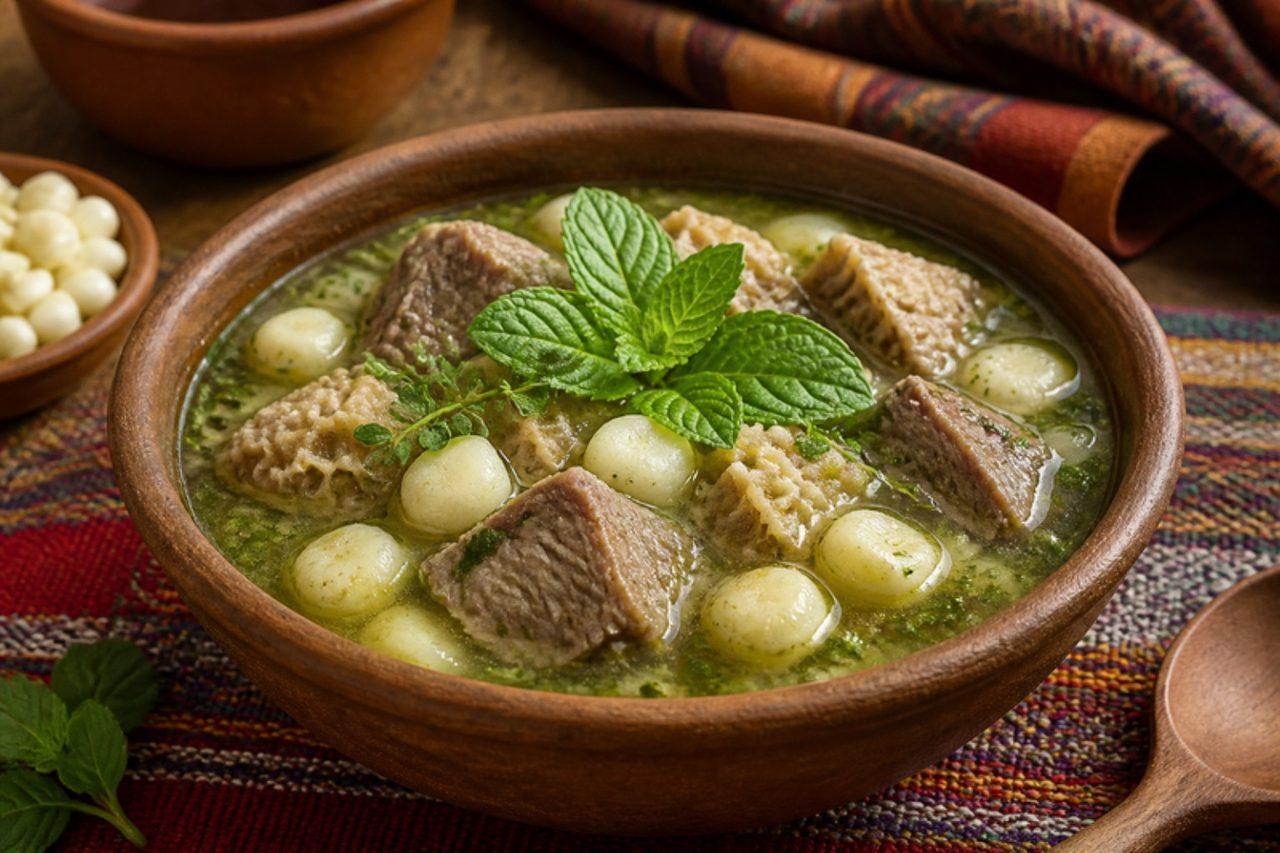
PatascaHominy and tripe soup

Through the highlands of Ayacucho, Huancavelica and Apurímac, patasca (also called mondongo) is the soup for cold mornings, carnivals and the day after a fiesta: plump white mote, dried maize kernels that burst open like flowers after long boiling, in a clear, rich broth with honeycomb tripe and beef shin, perfumed with mint and oregano. It is filling and gentle, and gets its fire at the table from a spoon of rocoto sauce. Plan ahead: the maize needs an overnight soak and several hours of simmering. Buy tripe cleaned and blanched from a butcher or Latin or halal shop; it must be simmered until soft and fully cooked. The typical mistake is salting the mote early, which keeps the kernels hard. Chef's tip: cook the maize and the tripe in separate pots, then combine; each needs a different time and the broth stays cleaner.

by KrazyBadal 0 views

Seco de chabeloPlantain mash with dried beef

Piura's picanterías, near the dry northern border, serve this rough, savoury mash at lunch: green plantains, roasted or boiled and pounded, mixed with fried strips of carne seca (salted dried beef) and a quick sofrito of onion, tomato and ají amarillo. It is dense, salty and smoky, with the plantain's starchy sweetness, and is eaten with salsa criolla and fried ripe plantain or chifles (plantain crisps). The legend says it was invented for a soldier called Chabelo in the War of the Pacific. Use carne seca or cecina from Latin shops, or unseasoned beef jerky. Pounding the plantains smooth is the classic mistake: chabelo should be lumpy and rustic. Chef's tip: soak the dried beef in warm water for 30 minutes and taste a piece; if it's still very salty, change the water and soak again.

by KrazyBadal 0 views

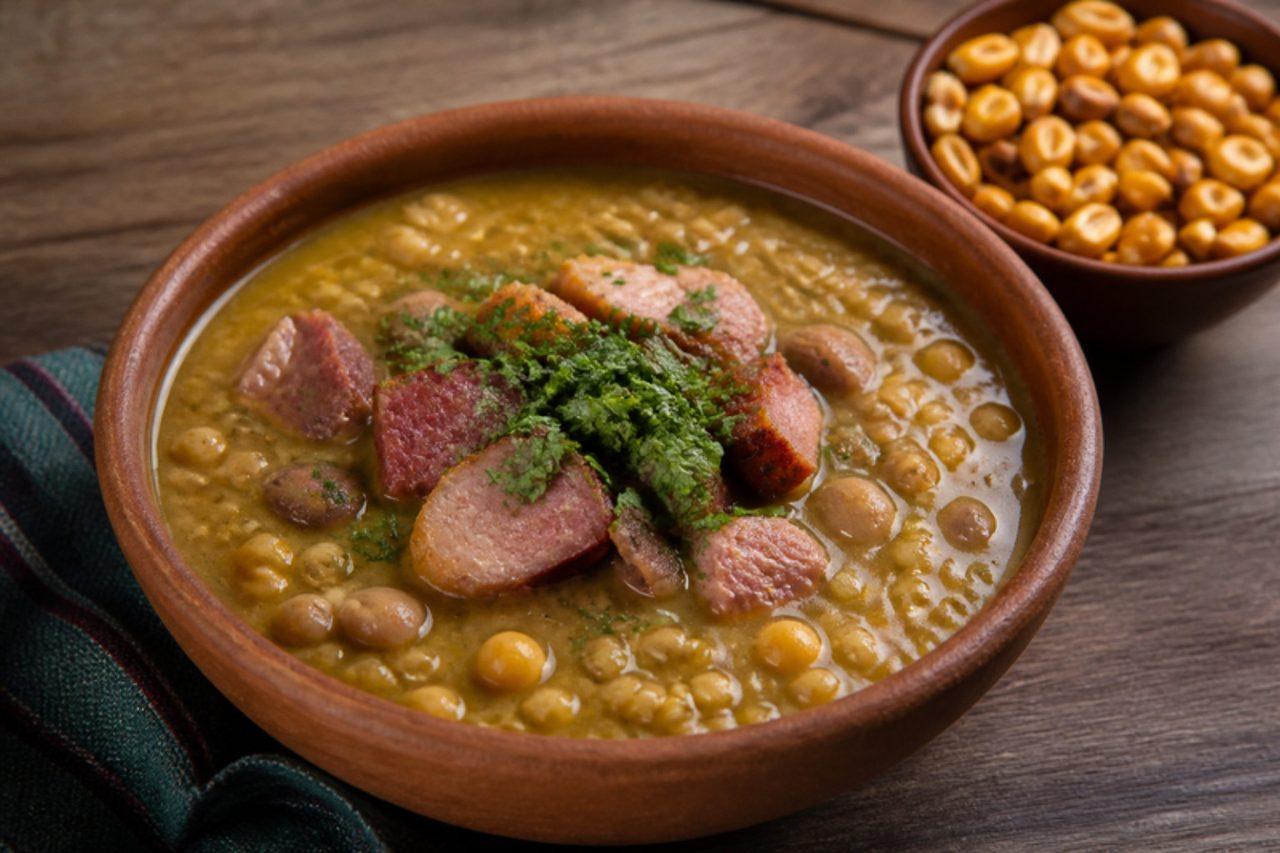
ShámbarWheat, bean and smoked pork soup

Mondays in Trujillo mean shámbar: market stalls and huariques across the city put out pots of this thick, smoky soup of cracked wheat, chickpeas, broad beans, peas and canary beans, cooked with smoked ham hock, pork ribs and pork skin, then stirred through with a fried paste of ají panca and garlic and a handful of mint. It is earthy, porky and rib-sticking, and each bowl gets a scoop of crunchy cancha just before eating. Soak the beans and the wheat overnight. People often cook everything together from the start, and the peas turn to mush before the chickpeas soften; cook the hardest pulses first. Chef's tip: toast the wheat in a dry pan before soaking it; it gives the soup a nutty depth the locals look for.

by KrazyBadal 0 views

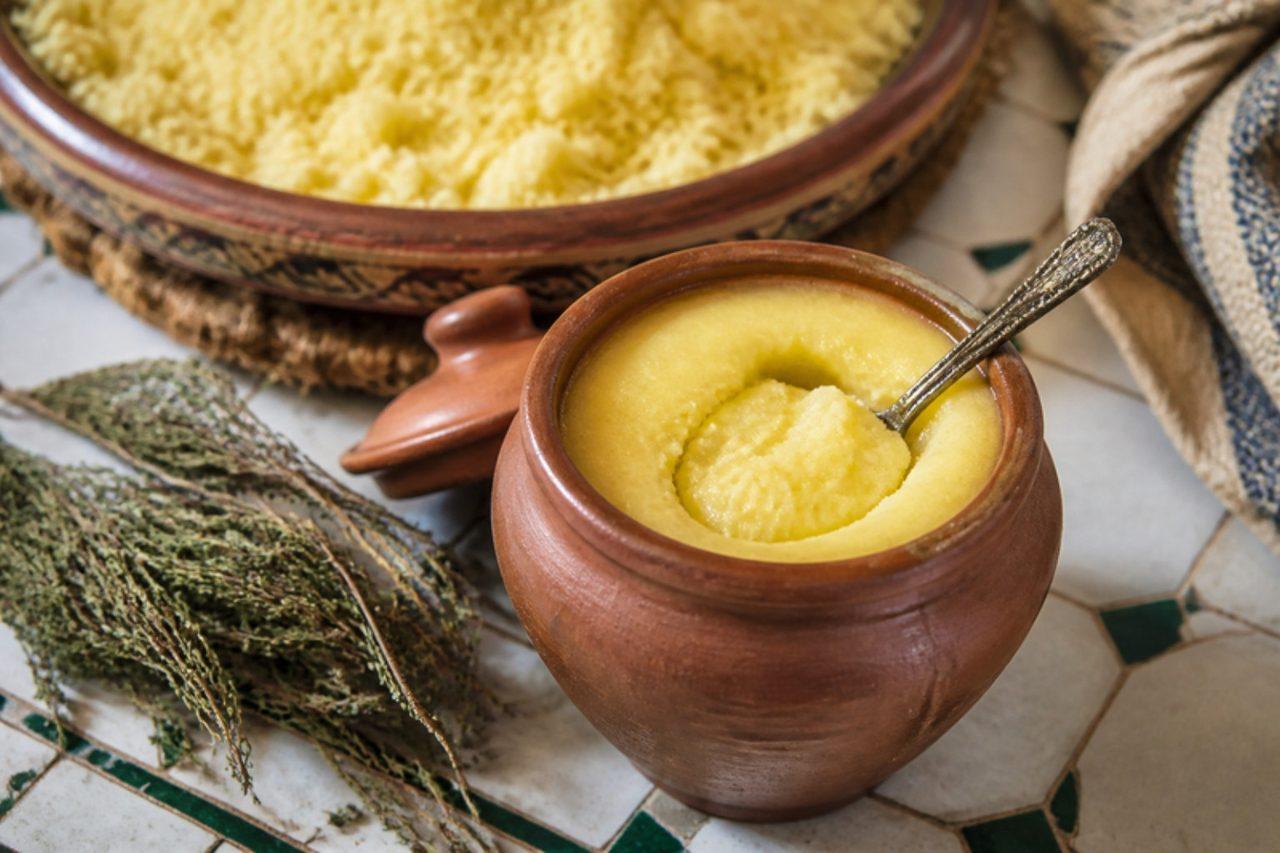
Smen (salted, herbed butter)

Atlas households once kept jars of smen for months, even years, until the salted butter developed a pungent, almost blue-cheese aroma; a spoonful stirred into couscous, harira or a chicken tagine gives a depth nothing else can. Long ageing at room temperature is risky at home, so this is a safer fridge version: pasteurised unsalted butter is simmered with dried za'atar or oregano, strained, salted and then matured in the fridge for 2–4 weeks, which gives a mellow, nutty, faintly tangy smen rather than the fiercely strong old kind. For the real long-aged flavour, buy smen from a reputable shop. Use it a teaspoon at a time; it is meant as a seasoning, not a cooking fat. The mistake to avoid is leaving any milk solids or water in the butter, as that is what turns it rancid or mouldy rather than pleasantly aged. Chef's tip: strain it through muslin until perfectly clear; any milky bits left in the jar are what turn butter rancid.

by KrazyBadal 0 views

Showing 24 of 37 recipes

Show more recipes

Page 1 of 2