Skip to content
Recipes

All recipes

Vegetarian, or something you can't eat? Set your diet once and we'll hide recipes that don't fit.

BusecaTripe and white bean stew

Buseca arrived in Montevideo with Italian immigrants from Lombardy and became a classic winter dish of Uruguayan bodegones and family kitchens, eaten on cold June and July days. Honeycomb tripe is simmered until tender, then stewed with white beans, pork chorizo, bacon, peppers, tomato and paprika into a thick, warming stew served with crusty bread. Buy tripe that is already cleaned and blanched (dressed). The usual mistake is undercooking the tripe: it needs a full 2 hours, until it's soft enough to cut with a spoon. Slow-cooker option: after step 4, cook on low for 8 hours. Chef's tip: a little grated lemon zest and parsley stirred in at the end lifts the rich, gelatinous sauce.

by KrazyBadal 0 views

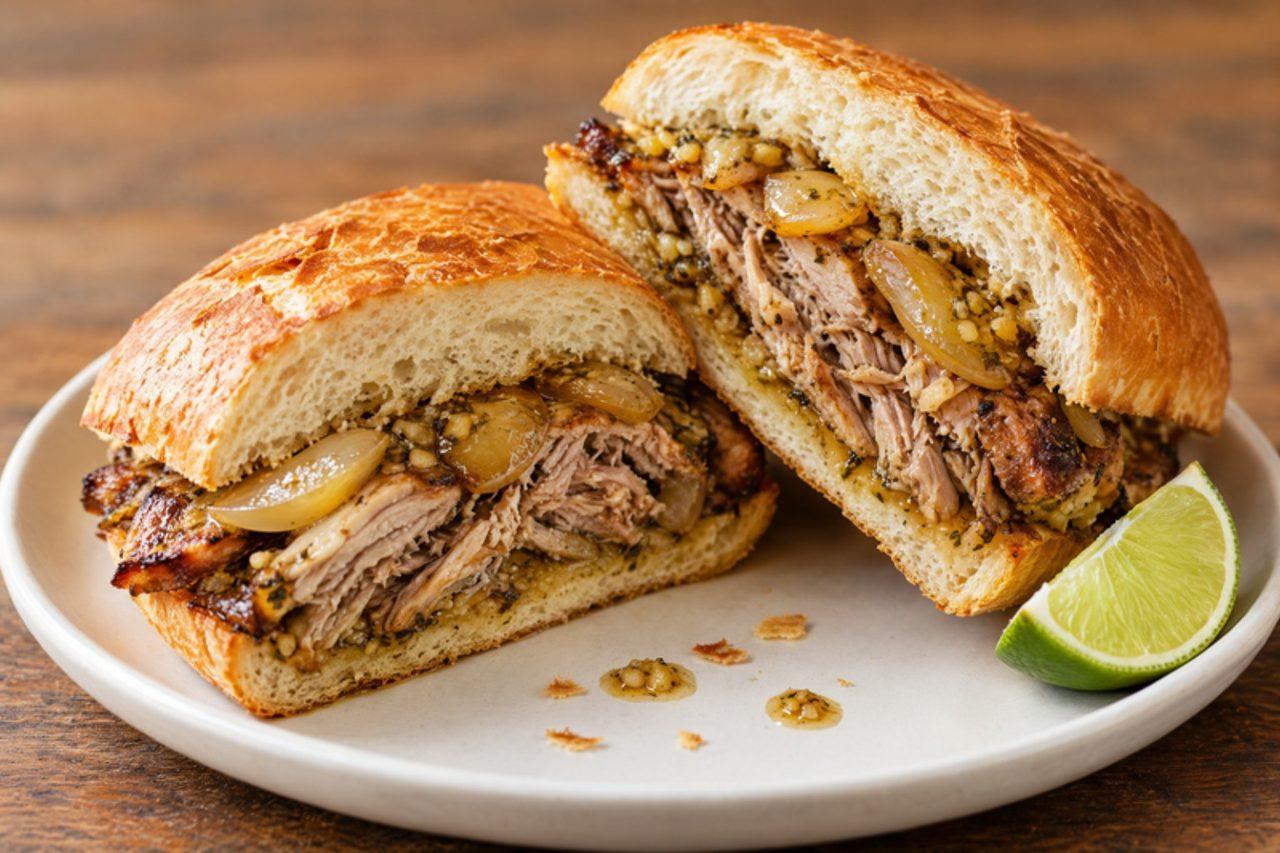
Pan con lechónRoast pork sandwich

Cuba's great feast is a whole roast pig for Noche Buena on Christmas Eve, and the next best thing is pan con lechón: slices of juicy roast pork stuffed into soft Cuban bread with onions and plenty of mojo. In Havana it is sold from cafeterías and street windows in Centro Habana and along Calle Obispo, especially at weekends, and it is a favourite lunch or late-afternoon bite. This home version uses a boneless pork shoulder marinated overnight in sour orange, garlic, cumin and oregano and roasted until it falls apart, with crackly edges. Chef's tip: keep a few spoons of fresh mojo aside before the raw pork goes in, so you have a clean sauce to spoon over the sandwiches.

240 minCubanMeat
by KrazyBadal 0 views

Morcilla dulceSweet blood sausage with walnuts

No Uruguayan parrilla is complete without morcilla dulce: a soft pork blood sausage sweetened with sugar and scented with orange peel, studded with walnuts and raisins, grilled until the skin crisps and served first, as part of the achuras, while the beef is still cooking. It is pork throughout: pork blood, pork back fat and natural pork casings. Making it at home is a project. Buy fresh pork blood with an anticoagulant added from a butcher who supplies it for sausage making, keep it chilled below 4 °C and use it within a day. The common mistake is poaching at a rolling boil, which bursts the casings. Chef's tip: keep the water at 80–85 °C, just shivering, and prick a sausage after 25 minutes: it is done when brown, not red, juice comes out.

by KrazyBadal 0 views

Guiso de fideosBeef and pasta stew

Guiso de fideos is the winter weeknight stew of Argentina, cooked in Buenos Aires flats and on estancias alike, and as loved by children as by grandparents. Beef, potatoes and vegetables simmer in a light tomato and sweet-paprika broth, then short pasta cooks straight in the pot and thickens it into something between a soup and a stew. Serve it in deep plates with crusty bread and grated cheese for those who want it. The usual mistake is adding the pasta too early, so it swells and turns mushy; it goes in only for the last 10–12 minutes. Chef's tip: cut the beef into small cubes, about 2 cm, so it is tender in under an hour.

by KrazyBadal 0 views

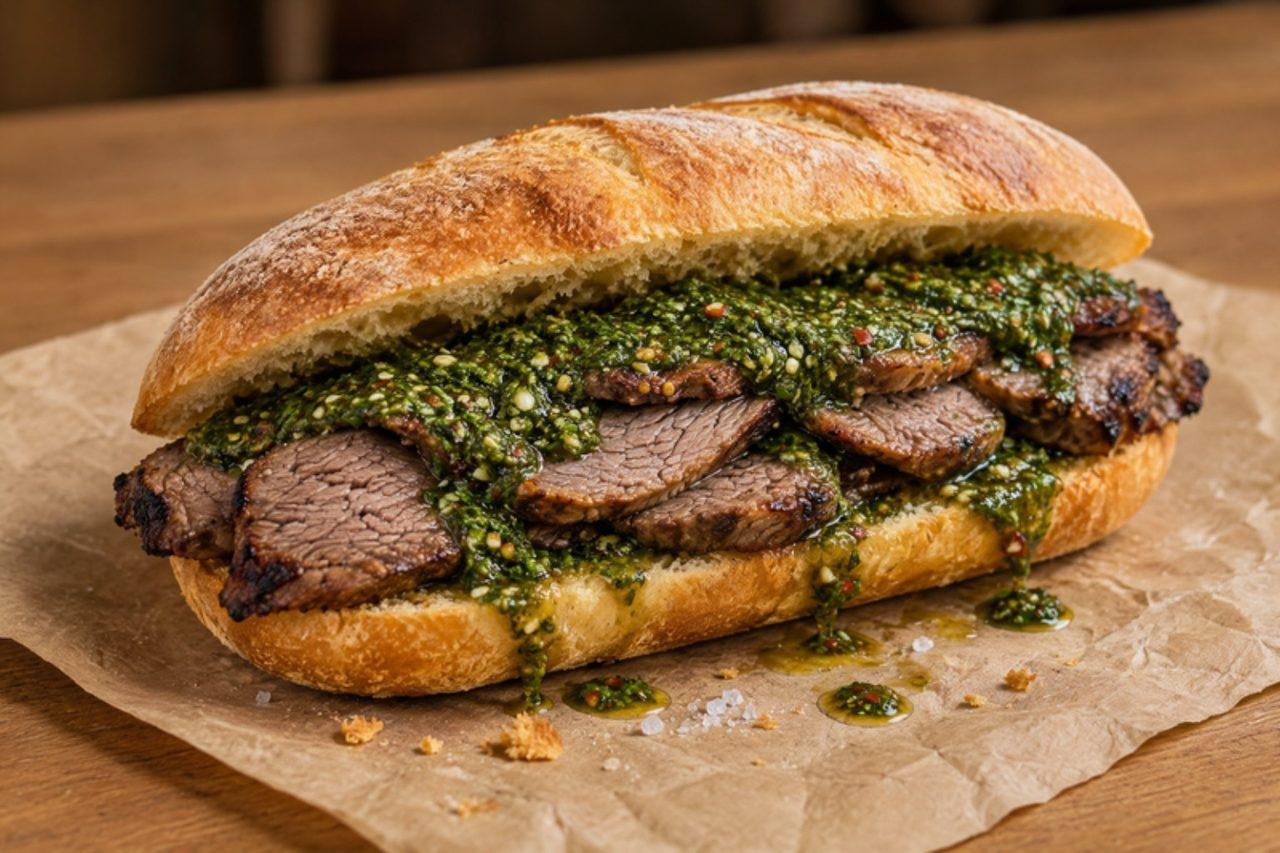
Sándwich de vacíoGrilled flank steak sandwich

Vacío, the flank cut with its layer of fat and membrane, is grilled slowly for a long time at Buenos Aires parrillas, and at the street grills near football grounds and the weekend fairs of Mataderos it ends up sliced into crusty bread for a hearty midday sandwich. Cooked gently, it turns tender and very juicy, with a crisp, salty layer of fat. Chef's tip: grill it membrane side down first for most of the time and do not trim that membrane off; it protects the meat and turns crisp.

by KrazyBadal 0 views

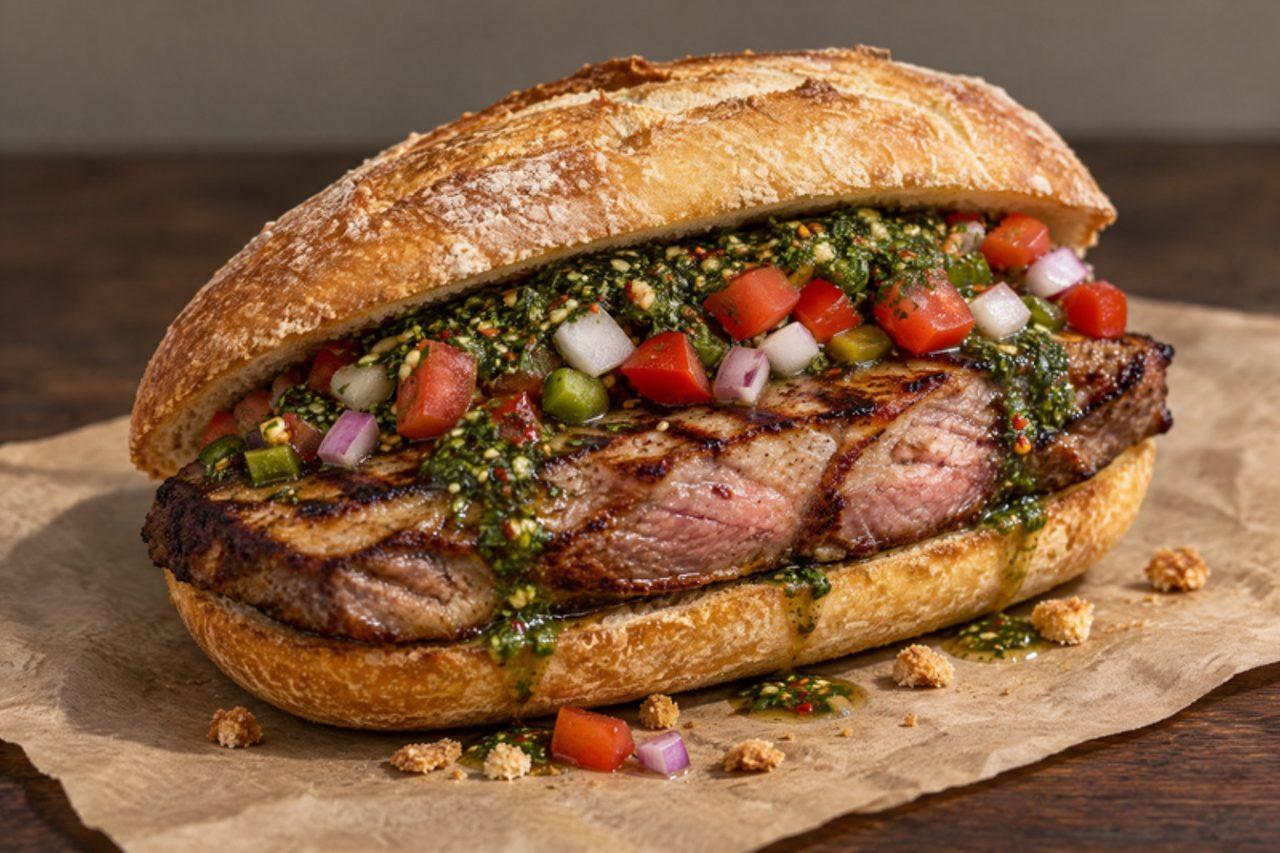
Sándwich de bondiolaGrilled pork shoulder sandwich

Along the Costanera Sur riverside in Buenos Aires, beside the Reserva Ecológica, the carritos have grilled for cyclists, walkers and taxi drivers for generations, and the bondiola sandwich is their pride: a thick pork shoulder steak, marbled and juicy, grilled until charred and laid in a crusty roll with chimichurri and salsa criolla. Weekend afternoons are the busiest. Chef's tip: leave the fat on the steak and turn it only once; the fat bastes the meat and the crust is the best part.

by KrazyBadal 0 views

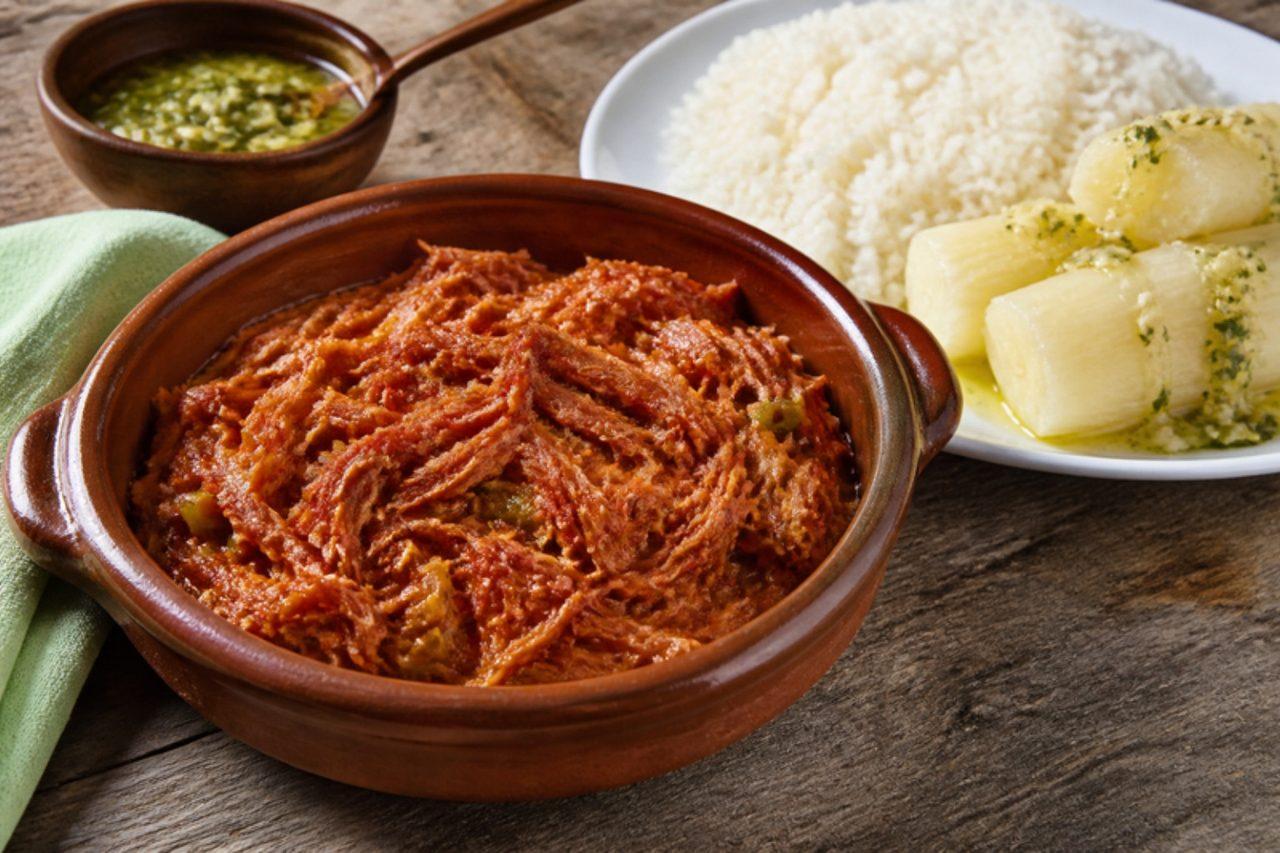
Tasajo a la cubanaShredded dried beef stew

Tasajo, beef that has been salted and dried until hard, has been a staple in Oriente since colonial times, when it kept for months without refrigeration; in Santiago it is still stewed for family meals with tomato, peppers and onion and eaten with white rice and boiled yuca. Most of the work is getting the salt out. The meat must soak in the fridge for at least 24 hours with the water changed several times, and the classic mistake is skipping a change of water, which leaves the dish far too salty to eat. Look for tasajo at Latin American butchers. Chef's tip: taste a small piece after the first boil; if it is still very salty, boil again in fresh water before shredding.

180 minCubanMeatGluten free
by KrazyBadal 0 views

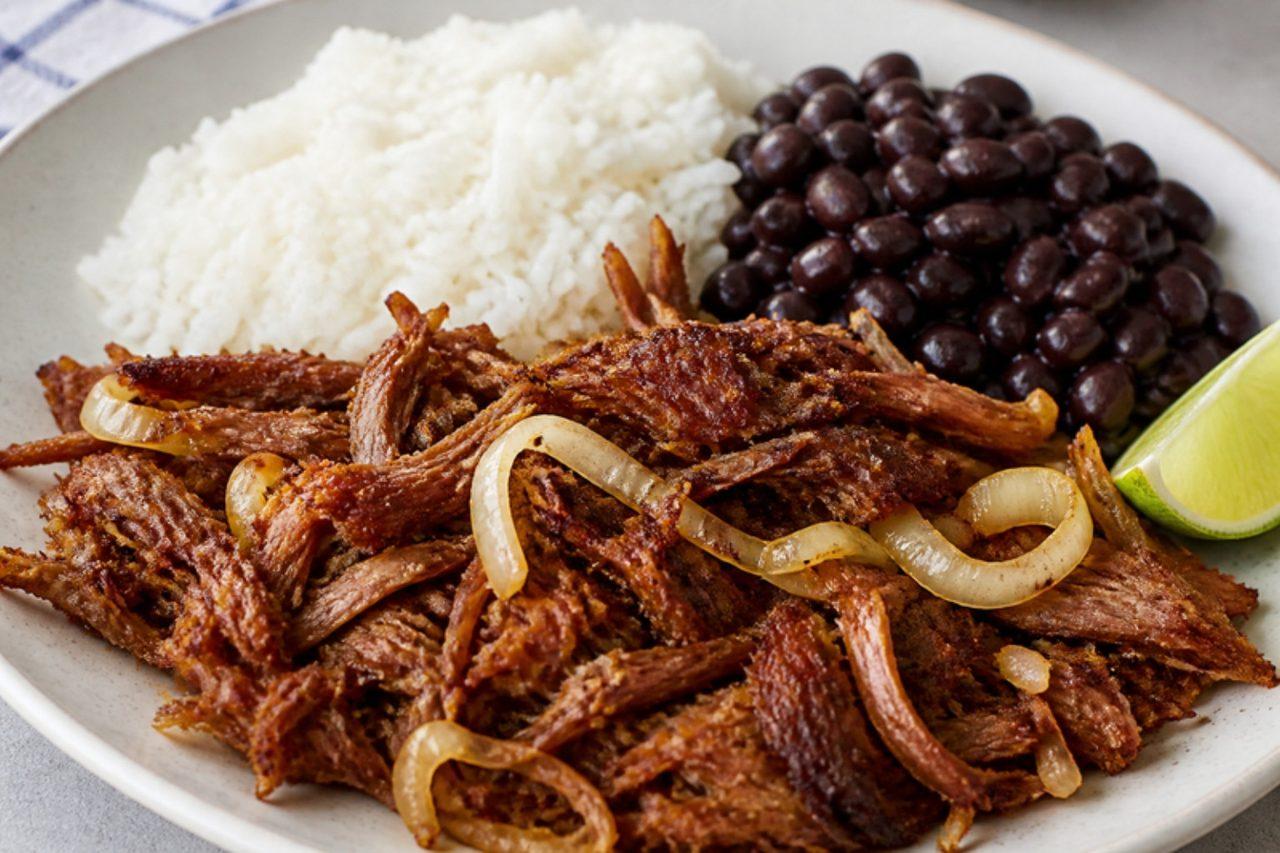
Vaca fritaCrisp fried shredded beef

Vaca frita, "fried cow", is Havana's crisp cousin of ropa vieja: flank steak is simmered until tender, shredded, marinated in sour lime and garlic, then fried in a hot pan with onions until the edges turn brown and crackly. Families make it the day after boiling beef for soup, and serve it with rice, black beans and plantain. The usual mistake is crowding the pan, which steams the meat instead of crisping it, so fry in batches and press it down. Chef's tip: let the shredded beef dry uncovered in the fridge for an hour before frying; the drier it is, the crisper it gets.

140 minCubanMeatGluten free
by KrazyBadal 0 views

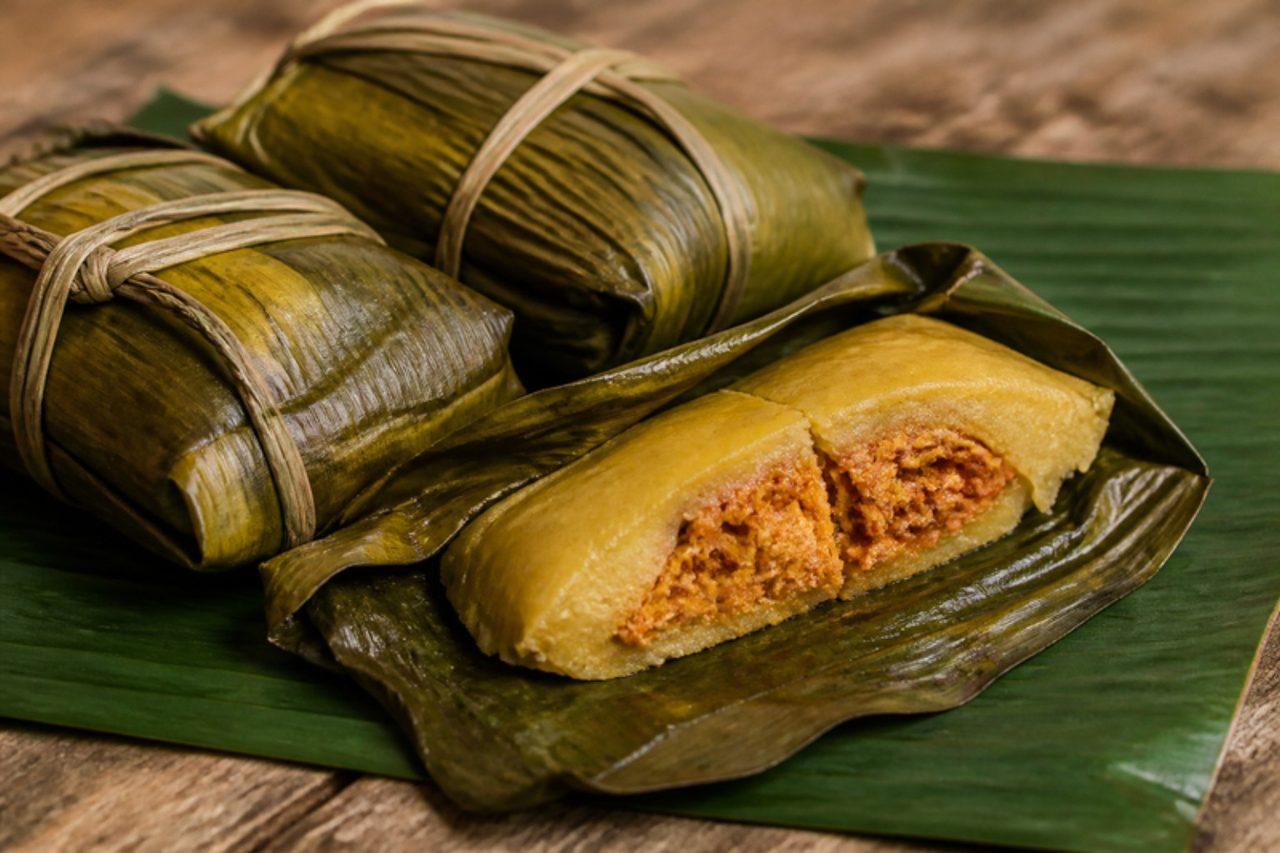
BacánPlantain and pork parcels

Bacán belongs to Baracoa, the coconut-growing corner of eastern Cuba, where it is made for family gatherings and sold wrapped at weekend markets. Grated green plantain is mixed with fresh coconut milk into a soft dough, wrapped around a filling of seasoned pork in a banana leaf and steamed until set, a little like a tamal but sweeter and silkier. The pork is shoulder, cooked in a sofrito before wrapping. The common mistake is using ripe plantain, which won't set; it must be hard and green. Chef's tip: pass the banana leaves briefly over a flame or hot pan until they turn glossy and supple, and they will fold without splitting.

120 minCubanMeatGluten free
by KrazyBadal 0 views

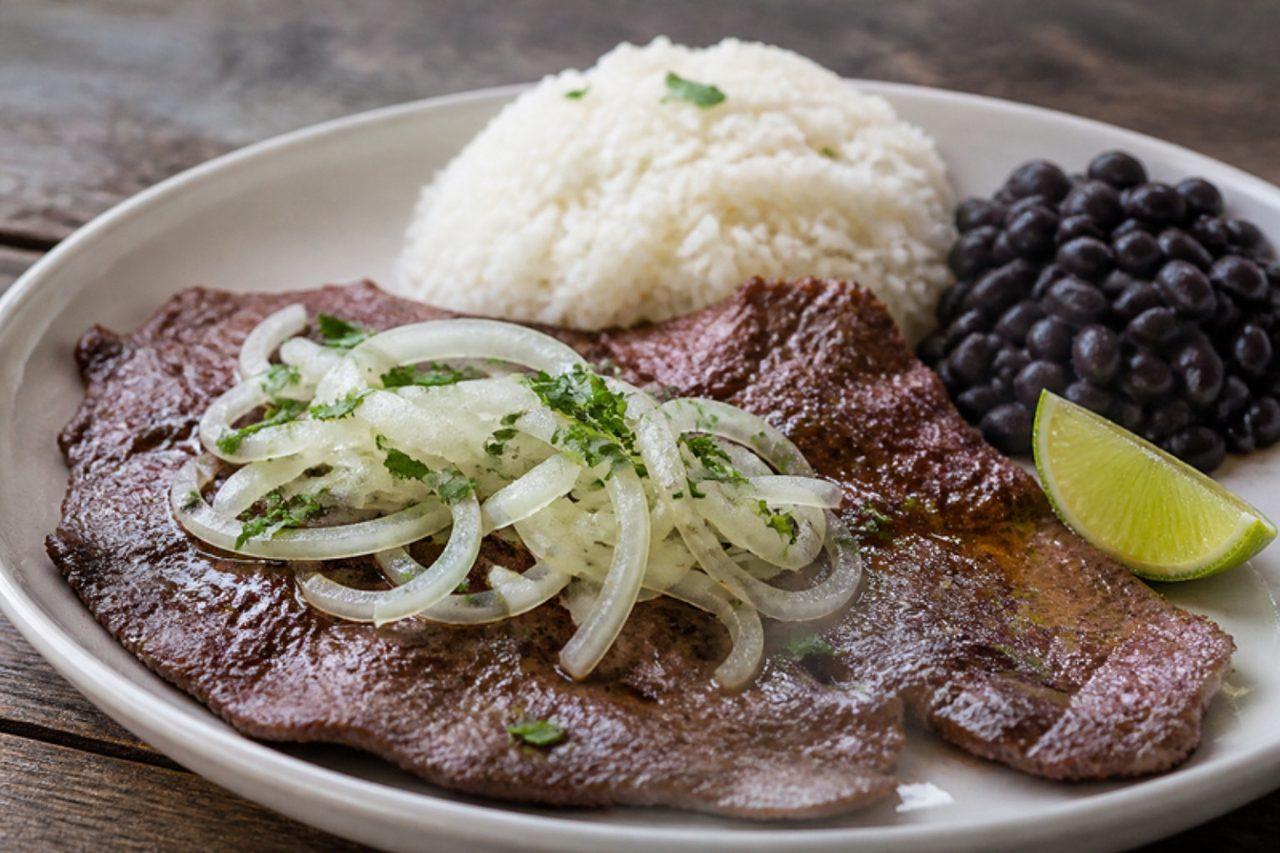
Bistec de palomillaThin steak with lime onion

Palomilla is the everyday steak of Havana lunch counters and Miami's Cuban cafés alike: top sirloin pounded very thin, marinated briefly in lime and garlic, seared in seconds and buried under a pile of raw chopped onion and parsley. It comes with white rice, black beans and fried plantain. The most common mistake is leaving the steak in the lime for hours, which turns the surface grey and mushy; 20 minutes to an hour in the fridge is enough. Beef steak can be cooked to your liking, but it is so thin it is usually cooked through. Chef's tip: get the pan smoking hot and cook one or two steaks at a time, or they stew instead of browning.

25 minCubanMeatGluten free
by KrazyBadal 0 views

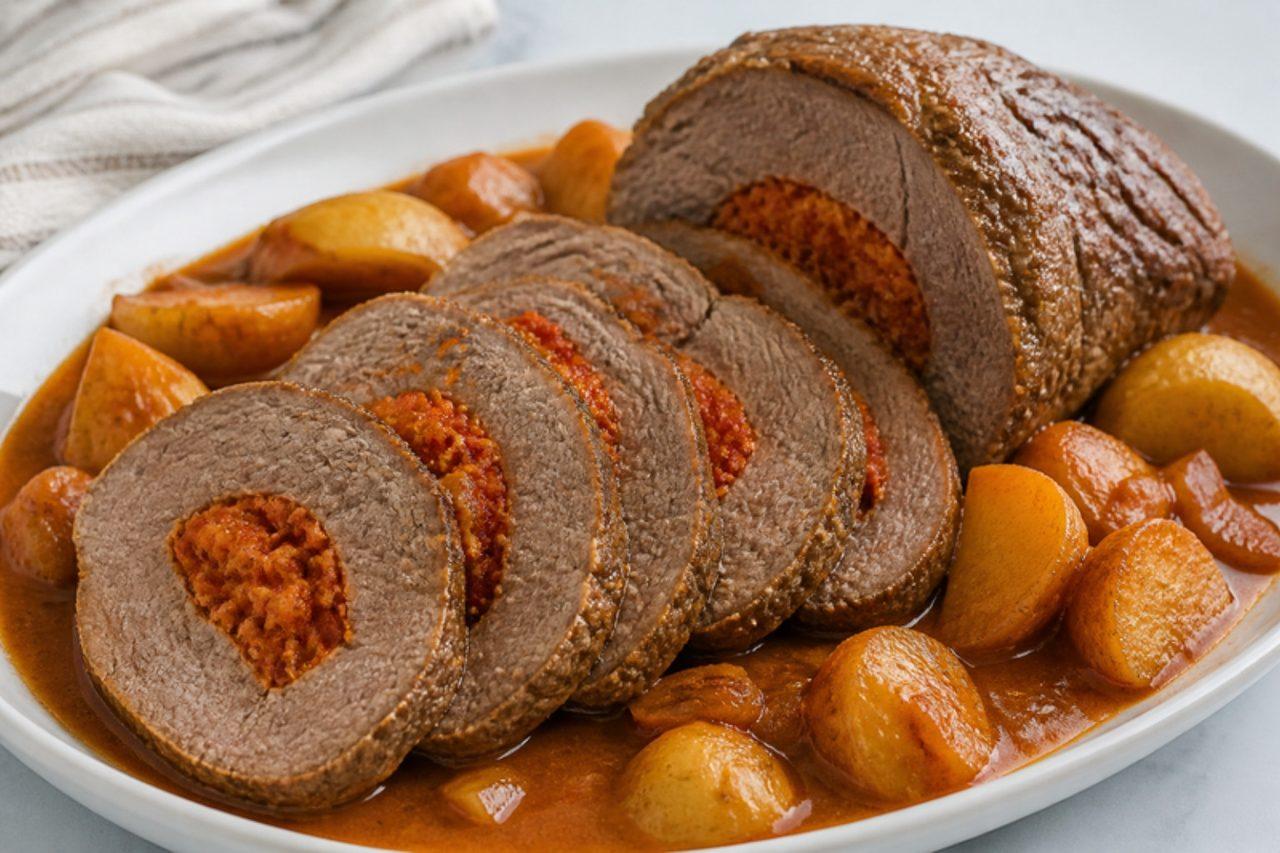
BolicheChorizo-stuffed beef pot roast

Boliche is a Sunday and holiday centrepiece in Havana: an eye-of-round beef joint with a tunnel cut through the middle, stuffed with pork chorizo, then browned and braised slowly in tomato, onion, pepper, sour orange and dry white or red wine until it slices like butter. Potatoes go into the pot for the last hour to soak up the sauce. The wine is simmered for hours, though a little alcohol may remain; use extra stock with a spoon of vinegar for an alcohol-free version. The common mistake is rushing the braise, which leaves this lean cut tough, so keep the pot at a bare simmer. Chef's tip: chill the cooked roast in its sauce, then slice it cold and reheat the slices in the sauce; you get neat rounds with the chorizo in the centre.

210 minCubanMeatGluten free
by KrazyBadal 0 views

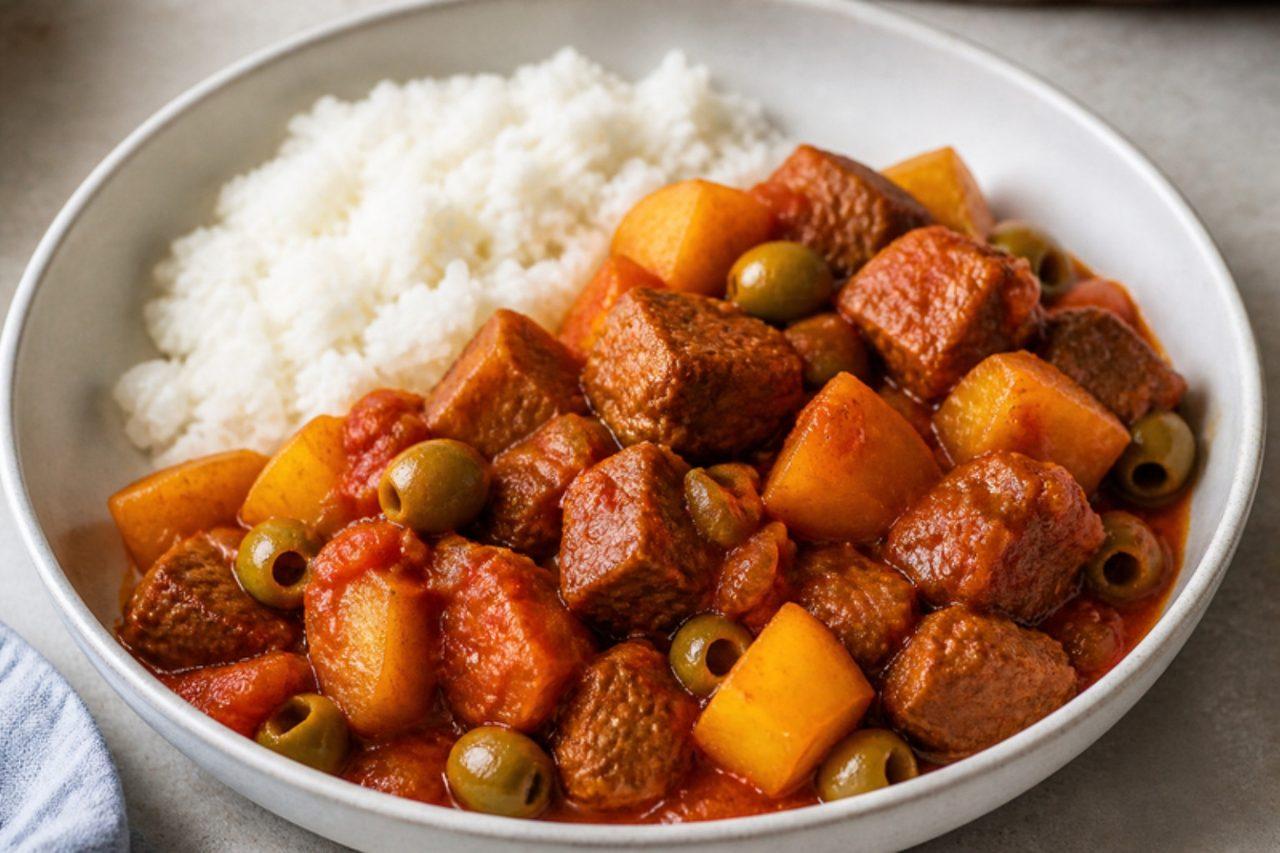
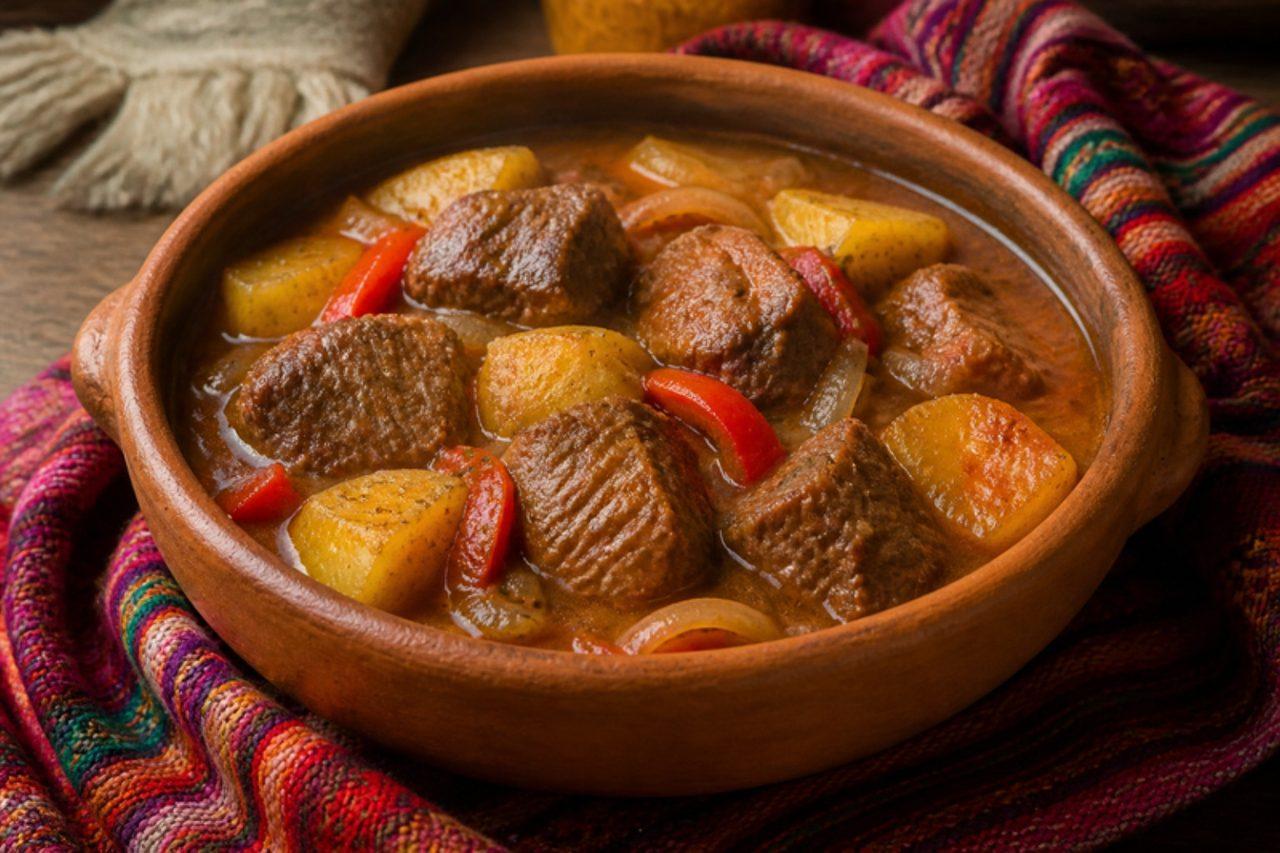
Carne con papasBeef and potato stew

Carne con papas is the weeknight stew of countless Cuban homes, from Santa Clara to Havana: chunks of beef simmered in a tomato sofrito with cumin and oregano, then potatoes and green olives added until the sauce turns thick and savoury. It is served with white rice and perhaps a few slices of avocado. Many cooks add potatoes at the start and end up with mush; they go in for the last 30 minutes. Chef's tip: brown the beef well in two batches; that dark crust is where most of the flavour in the sauce comes from.

110 minCubanMeatGluten free
by KrazyBadal 0 views

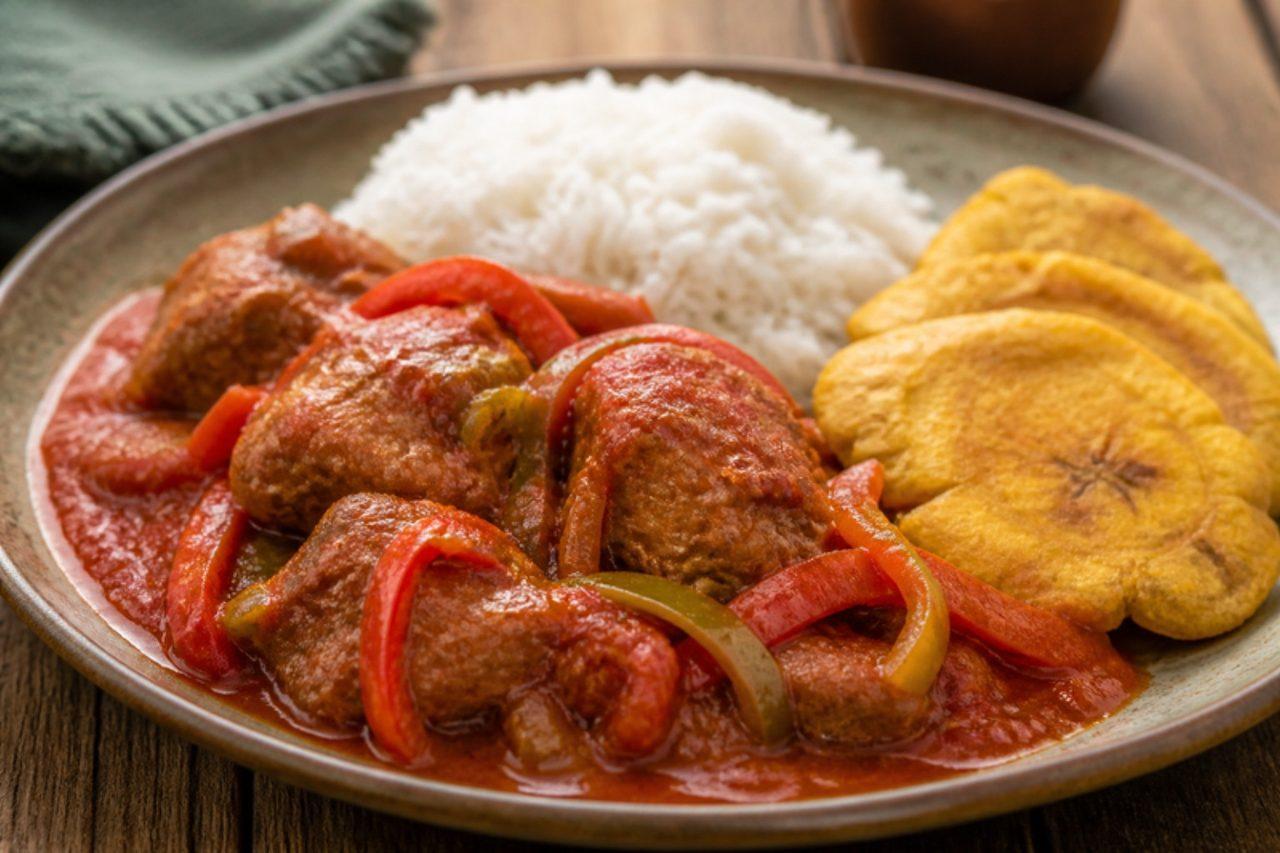
Chilindrón de chivoGoat stew with tomato and peppers

In Oriente, the eastern provinces around Santiago and Holguín, chilindrón de chivo is the dish for a farm celebration: goat marinated in sour orange and garlic, then stewed in a thick sauce of tomato, sweet peppers, cumin, oregano and dry wine until it is tender enough to pull from the bone. It is served with congrí or white rice and yuca. The wine is cooked for a long time; for an alcohol-free stew use stock with a tablespoon of vinegar. Goat is lean and becomes stringy if boiled hard, which is the most common mistake, so keep it at a gentle bubble. Chef's tip: marinate overnight in the fridge; it softens the strong goat flavour and seasons the meat to the bone.

190 minCubanMeatGluten free
by KrazyBadal 0 views

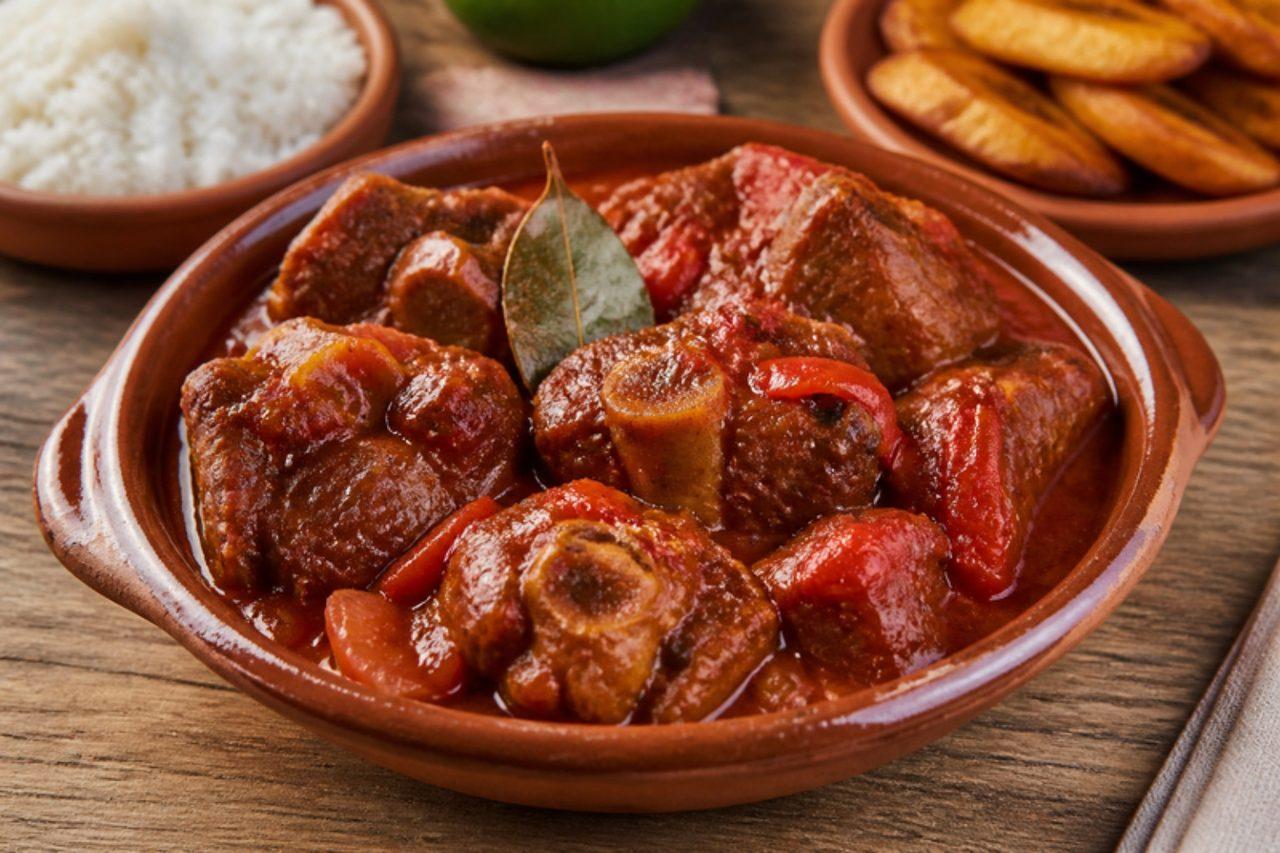
Rabo encendidoSpicy braised oxtail

Rabo encendido, "oxtail on fire", is the slow Saturday braise of central Cuba, cooked until the meat slips off the bones into a dark, glossy sauce of tomato, sweet pepper, red wine and a kick of hot chilli. It is eaten with white rice and fried ripe plantain to cool the heat. The wine cooks for hours, but if you want no alcohol at all, use extra beef stock with a tablespoon of red wine vinegar. The common mistake is serving it straight away with a layer of fat on top; skim it well, or chill overnight and lift the fat off. Chef's tip: dust the oxtail lightly in cornflour and brown it hard; the coating gives a better crust and thickens the sauce while keeping it gluten free.

235 minCubanMeatGluten freeSpicy
by KrazyBadal 0 views

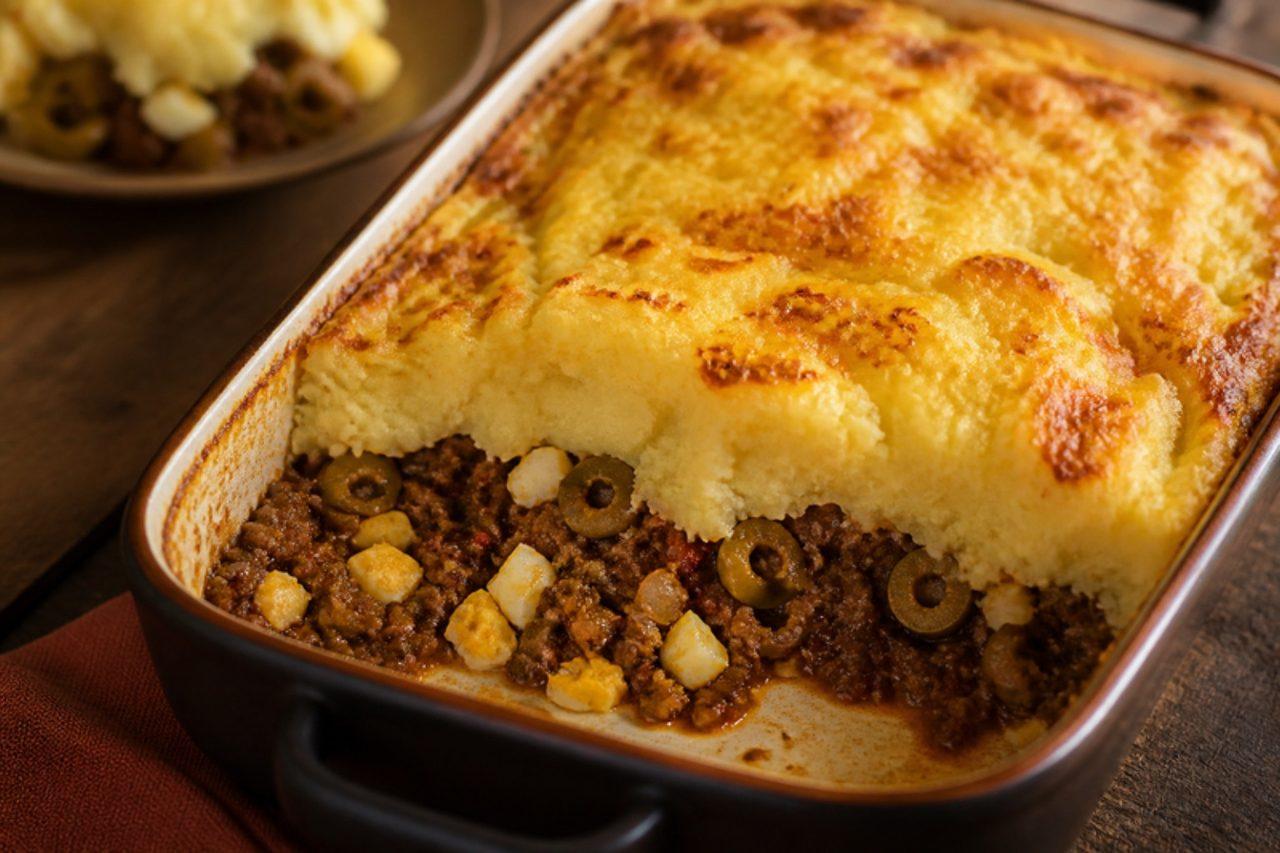
Pastel de papasBeef and mashed potato pie

Midweek family dinners in Buenos Aires often come out of the oven in a deep dish: pastel de papas, the Argentine answer to cottage pie. The beef picadillo is cooked the way it is for empanadas, with onion, red pepper, paprika and cumin, then studded with green olives, chopped boiled egg and sometimes raisins for a sweet-salty bite, all under a thick, creamy mash browned with cheese or sugar on top. It is a dish of school lunches and Sunday leftovers, served with a green salad. Mince must reach 71 °C, which it will long before the potato crust browns; just make sure no pink remains when you cook the filling. A runny filling is the usual letdown, as it seeps into the mash, so cook it until the pan is almost dry. Chef's tip: sprinkle a teaspoon of sugar over the mash before baking, as many Argentine cooks do; it caramelises into a thin, crackly golden crust.

by KrazyBadal 0 views

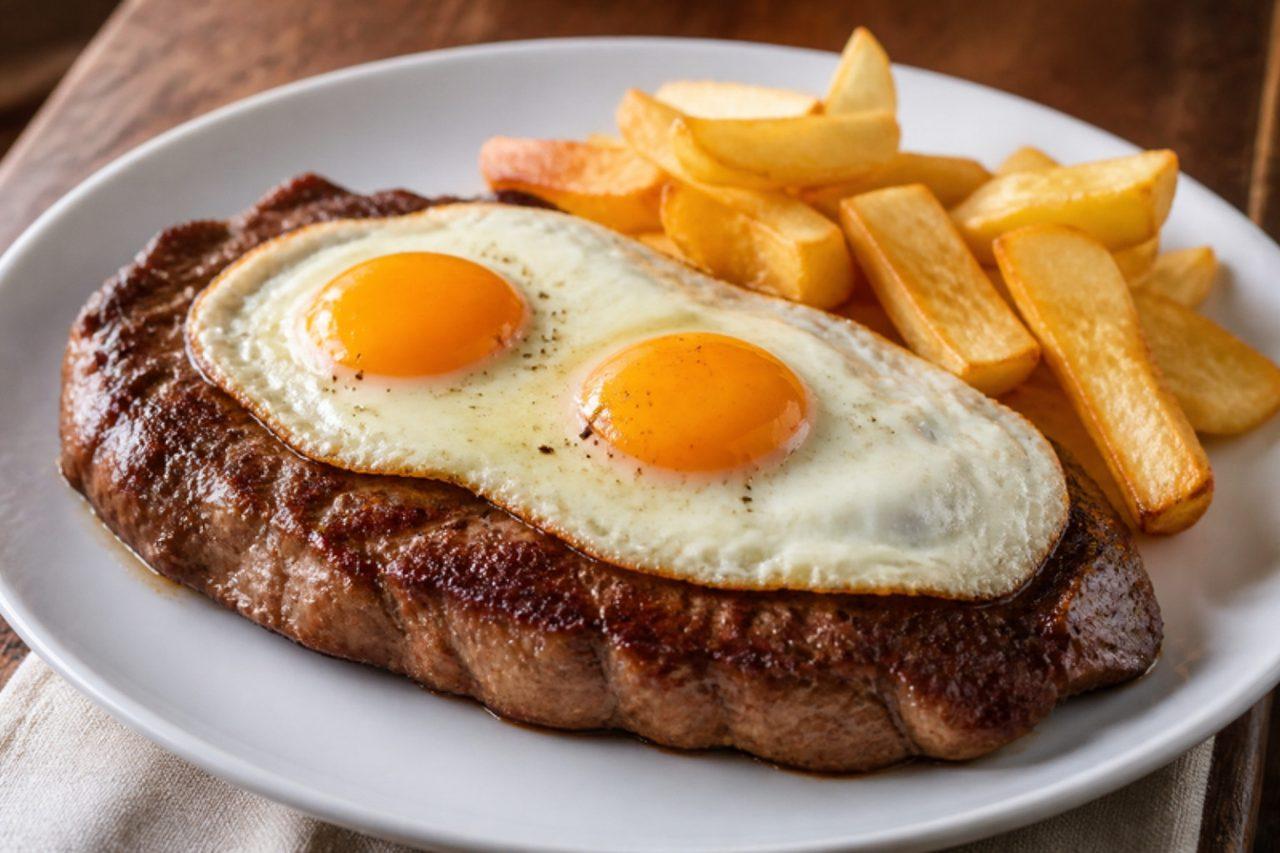
Bife a caballoSteak with fried eggs

On the chalkboard of any neighbourhood bodegón in Buenos Aires you will find bife a caballo, steak "on horseback": a thick bife de chorizo (sirloin) or rump seared hard in a hot pan, crowned with two fried eggs whose yolks run into the meat juices, and served with a pile of chips. It is the plate for hungry taxi drivers at lunch and for anyone recovering from a long night. Cook the steak to your taste; Argentines usually ask for it jugoso (medium rare, about 55 °C in the centre) or a punto (medium, about 60 °C). Use eggs fried until the whites are fully set, and cook the yolks firm for anyone vulnerable. Crowding a pan that isn't hot enough is the classic mistake, which stews the steak grey, so let the pan smoke first. Chef's tip: rest the steak while you fry the eggs in the same pan; the beef juices in the fat give the whites crisp, savoury edges.

by KrazyBadal 0 views

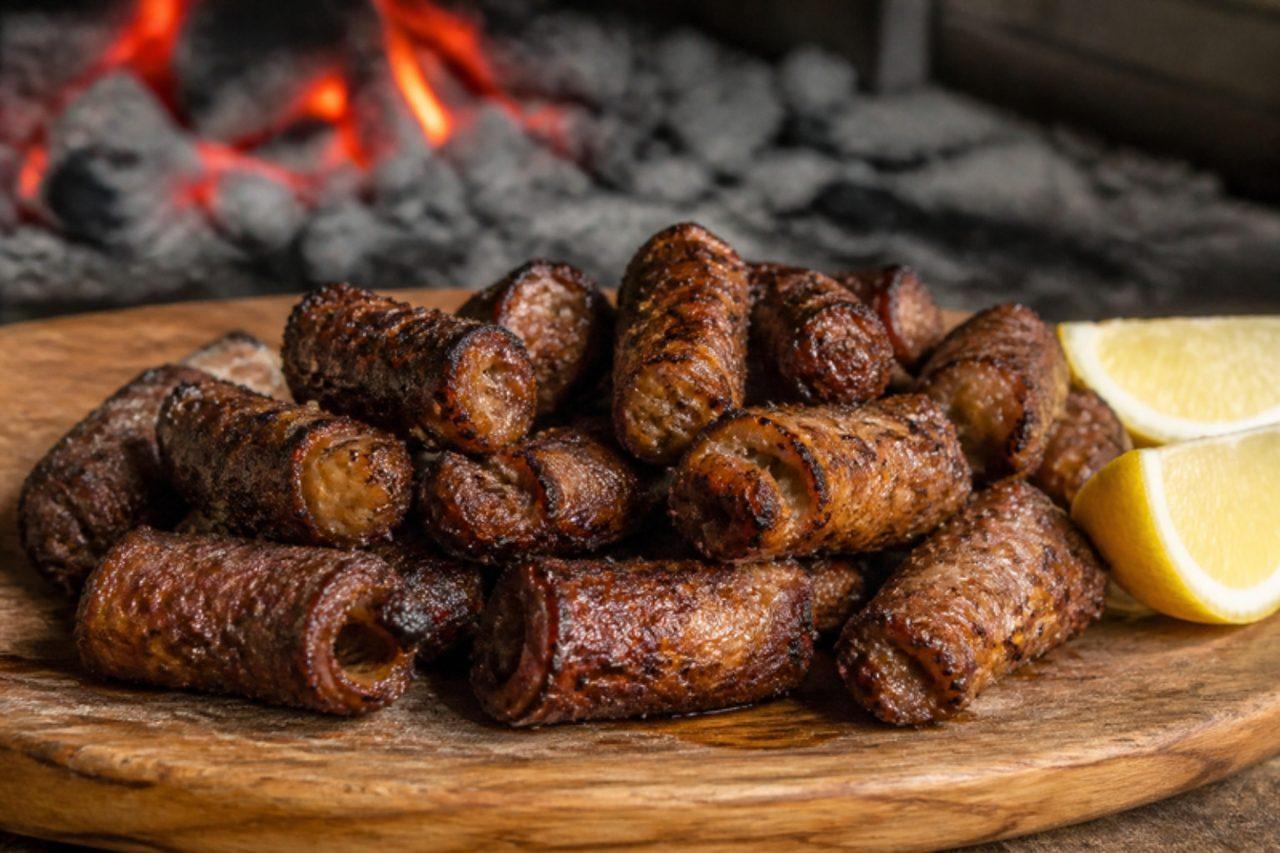
ChinchulinesGrilled beef intestines

No proper Sunday asado in Buenos Aires province or the interior is complete without a round of achuras, and chinchulines are the boldest of them: beef small intestine, coiled on the grill and cooked slowly until the outside crackles like pork scratchings and the inside stays soft and rich with its own fat. Pass them round on a board with lemon and bread as a starter while the bigger cuts cook. Buy them already cleaned from a butcher or a Latin American meat counter, and rinse them again well at home. The usual mistake is too much heat: the outside burns long before the inside cooks. Offal must be cooked right through, with no soft, raw-looking parts. Chef's tip: simmer them briefly before grilling; it cleans them further, shortens the time on the coals and gives you a much more even crunch.

by KrazyBadal 0 views

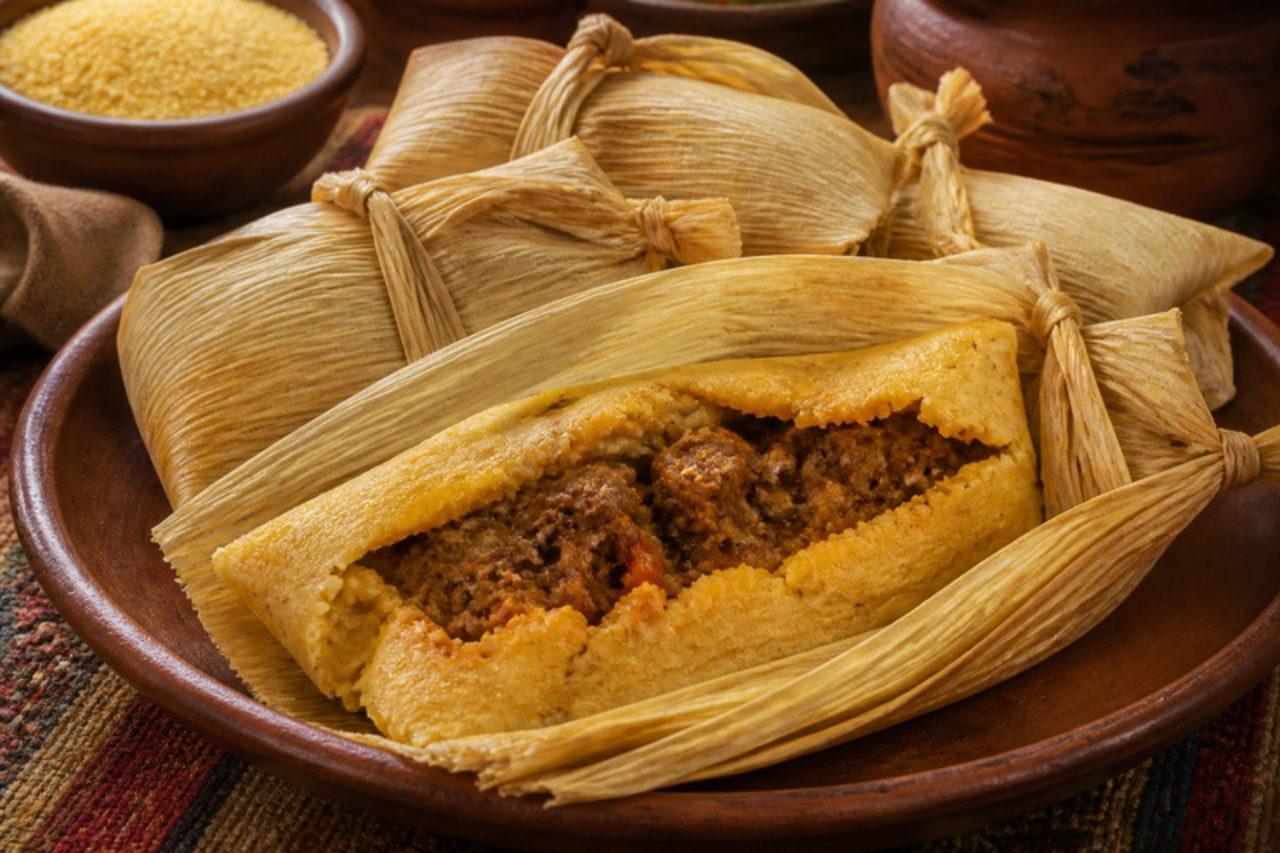
Tamales norteñosBeef corn tamales

Families in Salta and Jujuy make tamales by the hundred, usually for the national holidays or for the winter fiestas in the Quebrada, with everyone at the table spreading dough onto husks, spooning in filling and tying parcels. The northern Argentine tamal is different from the Mexican one: the dough is made from finely ground white or yellow maize cooked with squash and beef fat, and the filling is a red, peppery mix of beef (traditionally from the head or charqui, dried beef) with onion, ají molido and cumin. Each parcel is folded and tied with a strip of husk into a little bundle, then boiled. Expect a long, hard afternoon, but they freeze well. Look for dried corn husks and fine maize flour in Latin American shops; masa harina also works. The filling must reach 71 °C, as for any mince, before it goes into the husks. Dough that is too dry is the usual mistake and cracks as it cooks; it should feel like soft polenta. Chef's tip: soak the husks in hot water for 30 minutes so they fold without splitting.

by KrazyBadal 0 views

Estofado de llamaBraised llama stew

Llama herds have grazed the Puna of Jujuy for thousands of years, and in Purmamarca, Tilcara and Humahuaca restaurants now proudly serve their meat to visitors, most often as a slow estofado. The meat is very lean, dark red and mild, a little like venison, and it is braised with onion, red pepper, tomato, cumin, ají molido and a sprig of muña or oregano until tender, then served with Andean potatoes, quinoa or rice. Outside the Andes, llama is sold by a few specialist game and alpaca farms; lean venison or beef topside are the closest substitutes. Treat it like beef and braise it until fork-tender. Because the meat has almost no fat, the common mistake is cooking it at a rolling boil, which makes it dry and stringy: keep the heat low and the lid on. Chef's tip: dust the meat lightly with a little cornflour before browning; it protects the lean pieces and thickens the sauce without making it heavy.

by KrazyBadal 0 views

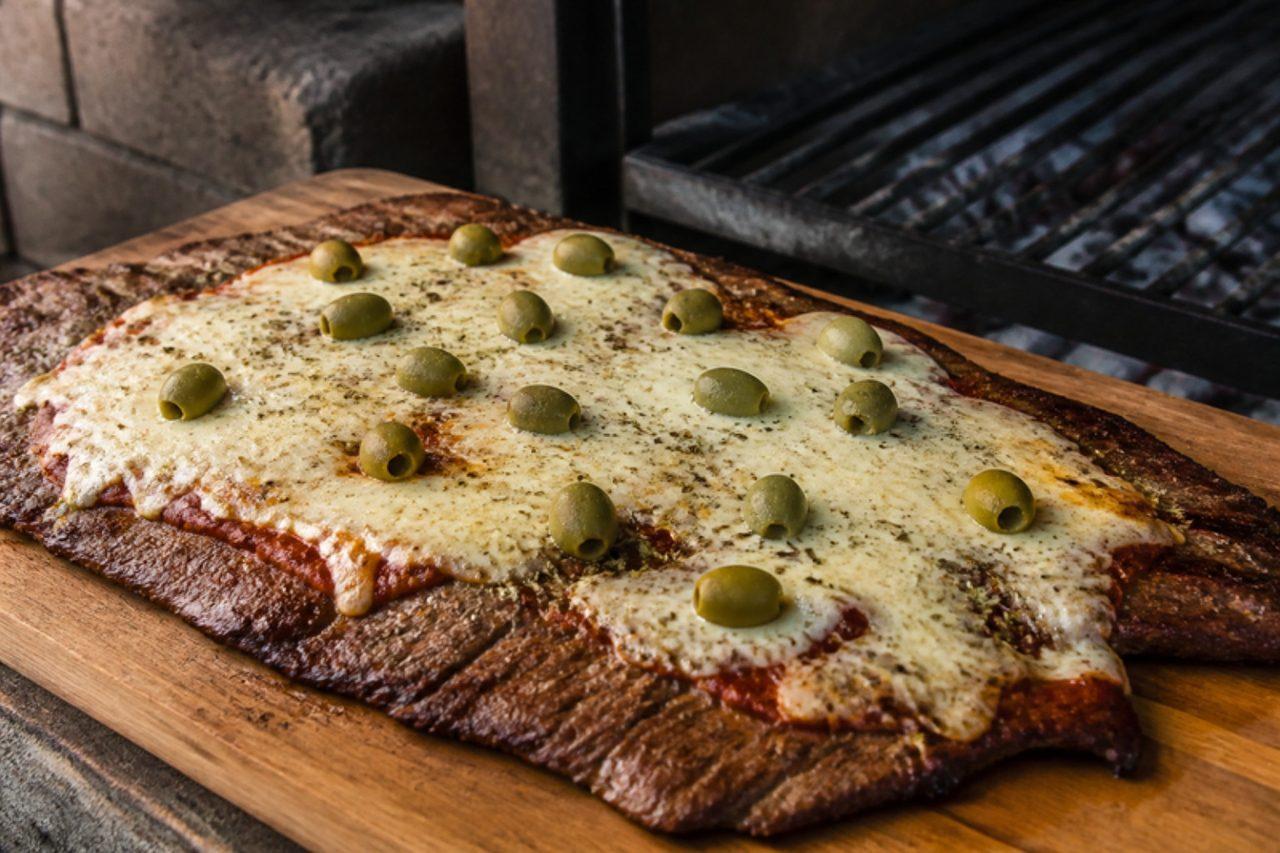
Matambre a la pizzaFlank steak with tomato and mozzarella

Weekend asados around Buenos Aires usually end with a show-off dish from the grill, and matambre a la pizza is the one that makes children cheer: a whole sheet of matambre (the thin flank cut that sits under the skin) cooked slowly until tender, flipped, then spread with tomato sauce, oregano and mozzarella and left on the grill until the cheese bubbles. Parrillas in the suburbs sell it cut into squares. Many cooks first simmer the meat in milk, which keeps the lean cut juicy and soft; that is the method here, finished under a hot grill or in the oven if you have no barbecue. Matambre is eaten well done and tender rather than pink. The usual mistake is grilling it straight away like a steak, which leaves it leathery: slow cooking first is what makes it tender. Chef's tip: score the membrane on the fatty side in a criss-cross before cooking, so the sheet stays flat instead of curling up when it hits the heat.

by KrazyBadal 0 views

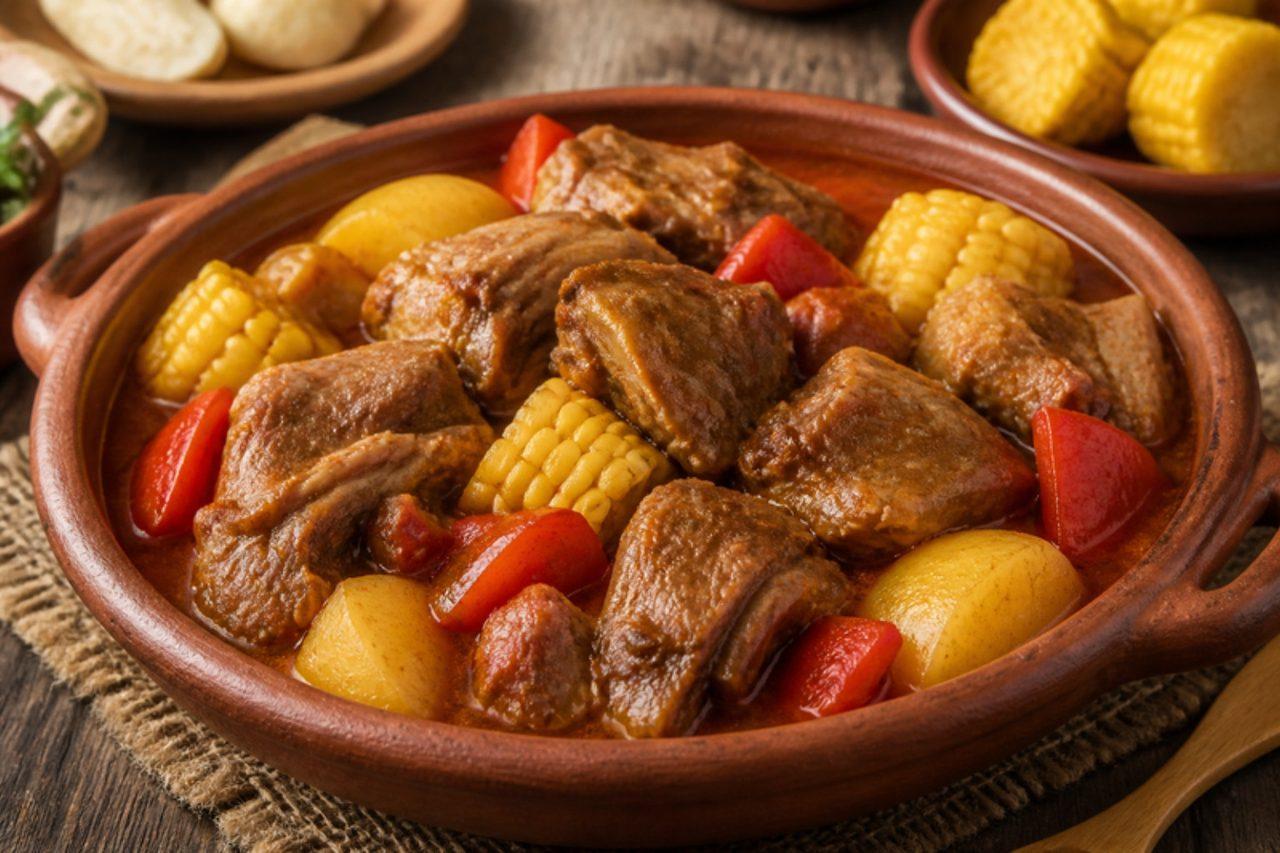
Cazuela de cabritoKid goat stew

Up in the Calchaquí valleys of Salta, where goats graze between the vineyards and the cardón cactus, cabrito ends up in a heavy clay cazuela on Sunday or feast days. The meat simmers with onion, red pepper, cumin and ají molido until it slides off the bone, and the potatoes and thick rounds of corn on the cob drink up a brick-red, gently spiced broth. Bring it to the table in the pot with bread or a simple tomato and onion salad. Kid goat can be ordered from halal butchers and some farm shops; lamb shoulder works too. People often boil it hard to save time, which squeezes the lean meat dry and stringy; it wants the barest simmer. Chef's tip: brown the pieces in two or three batches so they colour properly instead of stewing in their own juices; that browning is where most of the flavour comes from.

by KrazyBadal 0 views

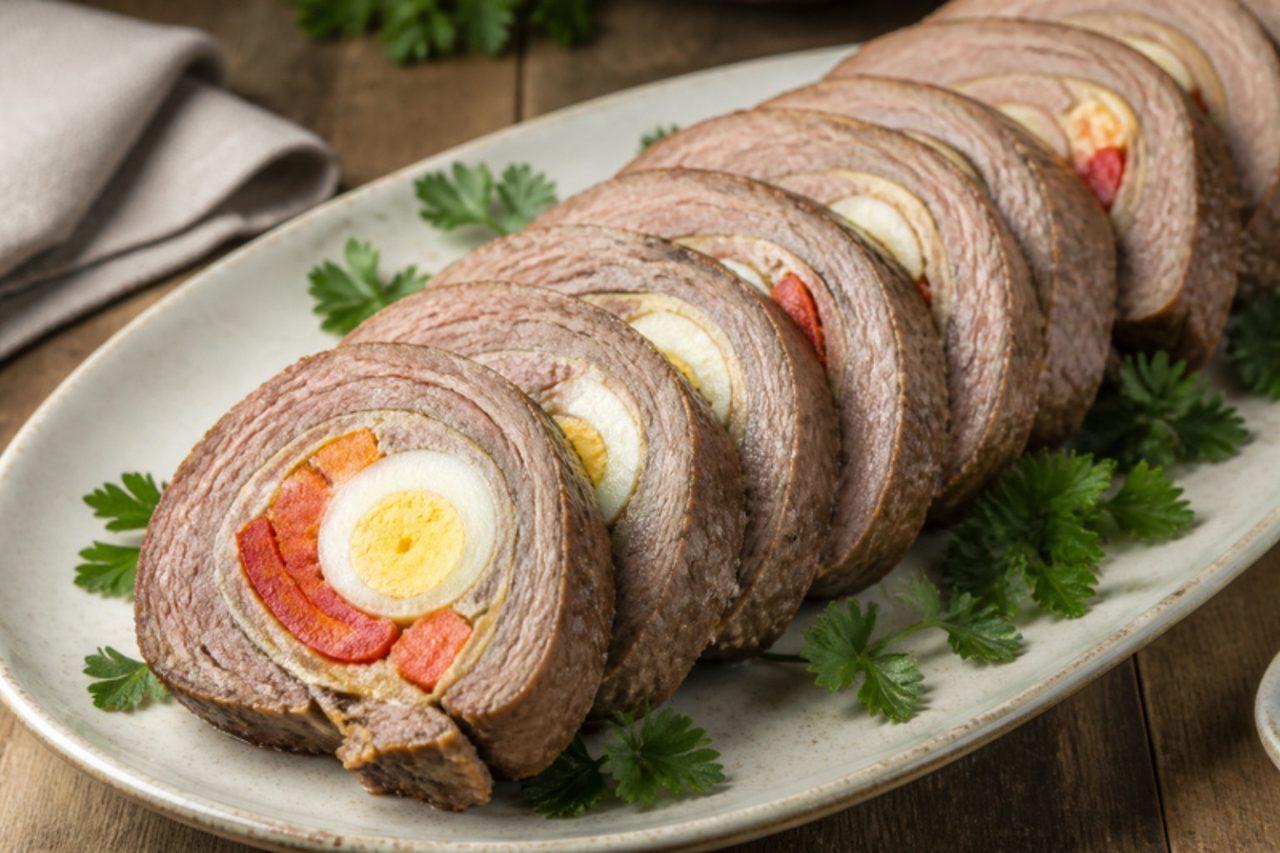
Matambre arrolladoRolled stuffed flank steak

Christmas and New Year in Argentina fall in high summer, so the festive table is crowded with cold dishes, and matambre arrollado is the one that draws a crowd: a thin sheet of beef from between the ribs and skin (matambre, the rose or flank cut), spread with garlic and parsley, layered with hard-boiled egg, carrot and red pepper, rolled into a fat sausage, poached and pressed. Rotiserías in the Buenos Aires suburbs sell it by the slice, and each round shows a mosaic of colours. Served cold with Russian salad and a sharp chimichurri, it is tender and savoury. Because the outside of the meat ends up rolled inside, cook it to a core temperature of 71 °C, as for minced meat. The usual mistake is slicing it warm: it falls apart, so press it under a weight in the fridge overnight. If you can't find matambre, ask the butcher for a thin flank steak butterflied to 1 cm. Chef's tip: lay the meat with the grain running along the roll, so each slice cuts across the fibres and stays tender.

by KrazyBadal 0 views

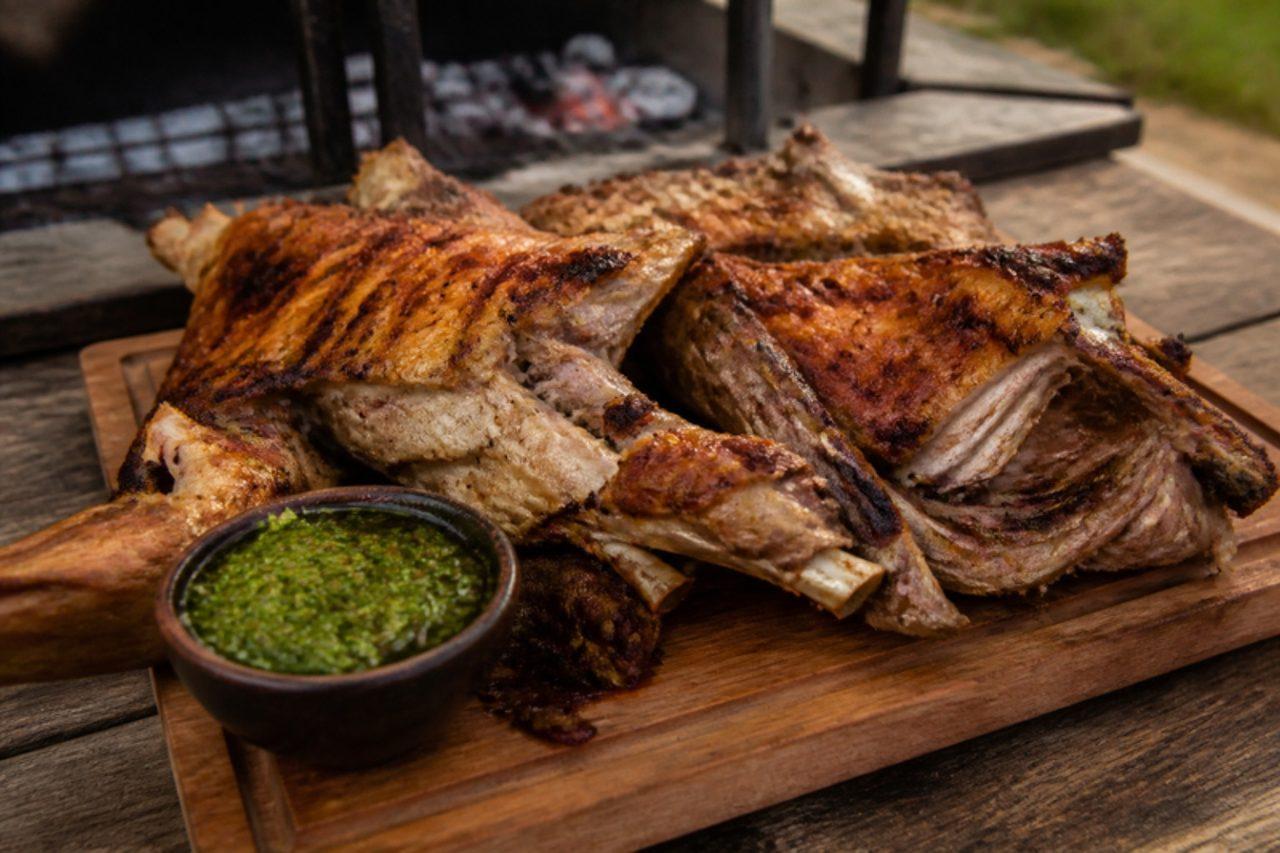
Chivito al asadorSpit-roasted whole goat

Malargüe, in the dry south of Mendoza, holds a goat festival every summer, and the star is the chivito: a milk-fed kid opened flat, wired to an iron cross and planted at an angle beside a fire of jarilla or other hardwood. It cooks from the side, never over the flames, basted with a garlicky salmuera until the skin turns glassy and crackling and the meat pulls apart. Serve it straight from the cross with salad, bread and chimichurri. Order a whole kid of 5–7 kg dressed weight from a specialist or halal butcher, and check the cross fits it before the day. Most failures come from setting it too close to the fire, which burns the outside while the thick legs stay raw. Kid is lean, so cook it right through, as in Mendoza: the thickest part of the leg should reach at least 70 °C. Chef's tip: cook bone side to the fire for two-thirds of the time; the ribs protect the meat, and the skin goes on last so it crisps instead of scorching.

by KrazyBadal 0 views

Cordero al asadorSpit-roasted lamb

Southern Patagonia raises sheep on vast estancias, and when the shearing ends or a fiesta comes round in Santa Cruz or Chubut, a whole lamb goes on the asador: an iron cross pushed into the ground beside a fire of lenga or ñire wood. Lambs fed on wild steppe grasses taste clean and faintly herbal, so the seasoning is only salt and a brine to baste, and the result is crackling skin over meat that falls into juicy strands. Serve with chimichurri, a simple salad and bread. Order a whole lamb of 10–12 kg dressed weight from a butcher. Rushing it with a big flame near the meat is the commonest error; the heat must be steady and gentle. Chef's tip: give it about three hours with the ribs to the fire and only the last hour or so skin side, then check the thickest part of the leg reads at least 63 °C (Patagonian cooks take it to about 70 °C, cooked through).

by KrazyBadal 0 views

Showing 24 of 32 recipes

Show more recipes

Page 1 of 2