Skip to content
Recipes

All recipes

Vegetarian, or something you can't eat? Set your diet once and we'll hide recipes that don't fit.

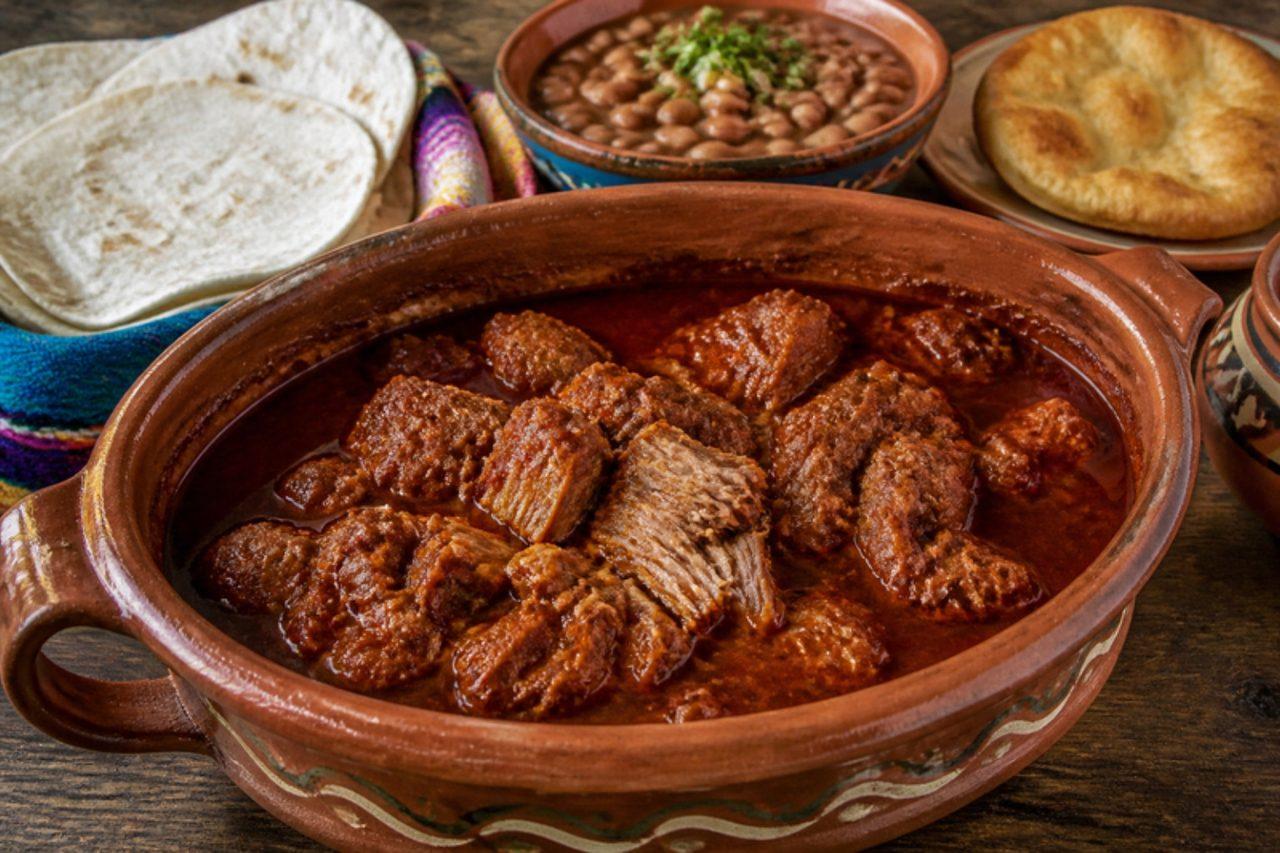
BusecaTripe and white bean stew

Buseca arrived in Montevideo with Italian immigrants from Lombardy and became a classic winter dish of Uruguayan bodegones and family kitchens, eaten on cold June and July days. Honeycomb tripe is simmered until tender, then stewed with white beans, pork chorizo, bacon, peppers, tomato and paprika into a thick, warming stew served with crusty bread. Buy tripe that is already cleaned and blanched (dressed). The usual mistake is undercooking the tripe: it needs a full 2 hours, until it's soft enough to cut with a spoon. Slow-cooker option: after step 4, cook on low for 8 hours. Chef's tip: a little grated lemon zest and parsley stirred in at the end lifts the rich, gelatinous sauce.

by KrazyBadal 0 views

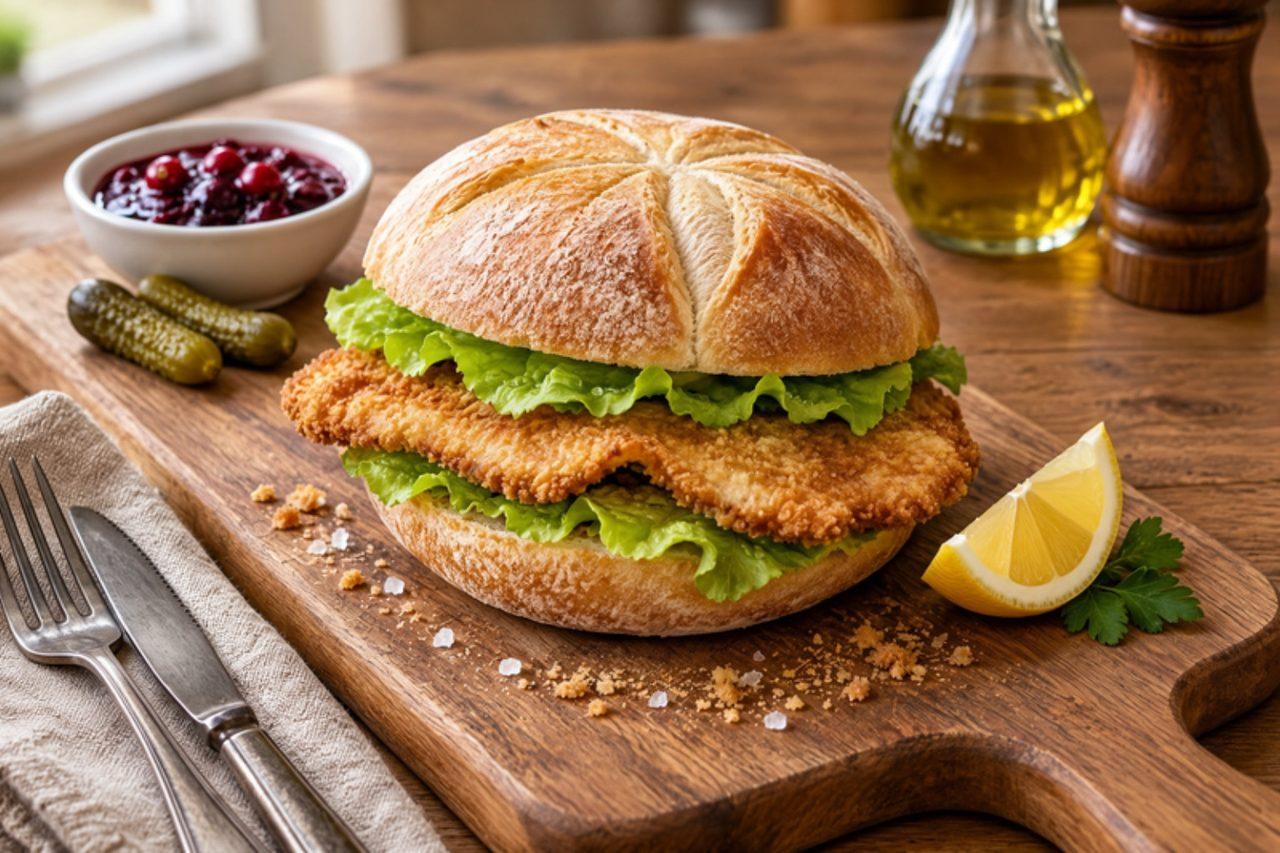
SchnitzelsemmelSchnitzel in a bread roll

Austrians setting off on a train journey, a ski day or a building-site shift pack a Schnitzelsemmel: a crisp Kaisersemmel roll holding a cold, golden pork schnitzel (veal for special days), a leaf of lettuce and a squeeze of lemon, sometimes with a smear of mustard or a gherkin. Leftover Sunday schnitzels are made for it. The common mistake is pressing the breadcrumbs on hard; they should sit loosely so they puff up and ripple away from the meat as it fries. Chef's tip: shake the pan constantly while frying so hot fat washes over the top, and the crust soufflés into those famous waves.

by KrazyBadal 0 views

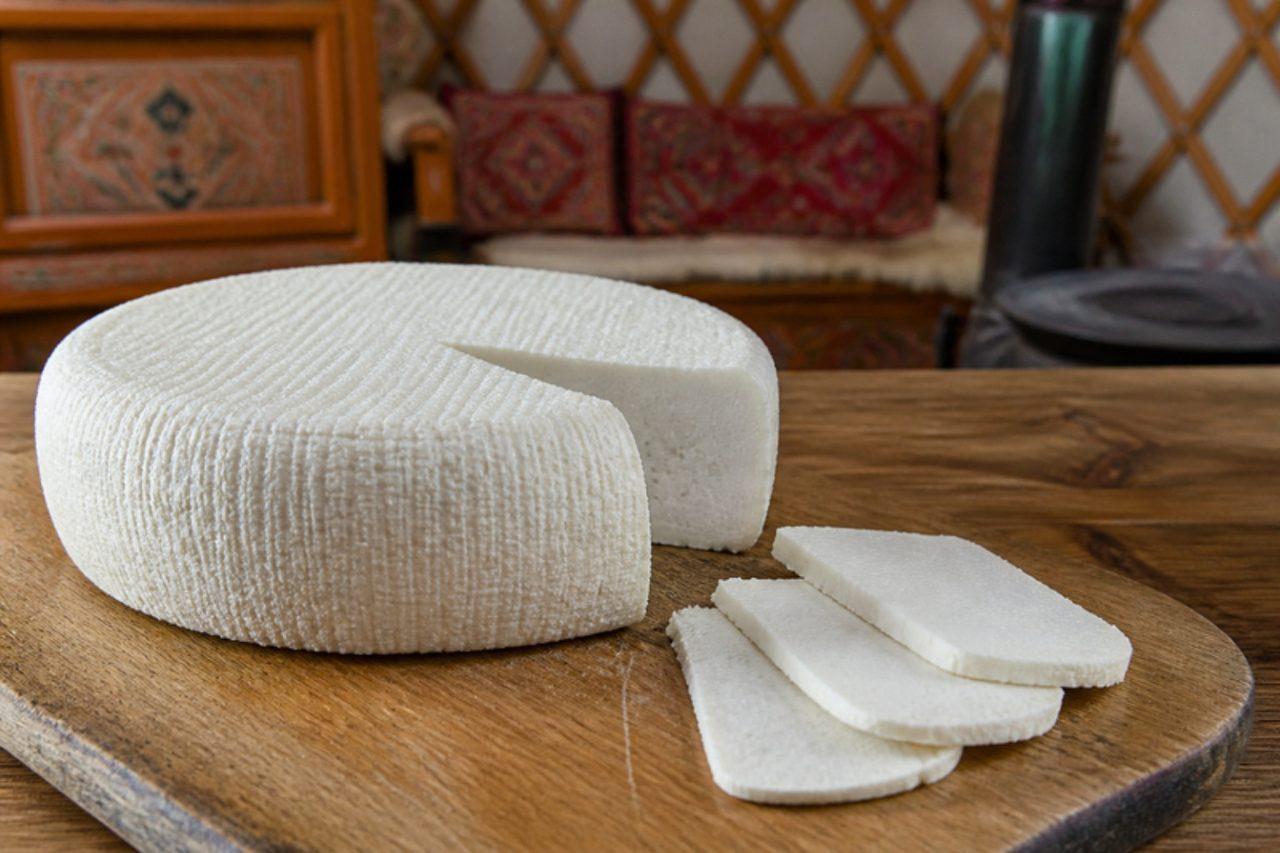
ByaslagPressed fresh cheese

Byaslag is the mild, springy fresh cheese of Mongolian herders, made in summer from cow's or yak's milk in Arkhangai and Khövsgöl, where yak herds graze the high valleys. Warm milk is curdled with soured milk, the curds pressed under a stone, and the finished cheese is sliced and eaten fresh, dried in the sun, or dropped into milk tea where it softens. No rennet is used, so it is vegetarian. A common mistake is boiling the milk hard after adding the sour milk, which makes the curd tough and rubbery. Chef's tip: press it overnight for a firmer cheese you can slice thinly.

by KrazyBadal 0 views

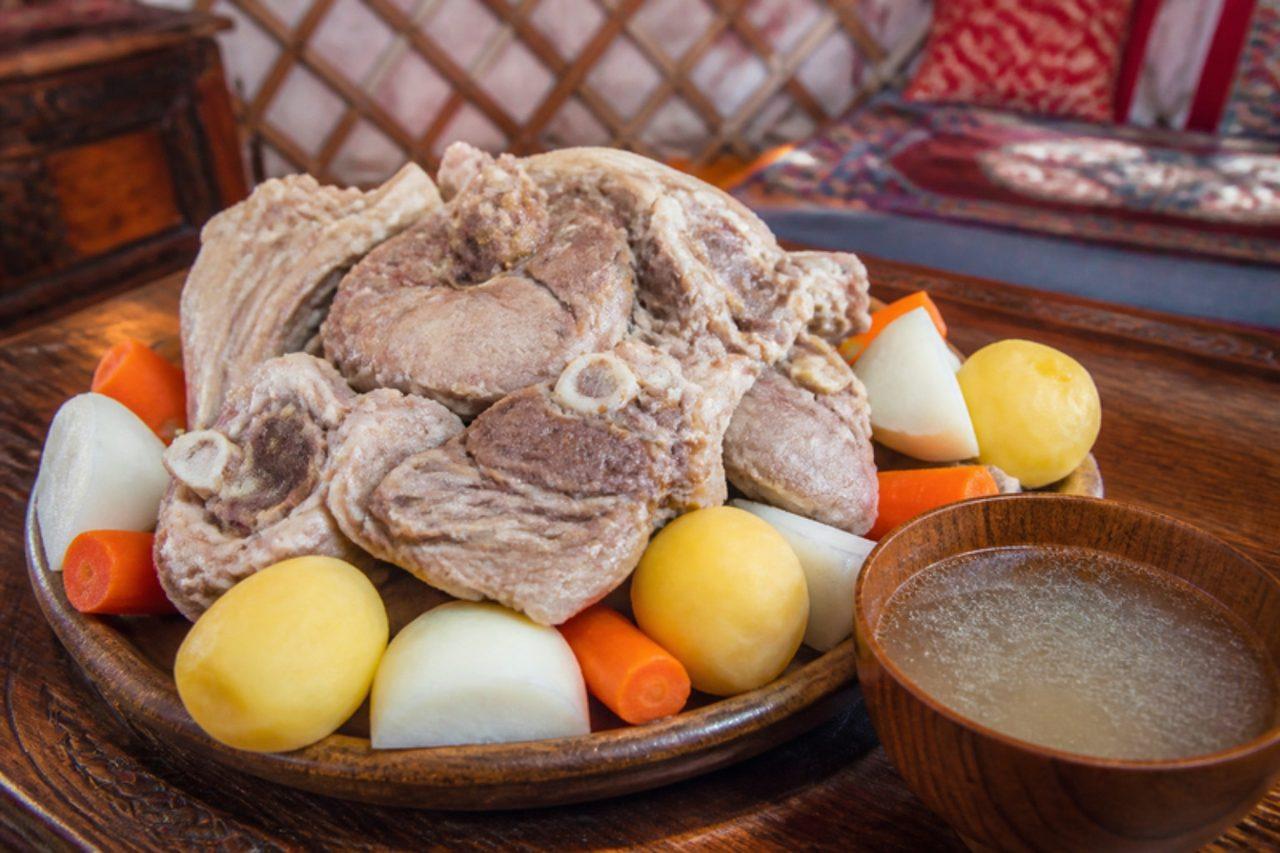
Boiled mutton

Chanasan makh is the simplest and most loved meal of the Mongolian countryside, boiled in a big pot on the ger stove in Övörkhangai or Khentii whenever guests arrive or a holiday comes round. Large bone-in pieces of mutton are simmered with nothing but salt and a little onion, then served steaming on a platter to be cut with a knife and eaten by hand, with the rich broth drunk from bowls alongside. Potato, carrot and turnip are often cooked in the same pot. A common mistake is boiling hard, which makes the meat tough and the broth cloudy; keep it at a lazy simmer and skim. Chef's tip: mutton or older lamb with some fat on it gives the deepest flavour.

by KrazyBadal 0 views

Ají amarillo pasteYellow chilli paste

In Lima's markets ají amarillo is sold fresh all year, and most Peruvian cooks keep a tub of this paste in the fridge the way others keep tomato purée: it is the golden base of causa limeña, ají de gallina, papa a la huancaína, chupe and the sauce for tiraditos. The chillies are seeded, de-veined and blanched in three changes of water, which tames the heat and the raw grassiness, then peeled and blended with oil into a thick, silky, saffron-orange paste. It tastes fruity and sunny, almost like apricot and passion fruit, with a rounded, medium heat. Abroad, buy whole frozen ají amarillo from Latin grocers; dried ají mirasol, soaked, gives a darker, earthier paste. Common mistake: skipping the peeling; the thin skins leave papery flecks and a bitter edge. It is ready when it is completely smooth and holds a soft peak like thick hummus. This is a low-acid paste: keep it in the fridge for a week or freeze it, never on the shelf. Chef's tip: freeze it in an ice-cube tray; one cube is about a tablespoon, just right for a pot of ají de gallina.

by KrazyBadal 0 views

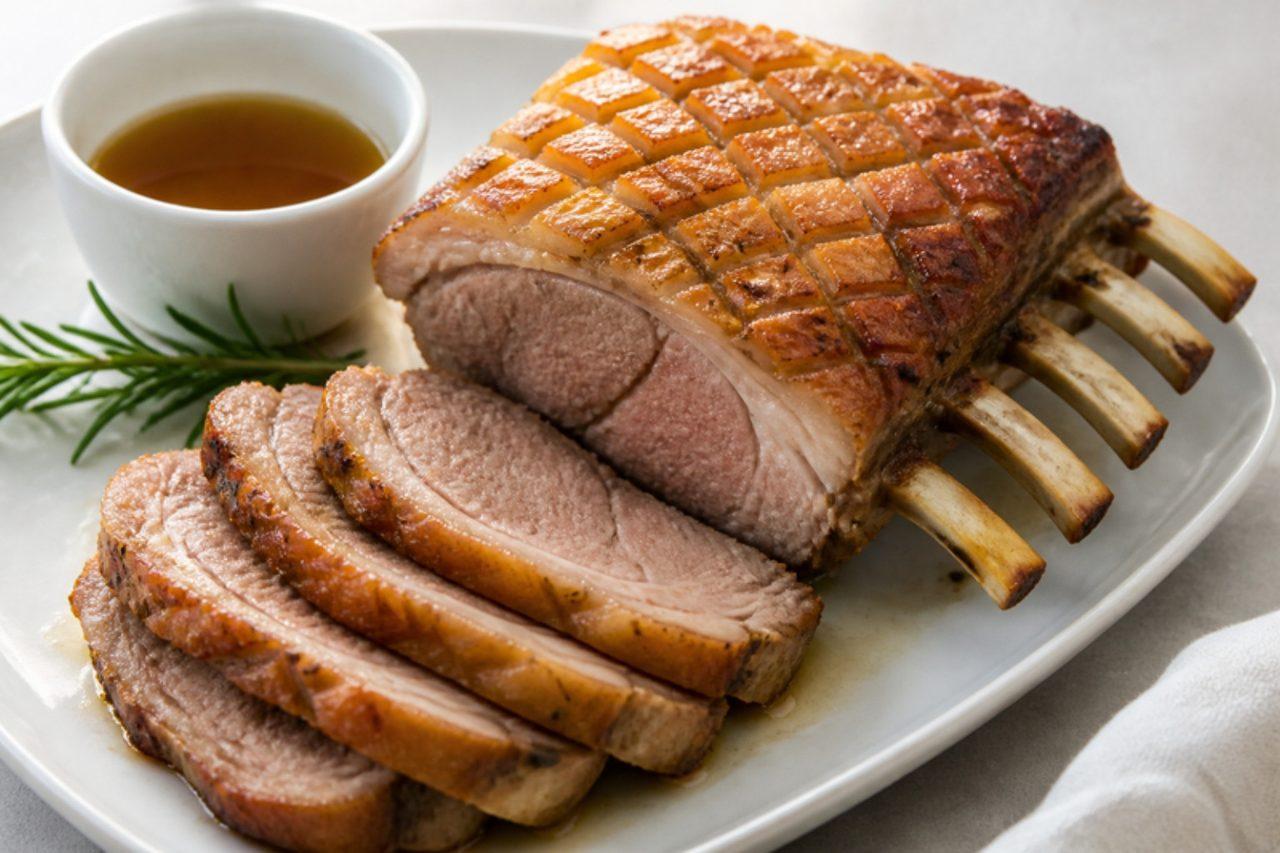
Uuts-style roast lamb saddle

Uuts, the whole back and fat tail of a sheep, is the grandest dish of Tsagaan Sar, the Mongolian Lunar New Year: boiled, then set in the centre of the table in every Ulaanbaatar and countryside home and carved for each visitor during the days of family visits. The real thing weighs many kilos and needs a huge pot, so this home version uses a bone-in saddle of lamb with its fat, simmered first and then roasted until the fat is crisp, keeping the uuts idea of a whole, impressive cut to carve at the table. A common mistake is trimming away all the fat; in Mongolia it is the most prized part. Chef's tip: score the fat in a criss-cross so it renders and crisps evenly.

by KrazyBadal 0 views

Morcilla dulceSweet blood sausage with walnuts

No Uruguayan parrilla is complete without morcilla dulce: a soft pork blood sausage sweetened with sugar and scented with orange peel, studded with walnuts and raisins, grilled until the skin crisps and served first, as part of the achuras, while the beef is still cooking. It is pork throughout: pork blood, pork back fat and natural pork casings. Making it at home is a project. Buy fresh pork blood with an anticoagulant added from a butcher who supplies it for sausage making, keep it chilled below 4 °C and use it within a day. The common mistake is poaching at a rolling boil, which bursts the casings. Chef's tip: keep the water at 80–85 °C, just shivering, and prick a sausage after 25 minutes: it is done when brown, not red, juice comes out.

by KrazyBadal 0 views

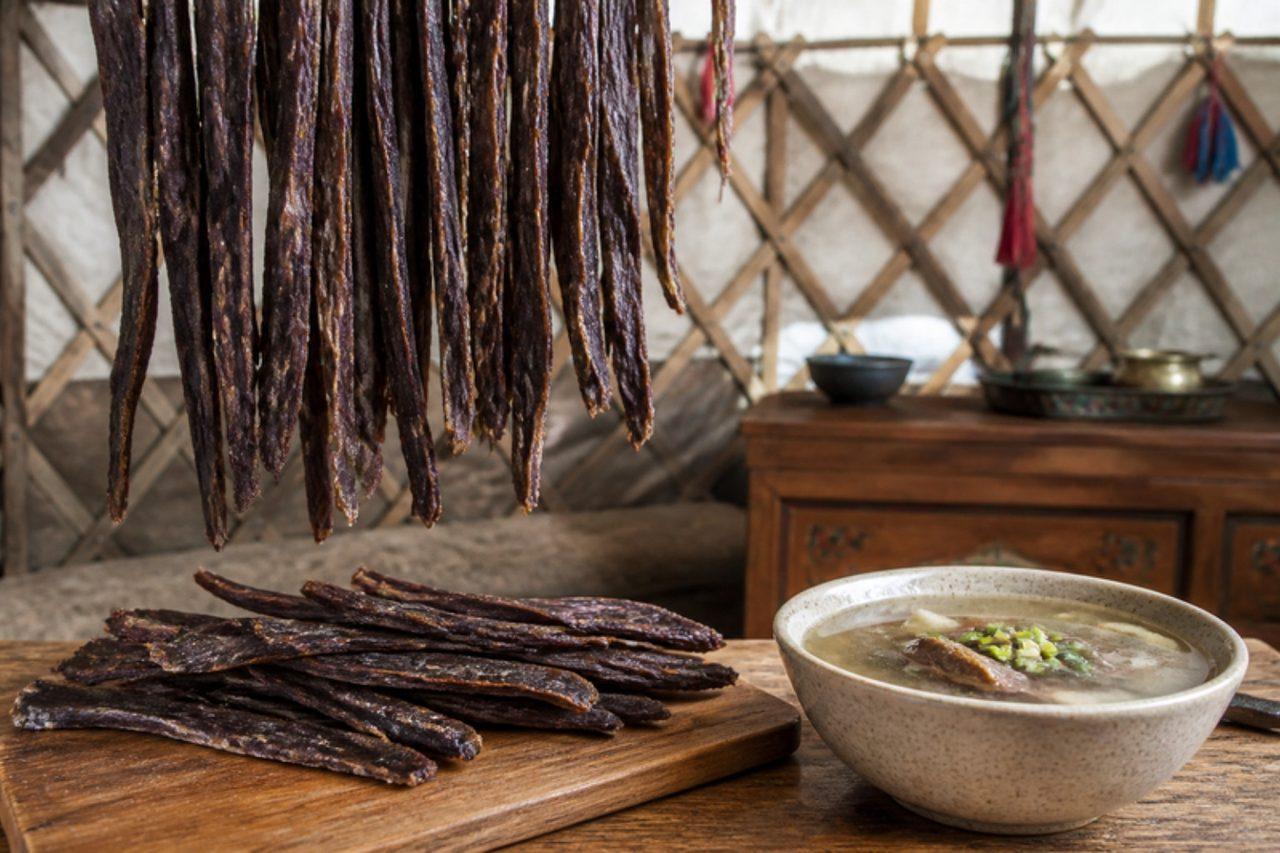
BortsAir-dried beef strips

Borts is the winter-dried meat of Mongolian herding families: in the cold, dry air of late autumn, strips of beef are hung inside the ger until they shrink to hard, dark sticks, then pounded and stored in a bag to last until spring. A handful of borts dropped into hot water makes an instant soup, and nomads carry it on long journeys. In Mongolia it is also made from horse or camel meat; this recipe uses beef. Home kitchens don't have the steppe's freezing dry air, so here the meat is heated to a safe temperature first and dried in a low oven. A common mistake is leaving fat on the strips; fat turns rancid, so trim it all. Chef's tip: slice the meat while half-frozen to get thin, even strips.

by KrazyBadal 0 views

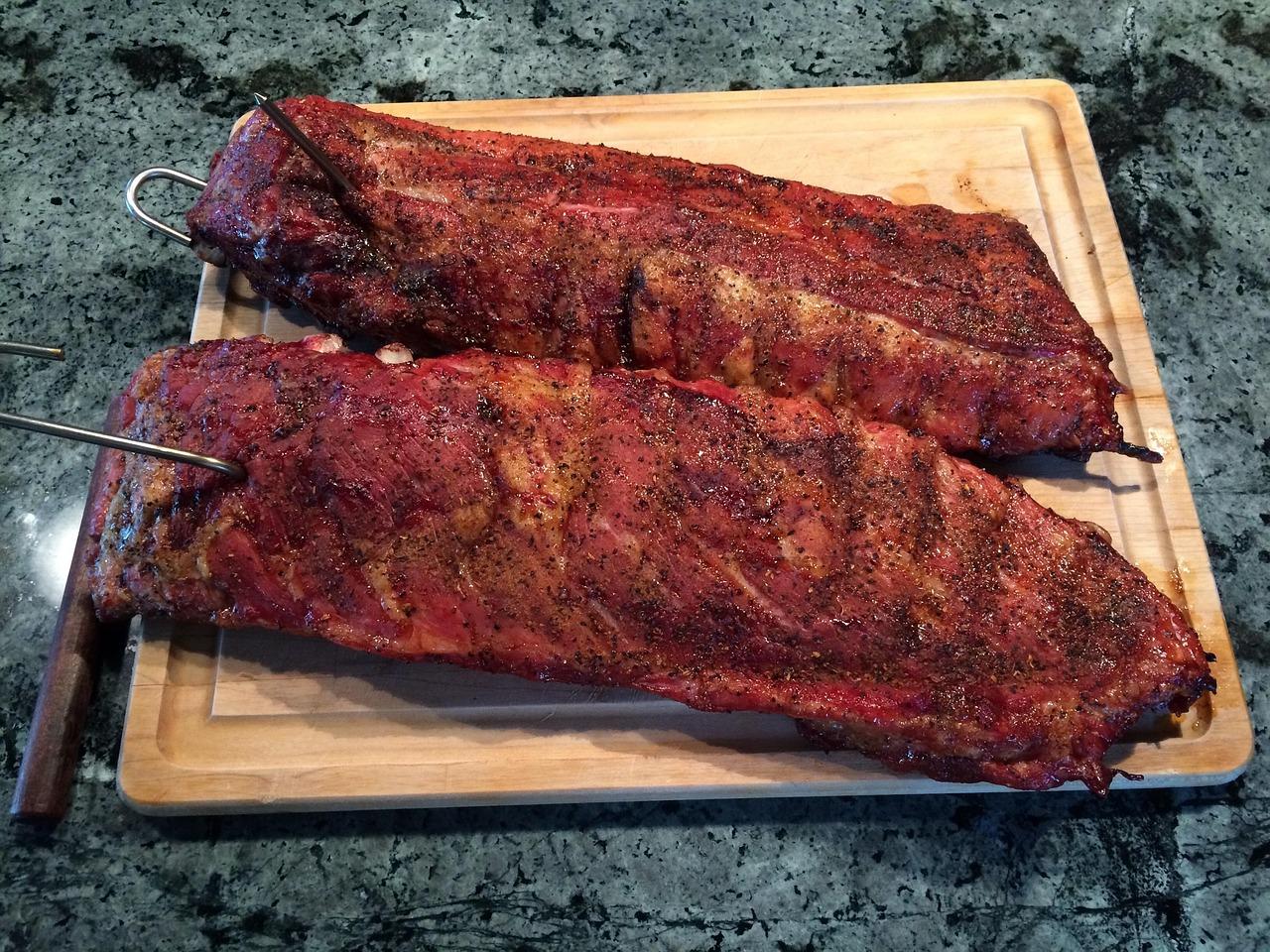
Memphis dry-rub ribs

Memphis is famous for pork ribs served 'dry': coated in a spice rub of paprika, garlic and chilli and slow-cooked until tender, then dusted with more rub instead of sauce. Basement rib joints downtown and the World Championship Barbecue Cooking Contest every May keep the style alive. This oven method gets close to the smoked version. Chef's tip: peel the papery membrane off the back of the ribs before rubbing; it blocks the seasoning and turns leathery.

230 minAmericanMeatGluten freeSpicy
by KrazyBadal 0 views

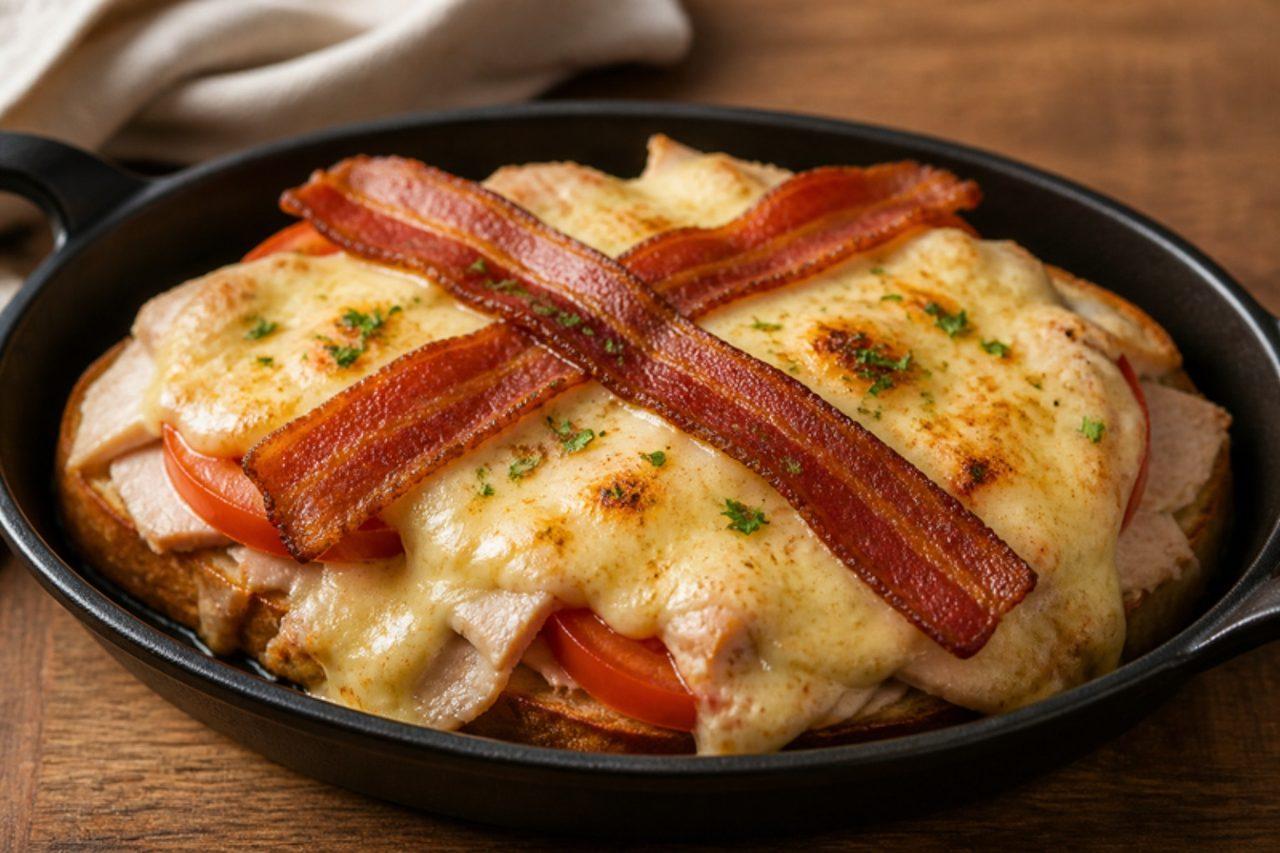
Kentucky hot brown

The hot brown was invented in 1926 at the Brown Hotel in Louisville, Kentucky, as a late-night dish for dancers, and it is still ordered there and all over the city on Derby weekend. Thick slices of roast turkey on toast are covered in a rich Mornay sauce and grilled until bubbling, then topped with tomato and crisp smoked bacon (pork). Eat it with a knife and fork. Chef's tip: use leftover roast turkey breast carved thickly; thin deli slices dry out under the grill.

by KrazyBadal 0 views

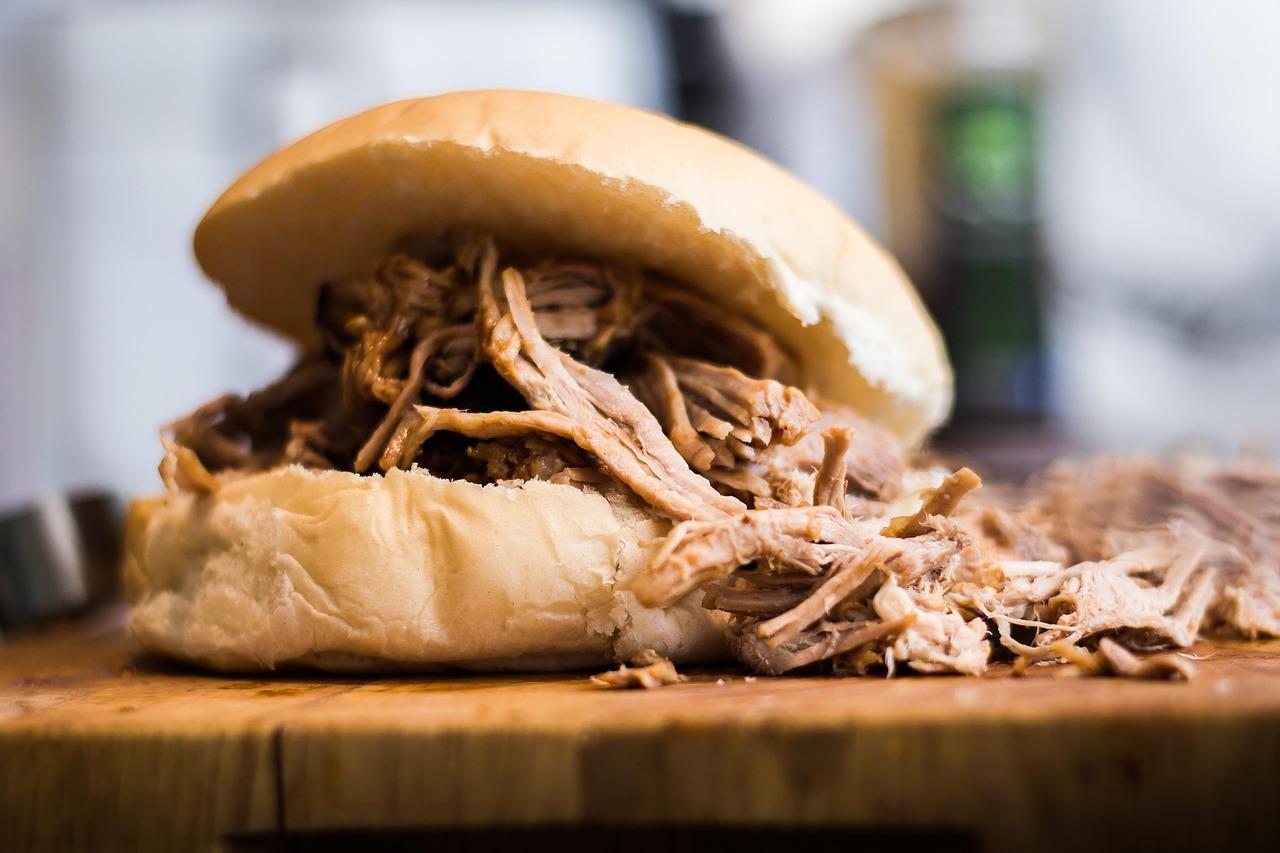
Eastern Carolina pulled pork

In eastern North Carolina barbecue means pork, slow-smoked whole hog or shoulder chopped and dressed with a thin sauce of cider vinegar, chilli flakes and pepper, with no tomato at all. It is served at pit-cooked joints around Ayden and Goldsboro with slaw and hushpuppies, and piled into soft buns at cookouts. This oven version slow-roasts a pork shoulder until it pulls apart. Chef's tip: dress the meat with the sauce while it's still warm, so it soaks right in.

440 minAmericanMeatGluten free
by KrazyBadal 0 views

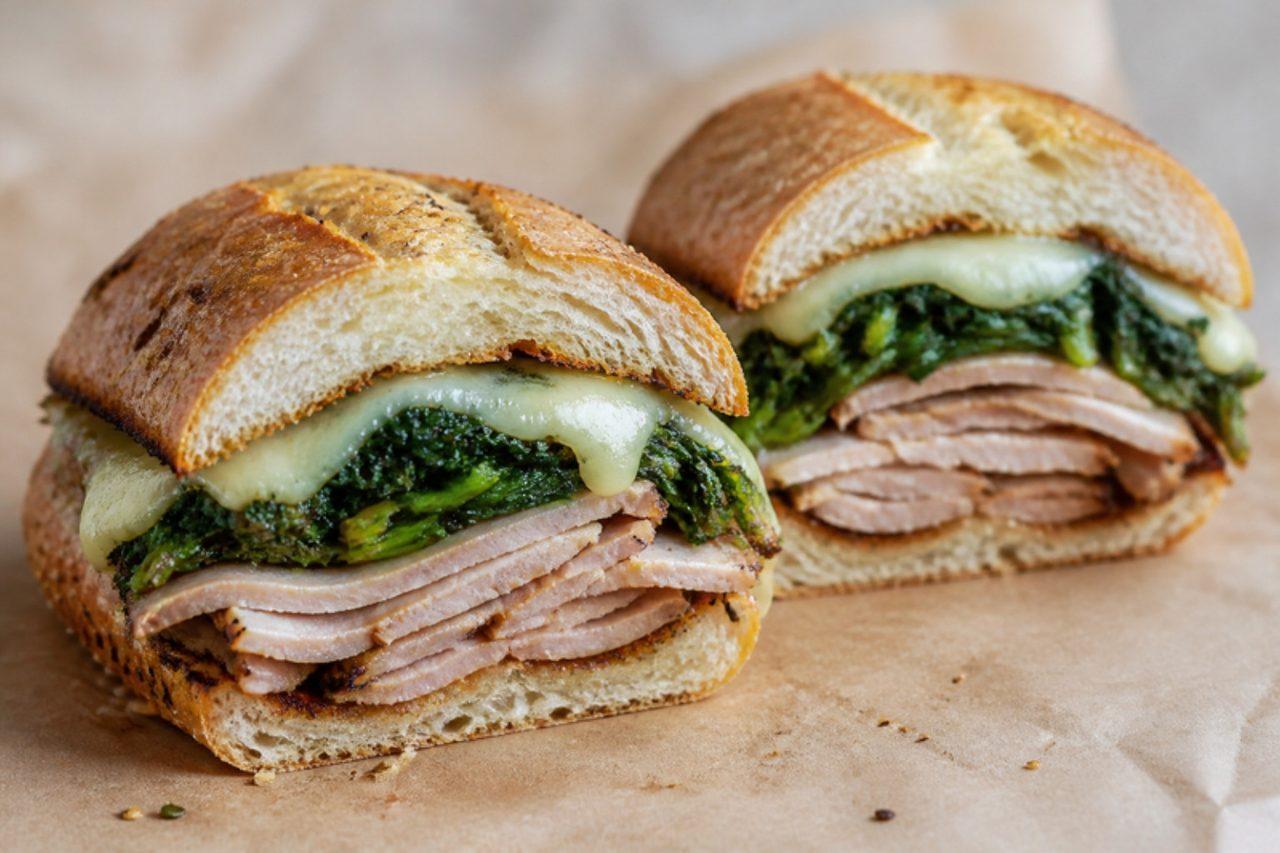
Philadelphia roast pork sandwich

Many Philadelphians quietly prefer this to the cheesesteak: thinly sliced roast pork shoulder soaked in its garlic and herb juices, with bitter sautéed broccoli rabe and sharp provolone in a seeded Italian roll. It comes from the Italian markets of South Philly and the stalls of the Reading Terminal Market, where it is lunch for market workers. Chef's tip: slice the pork very thin and dunk it back in the hot juices; that soaking is what makes the sandwich.

230 minAmericanMeat
by KrazyBadal 0 views

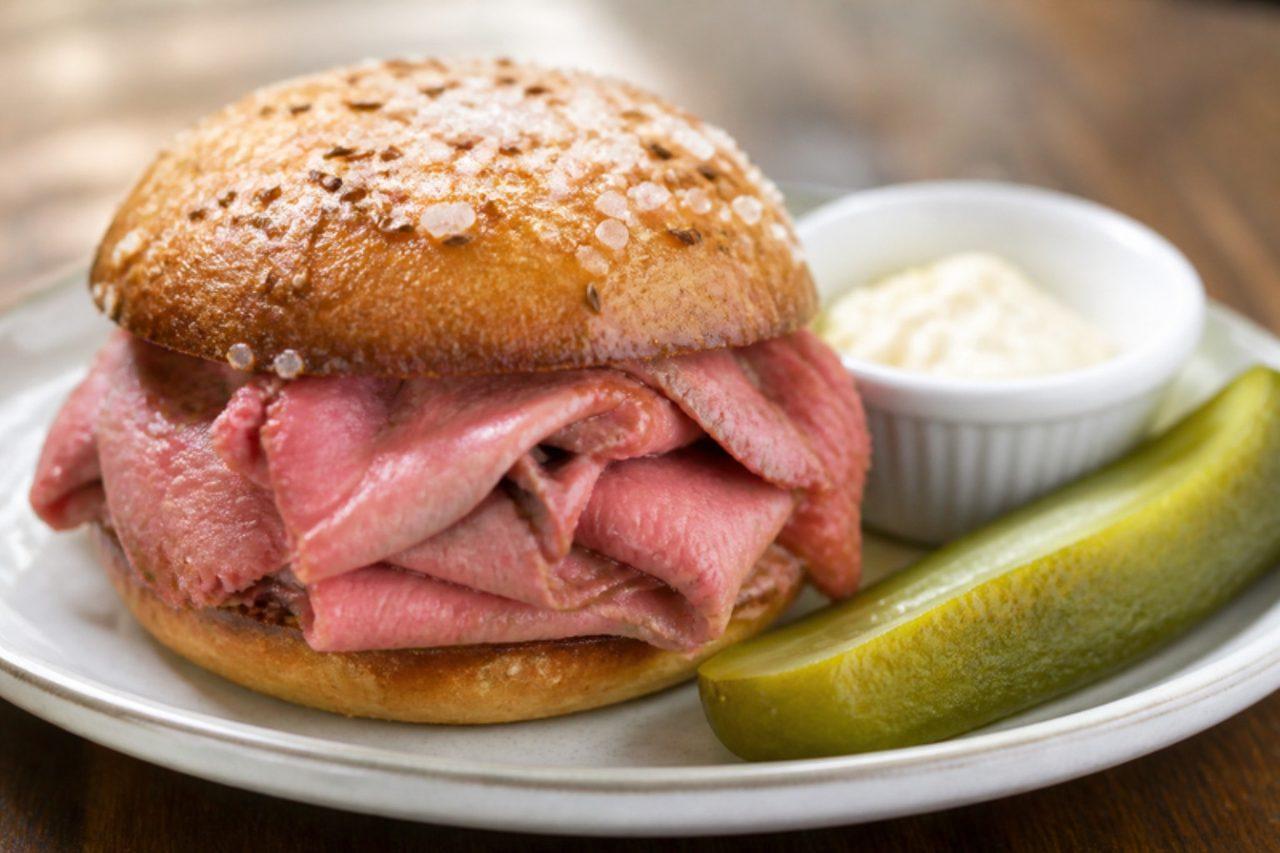
Beef on weck

Ask in a Buffalo tavern and many people will say this, not the wing, is the city's real sandwich: thin slices of rare roast beef dipped in its juices, piled on a kummelweck roll crusted with coarse salt and caraway seeds, with sharp horseradish on the side. German bakers in western New York brought the roll in the nineteenth century. Chef's tip: dip the top of the roll in the beef juices just before serving, so it softens but the salt crust stays crunchy.

120 minAmericanMeat
by KrazyBadal 0 views

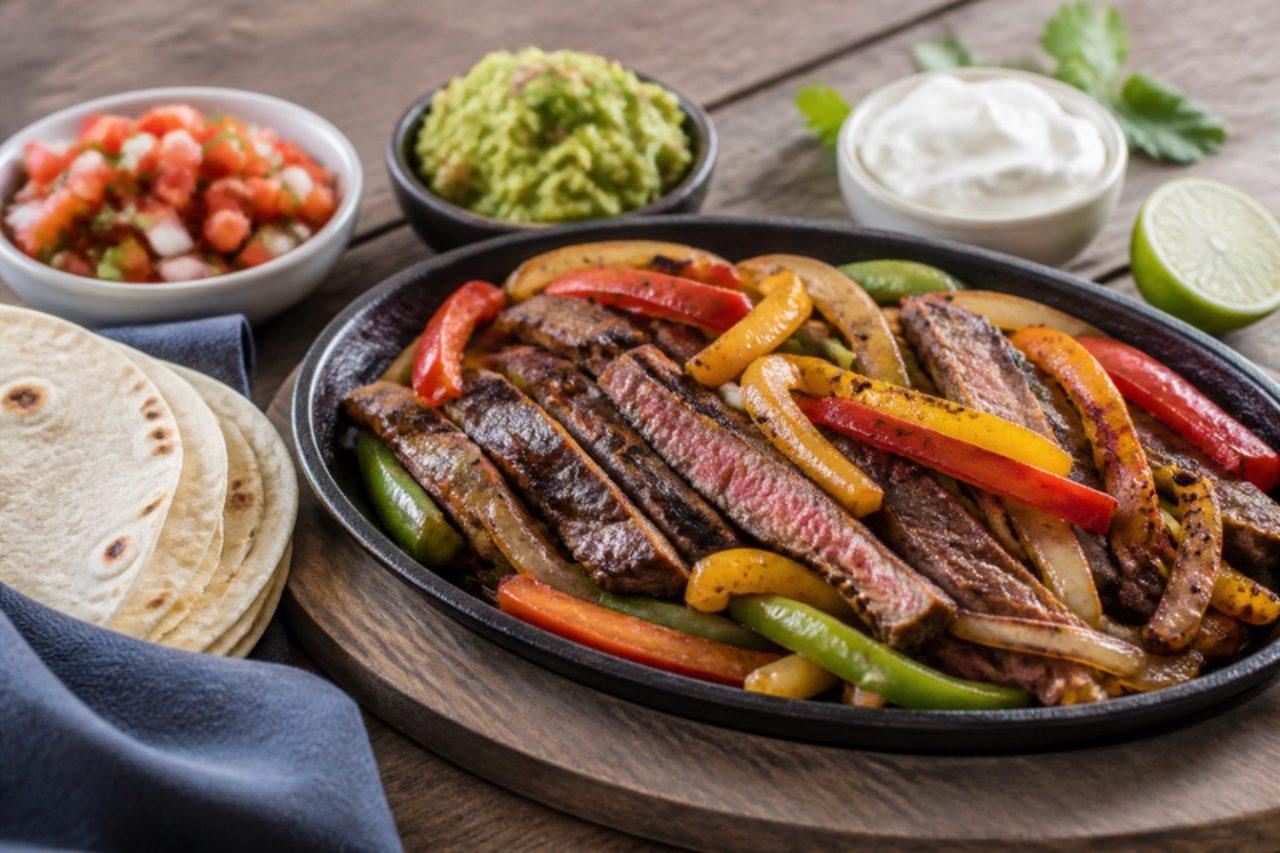
Tex-Mex beef fajitas

Fajitas started with the vaqueros of the Rio Grande Valley, who were paid partly in the tough skirt steak, and they became a Tex-Mex restaurant hit in Houston and Austin in the 1970s, carried to the table on a hissing iron platter. The steak is marinated in lime, garlic and cumin, seared very hot and sliced thinly against the grain, then wrapped in flour tortillas with charred peppers and onions. Chef's tip: slice across the grain; with skirt steak that one detail decides whether it is tender or chewy.

by KrazyBadal 0 views

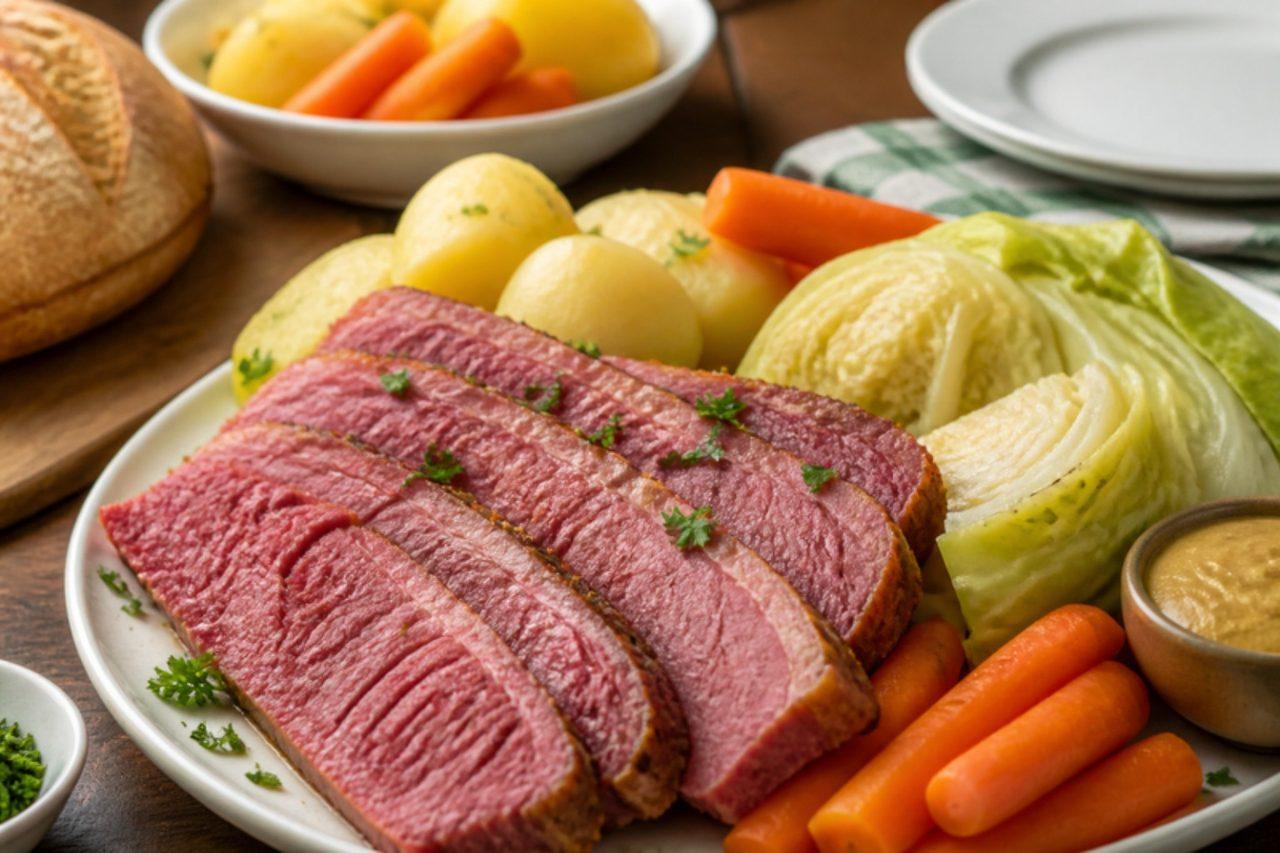
Corned beef and cabbage

In Boston, Irish families made corned beef the centre of St Patrick's Day, swapping the bacon joint of home for the cheaper brisket sold by Jewish butchers, and New Englanders still call the whole pot a boiled dinner. Salt-cured beef brisket is simmered for hours with spices, then potatoes, carrots and wedges of cabbage cook in the same broth. Serve with grainy mustard. Chef's tip: slice the beef across the grain, thinly; cut along the grain it looks stringy and chews tough.

230 minAmericanMeat
by KrazyBadal 0 views

New Mexico carne adovada

Carne adovada is the slow-braised red chile pork of northern New Mexico, a speciality of Chimayó and the Española Valley, eaten in burritos, with eggs for breakfast or with sopaipillas on the side. Pork shoulder marinates overnight in a smooth sauce of dried red chile pods, garlic and oregano, then bakes until it falls into soft shreds stained deep red. Chef's tip: marinate it overnight in the fridge; the chile works into the meat and makes it extra tender.

200 minAmericanMeatGluten freeSpicy
by KrazyBadal 0 views

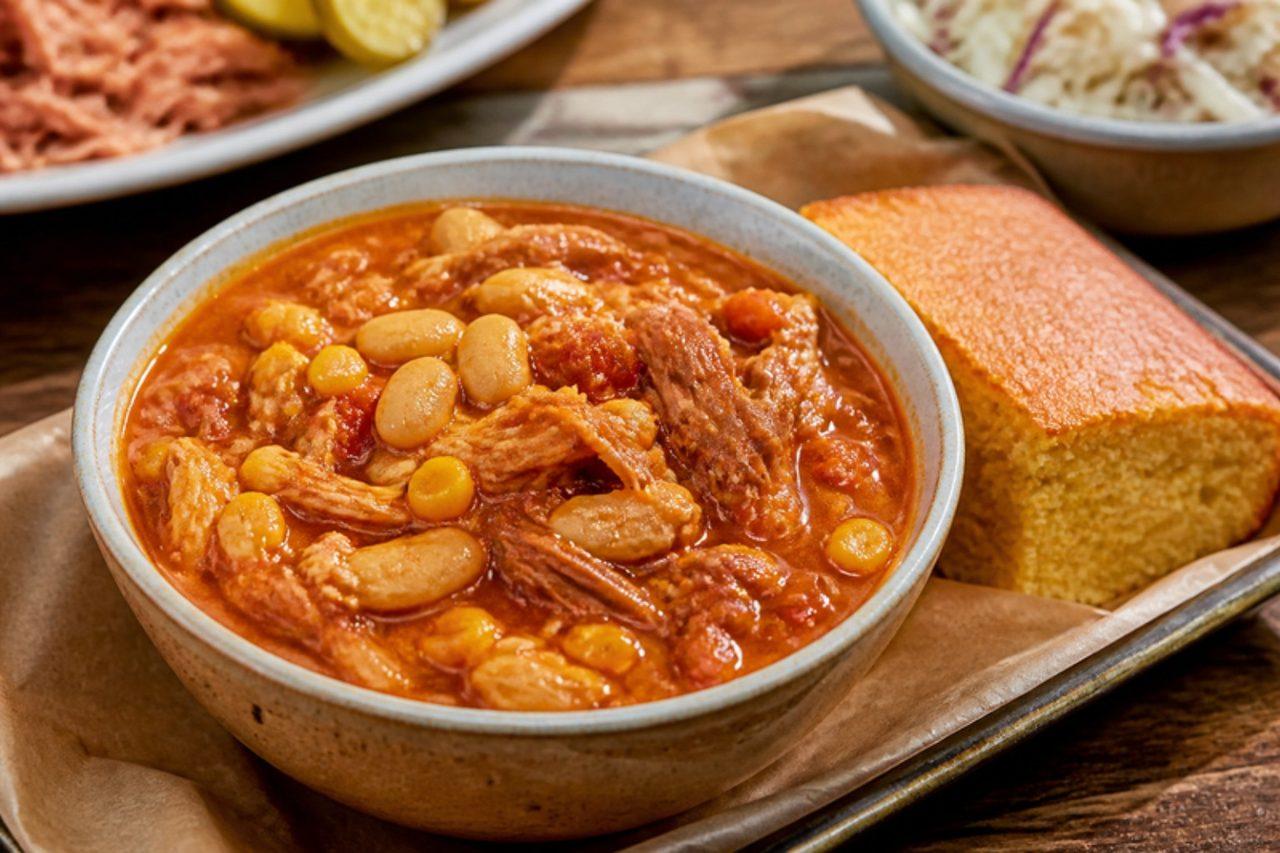
Brunswick stew

Virginia and Georgia both claim Brunswick stew, and it is still cooked in huge iron kettles for fire-station fundraisers and served beside barbecue all over the two states. It is a thick, tangy tomato stew of shredded pork and chicken with lima beans and sweetcorn, sharpened with vinegar and Worcestershire sauce. Leftover smoked pork shoulder makes it even better. Chef's tip: simmer it long enough that the meat and vegetables break down a little and the stew turns thick enough to stand a spoon in.

100 minAmericanMeat
by KrazyBadal 0 views

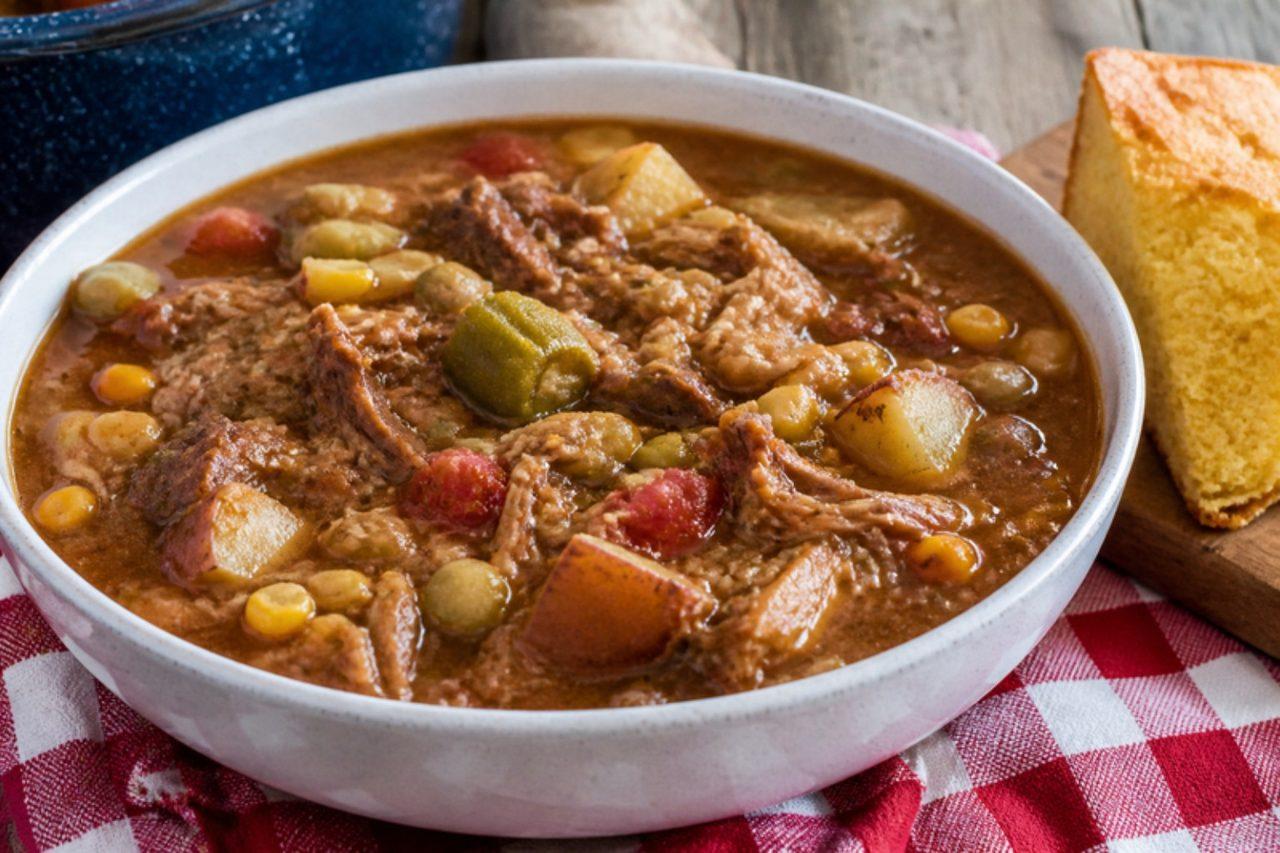
Kentucky burgoo

Burgoo is the thick, peppery stew Kentuckians cook in iron kettles for Derby parties, church picnics and political rallies, stirred for hours with a wooden paddle. Traditionally it used whatever meat was shot or raised; today it is usually beef, pork shoulder and chicken simmered with tomatoes, corn, okra, butter beans and potatoes until it all melts together. Chef's tip: burgoo should be thick enough that the paddle stands up; cook it down more if it's soupy.

180 minAmericanMeat
by KrazyBadal 0 views

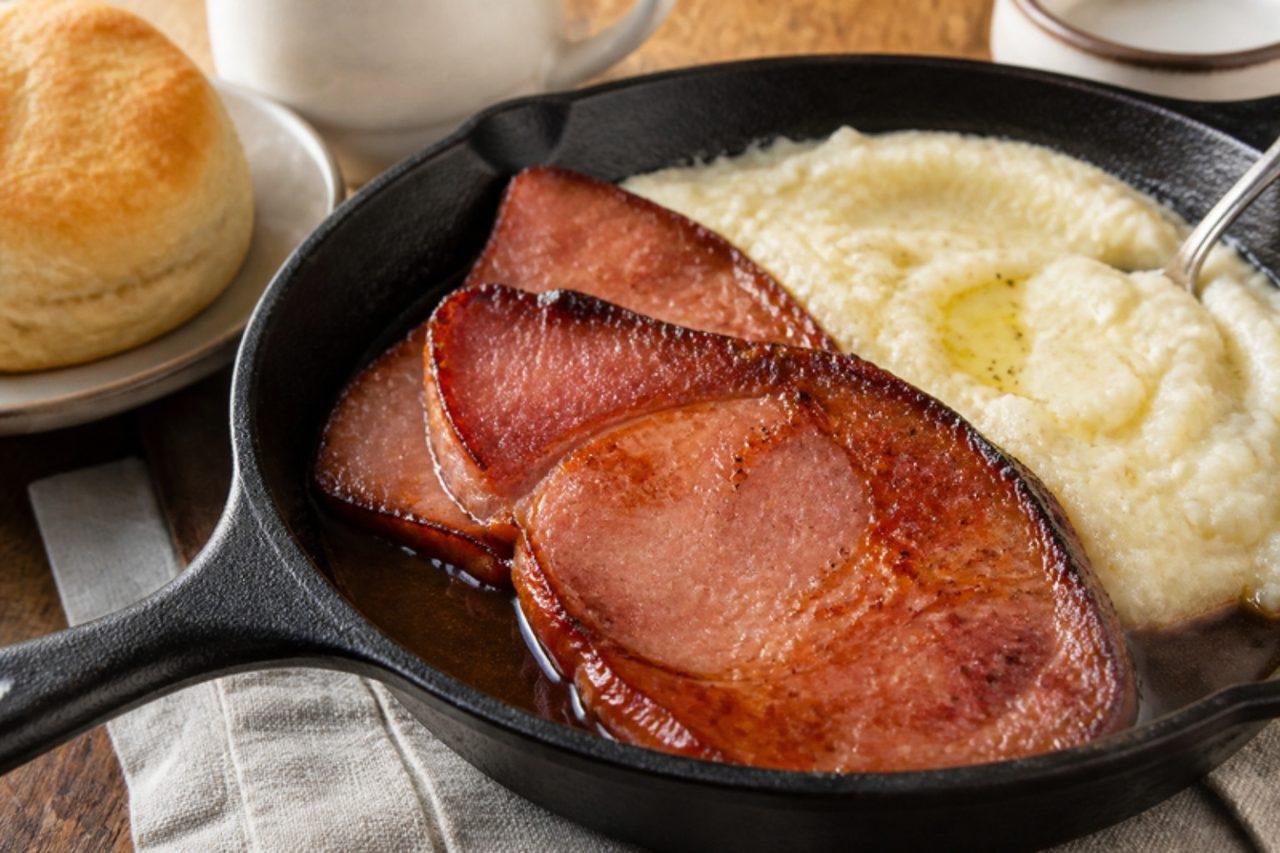
Country ham with red-eye gravy

Salt-cured, aged country ham is a pride of Kentucky, Tennessee and Virginia smokehouses, and on mountain breakfast tables it is pan-fried in thin slices, then the pan is deglazed with black coffee to make red-eye gravy, thin, salty and bitter-sweet, spooned over the ham, grits or biscuits. This is pork, and very salty, so the slices are soaked first. Chef's tip: soak the ham in water or milk for 30 minutes if your country ham is very salty, then pat dry.

by KrazyBadal 0 views

Texas smoked brisket

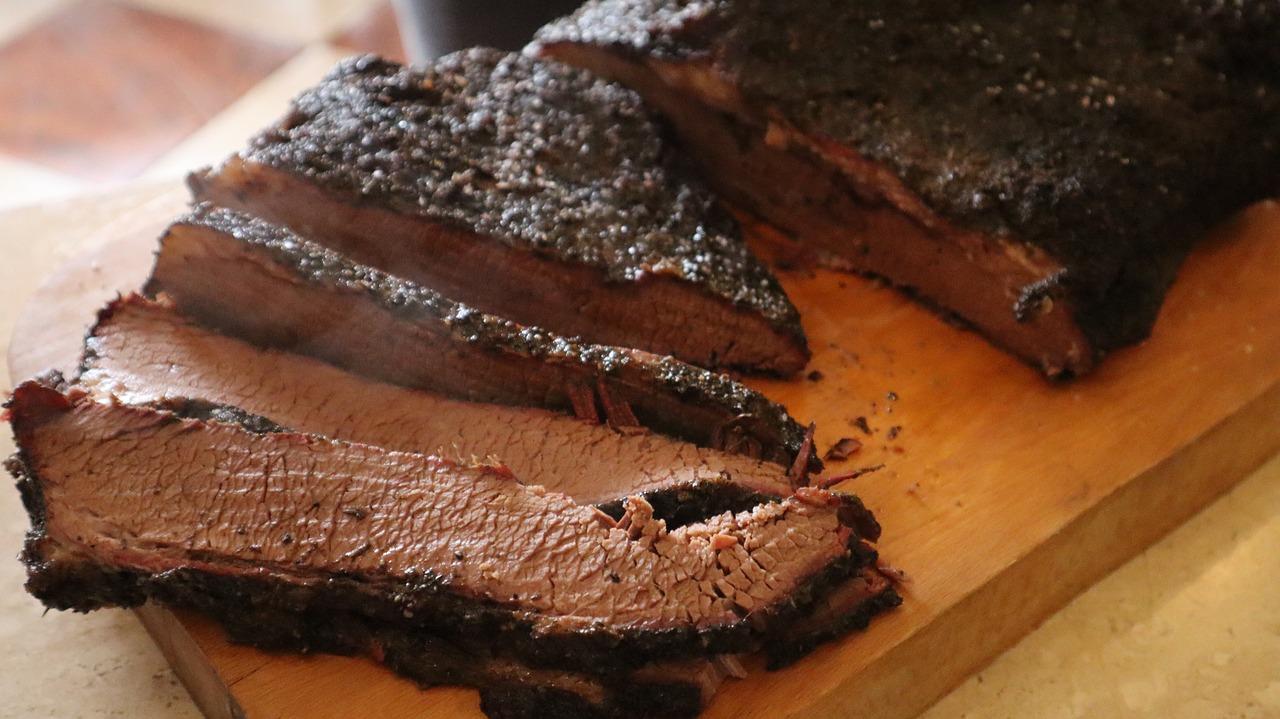
In the barbecue towns of central Texas, Lockhart, Luling and Taylor, brisket is smoked over post oak for half a day with nothing on it but coarse salt and black pepper, then sliced on butcher paper and sold by the pound with white bread, pickles and onion. The fatty point and the leaner flat both turn meltingly tender under a black, peppery bark. Chef's tip: cook to feel, not just time: it is ready when a probe slides into the thickest part like going into soft butter, usually around 95 °C inside.

750 minAmericanMeat
by KrazyBadal 0 views

Arizona chimichangas

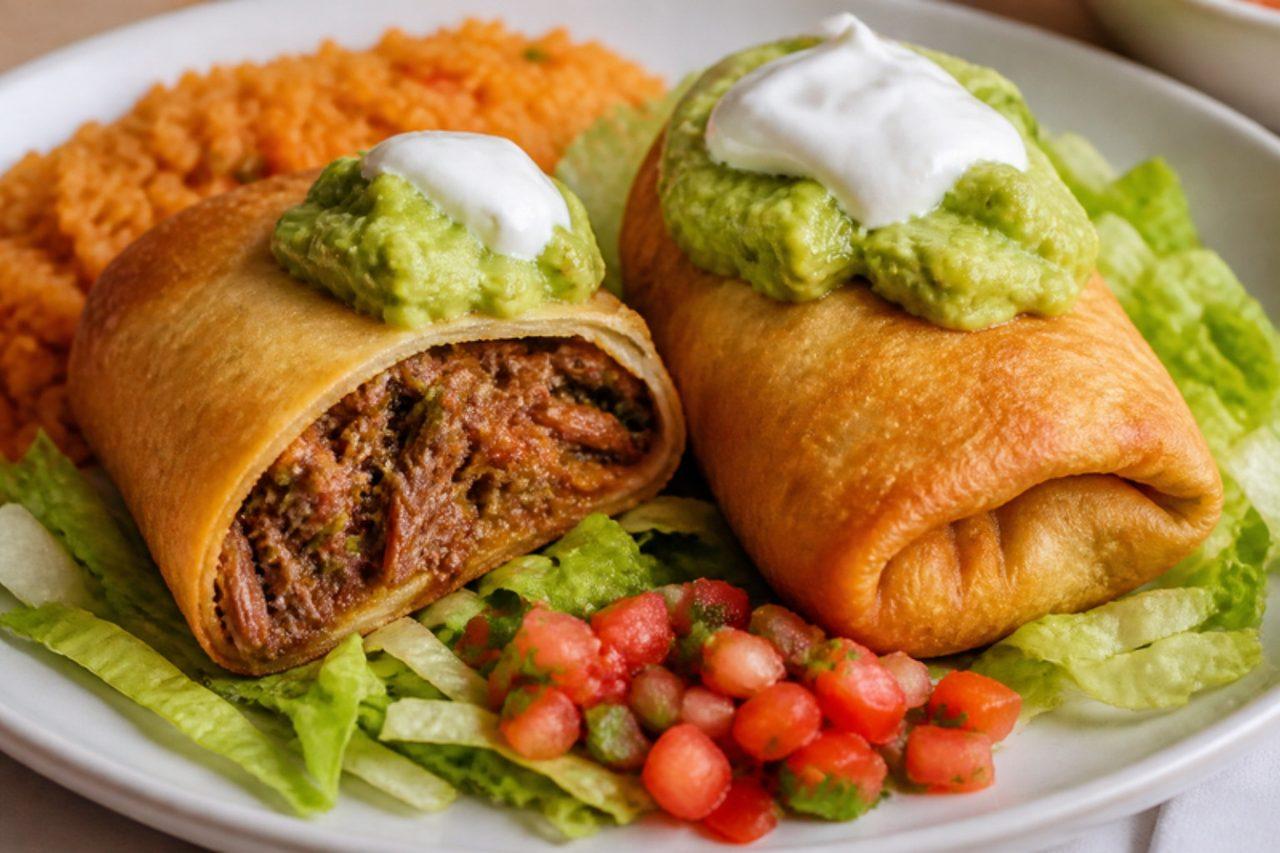
Tucson and Phoenix both claim to have invented the chimichanga, and the story told in Tucson is of a cook who dropped a burrito into the fryer by accident and swore in Spanish. It is now a staple of Arizona Mexican diners: a flour tortilla wrapped around shredded beef and beans, fried golden and crisp, then topped with guacamole and soured cream. Chef's tip: roll the burrito tightly and fry it seam-side down first so it seals and doesn't open in the oil.

170 minAmericanMeat
by KrazyBadal 0 views

Chicago Italian beef

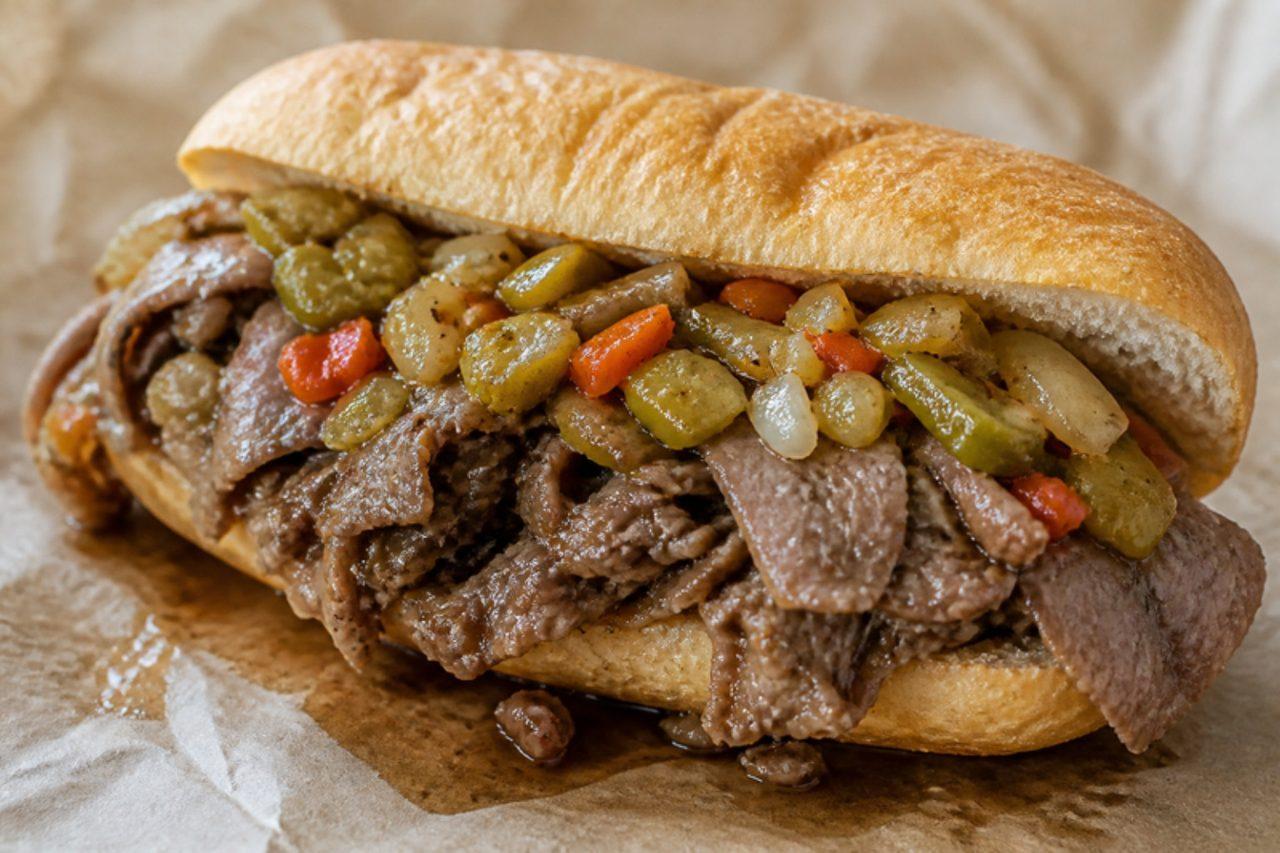
Italian beef was born at Italian-American weddings and family stands on Chicago's West Side in the 1930s, when cooks sliced roast beef paper-thin so a little meat could feed a crowd. The slices are soaked in a garlicky, oregano-spiced jus and piled into a crusty roll with hot giardiniera or sweet peppers; order it 'dipped' and the whole sandwich gets a dunk in the jus. Chef's tip: chill the roast overnight before slicing; cold beef slices far thinner, and thinness is everything here.

175 minAmericanMeat
by KrazyBadal 0 views

Minnesota tater tot hotdish

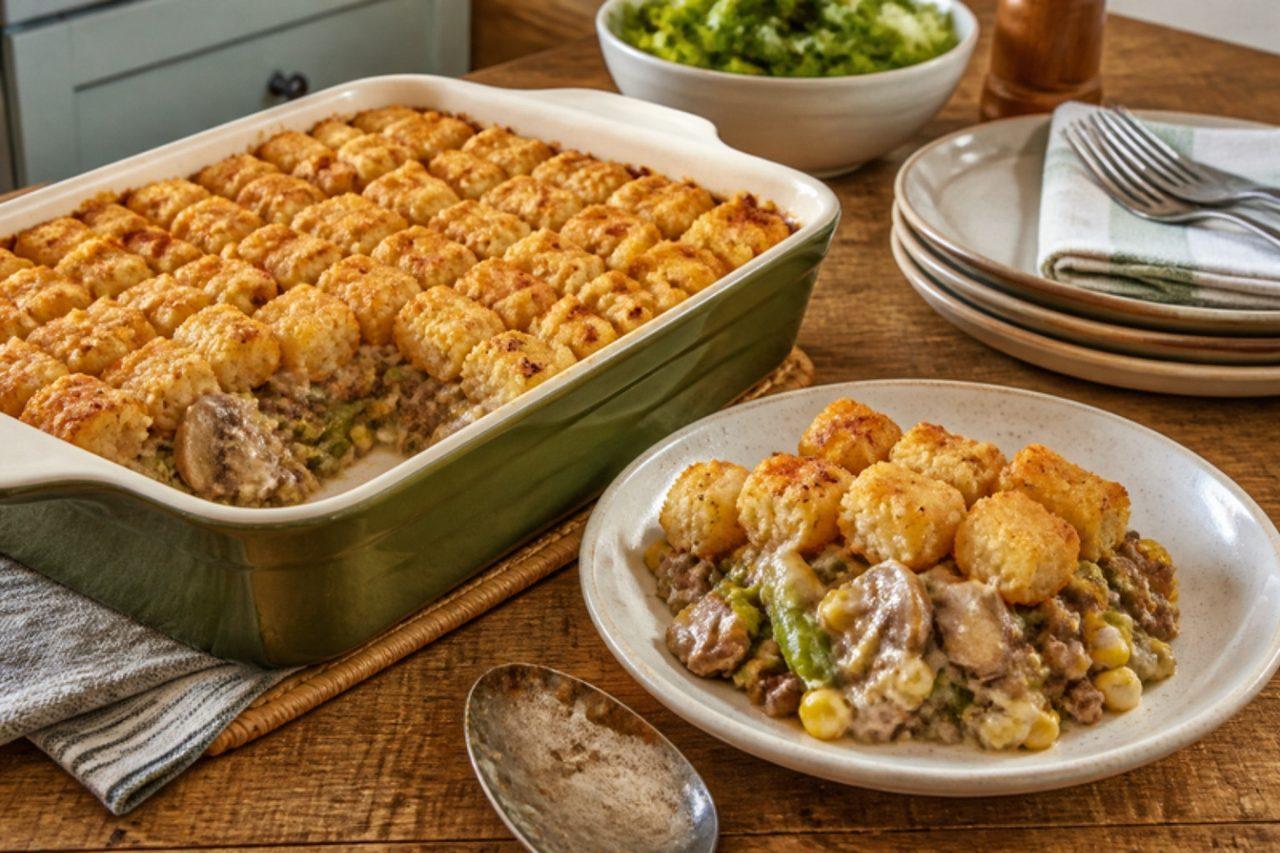
In Minnesota, any one-dish bake is a hotdish, and the tater tot version is what turns up at church basement suppers, Lutheran funerals and family reunions all over the state. Seasoned beef mince and vegetables go into a creamy mushroom sauce, the top is covered in neat rows of crisp potato tots, and everything bakes until golden. This version makes the sauce from scratch. Chef's tip: lay the tots in tight, even rows; gaps let steam escape and the tots crisp instead of going soggy.

by KrazyBadal 0 views

New Orleans muffuletta

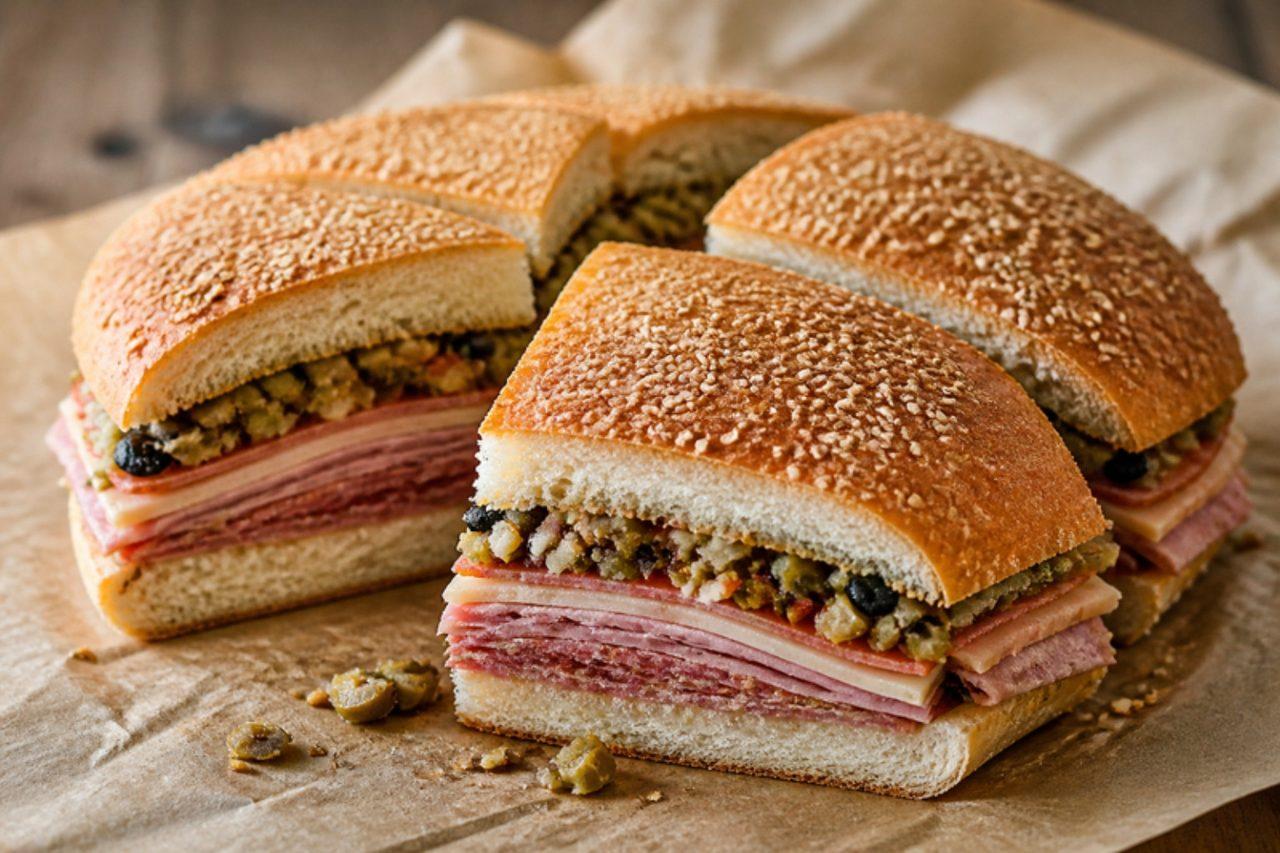
The muffuletta was first made by Sicilian grocers on Decatur Street in New Orleans in the early 1900s for dock workers' lunches, and it is still sold whole or in quarters to take to the levee or a Saints game. A big round sesame loaf is filled with layers of ham, salami, mortadella (all pork) and provolone and soaked with a chunky olive salad. Provolone is traditionally made with animal rennet. Chef's tip: press the sandwich under a weight for an hour so the oil soaks into the bread.

by KrazyBadal 0 views

Showing 24 of 50 recipes

Show more recipes

Page 1 of 3